




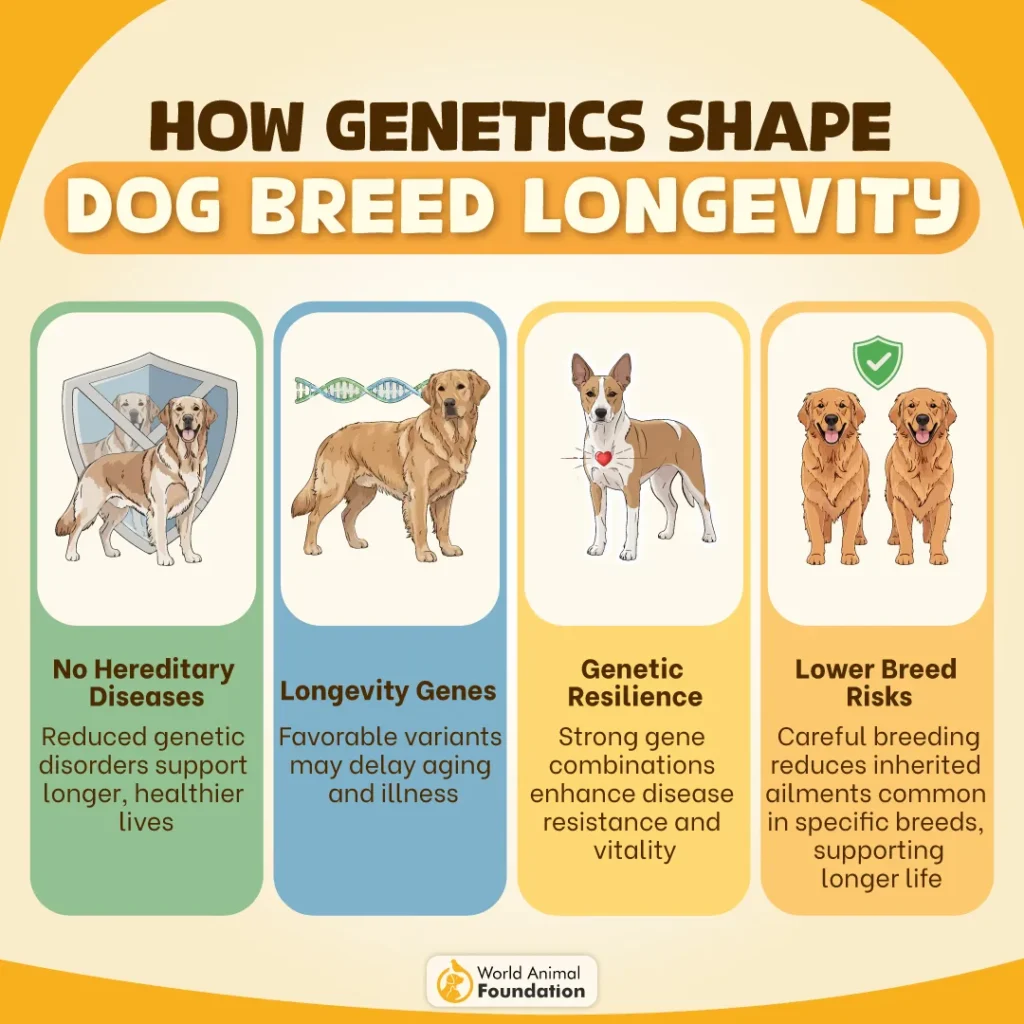
If there’s one thing every dog lover agrees on, it’s this: no amount of time with a dog ever feels like enough. While genetics, lifestyle, diet, and veterinary care all play a role in longevity, certain dog breeds are statistically more likely to enjoy long, healthy lives.
And good news—many of them are small, charming, and full of personality.
Smaller breeds tend to live longer than larger ones due to slower aging and reduced strain on vital organs, a trend supported by veterinary research and breed-specific longevity studies. But longevity doesn’t just mean “more years”—it means more walks, more cuddles, and more memories.
This list highlights top dog breeds that live longer than average, often reaching 14–18 years with proper care. Let’s meet the dogs who love hard, live long, and refuse to leave us anytime soon
Top Dog Breeds That Live Longer Than Average
1. Chihuahua

Chihuahuas may be tiny, but they are absolute champions of longevity. According to the American Kennel Club, these breeds consistently rank among the longest-living, with many individuals reaching their late teens. Their small size plays a major role in their extended lifespan, around 14–18 years.
These dogs form intense bonds with their humans. They’re alert, expressive, and surprisingly confident—often acting like the CEO of the household. That emotional closeness encourages attentive care, which further supports long-term health.
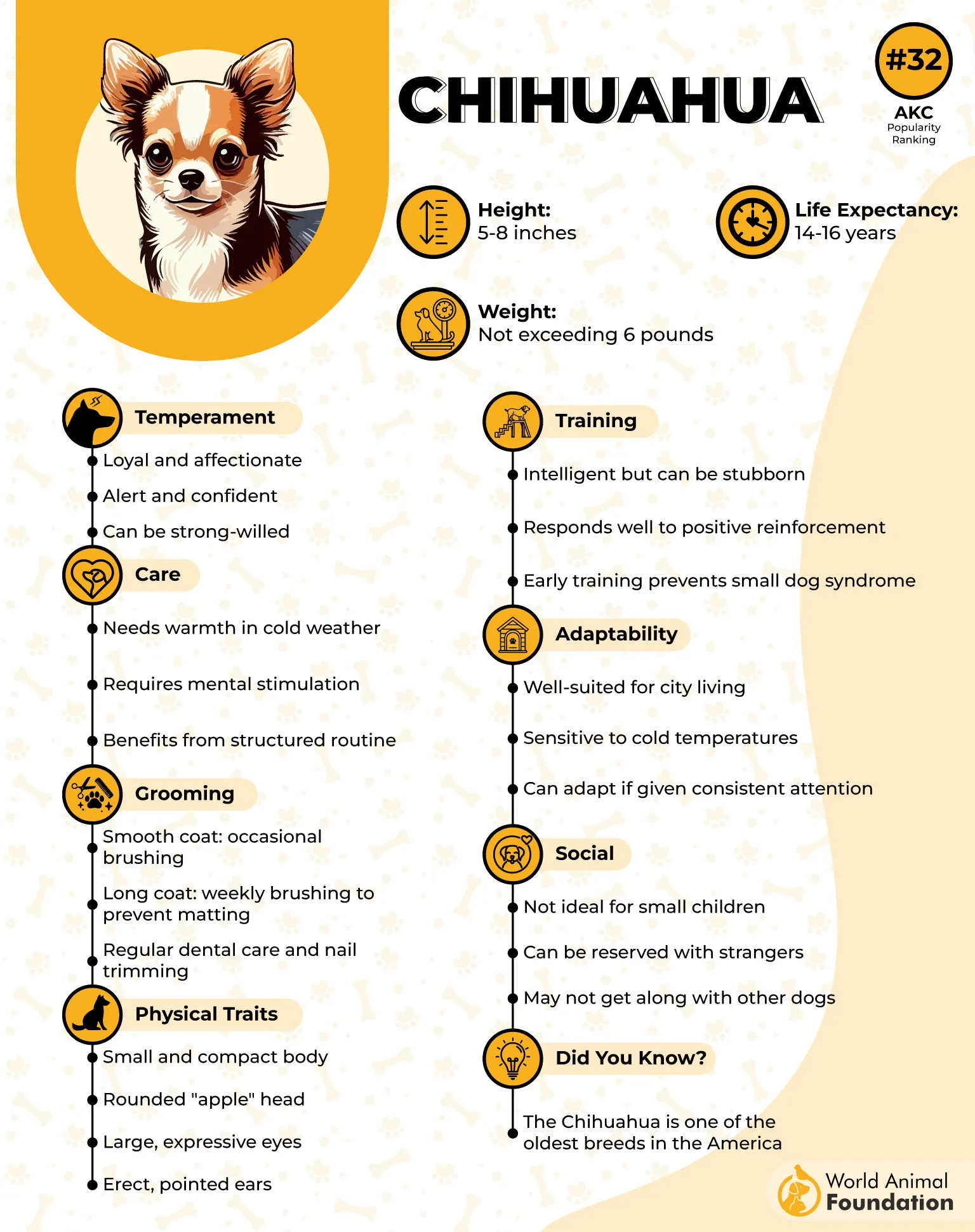
Exercise needs are minimal but important. Short walks and indoor play help maintain heart health without overexertion. Because they’re so adaptable, Chihuahuas thrive in apartments, houses, and even quiet senior households.
Health concerns do exist—particularly dental disease and patellar luxation—but regular vet visits and proper dental care dramatically improve outcomes.
When well cared for, these mixed breed dog doesn’t just live long—it lives fully, ruling hearts long after other breeds slow down.
2. Dachshund

Dachshunds are proof that stubborn determination might actually be good for longevity. These spirited little hounds were bred for endurance, and it shows. Many Dachshunds live for around 12–16 years with consistent care.
They’re intelligent, curious, and deeply attached to their people. Mental stimulation—puzzle toys, sniffing games, and training—keeps their sharp minds engaged, which is linked to healthier aging.
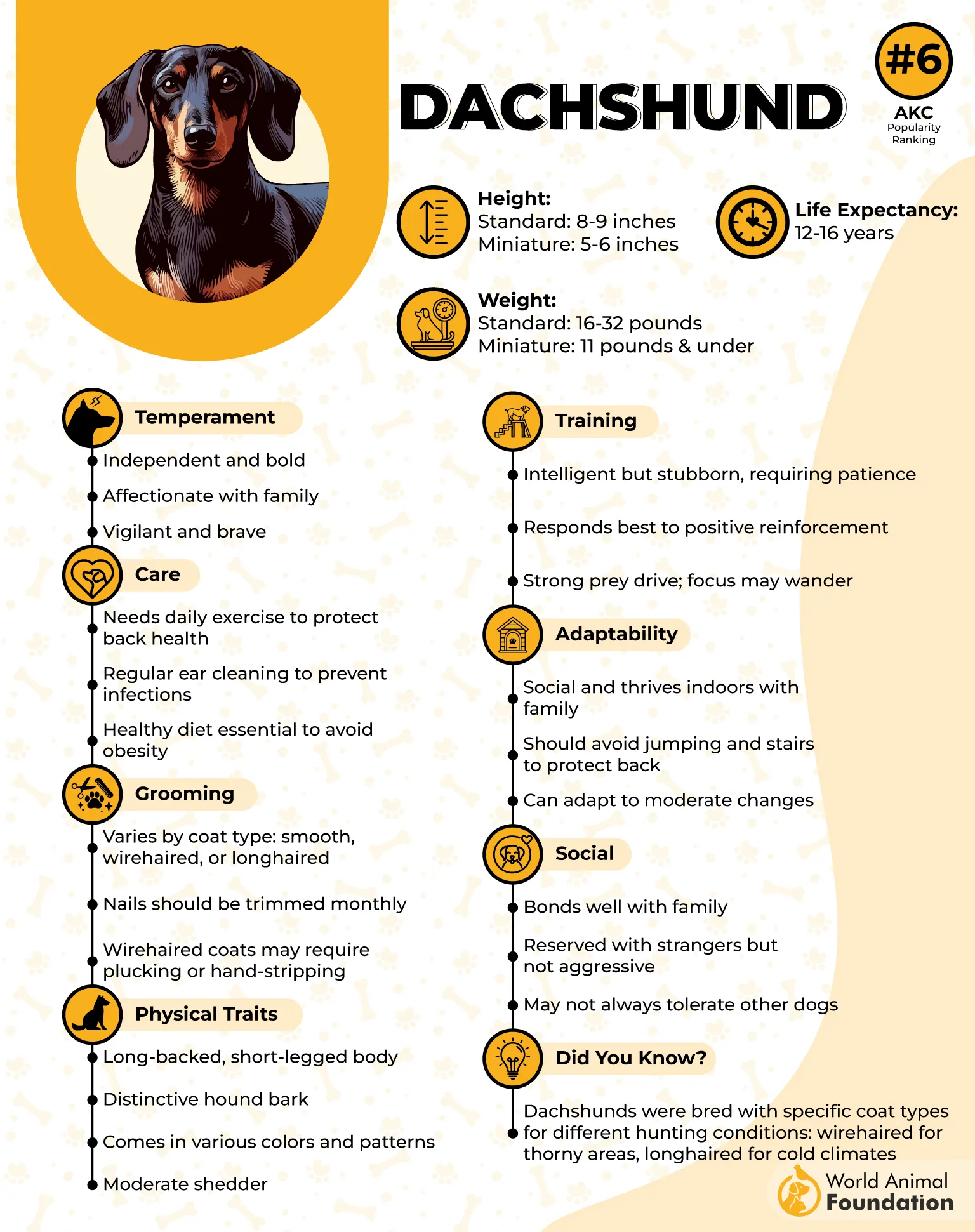
Their elongated spine requires extra care. Preventing obesity and discouraging excessive jumping dramatically reduces the risk of intervertebral disc disease (IVDD), a condition Dachshunds are genetically prone to, as per PetMD.
Grooming needs vary by coat type, but overall maintenance is manageable. Exercise should be regular but controlled, favoring walks over rough play.
With mindful handling and weight management, Dachshunds often enjoy long, happy lives full of attitude and affection.
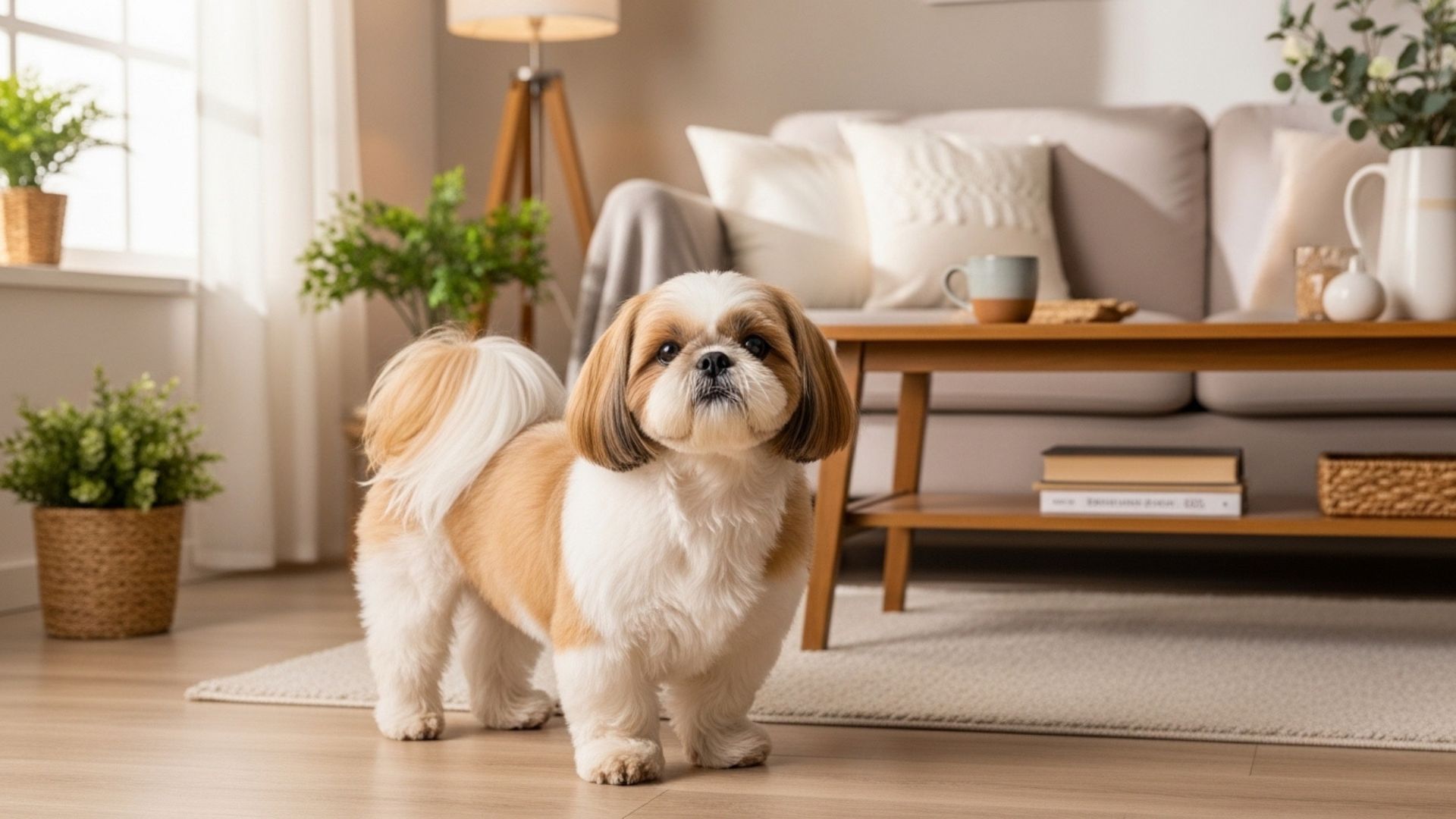
3. Shih Tzu

Bred to be royal companions in ancient China, Shih Tzus were designed for one job: stay alive and look adorable while doing it. Their long lifespan reflects centuries of selective breeding for companionship rather than labor.
Shih Tzus are calm, affectionate, and emotionally intuitive. They don’t demand intense exercise, making them ideal for relaxed households or apartment living.
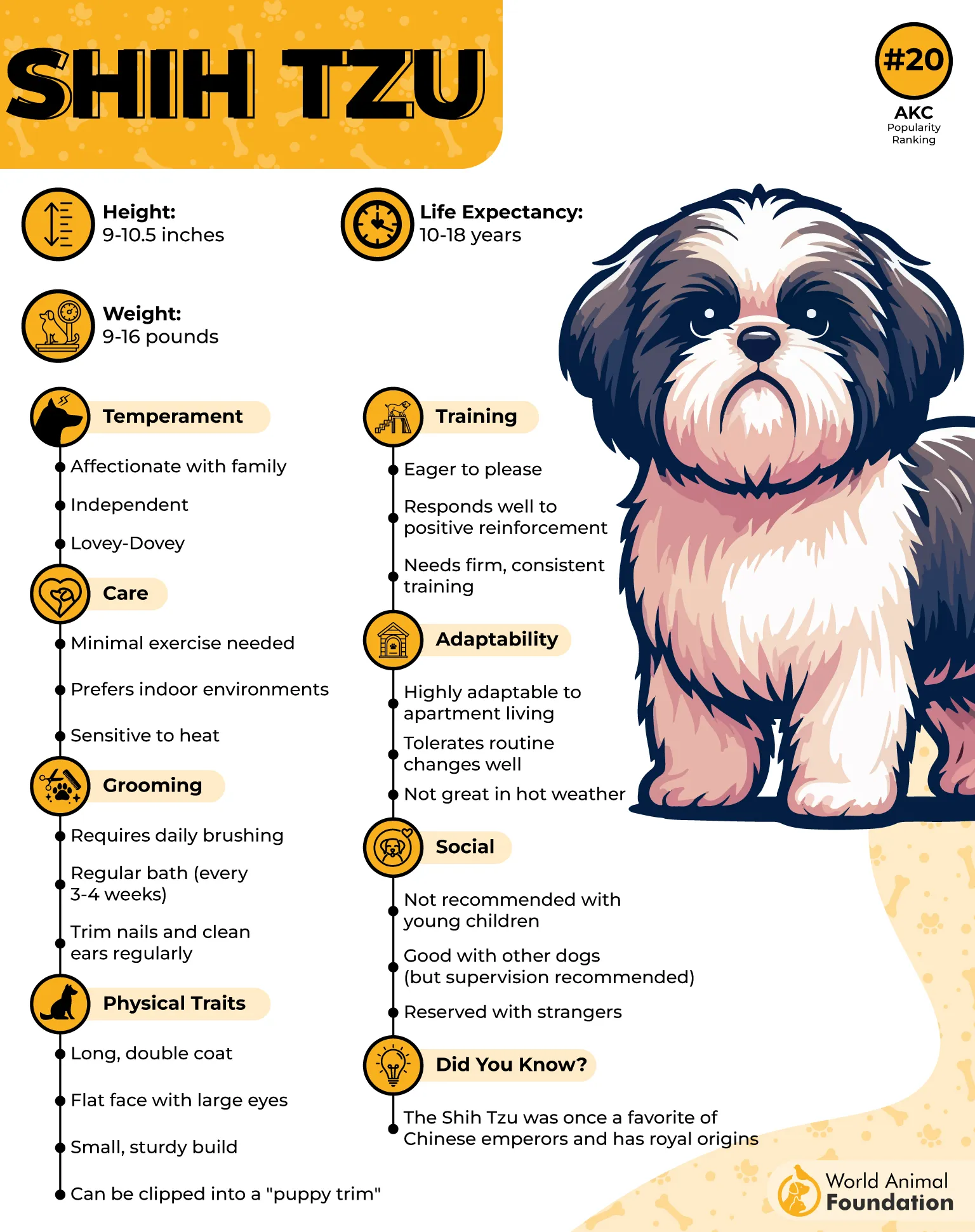
Their biggest commitment is grooming. While coat care doesn’t directly affect lifespan, skin and eye health absolutely do. Routine grooming prevents infections and discomfort.
The average life span of a Shih Tzu is typically 13 to 17 years, making them one of the longer-living dog breeds. With good nutrition, regular grooming, routine veterinary care, and attention to their respiratory and eye health, many Shih Tzus live well into their mid to late teens while remaining affectionate and playful companions.
Respiratory issues can occur due to their flat faces, so temperature regulation and moderate activity are important.
With steady care and lots of love, this loyal breed of dogs age gracefully—often remaining playful and affectionate well into their senior years.
4. Poodle
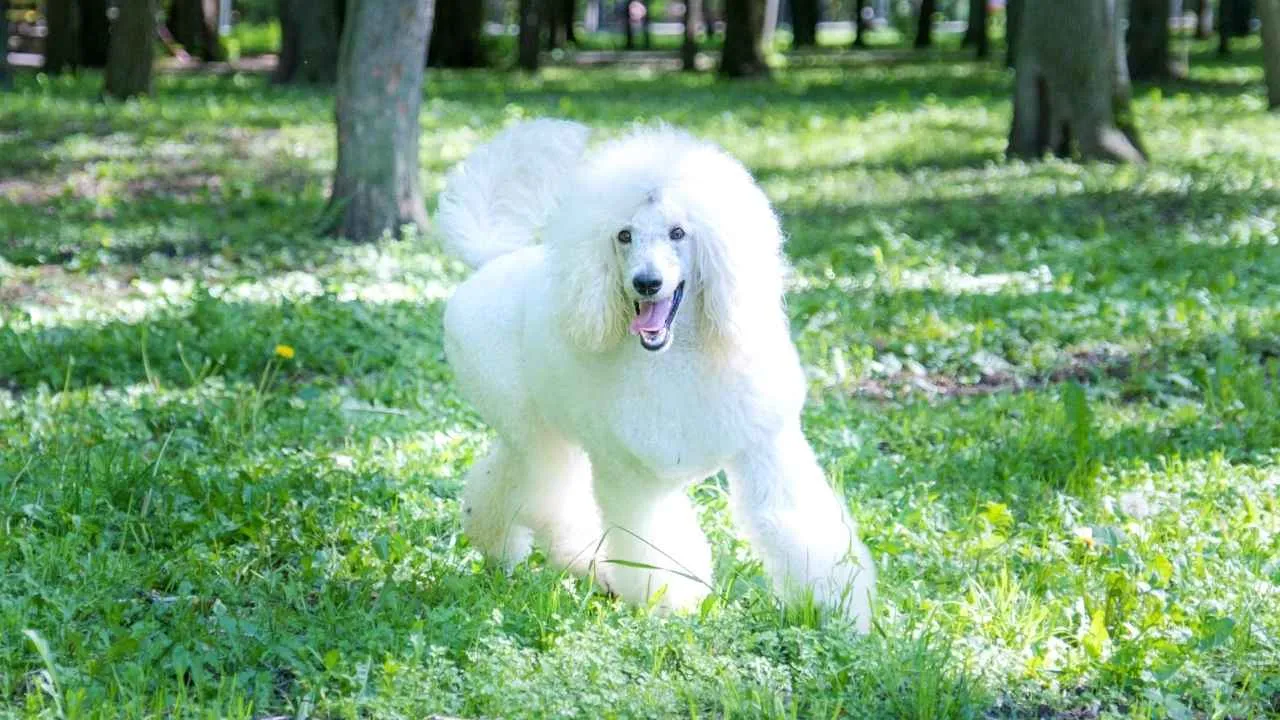
Poodles—especially Toy and Miniature varieties—are longevity legends. Highly intelligent and athletic, they benefit from both mental and physical engagement, which supports long-term cognitive health.
Their hypoallergenic coat doesn’t shed much, but it does require routine grooming. While that’s a commitment, it also means owners tend to notice health changes early—a quiet advantage.
The average lifespan of a Poodle varies by size, but overall, the breed is known for living longer than many others. Toy Poodles typically live 14–18 years, Miniature Poodles average 13–17 years, and Standard Poodles generally live 12–15 years.
They are quick learners and thrive on structure. Consistent training and enrichment reduce stress, which is linked to healthier aging.
Common health screenings for eye conditions and joint issues help extend quality of life. A well-stimulated Poodle doesn’t just live long—it stays sharp, curious, and youthful for years.
5. Papillon

Papillons are small dogs with remarkably big brains. Ranked among the most intelligent toy breeds, they exhibit mental agility that supports healthy aging.
They’re energetic, cheerful, and surprisingly athletic. Regular exercise keeps their joints healthy and their weight in check, giving them a healthier lifespan of around 14–17 years.
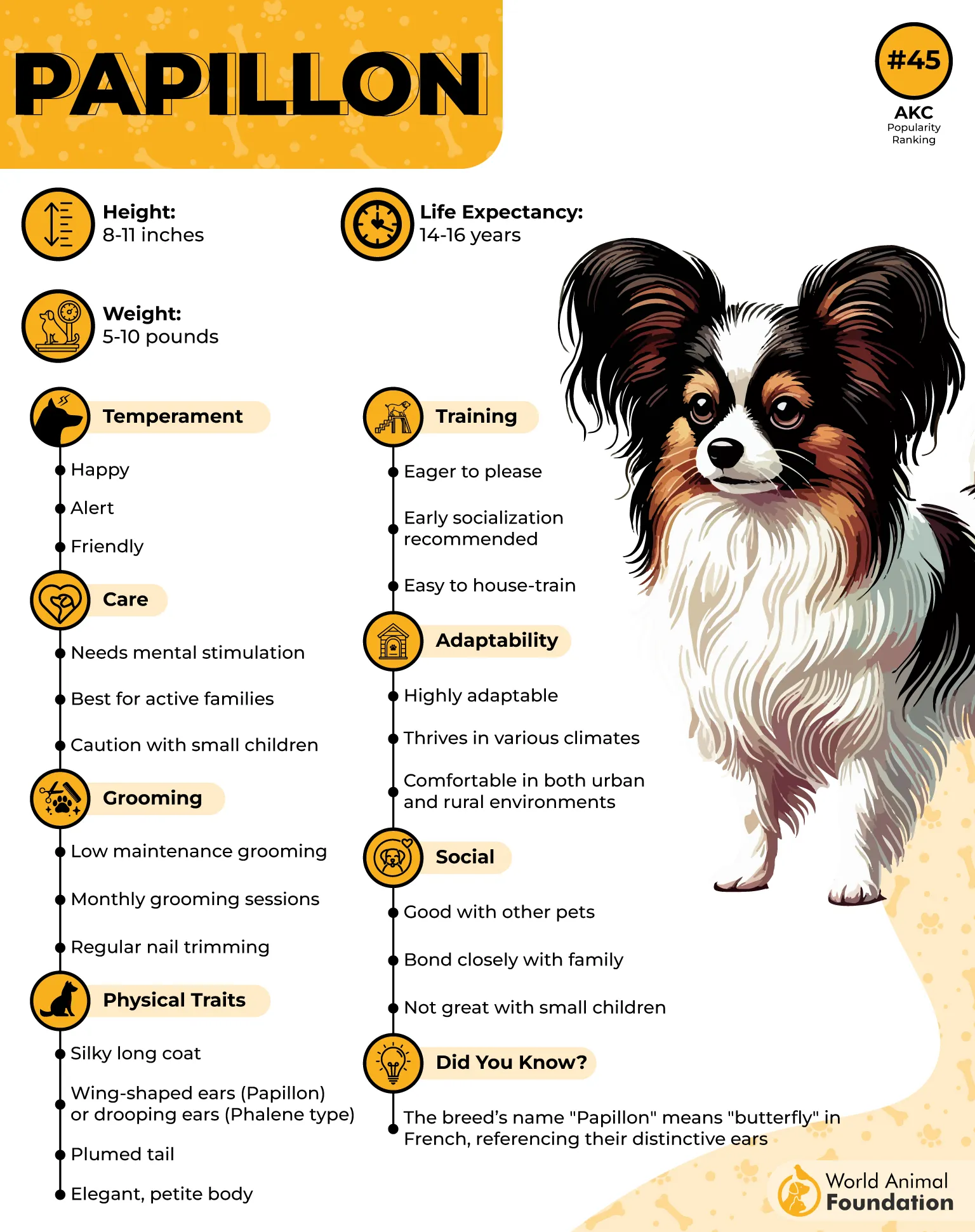
Despite their delicate appearance, they are generally hardy. Dental care is their main health priority, as it is for most small breeds. They are generally healthy and long-lived dogs, but they can be prone to a few breed-specific health issues that owners should be aware of.
The most common concerns include patellar luxation, dental disease, and collapsed trachea, all of which are more frequently seen in small breeds. Some may also develop progressive retinal atrophy (PRA), an inherited eye condition that can affect vision over time, which is why regular eye exams are important.
Their strong human bonds encourage attentive care, early vet intervention, and enriched daily routines.
Papillons often remain lively well into old age, proving that joy may be the best longevity supplement of all.
6. Pomeranian
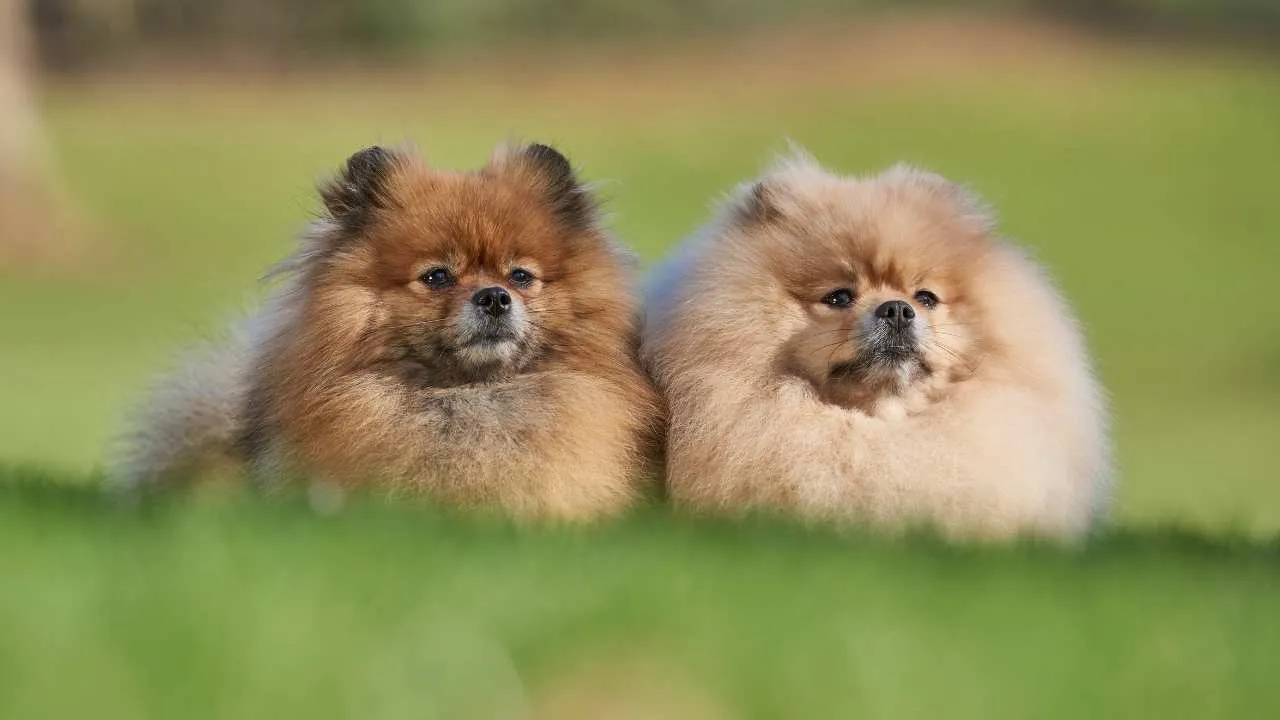
Pomeranians are tiny dynamos—bold, affectionate, and fiercely loyal. Their small size contributes to a slower aging process and longer life expectancy (12–16 years).
This small dog breed enjoys moderate exercise and mental challenges. Training keeps them engaged and prevents stress-related behaviors.
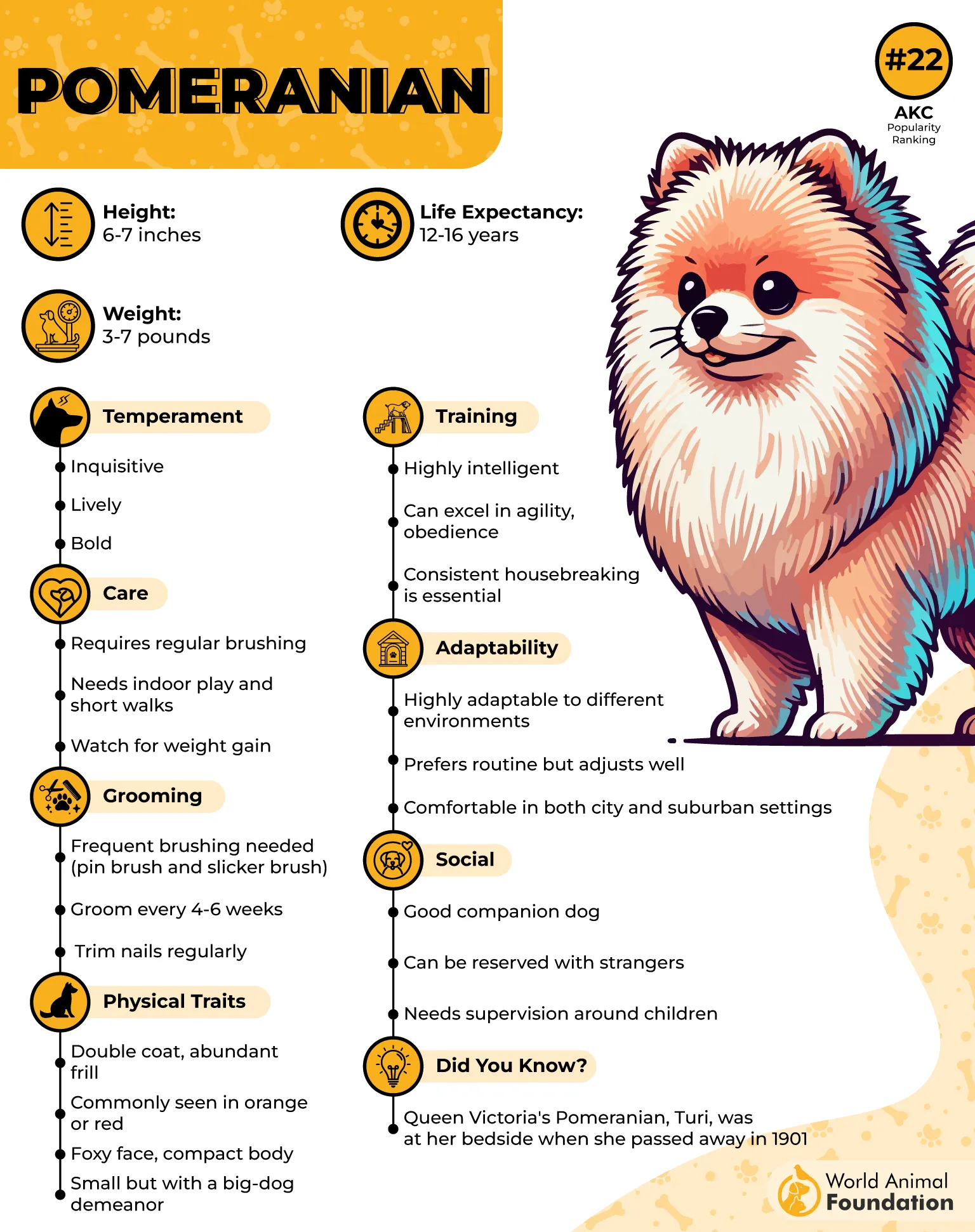
The Royal Kennel Club says that Pomeranians make excellent watchdogs despite their small size. They are naturally alert, intelligent, and highly aware of their surroundings, which means they’re quick to notice unfamiliar sounds or people and won’t hesitate to sound the alarm.
Their strong loyalty to their owners makes them protective of their home, and their sharp, high-pitched bark is surprisingly effective at drawing attention.
Coat care is essential but manageable with routine brushing. Skin and coat health often reflect internal wellness.
Dental care and weight management are crucial for longevity. A well-cared-for Pomeranian often stays playful, alert, and loving long after puppyhood fades.
7. Miniature Pinscher
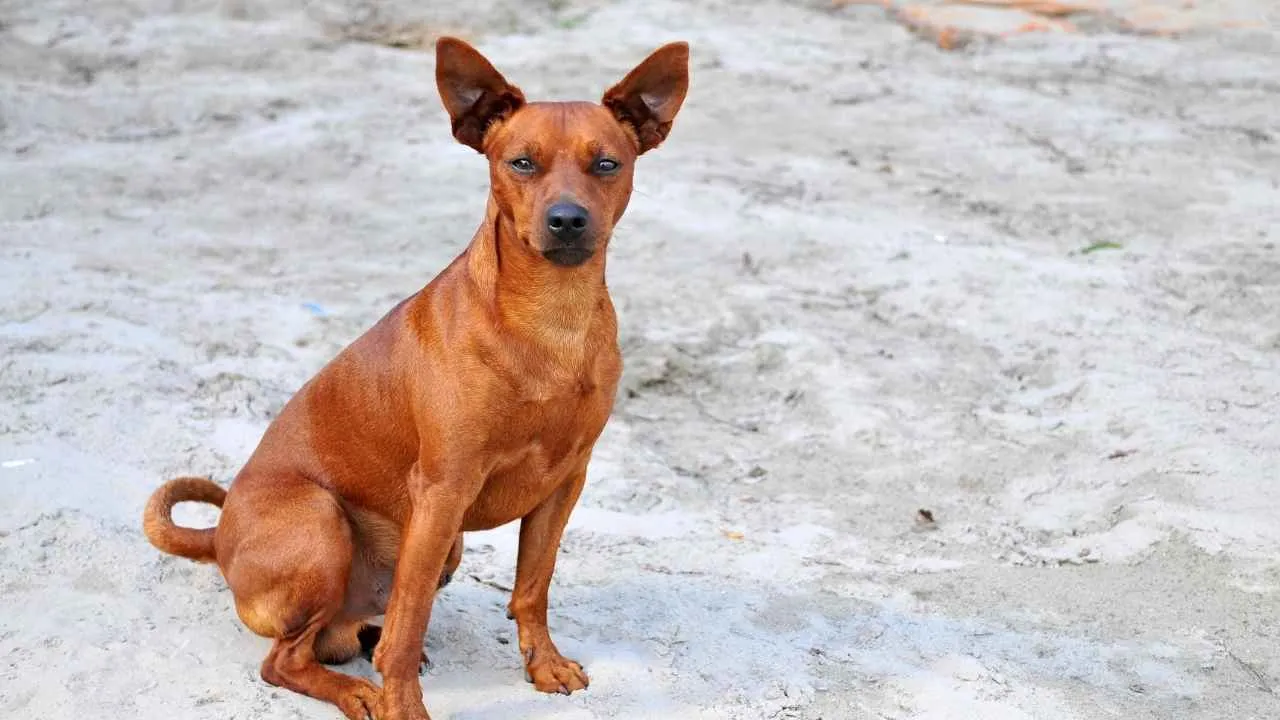
Often called the “King of Toys,” the Miniature Pinscher is fearless, energetic, and resilient. That resilience translates into impressive longevity of 13–16 years.
They’re active dogs that benefit from daily exercise, which supports cardiovascular health and muscle tone.
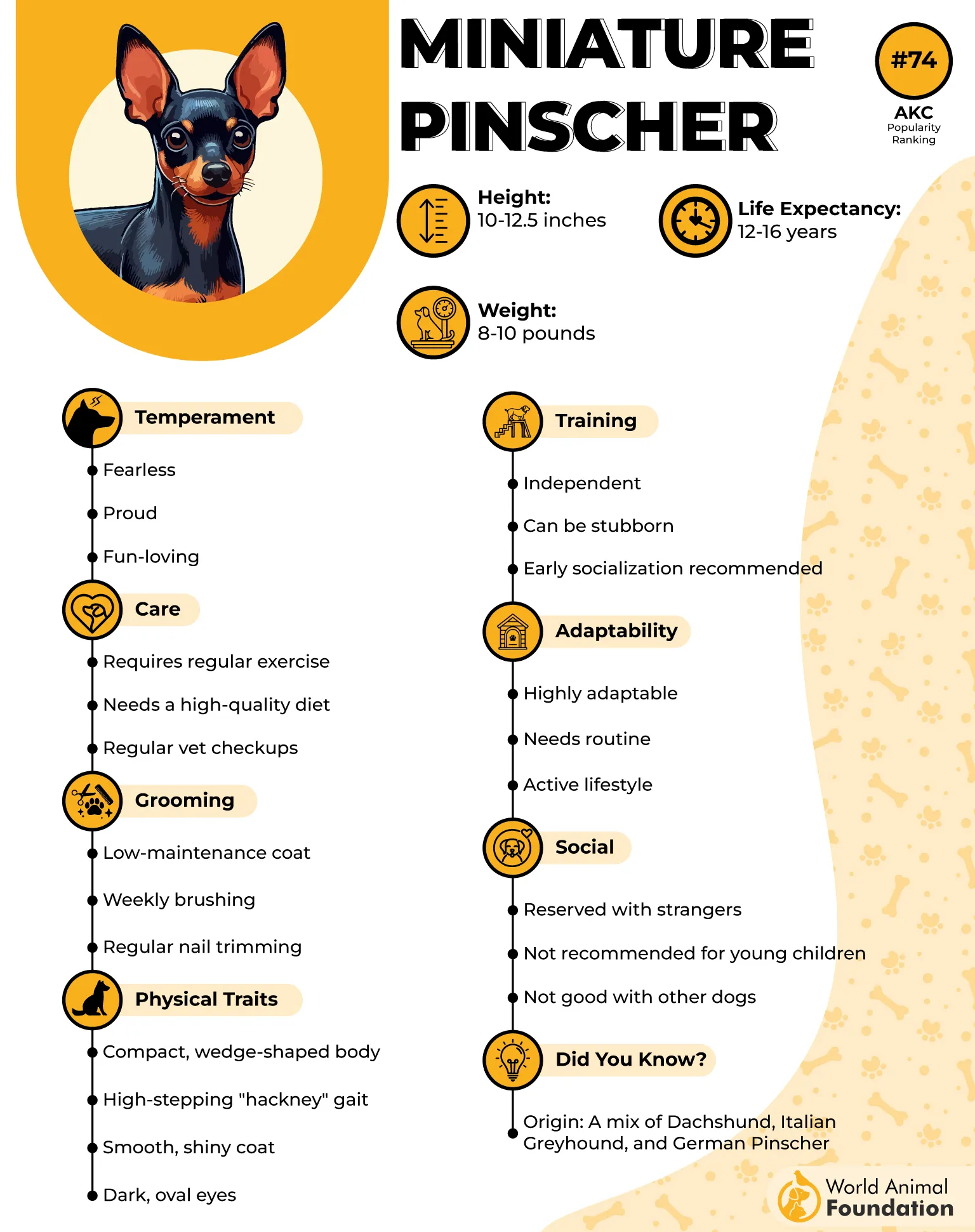
Minimal grooming needs make health monitoring easier. Owners tend to spot issues early. Hills Pet claims that Miniature Pinschers are generally healthy, long-lived dogs, but like all breeds, they are prone to a few specific health concerns that owners should be aware of.
Common issues in canine health include patellar luxation, Legg-Calvé-Perthes disease, and occasional cardiac conditions, all of which benefit from early detection through routine veterinary checkups. Dental health is also important, as their small mouths can lead to plaque buildup if teeth aren’t cleaned regularly.
Their confidence and curiosity keep them mentally engaged—an underrated factor in longevity.
With structure and stimulation, these dogs tend to age with remarkable vitality.
8. Chinese Crested
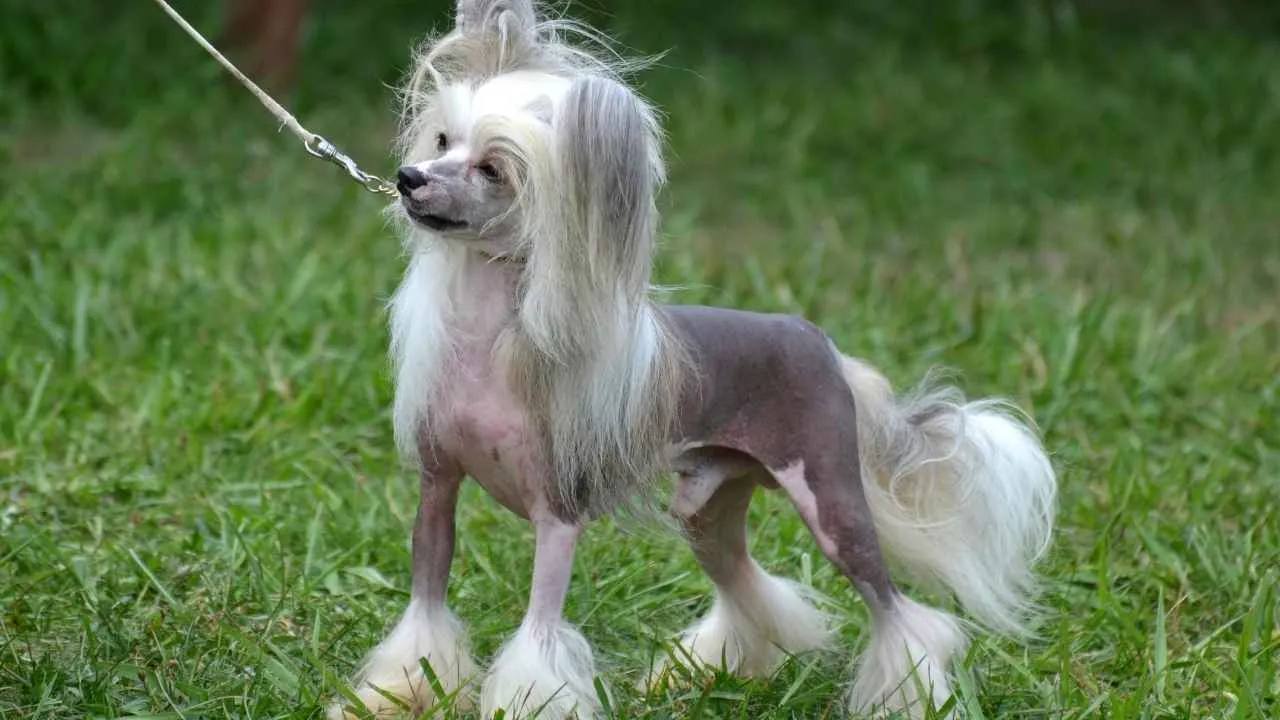
Chinese Cresteds are known for their unique appearance—but their long lifespan (13–18 years) is equally impressive. They’re generally healthy, with fewer genetic issues than many breeds.
They thrive on companionship and routine.
Emotional well-being plays a significant role in their health. Routine veterinary care is essential for keeping a Chinese Crested healthy and comfortable throughout its life. Regular wellness exams—typically once a year for adults and more often for puppies and seniors—help catch potential issues early, especially dental disease, which is common in the breed.
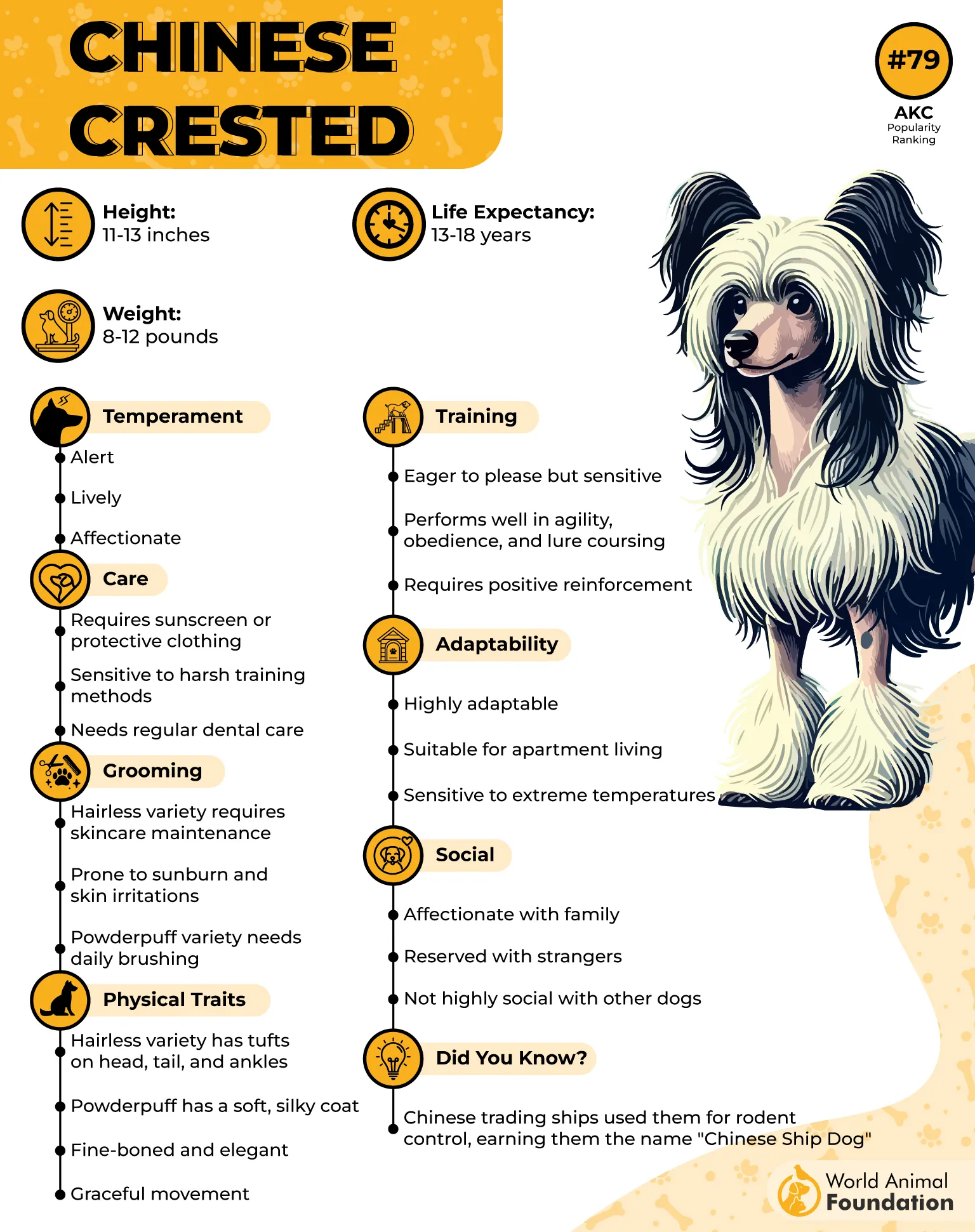
Hairless Chinese Cresteds also benefit from skin checks during vet visits to monitor for dryness, sunburn, acne, or irritation, while coated varieties should be assessed for general skin and coat health.
Skin care is essential for hairless varieties, but overall maintenance is manageable. Their moderate exercise needs suit many lifestyles.
When loved and protected, Chinese Cresteds often enjoy long, comfortable lives.
9. Lhasa Apso
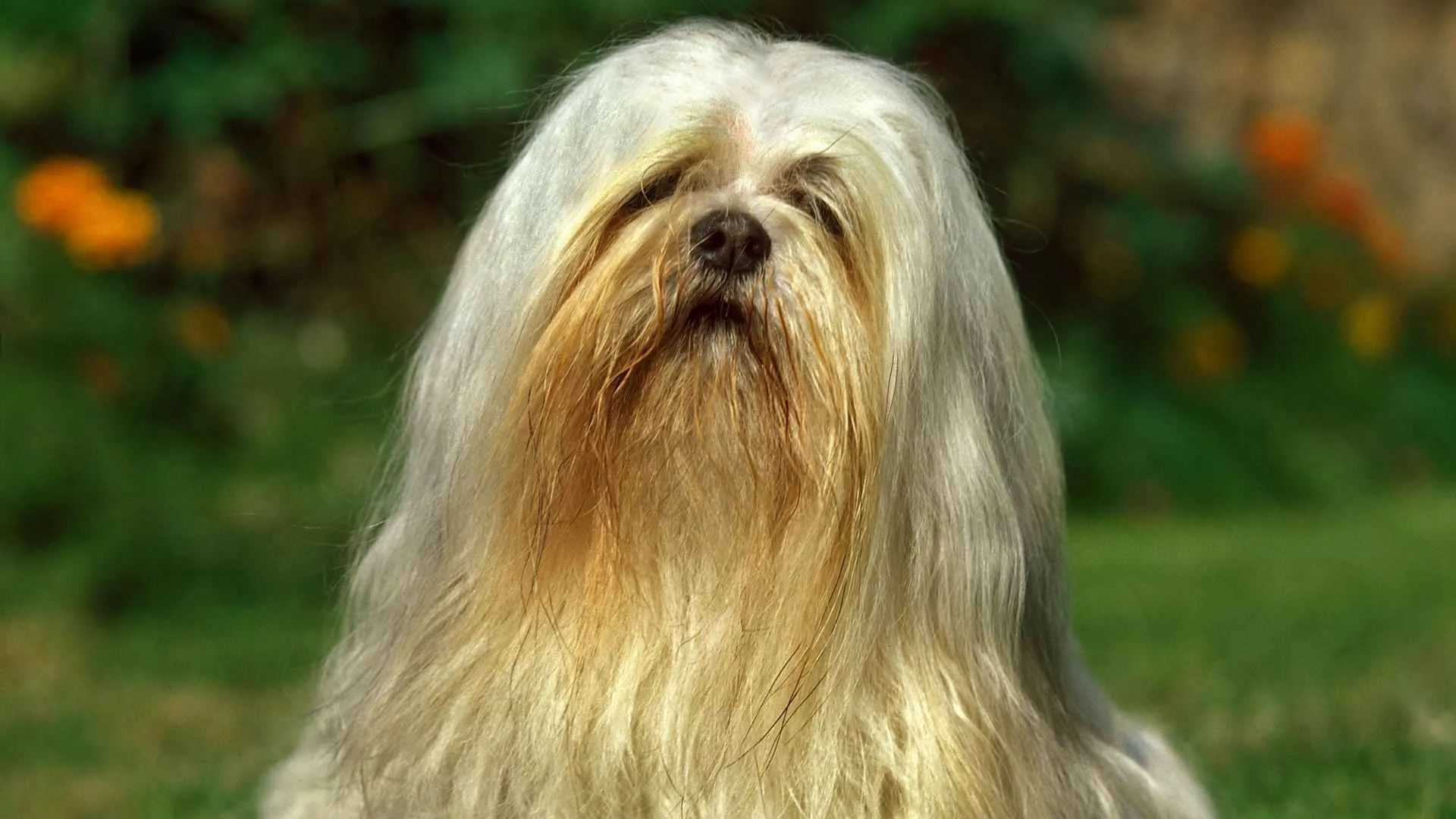
Bred as monastery watchdogs, Lhasa Apsos are alert, independent, and tough beneath their flowing coats.
They tend to be cautious but deeply loyal, forming strong bonds that encourage attentive care. Living for as long as 12–16 years, they can make great family pets when their temperament and needs are well understood. They are loyal, affectionate, and deeply devoted to their family, often forming strong bonds with both adults and children.
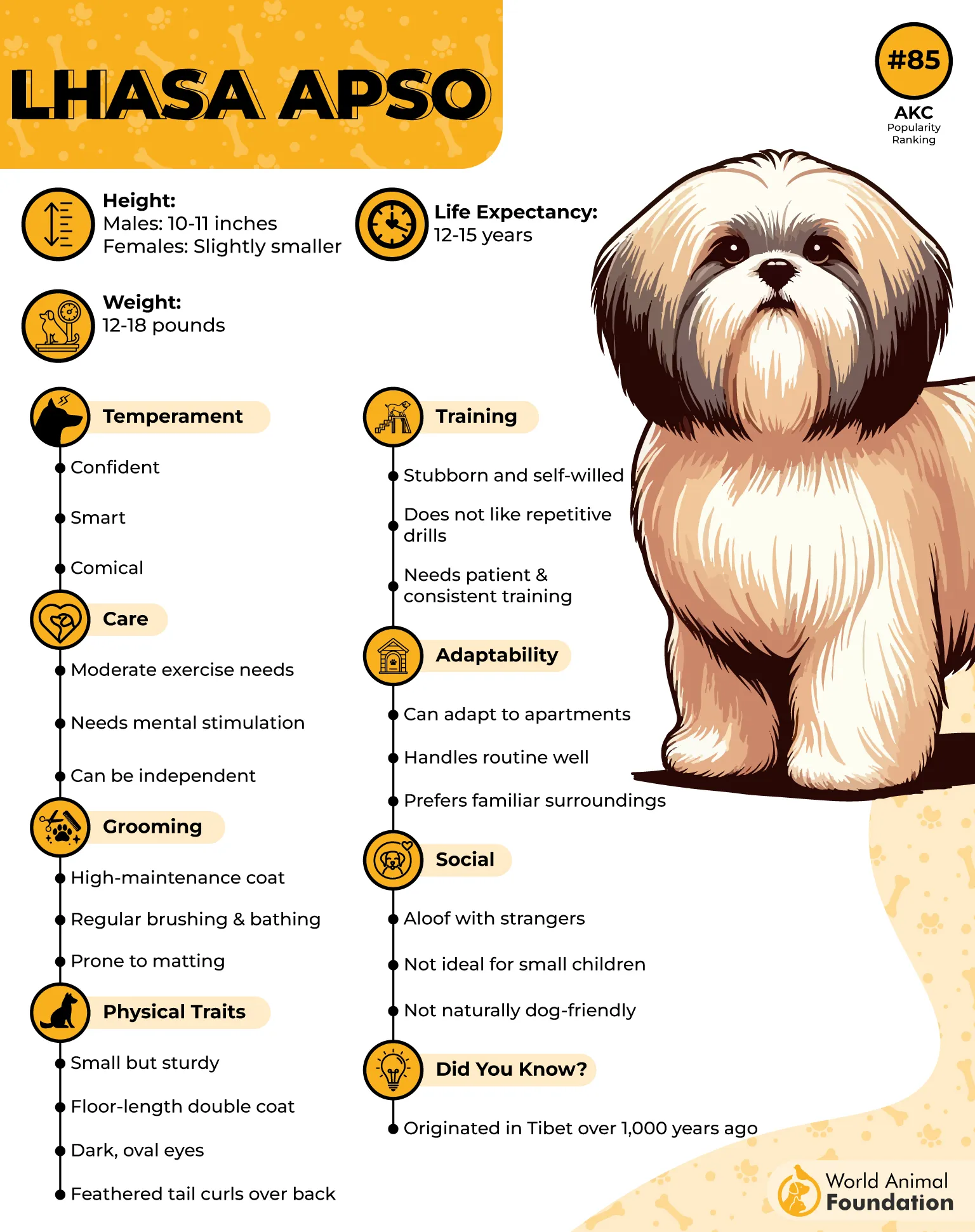
Naturally alert and intelligent, Purina claims that these larger breed dogs enjoy being involved in daily family life and tend to thrive in stable, loving homes.
Routine grooming and eye care are important, but overall health is solid. They don’t require intense exercise, reducing the risk of injury as people age.
They are generally patient with respectful children, though early socialization and gentle handling are important, as they can be reserved with strangers and don’t enjoy rough play. With consistent training, proper grooming, and plenty of companionship, a Lhasa Apso can be a loving, long-term family companion.
10. Miniature Schnauzer
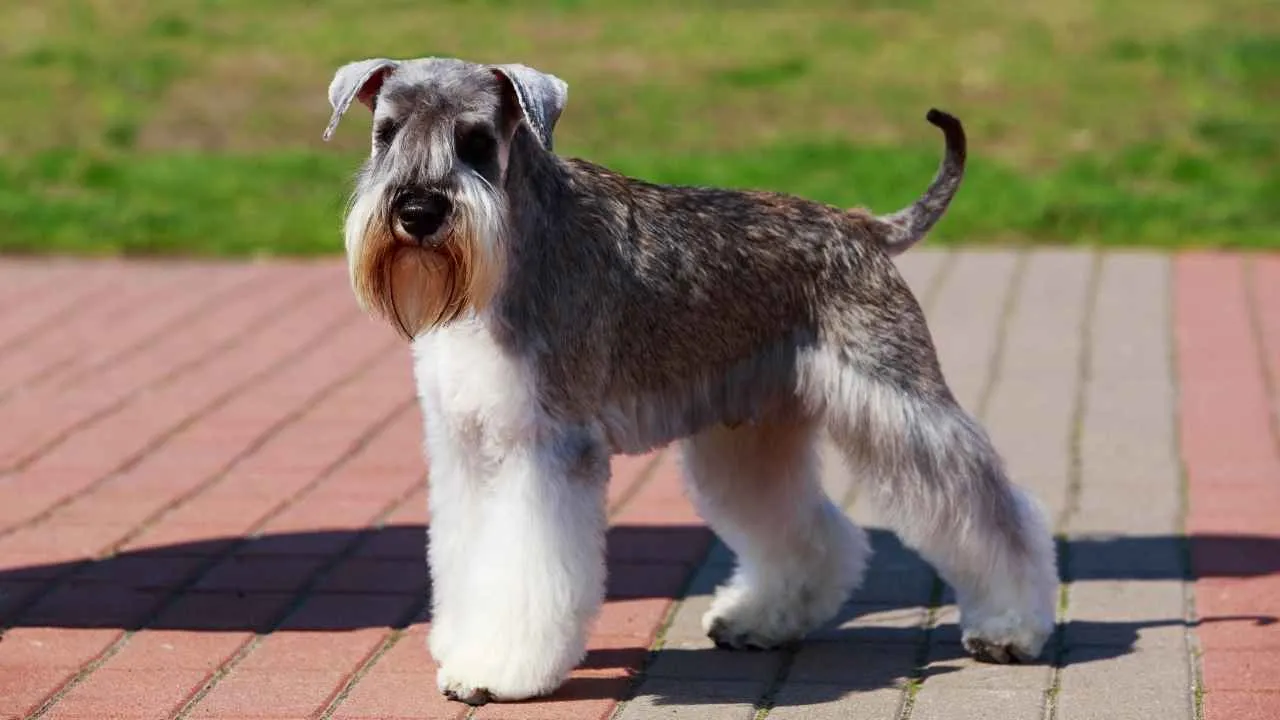
Miniature Schnauzers combine intelligence, sturdiness, and adaptability—three traits strongly associated with longevity.
They’re active without being extreme and benefit from regular exercise.
A healthy adult Schnauzer typically weighs between 10 and 20 pounds, with most falling comfortably in the 14–18 pound range, depending on their sex, build, and activity level. At a healthy weight, you should be able to feel their ribs without excess fat, see a defined waist from above, and notice a gentle tuck in the abdomen from the side.
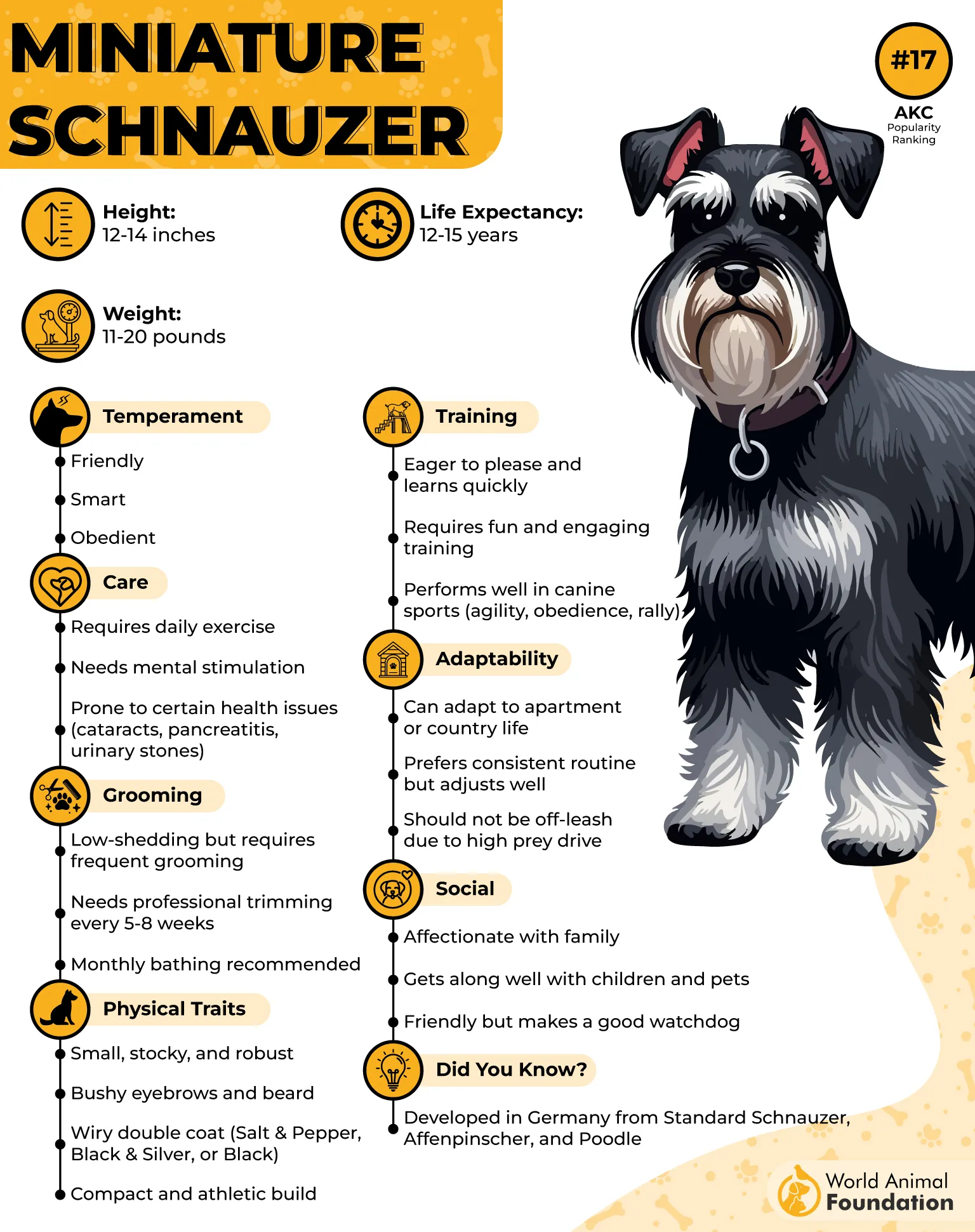
Maintaining a lean body condition is especially important as they are prone to obesity-related issues, including pancreatitis, diabetes, heart disease, and high triglycerides. Consistent portion control, a balanced, low-fat diet, and daily exercise are key to keeping them fit and healthy.
Their expressive personalities keep them mentally stimulated. With good nutrition and routine vet care, Miniature Schnauzers often enjoy long, energetic lives.
Conclusion
While no dog is guaranteed a long life, these breeds statistically offer more years, more memories, and more love. Longevity is a partnership—genetics set the stage, but daily care writes the story.
Balanced nutrition, regular veterinary care, mental stimulation, and emotional connection matter just as much as breed selection.
Choose wisely, love deeply, and you may find yourself sharing life with a dog well into your golden years. Australian Shepherds, Australian Cattle Dogs, Jack Russell Terriers, Yorkshire Terriers, Russell Terriers, and Bichon Frises are also some dogs known to have long and healthy lives.
After all, the best dogs don’t just live long—they live well.
