




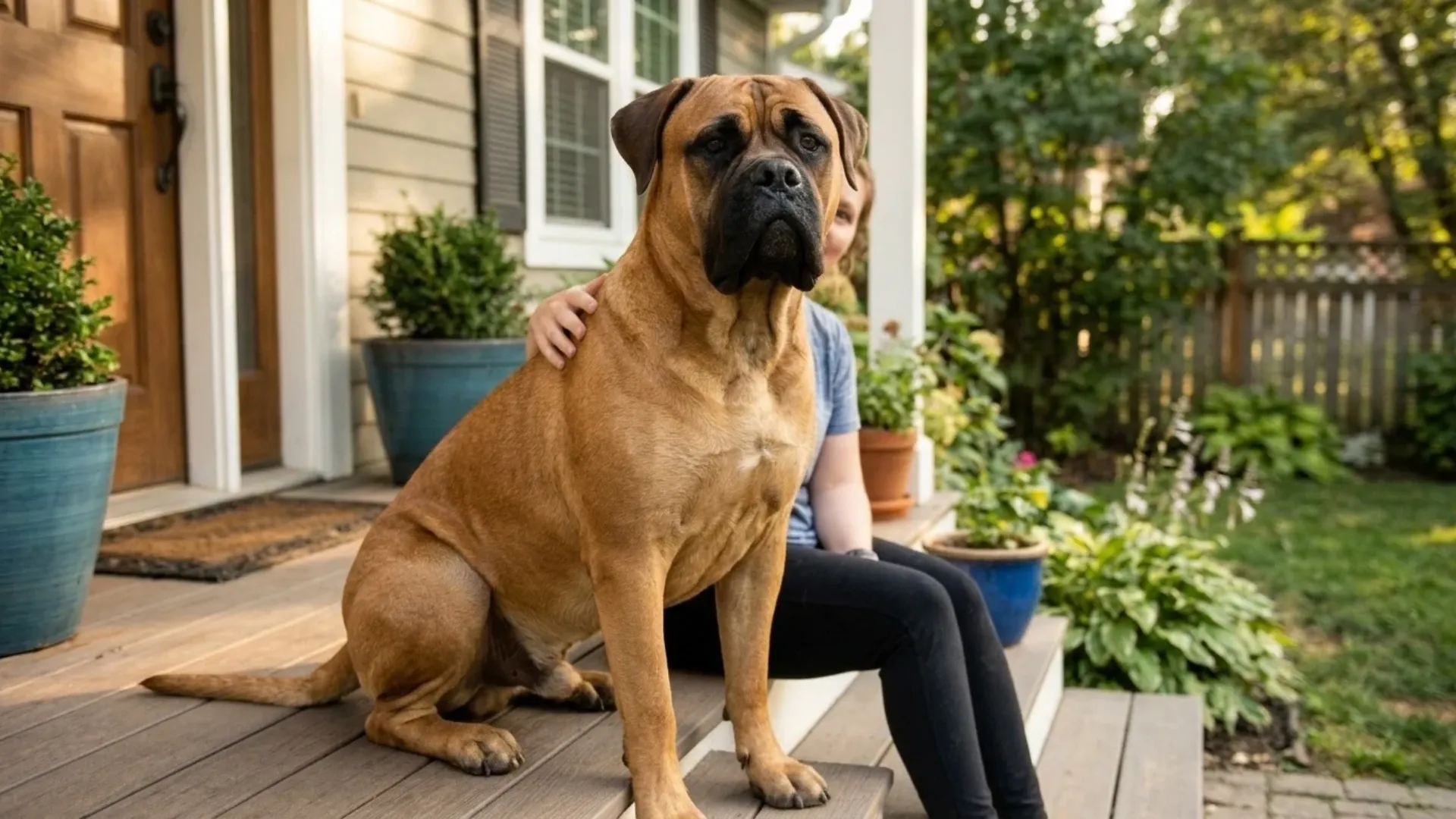
A loving family dog can also be a capable watchdog, and the two qualities often appear together in breeds with a working tradition.
Dogs once selected to guard farms, livestock, and property were expected to notice unfamiliar activity and remain attentive to their surroundings. Those natural instincts still influence the behavior of some modern companions. They may bark when someone approaches, watch entrances closely, or remain near the people they consider part of their household.
For families, however, protection is only one part of the decision. A dog also needs a temperament that suits the home, and its strength, energy, and training needs should fit the people responsible for it. Early socialization helps a dog become familiar with visitors and ordinary situations, while clear guidance supports reliable behavior.
If you want a companion with both a watchful nature and an affectionate side, the guardian breeds ahead offer several different possibilities worth exploring.
Top Dog Breeds Known for Their Protective Yet Loving Nature
1. Boxer
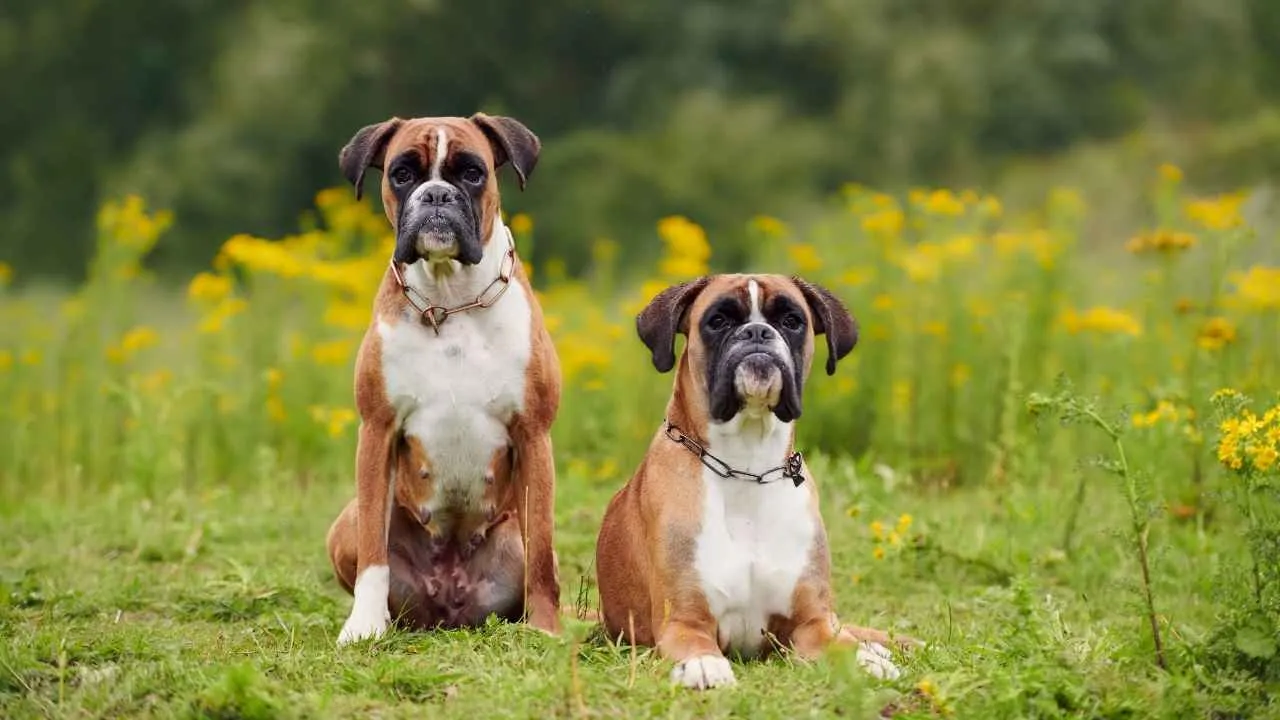
The Boxer was originally bred in Germany during the late 19th century, with ancestry closely linked to the German Bullenbeisser and Bulldog. Initially used to control cattle in busy slaughterhouses, it later served as a reliable messenger and guard dog during the First World War.
Protective Nature but Gentle at Home
A Boxer is quick to alert its family when someone approaches the door and takes its household responsibilities seriously. Around familiar people, it is playful and patient with children, while unfamiliar visitors may receive a cautious greeting before being welcomed inside.
Its playful side comes through in some rather amusing habits:
Bounces on its front paws during play.
Leans against people or nudges them with a paw.
Makes grumbling sounds during greetings and games.

Training Takes Patience
Although intelligent and eager to interact, this popular guard dog breed can take time to learn new commands and may test boundaries during training, as Omlet claims.
Short sessions using games, treats, and positive reinforcement help, while consistent guidance and early socialization are important for managing their energetic behavior around other pets.
2. Bullmastiff
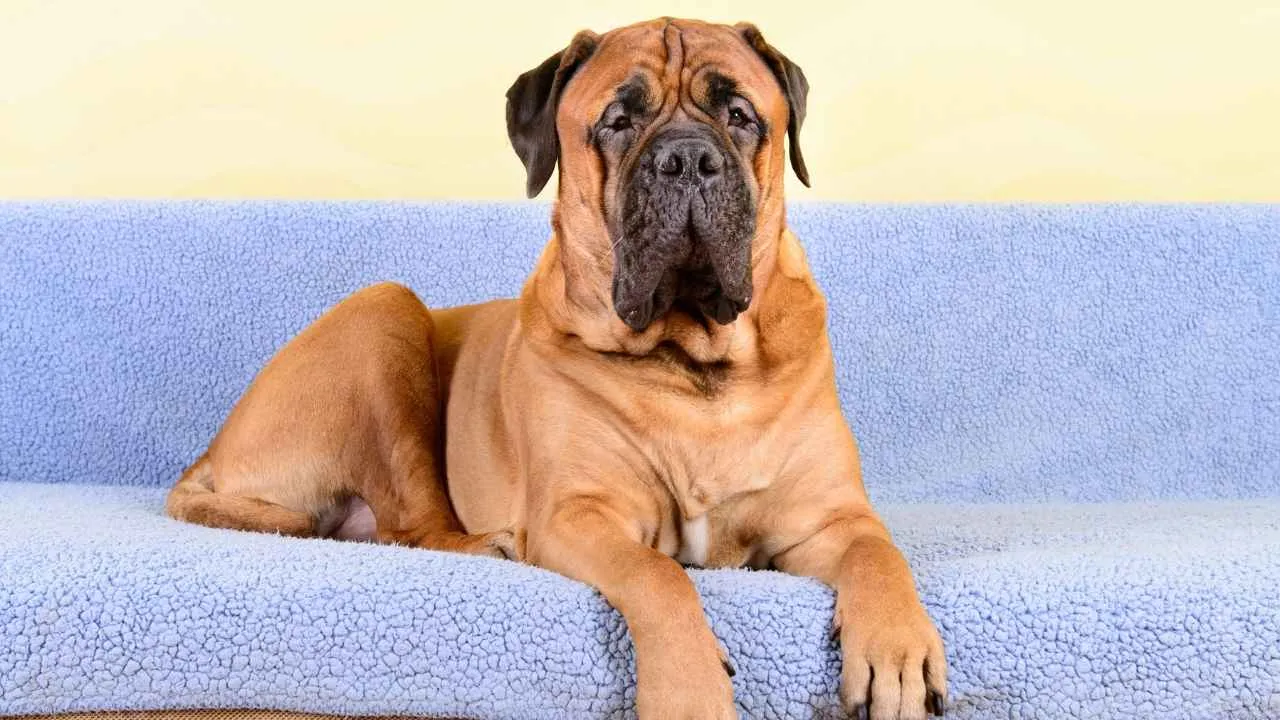
The Bullmastiff’s story began in 19th-century England, where estate owners struggled with poachers entering their land. They crossed Bulldogs with Mastiffs to create a powerful dog that could catch and hold intruders until the gamekeeper arrived, earning it the name “Gamekeeper’s Night Dog.”
A Quiet but Powerful Guardian
This dog breed takes its household responsibilities seriously. It tends to remain quiet unless it senses a threat, often relying on its imposing build, steady stare, and firm stance to discourage unwanted visitors. When necessary, it can place its weight between its family and a perceived danger.
Its everyday habits reveal more about its character:
Often watches activity from doorways and hallways.
Likes following family members from room to room.
Enjoys brief bursts of play followed by long rest periods.
Proper Training Takes Patience
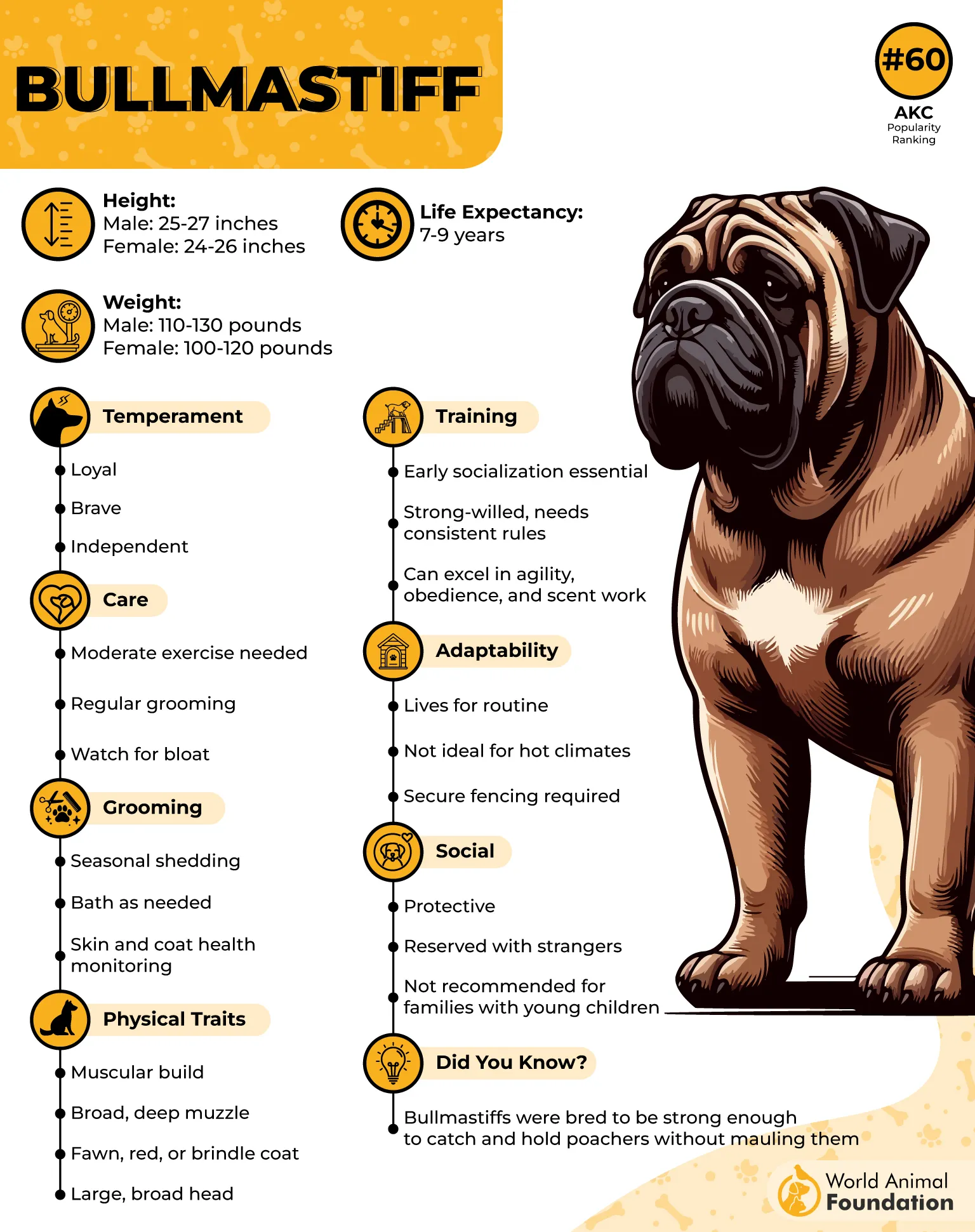
Independent and somewhat stubborn, the Bullmastiff responds better to varied training sessions than repeated commands, as Orvis describes.
Mixing instruction with praise and play helps keep it engaged. Its short, dense coat requires relatively little grooming, although this breed is known for producing considerable drool.
3. Rottweiler
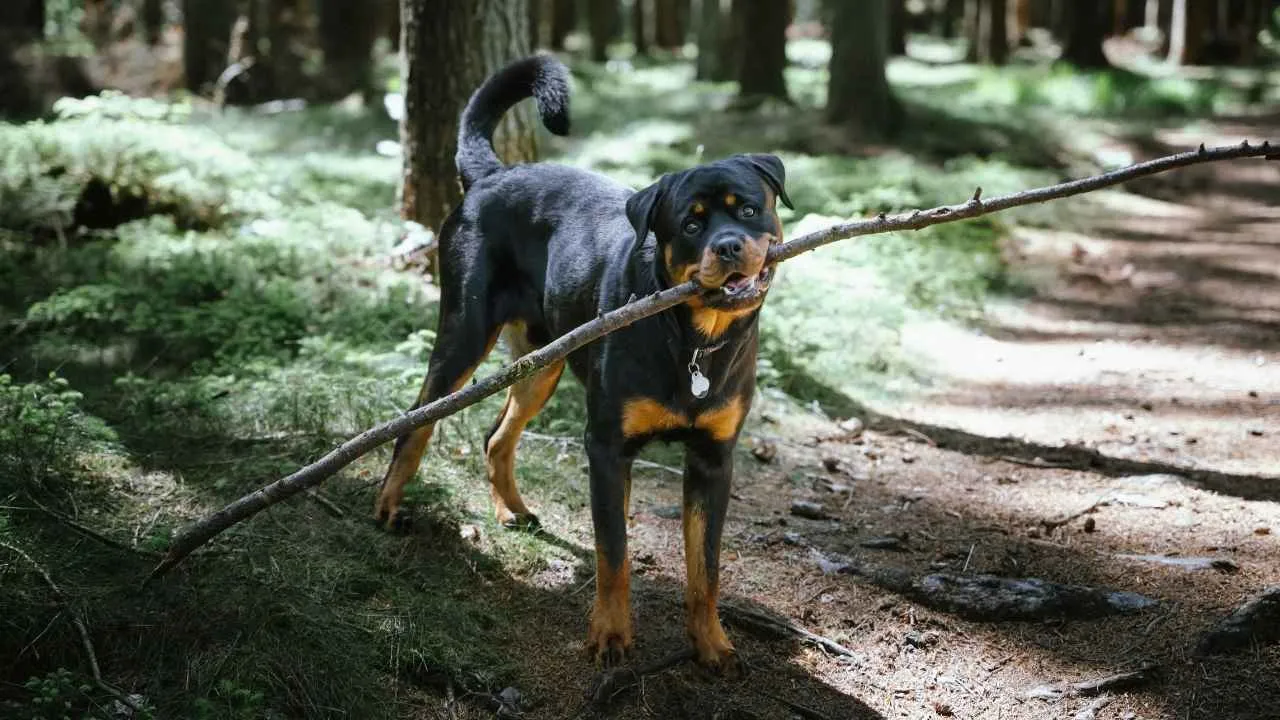
The Rottweiler is believed to descend from cattle-driving dogs that accompanied Roman legions. Its history later became closely linked to Rottweil in southern Germany, where it helped take cattle to market, pulled butcher carts, and guarded the money earned from sales.
A Watchful Heart at Home
This guard dog is naturally attentive to its surroundings and often approaches unfamiliar situations with quiet confidence, as PetMD stated.
With its family, it can be deeply affectionate, while consistent training and early socialization help it distinguish ordinary visitors and everyday interactions from genuine concerns.
Some everyday behaviors offer a closer look at its guardian instincts:
Often watches entrances and pathways from a good vantage point.
May give a deep warning bark when something concerns it.
Sometimes leans against trusted family members.

Built for Demanding Work
A broad chest, sturdy bones, and powerful hindquarters give the Rottweiler the strength needed for pulling and sustained physical work. Its short, dense outer coat and undercoat also provide some protection in cooler weather, with relatively modest grooming needs.
4. Great Pyrenees
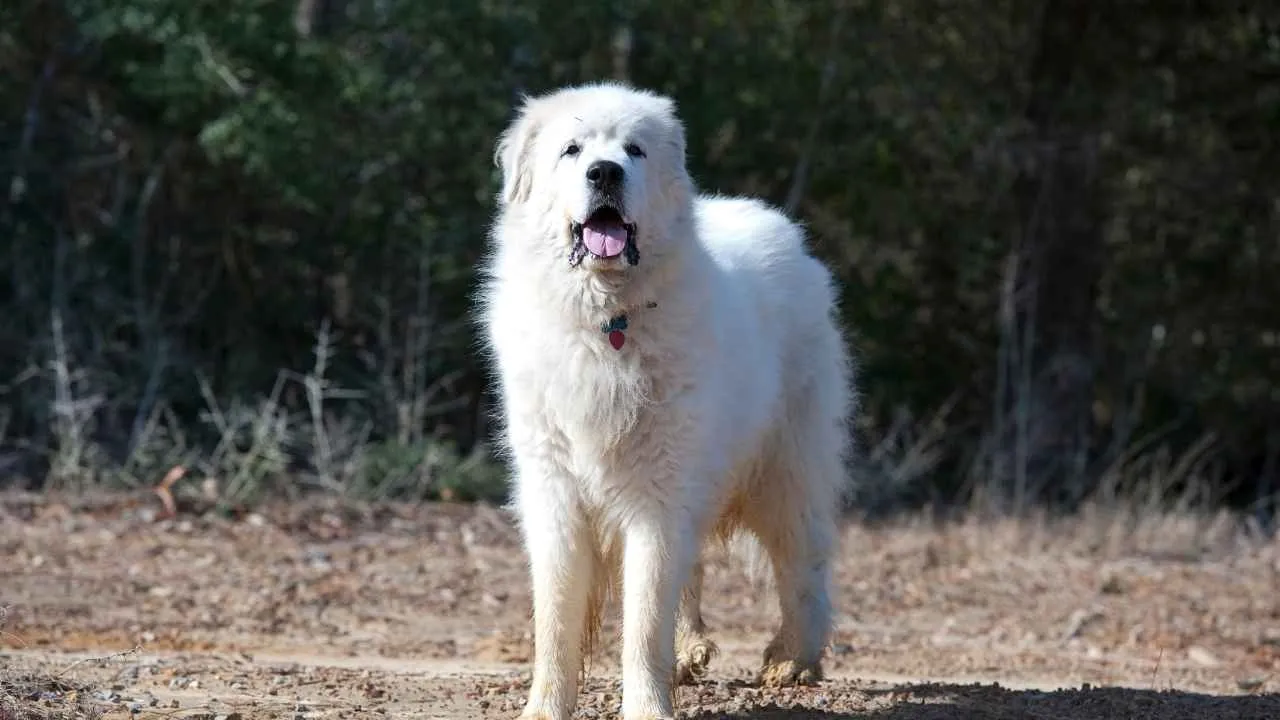
The Great Pyrenees has guarded sheep and goats in the mountain regions of France for centuries. Once regarded as a working dog of peasants, it gained royal recognition in 1675 when King Louis XIV declared it the royal dog of France. Its popularity soon spread among the country’s wealthy families.
A Gentle Giant With a Watchful Side
The Great Pyrenees has a remarkably affectionate nature around its family, particularly children. It gets along with other dogs and enjoys gentle play, though its large size requires care. Its natural protective instincts can become quite strong, especially when it senses a possible threat to its household.
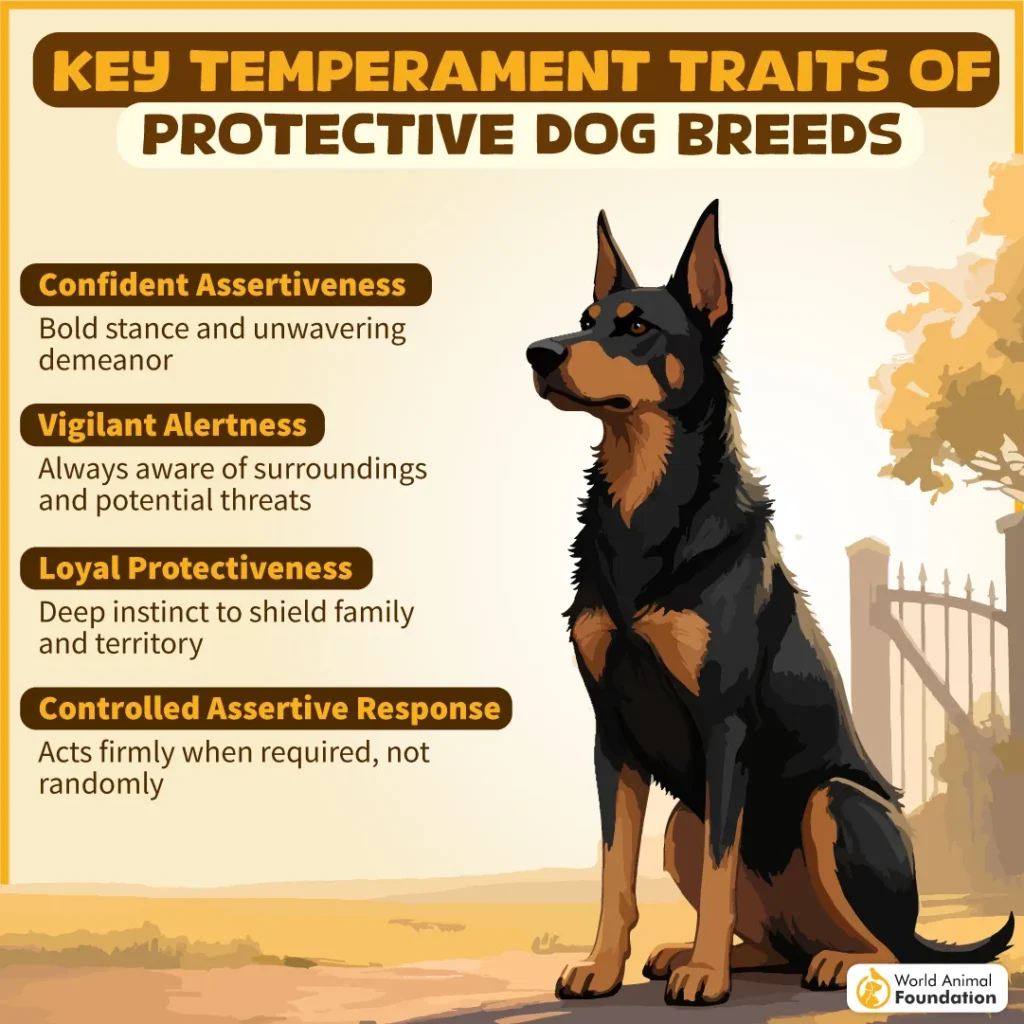
The natural guarding habits of this big dog include:
Becomes more watchful after dusk.
Regularly patrols familiar boundaries.
Uses deep, booming barks to warn intruders.
An Independent Thinker
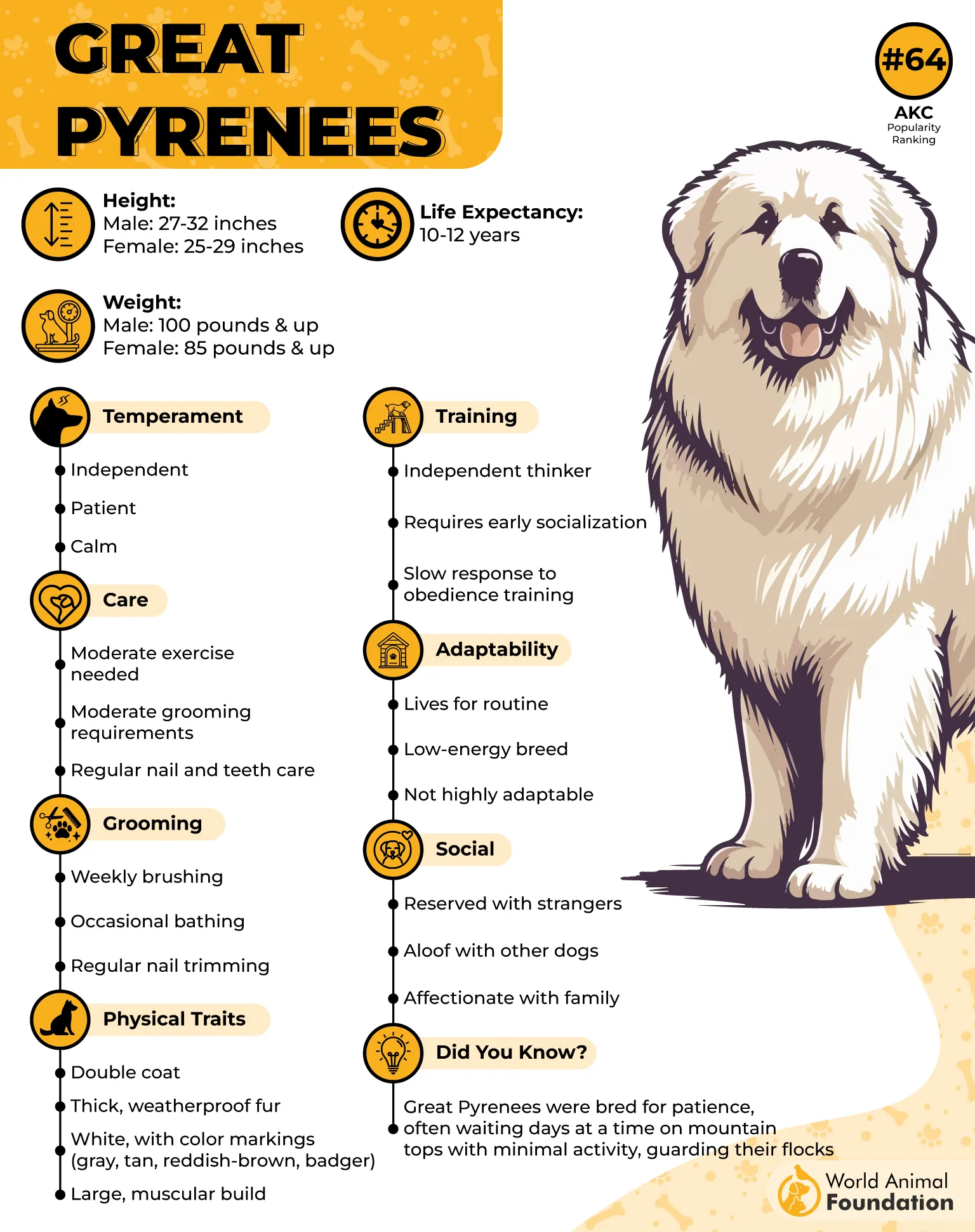
Centuries of working without constant human direction have given this protective dog breed an independent mind.
Training can take patience because it learns at its own pace, and harsh methods can be counterproductive. Calm, positive guidance and early socialization are particularly important during puppyhood.
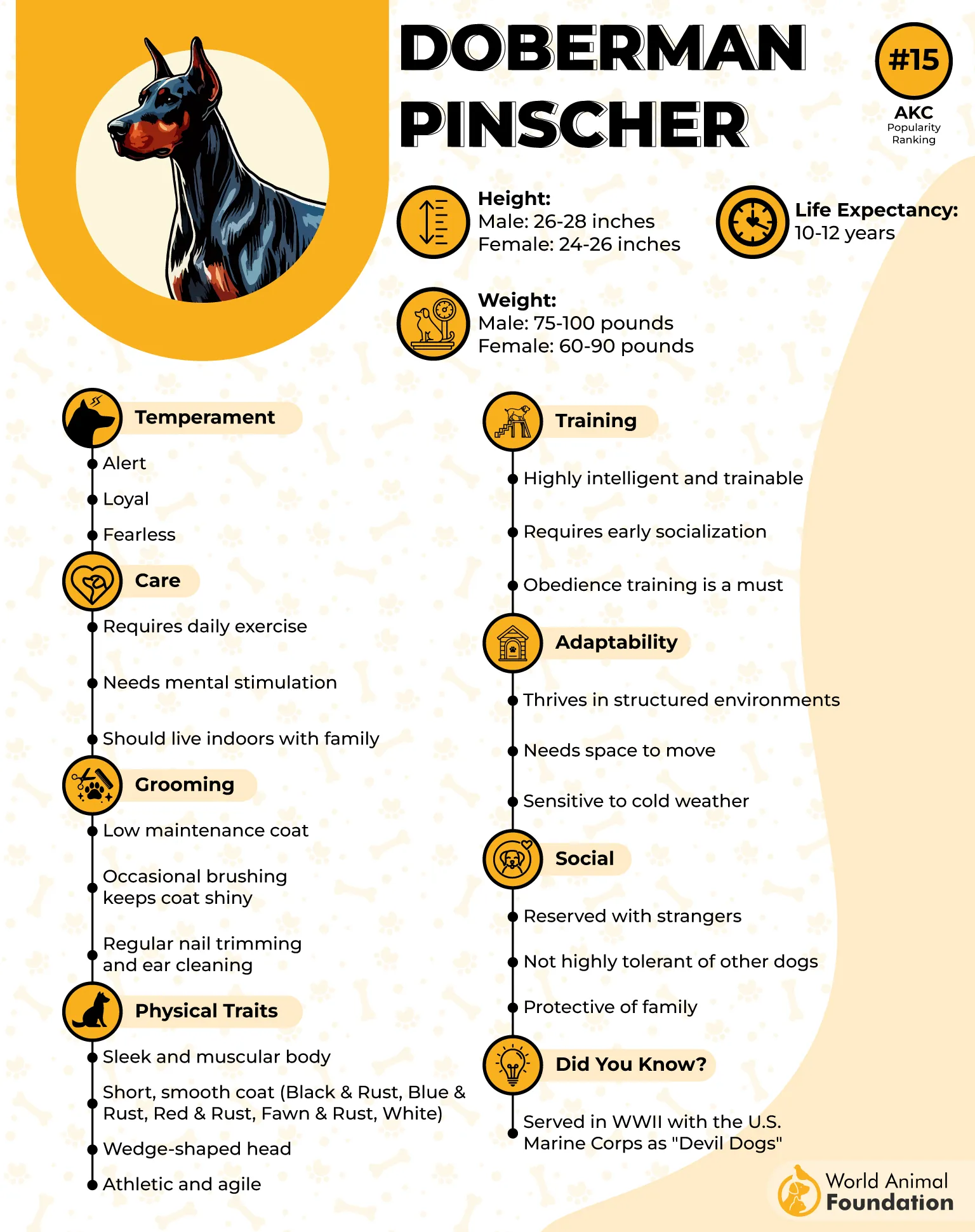
5. Doberman Pinscher
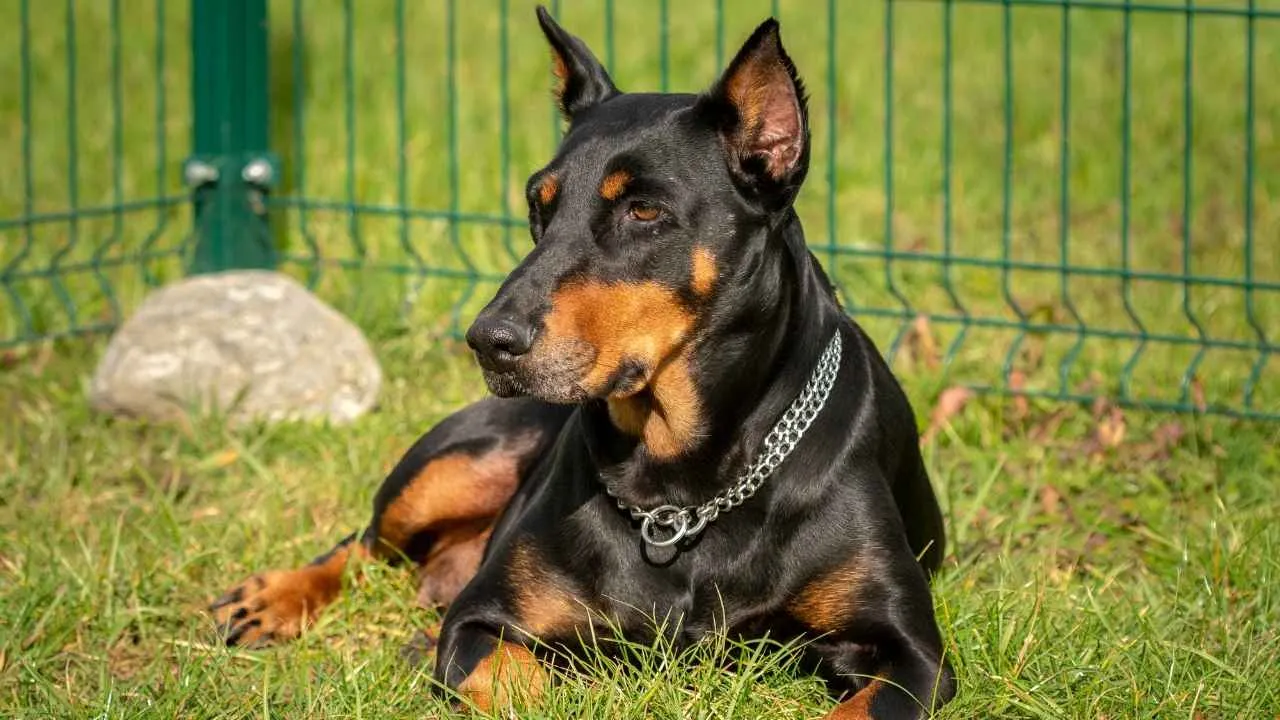
The Doberman Pinscher originated in Germany through the work of Louis Dobermann, a tax collector who wanted a dependable dog for protection during his rounds.
Early breeding likely involved the Old German Shepherd and German Pinscher, followed by crosses with breeds such as the Weimaraner and Manchester Terrier.
Always Aware of Its Surroundings
This excellent guard dog is naturally watchful and pays close attention to unfamiliar people and activity around its home. If it senses a possible threat, it may position itself between its family and the perceived danger, often looking to its handler for direction.
Some smaller details reveal how this guardian communicates:
Uses low woofs or grumbles to signal an alert.
Often follows its favorite person from room to room.
Reads changes in human posture and tone closely.
A Soft Side at Home
Behind its serious expression is an affectionate companion that enjoys cuddles and family closeness. Dobermans can be sensitive to their people’s moods and generally do well with children and other household pets when properly socialized. Their habit of climbing onto sofas or squeezing onto laps can be amusing given their large, muscular frames.
6. Dogue de Bordeaux
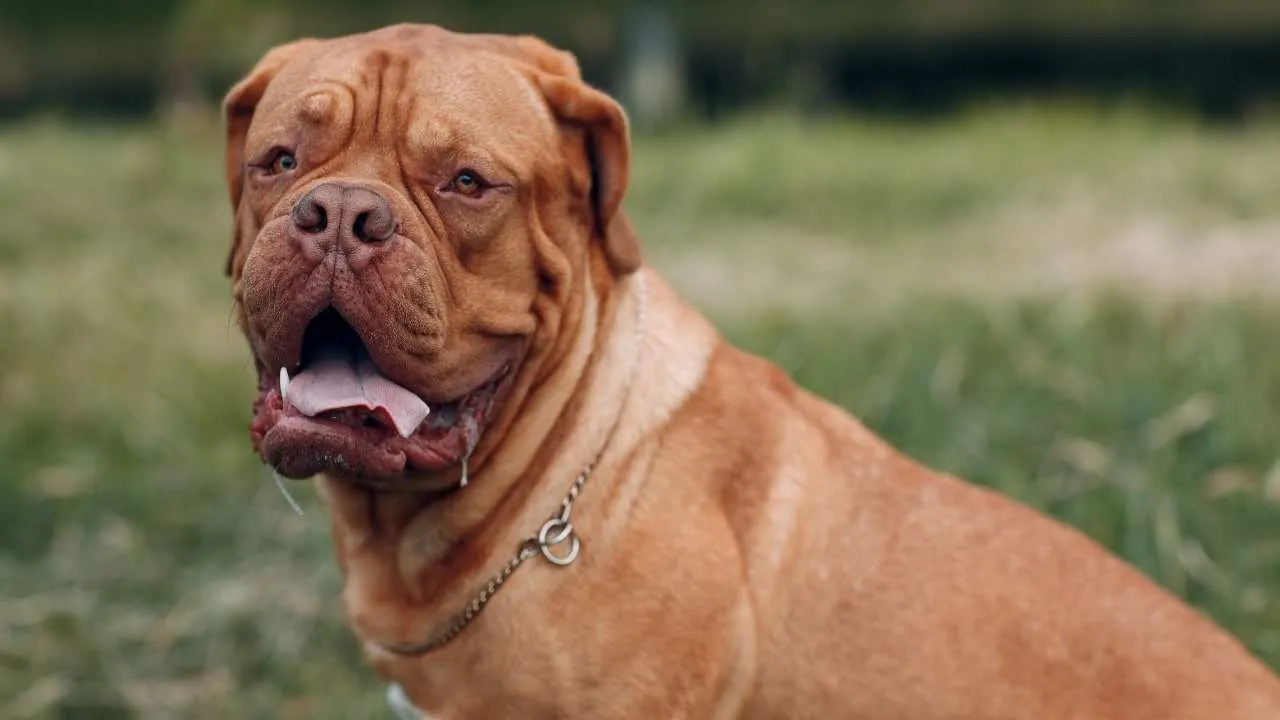
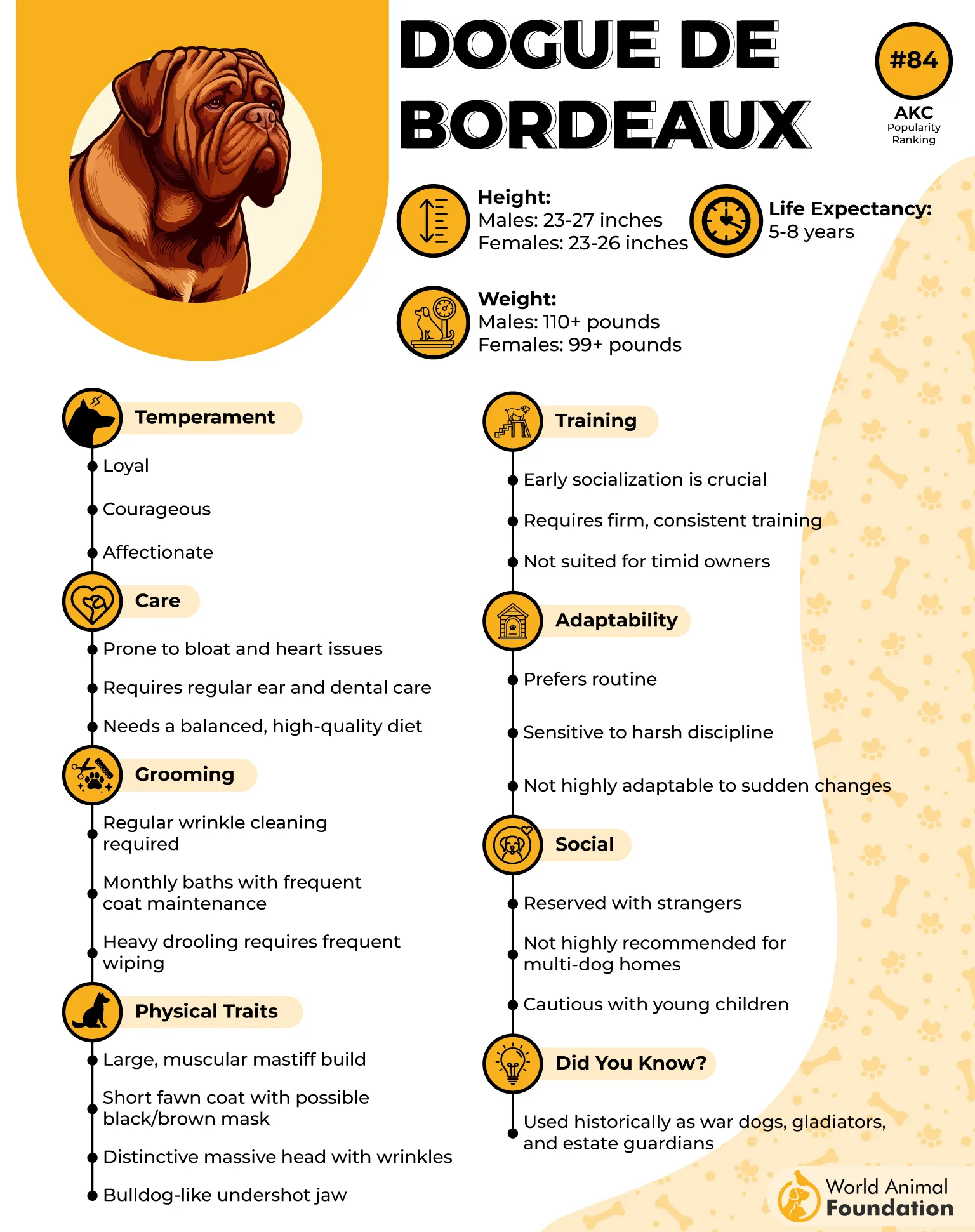
The Dogue de Bordeaux originated in France, particularly around the Bordeaux region, where mastiff-type dogs had existed since the 1300s.
They performed demanding jobs such as pulling loads and guarding livestock and property. The more uniform breed type familiar today began taking shape around 1920.
Gentle at Home, Watchful Around Strangers
The Dogue de Bordeaux is generally patient with children at home, although its sheer size can accidentally knock over a small child. Around unfamiliar visitors, it tends to be reserved, and its imposing presence alone can discourage unwanted intrusions.
Some of its everyday habits are equally distinctive:
Often leans its full weight against familiar people for affection.
Prefers short, powerful play sessions such as tugging and wrestling.
Its loose jowls can produce noticeable drooling, especially around food or excitement.
Training Needs a Firm Start
Obedience training should begin early because this effective guard dog can be stubborn, particularly when learning to walk calmly on a lead.
Basic commands such as sit and heel deserve consistent practice, alongside positive socialization with unfamiliar people and other dogs. A calm, confident approach works best.
7. Mastiff
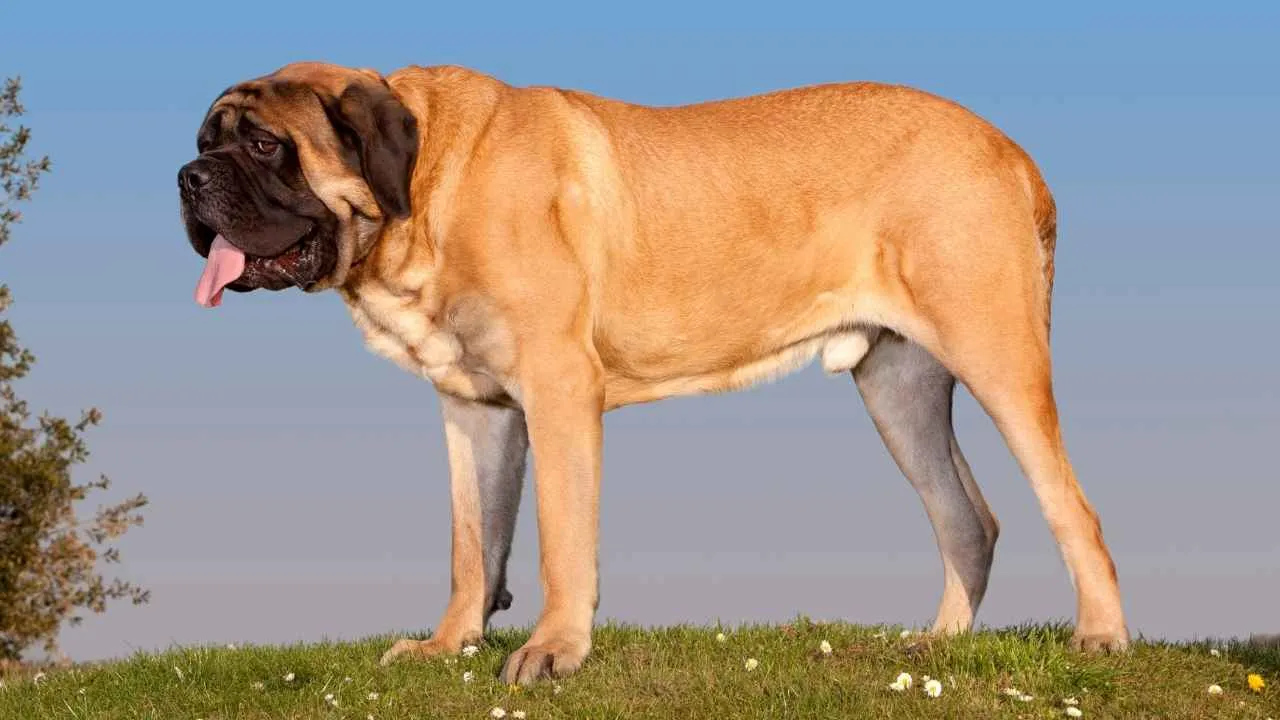
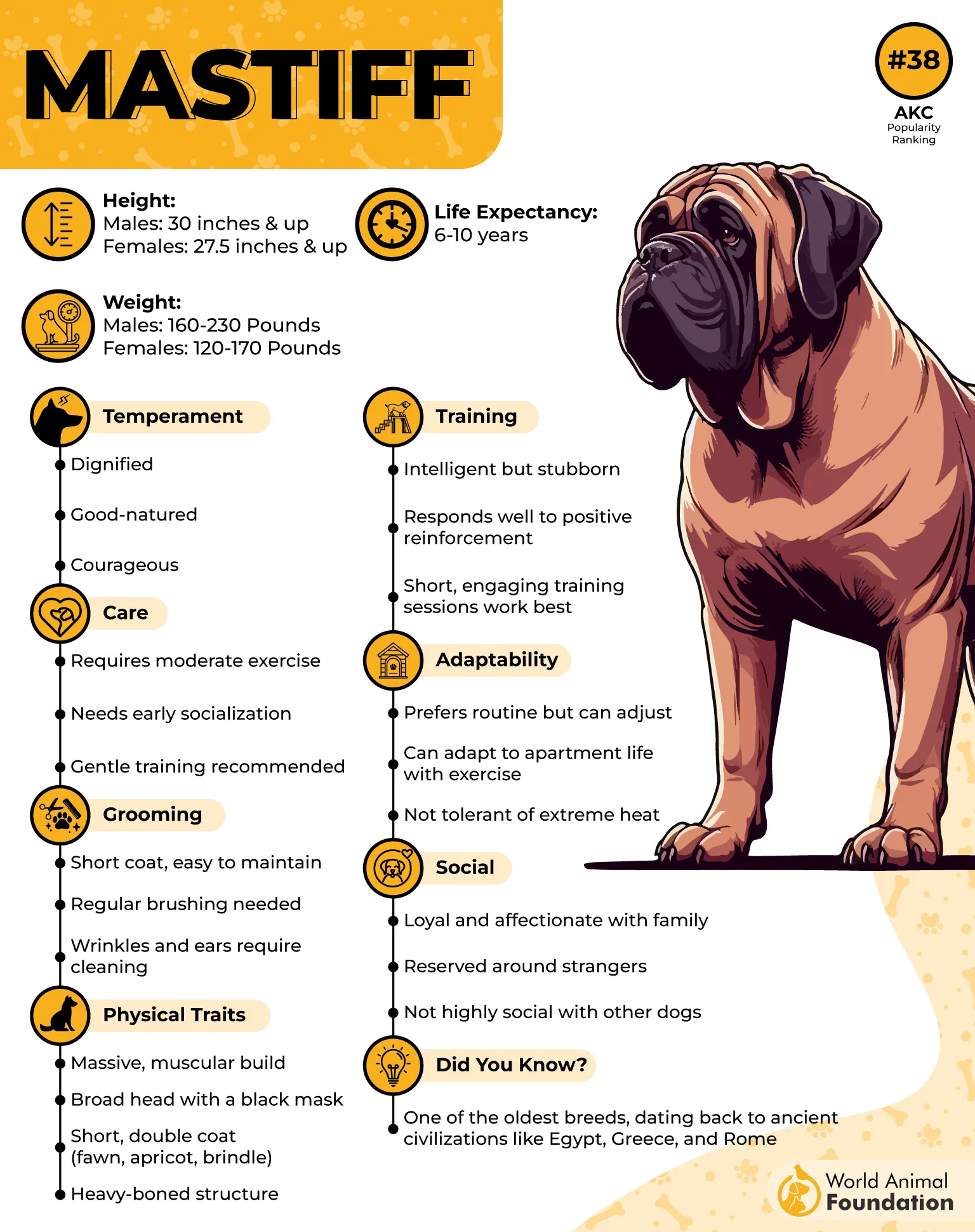
The Mastiff has English roots and an ancestry linked to the ancient Molosser dogs, whose origins are believed to lie in Asia. Over the centuries, these powerful dogs served as guardians, war dogs, and participants in bull and bear baiting, with some also used in lion fighting.
Calm Eyes, Serious Protection
At home, a Mastiff often watches unfamiliar people quietly before deciding how to respond. If someone appears threatening, it may use a deep bark to alert the family or step between a loved one and the perceived danger. Its sheer size can also make an intruder think twice.
Its protective behavior can take several recognizable forms:
Checks doors, gates, and property boundaries at a steady pace.
May lean its weight against a familiar person.
Often prefers calm, gradual introductions to strangers.
A Gentle Family Giant
Behind that imposing frame is a protective dog known for its affectionate nature with familiar people. Mastiffs generally get along with children and other household dogs, although their size can accidentally knock over a small child during play. They also enjoy close contact and may even attempt to squeeze onto someone’s lap.
8. Rhodesian Ridgeback
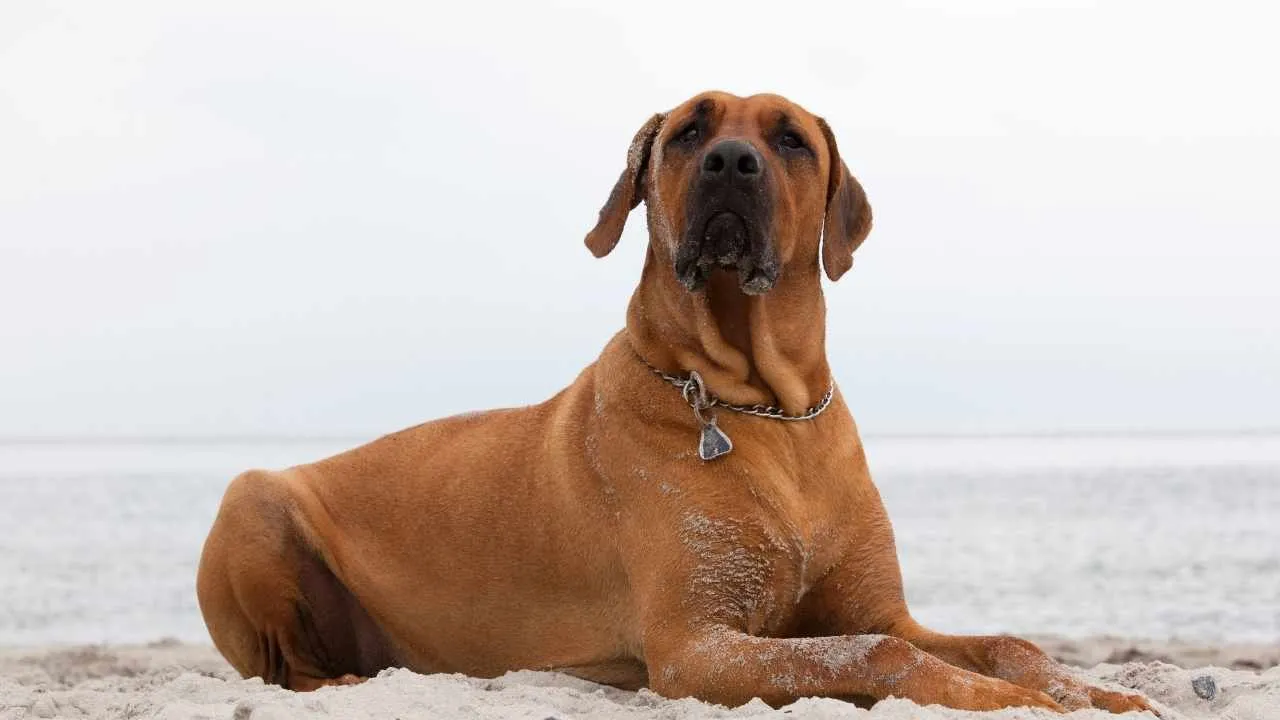
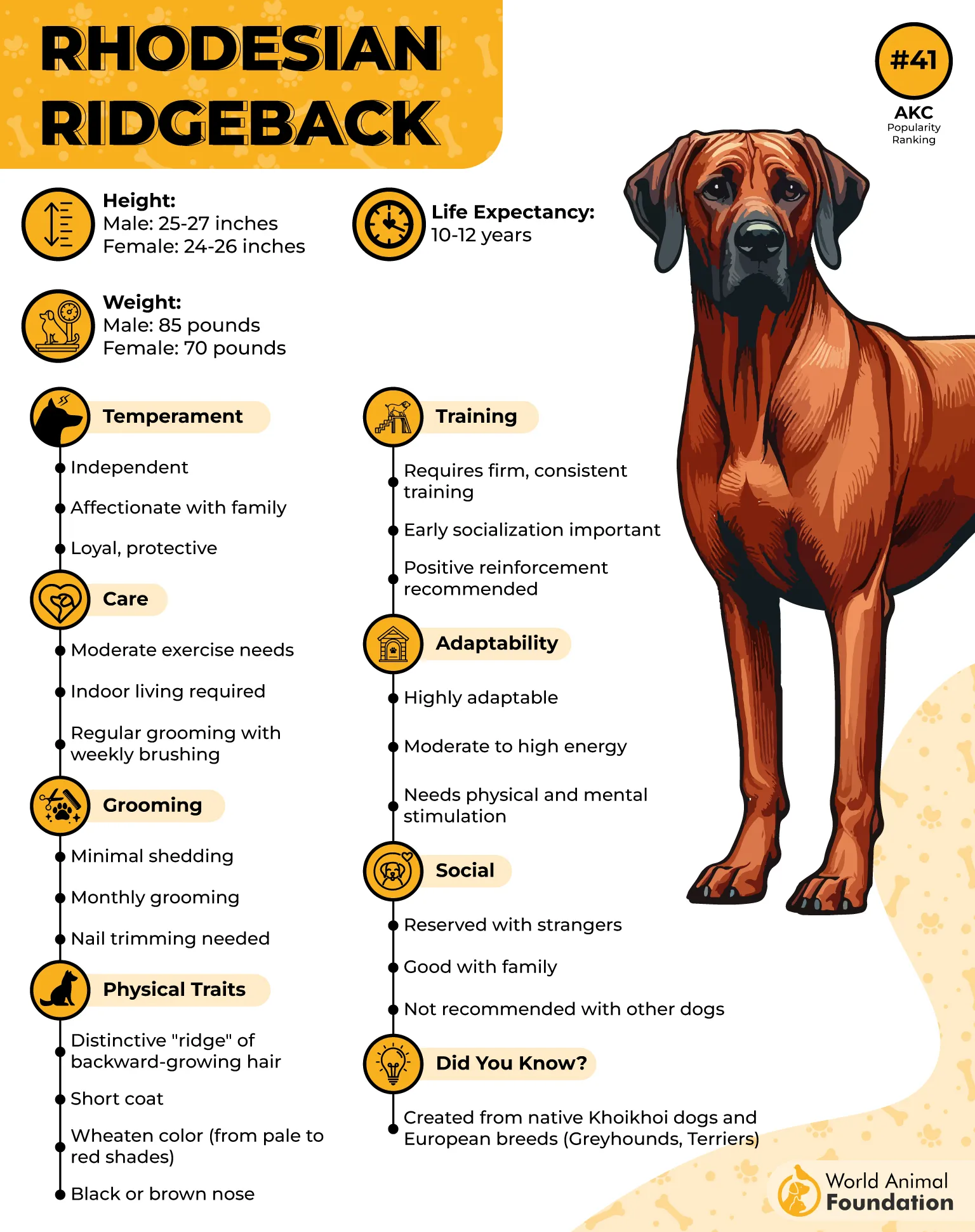
The Rhodesian Ridgeback traces its ancestry to the 16th and 17th centuries, when European settlers crossed their Mastiffs, Bloodhounds, Great Danes, Pointers, and Greyhounds with native southern African hunting dogs. By the late 1800s, these powerful dogs had reached Rhodesia, now Zimbabwe, where they were used to track and hunt lions.
Quiet, Watchful, and Protective
At home, a Rhodesian Ridgeback keeps a close eye on unfamiliar visitors and may remain reserved around strangers. It rarely barks without reason, so its warnings deserve attention. Keen eyesight and a sharp sense of smell also help it notice activity from a distance.
Its affectionate side comes through in some lovely family habits:
Often leans against family members for affection.
Generally patient with children, though its size calls for supervision around toddlers.
Can live with cats when introduced from an early age.
A Hunter With Strong Instincts
This guard dog breed has a powerful urge to chase small, fast-moving animals, including squirrels and rabbits. Their independent hunting nature makes early, firm, and consistent training important, while secure fencing and leash walks help prevent sudden pursuits.
9. Kuvasz
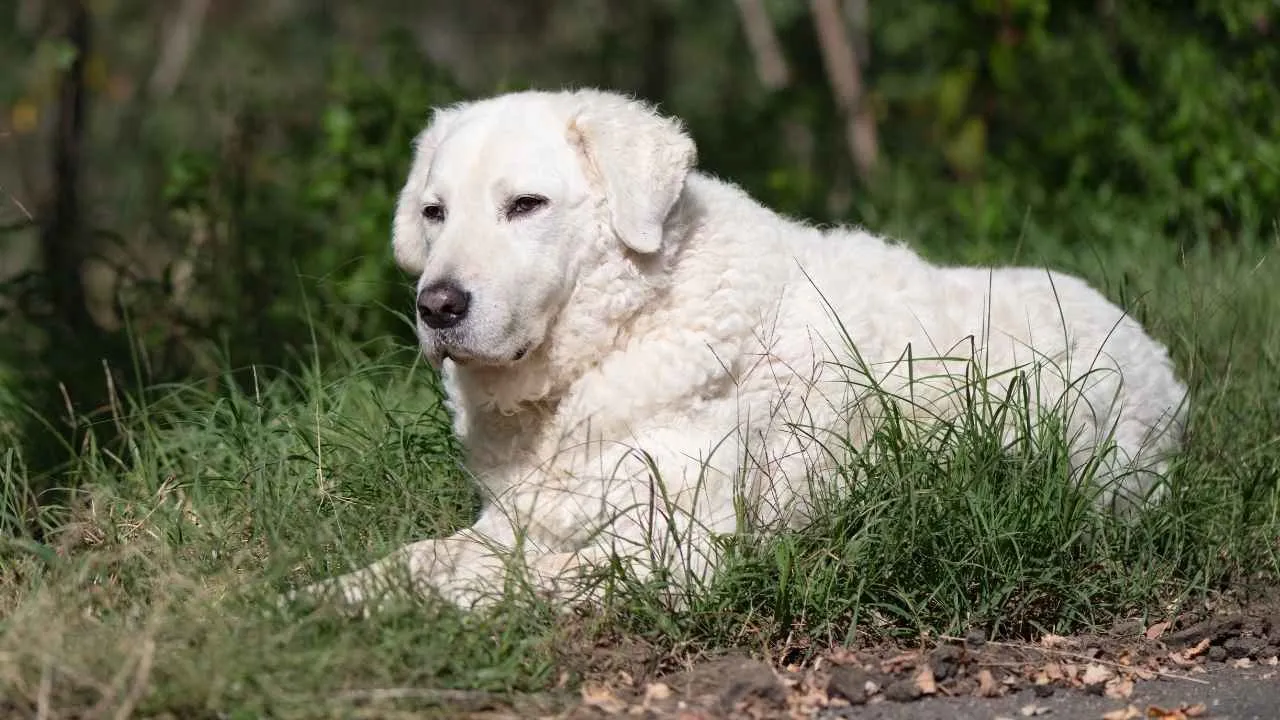
The Kuvasz is an ancient guardian breed associated with Hungary, although its ancestry may reach back to the larger dogs of Tibet. Once reserved for royalty, it later became popular among livestock keepers who valued its ability to defend flocks against predators such as wolves and bears.
Devoted to Its Own Family
A Kuvasz can be affectionate with family while remaining cautious around strangers. It may accept welcomed visitors but still watch them carefully due to its protective instincts. Older dogs are generally more respectful around children, while powerful puppies need supervised play.
Its guarding style has some interesting details:
Patrols familiar boundaries around its territory.
Watches potential threats before deciding to bark or advance.
Becomes especially vigilant after dusk.
Built for Demanding Work
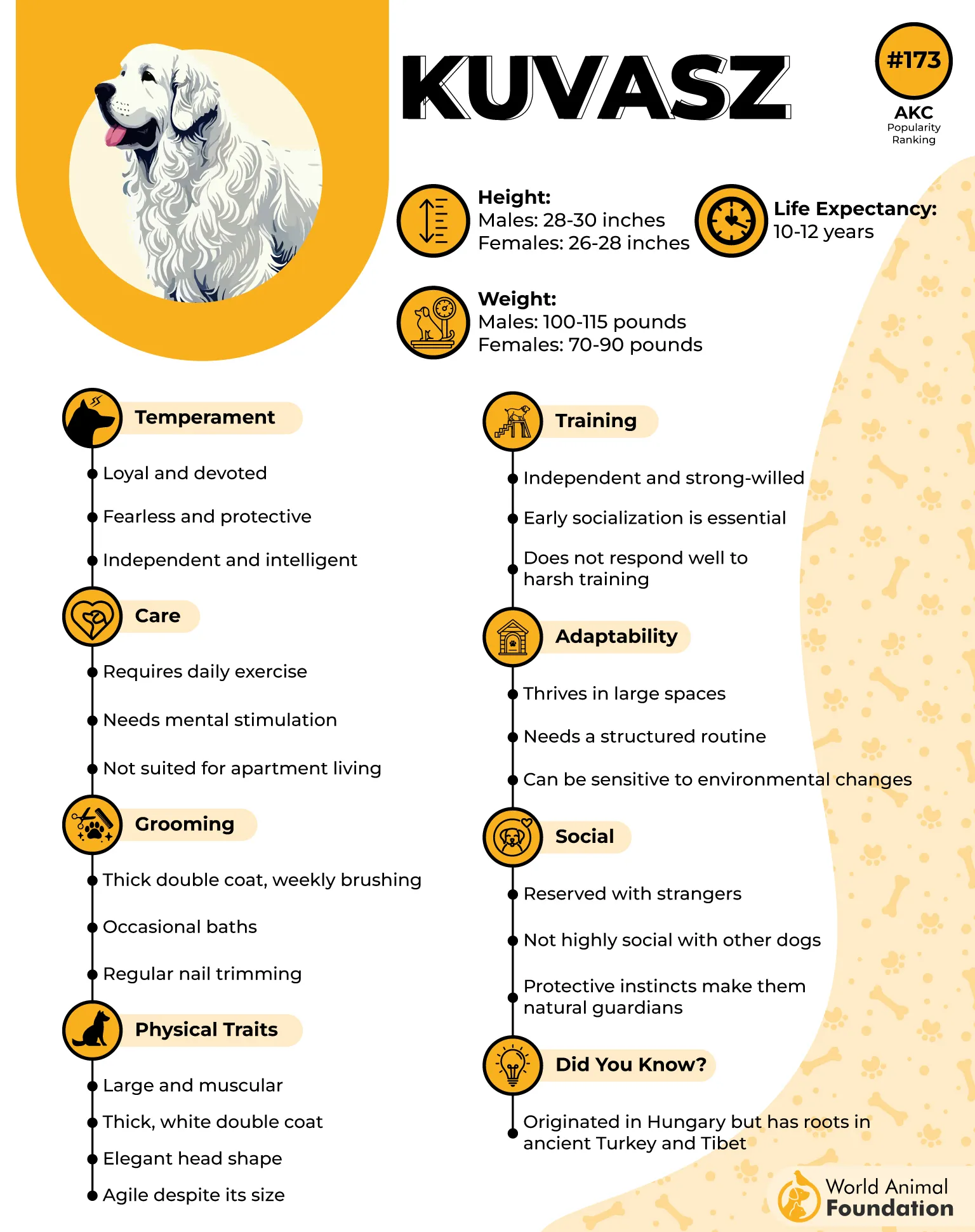
The Kuvasz has a large, powerful frame, with strong shoulders and a sturdy neck suited to confronting predators. Its thick white double coat provides insulation in open pastures, helps it remain visible to shepherds, and blends with the sheep it guards.
Conclusion
A protective dog can bring reassurance to a household while remaining an incredibly loyal and loving part of family life. These dogs often rely on their natural guarding instincts to notice unfamiliar activity, but their behavior depends on early socialization, clear guidance, and professional training. Their size and strength also make responsible handling important, especially around children and visitors.
Daily exercise and mental stimulation, consistent routines, and patient instruction help them become manageable companions. Before bringing one home, consider the space, time, and experience needed to meet its needs. A suitable match can offer affection and companionship while keeping a watchful presence around the people and place it calls home.
