




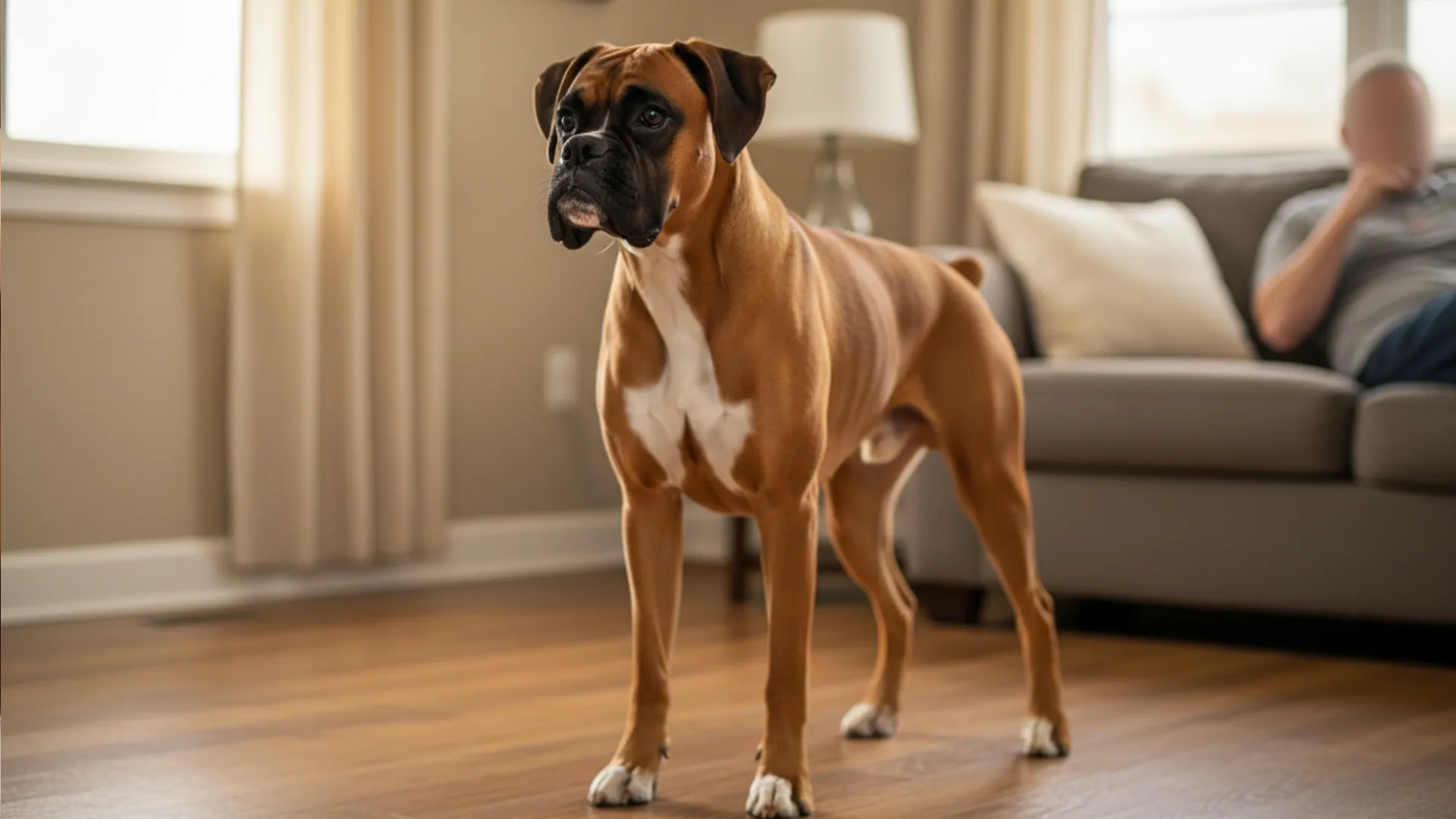
If you’ve ever wanted a dog that’s both your bestie and your personal bodyguard, welcome—you’re in the right place. Some dog breeds aren’t just loyal… they’re ride-or-die loyal, the kind that will literally put themselves between you and danger without thinking twice. And no, that’s not just movie hype—these instincts are deeply rooted in genetics, history, and centuries of selective breeding.
Protective dogs were originally bred for serious jobs such as guarding livestock, protecting property, or assisting armies. Over time, they evolved into family companions who still carry that “I got your back” energy—but now with more cuddles and less battlefield chaos. According to canine behavior experts, traits such as territorial awareness, loyalty, and threat assessment distinguish true guard dogs from just loud barkers.
But here’s the real tea: a protective dog isn’t automatically aggressive. In fact, the best ones are calm, controlled, and smart enough to know when to act and when to chill. Let’s check out the top dog breeds known for their protective instincts.
Top Dog Breeds Known for Their Protective Instincts
1. Rottweiler
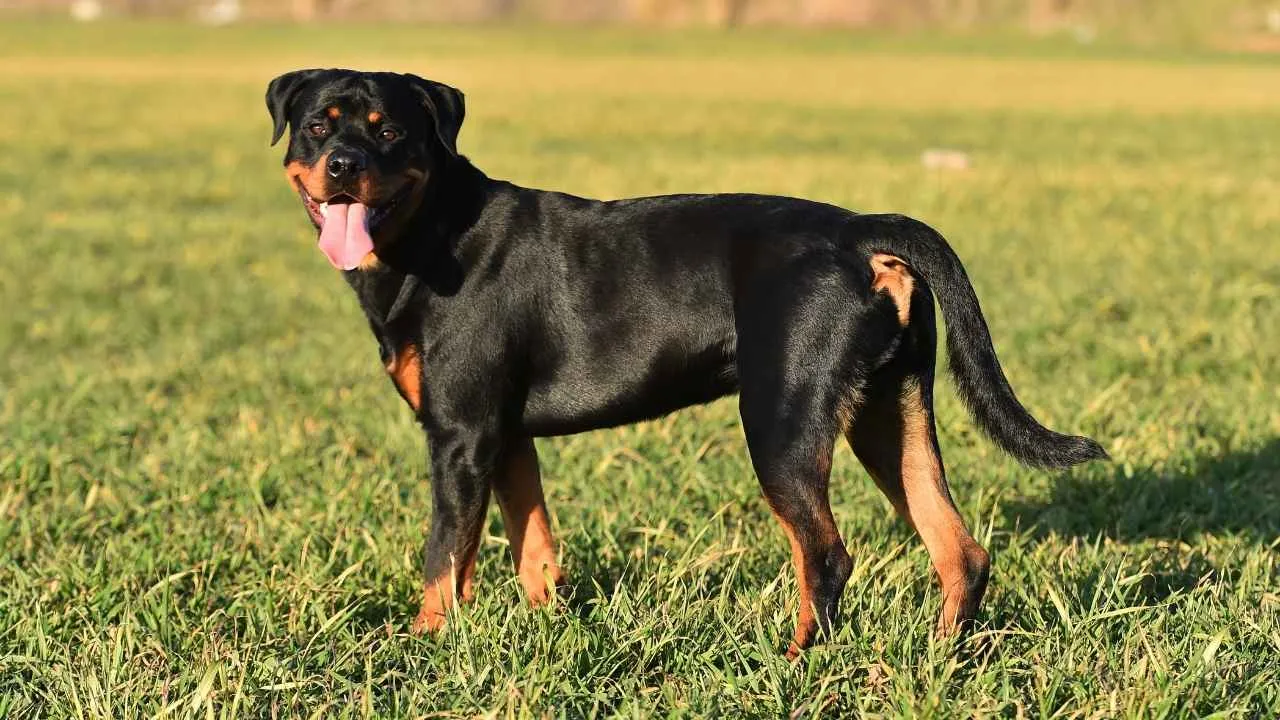
The Rottweiler is basically the definition of “calm but deadly.” Originally used by Roman soldiers to herd cattle and guard camps, this breed has been protecting humans for literal centuries. Today, they’re still used in police and military roles because of their strength, intelligence, and ability to stay composed under pressure.
What makes Rottweilers stand out is their balanced personality, as per PetPlan. They’re affectionate and even goofy with family, but instantly switch into serious mode when something feels off. That duality is why they’re considered one of the most reliable guard dogs in the world.
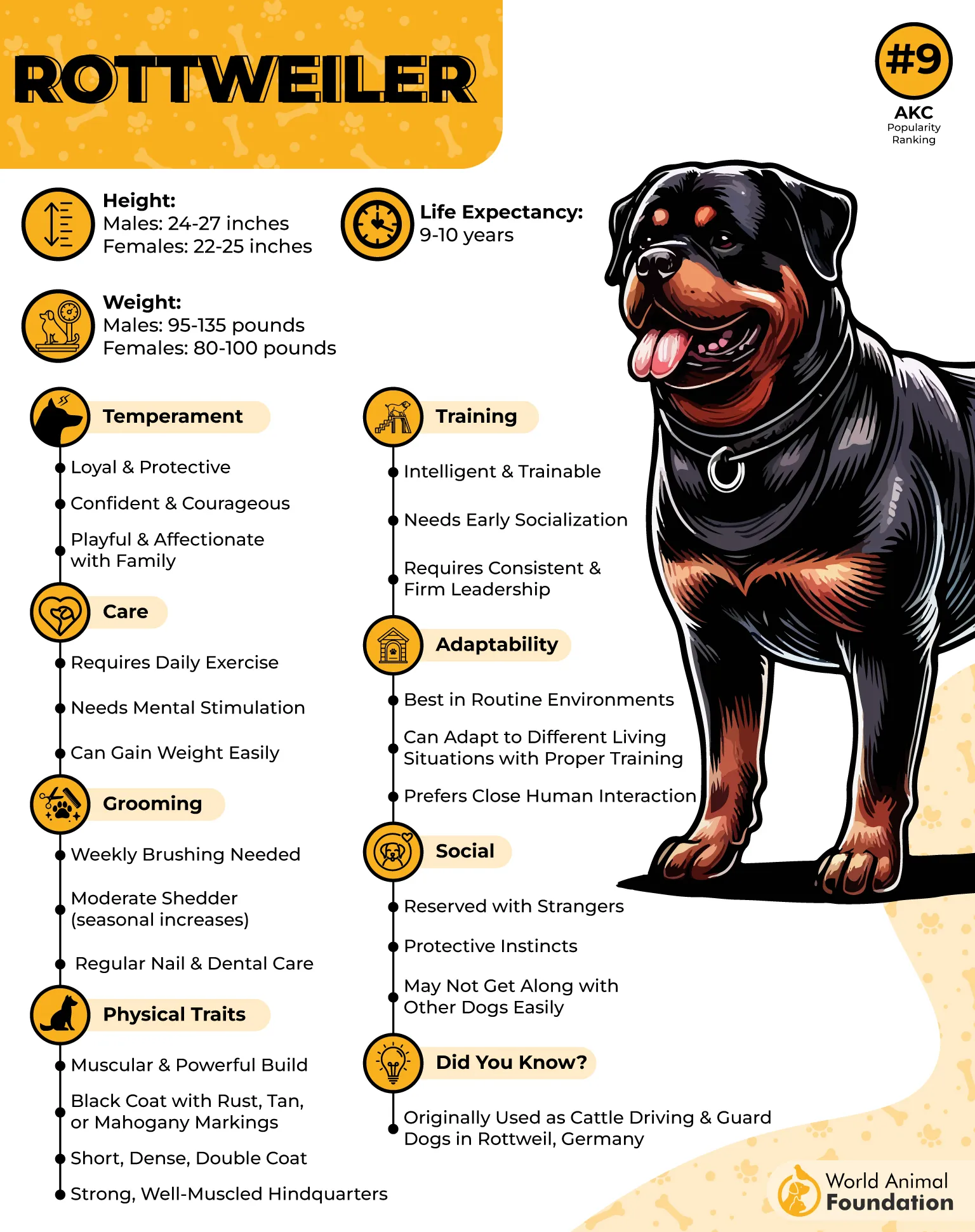
Physically, they’re built like tanks—muscular, broad, and naturally intimidating. Most weigh between 80 and 135 lbs, meaning their presence alone can deter threats without any action needed.
But don’t get it twisted—they’re not plug-and-play dogs. Without proper training and socialization, their protective instincts can become overprotective. Experts consistently emphasize early training to ensure they stay confident rather than reactive.
Real owner experiences often highlight how they don’t even need formal guard training—they “know.” That instinctive awareness makes them less reactive and more calculated, which is exactly what you want in a protector.
3 Ways They Protect Their Loved Ones
Uses sheer size and presence as a natural deterrent
Carefully assess threats before taking action
Forms deep emotional bonds that drive protective behavior
Find Your Ideal Protective Dog
Not every guard dog fits every lifestyle. Some need experienced handlers, intense training, and lots of space — while others are better suited for families or first-time large-dog owners. Answer 7 quick questions to discover your perfect match.
2. Doberman Pinscher
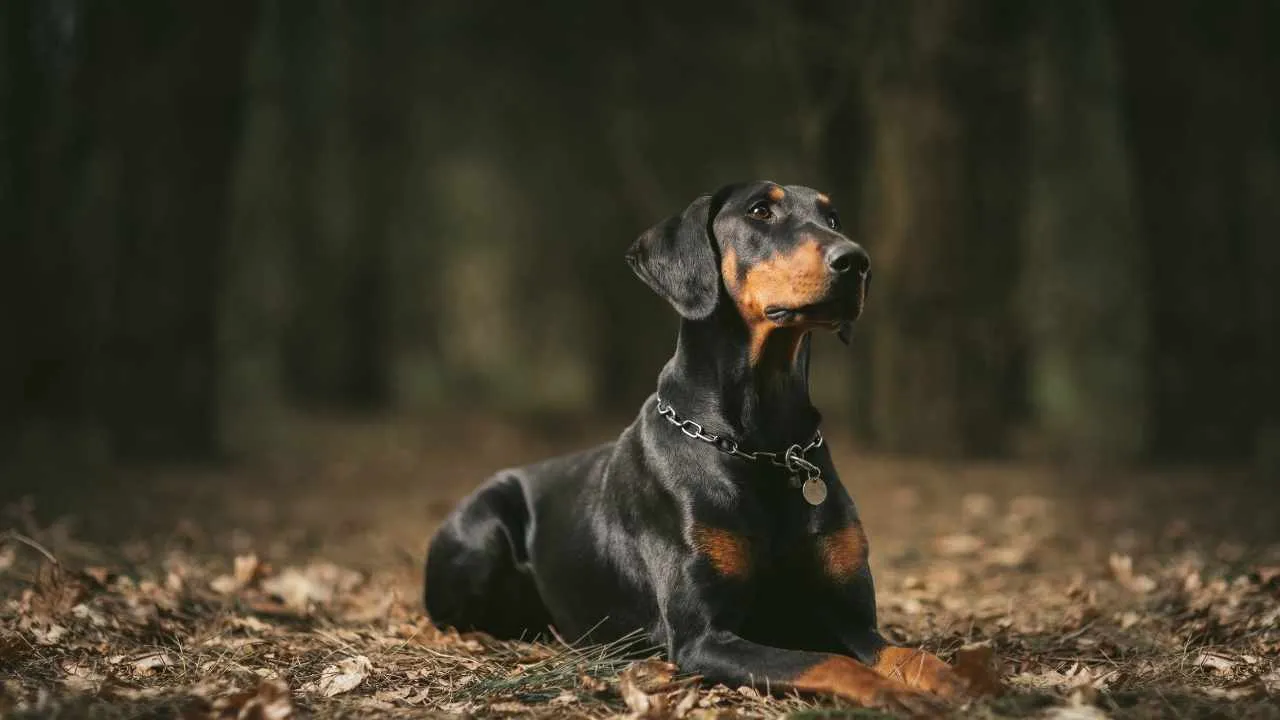
The Doberman Pinscher is basically the Ferrari of guard dogs—fast, sleek, and engineered for protection. Created in Germany specifically as a personal protection dog, this breed was designed from day one to guard humans.
Their biggest flex? Intelligence. Dobermans are consistently ranked among the smartest dog breeds, meaning they can read situations and respond in seconds.
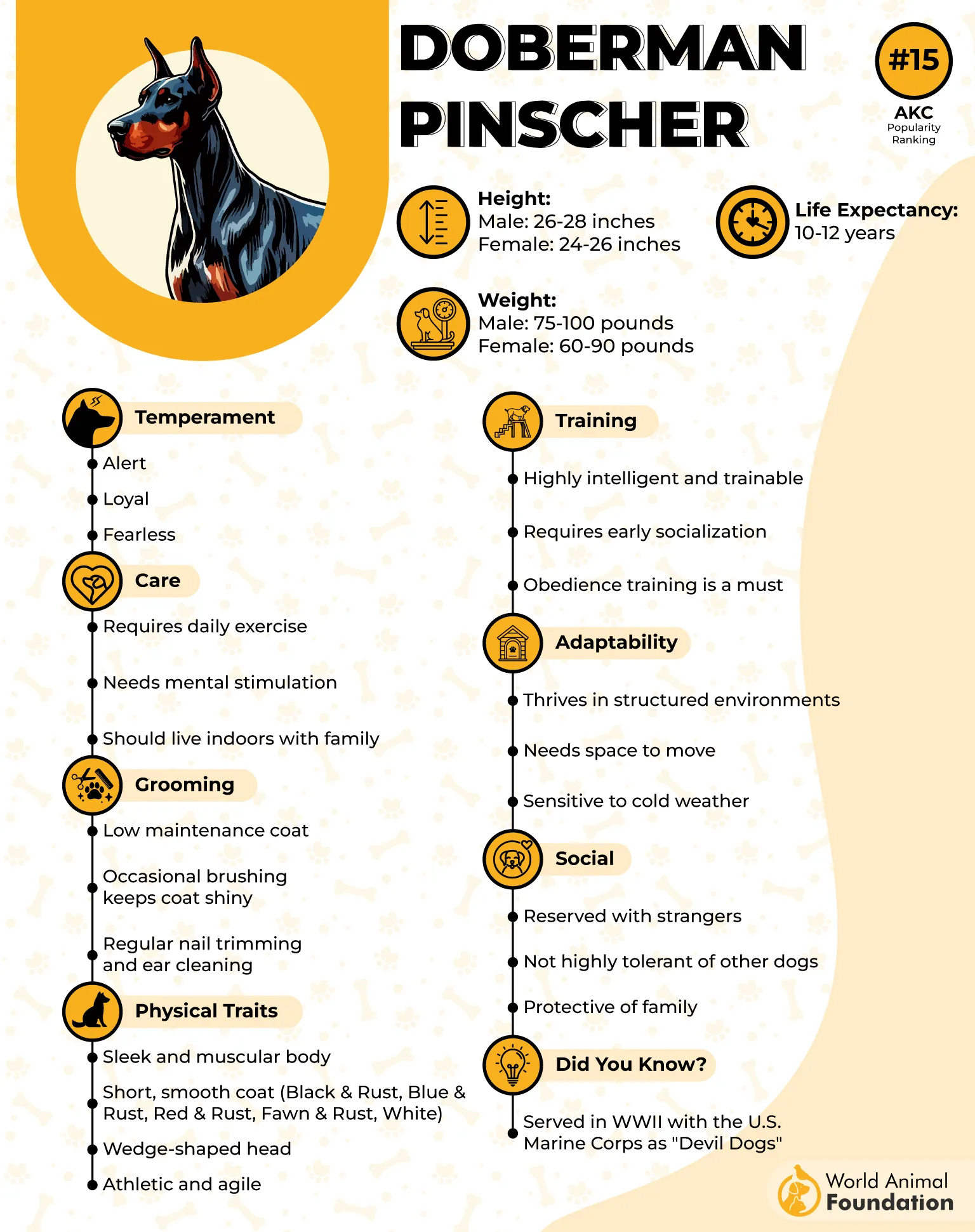
Unlike bulkier guard dogs, these dogs are excellent guard dogs that rely on speed and agility. They’re quick responders, which makes them ideal for active households or people who want a dog that’s always alert and ready.
Some of the most protective dog breeds out there also form extremely strong bonds with their owners, showing how well these deeply loyal dogs distinguish between normal and dangerous situations.
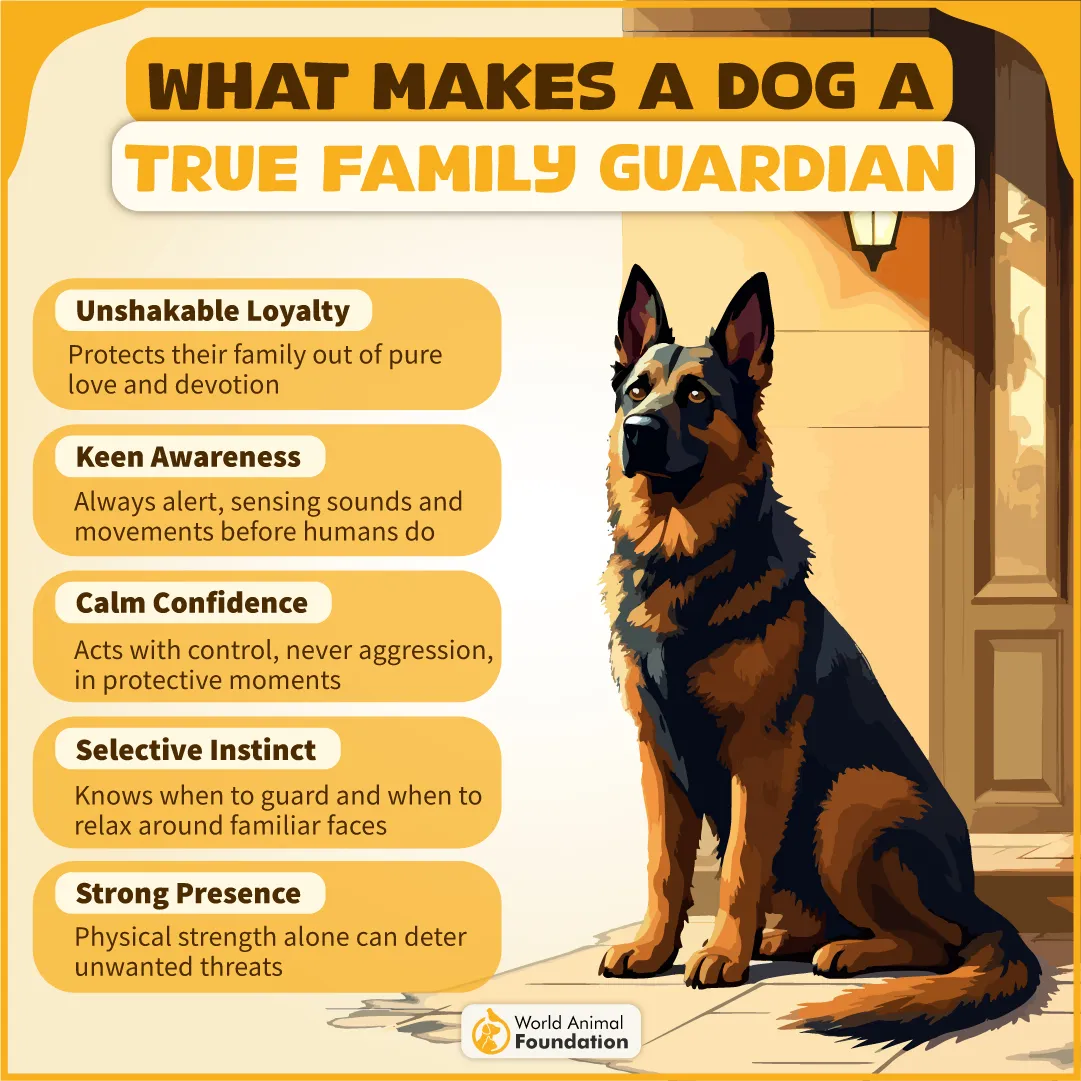
That said, they’re not low-effort dogs. They need mental stimulation, exercise, and consistent training to stay balanced—but if you invest the time, you get one of the most elite protectors on the planet.
3 Ways They Protect Their Loved Ones
Reacts rapidly to perceived threats with speed and precision
Stays hyper-aware of surroundings at all times
Builds intense loyalty that fuels protective instincts
🎧 Dogcast
Episode 37 — Why Dogs Stay Close without Touching
If you don't hear sound, tap the button above to enable audio.
3. Boxer
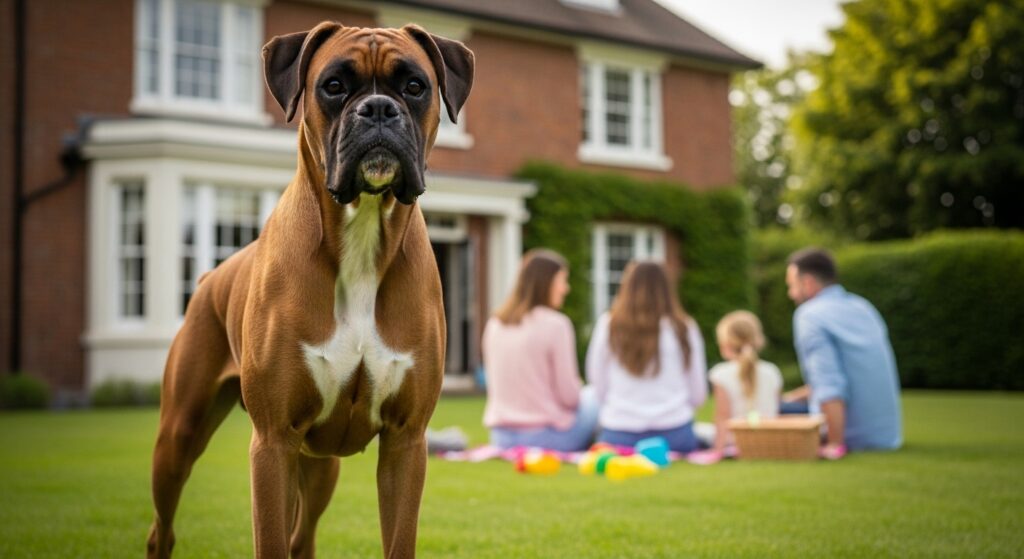
Boxers are like that friend who’s always joking… until things get serious. They’re playful, energetic, and goofy—but underneath all that chaos is a deeply protective nature.
Historically used as guard and hunting dogs, they combine athleticism with alertness. Their strong build and expressive bark alone can make intruders think twice.
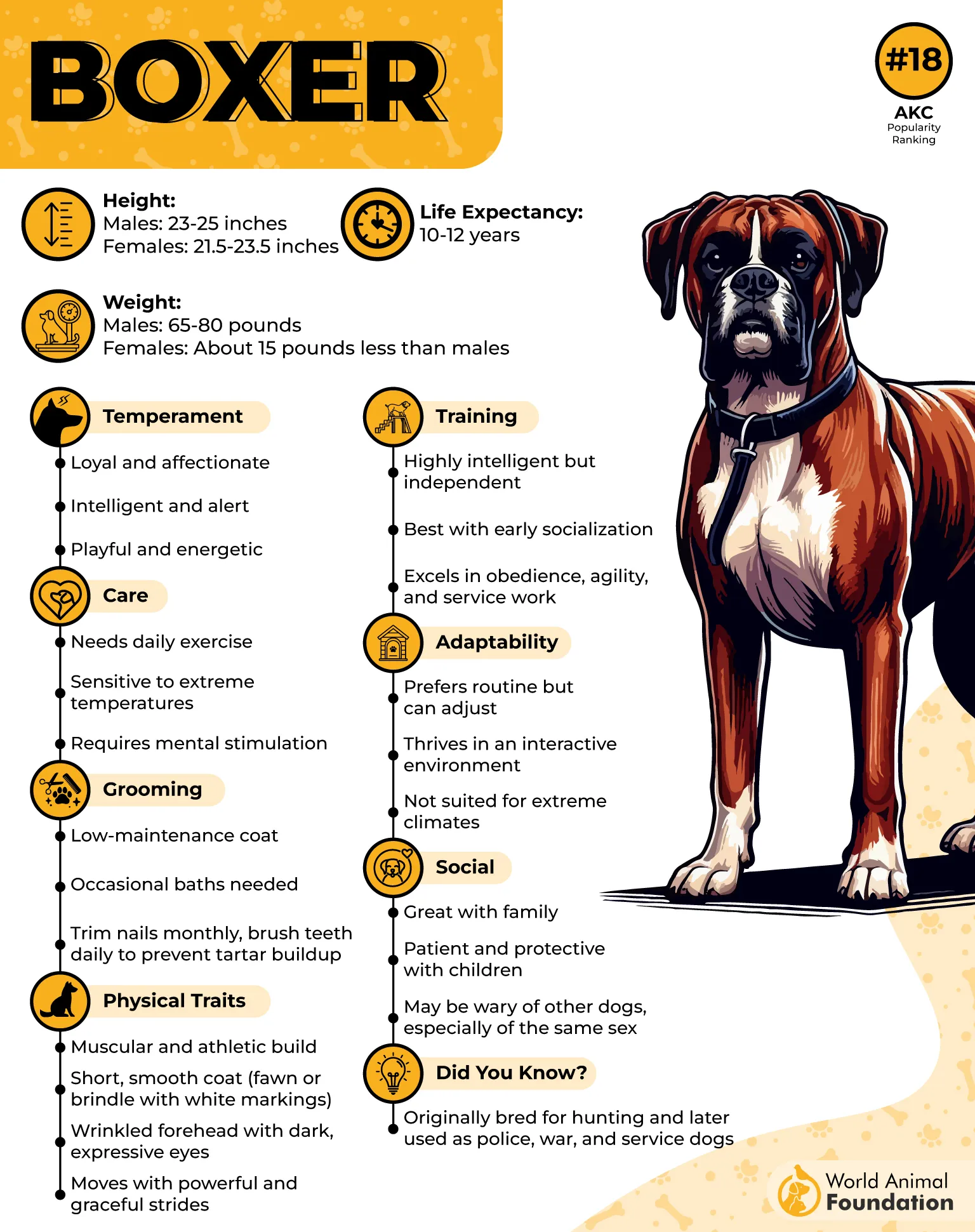
What makes them unique is their love for family, especially kids. They’re known for being patient and gentle with children, which makes them one of the best “family guard dogs.”
They’re also incredibly alert around their family members. This protective dog breed notices everything—new sounds, unfamiliar faces, weird vibes—and they’re quick to notify their humans. However, their high energy means they need daily exercise.
A bored Boxer is basically in chaos mode, so keeping them active is key to maintaining their protective discipline.
3 Ways They Protect Their Loved Ones
Alerts owners instantly to unusual activity
Uses strong bark and presence to discourage intruders
Combines affection with instinctive guarding behavior
4. Bullmastiff
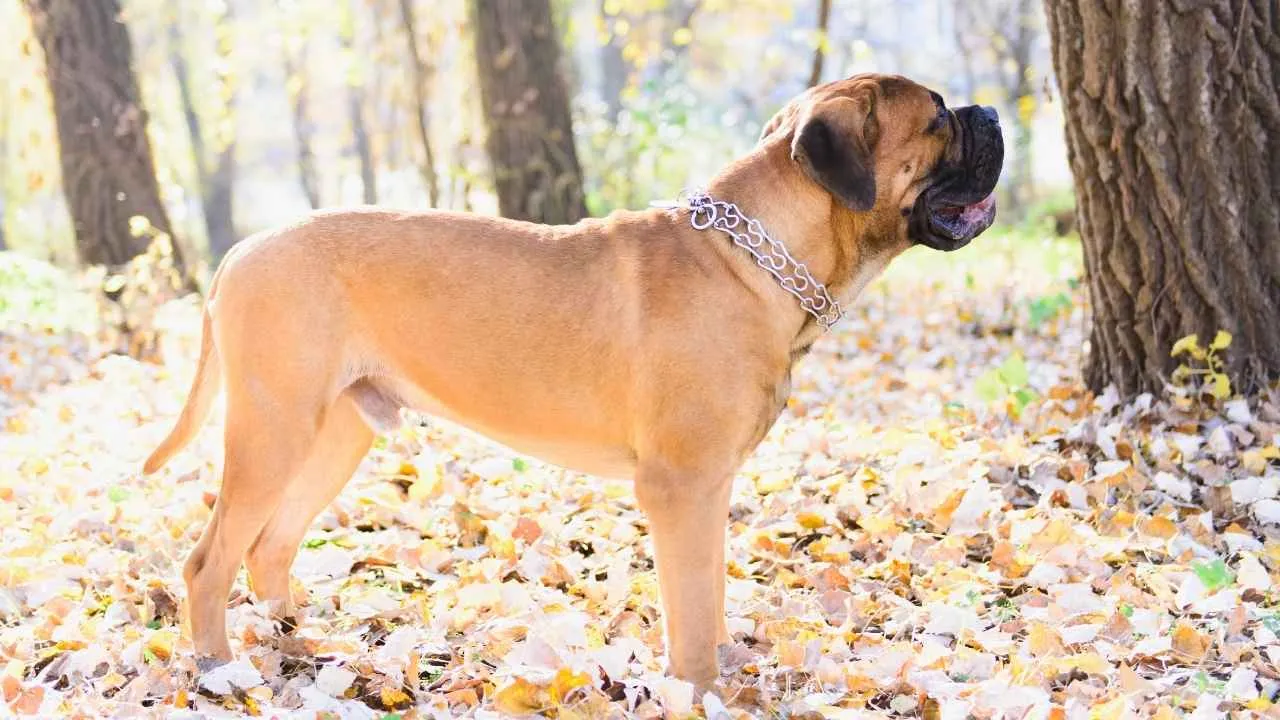
Bullmastiffs are the definition of silent security. Bred in England to guard estates from poachers, they were trained to pin intruders rather than attack—basically old-school security guards.
They’re massive, powerful, and intimidating, but surprisingly gentle with family. This “gentle giant” vibe makes them perfect for people who want protection without constant aggression.
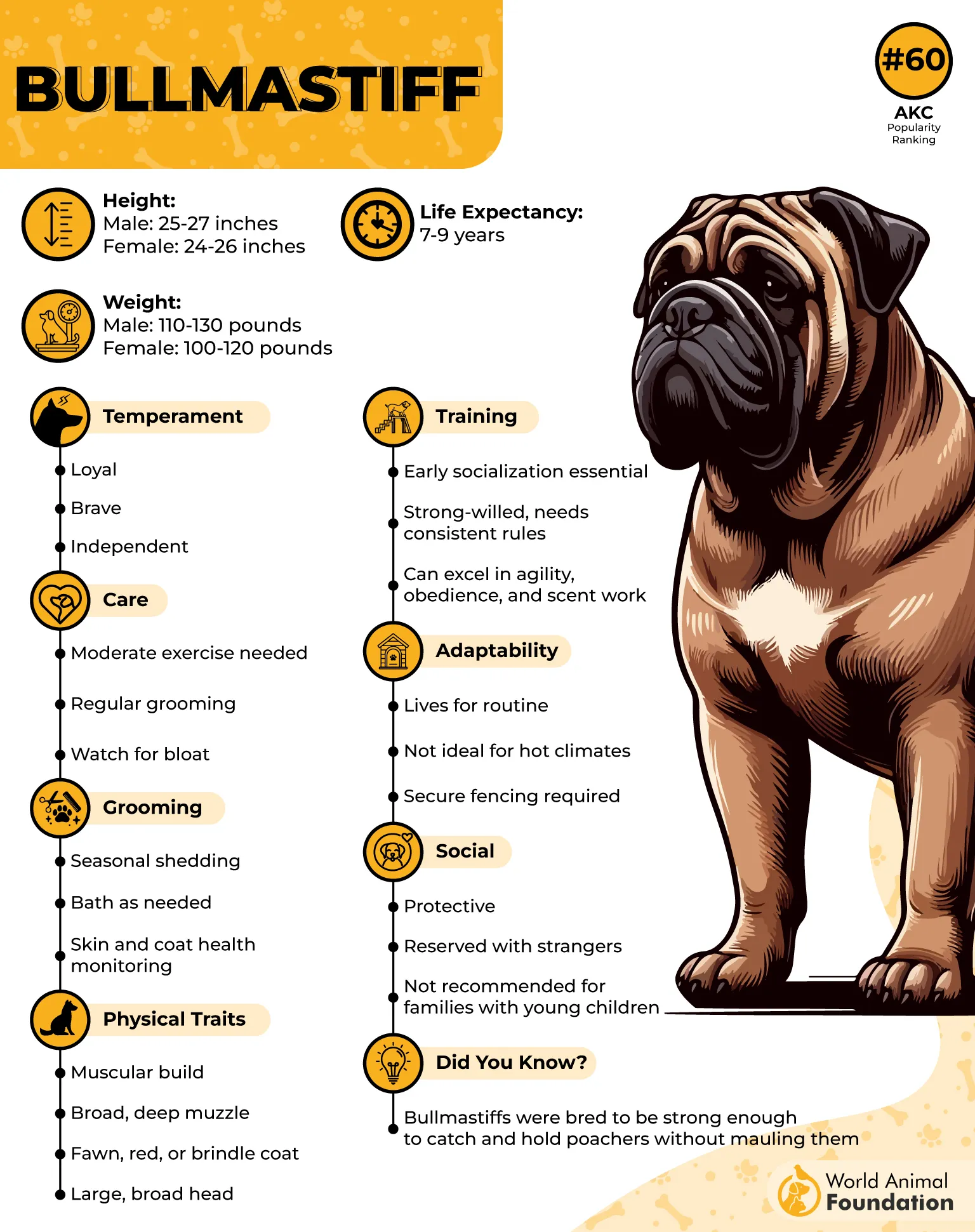
Unlike more reactive breeds, Hills Pet says this loyal dog breed is calm and observant. This dog breed thrives in quiet. These creatures don’t bark unnecessarily—they act when it actually matters. Their size alone is often enough to scare off threats. Most intruders aren’t sticking around when a 130-pound dog is silently staring them down.
Early socialization for this dog isn’t optional—it’s what turns a massive, powerful dog into a calm, confident protector instead of a reactive one. Because they’re naturally protective and reserved with strangers, what they experience as puppies directly shapes how they respond to the world as adults.
Let them meet men, women, kids (supervised), and people in different outfits (hats, uniforms, etc.)
Expose them to everyday noises like traffic, vacuum cleaners, and doorbells.
Keep everything positive and calm, not overwhelming
They do require consistent training, though. Their strength means you need control, not chaos, especially in unfamiliar situations.
3 Ways They Protect Their Loved Ones
Uses quiet observation instead of constant barking
Relies on size and strength to neutralize threats
Maintains calm control in high-pressure situations
5. Akita
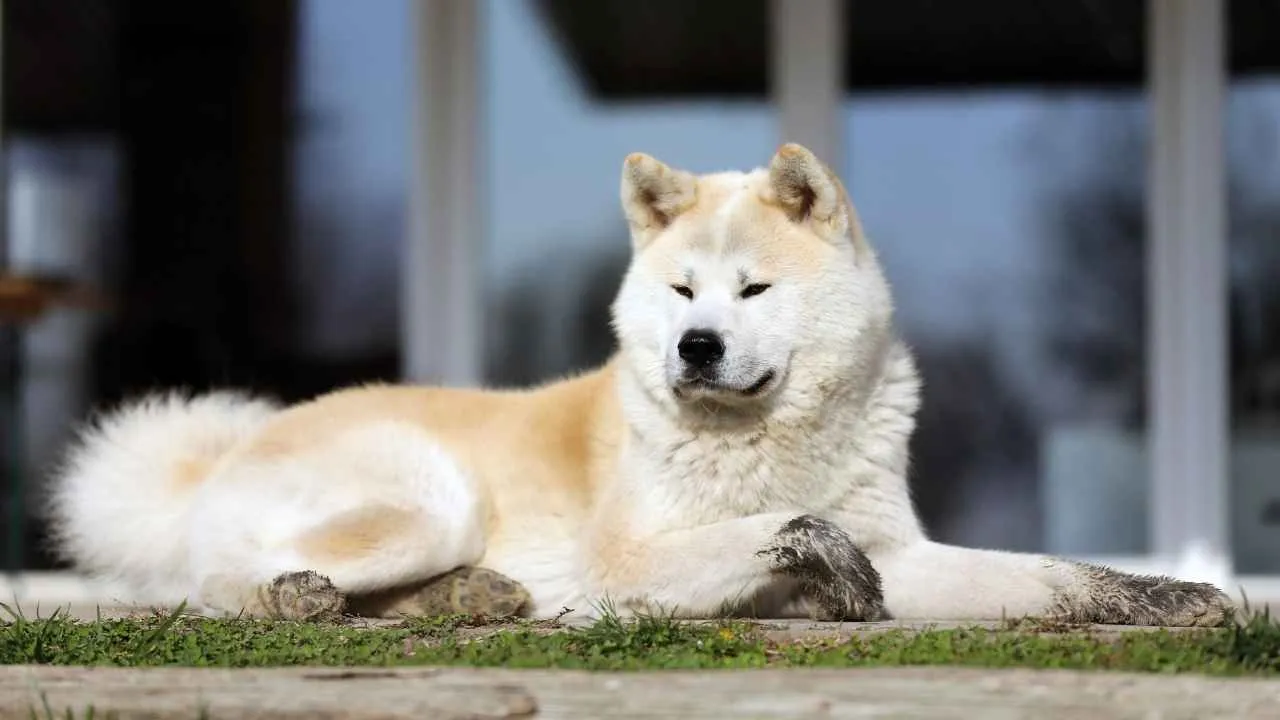
Akitas are loyal to a level that’s honestly legendary. Originating from Japan, they were bred to guard royalty and hunt large game like bears—yeah, bears.
They’re naturally reserved with strangers but deeply affectionate with their family. This selective bonding is what makes them such strong protectors.
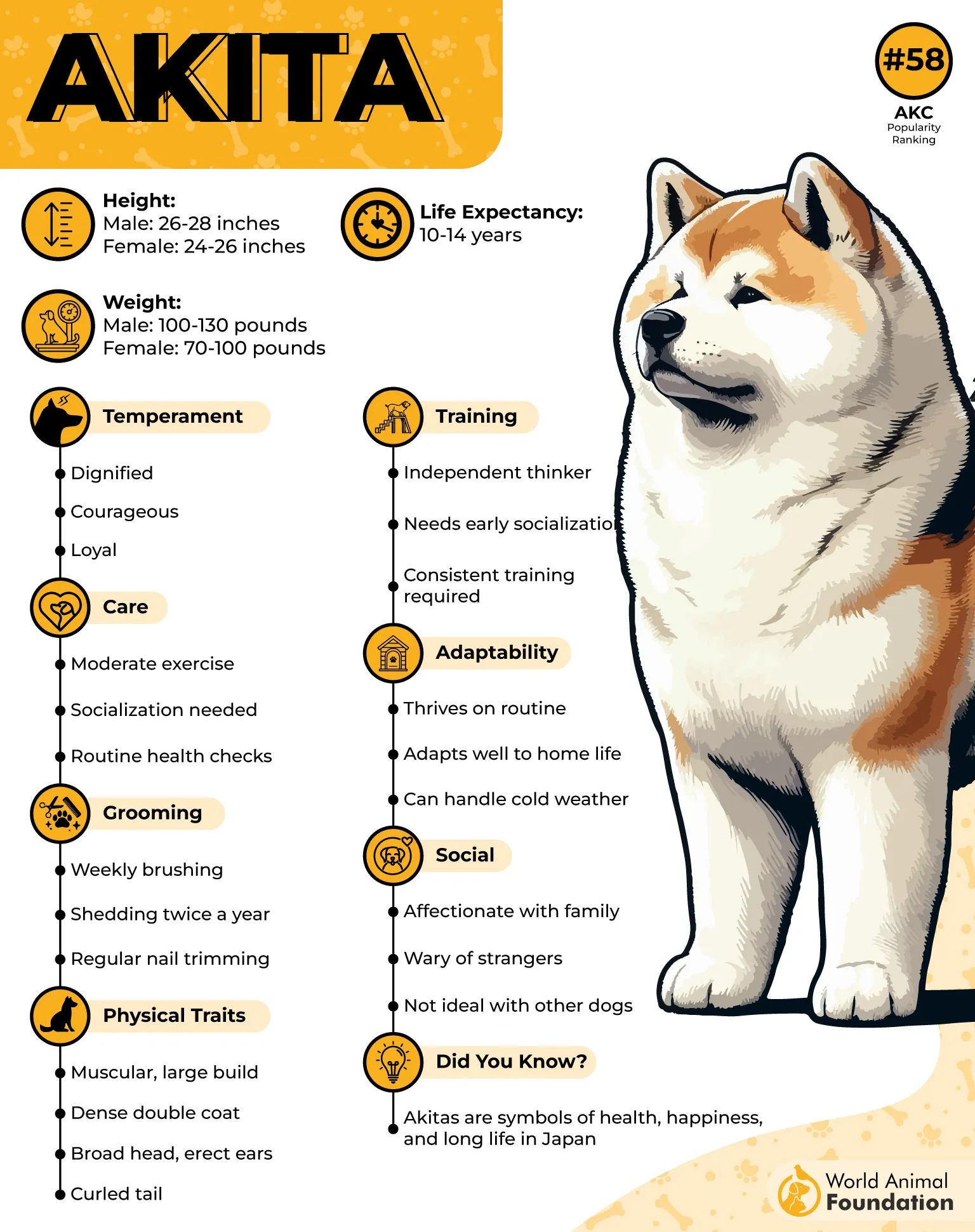
They don’t rely on noise—they rely on presence. They’re quiet, watchful, incredibly loyal, and always aware of what’s happening around them. With their family, Akitas are affectionate, loyal, and surprisingly gentle. Many owners describe them as “soft giants” at home.
With strangers, it’s a different story—they’re naturally cautious and may not seek interaction. This makes them excellent guardians, but also means socialization is crucial. They’re also incredibly brave. Once they decide someone is family, they will protect them without hesitation, no matter the situation.
However, they need experienced pet parents. Their independent mindset means they don’t unthinkingly follow commands—they think for themselves.
3 Ways They Protect Their Loved Ones
Forms deep, almost exclusive bonds with family
Maintains constant silent vigilance
Displays fearless courage in threatening situations
6. Cane Corso
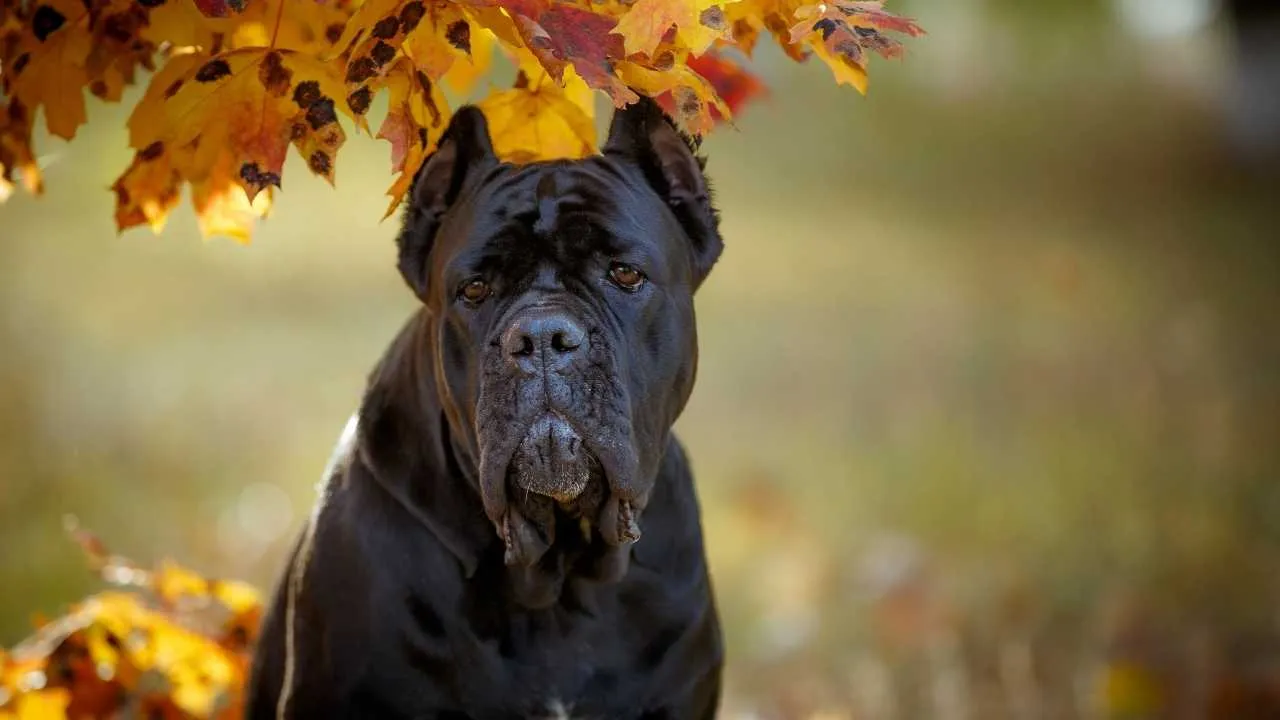
The Cane Corso is basically ancient Rome’s version of a bodyguard—and yes, they’re still built like it. Originally used as war dogs and property guardians, they carry centuries of protective instincts. They were bred in Italy as guard dogs, war dogs, and property protectors, so guarding is literally in their DNA.
They don’t need to be “taught” to protect. A well-bred Cane Corso naturally watches, evaluates, and steps in if needed. They’re highly intelligent and extremely loyal, but also serious and no-nonsense. This isn’t a “fun-first” dog—it’s a “protect-first” dog.
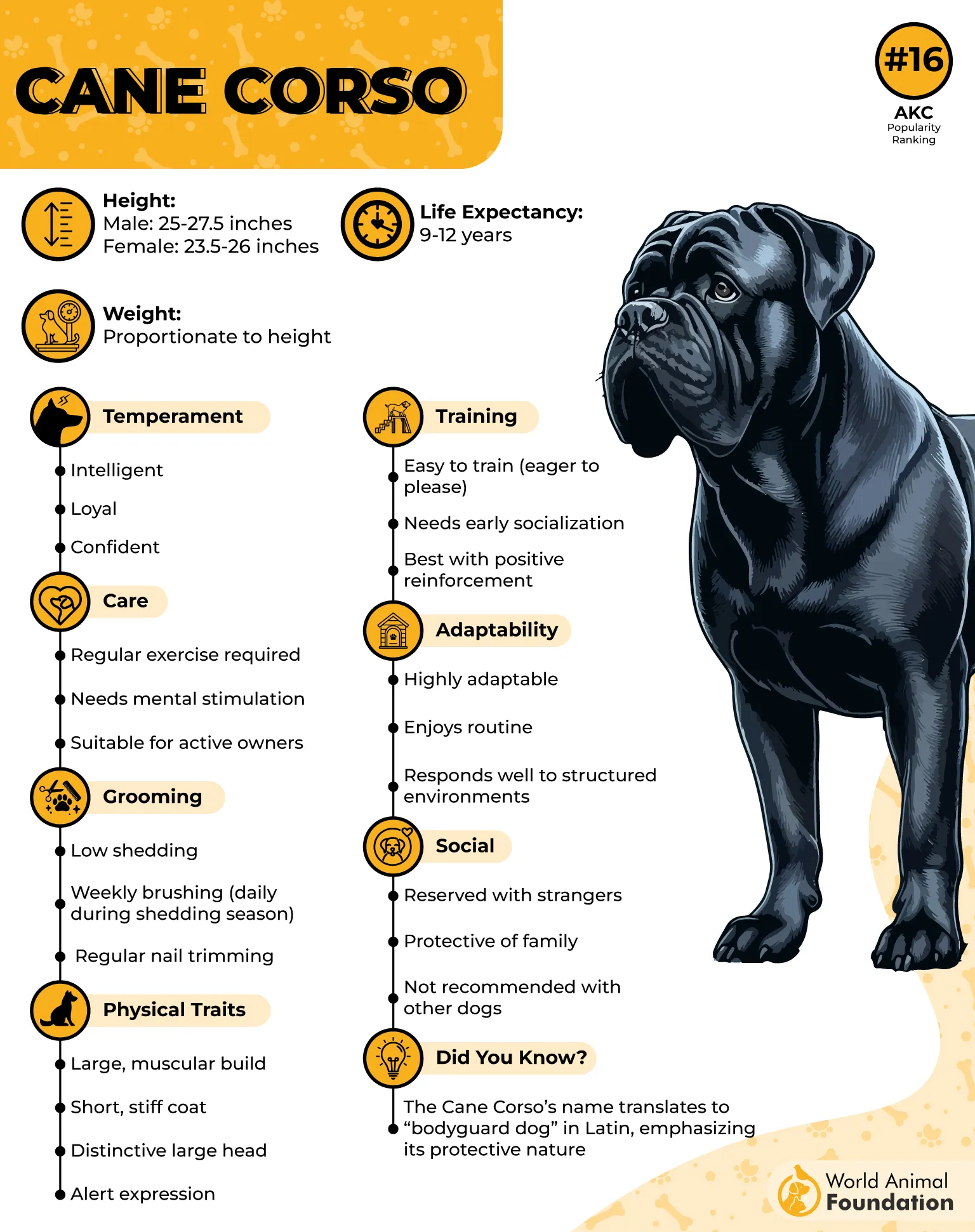
PDSA says they are incredibly intuitive as family dogs. They can read body language and detect threats before most humans even notice something’s off.
They’re working dogs, so they need proper socialization and physical and mental stimulation.
Daily walks (1–2 hours total)
Structured training sessions
Tasks or “jobs” to stay mentally engaged
A bored Cane Corso = destructive + stubborn.
When trained correctly, they’re one of the most effective personal protection dogs in the world—period.
3 Ways They Protect Their Loved Ones
Reads human behavior and detects potential danger early
Acts decisively when a threat is identified
Stays physically close to owners as a protective presence
7. Rhodesian Ridgeback

The Rhodesian Ridgeback is literally known as the dog that hunts lions. So yeah… protecting your house is light work for them. Also, they really have an intimidating presence.
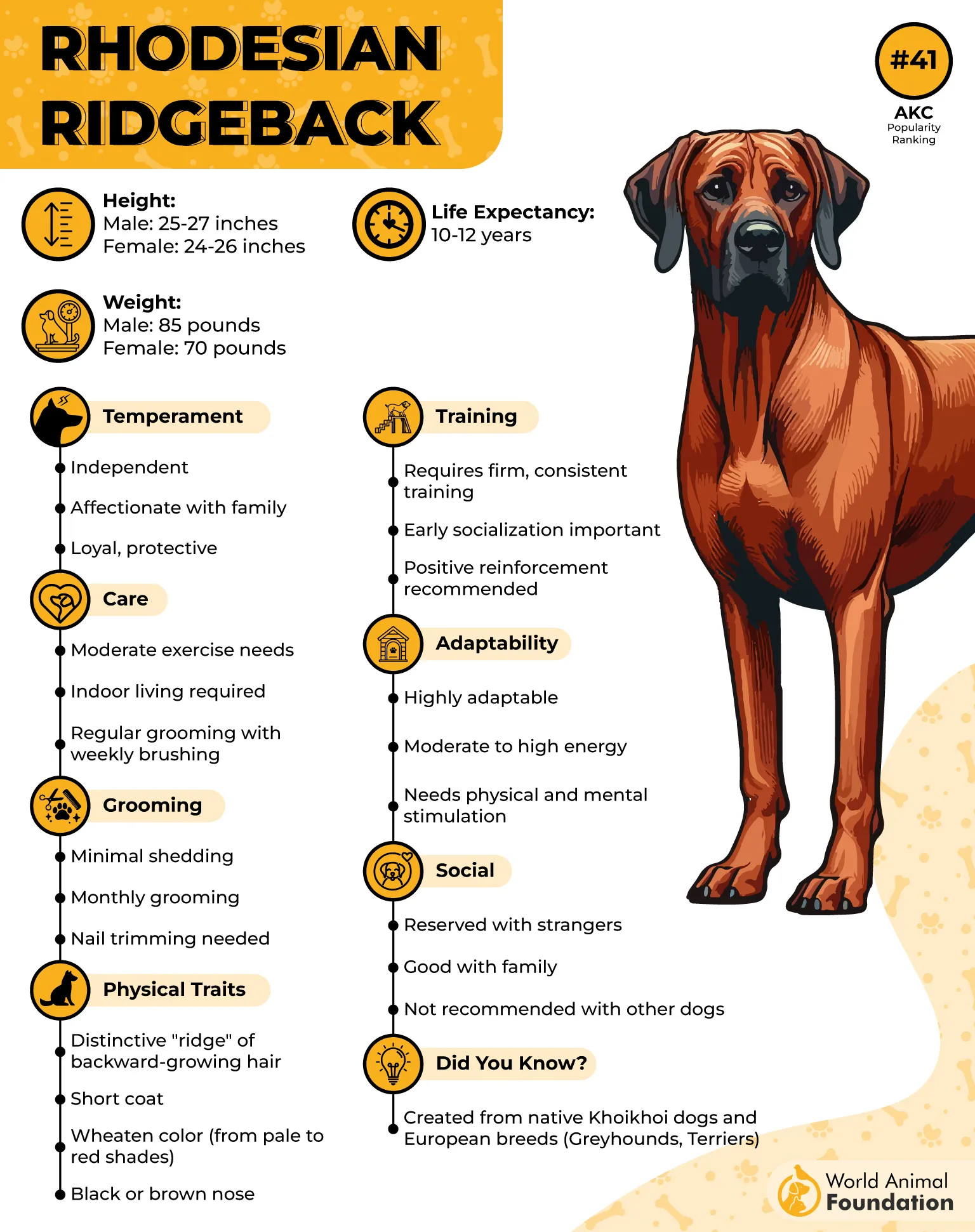
Originally bred in Africa, these dogs were used to track and hold lions at bay until hunters arrived. That history translates into insane courage and independence.
Unlike overly reactive breeds, these effective guardians are calm and selective. They don’t bark at everything—they act when necessary. They’re also extremely loyal and form tight bonds with their families. Once bonded, they become natural protectors without needing much training.
They are known for their intelligence and decision-making skills.
They are highly alert but not overly vocal.
They tend to position themselves between the owner and the perceived threat.
They don’t panic—they evaluate
However, their independent nature means they need confident owners. They’re not here for weak leadership—they respect strength and consistency.
3 Ways They Protect Their Loved Ones
Uses courage and confidence to confront threats
Stays calm and calculated instead of reactive
Relies on strong instincts developed from hunting history
Conclusion
So here’s the bottom line: protective dogs aren’t just about strength—they’re about brains, loyalty, and emotional intelligence. The best guard dogs don’t just react… they understand. Whether it’s the calm authority of a Rottweiler, the lightning speed of a Doberman, or the silent confidence of a Bullmastiff, each breed brings a different flavor of protection.
But let’s keep it real—owning a protective dog is a responsibility, not a flex. Without proper training, socialization, and leadership, even the best breeds can become difficult to handle. That’s why experts always stress early training and consistent guidance to turn instinct into controlled behavior.
At the end of the day, the perfect guard dog isn’t the most aggressive one—it’s the one that knows when not to act. Choose wisely, train properly, and you’ll have a loyal protector who’s also your best friend… and honestly, that’s the ultimate combo.
