




Nobody talks about this. Not devoted pet parents, certainly.
But somebody has to.
Because if you are going to bring one of these dogs home, or already have one curled up next to you right now, you deserve the honest truth about their life expectancy.
It is not to scare you. Not to talk you out of anything, but because knowing means you can do something with that knowledge.
More vet visits. More intentional time. Appreciation for a Tuesday afternoon nap together that you might have otherwise ignored.
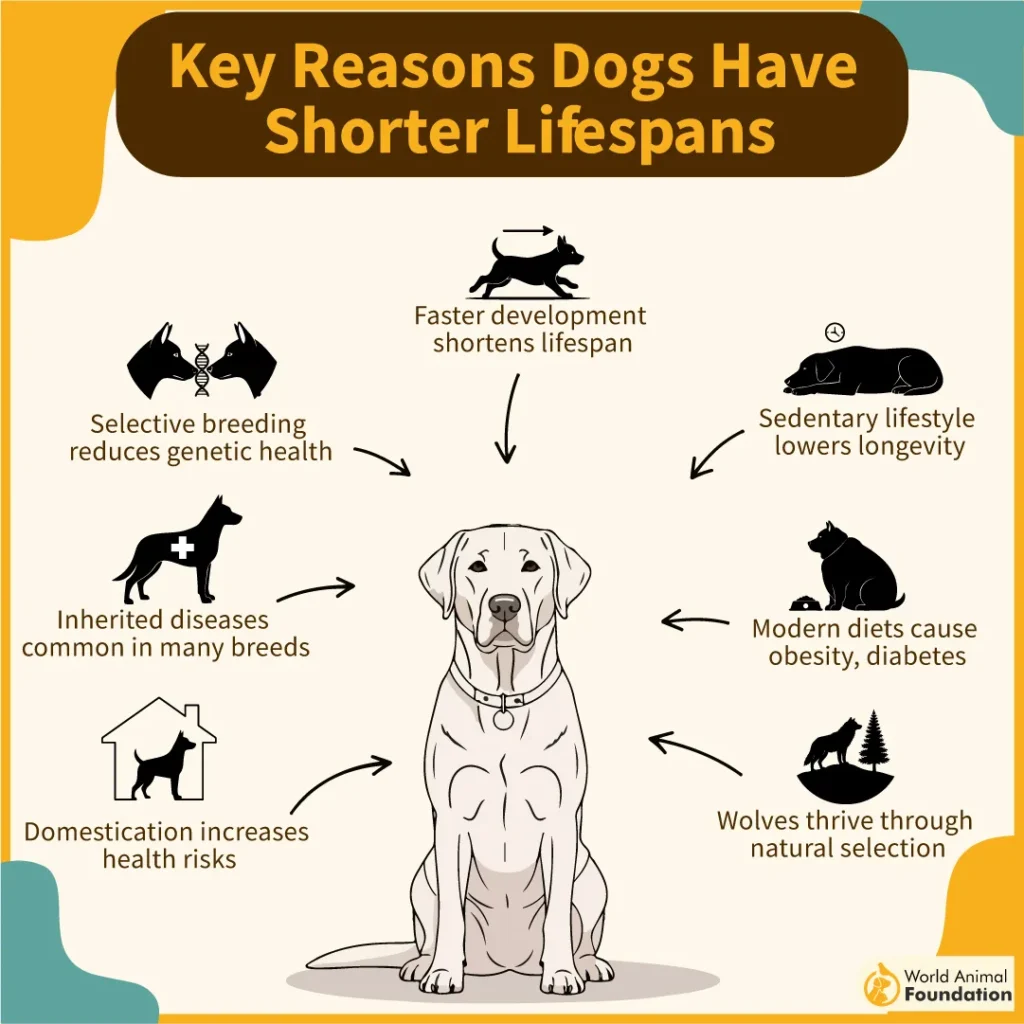
The HARD SCIENCE in one sentence: large breeds age faster than small dogs. We are talking cellular level. Faster cell division, more rapid growth, bigger cardiovascular systems working harder… giant breeds live their dog years on fast forward.
Do you know? A Great Dane at age five is physiologically closer to a senior dog than a Jack Russell Terrier at the same age. A Yorkshire Terrier can hit fifteen. An Irish Wolfhound thinks ten is a long life.
It is not fair. Yet, it is biology.
These are nine dog breeds known for a brief lifespan.
Dog Breeds Known for Brief Lifespans: A Guide
1. Great Dane
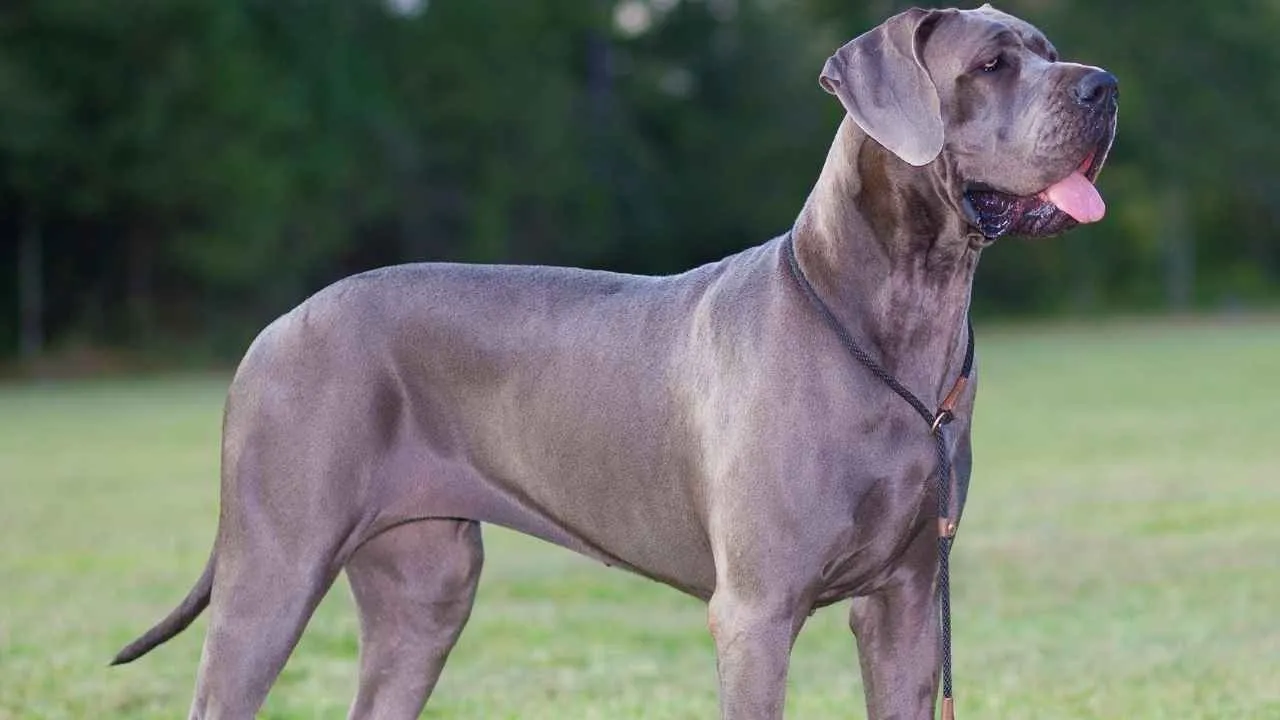
The Great Dane gets somewhere between 7 and 10 years. On a good run.
These dogs are so completely and thoroughly alive for every one of those years. Big personality, bigger presence, takes up half your couch (tallest dog breed ALERT!), knocks things off the table with their tail, looks you directly in the eye from a standing position.
The biology here is brutal. That enormous body size puts enormous strain on the cardiovascular system.
As per PetMD, Great Danes have a large heart, and heart disease, specifically dilated Cardiomyopathy, is the leading cause of death in this breed.
Their hearts are working overtime from day one to keep a 175-pound animal running.
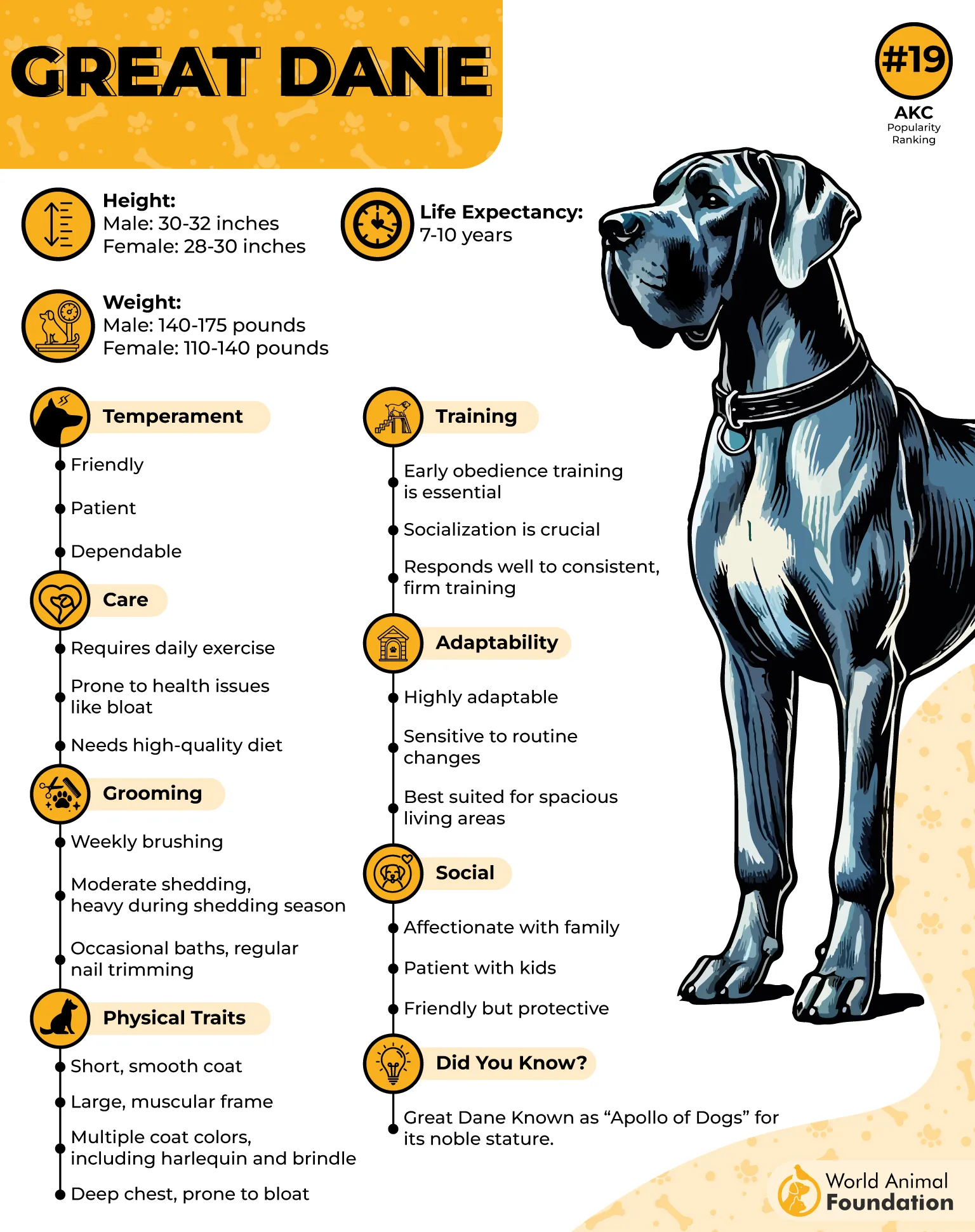
Pet parents who pick a Great Dane need to go in clear-eyed. Regular cardiac screenings, appropriate dog food for giant breeds, keeping them from becoming overweight dogs, these are NOT optional. They are the things that buy you more time with your dog.
And every extra month with a Great Dane is worth fighting for.
2. Bernese Mountain Dog
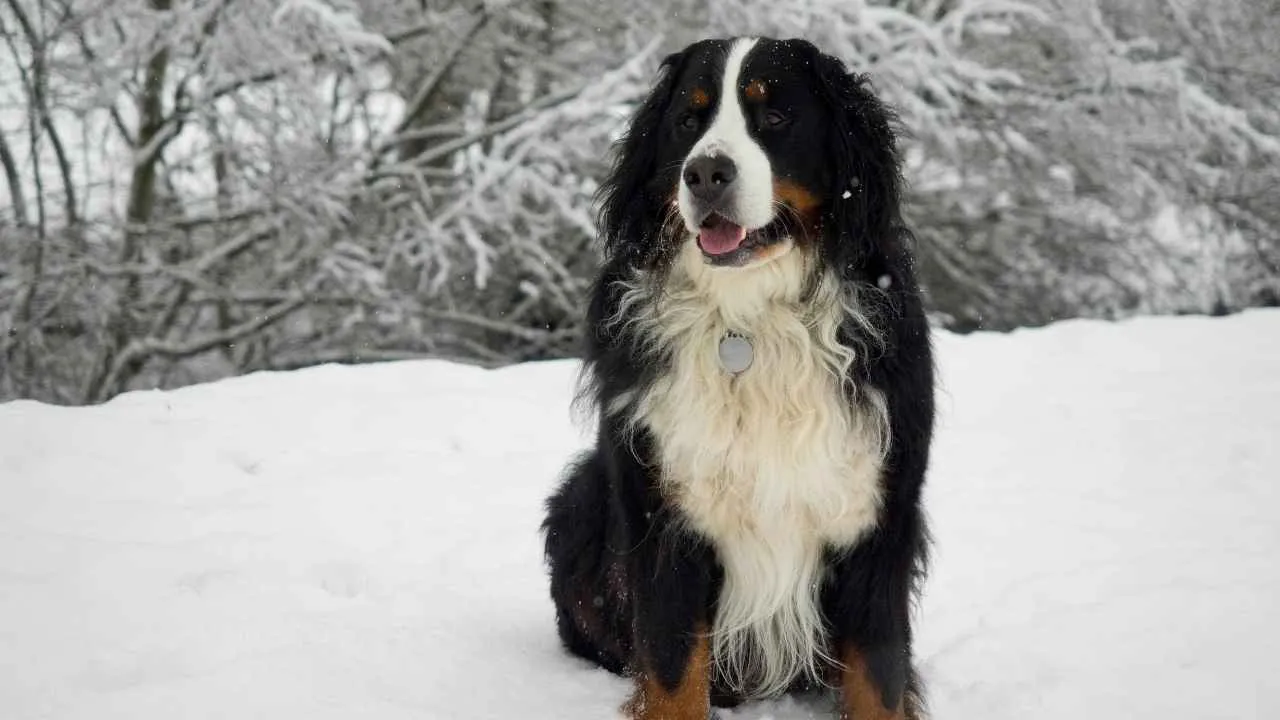
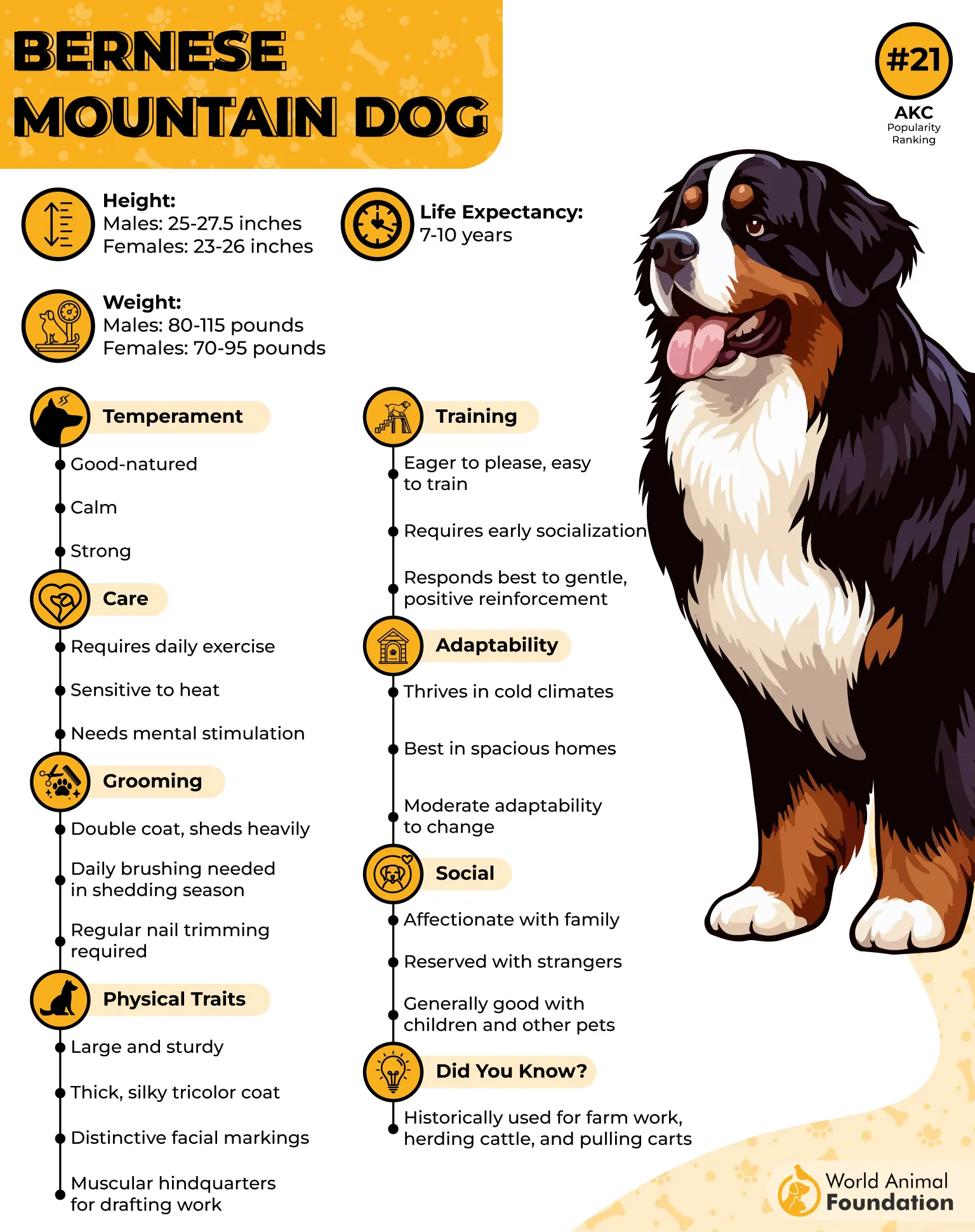
The Bernese Mountain Dog’s average lifespan is about 7-10 years. The dog community has felt that number like a wound for decades.
As per Orvis, there is even a phrase among Berner owners in Switzerland: “3 years a puppy, 3 years a good dog, 3 years an old dog”.
Nine to ten years mapped out in heartbreak before you even bring one home.
What makes the Bernese Mountain Dog’s shorter lifespan particularly devastating is that they are, temperamentally, one of the most perfect dogs ever created. Gentle, loyal, calm, wonderful with children, wonderful with everyone.
The culprit is mainly cancer. At a rate that alarms veterinary professionals. As per research, over 50% of Berners die from different forms of Neoplasia.
This breed carries a genetic predisposition that breeding practices have struggled to outrun.
For pet parents of Bernese Mountain dogs, the advice is not to wait for symptoms. Annual checkups, awareness of lumps or changes in the dog’s health, and keeping their joint health strong through exercise extend both the length and quality of the dog’s life.
Love these mountain dogs loudly and more.
3. Irish Wolfhound
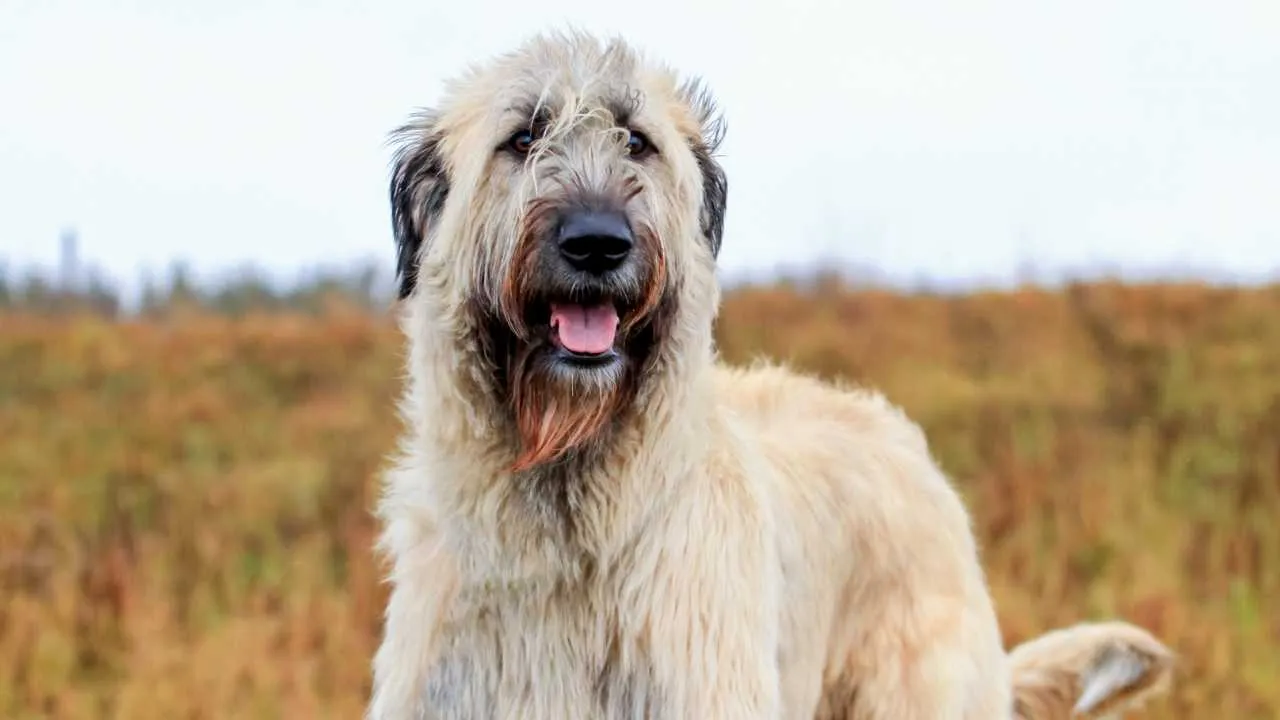
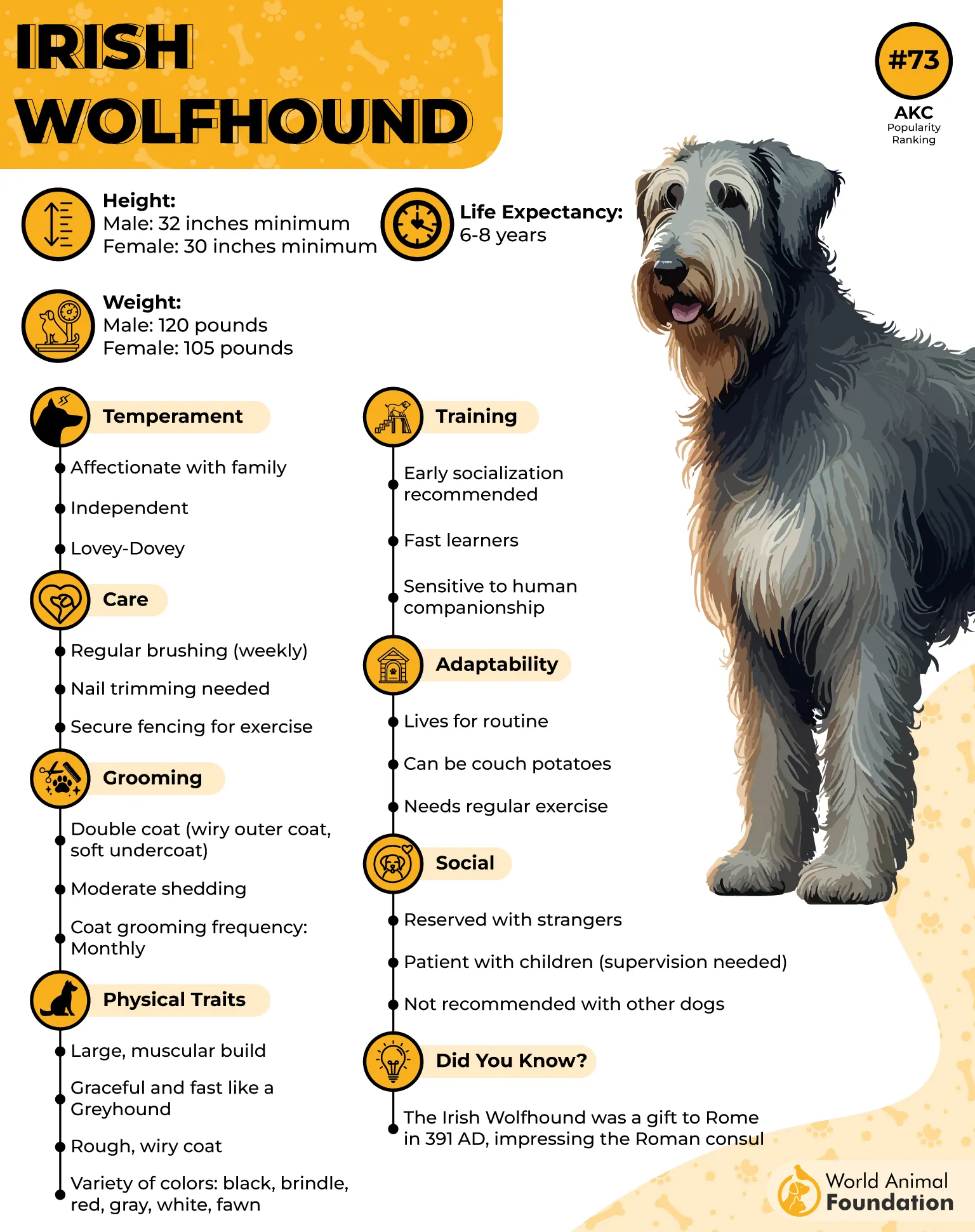
The Irish Wolfhound has the shortest average lifespan of almost any dog breed. 6 to 8 years.
Six. To. Eight.
For a dog this magnificent, this ancient, this deeply bonded to human history, that number lands like a gut punch every single time.
Irish Wolfhounds were bred specifically to hunt wolves alongside Celtic chieftains. They are one of the oldest dog breeds on earth. And they get less than a decade.
Their body size alone explains most of it. Standing 32 inches tall at the shoulder, the Irish Wolfhound’s cardiovascular system is under constant and enormous load.
Heart disease and bone cancer are the two most common causes of death, and they arrive early for this hound dog.
What Irish Wolfhound owners will tell you, uniformly, is this: they have never loved a dog more. The depth of the bond with this breed in a short window somehow exceeds what many people experience with small dogs over 15 years.
Different breeds, different Math, but the same conclusion.
Worth it. Completely worth it.
4. Bullmastiff
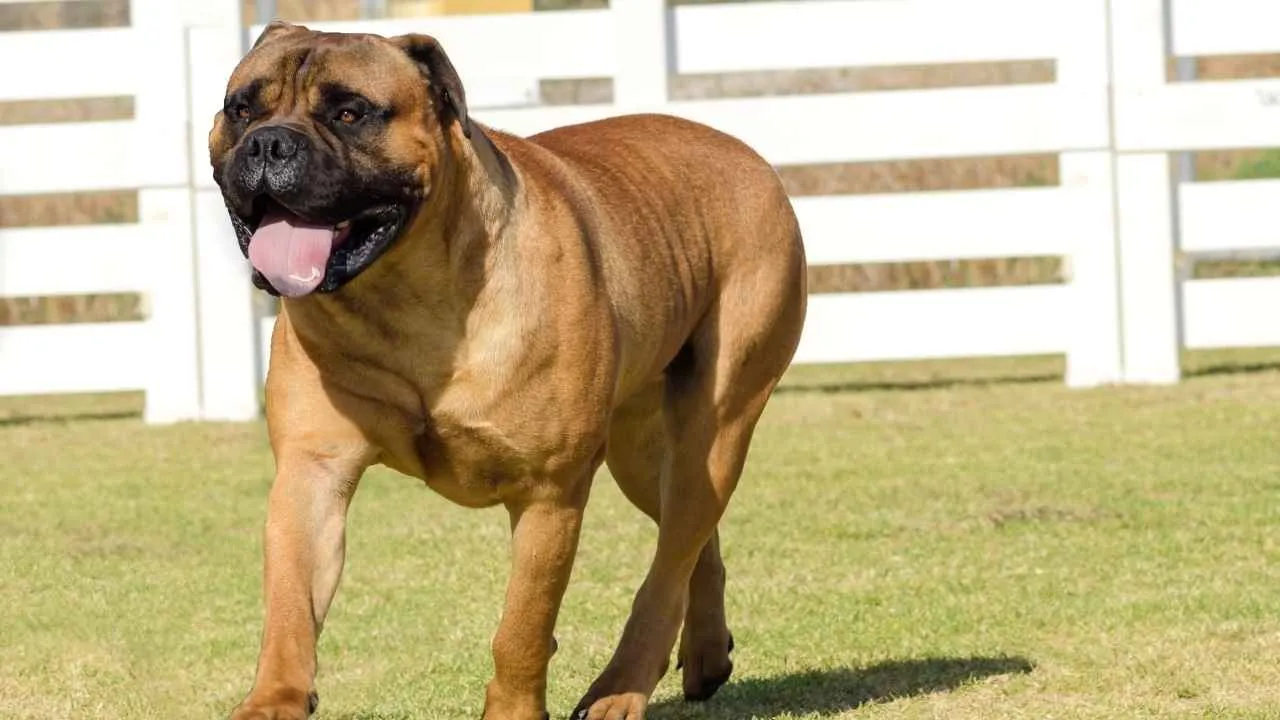
The Bullmastiff lives 7 to 9 years and spends most of that time convinced it is your personal security detail.
The breed’s shortest life expectancy comes from a mix of body size, flat-faced breeds’ respiratory challenges, and a predisposition to cancer and heart disease.
Originally bred by English gamekeepers to silently track and pin poachers (both impressive and specific), the Bullmastiff is a guard dog. It has that working-dog seriousness in a body that, unfortunately, ages quickly.
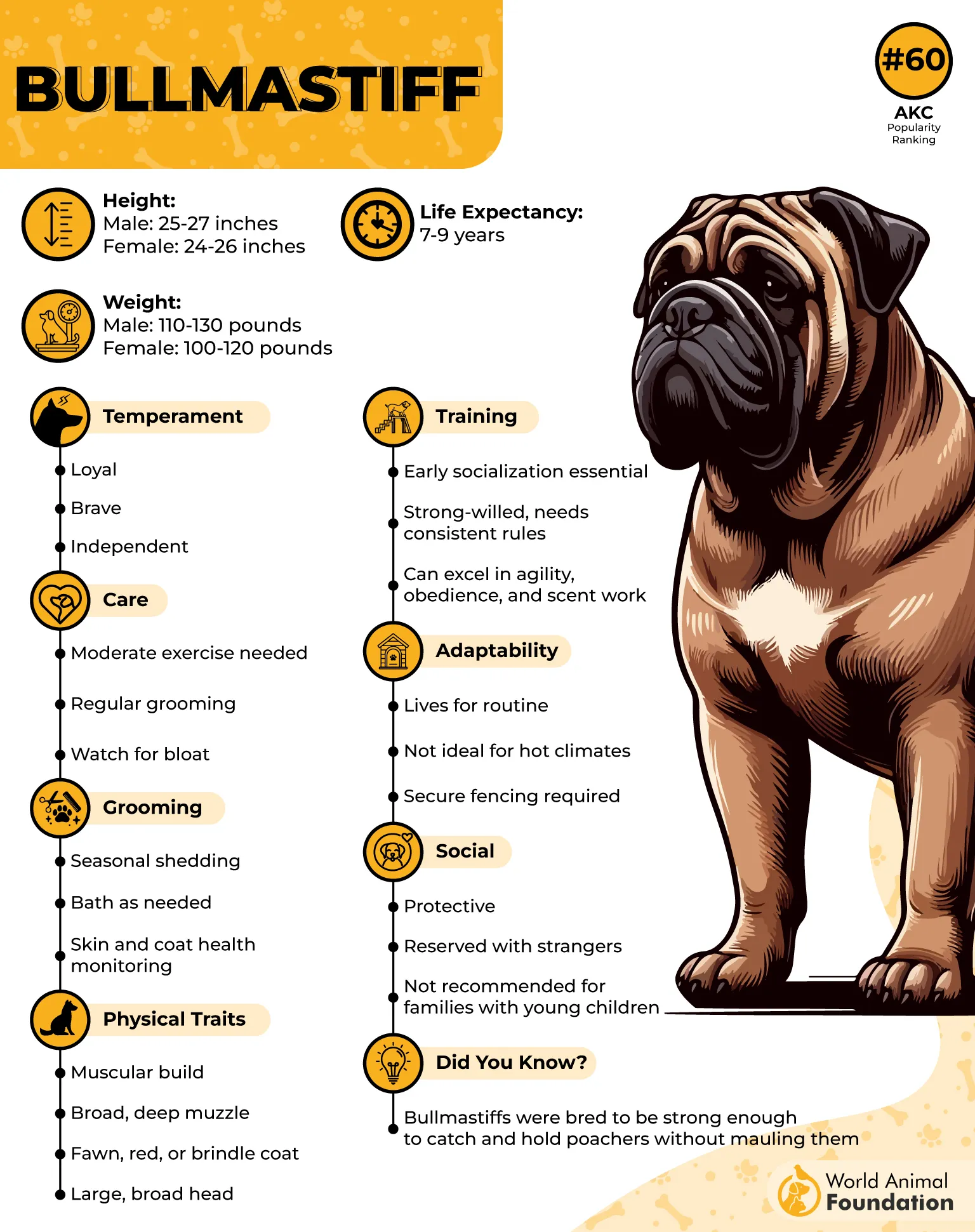
The Bullmastiff’s dog lifespan can be extended meaningfully by weight management.
Overweight dogs of this breed put extra load on an already-taxed cardiovascular system, so keeping them trim is medical. Regular screening, quality dog food, moderate daily exercise… all shift the average lifespan in the right direction.
A little. Enough to matter.
5. Newfoundland
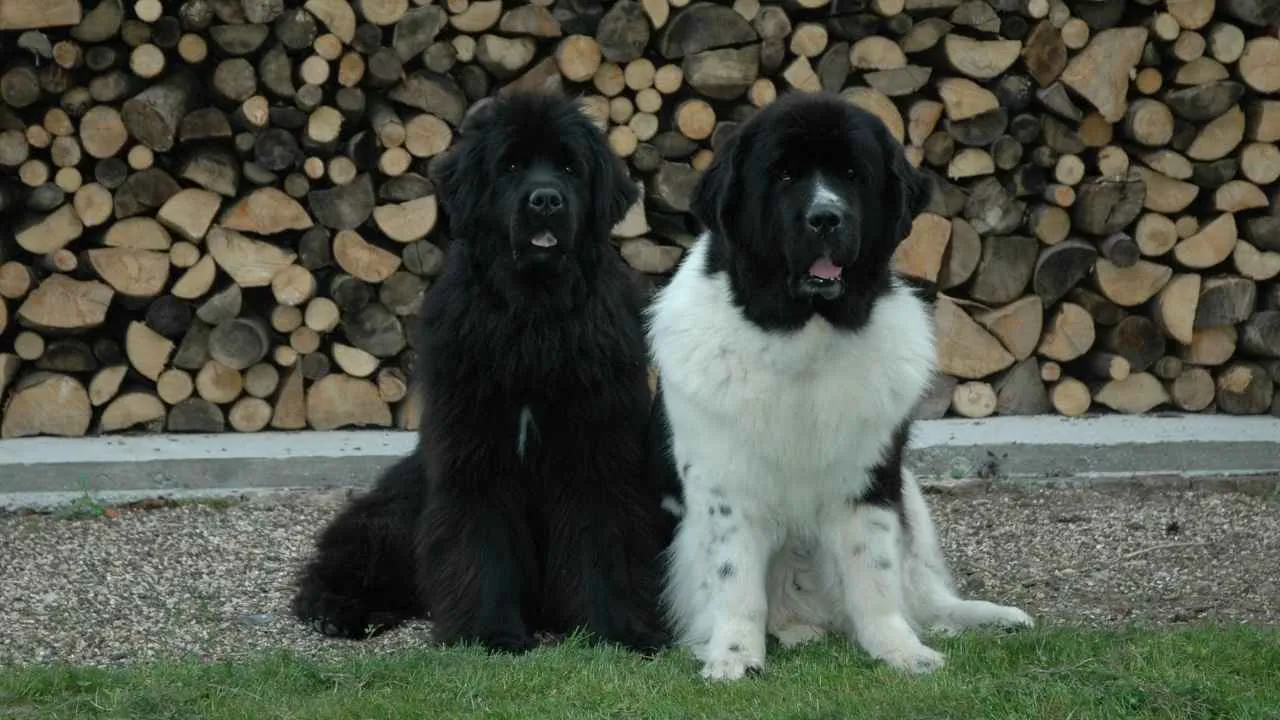
The Newfoundland dog’s life expectancy is about 8 to 10 years. It sounds reasonable until you meet one and understand the injustice entirely.
These large dogs are the definition of gentle. Massive, water-rescue-trained, floats-like-a-bear-in-the-lake gentle. These water dogs are famous for saving drowning people in their working history. Read documents, rescues, not myths. And at home, they are the dogs that let toddlers climb on them and just sigh patiently.
The brief life expectancy here comes down to pure body size and the health conditions that follow: heart disease, hip dysplasia, and a joint health profile that needs managing from puppyhood.
Rapid growth in the first year puts stress on developing bones that echoes throughout this dog’s life.
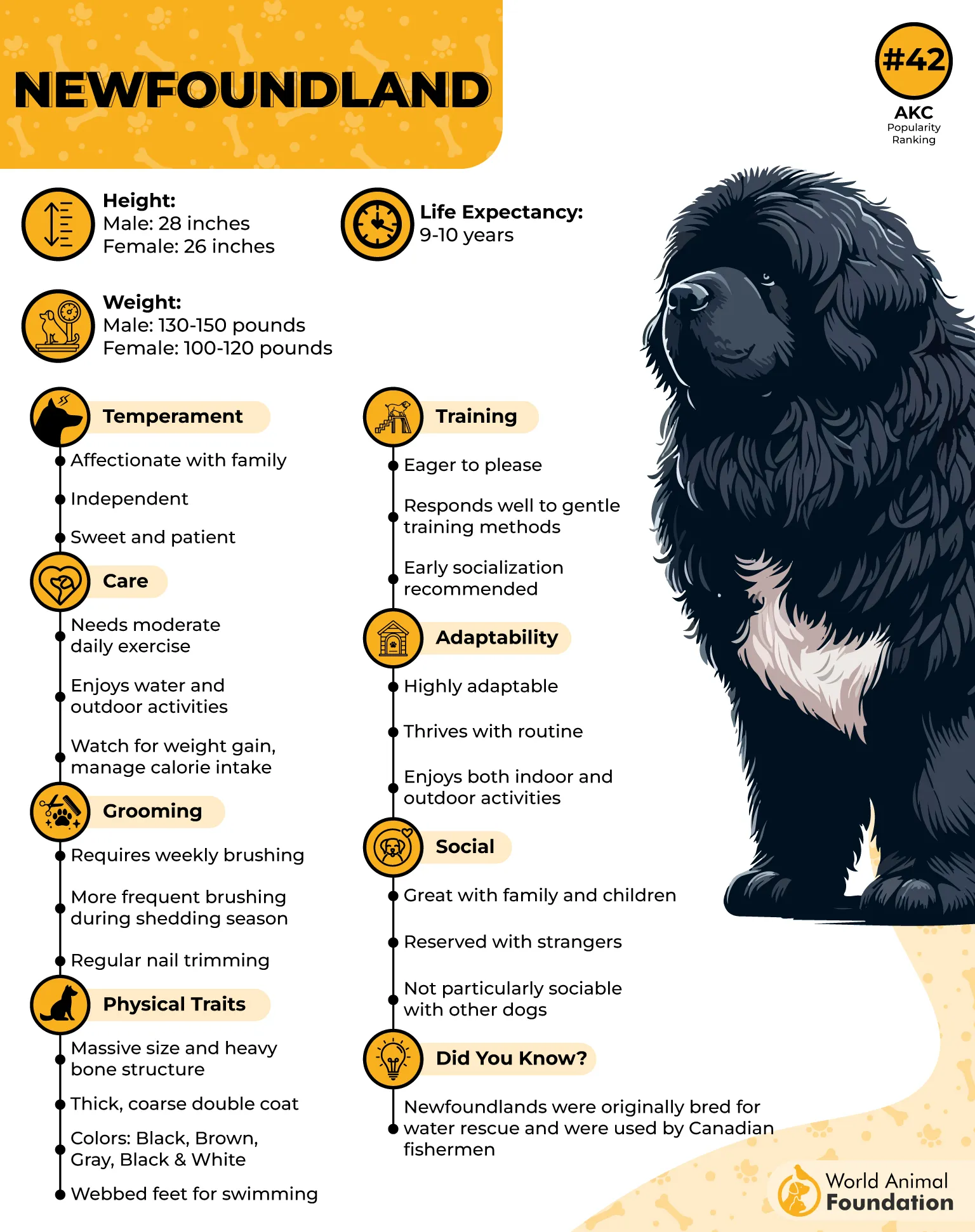
Senior dogs in this breed need particular attention. Once a Newfoundland starts slowing down, it happens faster than most large breeds. Catching health issues early through consistent vet visits is the difference between months.
Those months matter.
6. Rottweiler
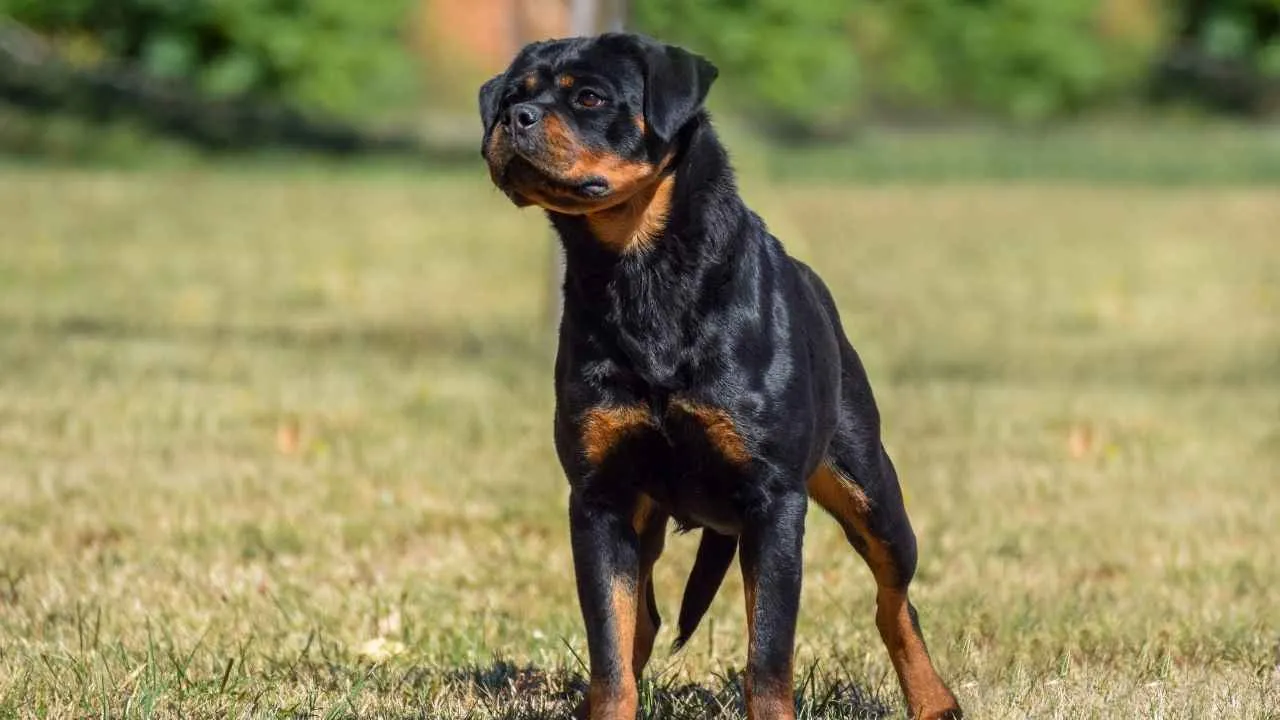
Rottweiler has an average life expectancy of 9-10 years. They spend every one of those years completely devoted to one thing: you.
The Rottweiler’s shorter average lifespan is primarily driven by cancer, as in most purebred dogs. As per PDSA, they get mostly bone cancer, soft tissue sarcomas, and heart disease. German Shepherds outlive them. Border Collies outlive them by years. But Rottweiler owners rarely switch breeds.
Because the bond this dog forms in a decade is unlike almost anything else in the dog world. Plus, the high intelligence.
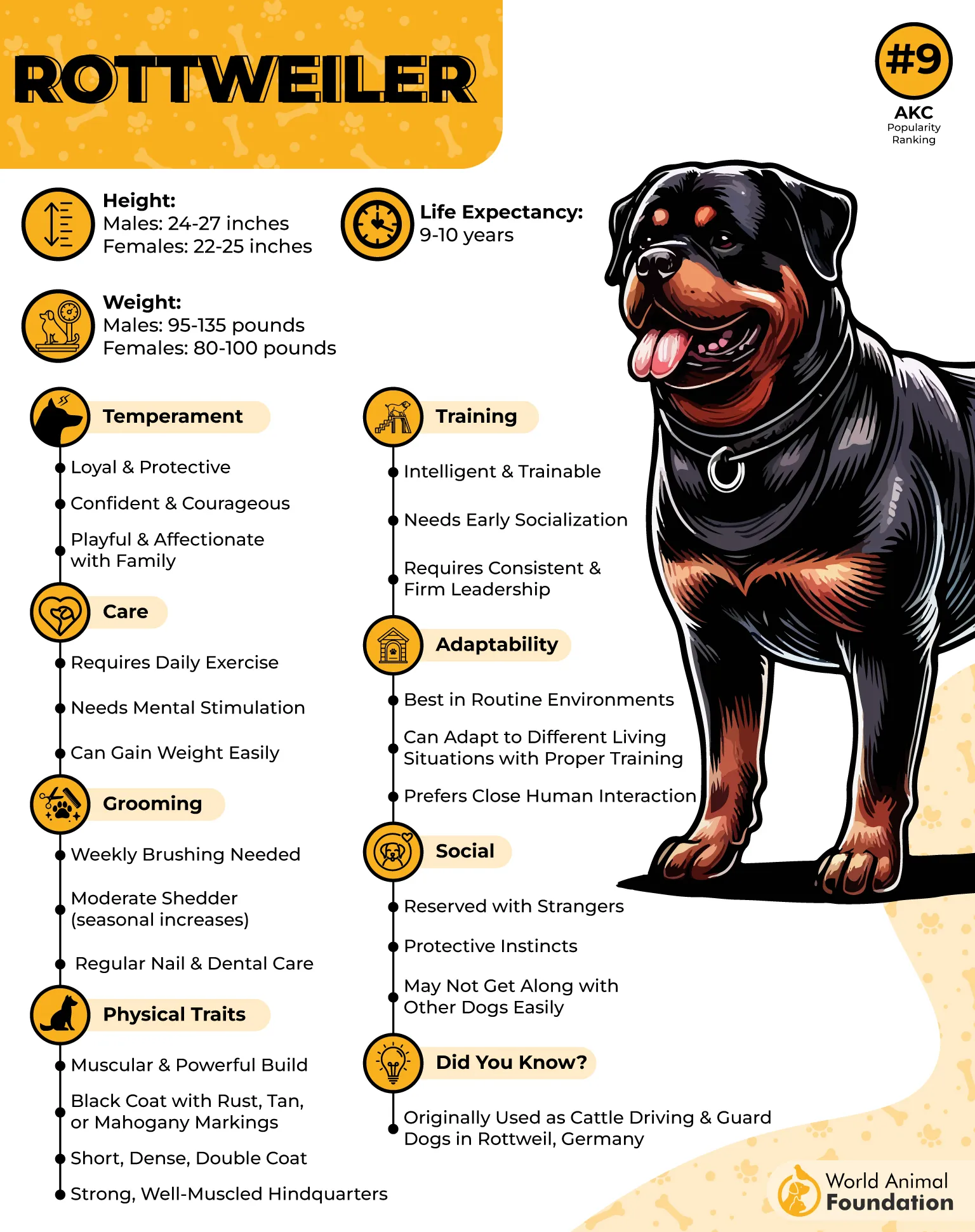
Breed selection is super-important with Rottweilers. Finding a reputable breeder with documented health screenings on both parents reduces genetic health concerns.
Responsible breeding practices have extended average life expectancy in pure breeds and well-bred lines.
It is not a guarantee, but it is real. Do your homework before you bring a Rottweiler home.
7. Saint Bernard
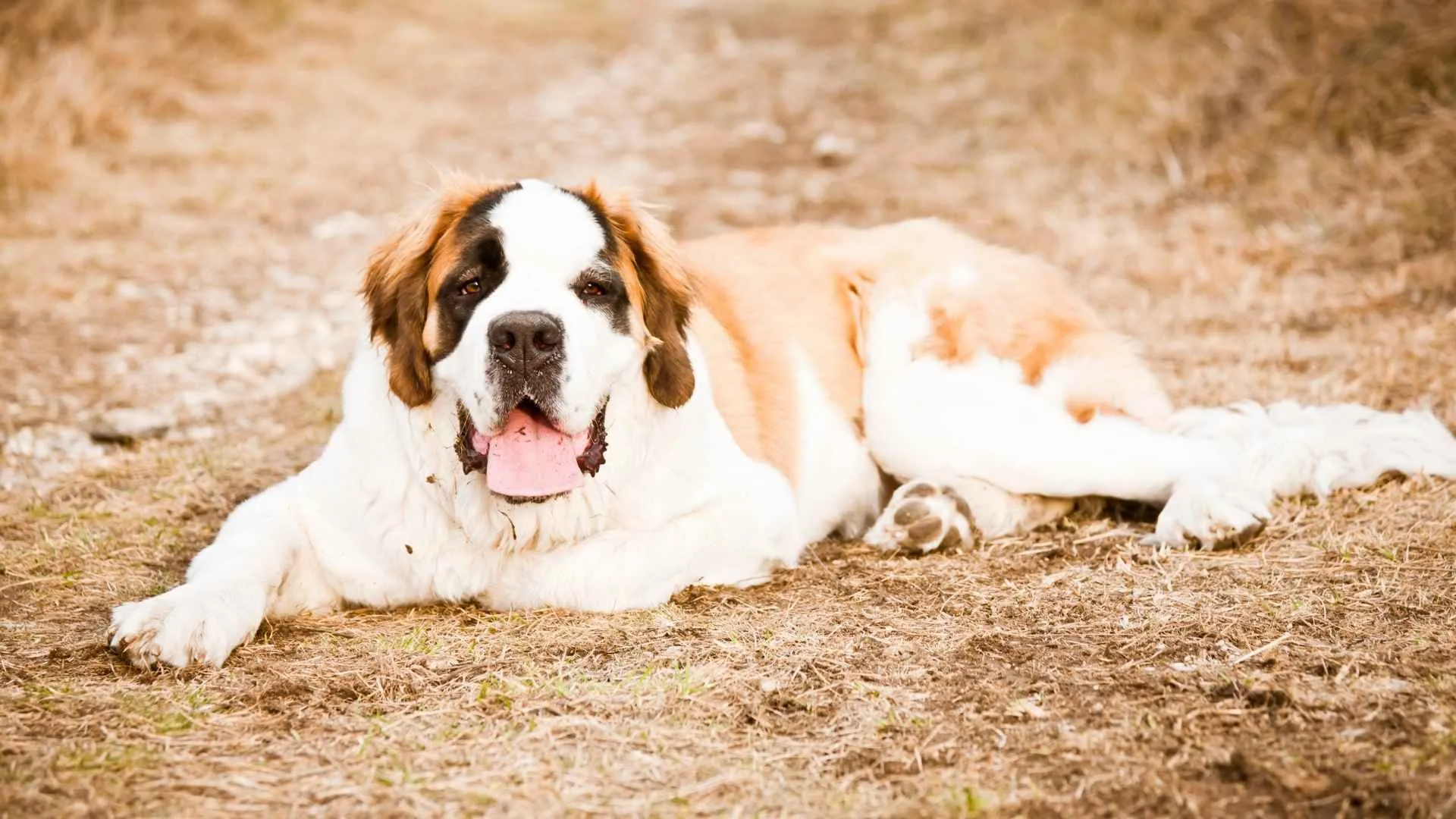
The Saint Bernard averages 8-10 years. For a dog this famous, this deeply woven into American popular culture, that number surprises people.
Saint Bernards are large dogs whose life expectancy is compressed by the same forces that affect all large breeds, but amplified by their sheer size.
A fully grown Saint Bernard can exceed 180 pounds, and keeping a body that size running well is a task for any system.
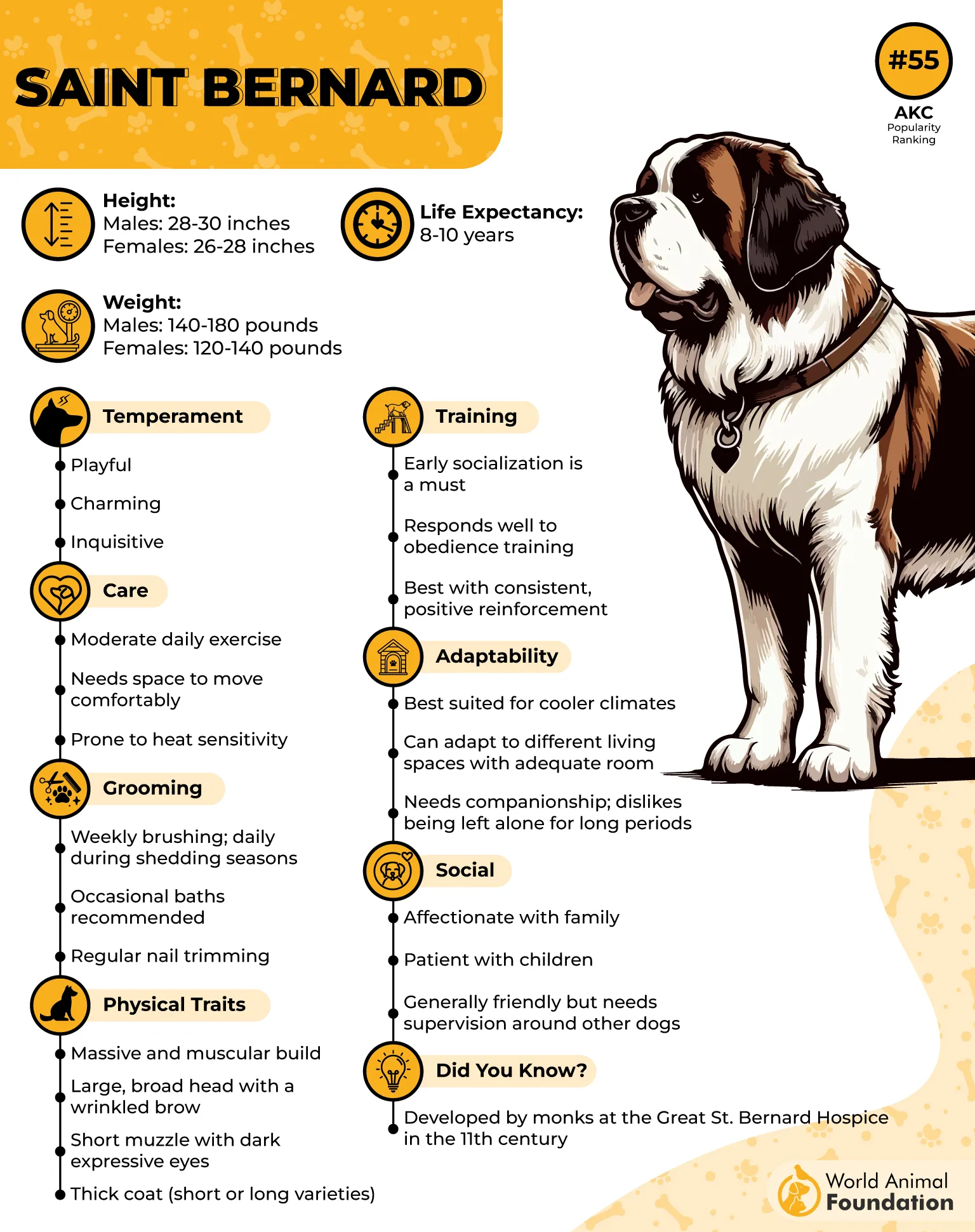
What pet owners of Saint Bernards quickly learn: this breed has gastric problems, bloat (GDV), as a serious and life-threatening risk.
Feeding smaller meals, avoiding intense exercise around mealtimes, and recognizing the signs of bloat are not optional knowledge for this dog’s lifespan.
It is basic survival information. Learn it early to keep their physical health in good condition.
8. Dogue De Bordeaux
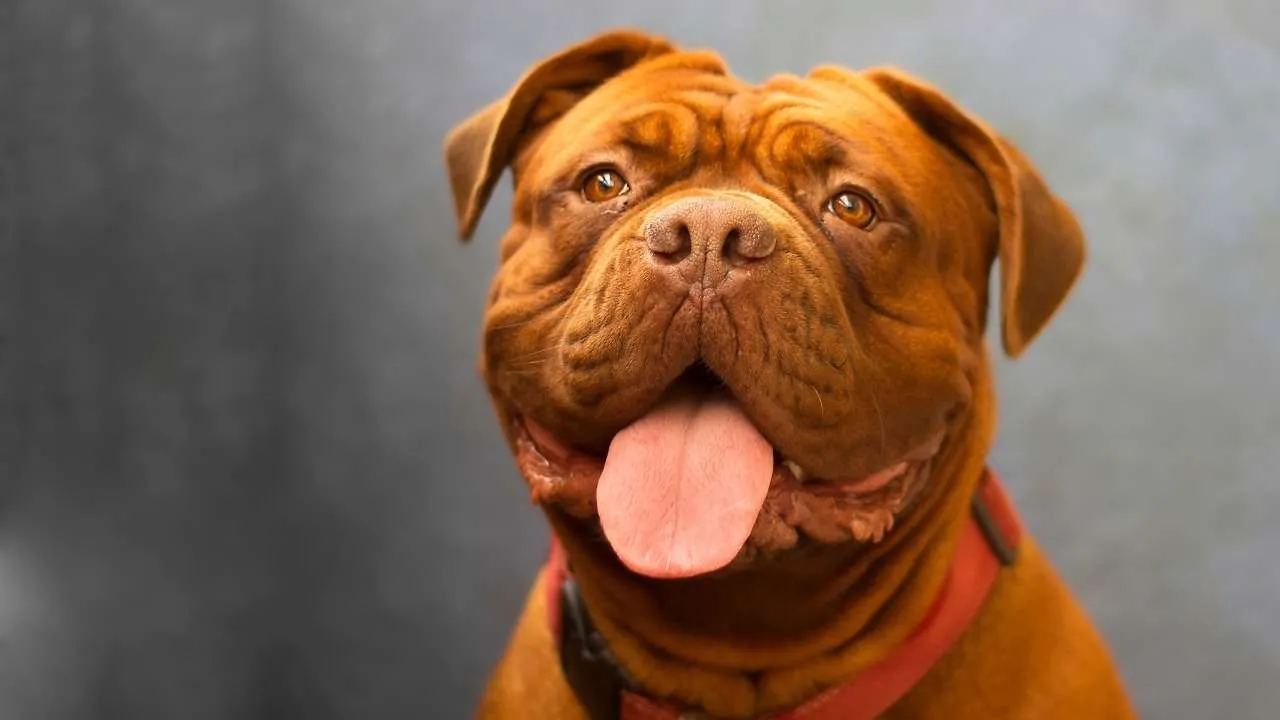
The Dogue De Bordeaux has an average life expectancy of about 5 to 8 years. The shorter average on this list.
Five years. That’s it. On the low end.
This ancient French breed carries a serious genetic predisposition toward heart disease, cancer, and the respiratory challenges that come with flat-faced dog breeds.
The Dogue De Bordeaux’s massive head and compressed airways mean its body is working harder just to breathe than most other large dogs. It adds extra strain on their already-limited overall health baseline.
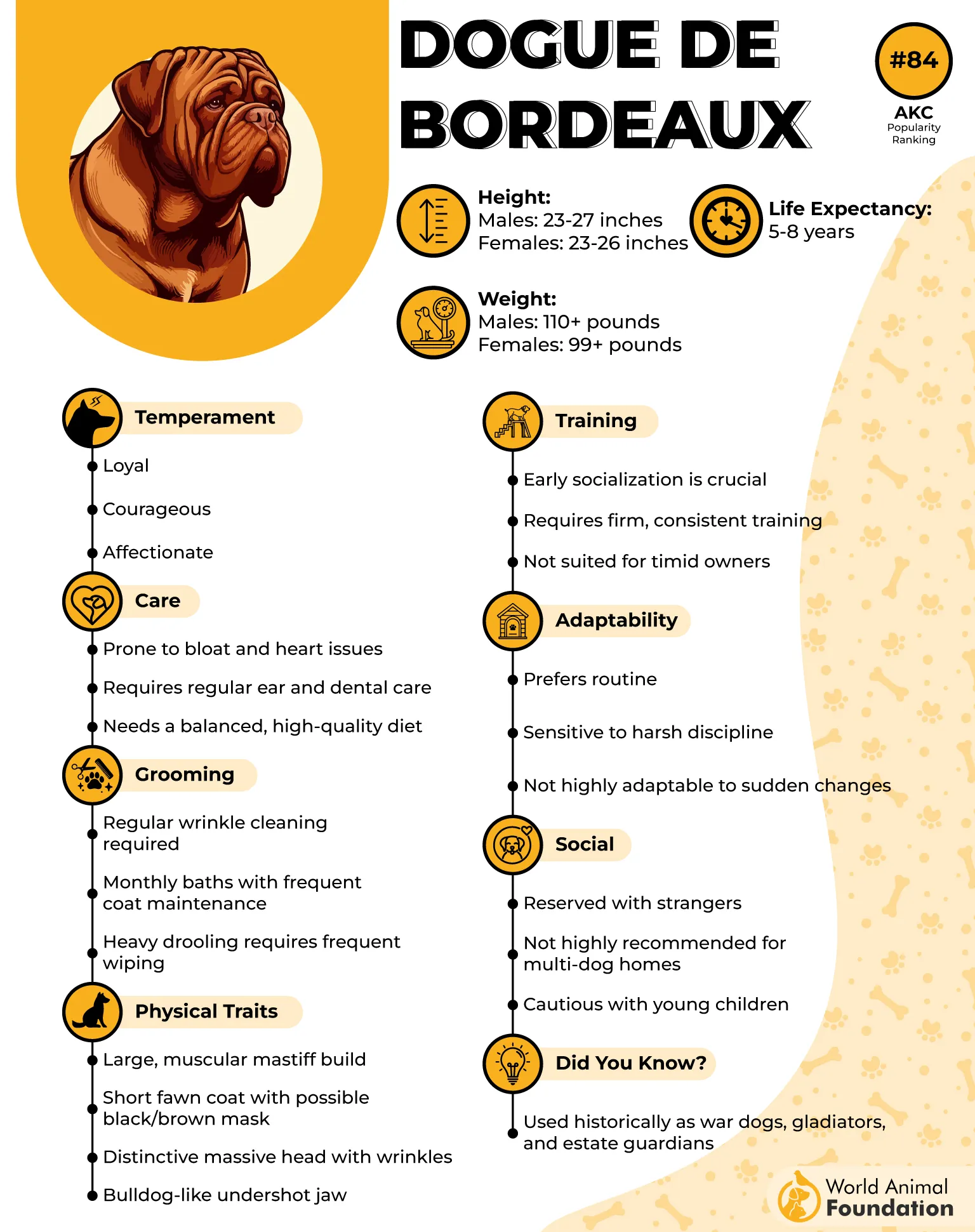
For all of that, they are extraordinary dog breeds. Loyal, calm, deeply bonded, gentle with families. The brevity of dog lives in this breed makes every year feel precious in a way that is hard to articulate unless you have lived it.
Pet parents of a Dogue De Bordeaux should take care of their health, some extra, to keep their heart healthy.
9. Bulldog
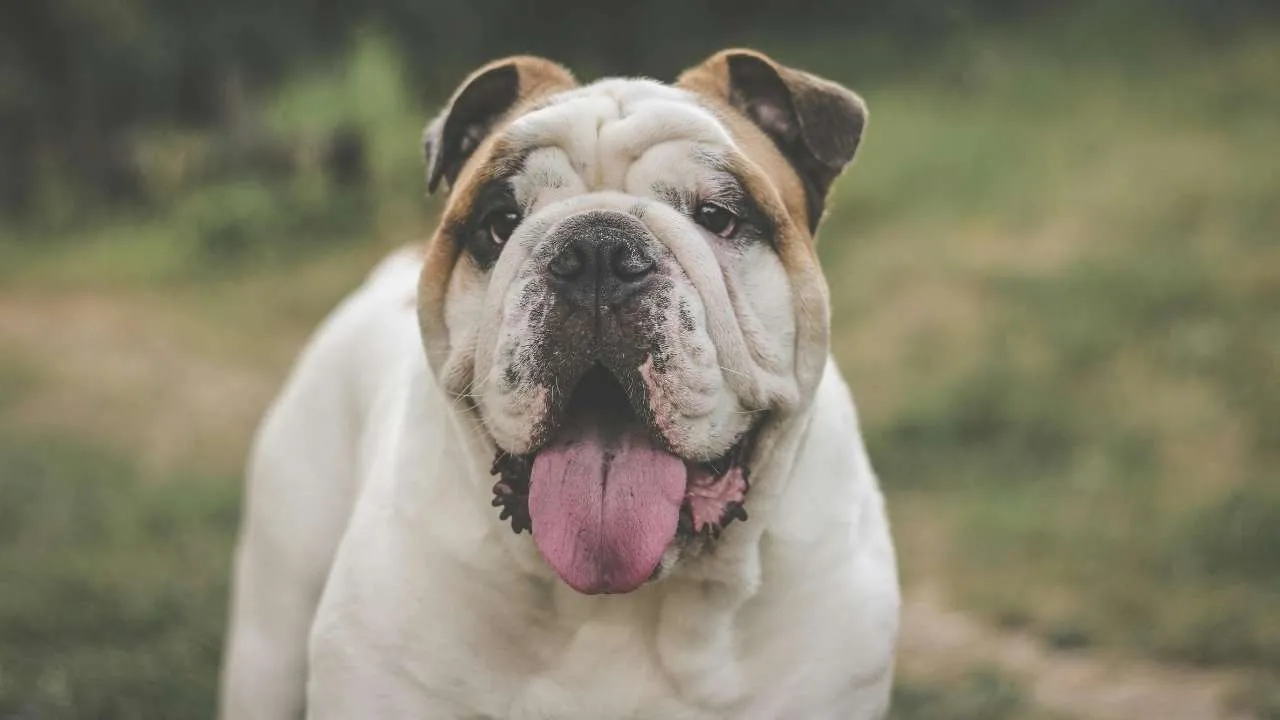
The English Bulldog gets 8 to 10 years. Given the structural challenges they carry, modern vet care deserves credit for that number getting as high as it is.
Flat-faced breeds like the Bulldog carry a lifetime of respiratory effort that smaller breeds like the Shih Tzu or even French Bulldogs share. But the Bulldog’s size amplifies everything.
Heart disease, joint problems, and breathing issues are the constant trio.
This dog’s health conditions need proactive management from the start, so they can be at ease in old age.
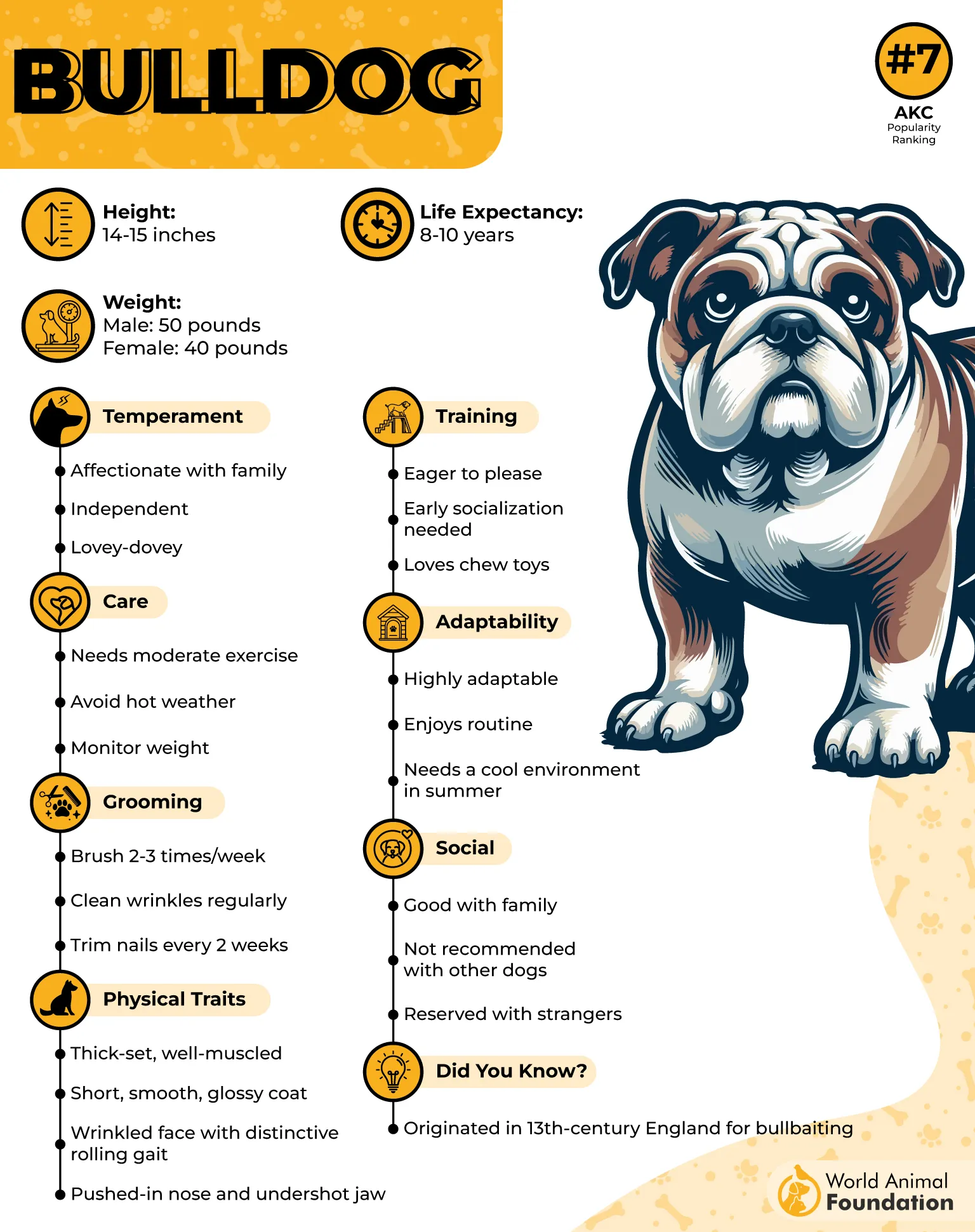
You can help this breed and keep the low incidence of health issues by keeping them lean. Simple.
An overweight Bulldog has an already overcompromised respiratory system. It can go from difficult to dangerous fast.
Dog food portioning, regular low-impact exercise like short walks, and avoiding heat are the practical things that can extend a Bulldog’s shorter average lifespan into quality old age. Plus, it would be best if they spent more time sleeping, as it would help with fast regeneration.
They give you everything they have got. Make sure you give it back.
Conclusion
No two breeds are equal in health. These popular breeds, the Great Danes, the Wolfhounds, and the Berners, live fast and love completely.
And the pet parents who choose them know exactly what they are signing up for and choose it anyway. They know these dog breeds live for limited years. Take care of their health, take care of their mental health, as well.
That says everything. Longest lifespans are not everything.
But for those already devoted to the large breeds, there is no going back.
More vet visits, intentional mornings, more of everything while you have it.
That is the only guide you really need.
