




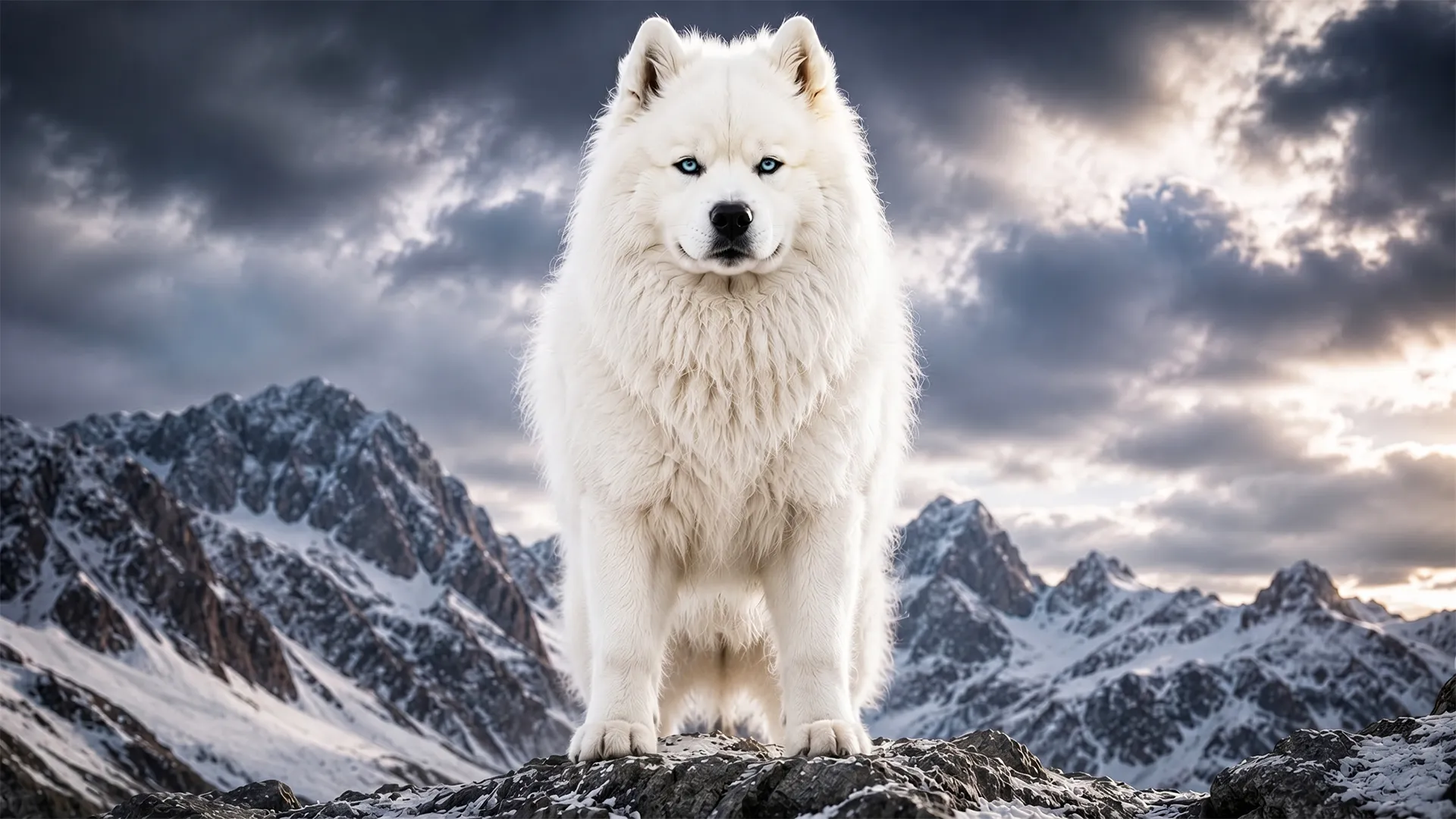
Think all dogs are built for adventure? Think again. Some breeds may look tough, powerful, and fearless—but when the weather turns brutal, the ground becomes treacherous, and conditions reach extremes, many simply quit. Surviving harsh terrain isn’t about looking strong; it’s about endurance, instinct, and adaptation.
The dogs we’re talking about climb icy mountains without hesitation, run across scorching deserts, and push through snowstorms as if it were just another walk outside. Impressive, right?
The truth is, not every so-called “working dog” can handle the world’s toughest environments. Some were bred for appearance, while others were born for survival—and the difference is massive.
In this guide, we’re counting down the 10 best dog breeds built for challenging terrain and extreme conditions—from snow-covered peaks to rugged wilderness and everything in between.
Best Dog Breeds for Challenging Terrain and Extreme Conditions
1. Siberian Husky
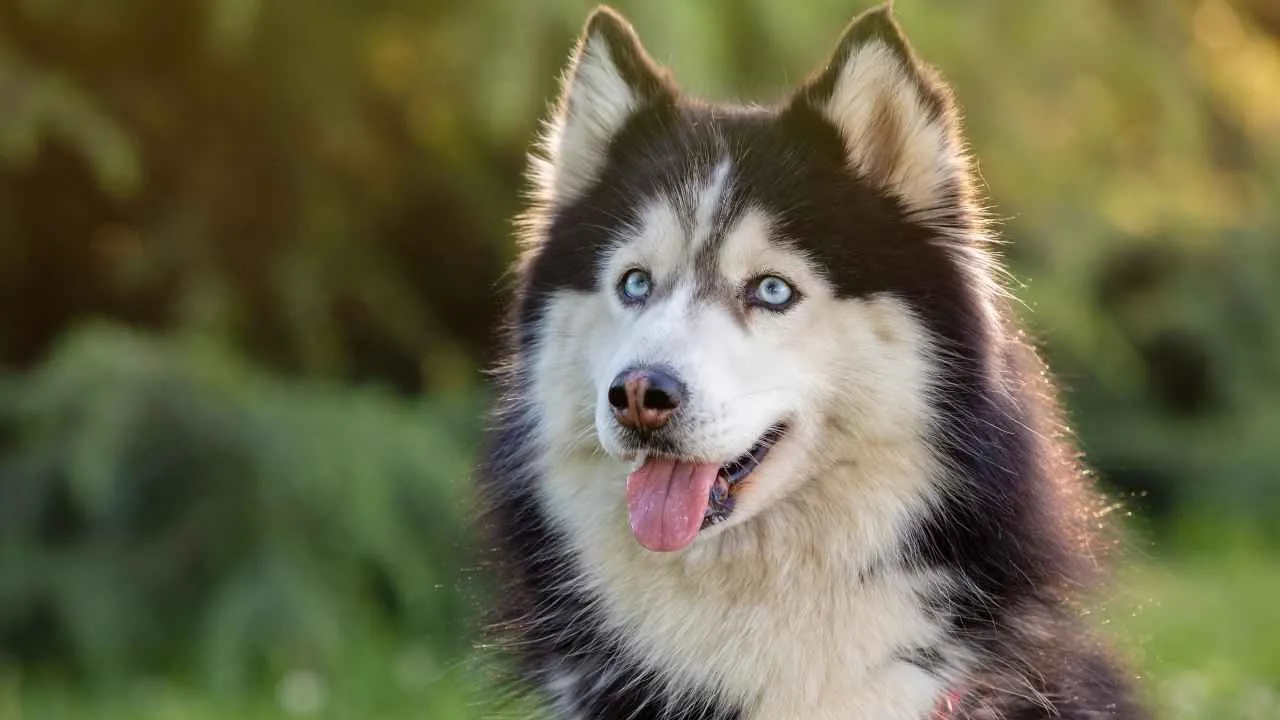
Bred by the Chukchi people of Siberia, the Siberian Husky was built for one purpose — covering long distances across frozen wilderness while pulling sleds through brutal weather, as noted by Britannica.
These dogs became globally recognized in 1925 during the famous serum run to Nome, Alaska, when teams of Huskies carried life-saving medicine across more than 600 miles of snowstorms, icy winds, and dangerous terrain.
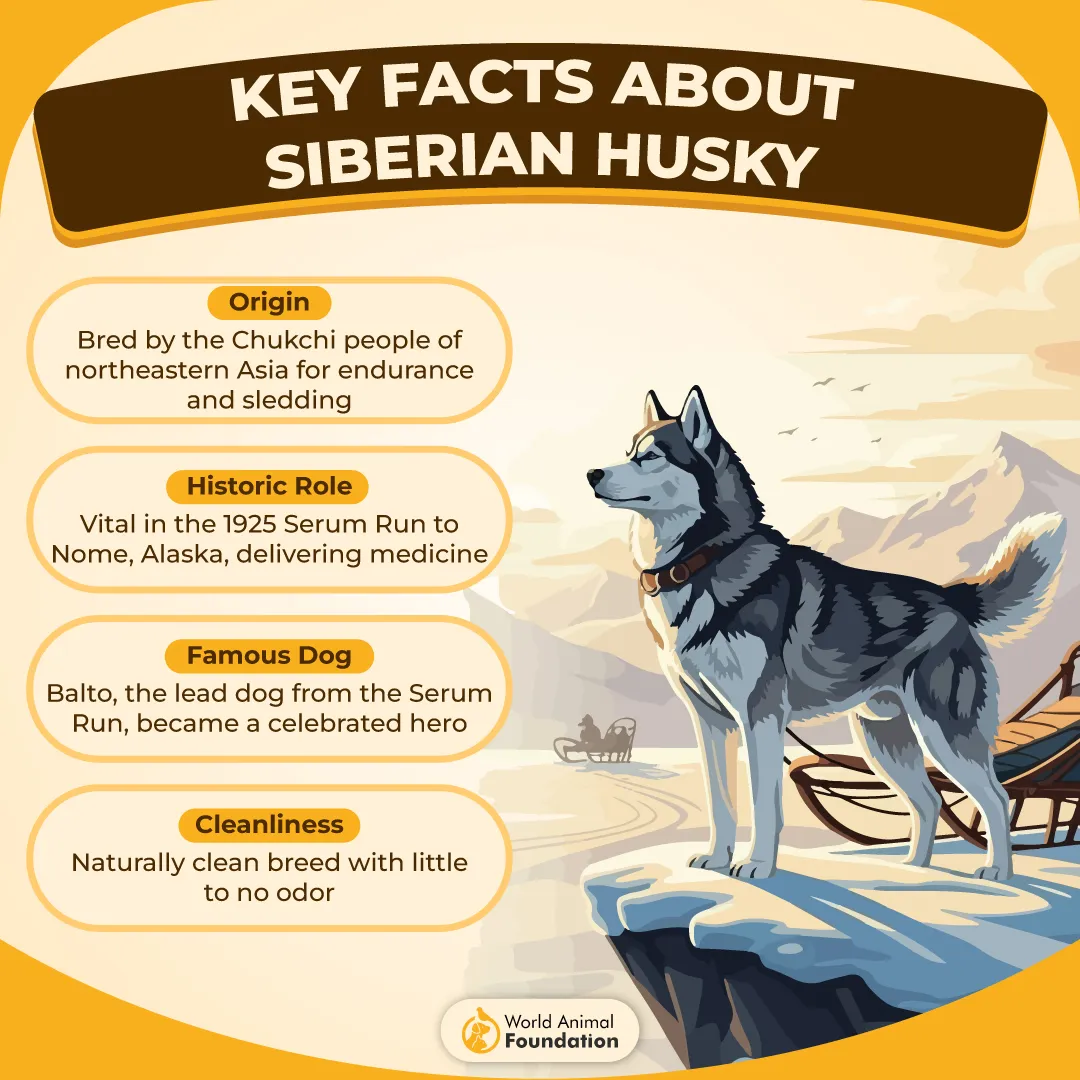
Their ability to keep moving in subzero temperatures made them one of the most dependable sled dogs in history.
Unlike heavier Arctic breeds, Huskies combine endurance with speed, allowing them to travel efficiently without tiring quickly.
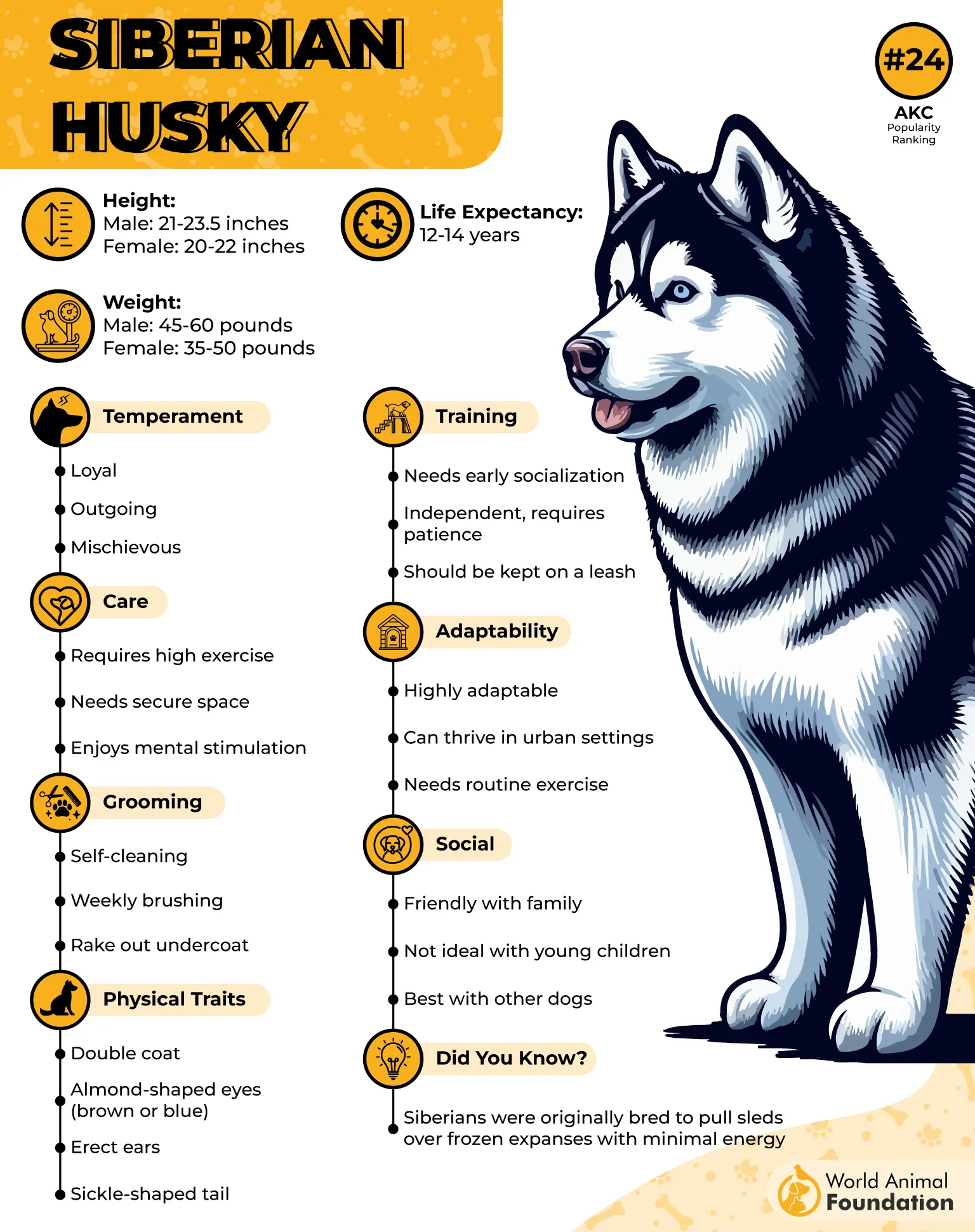
Their thick double coat protects them from freezing temperatures, while their compact, snow-ready paws help them move across ice without sinking deeply.
One unusual trait is their ability to communicate with expressive howls, chirps, and “talking” sounds instead of constant barking.
Even today, Siberian Huskies are used in sled racing and winter expeditions because they remain energetic, resilient, and incredibly reliable in harsh, snowy mountains where many other dogs struggle to cope.
2. Alaskan Malamute
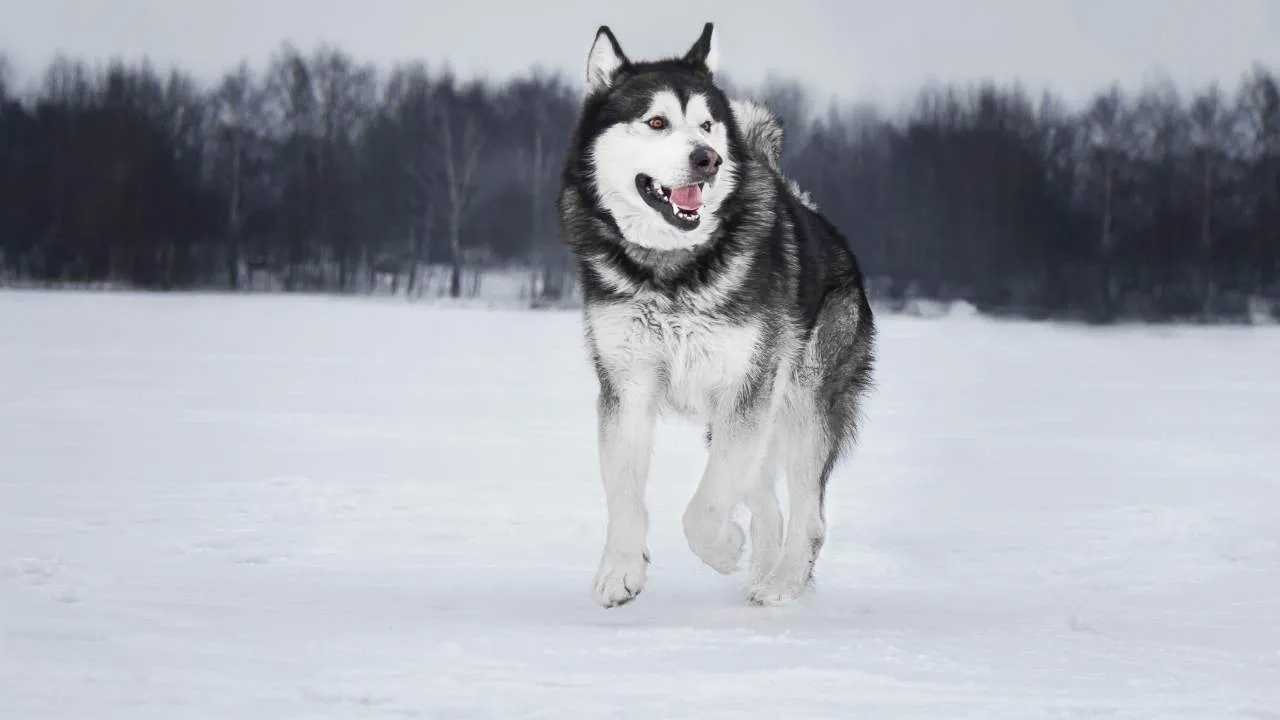
The Alaskan Malamute is a powerful breed built for strength, originally used to pull heavy loads across snowy terrain, and requires daily exercise to stay healthy and well-balanced.
Malamutes were designed for strength and endurance, often pulling loaded sleds through deep snow, icy trails, and brutal Arctic storms for long distances.
Early Arctic communities depended on them to transport supplies, hunt seals, and survive extreme winters, where reliable working animals meant survival.
Their thick weatherproof coat and broad chest help them handle freezing temperatures with ease, while their large snowshoe-like paws provide better grip and balance on unstable ice.
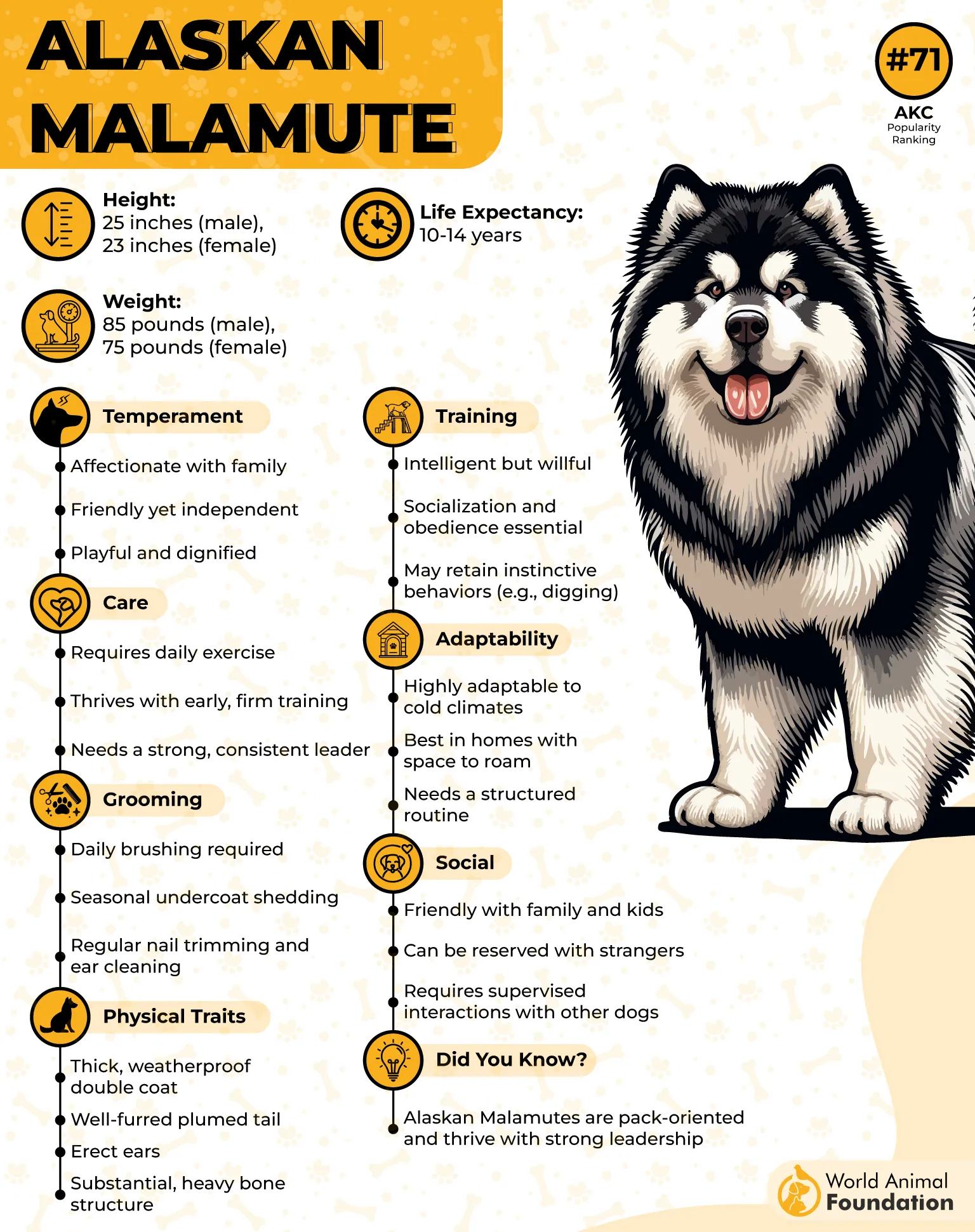
One thing that truly sets the Malamute apart is its incredible pulling power. Pound for pound, few breeds can match the weight these dogs can move across harsh terrain.
Malamutes are also known for digging deep holes in snow or dirt to create sheltered resting spots during cold weather, a survival instinct that traces back to their Arctic roots.
Even in modern sledding and backcountry expeditions, they remain trusted for carrying heavy loads through conditions that stop many other working breeds.
3. Samoyed
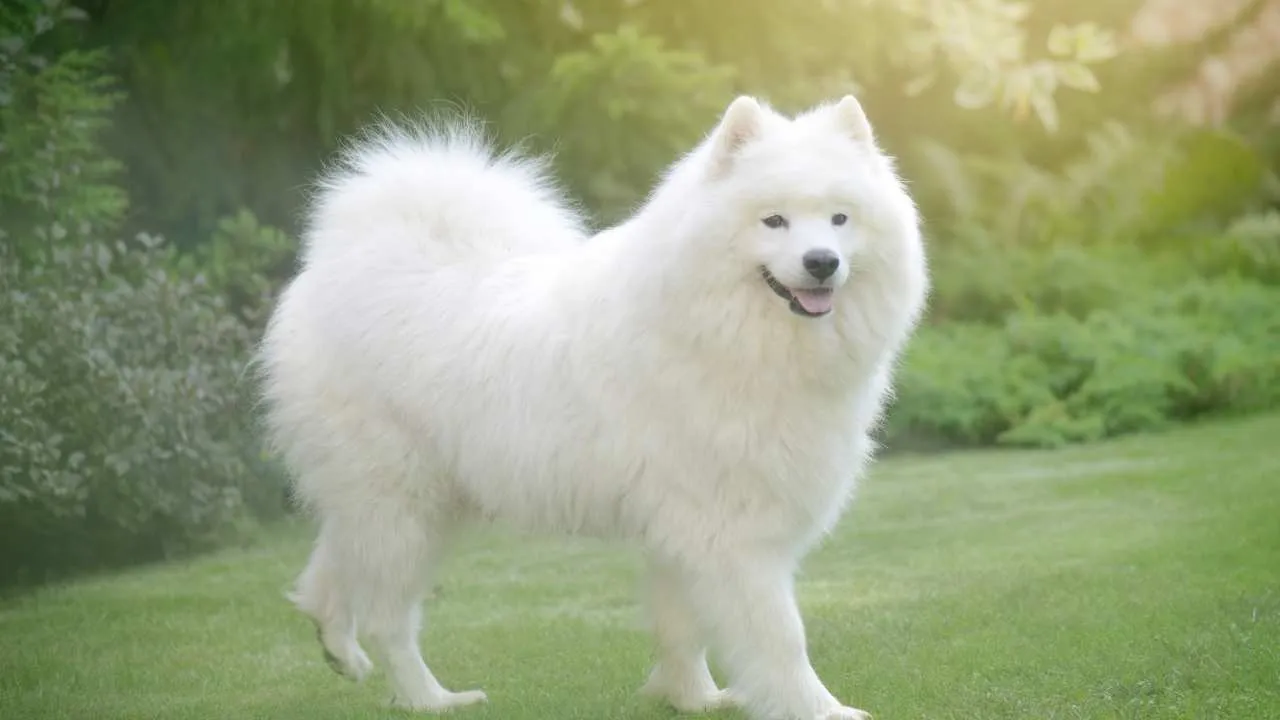
Originally raised by the Nenets people of Siberia, the Samoyed was more than just a sled dog. These fluffy white workers helped herd reindeer, pulled sleds across frozen land, and stayed close to families during brutal Arctic winters.
In temperatures far below freezing, Samoyeds often slept beside their owners to provide warmth, making them both survival partners and trusted companions.
Their thick double coat acts like insulation against icy winds and snowstorms, allowing them to work comfortably in conditions that would overwhelm many other breeds.
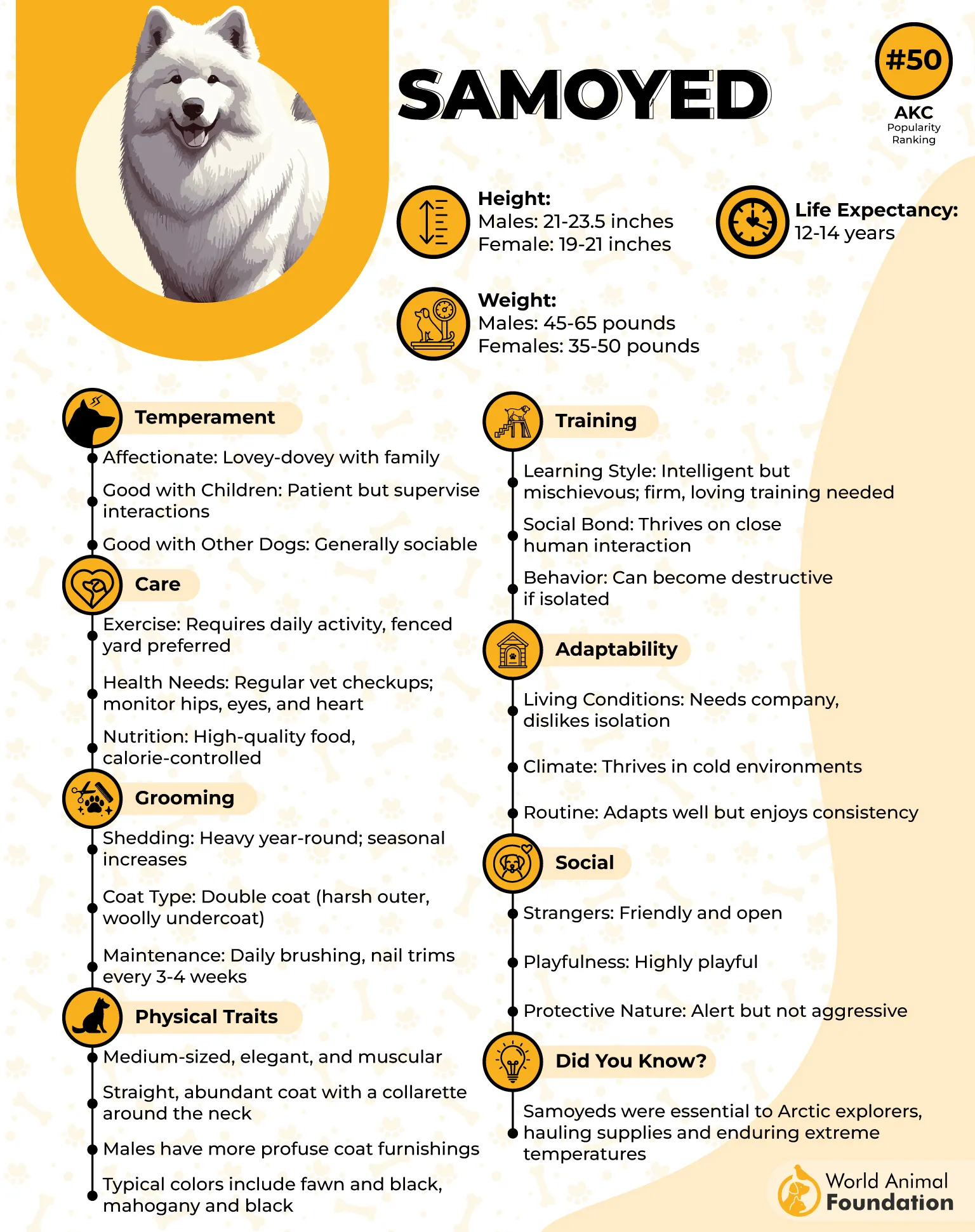
Unlike some heavier Arctic dogs, Samoyeds move with surprising agility, making them useful for long-distance travel over uneven snowy ground.
They are also known for their famous “Sammy smile,” a curved mouth shape that helps reduce drooling and prevents icicles from forming around the lips in freezing weather.
Even today, Samoyeds excel in cold-environment activities such as sledding, skijoring, and mountain trekking.
Their stamina, strong social bond with humans, and ability to remain active in extreme winter climates continue to make them highly valued in snow-covered regions around the world.
4. Akita
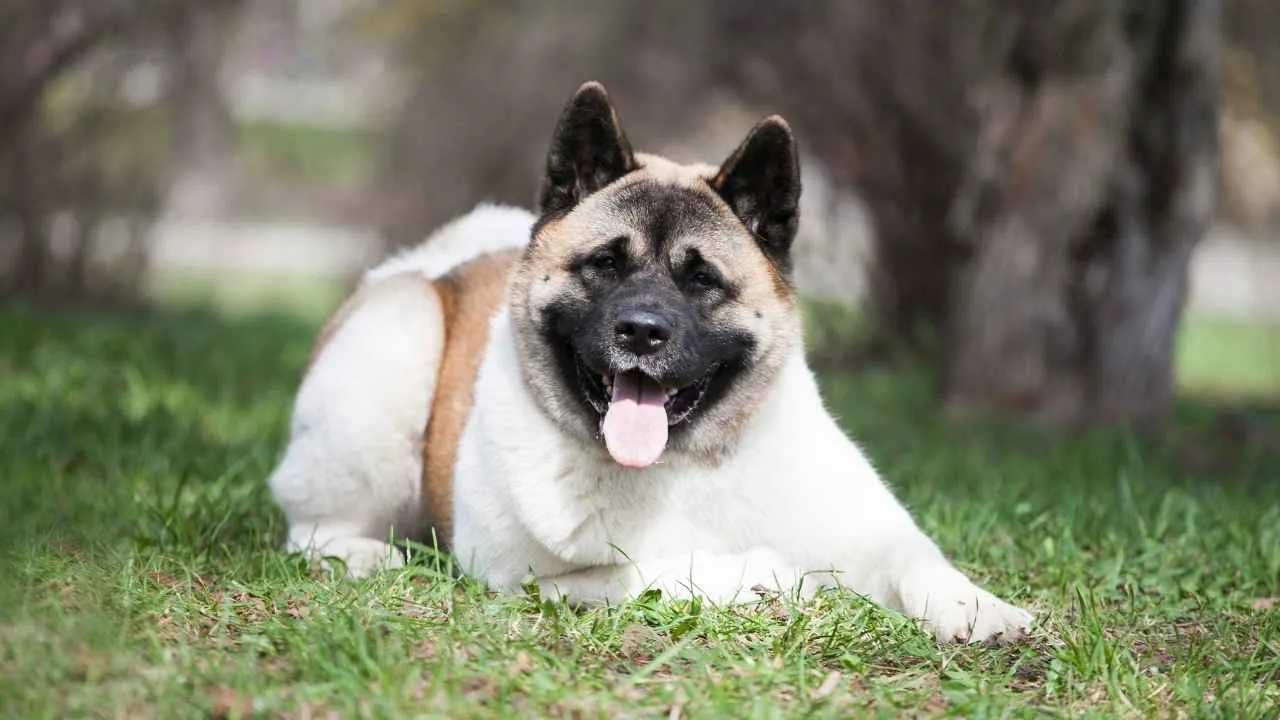
Akita is a powerful northern Japanese breed shaped by centuries of life in snowy, mountainous regions where endurance and control mattered more than speed.
Traditionally used for guarding nobles, hunting large game, and protecting remote households, it developed into a confident working dog capable of handling cold winters, rough terrain, and long periods of isolation.
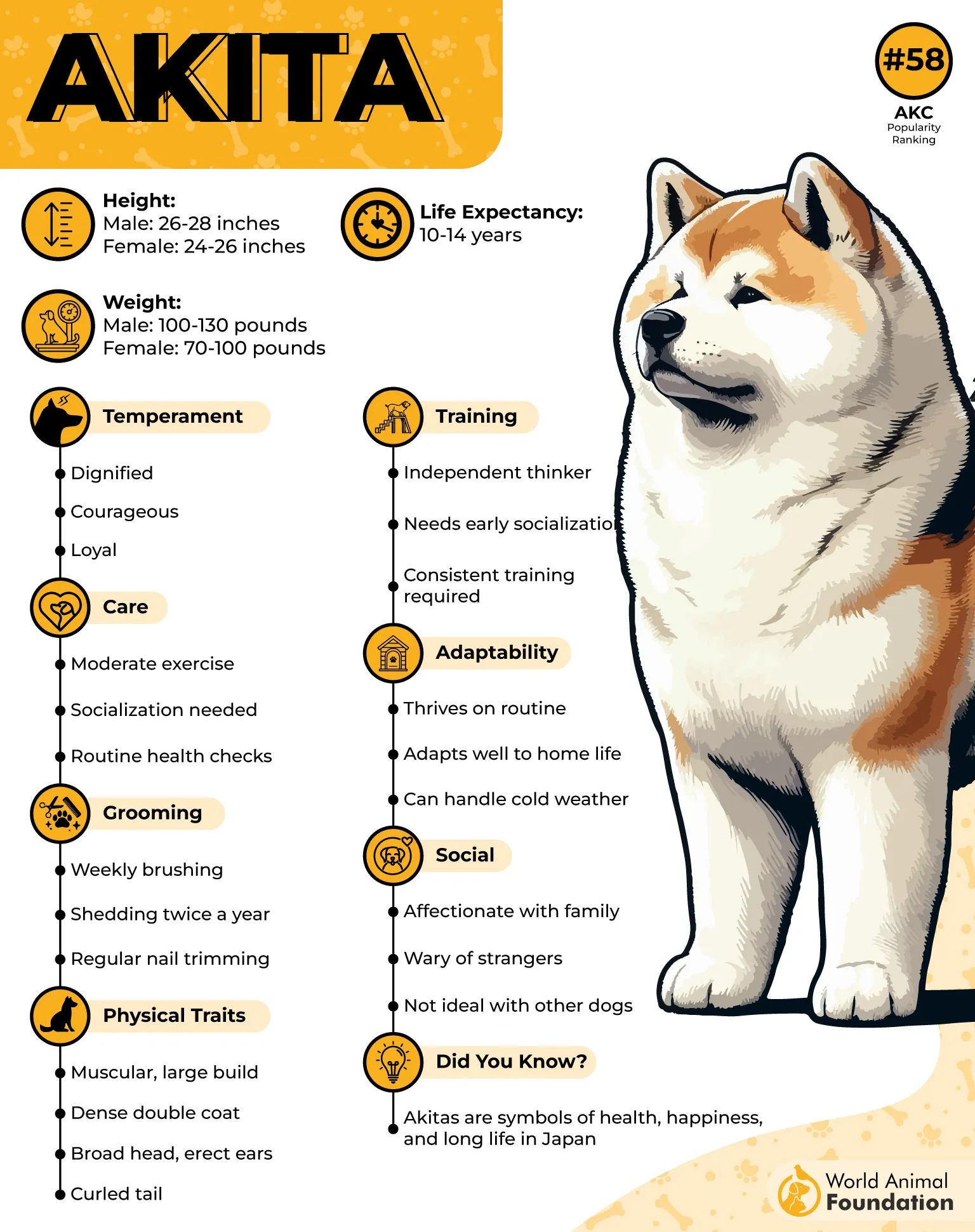
Its thick double coat provides strong insulation against freezing conditions, while its solid, muscular build helps it move steadily through deep snow and uneven ground.
Unlike highly reactive working dogs, it stays composed, carefully assessing its surroundings before responding to any movement or unfamiliar presence.
In rugged rural environments, Akitas were often relied on to protect homes and travel routes where wild animals or intruders could appear without warning.
Their quiet nature allowed them to remain unnoticed until action was necessary, making them highly effective in unpredictable outdoor conditions.
One striking physical detail is the tightly curled tail that rests over the back, helping conserve heat by covering part of the body during rest in cold environments.
Even today, the Akita is respected for its ability to function in harsh climates with calm awareness, strong protective instincts, and steady endurance across challenging landscapes.
5. Newfoundland
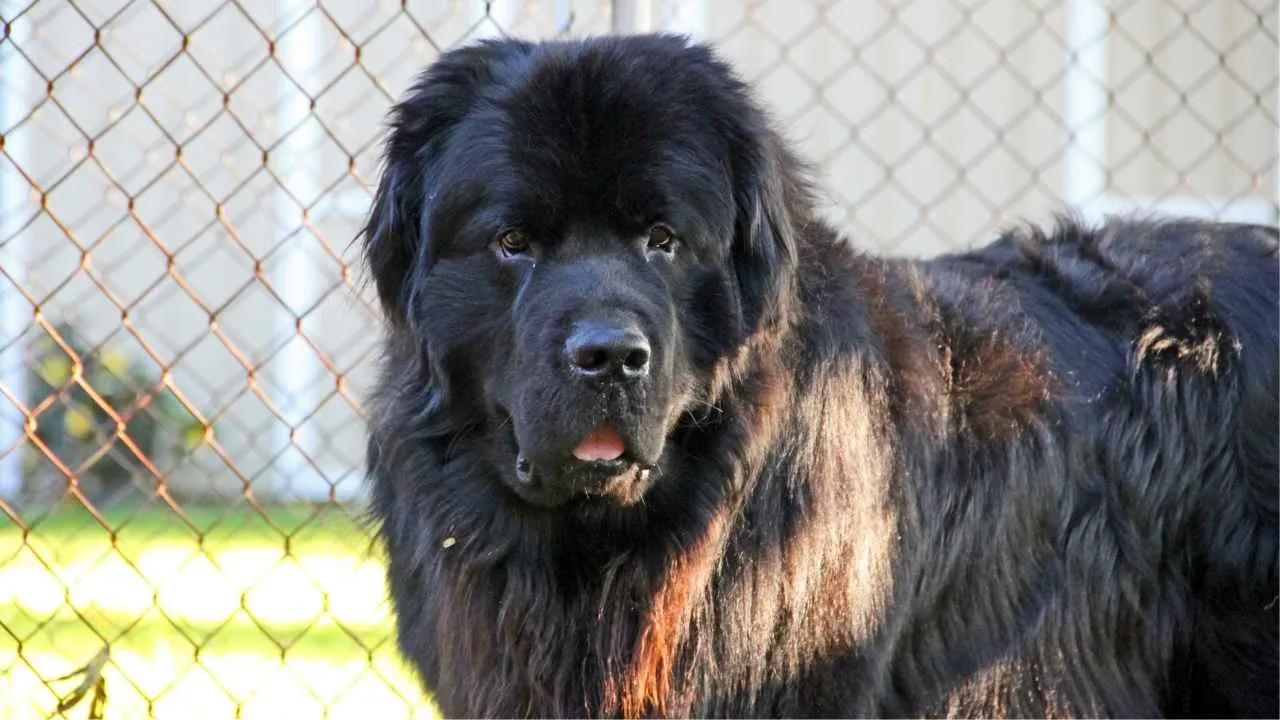
Originally developed by fishermen in Newfoundland, Canada, the Newfoundland dog became famous for handling some of the harshest cold-water conditions imaginable.
These giant working dogs helped pull fishing nets, haul equipment, and rescue people from icy waters along rough coastlines where strong currents and freezing temperatures were constant dangers.
Their massive strength and calm temperament made them dependable partners during storms and water emergencies.
What makes the Newfoundland truly remarkable is its natural swimming ability. The breed has partially webbed feet, a thick water-resistant coat, and powerful muscles that allow it to swim long distances even in rough seas.
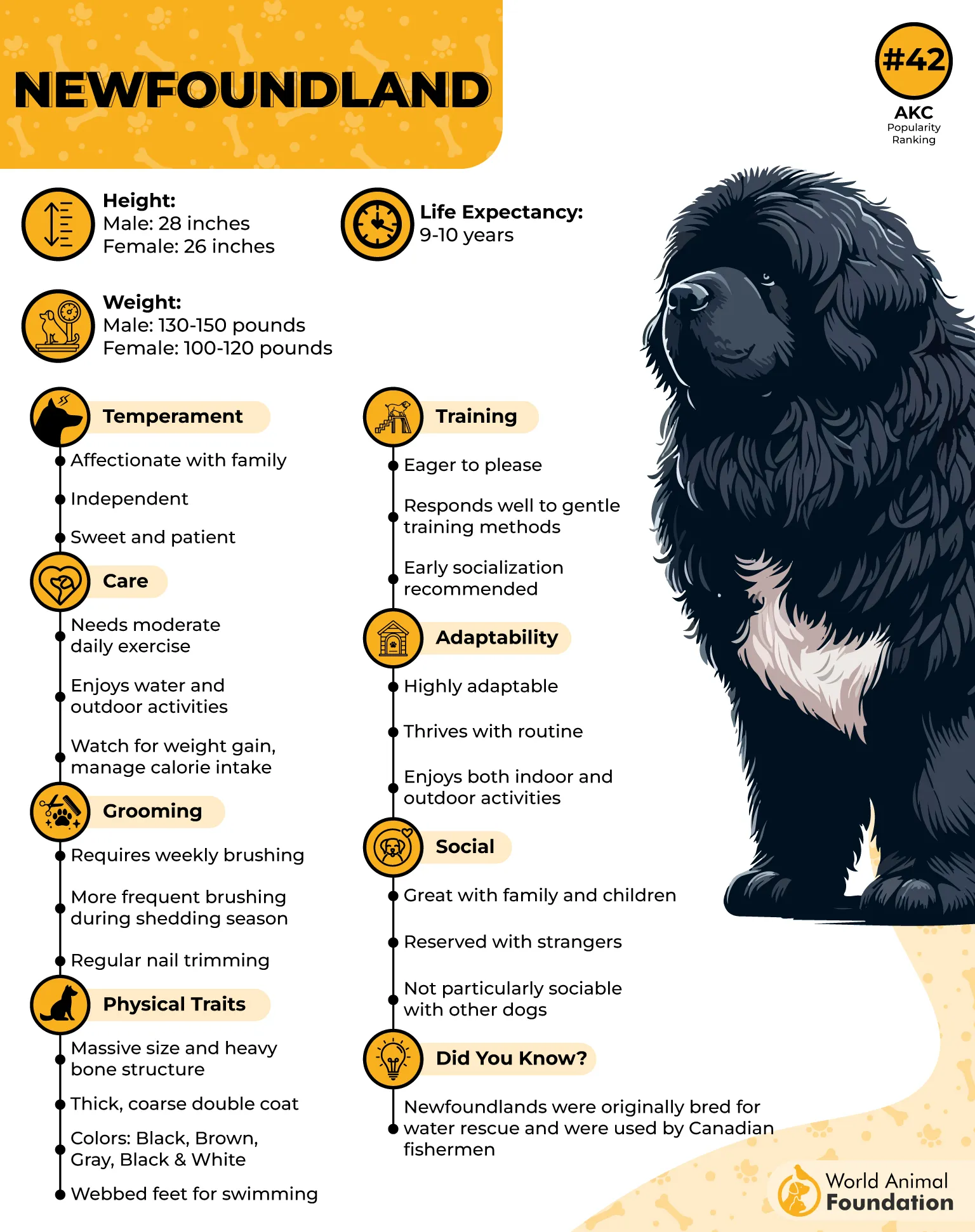
Many have been credited with lifesaving rescues, pulling struggling swimmers or overturned boaters back to shore. Their lung capacity and endurance in freezing water are exceptional compared to most large breeds.
Despite their size, Newfoundlands move surprisingly smoothly through water and remain calm under pressure, which is why they are still used in water rescue training today.
In cold coastal environments where strength, patience, and swimming skill matter most, few dogs perform better than the Newfoundland.
6. Bernese Mountain Dog
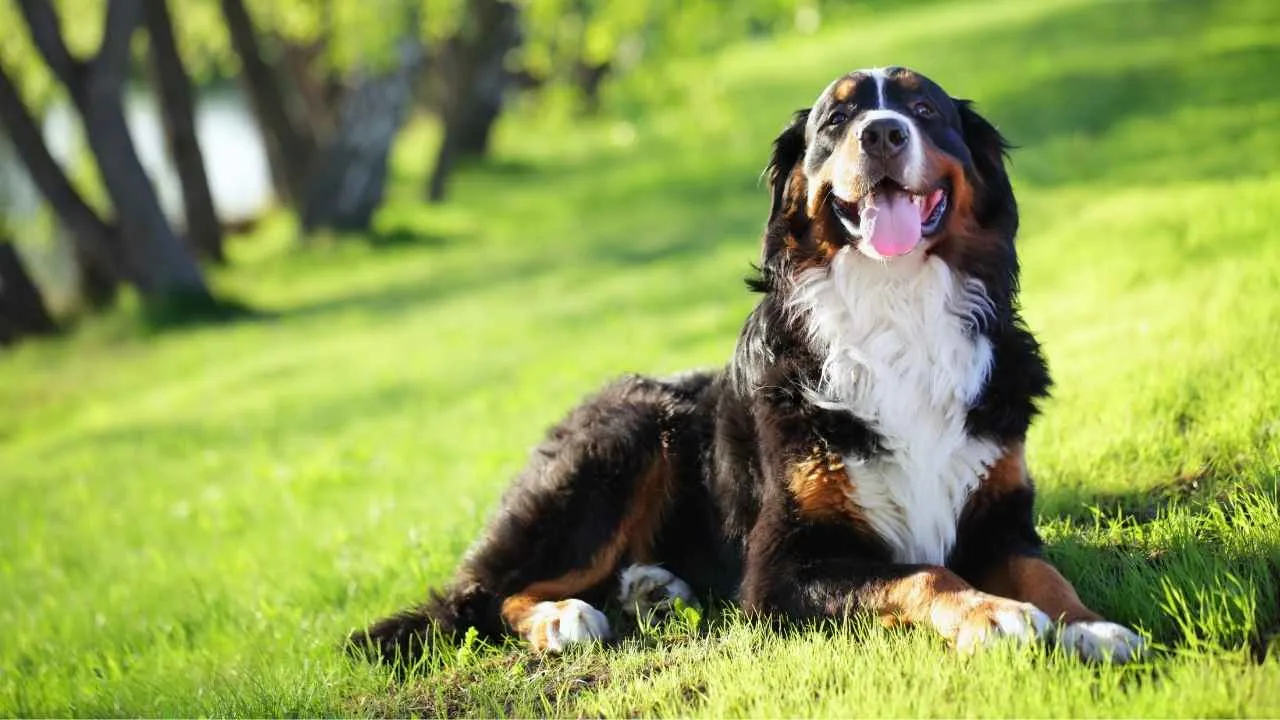
The Bernese Mountain Dog is a strong and gentle breed originally developed as a farm working dog in Switzerland, known for its powerful build and calm temperament, making it well-suited for outdoor adventures and work, as mentioned by the AKC.
Farmers relied on these powerful dogs to pull loaded carts, move cattle through rough terrain, and guard remote properties surrounded by snow-covered hills.
Their strength and calm nature made them especially valuable in isolated alpine regions where dependable working animals were essential year-round.
The Bernese Mountain Dog’s thick tricolor coat provides protection against cold winds and harsh winter weather, while its muscular build helps it navigate rocky trails and uneven ground with surprising stability.
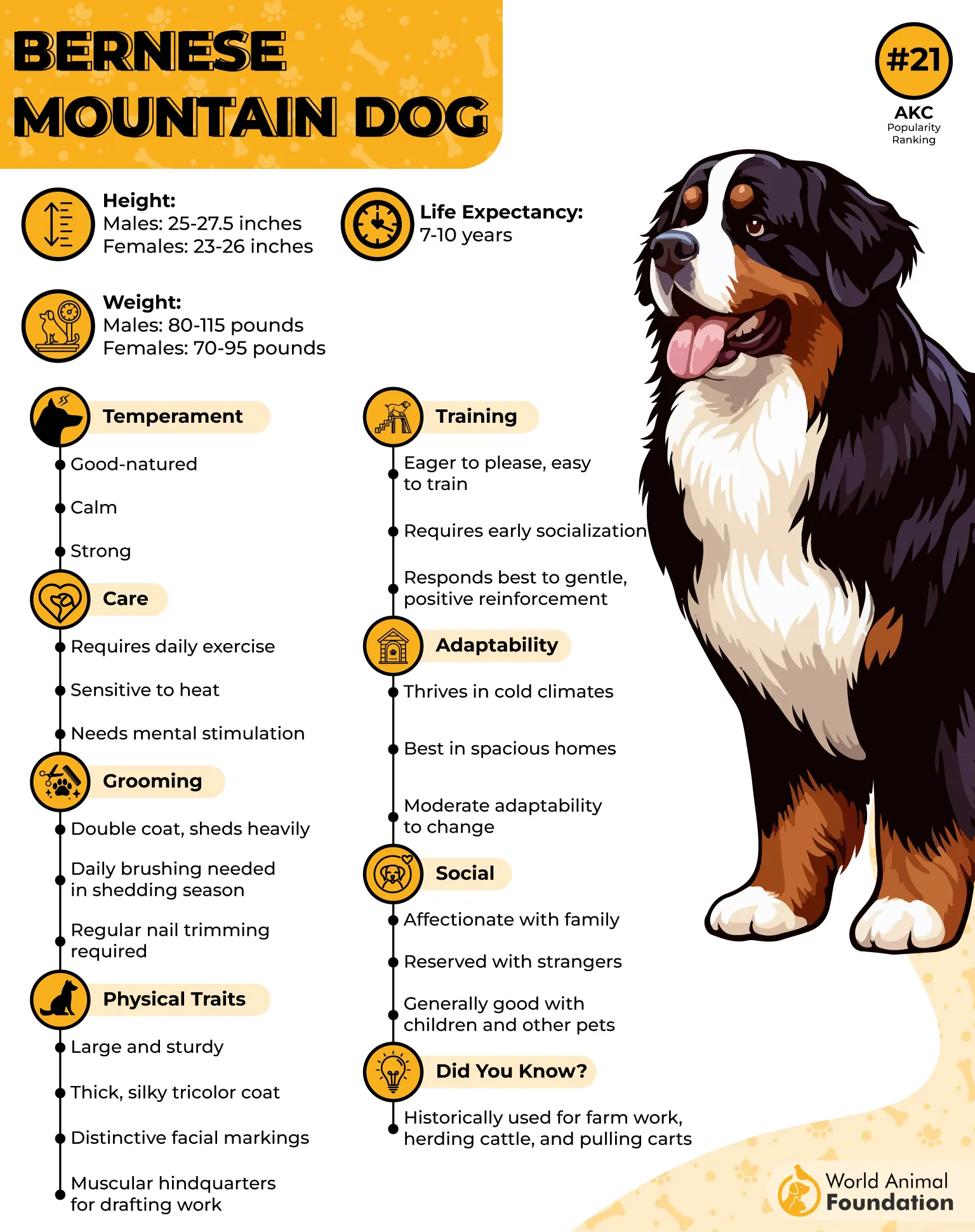
One remarkable ability of the breed is its talent for draft work. Berners can pull several times their own body weight, which historically allowed them to transport milk, tools, and supplies across difficult mountain routes.
The Bernese Mountain Dog is known for being gentle, loyal, and eager to please, making it an excellent family dog that gets along well with children and other pets.
Unlike many high-energy working breeds, Bernese Mountain Dogs stay steady and controlled under pressure, making them reliable in physically exhausting conditions.
Even today, they are still used in cart-pulling competitions, mountain hiking, and cold-weather farm work. Their combination of strength, endurance, and gentle temperament continues to make them highly respected in rugged environments.
7. Great Pyrenees
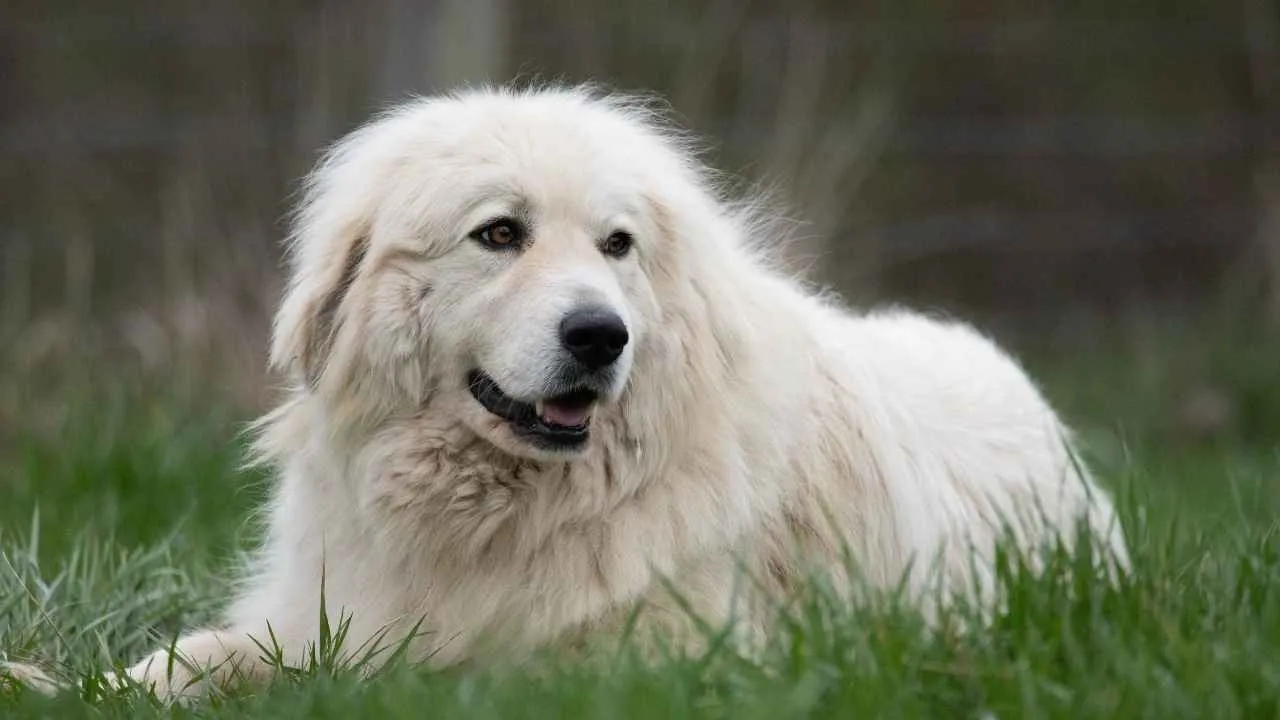
The Great Pyrenees is a hardy mountain dog bred to guard and herd livestock in the Pyrenees Mountains, known for its thick coat that protects it from cold weather and its calm demeanor.
These guard dogs often worked alone for hours in harsh weather, guarding sheep across steep cliffs and isolated grazing areas where quick decisions could mean the difference between safety and disaster.
Their enormous size, dense weather-resistant coat, and powerful frame allow them to stay outdoors comfortably even during heavy snow and biting winds.
Unlike fast herding dogs, the Great Pyrenees relies on patience, awareness, and controlled strength. They quietly observe their surroundings and react only when necessary, conserving energy while covering large mountain territories.
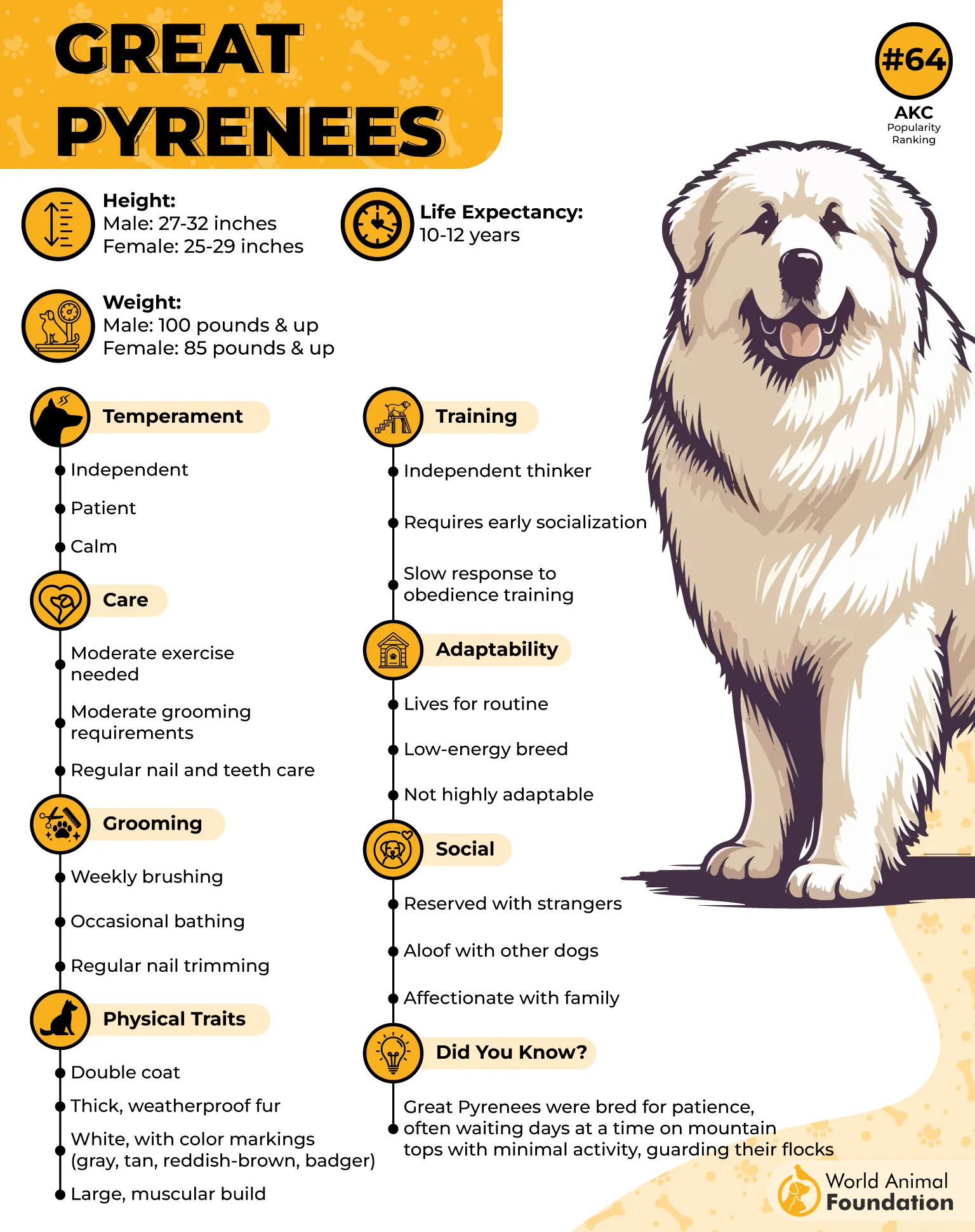
The Great Pyrenees is known for its calm demeanor and strong devotion to family, making it a gentle giant that is affectionate and naturally protective of its home.
One unusual trait of the breed is the presence of double dewclaws on the rear legs, which help provide extra stability when climbing rocky slopes or walking through deep snow.
This feature has long been valued by shepherds working in rugged alpine terrain.
Even today, the Great Pyrenees continues to guard livestock in remote mountain regions around the world, proving its reliability in environments where endurance, independence, and calm protection are constantly required.
8. Saint Bernard
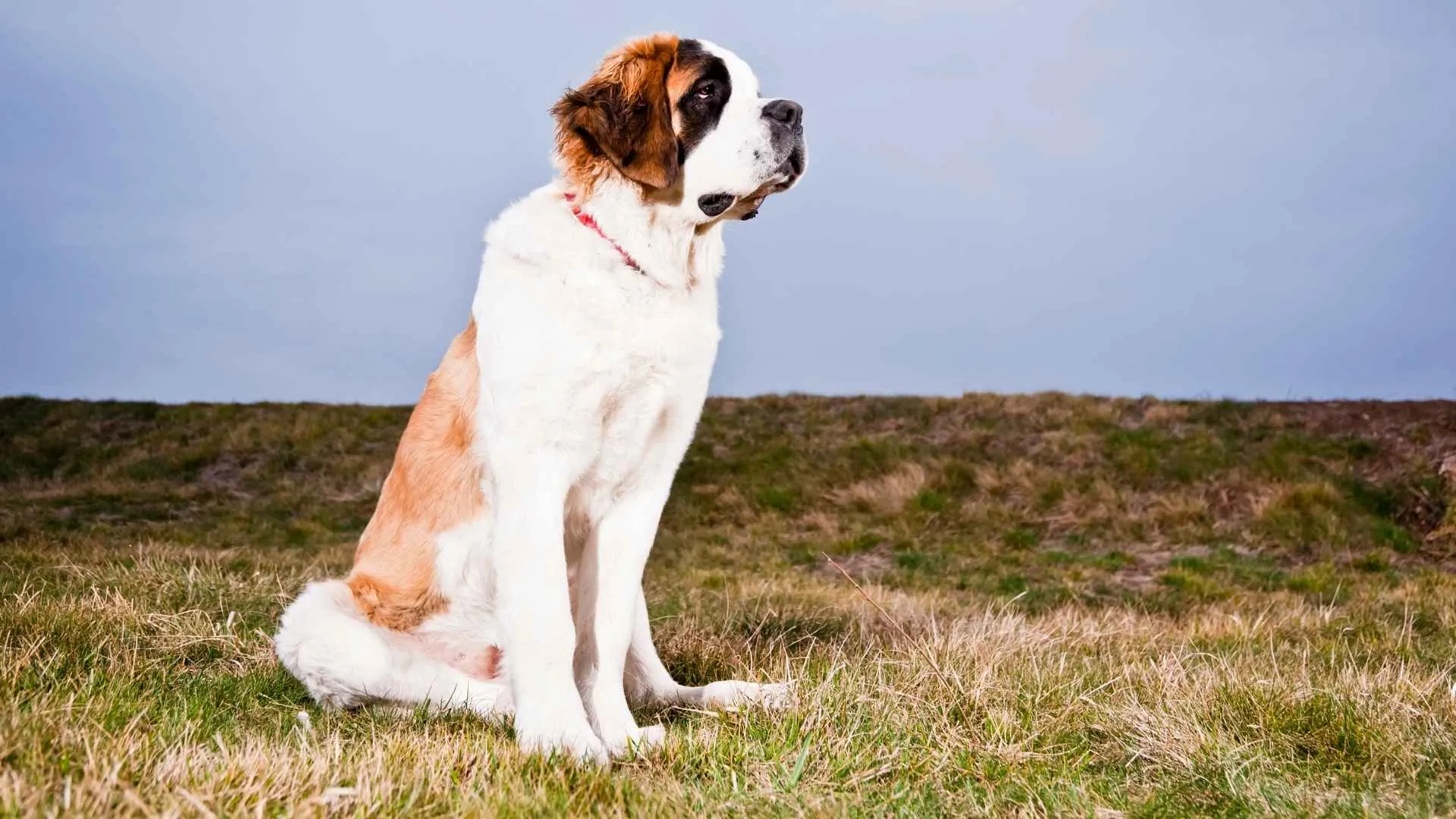
The St. Bernard wasn’t built for comfort… it was built for survival in some of the world’s deadliest mountain conditions.
High in the freezing Swiss Alps, these massive rescue dogs became legendary for finding travelers trapped in snowstorms and avalanches when human rescuers could barely move through the ice.
With their huge muscular bodies, thick weather-resistant coats, and powerful stamina, St. Bernards could travel across deep snow while carrying supplies or guiding stranded people back to safety.
What made them truly valuable in harsh alpine terrain was their incredible ability to detect human scent beneath snow, even during severe weather.
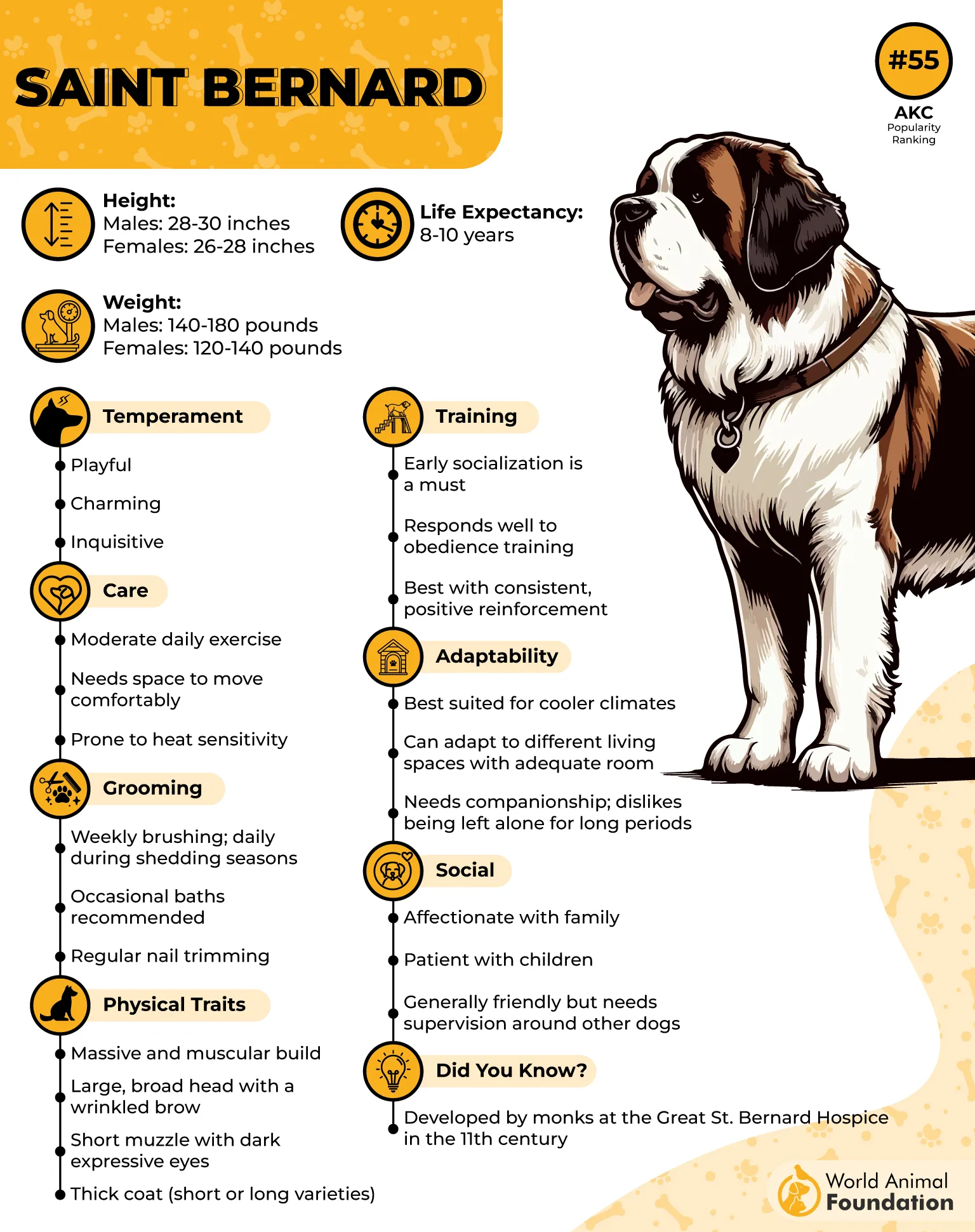
Rescue monks at the Great St. Bernard Hospice depended on these dogs for centuries to patrol dangerous mountain passes where blizzards and freezing winds claimed countless lives.
St. Bernards were also known for staying beside injured travelers to provide warmth until help arrived, showing a calm and dependable nature under pressure.
Even today, this intelligent breed remains one of the strongest symbols of mountain rescue, admired for its endurance, intelligence, and lifesaving role in extreme winter environments.
9. Tibetan Mastiff
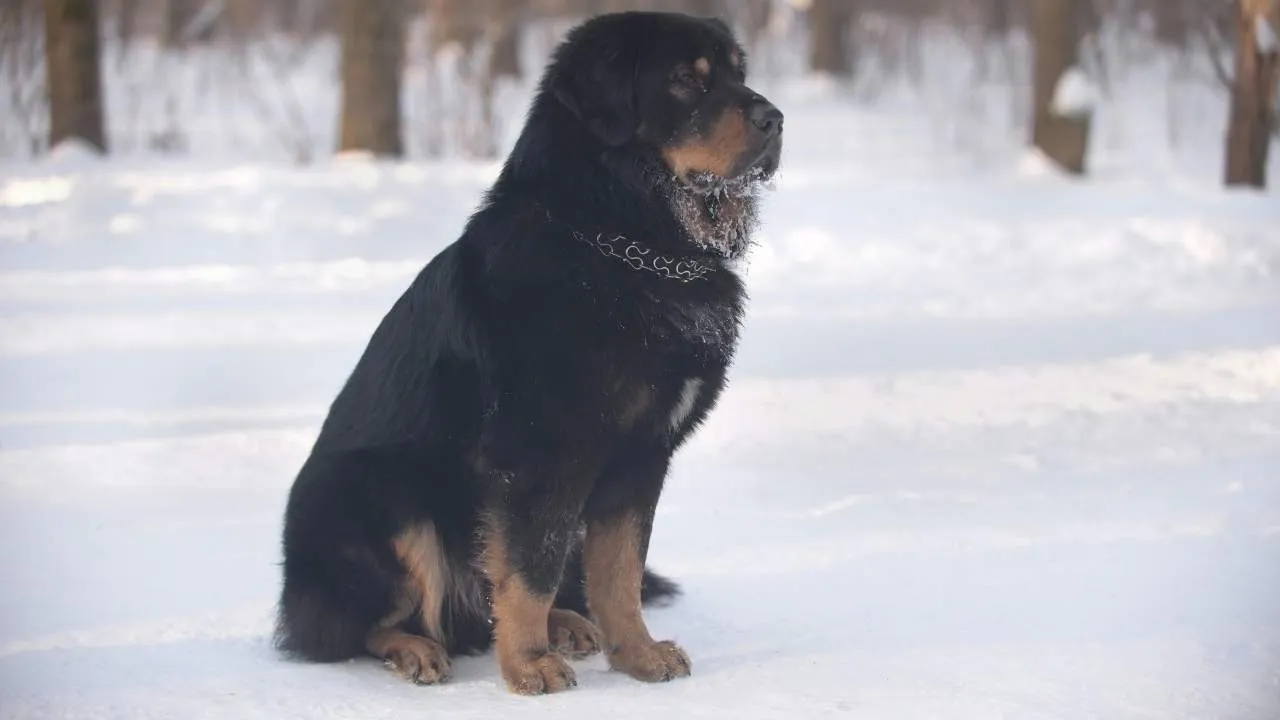
The Tibetan Mastiff is a powerful livestock guardian breed developed in the Himalayan region, known for its calm temperament and ability to withstand freezing temperatures and rugged terrain.
It operated across wide, isolated regions, making decisions alone in conditions where survival depended on awareness and control.
Its heavy double coat shields it from freezing winds and heavy snowfall, while its strong, well-boned body allows steady movement across rocky slopes and uneven ground.
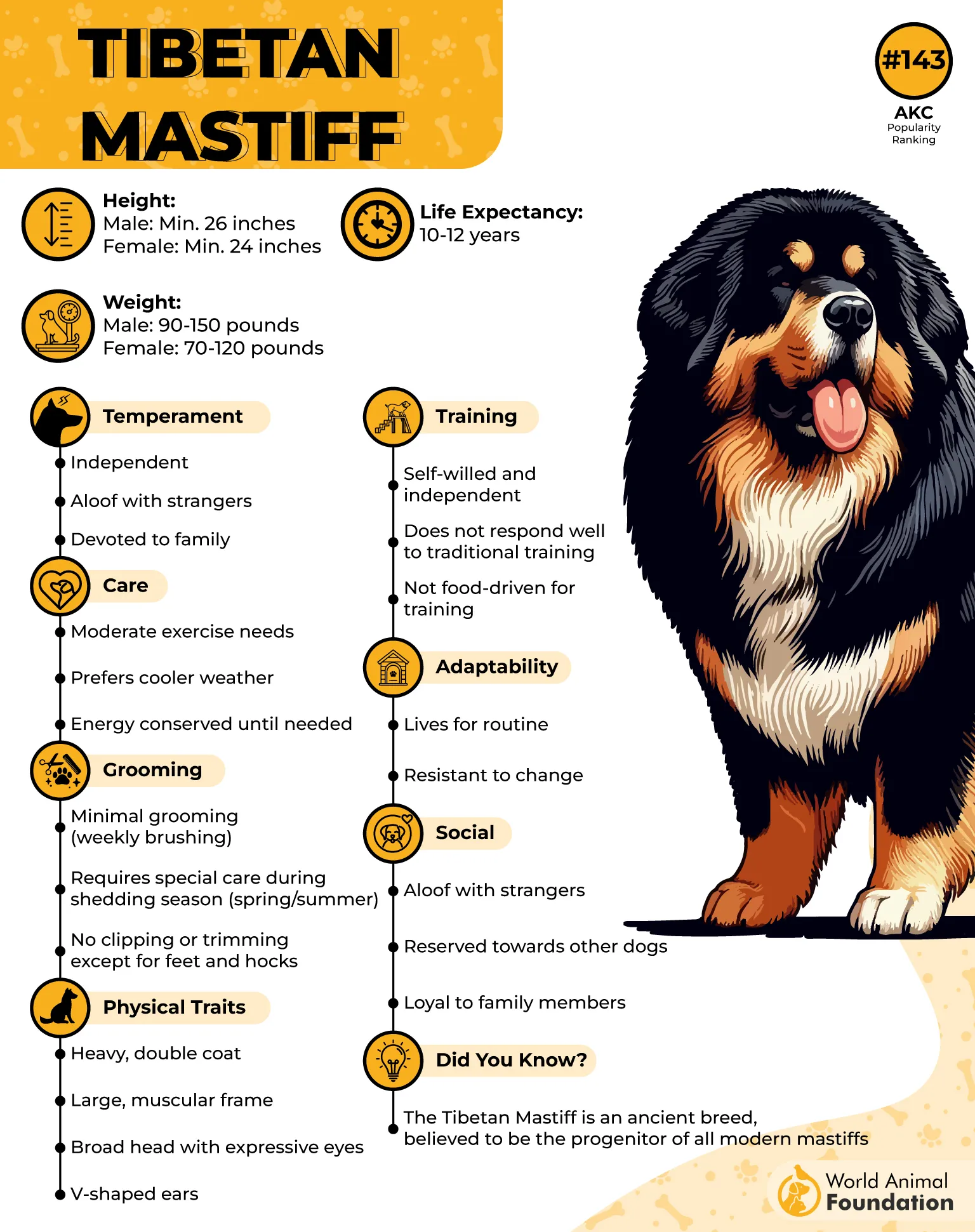
Instead of rushing into action, this strong-willed dog relies on careful observation, holding position for long hours, and responding only when a real threat approaches.
In remote mountain environments, it was especially valuable during night hours when predators were most active. It would quietly patrol the edges of settlements and grazing areas, using a deep, resonant bark to signal danger across long distances.
A striking physical trait is the thick mane around its neck and shoulders, which offers added protection during harsh weather and close encounters in rugged terrain.
Even today, it remains closely associated with extreme alpine conditions, known for endurance, independence, and the ability to stay composed where many other breeds would struggle.
10. Anatolian Shepherd Dog
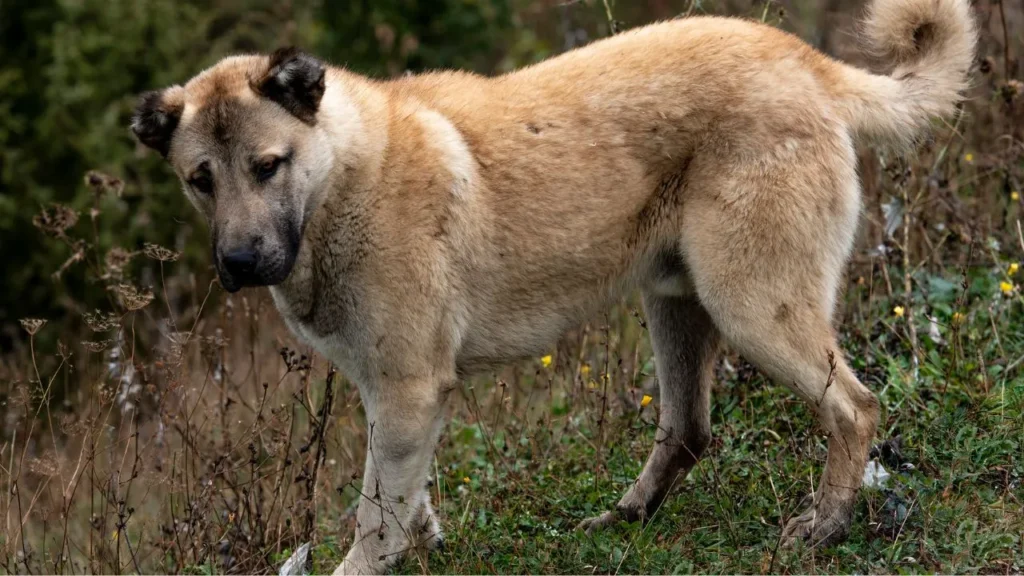
The Anatolian Shepherd Dog is known for its strength and independence, originally bred in the harsh landscapes of central Turkey, to guard livestock in challenging environments, and requires proper training and socialization, as stated by Orvis.
For thousands of years, it worked alone in open country—scorching summers, freezing winters, and long stretches of isolation—where threats like wolves demanded constant vigilance and instant action.
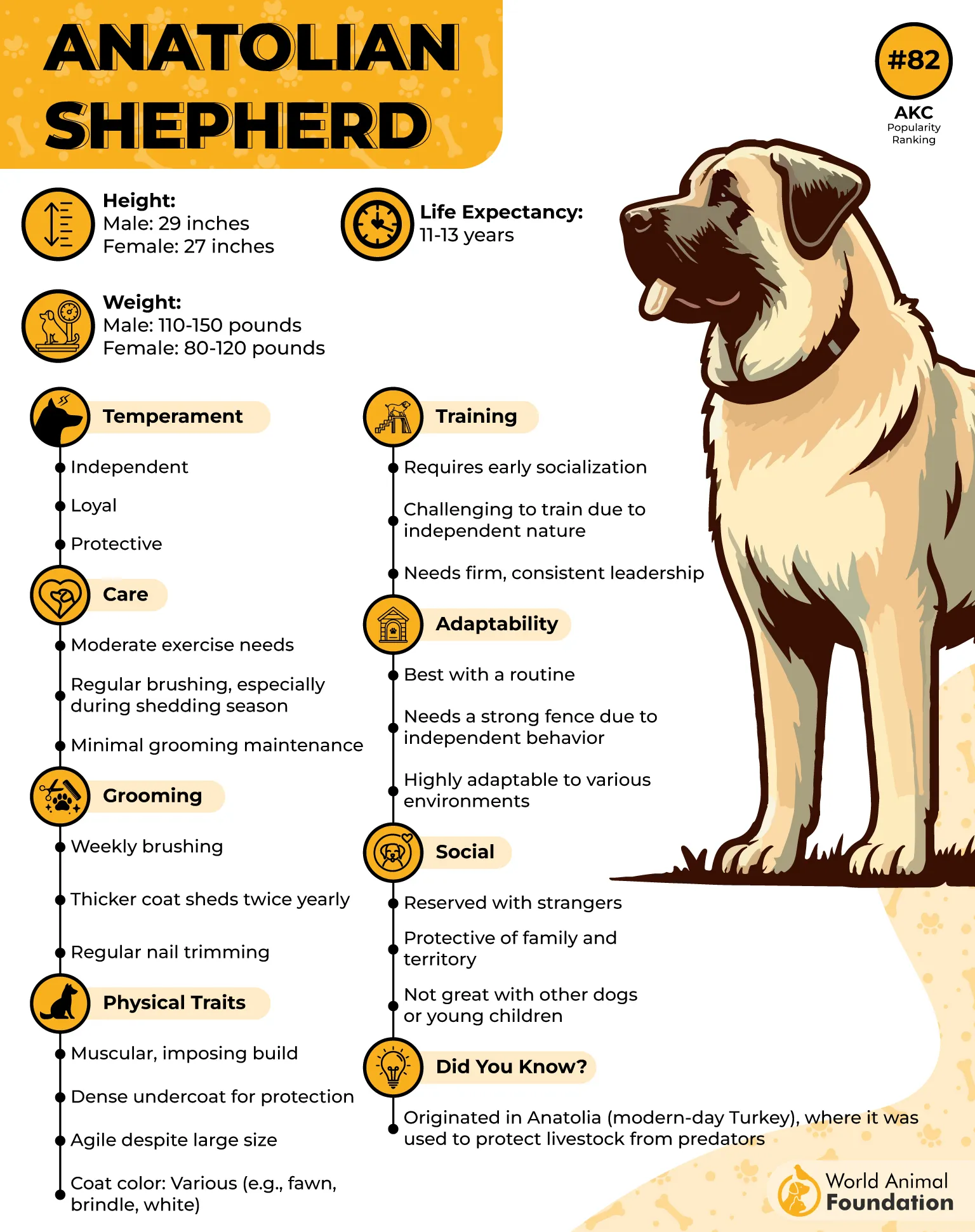
Its large, muscular frame is built for endurance rather than speed bursts, allowing it to patrol vast grazing areas for hours without fatigue.
A dense coat shields it from temperature extremes, while its alert posture and sharp senses help it detect movement and sound across long distances, even in low-visibility conditions like dust storms or snow.
Unlike many herding dogs, it doesn’t wait for instruction. It assesses risk independently and positions itself between livestock and danger, using controlled strength rather than reckless pursuit.
In remote Anatolian regions, this behavior was essential for the survival of entire flocks.
One remarkable physical detail is the thick protective ruff around the neck, which acts like natural armor during confrontations with predators.
Even today, it is valued in mountainous and open-range farming systems for its ability to handle isolation, harsh weather, and predator pressure with steady confidence and unwavering focus.
Conclusion
Across the world’s harshest environments, from frozen mountains to isolated highlands and storm-battered coasts, certain working dogs have proven they can do more than survive—they can operate with purpose.
Their strength, endurance, and calm decision-making under pressure come from generations shaped by real demands, not appearance.
Thick coats, powerful frames, and sharp instincts allow them to move through snow, rock, and water where conditions shift without warning.
In every case, their value lies in reliability when nature becomes unpredictable, and survival depends on steady, focused action.
