




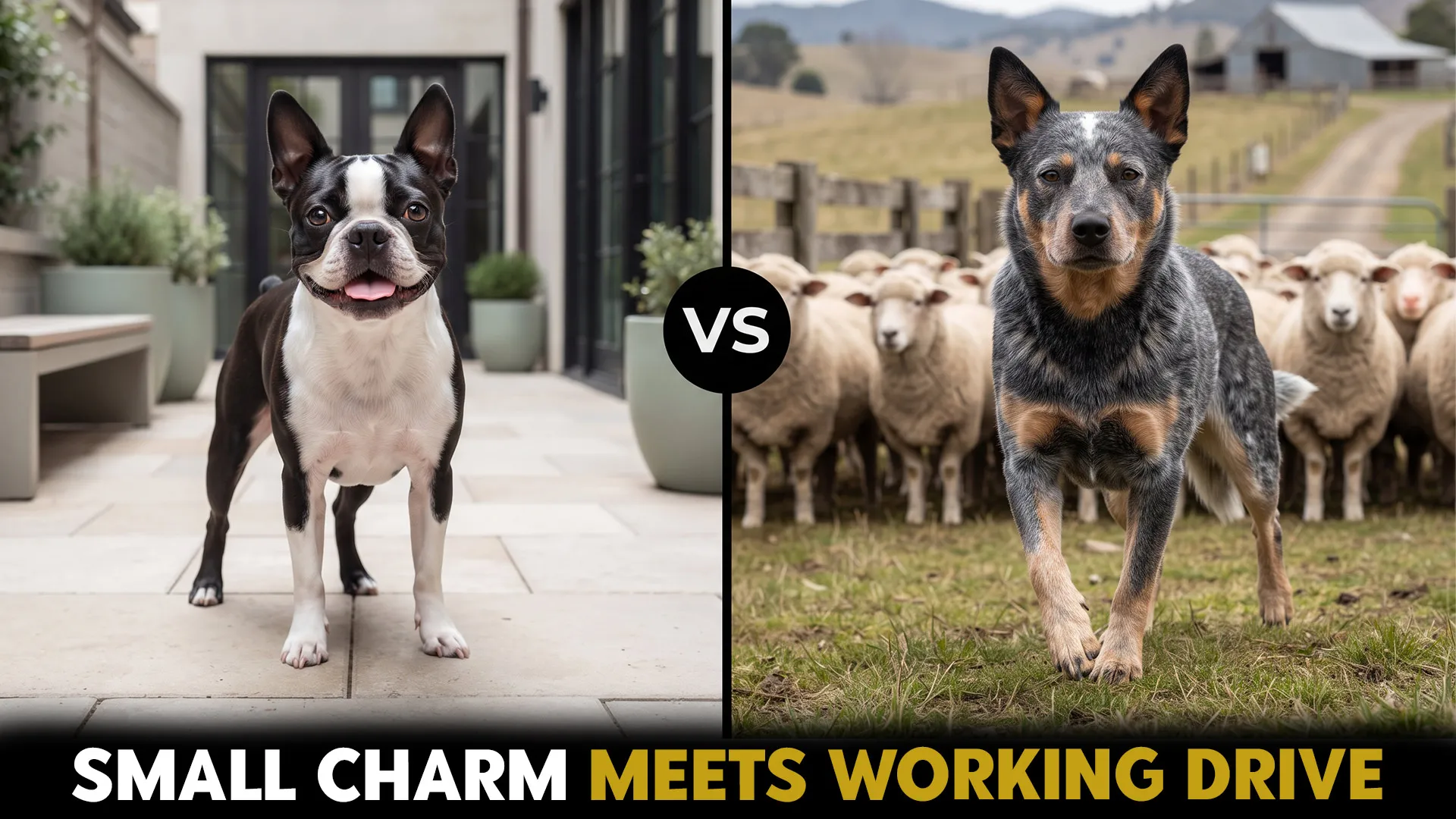
One arrives dressed for the occasion; the other looks ready to clock in for a full day on the ranch. The Boston Terrier vs. Australian Cattle Dog comparison is less about picking between two popular dogs and more about understanding two completely different lifestyles.
On paper, both have captured the hearts of dog lovers everywhere, but beneath those dapper tuxedo markings and striking speckled coats lie radically different personalities, hidden instincts, and surprising care demands that can catch even experienced owners entirely off guard.
From how they react to strangers and handle indoor spaces to the exact amount of daily brainpower they require just to stay calm, these two breeds demand entirely different versions of your time and effort.
So, which of these two fascinating companions actually matches your daily rhythm? Let’s peel back the layers. Dive into the matchup, and uncover what life behind the scenes with each dog really looks like!
Boston Terrier vs. Australian Cattle Dog
Boston Terriers and Australian Cattle Dogs may both be loyal companions, but they differ greatly in personality, energy, and lifestyle needs. Let’s compare these two breeds and see what truly sets them apart.
Size and Strength
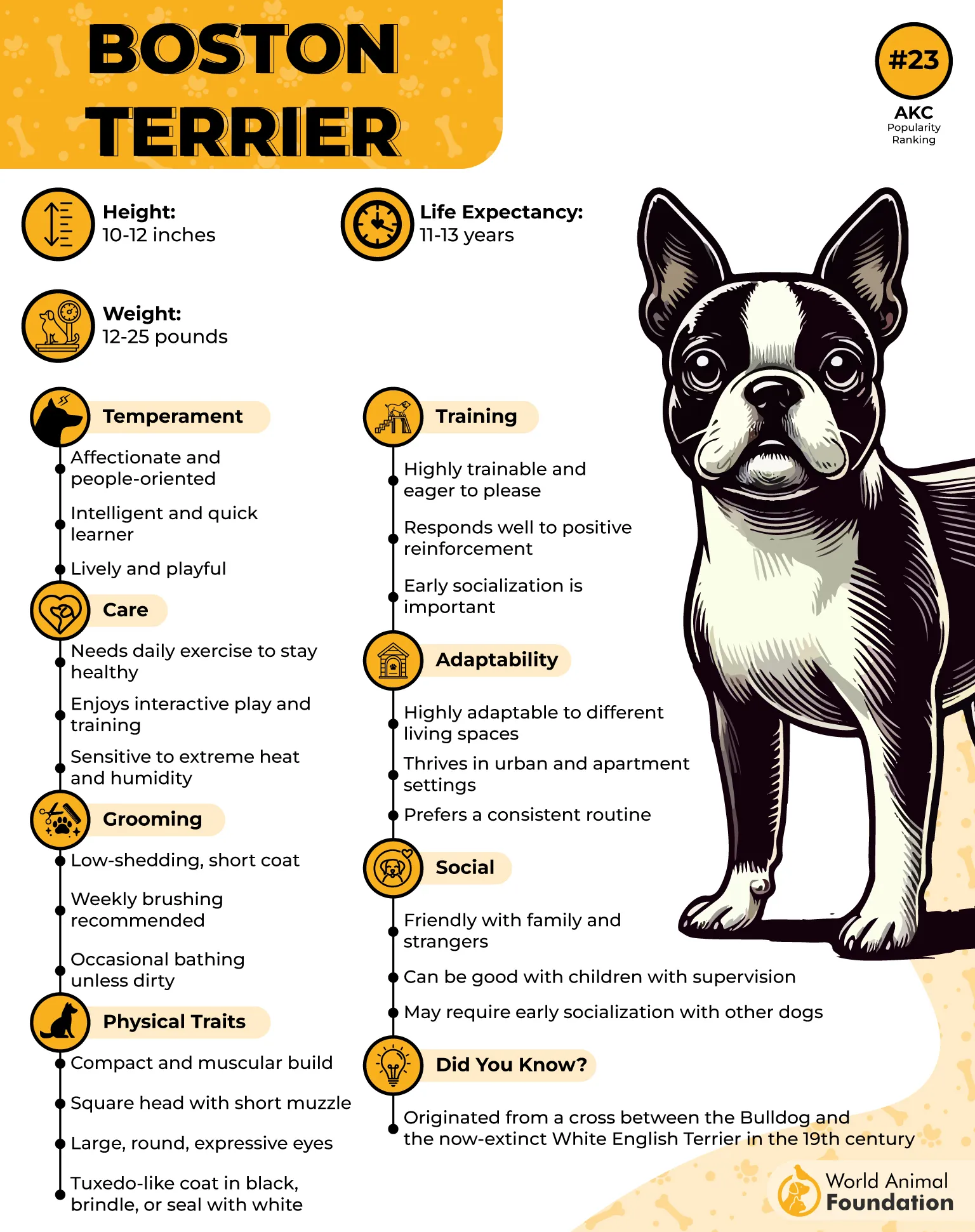
Small does not mean fragile, and the Boston Terrier proves it beautifully. Usually standing 10–12 inches tall and weighing 12–25 pounds, this sturdy little dog has a square body, strong limbs, and a broad chest packed into a surprisingly neat frame. Their short muzzle and balanced build give them an athletic appearance without the bulk of a larger worker.
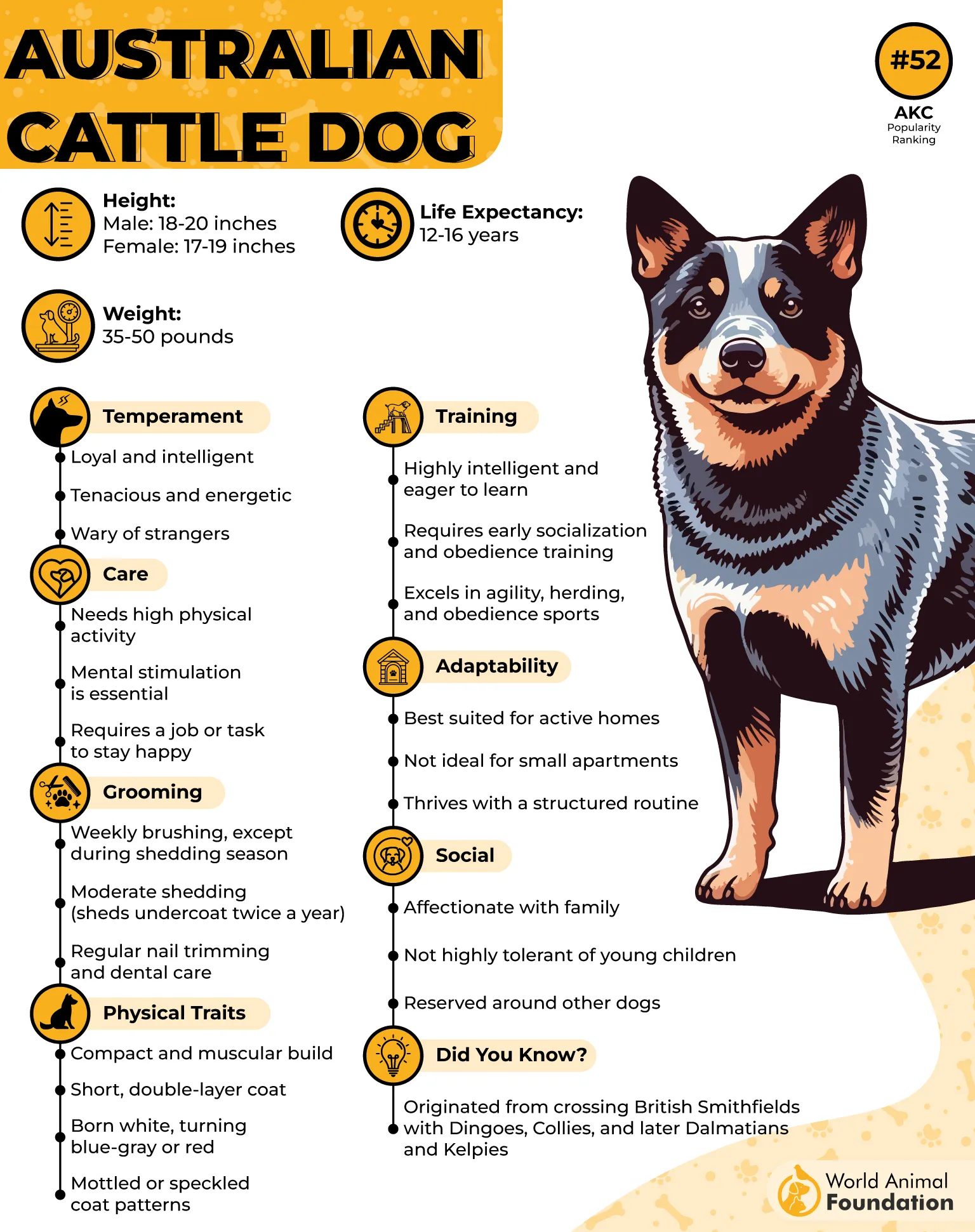
Then comes the Australian powerhouse.
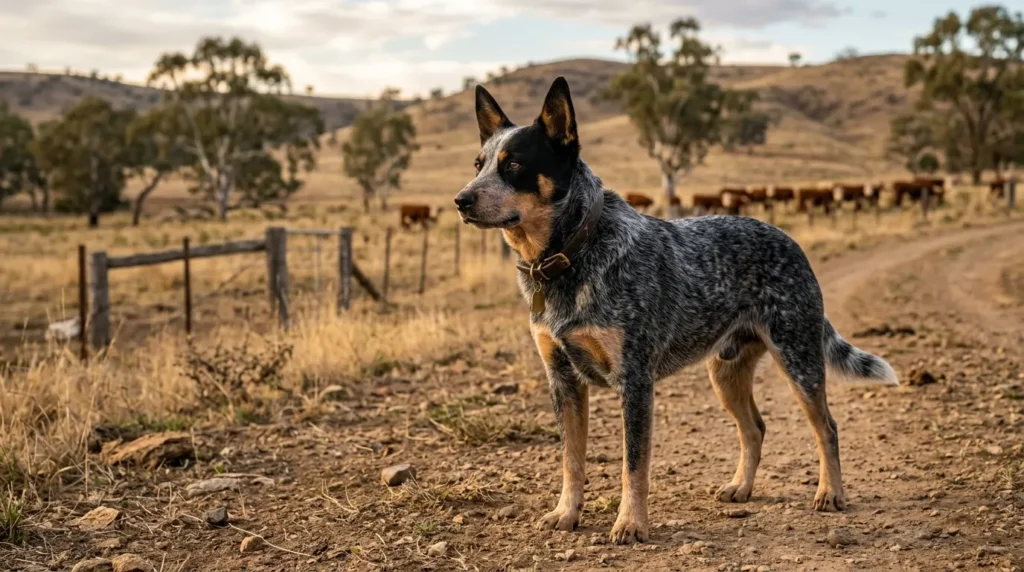
Standing roughly 17–20 inches tall and weighing around 35–50 pounds, the Australian Cattle Dog has a medium-sized, muscular frame built for endurance. Their physical design reflects a practical history of moving cattle across rough terrain, where agility and stamina mattered far more than looking fancy.
One fits comfortably into a smaller physical footprint. The other carries the strength and proportions of a true working athlete.
Temperament and Personality
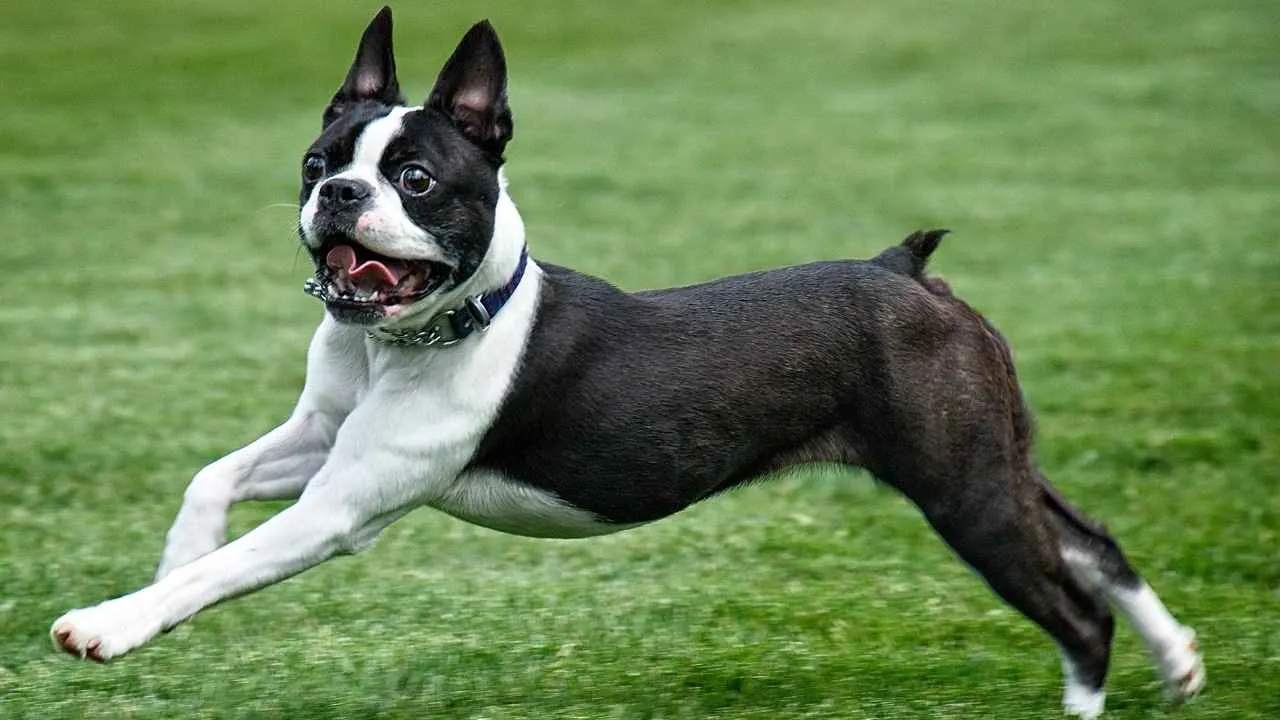
The Boston Terrier walks into family life with a little more social sparkle. Affectionate and lively, these dogs usually enjoy staying close to their people and joining whatever is happening around the house.
PetMD mentions their famous “American Gentleman” nickname that fits their polished appearance, but their playful personality is where the real charm lives.
The Australian worker has a more self-possessed nature. Independence, alertness, and loyalty shape their relationships, with a strong bond developing between the dog and their owners. That attachment does not always translate into instant friendliness toward unfamiliar people, and some individuals remain wary of strangers.
There is also a herding instinct to consider. Fast-moving small children or other dogs can attract unwanted herding behavior, especially without early socialization.
In short, the Boston tends to bring the party to the family; the Australian brings a watchful presence and a strong sense of purpose.
Health and Lifespan
Their different silhouettes come with different health considerations.
Boston Terriers commonly live around 11–13 years. Their short-faced structure deserves particular care in warm or humid weather because breathing can become difficult during heat or strenuous activity. Eye conditions and patellar luxation are also among the concerns associated with the breed.
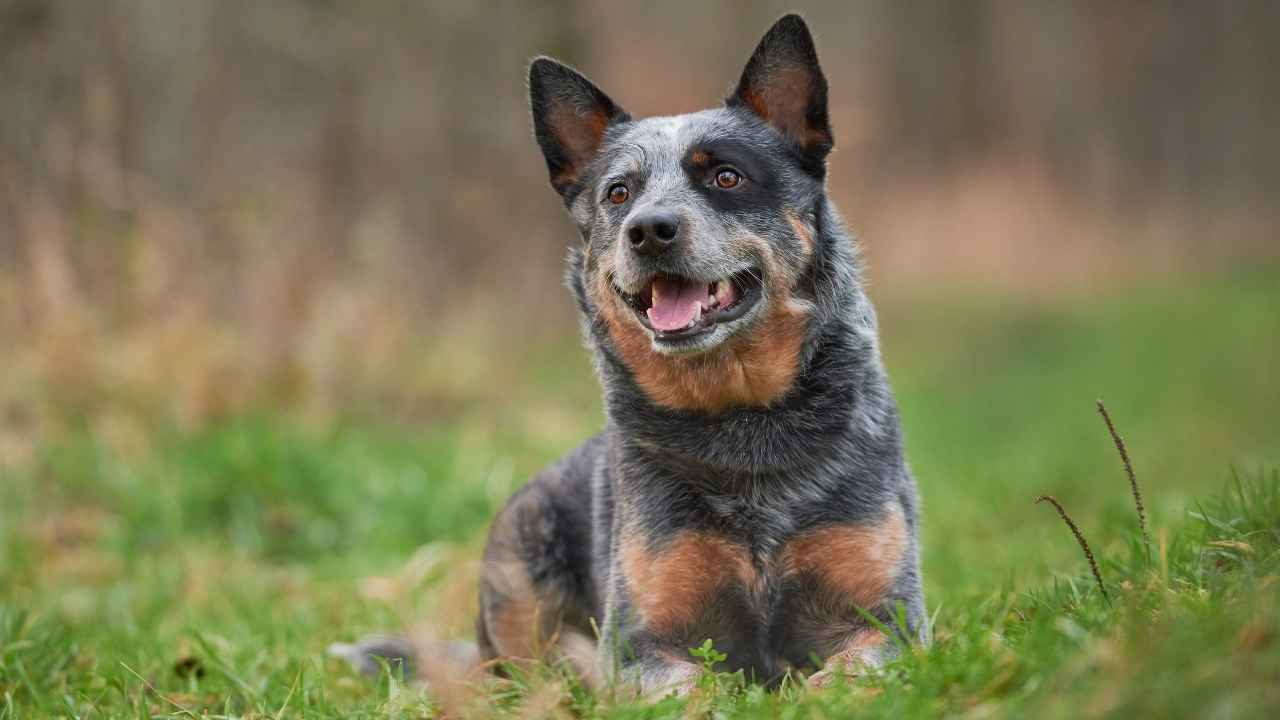
According to Purina, the hardier Australian Cattle Dog commonly reaches around 13–15 years. Hip dysplasia, inherited eye conditions, deafness, and certain heart problems are among the issues prospective owners should discuss with responsible breeders and veterinarians.
Good genetics provide the starting point, but routine veterinary care, sensible nutrition, weight management, and appropriate activity all contribute to long-term well-being.
Training and Exercise
Training the Boston Terrier can feel like sneaking lessons into playtime. Short, upbeat sessions tend to work well because these small dogs respond to praise, rewards, and interaction. A repetitive routine can lose its shine, so mixing obedience practice with new tricks keeps those sessions fresh.
The Australian Cattle Dog is an intelligent breed that approaches learning with a sharper working edge. They are quick to pick up patterns and need clear expectations from the beginning. Positive reinforcement, consistency, and boundaries help turn their natural intelligence into reliable everyday behavior.
Puzzle toys, scent work, obedience games, and problem-solving activities add useful mental stimulation. Agility and retrieving can also give their busy minds something constructive to tackle.
The Boston learns through fun; the Australian thrives when learning feels purposeful.
Grooming Needs
Neither dog demands a beauty routine like a celebrity.
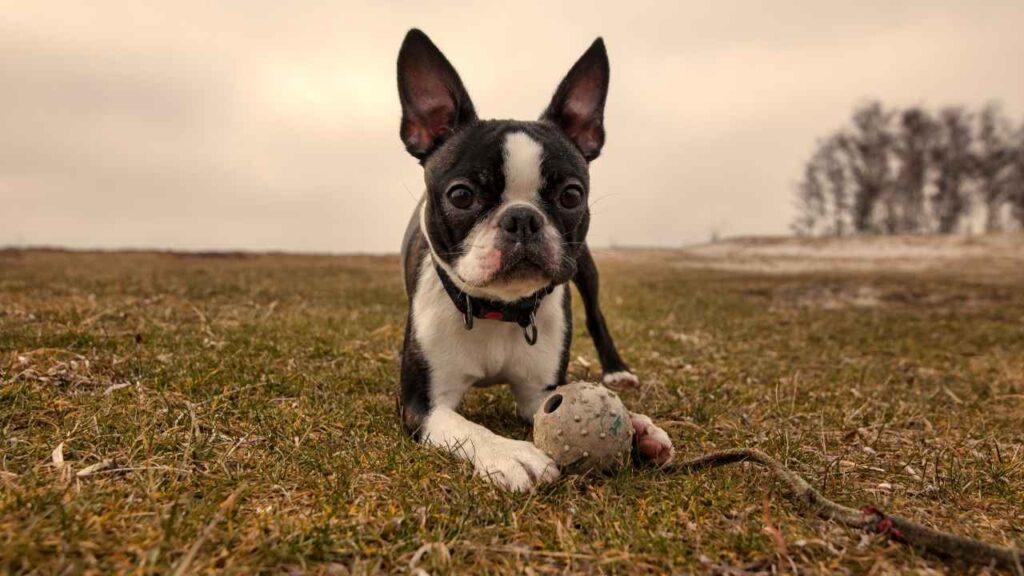
The Boston Terrier wears a short, smooth coat that is pleasantly low-maintenance, as AKC added. Weekly brushing helps remove loose hair, while regular nail trimming, dental care, ear checks, and occasional baths keep the basics covered.
The Australian Cattle Dog keeps things practical too, although their dense double coat sheds more heavily. Brushing becomes especially useful during seasonal shedding, when loose fur has a habit of appearing in places you never expected.
Neither requires elaborate styling. The main difference is simple: one leaves relatively little grooming drama behind, while the other periodically reminds you that shedding is part of the package.
Energy Level
Here is where the lifestyles really split.
Boston Terriers have a playful spark and enjoy walks, games, and time with their people, but they do not have the same physical workload built into their DNA as a livestock worker. Hot, humid conditions also call for extra caution because of their short muzzle.
The Australian Cattle Dog has serious reserves of energy. Generations spent working livestock demanded persistence, movement, and physical resilience, leaving modern individuals with plenty of drive to burn.
A day filled with appropriate activity helps keep that restless side settled. When their needs are consistently ignored, boredom can turn into unwanted behaviors, including destructive chewing or other attempts at self-entertainment.
The Boston likes staying busy. The highly energetic Australian wants enough action to feel properly occupied.
Natural Guard Instincts
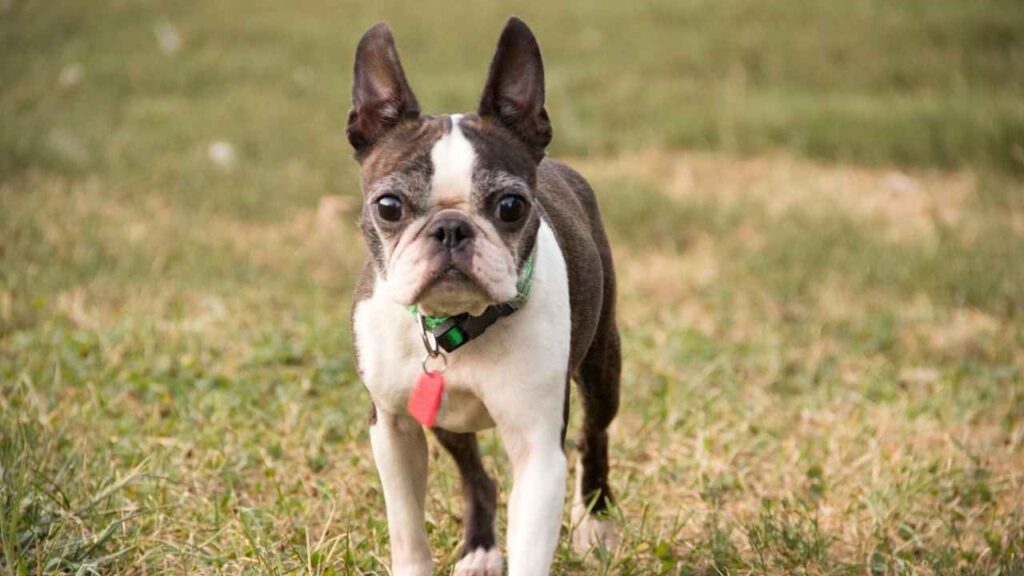
A tiny watchdog can still have a surprisingly loud opinion. The Boston Terrier may bark when a visitor approaches or an unfamiliar sound interrupts the household. Their sociable character usually keeps their response relatively light, but they remain attentive enough to let you know when something catches their notice.
The Boston Terrier tends to stay close to its family and may become vocal when something feels unusual. Their affectionate personality usually keeps this behavior rooted in companionship rather than serious confrontation.
The Australian Cattle Dog has a more naturally observant approach to its surroundings. Their background around livestock encouraged close attention to movement, unfamiliar activity, and the environment around them.
Green Cross Vets say that the Australian Cattle Dog has a stronger instinct to monitor the people and surroundings they consider theirs. Their devotion, confidence, and natural caution can make them attentive guardians without turning every unfamiliar situation into a crisis.
Early socialization remains important for both. Teaching appropriate boundaries helps a protective trait stay manageable, especially in homes with visitors, pets, or young family members.
Conclusion
Put the two side by side, and the contrast becomes wonderfully clear.
The Boston Terrier offers compact charm, affectionate companionship, playful interaction, and relatively straightforward grooming. Their world revolves heavily around their people, with moderate activity woven into everyday life.
The Australian Cattle Dog brings a sturdier working package: physical endurance, independence, a demanding activity requirement, and the devotion that comes from a breed developed to work closely with humans.
One is perfectly happy turning an ordinary afternoon into playtime. The other looks at an empty afternoon and seems to ask what job needs doing.
Understanding that difference matters more than choosing based on appearance alone. Match the dog’s needs with your routine, space, activity level, and expectations, and those distinctive personalities have room to shine.
