





So… are you team “nonstop, ankle-nipping chaos with a genius brain” or team “sleek, watchful bodyguard that shadows you like a pro”? Because that is exactly the kind of decision you are walking into with a Blue Heeler and a Doberman.
At first glance, both look like confident, high-energy dogs built for action. And they are. But spend five minutes with each, and you will quickly realize they play by very different rulebooks. One wants a job, a mission, and probably your shoes. The other wants purpose, structure, and a clear sense of who belongs in your world.
Curious how these two actually stack up in real life? Let’s get into it.
Did you know?
Dobermans are known for their sharp intuition and can quickly sense who feels trustworthy, while Blue Heelers got their name from nipping at cattle heels and may cheekily try the same move on your ankles at home.
Blue Heeler vs. Doberman: Analyzing Two Powerful Dog Breeds
Origins & Purpose
Right from the start, these two feel like they were hired for completely different jobs. One grew up chasing cattle across open land, the other was practically built to walk beside someone who needed serious protection and a sharp, reliable companion.
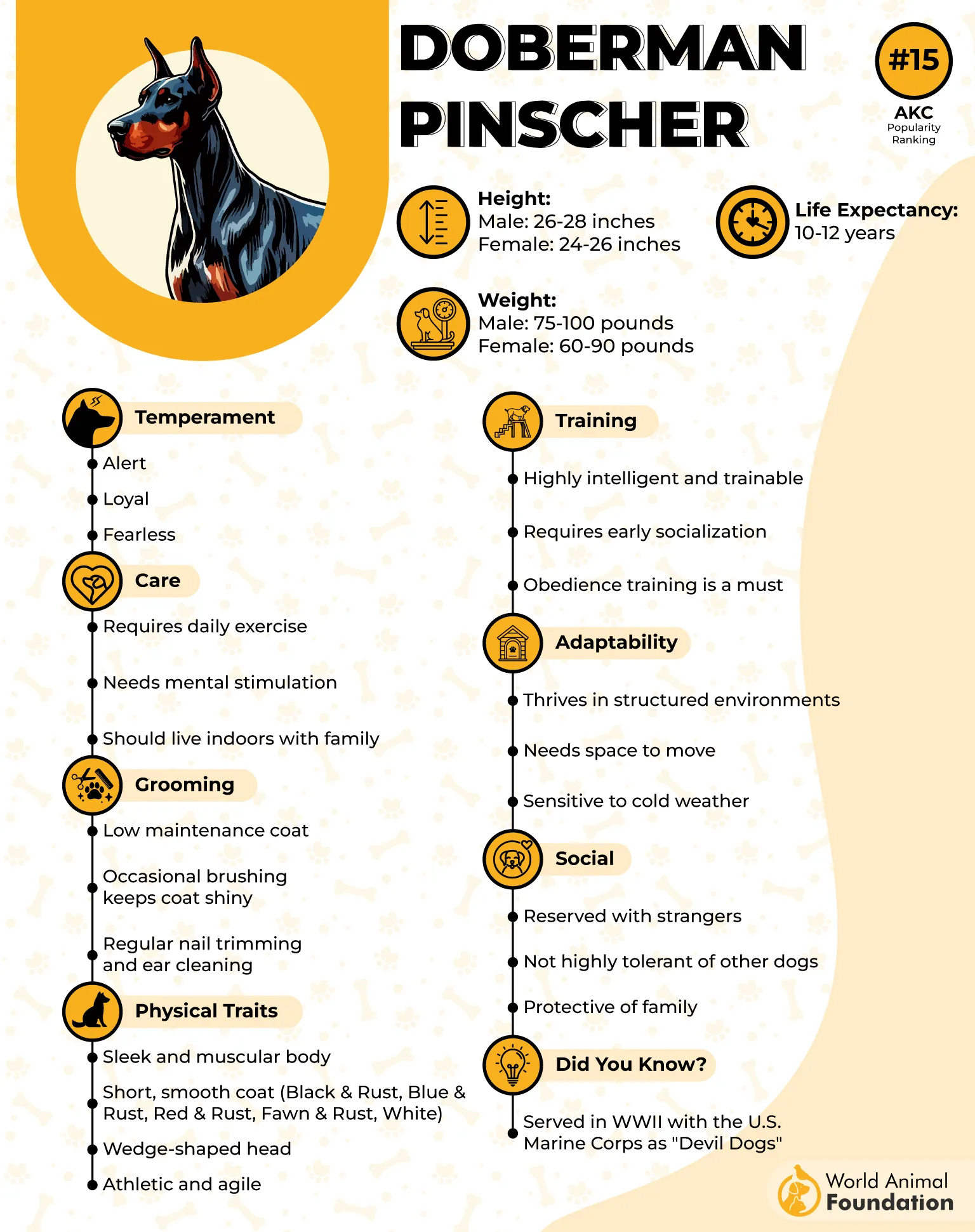
The Doberman comes from Germany, originally developed by a tax collector who wanted a dependable guard dog to protect him during his rounds. That purpose still shows today through strong protective instincts, loyalty, and a natural role in security, police, and working environments.
Blue Heeler traces back to Australia, where it was created to herd cattle across rugged terrain using intelligence and stamina. This background explains its herding behavior, quick thinking, and a constant need for activity and purpose in everyday life.
Physical Size & Build
You can spot the difference instantly without needing a measuring tape. One feels like a compact athlete ready to sprint all day, while the other carries a more powerful, commanding presence that quietly says it means business.
Blue Heeler has a sturdy, muscular, compact, and symmetrically built dog body designed for endurance and agility. Its double coat is short and dense, built to handle outdoor conditions while it stays active, alert, and always ready to move.
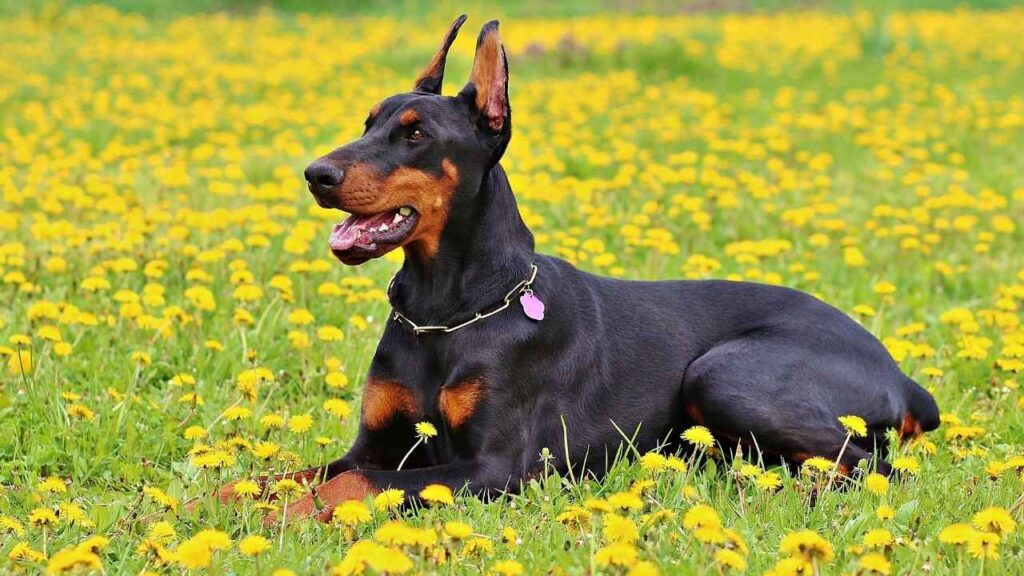
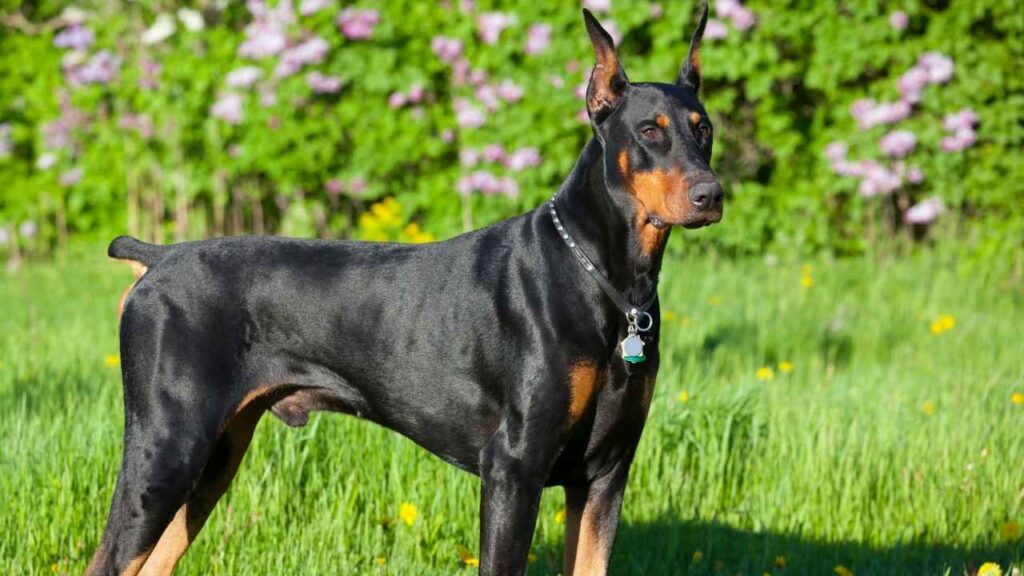
Dobermans show up sleek, muscular, elegant, and proud, built for speed and endurance with a smooth coat and sharp outline. The physical presence of these working dogs feels more refined, combining strength with a polished, watchful appearance that stands out instantly.
Pricing & Availability
Now let’s talk about the part that usually sneaks up on people. Both breeds are fairly available, but the experience of getting one can feel a little different depending on where you look and what you are aiming for.
Dobermans typically fall into a higher price range, especially when coming from carefully bred lines, and can vary widely based on quality and background. They are still widely available, so finding one is not usually difficult with proper research.
Blue Heelers usually come at a more moderate price point, making them a bit more accessible for many owners. Availability is also high, so bringing one home is often more about matching energy levels than actually finding the breed.
Personality & Temperament
Spend a little time with these two, and you will quickly realize they think very differently. One is constantly scanning and evaluating, while the other is busy figuring out what needs to be moved, chased, or organized.
Dobermans’ personality includes being energetic, watchful, determined, alert, fearless, loyal, and obedient. They form strong bonds with their people and can act as protective companions while still showing affection and responsiveness when properly trained and socialized.
Blue Heelers bring a mix of intelligence, curiosity, and strong independence, often bonding closely with one person. They are protective, alert, and may try to herd people or animals, showing both playful behavior and a serious working mindset when needed.
Energy Levels & Exercise Needs
This is where things can get a little intense. Both of these dogs have energy to burn, but they spend it very differently. One is basically a full-time athlete, while the other needs both movement and mental engagement to stay balanced.
According to the AKC, the Doberman is an energetic athlete that thrives on long daily walks, hikes, and plenty of free play. Give it space to run and activities like obedience or agility, and you will have one seriously happy dog.
Blue Heelers come in with a high energy level and require high exercise, often needing extended activity like running, agility, or working tasks. They thrive when given a job, and without enough activity, they can quickly become restless and destructive.
Trainability & Intelligent
When it comes to brains, this is where things get really interesting. Both breeds are sharp, but they don’t think in the same way at all. One likes to solve problems on its own terms, while the other prefers structure with a clear leader.
As noted by PetMD, Australian Cattle Dogs are tremendously intelligent and highly trainable, often solving problems on their own. They enjoy learning new tricks, but their stubborn side shows up too, so positive reinforcement and early socialization really help shape their behavior.

Dobermans are extremely smart and quick to learn, often picking up commands fast with proper training. They respond well to obedience work, but their strong will means consistent training and early socialization are essential for steady, reliable behavior.
Guarding & Alertness
Some dogs notice things. These two? They notice everything. The difference is how they react once they do, and that’s where their personalities really start to shine through in everyday situations.
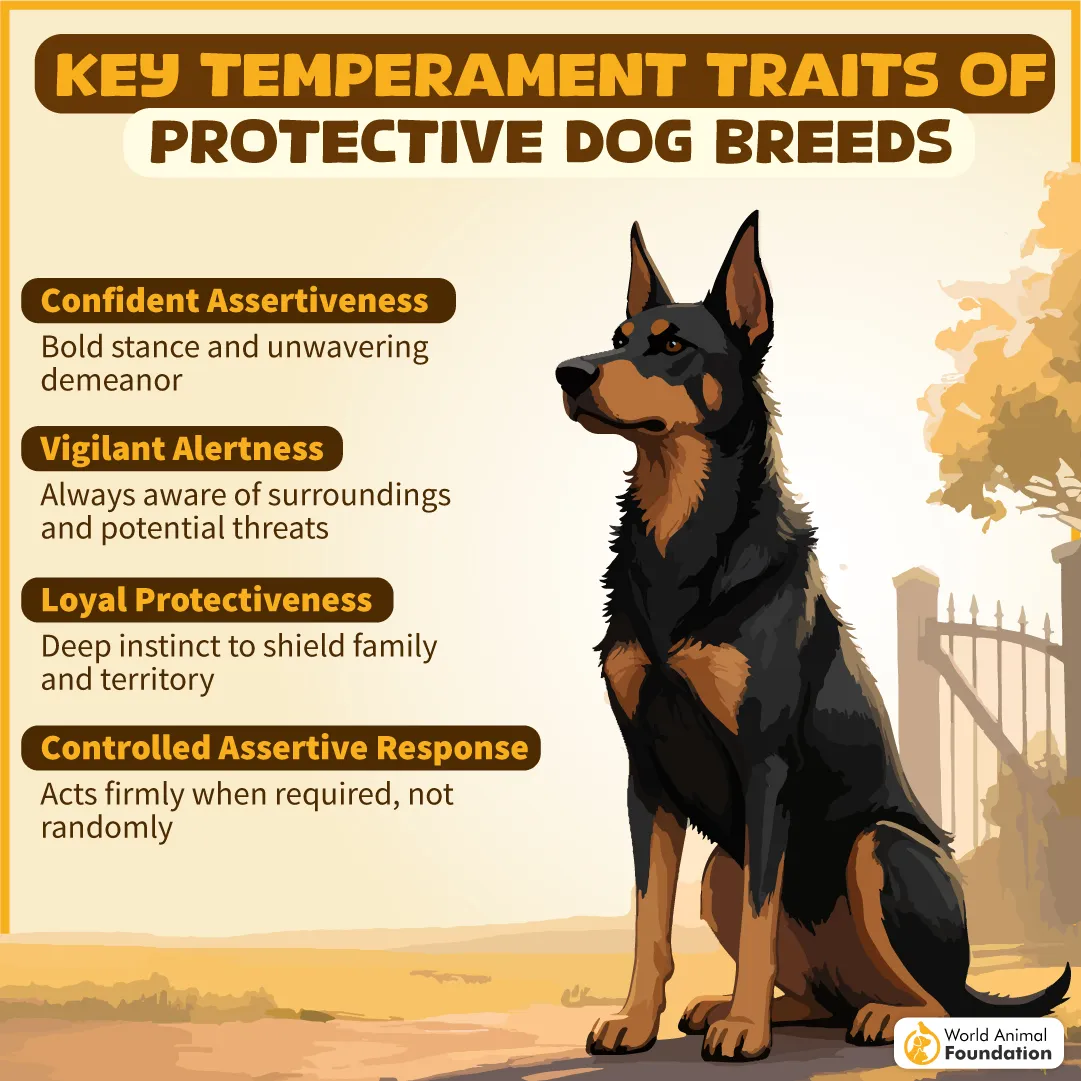
Dobermans have an instinct for guarding and protection, staying alert, watchful, and ready to respond to potential threats. Their loyalty and fearless attitude make them highly dependable as watchdogs and protective companions in many environments.
Blue Heelers show strong alertness and protective tendencies, often watching their surroundings closely and reacting quickly to unfamiliar situations. They can be wary of strangers and will guard their space, though their instincts lean more toward herding and control than direct protection.
Grooming & Maintenance
Good news for anyone who doesn’t want a daily grooming marathon. Neither of these breeds is high-drama when it comes to upkeep, but they still have their own little routines that keep them looking sharp.
Blue Heelers have short, dense double coats that require only occasional baths and regular brushing, especially during seasonal shedding. Their coat is weather-resistant, so maintenance stays simple while still keeping them clean and comfortable.

As mentioned by WebMD, Dobermans do not need heavy grooming, but regular care keeps them looking their best. Brushing with soft bristles adds shine, while occasional baths, nail trims, and daily teeth brushing help maintain their overall condition.
Health & Lifespan
Every breed comes with its own health story, and these two bring slightly different timelines and concerns to the table. Nothing overwhelming, but definitely things worth knowing before committing long-term.
Dobermans generally live around 10 to 12 years and may face conditions like dilated cardiomyopathy, hip dysplasia, and von Willebrand disease. Regular veterinary care and monitoring play an important role in maintaining their overall health.
Blue Heelers often enjoy a longer lifespan, typically ranging from 12 to 16 years, and are considered a hardy breed. Common concerns include hip dysplasia, progressive retinal atrophy, and deafness, though many remain active and healthy with proper care.
Which Breed Suits You Better?
Choosing between these two feels less like picking a “better” dog and more like choosing your lifestyle partner. One thrives on constant activity and mental challenges, while the other leans into loyalty, structure, and protective companionship.
Blue Heelers suit someone who enjoys an active routine and can provide constant mental and physical engagement. Their energy, intelligence, and need for purpose make them ideal for owners who want a hands-on, always-moving companion.
Dobermans fit best with an experienced owner who can handle their intelligence, energy, and need for consistent training. Their loyalty, protective nature, and strong bond with family make them a great match for structured, attentive households.
Conclusion
Alright, here is the real deal. These two are not just dogs; they are full-on personalities walking into your life. One keeps you moving, thinking, and slightly on your toes, while the other stays close, watches everything, and has your back.
So, pause for a second and picture your daily life. Are you out there wanting a fast-paced, always-busy companion, or someone loyal, steady, and quietly protective? Pick the one that matches your rhythm, not just your wishlist, and you will thank yourself later.
