




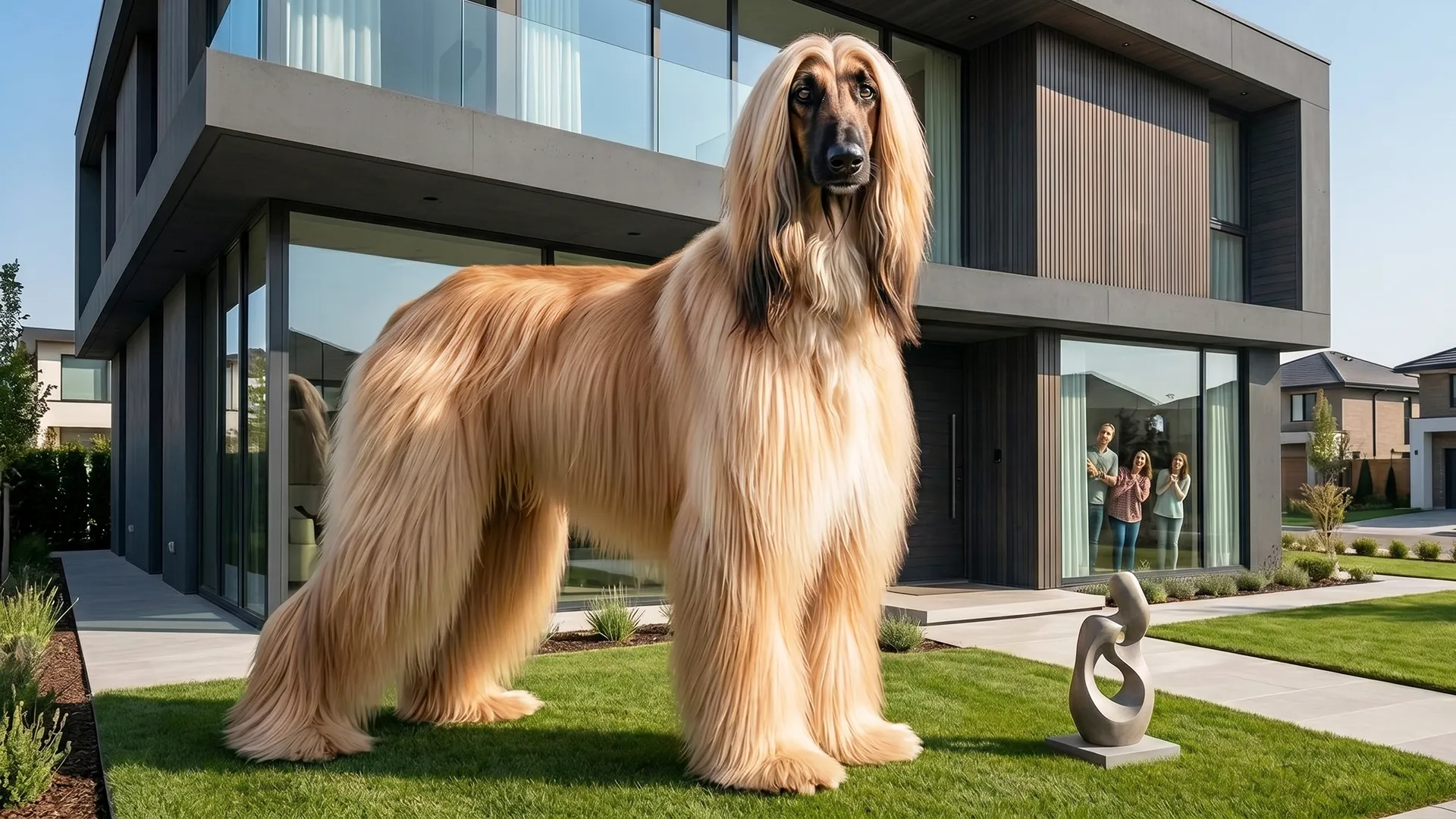
Big dogs often carry a quiet confidence that can instantly change the atmosphere in a home. Some move with calm grace, while others bring a strong presence, protective instincts, and stubborn little quirks that make pet parents laugh… and sigh at the same time. These companions may not follow every command instantly, but their independent spirit is exactly what many families come to admire.
Many large breeds were originally bred for guarding livestock, protecting homes, or navigating harsh terrains. That history still shapes their personalities today. Some giant breeds remain deeply devoted to familiar people while staying reserved around strangers.
Others prefer to make their own choices, leaning toward independence over constant attention. Yet beneath that tough exterior, most large dogs become affectionate companions, forming strong bonds with those they trust most.
Fun Fact
Some giant breeds may appear intimidating at first, but they often reveal a surprisingly gentle side with loved ones. A few even forget their size, trying to curl up beside family members like lap dogs. Despite their stubborn charm, these loyal dogs usually form lasting emotional connections that endure for years.
Top Big Dog Breeds With Unmatched Independence and Stubborn Charm
1. Saluki
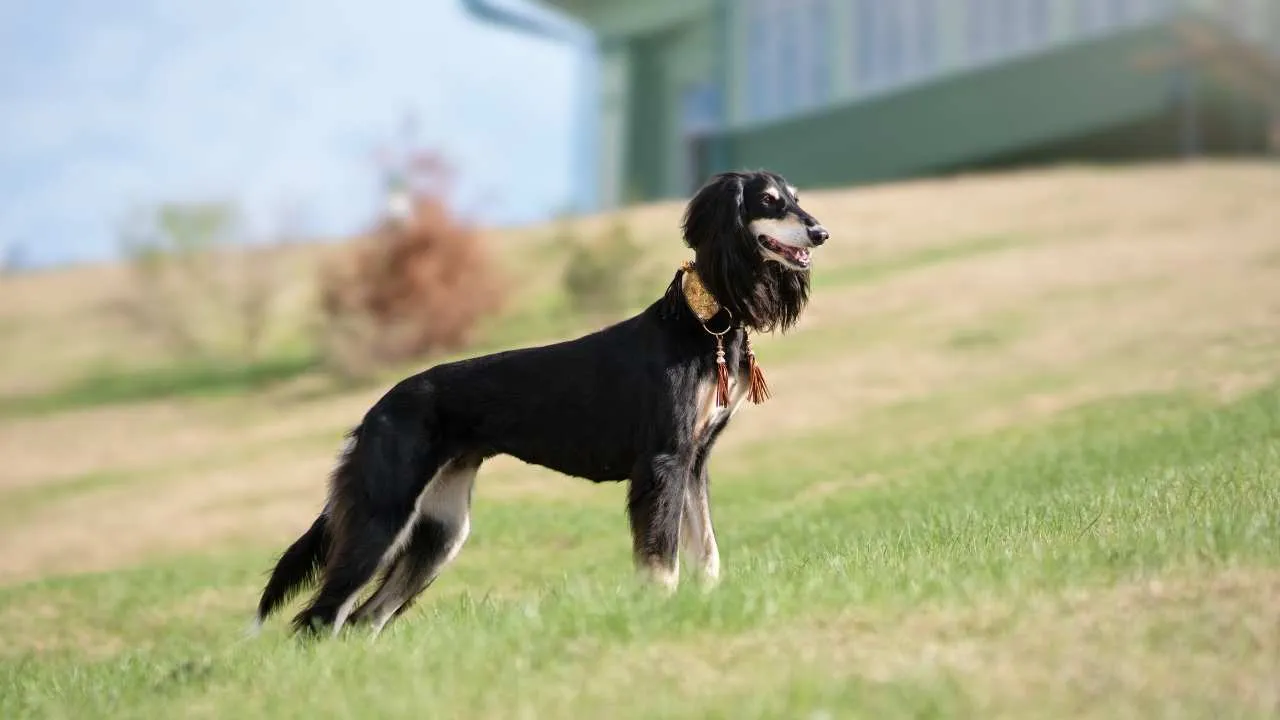
The Saluki is one of the oldest dog breeds in the world, carrying a presence that feels almost regal. This graceful sighthound moves with effortless speed and lightness, which is exactly why it was originally bred to hunt across vast desert landscapes.
Despite their elegance, Salukis are not overly dramatic or intense. They thrive in peaceful surroundings and enjoy slow, steady routines. Many pet parents describe their Saluki as quietly affectionate, forming deep emotional bonds over time rather than all at once.
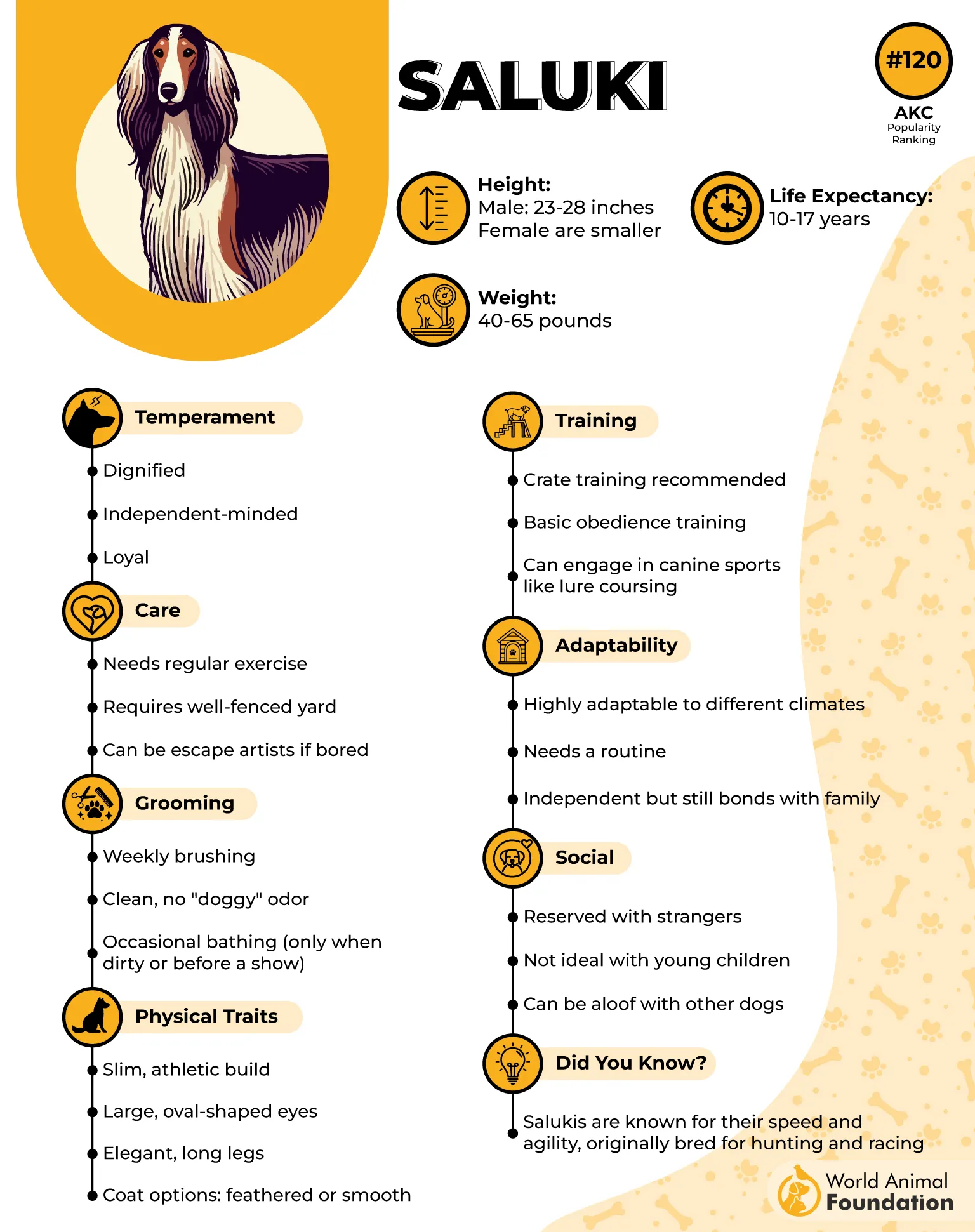
This breed loves open spaces and regular exercise, where its natural athleticism and agility can truly shine. Around strangers, Salukis may appear slightly reserved, but once they settle into a trusted home, loyalty and devotion grow remarkably strong.
According to Purina, Salukis generally do not enjoy being left alone for long periods. They respond best to gentle guidance and positive reinforcement, rather than harsh corrections, making patience and consistency key to a happy, well-adjusted Saluki.
2. Borzoi
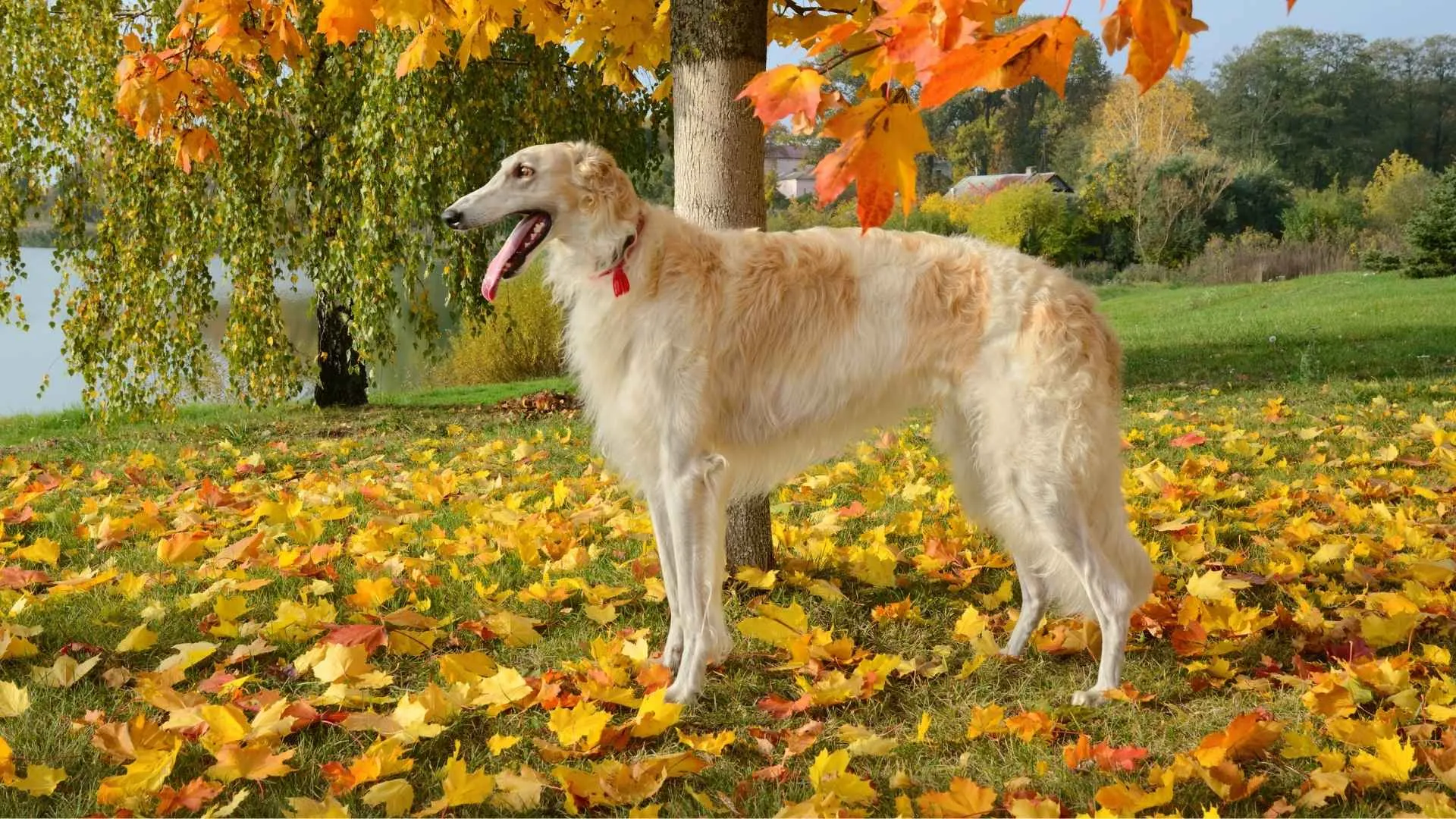
The Borzoi exudes a refined, almost aristocratic aura, reminiscent of other towering breeds like the Irish Wolfhound. With long, elegant legs, a flowing coat, and smooth, gliding movement, this majestic dog combines grace with athletic power, built for speed, endurance, and chasing prey across open fields.
Despite its commanding presence, the Borzoi is surprisingly gentle and sensitive at home. Unlike some large breeds that crave constant attention, Borzois often prefer calm, quiet environments and value personal space, while still forming deep emotional bonds with their families.
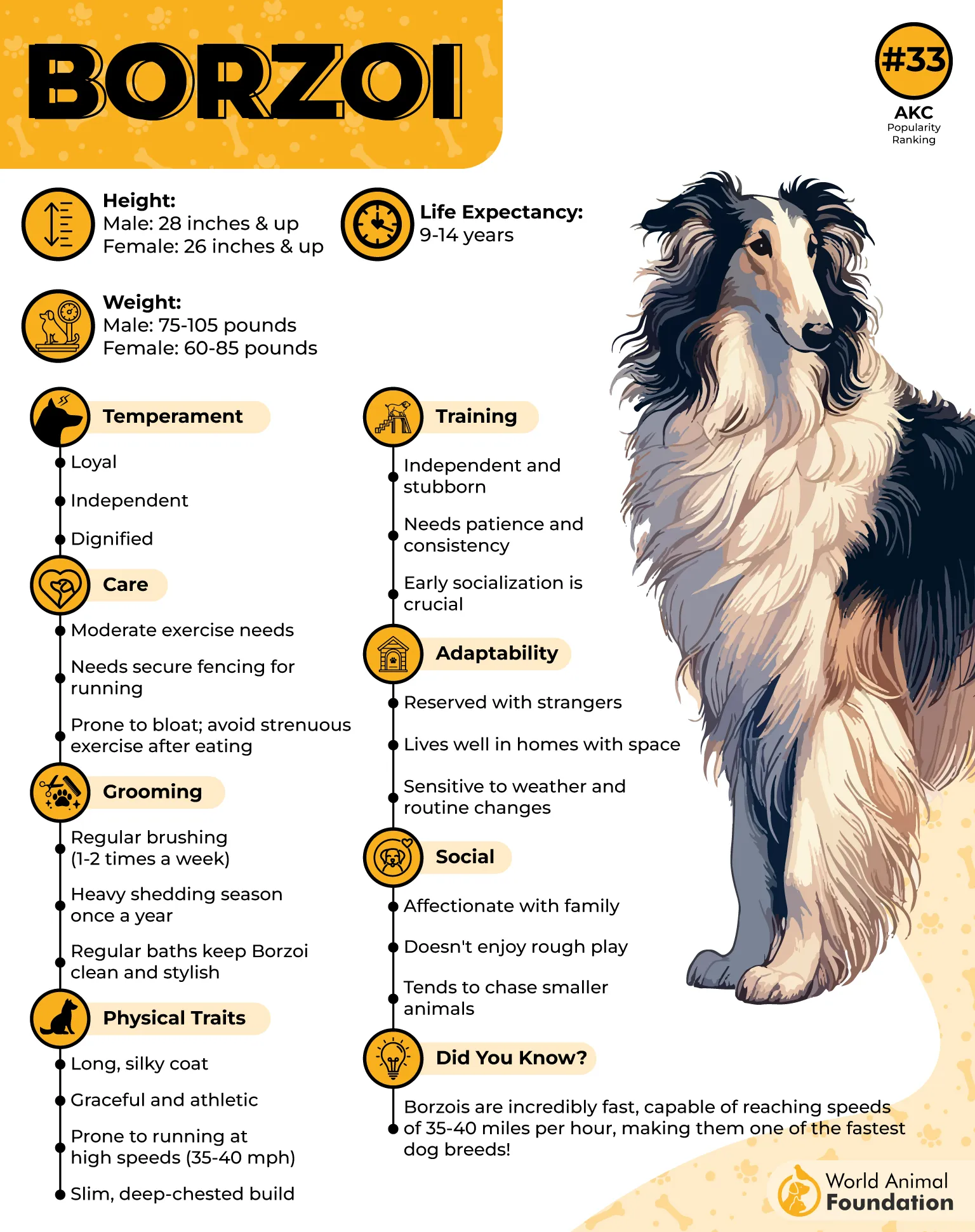
This breed enjoys daily exercise, but it doesn’t always require the intense activity levels of working dogs. A secure outdoor space is important to accommodate its strong chase instincts safely. According to Orvis, Borzois thrive under patient, positive guidance, helping them build confidence without stress or anxiety.
With their elegant appearance and serene temperament, Borzois make loyal, affectionate companions for owners who appreciate both beauty and quiet sophistication in a large dog.
3. Afghan Hound
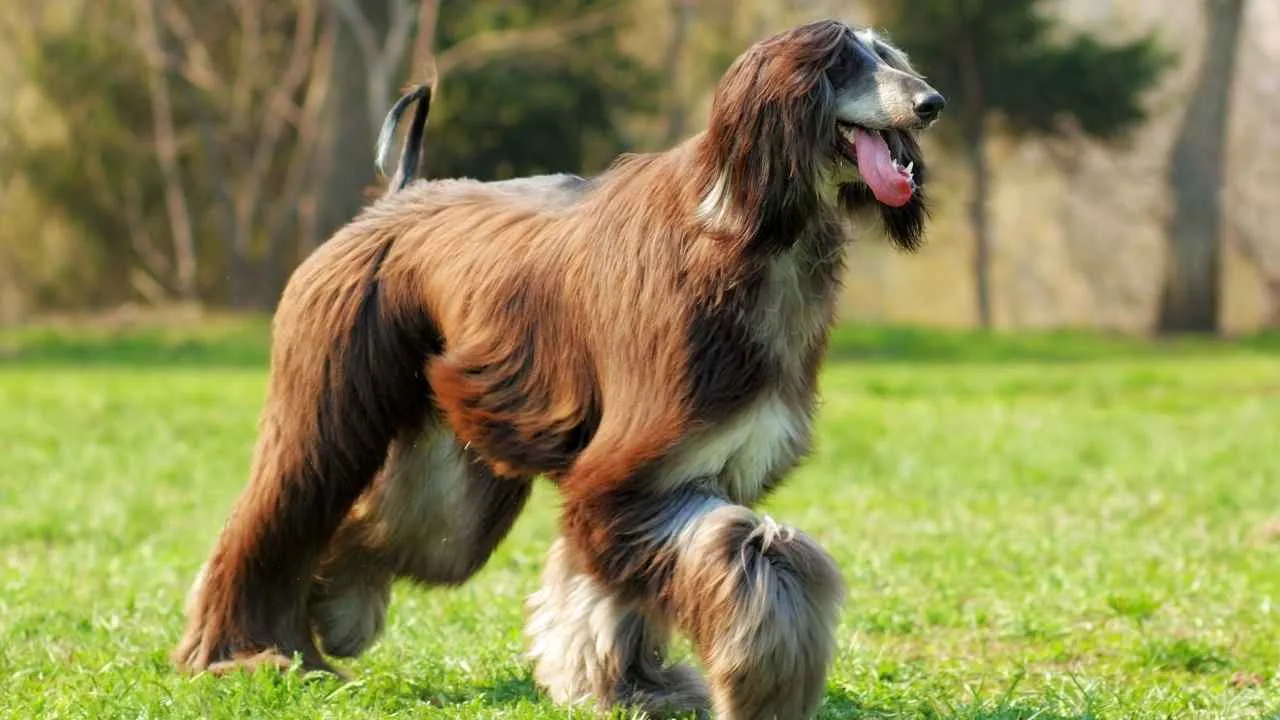
The Afghan Hound is a breed that captivates at first glance. Its long, silky coat flows dramatically, complementing a tall, proud frame that moves with effortless grace. Historically, Afghan Hounds survived harsh mountainous regions, where agility, speed, and endurance mattered more than appearance, but the result is a dog that now embodies both strength and stunning elegance.
Beneath the glamorous exterior lies a clever, independent mind. Afghan Hounds often display a playful, sometimes stubborn personality, making training a challenge for inexperienced owners. Yet for families who understand their temperament, these dogs reveal themselves as deeply loyal, affectionate companions, quietly devoted while maintaining their signature aloof charm.
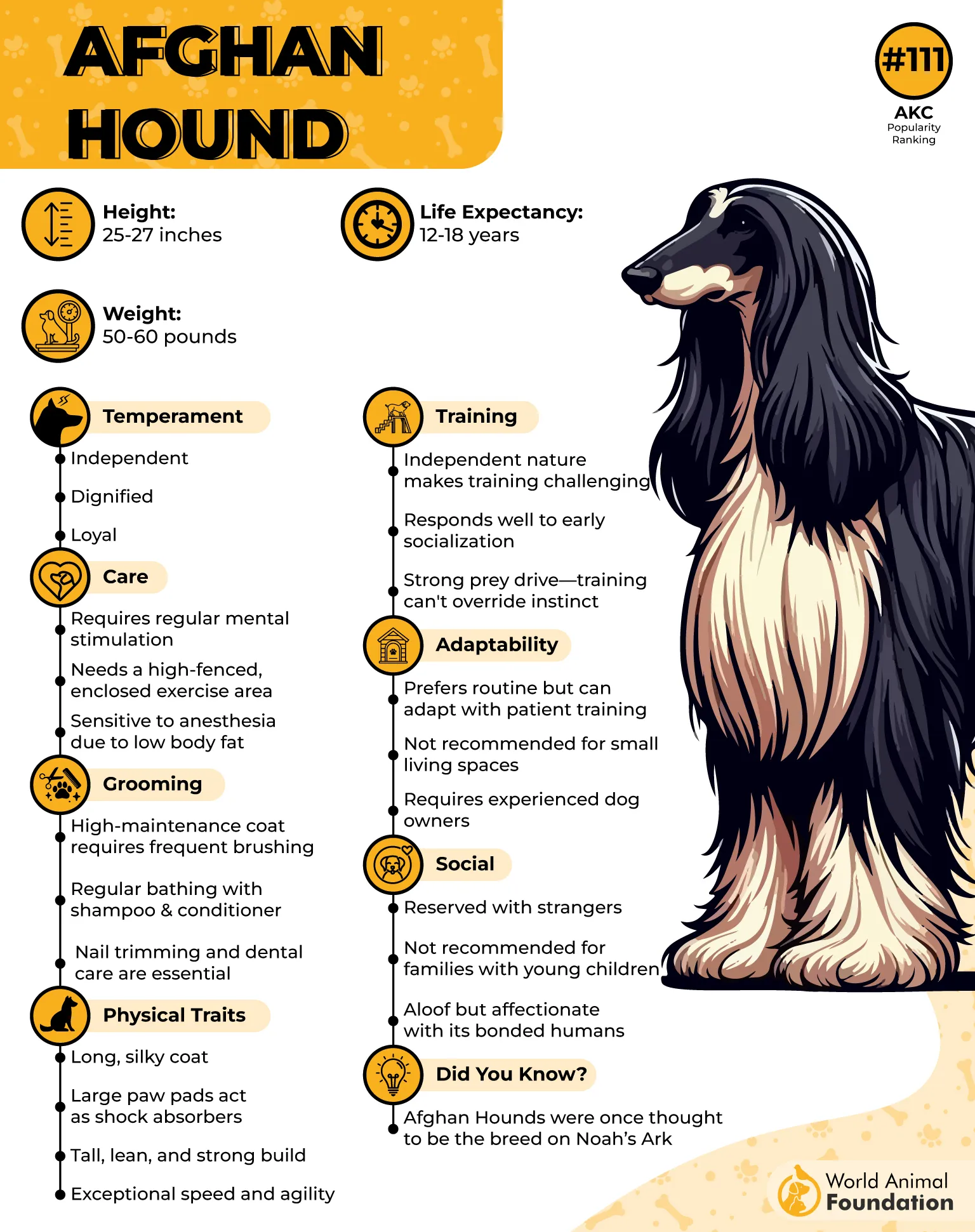
The breed’s thick, flowing coat requires regular grooming to remain healthy and comfortable. Coupled with mental stimulation and regular exercise, grooming and activity help prevent boredom and keep the Afghan Hound engaged.
According to the American Kennel Club (AKC), Afghan Hounds thrive with experienced owners, particularly those who can provide early training, consistency, and patience with this independent breed.
4. Kuvasz
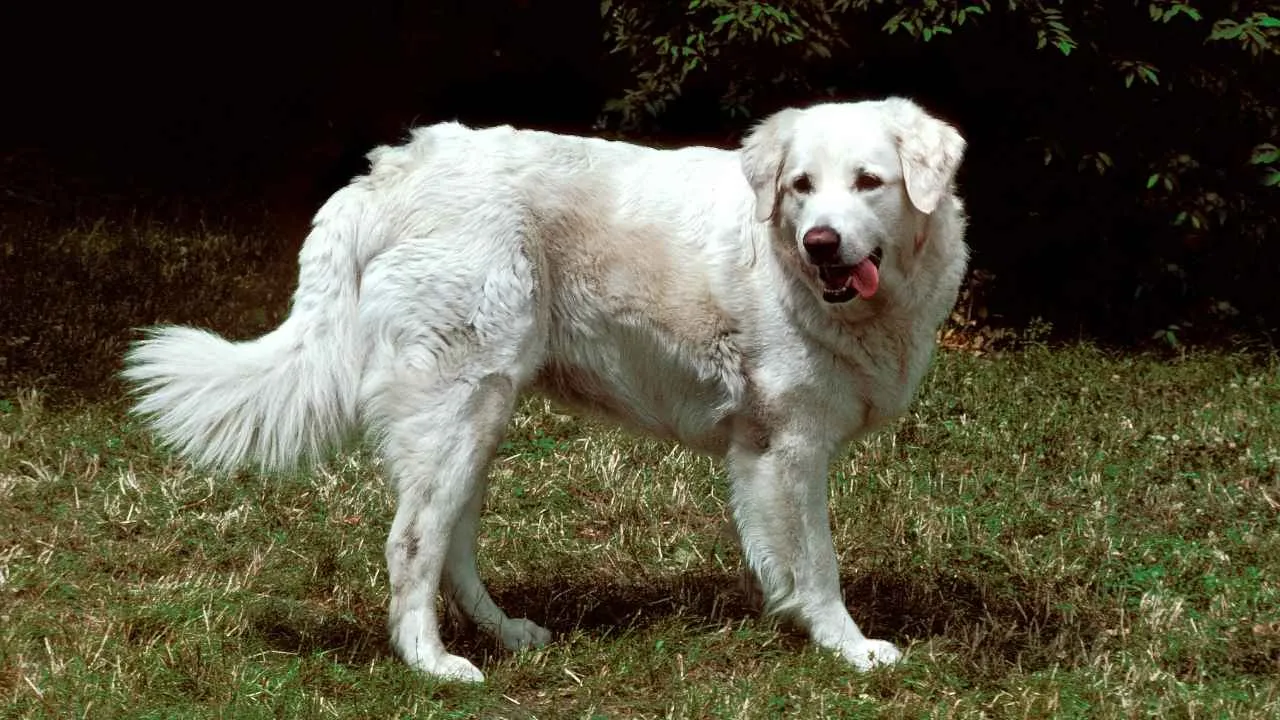
The Kuvasz is a breed that exudes mountain-dog strength and quiet confidence. With its thick white coat and commanding presence, this breed was originally developed as a trusted livestock guardian, protecting flocks with vigilance and intelligence. Today, Kuvasz retain these strong guarding instincts, staying naturally alert and cautious around strangers.
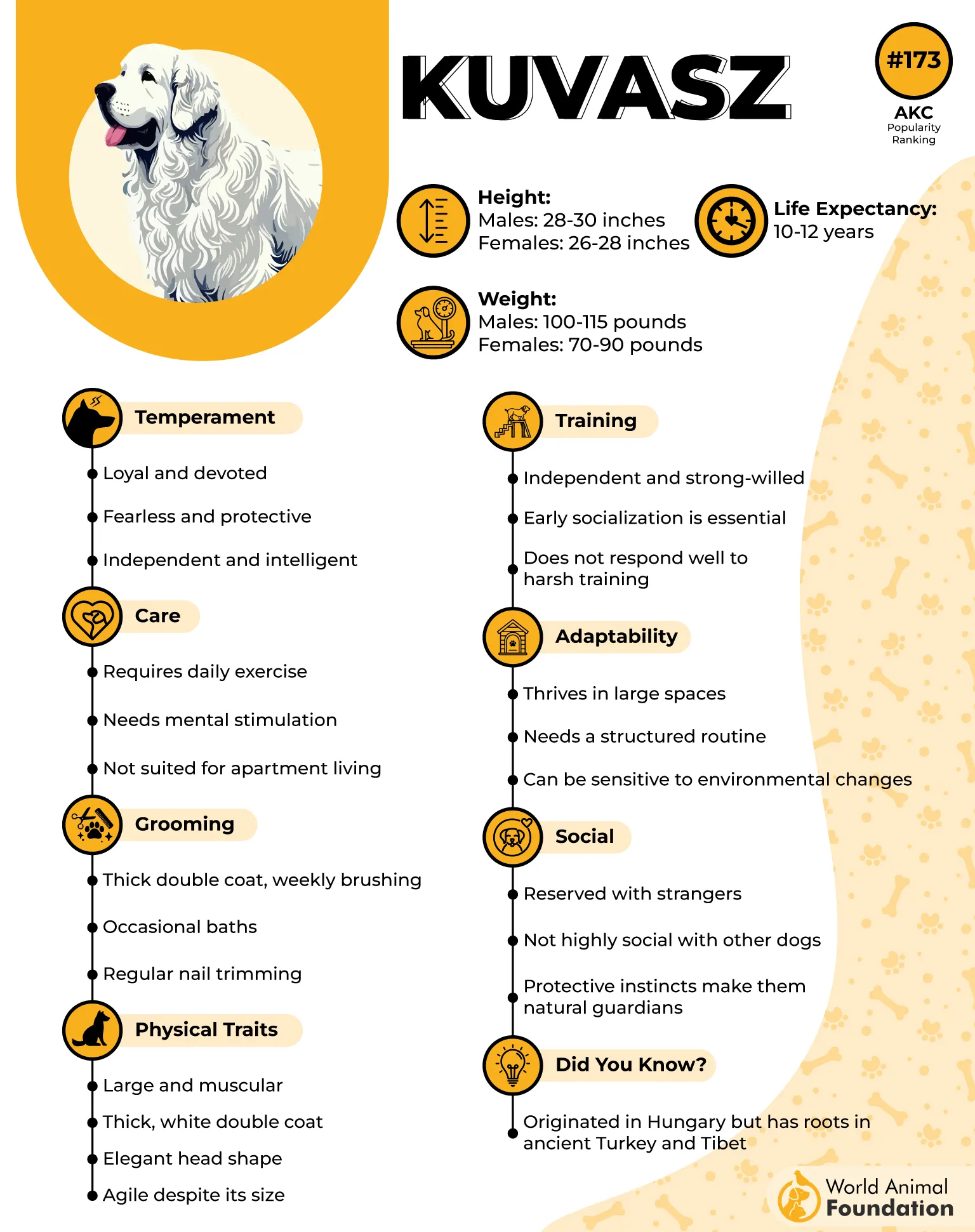
At home, the Kuvasz reveals a softer, surprisingly affectionate side. Unlike some large breeds that demand constant attention, the Kuvasz communicates loyalty through gentle, subtle gestures, gradually forming deep bonds with its family. Trust is earned over time, but once established, it becomes a hallmark of the breed’s relationship with its humans.
This large, powerful dog thrives in spacious environments, as cramped living conditions can be stressful. Its dense coat helps tolerate cold weather, but the breed still benefits from confident leadership and structured socialization to ensure its natural guarding instincts are balanced and manageable.
5. Akita
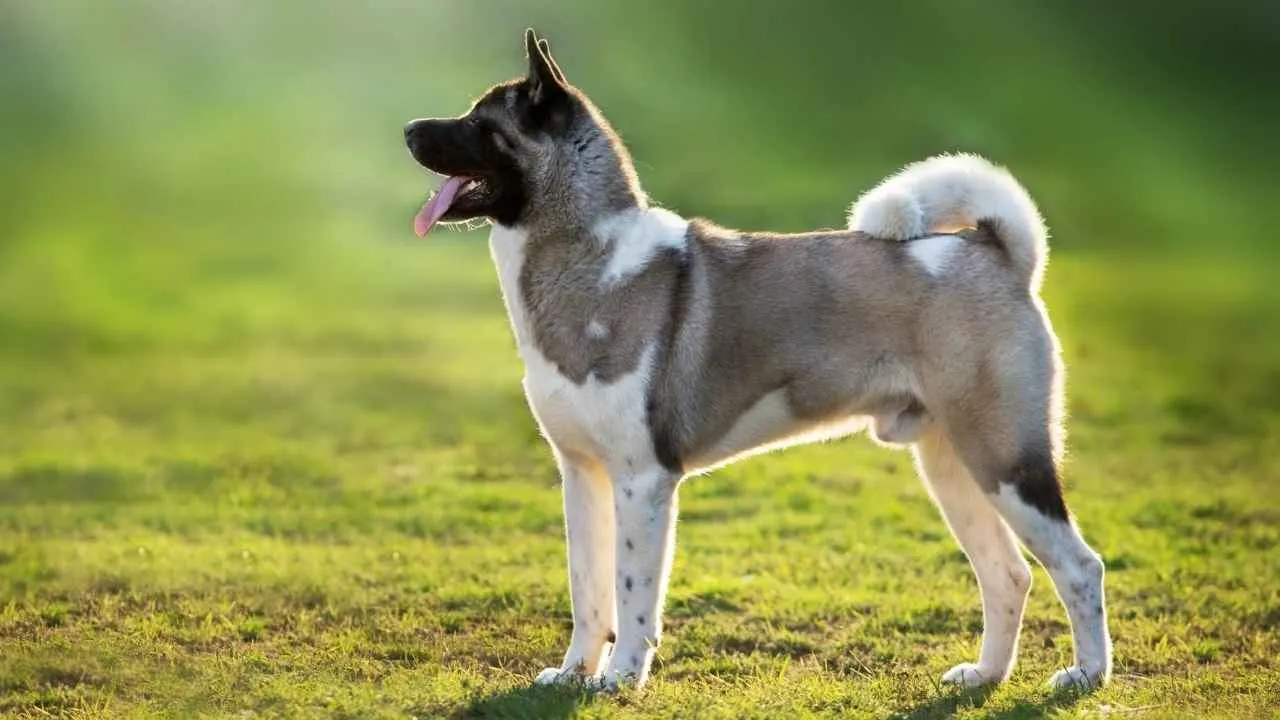
The Akita is a proud, powerful breed known for its loyalty, courage, and calm presence. With a broad body, thick double coat, and dignified expression, this Japanese breed naturally commands respect without needing to bark excessively or seek attention. Historically, Akitas were admired not only for their appearance but also for their fearless protection and devotion to family.
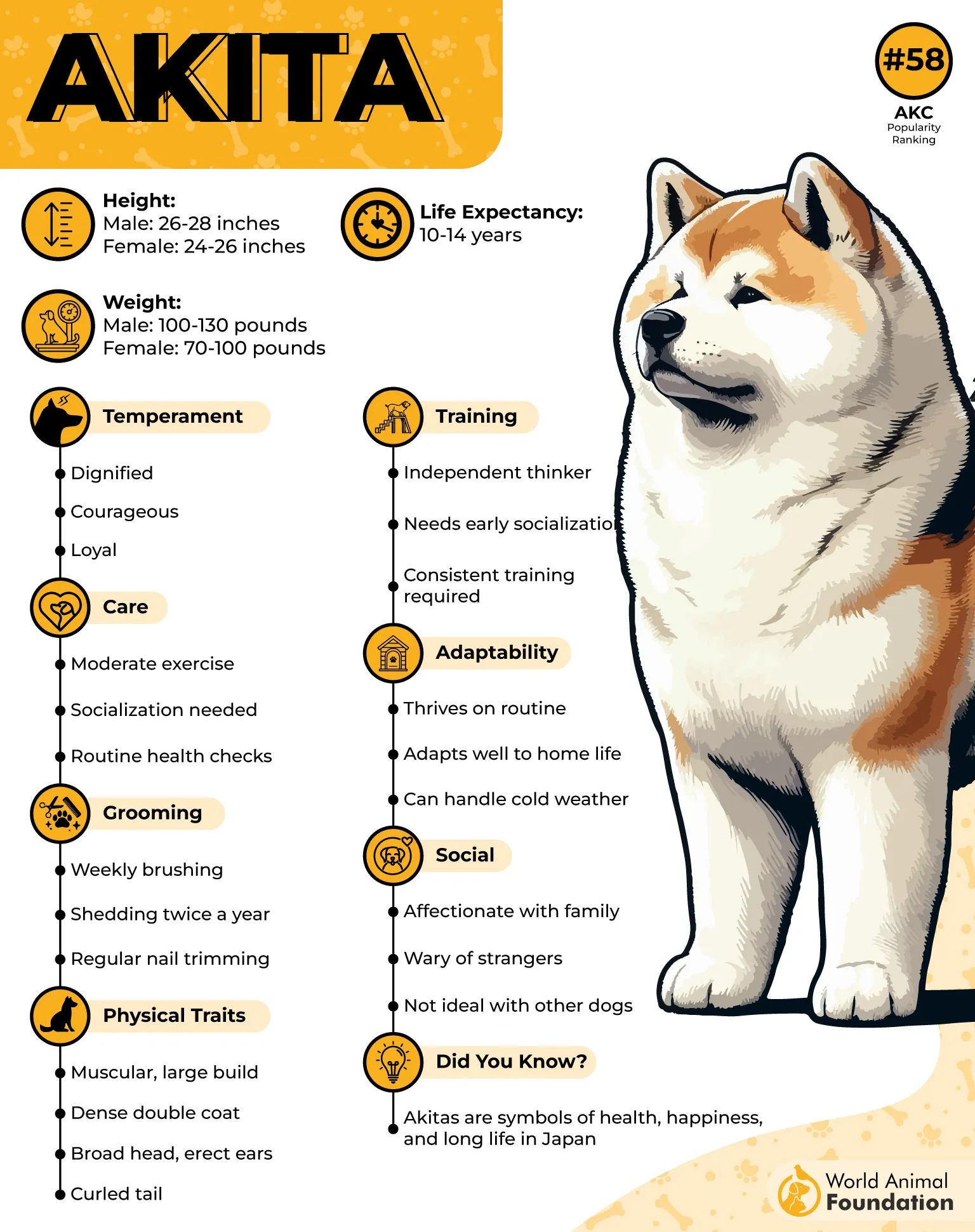
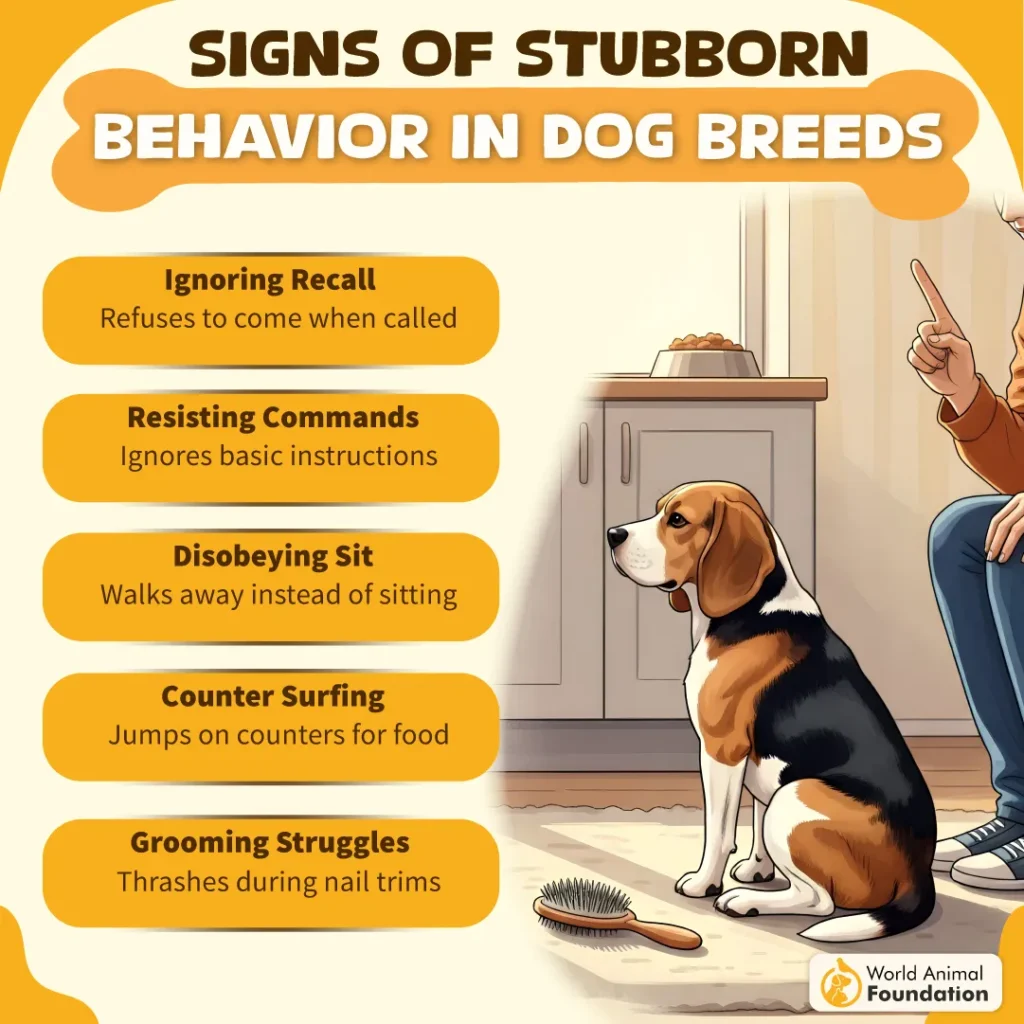
Akitas form strong bonds with familiar people while remaining reserved around strangers. Unlike some large breeds that crave constant social interaction, the Akita typically prefers a small, trusted circle. During training, a stubborn streak may appear, especially if exercises feel repetitive or unstimulating.
This family-friendly breed thrives on regular exercise, purposeful activities, and emotional connection. Early socialization is key to moderating territorial tendencies and ensuring smooth interactions with other animals.
According to Hill’s Pet Nutrition, Akitas respond best to calm, consistent, reward-based training rather than harsh or aggressive methods, helping them develop into balanced, dependable companions.
6. Tibetan Mastiff
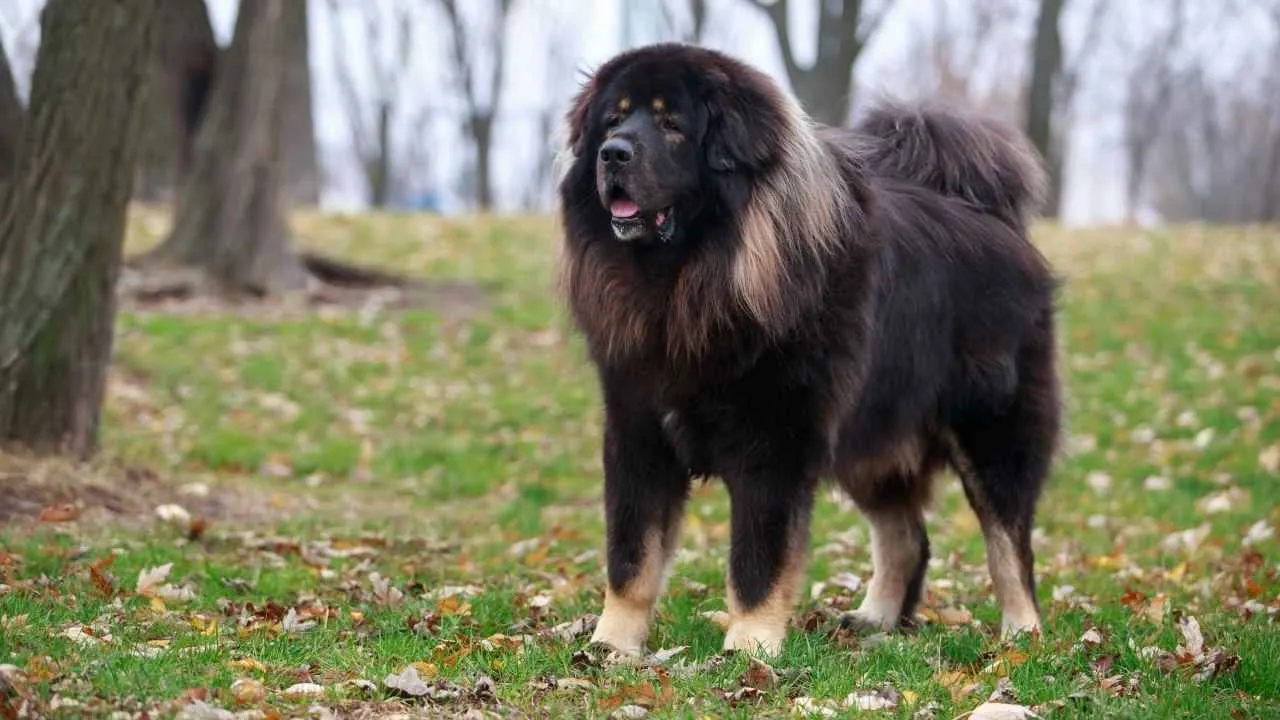
The Tibetan Mastiff is a truly legendary breed, known for its massive size and lion-like mane around the neck. Historically, this giant guardian dog protected remote villages in the Himalayan mountains, giving it a reputation as a fearless and imposing protector.
Despite their intimidating appearance, Tibetan Mastiffs can become gentle giants with the right family. Their loyalty and emotional bonds develop slowly but remain deep and lasting once trust is earned.
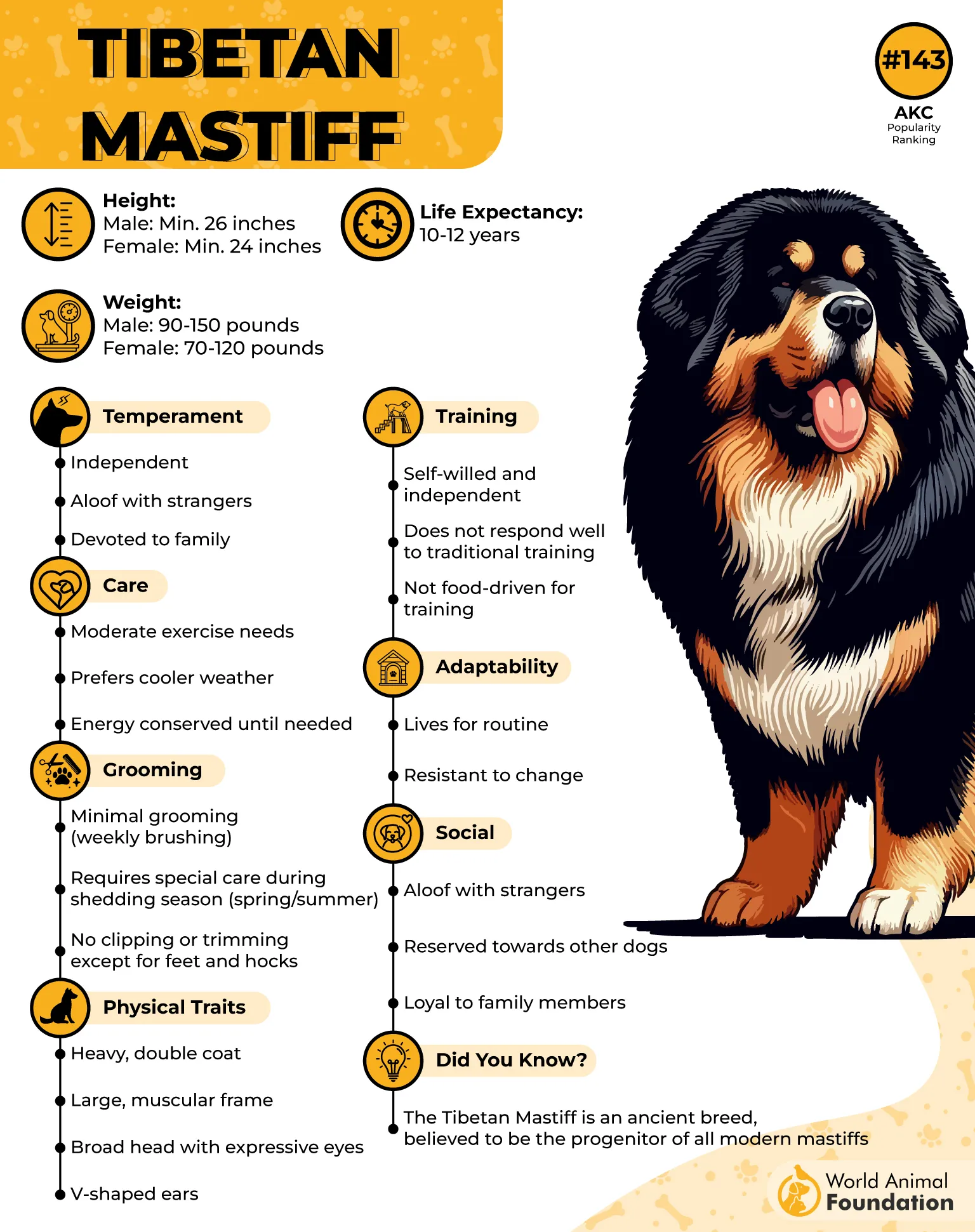
This breed requires ample space, consistent daily routines, and mental stimulation to stay balanced. Without sufficient engagement, boredom can lead to excessive barking or restless behavior, especially when left alone for long periods. PDSA emphasizes that experienced handling and structured training are essential, as their natural protective instincts emerge early and strongly.
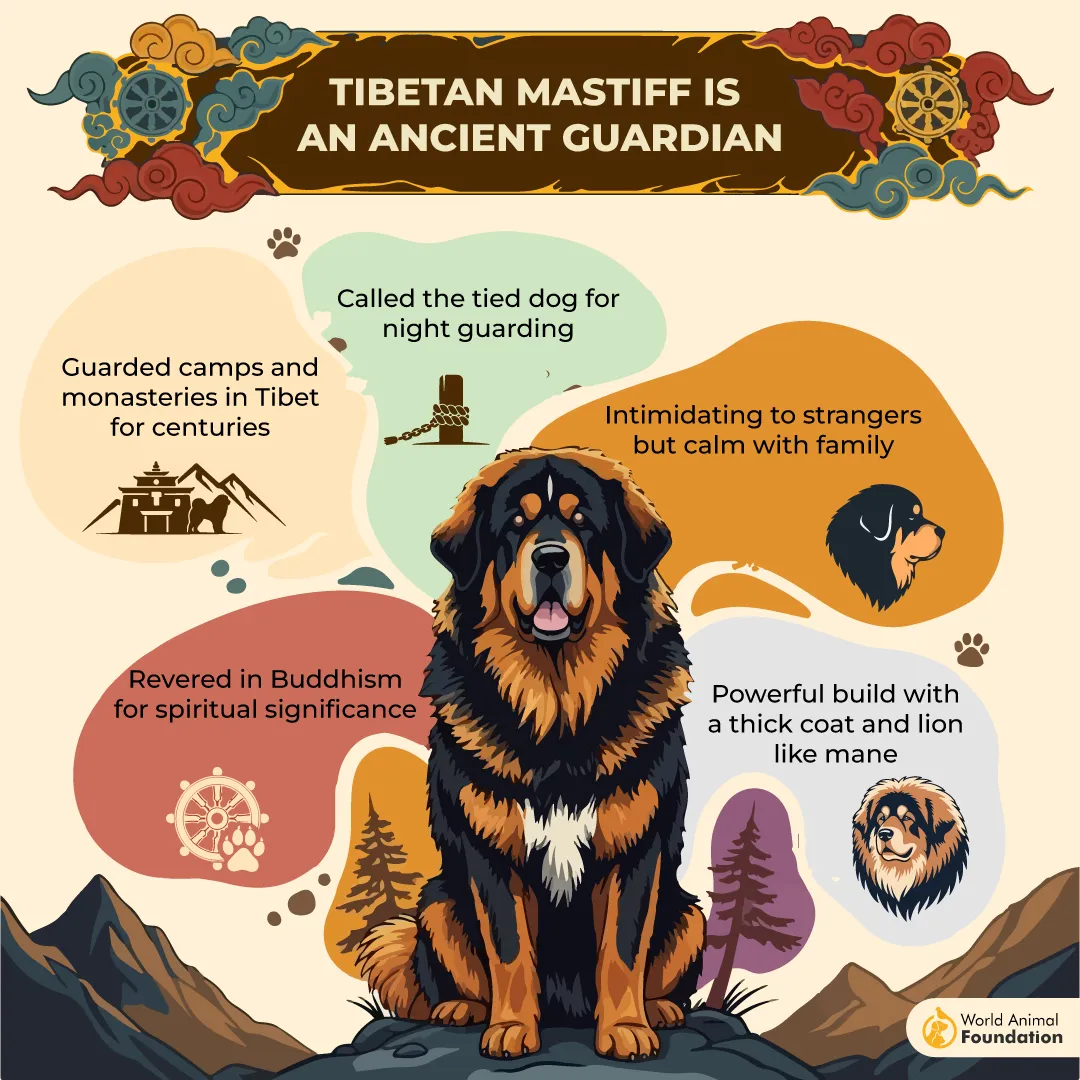
The Tibetan Mastiff thrives in confident, consistent households where leadership is calm but firm, making it an excellent companion for owners prepared to match its intelligence, independence, and strong guarding nature.
7. Central Asian Shepherd Dog

The Central Asian Shepherd Dog is one of the oldest working dog breeds still around today. This powerful livestock guardian developed strong survival instincts over centuries, protecting flocks in harsh and rugged landscapes.
Unlike smaller breeds that constantly seek attention, this companion exudes composed confidence and self-control. Families often value its dependable temperament, calm presence, and natural sense of responsibility. However, its independence means that obedience training requires patience, consistency, and firm leadership.
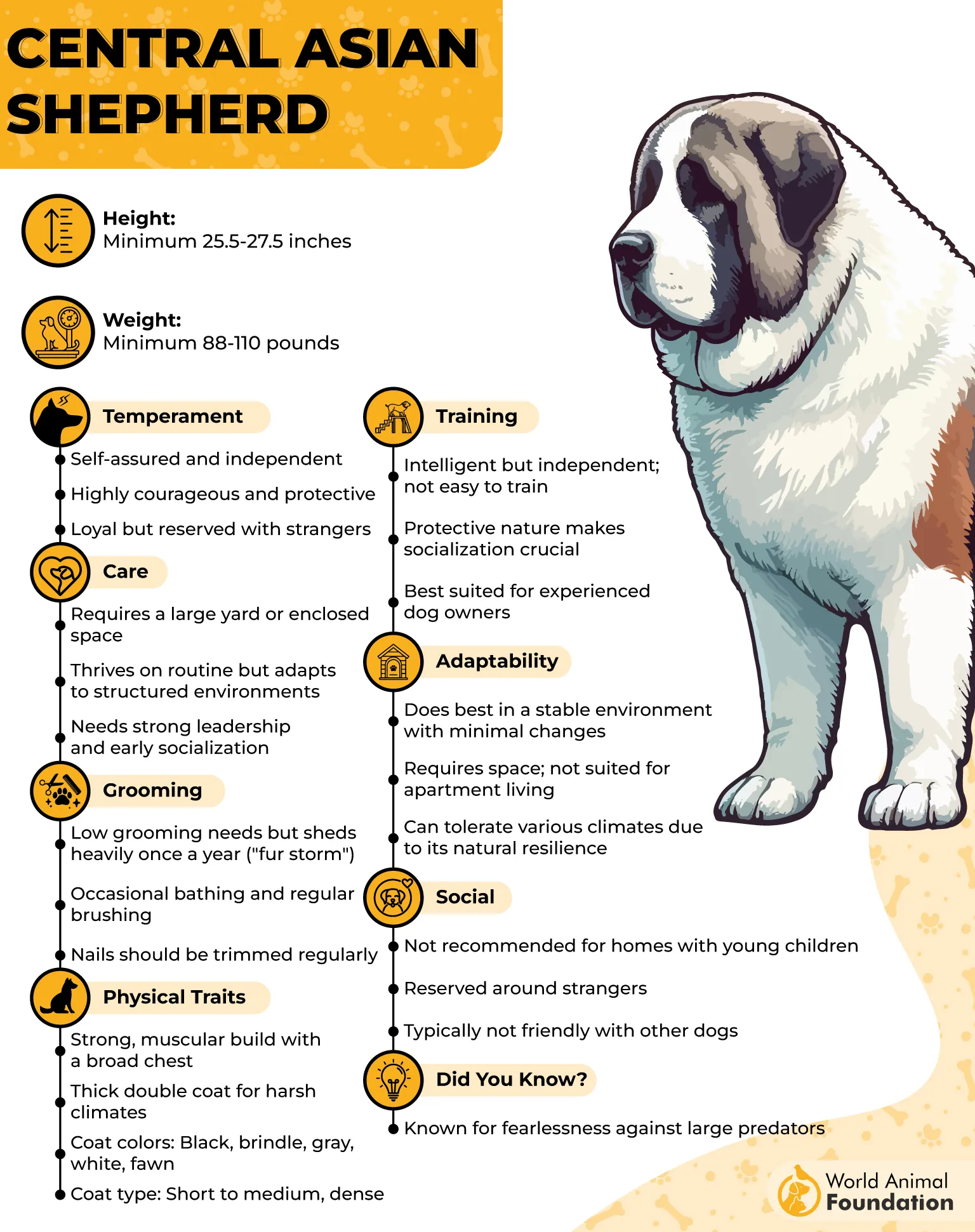
This large breed enjoys secure outdoor spaces and long walks, preferring meaningful activity over nonstop busywork. Early socialization and consistent training help shape safe, predictable responses to strangers and unusual situations, making the Central Asian Shepherd Dog a reliable and steadfast guardian for experienced owners.
8. Caucasian Shepherd Dog
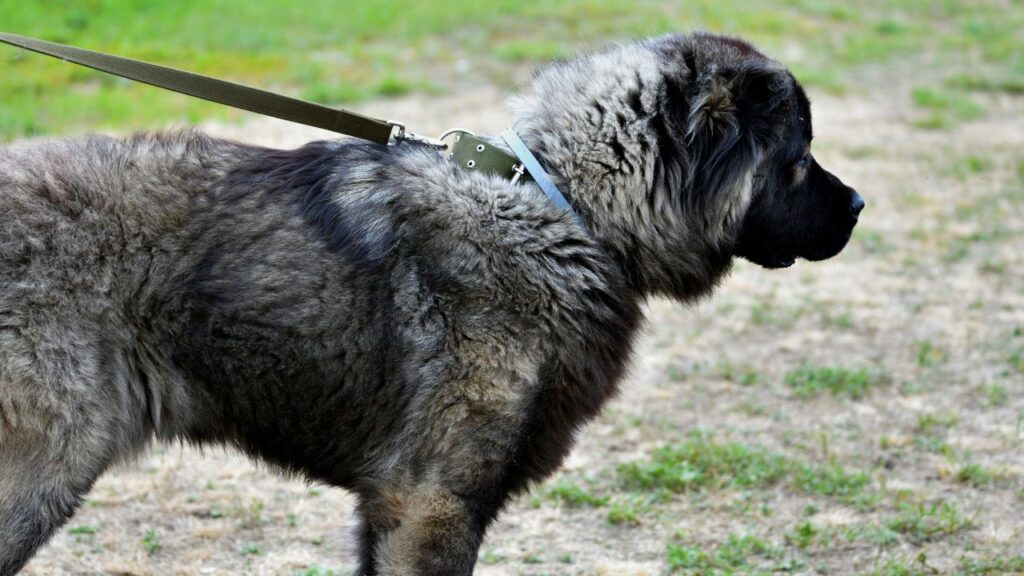
The Caucasian Shepherd Dog is renowned for having one of the strongest guarding instincts among giant breeds. Its massive frame, thick double coat, and alert expression can appear intimidating, but it often forms deep emotional bonds with familiar family members.
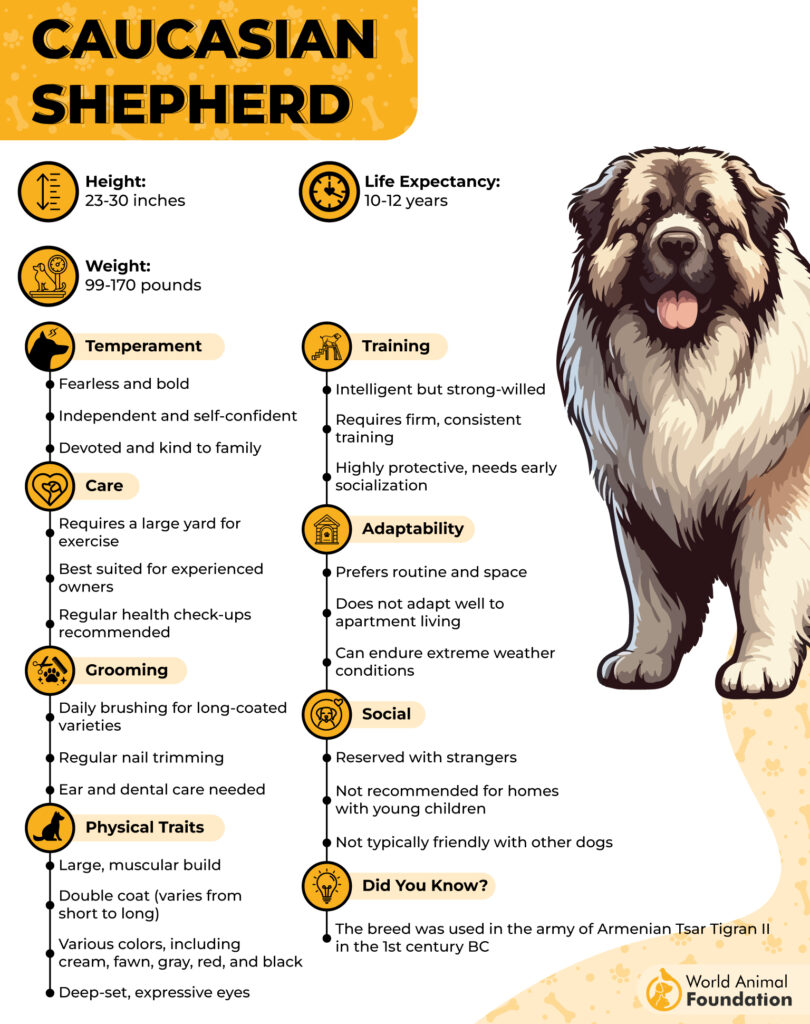
Originally bred to protect livestock and homes from predators and potential threats, this breed thrives in stable environments with calm routines, where everything feels predictable and structured.
Because of its protective and independent nature, the Caucasian Shepherd Dog requires experienced owners, secure boundaries, and ample physical activity to maintain emotional balance.
Early socialization and consistent training are crucial to reduce dominant tendencies toward other dogs and unfamiliar visitors, helping this powerful companion become a reliable, loyal guardian.
9. Anatolian Shepherd
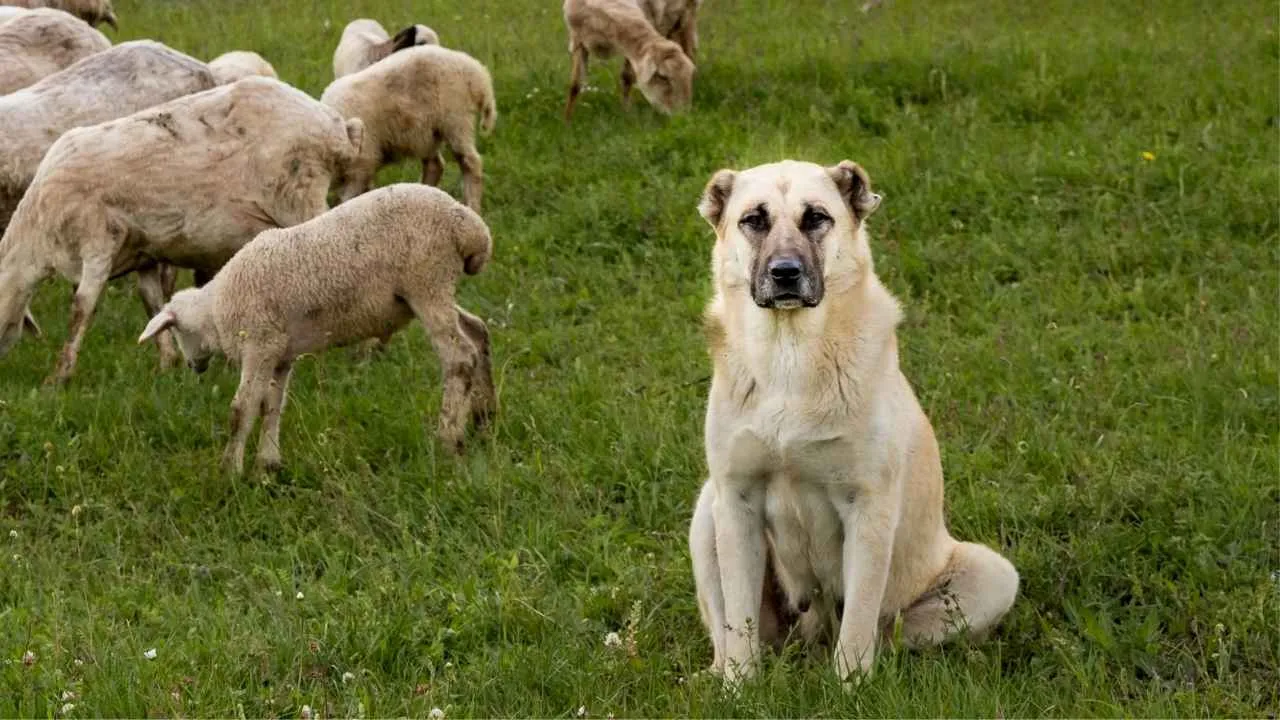
The Anatolian Shepherd combines a steady temperament with strong protective instincts, making it a highly respected guardian companion. Originally bred to protect livestock, this breed has retained its independence, confidence, and quick decision-making skills, traits still visible in modern Anatolian Shepherds.
In a family home, Anatolian Shepherds are often gentle and affectionate with trusted people, including children. However, their independent nature means they don’t follow commands blindly; training works best when it’s clear, structured, and purposeful.
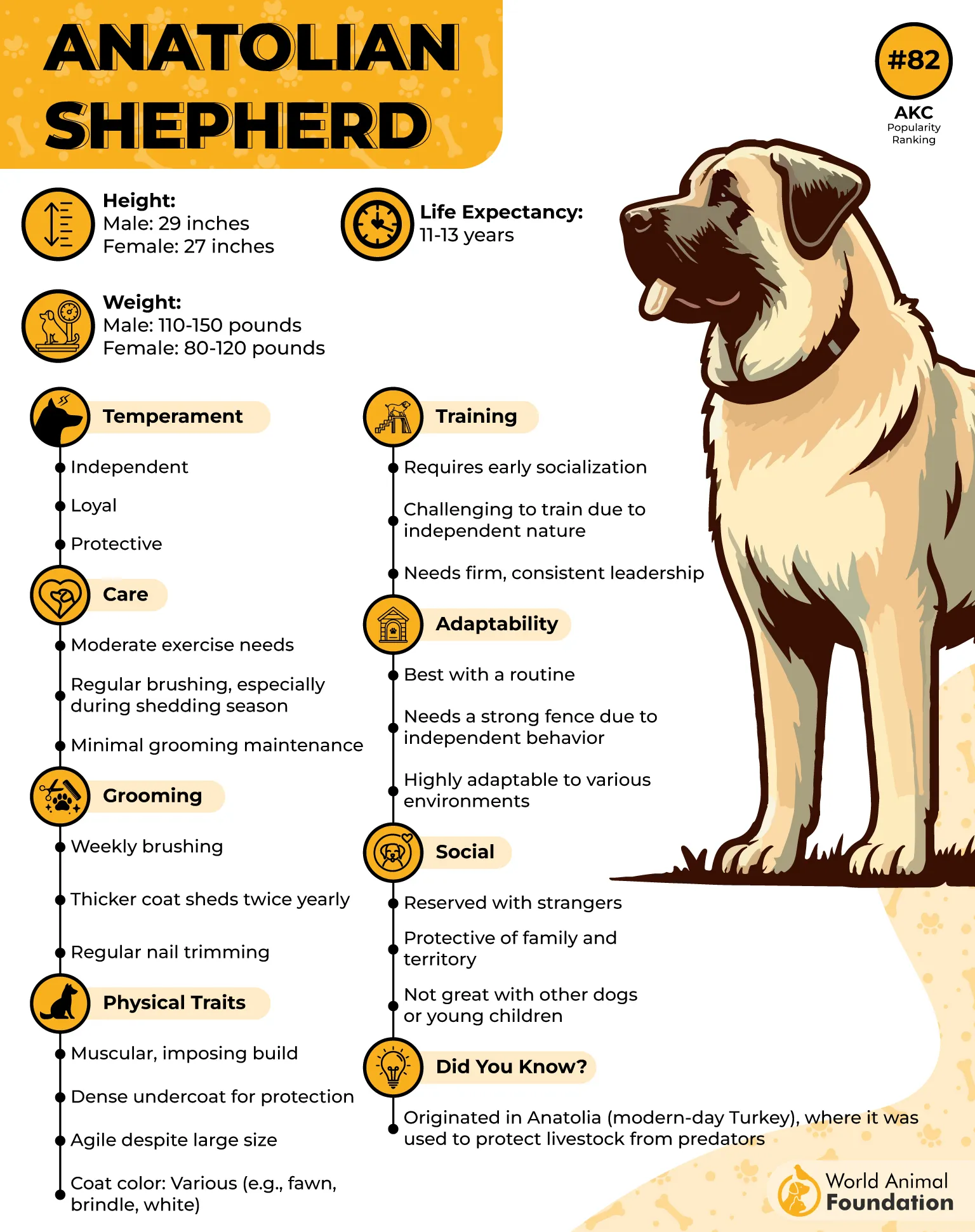
To thrive, this loyal companion requires regular exercise, ample space, and consistent boundaries from an early age. Strong territorial instincts make early socialization essential, helping the dog adapt to visitors, other pets, and new environments.
According to Omlet, Anatolian Shepherds flourish in households that provide structured routines, outdoor activity, and mental stimulation, rather than leaving them idle or bored.
Conclusion
The top giant dog breeds are more than just impressive size; they combine independence, intelligence, and emotional depth with strong personalities shaped over generations of guarding, herding, and protection work. Some are quiet and watchful, quietly observing their surroundings, while others bring playful energy or calm, steady confidence into the home.
Living with a large, independent dog often teaches patience, trust, and mutual respect. These dogs might not obey immediately, but with consistent training, guidance, and affection, they form deep, lifelong bonds with their families.
For households that can provide ample space, regular exercise, and structured routines, these gentle giants offer more than companionship; they become unforgettable, loyal members of daily life, blending strength, devotion, and subtle charm in a truly unique way.
