




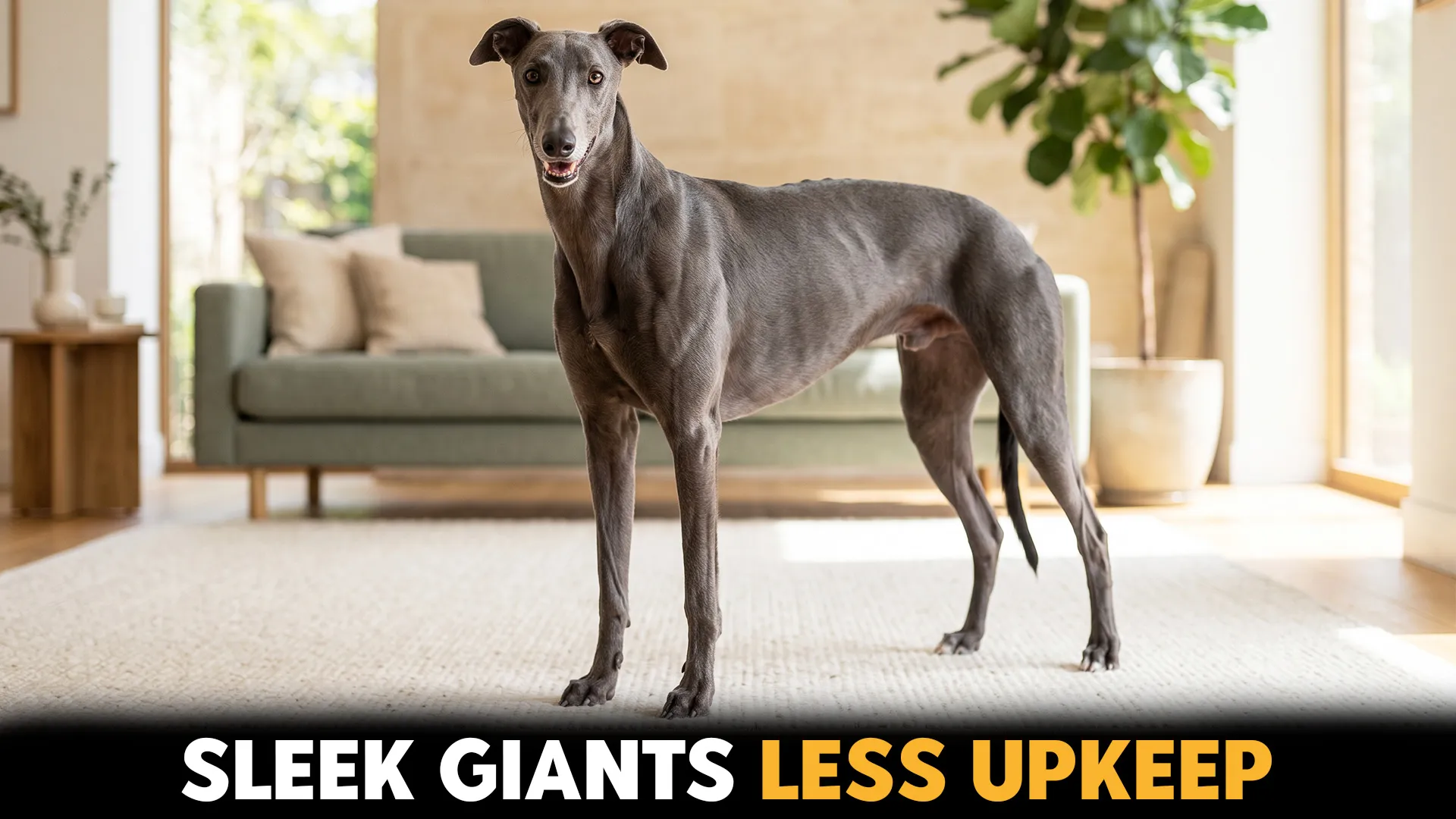
Big dogs are iconic, but mountains of fur, endless brushing sessions, and expensive grooming appointments? Yeah, that’s not everyone’s idea of a good time.
Fortunately, some large and giant dog breeds have surprisingly manageable grooming needs. Their short, smooth, or naturally easy-care coats can make everyday maintenance simpler, leaving you more time for walks, training, cuddles, and all those hilarious moments that come with owning an oversized furry bestie.
But here’s something to keep in mind: low grooming doesn’t always mean low shedding or low maintenance. Some dogs have short coats that shed loose hair year-round, while others need extra attention for facial wrinkles, ears, or skin folds.
Let’s explore their coat types, brushing schedules, shedding patterns, and grooming needs, along with the personalities that make them such memorable companions.
Big Dog Breeds with Short, Sleek Coats for Low Grooming
1. Great Dane
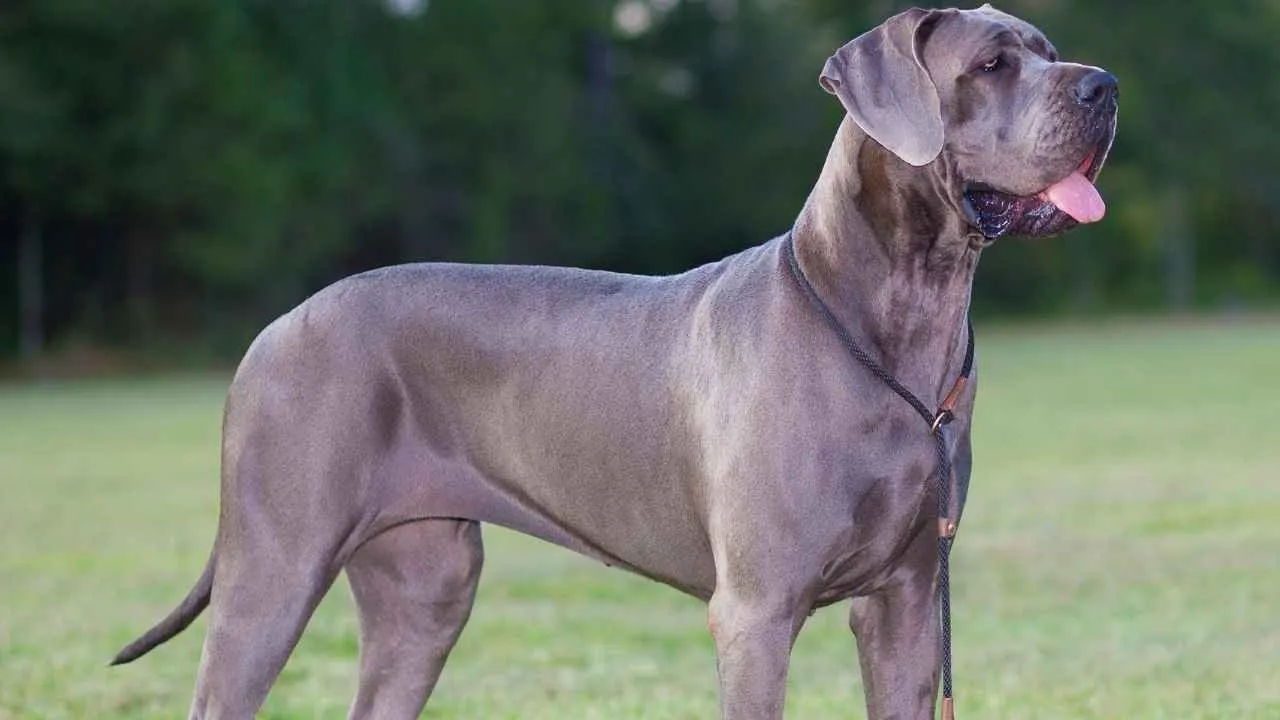
The Great Dane is basically a skyscraper with paws, a gentle personality, and a surprisingly simple grooming routine. Despite its enormous size, this elegant breed has a short, smooth coat that lies close to the body and doesn’t require complicated trimming or professional styling.
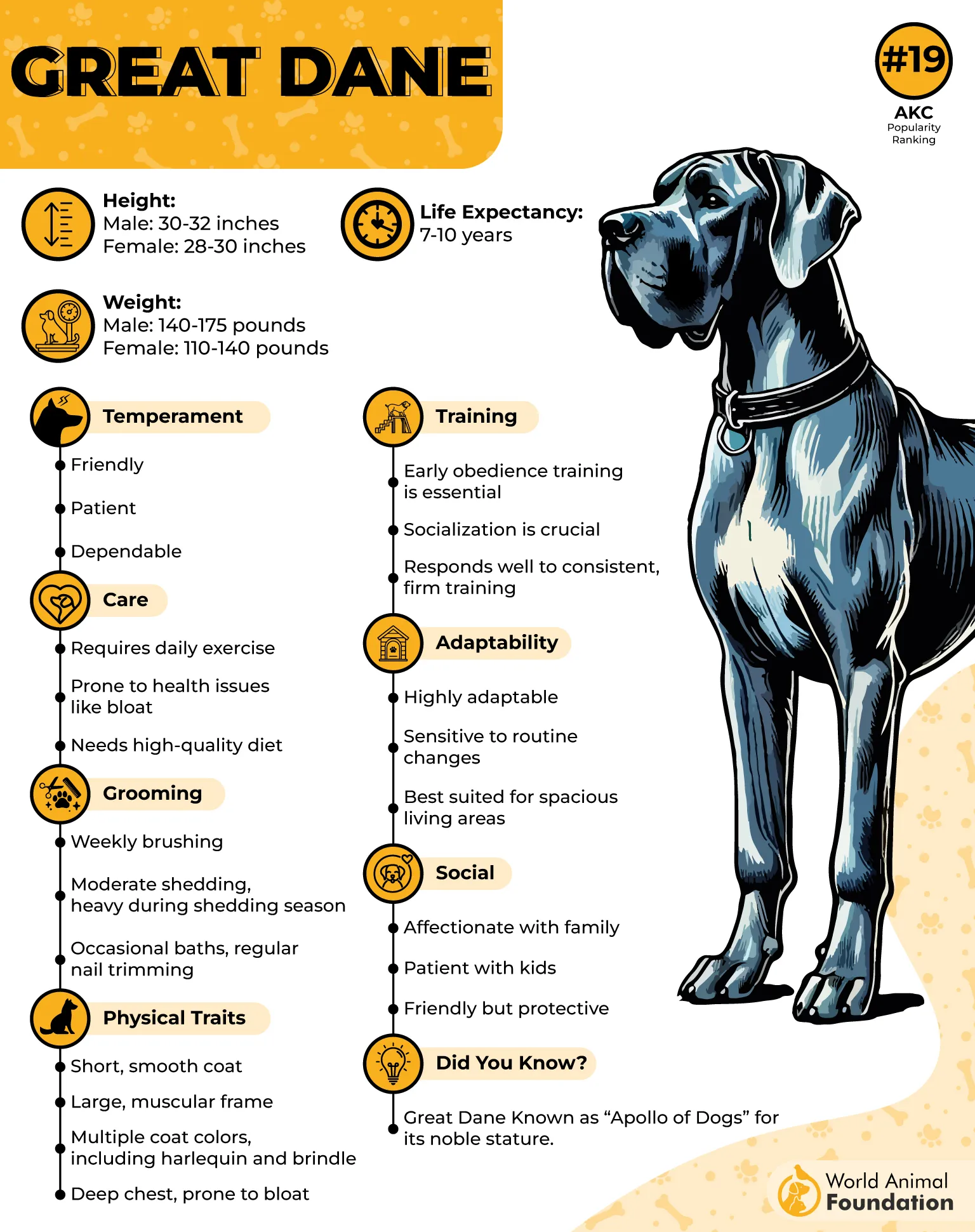
This large breed comes in several striking colors, including fawn, brindle, black, blue, harlequin, mantle, and merle. Its short, dense coat creates a sleek look that highlights its muscular body and long legs.
One of the biggest advantages of owning a Great Dane is that weekly brushing usually covers routine coat maintenance. A soft-bristle brush or rubber grooming mitt can remove dead hair while distributing natural skin oils across the coat.
Beyond their low-maintenance coats, these big dogs are often affectionate, friendly, and surprisingly sensitive companions that enjoy spending time with their families. Their size requires careful training, appropriate living space, and attention to serious health concerns such as gastric dilatation-volvulus and heart disease.
2. Mastiff
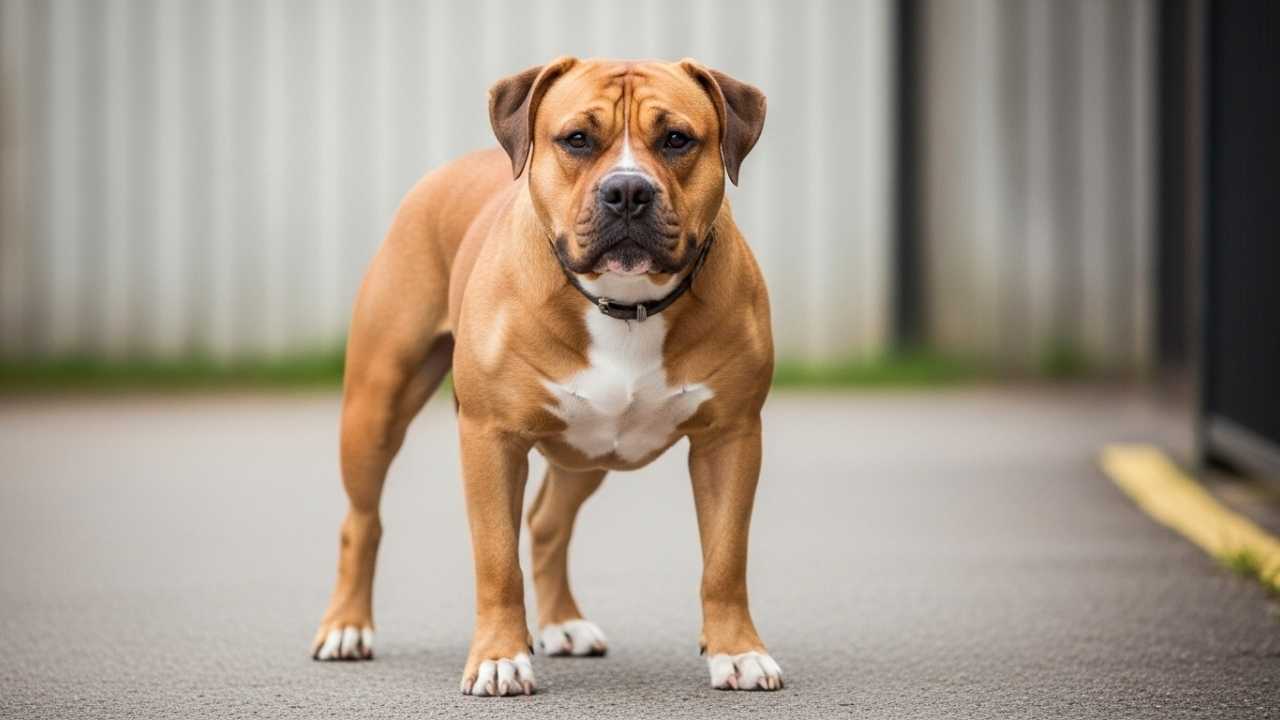
Mastiffs are an ancient giant breed known for their enormous bodies, broad heads, and calm, protective personalities, but their grooming needs are refreshingly simple. Their short, dense coat provides practical coverage and requires far less styling than the elaborate coats of many other large dogs.
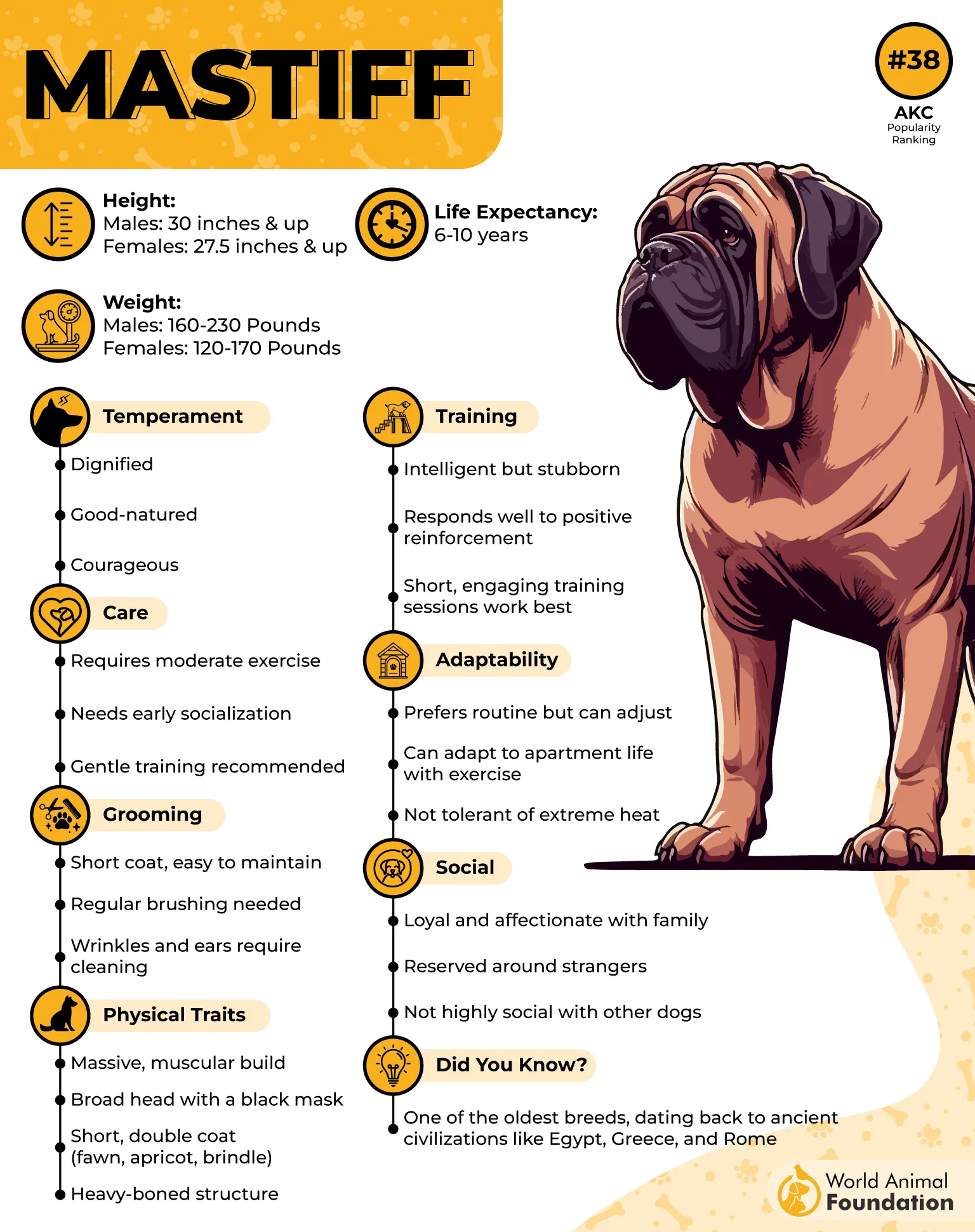
They typically have fawn, apricot, or brindle coats, with the characteristic dark facial mask that gives them a distinctive look. WebMD claims that their outer hair is relatively short, straight, and somewhat coarse, while a dense undercoat provides additional insulation.
This combination creates a coat that protects the skin without requiring regular clipping, elaborate detangling, or frequent professional grooming appointments.
For most Mastiffs, a weekly brushing session with a rubber grooming mitt or soft-bristled brush is enough for routine coat maintenance. They shed year-round, and seasonal changes can temporarily increase the amount of loose hair around the home.
Because these dogs are enormous, even moderate shedding can produce a surprising amount of fur, so owners should keep realistic expectations about household cleanliness.
Their grooming routine includes one responsibility that deserves special attention: keeping facial wrinkles and jowl folds clean and dry. Moisture, food particles, and debris can accumulate around these areas, potentially contributing to irritation if they aren’t checked regularly.
3. Irish Wolfhound
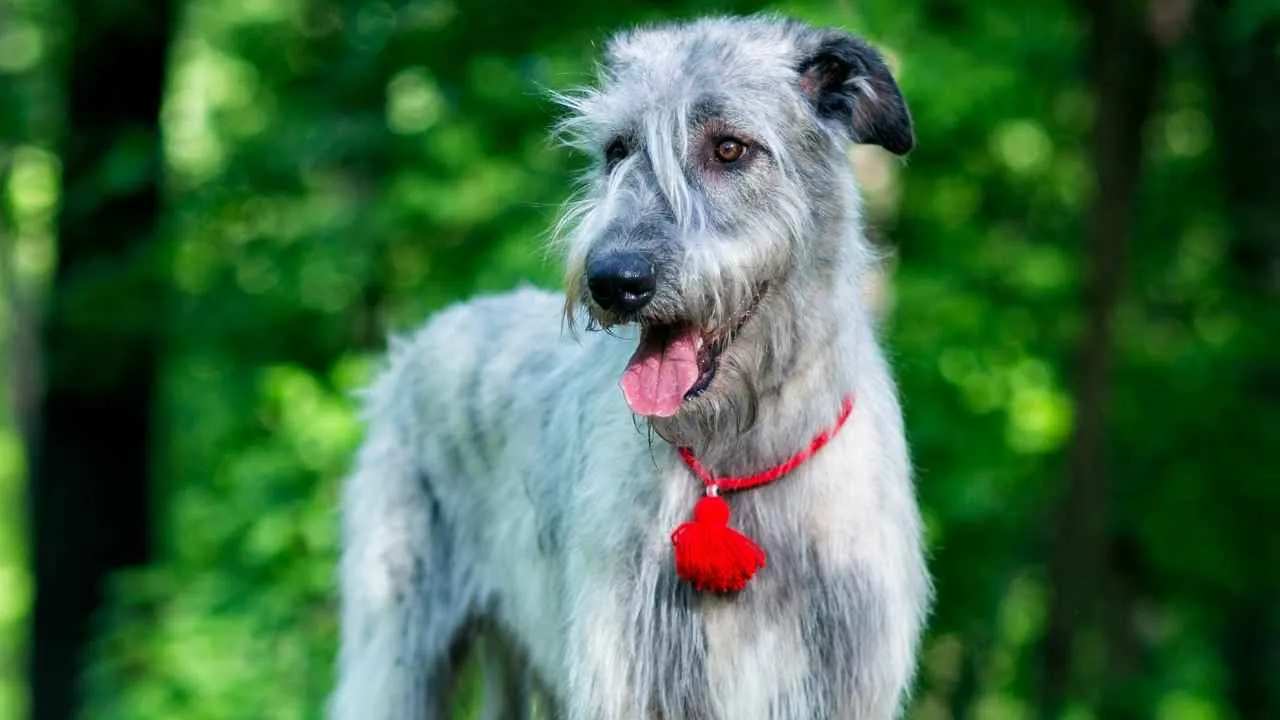
The Irish Wolfhound is an impressive breed with a rough, wiry coat rather than the smooth coat found on most short-haired giants. Although its appearance is more rugged than sleek, its grooming routine can still be relatively manageable compared with that of many long-coated breeds.
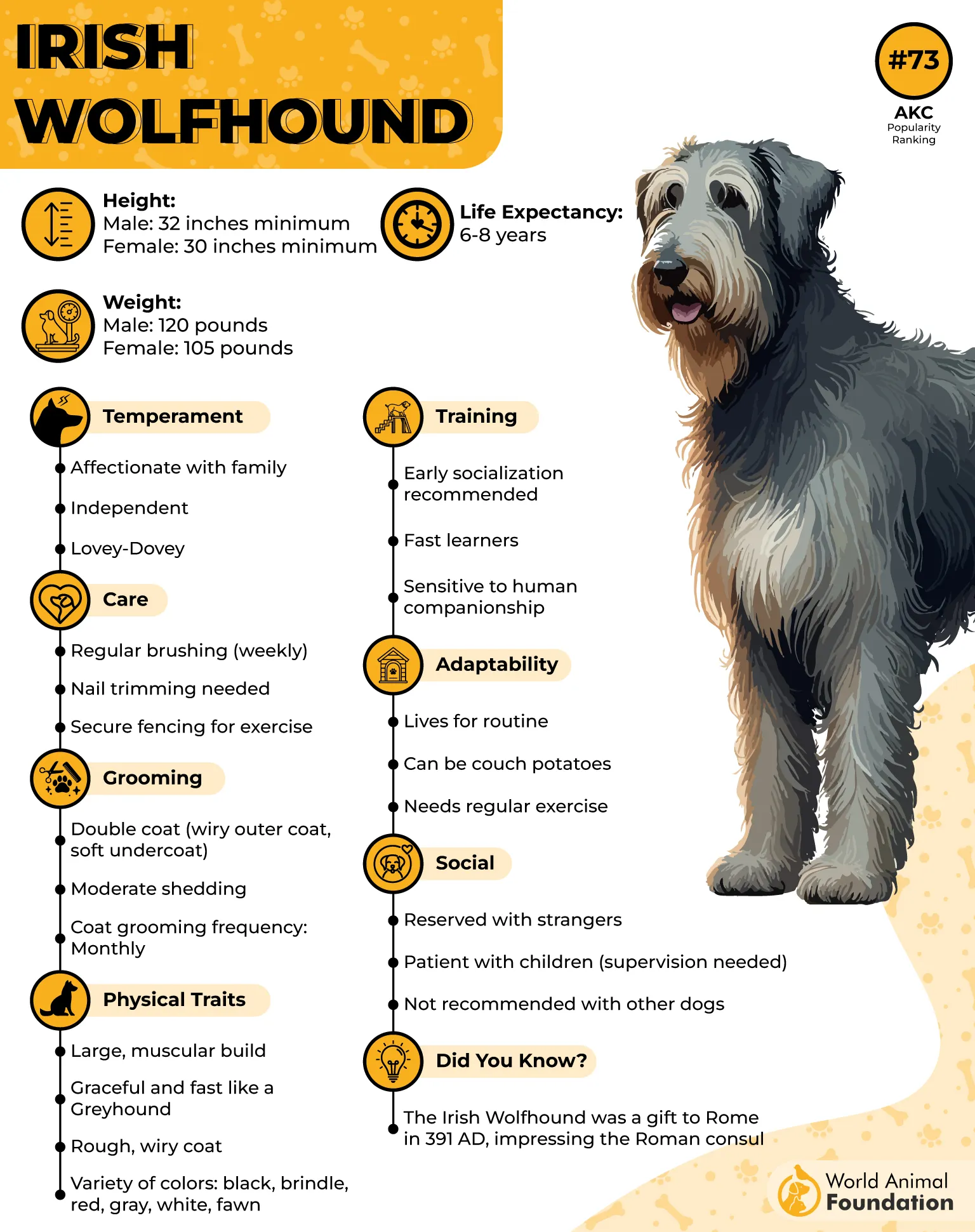
These dogs have a double coat: a soft undercoat beneath a harsh, wiry outer layer. As per PDSA, their fur is especially noticeable around the eyebrows and chin, creating a distinctive bearded look that makes them seem permanently thoughtful. Coat colors include gray, brindle, red, black, white, and fawn, giving these enormous hounds a surprisingly varied range of appearances.
One advantage of the Irish Wolfhound’s coat is that it generally doesn’t undergo the dramatic seasonal shedding some heavily coated breeds do. Instead, loose hair tends to appear more steadily throughout the year, making weekly brushing a practical starting point for routine maintenance.
Their coats may also benefit from occasional hand-stripping or removing dead hair, depending on the dog’s coat condition and the owner’s grooming preferences. Bathing every few weeks, or as needed, can help maintain cleanliness, though excessive washing may dry the skin.
4. Greyhound
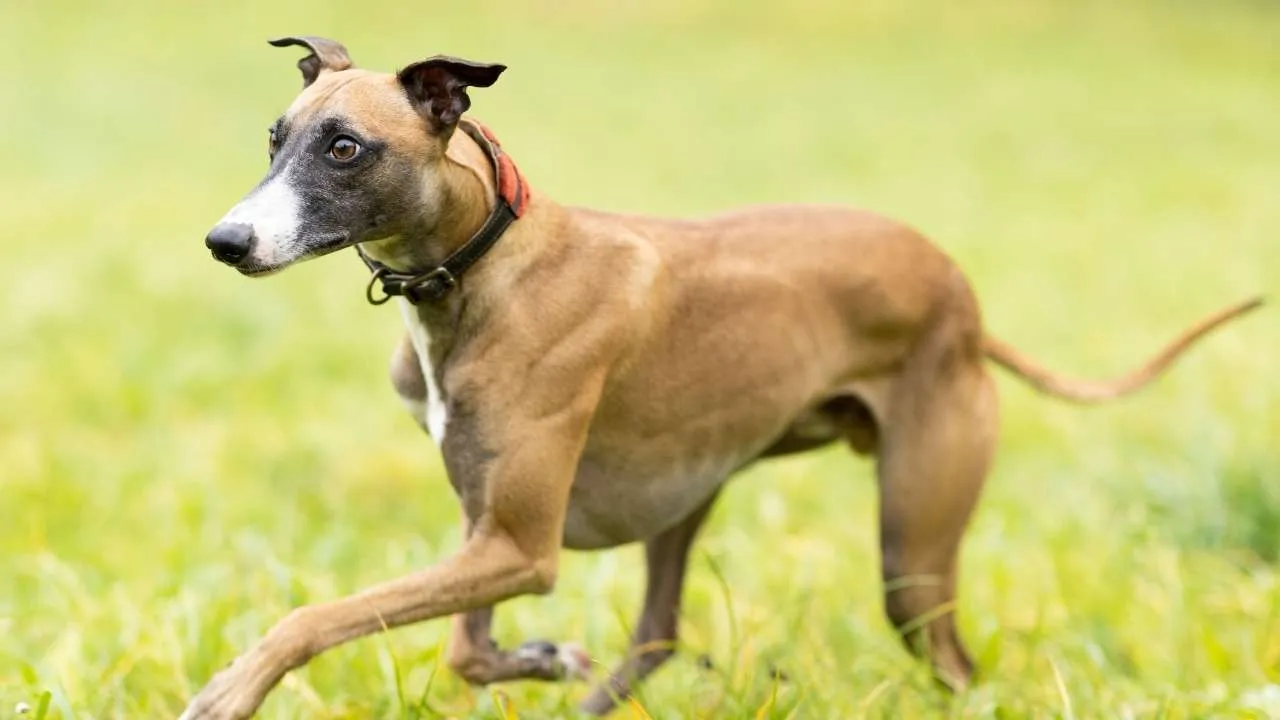
The Greyhound is an elegant sighthound known for its incredible speed and remarkably streamlined body. Its short, fine coat is among the easiest to maintain in large dog breeds, making it particularly attractive to owners who dislike complicated grooming routines.
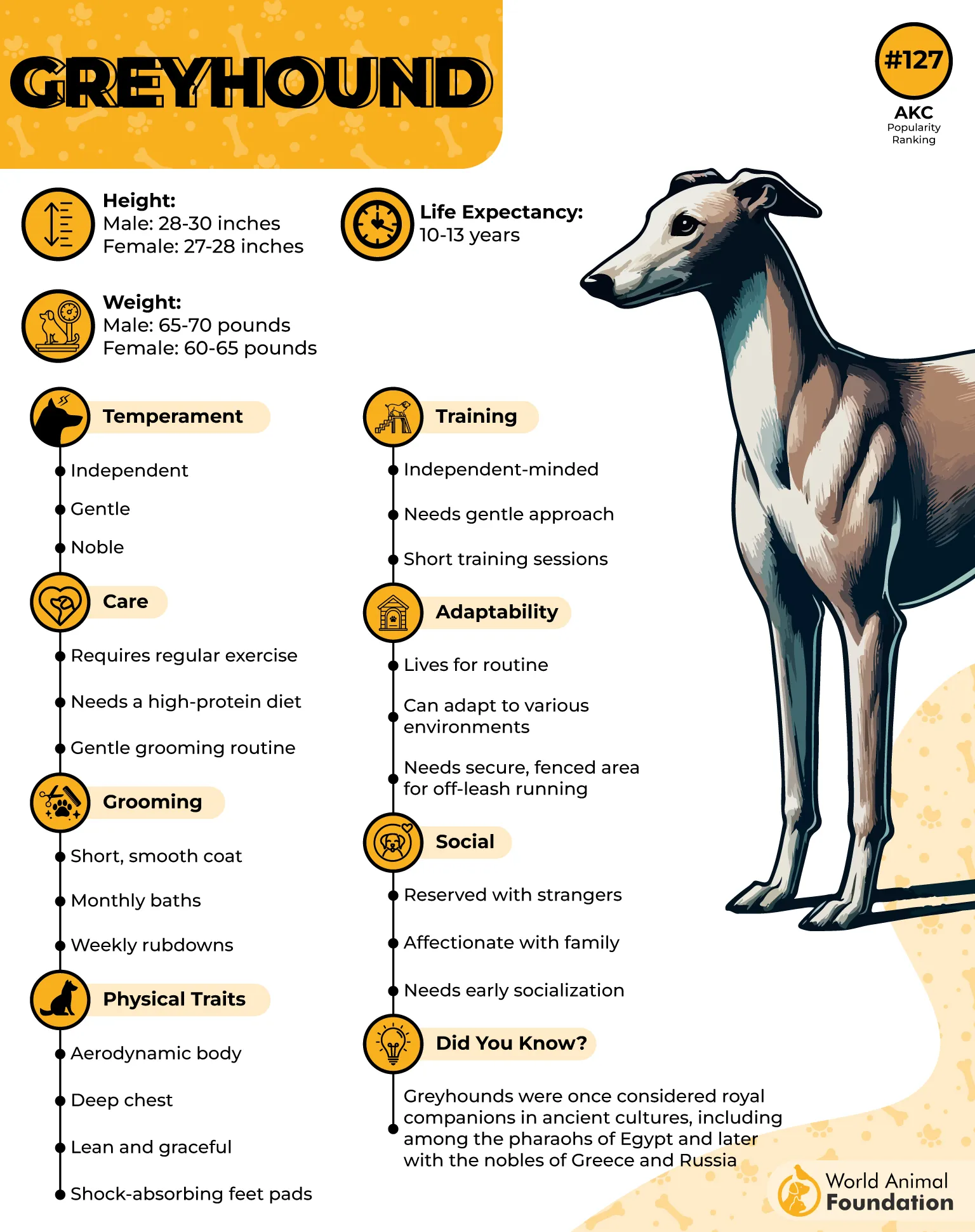
Compared to other dogs, they come in numerous colors, including black, white, fawn, red, blue, brindle, and combinations of these shades.
Their sleek coats lie close to the skin, creating a smooth appearance that emphasizes their lean muscles and graceful movement. Because they lack the heavy furnishings and thick undercoats found on many other breeds, they rarely require extensive brushing or professional coat trimming.
A gentle brushing once a week is often enough to remove loose hair and keep their coat healthy-looking. Rubber grooming gloves and soft brushes work particularly well because Greyhounds have relatively delicate skin that harsh grooming tools can irritate.
Although they shed, their short hair generally makes routine cleanup easier than managing the long strands released by heavily coated breeds. Their lean bodies and limited insulation make them sensitive to cold, so a properly fitted dog jacket may help during chilly walks.
5. Bloodhound
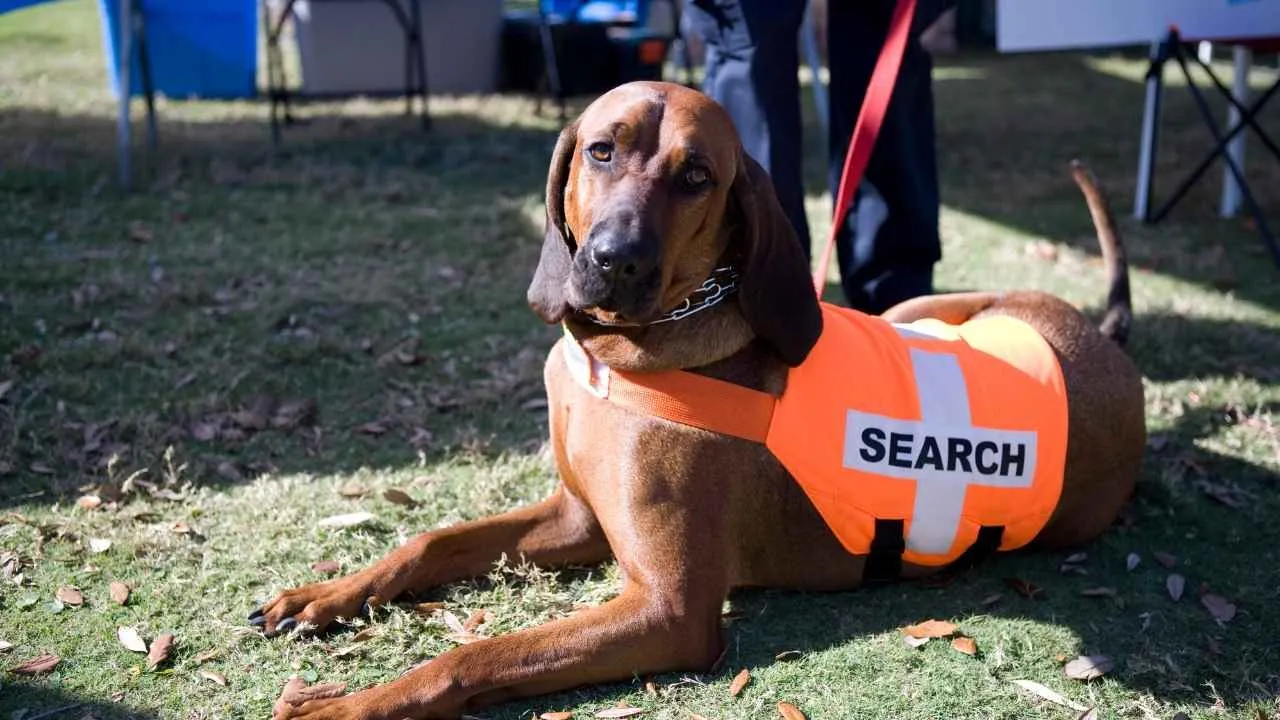
Famous for its scent-tracking abilities, the Bloodhound has a powerful body, long ears, and distinctive loose skin that gives it its unmistakable look. Its short, dense coat is relatively easy to brush, although its overall grooming routine involves more than simply keeping the fur tidy.
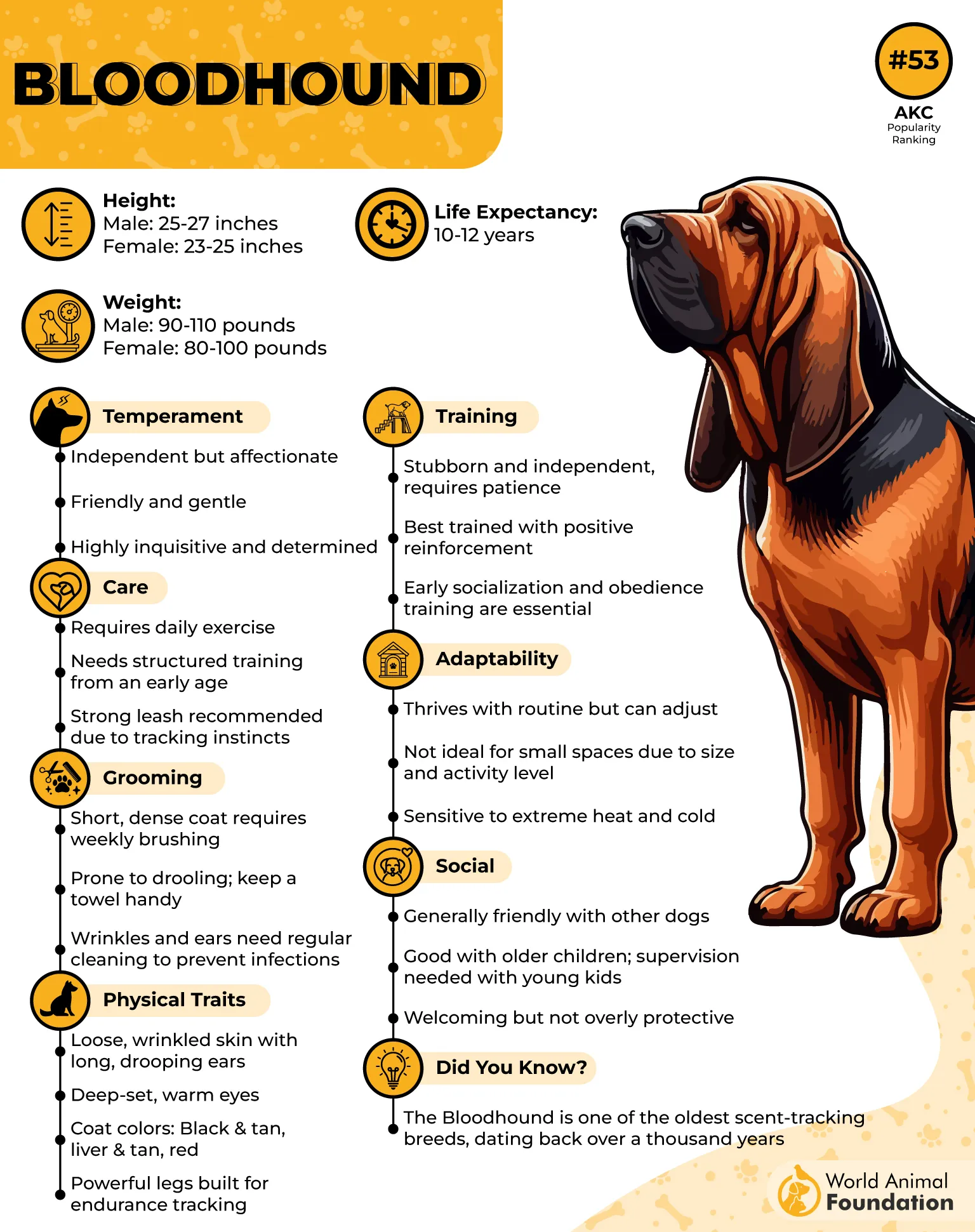
They have smooth, weather-resistant coats that commonly appear in black and tan, liver and tan, or red. Their hair lies close to the body, providing a practical covering for a breed historically developed to follow scents across forests, fields, and challenging terrain. They don’t require regular trimming to maintain their natural appearance.
Their short coats generally need brushing about once a week, although some individuals benefit from more frequent sessions during periods of increased shedding. A rubber grooming mitt or soft-bristled brush removes loose hair while helping distribute natural skin oils.
This simple routine makes coat maintenance convenient, especially for owners who prefer grooming sessions without complicated equipment or extensive detangling.
6. Boerboel
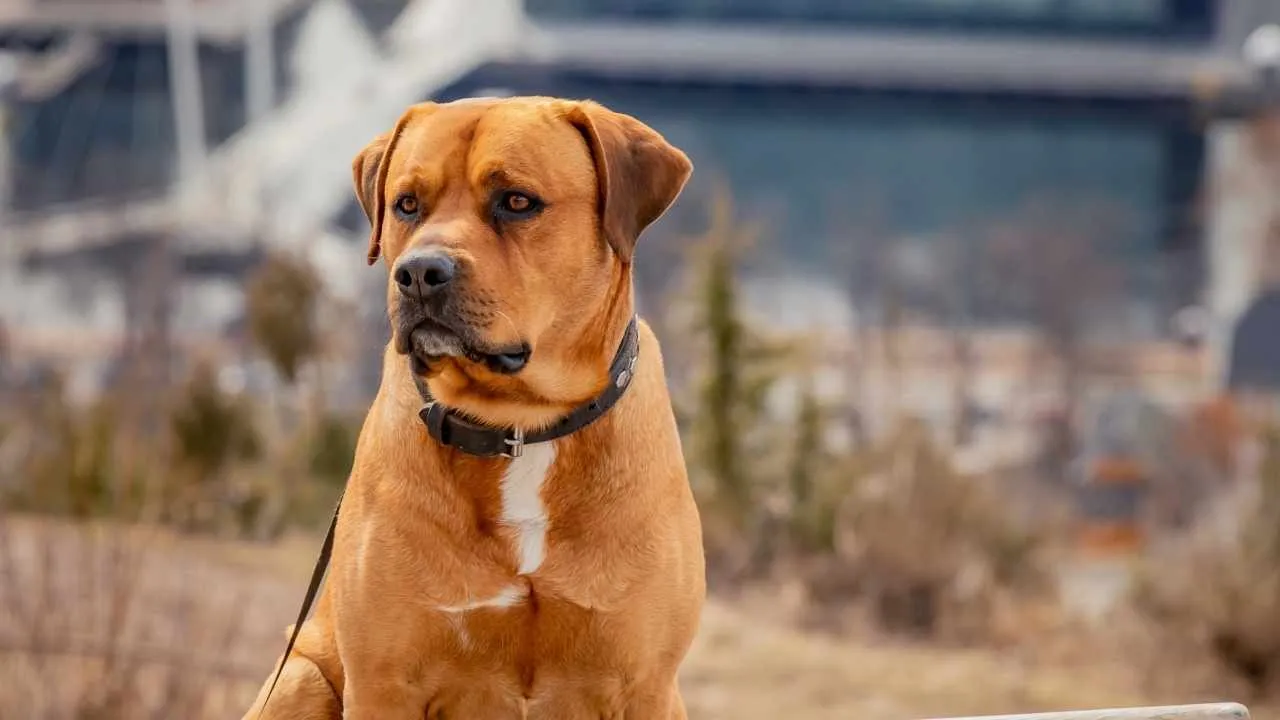
The Boerboel looks like a four-legged bodyguard who takes security seriously but still appreciates a comfortable place to relax with the family. Its short, sleek coat is practical and contributes to relatively low grooming needs, especially compared with the thick coats of many other large working dogs.
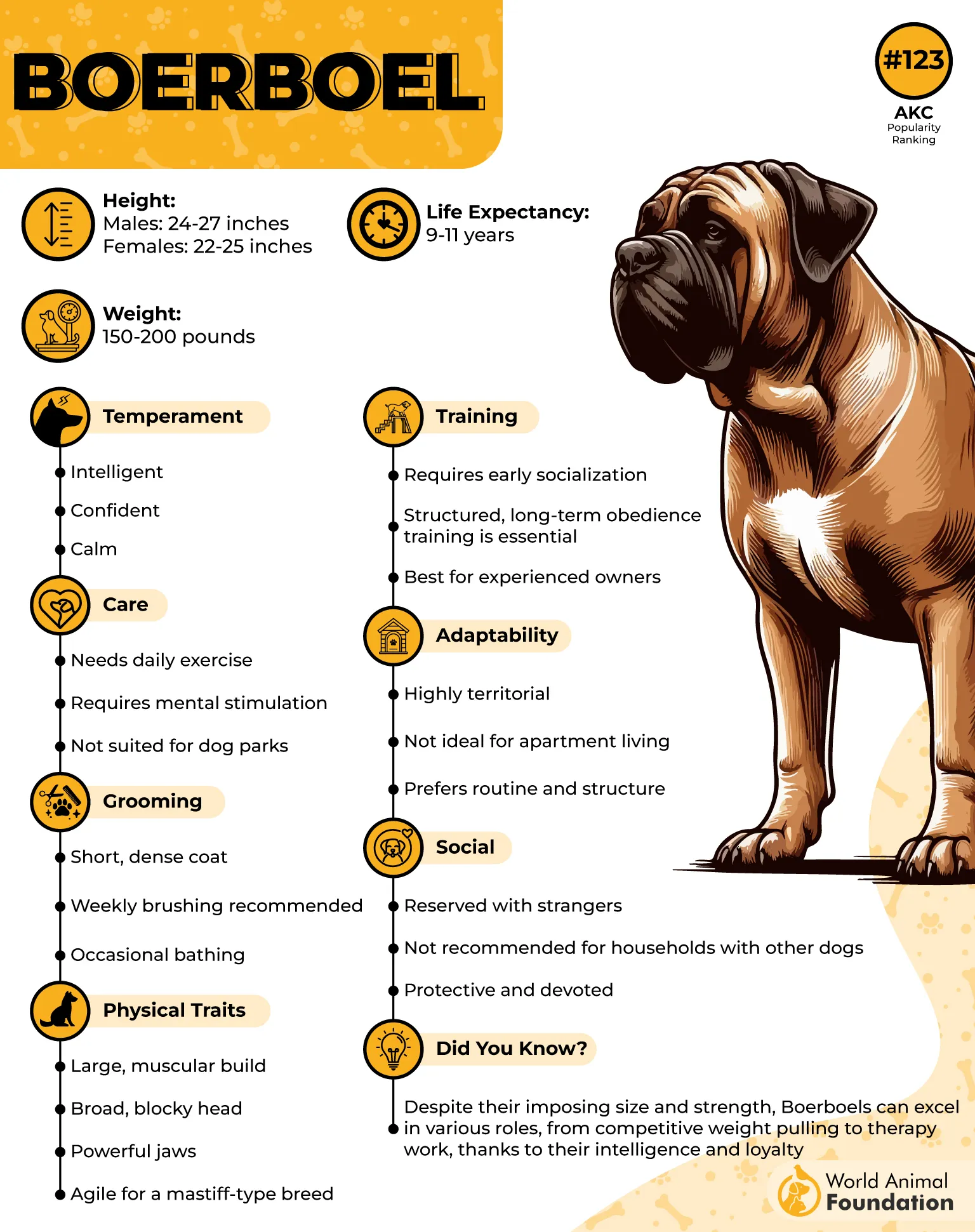
Orvis notes that their dense, smooth coats lie close to their muscular bodies, emphasizing broad chests and powerful shoulders. Common coat colors include brown, red, fawn, cream, and brindle, with some individuals displaying darker facial masks. Their natural coat texture creates a polished look without frequent clipping, professional styling, or elaborate grooming.
A weekly brushing session with a rubber curry brush or grooming mitt is usually sufficient to manage loose hair and maintain the coat’s natural shine. Boerboels shed moderately year-round, so brushing helps collect dead hair before it spreads across furniture and flooring.
Their short coats also make it relatively easy to inspect the skin for scratches, irritation, parasites, or other concerns after outdoor activities.
7. Bullmastiff
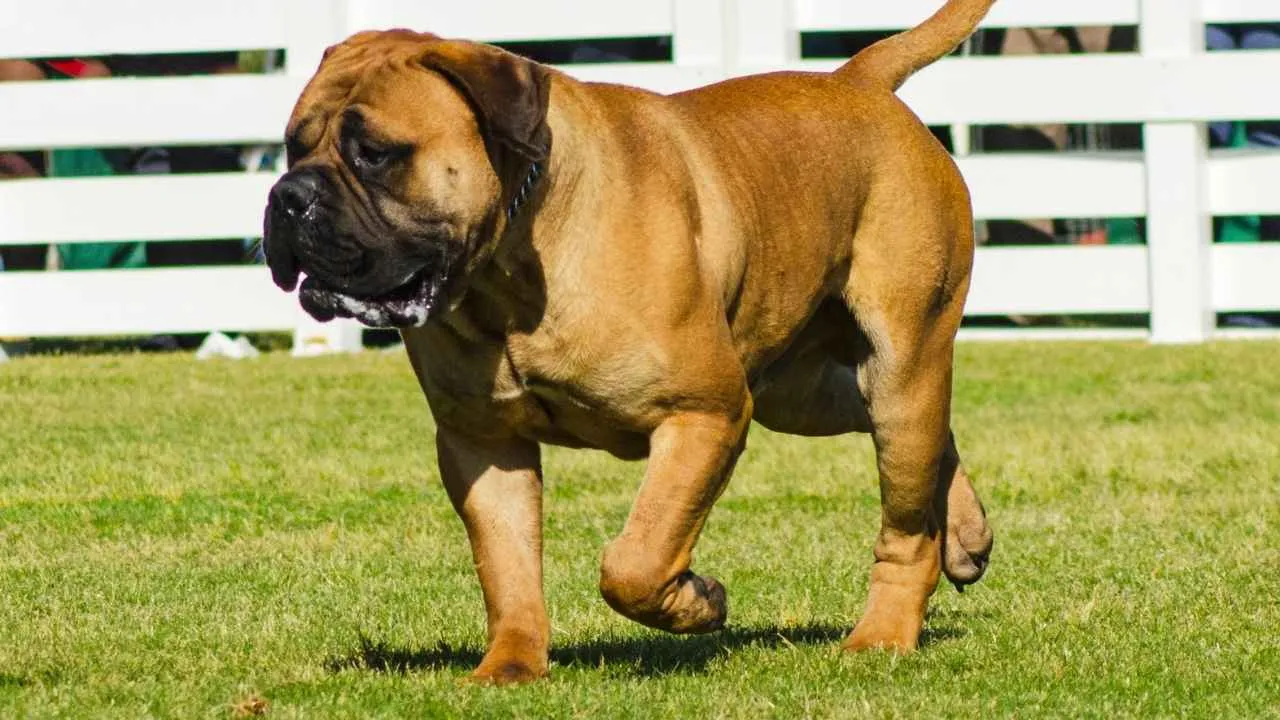
The Bullmastiff is a powerful breed that combines considerable strength with a naturally watchful disposition. Its short, dense coat is one of its most practical features, allowing owners to spend less time brushing and more time managing the responsibilities that come with such a substantial dog.
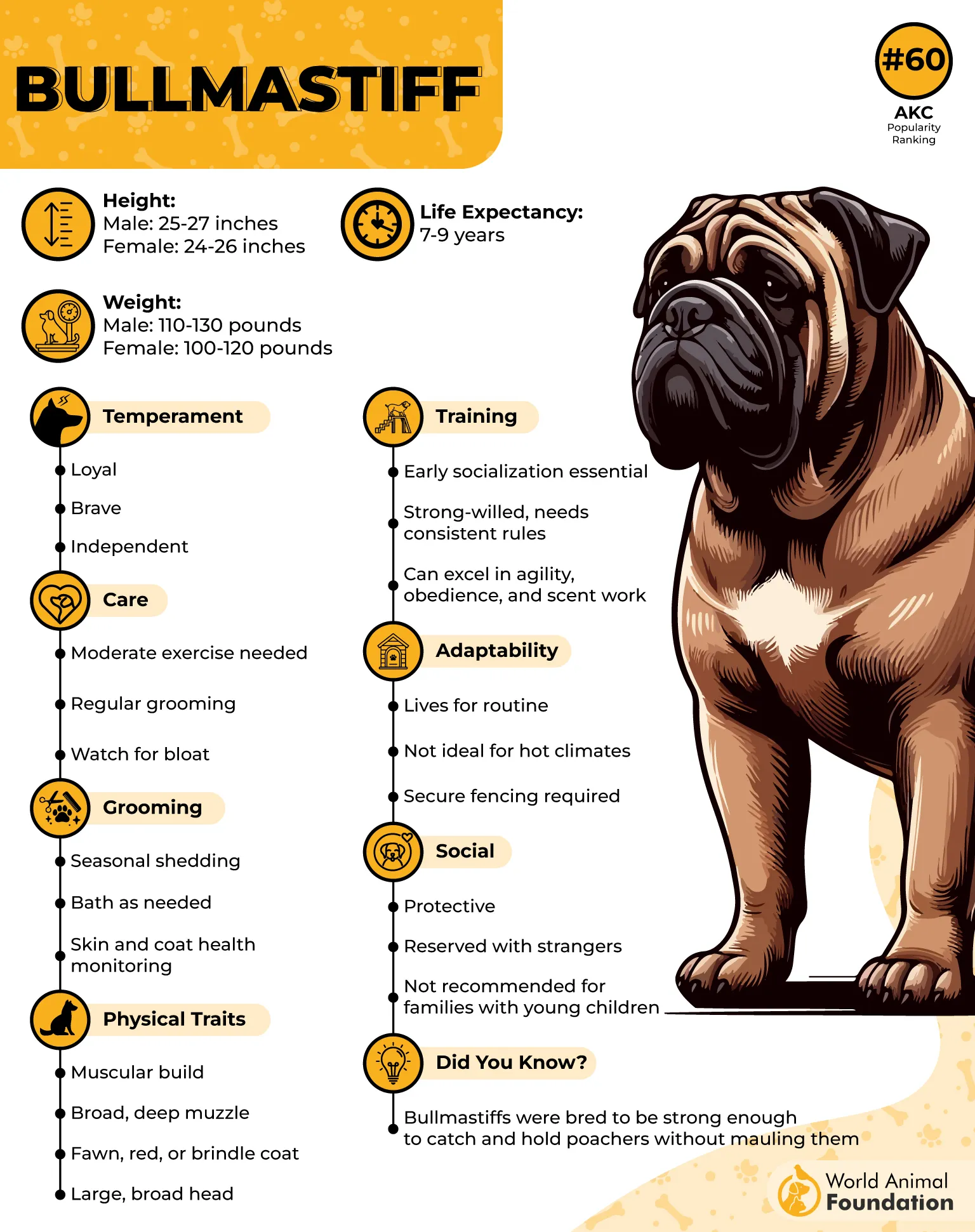
They typically have fawn, red, or brindle coats, often accompanied by a distinctive dark facial mask. Their hair is short, relatively hard, and close-fitting, creating a smooth appearance that emphasizes their broad heads and muscular bodies.
For routine maintenance, brushing once a week with a rubber grooming glove or soft-bristled brush is usually enough. Seasonal shedding may temporarily increase loose hair, so extra brushing helps during spring and fall.
Because the coat is naturally short, they generally don’t need professional haircuts or complicated styling routines, which can simplify ownership considerably. Their grooming needs extend beyond their fur, though, because Bullmastiffs may have facial wrinkles and heavy jowls that need regular attention.
Conclusion
Big dogs don’t always come with equally big grooming responsibilities, like daily brushing, and that’s excellent news for people who love giant companions but don’t want to spend hours managing their coats.
Belgian Malinois, Poodle, Portuguese Water Dog, and Weimaraner are also some great pups that don’t need extensive coat care.
Before welcoming a large dog into your home, consider the time, space, finances, training, and healthcare needed to support its physical and emotional needs. A manageable coat can certainly make life easier, but the best companion is one whose complete care requirements match your lifestyle.
