




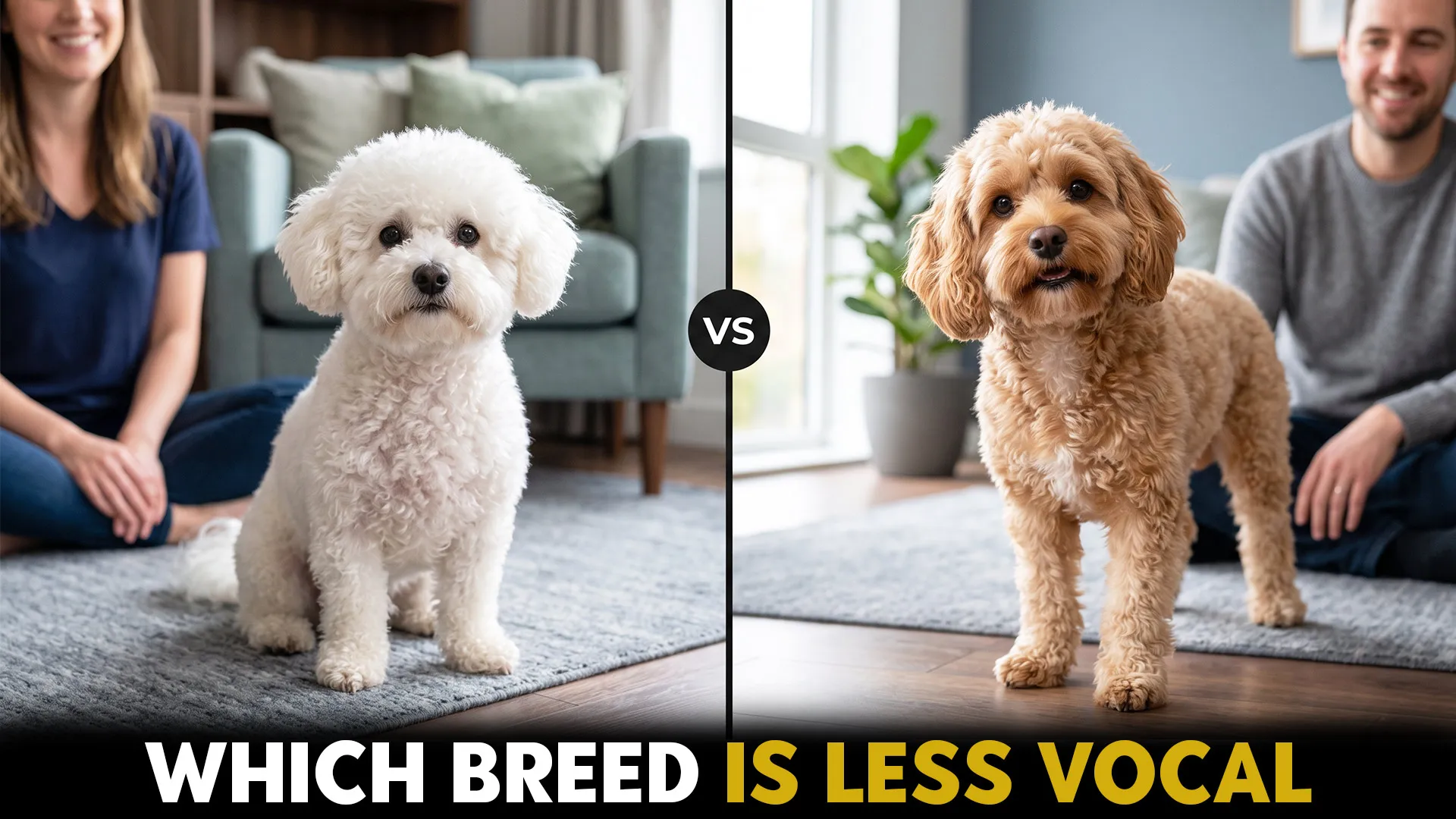
Choosing between a Bichon Frise and a Cavapoo can be tricky when a quieter home is a priority. Both are small, affectionate companion dogs with playful personalities, but their vocal tendencies can differ depending on temperament, training, and environment.
The Bichon Frise is cheerful, adaptable, and alert, while the Cavapoo blends the gentle nature of the Cavalier King Charles Spaniel with the intelligence of the Poodle. Both can make wonderful family companions and suit city living, but neither is guaranteed to be quiet.
So, which breed is more likely to keep barking under control? This comparison explores their personalities, communication habits, and other factors to help you determine whether a Bichon Frise or Cavapoo better fits your preference for a quieter companion.
Bichon Frise vs. Cavapoo: Which Breed Barks Less?
1. Size and Strength
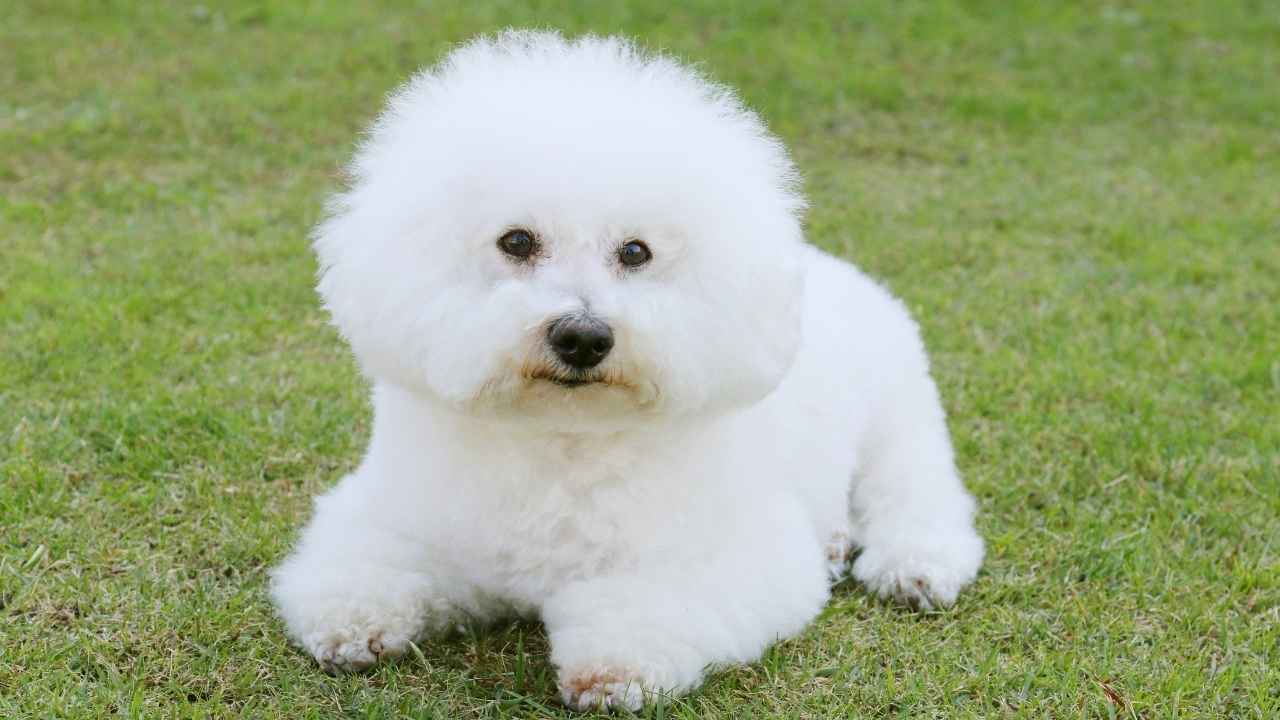
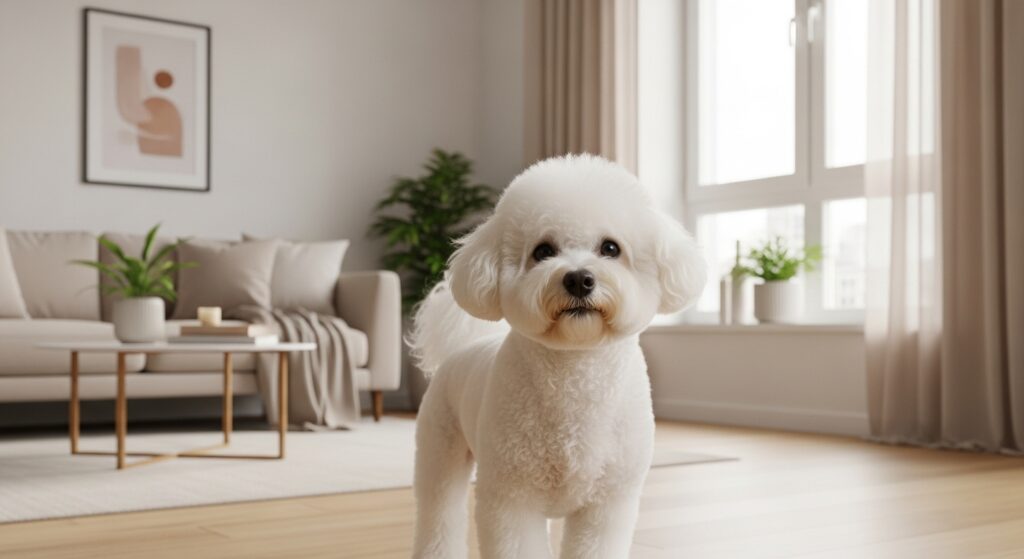
The Bichon Frise is a small, solidly built companion with a compact frame that gives it a sturdy appearance despite its petite size. Adults typically weigh around 11–22 pounds and stand roughly 9.5–11.5 inches tall.
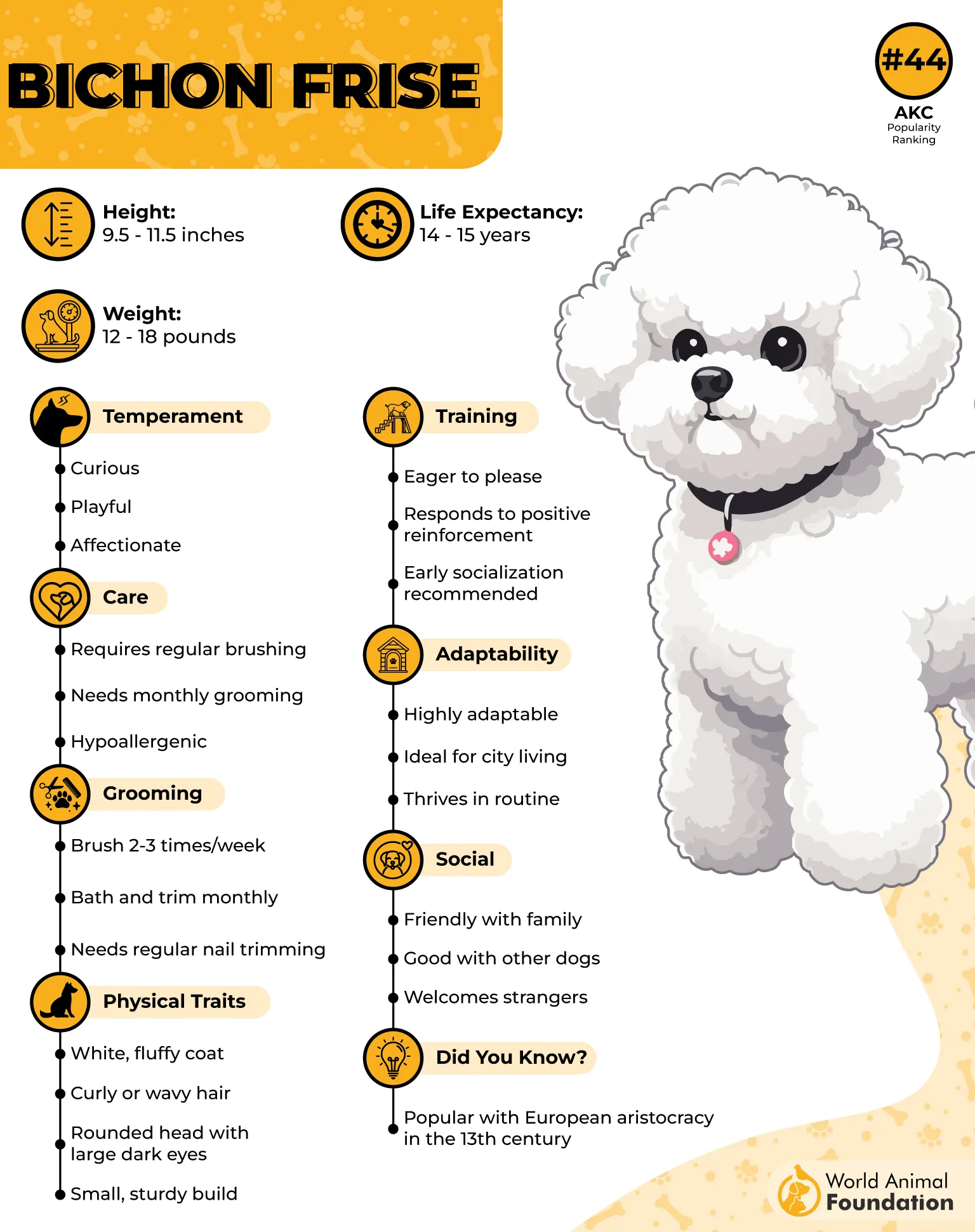
Its rounded body, dark eyes, and plume-like tail carried over the back contribute to its distinctive look. Beneath its fluffy coat is a well-balanced build suited to everyday play and moderate activity.
The Cavapoo is similarly small but can vary more in size because it is a cross between the Cavalier King Charles Spaniel and a Toy or Miniature Poodle. Depending on sex, it generally stands about 9–14 inches and weighs roughly 9–20 pounds.
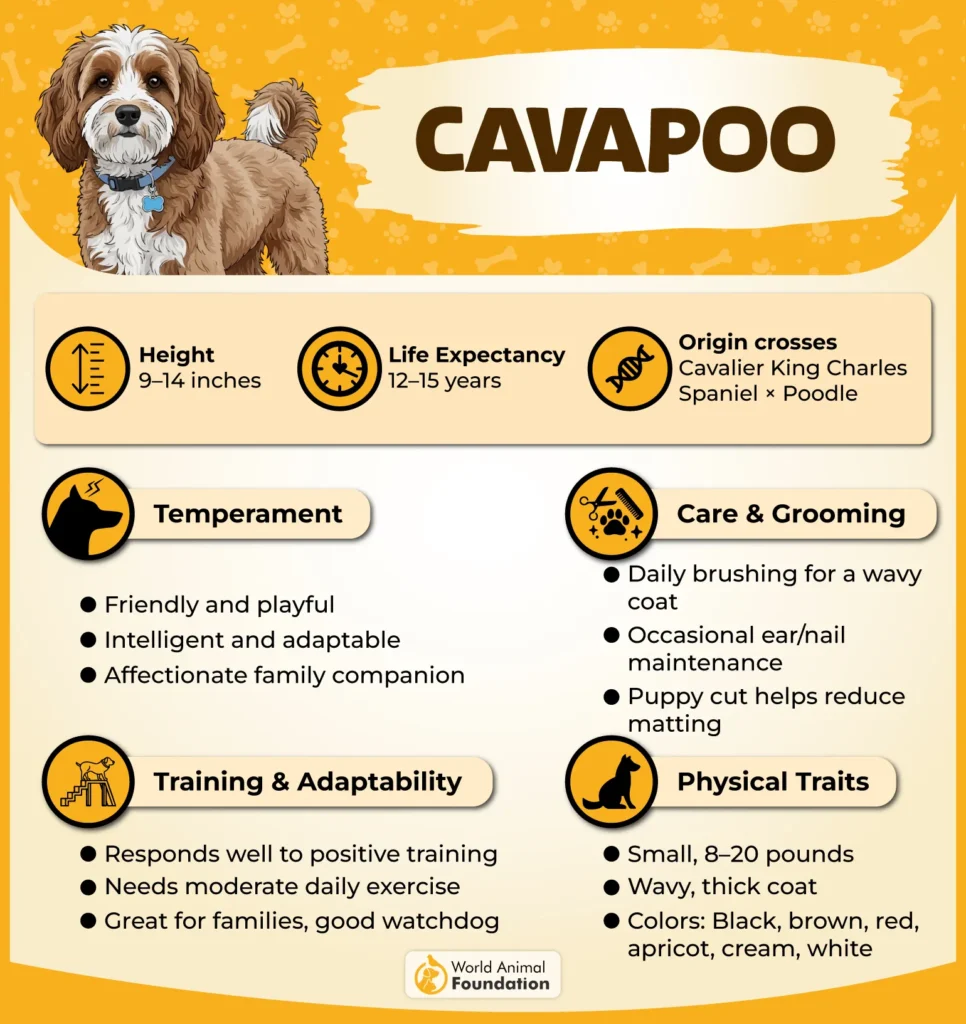
Its lightweight build is better suited to companionship and light activity than demanding physical work. While not especially powerful, the Cavapoo’s compact body combines agility with an easy-to-manage stature.
2. Temperament and Personality
The Bichon Frise is cheerful, sociable, and naturally affectionate, often enjoying the company of people, children, and other pets. Its alert and curious nature can make it a small watchdog, although its friendly attitude means it is more likely to welcome strangers than challenge them.
Bichons are playful and energetic, thriving on daily activity and plenty of interaction with their families. They can become unhappy when left alone for long periods, and some may take extra patience during house training.
The Cavapoo is similarly affectionate and people-oriented, with a generally calm demeanor when settled at home. Its playful side gives it plenty of energy for family activities, while its friendly personality usually helps it get along well with children and other pets.
However, Cavapoos can become strongly attached to their families and may struggle with being left alone. Separation-related stress can sometimes contribute to behaviors such as excessive barking or chewing. According to PetMD, Cavapoos have a cheerful temperament that makes them well suited to first-time pet parents.
3. Barking Level
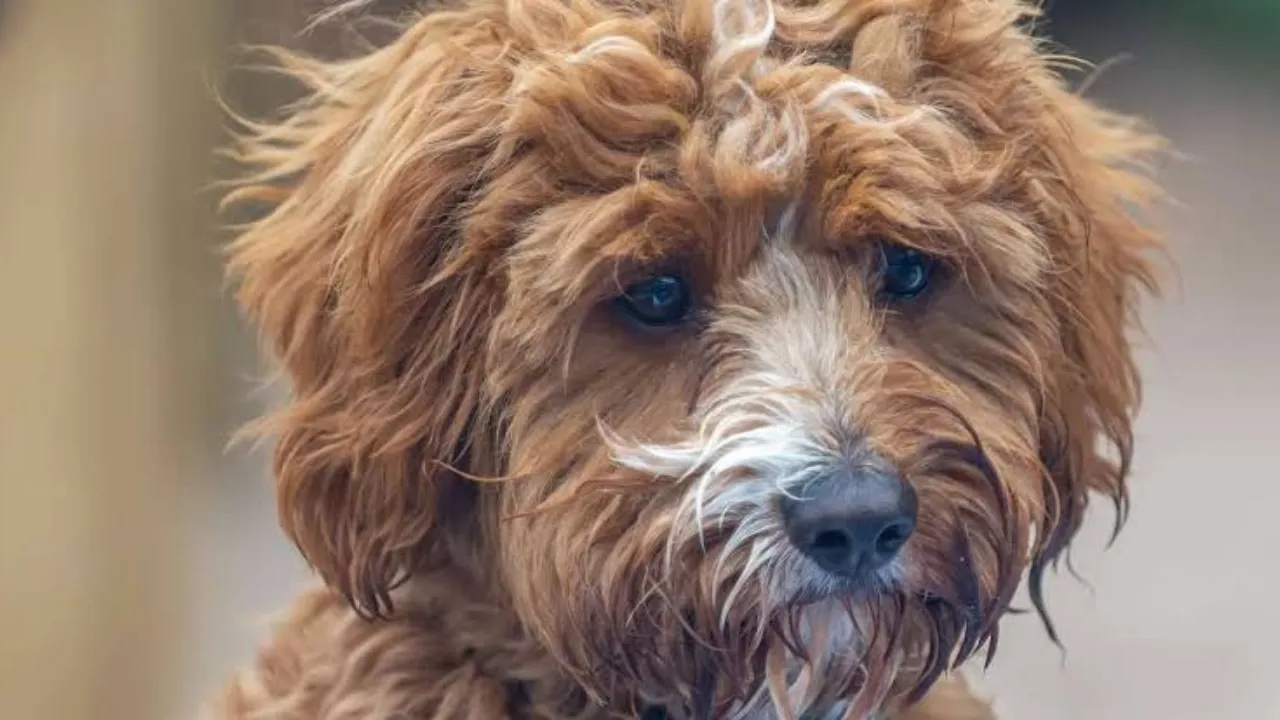
The Cavapoo is generally the quieter choice of the two, with barking usually occurring when it wants attention or notices something unusual. Its calm home temperament can help keep vocalization relatively moderate.
However, stress and separation anxiety may cause a Cavapoo to bark more frequently. Helping it become comfortable with alone time and providing appropriate training can reduce attention-seeking or anxiety-related vocal behavior.
The Bichon Frise tends to be more vocal and can react quickly to small sounds or changes in its surroundings. Its sharp hearing and alert personality make barking a natural part of how it communicates and responds to activity.
Early training is particularly important with Bichons because they can readily develop frequent barking habits. Although their vocal nature can be useful for alerting owners, consistent guidance helps prevent excessive noise.
4. Training Difficulty
The Cavapoo is generally easier to train, combining Poodle intelligence with the Cavalier’s willingness to please. It can pick up basic commands quickly and responds particularly well when lessons are paired with treats, praise, and other positive reinforcement.
Starting training early helps establish good habits, while mentally engaging toys and activities can support learning outside formal sessions. Because Cavapoos form strong family bonds, owners should also gradually teach them to remain comfortable when alone.
Bichon Frises are clever, enthusiastic learners that often enjoy performing tricks and discovering new behaviors. Their eagerness makes most training straightforward, but their occasional stubbornness can make house training more challenging than other basic obedience work.
Positive, reward-based methods tend to work best, especially when lessons remain enjoyable and varied. Early socialization and puppy training can further encourage good manners and prevent unwanted behaviors linked to boredom or prolonged isolation.
5. Grooming Needs
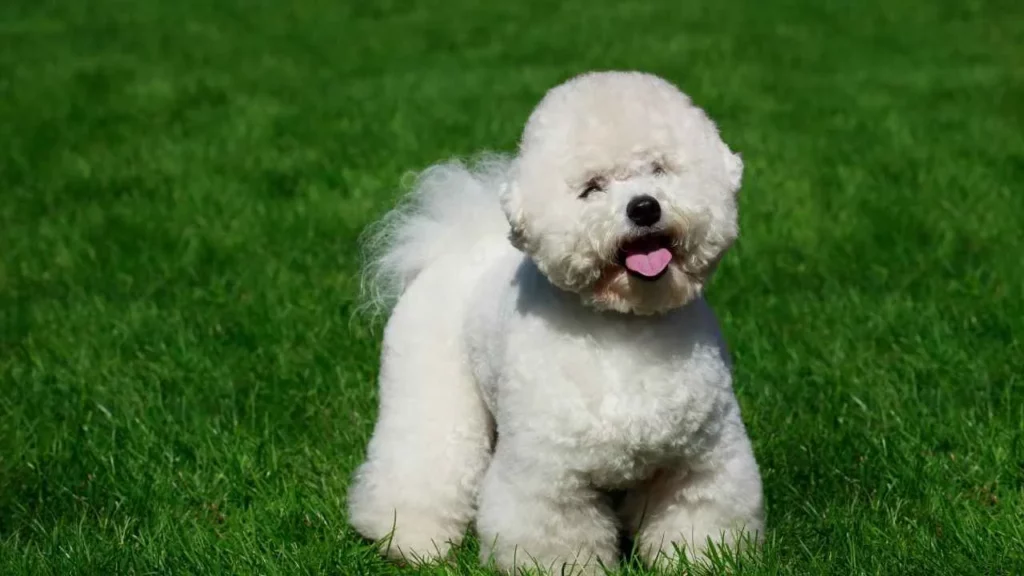
The Bichon Frise has a dense, curly coat that demands frequent attention to preserve its fluffy appearance. Daily brushing is ideal for removing trapped loose hair and preventing mats, while professional bathing and clipping are generally needed about every four to six weeks.
Because the breed sheds very little, its loose hair can remain caught within the undercoat rather than falling away naturally. Regular nail trimming and consistent coat care are also important for keeping the Bichon comfortable and tidy.
According to Petplan, adult Bichon Frises are recognized for their fluffy white coats, while puppies may have subtle shades of gray, buff, or apricot.
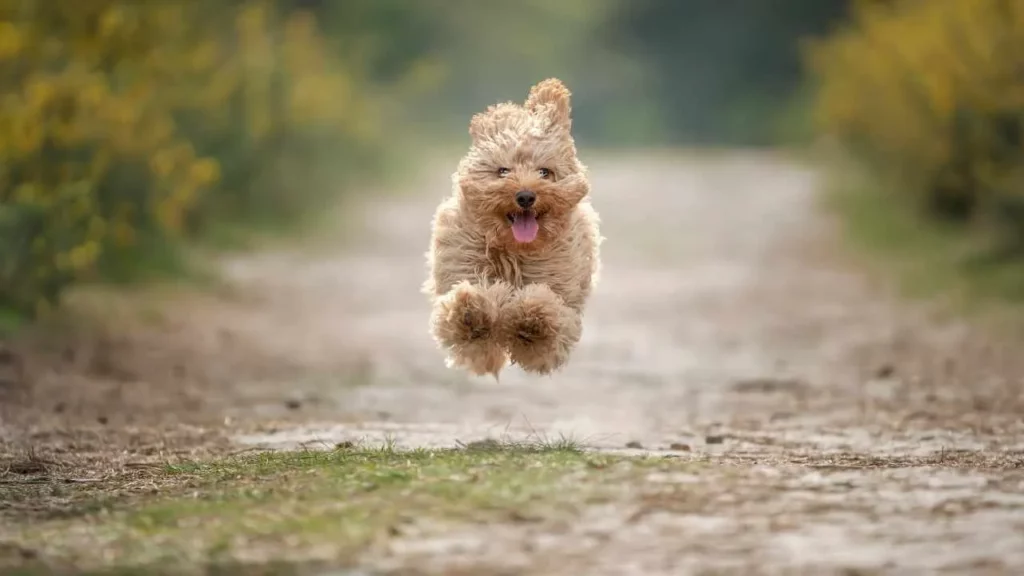
The Cavapoo has a softer coat that may range from wavy to curly, with regular grooming needed to control tangles and matting. Brushing at home, along with bathing and trimming, helps maintain its coat and overall appearance.
Professional grooming is typically recommended every four to six weeks, depending on coat texture and growth. Although its maintenance is significant, the Cavapoo generally requires slightly less intensive upkeep than a Bichon.
6. Energy Level
The Bichon Frise has a lively side and enjoys running, playing, and performing, although it can also settle calmly between bursts of activity. Daily walks combined with interactive play help provide the physical and mental stimulation this energetic little dog needs.
According to Omlet, Bichon Frises are energetic and playful dogs that generally get along well with children and other pets, although house-training can sometimes be challenging.
A fenced area can be useful because Bichons can move surprisingly quickly when excited. Games with their owners are especially valuable, and activities such as agility, obedience, or rally can give their energy a productive outlet.
The Cavapoo is energetic without typically being hyperactive, making it adaptable to both relaxed and active households. Daily walks, play sessions, and games such as fetch can provide enough activity for most dogs.
Despite their enthusiasm, Cavapoos have moderate exercise requirements and can adapt well to apartment or urban living. Regular activity is also important for helping maintain a healthy weight and supporting overall fitness.
7. Alert Nature
The Bichon Frise is naturally curious and attentive, making it capable of noticing unfamiliar sounds or activity around the home. Its alertness can give owners an early warning, although its friendly personality means it is more welcoming than confrontational.
Bichons also enjoy staying engaged with their people and may vocalize when they want attention or notice something unusual. Starting training early and reinforcing good behavior can help channel this alert nature without encouraging unnecessary barking.
The Cavapoo is generally not an excessively vocal breed, but it can become more alert when something catches its attention or when it wants interaction. Its people-focused personality often keeps it closely tuned to what its family is doing.
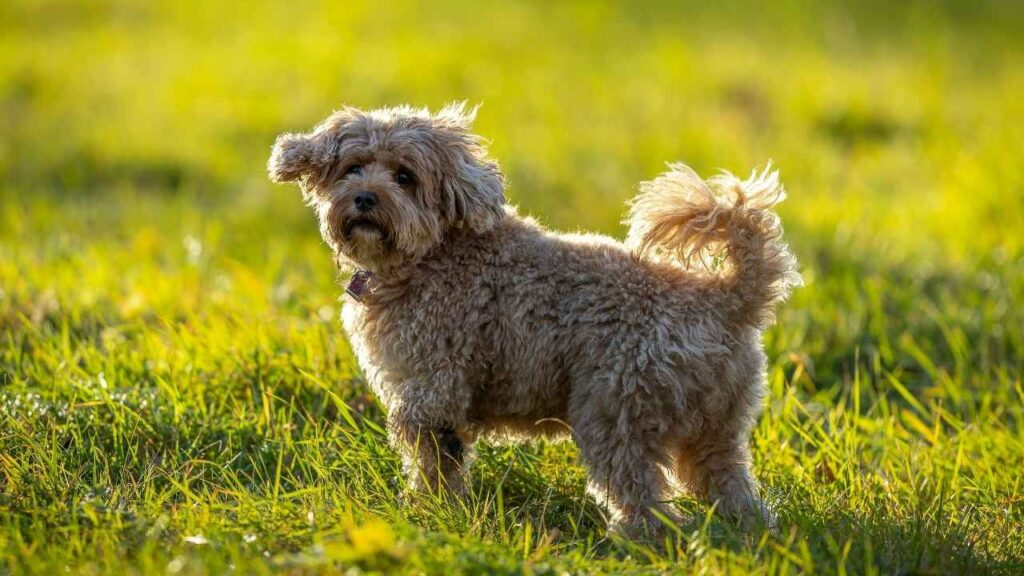
Without appropriate training, some Cavapoos may develop more frequent barking, particularly when seeking attention or reacting to changes. Consistent guidance can help maintain a quieter, more controlled response.
Conclusion
When comparing the Bichon Frise and Cavapoo, both offer affectionate personalities, manageable size, and plenty of charm. However, their differences in vocal habits, energy, training, and grooming can influence which breed better suits your home.
The Cavapoo generally has a quieter nature, with barking more likely to occur when it needs attention, encounters something unusual, or experiences separation-related stress. Its moderate exercise needs also make it adaptable to different lifestyles.
The Bichon Frise tends to be more vocal and alert, often reacting quickly to sounds or changes around it. It is intelligent and playful but may require more consistent training to prevent excessive barking.
If keeping noise to a minimum is your priority, the Cavapoo may have the advantage. Whichever breed you choose, positive training, appropriate exercise, and companionship can help encourage well-mannered behavior.
