




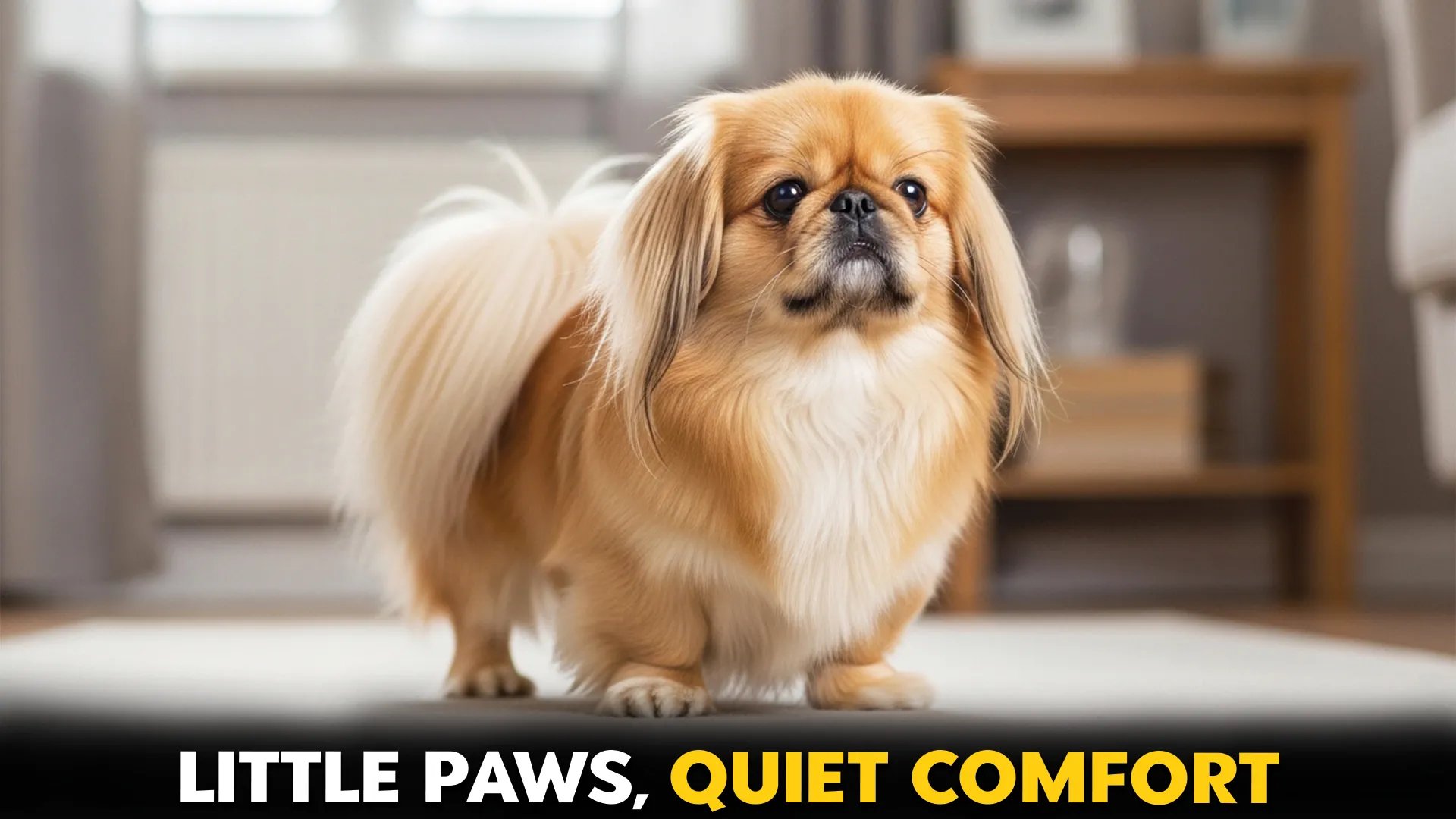
If your dream home vibe is soft playlists, cozy routines, and zero chaos, the right dog can fit into that rhythm like a warm cup of tea. The trick is choosing a breed that’s naturally people-focused, adaptable indoors, and not wired to “sound the alarm” at every footstep in the hallway.
It’s also worth remembering a broader trend: researchers found that smaller dogs tend to live longer than larger dogs, and longer-snouted dogs often outlive flat-faced breeds—useful context when choosing a small companion for long-term life together.
Below are seven breeds that (with the right training and routine) are famous for thriving in quieter, calmer households—without turning your living room into a 24/7 circus.
Best Toy Dog Breeds for Calm and Quiet Households
1. Pekingese
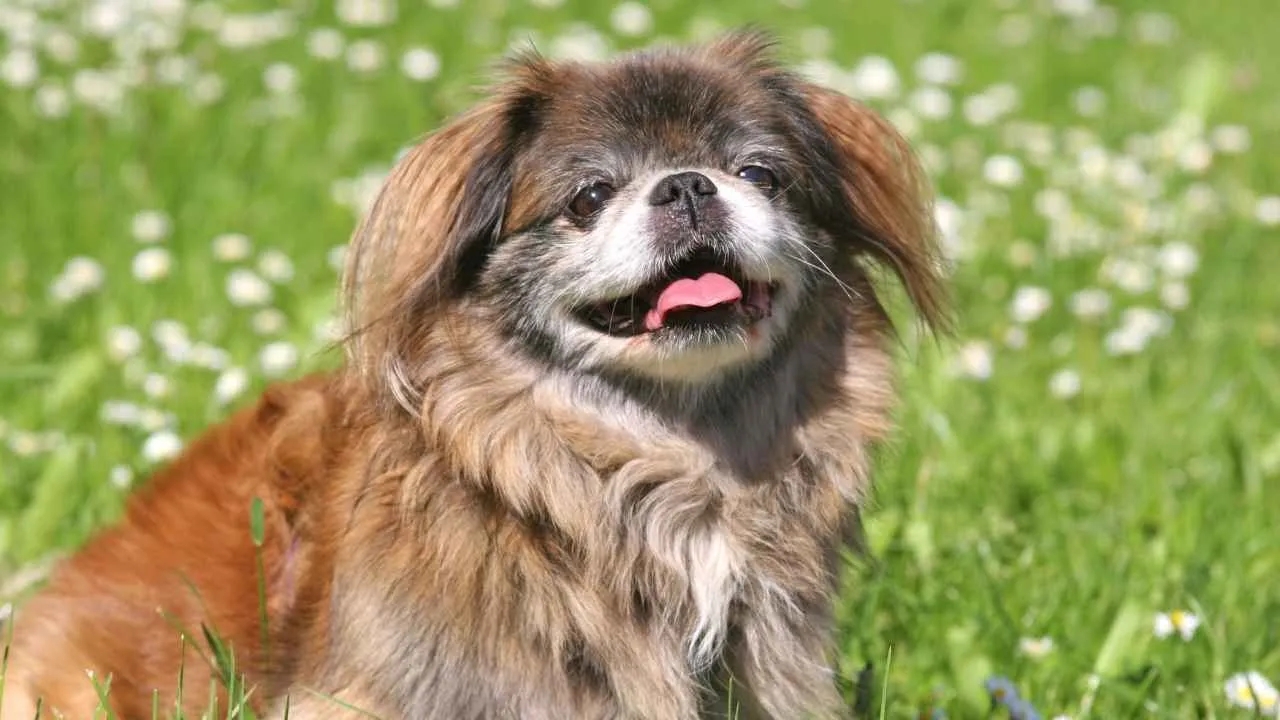
The Pekingese is basically the definition of “tiny dog, big dignity.” This breed was developed for life in the imperial palace of ancient China, and they still carry themselves like they own the place (and, honestly, in their minds… they do).
That royal origin is why many Pekingese are naturally comfortable with slow days, soft beds, and predictable routines.
In a quiet household, this lap dog’s calm confidence can feel like a perfect match. They’re typically not frantic, not constantly demanding play, and they often prefer “near you” over “on-the-go.” Give them a few short strolls, a sniff session, and a comfy spot, and they’ll settle in like a professional lounger.
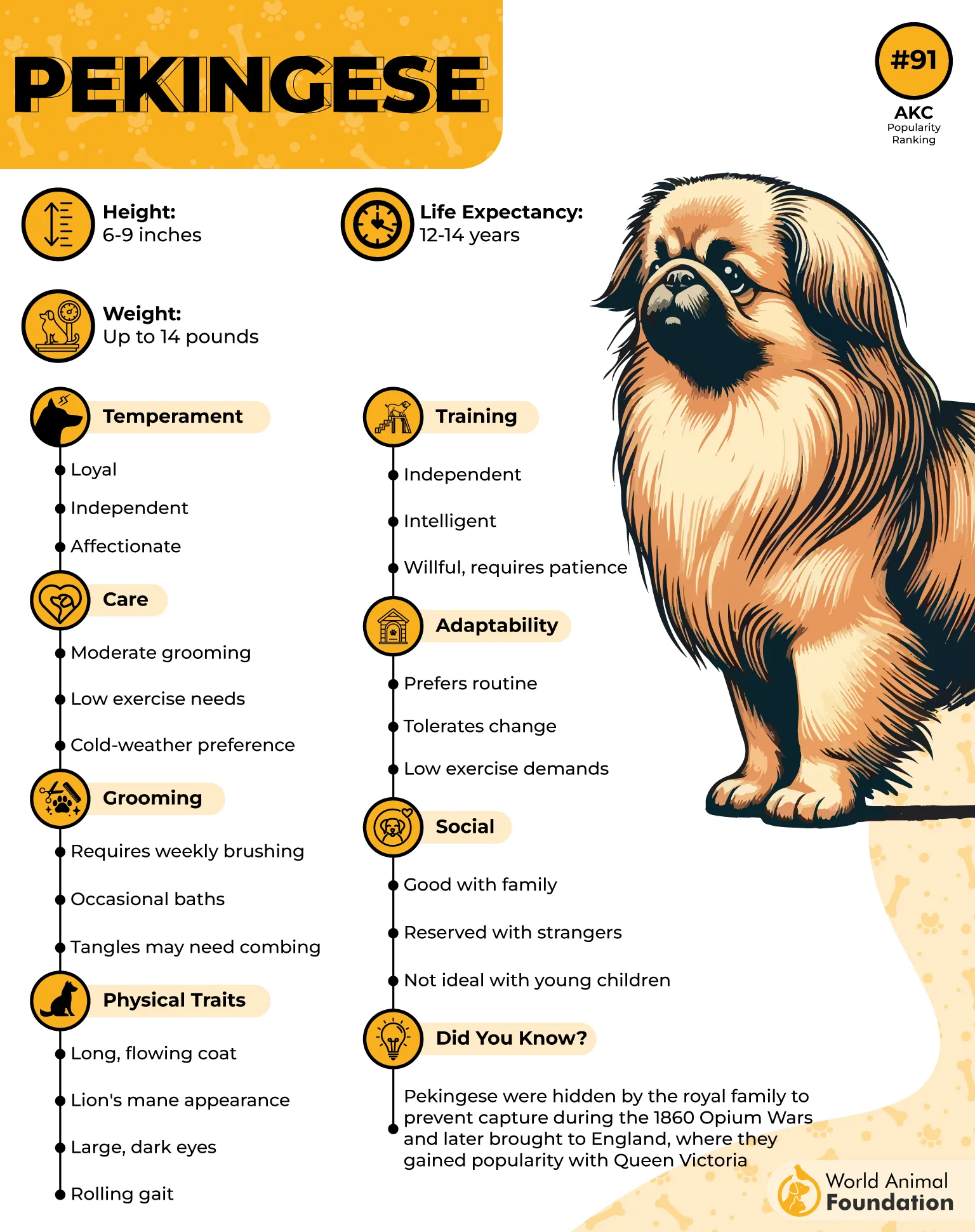
That said, they’re not “robot calm”—they’re opinionated. If you want a dog that obeys instantly like a little soldier, a Pekingese may politely ignore your agenda and stick with their own. Training still matters, but it works best with gentle consistency and rewards, not pressure.
Grooming is the trade-off for that iconic look. Their coat can be high-maintenance, and their facial structure means you should be mindful of heat and breathing comfort—especially in hot weather or stuffy apartments. Flat-faced dogs, as a group, have documented health challenges, so keeping them cool and avoiding overexertion are part of “quiet home” success.
Best of all? The Pekingese is a homebody with style. If your household is calm, respectful, and not full of high-speed toddlers doing parkour, they can be a charming little companion. Think: “tiny guardian of the sofa,” with a strong preference for peace.
2. Italian Greyhound
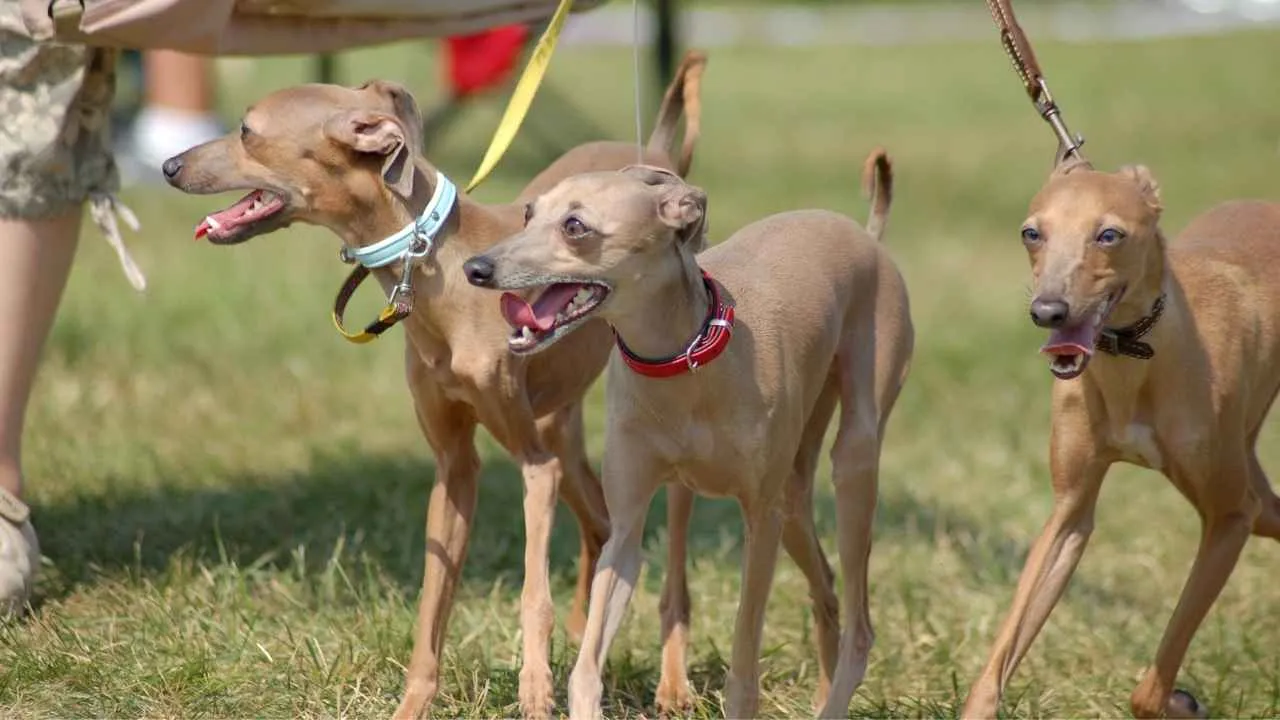
Italian Greyhounds look like living sculptures—light, elegant, and ridiculously snuggly once they trust you. Historically, they were treasured as companion dogs by European nobility, and that “indoor luxury” heritage shows in how much they love warm blankets and a quiet lap.
Many Italian Greyhounds are famously affectionate and people-attached (the classic “Velcro dog” vibe).
Here’s the funny part: they’re calm… until they’re not. Italian Greyhounds, as per VCA Hospitals, often come with a “two-mode system”—a burst of sprinting energy (zoomies), then a long nap that looks like they pay rent in cuddles.
For a quiet home, that’s usually manageable because their exercise can be short, consistent, and predictable.
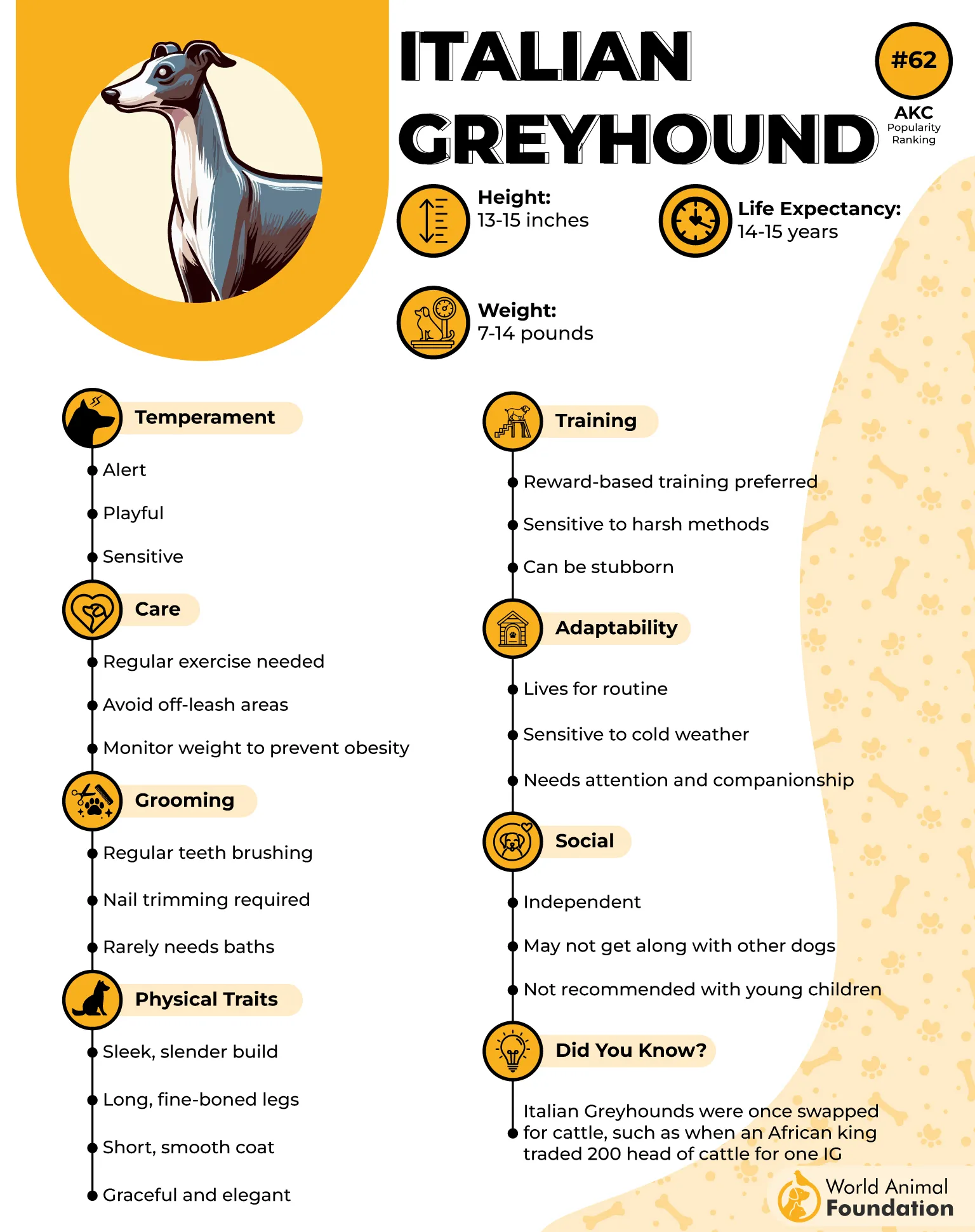
They tend to do best with gentle voices and positive reinforcement. Loud environments, harsh corrections, or chaotic schedules can make them anxious or timid. If your house is peaceful and you enjoy creating routine, they often blossom into deeply sweet companions.
Because they’re fine-boned, they do require mindful handling—especially around rowdy play. You’ll also want warm layers in cooler climates, because they’re not built for cold like a husky. Calm home + cozy temperature control = Italian Greyhound heaven.
3. Pug
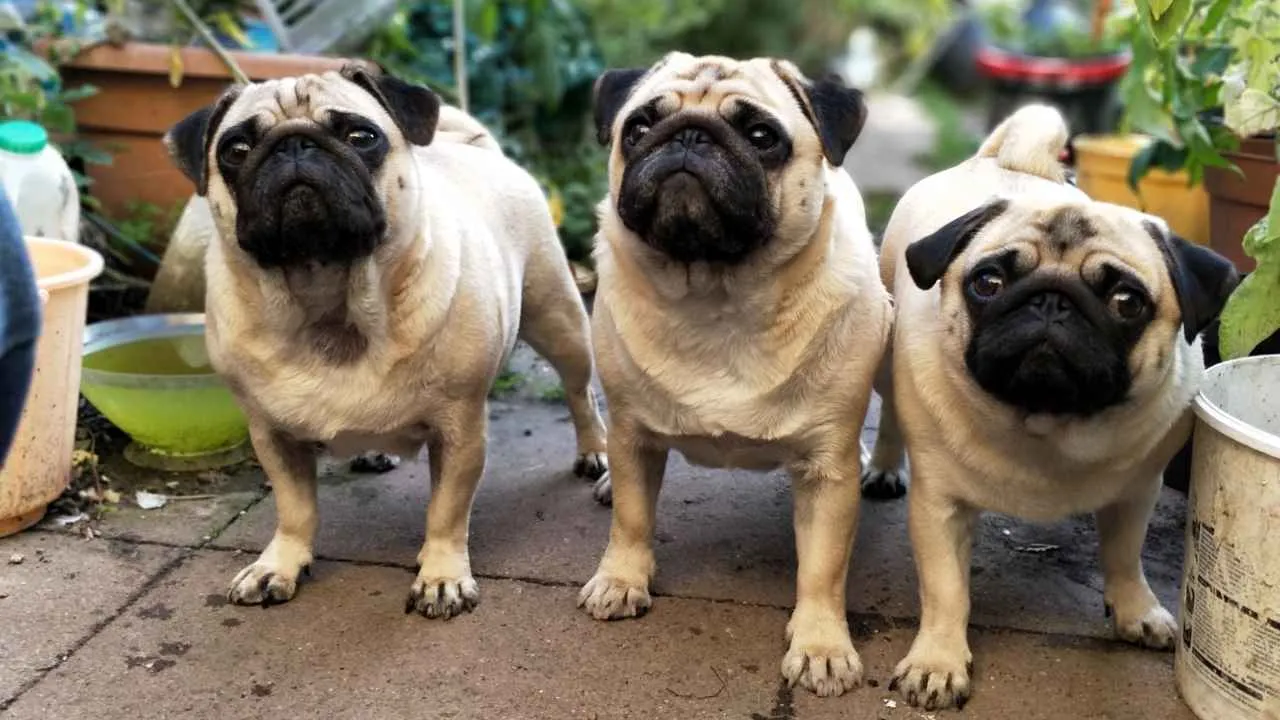
Pugs have been adored for centuries as companion dogs, and they still act like they were born to be someone’s favorite roommate. They’re typically friendly, people-oriented, and happiest when included in the daily routine—errands, sofa time, snack time, repeat. Their vibe is often more “comedian” than “chaos.”
In calm households, PDSA claims that these low-energy dogs can be wonderful because they usually don’t need intense exercise to be content. Short walks and gentle play often do the job, which suits quieter pet parents and smaller living spaces. They’re more about togetherness than nonstop motion.
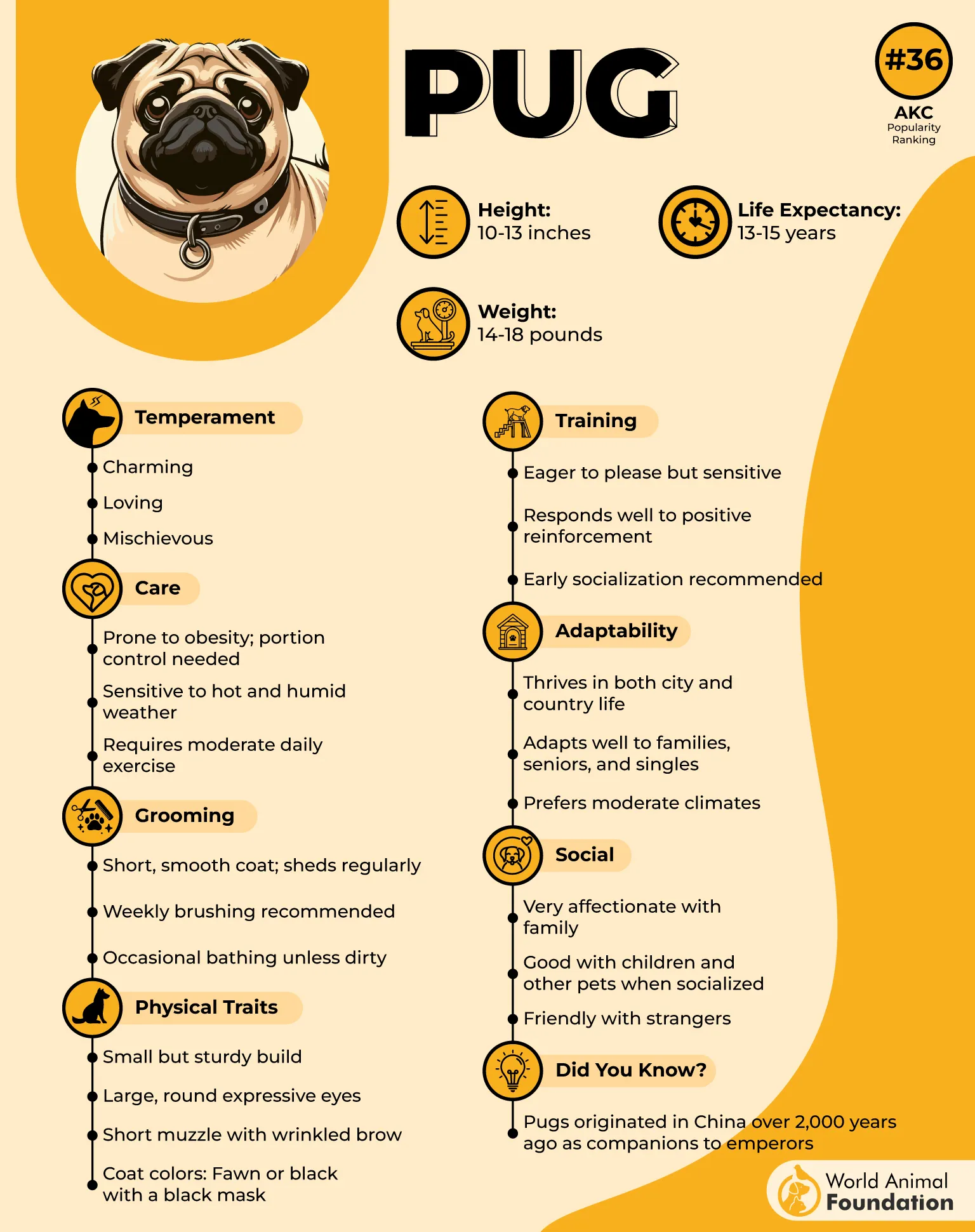
Grooming surprises many people: yes, their coat is short, but many Pugs still shed and benefit from regular brushing. Wrinkle care also matters—keeping facial folds clean and dry helps prevent irritation. This kind of low-key routine fits nicely into a calm home schedule.
Because Pugs are a flat-faced breed, heat management is non-negotiable. Research and large population studies repeatedly show that, as a group, brachycephalic dogs face higher health risks and shorter lifespans than longer-snouted dogs—so smart ownership means cool temperatures, controlled exercise, and vet checkups.
For quiet apartment living families that want a friendly little shadow, a Pug can be a strong fit—especially if you’re the type who thinks “a perfect evening” includes a dog snoring softly nearby. Their calm charm is real, but it works best when you proactively support their comfort and health.
4. Japanese Chin
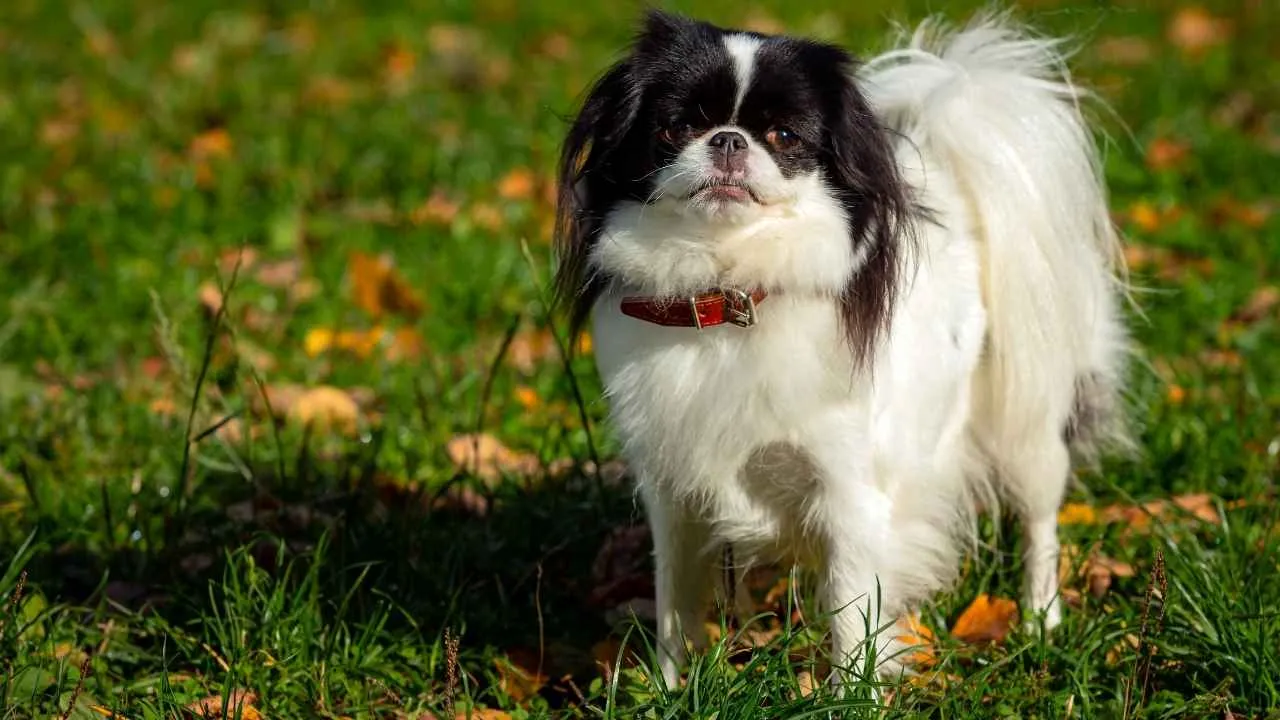
The Japanese Chin is often described as cat-like, and if you’ve ever met one, you get it instantly. They’re light on their feet, expressive, and frequently content observing the world from a comfy perch. Breed references commonly highlight their refined companion style and long history as an indoor lapdog.
For calm and quiet households, Hills Pet says this breed can be a gem because many Chins aren’t trying to “run the neighborhood.” They tend to enjoy gentle play and short walks, then happily return to sofa diplomacy. They’re often polite little companions who don’t need constant entertainment to feel okay.
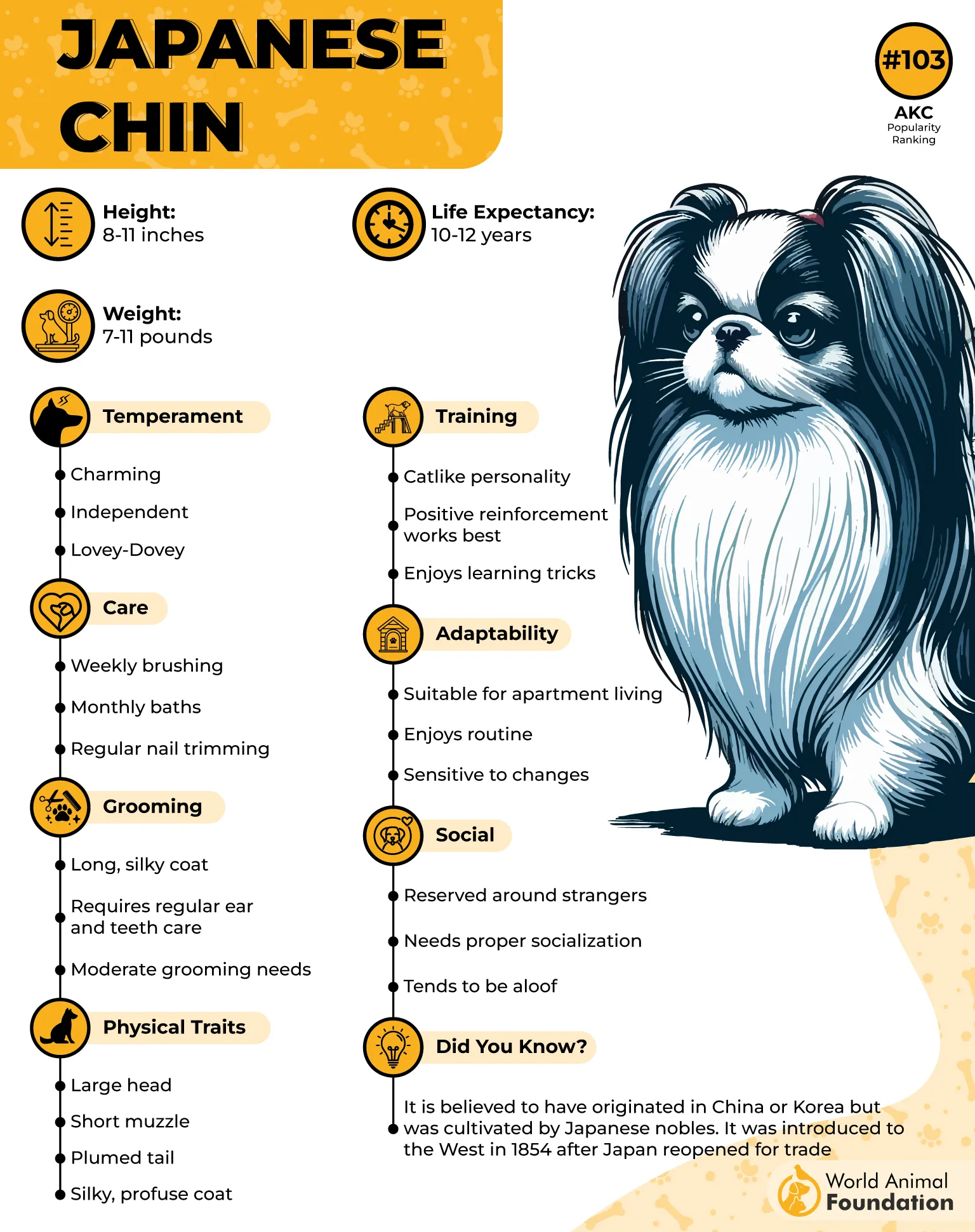
Training is still important—especially for manners and confidence—but it usually works best when kept light and positive. Think short sessions, tiny treats, and lots of praise. In a quiet home, those mini sessions feel easy rather than exhausting.
They’re also a breed where socialization matters, not because they’re wild, but because they can be reserved with strangers. A calm home that introduces new people and experiences gently (without forcing it) tends to bring out their sweetest side.
These dogs with an affectionate personality don’t constantly demand a high-energy lifestyle; the Japanese Chin fits the bill beautifully. They’re basically a living decorative pillow—with opinions.
5. Shih Tzu
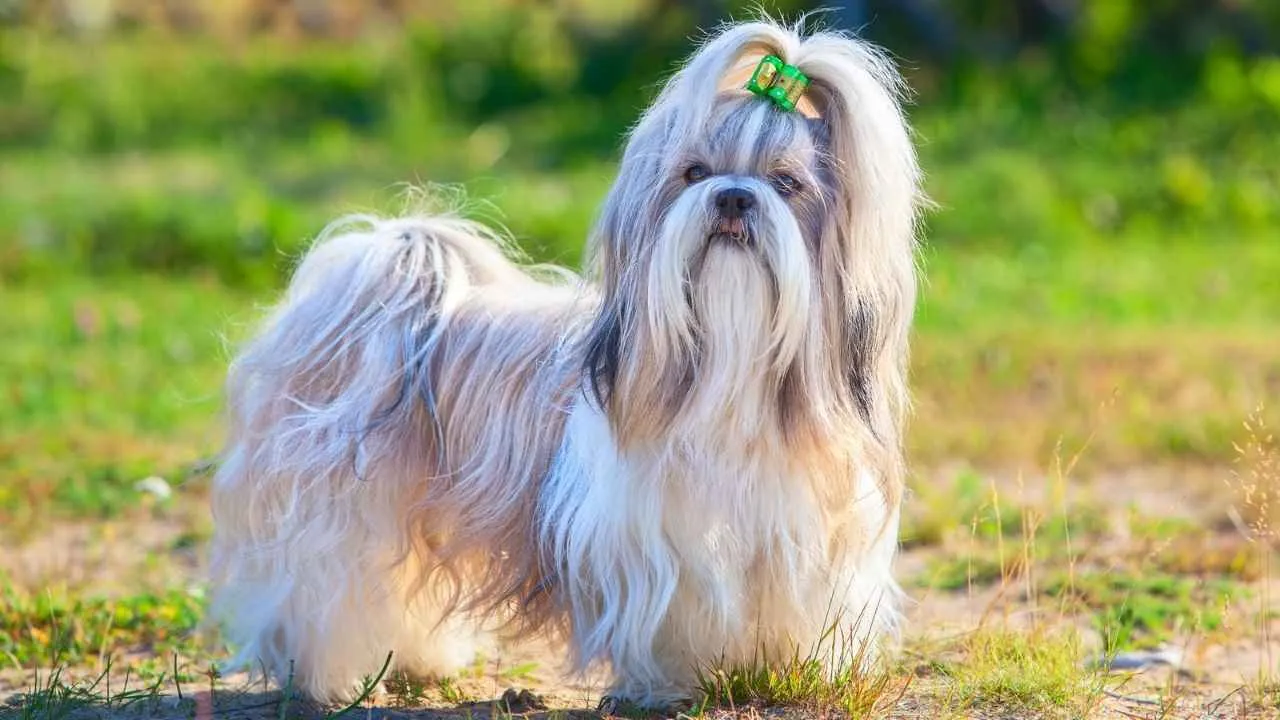
The Shih Tzu was bred for companionship—famously tied to palace life in China—and it shows in how much they love being near their people. They’re often content with indoor living, cozy routines, and the kind of household where “excitement” means a visitor arriving with snacks. Their personality is typically warm, friendly, and lap-ready.
For a calm home, these toy breed dogs usually work well because their exercise needs are moderate and manageable. They’re not usually begging for marathon hikes; they’d rather do a short stroll, some indoor play, then settle beside you like it’s their job.

That “easygoing companion energy” is exactly what quiet households often want.
The big commitment is grooming. Long coats need regular brushing, and many owners choose to trim them to make maintenance easier. A calm household that enjoys a predictable care routine—brush, cuddle, repeat—often finds Shih Tzus fit right in.
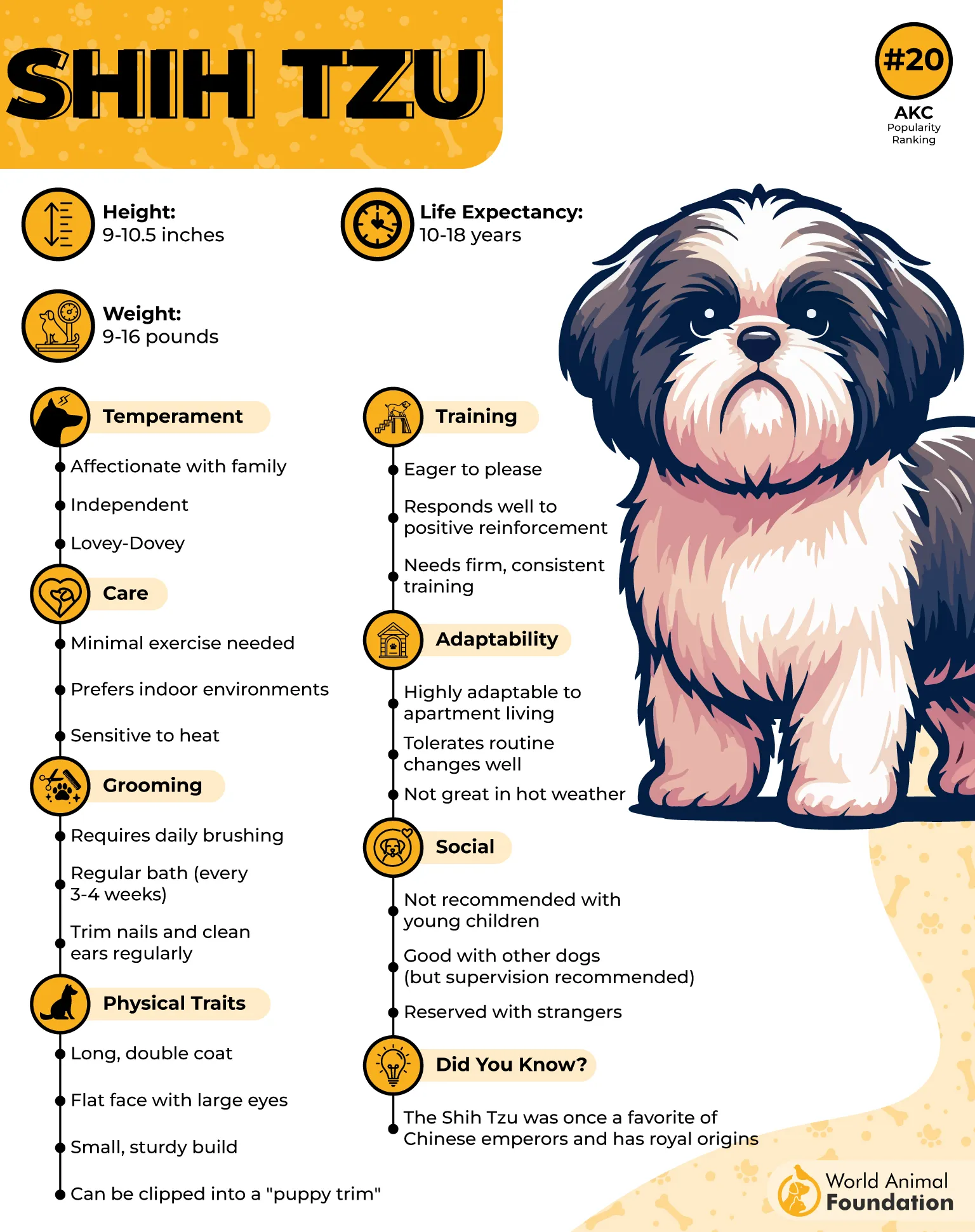
Like other flat-faced breeds, they can be sensitive to heat and overexertion. The “calm lifestyle” helps here: cooler walks, gentle play, and avoiding hot midday outings can make a real difference. They’re cute, charming, and often happiest when life is slow.
6. Cavalier King Charles Spaniel
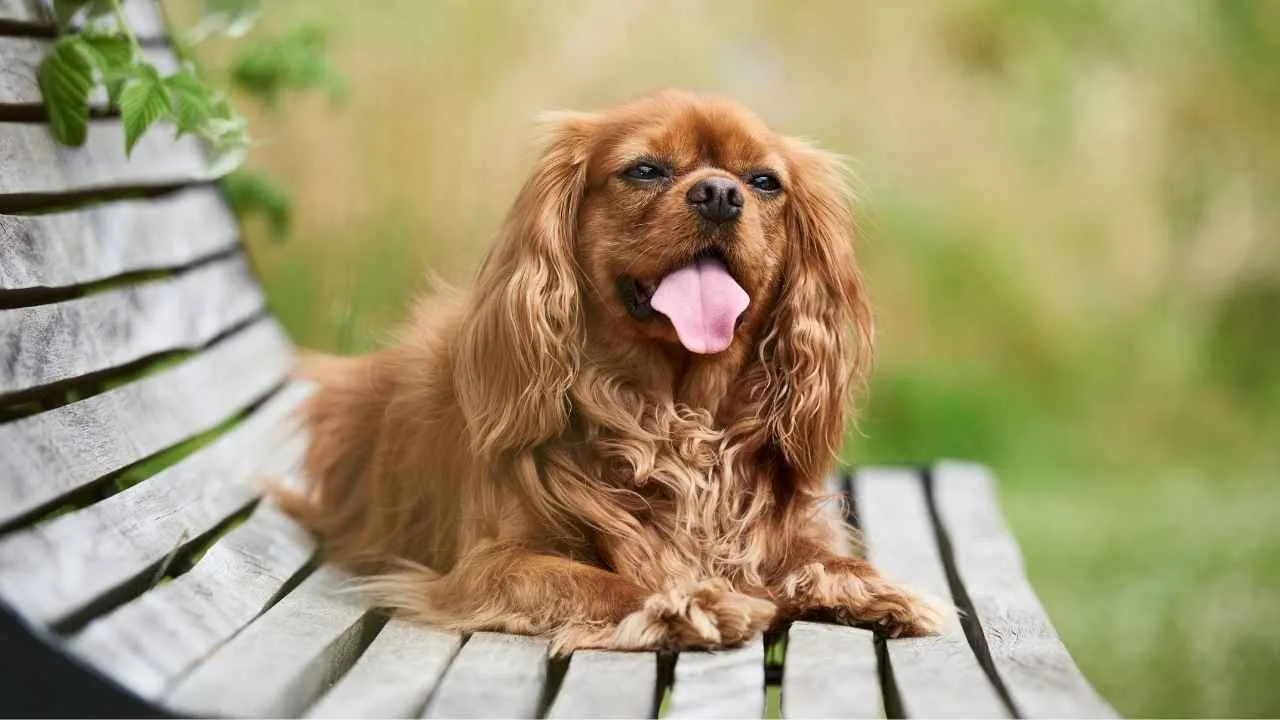
Cavaliers were literally created for companionship—this is a “people-first” breed in the purest sense. They’re famous for sweetness, gentle affection, and wanting to be wherever you are. In quiet households, that can feel like having a soft-hearted best friend who’s always down for a calm walk and a long cuddle.
They also tend to be adaptable: happy with shorter strolls on quieter days, but still able to enjoy longer walks when you’re in the mood. That flexibility makes them great for households that value routine but don’t want a dog that melts down if the schedule changes slightly.
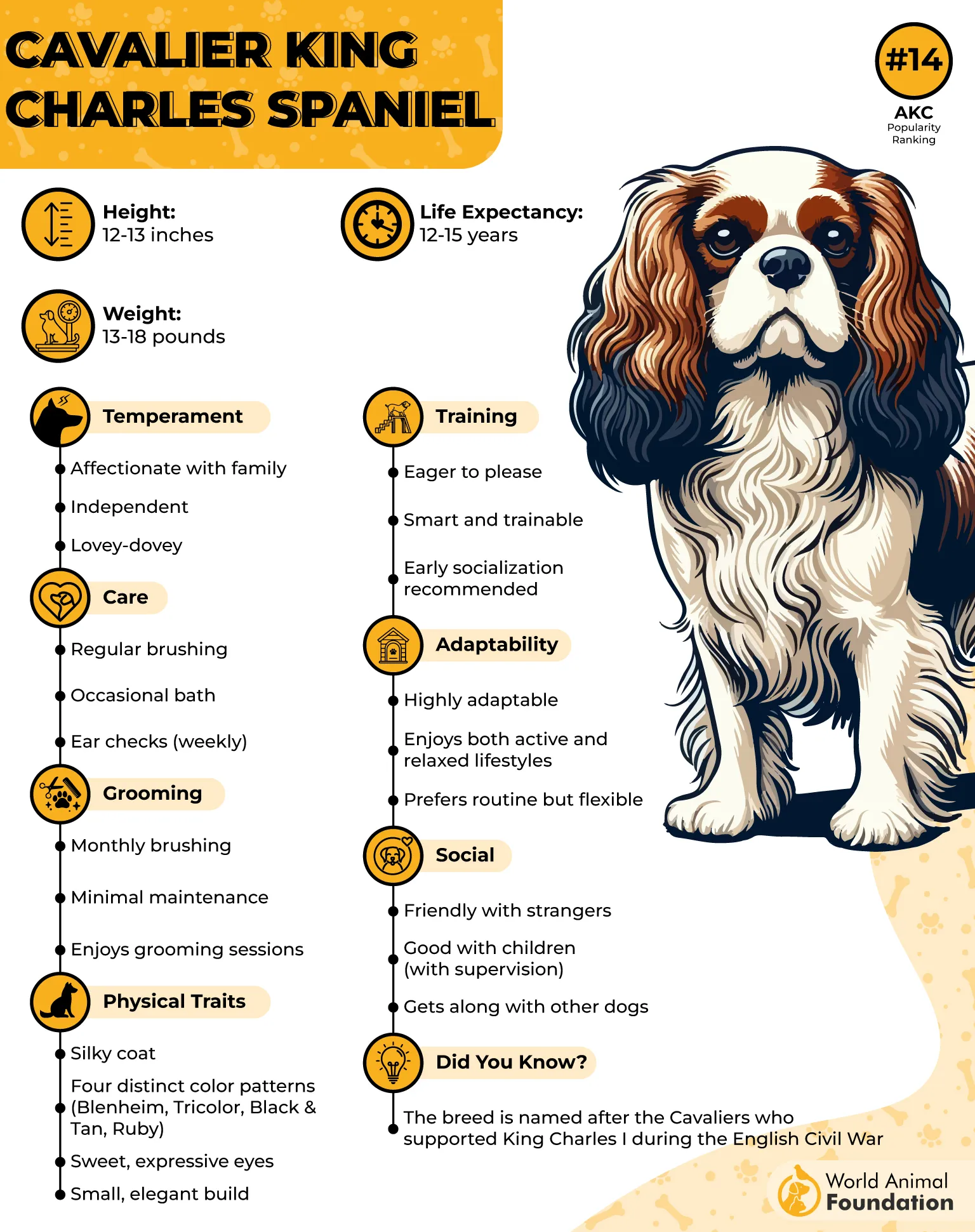
The one thing to take seriously is the need for companionship. Cavaliers can struggle when left alone for too long, which matters for calm households where barking or anxiety could become an issue. If you work long hours away from home, you’d want a plan—dog sitter, family help, or enrichment routines.
PetPlan claims that Cavaliers are widely discussed in veterinary and breed circles for heart concerns like mitral valve disease, so it’s smart to prioritize reputable breeders and regular vet checkups. A quiet home can support them well, but preventive care is part of the deal.
If your idea of a perfect dog is “sweet, gentle, and emotionally tuned-in,” these low-maintenance companions are hard to beat. They bring calm joy without feeling distant. They’re affectionate without being harsh or intense—basically a soft companion dog masterpiece.
7. Havanese
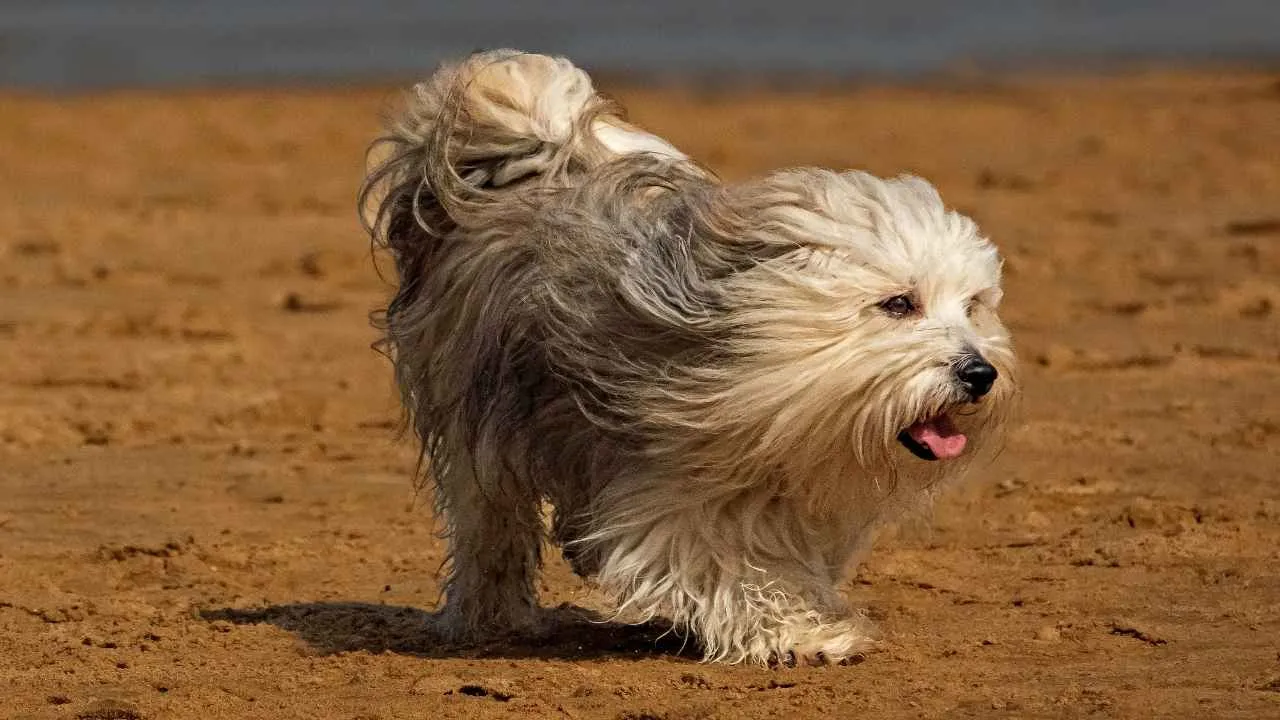
Havanese are small companion dogs with a reputation for being cheerful, affectionate, and people-oriented. They’re often recommended as adaptable indoor companions—meaning they can do very well in apartments and quieter homes when their basic exercise and social needs are met.
The AKC highlights them as friendly, bright companions, which matches what most owners experience day-to-day.
In calm households, this ideal lap dog fits perfectly because it often enjoys routines: a couple of walks, a bit of play, and then “together time.” They don’t usually need extreme exercise, but they do benefit from consistent interaction.
In other words, they’re calm-house compatible, but not “ignore me all day” compatible.
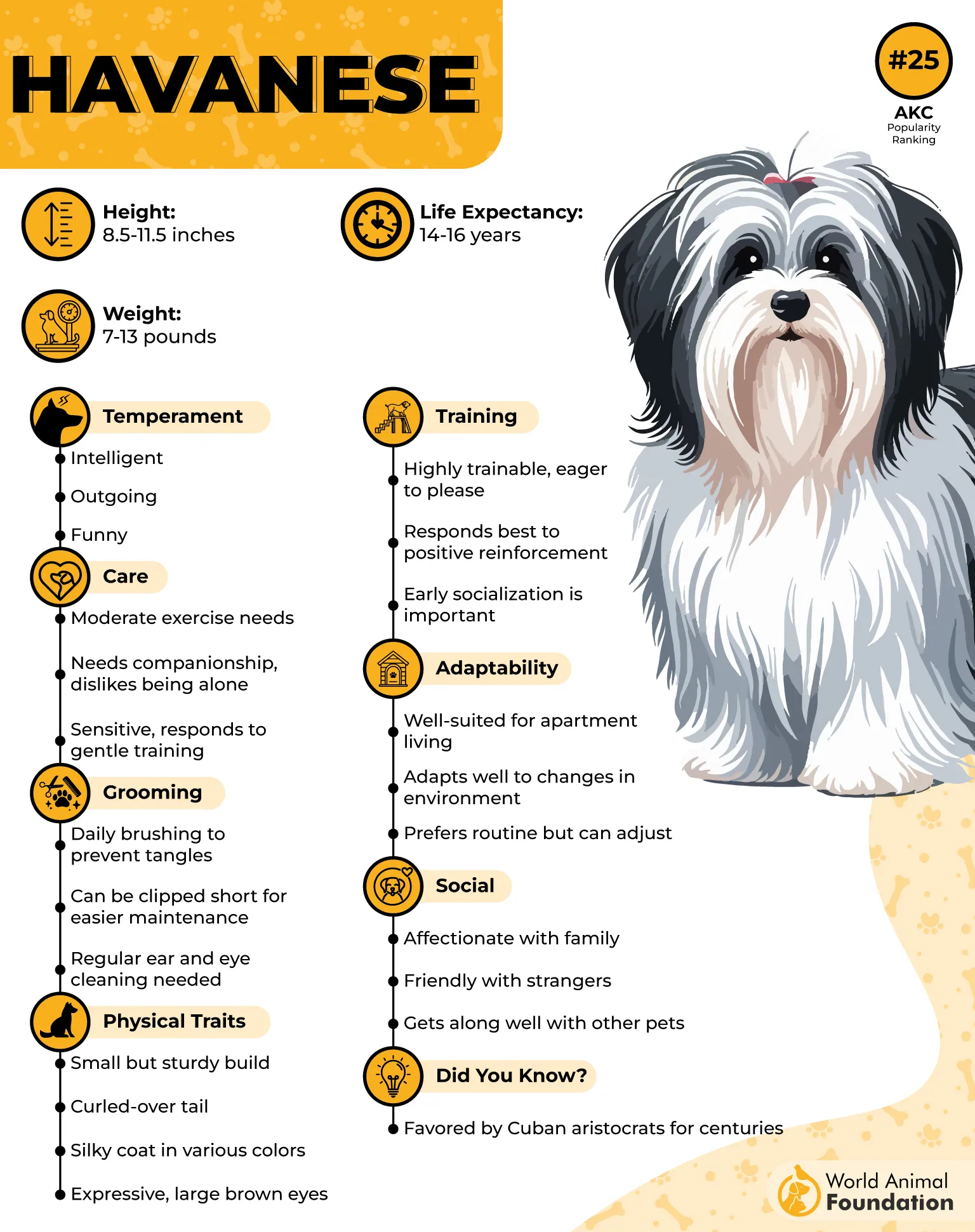
Mentally, they love learning. Short trick-training sessions, treat puzzles, and simple indoor games help keep them content without turning your home into a loud, frantic arena. This is a great match for quiet homes because enrichment can be peaceful and structured.
Grooming is real (that coat!), but it’s manageable with a routine, and many owners opt for practical trims. If you’re the type who enjoys a calm evening brush-and-chill session, the Havanese fits that vibe nicely. They’re also typically social, so gentle introductions to visitors can help them stay relaxed and confident.
Just remember: calm doesn’t mean “no attention needed.” These excellent family pets thrive best when your quiet home makes them a daily priority.
Conclusion
A calm, quiet household doesn’t need a “guard dog personality” or a constant entertainer—it needs a companion that enjoys routine, settles easily indoors, and bonds gently without becoming frantic. The best match is less about picking the smallest dog and more about choosing a temperament that naturally prefers steady, cozy living.
Also, think long-term: large-scale studies suggest size and face shape are linked to lifespan trends, with smaller dogs often living longer and flat-faced dogs frequently facing more health risks. If you pick a breed that fits your home’s pace and you support their health needs with smart routines, you’ll get the real win: a peaceful household that feels warmer, funnier, and more loving every single day.
