




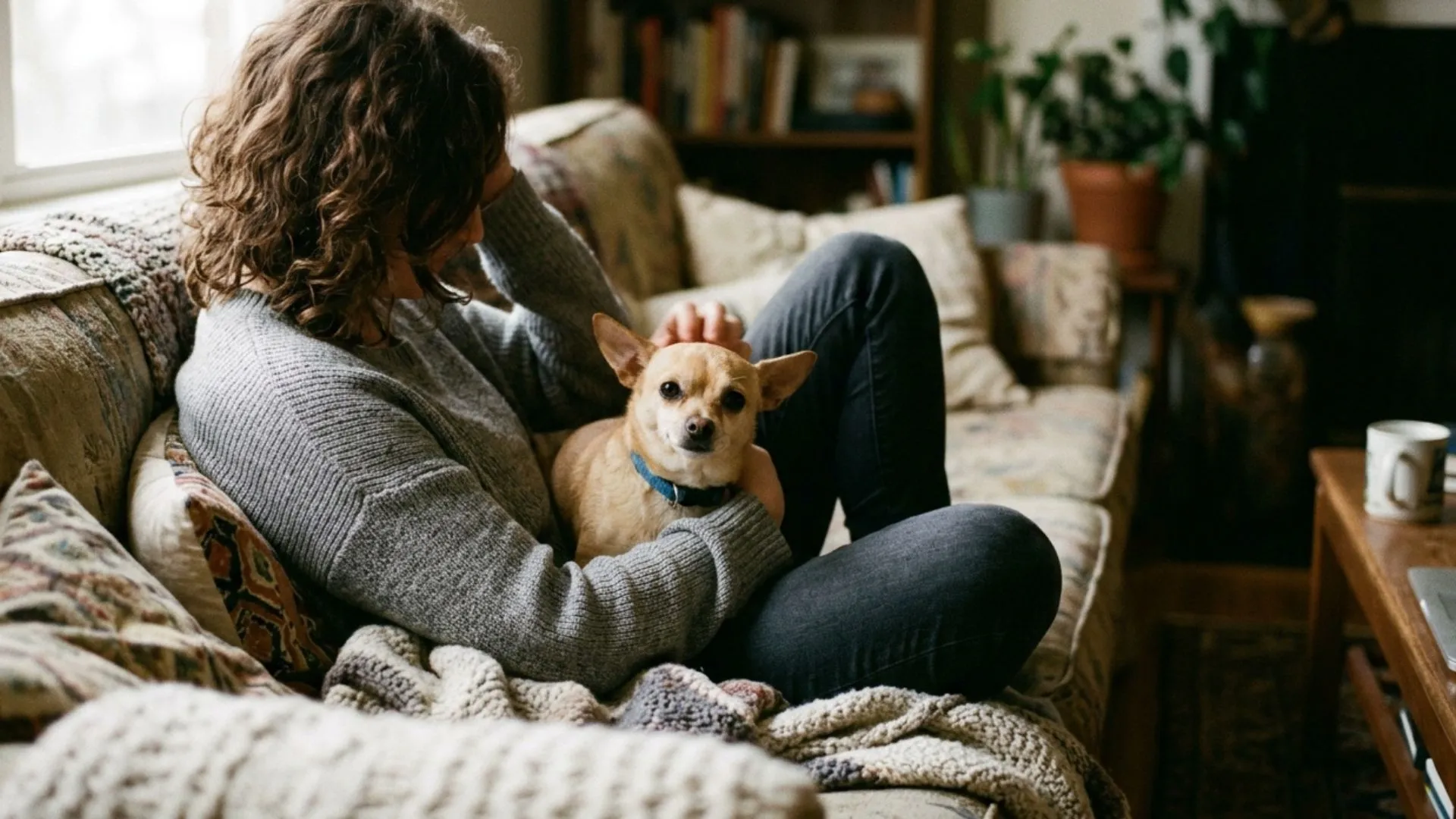
Toy dogs are often treated as automatic low-maintenance pets. Their small bodies take up little room, their food portions are modest, and carrying them around can be easier than handling a large dog. But that assumption can lead pet ownership in the wrong direction.
A tiny dog may still need frequent grooming, daily exercise, training, dental care, and interaction. Some can also be vocal or sensitive when left alone. For maintenance-conscious pet parents, the smarter approach is to look beyond size and consider the overall care involved.
The best choices tend to offer a practical combination of manageable exercise, reasonable grooming demands, adaptable temperaments, and companionship that fits the owner’s routine. That makes breed selection more useful than judging a dog by size alone.
Here, we look at toy breeds through that lens, so you can see which small companions suit a simpler lifestyle. The right dog may be easier to live with each day.
Key Takeaways
A tiny dog can still come with a surprisingly long care list, so size alone tells you very little about how easy a breed is to live with.
Chihuahuas keep daily exercise simple, while Japanese Chins can be perfectly happy with around 30 minutes of activity and a quieter home.
Then there is the Italian Greyhound, whose silky coat can need little more than a quick wipe when dirty, even though this little dog still loves to run.
From royal companions to dogs with serious sporting energy, these seven breeds have some unexpected qualities worth discovering.
Top Toy Dog Breeds for Low-Maintenance Owners
1. Chihuahua
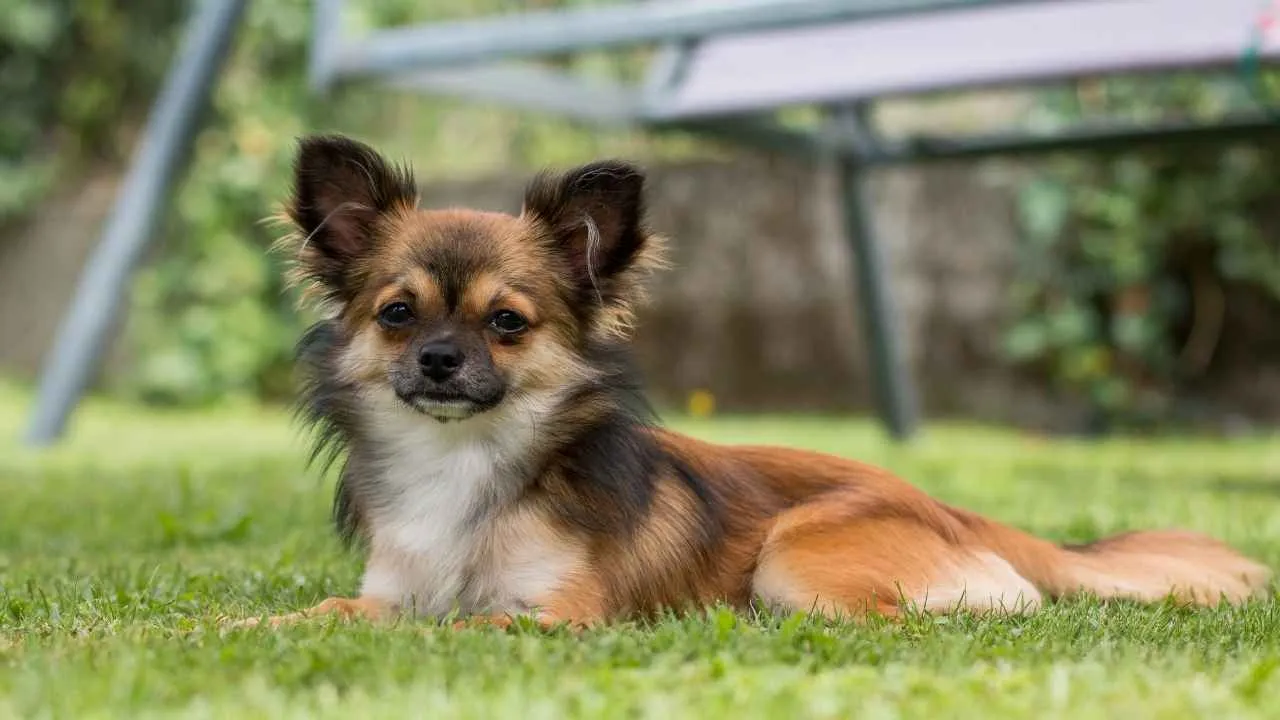
The Chihuahua has a fascinating link to ancient Mexico, where it is believed to descend from the Techichi. These tiny dogs were considered spiritually important in early cultures, with traditions connecting them to rituals intended to guide the spirits of the dead.
Easy Daily Care
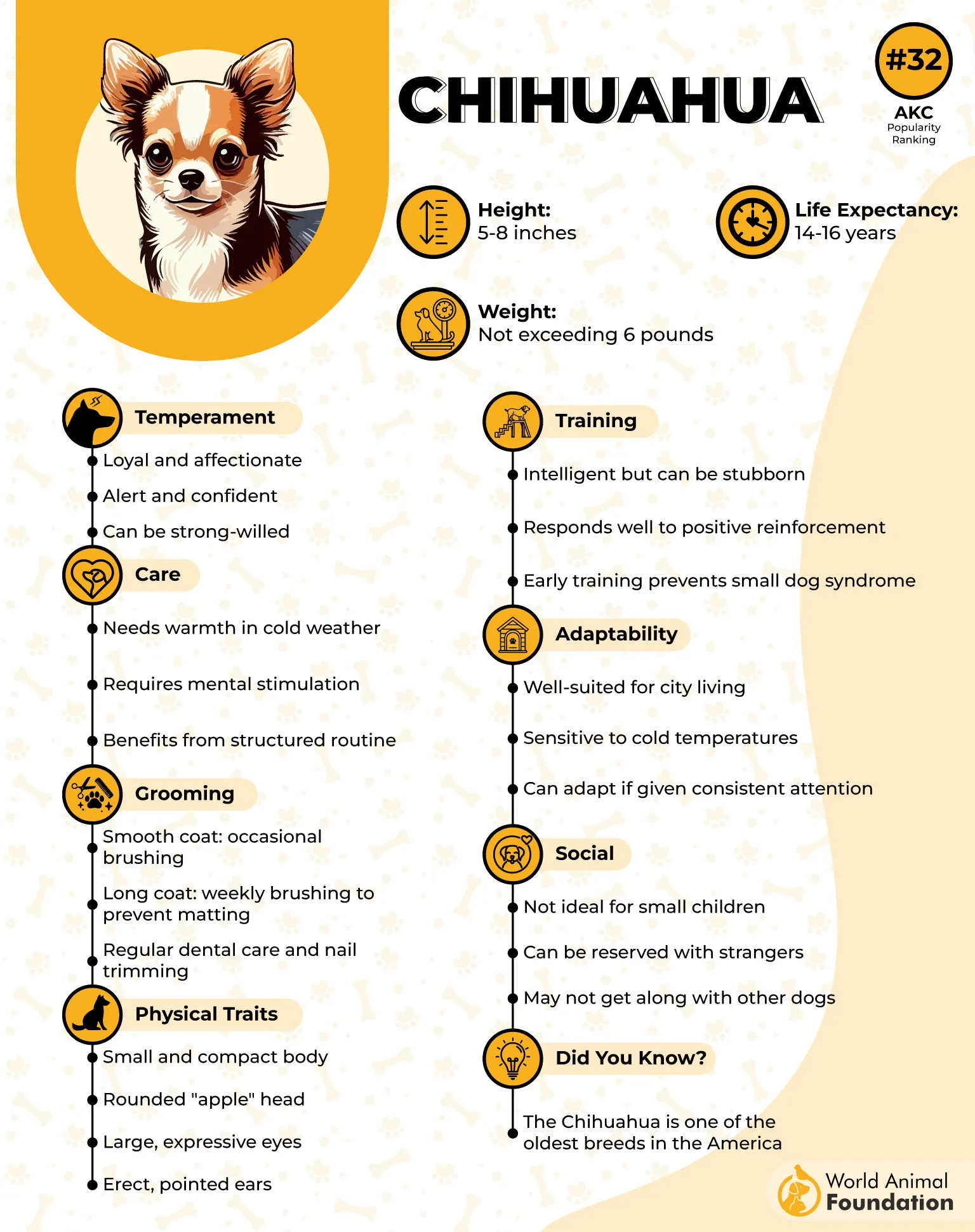
This small dog breed needs only modest daily exercise, making short walks, indoor games, and short play sessions practical for a low-maintenance routine. Their compact size also makes ordinary grooming manageable, although long-haired Chihuahuas need brushing two or three times a week.
There is plenty more behind that size:
Personality can range from bold to timid
Often forms a close bond with one person
Cold weather can affect their tiny bodies
More Than a Lap Dog
Chihuahua enjoys cuddling and indoor play, yet daily life should also include opportunities to sniff, explore outdoors, and behave like a regular dog, as Orvis reports. Their small paws can be vulnerable in busy places such as airports or street festivals, where carrying them may be practical for safety.
2. Japanese Chin
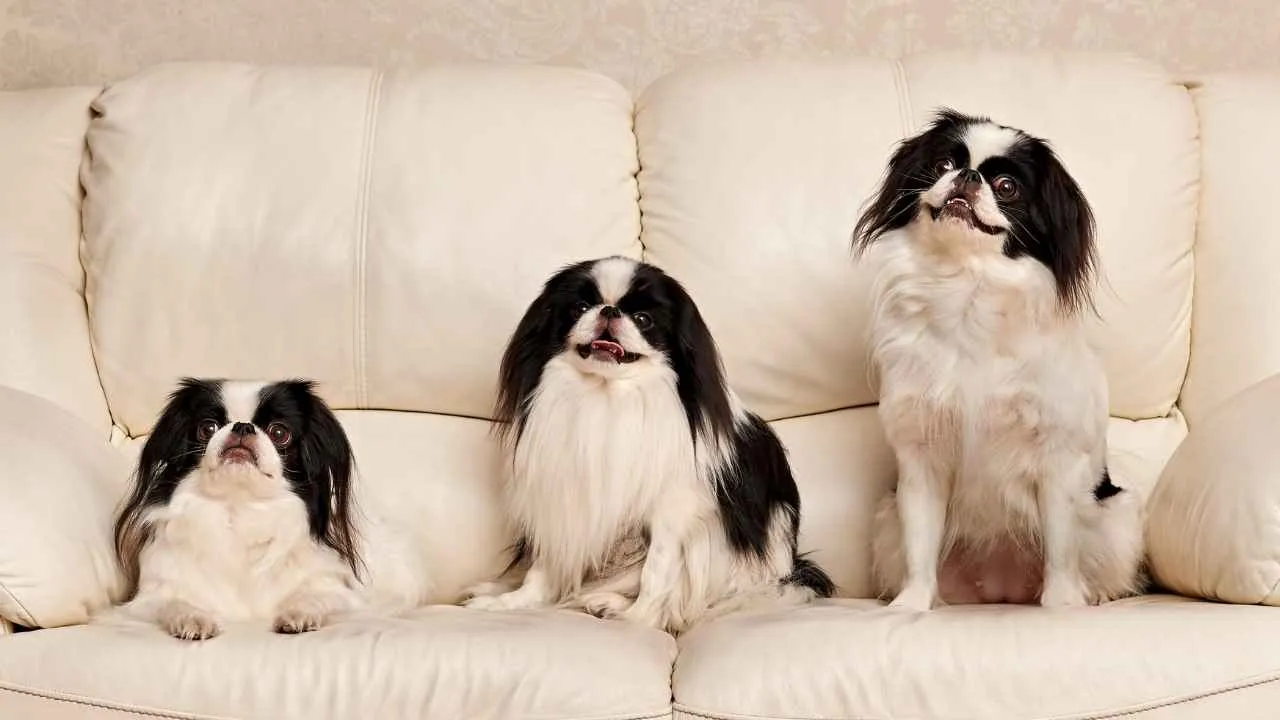
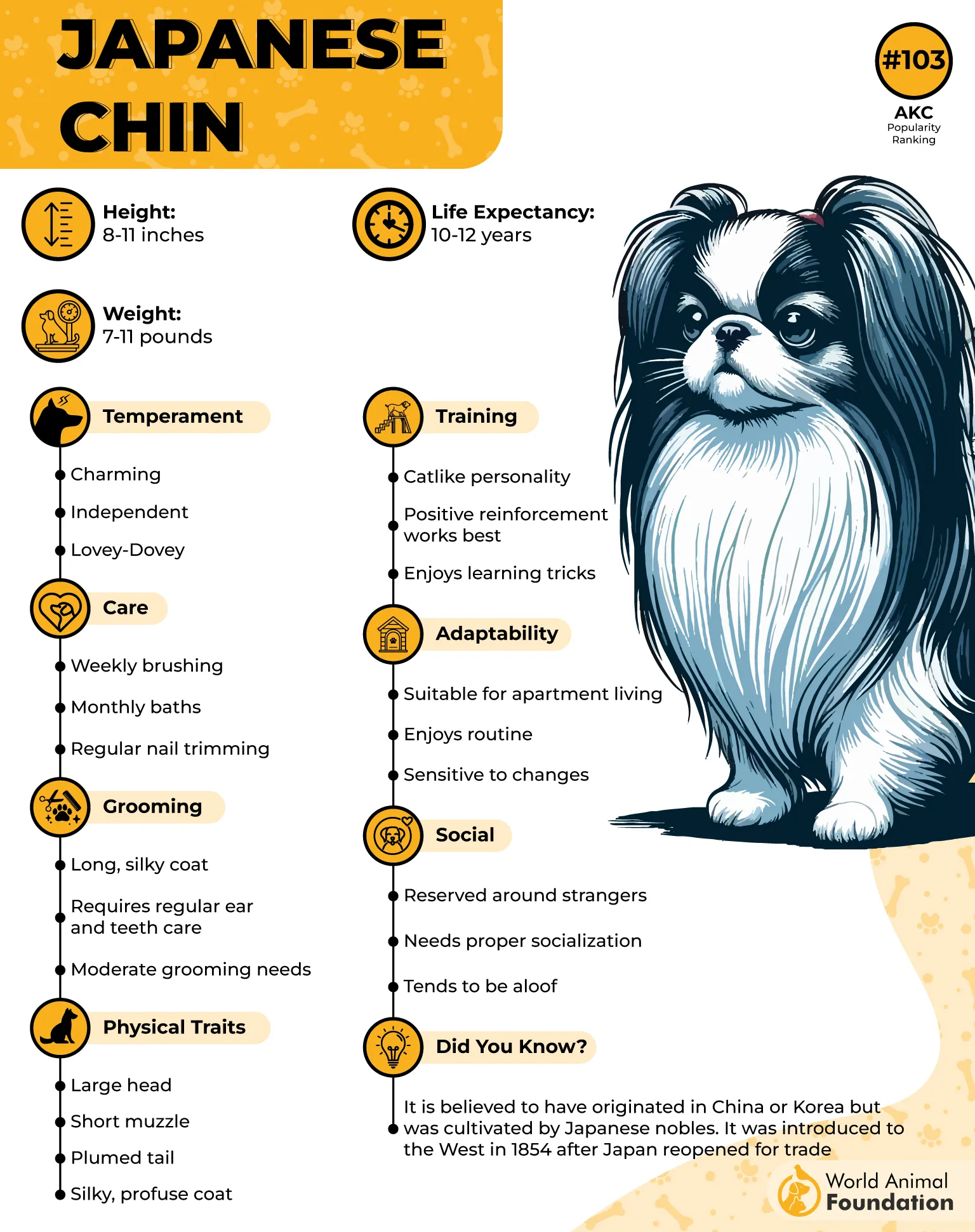
Japanese Chin gets its name from “chiichi inu,” meaning “little dog,” and its story is closely tied to Japan’s nobility. Its abundant coat and distinctly oriental expression were once suited to the kimono sleeves of noble Japanese ladies, reflecting the breed’s long-standing place in Japanese culture.
Made for Quiet Homes
This low-maintenance dog breed needs little daily exercise or living space, with around half an hour of activity generally sufficient alongside training and mental work. Its flattened face also makes avoiding exercise in very hot weather important because breathing can become difficult.
Here are some more of what makes them manageable:
Brushing is usually needed once or twice weekly
Bathing may be needed about once a month
Training helps keep its clever mind occupied
A Soft-Spoken Watcher
Around people and other animals, Japanese Chin tends to keep things peaceful, though a visitor at the door may still earn a quick announcement, as Omlet reported. The breed’s delicate voice is generally much easier on the ears than the persistent barking common among some other small dogs.
3. Italian Greyhound
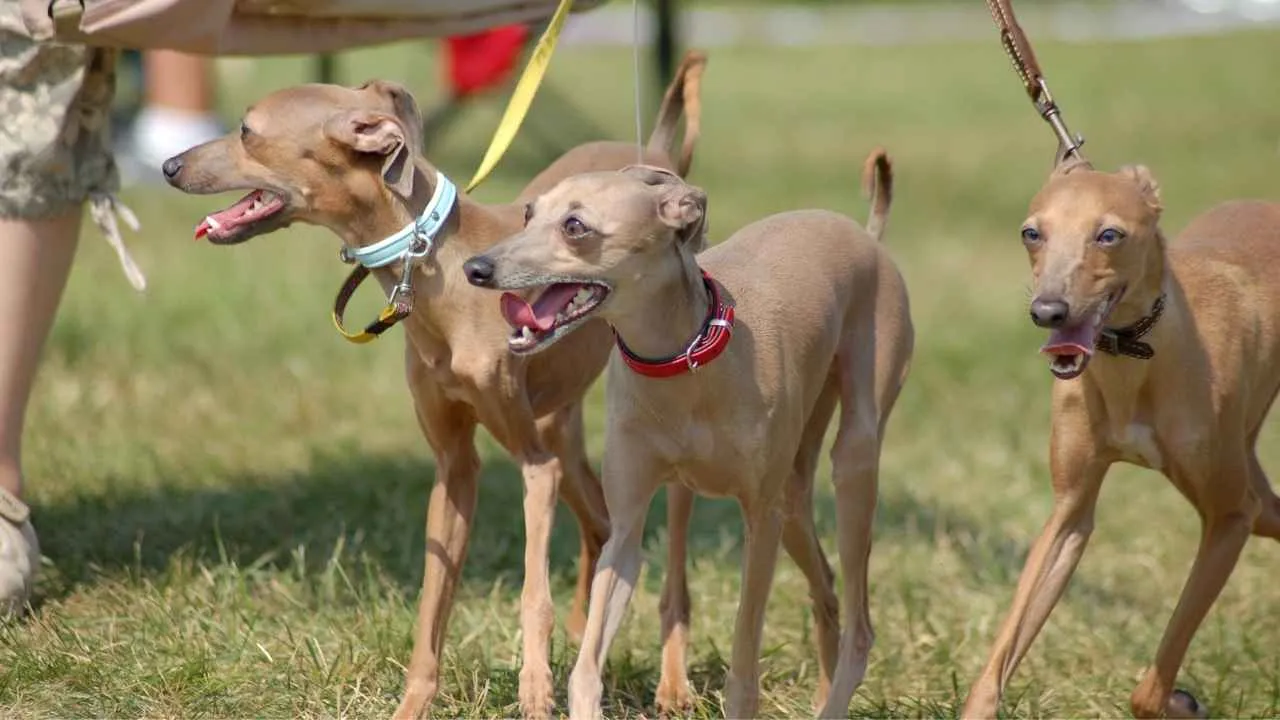
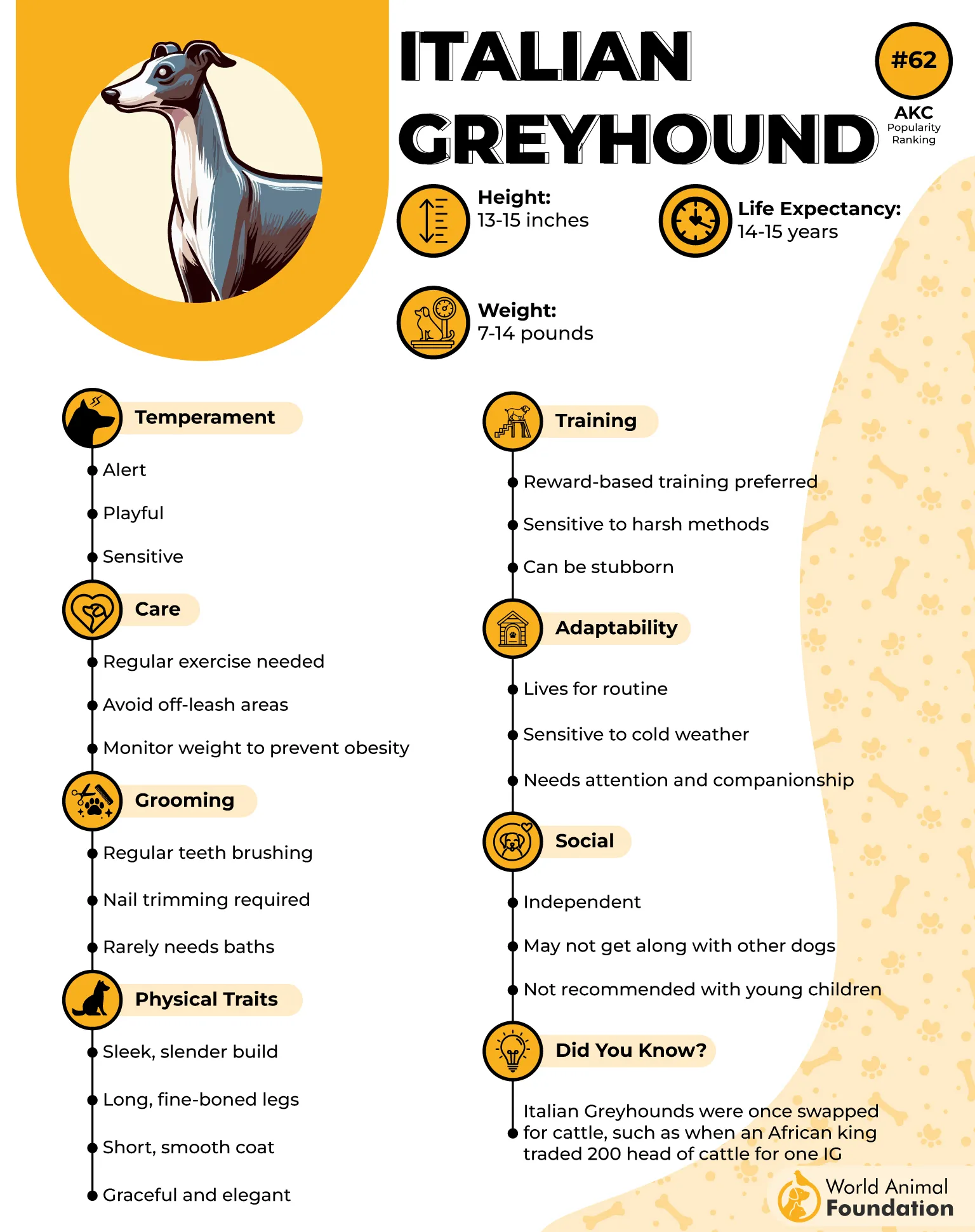
The Italian Greyhound dates back to Ancient Egypt, with a lineage shaped by the elegance and speed of larger coursing hounds. This tiny breed stands only about 13 to 15 inches at the shoulder, with long, fine-boned legs and the sleek outline of a miniature Greyhound.
Easy Coat Care
These affectionate dogs have a short, soft, satin-like coat that sheds so lightly that they need minimal grooming compared with long-haired breeds. Keeping the coat clean can be as simple as wiping the body with a warm damp cloth or dog wipe when needed.
These practical characteristics make daily care simpler:
Gentle body checks can spot unusual lumps
Short coat dries quickly after cleaning
Less grooming equipment is needed
Lap Dog With Speed
Italian Greyhound, even as a racing dog, can switch from energetic play to curling up on a lap or bed, reflecting the two sides of this small coursing hound, as per the AKC.
Daily walks and games provide useful outlets, while leash walks are especially important because its instinct for pursuit can send it after something interesting.
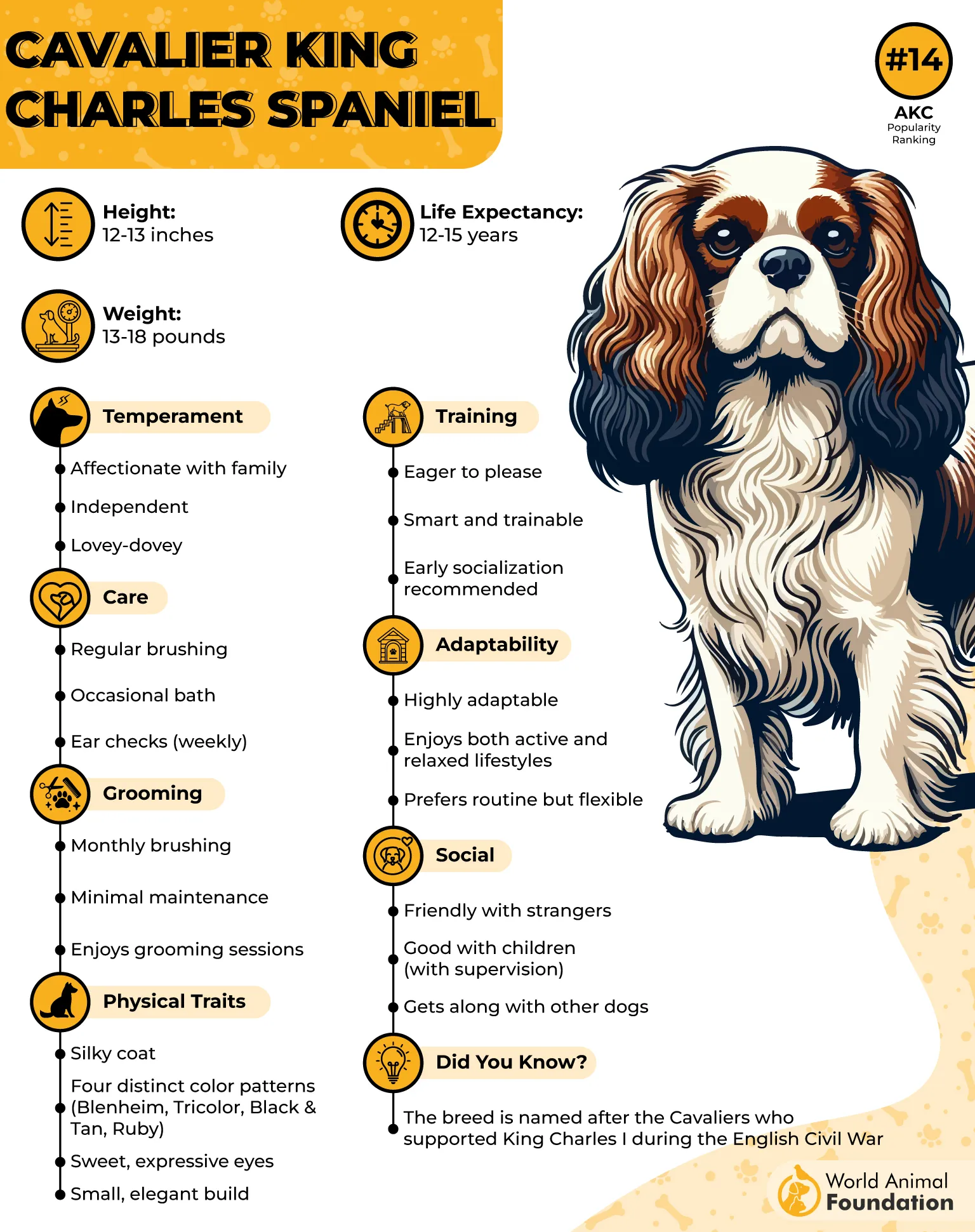
4. Cavalier King Charles Spaniel
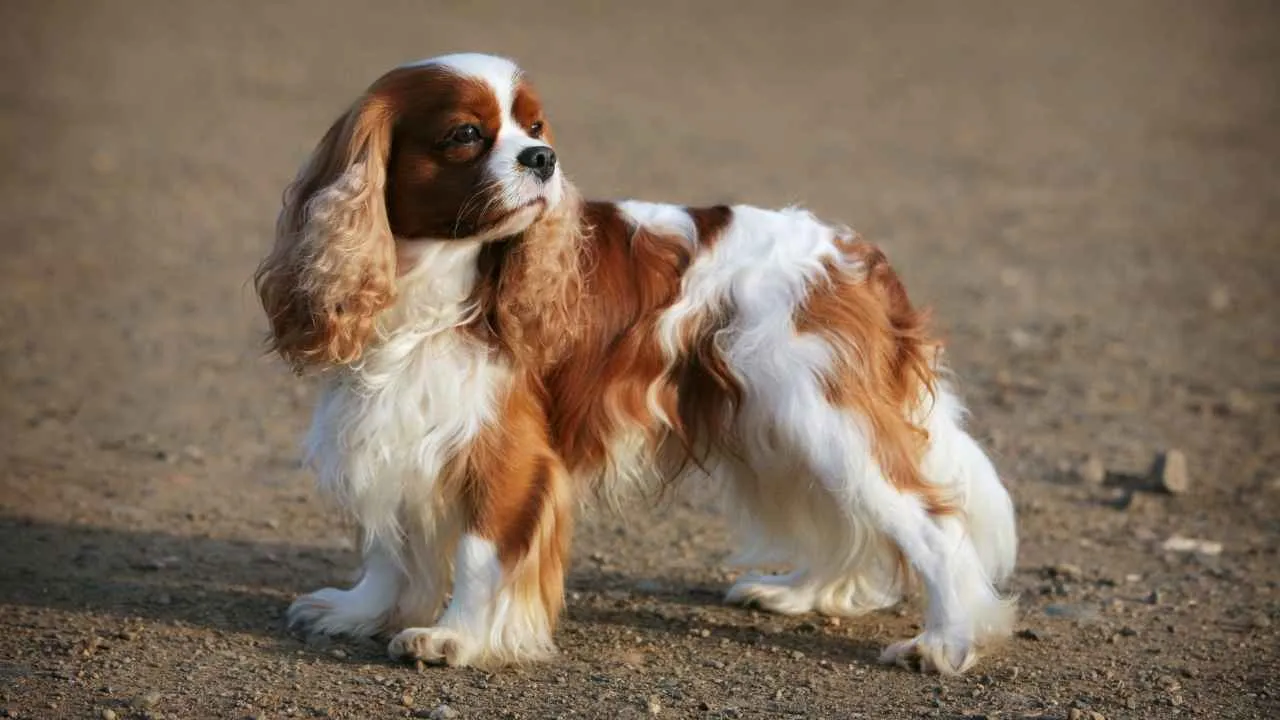
King Charles II of England had such a fondness for small spaniels that the Cavalier King Charles Spaniel eventually carried his name. This British toy spaniel became known as a companion breed, with its silky, feathered coat and moderately shaped muzzle distinguishing it from the King Charles Spaniel.
Easy Daily Routine
These spaniels have moderate exercise needs, with two 20- to 30-minute walks each day generally enough to meet their daily activity requirements. That manageable routine leaves room for simple pastimes such as neighborhood walks, backyard play, or a relaxed afternoon at home.
Activities can add variety in their daily routines:
Short agility sessions
Casual flyball games
Basic obedience classes
Simple Coat Care
Cavalier King Charles Spaniel has a medium-length double coat that can be silky or slightly wavy, yet its grooming routine remains fairly straightforward.
Brushing or combing three or four times weekly helps manage the coat, while bathing is generally limited to about once a month or when the dog is visibly dirty or smelly.
5. Pug
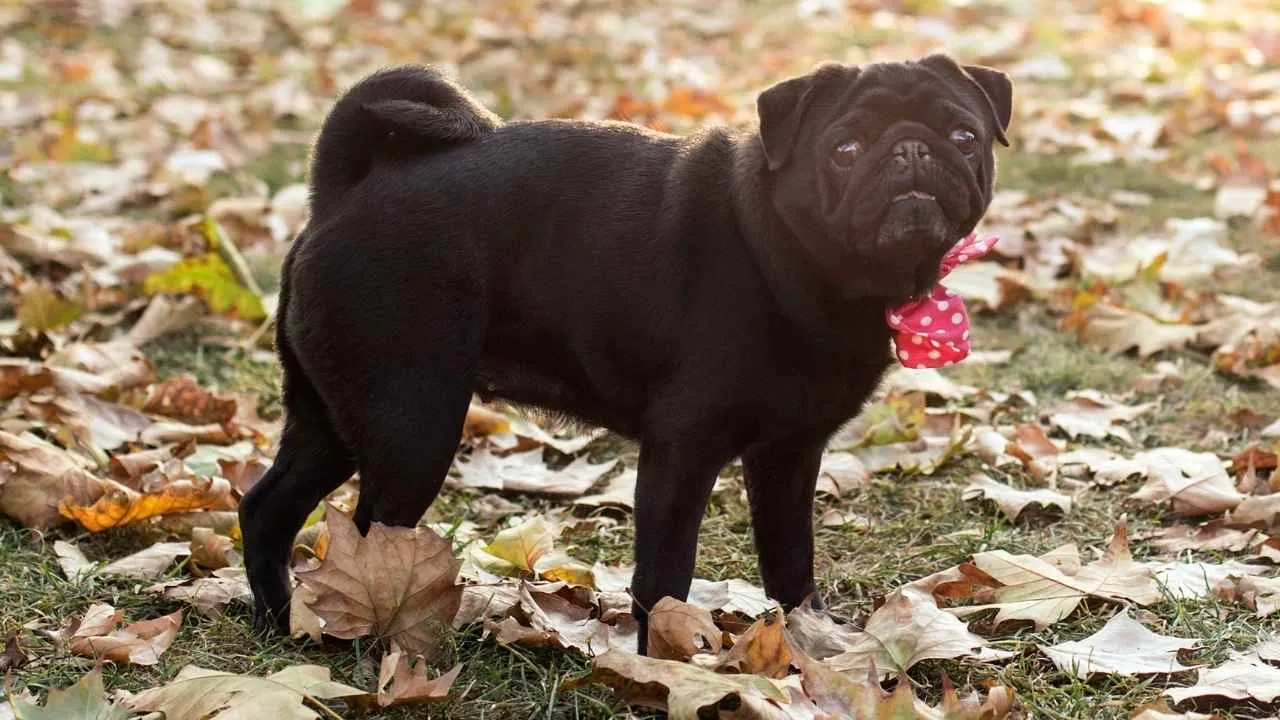
The pug originated in China during the Han Dynasty, from 206 BC to 200 AD, with evidence of similar dogs also found in ancient Tibet and Japan. Chinese emperors prized these compact companions, who lived in royal luxury and were even guarded by soldiers.
Small Frame, Big Character
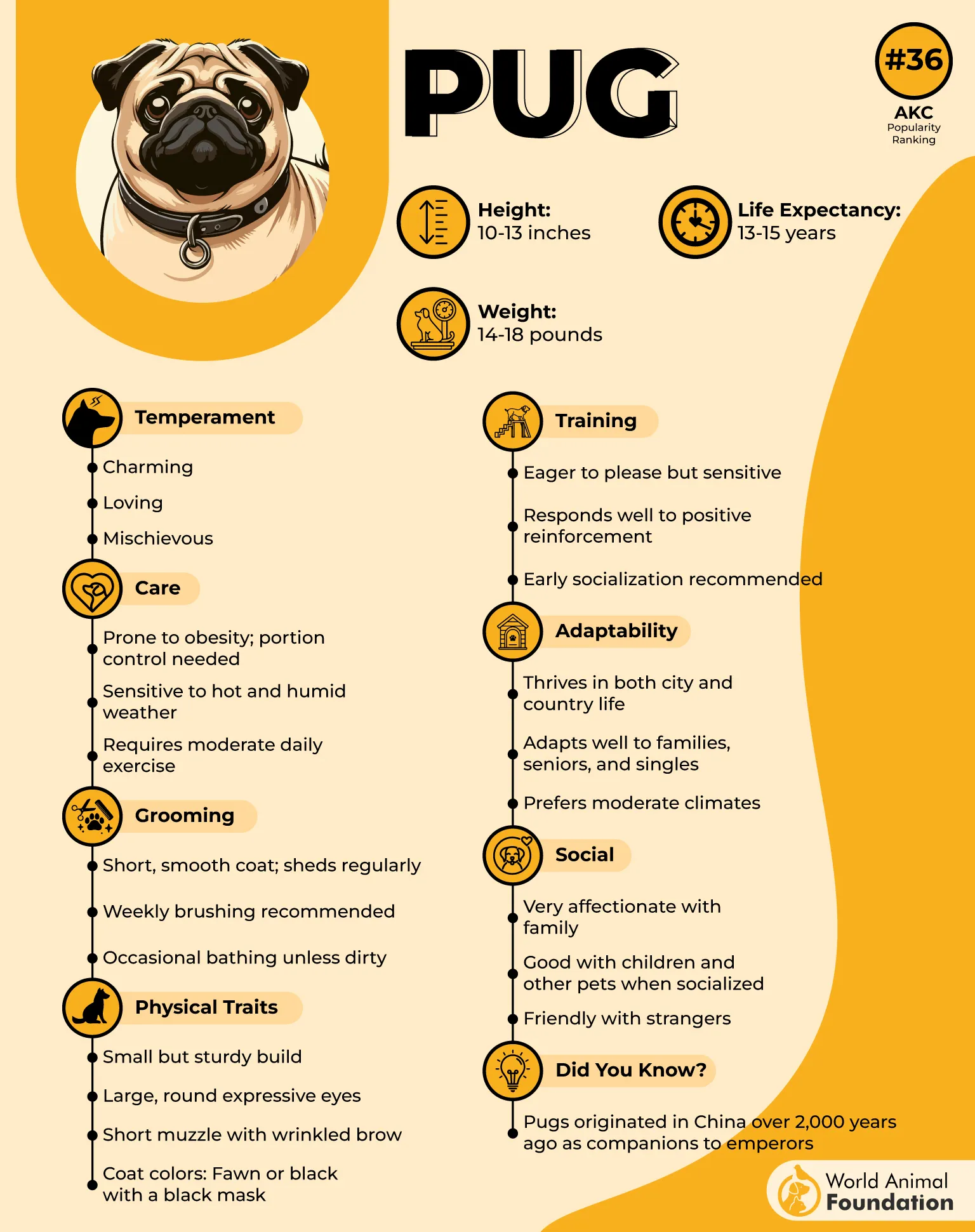
Bred to be a companion, this low-energy dog is happy in smaller homes and will often spend much of the day napping, with short playful moments in between. Around 30 minutes of walking or garden play is usually enough to keep its daily activity on track.
These characteristics make them easier to manage:
Short coat needs weekly brushing
Exercise should remain on dry ground
Adult height is reached around nine months
Watch the Weather
Pug’s short muzzle can make heat and humidity especially difficult, with temperatures above 29°C associated with potentially fatal heat stroke. Its large eyes also need protection during play, while weekly cleaning of facial folds helps reduce the risk of infection.
6. Papillon
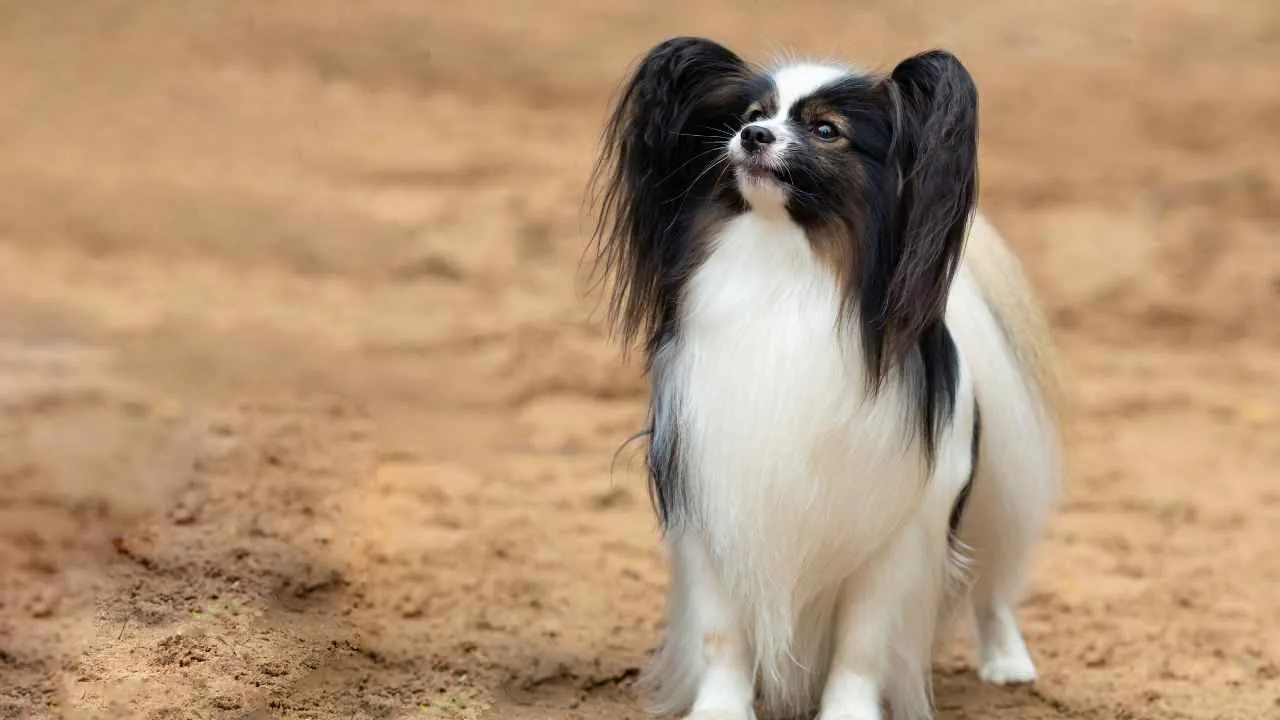
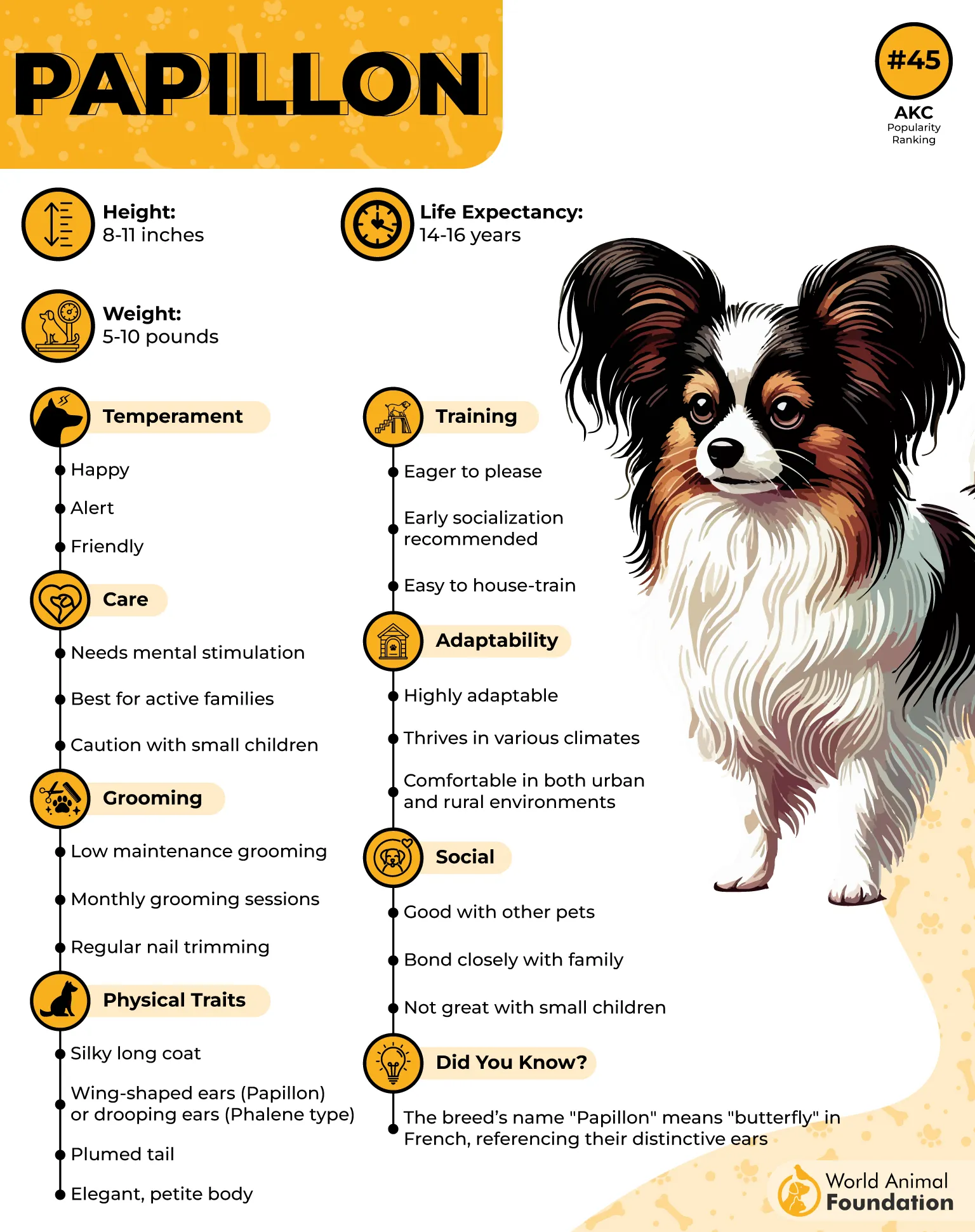
Papillon began as one of Europe’s small “dwarf spaniels,” created during the Renaissance when toy-sized dogs became fashionable among nobility. By the 17th century, a French court breeder under King Louis XIV favored a pup with upright ears and gave the breed its butterfly-inspired name.
Surprisingly Manageable
Papillon has moderate daily needs that suit people looking for a smaller companion without an intensive routine. About 30–45 minutes of activity can include a relaxed neighborhood walk, a scent-based outing, or a lively game of fetch.
Its compact frame isn’t its only appeal:
Puzzle toys for indoor problem-solving
Agility trials for confident competitors
Fetch games for active play
Quick to Teach
Papillon is considered easy to train, giving this lively little dog an advantage when learning household routines and basic commands. Its social nature also makes interactive time especially valuable, so simple games can turn an ordinary day into something more engaging.
7. Toy Fox Terrier
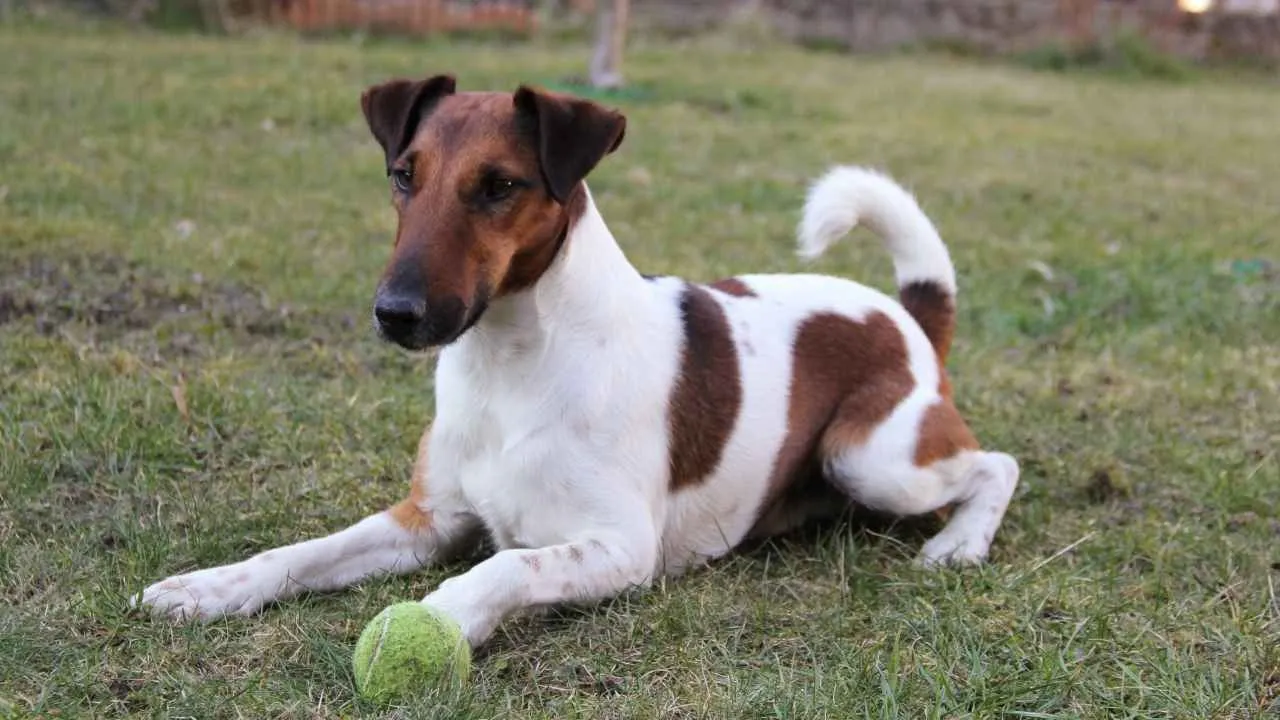
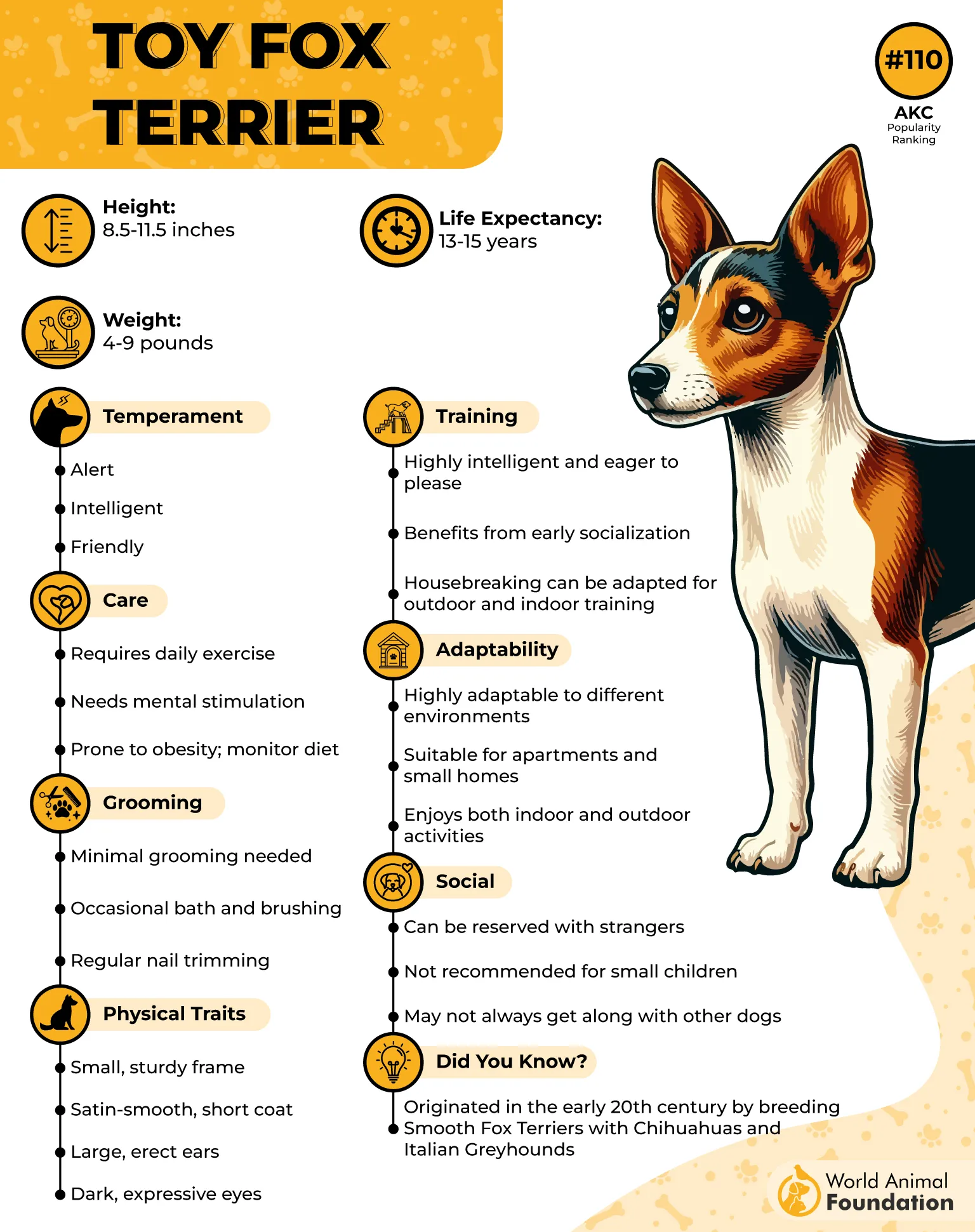
Toy Fox Terrier was developed in the 1930s as an American attempt to create a gentler, calmer Fox Terrier. Its lineage includes the Fox Terrier alongside toy breeds such as the Miniature Pinscher, Italian Greyhound, and Chihuahua, and the breed is also nicknamed the “Amertoy.”
Manageable grooming needs
Toy Fox Terrier has a smooth, short coat that sheds moderately and needs only weekly brushing to clear away dead hairs. That straightforward grooming routine makes coat upkeep less demanding than the more elaborate care required by long-coated toy breeds.
However, its everyday nature adds another layer:
Zooms around after quiet family time
Social with familiar people, reserved with strangers
Loves clownish antics and attention
Big Energy, Small Frame
Toy Fox Terrier packs plenty of spark into its small body, with a vigorous 30-minute daily walk better suited to its energy than a quick stroll around the block. Hiking and agility can add variety, and several TFTs have reached championship level in dog sports.
Conclusion
A tiny companion can certainly make some parts of dog ownership easier, but the simplest routine comes from choosing a dog whose needs match your lifestyle. Some low-maintenance breeds require minimal grooming and minimal exercise, yet their dog’s temperament can still shape everyday life just as much as size.
Some dogs are easier to exercise but need more attention from their people, while others are naturally simpler to care for. Looking at the complete picture helps pet owners choose with fewer surprises. When care fits naturally into your schedule, routine tasks become easier, and your time together can focus more on companionship, play, and enjoyment with great companions.
