




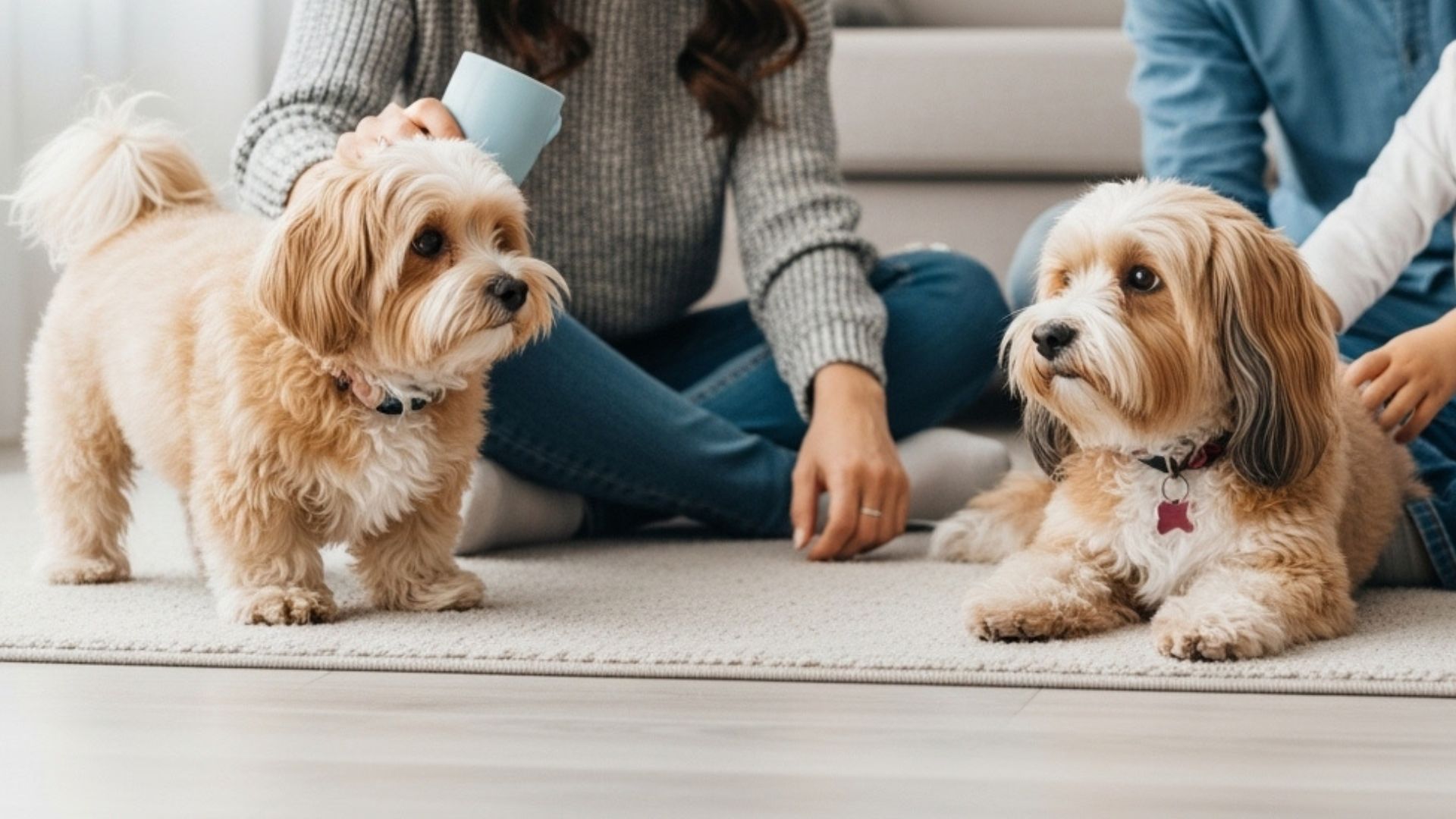
Tiny paws, big love, and real-life kid chaos can totally mix.
If your family has children, you already know the house is rarely quiet. A snack drops. A door slams. Someone laughs too loudly.
And somehow, you still want more joy walking around. That is where a teacup dog can feel like a sweet little bonus.
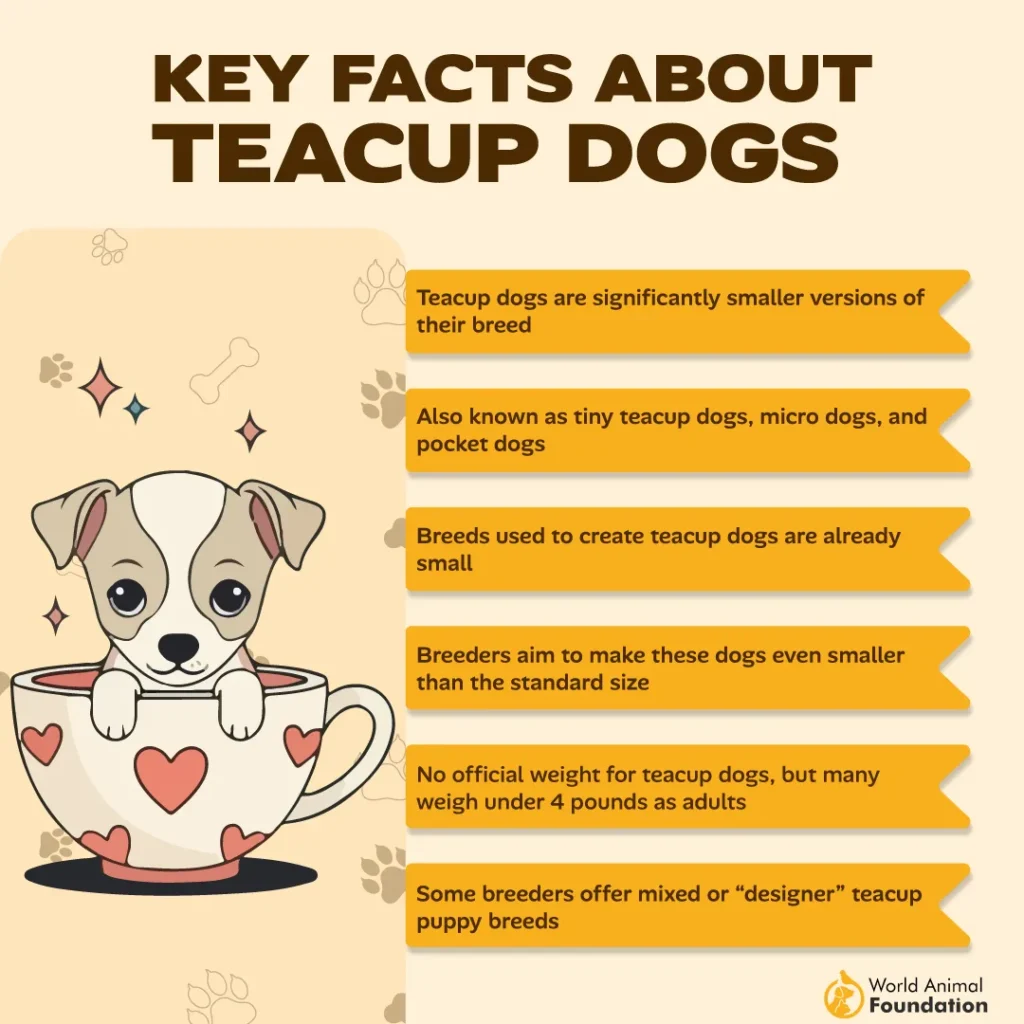
But wait, there’s more! The teacup label can also bring risks. Some teacup dog breeds may be delicate. Some can have low blood sugar.
Some may face common health problems if the breeder cuts corners. So the goal is not “smallest ever.” The goal is the right dog for your family’s lifestyle, your children, and your home.
In this blog, you will meet dog breeds that can suit busy homes, smaller spaces, and family routines, while still being playful, affectionate, and safe with good handling.
Best Teacup Dog Breeds for Families with Children
1. Cavalier King Charles Spaniel
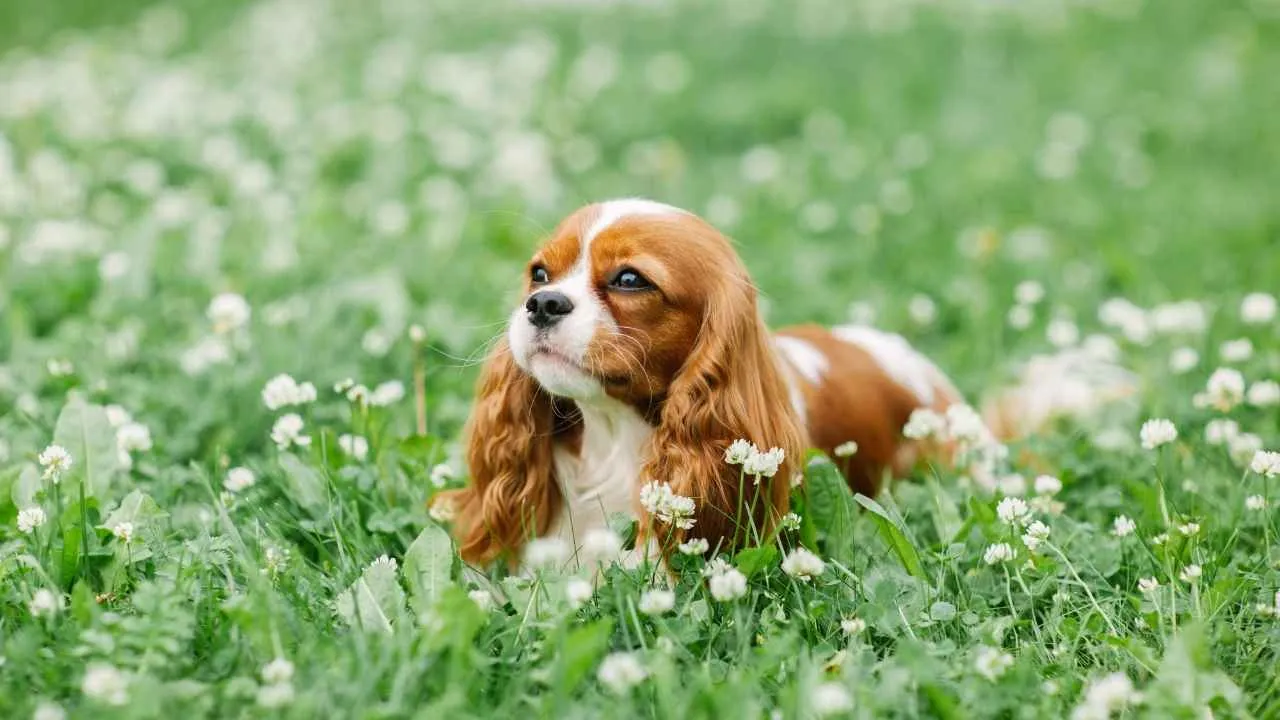
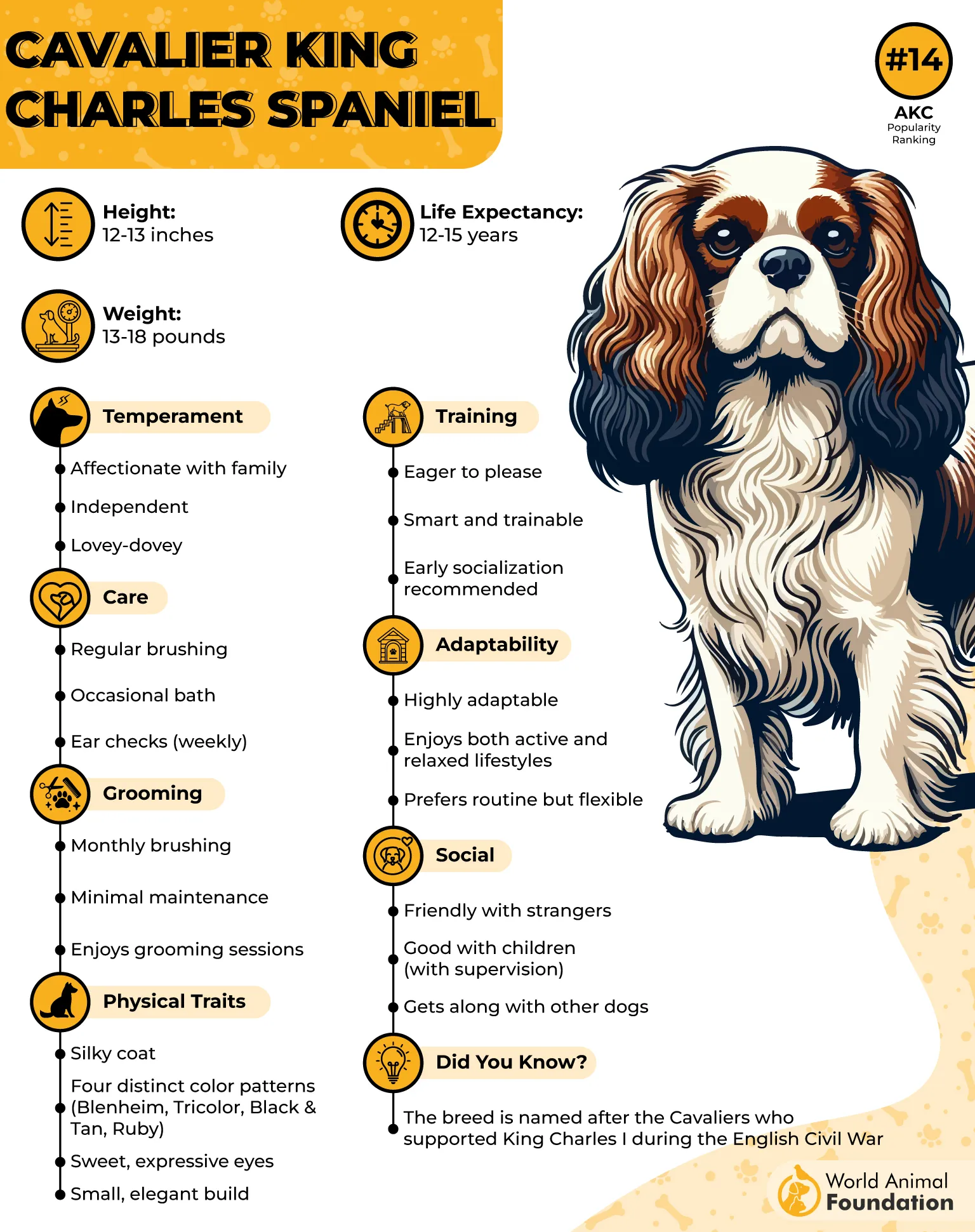
Life expectancy: 12–15 years.
This small breed is famous for a gentle vibe that feels like a warm blanket. The Cavalier King Charles Spaniel often leans into people time, so movie nights and story time can become a daily thing. These dogs can be great lap dogs, which is a big win when children want a calm buddy close by.
And here’s the best part! This breed can settle nicely in a home that is not huge. Many pet parents love that the mood is sweet, not wild.
That helps when children are still learning “soft hands” and indoor voices. A steady routine, kind play, and simple rules can keep things smooth.
It gets even worse, though, if the family grabs a “teacup” version from sketchy sellers. If you want a teacup dog, stick with responsible breeders who do health checks and are honest about size and health issues. These dog breeds were originally bred as companions, not as tiny props, so good breeding really matters.
Great lap dogs for calm bonding
Often fits smaller spaces without fuss
Best with gentle play and steady family habits
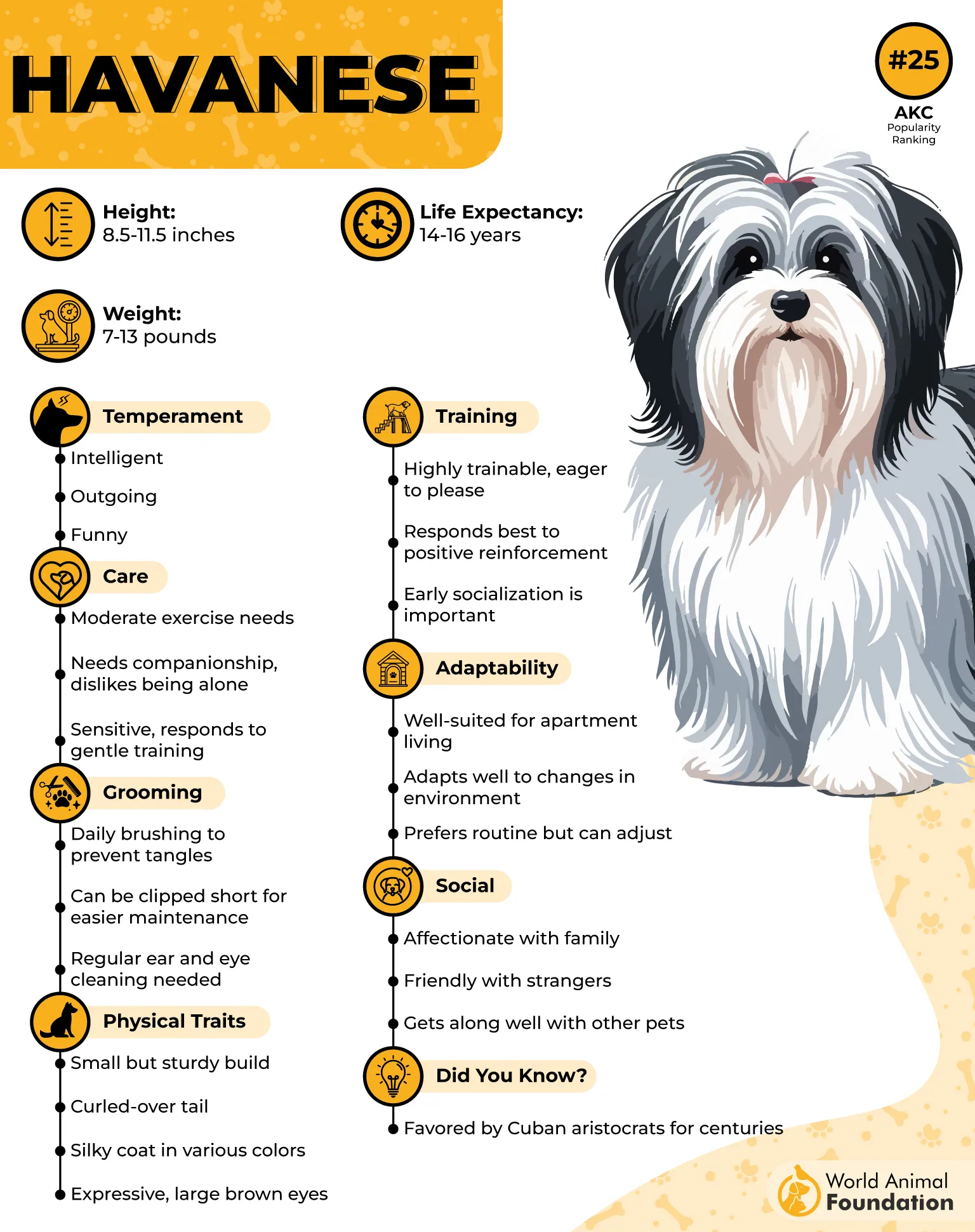
2. Havanese

Life expectancy: 14–16 years.
This small dog breed brings “best friend energy” into the house. Havanese tend to stick close, like a fuzzy little sidekick. That can feel amazing for a family because the dog is often tuned in to what is happening, whether it is snack time or a board game night.
Here’s the good part. This dog breed can be playful without needing nonstop action. Think short bursts of zoom, then a flop near your feet.
Many families like that balance, because children get a buddy who will play, but also chill. A little daily training can be a fun family project too, especially when kids help with simple cues and rewards.
But why bother with that? Because teacup sizing can change the needs. Tiny dogs can get stressed by rough grabbing or loud surprises. So if you are set on a teacup, plan safe zones.
Teach children to let the dog come to them. And keep your eyes open around other pets, like bigger cats or bouncy other dogs in the home.
Cheerful and people-focused in daily family life
Can suit great apartment dogs when outings are planned
Likes company, so lonely hours can be tough
3. Pug

Life expectancy: 13–15 years.
PetMD notes that a pug is the kind of pal that makes kids giggle. This breed often has a big personality packed into a small size, so the home can feel lively even on boring days.
Many families enjoy that the pug wants to be part of everything, even if “helping” just means sitting close and watching.
Sounds crazy, right? A dog that is silly and calm can exist. Pugs can have a cozy vibe and may not demand marathon runs.
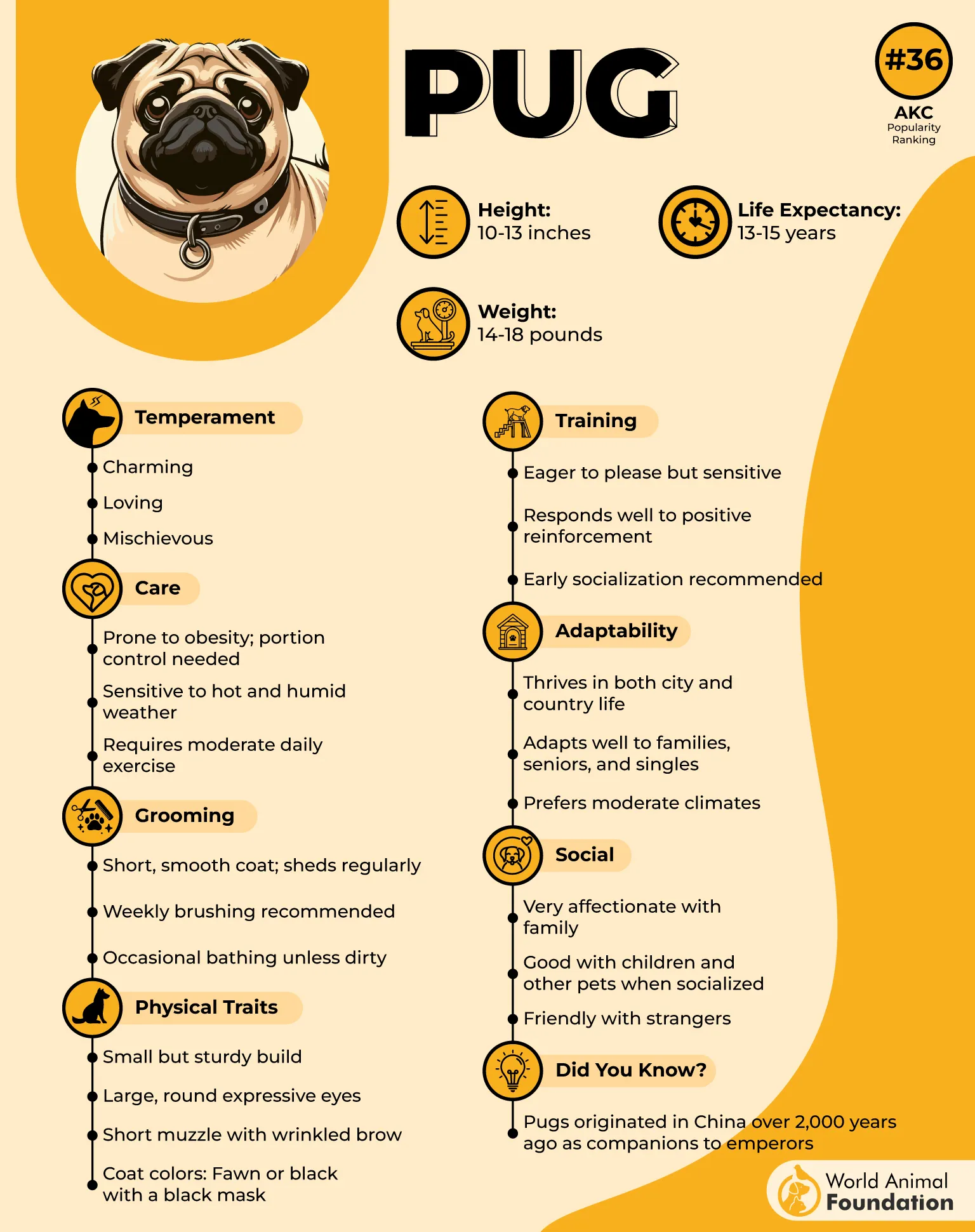
That can be good for families who want low exercise days mixed with short play sessions. A few games, a short walk, and some indoor tug can cover the basics for many homes.
But wait, there’s more! This breed has flat faces, which can mean breathing and heat troubles. Keep play gentle in hot weather. Watch for snorts and tired signs.
Teacup versions may raise the risk of health issues, so vet checks and smart choices matter. If you want a teacup dog, make “health first” the family rule.
Often a lovable family buddy with a goofy streak
Can fit low exercise needs in many homes
Needs careful heat and breathing awareness
4. Shih Tzu
Life expectancy: 10–18 years.
The shih tzu has a long history as a pampered indoor companion, and it shows. Many families love that this small breed is built for home life, not constant outdoor action.
This can be a strong match for children who want a dog that sits close, listens, and plays in short rounds.
Here’s the good part. Many Shih Tzu are affectionate and enjoy being around people. They can be a nice fit for households that want low exercise but still want daily fun.
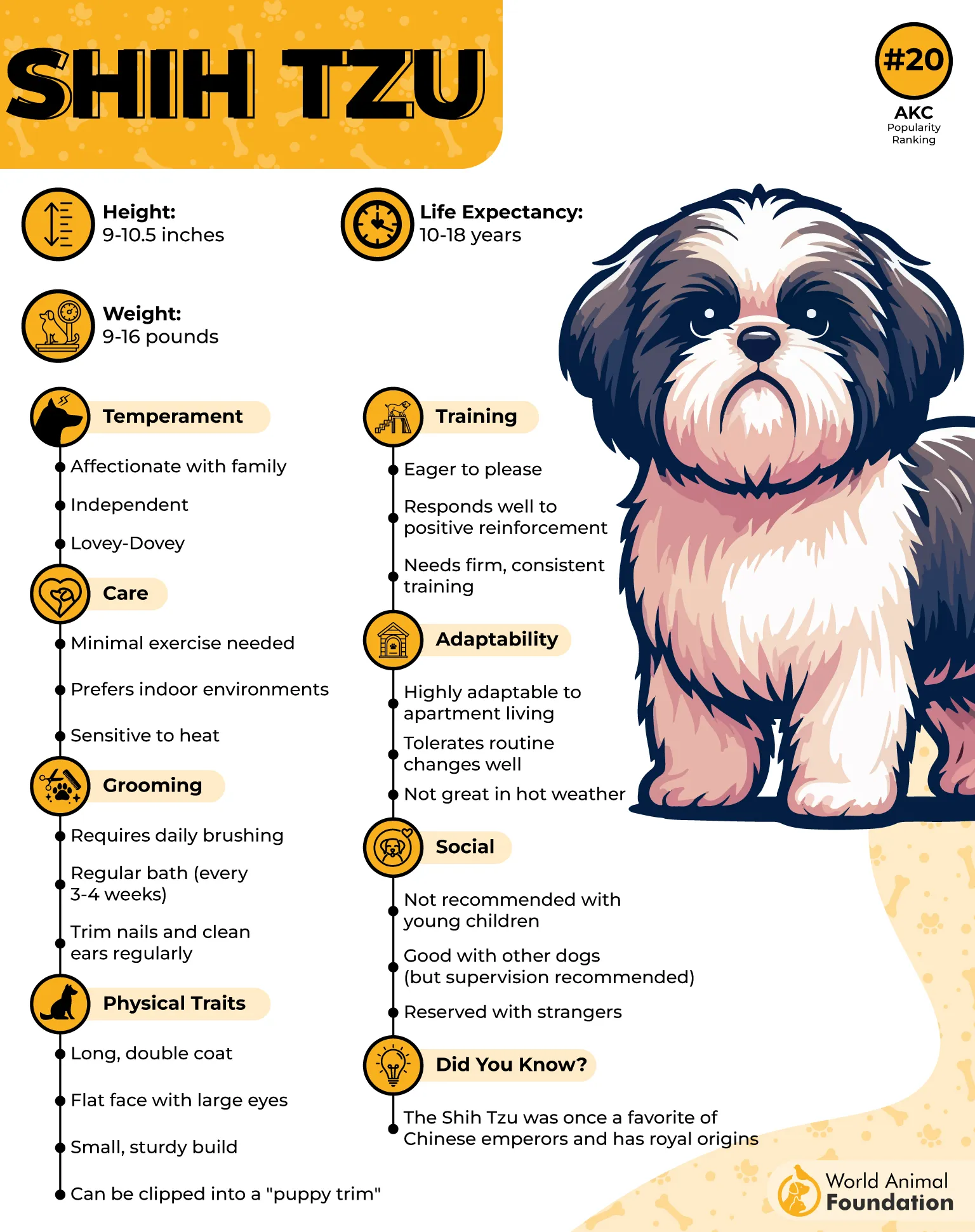
A couple of short play breaks plus a little walk can cover regular exercise for many families. Just keep it steady and kind.
Now the real talk. Grooming is a big deal. If you keep a long coat, expect daily care. If you keep a short coat, it can be easier, but you still need brushing and face cleaning.
This is where kids can help in safe ways, like holding treats or handing you the brush. This breed can also have flat faces, so watch breathing and avoid rough play.
People-oriented and often loves family time
Can match low exercise needs with simple routines
Grooming can be a daily team effort
5. Yorkshire Terrier

Life expectancy: 11–15 years.
A Yorkie is small, proud, and bold. As per WebMD, this breed is often packed with courage, which can be adorable, and also a little spicy. That is why many pet parents prefer Yorkies with older children who can follow rules and notice signs of stress.
Here’s the good part. When kids know how to be calm and kind, a teacup Yorkies can work well in a close family home.
These little dogs can bond hard with their people. They can also enjoy short games that feel like a fun break between school and dinner.
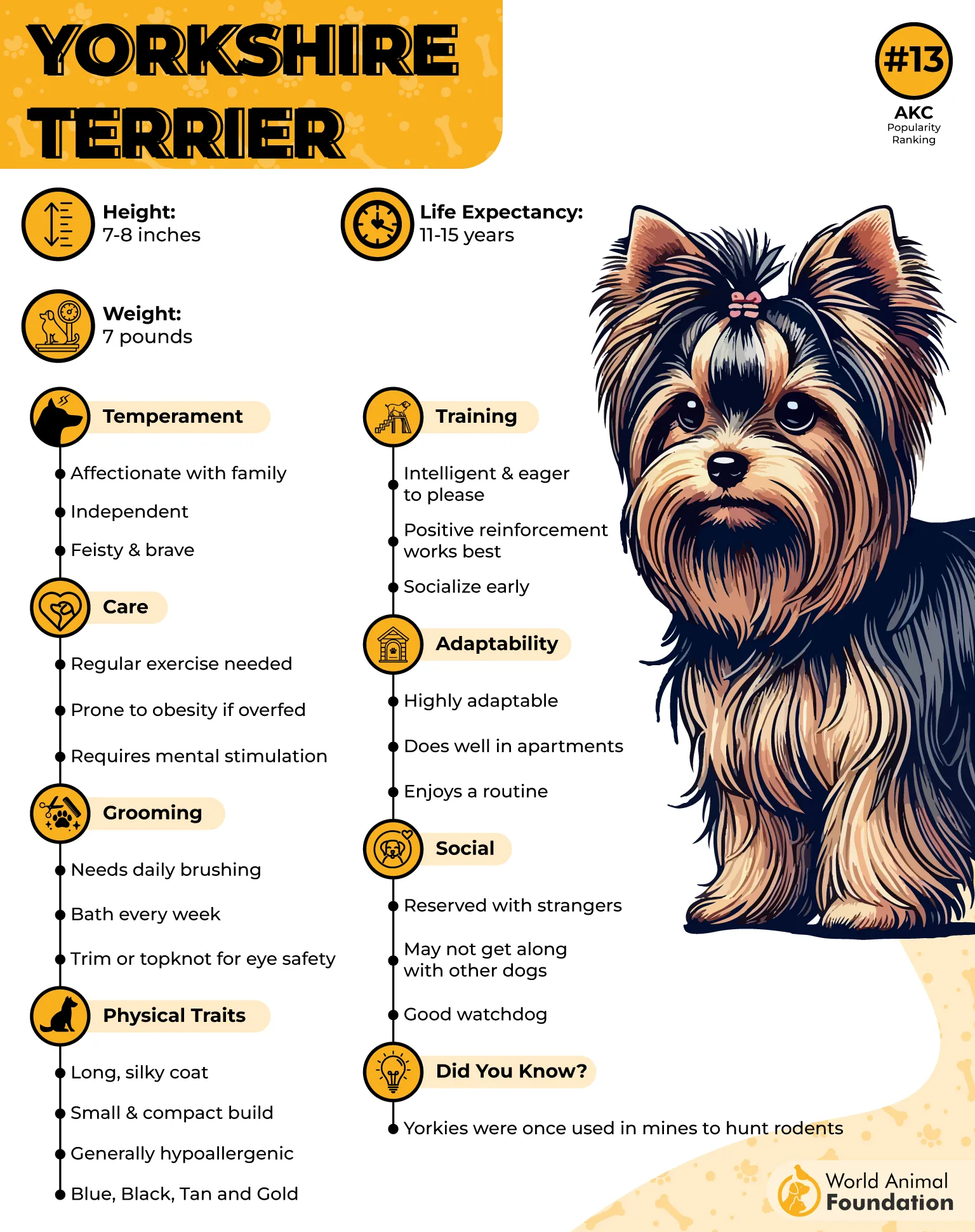
But why bother with that extra care? Because teacup size can mean the dog is easier to hurt by accident. Teach children to sit on the floor for greetings. No chasing. No surprise scoops.
And yes, the silky coat is gorgeous, but it needs care. Think brushing, gentle detangling, and keeping the silky hair clean around the face.
Best with older children who respect space and signals
Strong bond with family when handling is gentle
Coat care matters, even with a neat trim
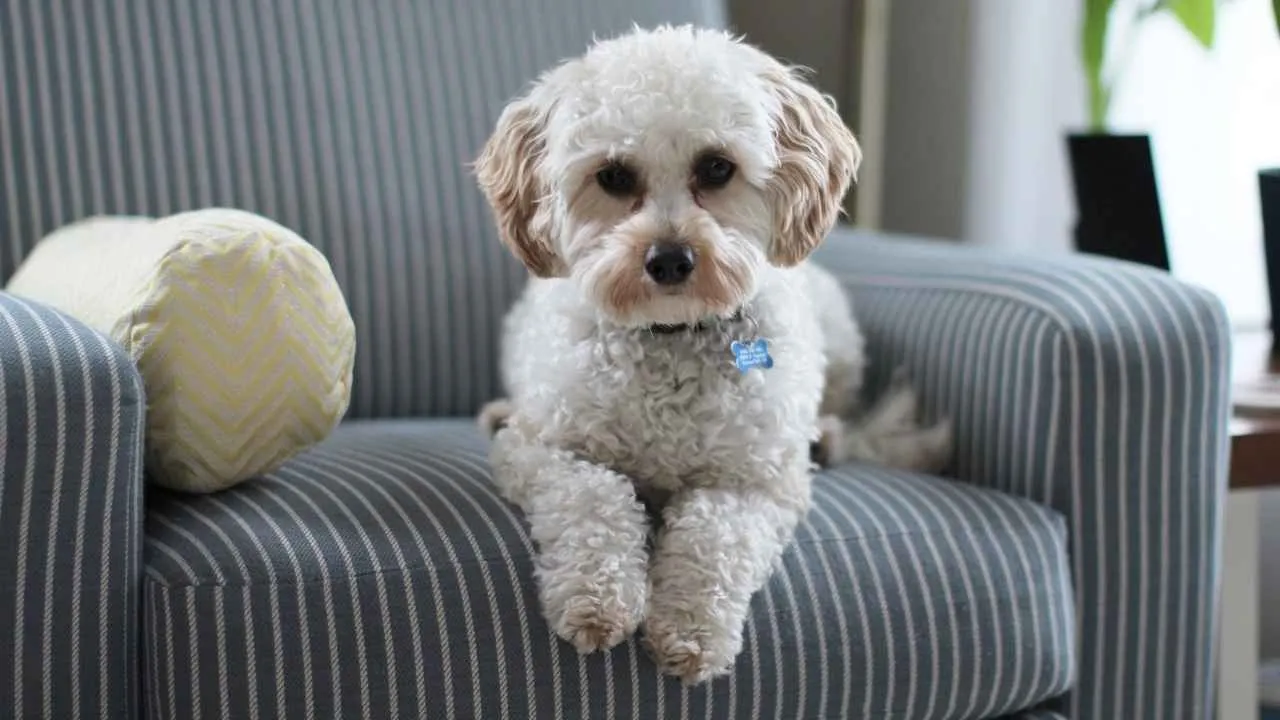
6. Poodle
Life expectancy: 10–18 years.
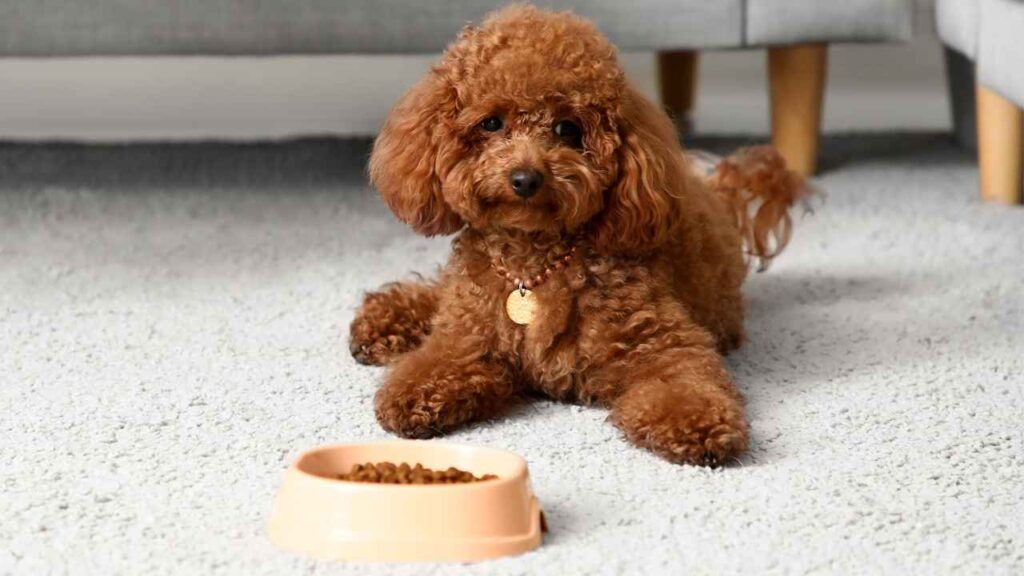
Poodles are known as intelligent, quick learners, and very tuned in to people. For a family that can feel like a dog that “gets it.” This is a great setup for kids who want to teach fun tricks, play brain games, and feel proud of their progress.
A poodle can also be a nice match for homes that want a cleaner feel, since many shed less than other breeds.
And here’s the best part! Teacup poodles often fit homes where space is limited, as long as you still offer mental stimulation.
A snack puzzle, a short training session, and a quick game can do a lot. Many families love that the dog wants to learn and can settle after an activity.
But wait, there’s more! Grooming is non-negotiable. Curly hair can mat fast, so plan trims and brushing. A clipped smooth coat look can be easier to manage, but you still need routine care.
If you hear “micro teacup” promises, run. Stick to responsible breeders who focus on health and steady temper, not extreme size.
Loves learning, so kids can join the training
Needs both play and brain games, not just walks
Grooming routine is part of the deal
7. Maltese
Life expectancy: 12–15 years.
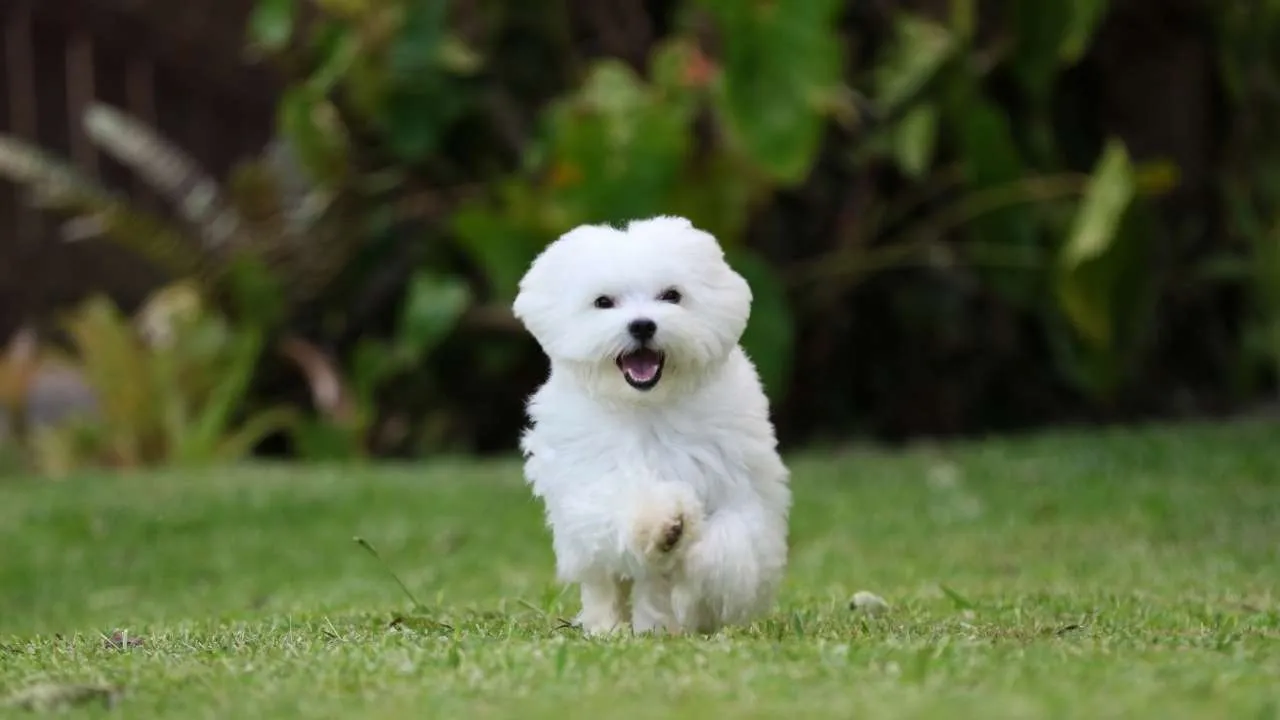
The Maltese is one of those tiny dogs that can melt a whole family in a day. According to AKC, this breed is often affectionate and people-focused, which makes it easy to include them in daily life. Many pet parents enjoy how this small breed wants closeness more than chaos.
Here’s the good part. Teacup Maltese types can work well when children are taught calm handling. These little dogs can be sweet and playful, but they do best with gentle games.
Think rolling a soft ball, short indoor fetch, and quiet cuddle time. If your home already has pets, set slow intros and keep early meetings calm, so everyone feels safe.
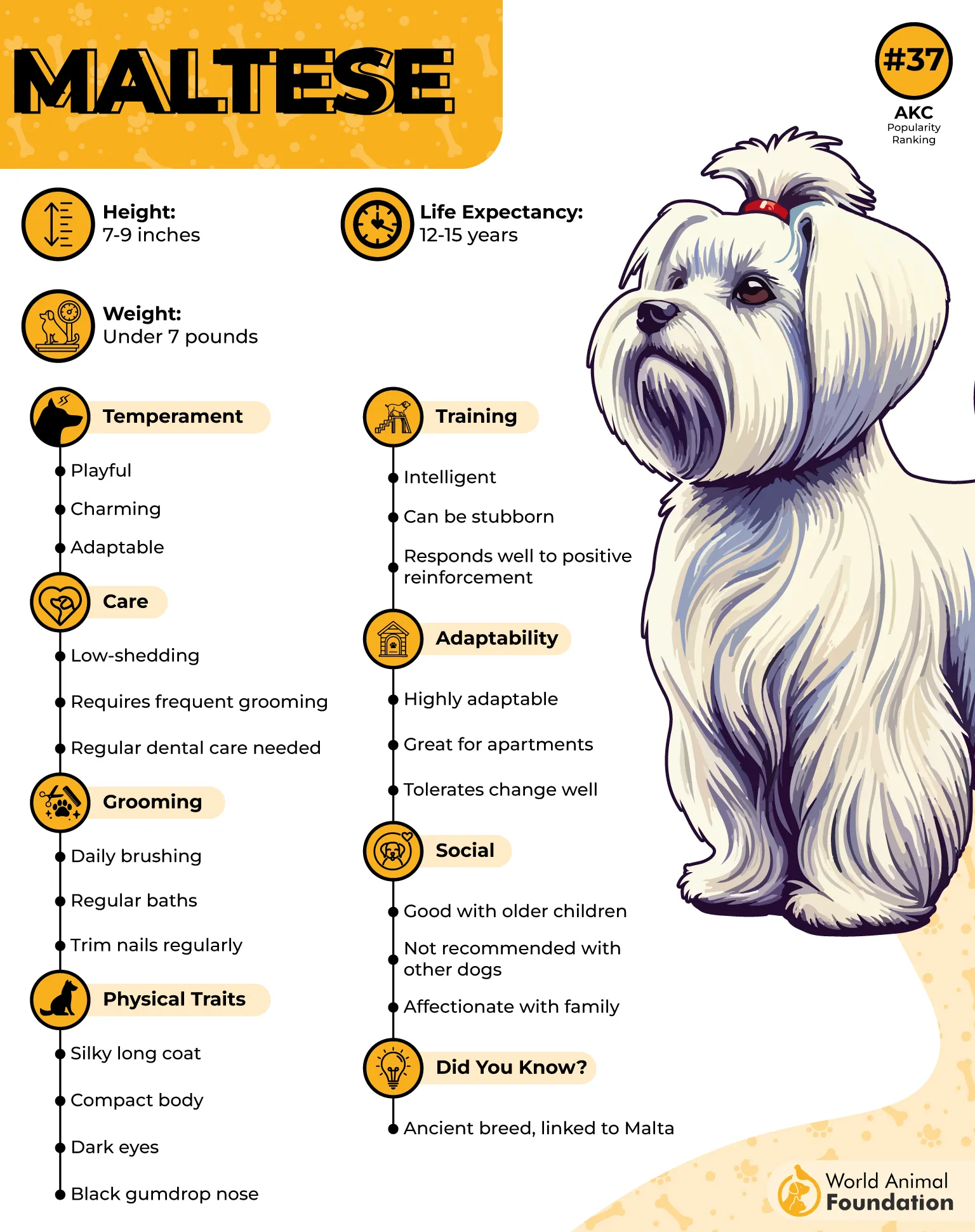
Now for the practical stuff. Grooming matters a lot. The coat can tangle and pick up mess, so brushing is key. And yes, your vacuum cleaner may still get a workout from everyday dust and kid crumbs, even if the dog does not shed much.
Also, teacup size can raise health risks, so watch meals, avoid long gaps, and ask your vet about low blood sugar signs.
Sweet with family when play stays gentle
Grooming keeps the coat clean and comfy
Teacup needs steady meals and safe handling
Conclusion
Choosing teacup breeds for a family with children is a heart choice and a brain choice. The heart wants adorable tiny dogs that cuddle close. The brain remembers safety, training, and daily care.
Keep the focus on the right dog for your home, not the smallest label online. Pick a small dog breed with a steady temper. Teach children simple rules. Create a calm, safe spot. Plan grooming, meals, and regular exercise that fit real life.
And please, only work with responsible breeders so your puppies start life strong. Do that, and your family gets the best kind of chaos, the happy kind, with paws.
