




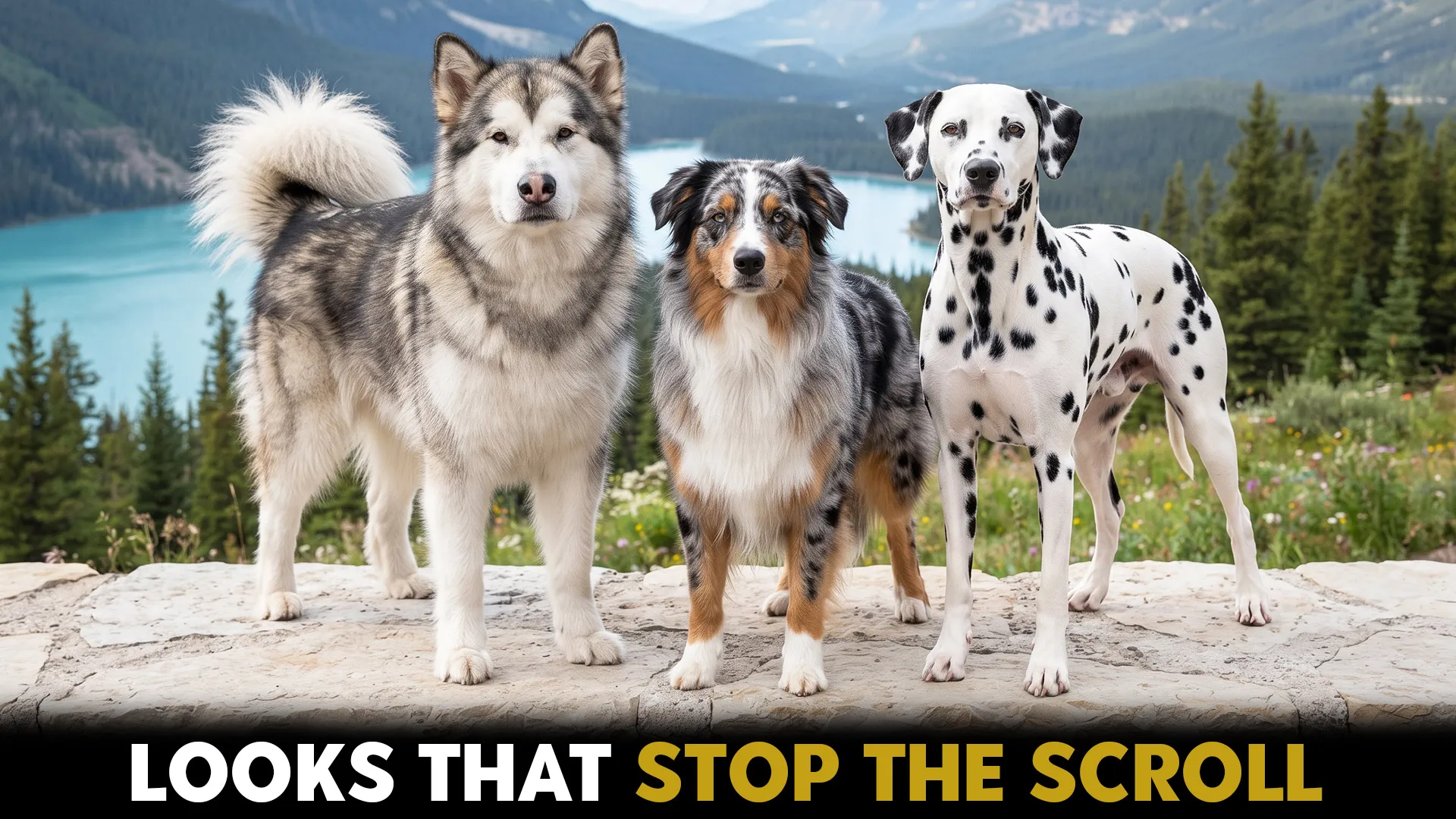
Some dogs catch your eye before they even get close. Maybe it is a silky coat, unusual markings, piercing eyes, or a face that looks almost too perfect to be real. The top ten striking dog breeds with mesmerizing looks each have something that makes people stop and stare.
But good looks are only part of the story. These dogs come with different personalities, exercise needs, grooming demands, and histories.
An Afghan Hound is nothing like a Golden Retriever, despite both turning heads wherever they go. From snowy working dogs to spotted hunting companions, this list explores what makes each breed visually special while also looking at the traits that matter when living with one.
After all, a beautiful dog is wonderful, but a beautiful dog that fits your life is even better.
Top Striking Dog Breeds With Mesmerizing Looks
1. Afghan Hound
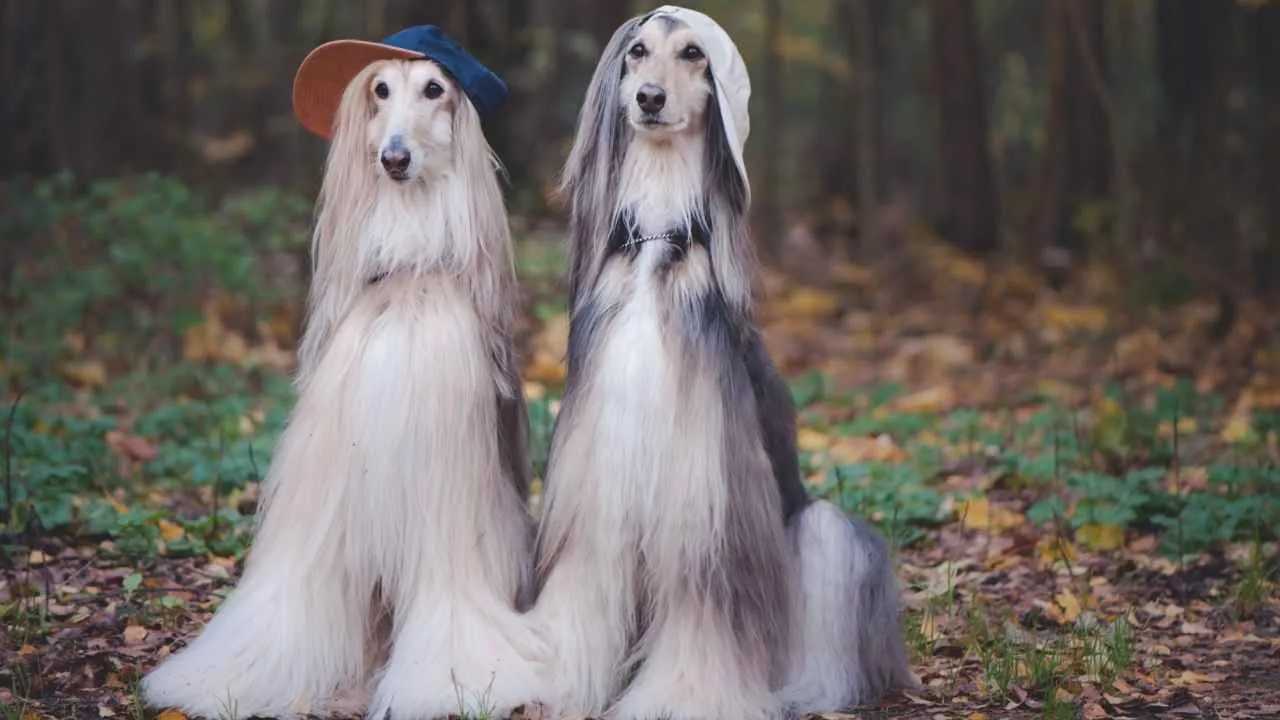
The astonishing breed was developed in Afghanistan thousands of years ago, and its local name is Sag-e Tāzī. Bred as a sighthound, the breed is known for its speed and eyesight, making it one of the best hunting companions.
The flowing coat comes in black, silver, red, blue, and brindle colors with face markings. The long head has a flowing topknot that cascades down over the ears. It has a short-haired saddle, starting from the shoulders and along the spine. The prominent hip bones provide maximum stability while moving in rough terrain.
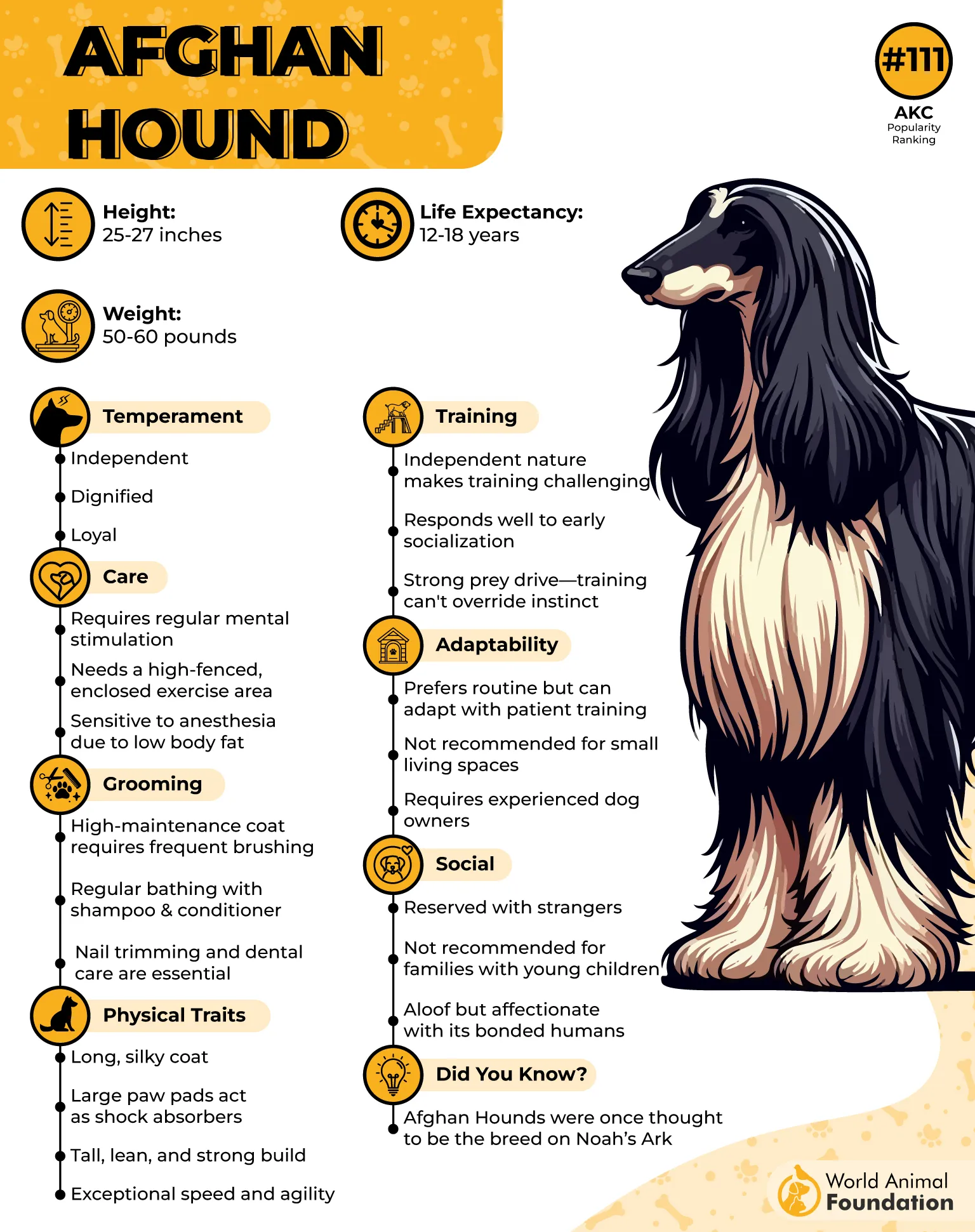
The large feet have arched toes that act as a shock absorber while running. The breed needs baths every 1-2 weeks and detangling the coat using a line-brushing technique.
2. Alaskan Malamute
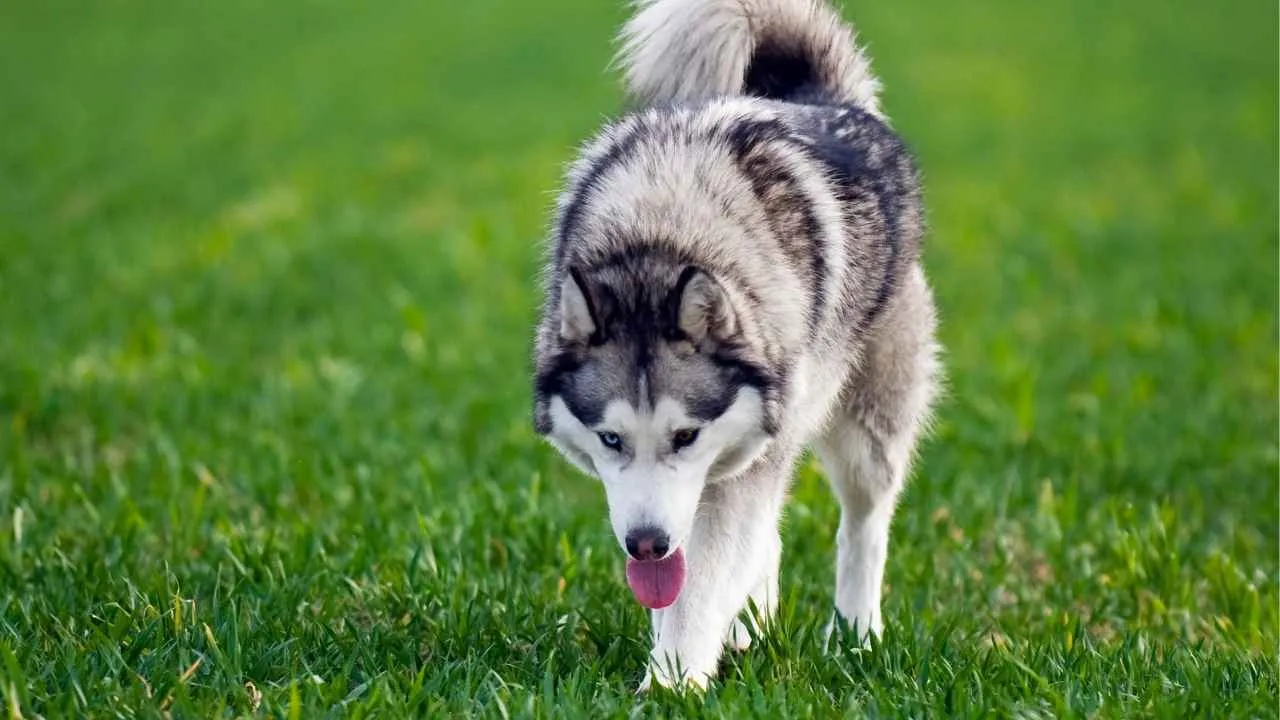
Just like the Siberian Husky, the Alaskan Malamute was developed as a sled dog and also hauled sleds for the miners in the 1980s during the Gold Rush era. Later, it was used by the U.S. Army during World War II.
The large breed has a thick coat with a coarse outer coat and a woolly and oily undercoat. The coat grows longer on the legs, front, and shoulders, and is shorter on the sides. The coat palette consists of black, silver, gray, sable, seal, and blue. It has triangular ears and almond-shaped eyes with a friendly expression.
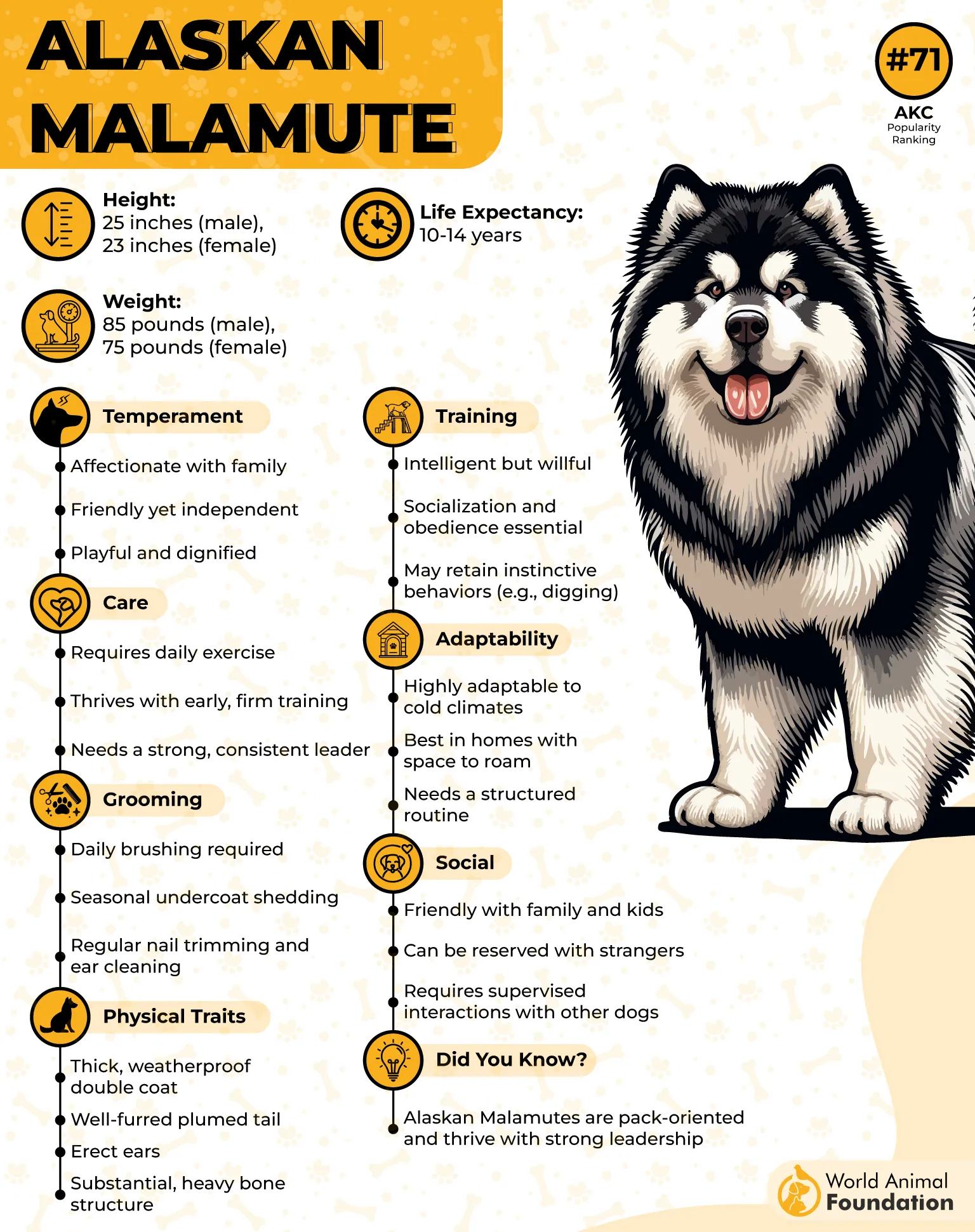
Known for its snow nose, it is black in color with a pink undertone that changes its color seasonally. The breed requires a regular grooming routine: brushing after alternate days, monthly baths, and regular ear cleaning.
3. Australian Shepherd
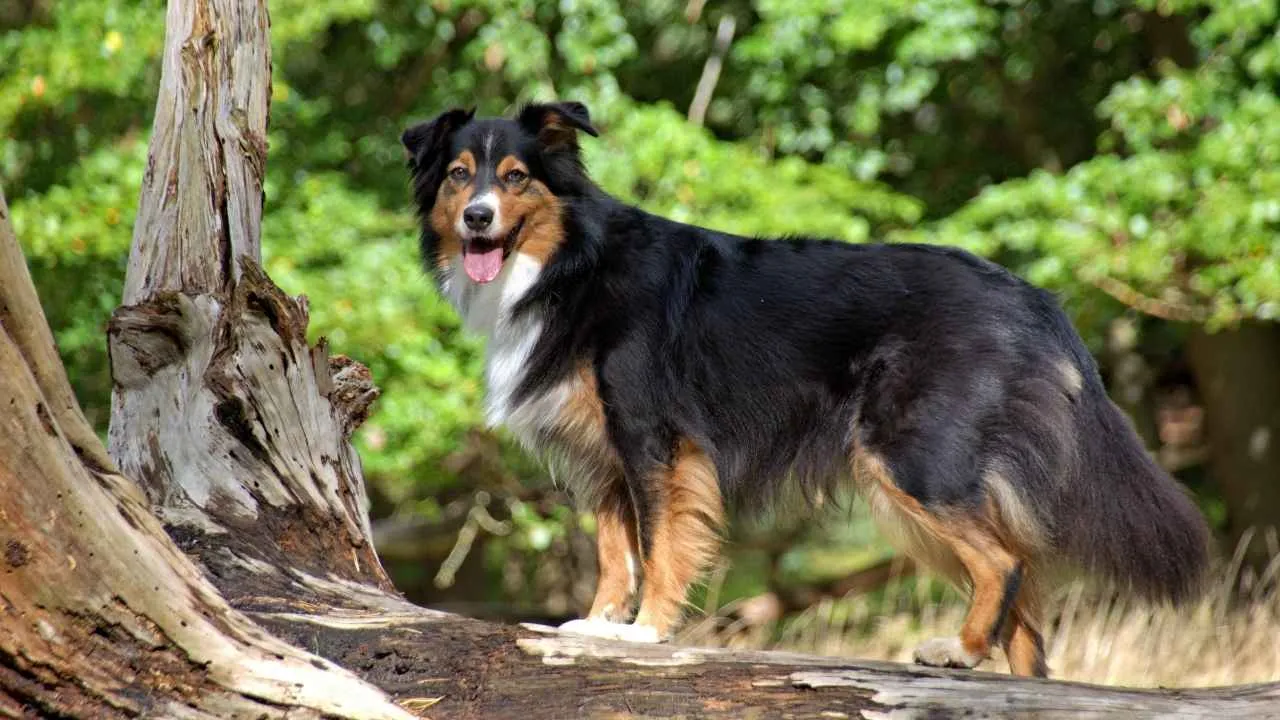
The Australian Shepherd dog was developed in North America from Spanish herding dogs. It also served as a messenger dog during World War II and is highly suitable for farm work because of heat tolerance and endurance.
It is often referred to as having ‘ghost eyes’ because of the intense stare. The eyes come in blue, brown, and amber colors; however, a heterochromatic variety also exists. The coat can be completely straight or slightly wavy. Males have a prominent mane around the neck. Feathering is also found at the back of the forelegs and rear thighs.
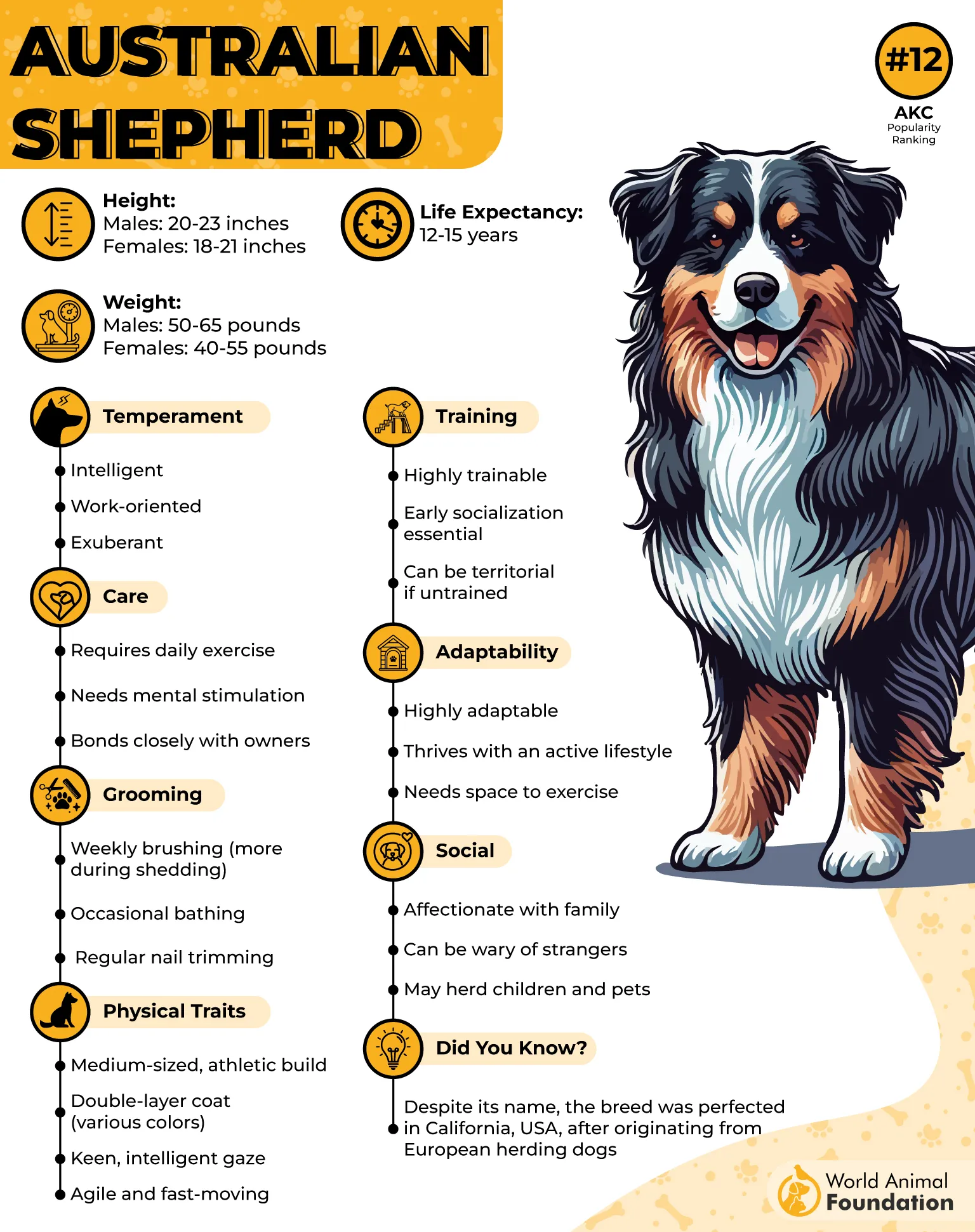
The breed needs weekly brushing using an undercoat rake, a slicker brush, and a steel comb. Use a professional high-velocity dryer after every bath. Air drying is not recommended.
4. Dalmatian
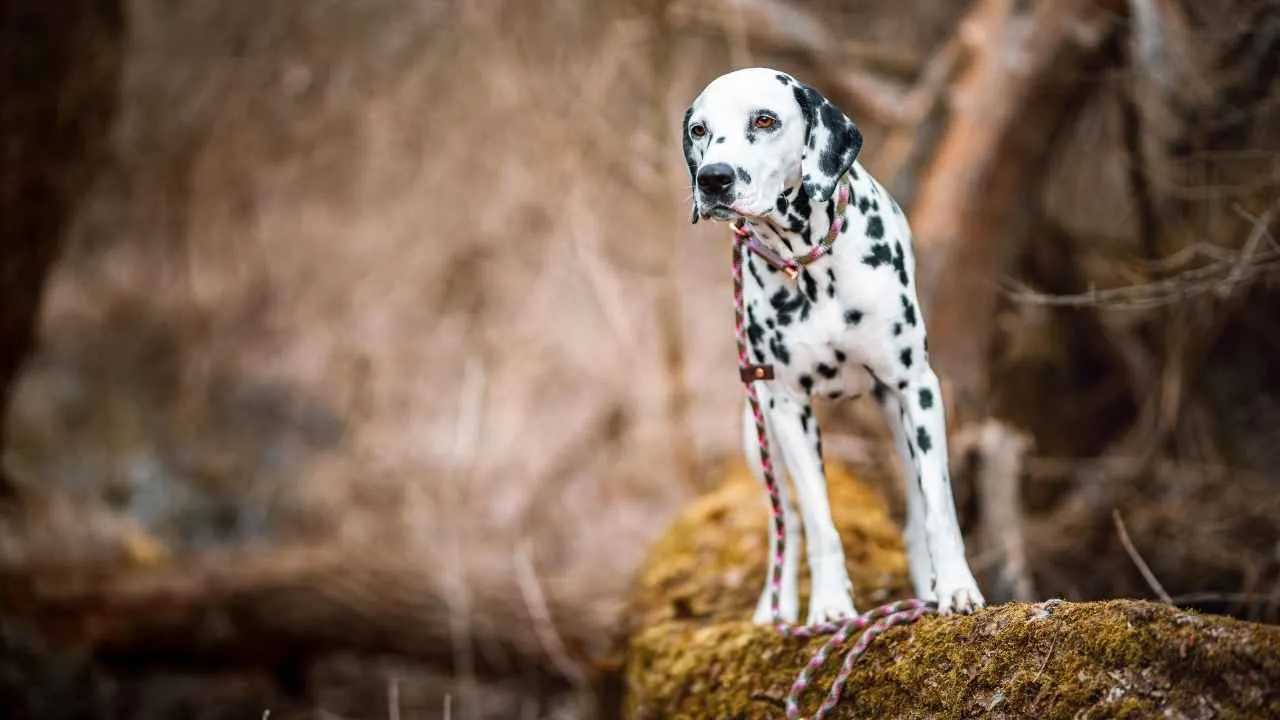
The breed was primarily developed as a hunting dog and was later used by firefighters as a carriage dog. It is thought to have developed from some breeds of spotted Great Dane and the pointers. Today, it is widely used as a companion dog, says Wikipedia.
Though the puppies are born with a plain white coat, the spots start appearing in the first 10 days. The diameter of each spot ranges from 2- 6 cm and mostly comes in liver or brown color with a white base. It has an athletic body with tight muscles and a well-defined loin.
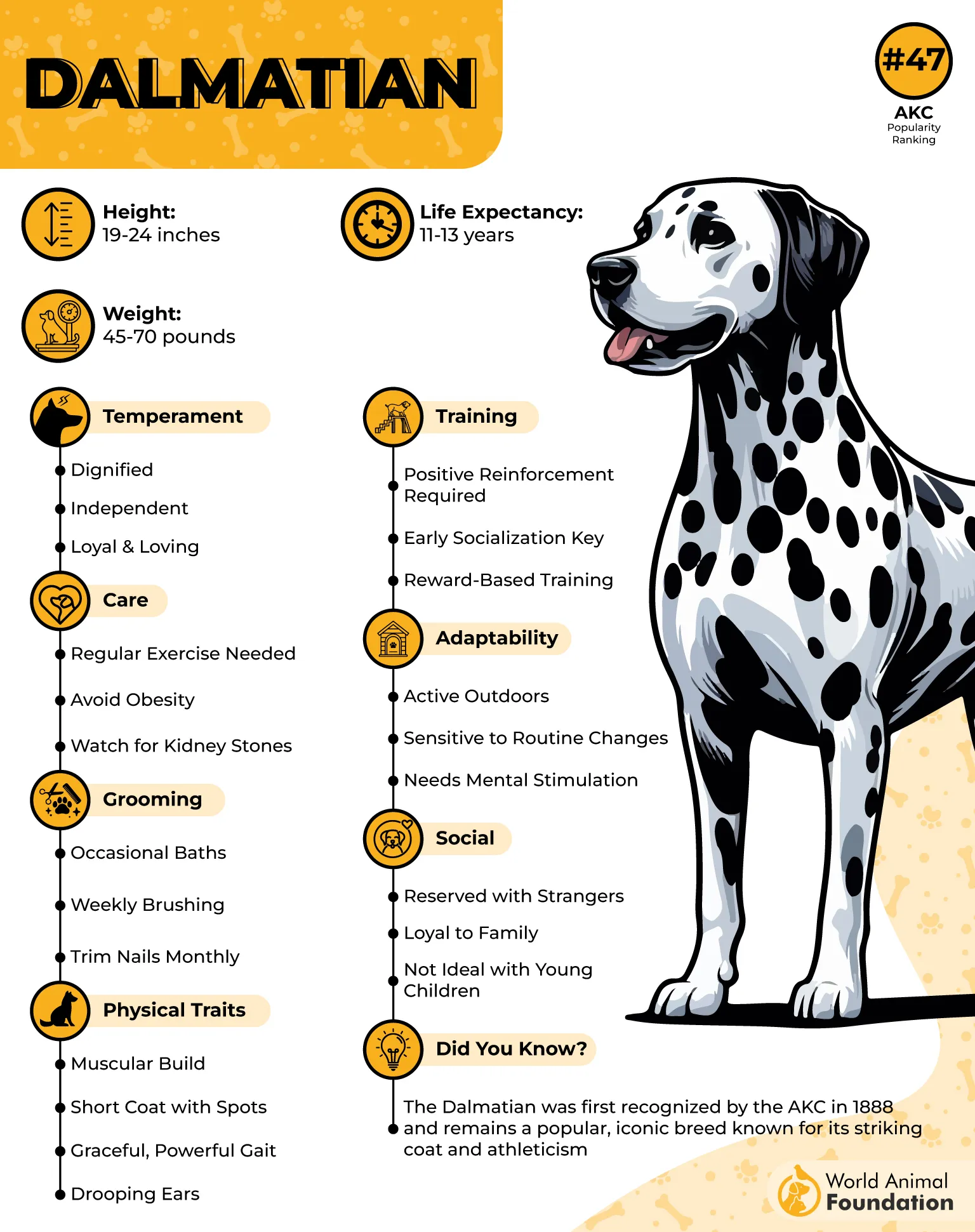
Since it has a short coat, it produces less dander and requires minimal grooming. A rubber curry brush, grooming glove, and a horsehair mitt are highly recommended grooming tools for this breed.
5. Samoyed
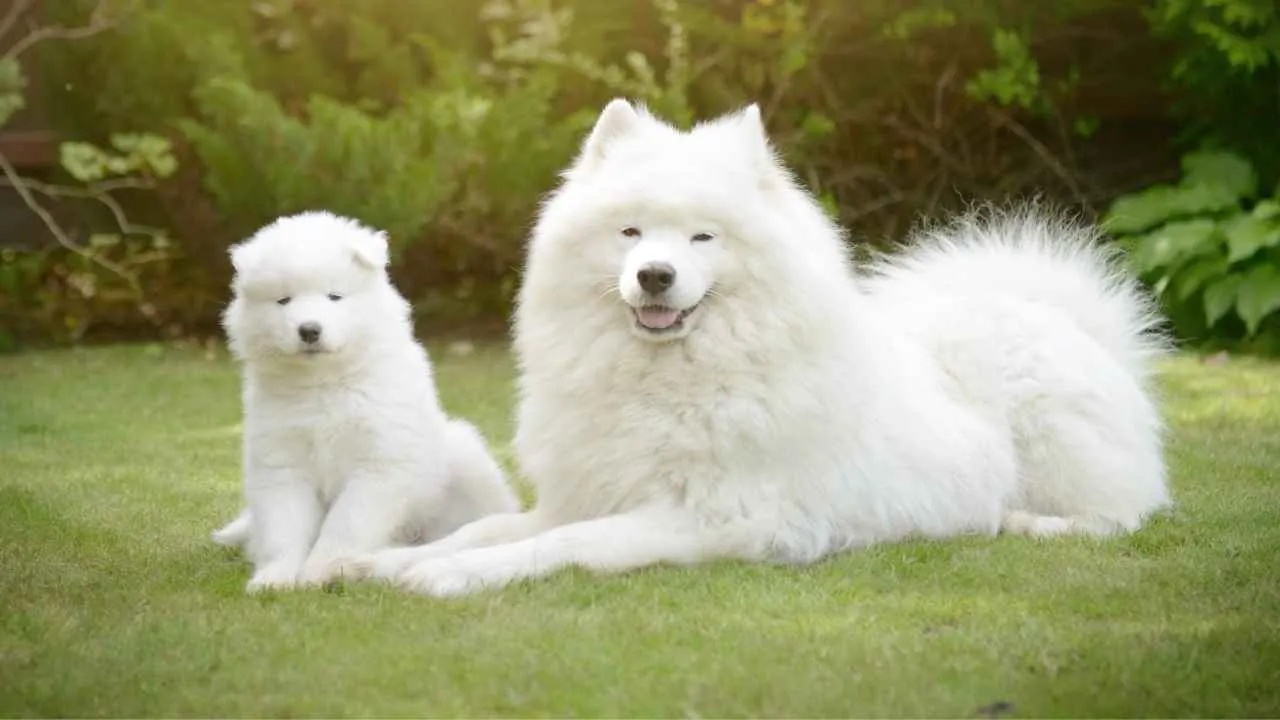
The breed was developed in Siberia by semi-nomadic people so it can endure intense cold temperatures (below -60 degrees). The ancestors were used to pull heavy sleds, hunt, herd, and guard property.
It has a water-resistant thick coat that comes in cream, biscuit, and white colors. The moderately long tail is covered with thick hair and protects the breed’s head and nose from freezing winds while sleeping outdoors. The triangular ears are rounded at the tip. The black-pigmented lips are upturned, showing its teeth completely.
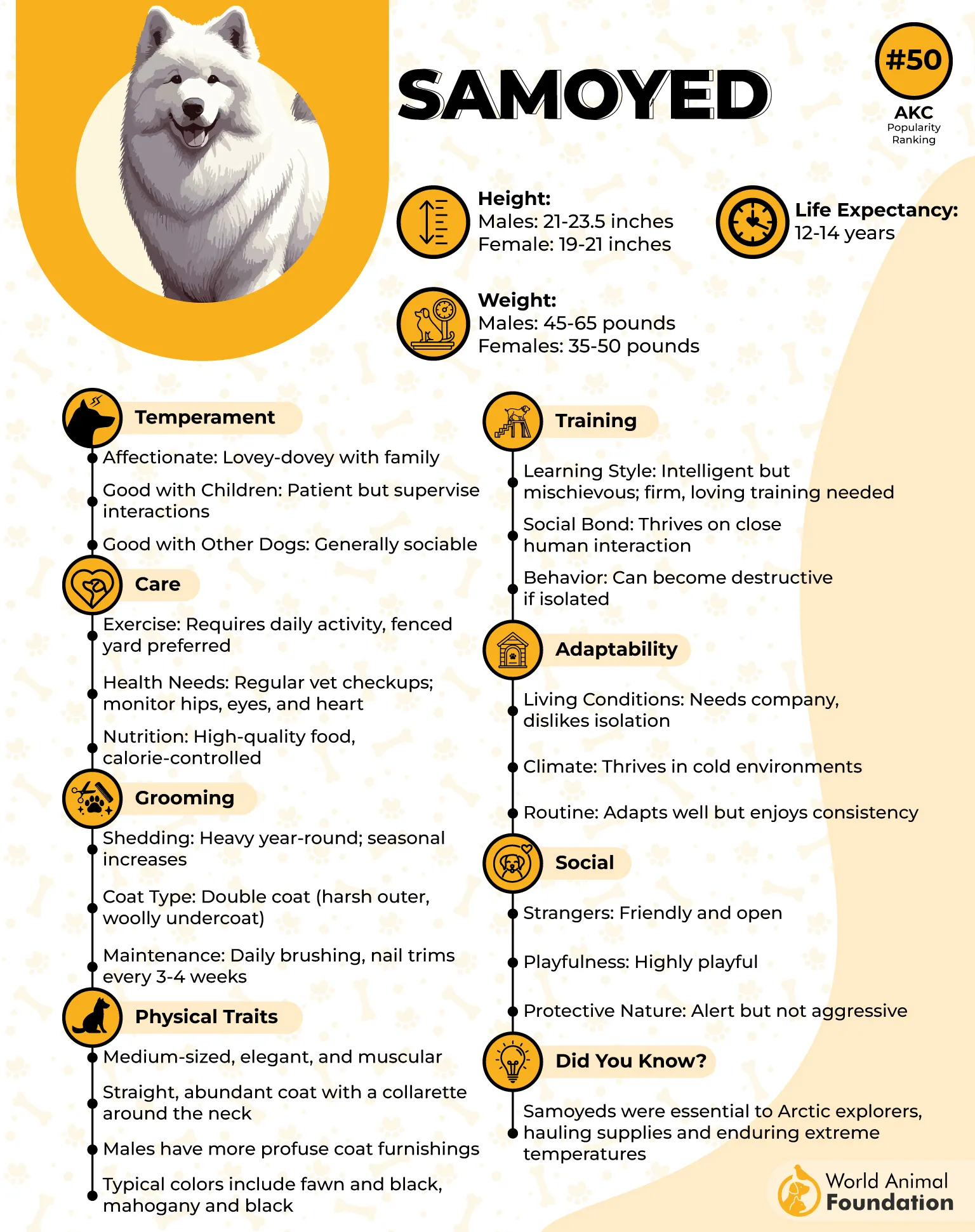
There is thick fur between its toes that acts as a natural snowshoe, stopping painful ice blocks. The coat has extensive grooming needs: brushing weekly and daily during shedding seasons, 1-2 baths a month, and nail trimming after 3 weeks.
6. Siberian Husky
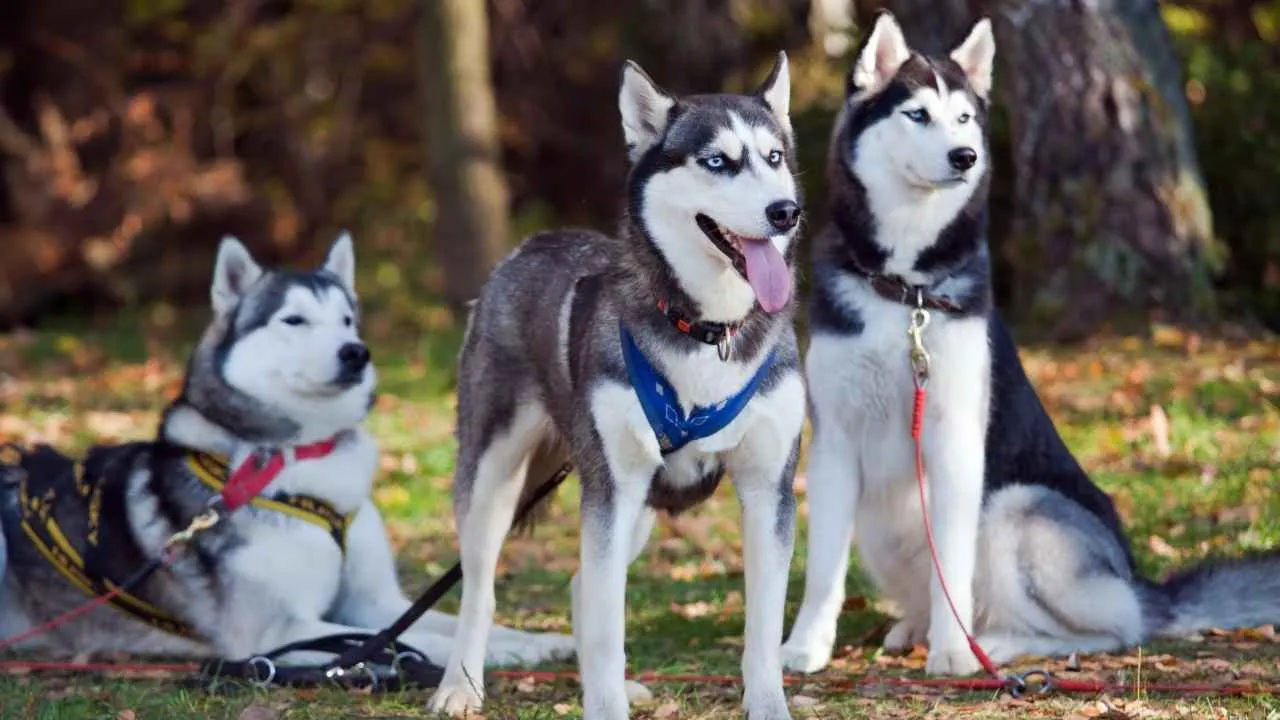
This ancient breed has been serving humanity for 4,000 years and was developed by the Chukchi people in Siberia to pull heavy sleds over long distances. Today, it is kept as a family dog and gets along well with kids.
The breed often has heterochromatic eyes or split-color patterns. Unique forehead markings and eye shape combined give it a friendly facial expression. The double coat comes in black, gray, red, silver, sable, and agouti colors. It has a fox-tail that stands in an alert state and is carried over the back when at rest.
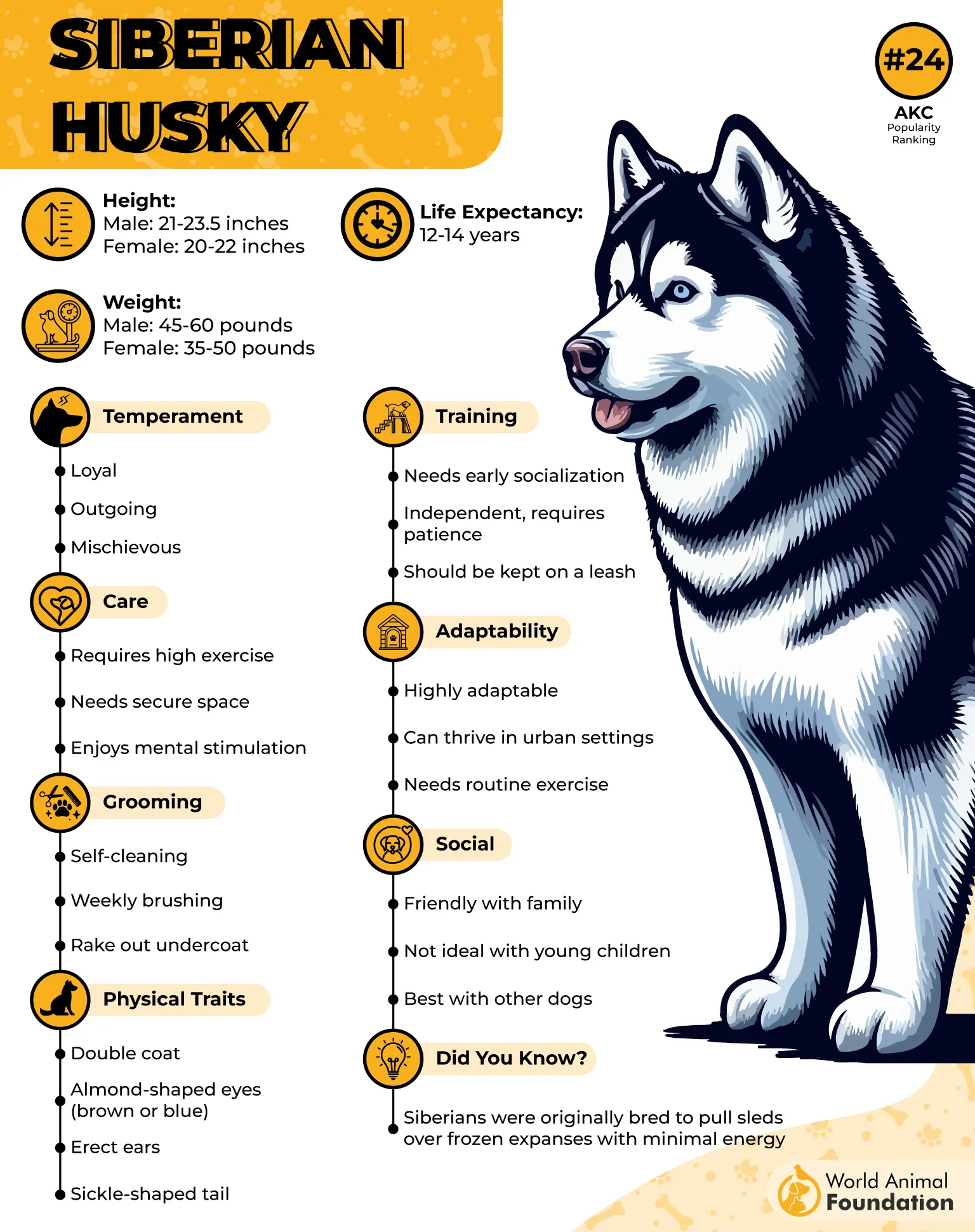
Use a pin brush or a white-toothed comb to break up minor tangles 2-3 times a week. Bathe the breed every 2-3 months using a high-quality dog shampoo.
7. Chow Chow
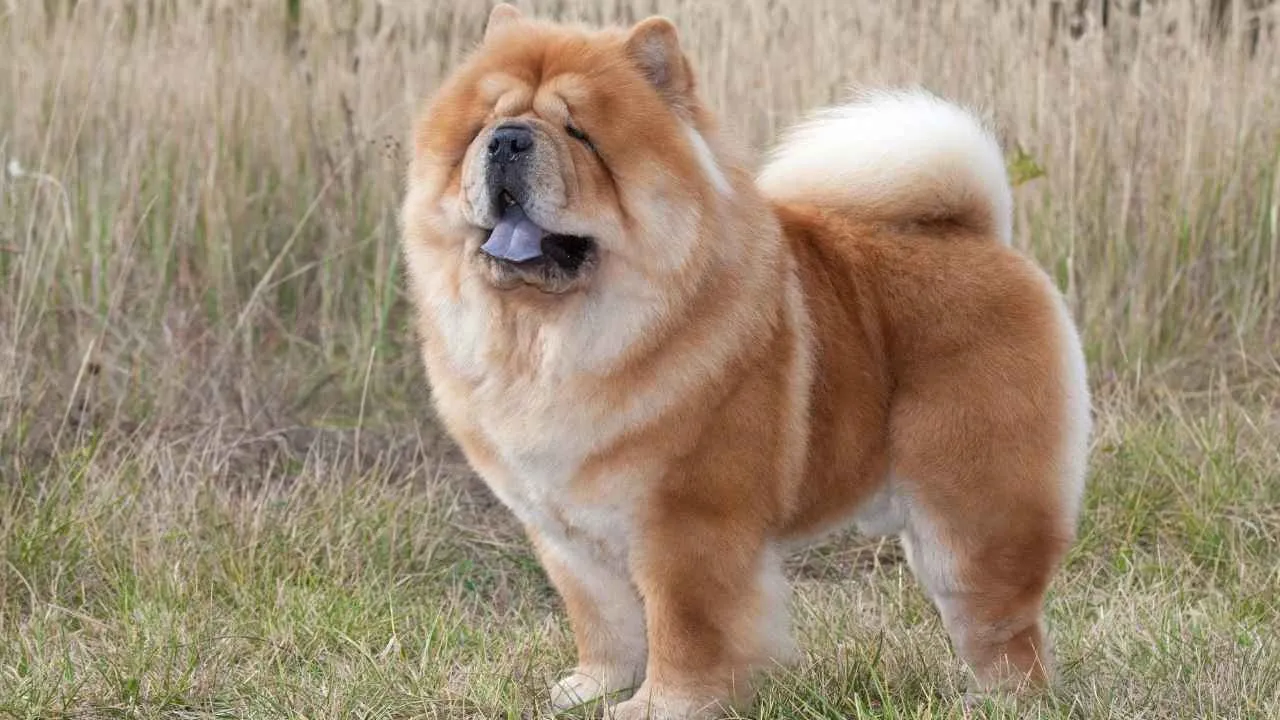
The history of the Chow Chow dates back to 206 B.C.E., when it was used to herd livestock, hunt, and pull sleds. Later, it became a companion dog for the Chinese nobility. The Kennel Club recognized the breed in 1903.
The medium-sized dog comes in various colors, including red, blue, black, cinnamon, or cream. The gentle giant is known for its blue-black tongue and has almond-shaped dark brown eyes. The thick double coat has a smooth or rough texture, and the breed has a thick ruff around its neck. It has a fluffy and feathery tail that is curled over its back.
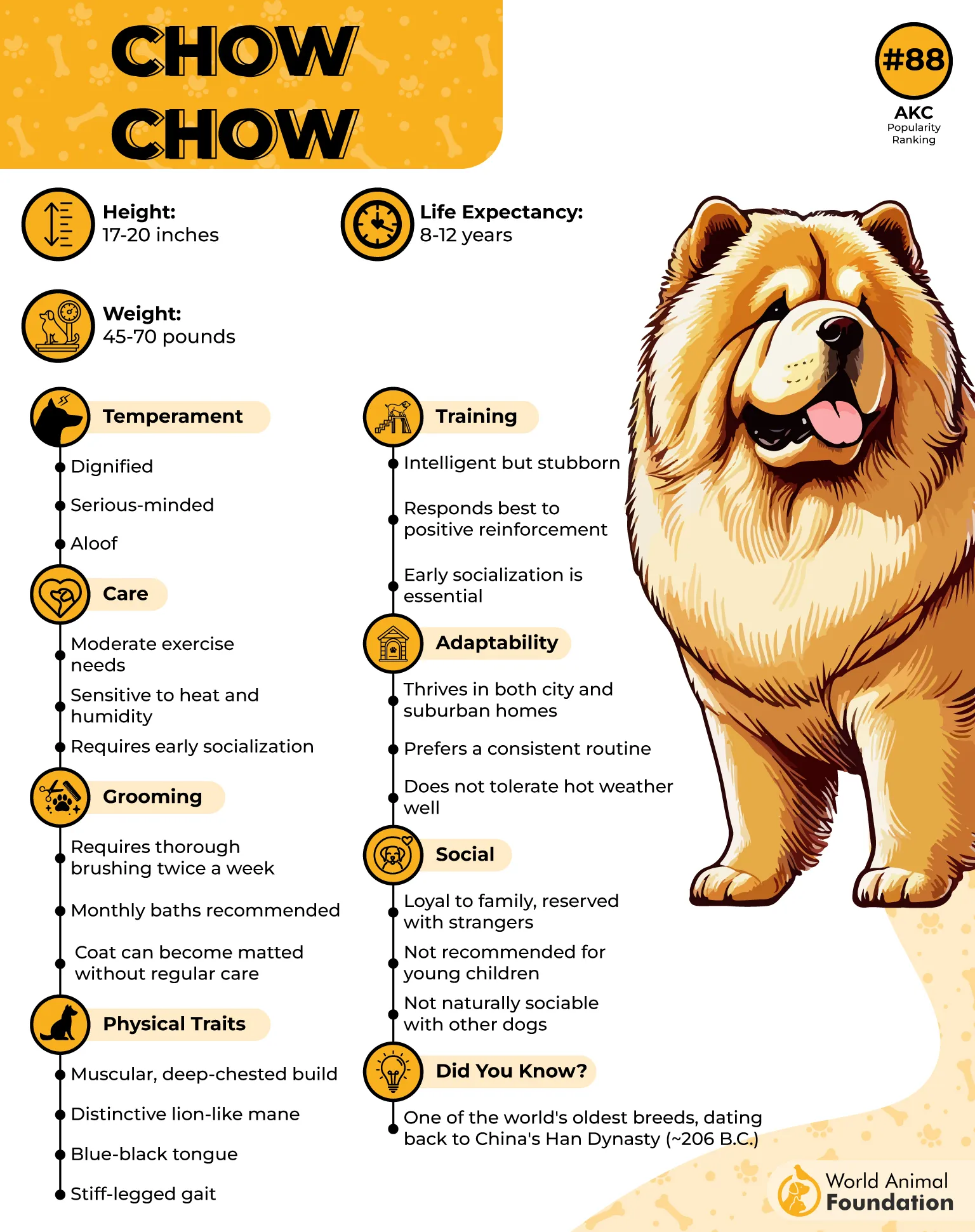
2-3 times brushing a week is recommended. Mist the coat with a conditioning spray and then use a slicker brush or a pin brush to stroke outward from the skin. Pay attention under the armpits, behind the ears, and the chest.
8. Irish Setter
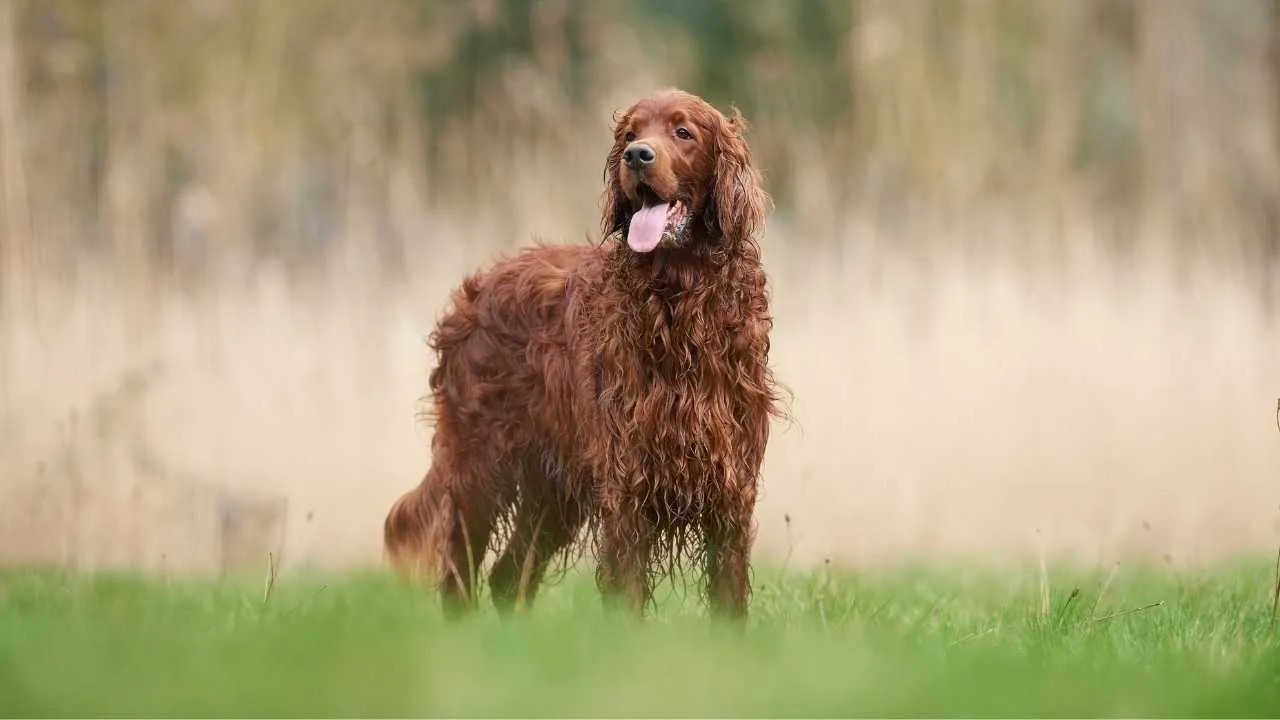
This beautiful dog breed was developed in Ireland in the 18th century as a hunting breed. The ancestors had a Spaniel-like and bear-like resemblance. Originally named ‘Modder rhu,’ the primary purpose was to set game birds using scent, according to Pooch & Mutt.
It has a deep-V chest, reaching down to the elbow, and is narrow in the front. The sloping shoulder blades are mirrored by well-angulated hindquarters. There are short and flat hair follicles on the legs and head that minimize snagging of brushes while hunting. Feathering on the chest, backside of the limbs, ears, underbelly, and tail catches wind, highlighting kinetic grace while moving.
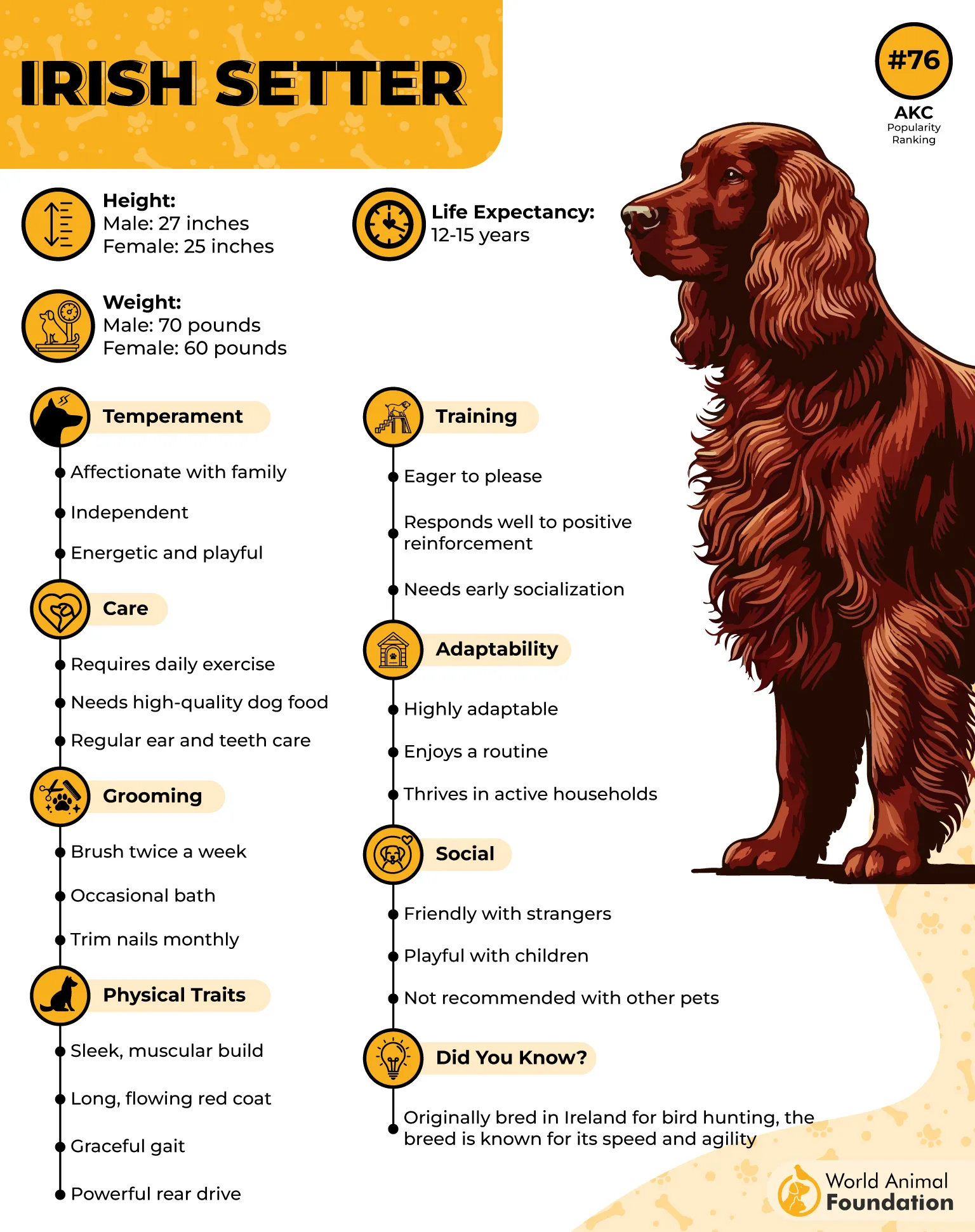
It has a chestnut, red coat that needs a structured grooming routine: 2-3 times brushing weekly using a white-toothed steel comb and a pin brush. Focus on the areas that are prone to matting.
9. Golden Retriever
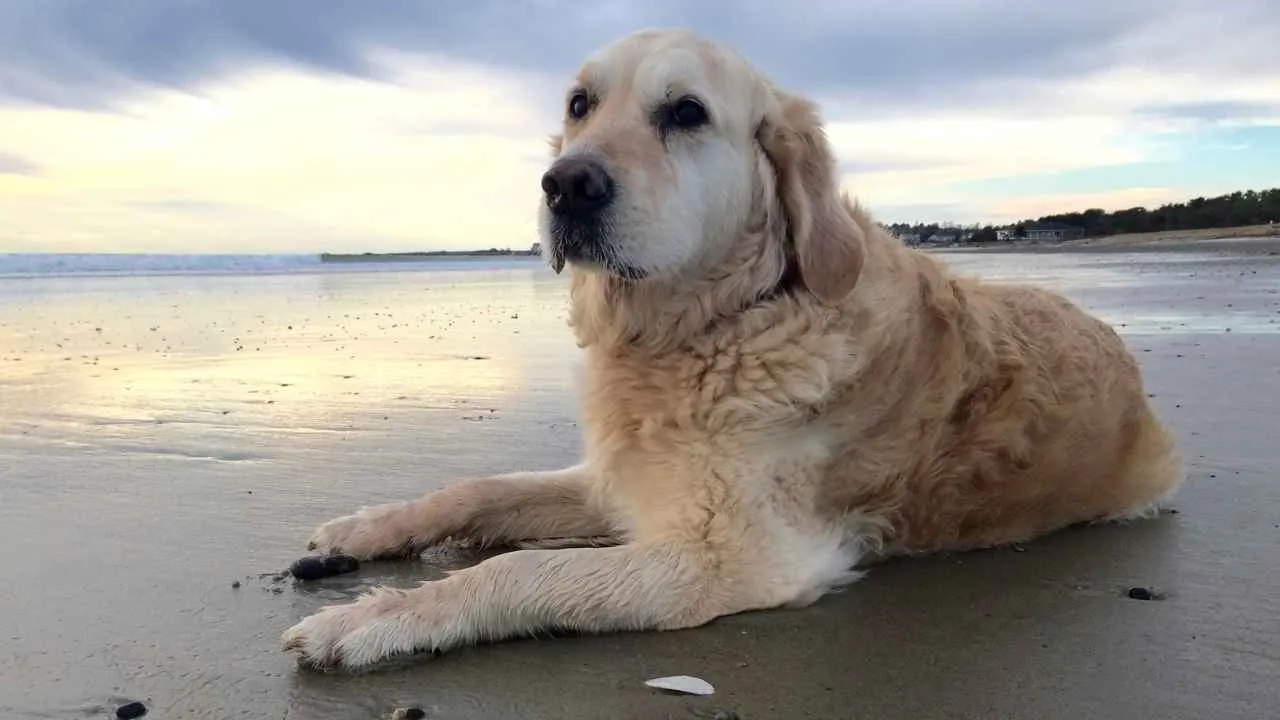
The dog was originally bred in the Scottish Highlands by Dudley Marjoribanks to develop a breed that excels both in water and on land. It was bred by crossing a now-extinct Tweed Water Spaniel and the Yellow Retriever.
It has a wagging plumed tail and a medium-length double coat that has an insulating undercoat and a water-resistant outer coat. It comes in various shades of gold and may develop a white-golden hue on the face as it ages. The prettiest dog breed has dark brown expressive eyes and a black/brown nose whose tip may turn pink in winter (snow nose).
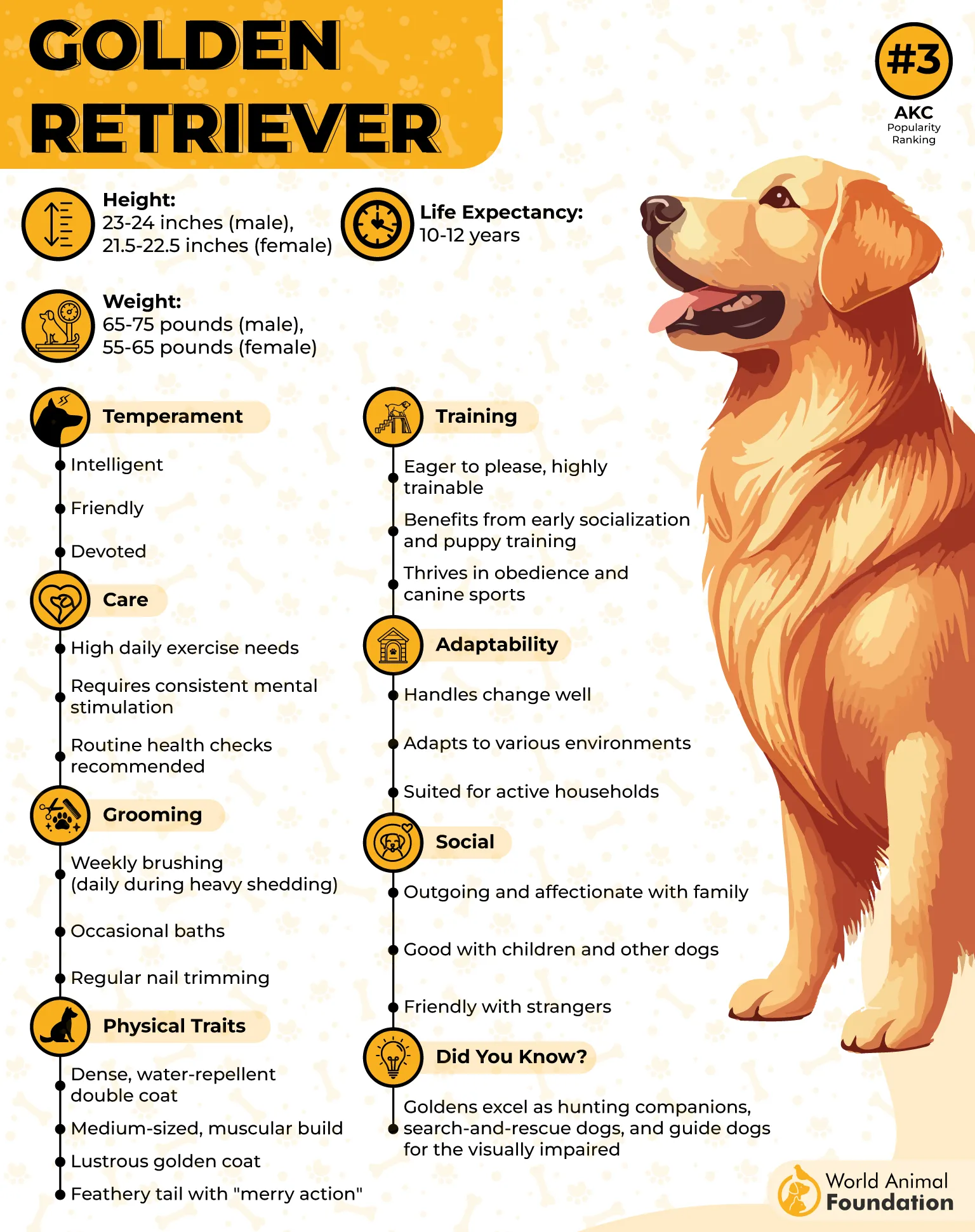
The Golden Retriever is a low-maintenance breed but blows seasonally. It requires weekly brushing using a steel Greyhound comb and an undercoat rake. The long hair between the paws needs regular trimming.
10. Catahoula Leopard Dog
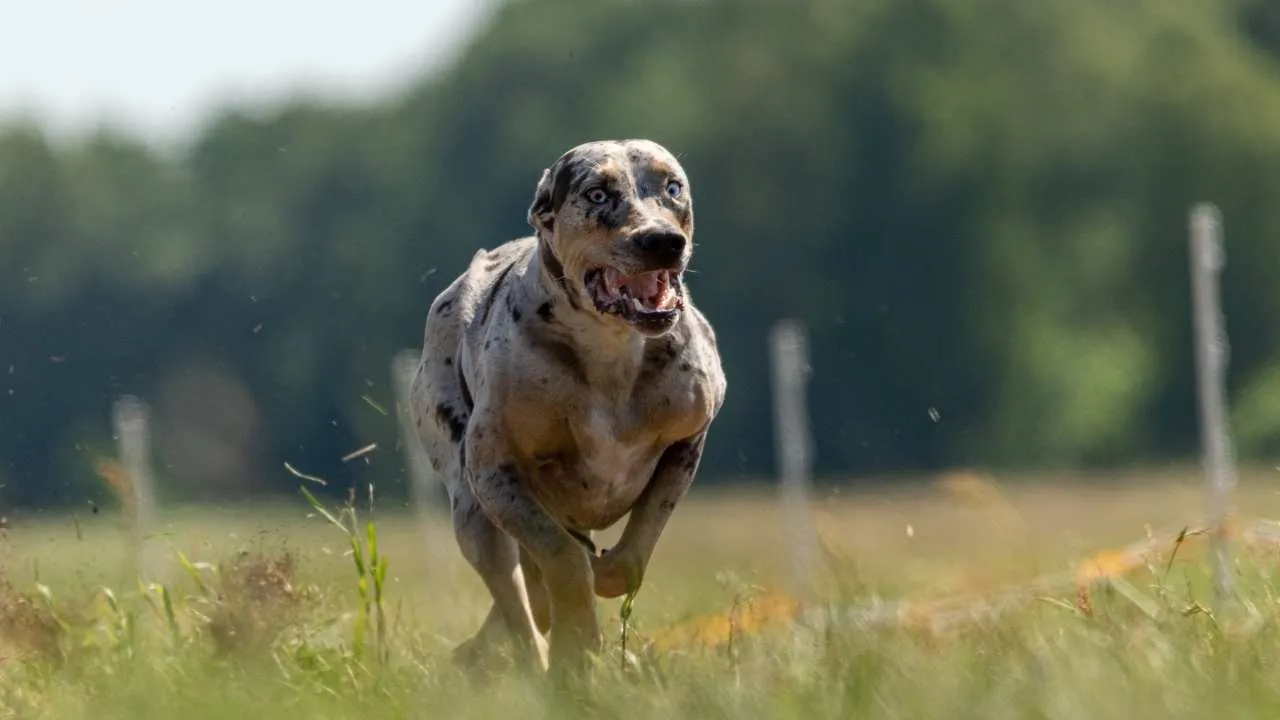
This beautiful dog breed was developed by settlers in the United States in the 19th century to track wild hogs and herd cattle because of its strong herding instincts, assertive personality, and stamina, as noted by the AKC.
This medium-to-large dog has an athletic build and is known for its ‘glass blue’ eyes or heterochromia. The nose varies with coat color and is generally black. It has a smooth coat that comes in various colors, including brindle and merle. It has a slightly curled tail when relaxed and becomes expressive when excited.
The coat sheds moderately around the year and does not require professional grooming. A rubber curry brush, a grooming mitt, and a firm bristle brush are recommended tools.
Conclusion
Beautiful dogs have a funny way of stealing the spotlight. One moment you are taking a normal walk, and the next, someone is asking about those eyes, that coat, or those unforgettable markings.
The Afghan Hound brings elegance, the Malamute brings rugged strength, and the Catahoula brings patterns you could stare at for ages. Yet appearance should never be the only reason to choose a dog.
Each breed has its own exercise needs, grooming demands, temperament, and training requirements. The best match is the one whose everyday nature fits your home and routine. After all, those mesmerizing looks are only the opening chapter.
