




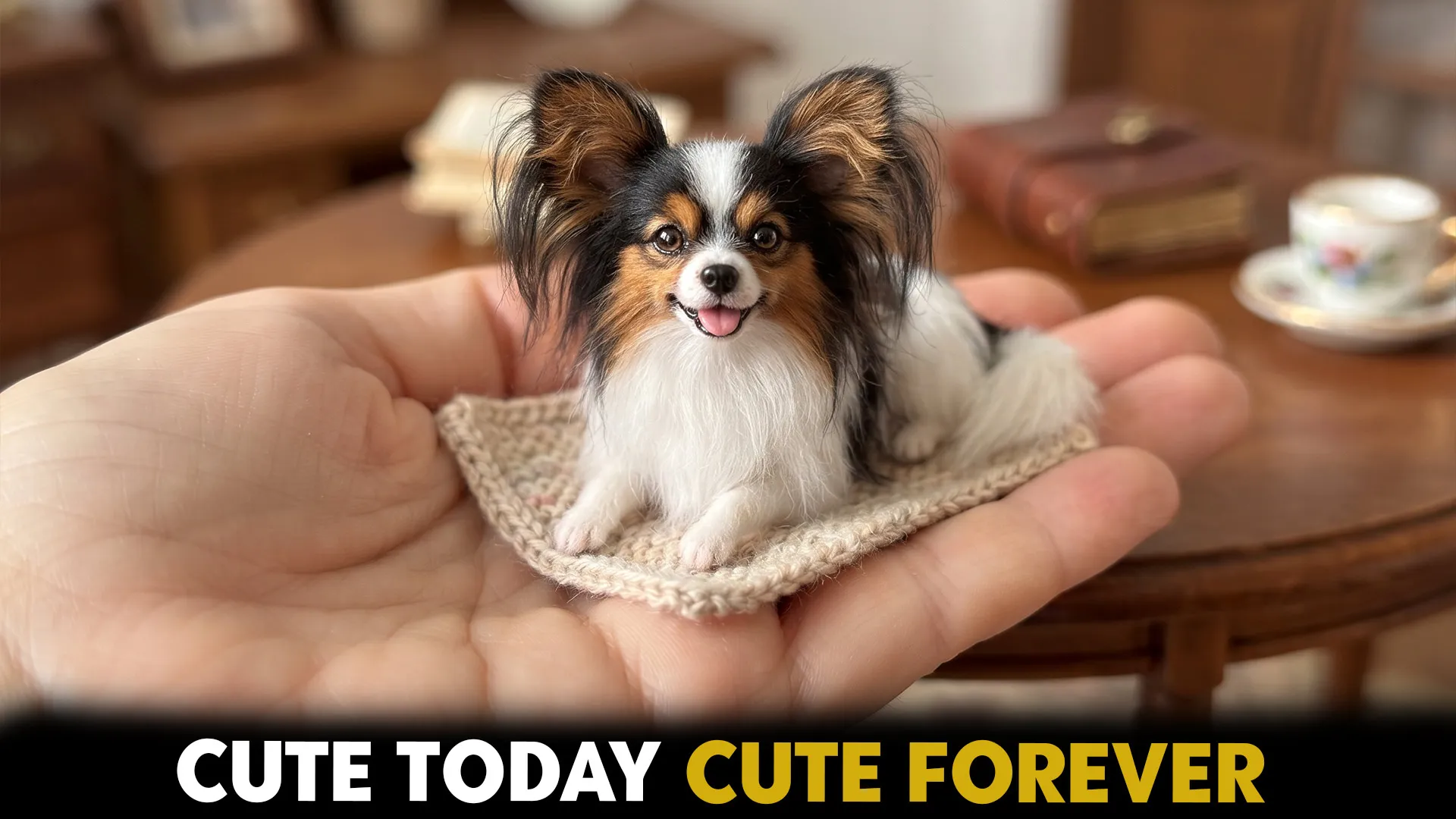
Small dog breeds have an advantage when it comes to staying cute well beyond puppyhood. Many remain compact as adults, with rounded faces, expressive eyes, soft coats, or playful personalities that keep their puppy-like appeal alive.
Their smaller size can make care easier, especially for people in apartments, smaller homes, or busy households. Still, adorable looks are only part of the picture. Temperament, grooming needs, exercise requirements, trainability, and common health concerns matter when choosing a companion.
Some small dogs are energetic and curious, while others are happier with short walks and plenty of lap time. Knowing those differences can help you find a dog whose charm matches your lifestyle instead of choosing based on appearance alone. That lasting appeal can make adulthood rewarding too.
This article brings together small breeds with lasting charm, highlighting the features, personalities, and care needs that can help you find a delightful companion for years ahead.
Key Takeaways
Puppy eyes may fade with age, but some small dogs seem to keep their adorable appeal for life. Their size, expressive faces, and lively personalities have plenty to do with it.
Pomeranians come from a much larger Spitz lineage, while Chihuahuas have a history reaching back to ancient Mexico. Their stories make these tiny dogs even more interesting.
Yorkies once worked as rat catchers in Yorkshire mills, and Papillons were painted beside European royalty centuries ago. Their small size has quite a history behind it.
From a sturdy Shih Tzu to a Havanese with a coat called “Havana silk,” each breed has something different to love. Keep reading to see which one catches your heart.
Best Small Dog Breeds That Stay Adorable Forever
1. Pomeranian
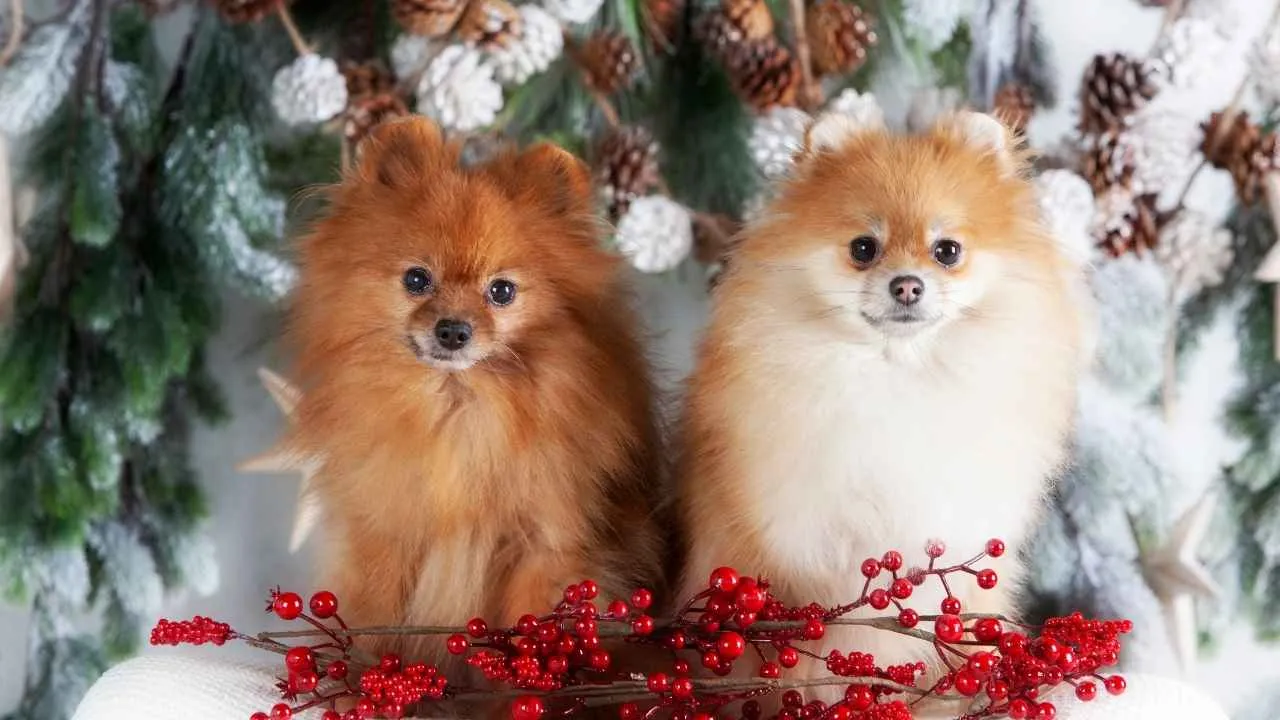
Pomeranians belong to the Spitz family, a group that includes much larger sled dogs such as the Samoyed, Chow Chow, and Siberian Husky. Its lineage began with larger northern dogs, while the modern Pomeranian became much smaller through selective breeding.
A Small-House Favorite
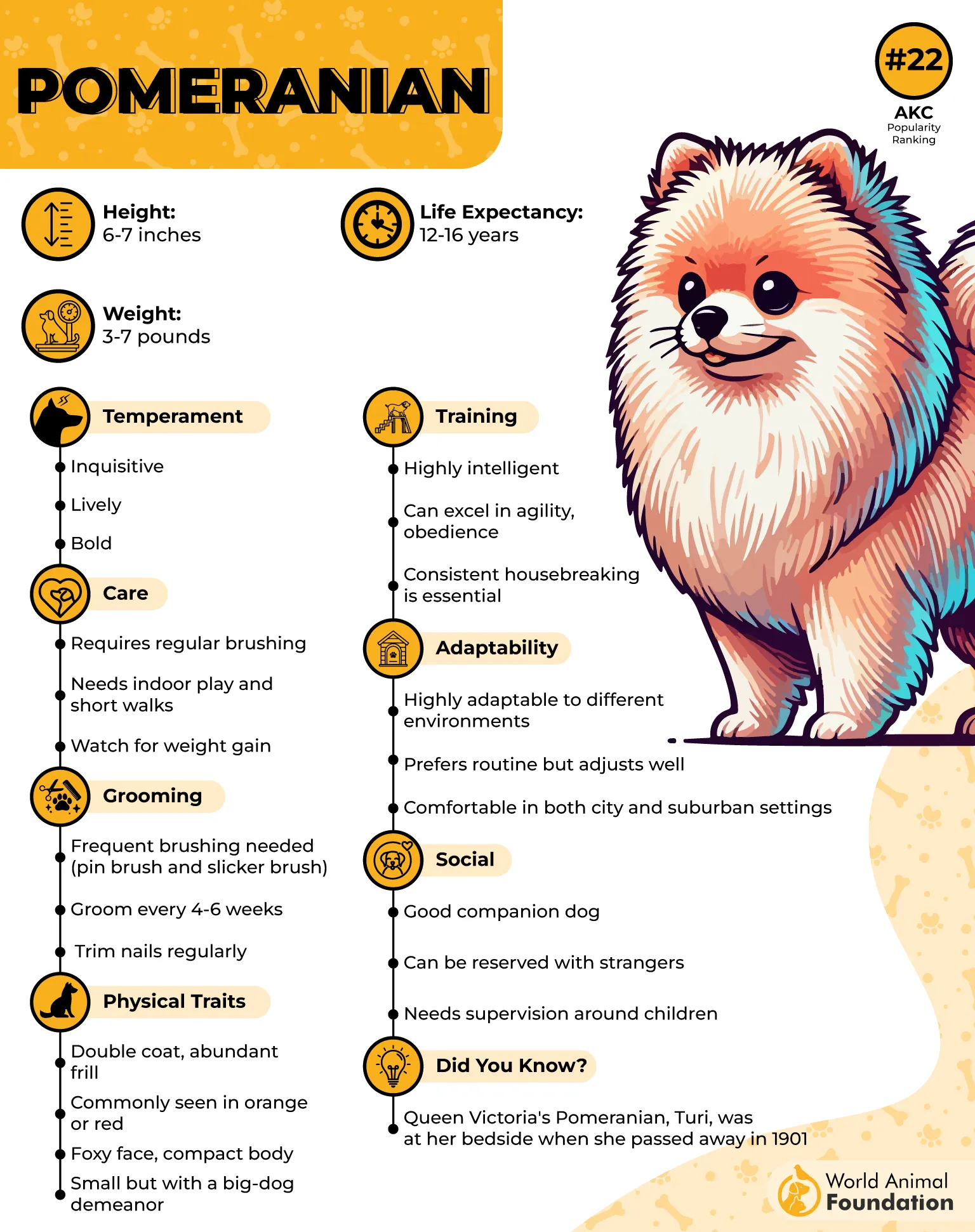
Poms do not need much room to get around or miles of walking to stay content. A few short walks can do the job, although a longer outing is welcome when your Pom has the energy and wants more time by your side.
Its tiny frame is only part of its charm:
Arched, fluffy tail
Pointed ears
Fox-like smiling expression
A Social Little Character
Pomeranians are highly social and enjoy being part of whatever is happening around the household, often turning ordinary interactions into playful moments. It can also get along with children, cats, other dogs, and unfamiliar people when handled and introduced appropriately, as Petplan noted.
2. Chihuahua
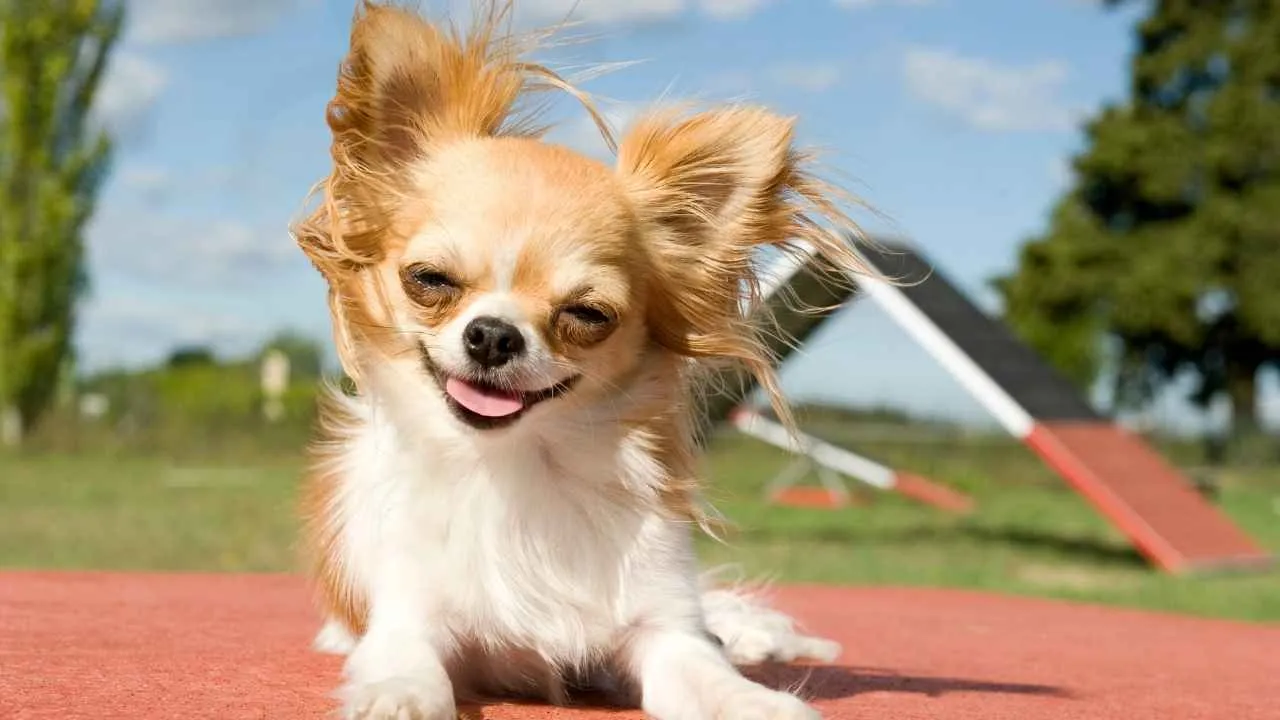
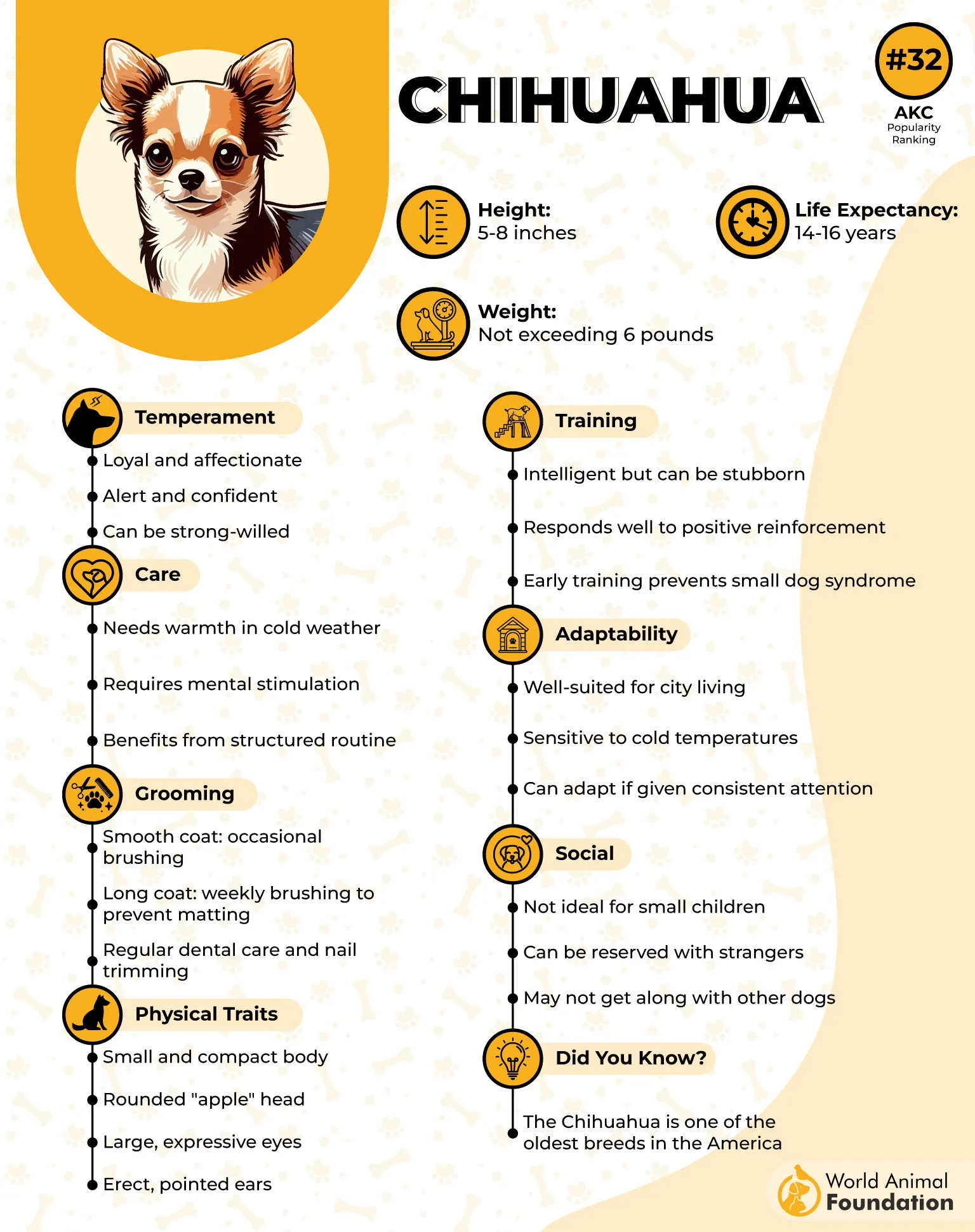
Chihuahua has a long history tied to ancient dogs associated with the Maya and Toltecs, with similar remains discovered at Chichen Itza in Mexico. This tiny breed has shared life with people for a remarkably long time, making its history just as interesting as its small size.

Made for Compact Living
This toy dog breed needs very little room for daily activity, with a few laps around the living room, a short walk, and a sunny place to nap often fitting its routine. Its tiny size also makes errands and trips practical, since it can travel easily in a carrier.
These characteristics make its small frame especially interesting:
Apple-head and deer-head varieties
Short or long coat options
Large, expressive round eyes
A Big Personality
The CCA states that Chihuahuas have a famously bold temperament and may confidently challenge dogs far larger than themselves, so interactions with bigger breeds need supervision. Its independent streak can also make it quite demanding when excessive pampering turns into stubborn or aggressive behavior.
3. Yorkshire Terrier
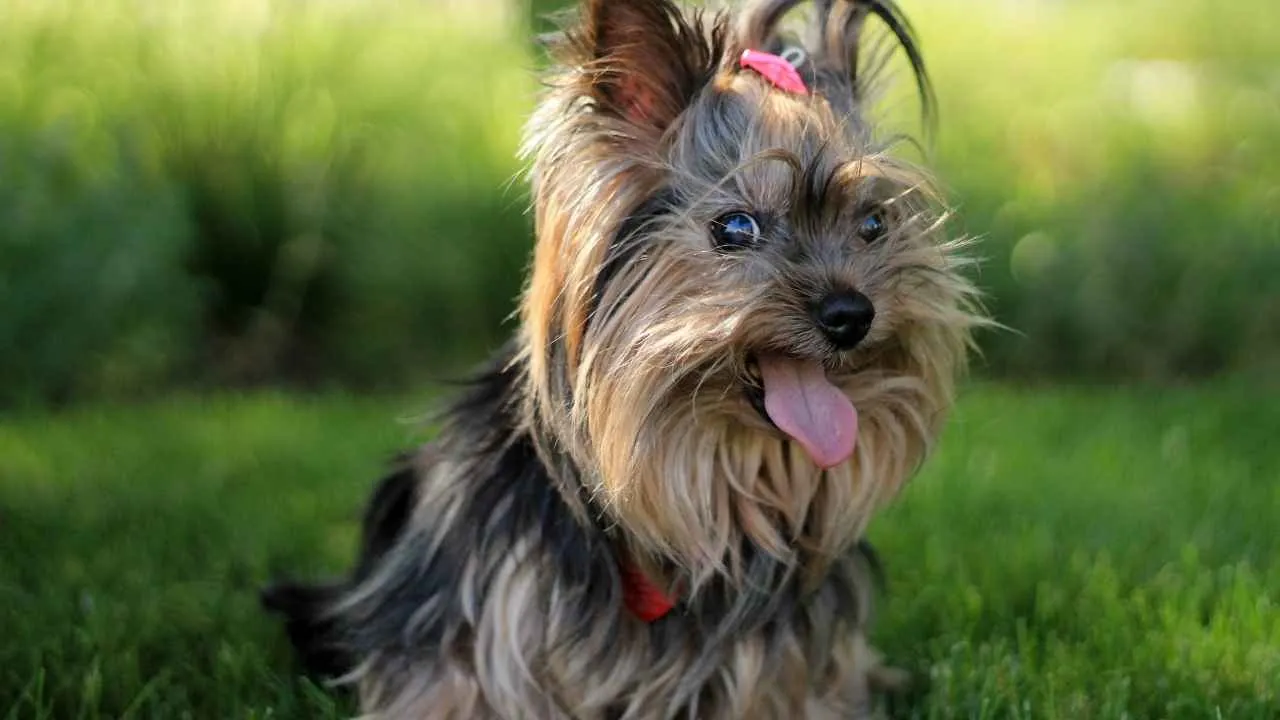
Yorkshire Terrier originated in Yorkshire during the mid-19th century, when Scottish workers brought small terriers into the region’s cotton mills. These little dogs were used to catch rats inside the mills and were classified as working dogs for that purpose.
Tiny Home Dynamo
Yorkies have enough energy to turn an indoor space into its own play area, racing around the house or chasing toys without needing long outdoor outings. That makes its size and activity style particularly practical for high-rise apartments and older adults with limited access to walks.
Characteristics that give this little dog plenty of personality:
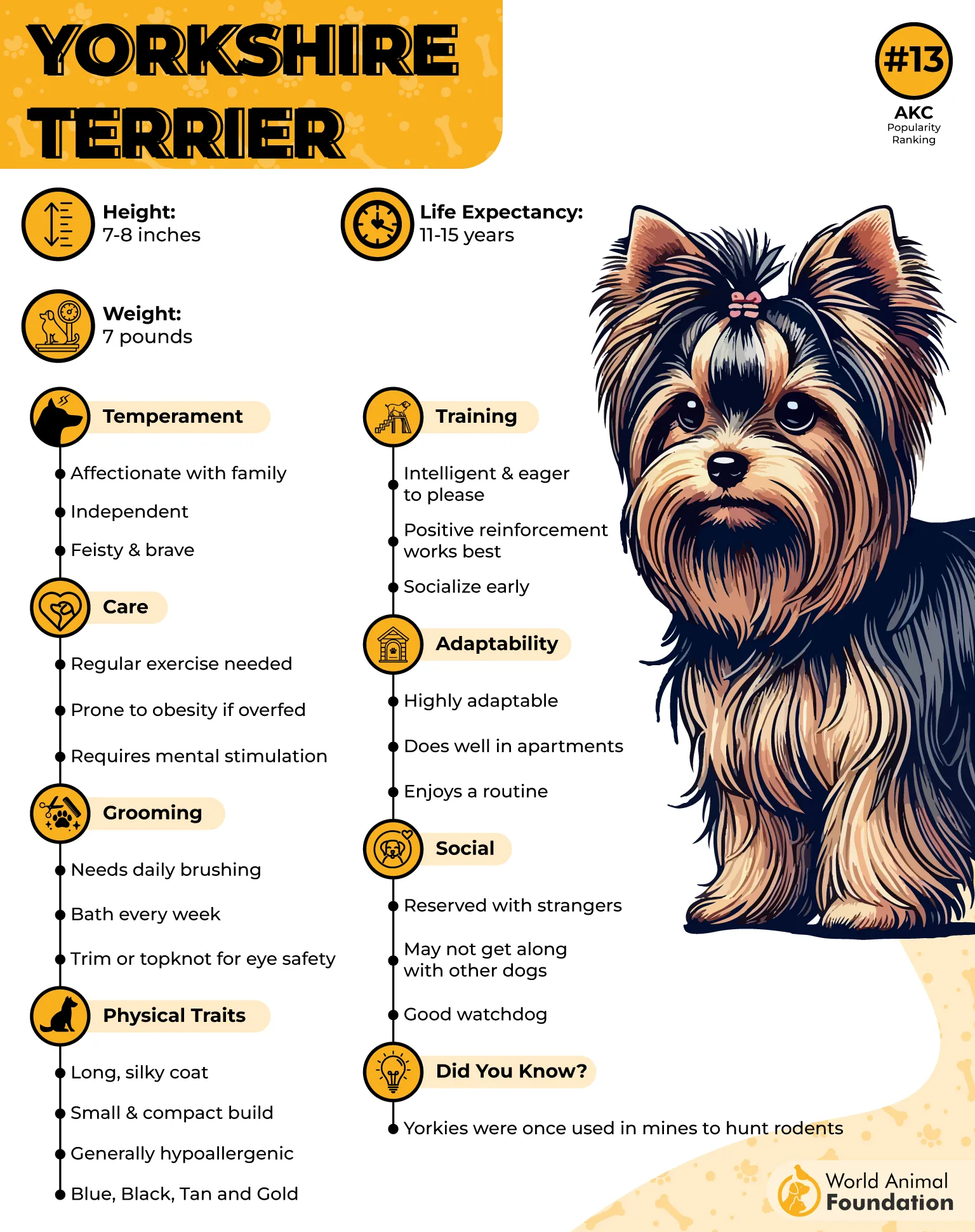
Often weighs 7 pounds or less
Can get along with cats
Frequently bosses around larger dogs
A Coat With Attitude
Yorkshire Terriers carry a long, silky coat that falls perfectly straight around their petite frame, giving it a neat look without seeming overly formal. The hair around the head and muzzle grows long as well, and owners often gather it into a little topknot above those dark, sparkling eyes.
4. Papillon
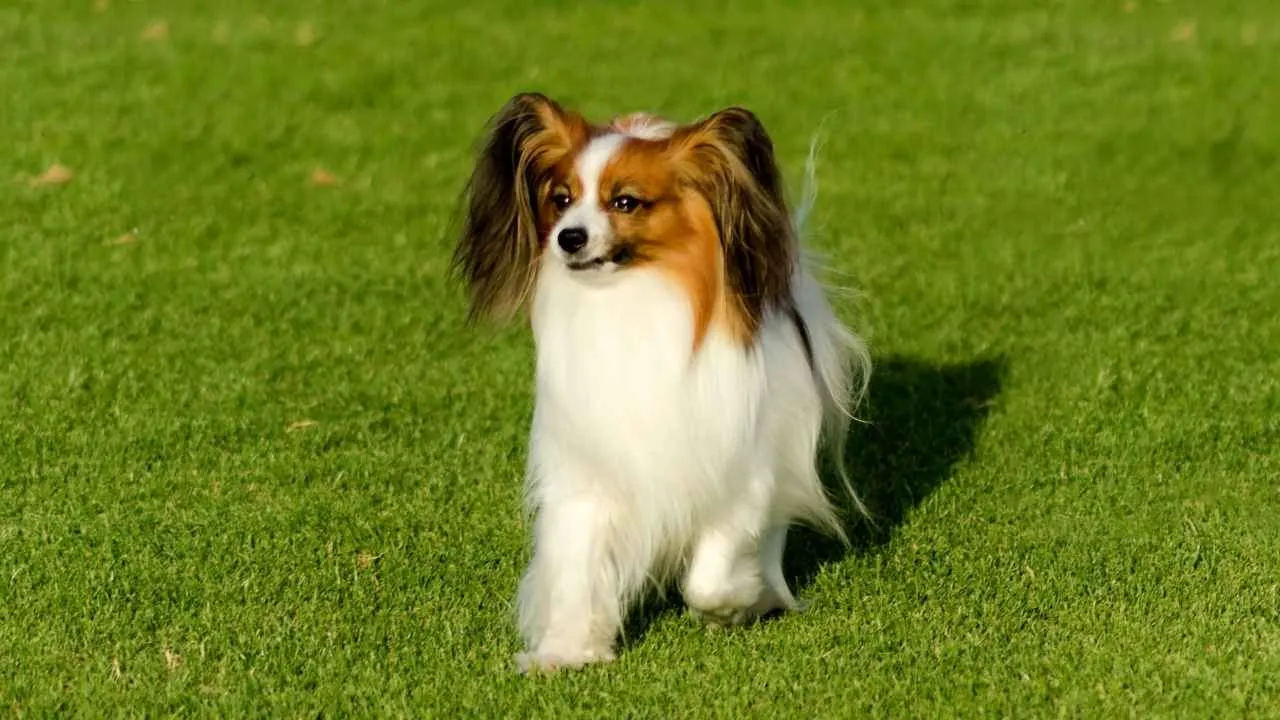
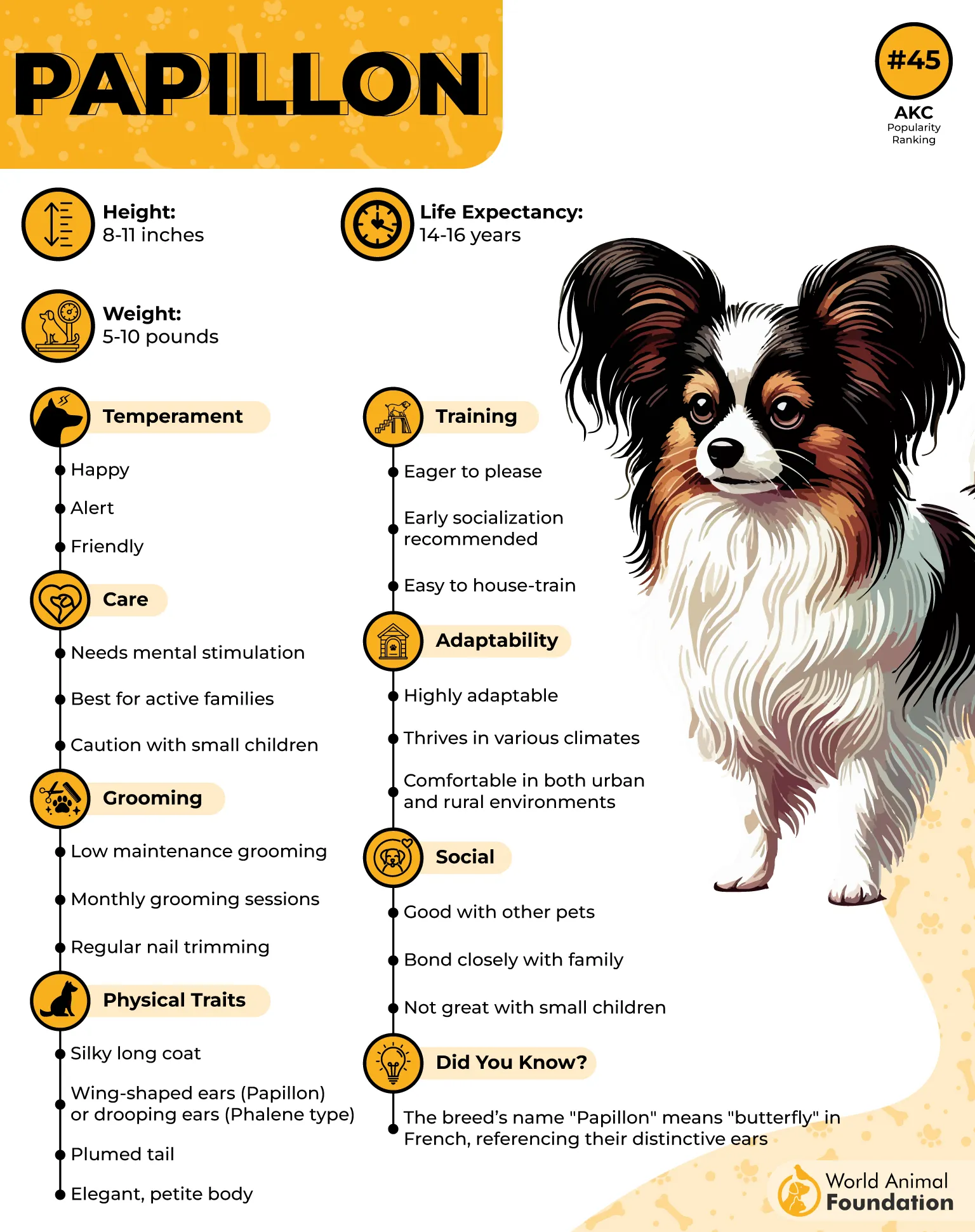
Papillon descends from European Toy Spaniels that appeared in royal court paintings as early as the 16th century, including works by Titian around 1500. The breed later became closely associated with French and Spanish nobility and was often pictured beside royalty.
Tiny in Size
This lap dog measures only 8 to 12 inches at the shoulder and weighs about 3 to 10 pounds, making its petite frame easy to accommodate. That small stature also leaves plenty of room for its lively personality, whether it is racing around the house or settling into a lap.
These specifics make this little dog especially interesting:
French name means “butterfly”
Upright ears became fashionable in the late 1800s
Tail forms a long, waving plume
A Coat With a Twist
Papillon has a long, silky coat that feels surprisingly manageable because there is no undercoat and the hair tends not to mat as easily as many other long-haired breeds. The base color is usually white, with patches that can show up in black, red, orange, tan, or sable, as Hill’s Pet reported.
5. Shih Tzu
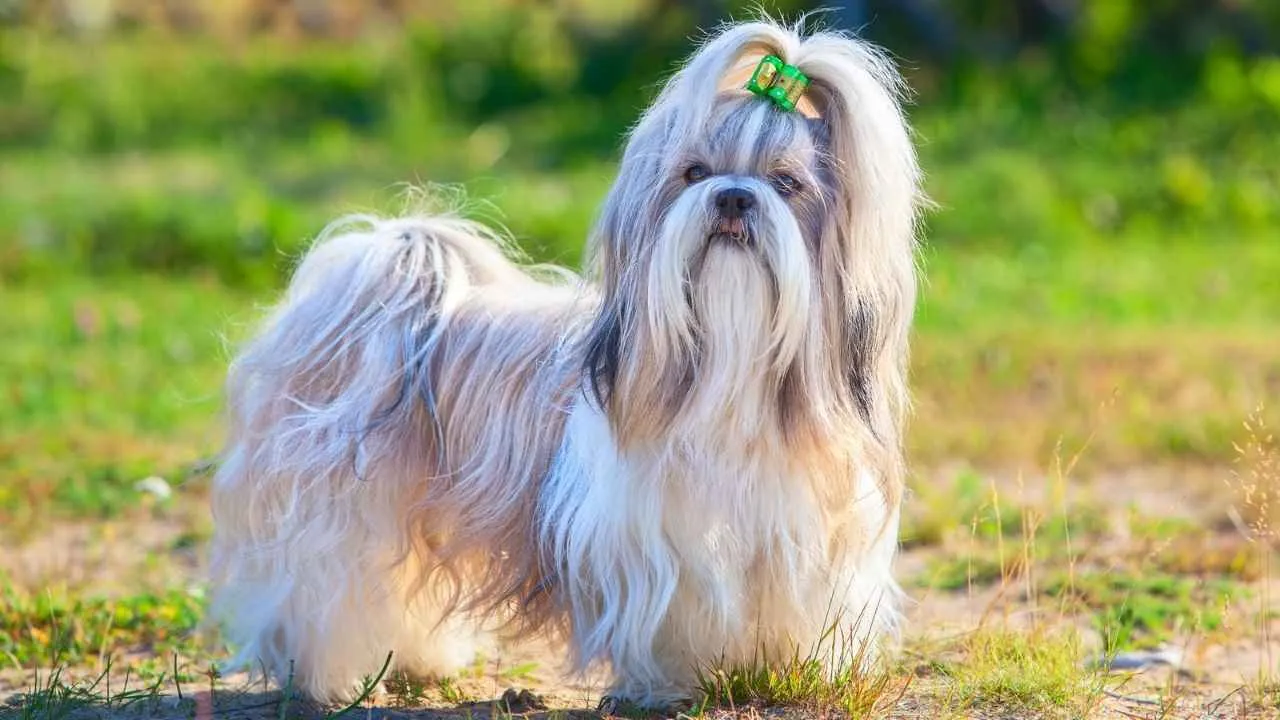
DNA research places Shih Tzu among the older established dog breeds, with a genetic history surprisingly close to that of the wolf. Bred mainly for companionship, this little dog has spent generations living alongside people and tends to enjoy being right in the middle of family life.
Small in Size, Sturdy in Build
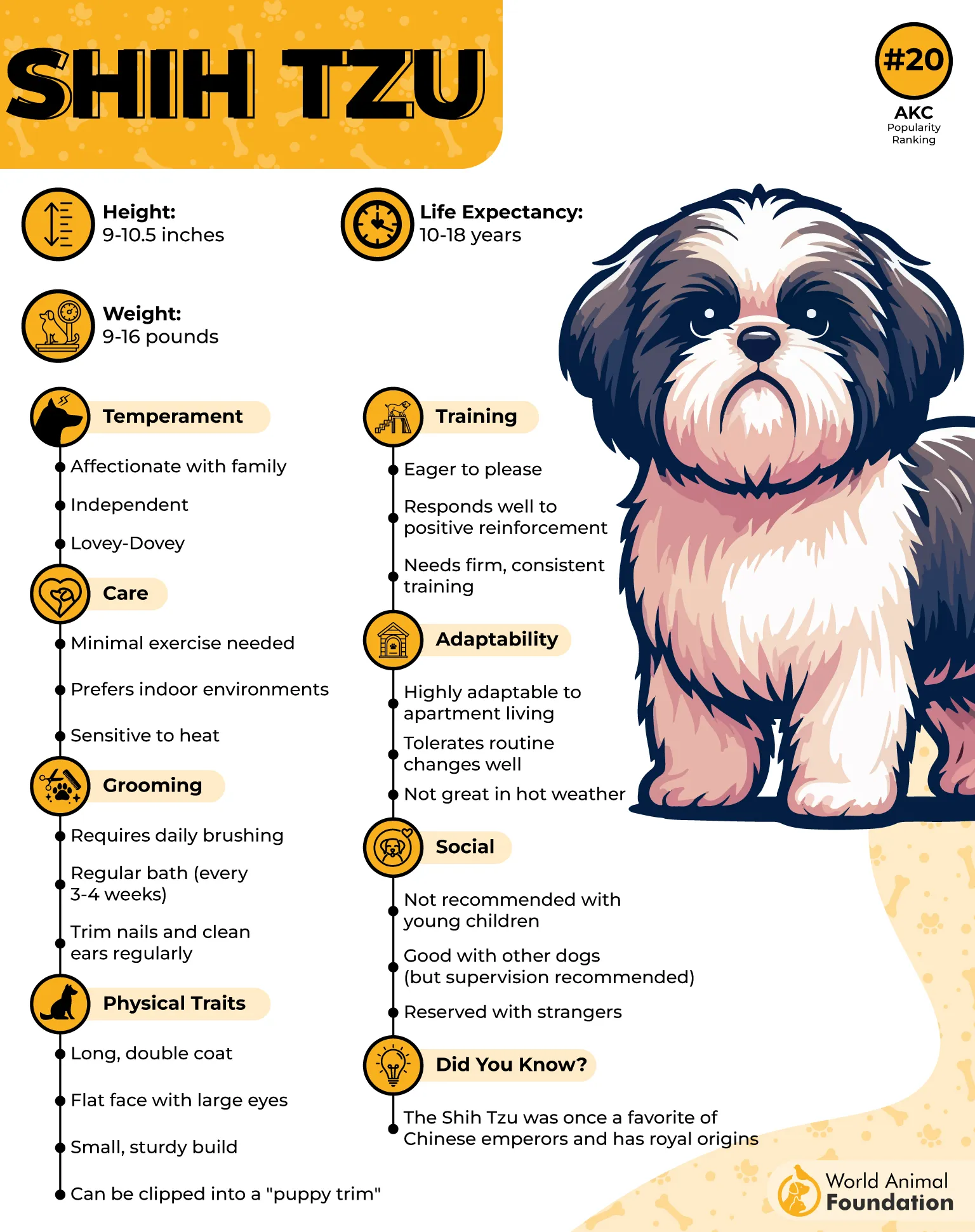
This lion dog has a round head, expressive eyes, short floppy ears, and a pronounced underbite that gives its face a distinctive look. Its sturdy build makes it more robust than its toy-group size might suggest, while children should still avoid lifting the dog.
These personality traits make them easier to picture:
Comfortable living with cats
Often barks when strangers approach
Medium energy level
A Natural Indoor Dog
Shih Tzu is perfectly happy living indoors, whether that means a city apartment or a larger house. Around 40 minutes of walking each day can cover its exercise needs, leaving plenty of time for its favorite habit of tagging along from one room to another.
6. Havanese
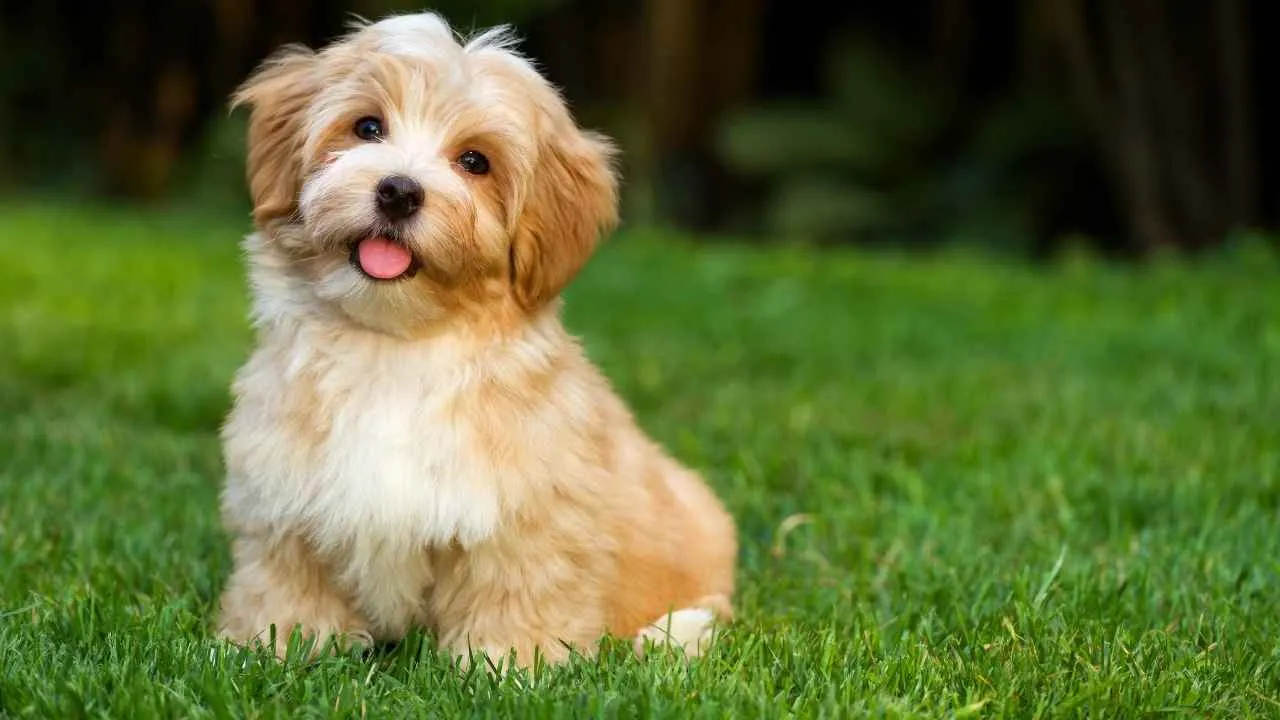
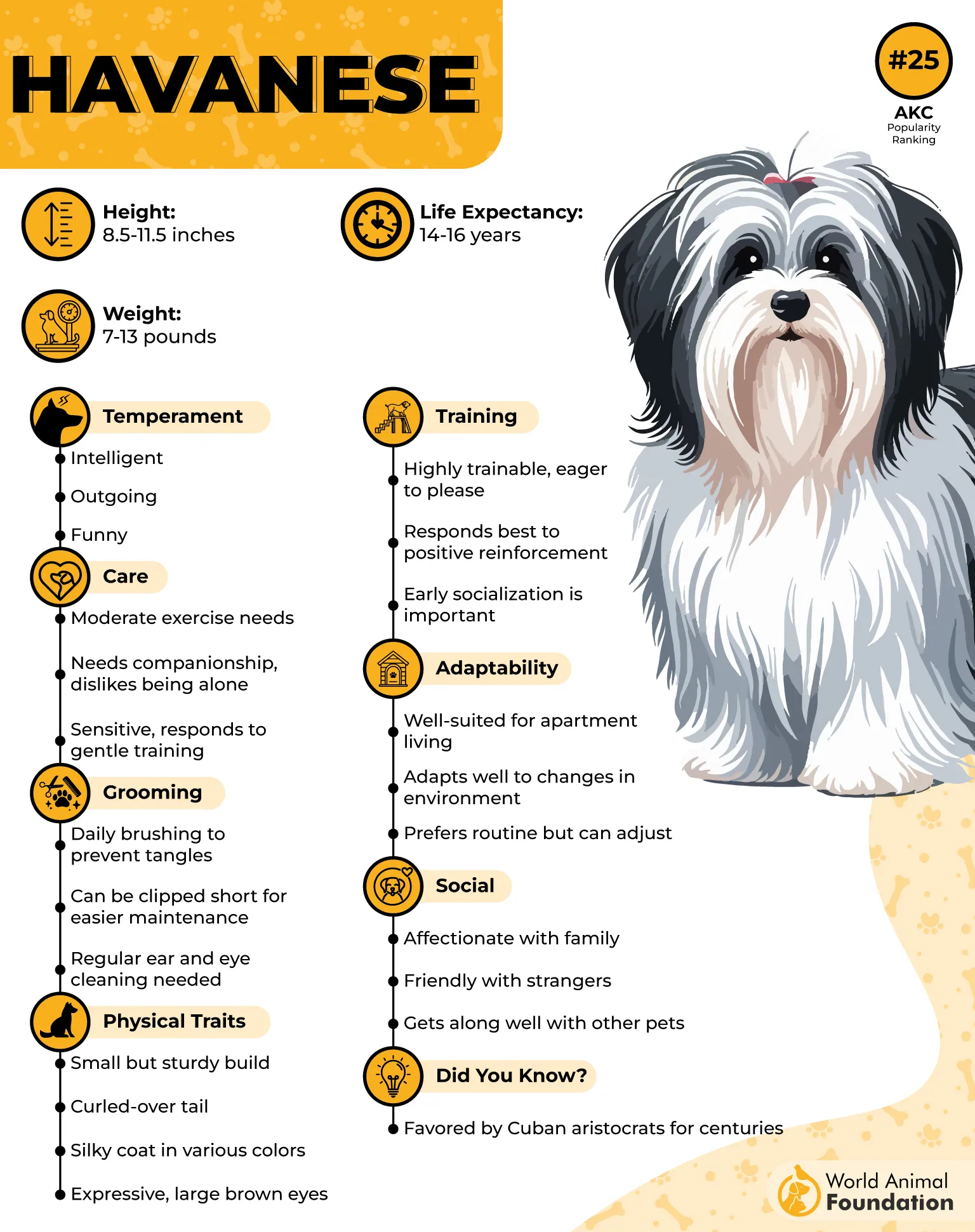
Havanese was originally bred in Cuba after ancestors arrived from Tenerife during the 1500s, eventually becoming a favored household companion in Havana. By the 18th century, the breed had reached Europe, where British, French, and Spanish nobility took a strong interest in it.
A Silky Little Coat
This family dog weighs about 7 to 13 pounds and has a sturdy body that is slightly longer than tall, with drop ears, expressive eyes, and a curled tail. Its long, soft double coat may be straight or wavy and has earned the nickname “Havana silk dog.”
Its petite frame is just the beginning:
Classified in the Toy breed group
Requires daily grooming to prevent tangles
Can handle lively play with confidence
Always Involved
Havanese enjoys being part of whatever is happening at home, from watching a movie to following along while chores are being done. Its social nature also extends outdoors, where walks can turn into opportunities to greet unfamiliar people and other dogs.
7. Brussels Griffon
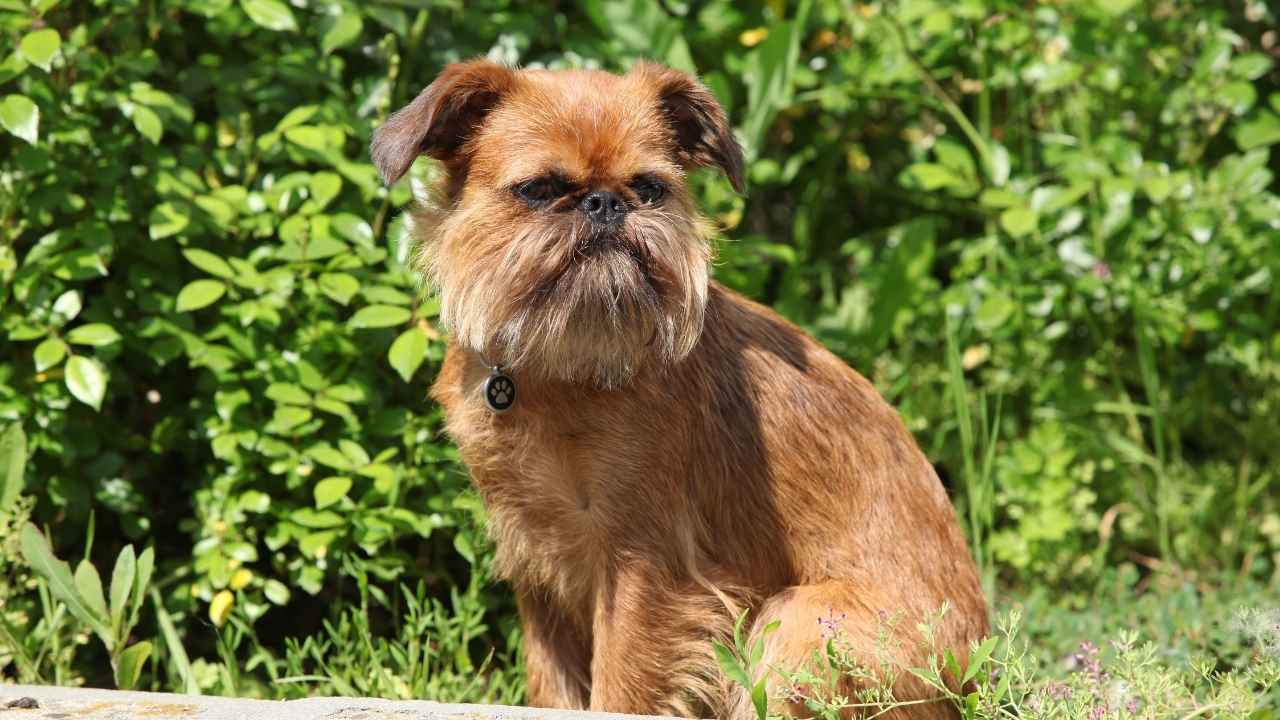
Brussels Griffon began in Belgium as a small Smousje-type terrier used to hunt rodents around stables. In the 19th century, crosses with the Pug and King Charles Spaniel shaped the breed we recognize today, while Belgium’s queen later took a personal interest in breeding them.
A Face Full of Character
This breed has a remarkably expressive face, with large eyes, long eyelashes, a domed forehead, a deep stop, and a black nose. Its compact, square body comes with either a rough, dense coat or a short, glossy coat, depending on the variety.
Three details make that appearance especially distinctive:
Rough coats have longer facial hair
Smooth coats lack wiry hair
Rough coats favor a dense, wiry texture
Small Dog, Strong Opinions
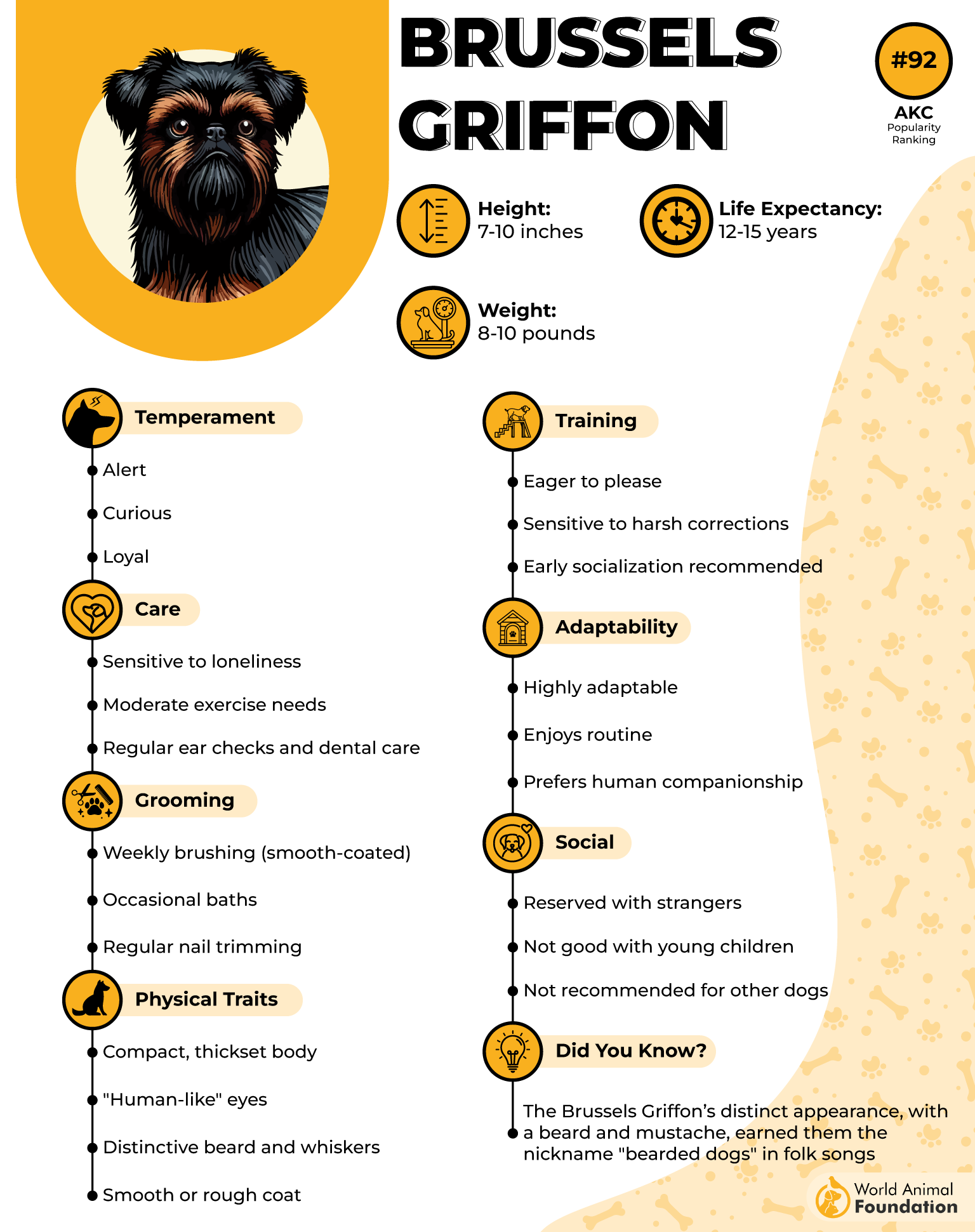
Brussels Griffons can weigh around ten pounds while carrying a surprisingly forceful personality, often choosing one favorite person while happily playing with others. The breed is sensitive to rough handling and may react with a nip when treated too harshly.
Conclusion
The appeal of a small dog often lasts well beyond puppyhood, especially when its size, personality, and daily habits fit comfortably into your home. A compact frame can make apartment life easier, while indoor play and short walks may provide enough activity for some dogs. Others need more exercise, grooming, or attention than their tiny appearance suggests.
Training and socialization also help shape a confident household companion, particularly when a dog has a bold or sensitive personality. Consistent training can support an affectionate temperament, helping create great family dogs that are easier to enjoy every day. Selecting the right fit gives you a cuddly companion whose character stays just as memorable as its appearance.
