




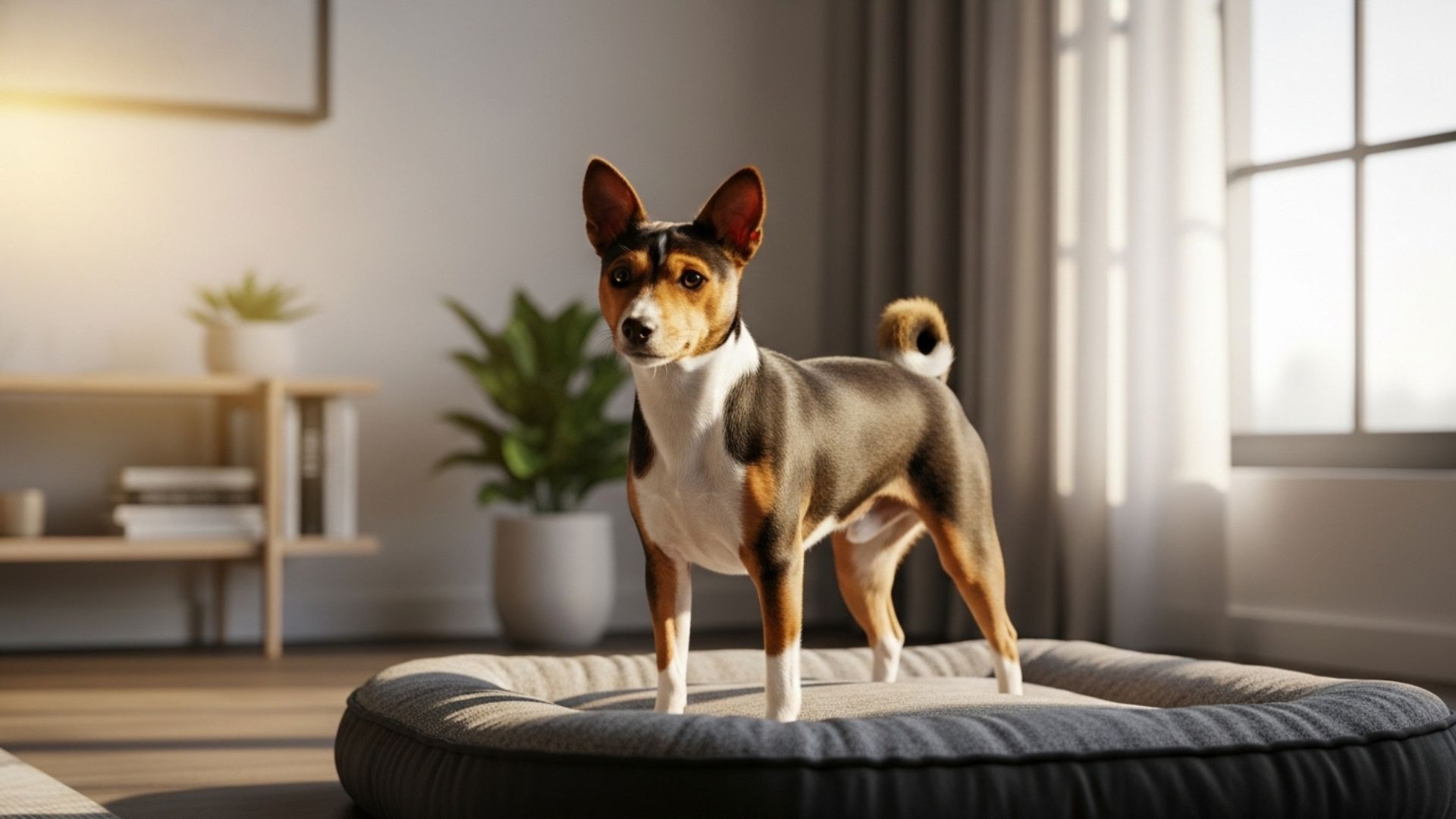
Some dogs crave constant attention, while others enjoy a bit of quiet time to themselves. The best small dog breeds that prefer solitary life are those confident little companions who find joy in independence.
They’re calm, thoughtful, and perfectly happy watching the world go by from their favorite spot.
Research says small dogs often adapt better to compact spaces, making them ideal for apartment living or homes without large yards. Their independence and low-maintenance nature make them great for owners who appreciate peace and balance.
While these dogs enjoy solitude, they still form deep, meaningful bonds with their humans. They might not demand constant cuddles, but they’ll always be close by, offering loyalty and comfort in subtle ways.
Despite their small size, they often have bursts of energy, and a stroll through the dog park or a walk around the block helps them stay active and happy.
Small dogs eat less, shed less, and are easier to manage than larger breeds—plus, they cost less to care for. However, their tiny frames make them more delicate, requiring gentle handling.
With patience, space, and love, these little independent spirits thrive beautifully in homes that respect both closeness and solitude.
Best Small Dog Breeds That Prefer Solitary Life
1. Shiba Inu
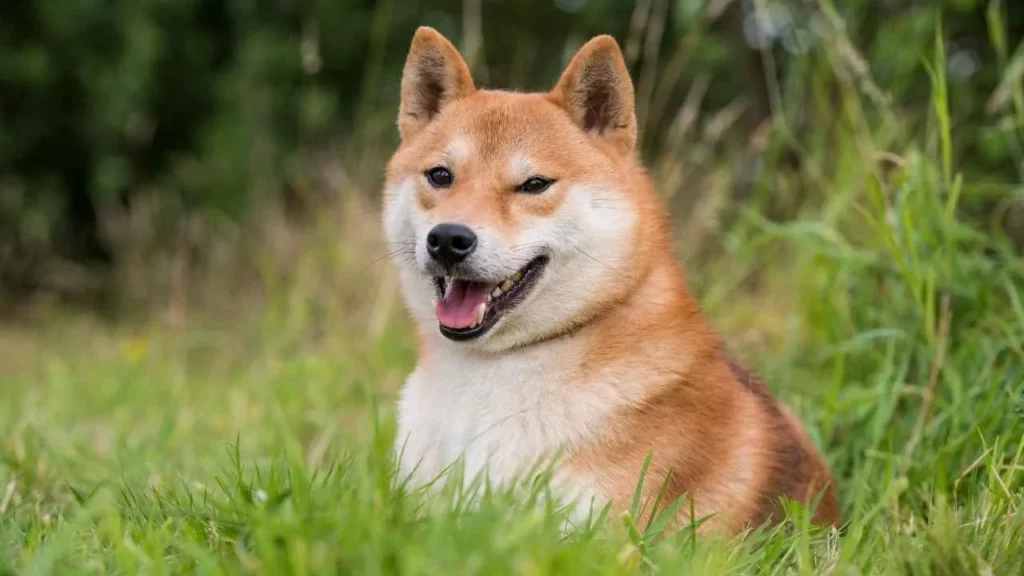
The Shiba Inu, sometimes called the Little Brushwood Dog in Japan, is a spirited yet self-reliant breed admired for its foxlike face and dignified poise.
According to the American Kennel Club, the Shiba Inu is an ancient Japanese breed that, despite its small size, is well-muscled and was originally used for hunting.
Their strong-willed personality makes them one of the most independent small dog breeds, comfortable spending time alone without becoming distressed.
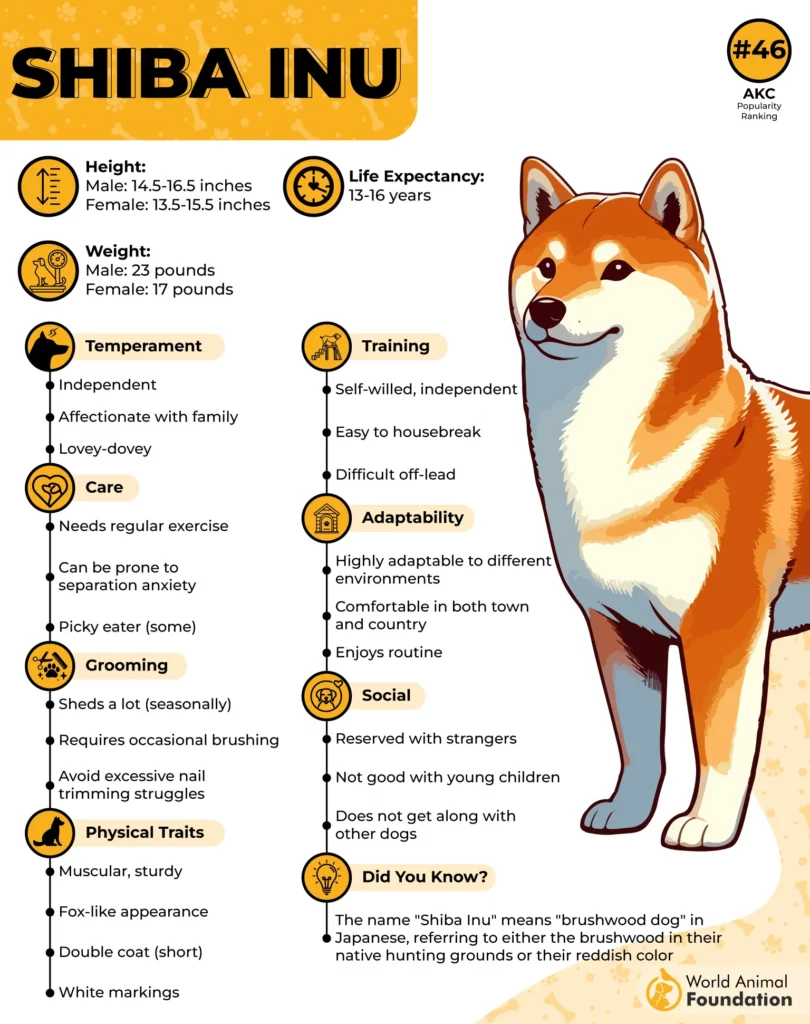
However, they thrive when given outlets for their energy—whether through outdoor play, puzzle toys, or brisk walks that stimulate their sharp minds.
Despite their aloof nature, Shibas form deep, lasting bonds with their owners. They show affection selectively, often through loyalty rather than clinginess, which makes them ideal companions for people who appreciate self-sufficient pets.
Fact: The Shiba Inu is Japan’s most popular native breed and one of the oldest dog breeds in existence, originally bred for hunting small game.
2. Basenji
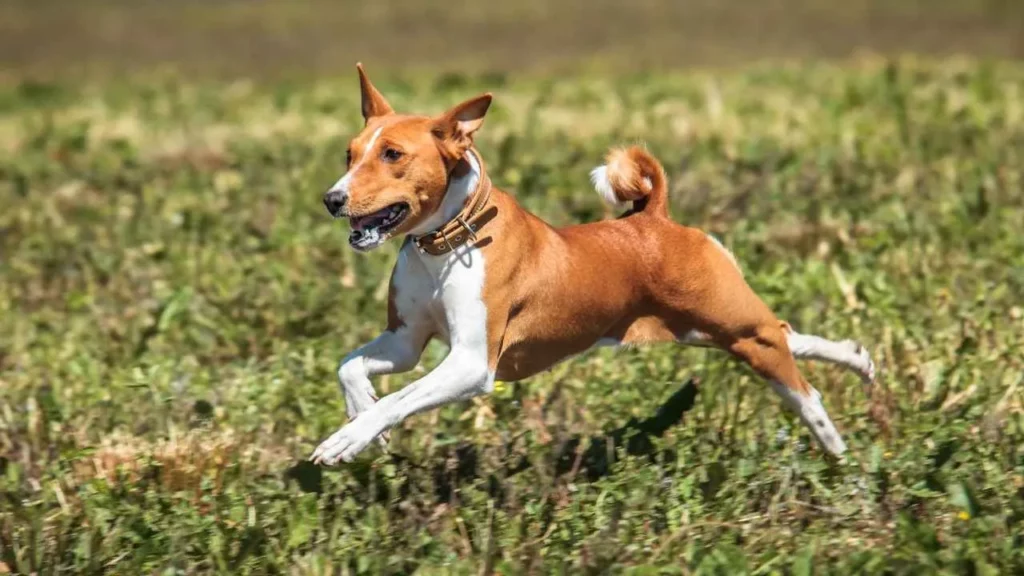
The Basenji, often called the “barkless dog,” is one of the oldest and most distinctive breeds in the world. According to PetMD, the Basenji is an ancient dog breed that originates from Africa.
This small, sleek dog is known for its upright ears, tightly curled tail, and quiet, almost catlike demeanor. Instead of barking, the Basenji communicates through unique yodel-like sounds known as “baroos,” adding to its mysterious charm.
Confident and self-reliant, the Basenji is perfectly suited for individuals who appreciate a more independent companion. Unlike more attention-seeking breeds, this dog is content to spend time alone, often relaxing quietly while its owner is away.
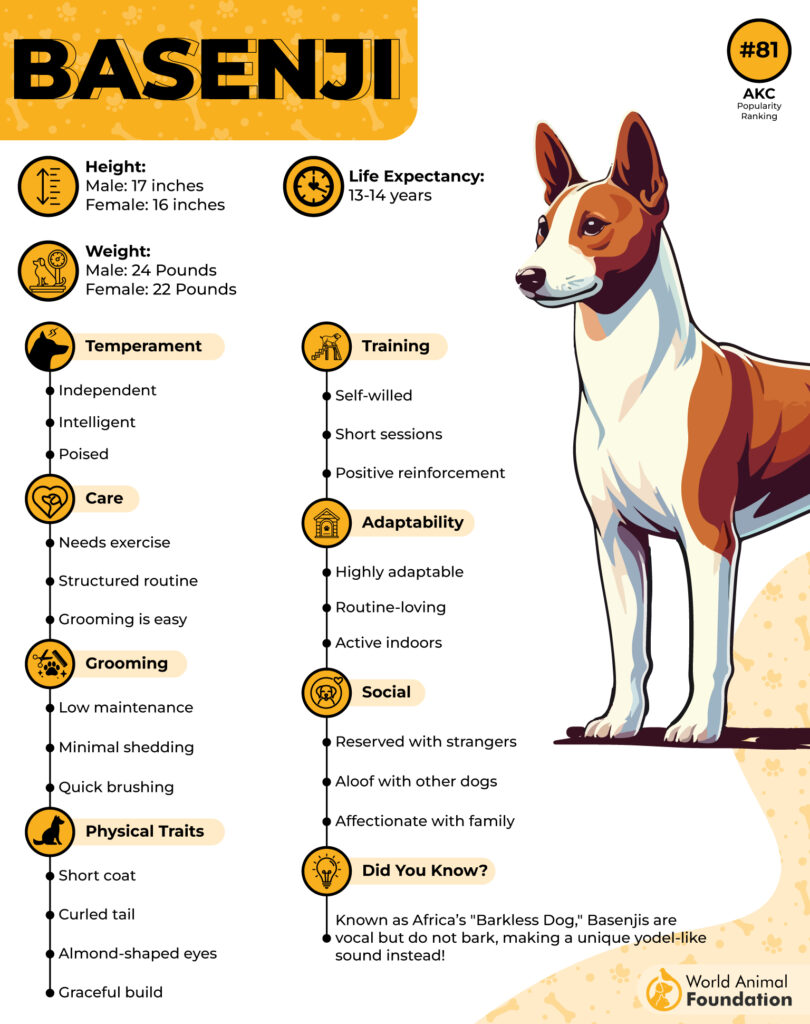
Its low separation anxiety makes it a great fit for those who work long hours or prefer a tranquil household.
Despite its independence, the Basenji still enjoys interaction on its own terms. These dogs show affection subtly—through calm presence rather than constant cuddling. Their low indoor energy levels make them adaptable to apartment living, provided they receive regular exercise outdoors.
Fun Fact: The Basenji’s catlike habits include meticulous self-grooming and graceful, deliberate movements—traits that make this breed as clean as it is clever.
3. Pug
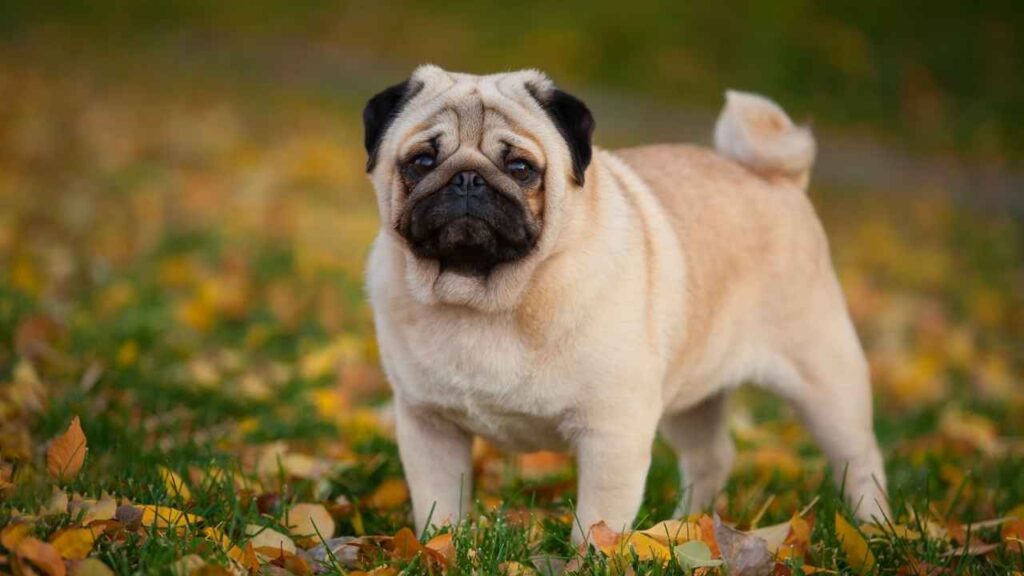
The Pug, also known as the “Dutch Mastiff,” is a small, sturdy dog originally bred in China as a cherished companion to royalty. According to Britannica, Pugs are considered excellent small dog companions for older adults.
With their round faces, expressive eyes, and curled tails, Pugs embody charm and affection. Despite their playful personality, they’re content with calm routines and thrive in cozy indoor settings.
Ideal for owners with a steady lifestyle, Pugs are adaptable and independent enough to handle short periods alone. They don’t demand vigorous exercise—moderate walks and playtime keep them happy.
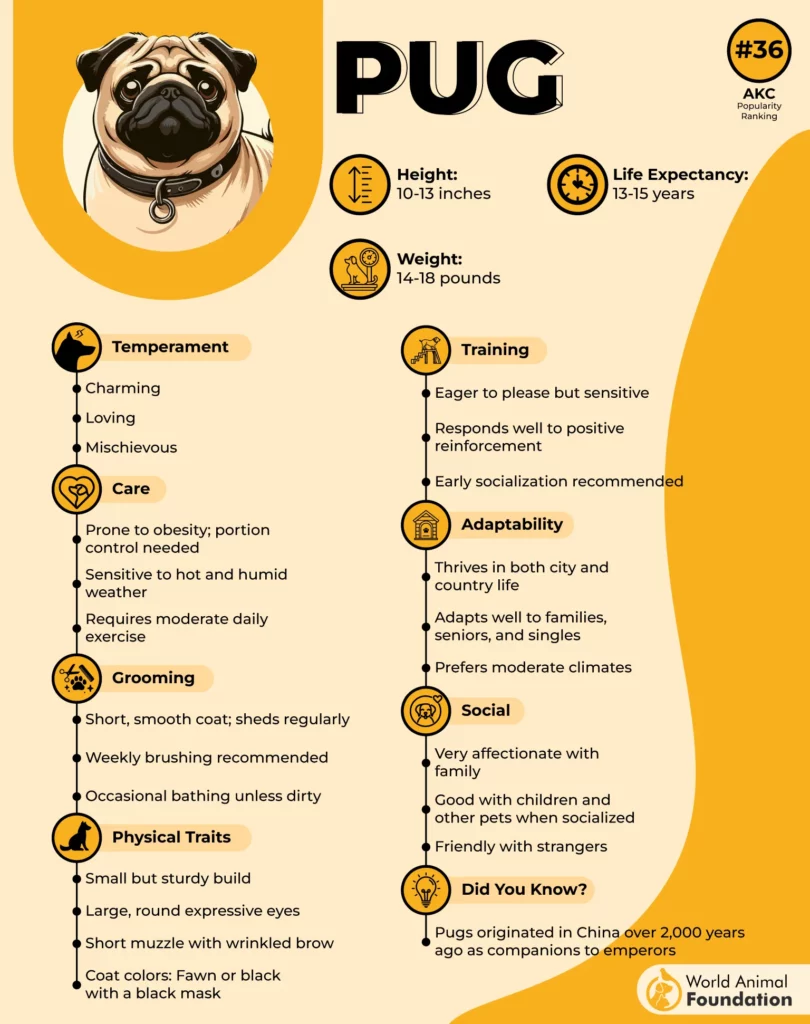
Training them early to adjust to your schedule helps build confidence and reduces any chance of separation anxiety.
These dogs form gentle, loyal bonds with their humans but are comfortable entertaining themselves, making them great companions for people who appreciate quiet company rather than constant interaction.
Their affectionate yet laid-back nature suits apartment living and individuals who value balance over intensity.
Fact: According to veterinary expert Dr. Rolan Tripp, Pugs adapt well to their owners’ comings and goings and don’t require vigorous daily exercise, making them ideal low-maintenance companions.
4. Poodle
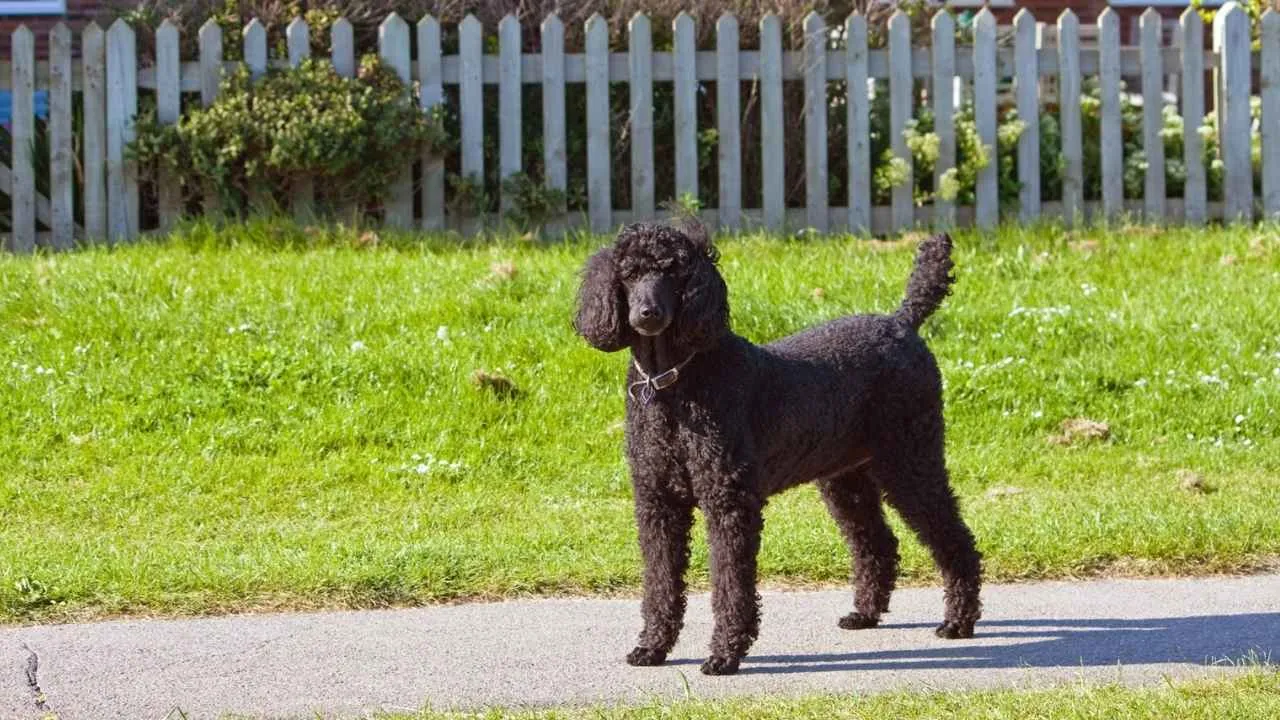
Also known as the French Poodle or Caniche, this breed stands out for its intelligence, elegance, and adaptable nature. Available in three sizes—Standard, Miniature, and Toy—the Poodle is both graceful and clever.
The Toy Poodle, in particular, is ideal for those seeking a small, independent companion that balances affection with self-assurance. Its signature curly coat and alert expression make it one of the most recognizable and adored breeds worldwide.
Despite their social charm, Poodles are also among the few small dog breeds comfortable spending time alone. Their calm temperament allows them to handle solitude, though they appreciate attention once their owners return.
This makes them perfect for people who work long hours but want a loyal, affectionate dog waiting at home.
Their intelligence means they adapt quickly to routines, making solo time stress-free. With mental stimulation and gentle interaction, a Poodle stays happy and content even when alone for part of the day.
Fact: The Poodle is ranked as one of the world’s most intelligent dog breeds, capable of learning commands faster than most other dogs.
5. Lhasa Apso
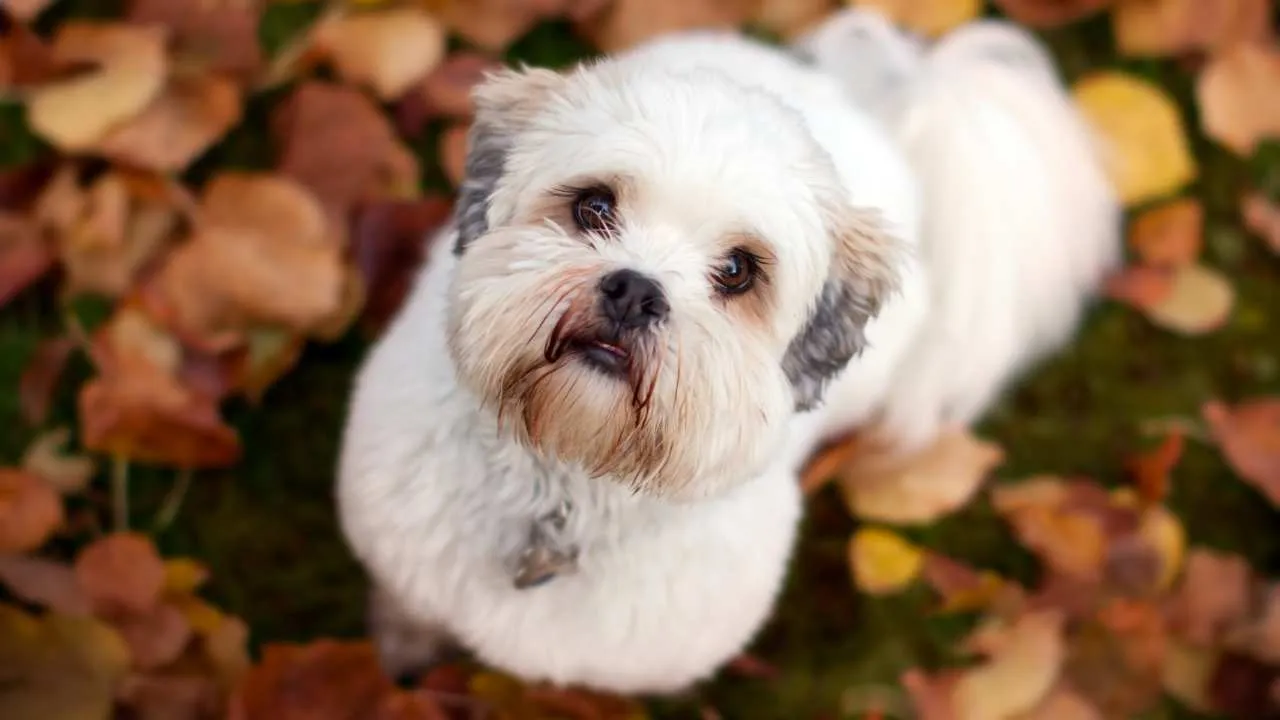
The Lhasa Apso, often called the “guardian of the Himalayas,” is a small yet dignified dog originally bred to protect Tibetan monasteries. Despite its compact frame, this breed carries an air of confidence and self-assuredness, standing alert like a miniature sentinel.
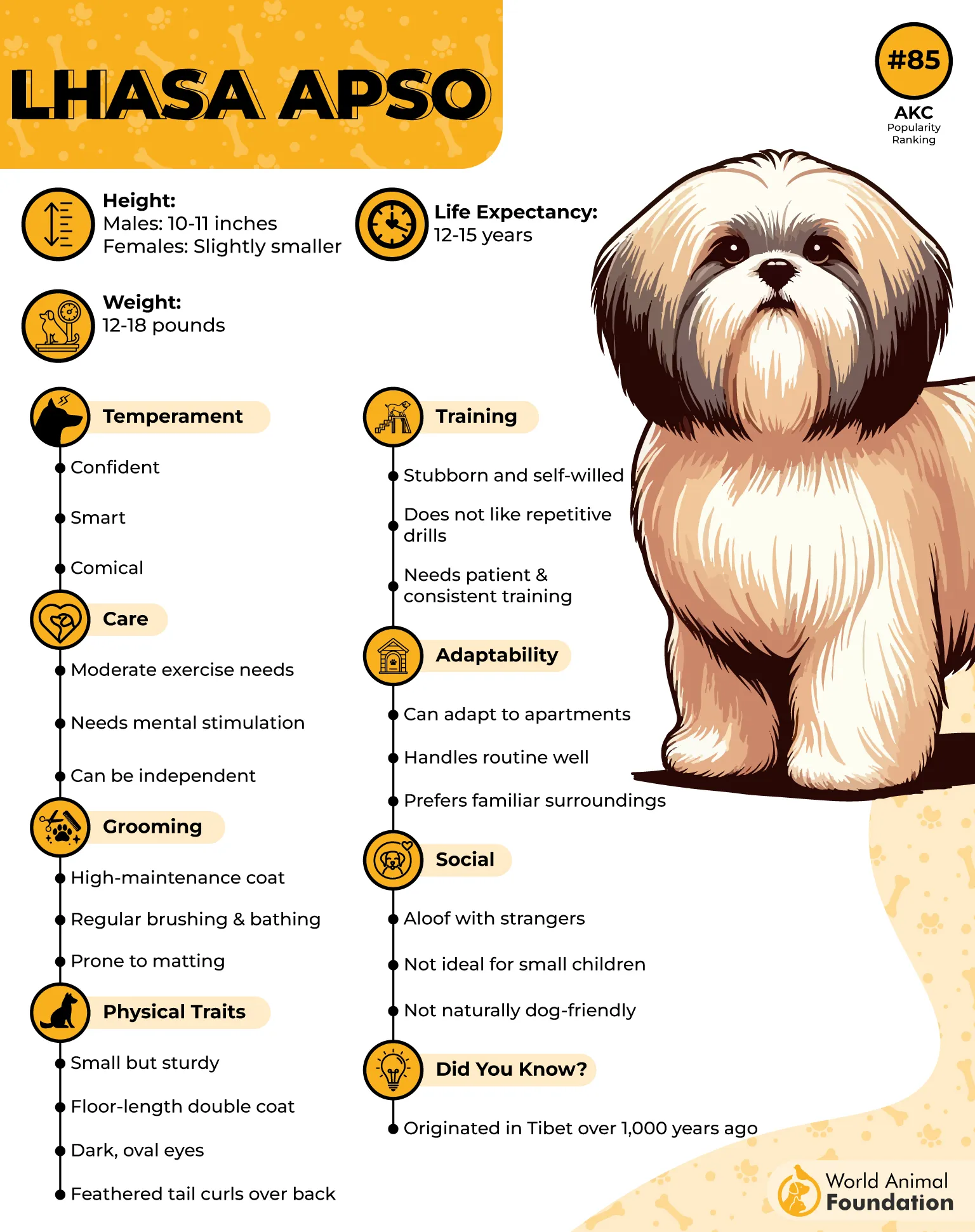
Known for their independent spirit, Lhasa Apsos are perfectly suited for owners who value peace and solitude. They are comfortable spending time alone, quietly patrolling the home or resting near their favorite spot, making them ideal for individuals who work during the day or prefer low-interaction pets.
These dogs are both loyal and discerning—they choose when to show affection and prefer calm environments over noisy or chaotic ones. Their steady temperament reflects their ancient role as temple guardians, always watchful but rarely demanding.
Fact: Bred for centuries to guard Tibetan temples and monasteries, the Lhasa Apso’s serene yet bold personality remains a hallmark of this ancient breed.
6. Pekingese
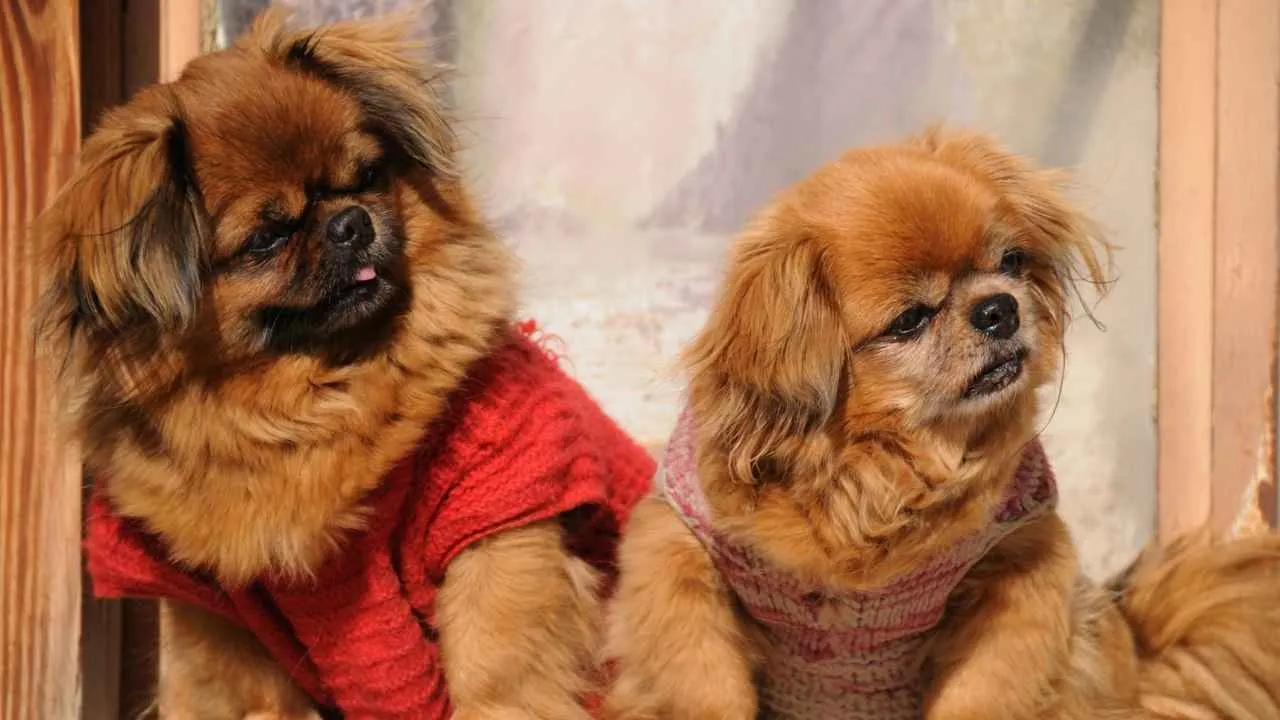
The Pekingese, also known as the Lion Dog or Peke, is a regal toy breed from ancient China, admired for its flowing mane and dignified presence. Once favored by emperors, this compact yet proud breed thrives in peaceful environments where it can enjoy solitude and quiet companionship.
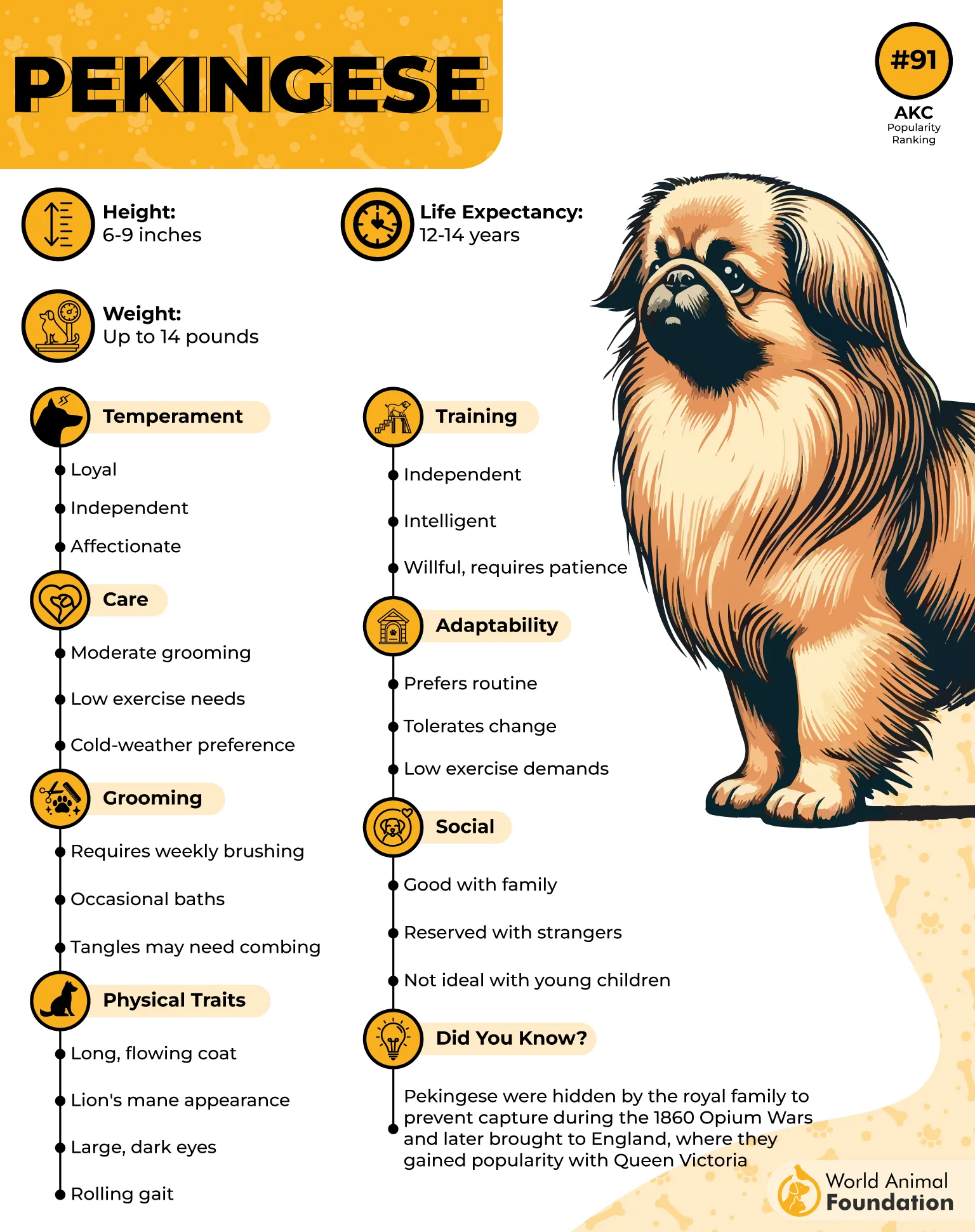
What makes the Pekingese ideal for solitary living is its independent yet affectionate temperament. While it bonds deeply with its owner, it doesn’t constantly seek attention.
Instead, it enjoys resting in its favorite corner or observing the world around it with serene composure, perfectly content in a calm home setting.
Their low exercise needs suit small spaces and relaxed lifestyles. Gentle walks or short play sessions indoors are enough to keep this breed satisfied. Due to its flat face, avoiding excessive activity—especially in warm weather—is essential to maintain comfort and health.
Fact: The Pekingese was once considered so sacred in China that only members of the imperial family could own one, symbolizing loyalty and noble grace.
7. Scottish Terrier
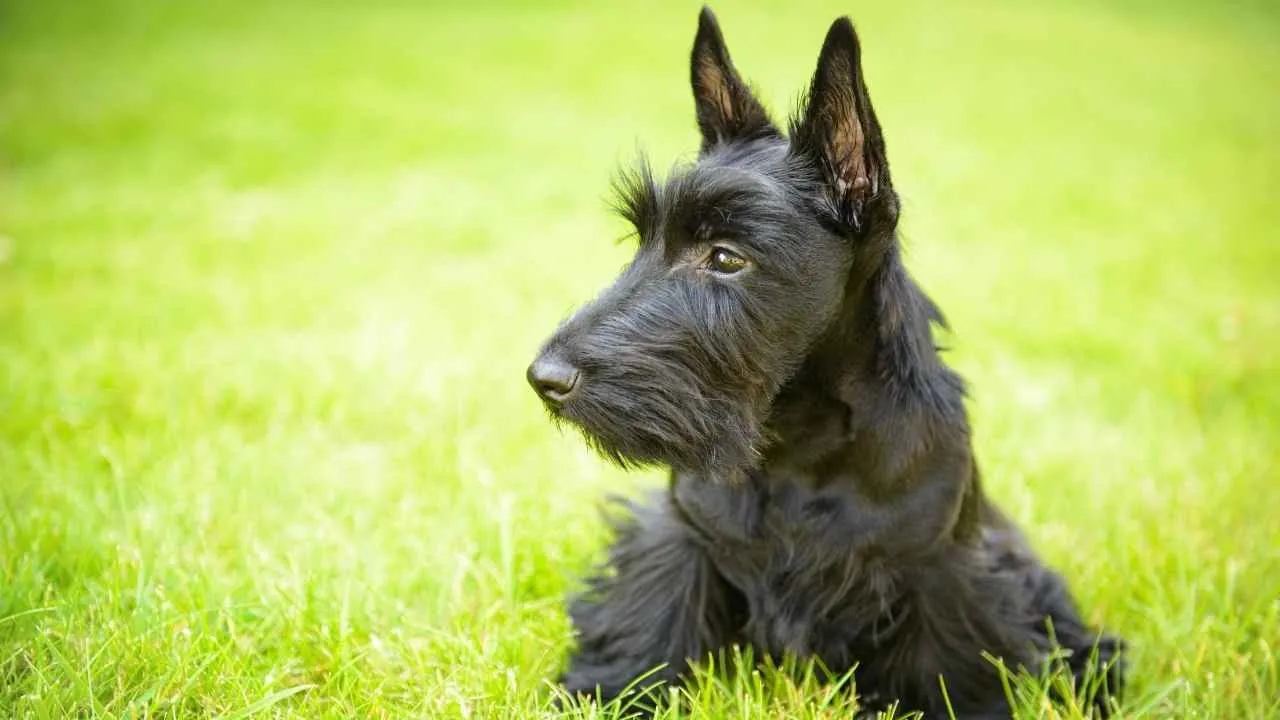
The Scottish Terrier, often affectionately called the Scottie, is a small yet fearless breed originally developed in Scotland for hunting foxes and badgers.
Known for their bold and somewhat aloof nature, Scotties carry themselves with quiet confidence—true to their nickname, “the Diehard.”
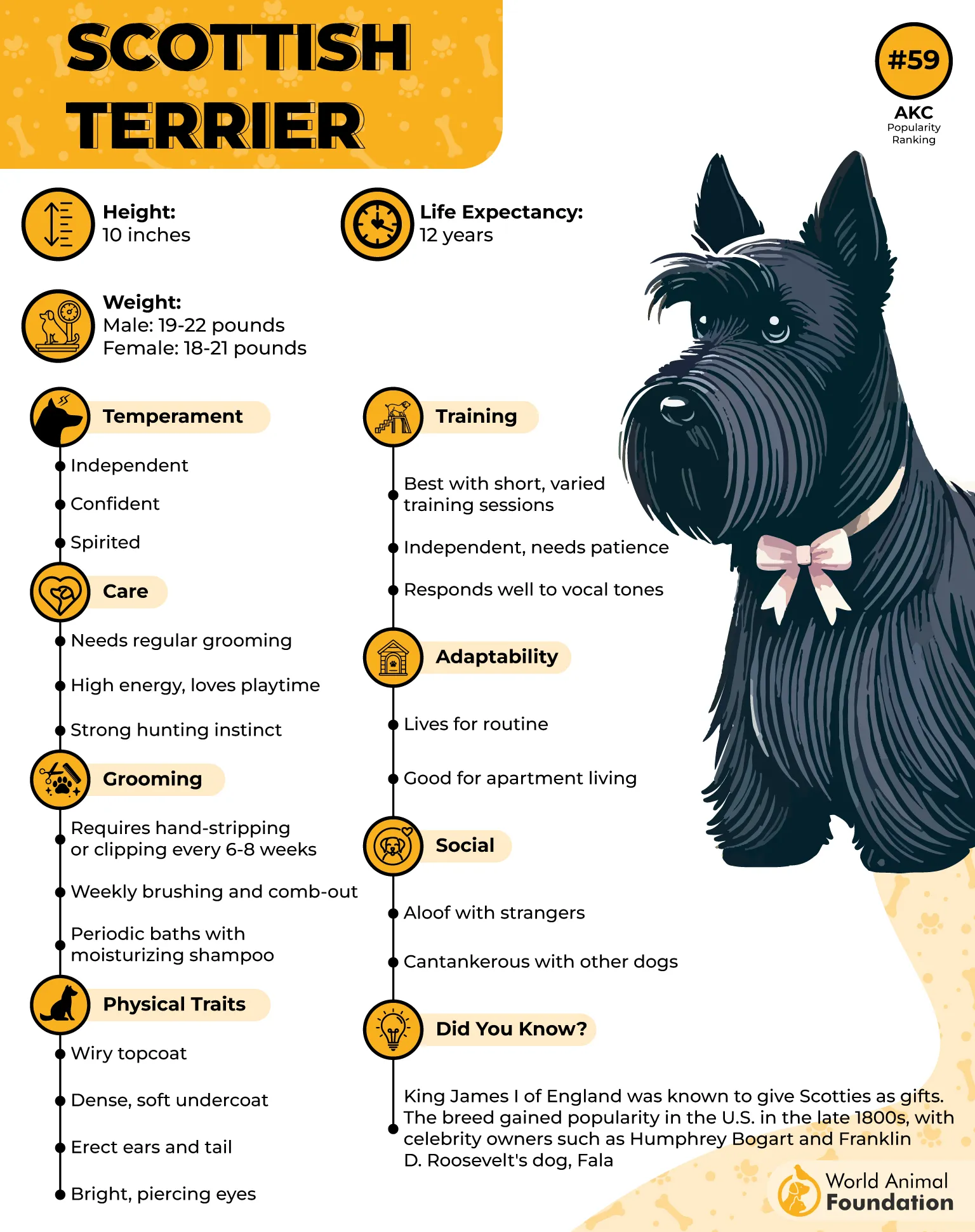
Unlike overly clingy breeds, the Scottish Terrier enjoys solitary moments and values personal space. They are independent thinkers, preferring to make their own decisions rather than constantly seeking approval.
This makes them ideal for owners who appreciate a dog with a strong personality and self-assured demeanor.
However, beneath their self-reliant exterior lies a dog that forms deep, loyal bonds with its family. Scotties tend to show affection selectively—reserving their warmth for those they truly trust—making their companionship all the more meaningful.
Fact: Known for being “feisty, independent, and sometimes excitable,” Scottish Terriers thrive in both city and country settings, needing only moderate exercise to stay happy and balanced.
Conclusion
Finding the right dog that enjoys its own space can be a blessing for busy owners or those living in an apartment building. Some best dog breeds, like the French Bulldog, Boston Terrier, or Maltese dog, are known for their independent nature and ability to stay calm when left alone for a few hours.
While these short dogs may prefer quiet time over the chaos of a dog park, they still need mental stimulation and light exercise to prevent gaining weight or developing excessive barking habits.
Even adult dogs with a love for solitude thrive with proper training and affection. Breeds like the Shih Tzu or even smaller active breeds can balance independence with loyalty, offering comfort without demanding constant attention.
The American Kennel Club notes that even smaller dogs can make excellent guard dogs with strong instincts. For pet owners seeking a companion who enjoys human company but doesn’t crave it constantly, these breeds are a perfect match—small in size yet rich in personality.
