





A small dog can hear the front gate, notice footsteps, and react to a visitor before you reach the door. That natural awareness is one reason smaller breeds can work well as household watchdogs.
Their compact size makes them easier to manage in apartments, townhomes, and homes where a larger dog is impractical. Knowing what watchdog duty really means is important. These dogs are generally valued for alerting their families, not for physically confronting an intruder.
Temperament, confidence, socialization, and training can make a major difference in how useful that alert becomes. A dog that recognizes unusual activity and settles after reassurance is far easier to live with than one that reacts to every passing sound.
If you want a breed that stays alert and lets you know when something changes, this article covers the breeds and traits worth considering for protection.
Key Takeaways
A tiny dog with a loud bark can be enough to make you check who is outside. Several breeds on this list have exactly that kind of alert nature.
The Miniature Schnauzer was actually developed for farm work and guarding, while the Miniature Pinscher earned a reputation for taking on dogs much bigger than itself.
Tibetan Spaniels and Lhasa Apsos bring an even older watchdog history, once keeping watch around monasteries and warning people about approaching strangers.
From the Scottish Terrier’s deep bark to the Chihuahua’s fierce attachment, there are plenty of surprising reasons to keep reading this list.
Best Small Dog Breeds for Watchdog Duty and Safety
1. Miniature Schnauzer
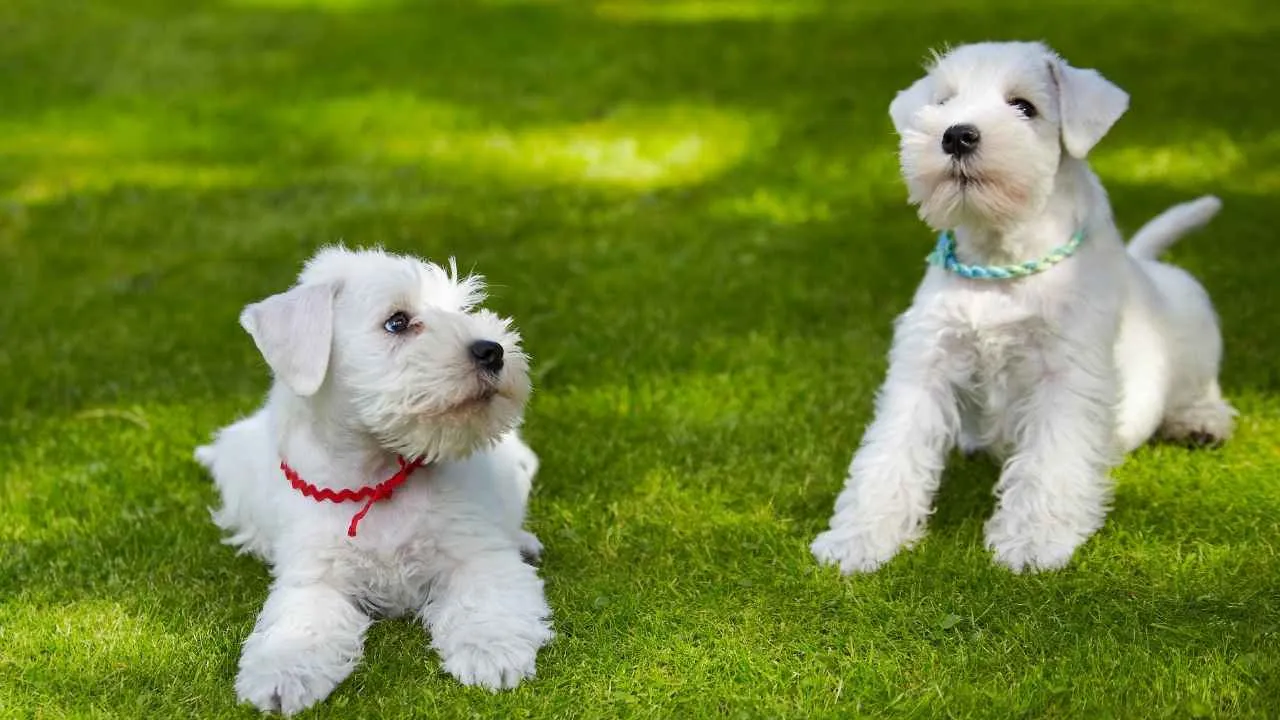
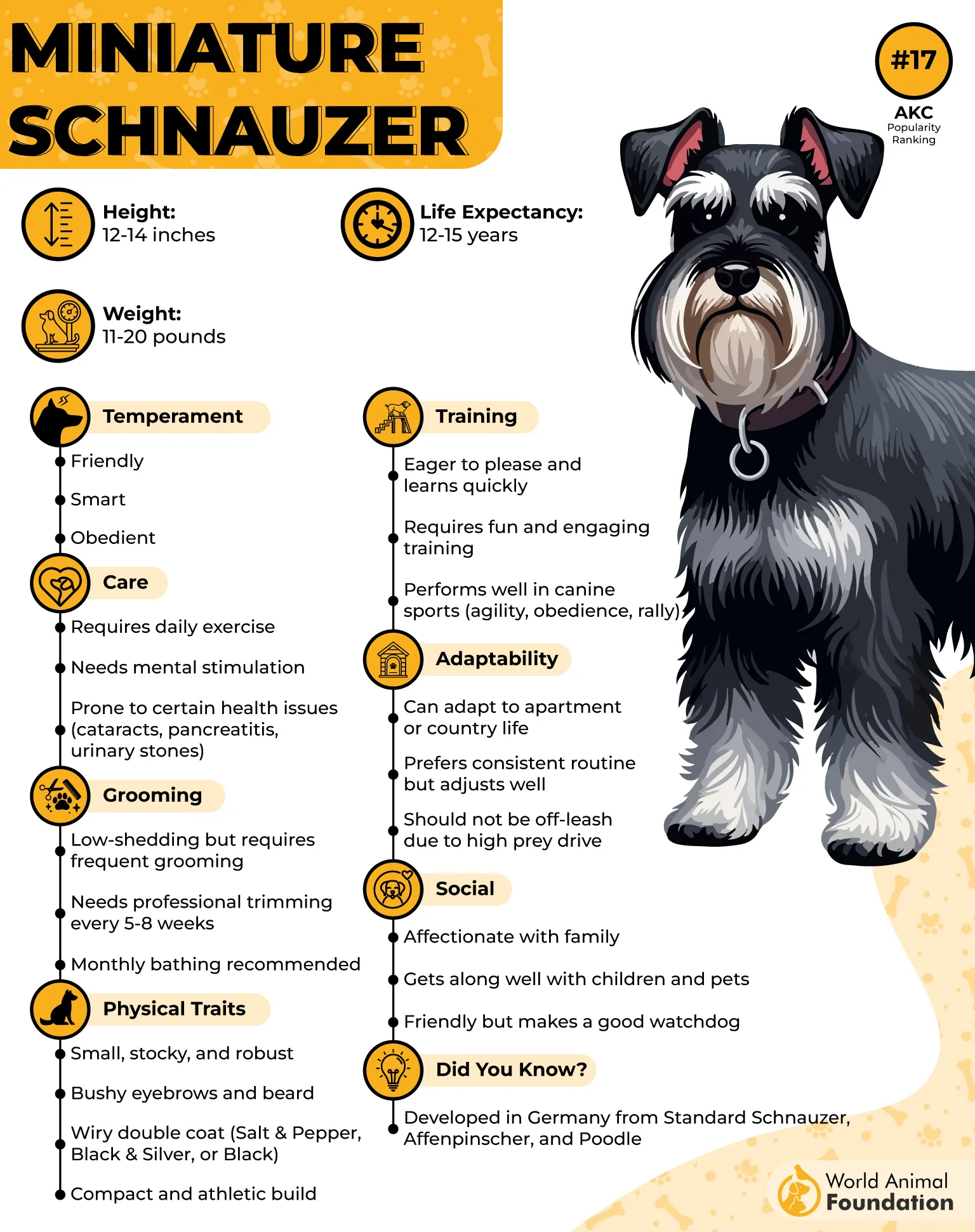
Miniature Schnauzer took shape in 19th-century Germany through crosses involving the Standard Schnauzer, Affenpinscher, and Poodle. The smaller breed was created for farm work, including rat catching and guarding, before the AKC recognized it in 1926.
A Natural Alarm
This small breed is highly vigilant and quick to react to unfamiliar sounds around the home. Its reserved response to strangers, combined with fearless behavior, gives it a useful instinct for alerting its family.
There’s more to this little breed:
Barks at arrivals and for attention
Affectionate and playful with family
Easygoing with children
Clever and Lively
Miniature Schnauzers are intelligent, eager to learn, and closely connected to their people, although boredom can bring out their stubborn side, as Petplan claims. Regular physical and mental activity gives this energetic breed useful outlets for its sharp mind and independent streak.
2. Miniature Pinscher

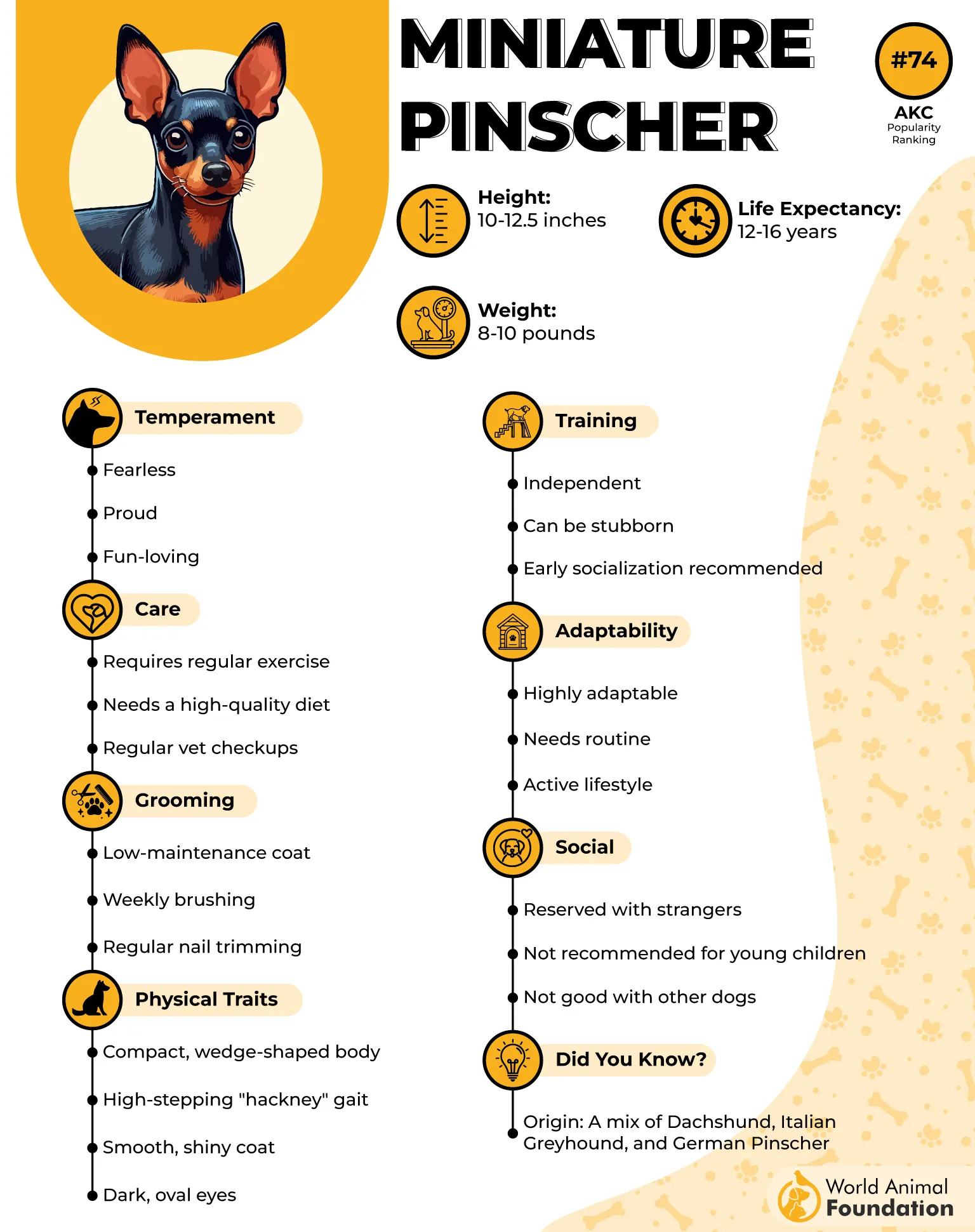
Miniature Pinscher was bred in Germany more than 200 years ago as a ratting dog, giving this tiny breed a very different origin from the Doberman Pinscher it often resembles. Its earlier name, Reh Pinscher, referred to its resemblance to a small local deer called the reh.
Born to Sound the Alarm
They bring intense energy and a strong prey drive to watchdog duty, with a tendency to bark at unfamiliar animals and chase them even when they are much larger. Territorial behavior makes early socialization and consistent training important from puppyhood.

This is what makes this little watchdog particularly memorable:
Called the “King of the Toys”
May challenge dogs of any size
Should not be trusted off leash
Around Children
Miniature Pinschers can be affectionate with children, though experienced children over age 10 are generally a better match because rough handling can lead to injury or defensive behavior, as Orvis reported. Early exposure to children can also help reduce timid or snappy responses around them.
3. Scottish Terrier
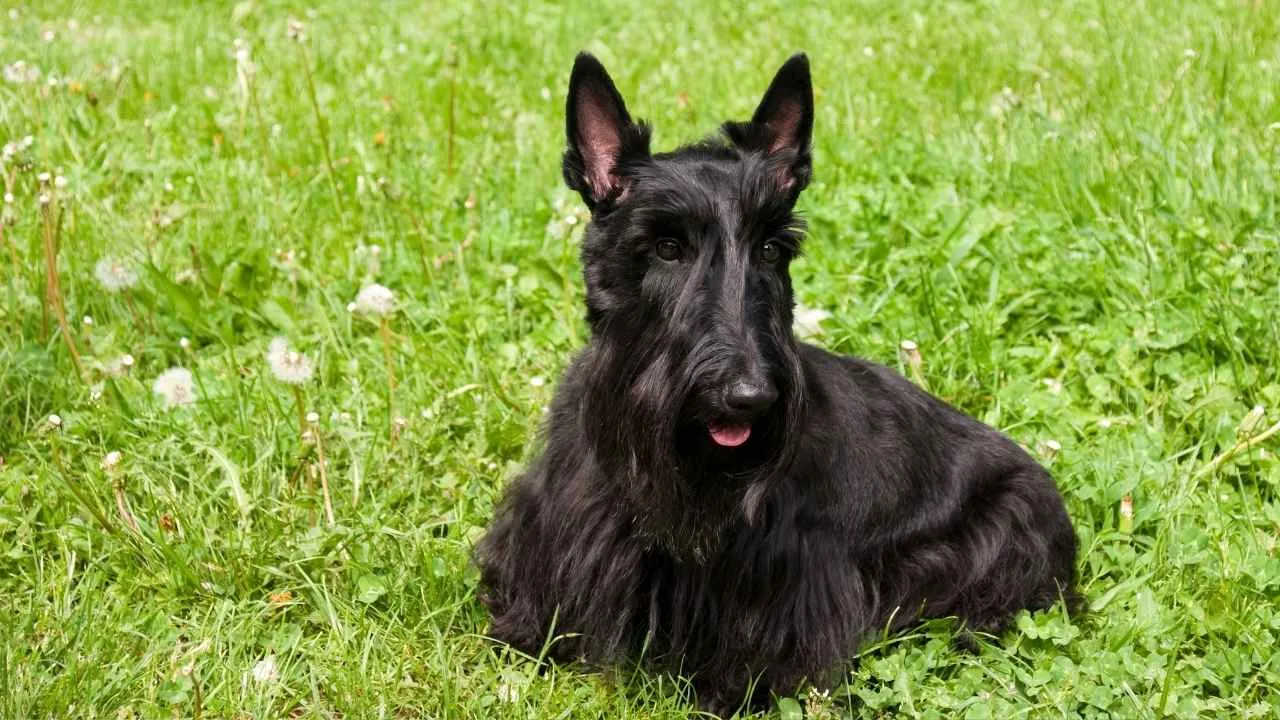
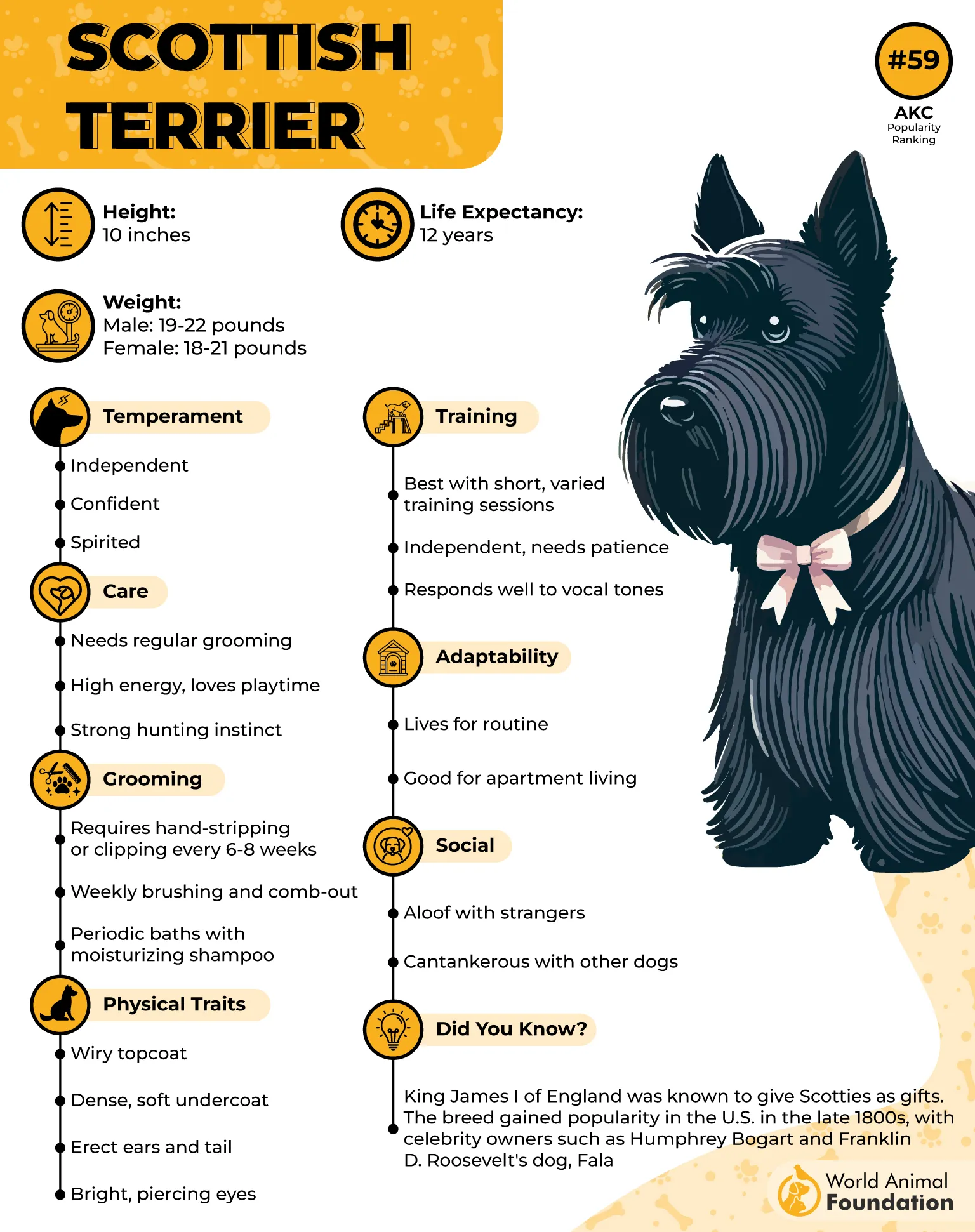
Scottish Terrier has documented roots reaching back to the 1400s, while accounts suggest similar dogs may have existed for a thousand years or more. They were grouped with Skye-type Terriers until smaller terrier breeds were divided into separate categories in the late 1800s.
A Serious Alarm
This tiny security guard is used to hunt foxes, badgers, and rodents, giving it a strong watchdog instinct to react when something unfamiliar enters its territory. Its deep, imposing bark can make a surprisingly forceful warning sound for such a compact dog.
That bold nature shows up elsewhere too:
Often digs after underground prey
High prey drive around small animals
May challenge larger dogs
Selective With People
Scottish Terriers can be reserved around unfamiliar people while forming a close attachment to their household. With proper socialization, it can act protectively toward children, although the breed is generally better suited to families with older, dog-experienced kids.
4. Tibetan Spaniel
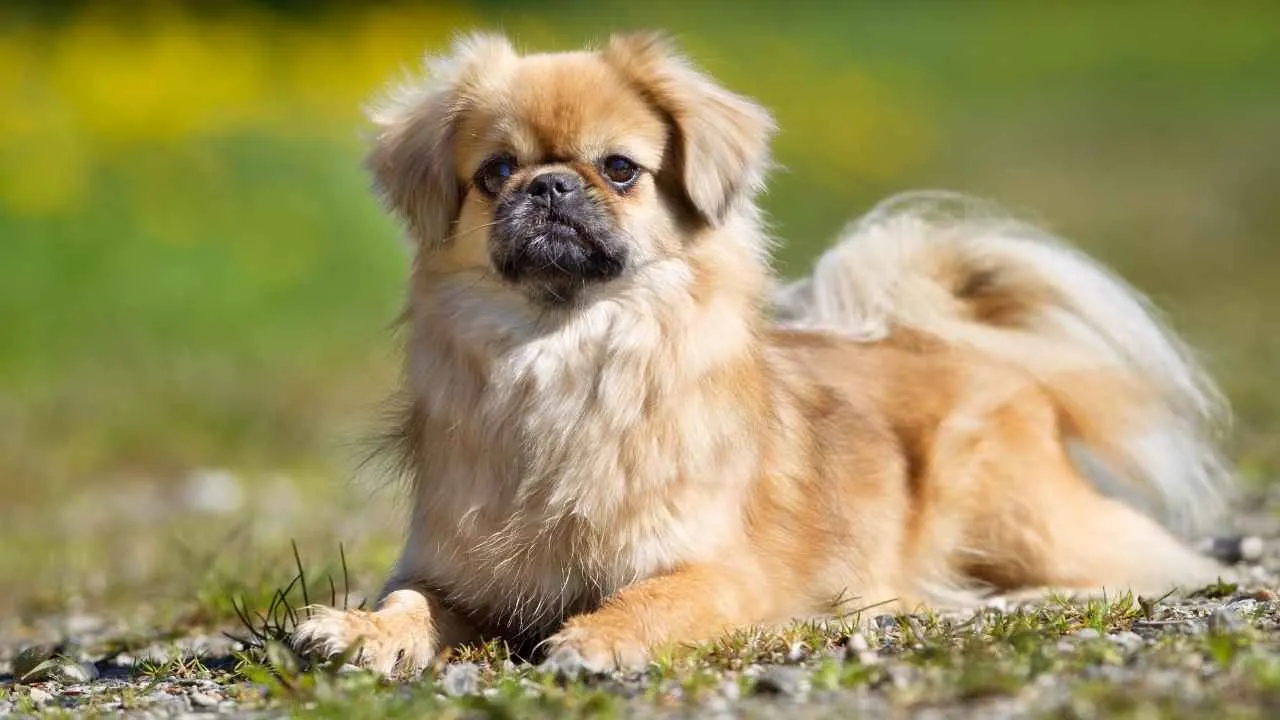
Tibetan Spaniel has roots reaching thousands of years into Asia, where Buddhist monks kept these small dogs as companions and sentries around monasteries.
Their lion-like appearance held religious significance, while careful breeding favored the smallest dogs for monastery life.
A Natural Alarm
These spaniels were valued for noticing approaching strangers or wolves and barking to alert the monastery. That instinct remains useful in a home, where an unfamiliar sound or person can quickly trigger a vocal warning from this attentive little dog.
The following characteristics make that alertness more specific:
Can distinguish ordinary noises from unusual events
Too small to physically restrain an intruder
Needs a secure space for digging habits
Perched and Observant
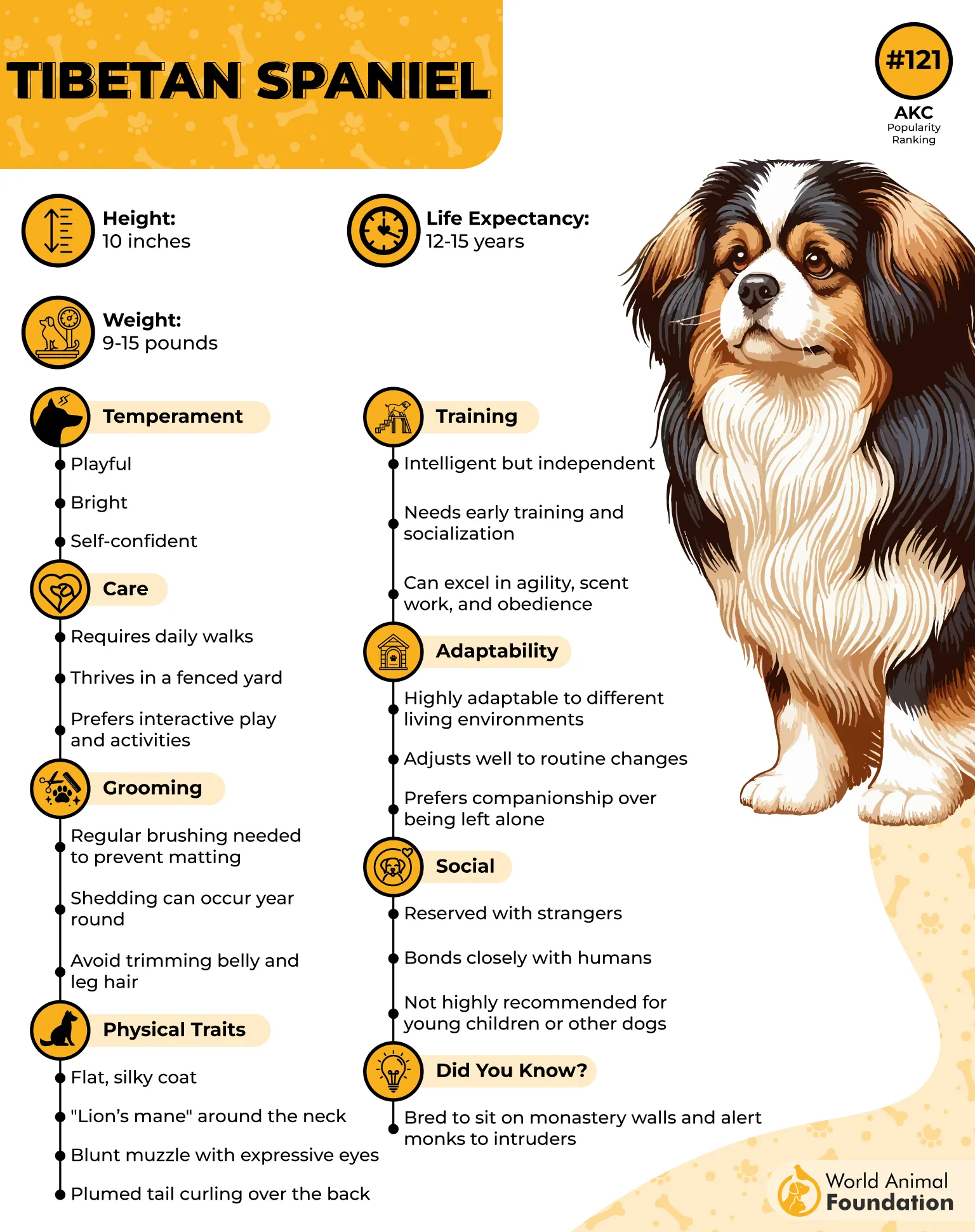
This small guard dog often chooses the back of a sofa, chair, or another elevated spot where it can survey the room, as written in Hill’s Pet. Its catlike agility helps it reach these high perches, while its reserved attitude toward unfamiliar people keeps its attention focused on new arrivals.
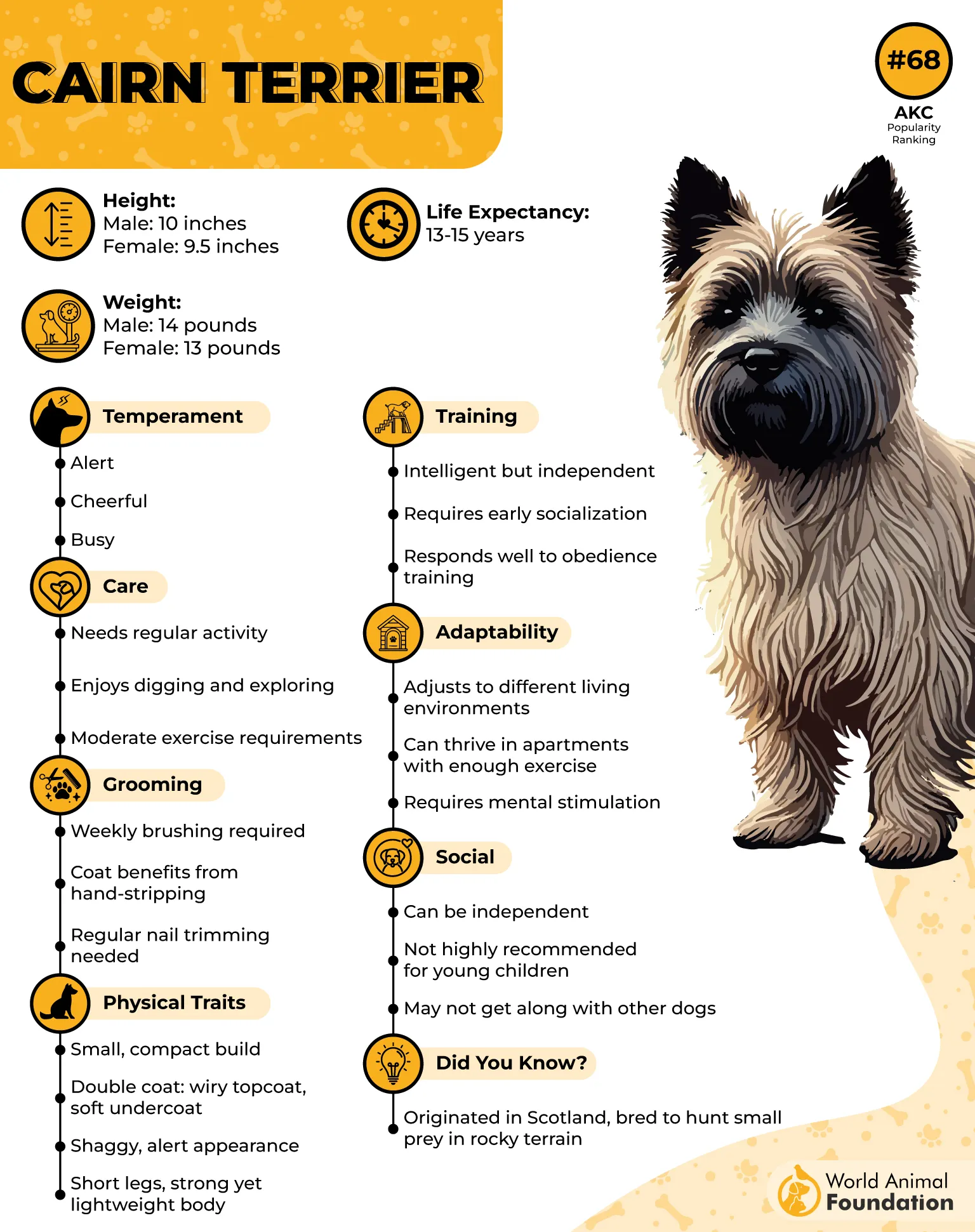
5. Cairn Terrier
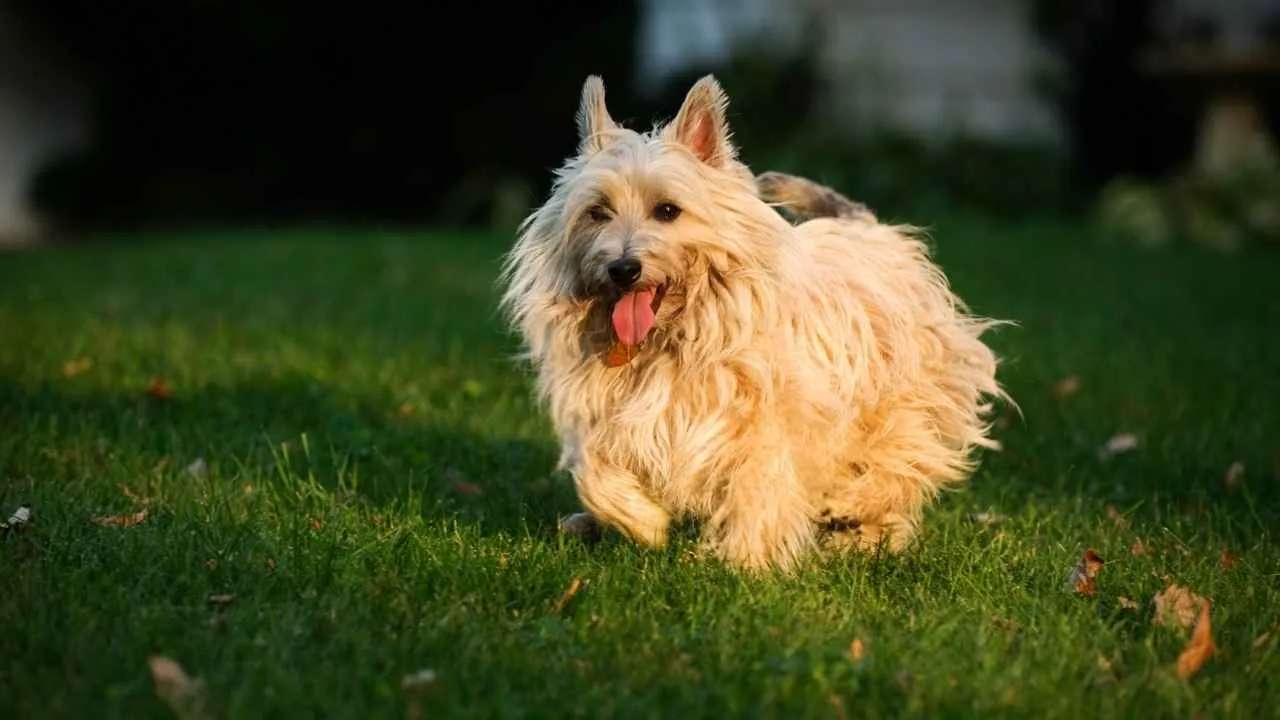
Cairn Terrier originates from the Highlands of Scotland, where it worked among piles of stones known as cairns while hunting quarry. Once called the Short-Haired Skye Terrier, the breed received its current name from the Kennel Club in the early 1900s.
A Natural Alarm
Cairn Terrier has a strong instinct for noticing unfamiliar activity around the home and will bark when someone approaches the property. Its small frame limits its role as a physical guard, while its alert voice can give residents an early warning.
That watchful nature comes with some practical details:
Can become territorial around unfamiliar dogs
May chase or wander when given an opening
Barking needs consistent guidance
Full Terrier Spirit
This furry friend brings a lively, fearless personality into the household and enjoys being involved with its people. It can learn obedience, agility, and competition exercises well, while early firm training helps channel its confident and sometimes bossy nature.
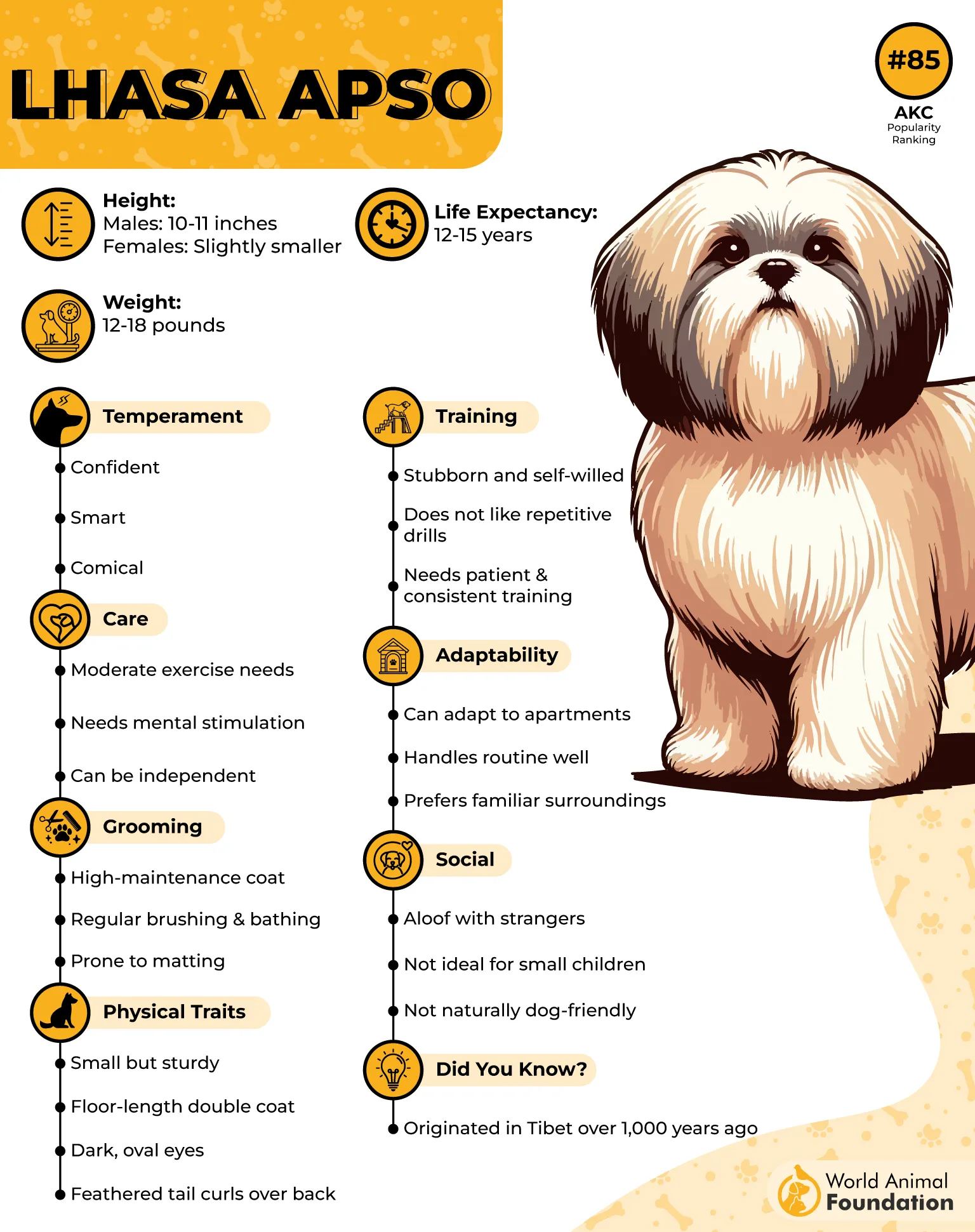
6. Lhasa Apso
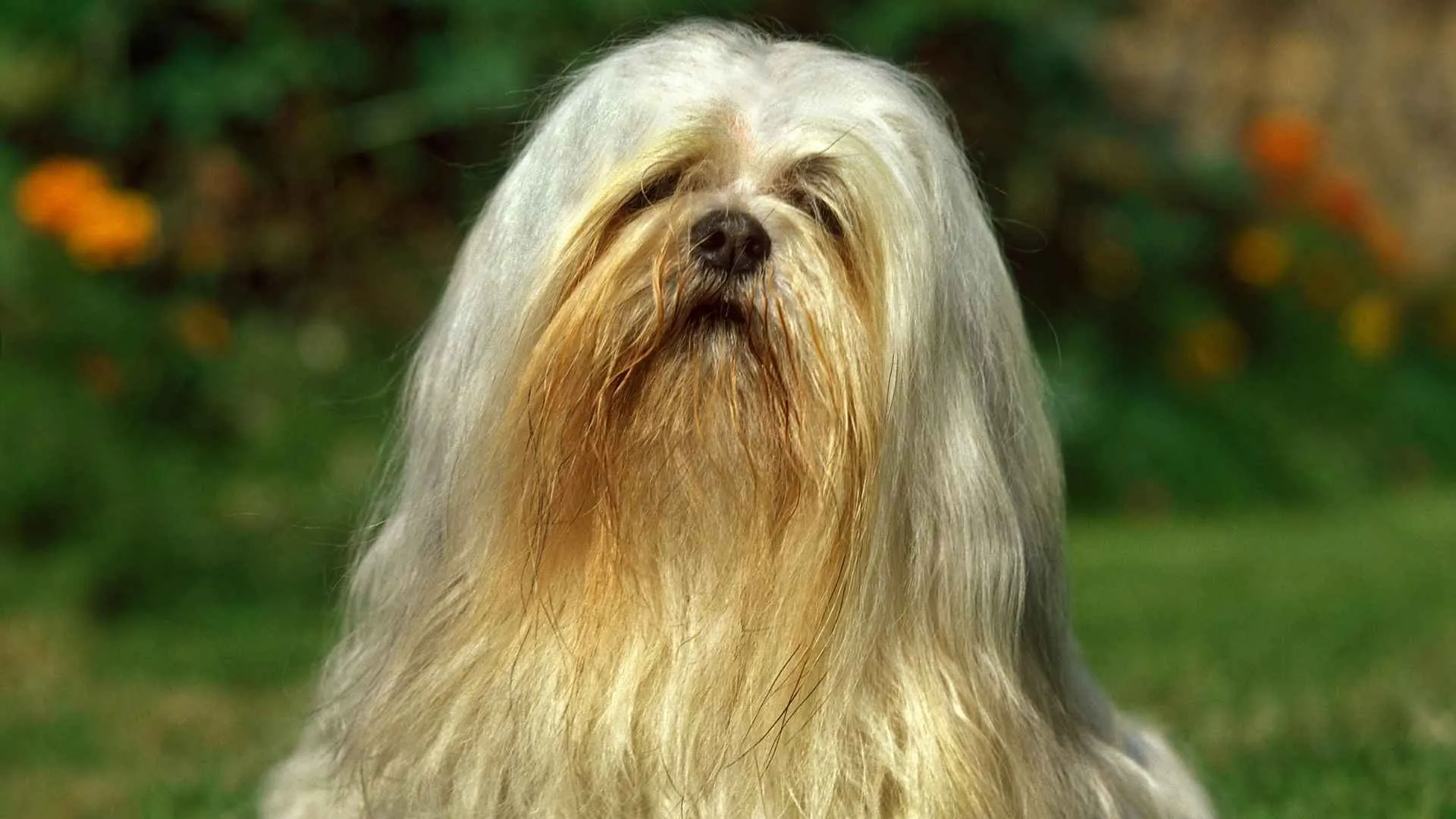
Lhasa Apso comes from Tibet and has guarded Buddhist monasteries for thousands of years, with records placing its breeding as far back as 800 BC. Its name also carries a clue to its roots, with Lhasa referring to Tibet’s capital and Apso meaning “bearded.”
A Natural Alarm
These lapdogs were used for indoor guarding, using sharp hearing and a loud alarm bark to alert monks when unfamiliar people approached. That makes its alert nature especially relevant for a home where an early warning can matter more than physical size.
These characteristics explain how that alertness works:
Keeps one ear tuned to activity
Reserved with unfamiliar guests
Playful and confident at home
Training Needs Patience
Lhasa Apso is intelligent yet independent, so training works best with a firm, patient approach and consistent expectations. Regular walks two or three times a day can provide enough activity, while early socialization helps with children, other dogs, and unfamiliar animals.
7. Chihuahua
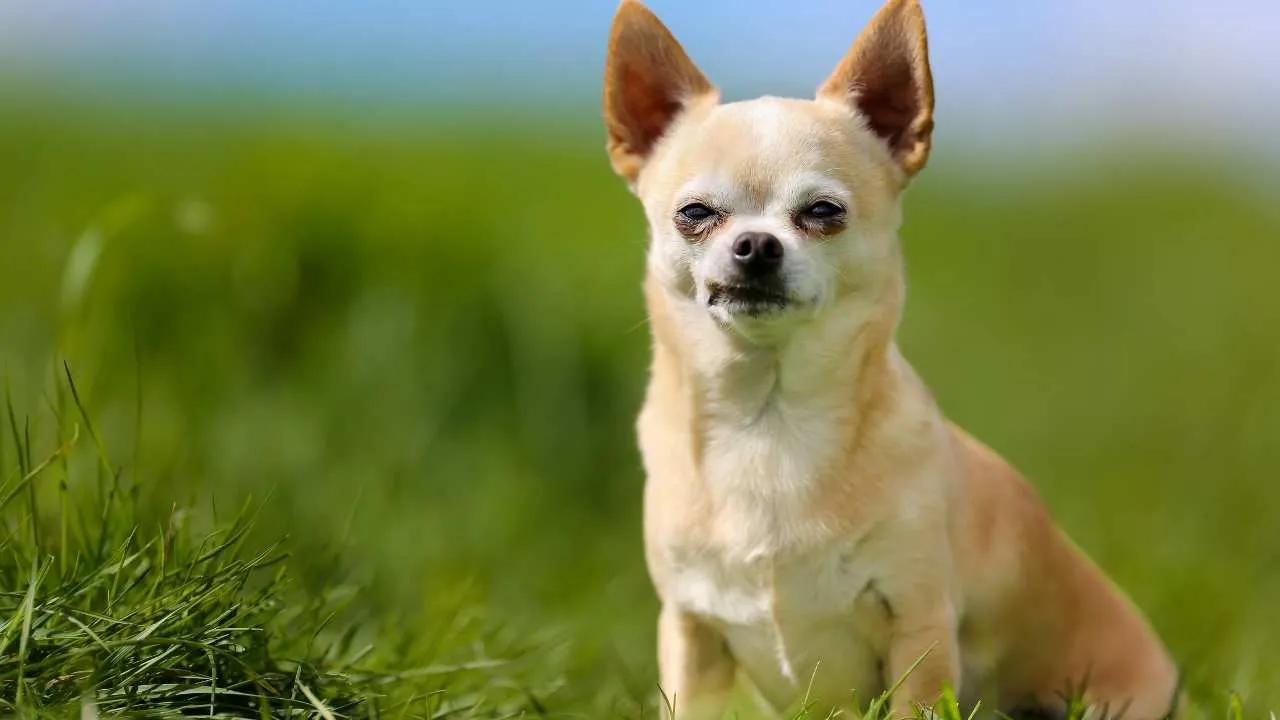
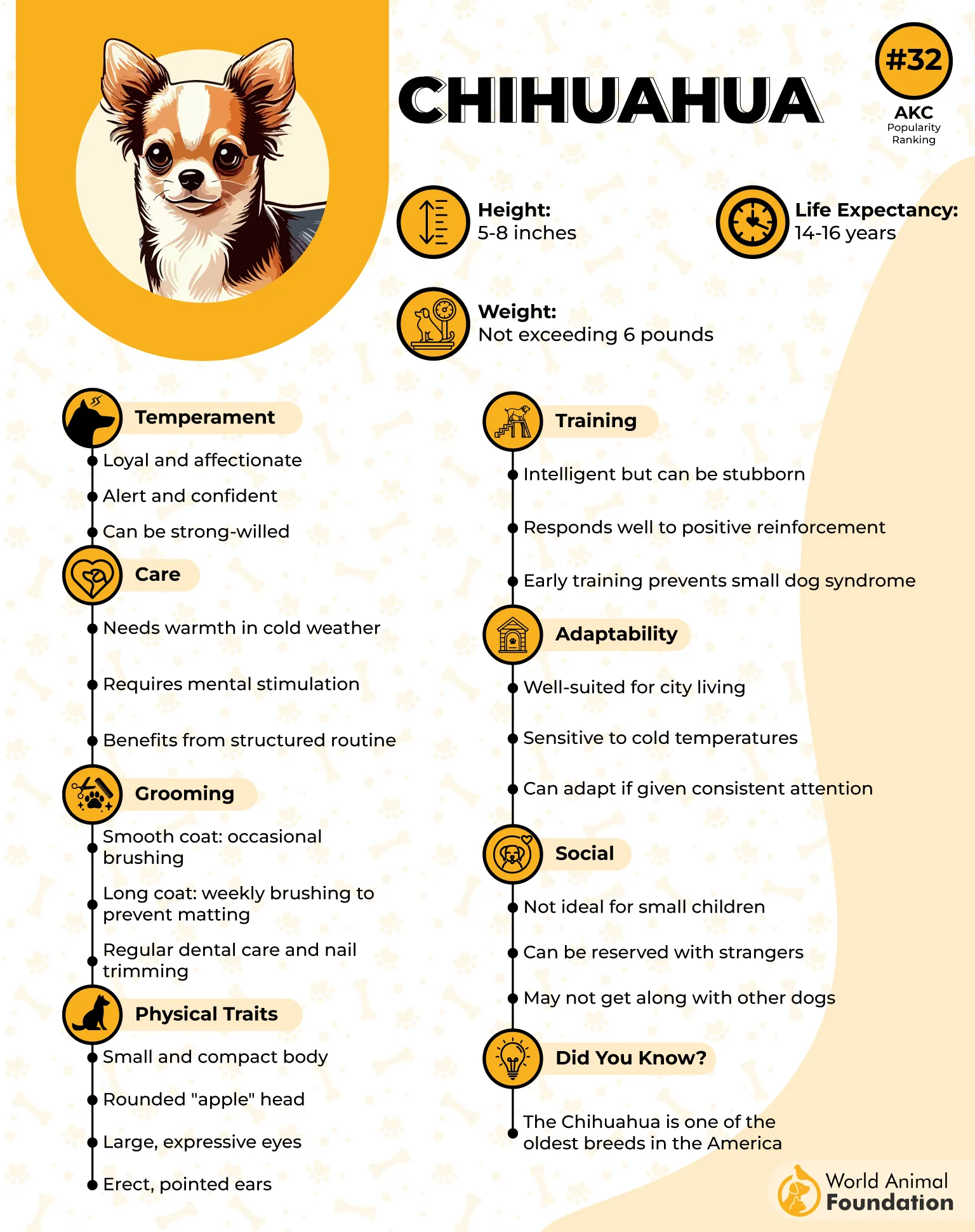
Chihuahua has an uncertain origin, with theories linking the breed to China or Central and South America. In 1850, several small dogs were found in Chihuahua, Mexico, and brought into the United States, where the breed later became widely popular among dog lovers.
Quick to Sound the Alarm
These compact canines have plenty of confidence for their tiny frames, with a sharp alertness that makes them quick to bark when someone approaches the home. Strong attachment to one favorite person can also make this dog intensely protective of its space and companion.
Three details make its watchdog role especially clear:
Barks when unfamiliar people approach
Guards its favorite person’s space
Alerts the household to nearby activity
Small Exercise Needs
Chihuahua generally needs about 30 minutes of daily activity, which can come from neighborhood walks and short play sessions indoors or in the yard. A brief outing is often enough before this dog is ready for more time beside its favorite person indoors.
Conclusion
A small dog does not need to physically confront a stranger to be useful around the home. A sharp bark, quick reaction, and strong awareness can make it effective for guard duty and give families an early signal when something seems unusual. However, alert behavior needs direction if it is going to remain helpful rather than become constant noise.
Early socialization, consistent training, and clear household boundaries can teach a dog when an alert is appropriate and when it is time to settle. For smaller homes, that balance can be especially valuable for home security and protection. Unlike large dog breeds and traditional guard dogs, a small companion can offer awareness and confidence while still fitting comfortably into ordinary family life.
