




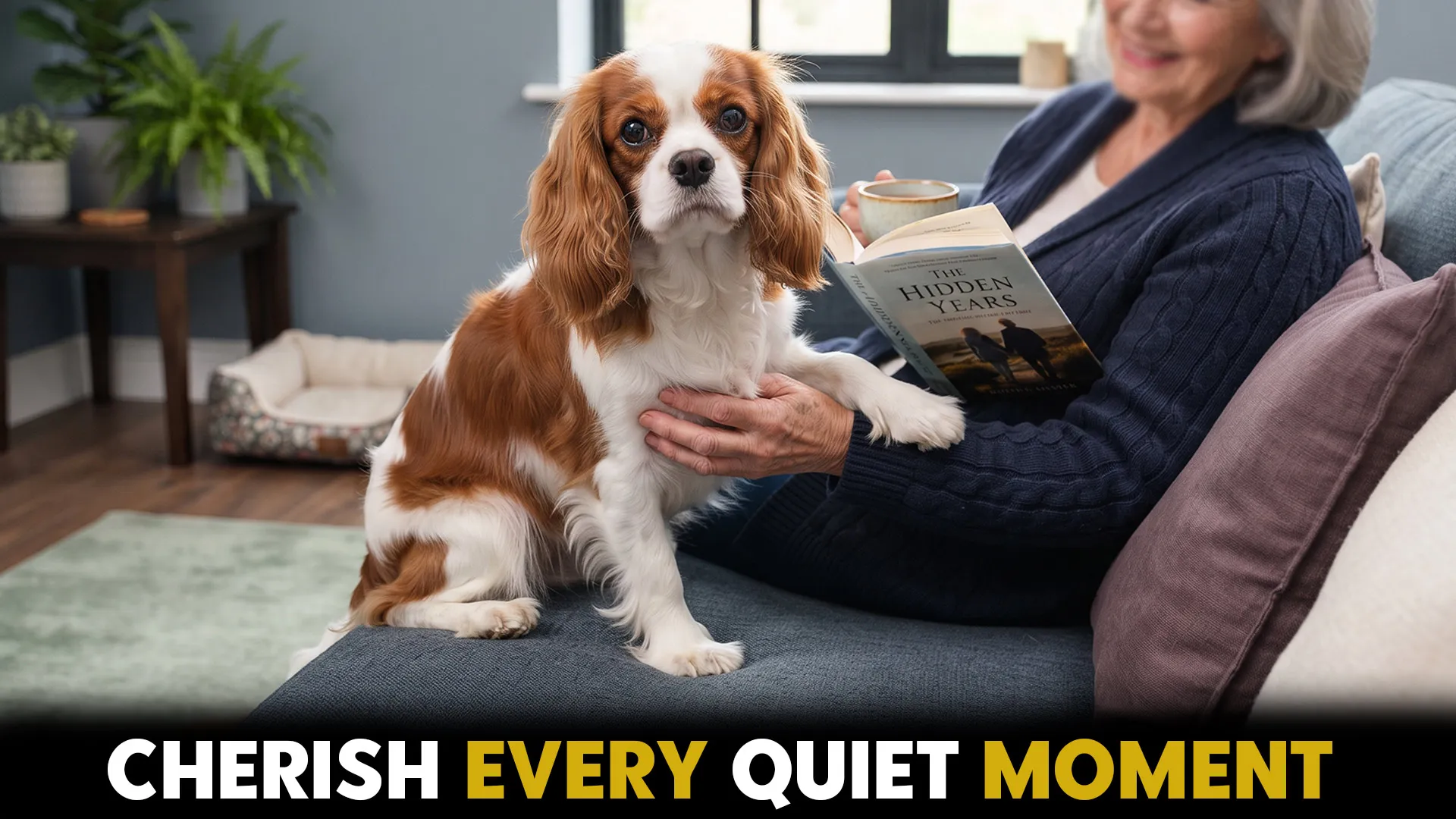
A small dog can bring warmth, companionship, and a wonderful sense of purpose to everyday life. For seniors, the right canine companion can offer plenty of affection without the demanding exercise needs or physical challenges that may come with larger, highly energetic breeds.
The best choice often depends on lifestyle, mobility, grooming preferences, and the amount of daily care a dog requires. Key factors include physical ability, allergies, and whether you’re ready for a puppy or would rather adopt an older dog during your golden years; hypoallergenic breeds can also be a smart fit for seniors with allergies.
Small, friendly, lower-energy breeds can be easier to manage while still providing loyal companionship, playful moments, and a comforting presence at home.
Research states that dog companionship also has the potential to lower blood pressure, reduce stress, and help improve or prevent depression and anxiety in older adults. Gentle daily walks may help too, as dog walkers tend to have lower body mass than non-dog owners. For seniors, choosing the right small dog can make this companionship especially rewarding.
Best Small Dog Breeds for Seniors to Cherish
1. Cavalier King Charles Spaniel
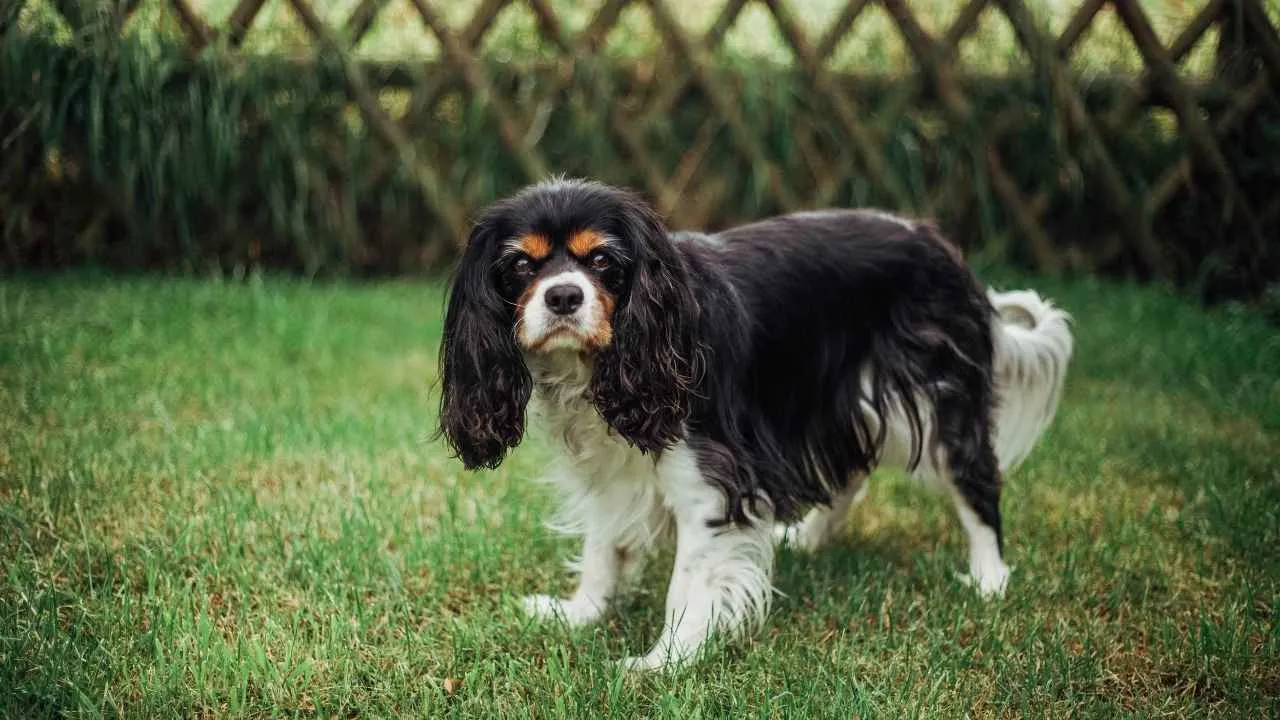
The Cavalier King Charles Spaniel is a sweet, gentle companion that suits seniors looking for an affectionate dog without an overly demanding lifestyle. Happy to relax on the couch, this breed is sociable while remaining adaptable to different home environments.
According to PetMD, Cavaliers are highly adaptable and friendly, making them excellent companions for first-time pet parents.
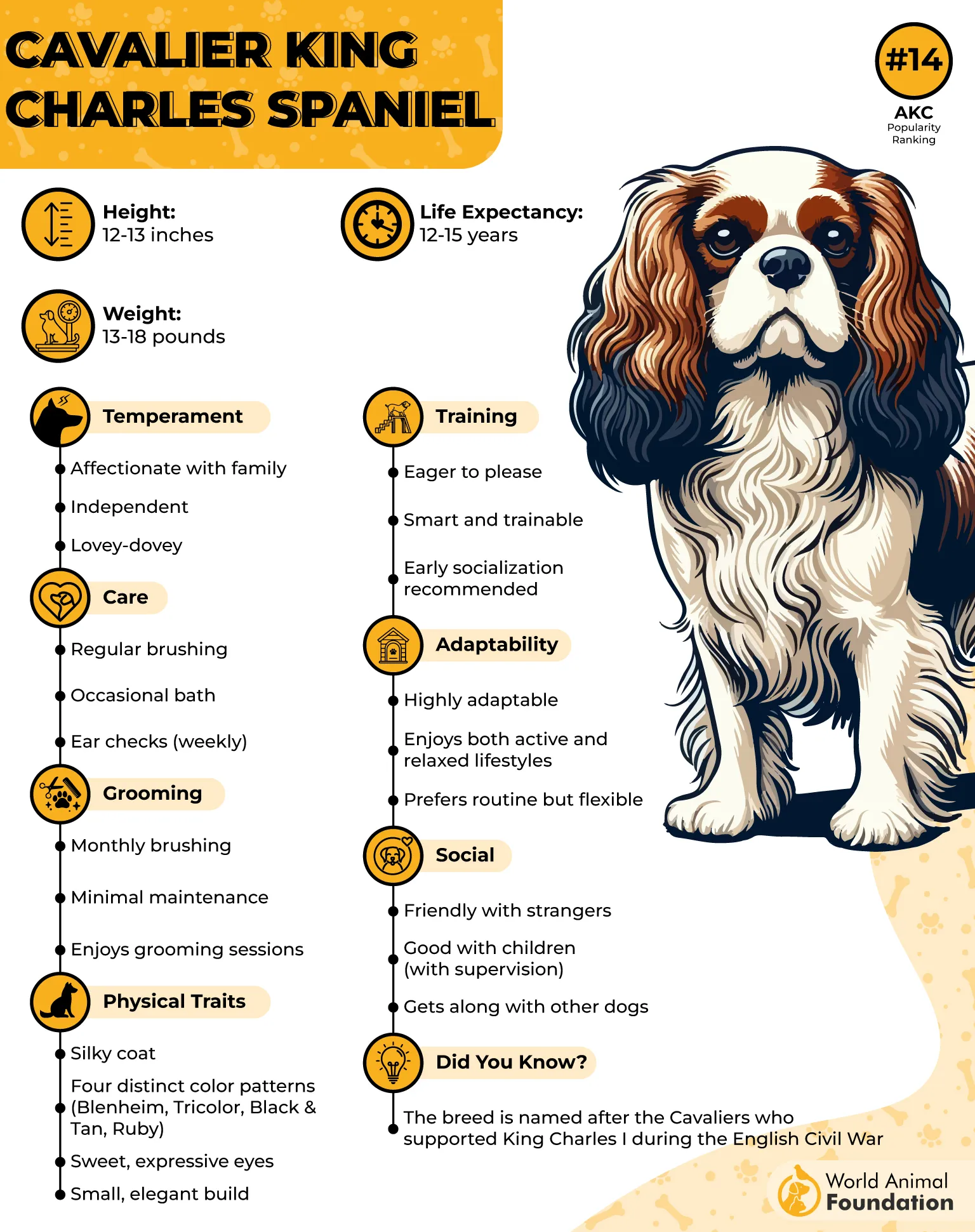
Standing about 12 to 13 inches tall and weighing 13 to 18 pounds, Cavaliers are compact enough for comfortable companionship. They thrive on human company, enjoy cuddling, and may struggle when regularly left alone for long periods.
How This Breed Stands Out
Gentle, affectionate nature: Cavaliers are loving, sensitive dogs that form close bonds with their owners.
Adapts to the owner’s pace: They can happily match a quieter routine or join in for gentle walks.
2. Yorkshire Terrier
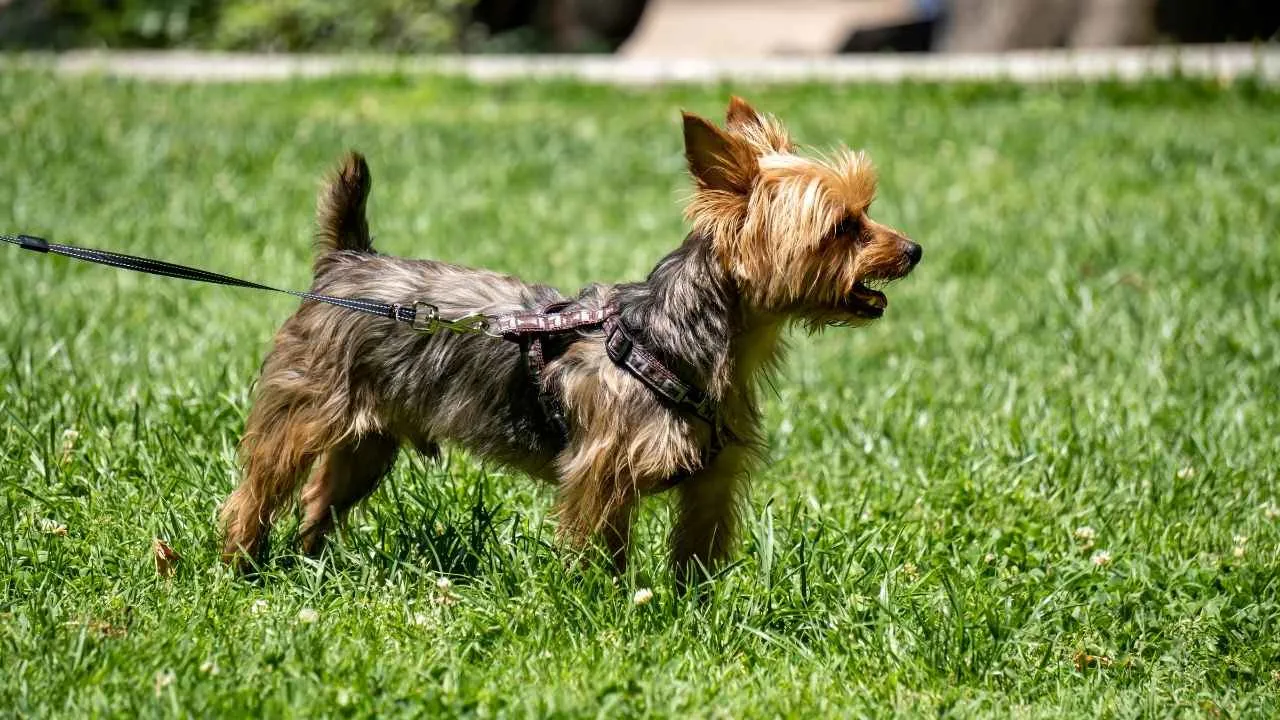
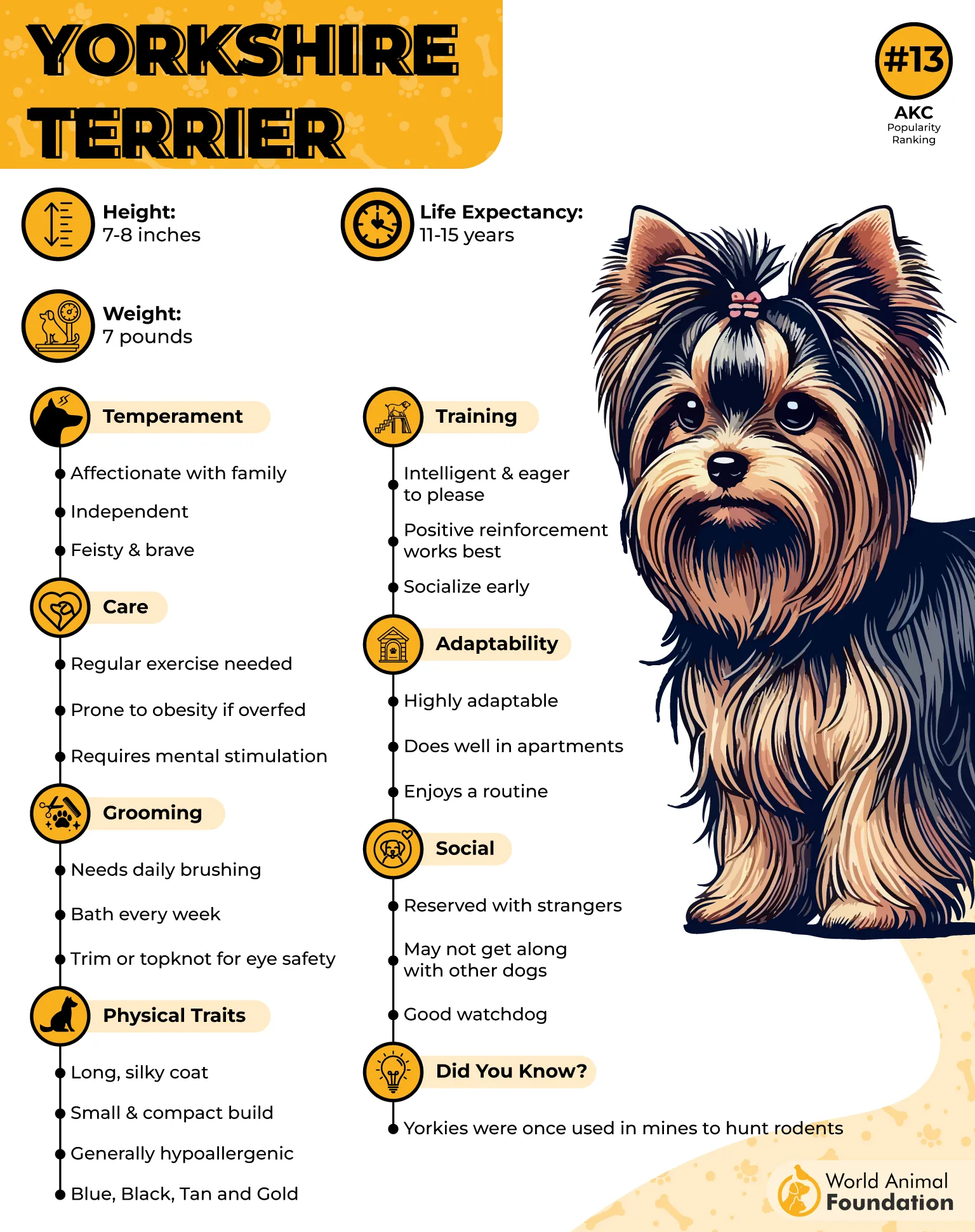
The Yorkshire Terrier may be tiny, but its confident personality can fill a home. Yorkies form strong bonds with their owners and enjoy staying involved in everyday activities, whether following their person around or relaxing together. According to the AKC, they are affectionate and tomboyish dog breeds.
Their small size makes them suitable for homes with limited space, though they still need indoor play and mental stimulation. Early socialization can help manage their protective nature and tendency to bark, while their silky coat requires consistent brushing or a shorter trim for easier grooming.
How This Breed Stands Out
Small but confident personality: Yorkies are bold, curious, and courageous despite their miniature size.
Minimal space requirements: They can live comfortably in smaller homes when given daily exercise and companionship.
3. Pomeranian
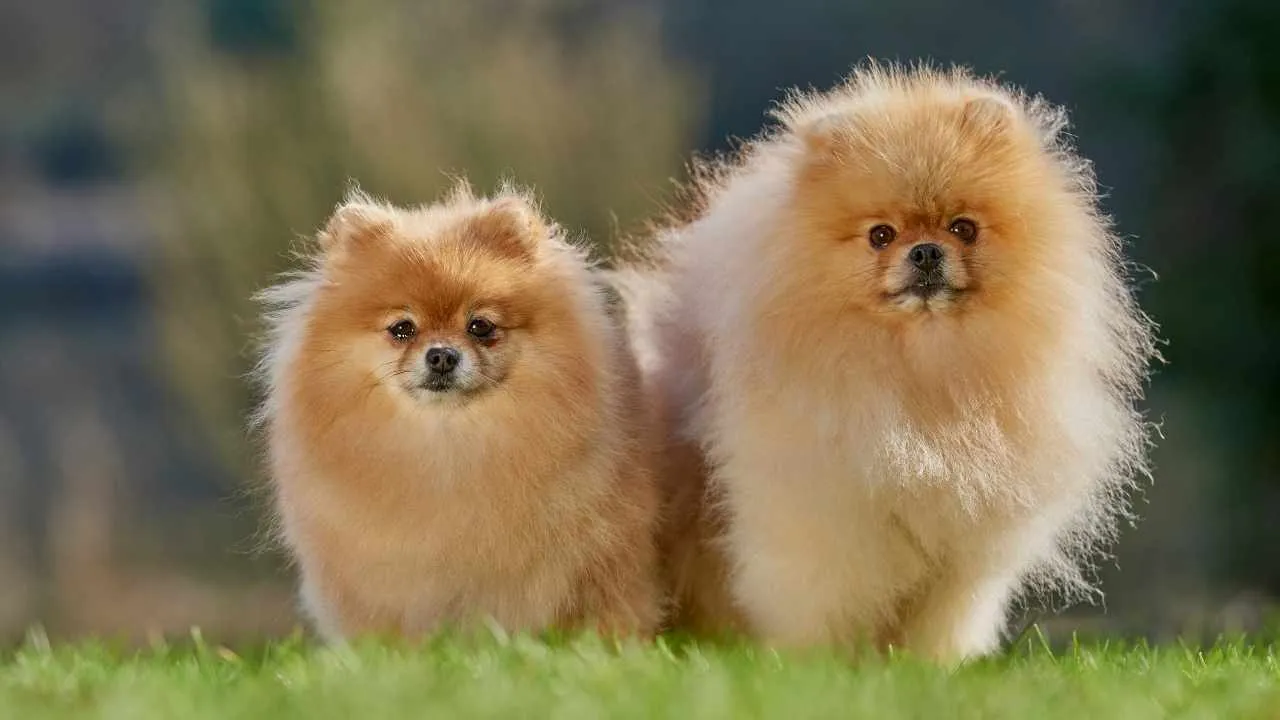
The Pomeranian is a tiny dog with a lively personality and plenty of confidence. These affectionate companions enjoy spending time with their owners, joining daily activities, or relaxing indoors.
Their curious nature also makes interactive games and short training sessions useful for keeping them mentally engaged. According to Petplan, this courageous little dog loves being the center of attention.
Pomeranians fall into the toy category, which makes them easy to carry, and many seem to think of themselves as big dogs despite their size. Despite their small size, Pomeranians are naturally alert and quick to notice unfamiliar sounds or approaching visitors.
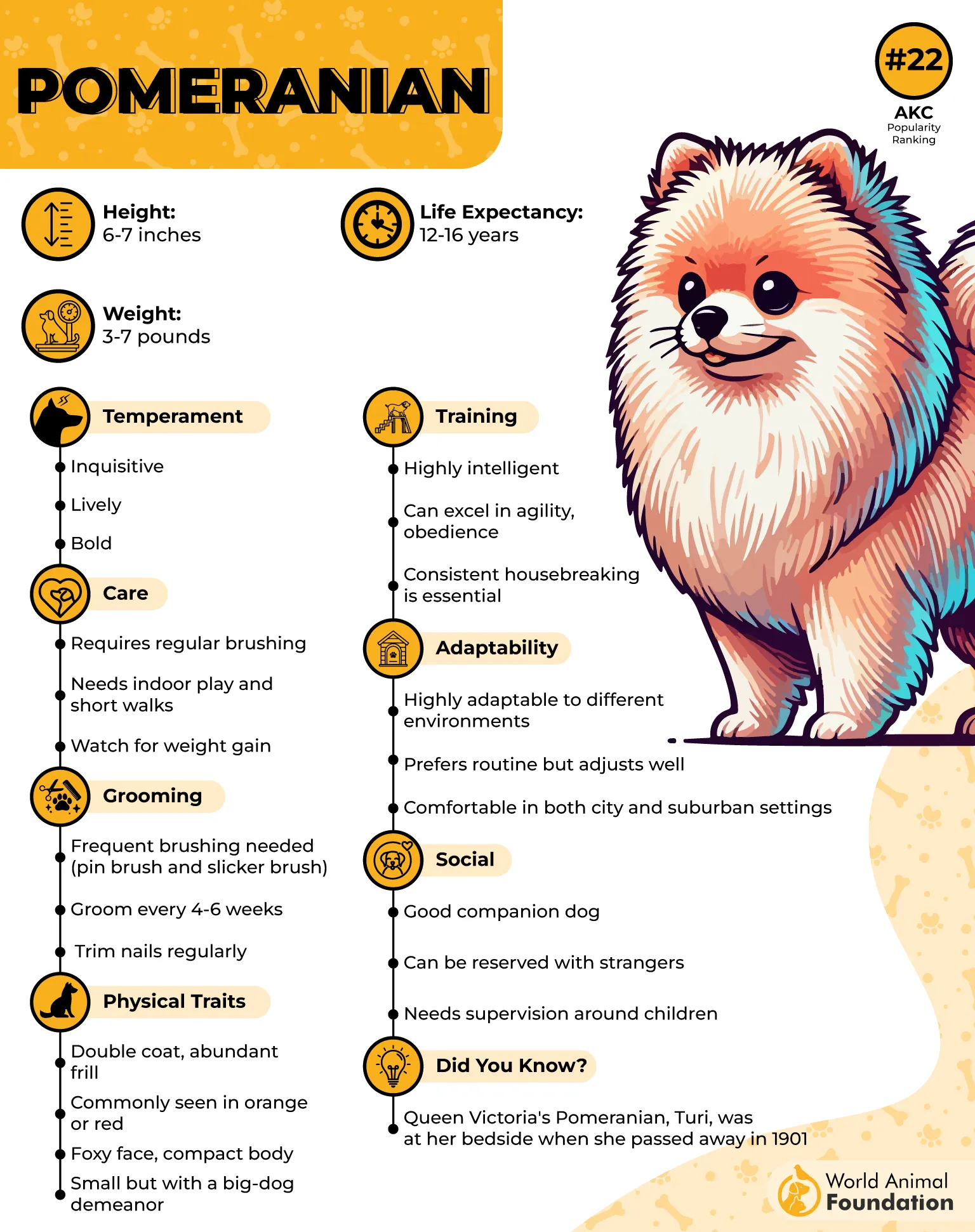
Short walks usually meet their exercise needs, while regular brushing helps maintain their thick double coat in various colors. Early training is especially important to prevent their watchdog barking from becoming excessive.
How This Breed Stands Out
Lively, expressive companion: Pomeranians bring playful energy, a big personality, and affection to everyday life.
Alert watchdog instincts: Their watchful nature makes them quick to announce unfamiliar activity.
4. Havanese
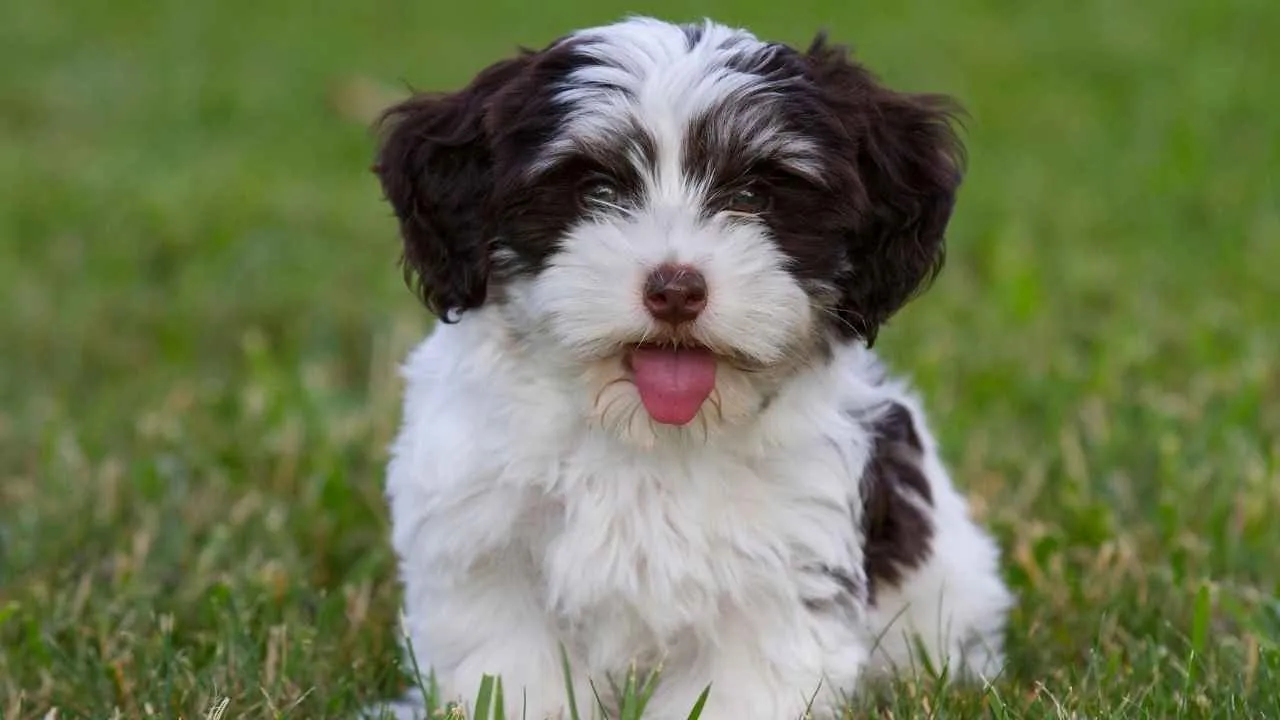
The Havanese is a cheerful, affectionate small dog that loves being around people, making it a delightful companion for seniors who enjoy an interactive pet. Intelligent and curious, these dogs adapt well to different homes and are often happiest when included in everyday activities.

Known for staying close to their favorite people, Havanese thrive on attention and companionship and may struggle when left alone for long periods.
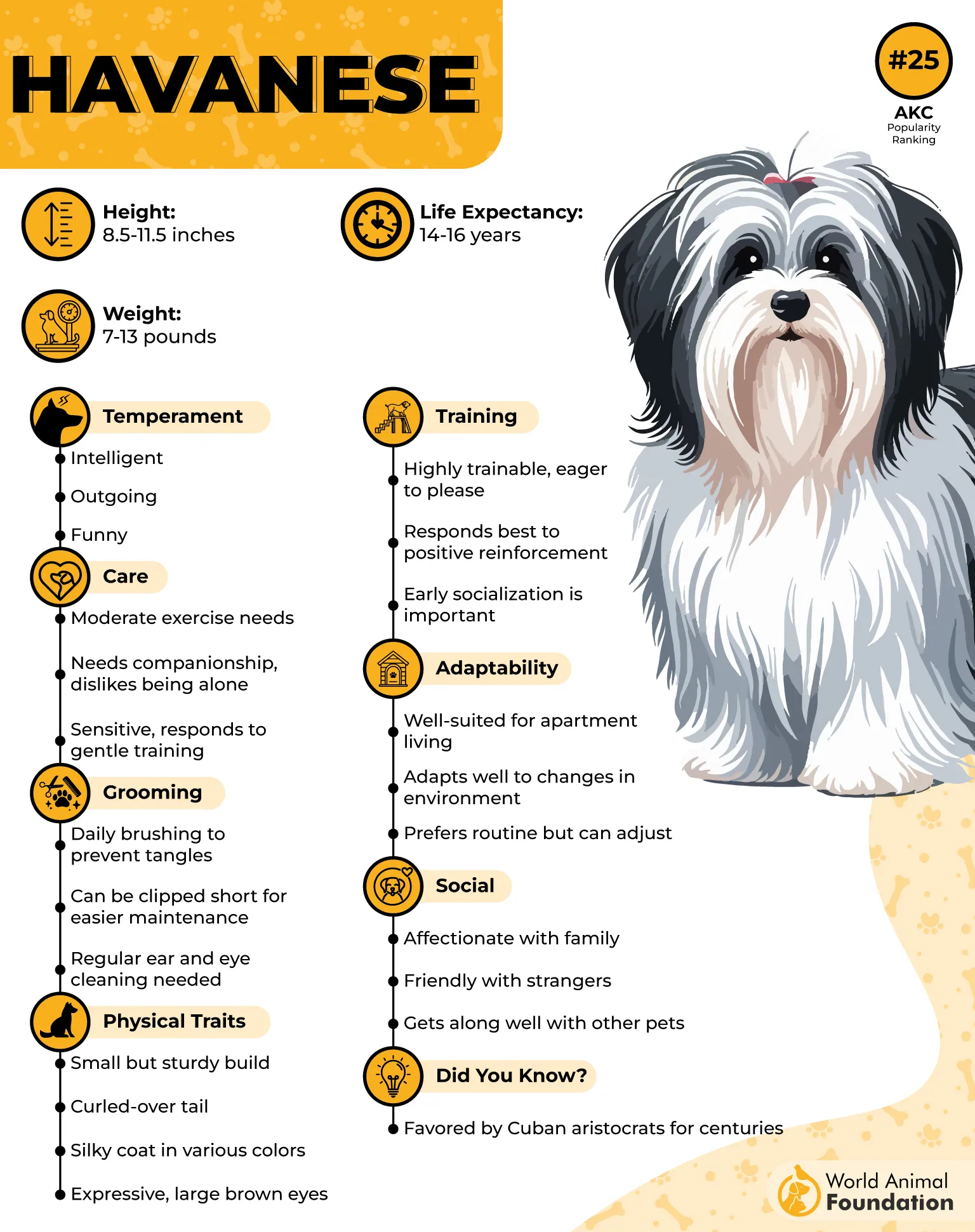
Their long, silky coat needs regular grooming, while play, short training sessions, and social interaction help keep their lively minds engaged. Short lessons work especially well because these smart dogs quickly learn patterns and habits and can also enjoy time on their owner’s lap.
How This Breed Stands Out
Cheerful social personality: Havanese are friendly, outgoing, and eager to share affection.
Enjoys interactive companionship: They love spending time with their owners and participating in daily activities.
5. Shih Tzu
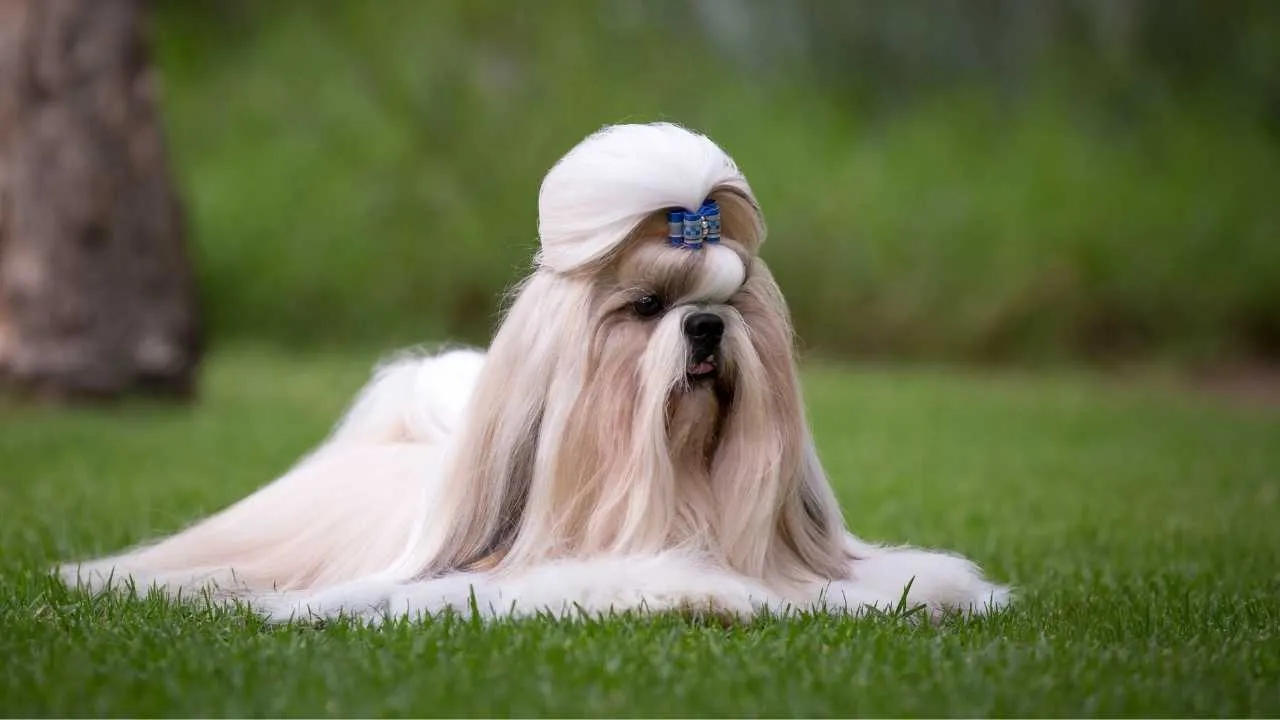
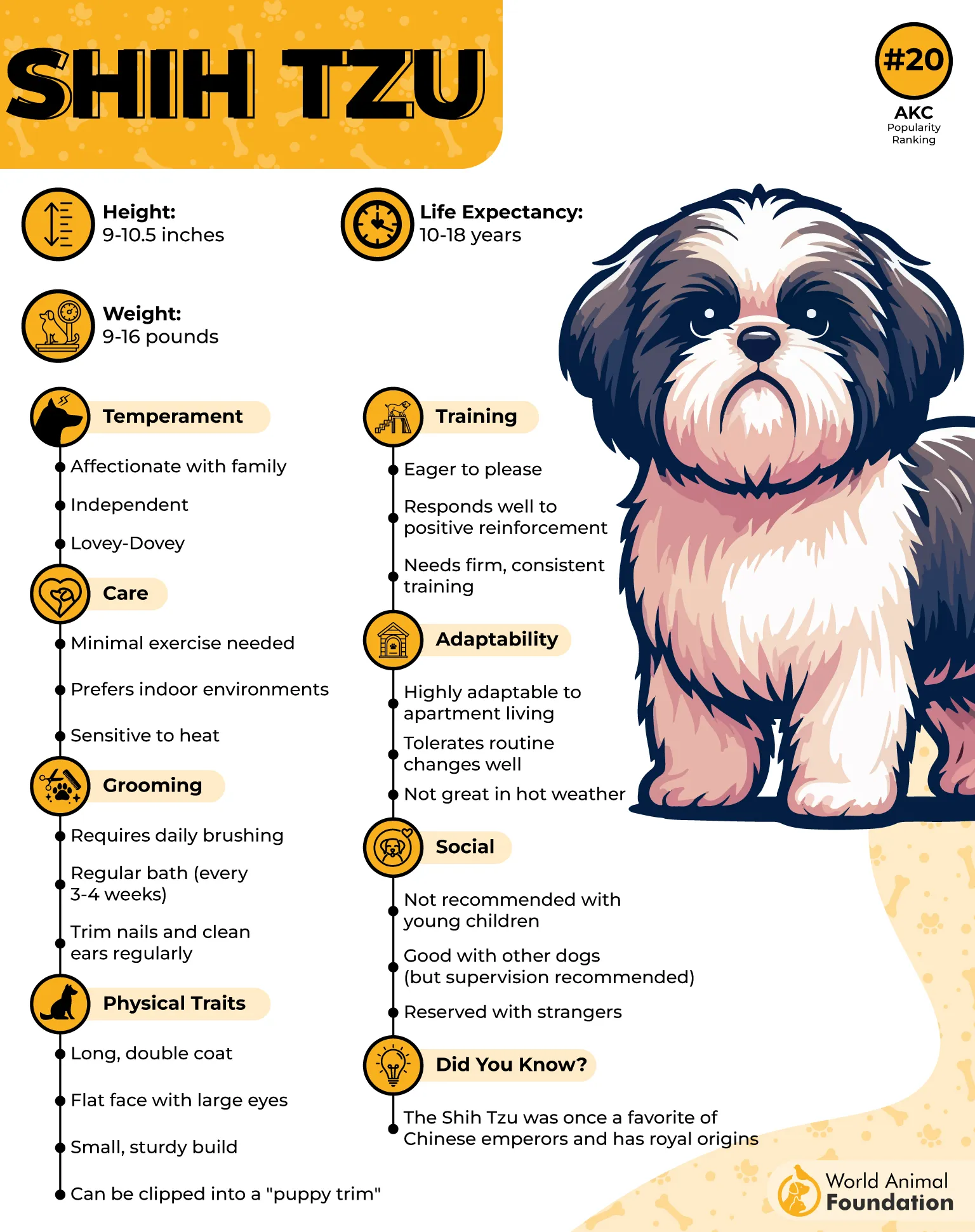
The Shih Tzu was bred for companionship and still loves staying close to its people, whether relaxing on a lap or napping nearby. Its gentle, affectionate nature and small size make it well suited to seniors, including those living in apartments or smaller homes.
Standing about 8 to 11 inches tall and weighing 9 to 16 pounds, this breed does not need a large yard or intense exercise. Short daily walks and indoor play can meet its activity needs, though its long coat requires frequent grooming and it should be protected from excessive heat.
Seniors who want a similarly affectionate companion but need a hypoallergenic option often look at Poodles or Schnauzers because both are known for trainability, and Poodles usually need professional grooming every 6–8 weeks.
How This Breed Stands Out
Bred as a lap companion: Shih Tzus are devoted, people-oriented dogs that enjoy close contact with their owners, which is a great fit for seniors who want a steady companion.
Comfortable with short walks: Their modest exercise needs suit seniors who prefer gentle daily activity and can do well with minimal exercise.
6. Maltese
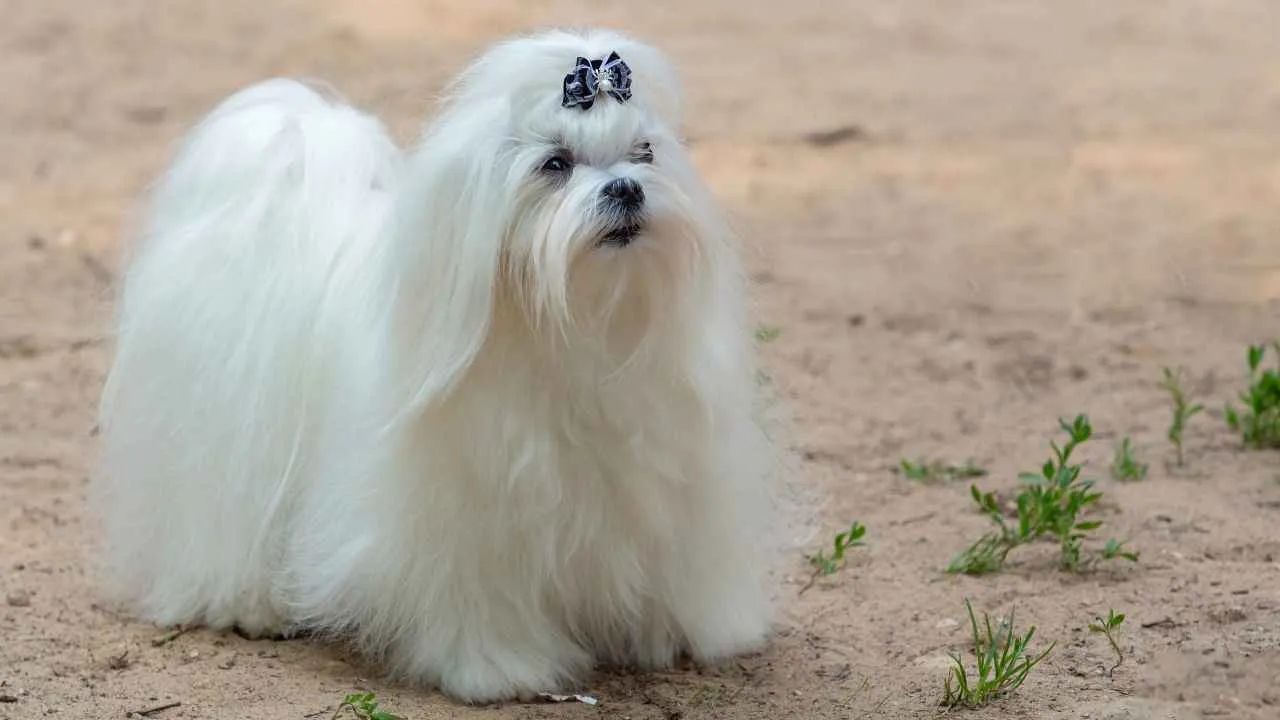
The Maltese is a small, affectionate companion known for its beautiful white coat and playful personality. Weighing under seven pounds, this ancient breed has charmed people for centuries and can adapt well to different lifestyles.
Seniors who want a similarly small, affectionate companion sometimes also consider the Bichon Frise, though that breed typically needs grooming every month or two. Its compact size also makes it easy for seniors to share their homes and couches with this cuddly little dog.
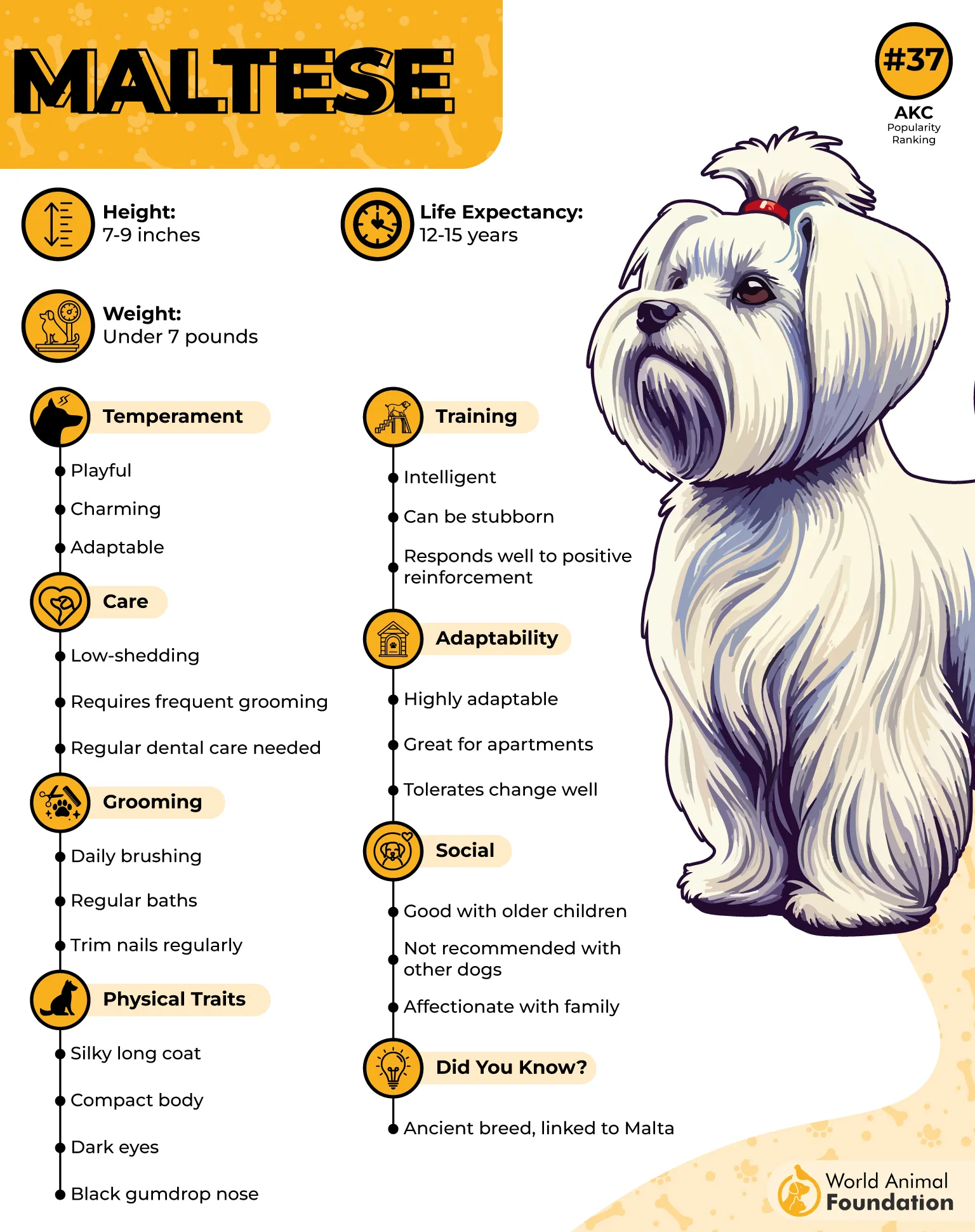
Because Maltese develop close bonds with their people, they often enjoy plenty of companionship and attention. However, seniors should gradually teach them to tolerate short periods alone, as extended separation may be challenging. Their affectionate nature makes them especially appealing to those looking for a devoted little companion.
How This Breed Stands Out
Elegant, silky-coated companion: Its long, flowing white coat gives the Maltese a graceful appearance.
Thrives on close attention: This breed enjoys forming strong bonds and spending time with its favorite people.
7. French Bulldog
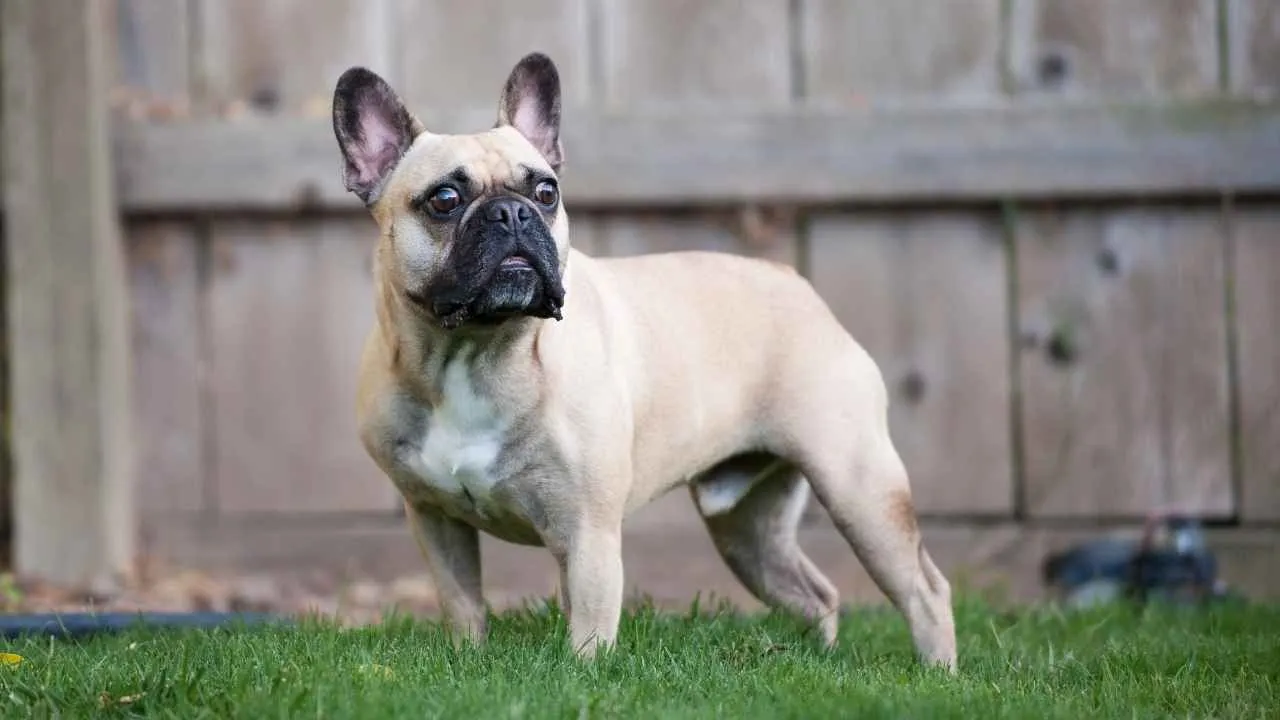
The French Bulldog is a bright, affectionate companion with an easygoing personality that can suit seniors living in apartments or smaller homes. These adaptable dogs enjoy family time and playful indoor activities without needing intense exercise.
More active seniors sometimes also consider the beagle, which typically weighs 20–30 pounds. The cocker spaniel is another friendly, adaptable option for seniors, though it has higher grooming needs than a French Bulldog. Seniors who want a hypoallergenic, easy-to-train alternative often look at poodles.
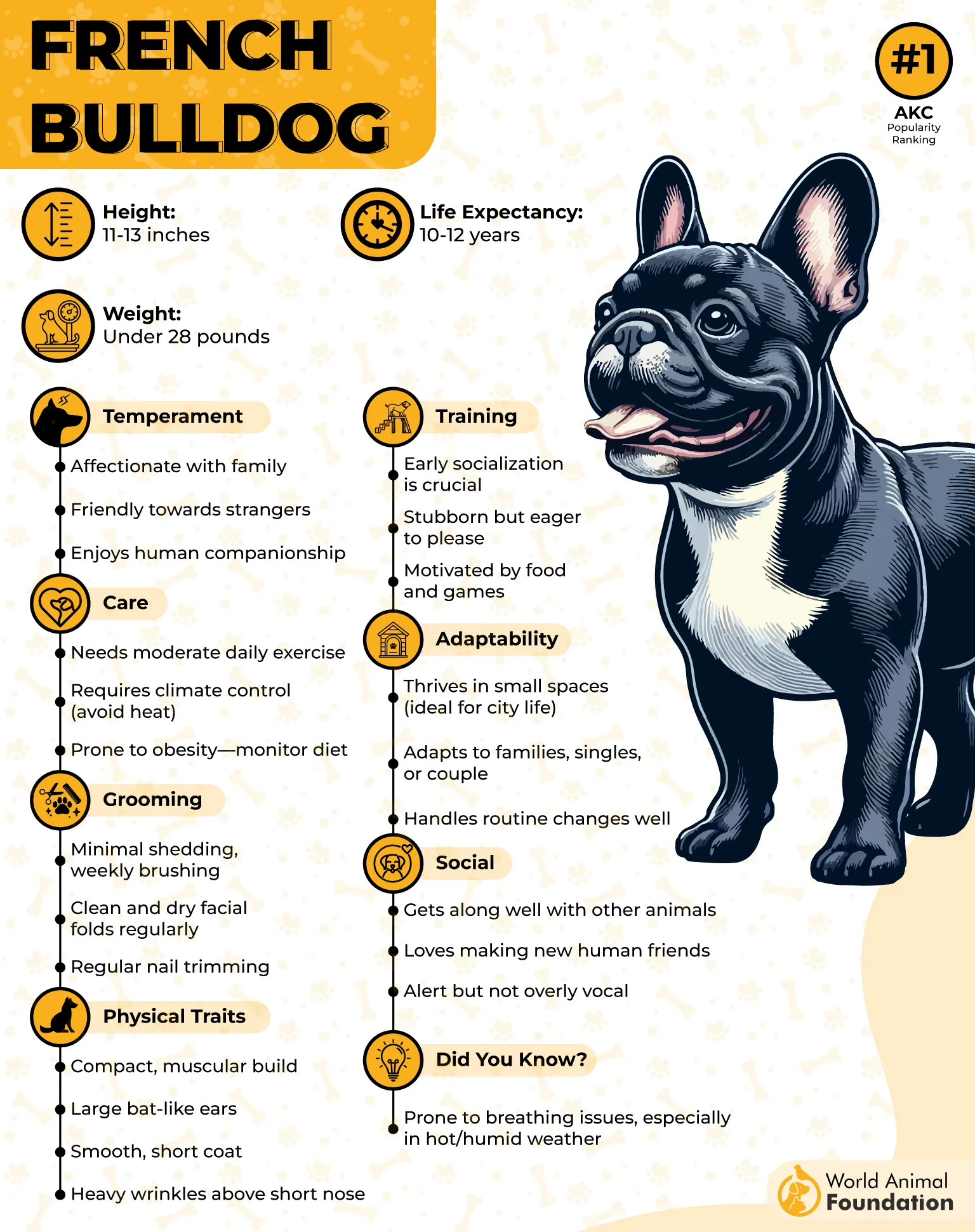
Their short coat requires relatively simple care, with weekly brushing and occasional baths. Because of their short-nosed anatomy, French Bulldogs can struggle in hot weather and should avoid overexertion, especially during the warmest parts of the day.
How This Breed Stands Out
Low exercise requirements: Gentle play and indoor activities can usually meet their daily activity needs.
Comical, easygoing charm: Frenchies are playful, affectionate, and known for their amusing habits and expressive personalities.
Conclusion
Finding the right small dog can bring companionship, affection, and joyful moments to a senior’s daily life. The best match depends on lifestyle, activity level, grooming preferences, and the amount of attention a dog needs.
Every breed has different care requirements, from grooming and training to social interaction, daily activity, and food. Some small breeds are also more independent than others, which can shape training and companionship expectations.
Choosing a dog whose needs fit your routine can help create a comfortable, loving relationship filled with companionship and cherished moments.
