





Small dogs may not look like bodyguards, but many of them act like the security team never clocked out. They hear the mailbox before you do. They notice the delivery driver, a knock at the door, or someone walking a little too close to your porch. Then they announce it, loudly!
That is why small watchdog breeds can be a smart choice for apartments, first-time owners, and families who want an early warning system with fur. These dogs are not meant to fight intruders. Their real job is alertness: spotting something unusual and telling you about it.
Here are seven small breeds that bring courage, loyalty, and a surprisingly serious “who goes there?” attitude.
Best Small Dog Breeds for Security and Alertness
1. Dachshund
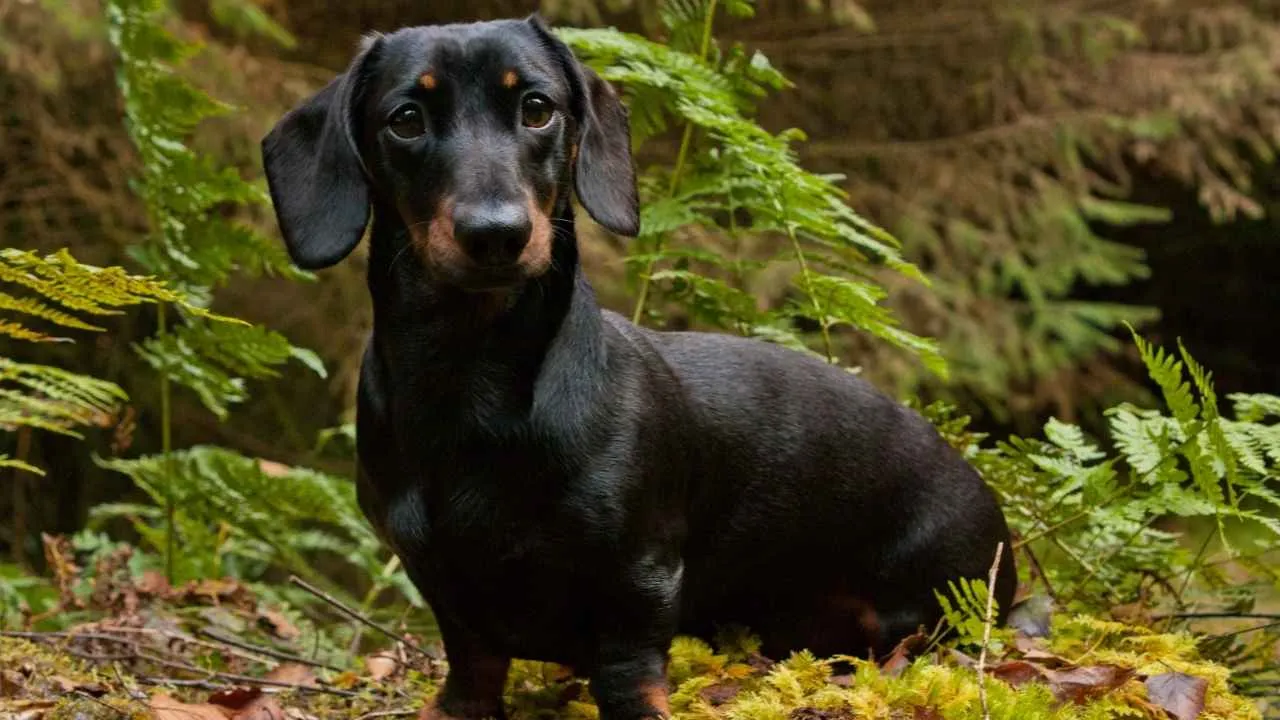
Also known as the ‘hot/wiener’ dog, the small guard dog breed was originally bred in Germany as a badger-hunting dog in the 18th century. It has small legs and a long and flexible spine, according to PetMD. So, care is needed to ensure they do not jump a lot.
Being a hound dog, it has an elongated muzzle, giving it an extraordinary sense of smell. With its tight lips, strong underjaw, and large teeth, the loyal dog possesses a scissor bite that provides a strong grip relative to its size. It is naturally alert, aloof toward strangers, and has strong territorial instincts, and it instantly barks to alert the owner.
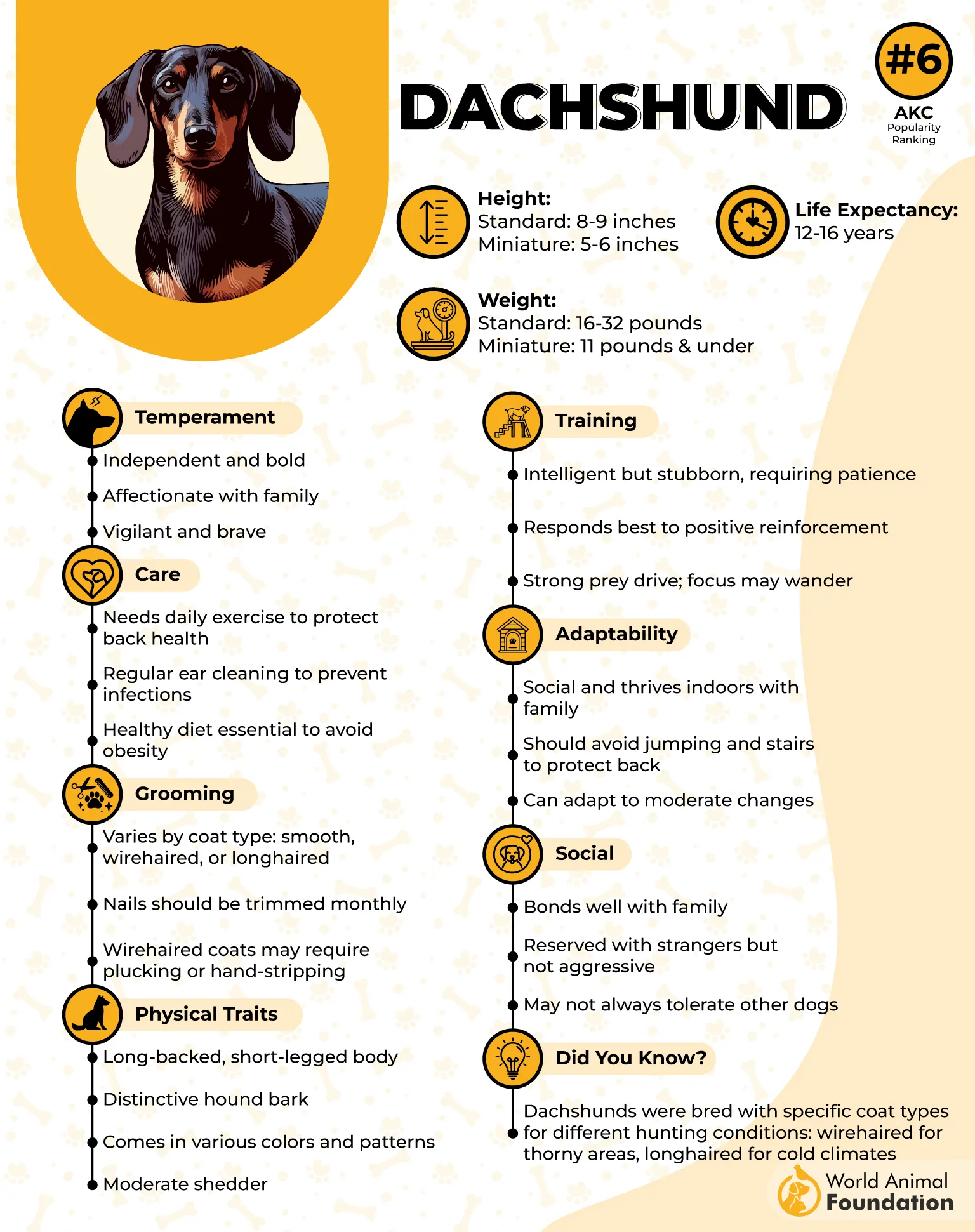
The breed forms strong bonds with the owner and family and tends to protect them by constantly looking for unusual activity. The adult dog (12+ months) needs 30-60 minutes of daily exercise and mental stimulation.
2. Pomeranian
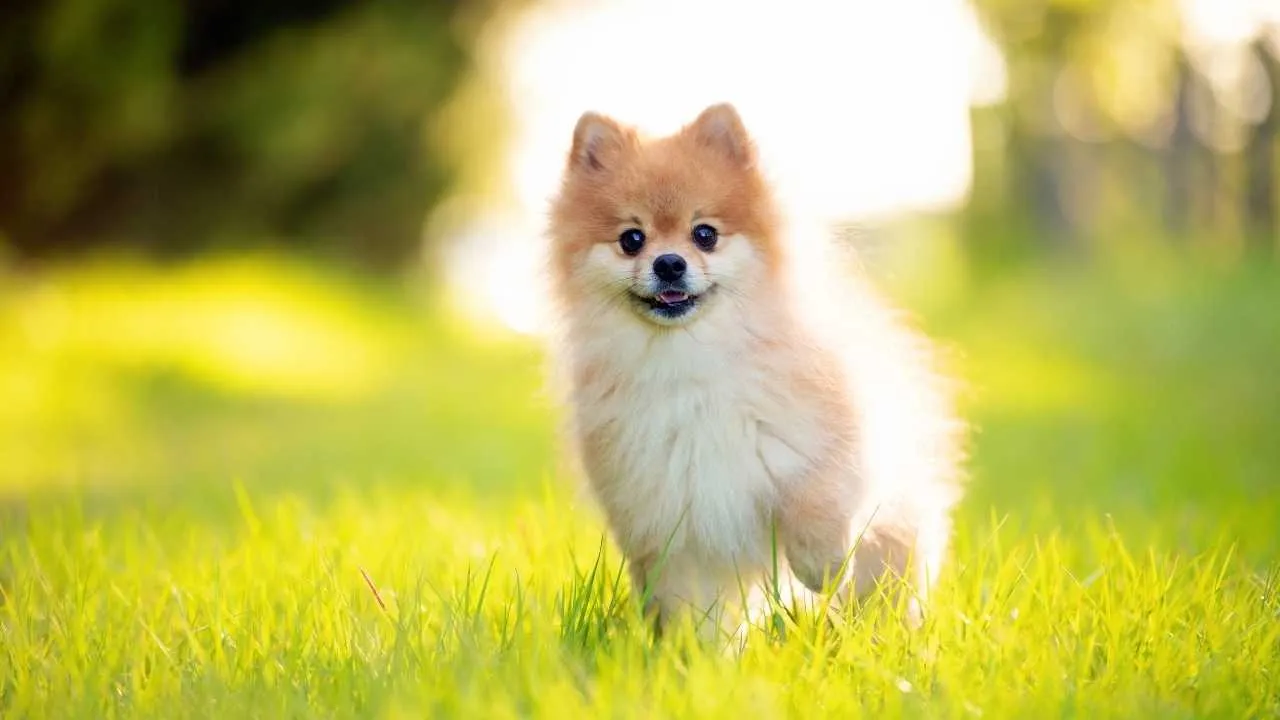
The history of the ancient breed has roots in Germany and Poland, where it was developed from the wolf-like puppies that were once used to live in Iceland. It is closely related to Spitz breeds and was highly favored by the English royalty, including Queen Victoria.
The excellent dog has upright, erect ears which maximize detection of high-frequency noises. Unaware of its small size, the Pomeranian has a ‘big dog’ attitude. This makes it bold and confident in front of a large predator. The intelligent dog learns spatial routines and the boundaries quickly and can distinguish between a normal scenario and a threatening situation.
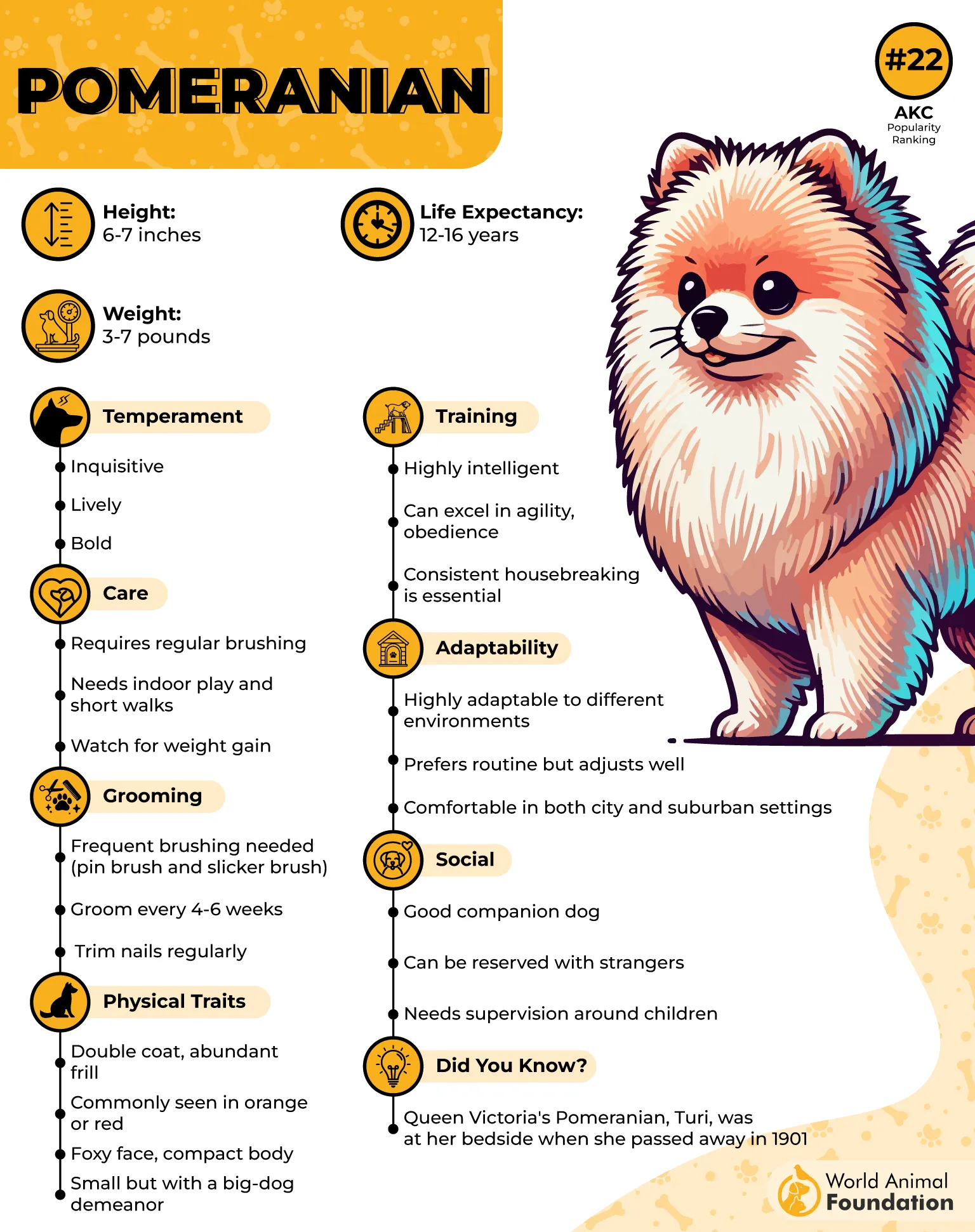
Since it actively monitors doorways, windows, and property boundaries, it is widely kept as a perimeter surveillance dog. The moderate-energy dog thrives in brisk walks, fetching, tug-of-war, and interactive puzzle toys.
3. Miniature Pinscher
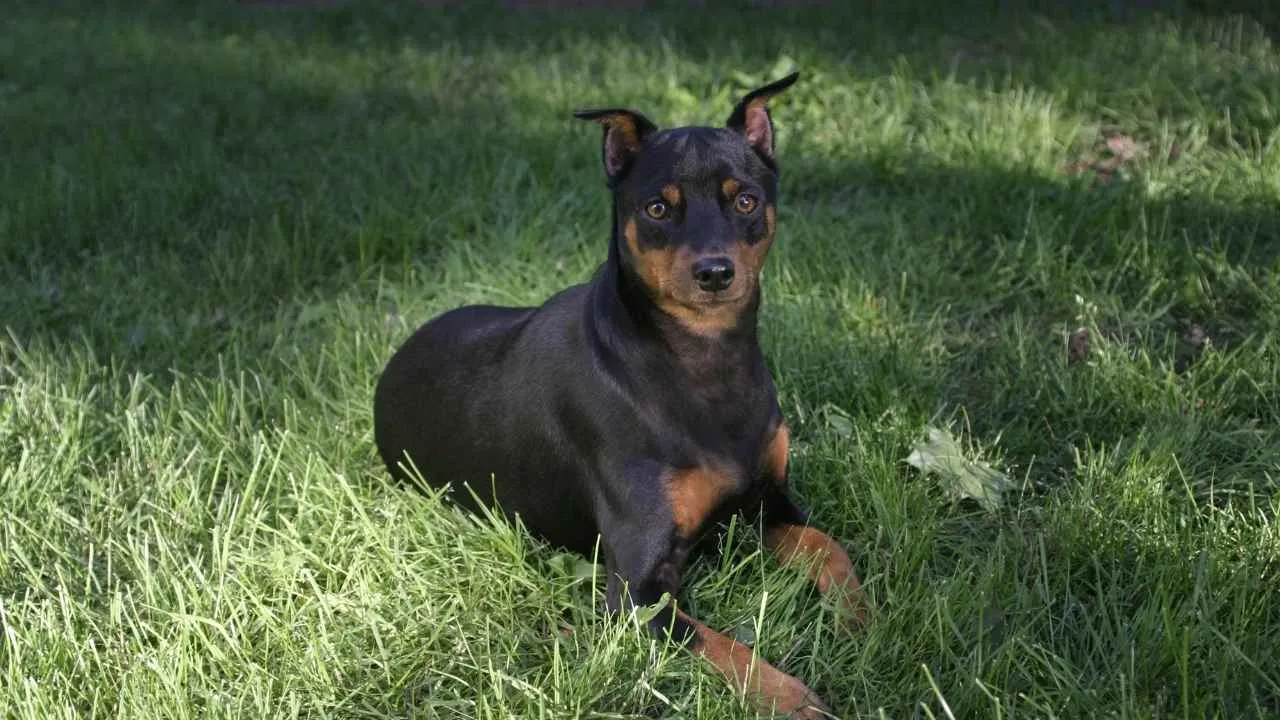
The Min Pin was developed in Germany some 200 years ago as a ratting dog. It was likely bred by crossing the Italian Greyhound and the Dachshund. Originally named ‘Reh Pinscher,’ the breed had a close resemblance to the local German deer, as reported by Orvis.
The high-set erect or semi-erect ears act as highly directional acoustic funnels and move in the direction of the source. The muscular framework grants explosive agility, and the breed runs at a high speed of 19 mph, important for patrolling property. It has strong territorial instincts and barks at anyone who approaches the perimeter.
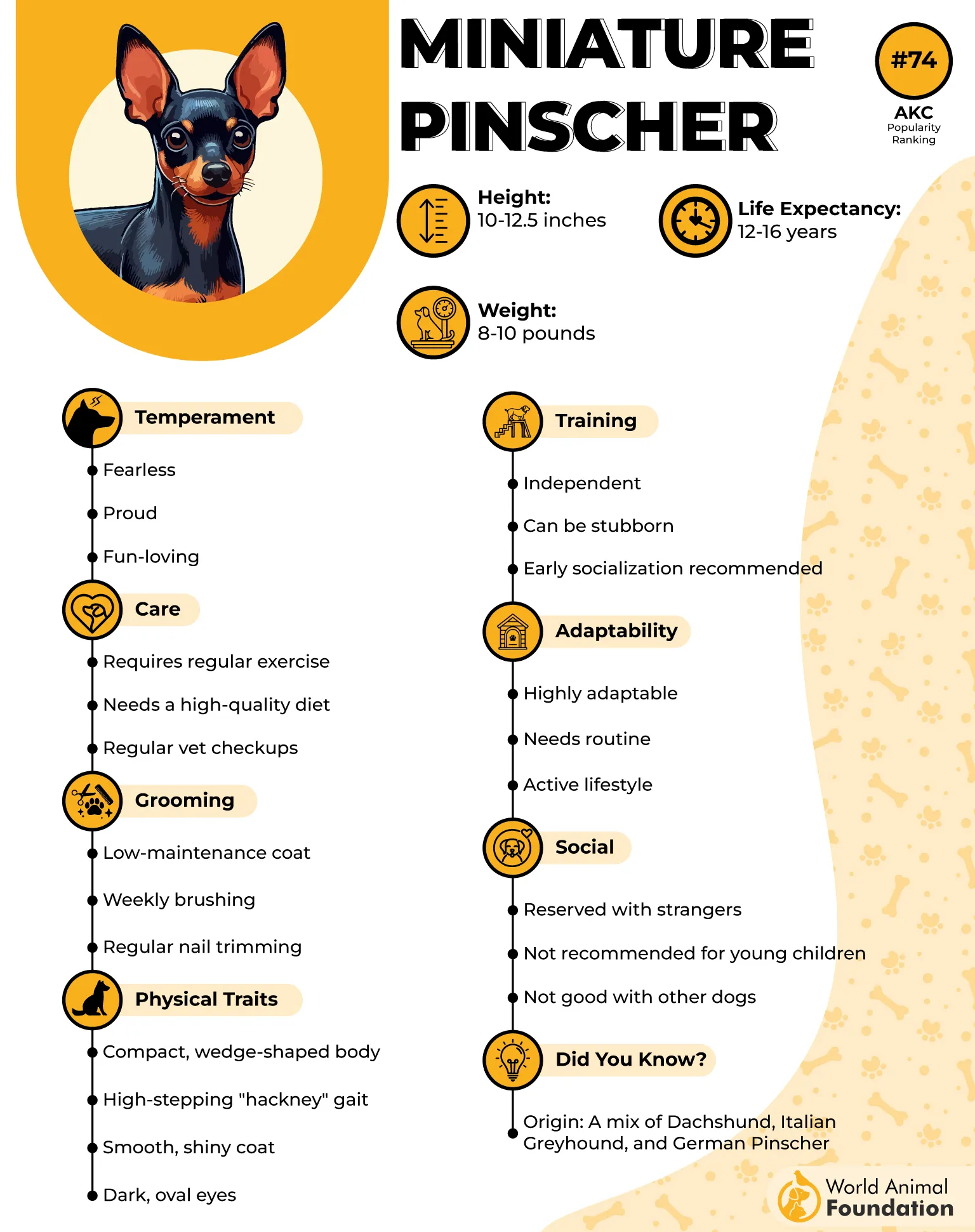
Because of its high prey drive, it tends to chase small moving objects while remaining hypervigilant of its surroundings. The active dog needs at least 45-60 minutes of daily exercise: 2-3 brisk walks, fetching, tug-of-war, obedience training, and scent games.
4. Lhasa Apso
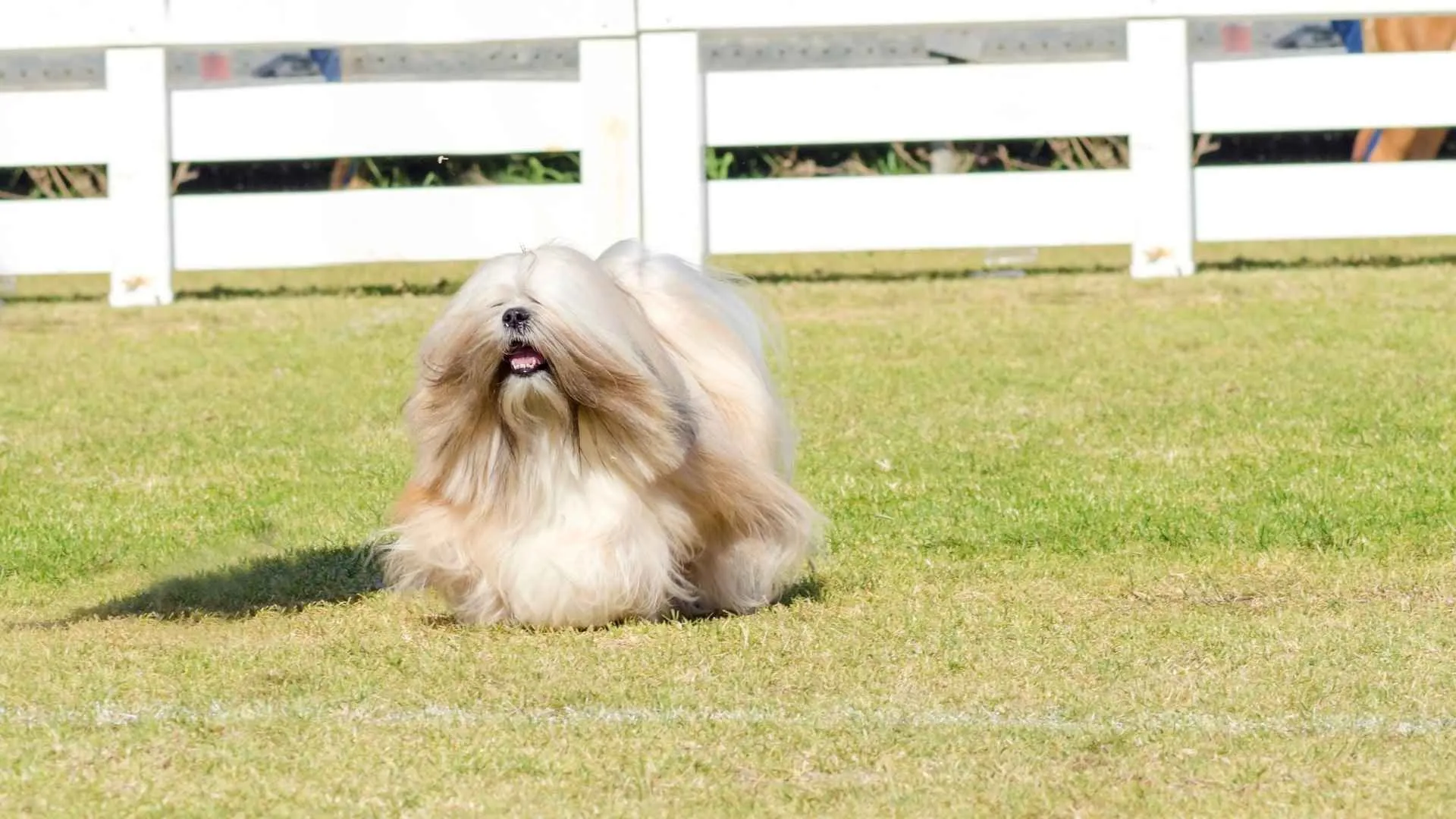
The non-sporting dog was originally developed in Tibet as an interior watchdog. Though existing for centuries, the Lhasa Apso arrived in the United Kingdom in the 20th century. Later, it was modified and classified into other breeds, including the modern-day Lhasa Apso and Tibetan Terrier.
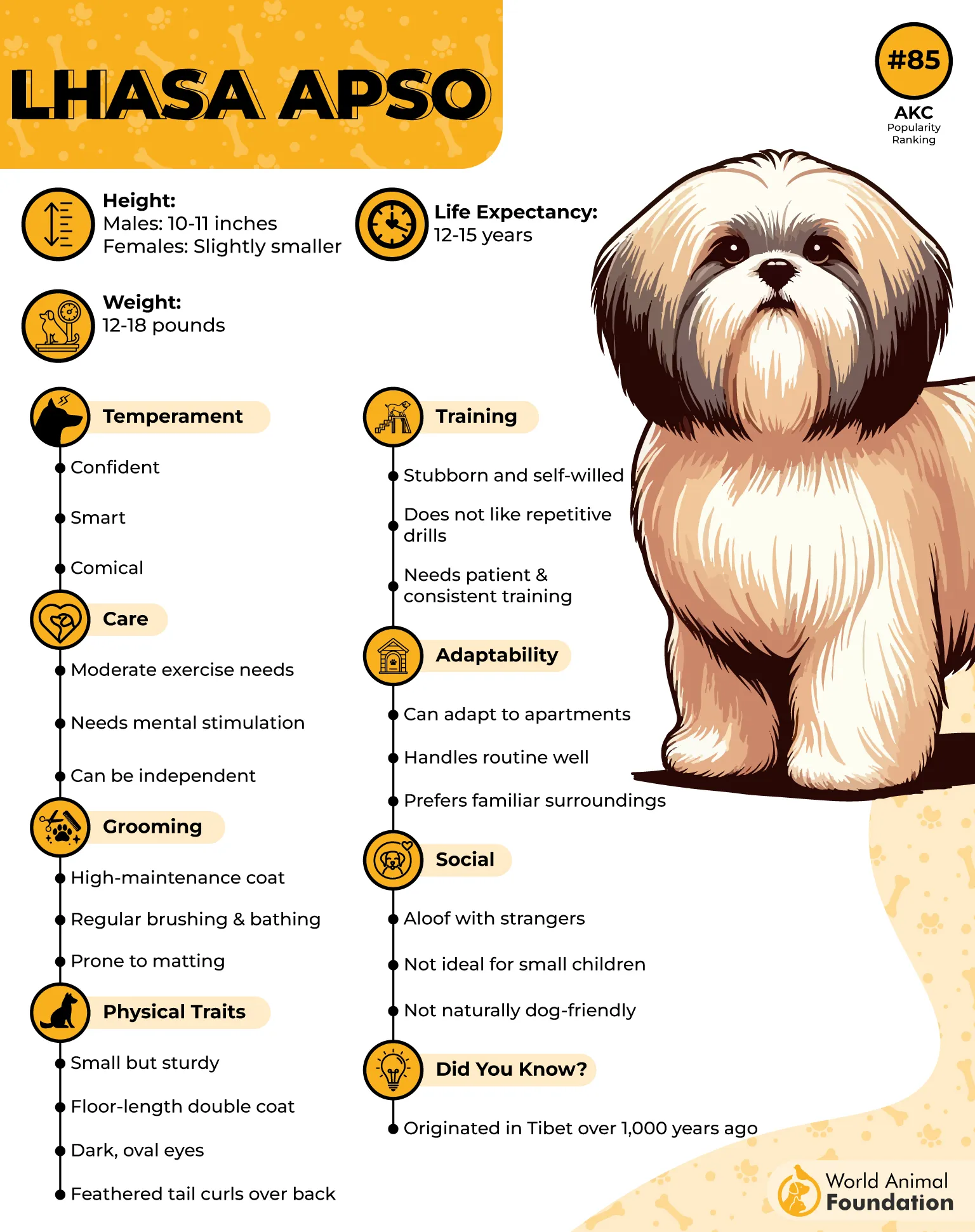
To thrive at high altitudes of 13,000, it has a large lung capacity and a rectangular muscle body. It has a dense and straight double coat that provides insulation and protection against injuries. The effective guard dog prefers to sit on a high vantage point to keenly observe its surroundings.

The energetic dog breed is highly active indoors and does not require extensive exercise outdoors. Because of its brachycephalic nature, it excels in nose work, short walks, and hiding games.
5. Jack Russell Terrier
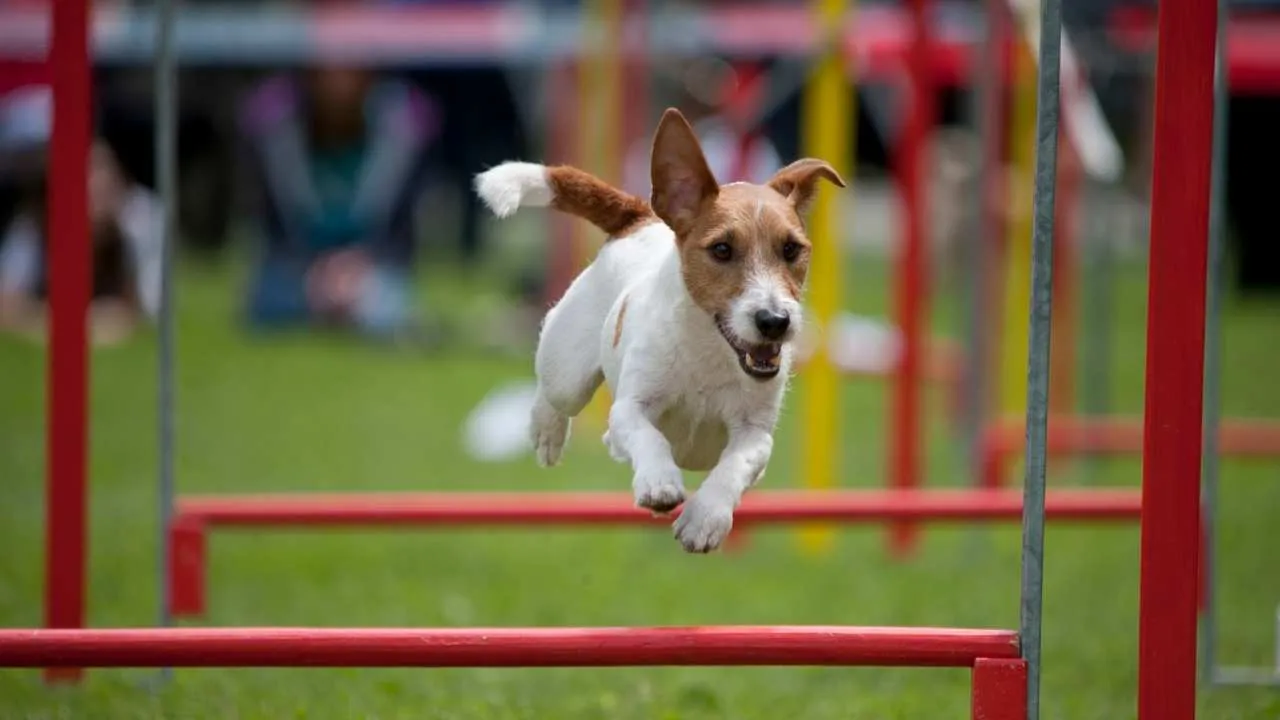
Originating in England in the 19th century, the loyal companion was descended from the now-extinct White Terrier. The primary purpose of the breed was to hunt fox; however, it was later adopted as a rat catcher. It comes in two types: rough-coated and smooth-coated breeds, says Omlet.
The flat skull is paired with a wide muzzle, well-muscled cheeks, and strong jaws, exhibiting a strong bite force. It has an instinct to chase and navigate into tight spaces. It rapidly maps out human routines and can clearly differentiate between a normal routine and a threatening situation.
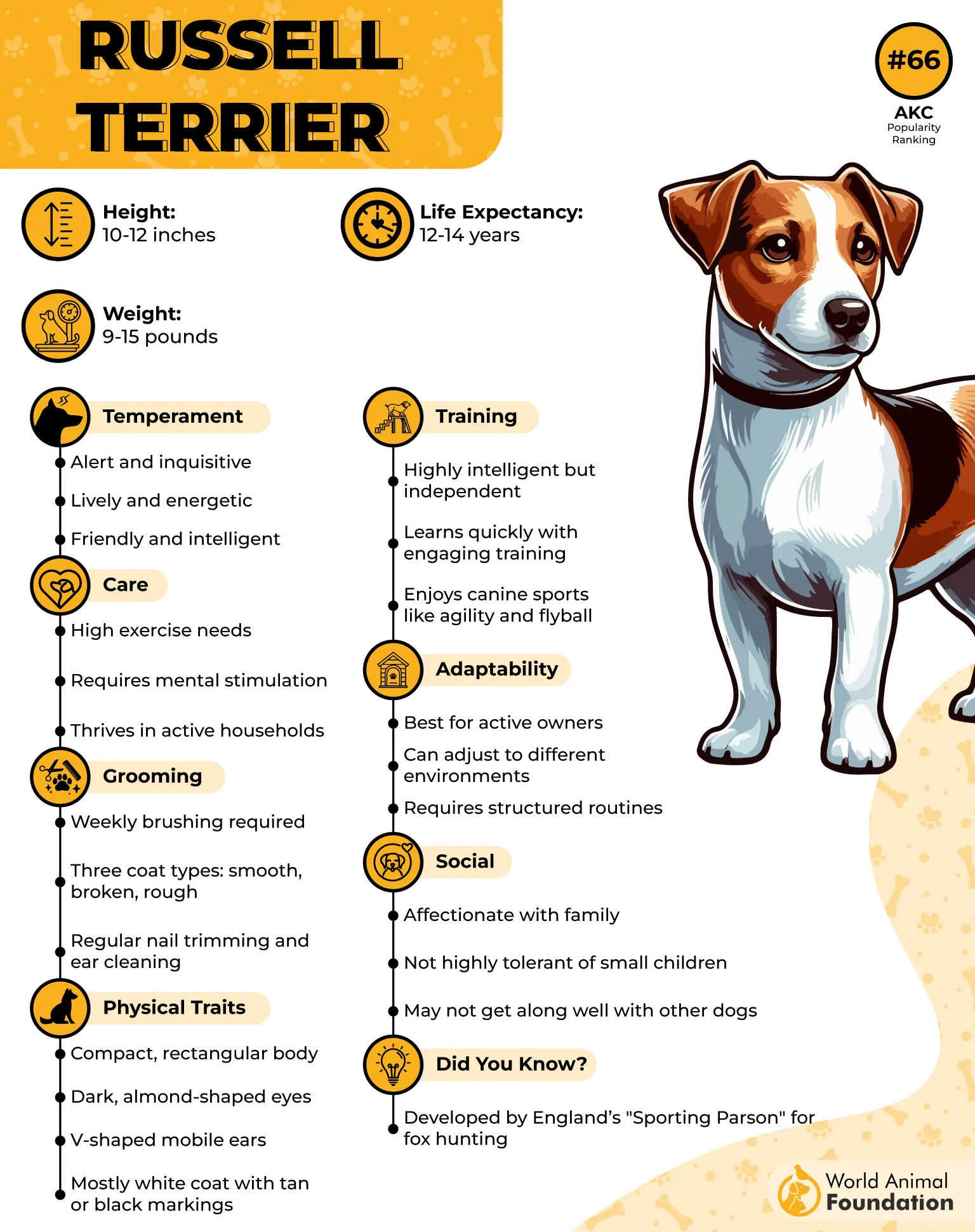
The breed has boundless energy since it was developed for all-day hunting. Daily exercise for 1.5-2 hours is suggested: brisk walks, fetching, tug-of-war, flyball, puzzle toys, and dog sports.
6. Miniature Schnauzer
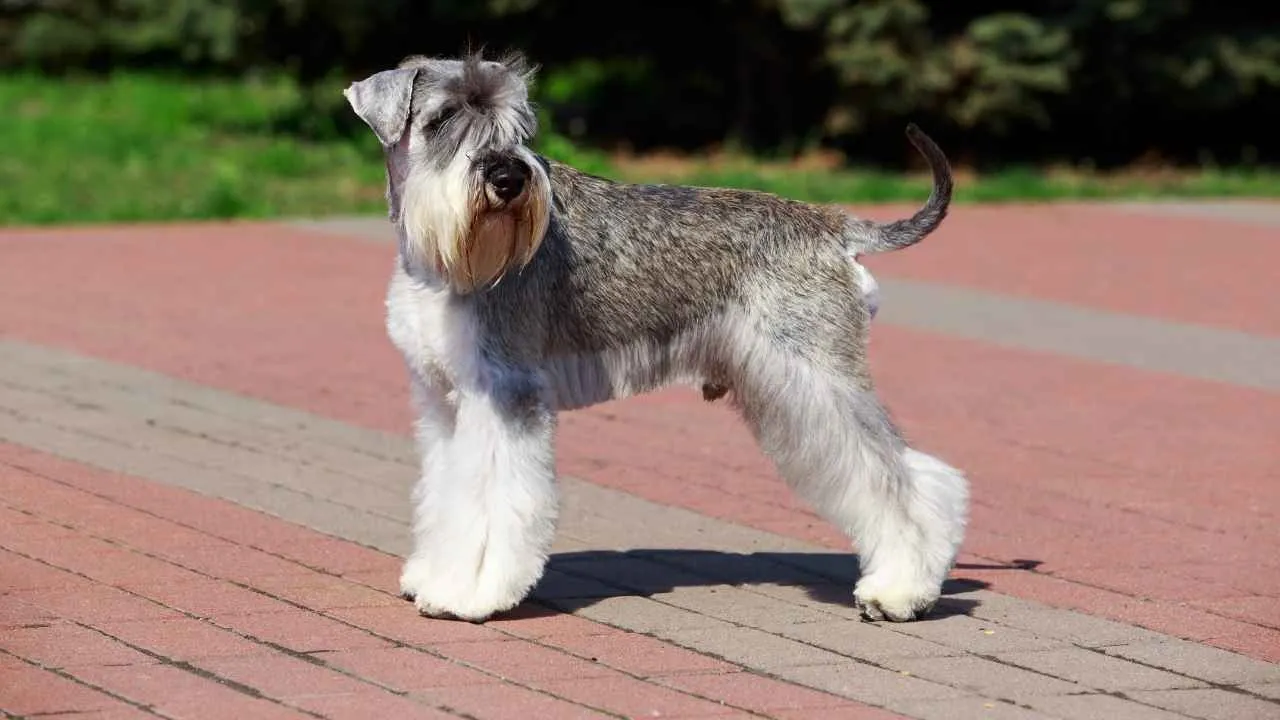
The ancient breed was originally bred in Germany in the 15th century and was designated to herd livestock, protect property, and hunt small animals. It went through a reduction in size in the late 19th century. Other small breeds, such as the Affenpinscher, Poodle, and the Standard Schnauzer, have contributed to the development of the modern-day Miniature Schnauzer.
The bushy eyebrows are responsible for eye protection against predators’ attacks and other external stimuli. The dense moustache and beard give the breed a serious and intimidating expression. The dog has high working intelligence and grasps complex commands within a few repetitions.
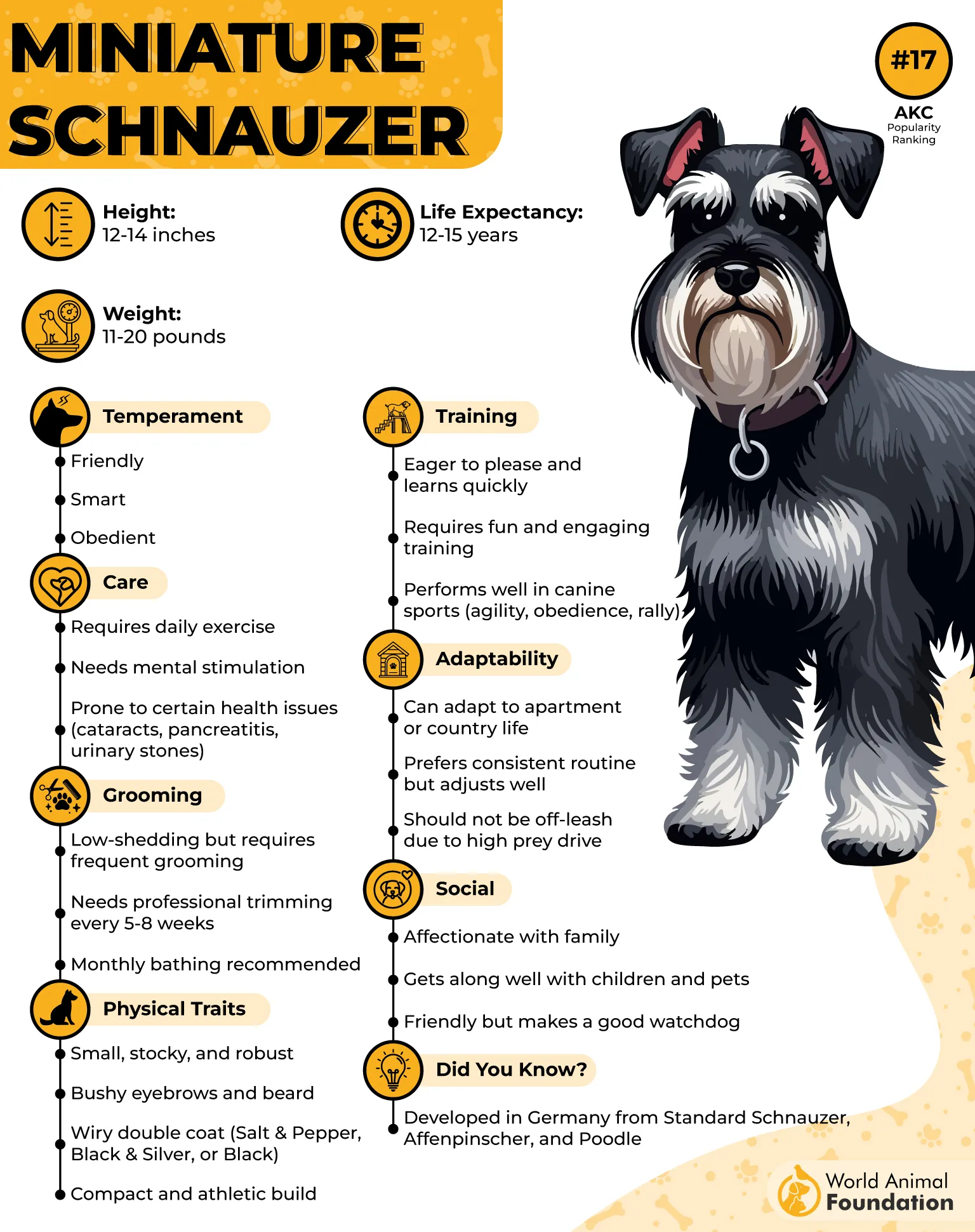
The athletic utility enables it to excel in moderate physical activities and high-impact mental stimulation (60 minutes in total): sniffari, leash and obedience training, puzzle toys, and hide-and-seek.
7. Shih Tzu
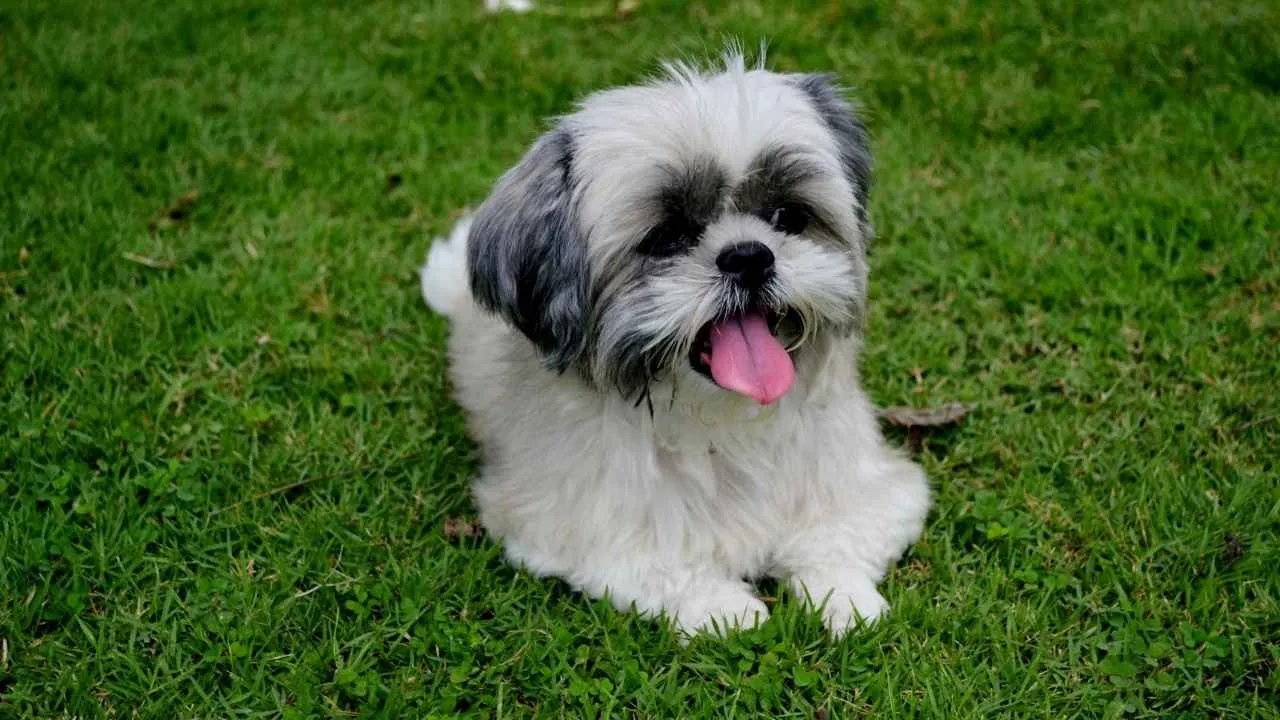
The small watchdog is one of the most ancient breeds. It was likely to be developed by Tibetan monks. It was favored by royalty, and trade outside the country was not allowed for centuries. The population declined, and the modern-day Shih Tzu is the product of only 7 pairs from England.
It has a sharp bark and is prone to frequent barking, which can be controlled by obedience and command training. The front-facing eyes provide a wide field of view, helping it detect low motion variations. While it rarely shows aggression, it forms strong bonds with the family.
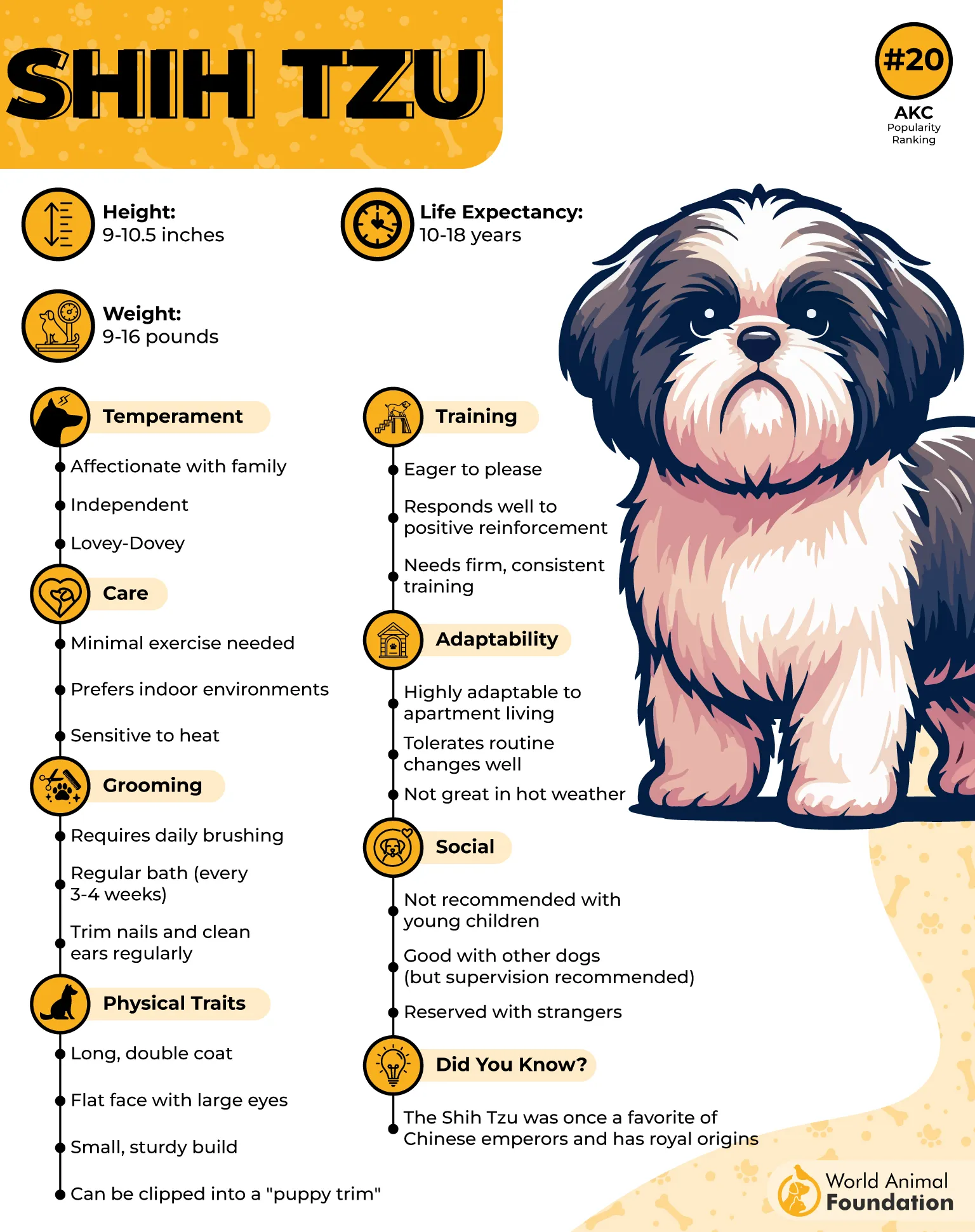
It was paired with the large Mastiff breed to protect the royal palaces, where it acted as an auditory deterrent, while the larger dog was used for physical protection. It tends to lounge indoors because of its brachycephalic nature and needs daily exercise for 30-40 minutes.
Conclusion
Choosing a small dog for security is really about choosing awareness, loyalty, and companionship. These breeds may not stop an intruder, but they can alert you early, make your home feel watched over, and give you a devoted friend who takes its job seriously.
Think about your lifestyle before deciding. A high-energy Jack Russell needs an active owner. A Lhasa Apso suits someone who values calm observation. A Pomeranian or Shih Tzu may be perfect for apartment living, as long as barking is managed kindly.
