




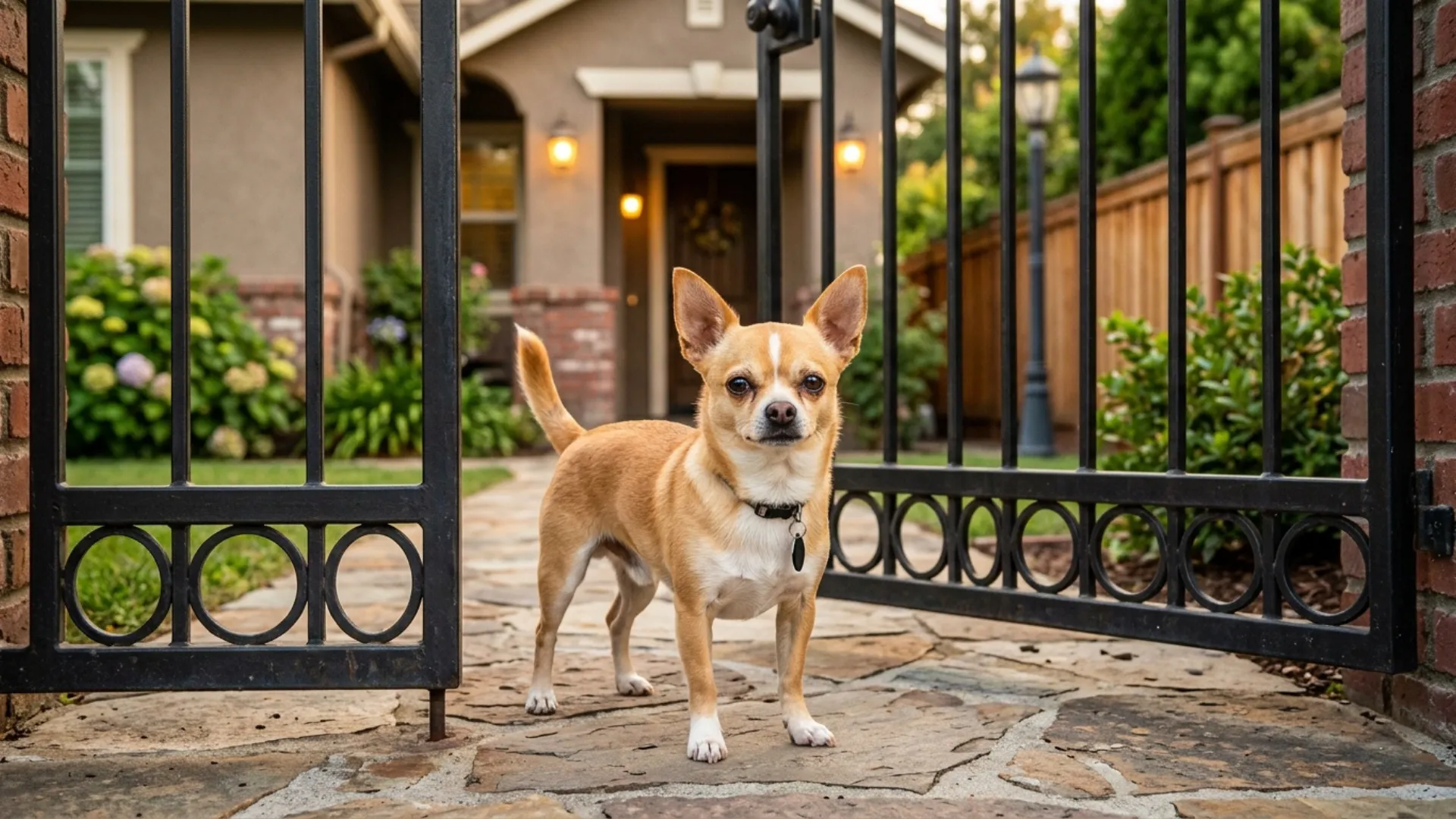
‘Courage is grace under pressure.’ While Ernest Hemingway was not talking about the dogs, the quote fits many small watchdog breeds perfectly.
Size can fool you. A little dog may weigh under 20 pounds, yet it can spot trouble long before large breeds even lift their heads. Tiny puppies bark at the mail carriers like they were guarding a castle. Funny? Absolutely. Effective? You bet.
The best small dog breed choices for watchdog duties combine sharp hearing, confidence, loyalty, and a strong desire to protect their families. They would not replace a police dog, but would happily sound the alarm.
Let us meet 7 fearless guardians that prove big hearts often come in small packaging.
Best Small Dog Breeds Choices for Watchdog Duties
1. Miniature Pinscher
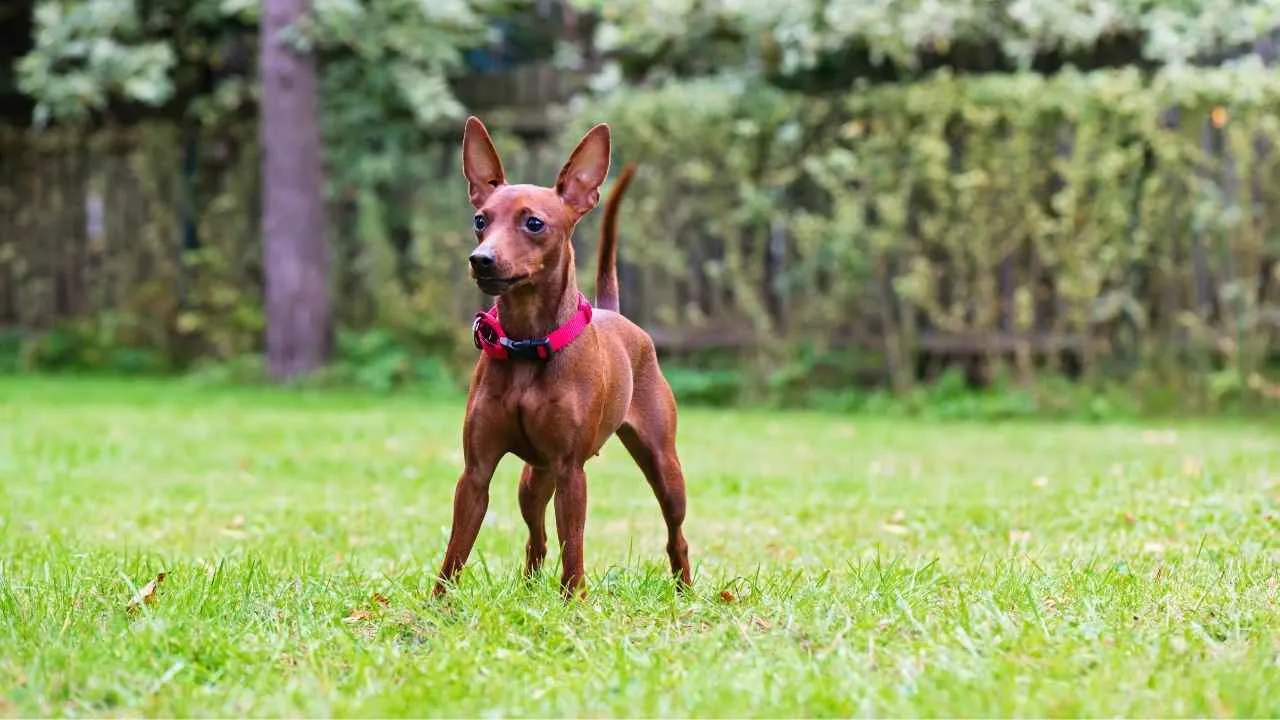
This little dog was developed in Germany as a ratting dog some 200 years ago. Despite having a close resemblance to the Doberman Pinscher, this breed was originally bred by crossing the Italian Greyhound and the Dachshund. It became popular in the 19th century, as per Orvis.
The high-set erect ears capture distant noises and enable rapid detection. It has a high-stepping trot that gives fast speed, allowing it to survey boundaries quickly. This dog has an energetic temperament, and it remains vigilant and observant 24/7.
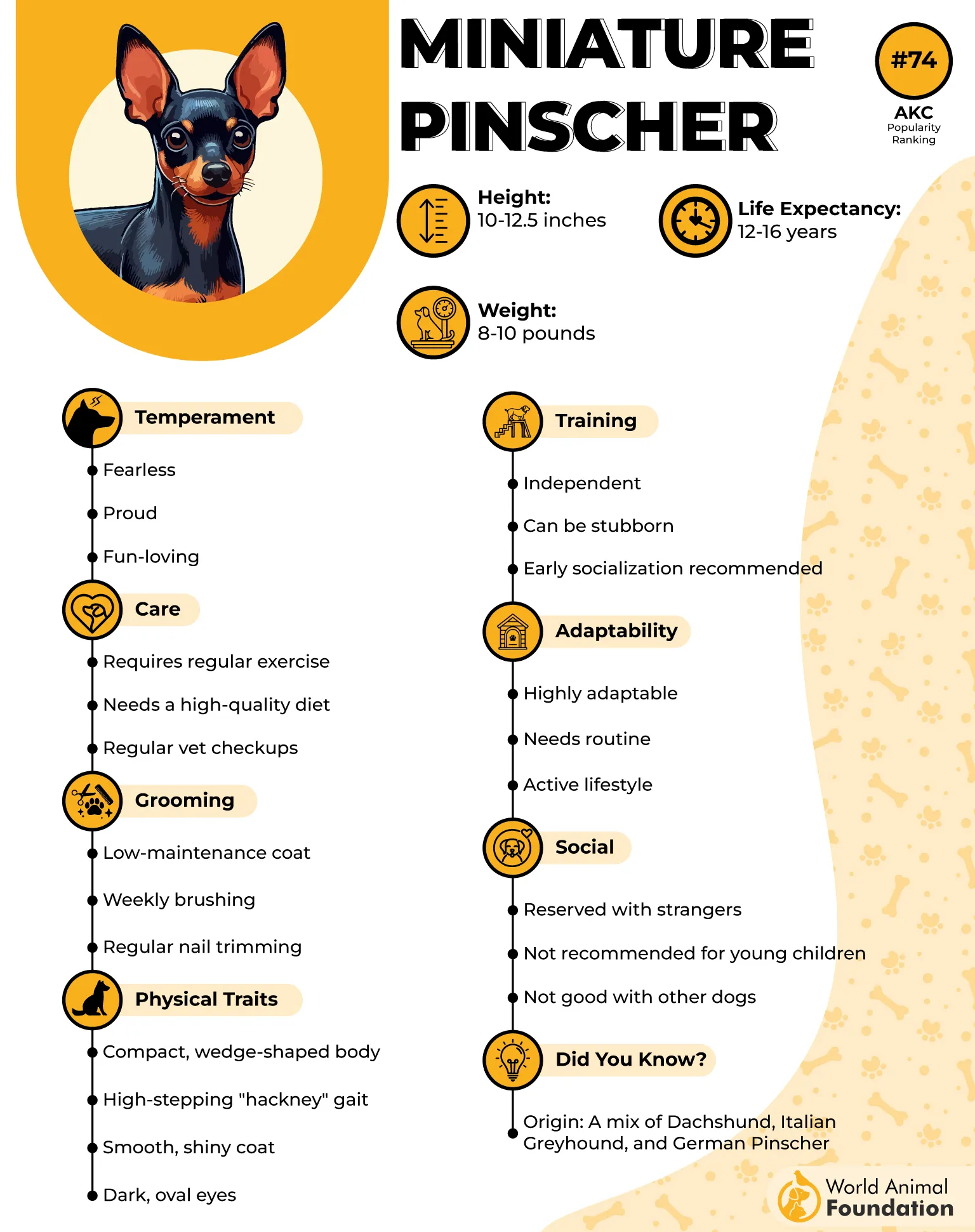
This high-energy dog requires 30-60 minutes of daily exercise and mental stimulation: puzzle toys, fetch, brisk walks, and interactive play sessions. The short and smooth coat does not require frequent brushing.
2. Chihuahua
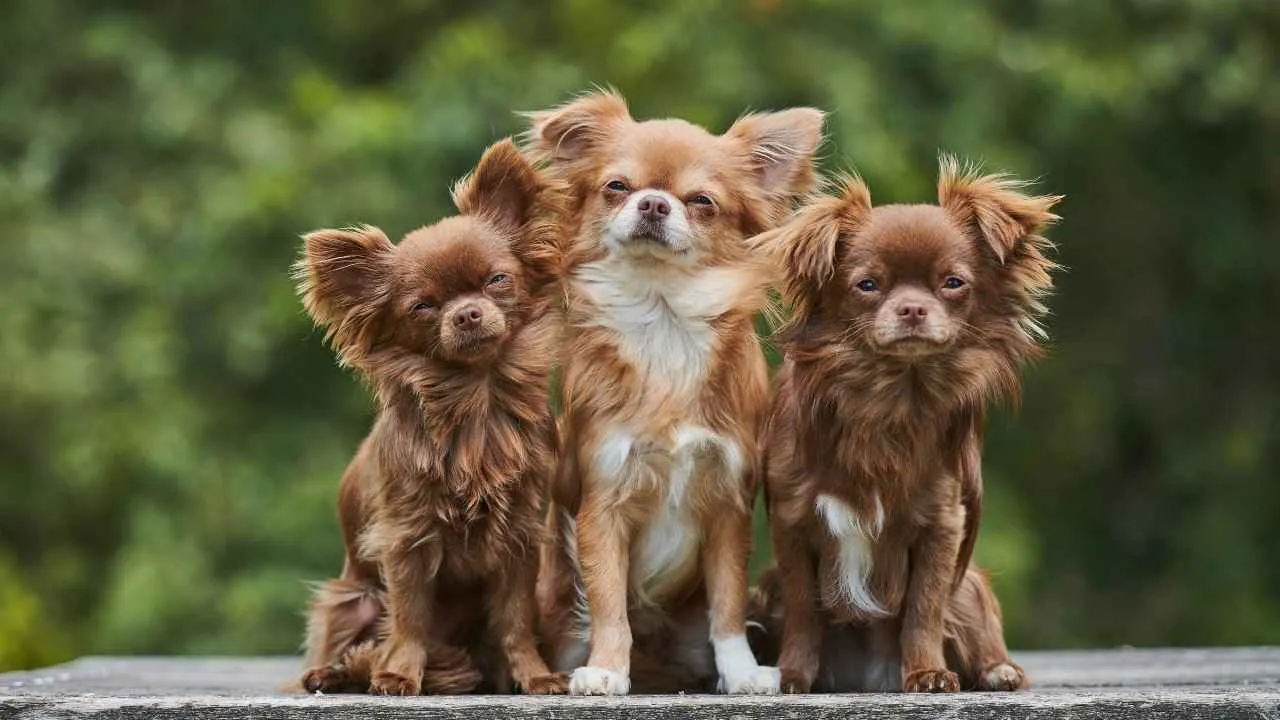
This ancient dog breed has been a companion of the Toltecs and the Mayans for centuries. It is the smallest dog breed in the canine world. It was originally developed in Mexico and was taken to Europe by the Spanish explorers.
This breed has dark and round eyes that deliver a ‘saucy’ expression. With its pointed and short muzzle and erect ears, it smells and hears the surroundings keenly and looks for any minute change. It has a high metabolic rate, keeping it in a state of high alert and reflexes quick.
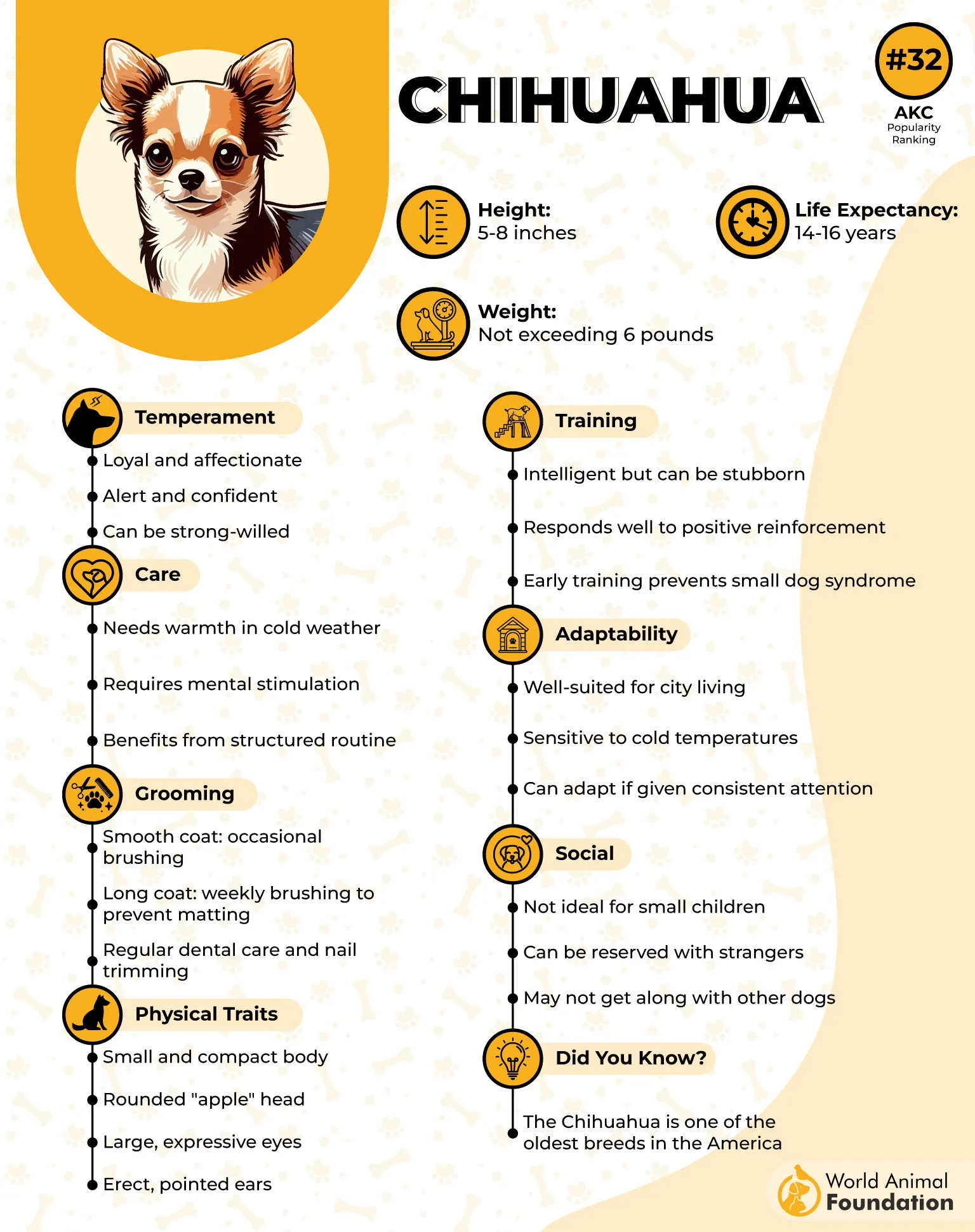
It has an independent streak that may lead to stubbornness. The breed has low exercise needs (30 minutes a day): fetch, daily walks, and indoor play. Always use a well-fitted harness rather than a collar since it has a small tracheal pathway.
3. Lhasa Apso
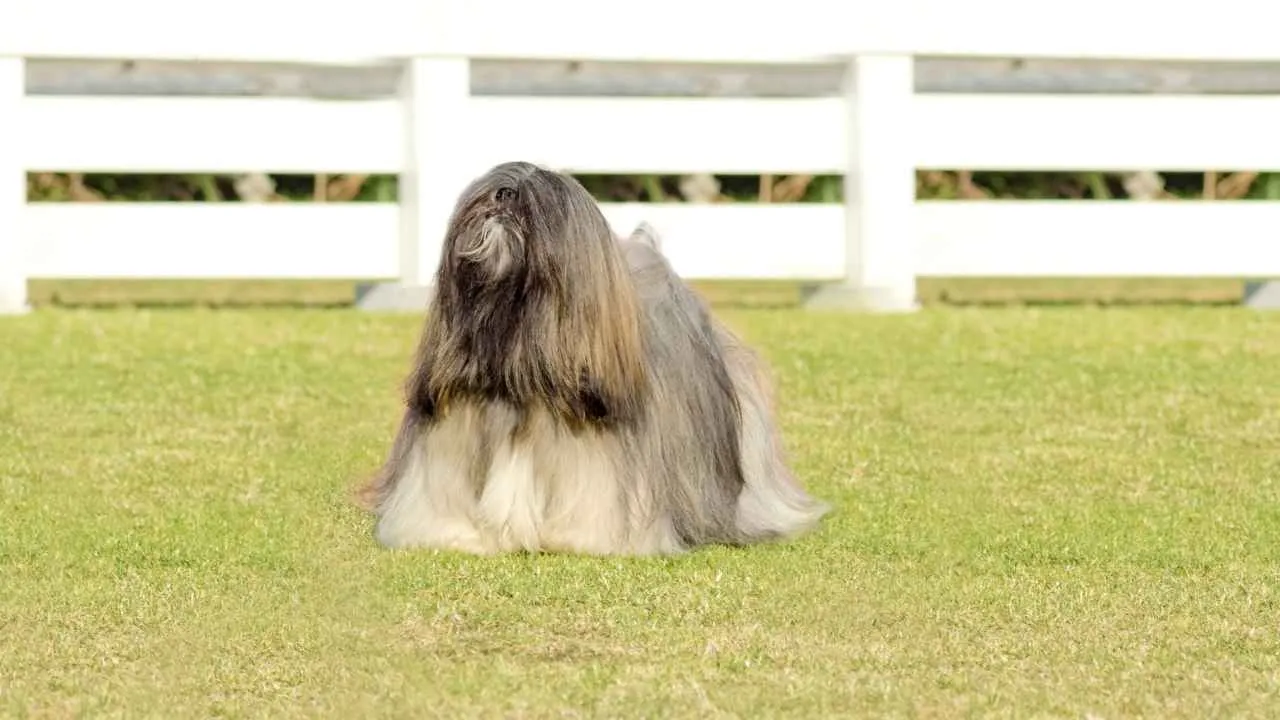
This breed’s history began in the Himalayan mountains of Tibet some 2,000 years ago. This old breed was developed by the Buddhist monks and nobility to serve as a watchdog. It is known as ‘Abso Seng Kye’ in Tibet, which means Bark Lion Sentinel Dog, according to Pooch & Mutt.
Its confident, fearless, and alert nature makes it protect the monasteries. It emits a loud bark to alert the owner of a potential threat. Being naturally wary of strangers and other dogs, it remains cautious around them. The oval eyes provide a wide visual field to easily detect sudden movement and approaching sounds.
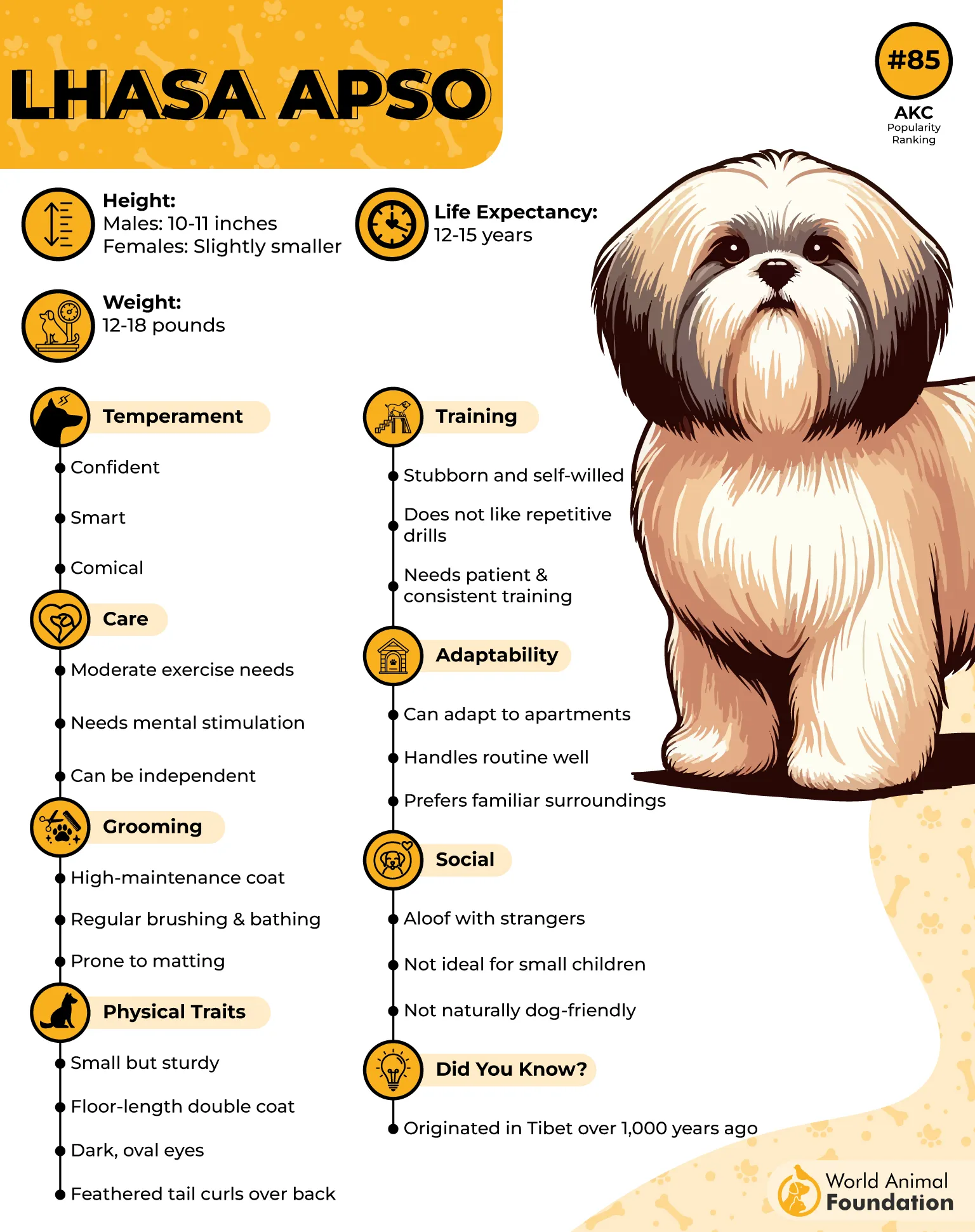
The robust build is designed for rugged terrain and provides great agility and keeps the dog alert. As it has an independent nature and can be barky, basic obedience command training is non-negotiable.
4. Cairn Terrier
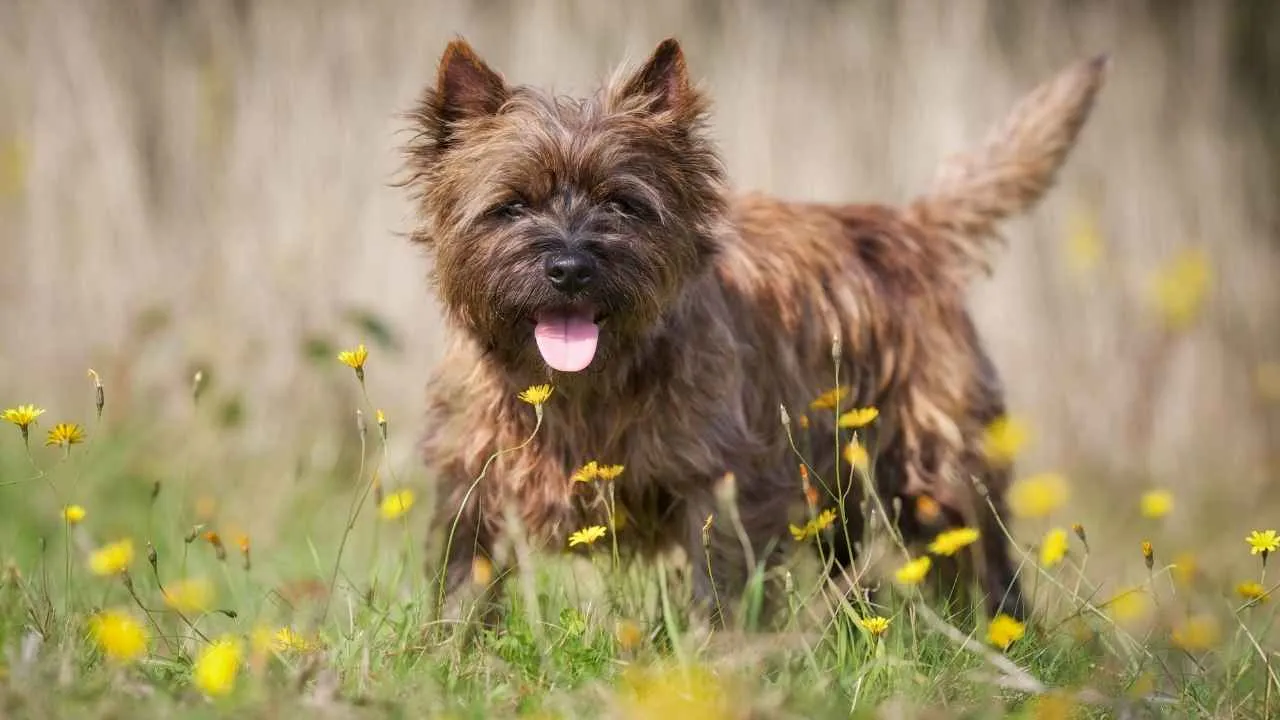
It was originally bred in Scotland in the 16th century from a terrier-type dog, the Scotch Terrier. The primary goal was to serve as a hunting breed and kill rodents from the man-made formations and the cairns. It was once considered the Skye Terrier type dog.
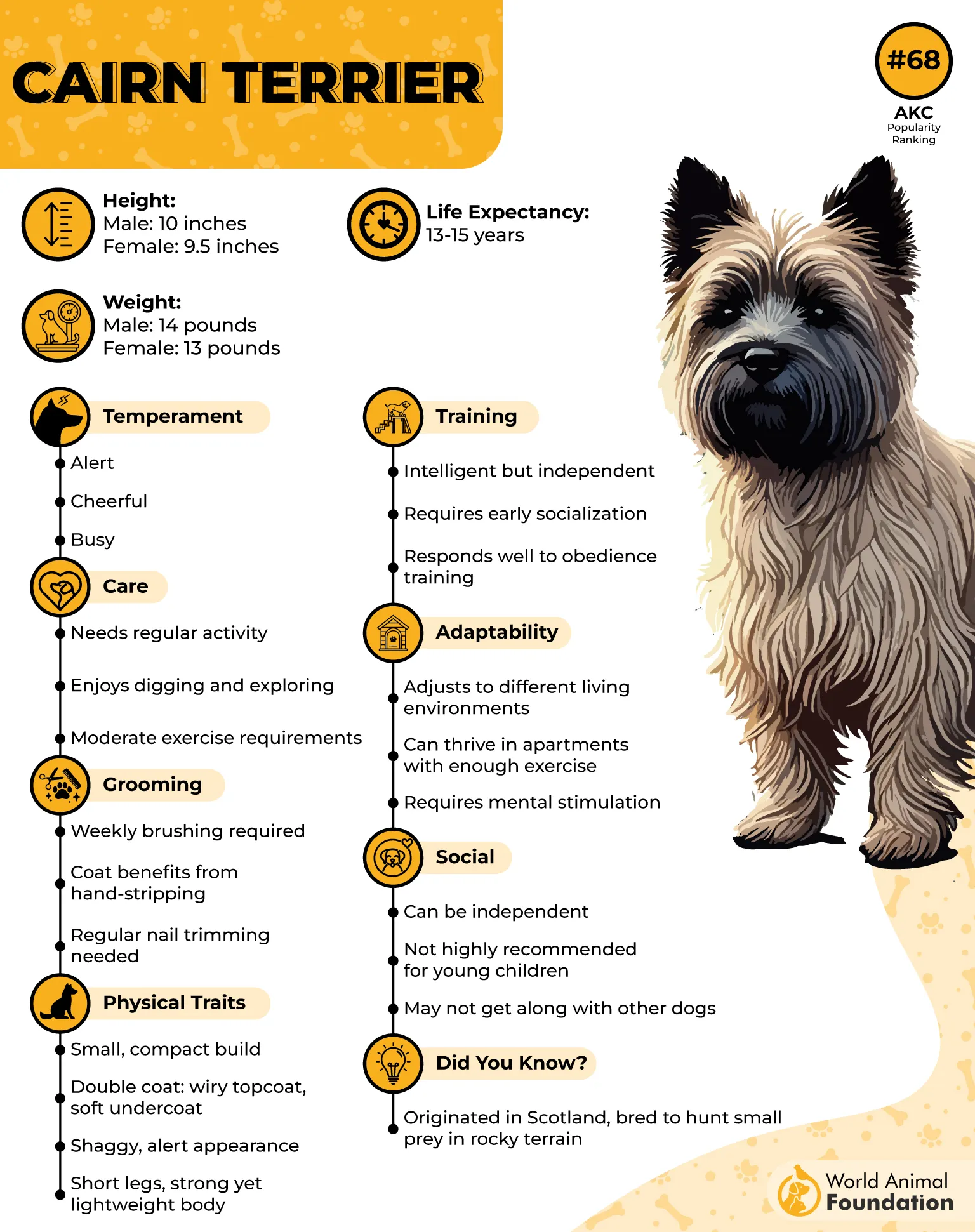
This companion dog exhibits a keen expression with its shaggy eyebrows and wide-set expressive eyes. The pointed and erect ears act as a radar system and move in the direction of the sound source. It has well-angulated, sloping shoulders that provide flexibility and agility while navigating through tight spaces.

It has a history of patrolling Scottish farms. Its small size makes it an excellent watchdog and not a guard dog. It is an intelligent and energetic dog breed that requires 40-60 minutes of daily exercise: brisk walks, lively play sessions, and puzzle toys.
5. Scottish Terrier
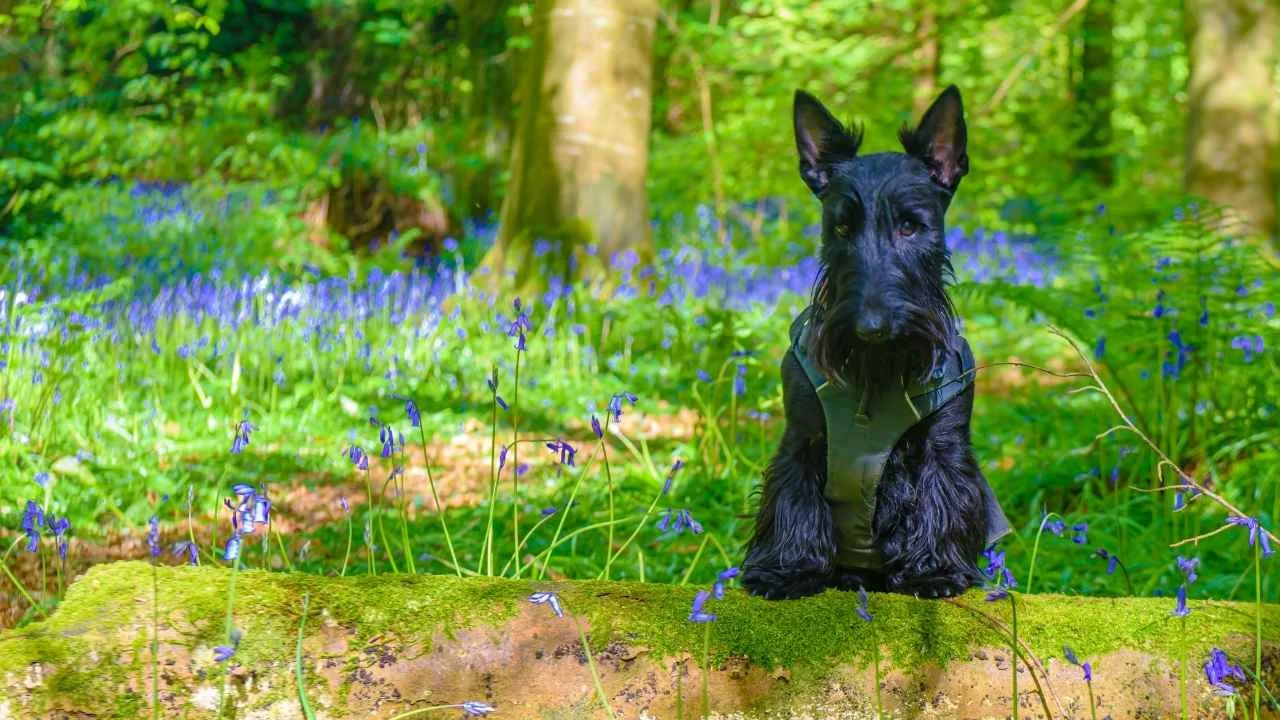
This breed was given the name in 1879. However, it has other names, such as the Hard-Coated Scotch Terrier, the Aberdeen Terrier, and the Die-Hard or Wire-Haired Terrier. Its ancestry goes back to the Highland Terrier. It was originally developed as a working dog, as reported by Purina.
The Scottish Terrier has a full beard, a thick moustache, and prominent eyebrows, giving it an authoritative appearance. These unique features also protect the face from external stimuli, such as dirt, debris, and predators’ attacks. The heavy-boned, muscular build gives it physical durability.
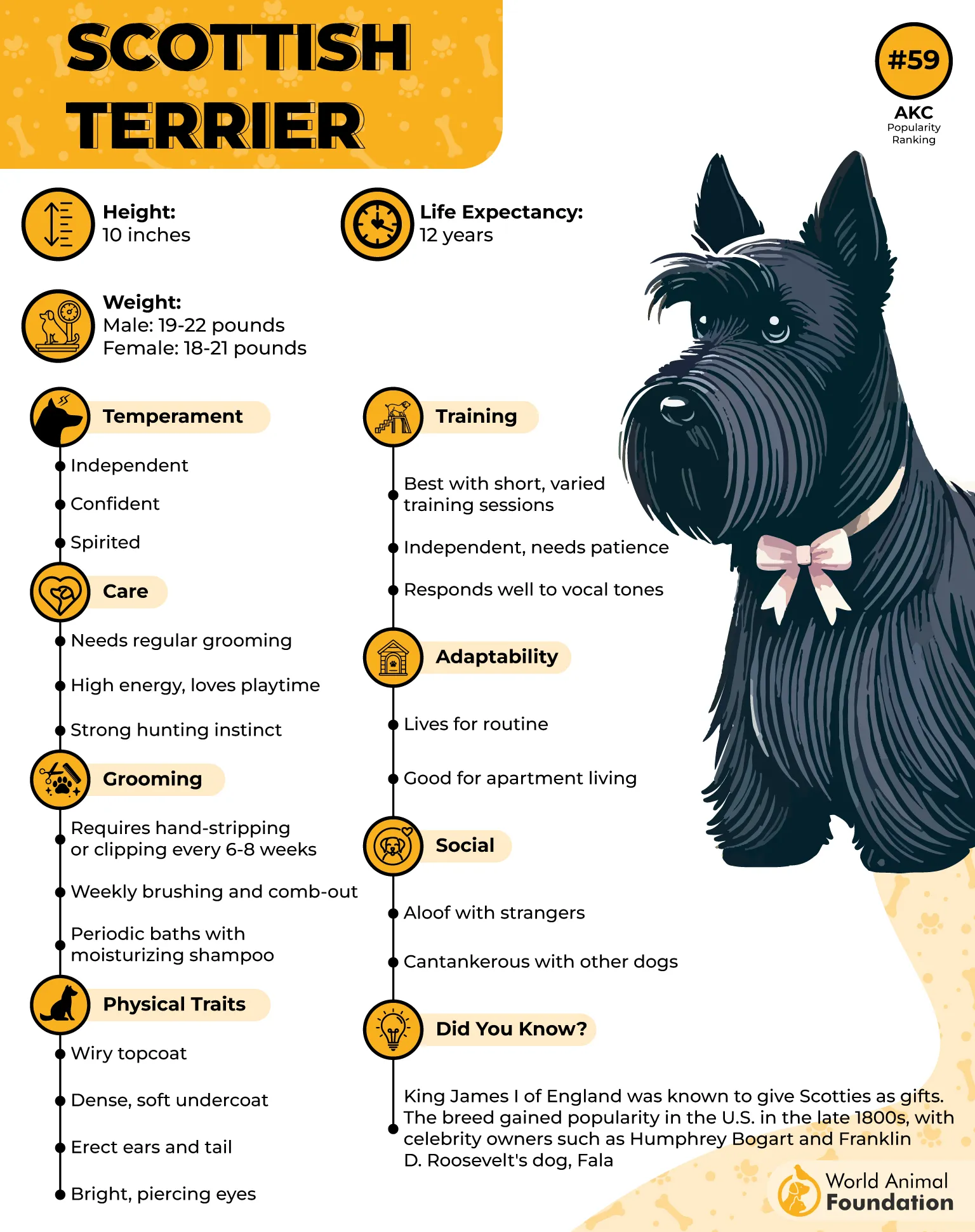
Often known as the ‘tiny titans,’ it has the personality of a large dog. The breed actively performs the role of a home protector and defines its spaces as ‘patrolling zones,’ making it a great watchdog.
6. West Highland White Terrier
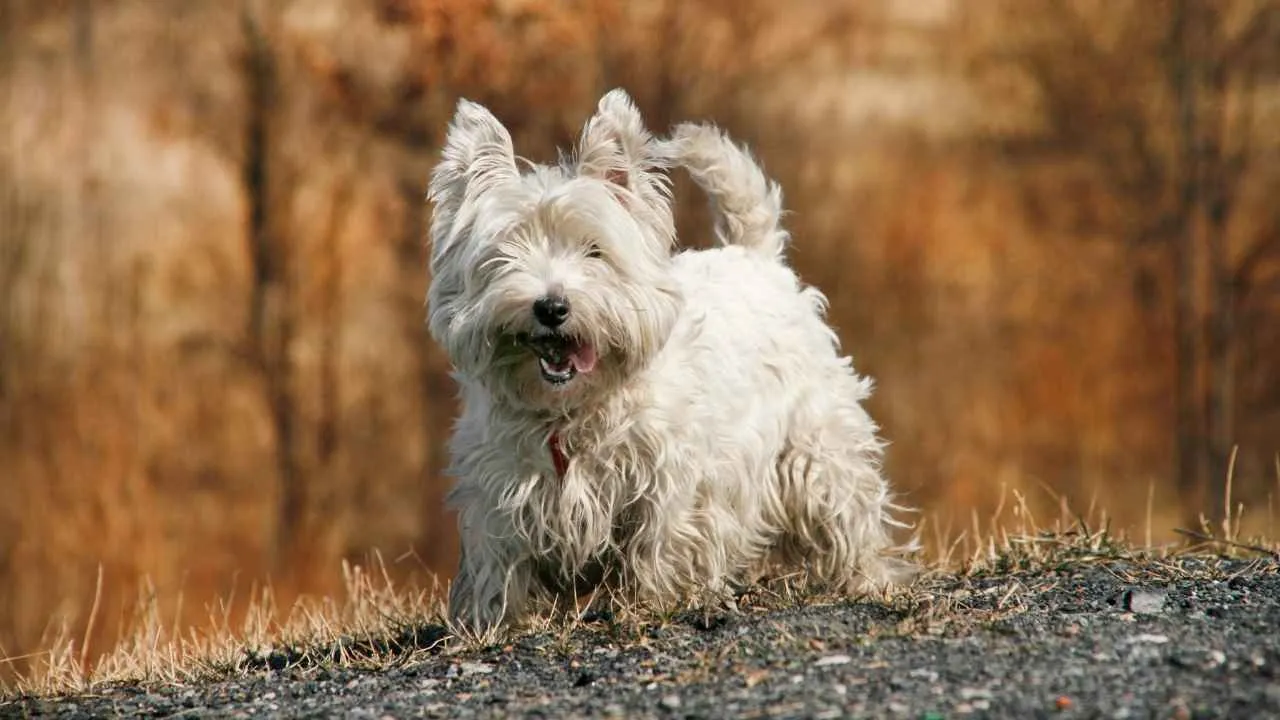
This medium-sized Scottish dog breed is the cousin of the cairn terrier and was given this modern name in 1908. The breed comes in wide varieties, including the Roseneath Terrier and the Pittenweem Terrier. The breed gained popularity in the early 20th century.
It has much larger teeth compared to its size because of a genetic deformity. It moves faster because of the silky white double coat that protects it from the elements. It always looks for the slightest sound to analyze and then reacts. The dog has strong territorial and protective instincts.
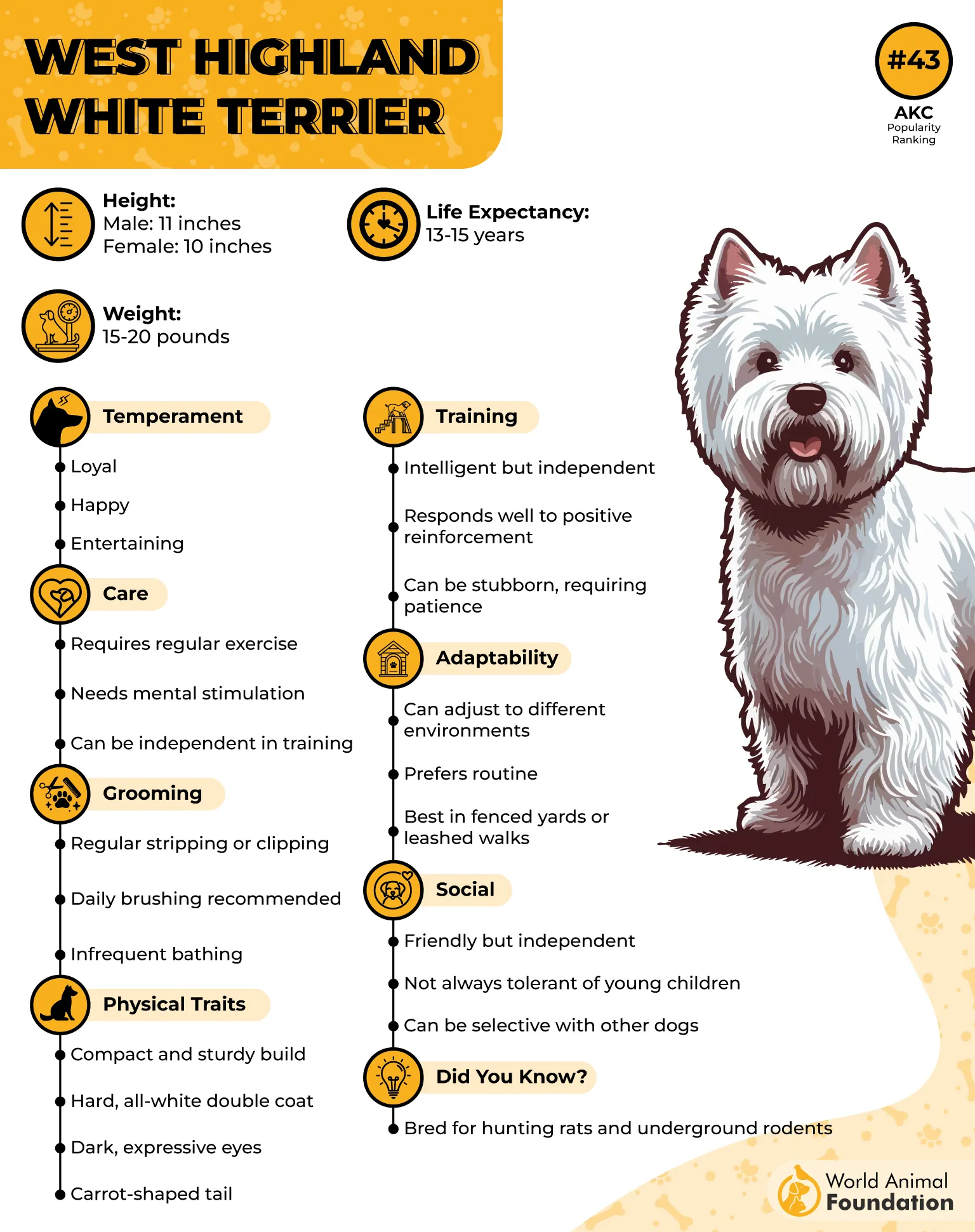
Despite having a stubborn streak because of its independent nature, the breed has a gentle temperament and needs cuddles from the owner. The breed has moderate exercise needs (30-60 minutes).
7. Yorkshire Terrier
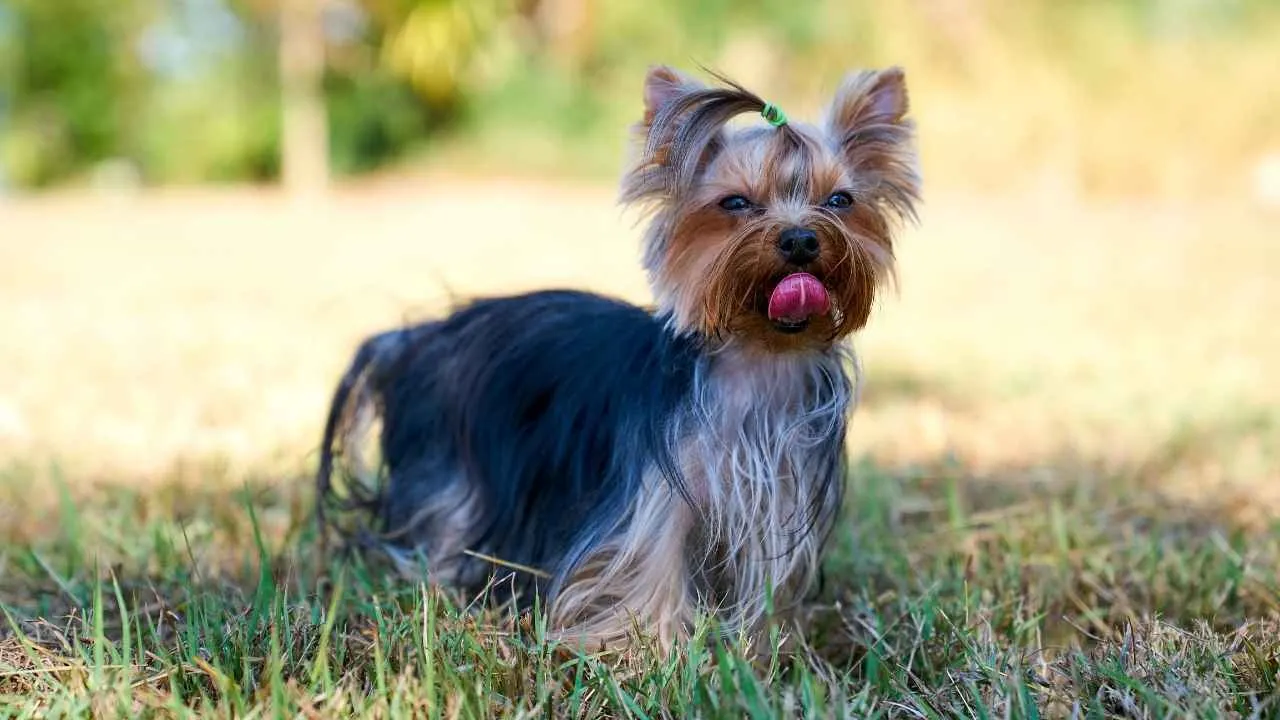
The lap dog is the descendant of the Waterside Terrier, which was developed by crossing the rough-coated Black-and-Tan English Terrier and the Paisley and Clydesdale Terrier. It was designed as a ratter in the city of Yorkshire and was used in the cotton mills to hunt and kill rats and rodents.
This small breed has an athletic build and V-shaped ears, giving it a bold and attentive appearance. It has a small yet strong jaw. This helps it hold small objects tightly. It makes strong bonds with family members, children, and other pets if socialized properly.
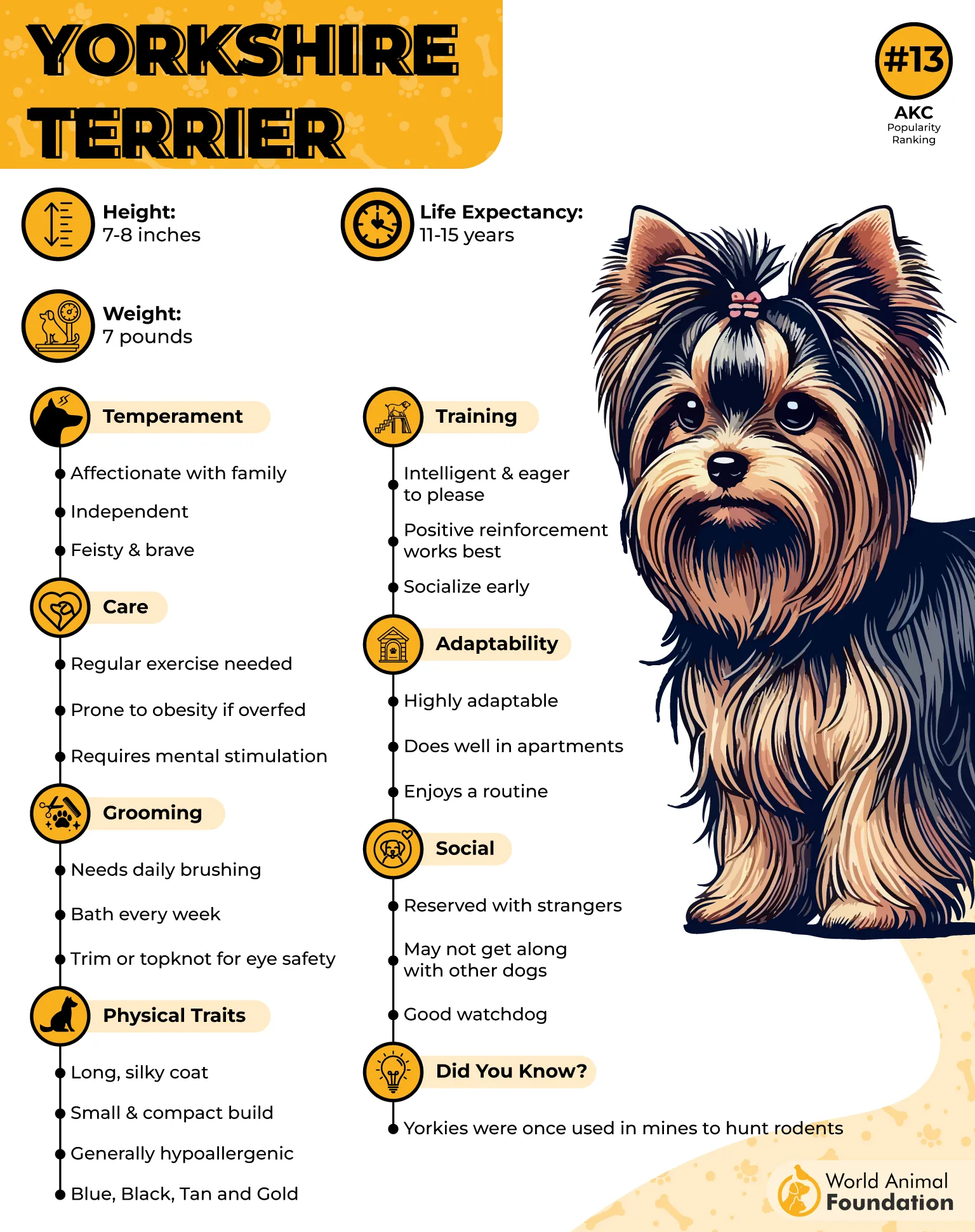
The small dog breed is highly responsive to visual and auditory signals and carries a big dog attitude. It has a high-pitched bark to alert the owners. It needs regular exercise: hide-and-seek, puzzle toys, fetching, and short walks.
Conclusion
The best small dog breed choices for watchdog duties prove that confidence matters far more than size. Each breed has its own style. Some rely on sharp hearing, others on fearless personalities, while a few quietly observe before raising the alarm. Choosing the right one depends on your home, daily routine, and experience with dogs.
A well-trained, well-socialized small watchdog becomes more of an early warning system. It becomes a loyal companion dog that watches over the people it loves every single day. Like any relationship, trust grows with time, patience, and care.
Test your dog with kindness, give it proper training, and you will gain a devoted little protector that is always ready to have your back.
