




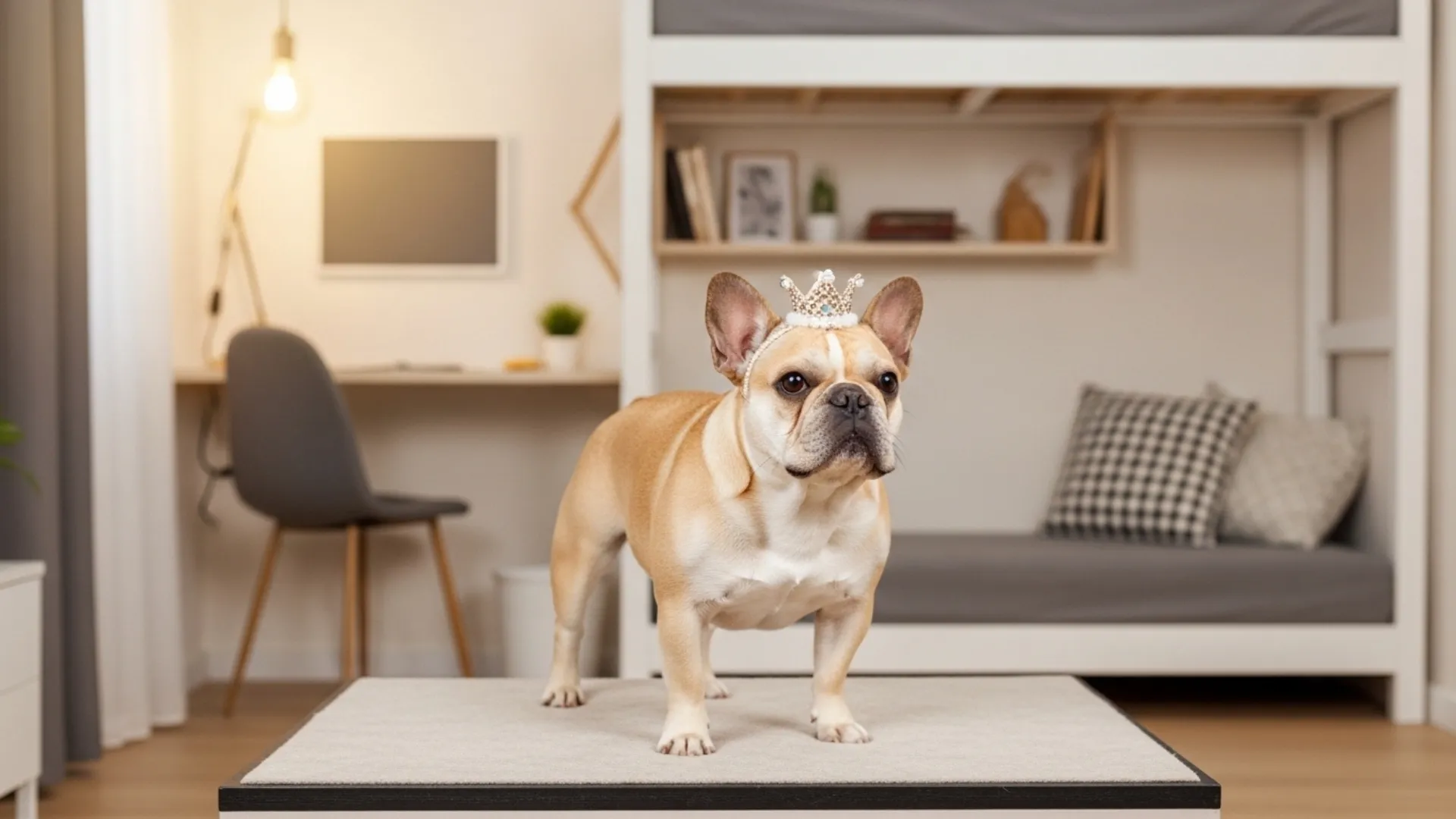
People these days actually like small spaces to live in, as it is easy to manage and clean as well. However, having a compact space does not mean that you cannot have a pet, particularly a dog. But if you want to have a dog, then choose wisely, as it should resonate with your small home, because in a limited space, every square foot matters.
Small dog breeds are not fond of extensive play sessions and a huge place to roam around. They often bring the best of both worlds as they take up less space, but when it comes to personality, then it is, of course, oversized. Such little dogs make apartment living a place full of life.
Never mistake them for boring. They are quiet, chill, and comedians, which makes your daily routine more entertaining. So, if you are thinking that you have a small home but want to have a pet dog, then such breeds are ideal.
In this article, we will explore some of the suitable small dog breeds that get along well with apartment life.
Best Small Dog Breeds Choices for Limited Space
1. Bichon Frise
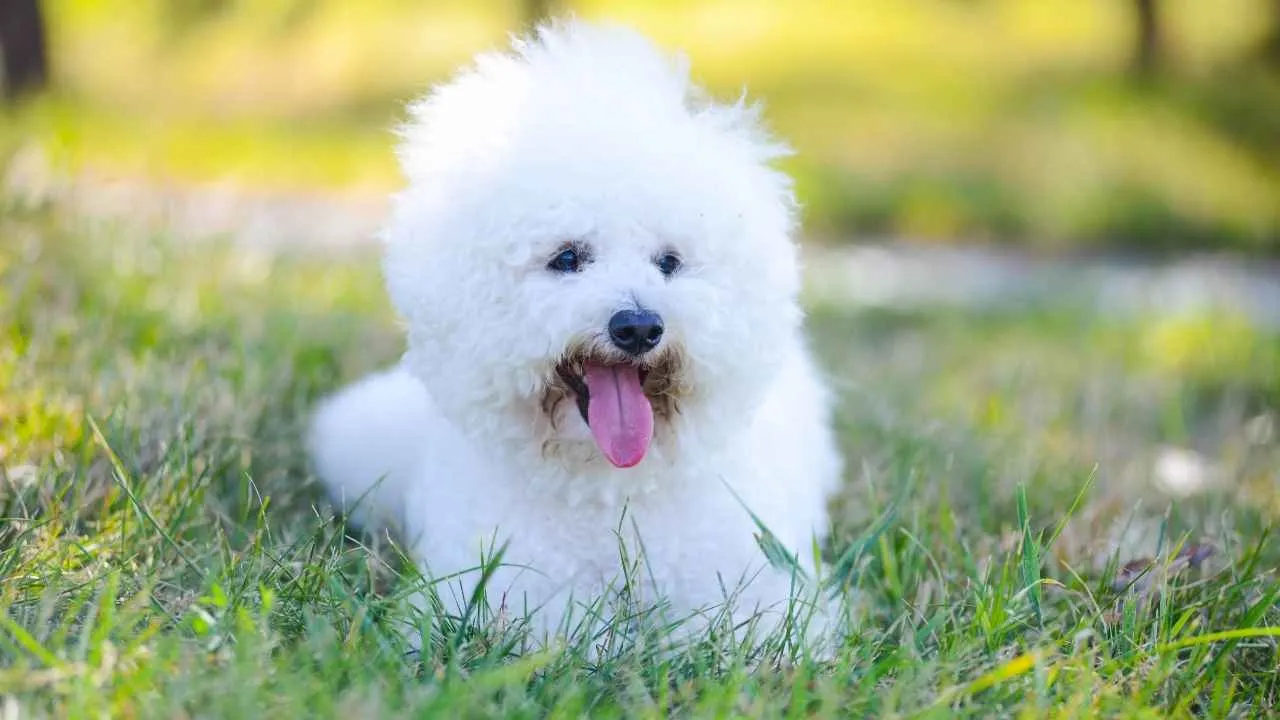
The Bichon Frise is a small white dog breed with a compact size and is one of the best apartment dogs with a hypoallergenic, fluffy coat. According to PetMD, it is a Barbichon-type dog, which means it is closely related to other dog breeds like Havanese, Bolognese, and Maltese.
Due to its cheerful and expressive personality, it keeps everyone happy. It forms strong bonds with the family and thrives on human attachment.
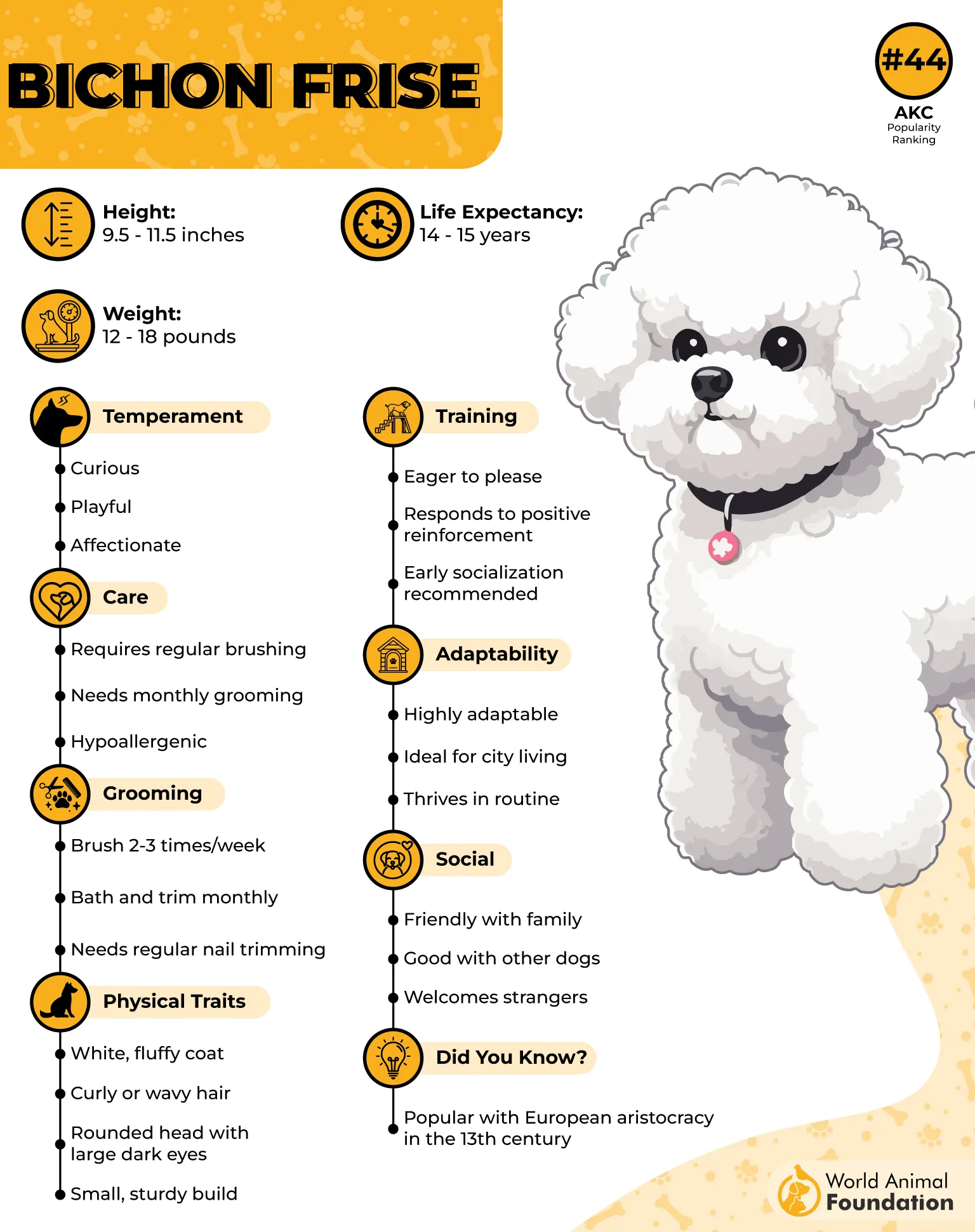
The Bichon is basically a walking bundle of joy due to its friendly and affectionate nature. The cute thing is that it loves being the centre of attention, and to be honest, it is actually an adorable buddy. Despite its small size, it has a playful spark and a surprisingly confident attitude.
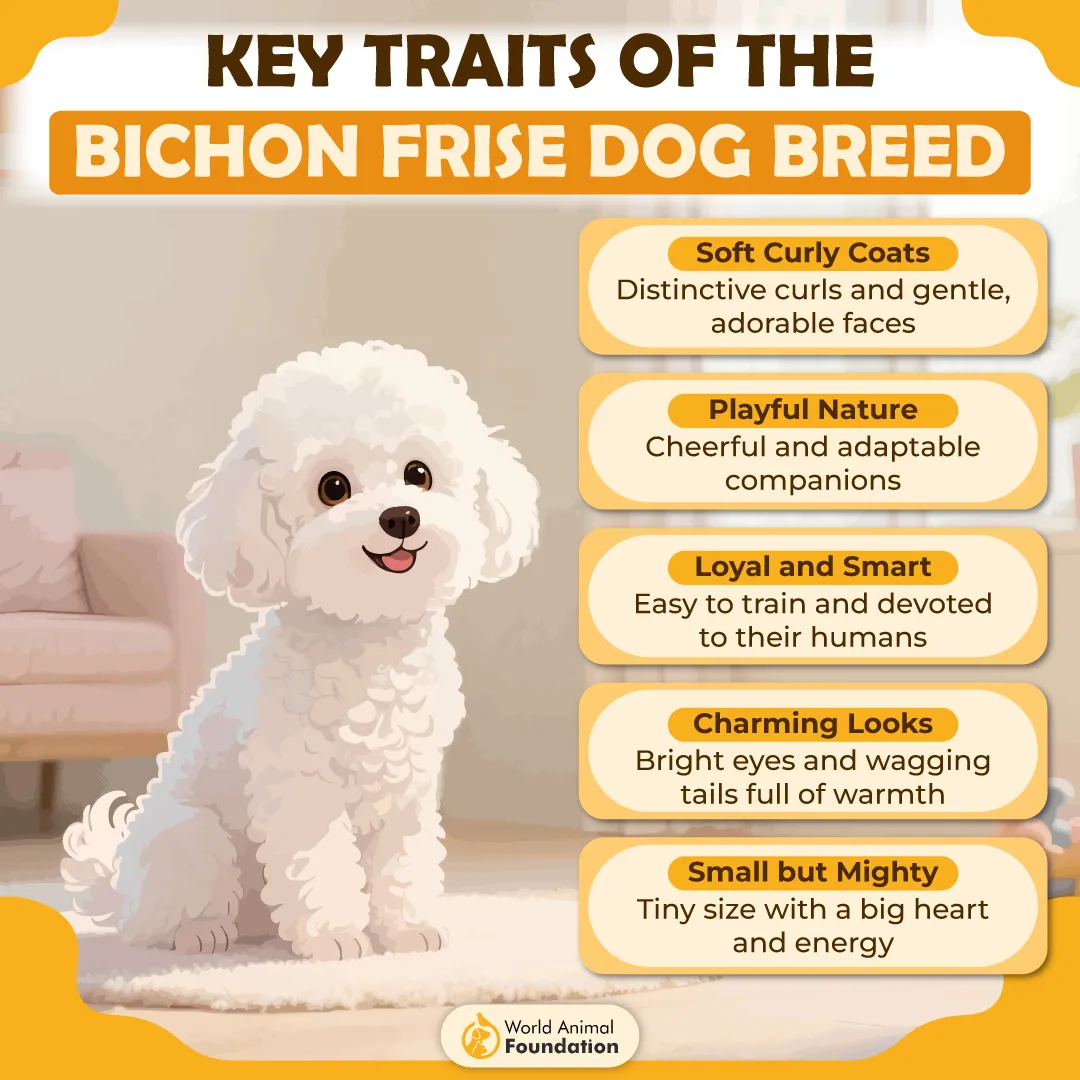
Moreover, it enjoys indoor play time and does not require a backyard to burn off energy. The good part is that it adapts and adjusts well to structured indoor living. It does not bark much as compared to other small breeds, so it will never disturb the neighbours.
At the end of the day, it is more than happy to curl up next to you, making small spaces feel even more comfortable. However, it needs routine grooming, which can be time-consuming and costly. Without proper training, it can develop small but annoying habits like attention-seeking barking.
2. Pug
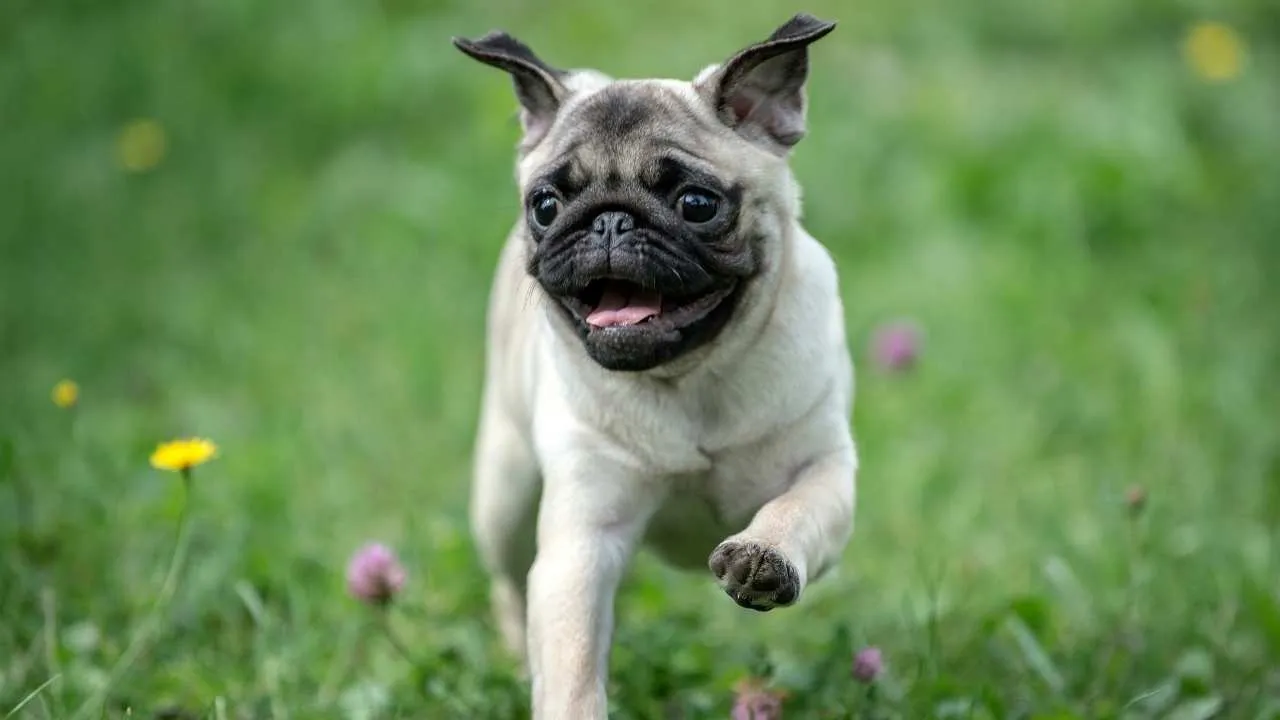
The Pug is a toy dog breed with a distinctive wrinkled face and short muzzle that was originally bred in China. It is highly adaptable to indoor living and is quite people-oriented. Interestingly, it is known for its expressive and almost “human-like” facial expressions.
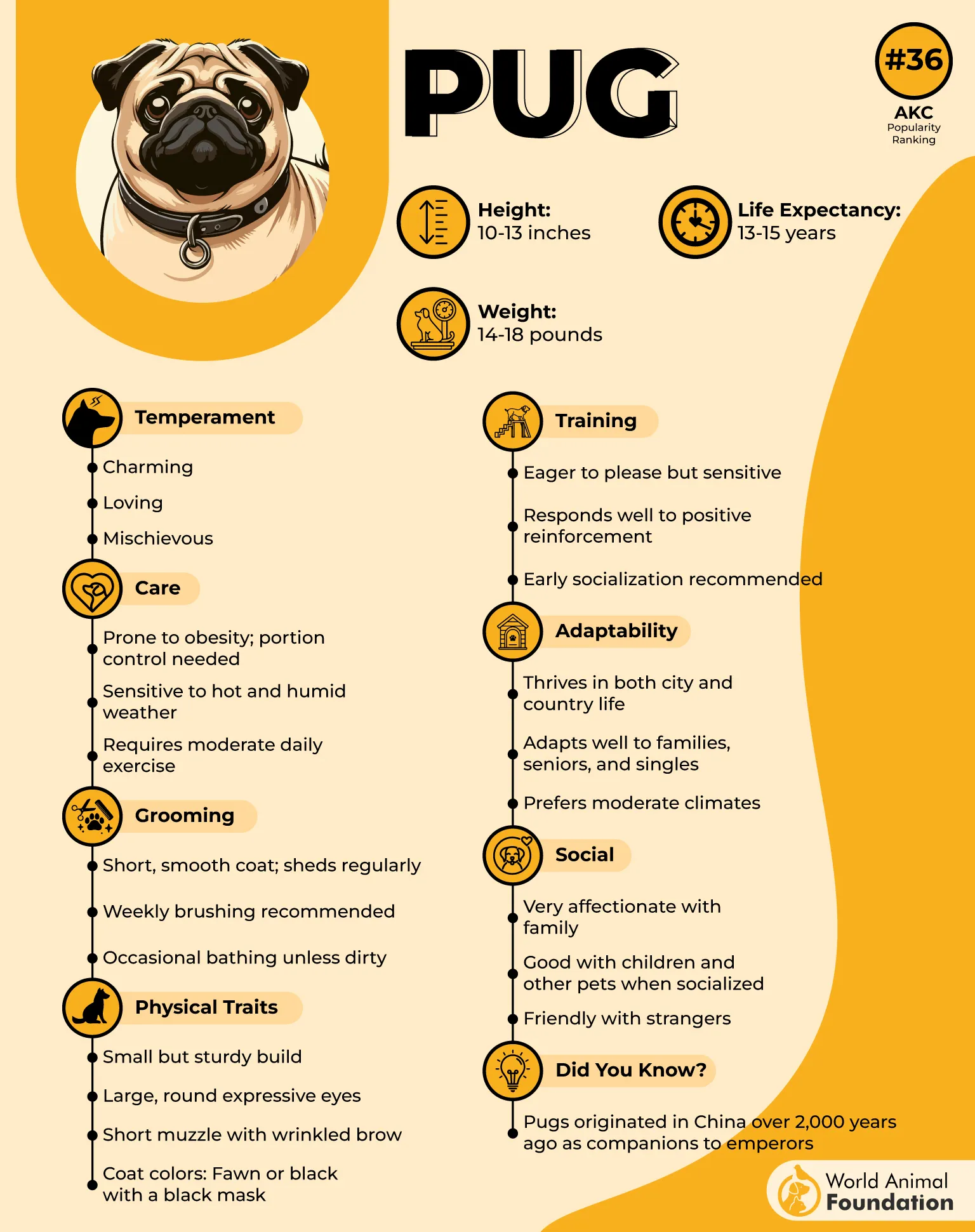
The Pug is a great companion dog as it makes you happy and stays happy too by being right beside you. For Pug, it does not matter whether it is on your lap, pillow, or under a blanket; it just remains happy by being close to its people.
It gets along well with other pets and kids. It is not built for high-energy lifestyles and is one of the calmest dog breeds. Although it likes short walks, it likes to remain indoors and take a nap on the couch. Yes, its playful and goofy antics do not require much room; it can happily entertain you in a tiny space.
Amazingly, it has the ability to turn a small living room into a cozy space. But, due to its flat face, it is prone to breathing issues. It can also gain weight easily if the diet is not managed properly. Besides, its facial folds also require consistent cleaning to prevent infections.
3. Havanese

The Havanese is a cute lap dog with a soft and silky coat and moderate energy levels. It has a strong social nature that loves being around people and is highly adaptable to different living situations, whether in apartment life or large homes.
An amusing fact shared by Purina is that the Havanese was once known as “Blanquito de la Habana”, or the Havana Silk dog.
Without a doubt, it is that easygoing friend who fits in anywhere and makes everyone feel good. It is an affectionate companion that is cheerful and incredibly people-focused without being overwhelming. It is playful and lively in short bursts but also knows how to relax and settle down.
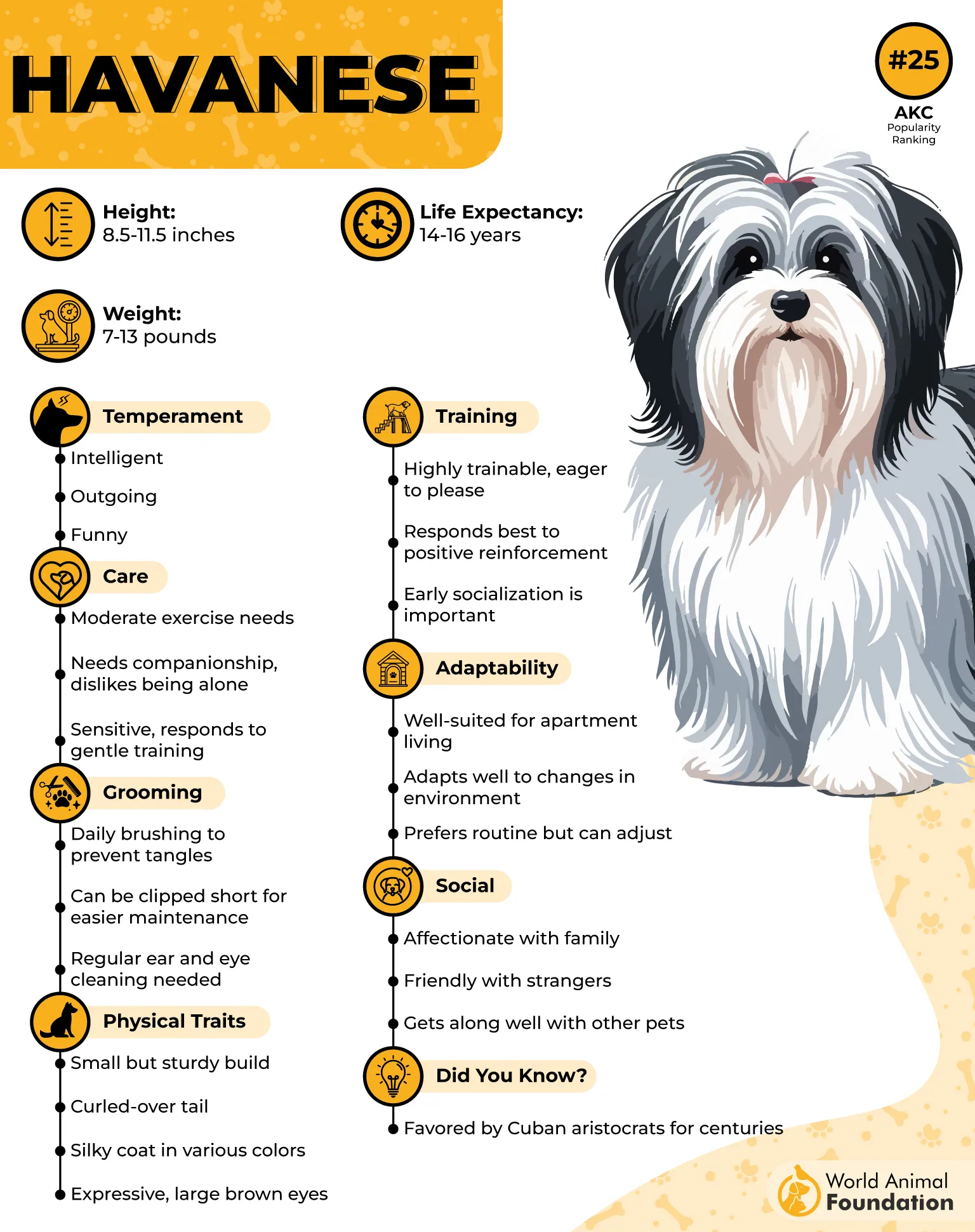
Yes, it demands playtime, but it does not demand much activity. It does not take much space, which makes it easy to live in a compact place. The cherry on top is that it is highly trainable for indoor manners due to its intelligence and eagerness to please.
Of course, it is playful and amusing, but its energy does not turn your small living space into a disaster zone. Nonetheless, it can develop separation anxiety if left alone for longer periods. Its silky hair requires regular brushing for the maintenance of coat health.
4. French Bulldog
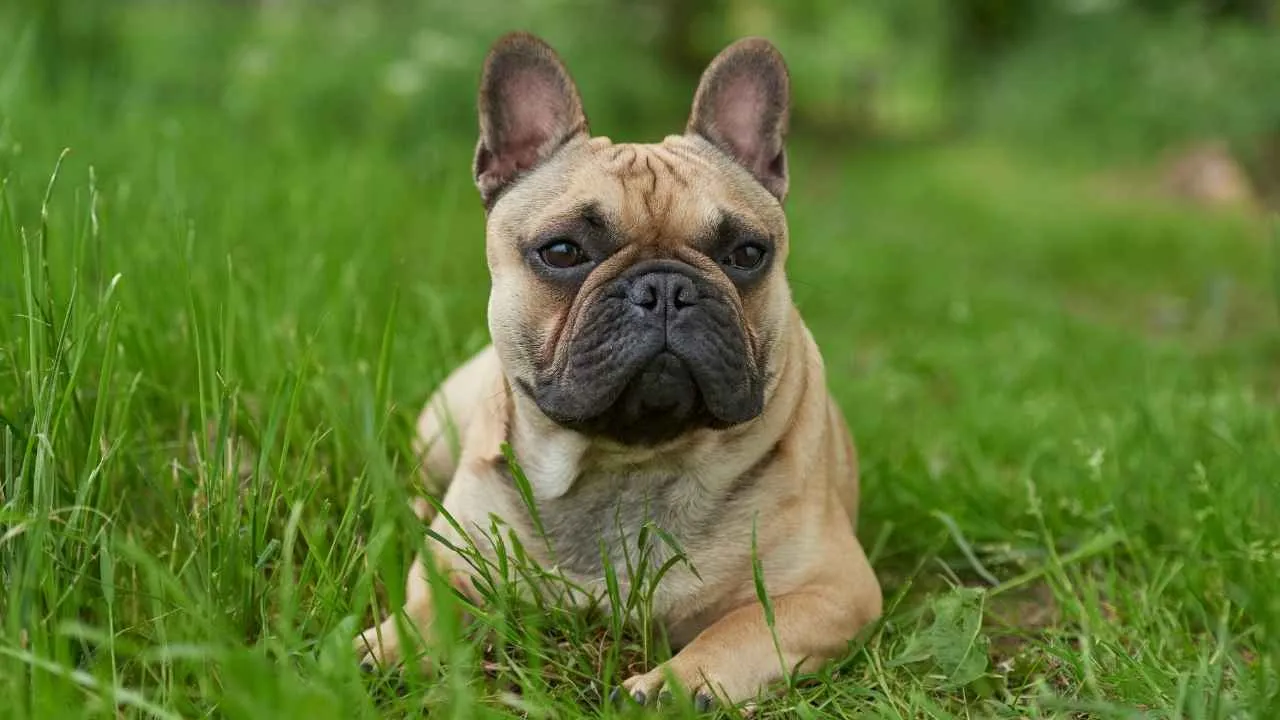
The Frenchie is a little canine companion with a muscular build, a short coat, and distinctive bat-like ears. It is comparatively a low-maintenance companion animal due to its low energy and less exercise requirements.
It is reported by Britannica that it was developed in France in the late 1800s from crosses between small native dogs and small Bulldogs of a toy variety.
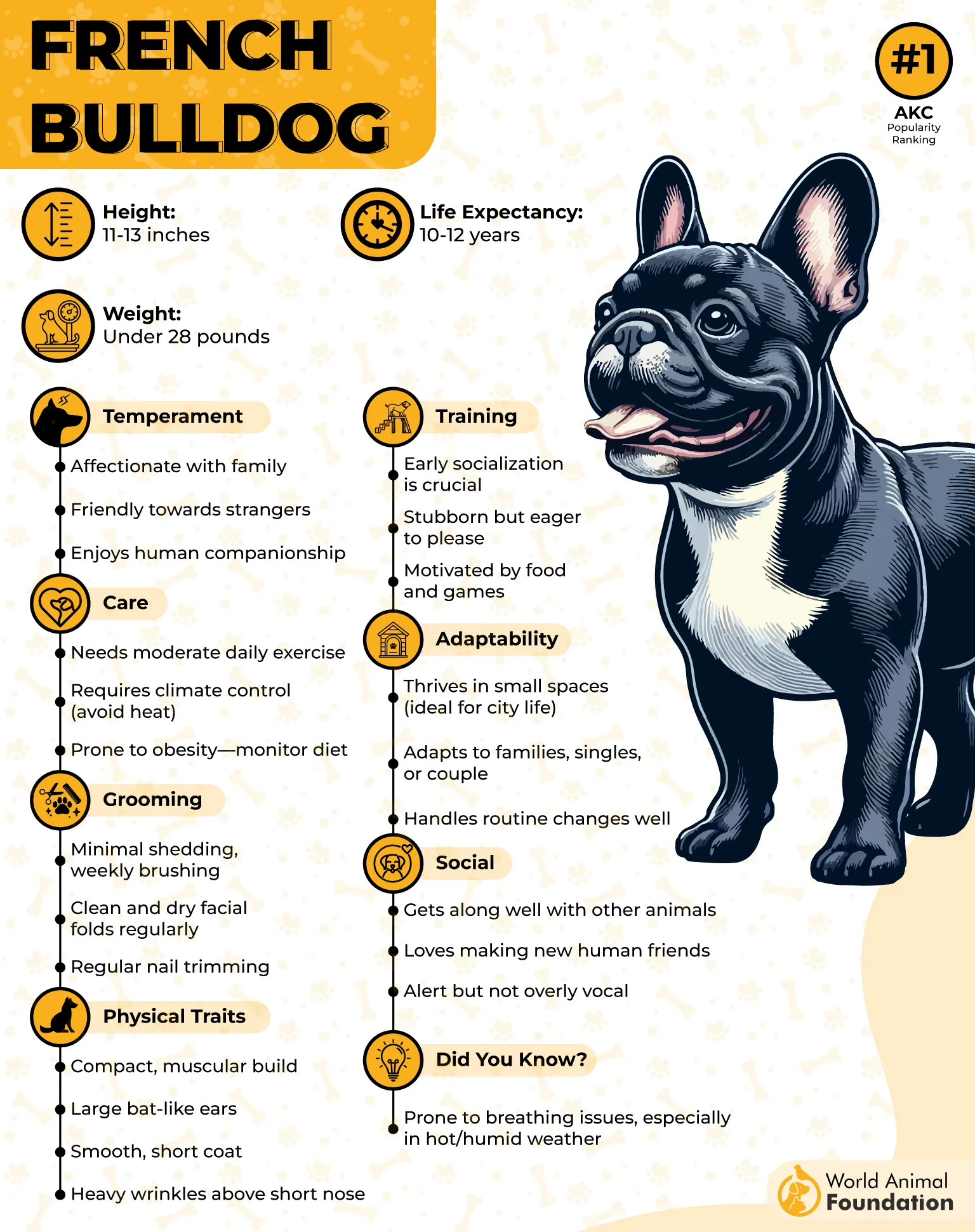
The Frenchie is a true definition of a laid-back charmer. It is warm-hearted, quietly playful, and full of personality without being overwhelming. It is one of the most loyal dog breeds and is ideal for those who enjoy a relaxed home environment. It is perfectly happy with light indoor play and short walks.
Due to its small size, it obviously does not take up much space. It is a true homebody as it does not crave large open space like large breeds, and is happiest lounging indoors. Additionally, it’s not a hyperactive dog, so you won’t feel like your limited space is being overwhelmed.
Since it thrives on human interaction, it makes a small space feel more like a shared cozy environment. But it has an independent streak, so consistent training and patience are needed. It is prone to skin allergies, joint problems, and other breed-specific conditions.
5. Shih Tzu
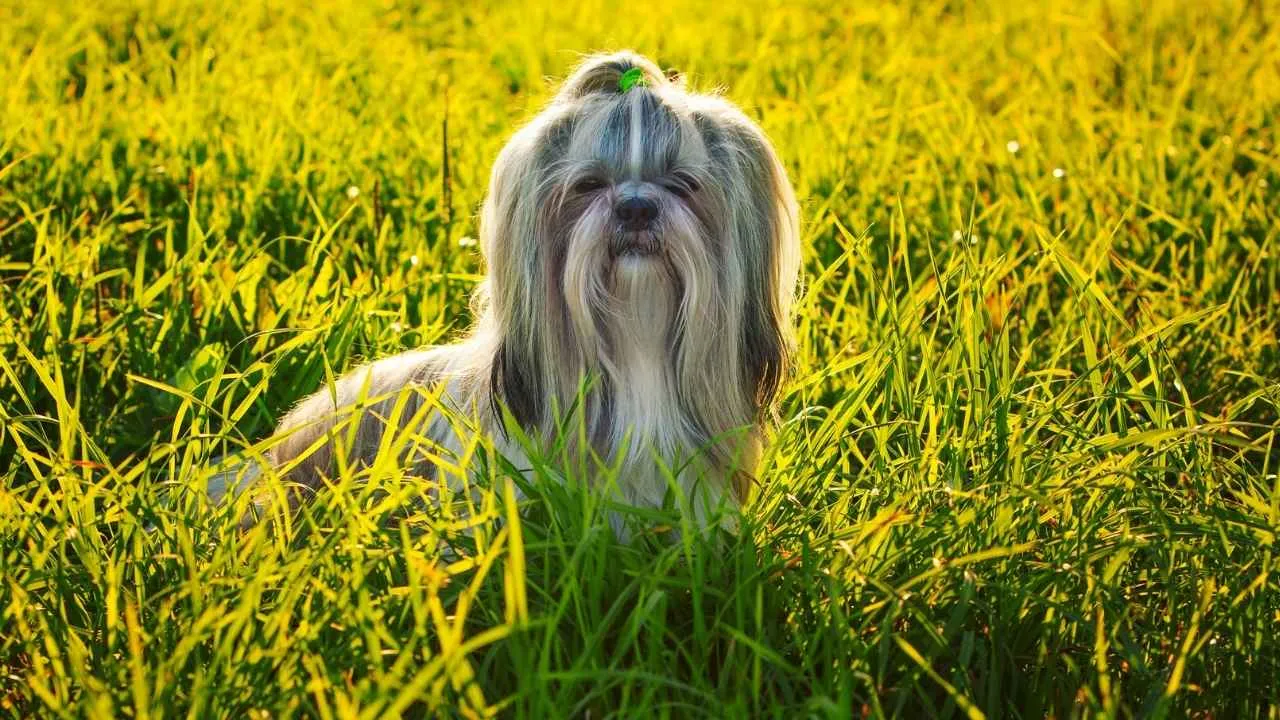
The Shih Tzu is an adorable, tiny dog with a long, flowing double coat and low exercise needs. It undoubtedly has an affectionate nature and is people-oriented. It was bred specifically to be a human companion.
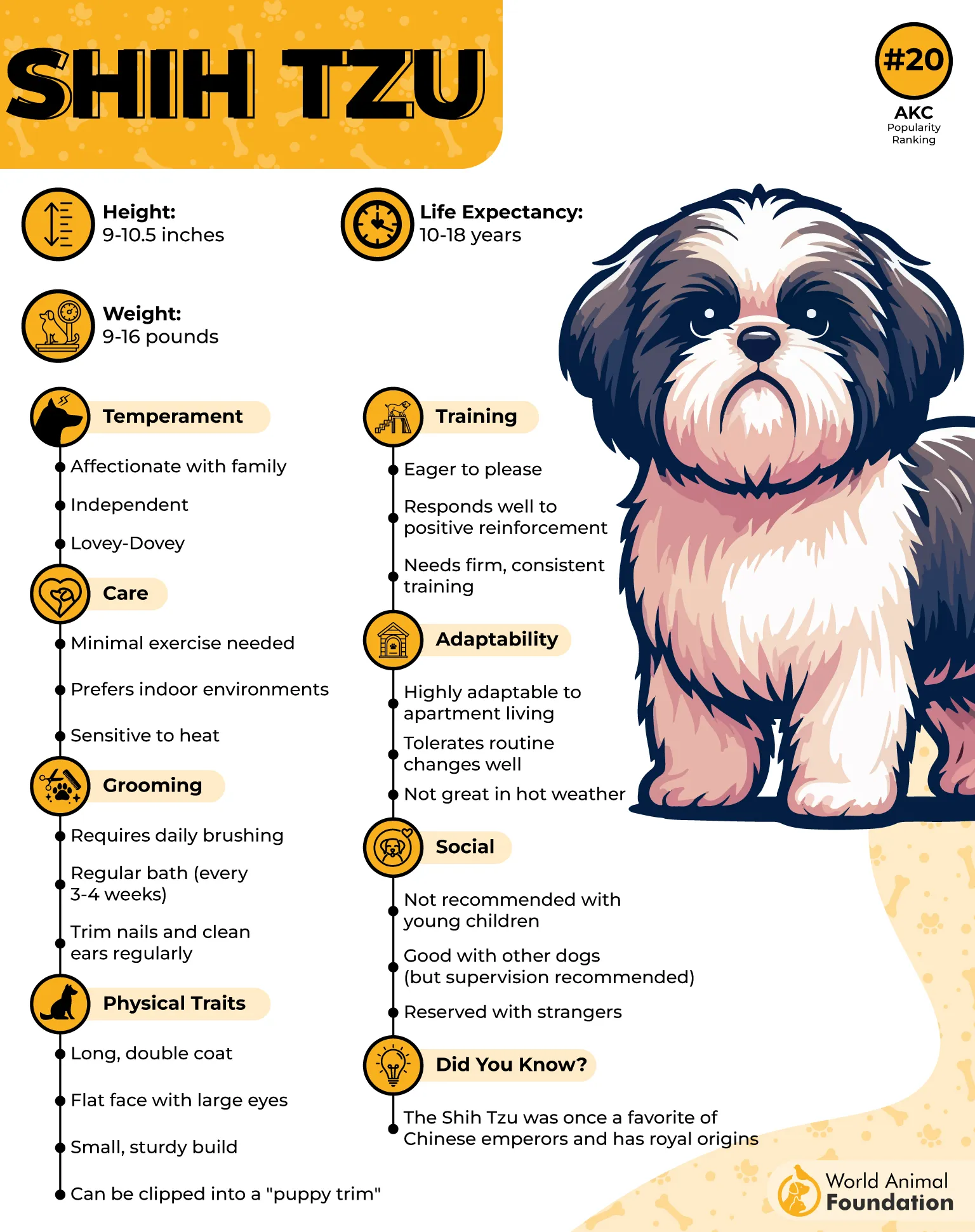
It is an ultimate “indoor royalty” with a calm demeanor and amiable nature. The Shih Tzu generally gets along well with everyone and brings a peaceful, comforting presence into the home. Moreover, it does not need long walks, intense play sessions, or much exercise like its larger counterparts.
Its relaxed personality and manageable size fit beautifully into small apartments and quieter living spaces without creating chaos. Not being an excessive barker, it is a good choice to keep it in a shared housing area. Funny but true that it is a natural couch companion and likes to curl up next to you.
Its playful side does not demand much room to keep itself happy. However, its long coat requires regular brushing. It needs regular attention and cannot stand to be ignored for long hours.
6. Yorkshire Terrier
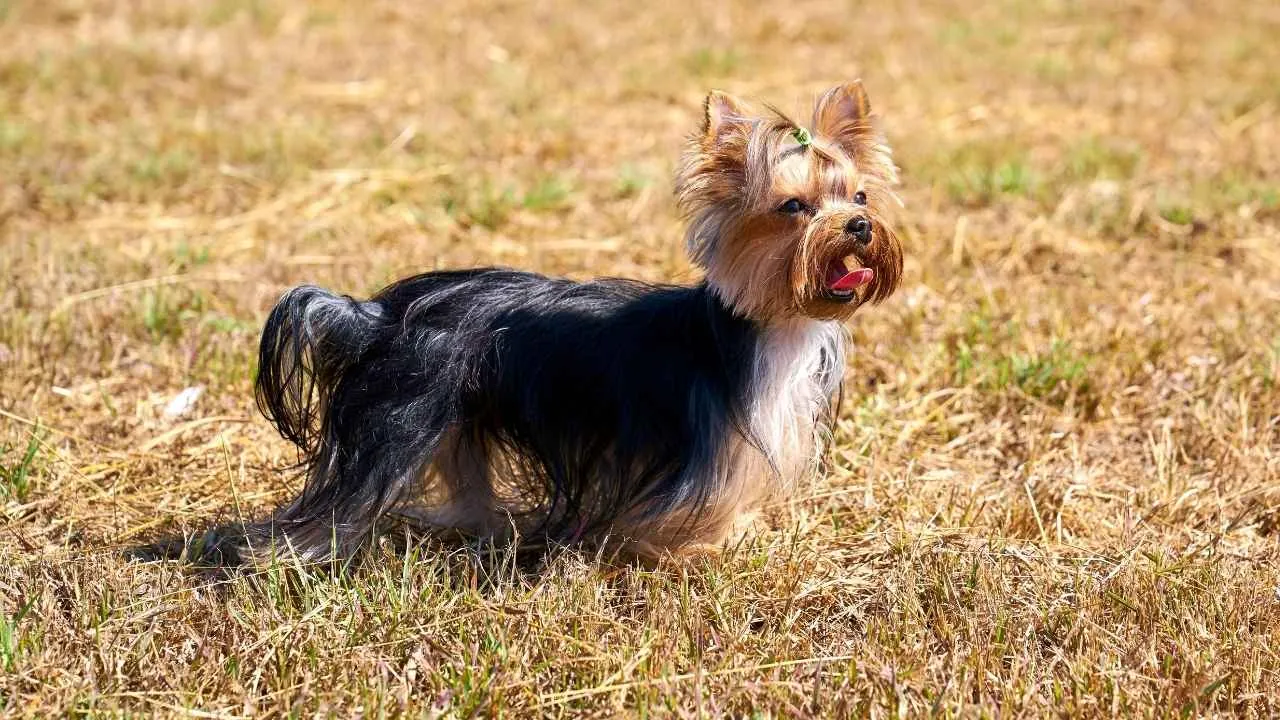
The Yorkie is a lightweight toy breed with a silky, luxurious coat and a confident personality. It has moderate energy with bursts of playfulness and makes a deep attachment with the owners. It actually carries itself with a big-dog attitude.
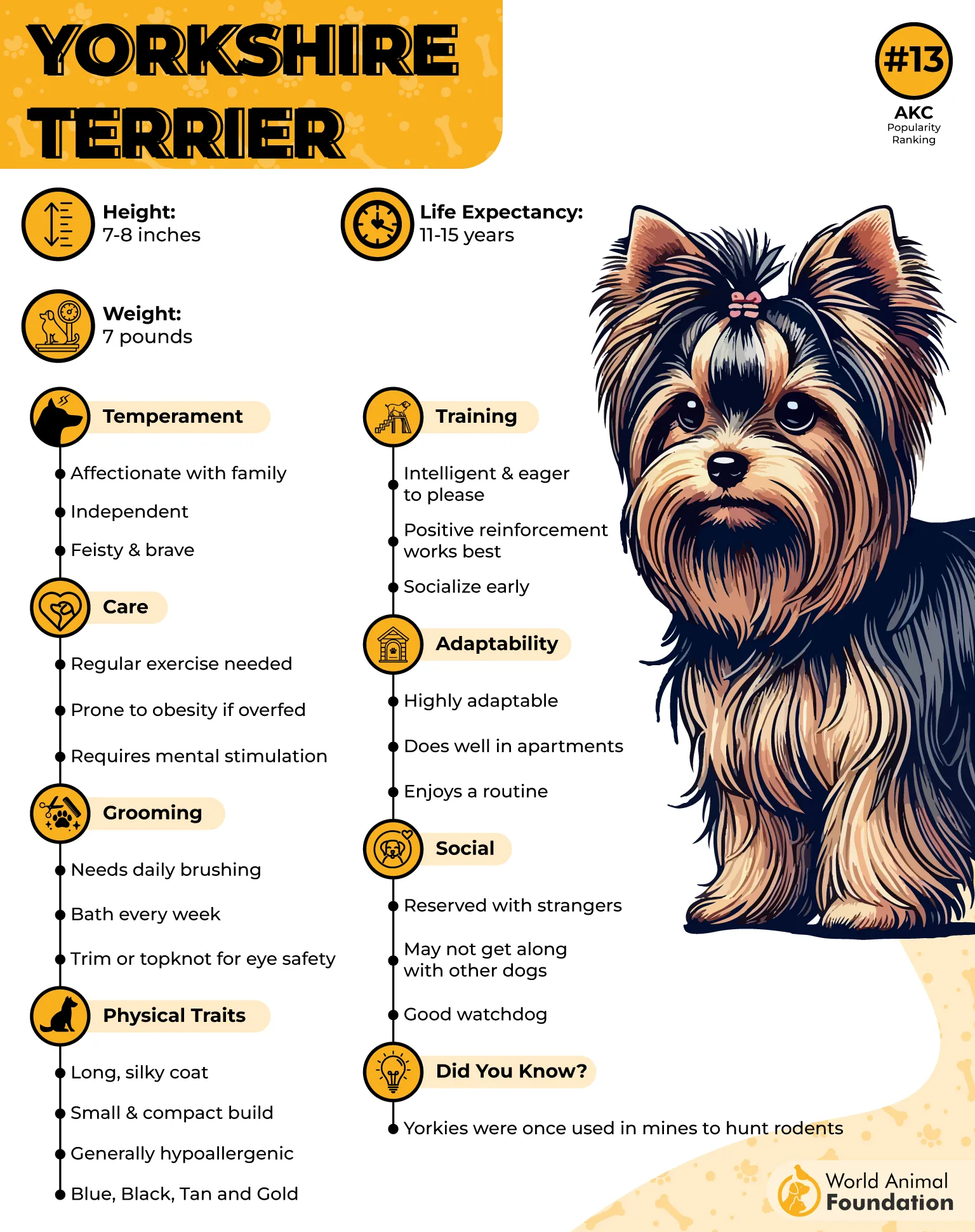
The Yorkie’s funny and lively side keeps things interesting. It also acts like a vigilant watchdog due to its alertness and intelligence. It takes up almost no physical space, which ultimately makes it one of the easiest breeds to accommodate in apartments or small homes.
As it sheds very little, it can be easily kept in confined places. Its size also makes it easy to carry and handle. Yes, it adjusts well in small spaces as long as it has stimulation and attention. Besides, it brings energy, entertainment, and companionship without physically overwhelming your home.
But of course, it can adapt to indoor routines with consistency. Nonetheless, it can develop “small dog syndrome,” where it can be bossy or demanding without proper training. Despite its size, it can get bored if not given mental stimulation indoors.
7. Japanese Chin
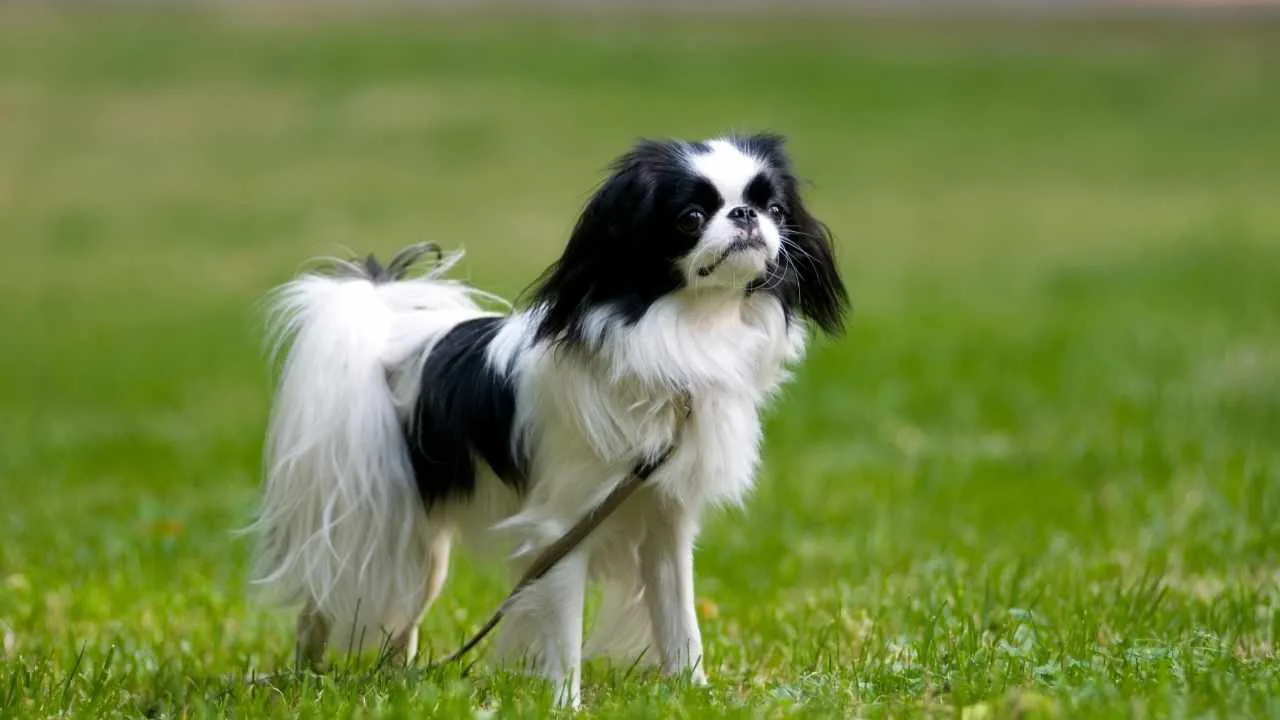
The Japanese Chin is a small toy breed with a refined appearance, a silky, straight coat, and feathering on the ears. It has a distinctive flat face with large, expressive eyes. It has low to moderate energy levels and a strong preference for indoor living.
The Japanese Chin, originally called the Japanese Spaniel, was imported to Japan as a royal gift to foreign diplomats.
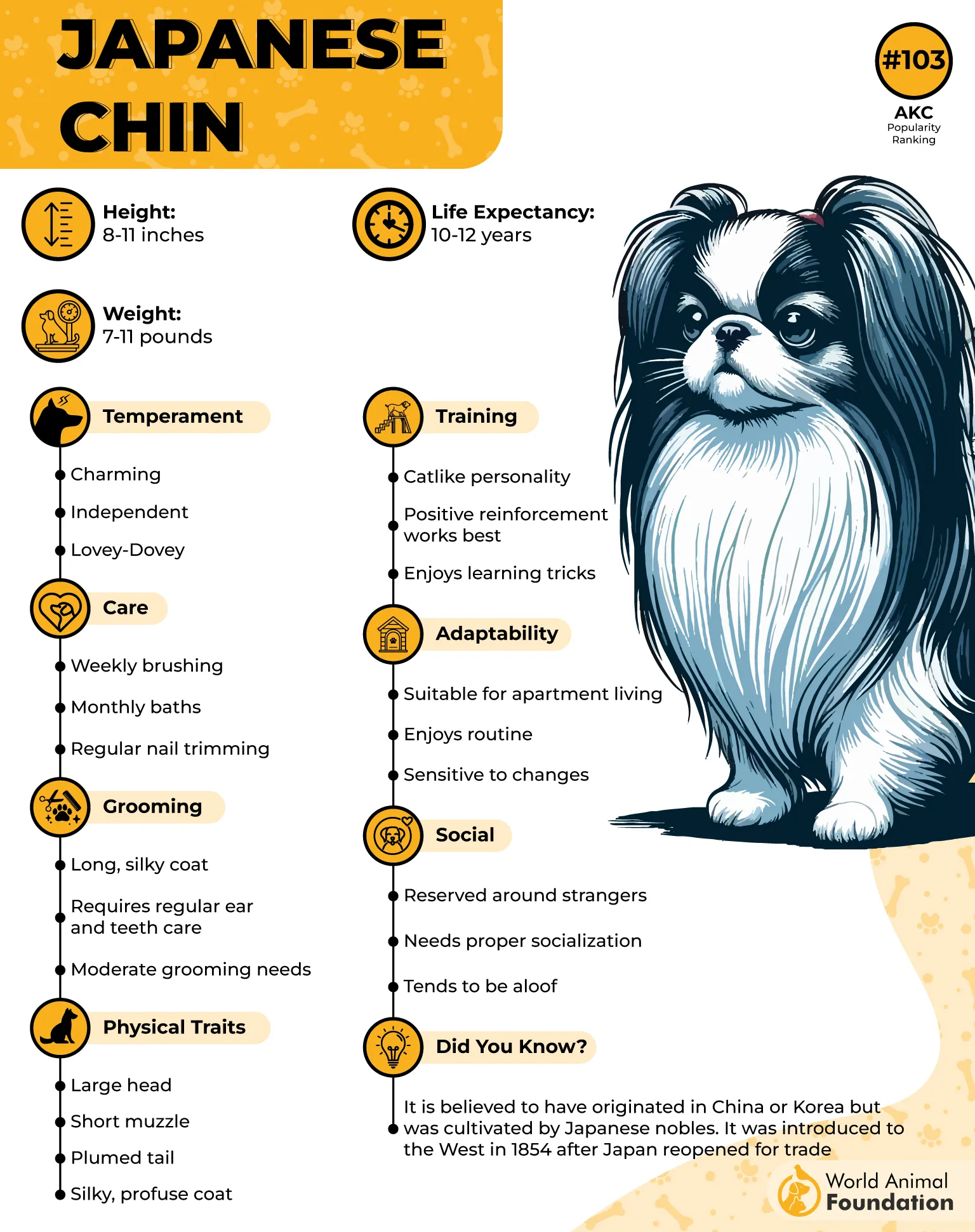
The Japanese Chin is often described as more “cat-like” than dog-like, and to be honest, once you meet it, it makes perfect sense. It is quiet, graceful, and a little bit mysterious. Due to its gentle nature, it thrives in calm environments and is a true indoor buddy.
It is well-suited to tight and compact areas without causing mess or chaos. A bit of indoor play and a short but daily walk is usually enough to keep it content. Amazingly, it is emotionally attuned to owners and adapts well to your lifestyle.
Its quirky, playful indoor moments are fun to watch. However, it does not thrive well in loud environments and is not ideal for active lifestyles. Regular grooming is mandatory, and a flat face can lead to respiratory issues.
Conclusion
In a nutshell, living in a small space does not mean you have to miss out on the joy of having a dog. It just means choosing one that fits your lifestyle instead of fighting against it. But the good news is that there are plenty of small breeds that do not just tolerate limited space but actually thrive in it.
The breeds mentioned earlier, some of them are little playful entertainers, and some like to just sit by your side and enjoy your company. And honestly, that is the ultimate beauty that you are not just picking a dog that fits your home, you are picking the one that fits you.
Obviously, no breed is perfect. They do have their shortcomings as they can bark excessively, shed coat, and can become stubborn.
But at the end of the day, they are your true buddies who do not make you feel alone and incorporate themselves easily into your routine and small spaces. They care about comfort, routine, and being close to their person. They have the power to turn small homes into a lively place.
