




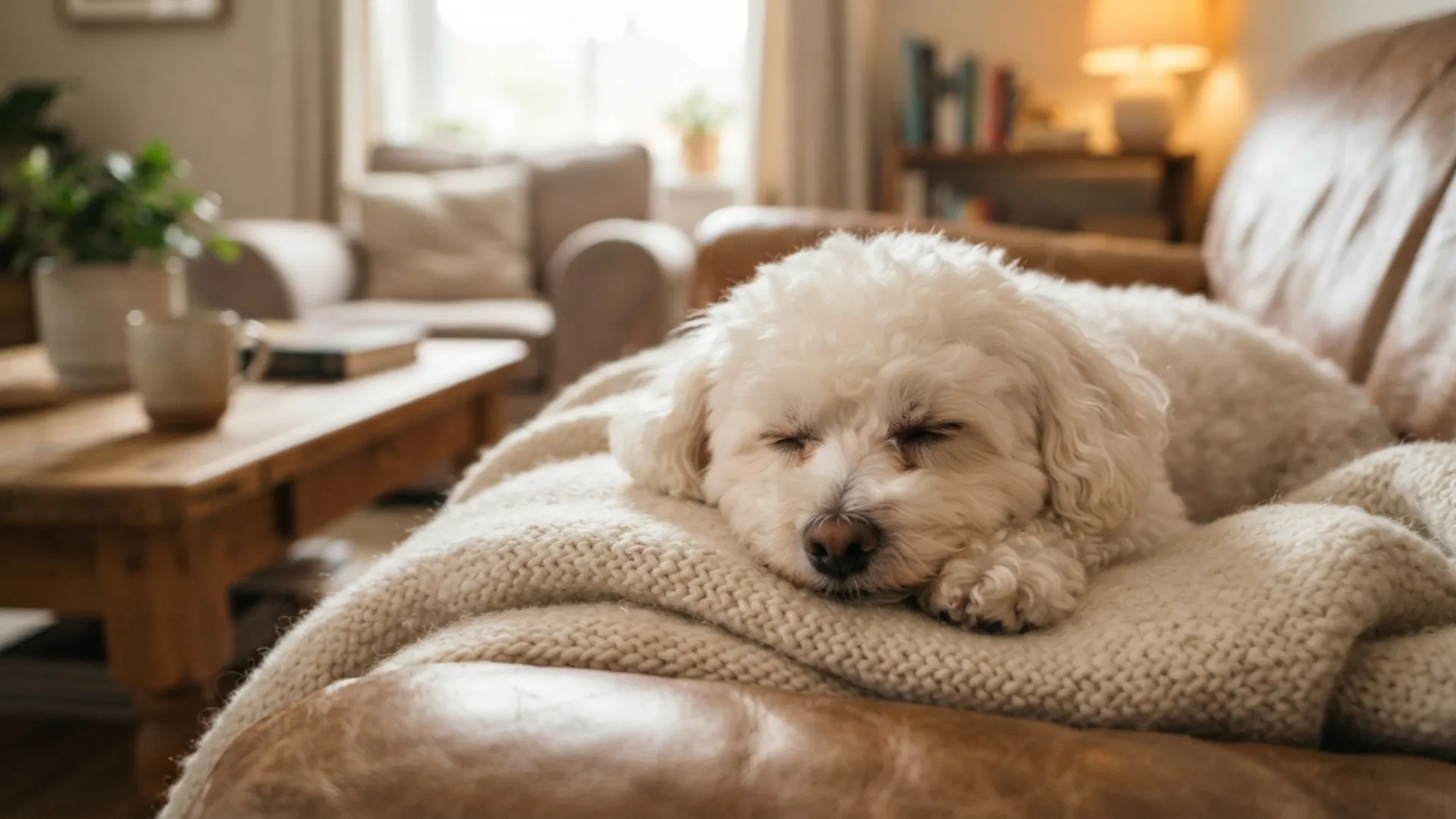
Every Sunday afternoon followed the same comforting routine. Lunch was finished, the house grew quiet, and everyone naturally settled into their favorite corner with a book, a movie, or an afternoon nap. The only thing missing was a dog that enjoyed the same peaceful rhythm.
Friends often suggested energetic companions who loved constant adventures, but that never felt like the right fit for this family. They wanted a pet that would happily curl up nearby, enjoy a gentle stroll later in the day, and treat quiet moments as something worth sharing.
Once they welcomed a naturally sluggish dog into their home, everything clicked into place. Daily life stayed calm, weekends remained relaxing, and companionship became part of the family’s favorite routines instead of interrupting them.
If that sounds like the kind of home you enjoy, keep reading to discover dog breeds that are happiest living life one peaceful moment at a time.
Key Takeaways
The most relaxing dogs are not always the ones people think of first, and a few on this list have stories that are just as fascinating as their personalities.
One breed once helped rescue lost travelers in freezing mountains, while another spent generations keeping royal families company through quiet days.
Whether it’s the gentle Saint Bernard, the charming Pug, or the affectionate Cavalier King Charles Spaniel, these companions know exactly how to match a slower pace of life.
Read a little further because one of these calm breeds may sound uncannily like the dog you’ve been hoping to find.
Best Sluggish Dog Breeds for Families Who Love Relaxation
1. Basset Hound
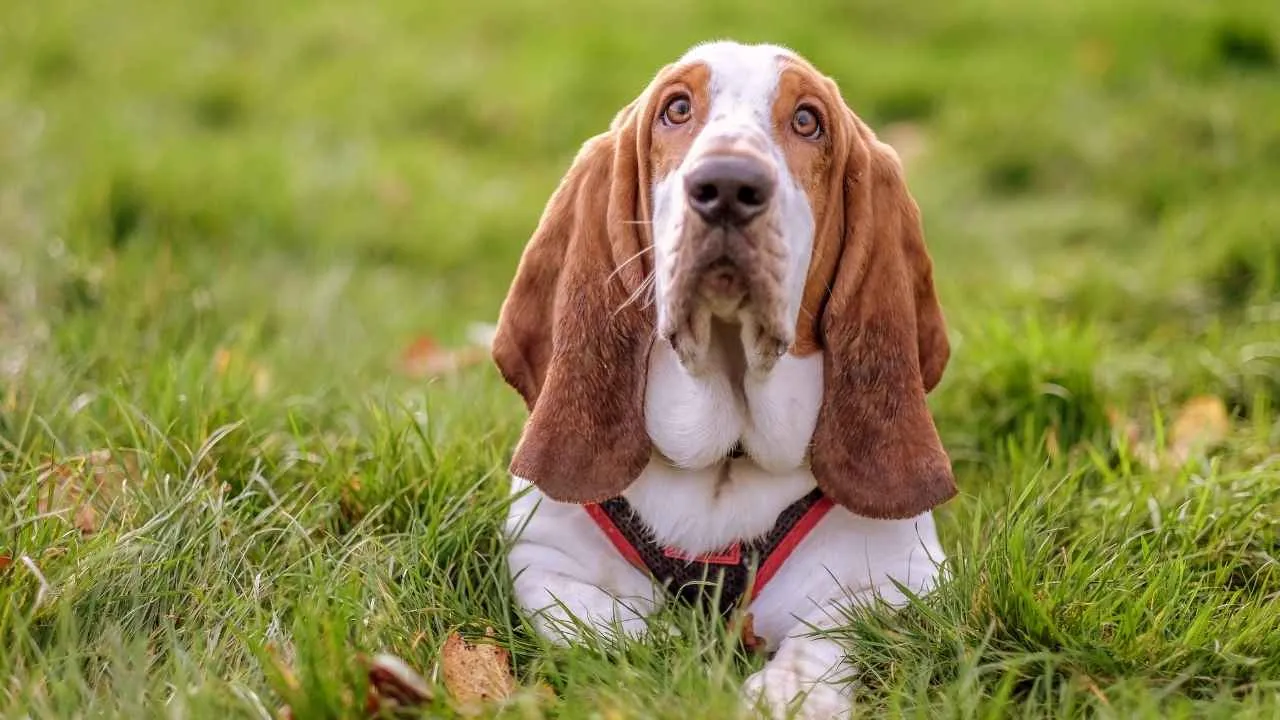
Basset Hound first gained recognition in France as a rabbit and hare hunter, using its short, sturdy build to work close to the ground, as stated in Britannica. Its ancestry also connects to the now-extinct St. Hubert Hound, a breed that shared similarities with today’s Bloodhound.
Easygoing Nature
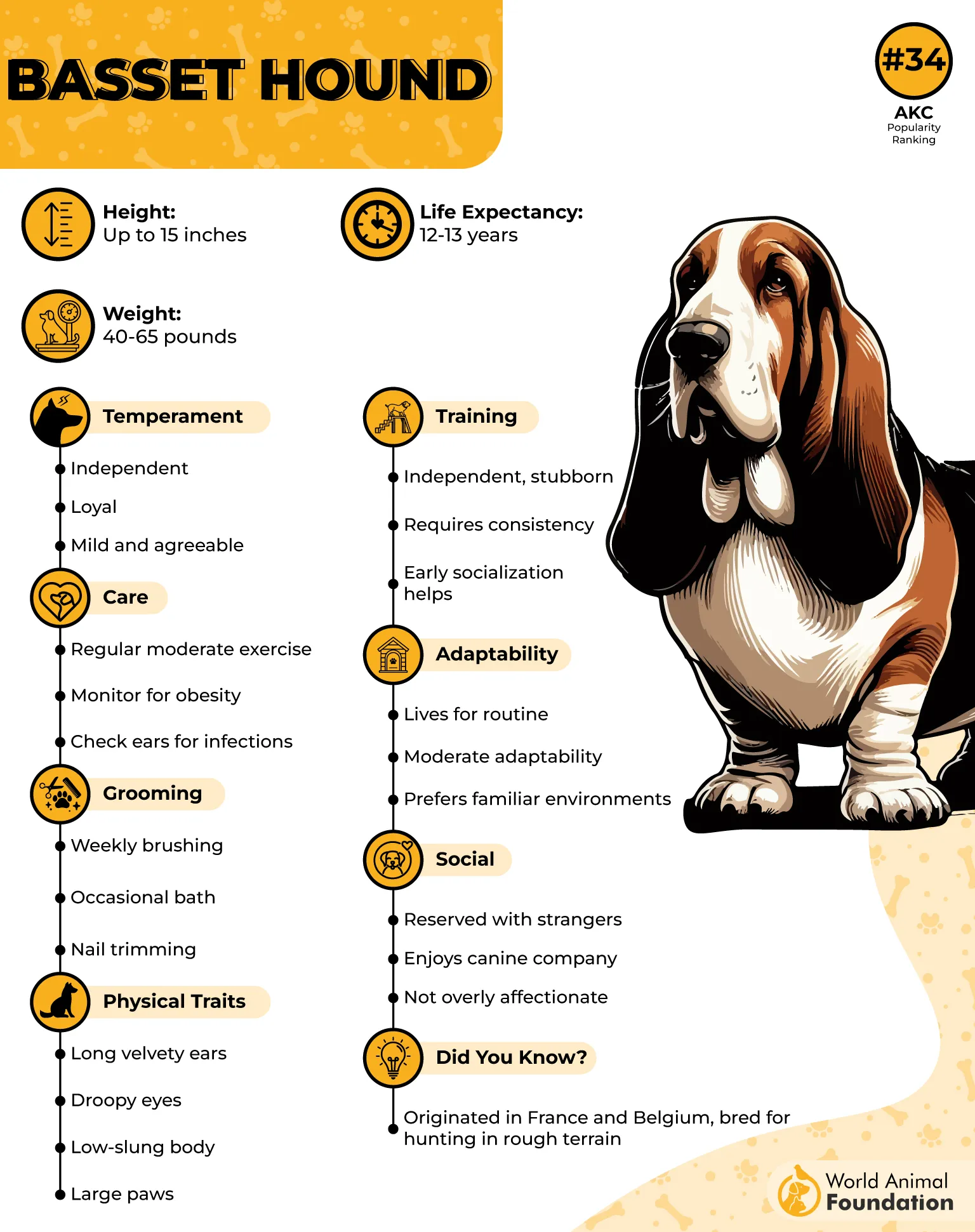
Modern Basset Hounds spend far more time as affectionate companions than as hunting partners, making their calm personality a comfortable match for relaxed households. They enjoy quiet routines, though regular short walks still play an important role in keeping excess weight under control.
More than first impressions alone:
Food-motivated dogs
Spending time alone is uneasy for them
Compact body with sturdy proportions
Family Favorite
This low-energy dog breed usually settles in well with children and other pets when introductions happen thoughtfully and social experiences begin early. Long naps may be appealing, yet consistent daily activity helps support better overall health throughout adulthood.
2. Bolognese
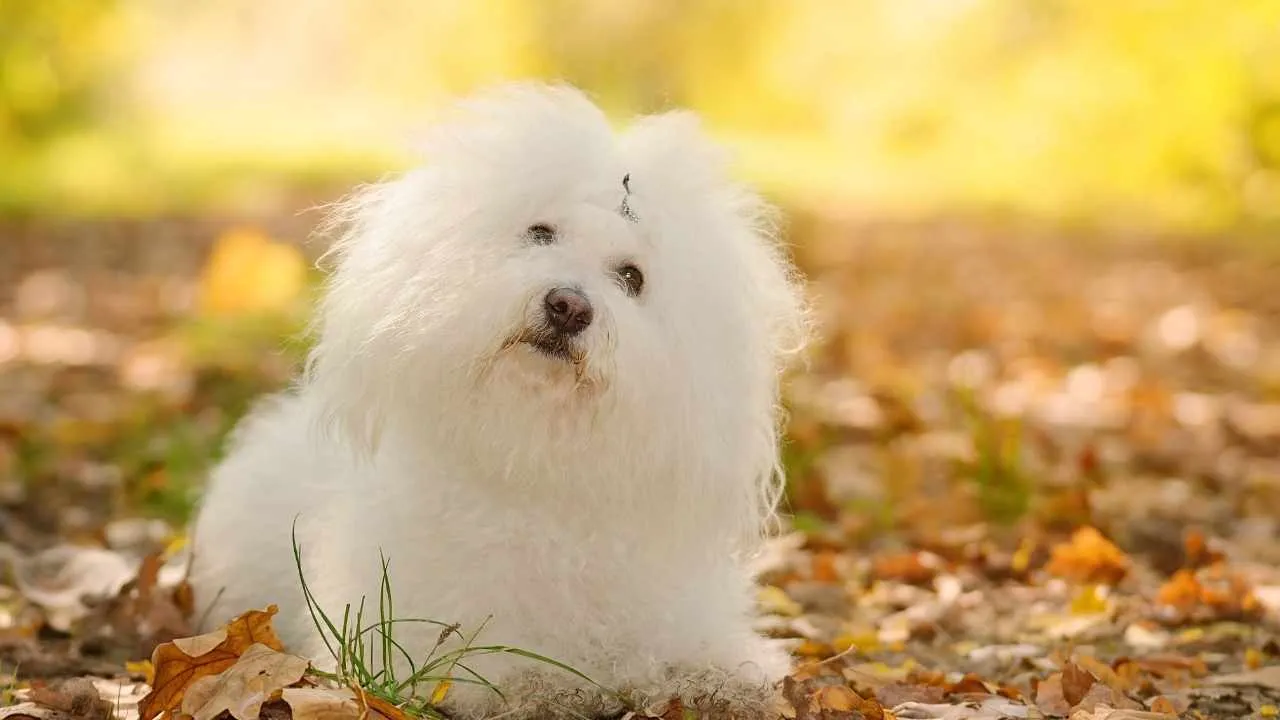
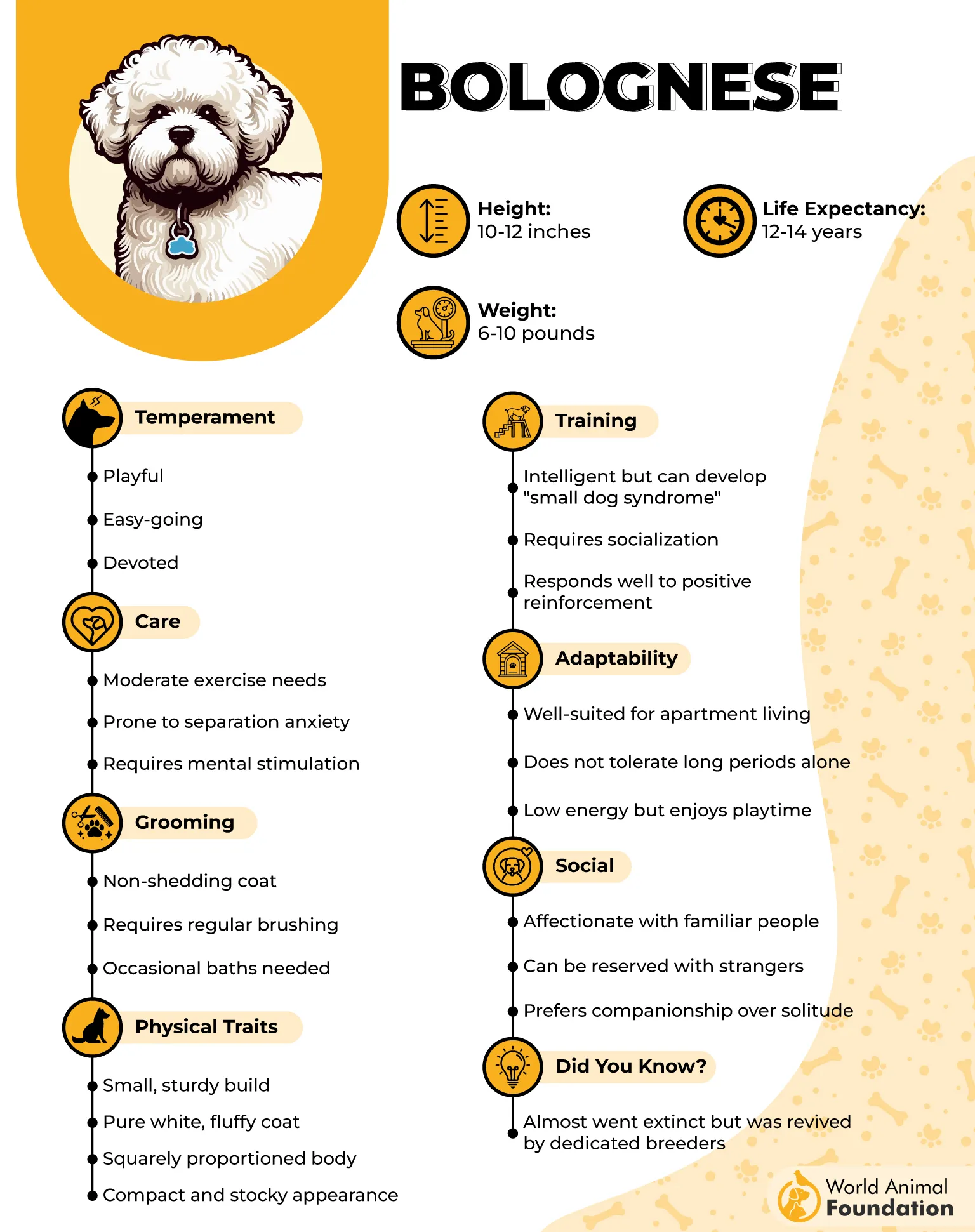
Bolognese spent centuries beside Italian nobility, and paintings from the Renaissance still feature this small companion among distinguished households. That long association with people explains the breed’s calm nature and close attachment to family life.
Calm by Nature
This affectionate dog enjoys a peaceful routine and settles comfortably into everyday family life without constant activity or attention. After a little playtime, this breed is just as content relaxing nearby and sharing quiet moments with the people it loves.
The details speak for themselves here:
Can bark at unfamiliar visitors
Need early socialization
Eager to please and intelligent
Balanced Personality
Bolognese combines affection with a naturally reserved side, creating a temperament that feels steady instead of overly energetic or timid. According to PetMD, with thoughtful socialization and training, this breed adapts well to children, seniors, and everyday household routines.
3. Pug
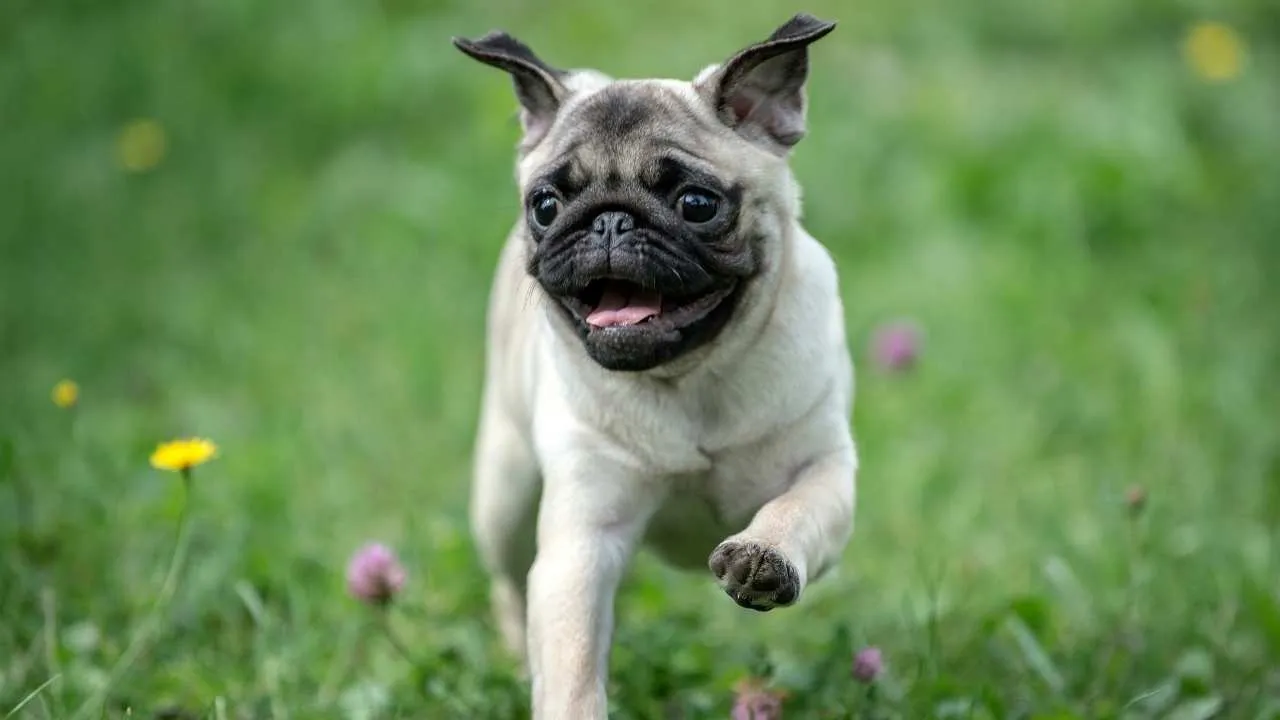
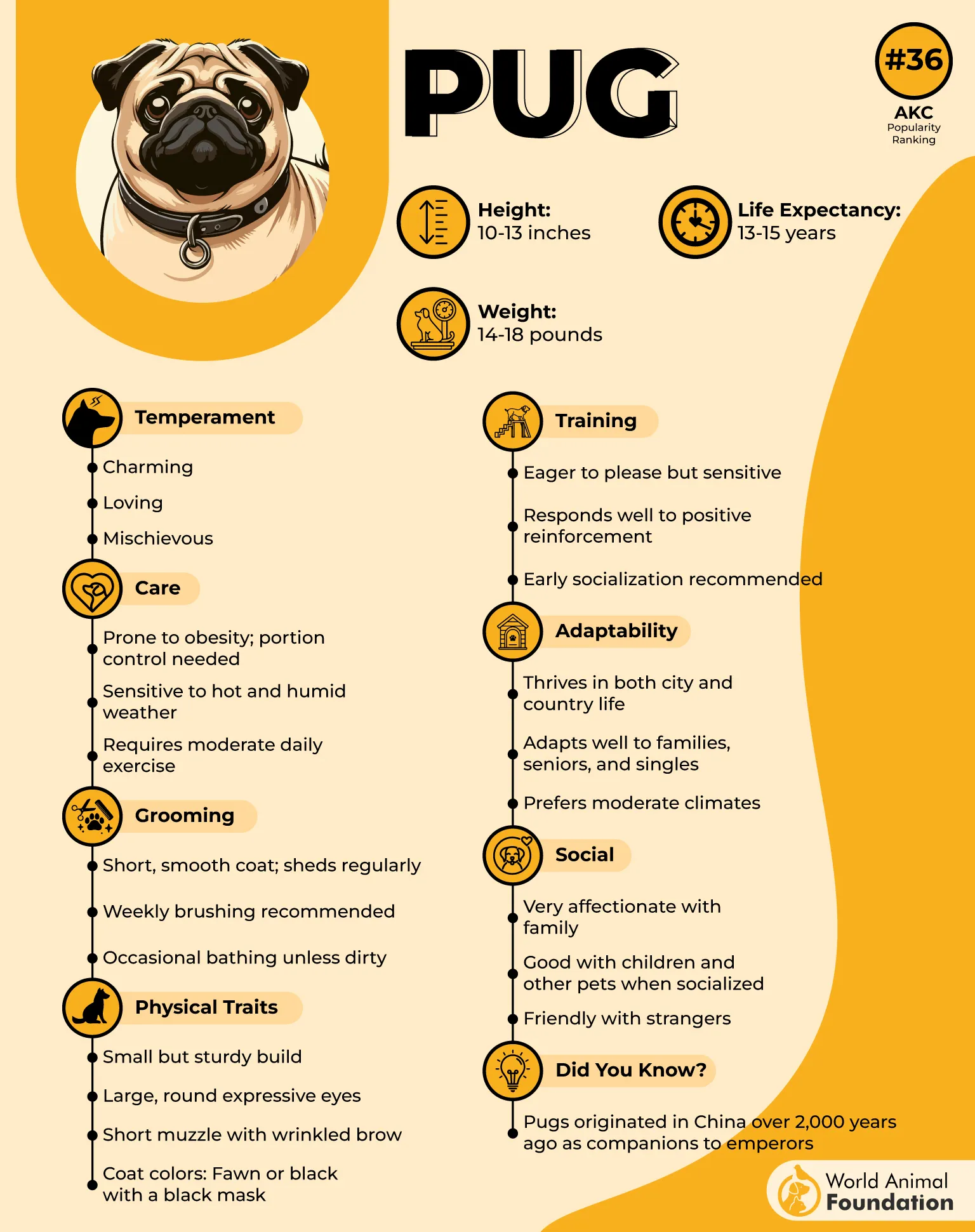
Pugs first appeared in China around 2,000 years ago before finding their way into royal households across different parts of the world. Even today, this little companion enjoys feeling involved in whatever the family is doing instead of being left on the sidelines.
Happy With the Simple Things
This lap dog feels most comfortable with a slower daily routine, making a few 15 to 20-minute walks plenty for most dogs. After a bit of fresh air or a quick game of fetch, settling onto the couch usually sounds like a much better plan.
Worth knowing qualities that make this breed stand out:
Typically food-motivated
Need guidance from the early months of life
Popular among royal families
Always Close By
Pug loves being part of everyday moments, whether someone is relaxing on the sofa or simply walking from room to room. That people-focused personality, along with proper socialization, also helps this breed settle comfortably alongside other household pets.
4. Cavalier King Charles Spaniel

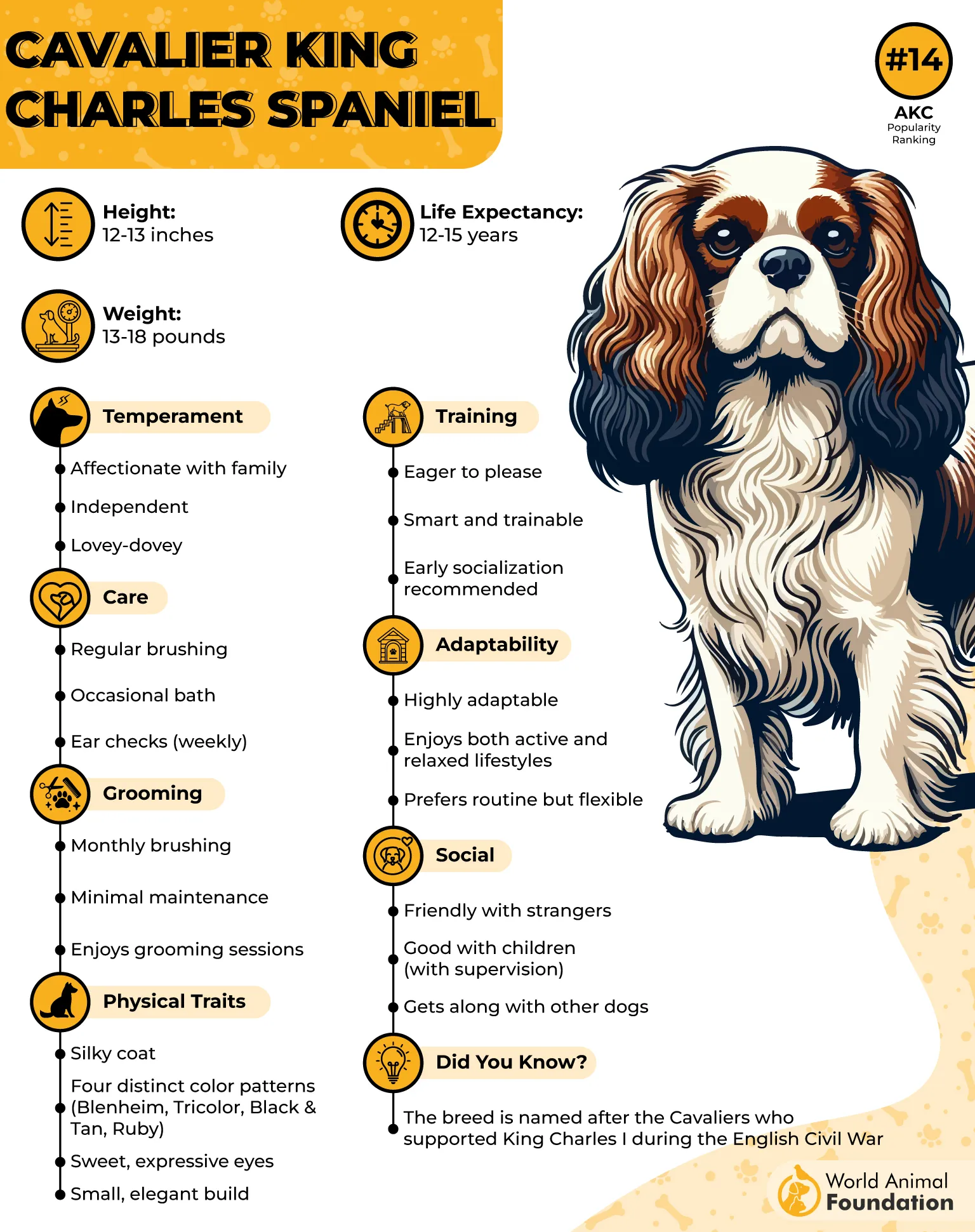
Cavalier King Charles Spaniel shares a long connection with British royalty, taking its name from King Charles I and King Charles II, who kept these little companions close even during visits to Parliament. That royal association reflects just how closely this breed enjoys living alongside people.
Made for Quiet Company
This breed originally spent time warming laps in chilly castles and on carriage rides, a role that naturally suits calm family life today. Even with that gentle lifestyle, its sporting ancestry still encourages an interest in walks and outdoor activities.
A few details make this breed even more distinctive:
Ranked 14th in AKC popularity
Gets along well with children, cats, and other dogs
Descends from the sporting group
Happy Beside You
Cavalier King Charles Spaniel enjoys close human company throughout the day and prefers being nearby instead of spending long hours alone. Two walks of about 20 to 30 minutes each day are usually enough before relaxing beside the family on the couch, as Petplan reports.
5. Bulldog
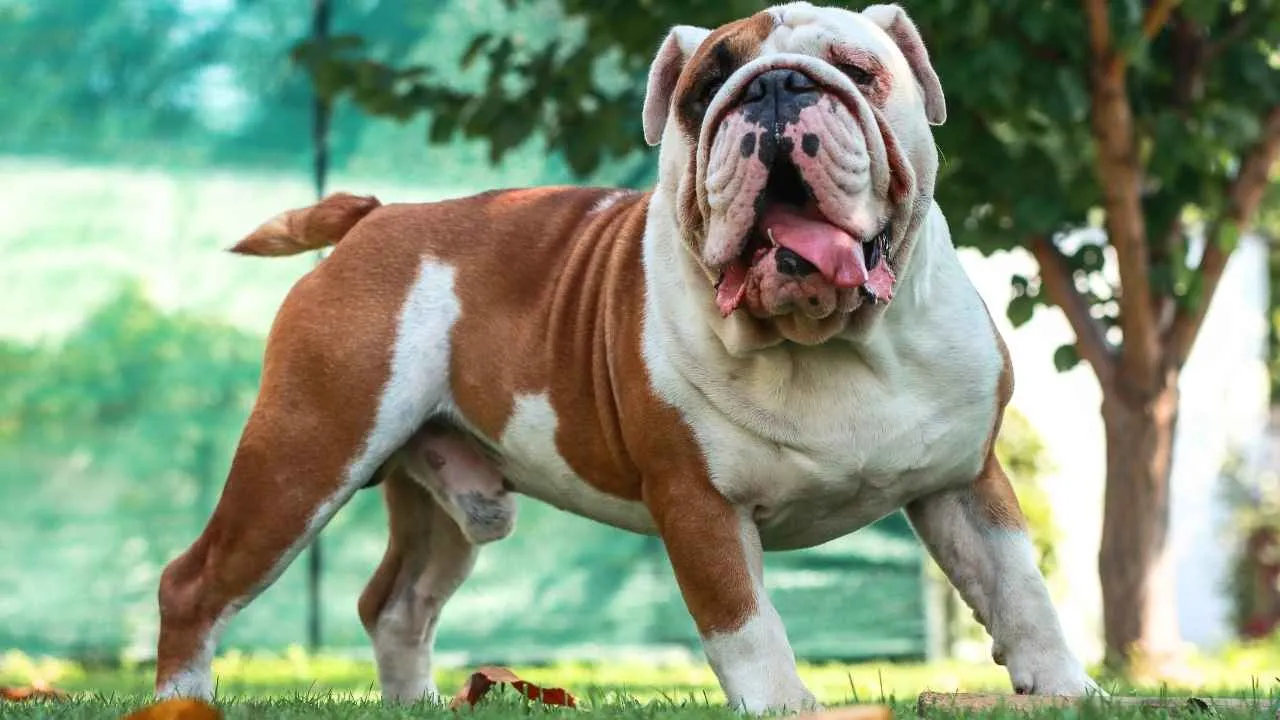
Bulldogs are easy to recognize with their broad stance, muscular frame, wrinkled face, and distinctive underbite that give it a memorable appearance.
Although its early role involved demanding work with livestock, careful breeding gradually shaped the relaxed companion familiar to families today.
Easygoing Routine
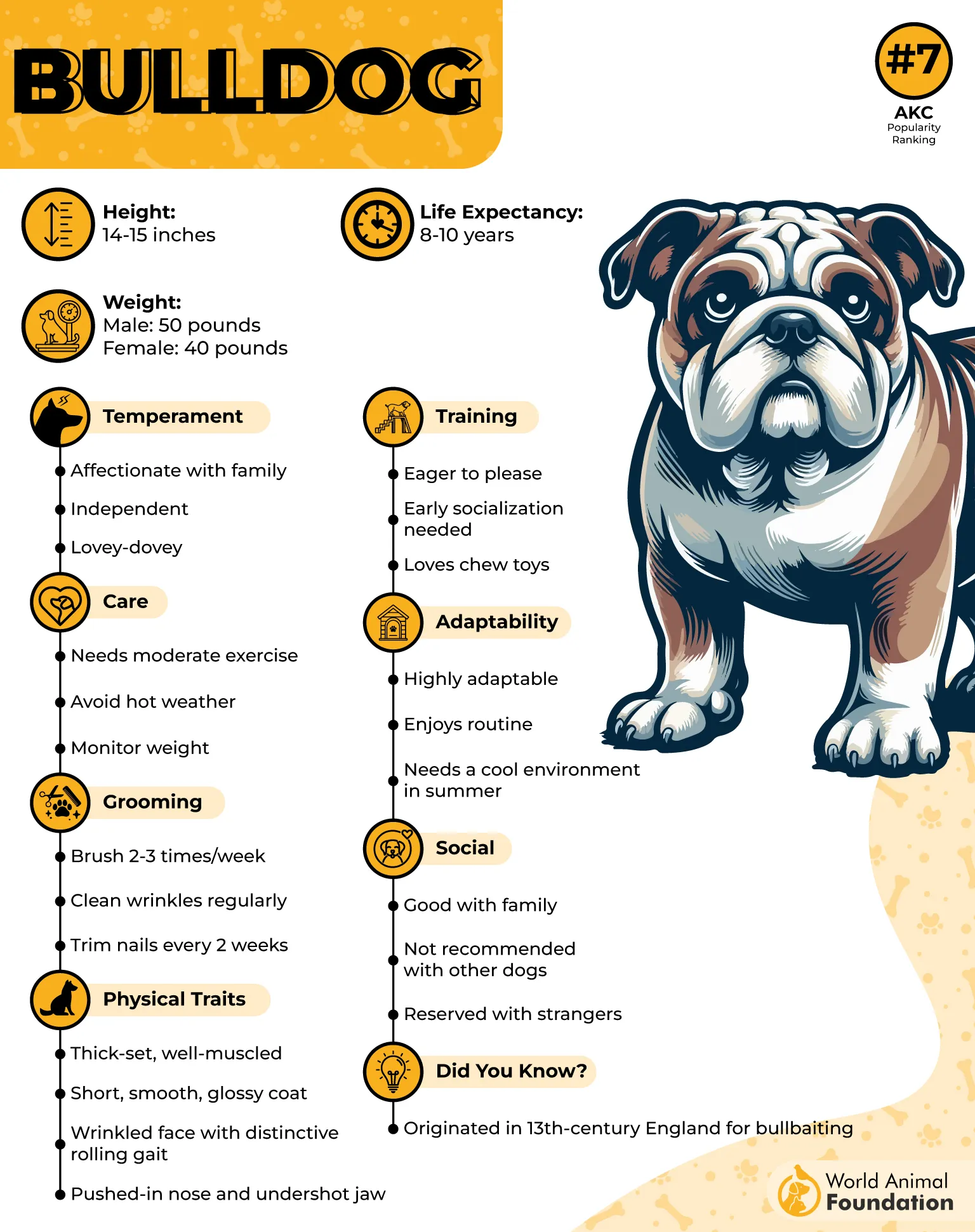
This calm dog breed is comfortable in a home where daily life follows a slower pace, making it a natural fit for families who enjoy quiet afternoons together. Gentle walks and light activity are usually enough to keep this breed comfortable without demanding an active schedule.
These details complete the picture:
The official breed standard describes it as “equable and kind”
Loose skin folds cover the face and neck
Dog harnesses are preferred over collars on walks
Warm Weather Needs
Bulldogs’ short muzzles make hot weather more challenging, so access to shade, fresh water, and cool indoor spaces becomes especially important during warmer months. Morning or evening outings are generally a better choice when temperatures begin to climb.
6. Saint Bernard
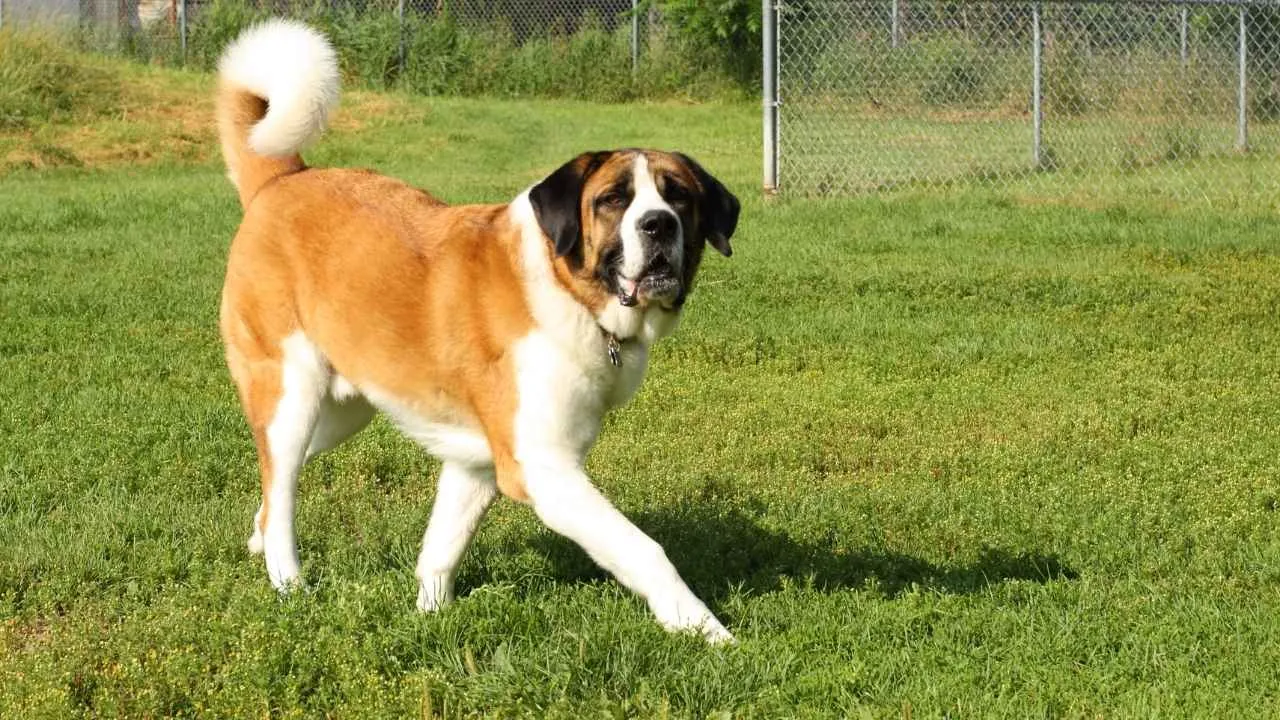
Saint Bernard first worked alongside monks in the Swiss Alps during the 1600s, where locating people buried beneath avalanches became one of its most important responsibilities. That remarkable beginning later led this gentle giant from mountain rescue work into family homes.
Calm Around Family
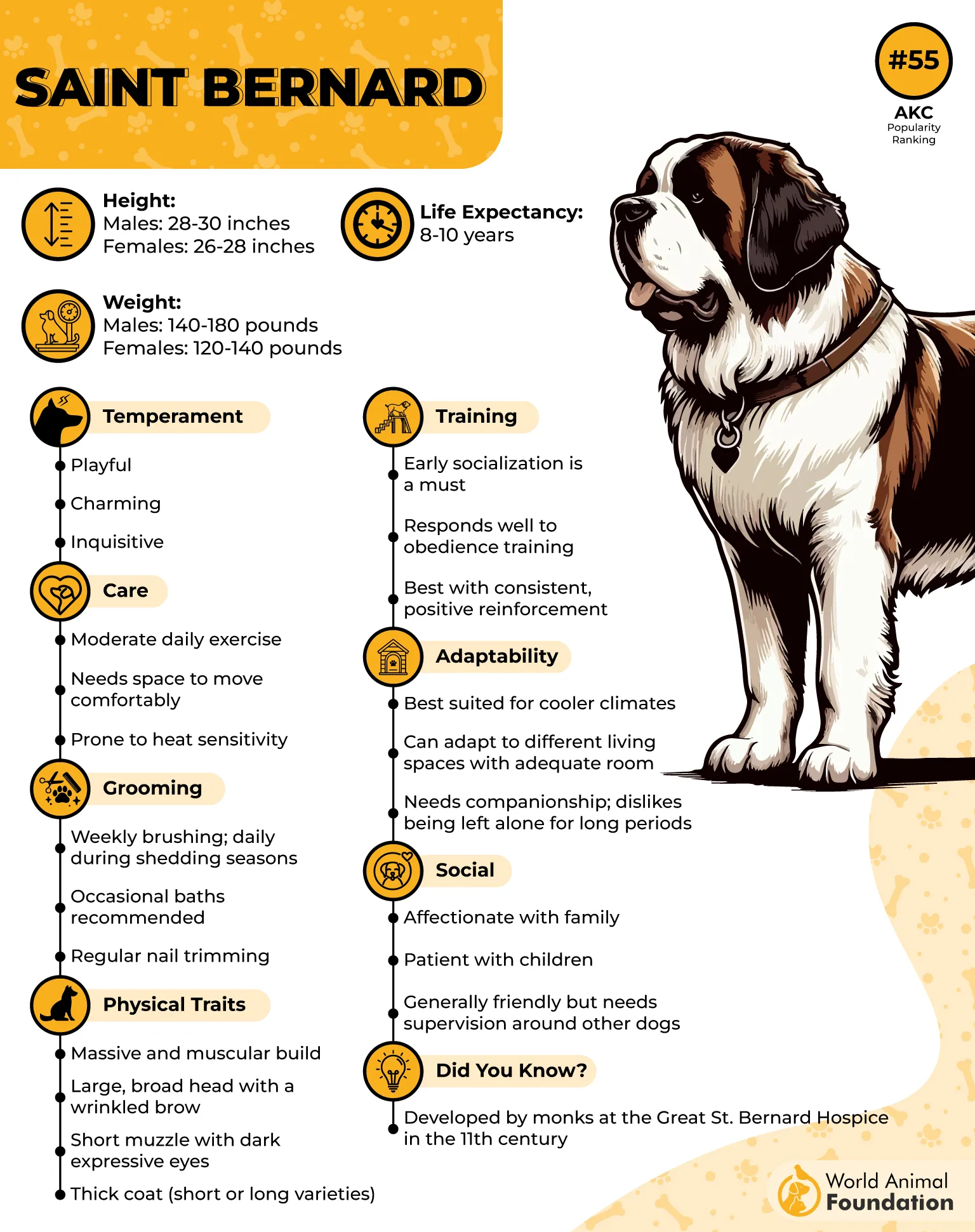
They bring a relaxed temperament into everyday life and enjoy spending time close to the people it loves. Even with a laid-back nature, a daily walk of about 30 minutes helps keep this breed comfortable and content.
Behind the cheerful personality:
Featured in the 1992 film Beethoven
Low prey drive after early socialization
Rescue work continues in some roles today
Quiet but Curious
Saint Bernard spends much of the day without barking, creating a peaceful atmosphere inside the home for families who enjoy quieter companions. Digging can still appear from time to time, a behavior connected to the breed’s long association with search and rescue work.
7. Shih Tzu
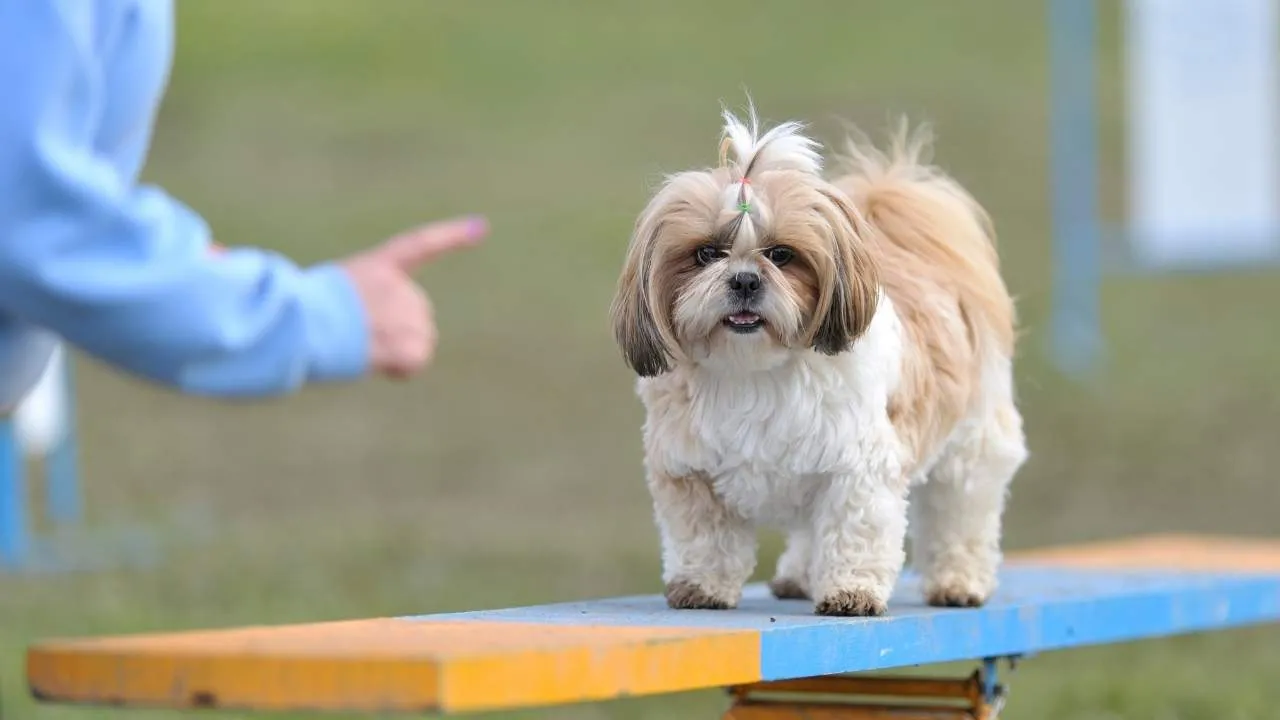
Shih Tzu is a toy breed that spent centuries as a close human companion, long before receiving official recognition from the American Kennel Club in 1969. Its nickname, “lion dog,” reflects a connection with Buddhist traditions, adding another layer to this breed’s long-established identity.
Easygoing Routine
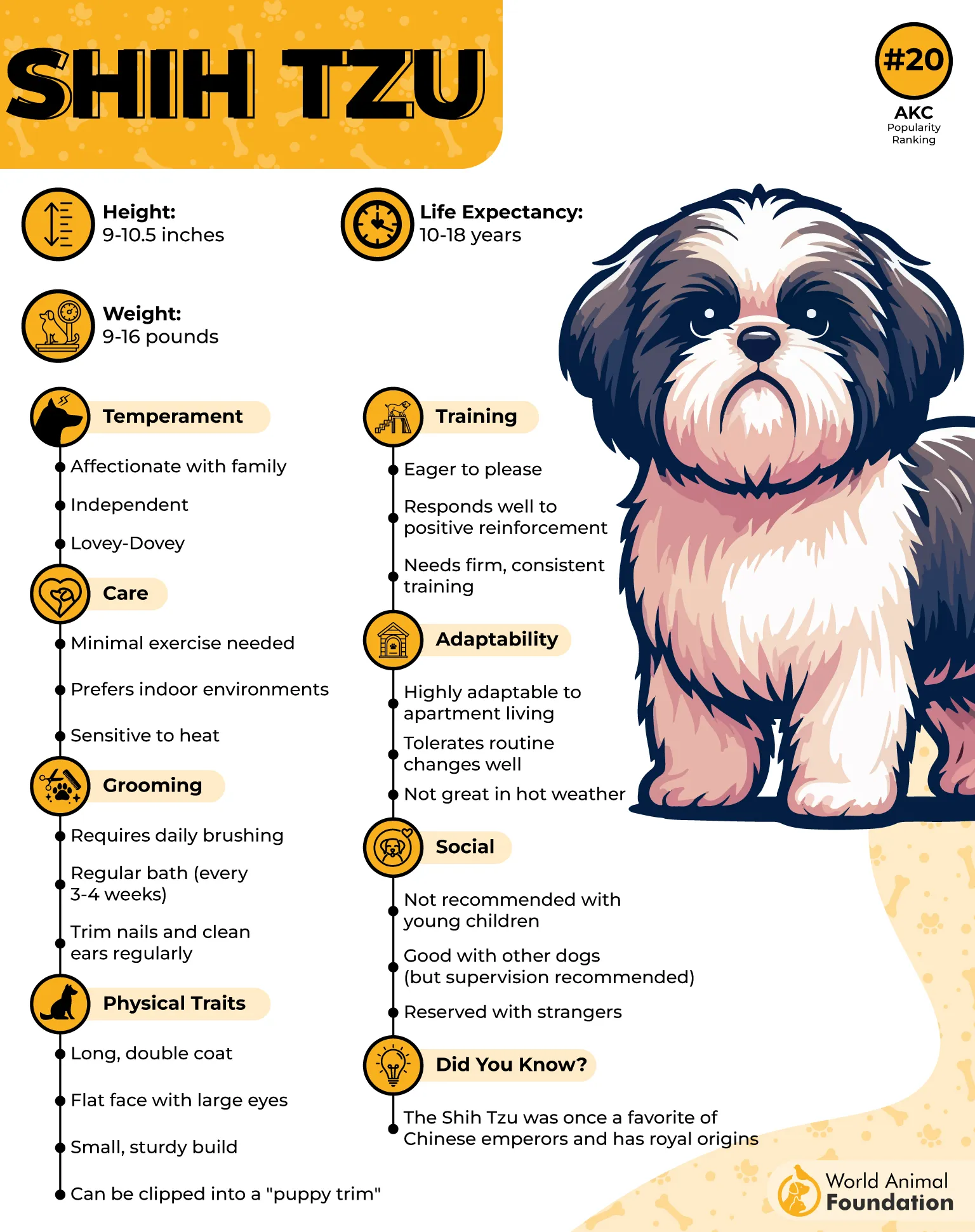
A relaxed schedule suits the Shih Tzu well, as a 30-minute walk followed by indoor play usually meets its daily activity needs. That balanced routine makes quiet afternoons and family downtime an easy fit for this cheerful little companion.
Here’s the really interesting part:
Officially recognized by the AKC in 1969
Originally encouraged to alert homes with a sharp bark
Prefers company instead of long periods alone
Coat Care
This companion dog grows a long double coat that continues growing throughout their life, which explains why many are trimmed into a practical puppy cut. Longer coats need weekly brushing, regular baths, and professional grooming, while a harness is a better choice than attaching a leash to the collar.
Conclusion
Not every family is searching for nonstop adventure, and the right companion does not have to keep life constantly busy. Unlike high-energy breeds, many lazy dog breeds have a calm and affectionate nature, making them ideal for families seeking a more relaxed routine.
Daily care, moderate exercise, and meaningful time together remain essential, even for couch potatoes. Sometimes the greatest reward comes from sharing peaceful moments with a loyal friend who is happiest simply staying close beside the people they love.
