




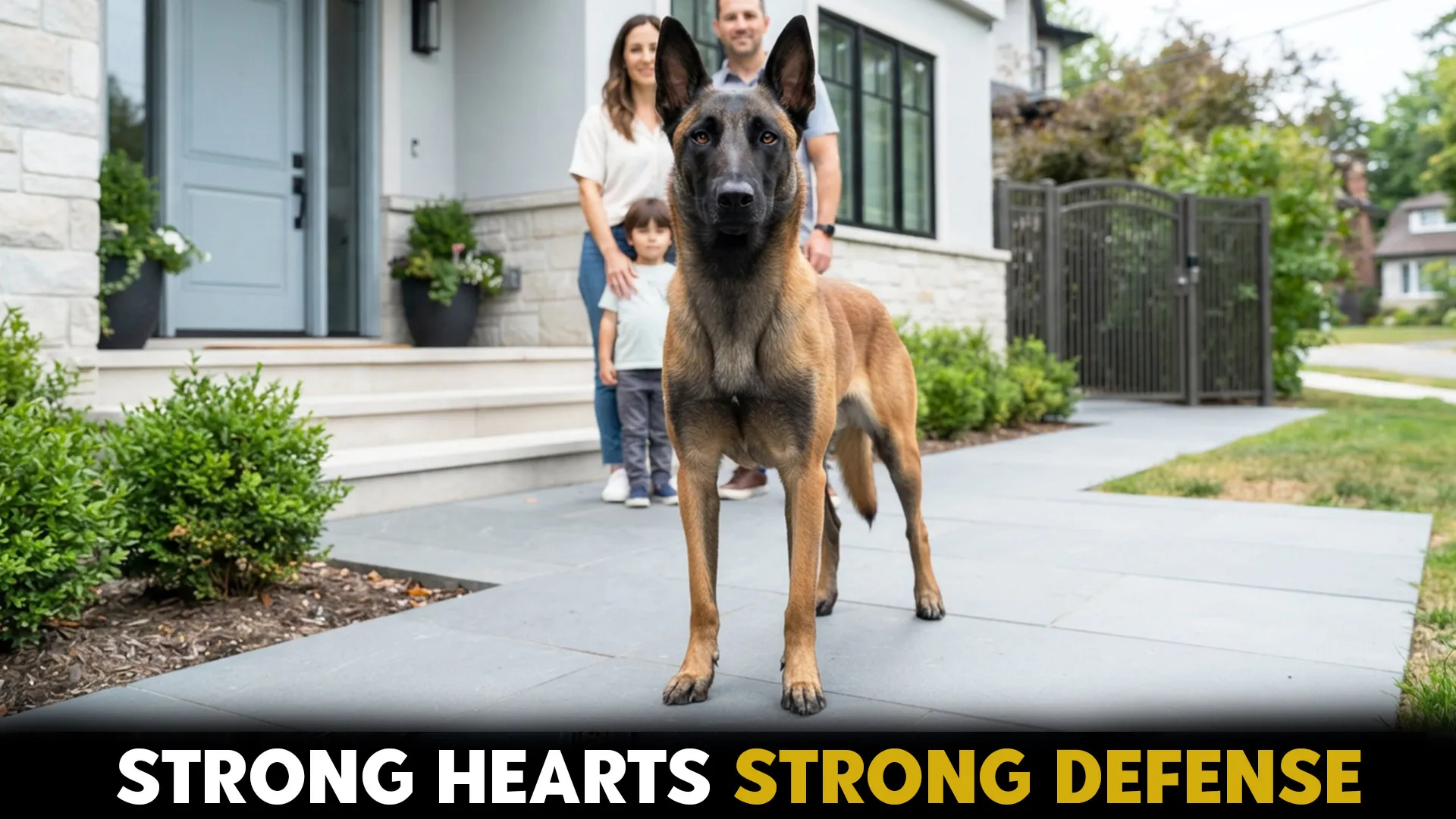
Protective dogs have served alongside people for centuries as property guardians, livestock protectors, and watchful household companions.
Their natural alertness can help them notice unfamiliar sounds, people, or activity before the rest of the household does. Modern family life asks more from a guardian than simply spotting a stranger. A good family protector also needs reliable obedience, confidence, socialization, and a temperament that works around children and familiar visitors.
Size can add physical deterrence, but it does not automatically make a dog safer or more dependable. Breed traits, individual personality, training, and living conditions all affect how well a protective dog suits a household. Families should also consider exercise needs and the time required for training before bringing one home.
This article takes a closer look at protective dog breeds today that combine guarding ability with family-friendly qualities, giving you a clearer picture of what to look for before choosing.
Key Takeaways
Some family protectors have impressive working histories long before they ever become household dogs.
The German Shepherd moved from herding sheep to police, military, detection, and protection work because of its ability to learn complex tasks.
The Rottweiler has an equally varied past, from driving cattle to pulling carts, helping in rescue work, and guarding property.
Their stories are only part of what makes these ten breeds worth knowing before choosing a family guardian.
Best Protective Dog Breeds for Family Safety
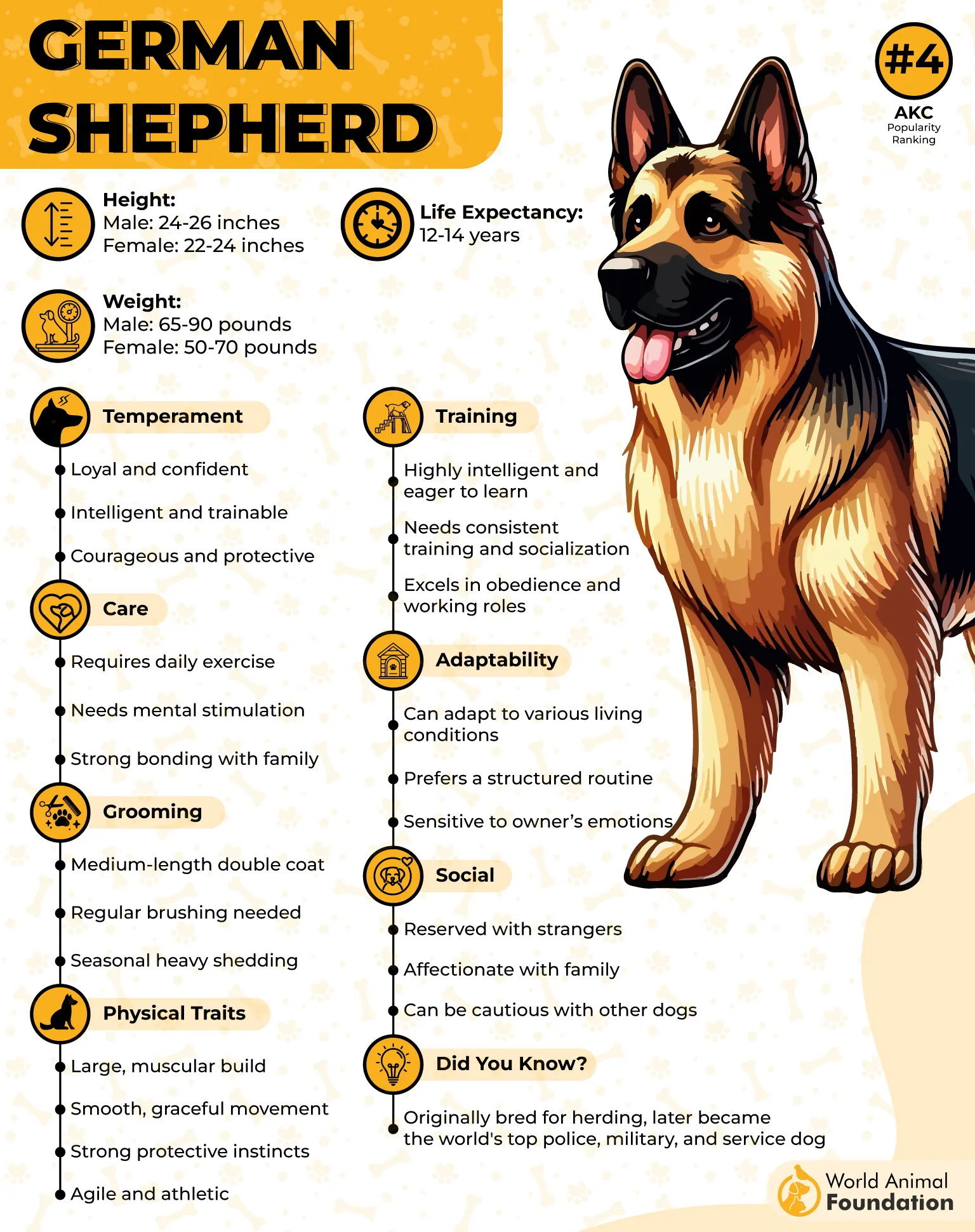
1. German Shepherd
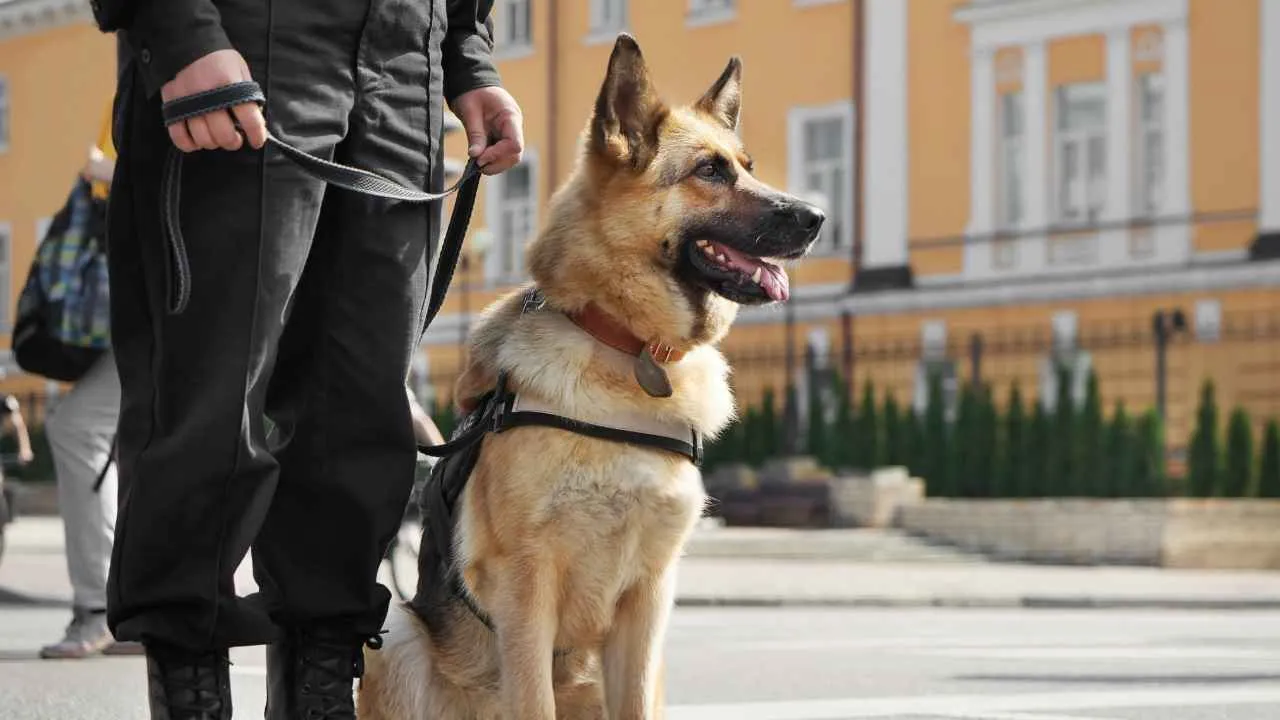
German Shepherd emerged in the late 1800s when Captain Max von Stephanitz sought a capable German herding dog that could keep sheep together while guarding them from wolves.
By 1908, the breed had gained AKC recognition, as the AKC reported. Its role later expanded toward police and military work as herding became less common.
A Serious Protective Instinct
They can quickly learn basic commands as well as complex tasks, including distinguishing between safe situations and potential threats. That ability to assess situations and react quickly has made the breed valuable in protection work around homes and in professional security settings.
The following traits from its working record add useful context:
Used for explosive detection
Trained for crowd control
Capable of long-distance pursuits
Strength Meets Agility
German Shepherd has the muscular build and endurance required for demanding physical work, with agility that helps it clear obstacles and navigate difficult terrain. In law enforcement, that combination supports pursuits where speed, strength, and sustained focus are all required.
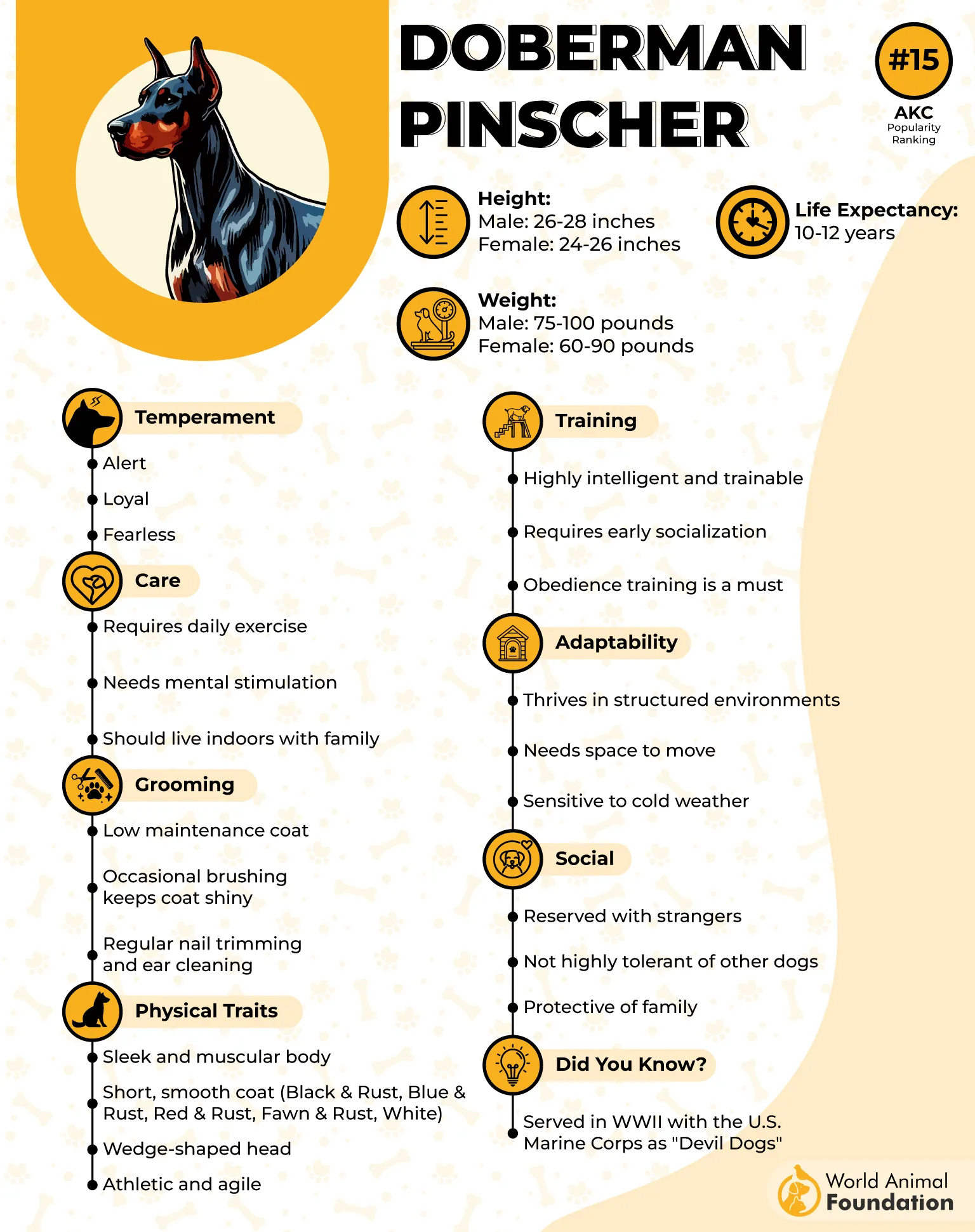
2. Doberman Pinscher
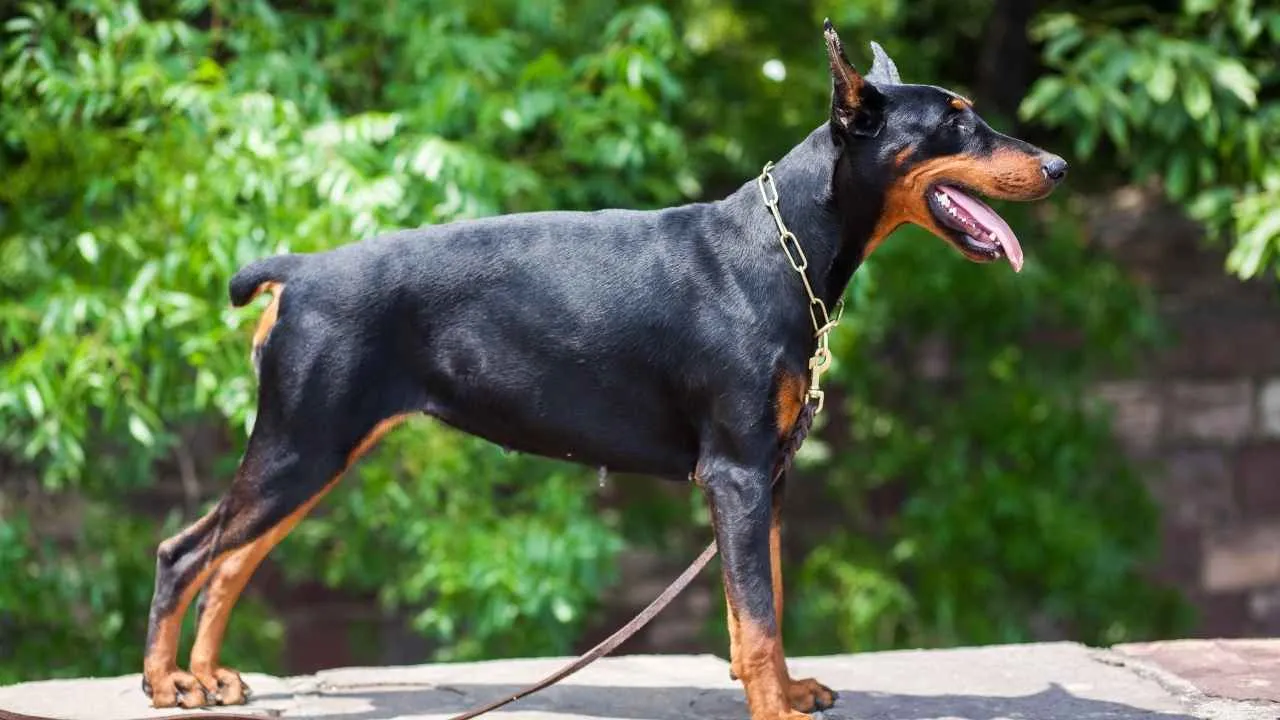
Doberman Pinscher takes its name from Karl Friedrich Louis Dobermann, a German tax collector who bred dogs in Apolda during the 1880s for personal protection. His goal was a sleek, powerful, intelligent, fearless companion capable of serving as both a watchdog and a personal guardian.
A Serious Guardian
This excellent guard dog has the athletic build, alertness, and physical endurance suited to protection work, with males generally larger and more muscular while females tend to be more agile.
Their protective instincts can focus differently too, with females often guarding a person and males showing stronger territorial interest, as the Royal Kennel Club claims.
This is what is useful when considering this breed for security:
Females often mature earlier for training
Males can be better suited to property guarding
Females may react more strongly to unfamiliar people
Training Matters
Doberman Pinscher ranks among Coren’s ten most intelligent breeds, with at least 95% success in obeying a first command after five repetitions. Obedience work should come before barking on command, boundary training, and “leave it,” with patience and consistency guiding the process.
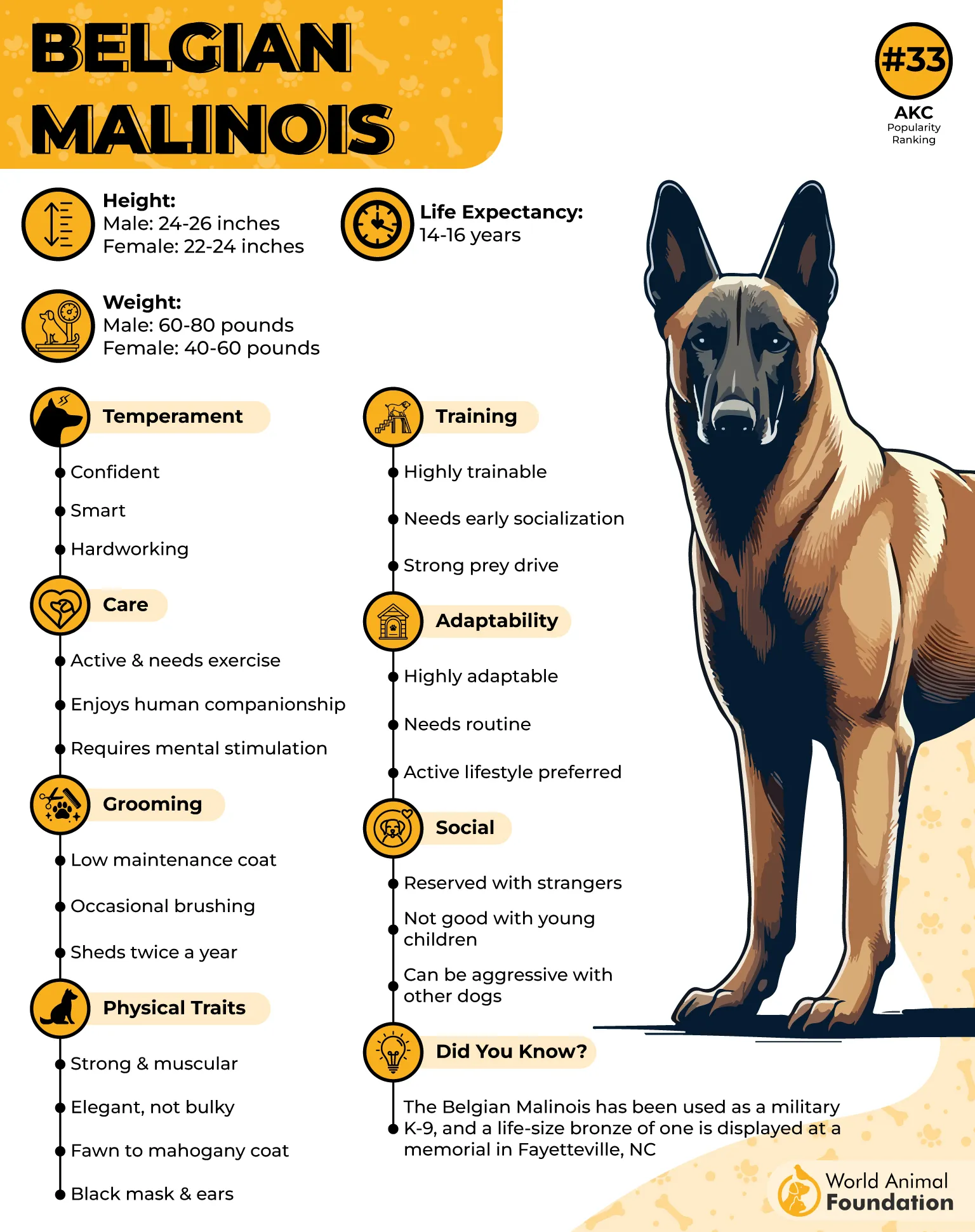
3. Belgian Malinois
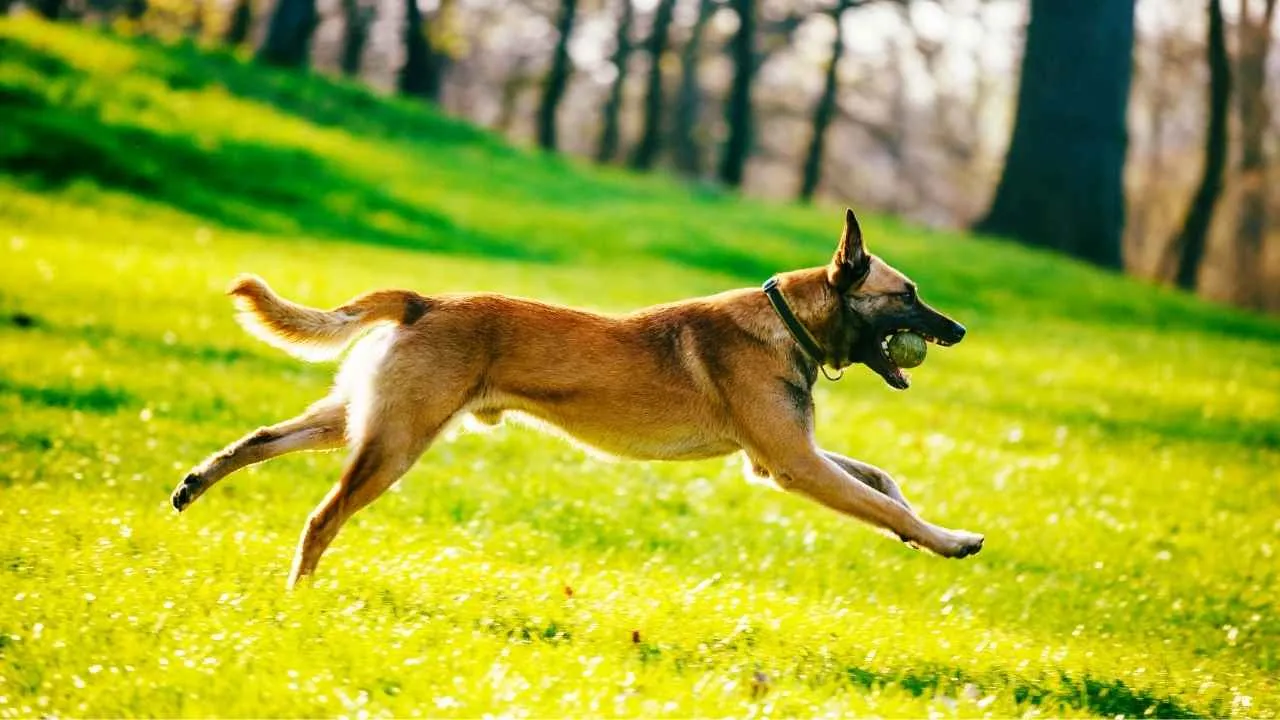
Belgian Malinois began as a shepherding dog in Belgium, valued for intelligence and agility while guarding and herding sheep and livestock. Serious breeding efforts began in the late 1800s, followed by recognition in the 1950s for demanding military and police roles.
Naturally Protective
This guard dog breed is highly territorial and attentive to its surroundings, qualities that can matter when a family wants a dog capable of responding to unfamiliar activity. Its confidence around strangers gives it a composed presence while it watches what is happening nearby.
This is how specialized this breed can become:
Trained to detect bombs, drugs, and gas
Capable of search-and-rescue training
Can learn controlled interaction with people and animals
Around Family
Belgian Malinois can be loving and patient with children from its own household, though adults should supervise interactions because its herding instinct may lead it to try controlling unruly kids.
Its strong prey drive also requires care around cats and other small pets, while unfamiliar dogs can trigger aggressive or domineering behavior, as Orvis stated.
4. Cane Corso
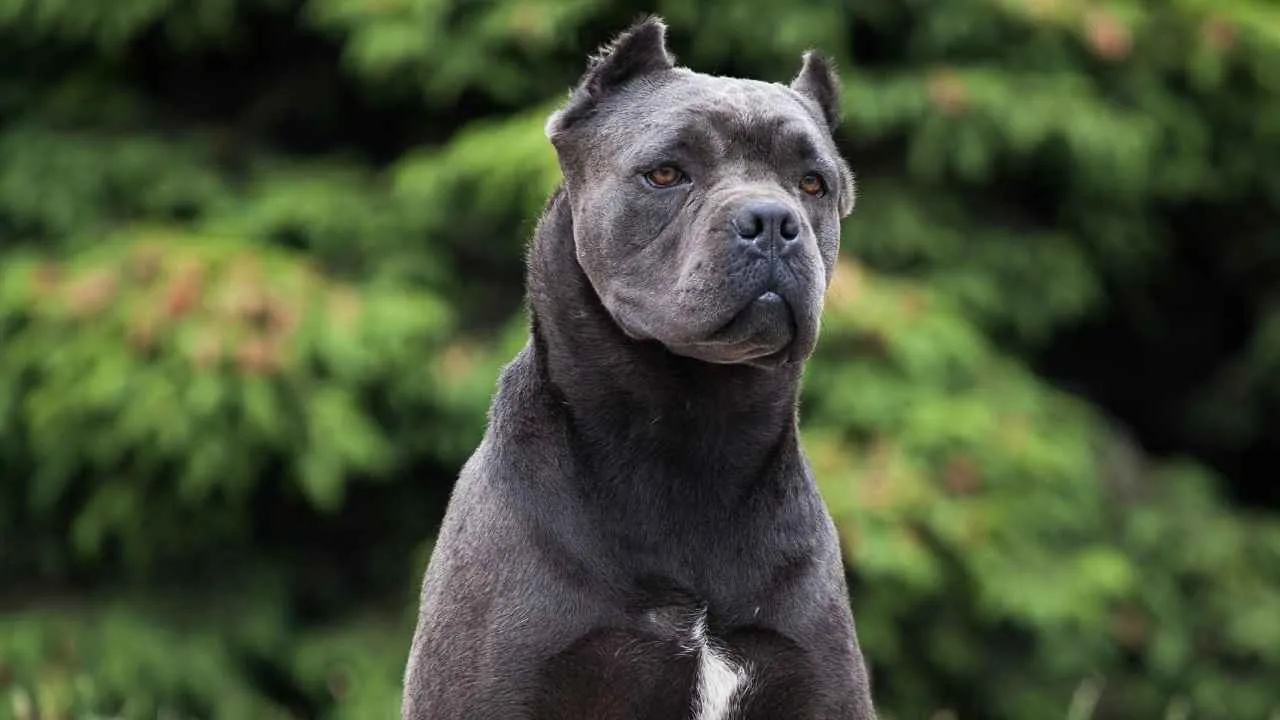
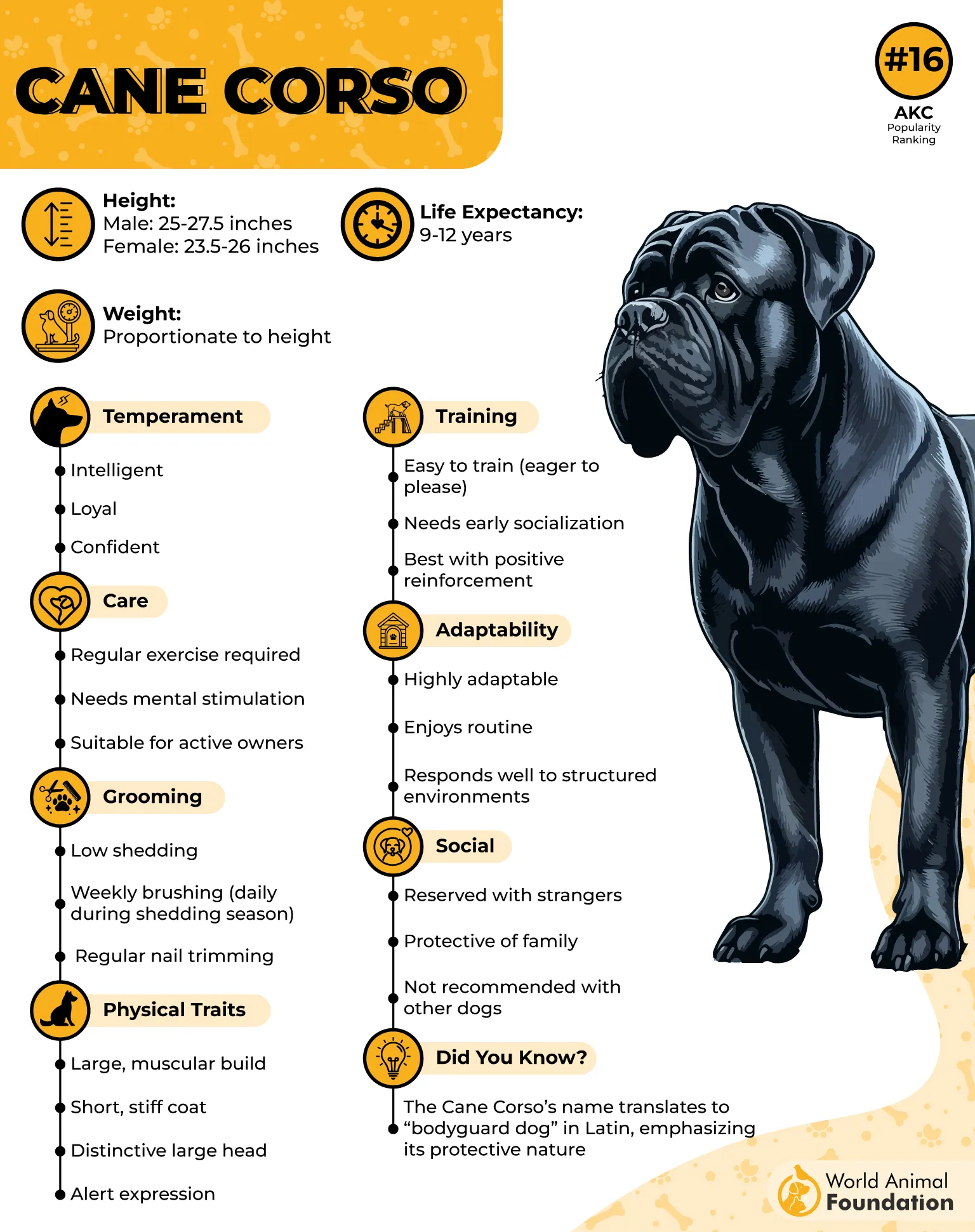
Cane Corso has roots reaching back thousands of years to Molosser dogs associated with an ancient Greek tribe. Roman forces later brought these powerful dogs to Italy, where they served as military dogs before taking on roles on farms, in hunting, and around livestock.
A Serious Watchdog
Their size, strength, and territorial instincts can make their presence a powerful deterrent around a home. Its square head, broad jaws, muscular frame, and confident gait give unfamiliar people plenty to notice before they ever reach the front door.
Several details add to its protective profile:
Latin-derived name means “guardian dog”
Initially used to hunt wild boar
Known for keen situational awareness
Training Matters
Cane Corso needs clear boundaries and positive-reinforcement training to guide its natural guarding instincts appropriately. Rewards, praise, and treats can teach the dog when to welcome people and animals, while early socialization helps make those interactions more manageable.
5. Rottweiler
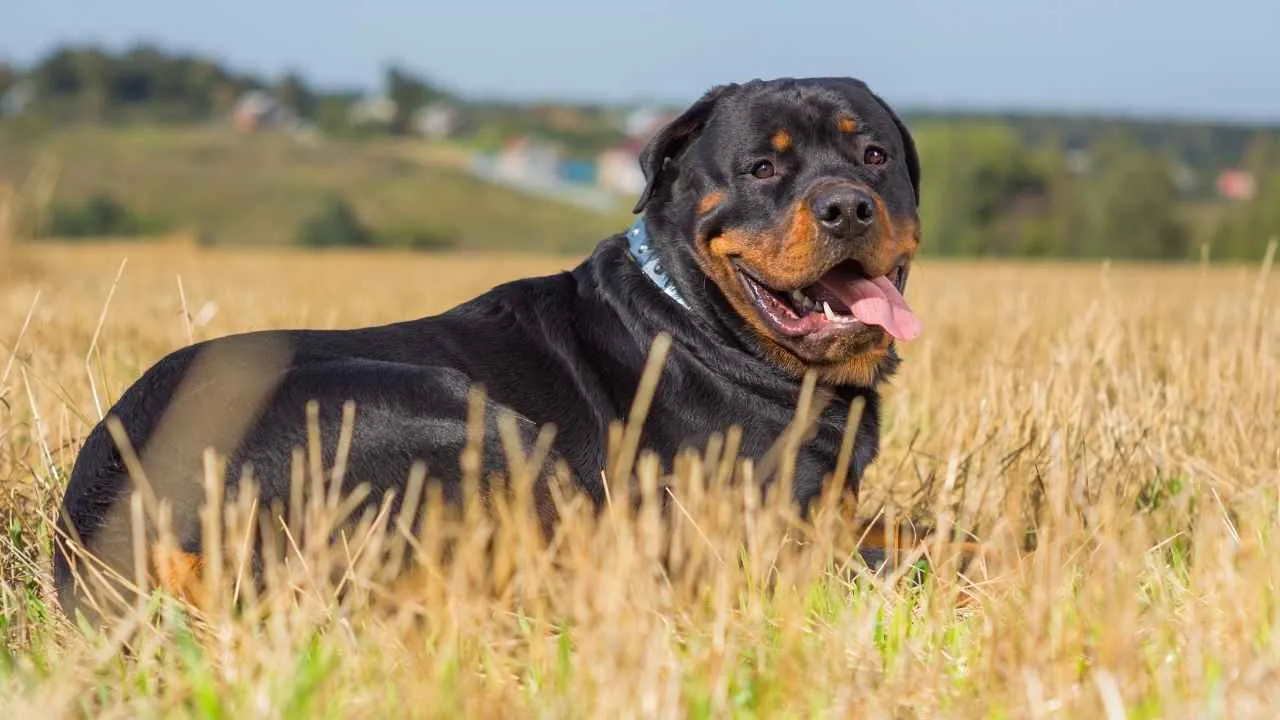
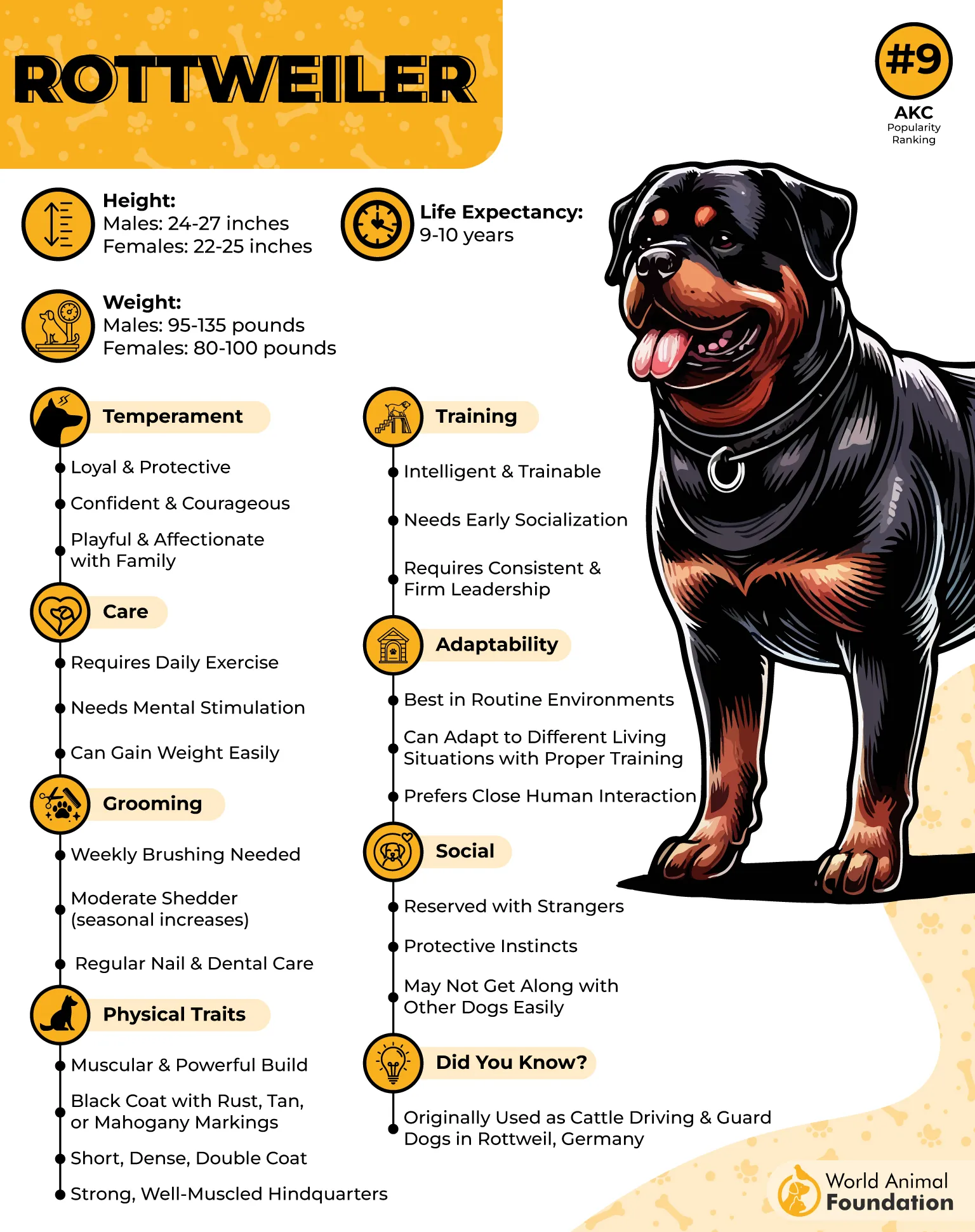
Rottweiler descends from cattle-driving dogs associated with Roman legions and later became closely linked with the German town of Rottweil. Its working record expanded from guarding and driving livestock to pulling carts, rescue work, police duties, and guiding people with visual impairments.
A Natural Guardian
Rottweiler has an instinctive awareness of its surroundings, with a calm tendency to assess unfamiliar situations before reacting. Its black coat can also create a more intimidating appearance to strangers, although there is no scientific evidence that coat color makes a dog more aggressive.
Here are some practical roles that reflect its working range:
Cattle droving
Property guarding
Search-and-rescue work
Strength Needs Direction
This family guard dog is intelligent, confident, and physically powerful, so inexperienced handlers can find its strength and strong will difficult to manage.
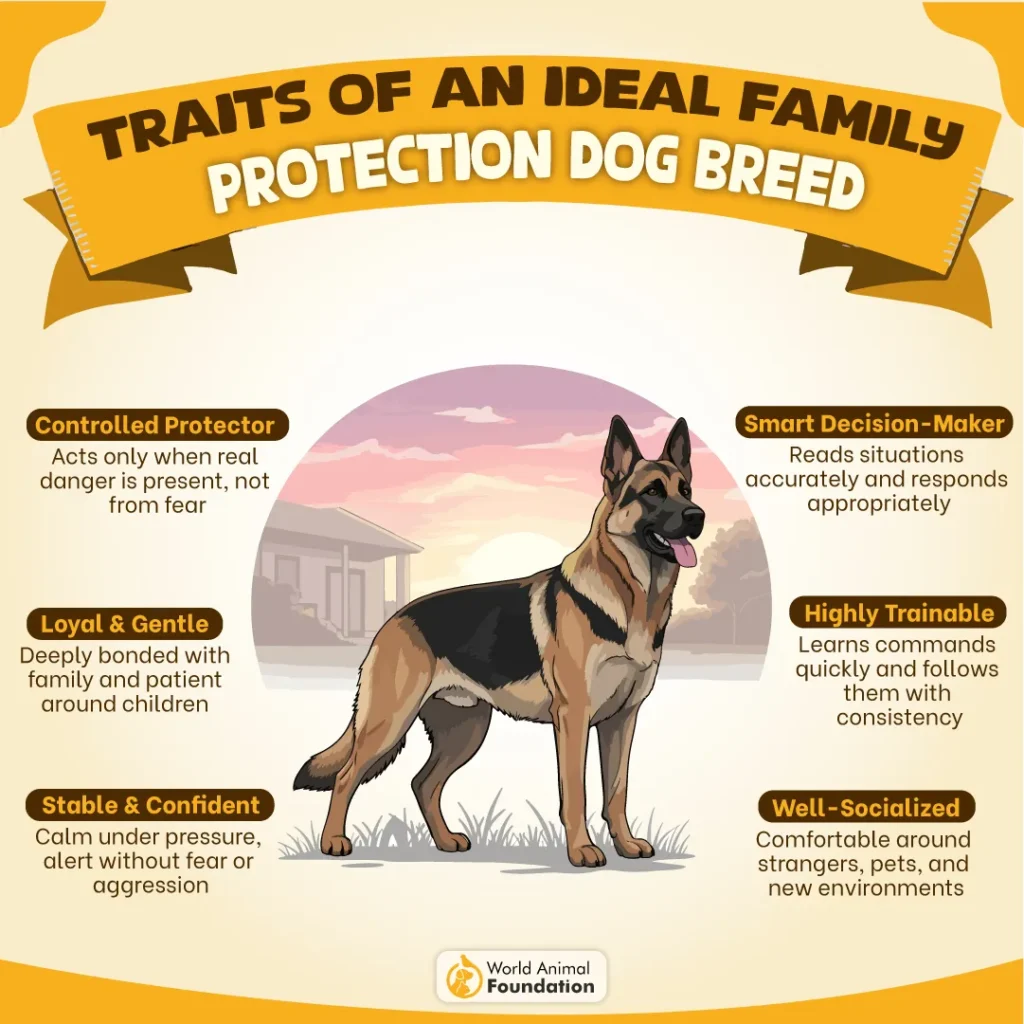
Early socialization and professional guidance help channel its protective instincts toward appropriate responses around family members, visitors, and other dogs.
6. Giant Schnauzer
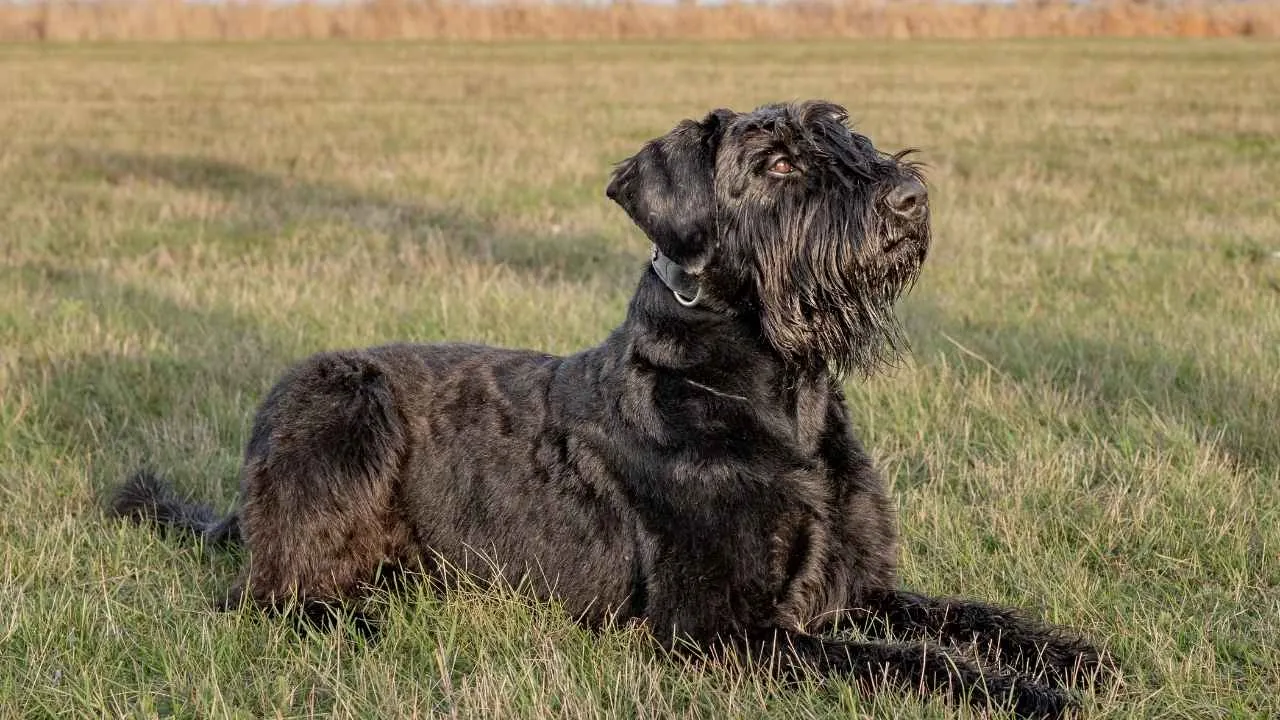
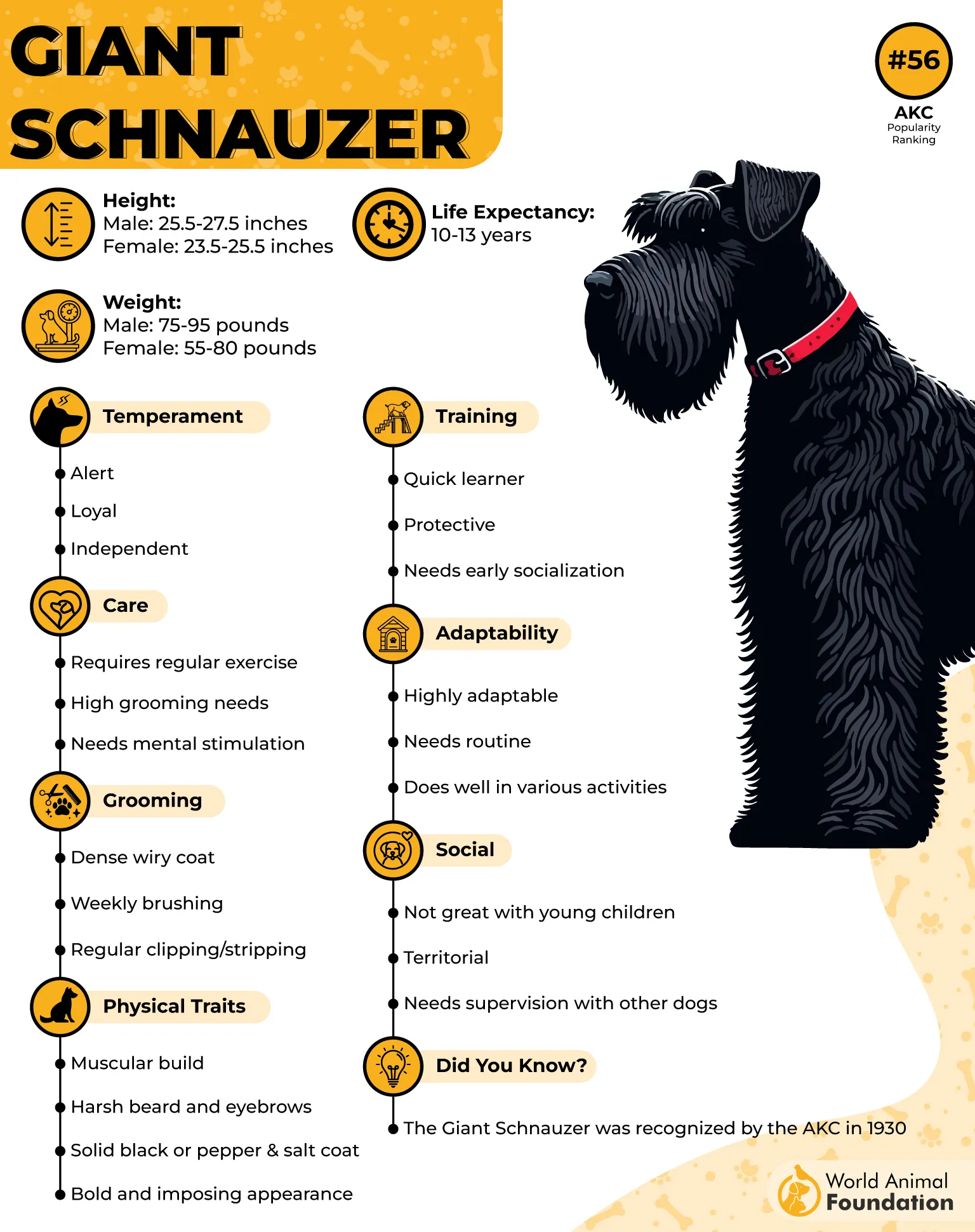
Giant Schnauzer developed in Bavaria, Germany, with records of the breed dating to the 1700s. Early breeders combined the Standard Schnauzer with the Black Great Dane and Bouvier des Flandres to produce a large farm dog suited to guarding property and herding cattle.
A Serious Guardian
This loving family pet was later used to guard shops and work alongside police and military personnel, giving it a long record in security roles. Its natural caution around unfamiliar people also makes it attentive to activity around the home.
Three details are especially relevant here:
Loud bark when danger approaches
Strong territorial instincts
Naturally cautious with strangers
Sharp and Independent
Giant Schnauzer learns new tasks quickly and remembers what it has been taught, although its independent streak can lead to occasional attempts to test boundaries. Early, consistent handling is important, particularly because its size and strength can make poor leash manners difficult to control.
7. Boxer
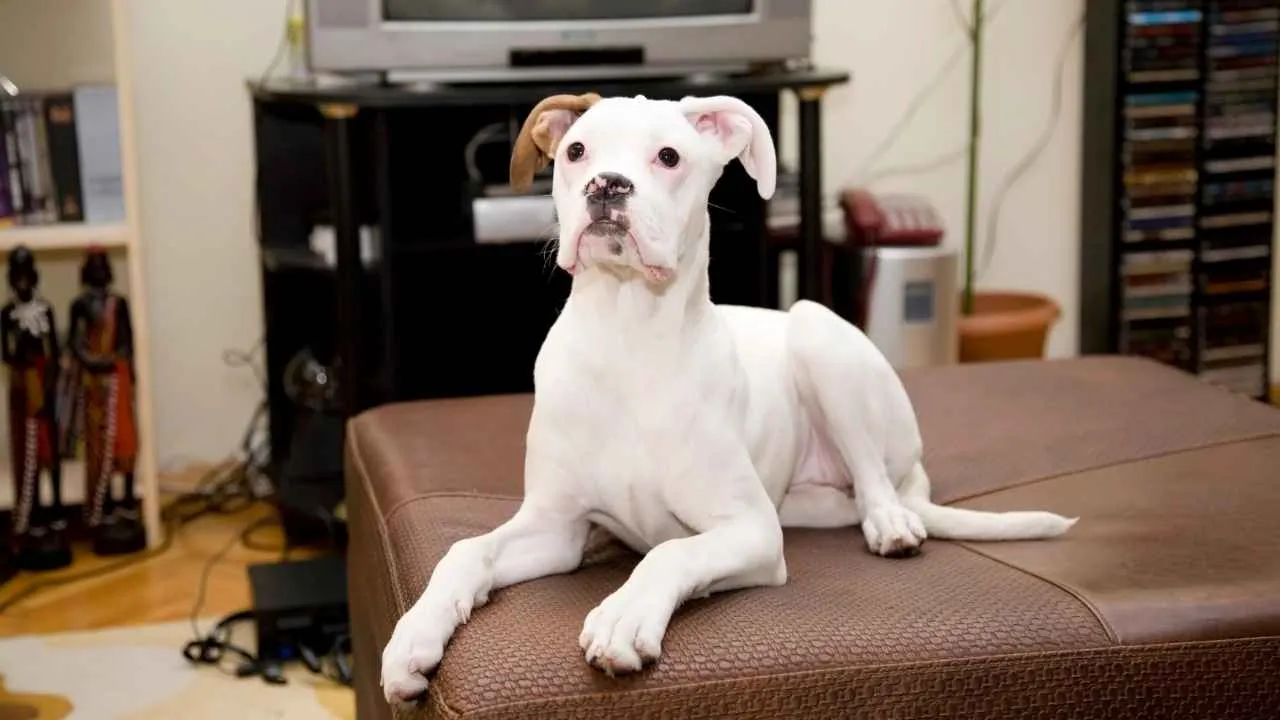
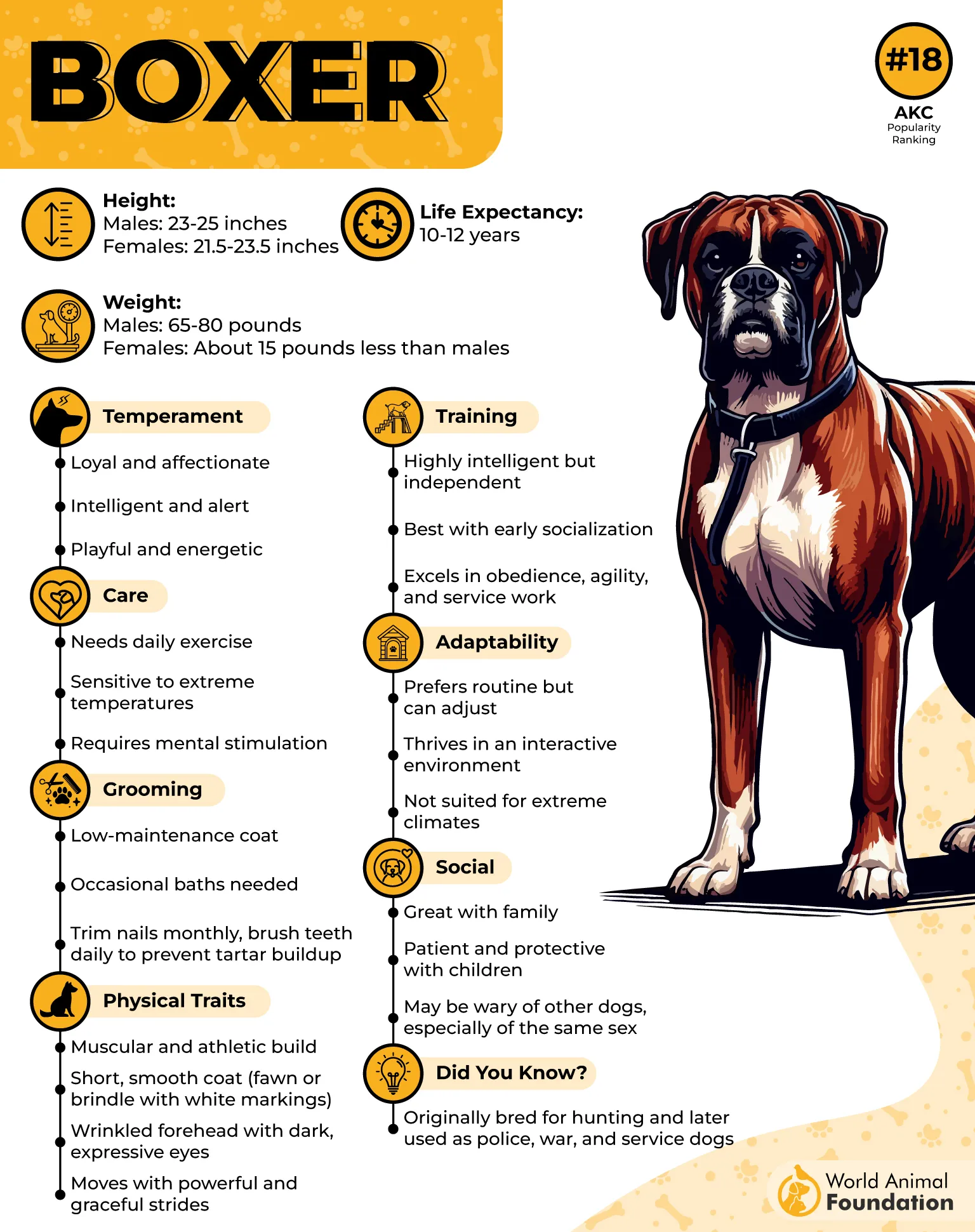
Boxer originated in Germany, with early roots closely linked to the German Bullenbeisser and Bulldog. By 1903, the breed had reached America, after serving as a butcher’s dog and later taking on important messenger, pack, and guard duties during the First World War.
Quick to React
They have the awareness to assess unfamiliar situations quickly, an important quality when a family dog needs to recognize something unusual. Its intelligence is especially useful around children and busy households, where situations can change without much warning.
These specific qualities add to that protective role:
Alerts with barking when someone approaches the home
Can respond to commands during tense situations
Affectionate and playful with children
Energy Meets Obedience
Boxer needs more than a single short outing, with several long walks plus activities such as running and fetch helping use its considerable energy. Training from a young age can also improve obedience, especially since an active, curious dog may become stubborn without consistent guidance.
8. Akita
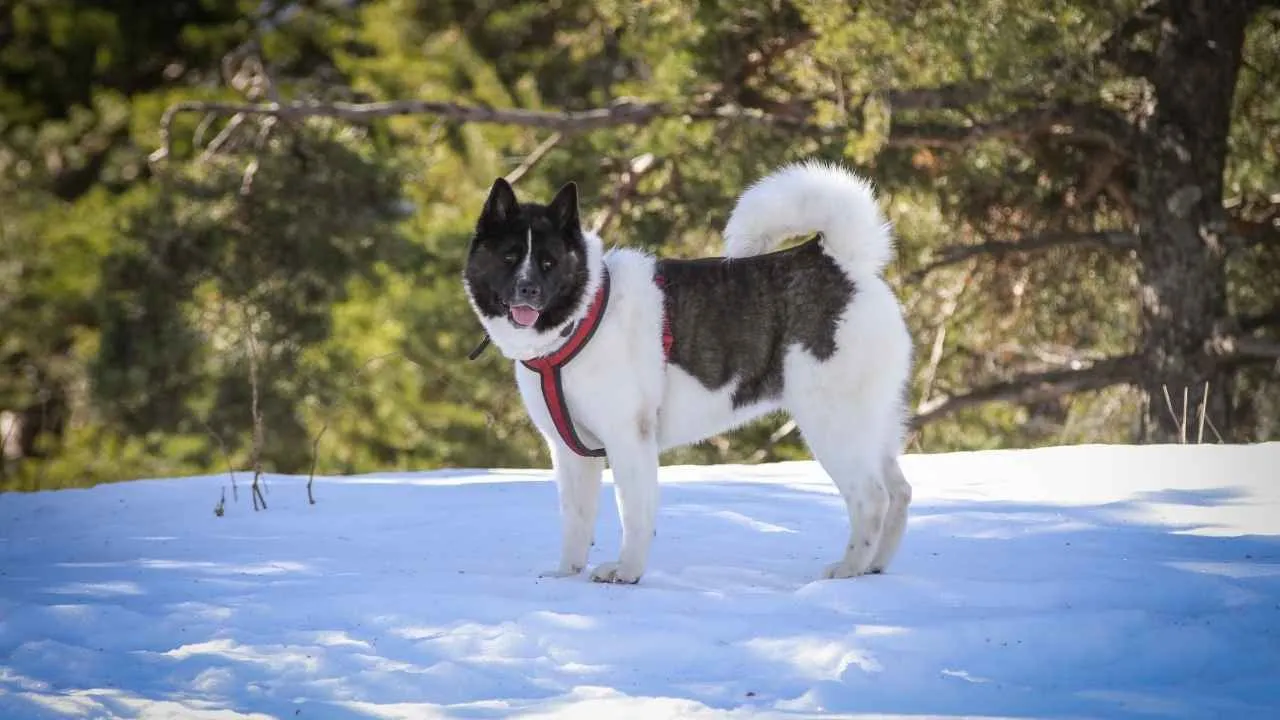
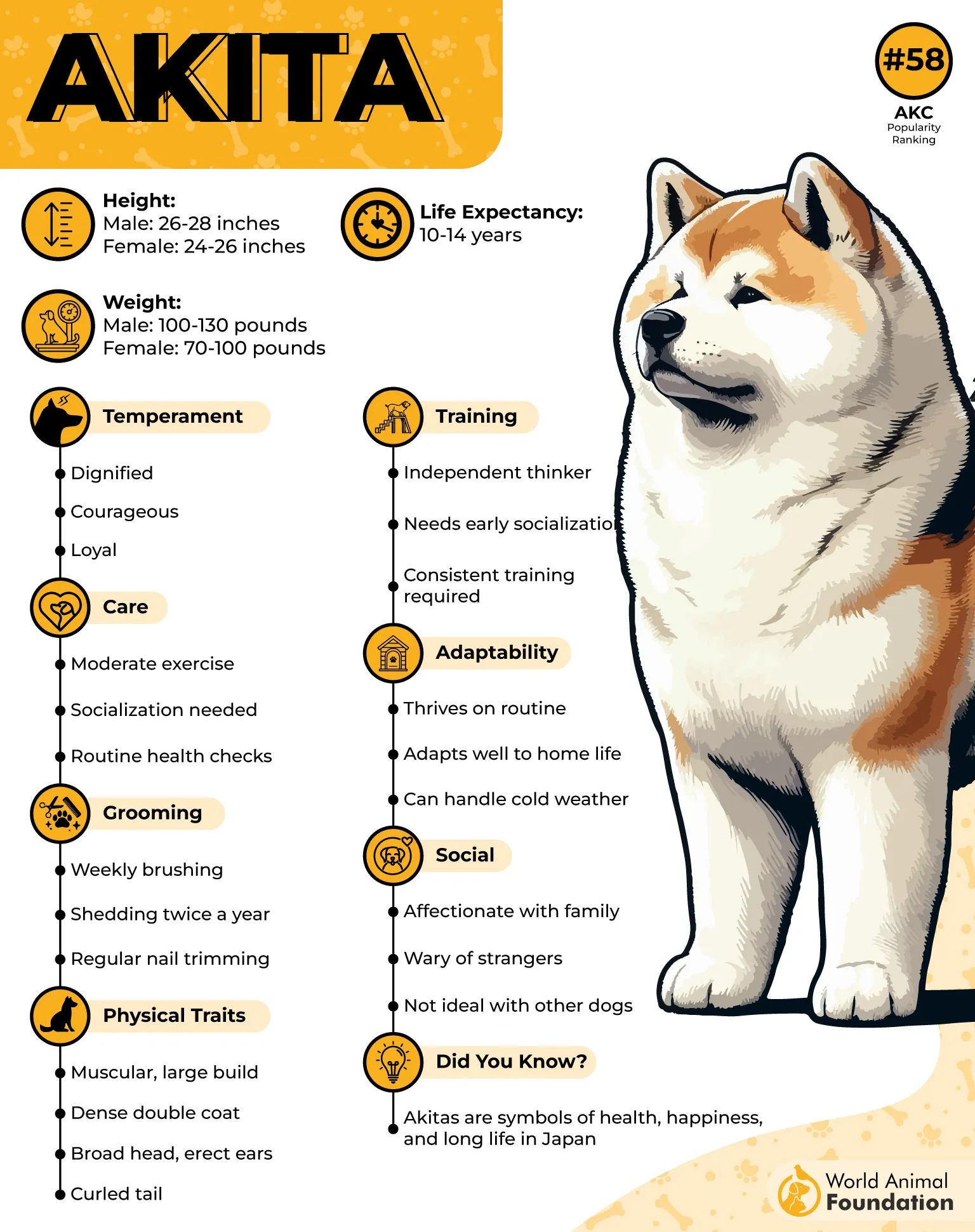
Akita comes from Japan’s northern Akita Prefecture, where it was once reserved for imperial leaders and highly valued for demanding work. Its original duties included hunting, guarding, and herding, with enough power to track deer, elk, and black bears across rugged terrain.
A Serious Guardian
Akita has exceptionally strong protective instincts and may place itself between family members and a perceived threat. It is also a quiet watchdog that alerts the household when someone enters its territory, then becomes reserved once a visitor is welcomed inside.
These details give that protective role more context:
Japanese national treasure since 1931
Police work in Japan
Birth gift symbolizing protection
At Home
This protection dog can be remarkably devoted to the people in its household, often following them from one room to another. Its naturally clean habits and easy housebreaking also make indoor life more manageable, with some people comparing its cleanliness and lack of odor to a cat.
9. Bullmastiff
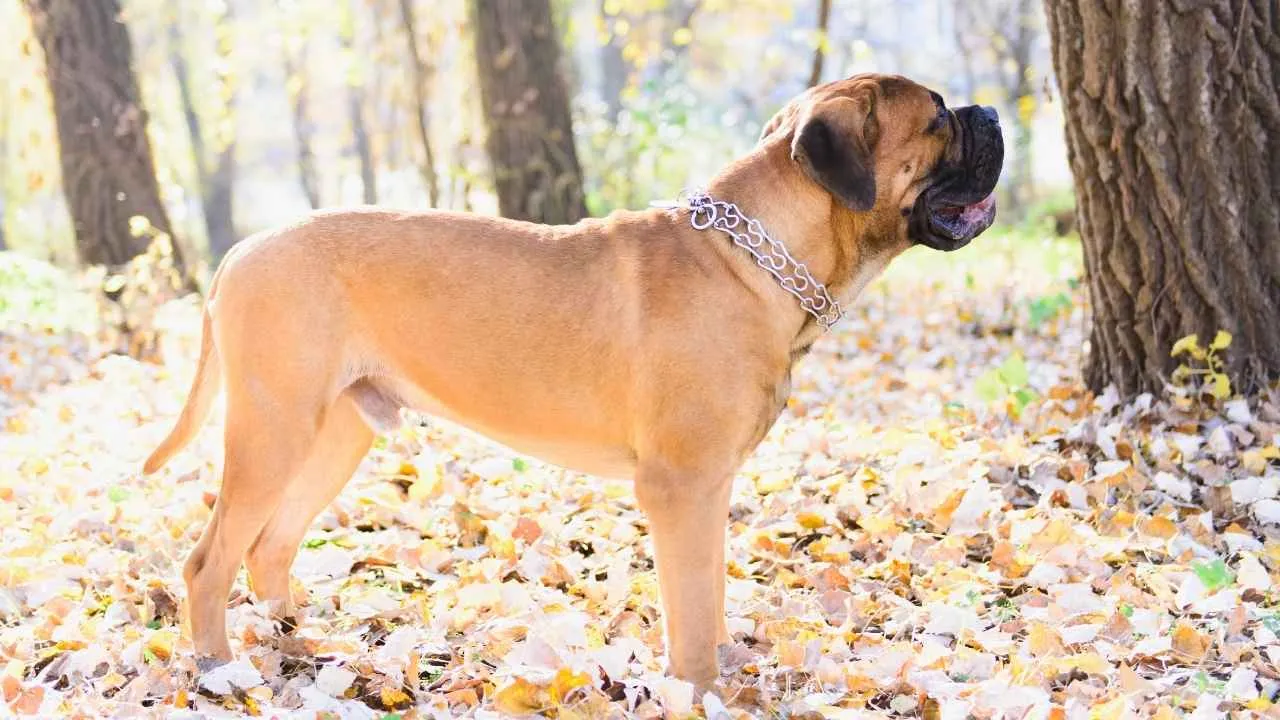
Bullmastiff was originally bred in 19th-century England when gamekeepers paired roughly 60 percent Mastiff with 40 percent Bulldog for a very specific job. The result had the speed to pursue poachers, the strength to bring them down, and the power needed for a demanding guarding role.
Quiet Protection
For family safety, the Bullmastiff brings a naturally protective instinct that does not depend on aggressive guard training. These dogs were once called the “Gamekeeper’s Night Dog,” and their approach to intruders was remarkably quiet rather than creating a commotion.
Traits that make their working style easier to understand:
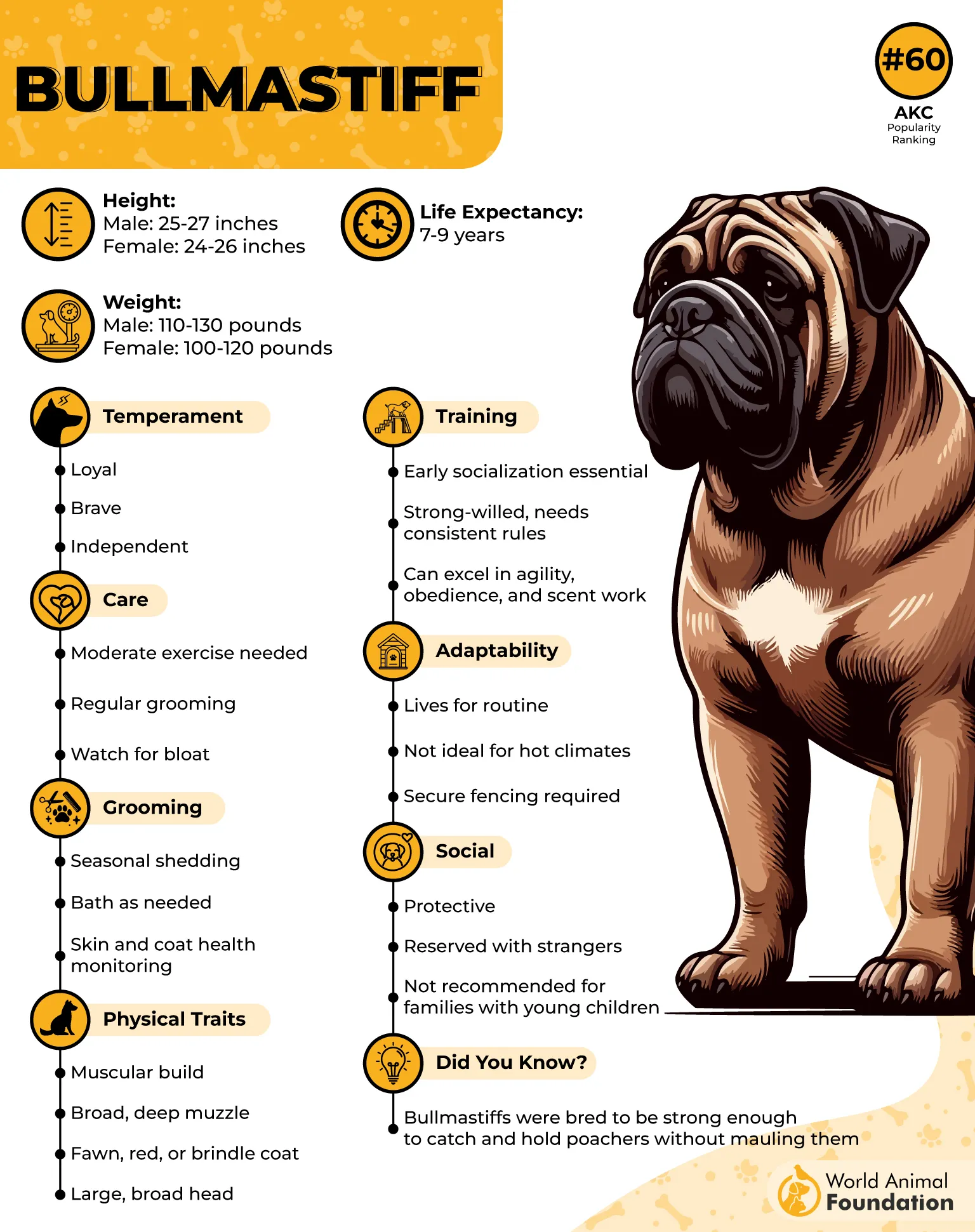
Needs respectful handling around children
Requires early, consistent training
Stubborn streak appears occasionally
Low-Key Routine
This large dog has modest exercise requirements and can get enough activity from short walks and indoor play, making lengthy daily workouts unnecessary.
Food portions need attention because the breed can gain excess weight, while snoring, drooling, and flatulence are also common household considerations.
10. Tibetan Mastiff
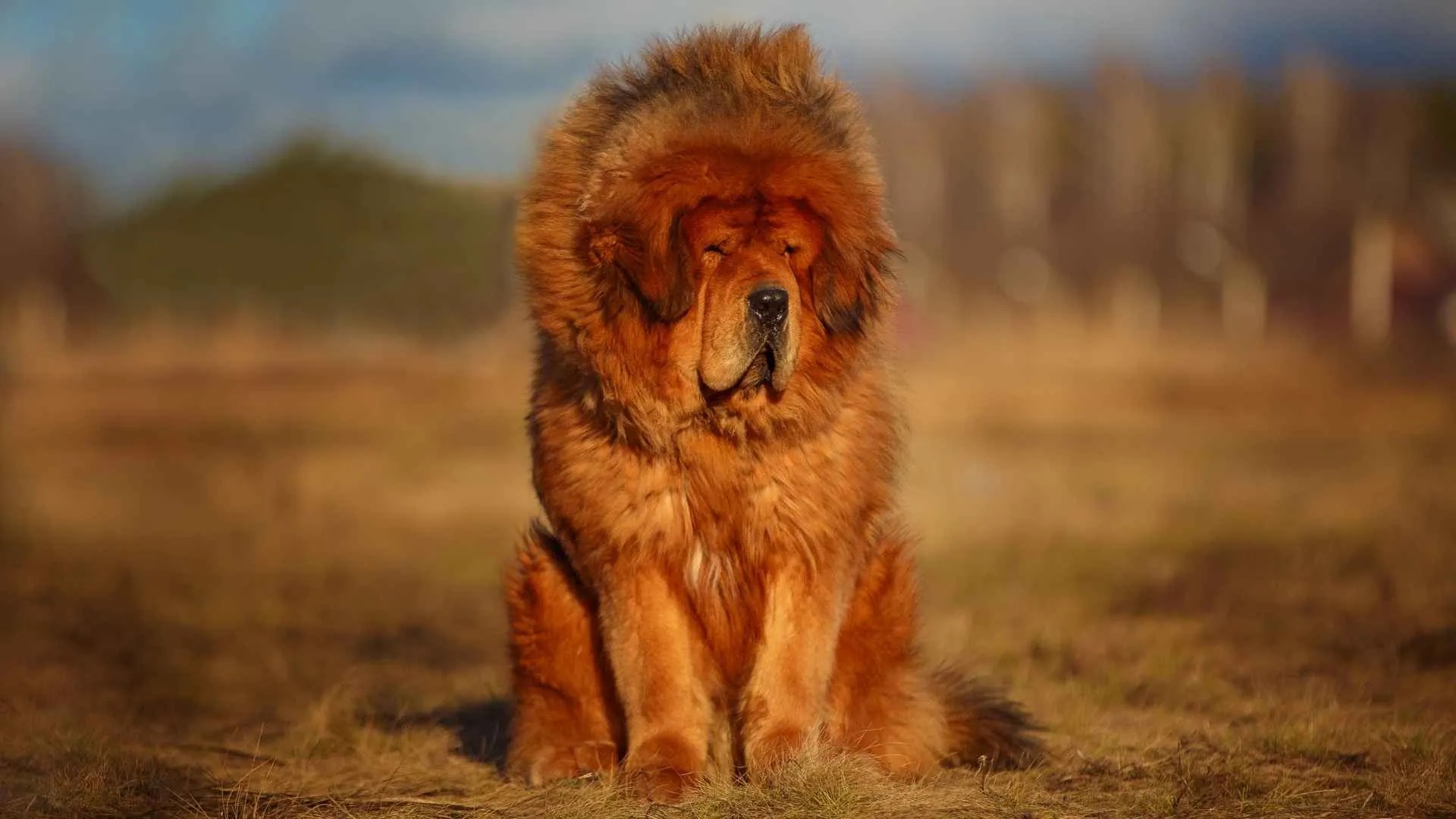
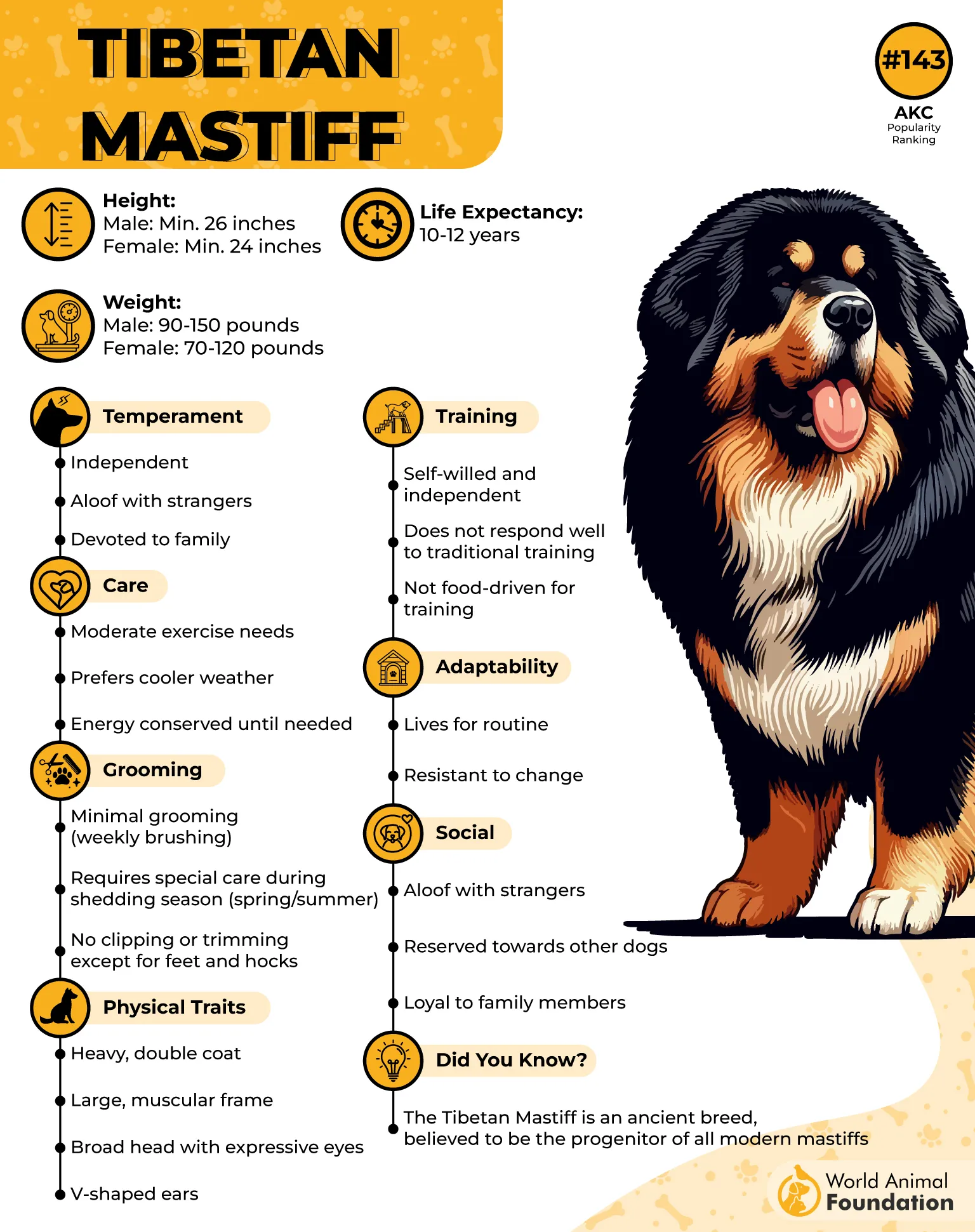
Tibetan Mastiff has ancient roots in the isolated Tibetan region, where its exact ancestry remains uncertain. It is believed to descend from mastiff-like dogs that included the village-based Do-Khyi and the monastery-associated Tsang-Khyi, each serving different communities.
A Serious Protector
These mastiffs were used to guard villages, nomadic groups, livestock, property, and monasteries, giving the breed a clear protective purpose. Its imposing presence, territorial nature, and powerful bark can make it a formidable deterrent around a home or farm.
These specific qualities add to that protective role:
Forms a deep bond with its person
May be wary of unfamiliar people and dogs
Needs secure fencing and early socialization
Independent Mind
This protective guard dog has a fiercely independent personality and may ignore commands when it has other ideas. Obedience and agility training can be difficult, while consistent guidance throughout adulthood is important for managing its self-directed nature.
Conclusion
A protective dog can bring valuable awareness to a family home, but reliable safety depends on much more than natural guarding instincts. Confidence, obedience, socialization, and proper training all matter when choosing the best guard dogs. Size may create a strong first impression, while sharp instincts need direction in everyday situations so a dog does not accidentally knock someone over.
Families also need to consider exercise, space, handling ability, and the dog’s behavior around children and visitors. The right companion should be the right dog for your family rather than simply looking intimidating. With thoughtful training and responsible ownership, dog owners can help an incredibly loyal guardian become both a watchful presence and a trusted part of family life with enough mental stimulation.
