




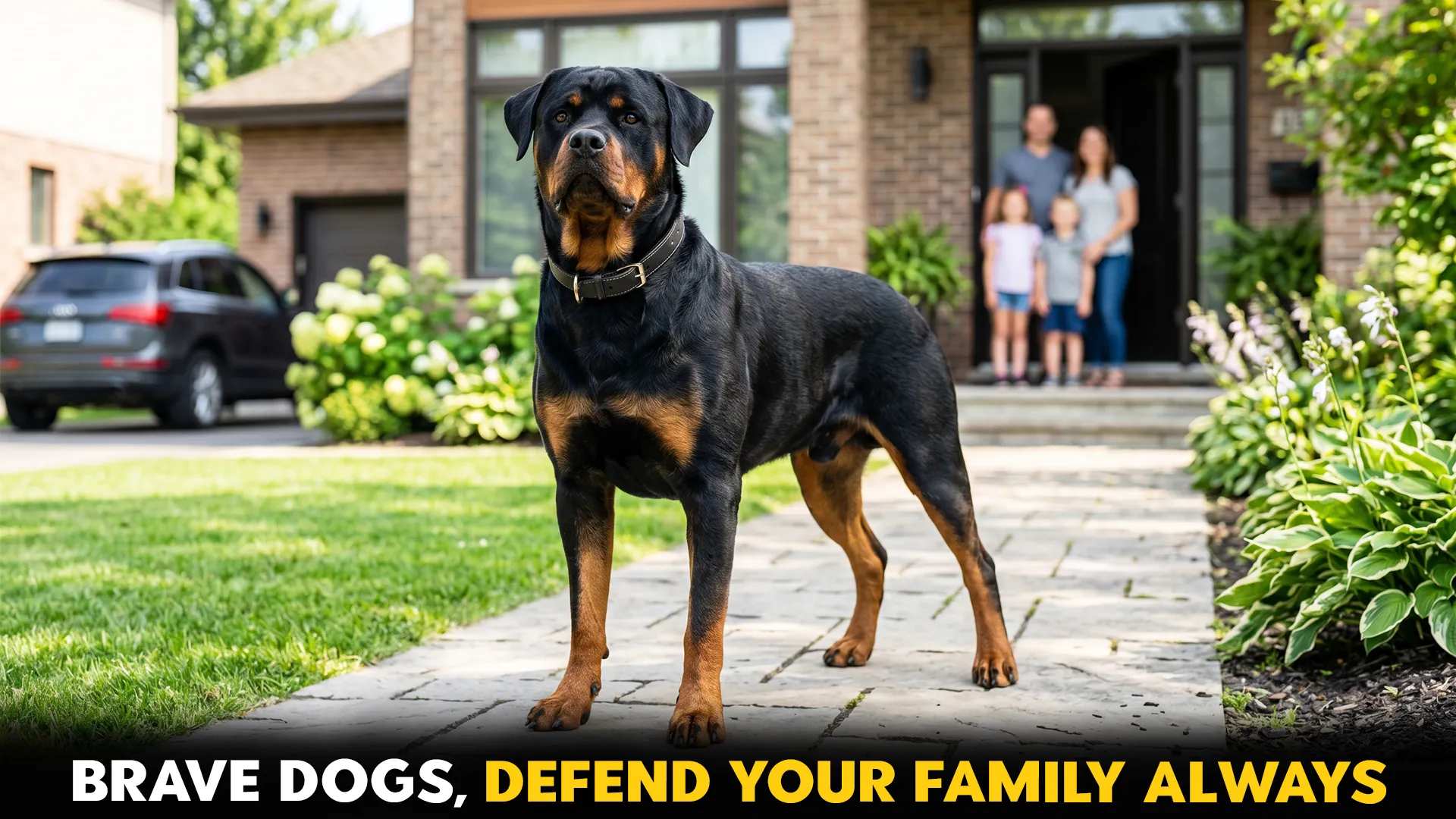
You start thinking about safety a little differently once your home no longer feels as secure as it should. It might be something small at first, like unusual noises at night or moments when you wish someone were there to watch over things when you are not around.
Locks and cameras help, but they do not create the same sense of presence that a living, aware companion does. This is where protective dog breeds come into the picture. They are not just pets that stay in the background.
They notice changes, respond to unfamiliar situations, and naturally take on a role that goes beyond companionship. The right choice can bring a level of confidence that technology alone cannot provide. It becomes less about reacting to problems and more about preventing them.
Ahead, you will discover protective dog breeds that naturally step into this role and what makes them reliable for families.
Key Takeaways
A home feels different when safety starts becoming a thought instead of something taken for granted.
German Shepherd and Doberman Pinscher step into that space with sharp awareness, always reading situations before anything unfolds.
Rottweiler and Cane Corso bring a quiet kind of control, where presence alone often sets the boundary without much effort.
As you move through these breeds, you begin to see how protection is less about reaction and more about steady awareness.
Best Protective Dog Breeds That Keep Your Family Safe
1. German Shepherd
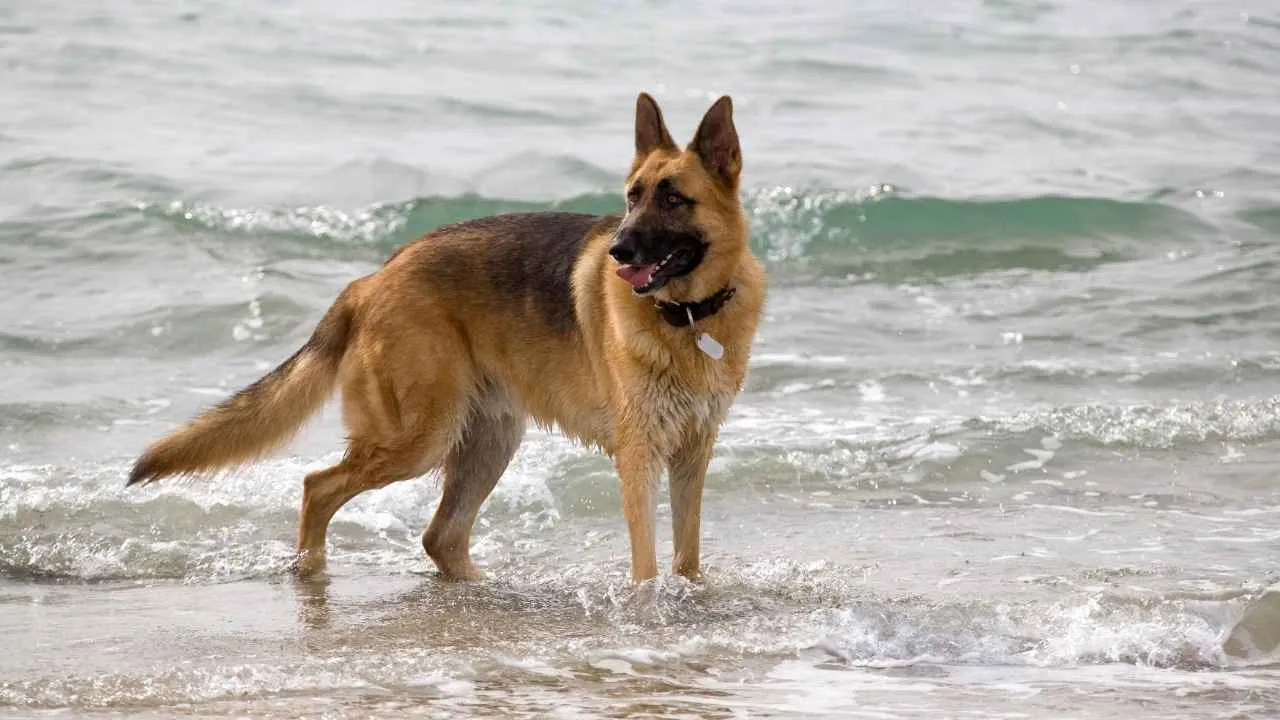
German Shepherd combines a muscular frame with sharp awareness, creating a dog that reads situations before reacting.
Its agility and strength work together with a focused mind, shaping a presence that feels both controlled and deliberate. Loyalty plays a central role in how it connects with its people.
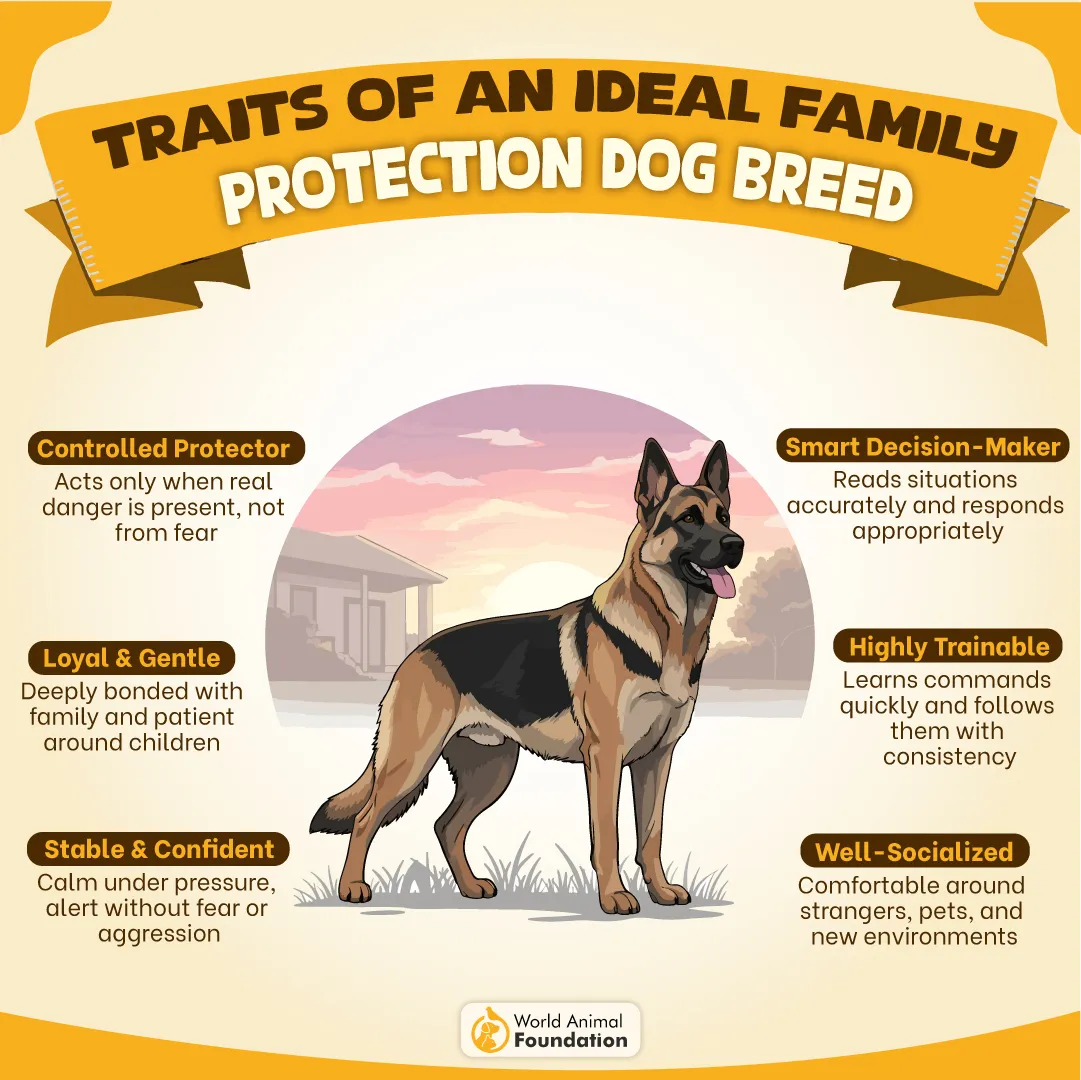
Task-driven behavior
This excellent guard dog breed engages best when given structured work, often channeling energy into purposeful tasks rather than idle activity. As per PetMD, its role in patrol, detection, and search work reflects a strong link between instruction and execution.
That connection shows in consistent patterns:
Responds quickly during obedience tasks
Handles complex instructions in working roles
Applies focus during guided activities
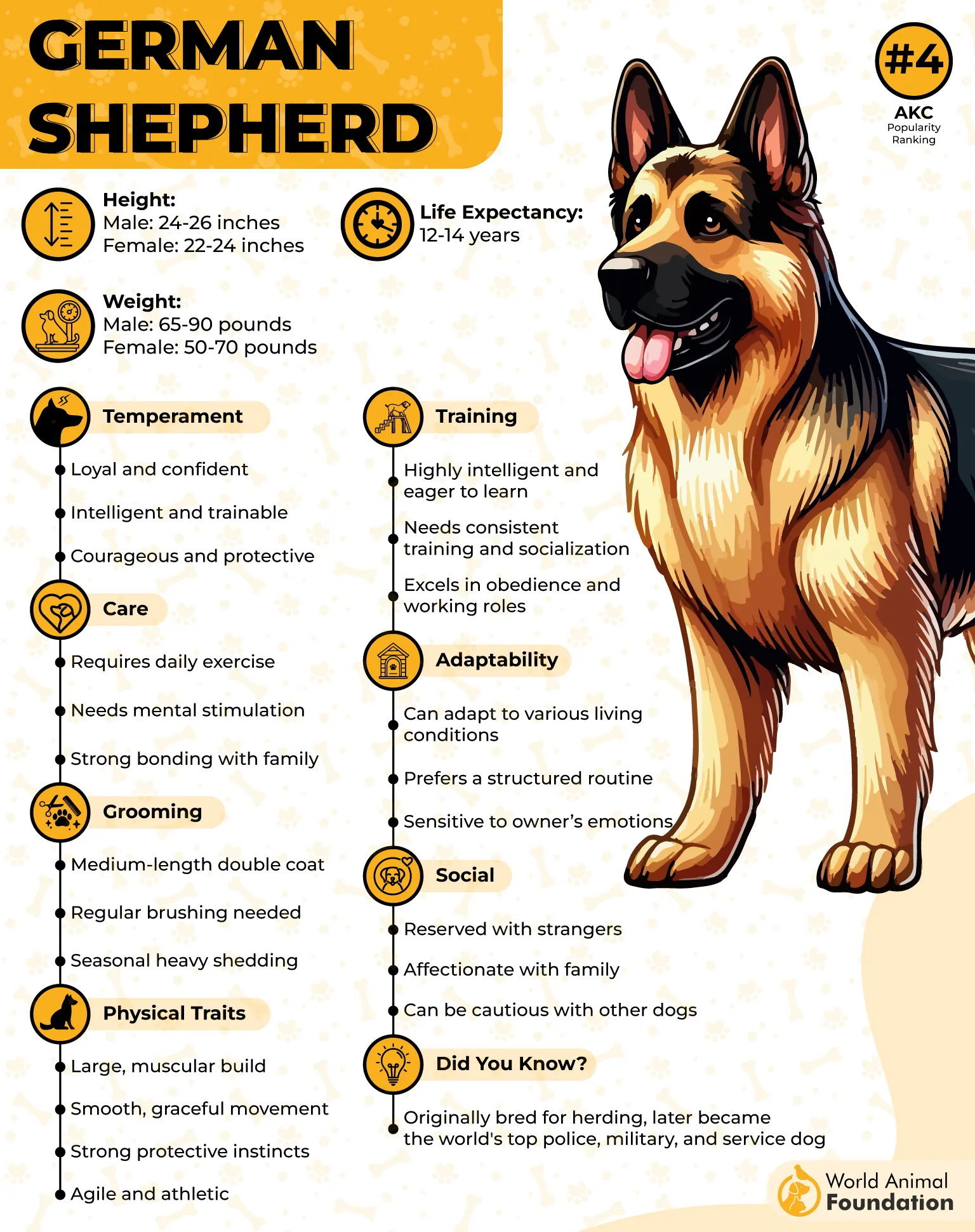
Energy linked to purpose
These energetic dogs operate with a high activity level that requires regular physical and mental stimulation throughout the day. Without enough structured outlets, its energy can shift into restless or impulsive behavior. Controlled environments help direct this drive into useful routines.
2. Rottweiler
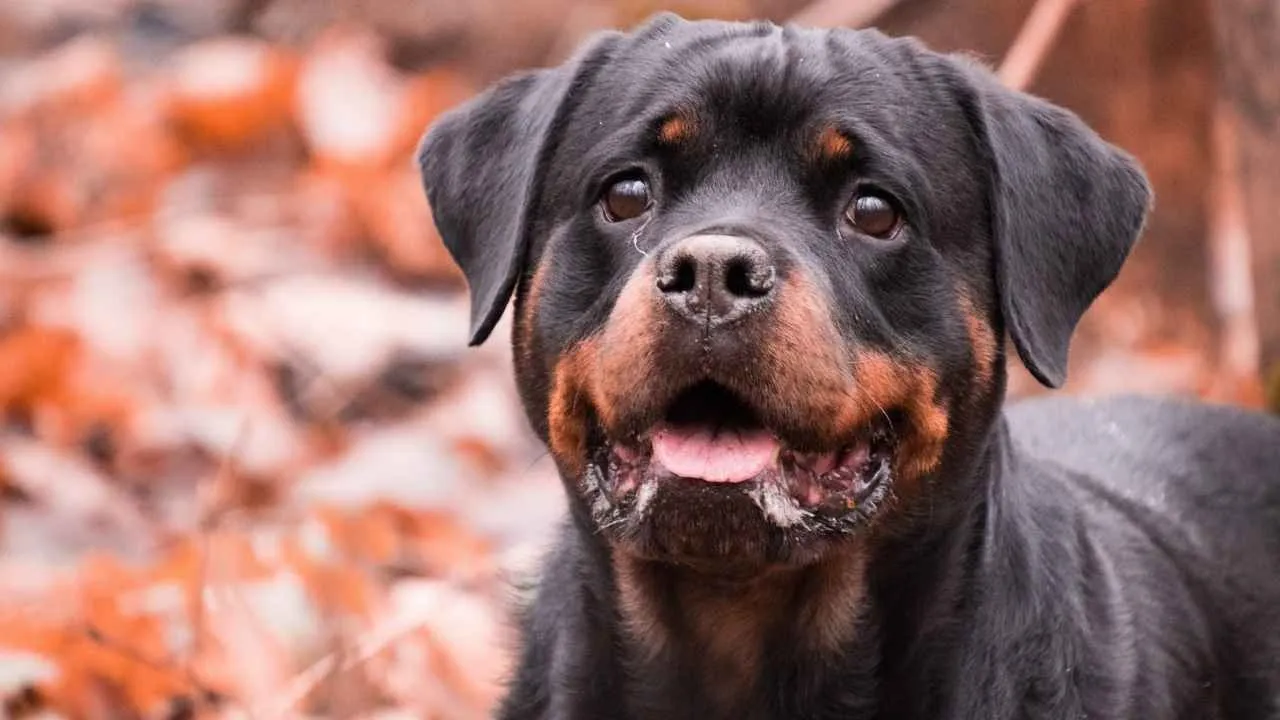
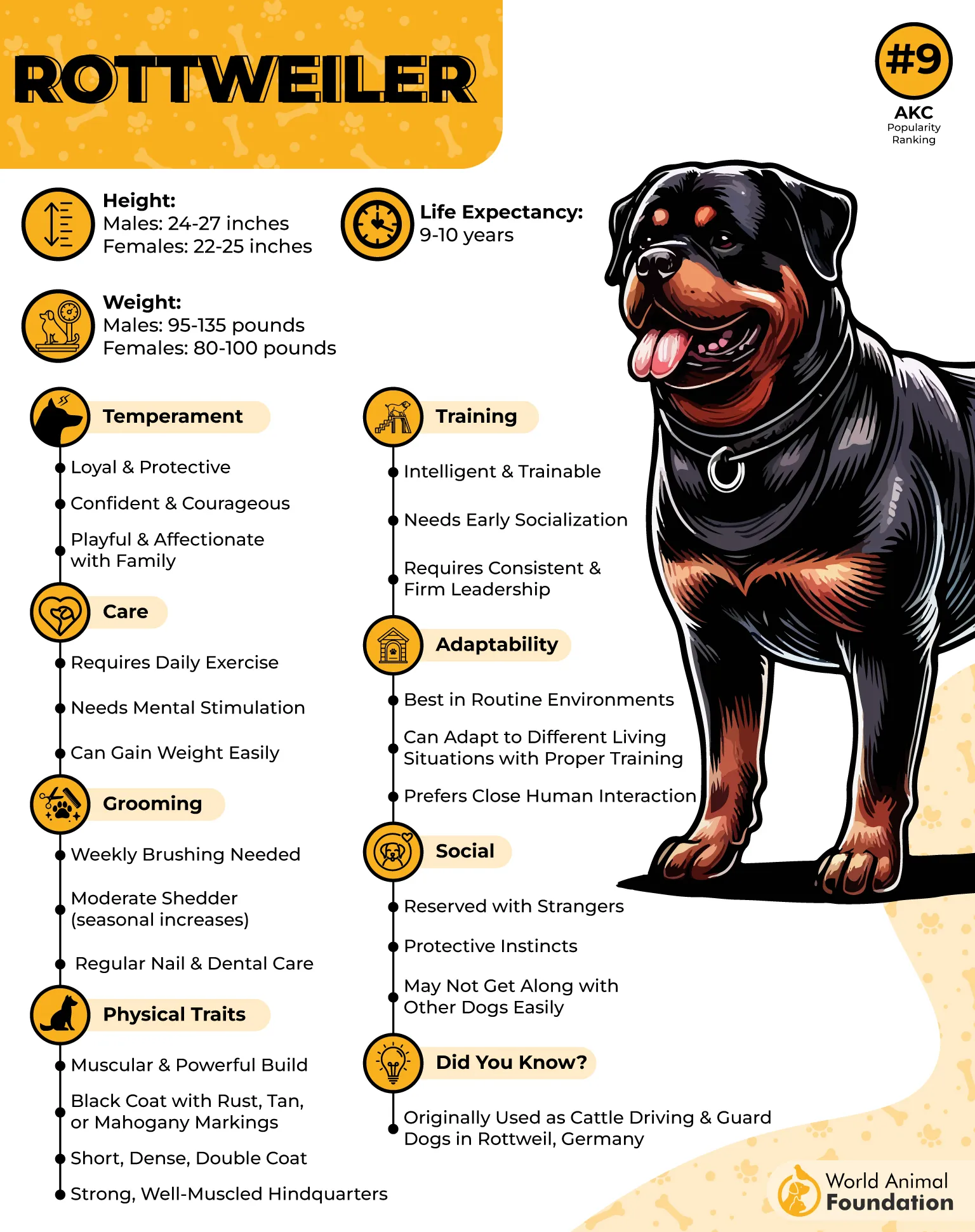
Rottweiler emerged around the town of Rottweil, where it handled cattle movement and guarded earnings tied securely to its body, as Omlet mentioned.
This role shaped a dog that combined physical power with responsibility in real working conditions. Its build reflects a life centered on control, strength, and reliability.
Guarding instinct with measured response
As one of the best guard dogs, they approach unfamiliar situations with a composed, self-assured attitude, observing before engaging. Its protective nature connects to territorial awareness rather than constant reaction.
This becomes clear in specific behavioral patterns:
Watches surroundings before acting
Signals alertness through controlled reactions
Holds ground when faced with an unfamiliar presence
Physical presence and movement style
Rotties show strength through a heavily muscled frame, supported by powerful hindquarters that drive a steady, effortless trot. Its short black coat with rust markings adds to a defined, unmistakable outline. The overall form reflects a dog built for function rather than display.
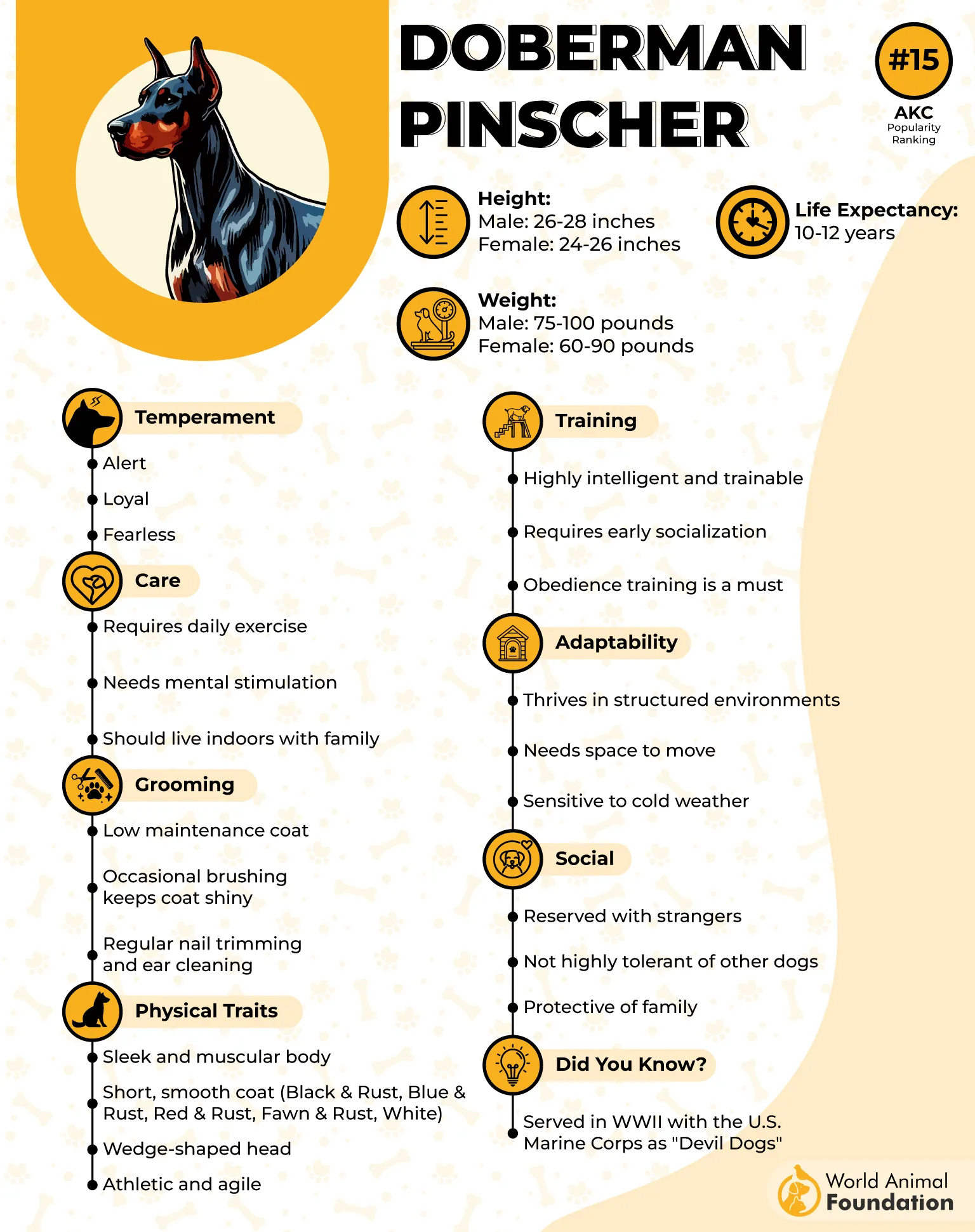
3. Doberman Pinscher
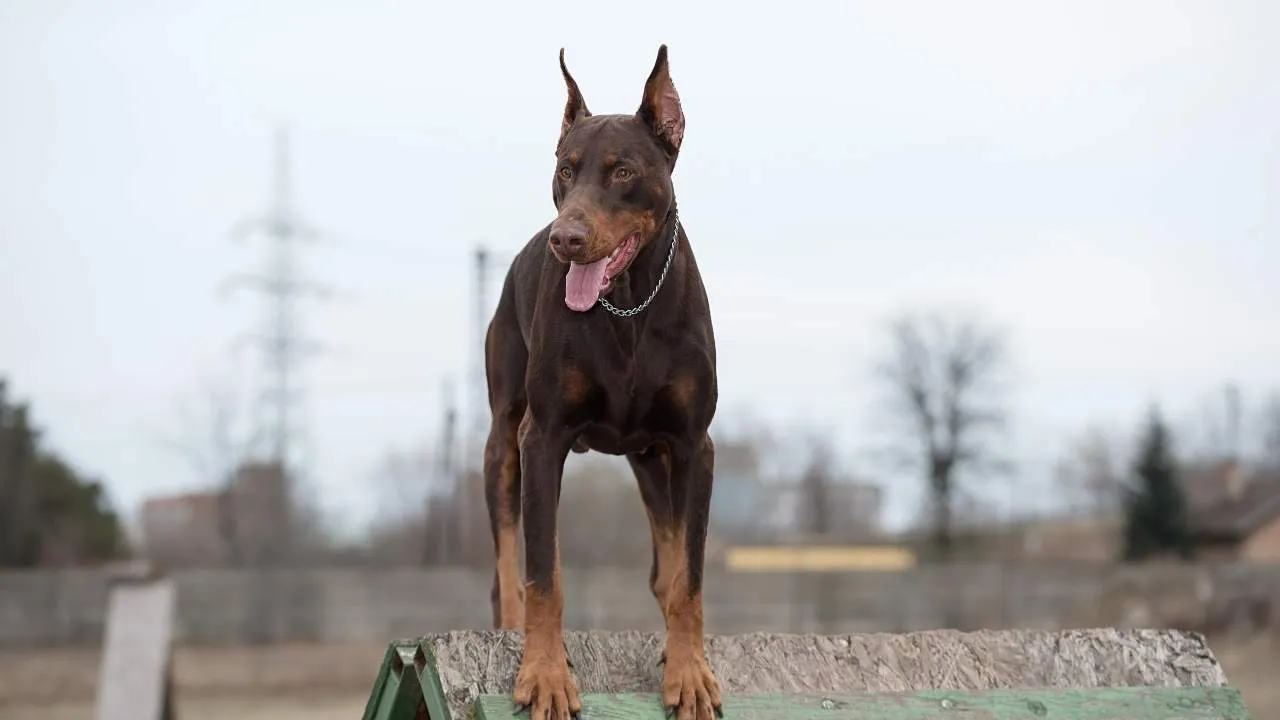
The Doberman Pinscher was originally bred by Louis Dobermann for protection during his work as a tax collector, leading to a dog bred with focus and readiness.
Its sleek, muscular frame reflects careful selection from multiple working breeds. This combination formed a dog that responds quickly in demanding situations.
Alertness paired with controlled response
This protective guard dog reacts to new faces and other pets with caution, guided by its protective instinct rather than random behavior. Its awareness stays active, often assessing surroundings before engagement.
That instinct shows through clear behavioral patterns:
Watches strangers before approaching
Reacts firmly toward unfamiliar dogs
Stays attentive to changes in the environment
Energy directed through activity and tasks
As a large dog, they show a high level of physical and mental engagement, often seeking structured activity like proper obedience training or long runs. It responds positively when given tasks that require focus and interaction. Without direction, this energy can shift toward dominant behavior.
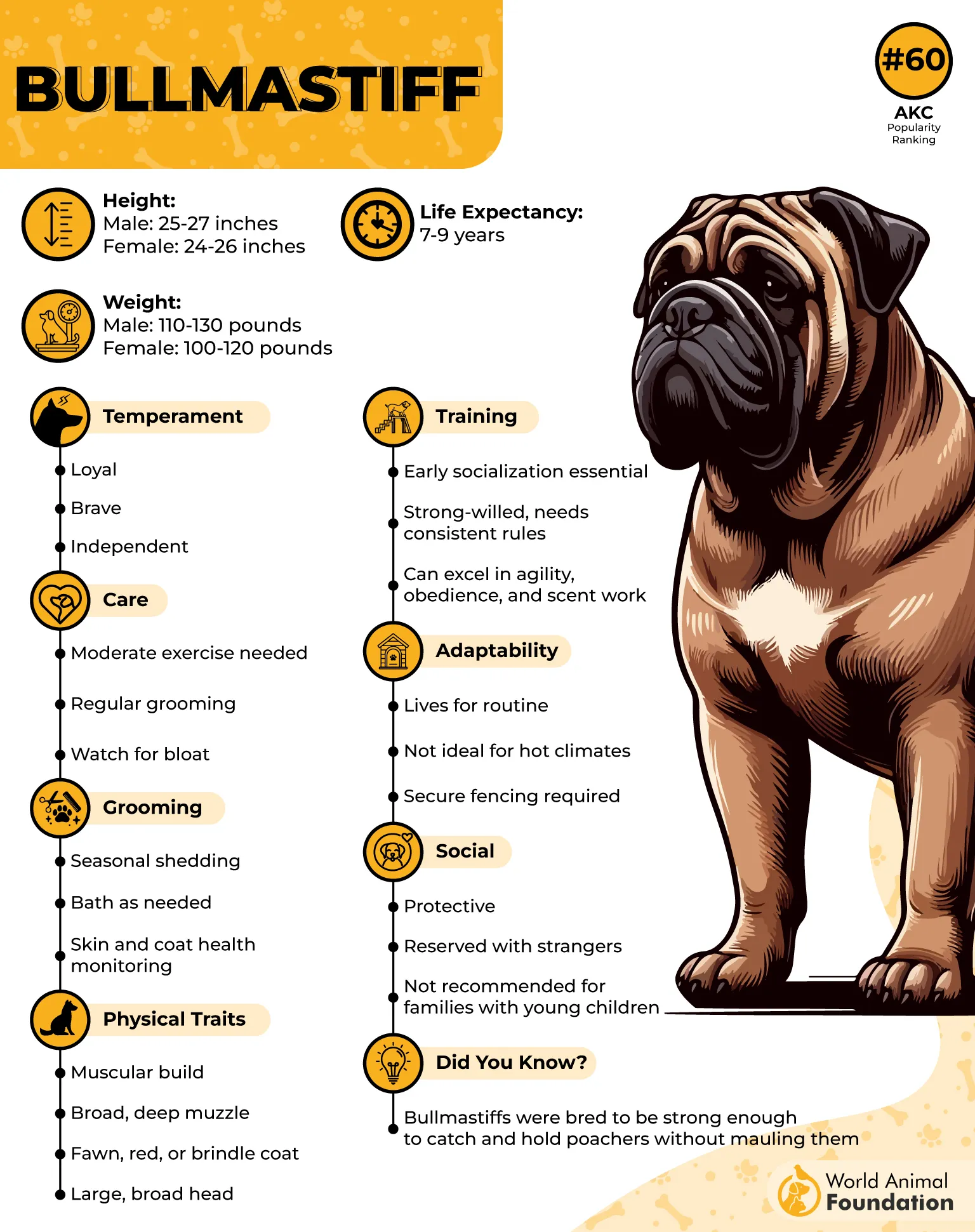
4. Bullmastiff
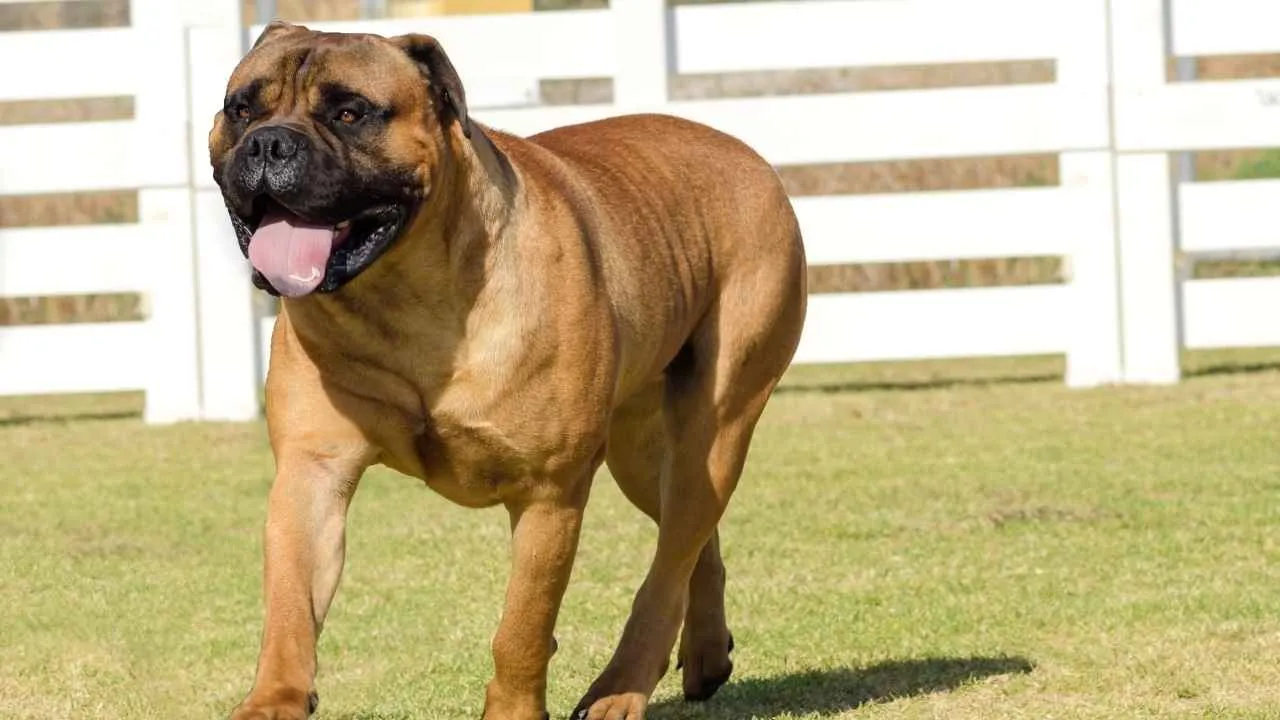
Bullmastiffs wait with purpose rather than noise, a trait shaped when estates relied on it to stop poachers without chaos. This dog acts by pinning, not chasing wildly, holding ground with calm authority. That controlled response still defines how it guards a home today.
Power With Restraint
Bullmastiff blends mass and patience into a presence that feels settled, not restless, even in tense moments. But they stay close to their people, often shadowing from room to room with quiet attachment.
A quick look at how that plays out:
Pins intruders instead of injuring
Rarely barks unless something feels wrong
Reads situations before reacting
Training That Requires Thought
This great guard dog resists repetitive drills, responding better when sessions mix commands with interaction and variety.
A firm but balanced approach works best, as this breed is both strong-willed and sensitive to tone, as WebMD describes. Without proper training and guidance early on, its protective instincts can shift too quickly in unfamiliar situations.
5. Belgian Malinois
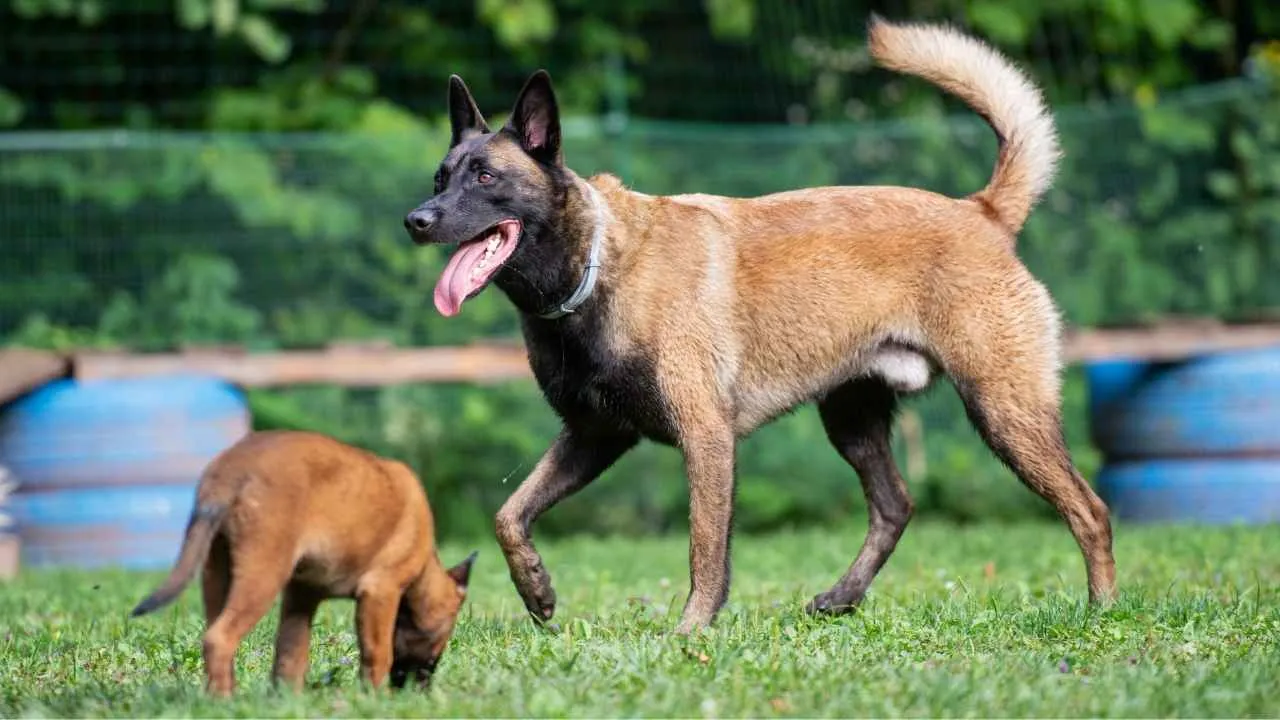
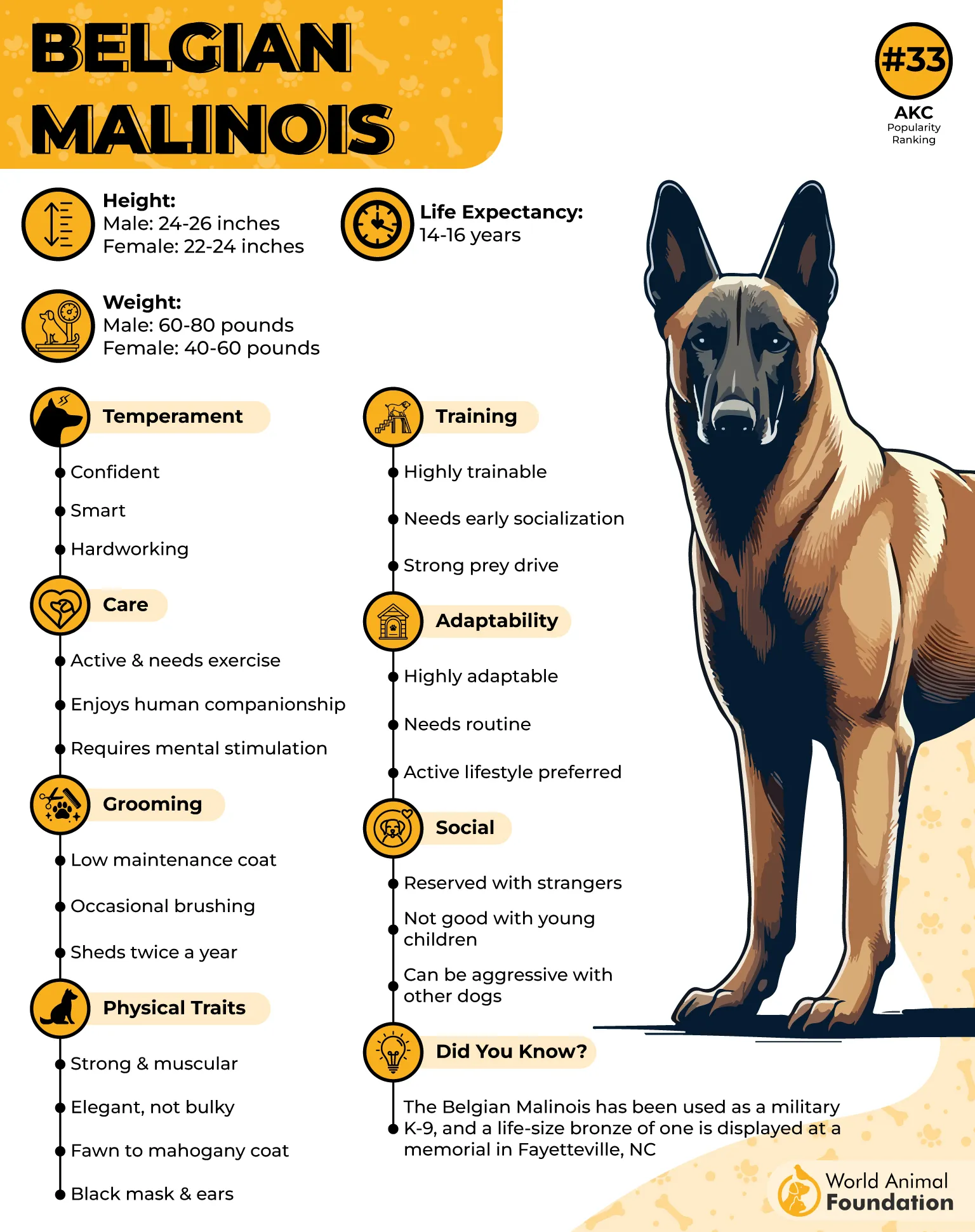
Belgian Malinois connects intelligence with action, shaped near Malines, where herding work required focus and control. Its ability to shift into roles like detection and rescue reflects a dog that responds quickly to structured tasks. This sharp responsiveness forms the base of its protective behavior.
Task-driven behavior pattern
This protection dog engages through purpose, often linking its energy directly to assigned work rather than idle activity. Its reactions are guided by direction, especially in environments where roles are clearly defined.
That pattern becomes clear through daily function:
Excels in tracking and scent-based tasks
Performs structured obedience with precision
Engages deeply in agility and controlled work
Energy expressed through demand
This breed operates at a high physical level, requiring sustained activity such as long-distance running or intensive outdoor routines. Short walks do not meet their output, leading to a buildup of unused energy. This demand connects directly to how it behaves in confined settings.
6. Cane Corso
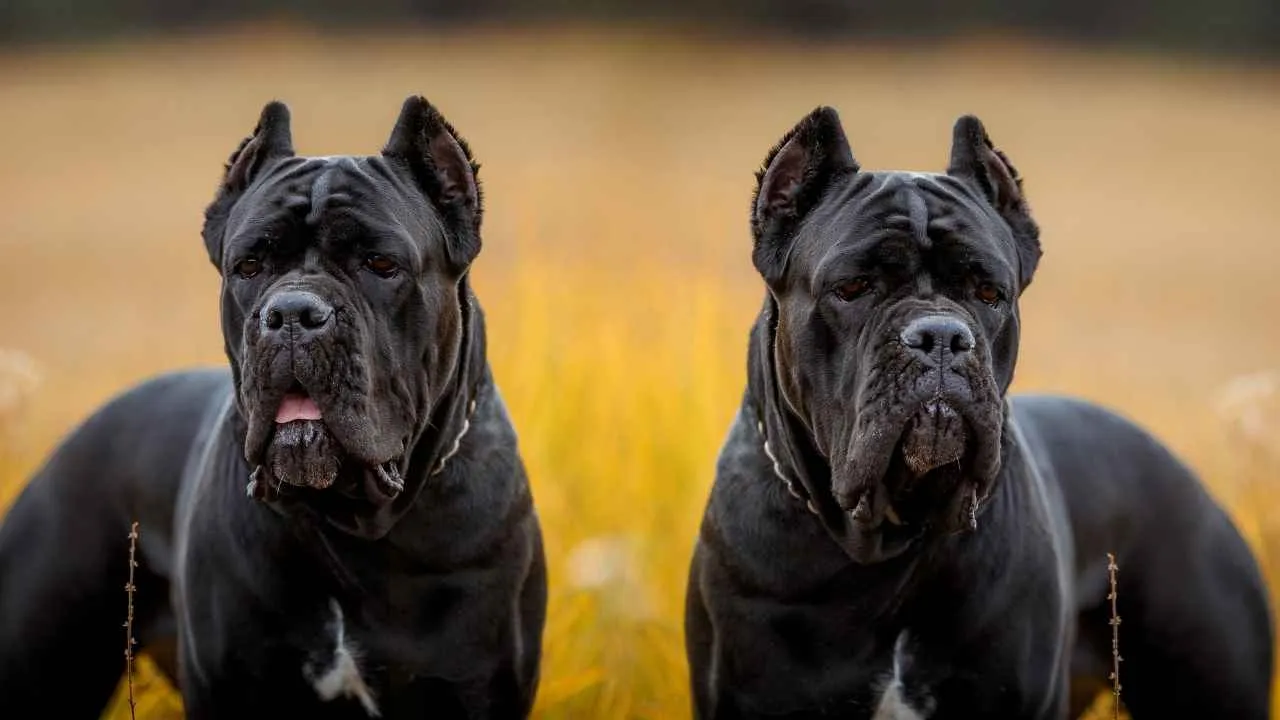
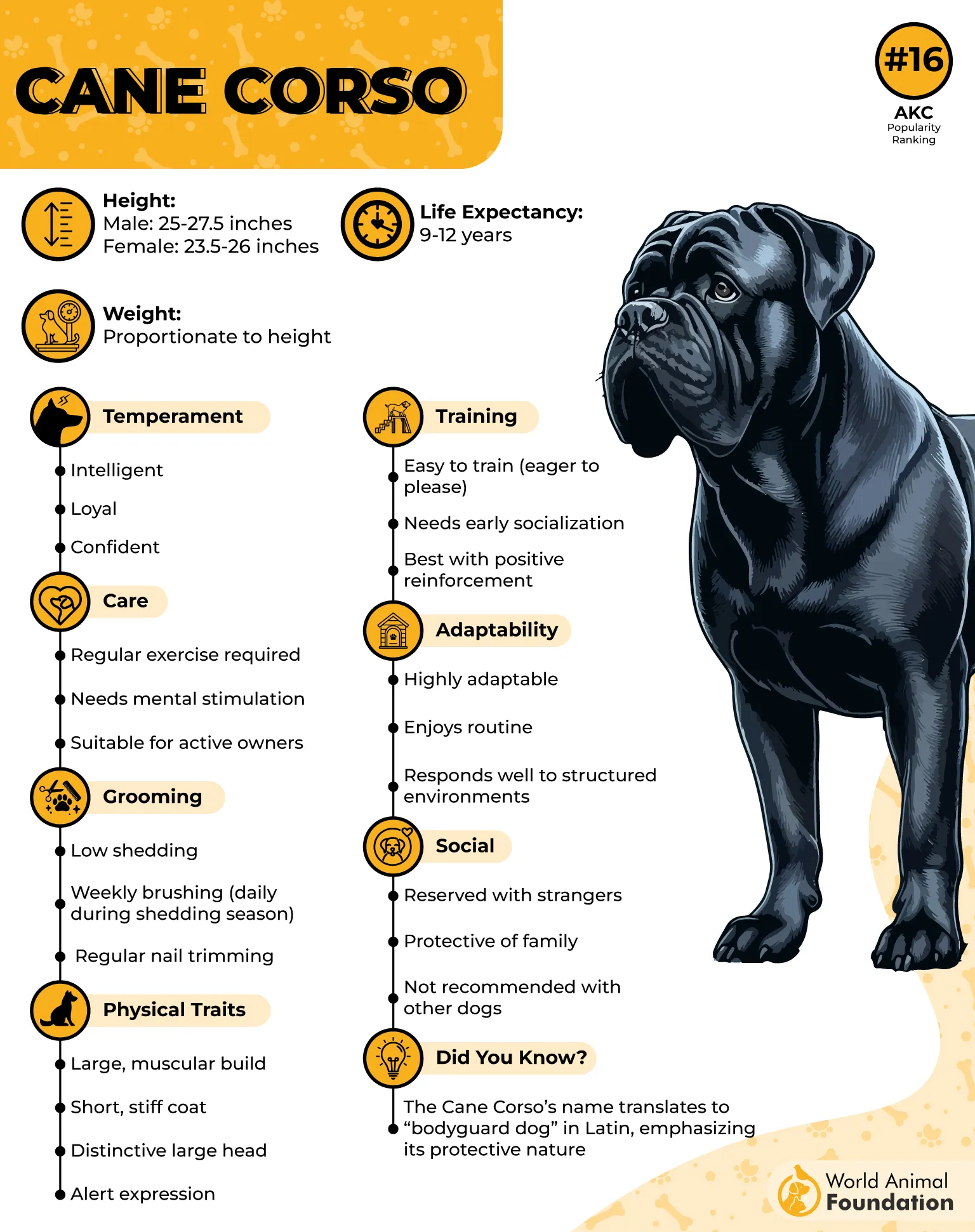
Cane Corso presents a powerful frame with a large head, alert expression, and visible muscle beneath a short, stiff coat. Its size and posture create an immediate visual barrier that discourages unwanted approaches. The overall impression reflects quiet authority rather than restless movement.
Protective response with awareness
They react with confidence, showing controlled judgment when assessing unfamiliar situations or people. Its protective instinct connects closely with awareness rather than constant action.
That control shows in clear behavioral patterns:
Observes before engaging with strangers
Uses presence as the first line of defense
Responds decisively when needed
Temperament shaped by leadership
Cane Corso combines loyalty with a strong-willed nature, requiring clear direction to prevent it from taking control of situations.
It responds well to positive reinforcement obedience training, especially when introduced at a young age. This guidance helps align its assertive mindset with structured behavior.
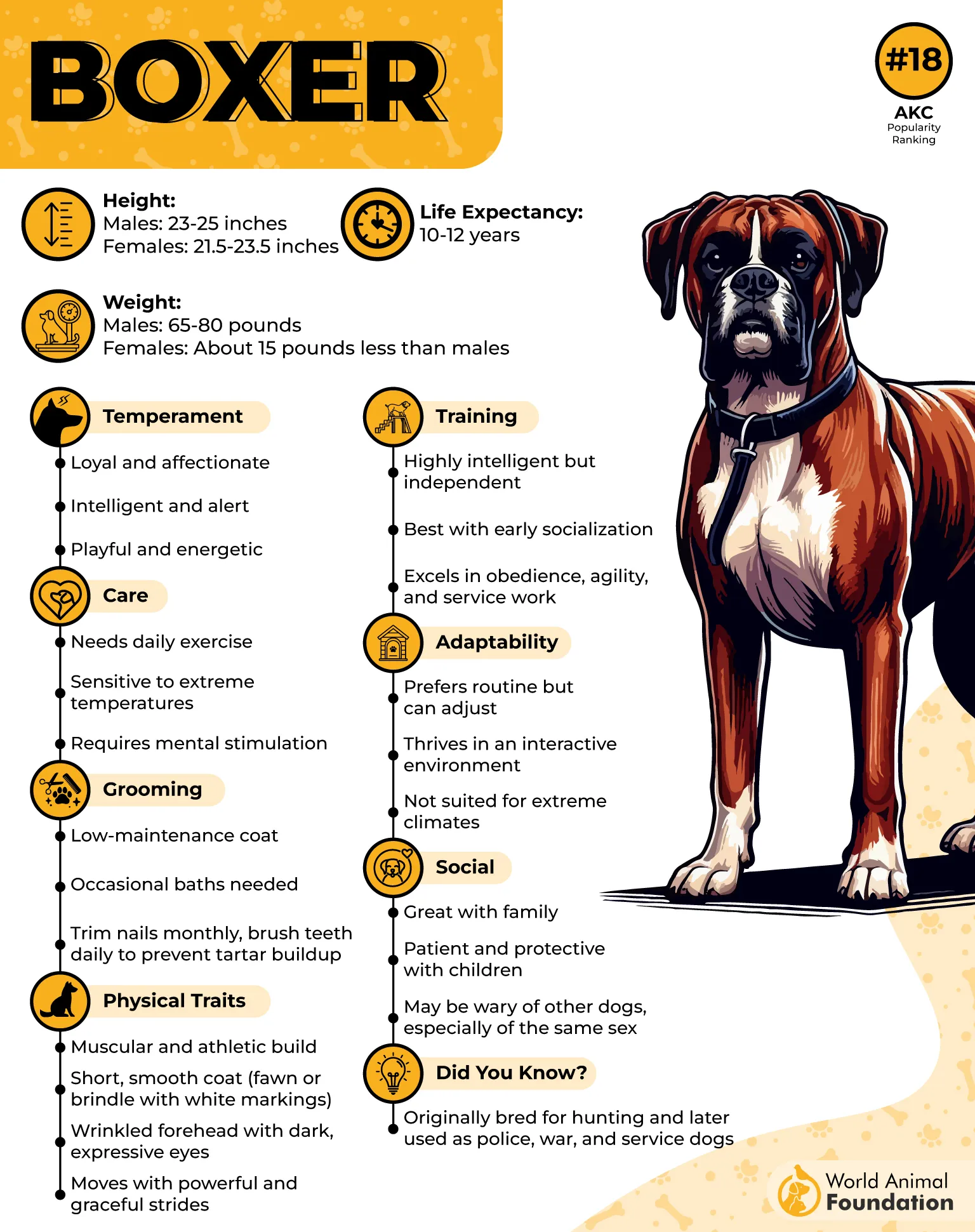
7. Boxer
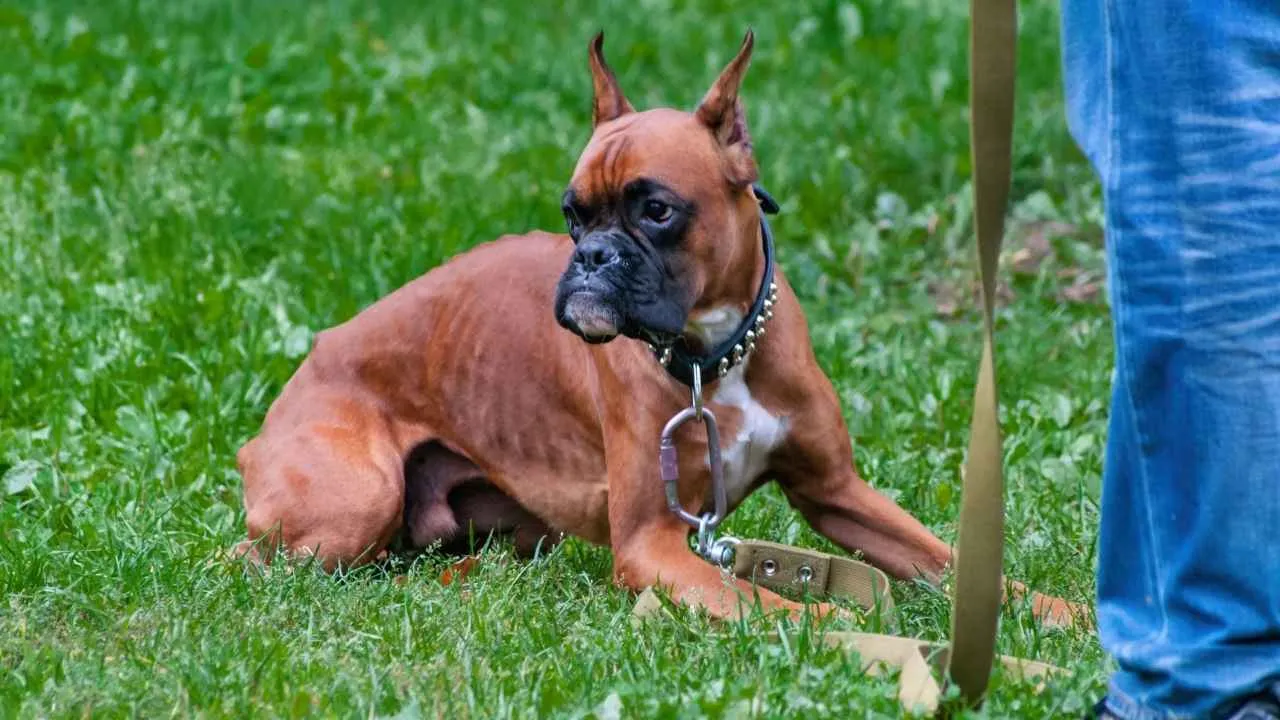
Boxer presents a muscular body under a short, tight coat, with movement that shows power through smooth forward motion. Its wrinkled forehead and dark eyes create a constantly attentive expression. The overall look reflects both physical readiness and curiosity in every interaction.
Protective instinct with playful edge
This family guard dog reacts to its surroundings with a mix of alertness and energetic engagement, taking its role as a watchdog seriously. Its courage appears when facing unfamiliar situations, yet its behavior around familiar people remains lively and social.
This balance becomes visible through:
Responds quickly to unusual activity
Engages playfully within the household
Holds ground when sensing a threat
Energy that demands structure
These athletic dogs operate with high energy levels, requiring consistent physical outlets in controlled spaces like fenced areas or on leash.
It strong build links directly to daily activity rather than passive routines. Without direction, this energy often shifts into restless behavior indoors.
Conclusion
Protection at home is not only about strength, but also about how a dog reads and responds to everyday situations. The best guard dog breeds in this list show that true guarding comes from awareness, control, and a clear sense of purpose, shaped further by early training and sharp instincts. Each one brings a different way of creating security without constant tension.
Over time, these traits shape how safe a home feels rather than how it reacts to problems. The right dog settles into its role naturally, giving dog owners confidence through presence alone while remaining a loving family pet. In the end, choosing carefully leads to a companion that protects while allowing daily life to stay steady and balanced.
