




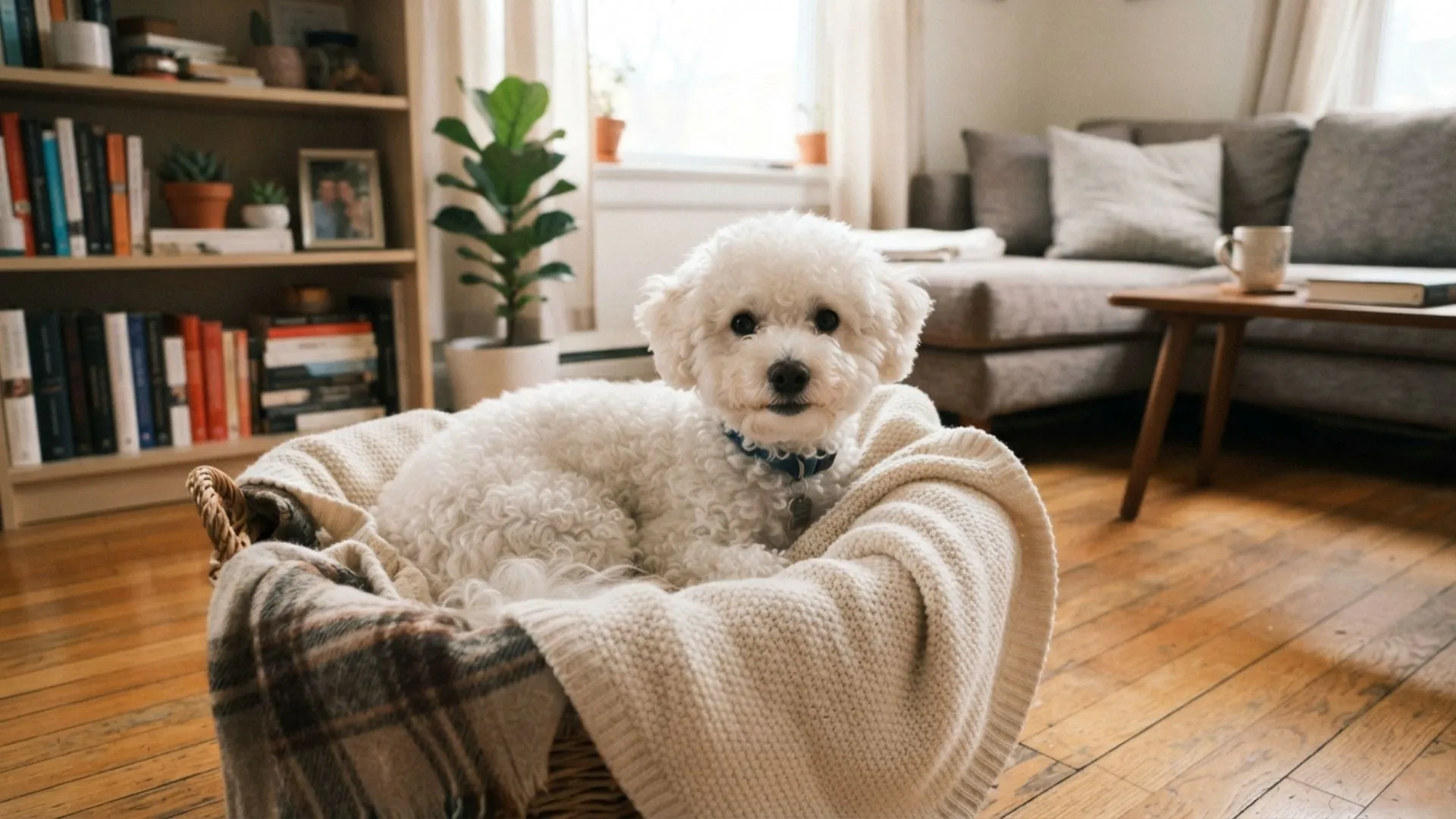
Finding the perfect dog when you live in a small home or apartment can feel a little overwhelming. Many people assume you need a big backyard to raise a happy, healthy pup, but that’s far from the truth.
Plenty of pocket-sized dogs thrive in compact spaces, as long as they get the love, daily exercise, and mental stimulation they need. Their small size, adaptable personalities, and manageable care requirements make them wonderful furry companions for apartment living.
That said, not every small dog is automatically a great fit for a smaller home. Some tiny breeds are surprisingly energetic or vocal, while others are calm, quiet, and happy to curl up beside you after a short walk.
Choosing a dog that matches your lifestyle, activity level, and living space is just as important as choosing one that fits comfortably in your apartment.
In this article, you’ll discover some of the best small dog breeds for small homes and apartments, along with what makes each one special.
Key Takeaways
Find out why Shih Tzus, Toy Poodles, and Pugs are among the best apartment-friendly companions.
Discover which tiny breeds are playful, low-maintenance, and happiest in small living spaces.
See how Havaneses, Yorkies, and Bichon Frises adapt to apartment life with ease.
Learn what really makes a pocket-sized dog the perfect fit for your home and lifestyle.
Best Pocket-Sized Dog Breeds for Small Homes and Apartments
1. Shih Tzu
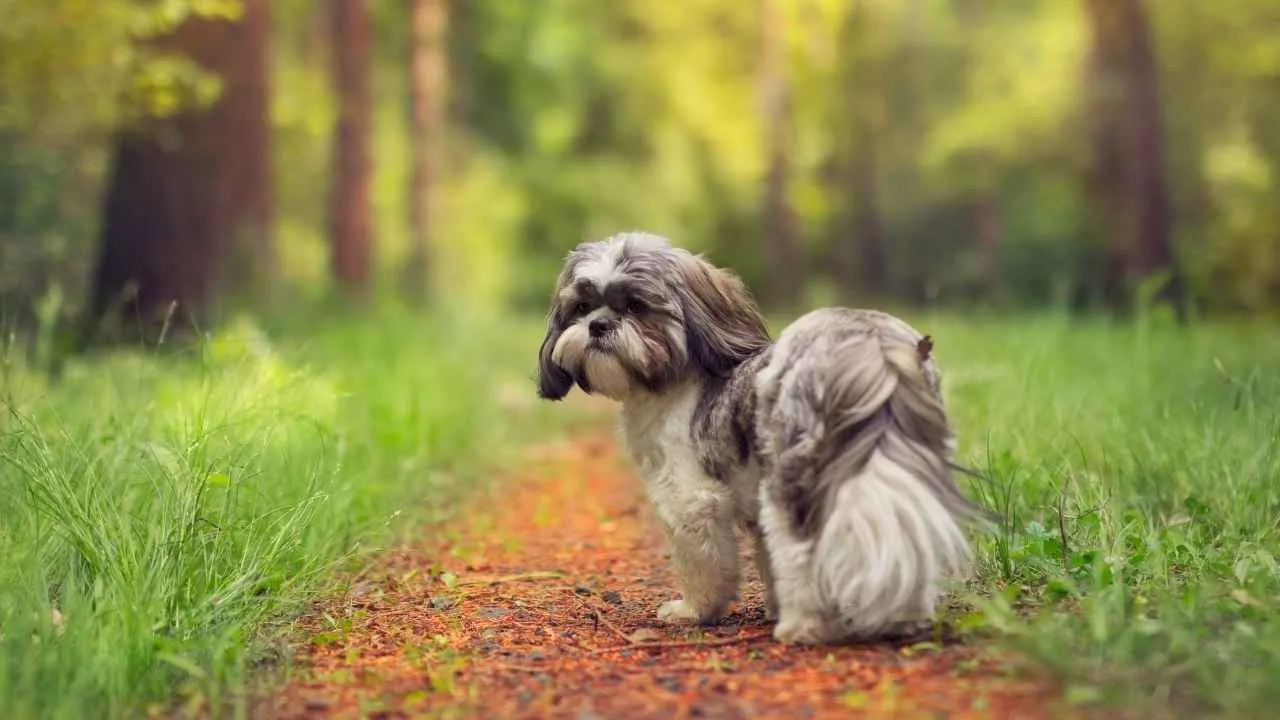
Bred for centuries as devoted companion dogs, Shih Tzus are a natural fit for small homes and apartments. They love being close to their families and are happiest when they can spend most of the day by your side.
Their friendly personality and ability to adapt to indoor living make them an excellent choice for people with limited space.
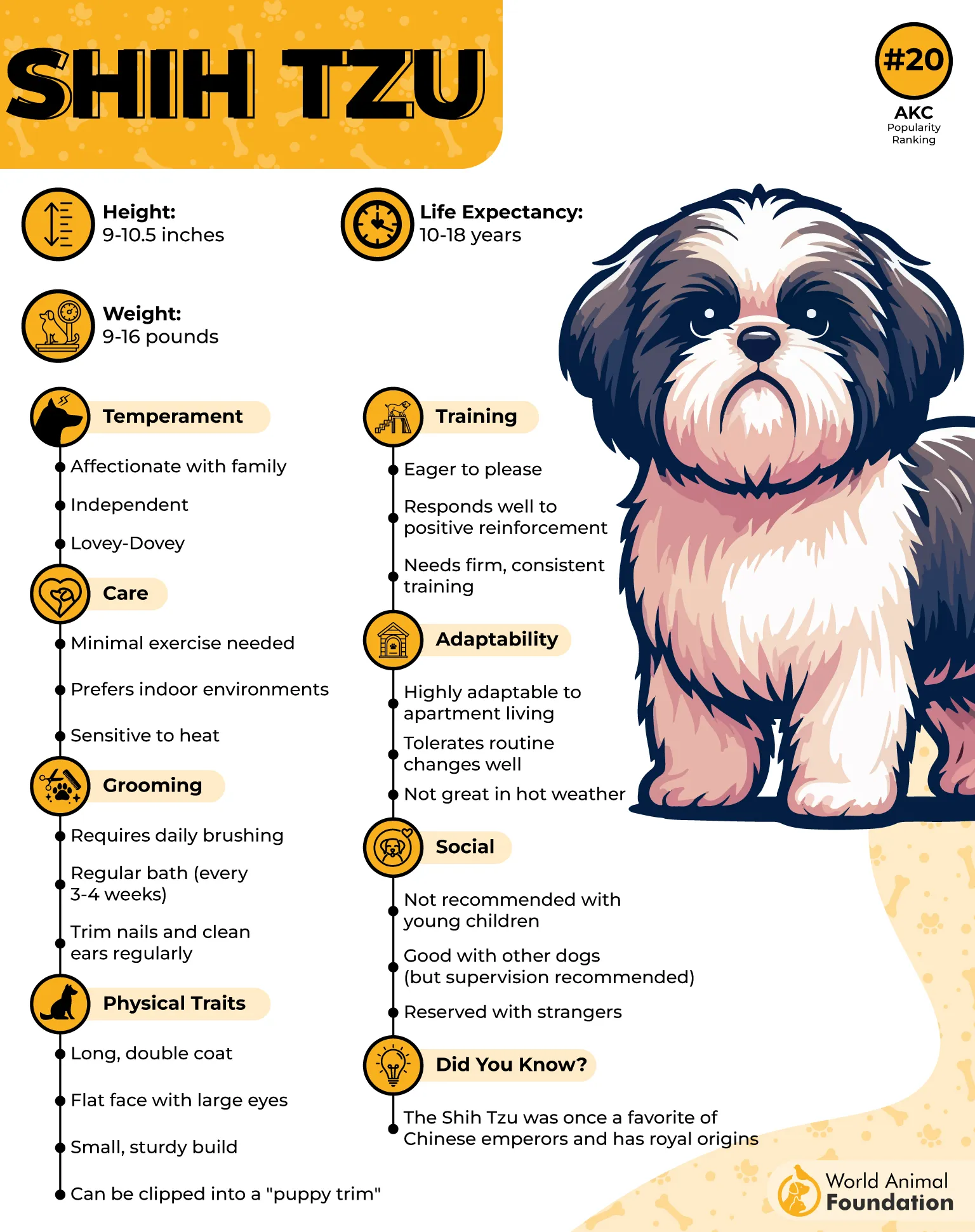
Why They Are Great for Small Homes and Apartments
Compact size makes them comfortable in smaller living spaces.
Happy with short daily walks and indoor play sessions.
Adapt well to apartment life and indoor routines.
Prefer spending time with their families over roaming outdoors.
Do not require a large yard to stay happy and healthy.
Shih Tzus are cheerful, affectionate, and get along well with people of all ages, as well as other dogs and cats. They enjoy learning tricks and love being the center of attention, but they are not suited for guarding a home.
Their exercise needs are modest, though they should avoid strenuous activity in hot or humid weather because of their short muzzle, as mentioned by PetMD.
Their beautiful coat requires regular grooming, especially if kept long, and early socialization helps prevent habits like excessive barking or digging. They also do best in homes where they receive plenty of love and daily attention.
2. Bichon Frise
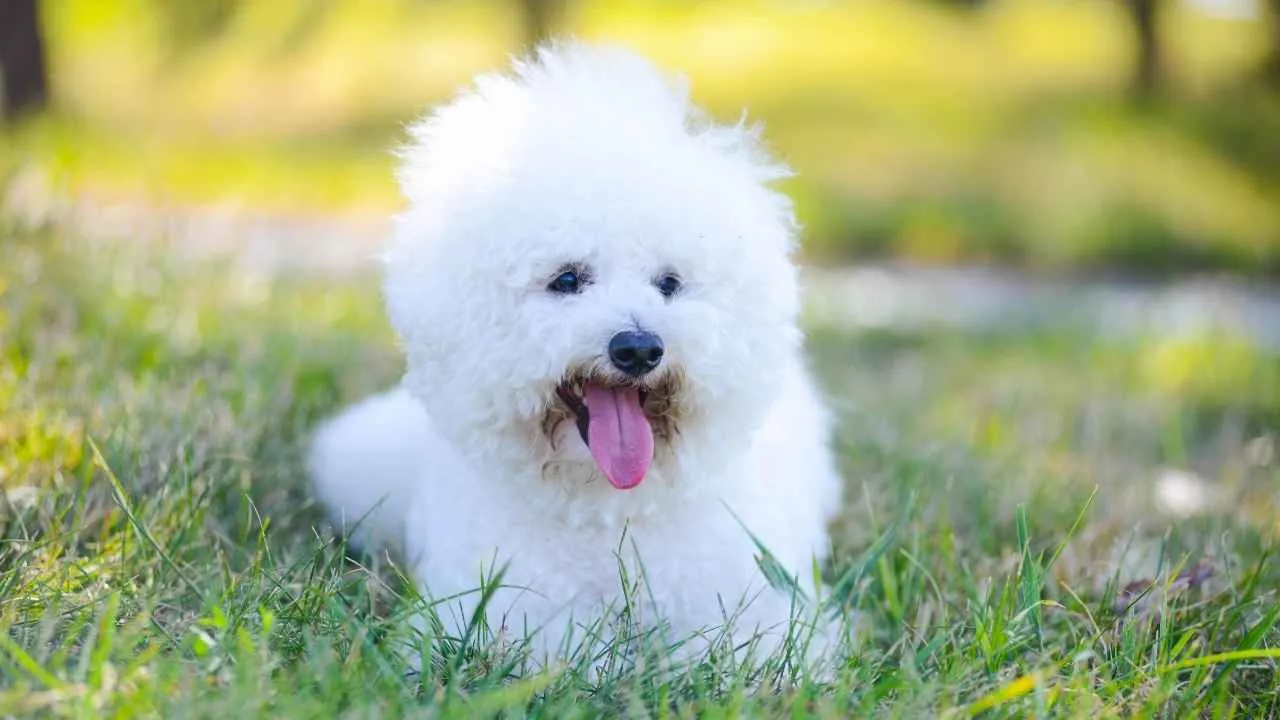
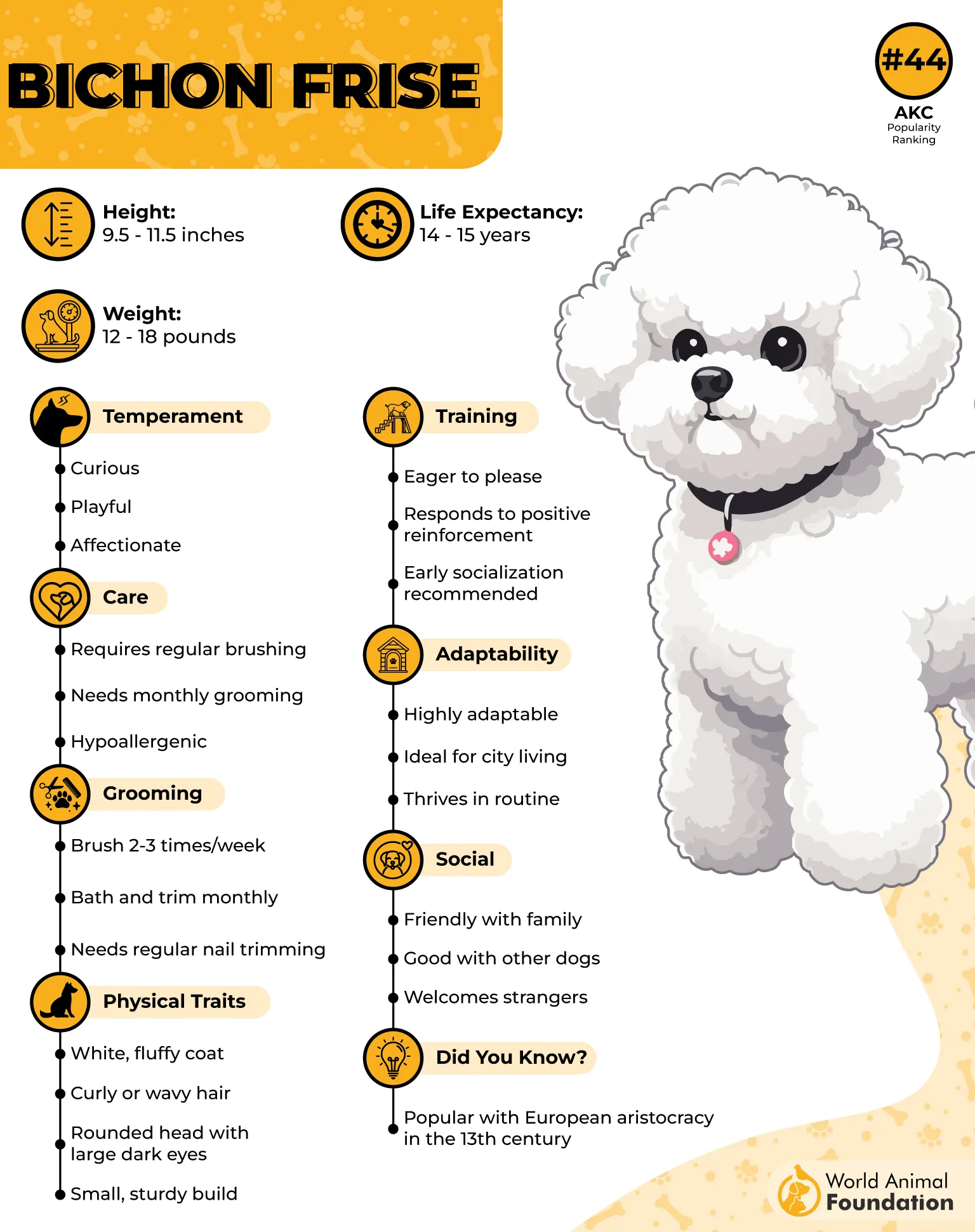
Bichon Frises are cheerful little companion dogs with playful personalities and a big love for people. They are friendly, affectionate, and enjoy spending time with their families. Once they have burned off their energy with play or a walk, they are happy to curl up beside their favorite people.
Why They Are Great for Small Homes and Apartments
Compact size is ideal for smaller living spaces.
Adapt easily to apartment and indoor living.
Exercise needs can be met with daily walks and indoor play.
Happy to relax indoors after playtime.
Easy to train, making them well-suited to apartment life.
Bichon Frises are smart, eager to please, and easy to train. They usually get along well with children, other dogs, and even new people when socialized early. They love playing with toys, learning tricks, and being included in family activities.
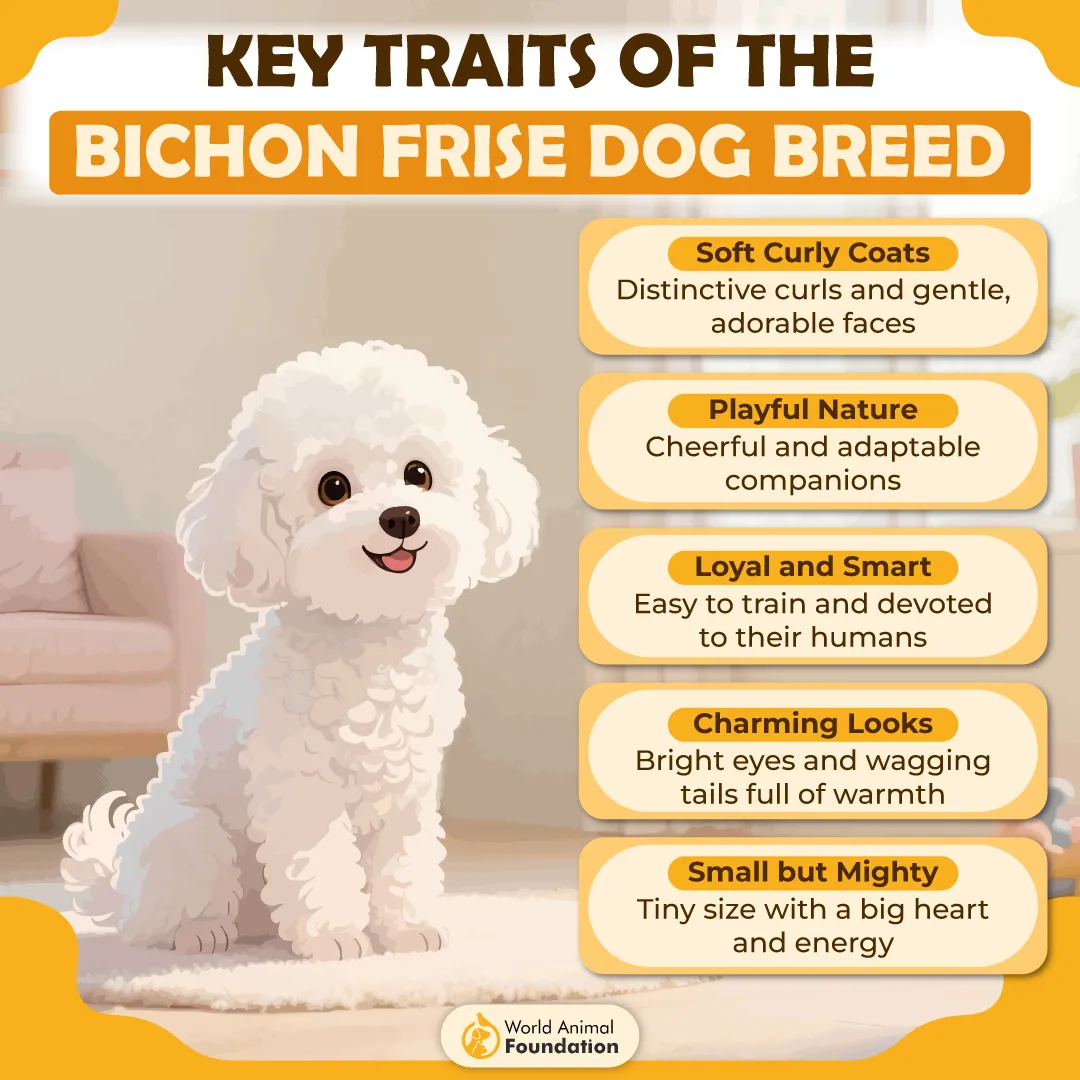
Because they enjoy constant companionship, they can become bored or lonely if left alone for long periods, which may lead to excessive barking or chewing.
Their low-shedding coat makes them a good choice for some allergy sufferers, although no dog is completely hypoallergenic. To keep their fluffy coat looking its best, they need daily brushing, regular baths, and professional grooming.
3. Pug
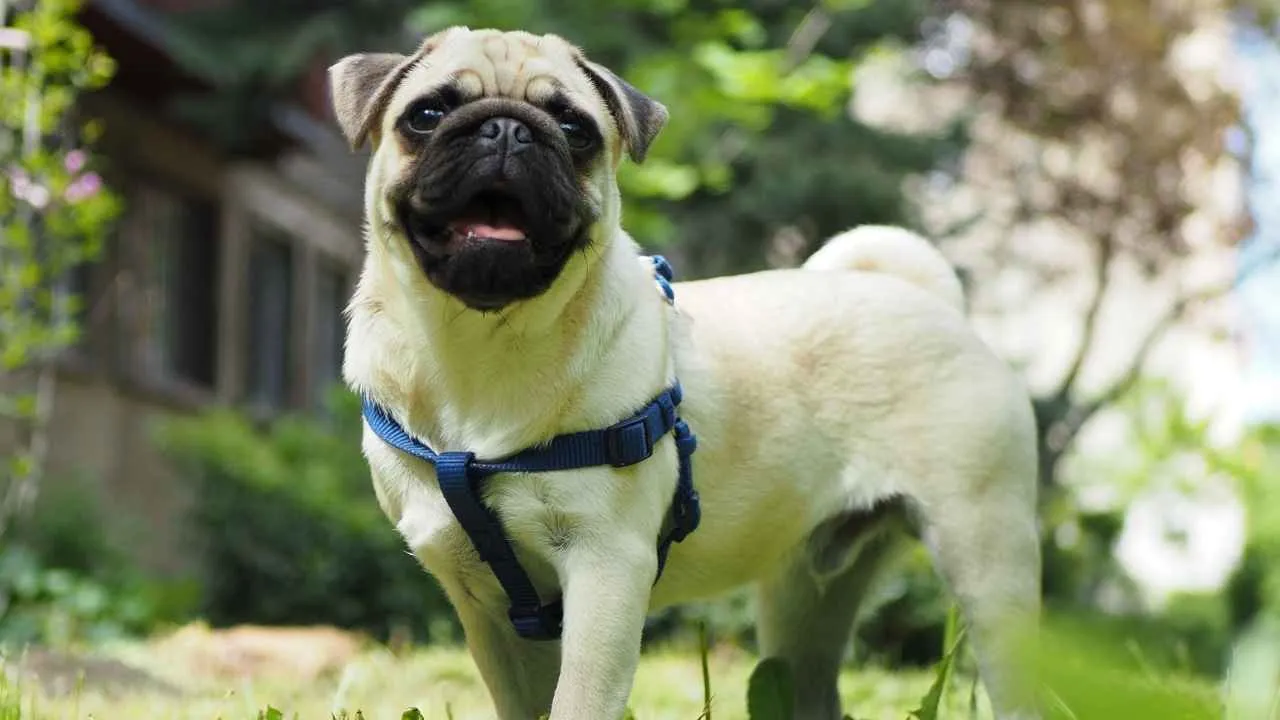
Pugs have been beloved companion dogs for thousands of years, and it’s easy to see why. These pocket-sized pups are affectionate, playful, and happiest when they are close to their people.
They love being part of everyday family life and would much rather relax on the couch with you than spend hours running around outdoors, making them a great choice for small homes and apartments.
Why They Are Great for Small Homes and Apartments
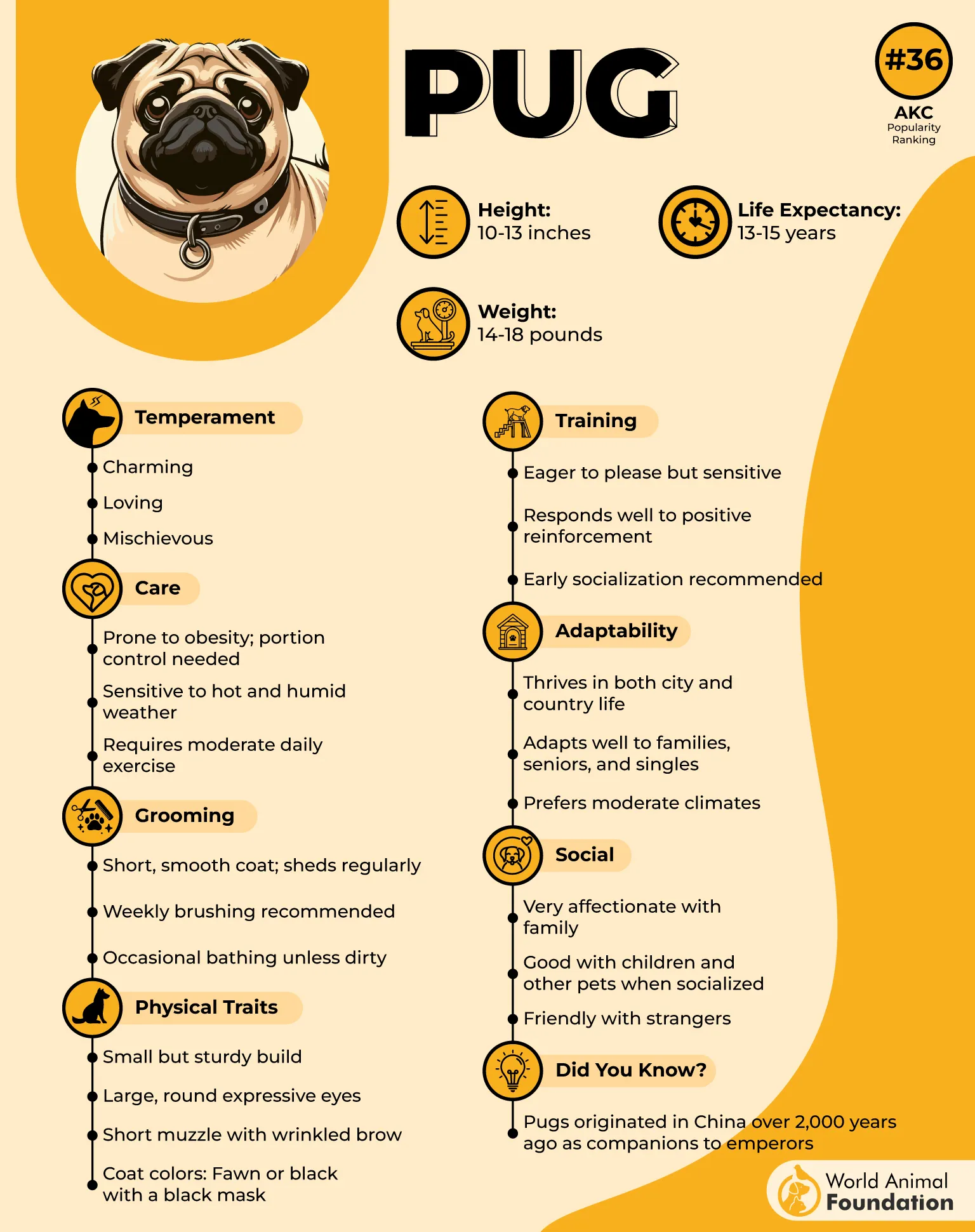
Compact size is perfect for apartments and small homes.
Happy living mainly indoors with regular short walks.
Low exercise needs suit smaller living spaces.
Calm and content, relaxing with their families.
Do not bark much, making them good apartment companions.
Omlet says Pugs are friendly, easygoing dogs that get along well with children, other pets, and even strangers when properly socialized. They are playful and love attention, often acting like little clowns to make their families laugh.
Although they have playful bursts of energy, they are usually happy with a few short walks and some indoor play before settling in for a nap. Because of their flat face, they can snore, breathe loudly, and overheat easily, so they should avoid strenuous exercise and hot weather.
Their short coat sheds throughout the year and needs regular brushing, and since they love food, it’s important to watch their diet to help prevent obesity.
4. Toy Poodle
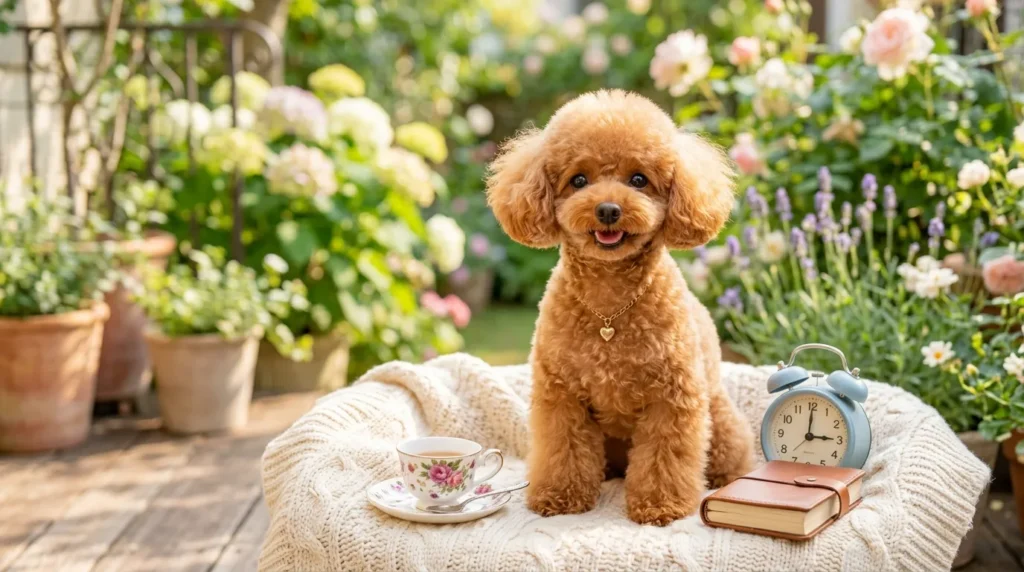
Toy Poodles may be small, but they have big personalities and even bigger brains. Originally developed from the Standard Poodle, they are among the smartest dog breeds and love spending time with their families.
Their intelligence, affectionate nature, and adaptability make them an excellent choice for small homes and apartments.
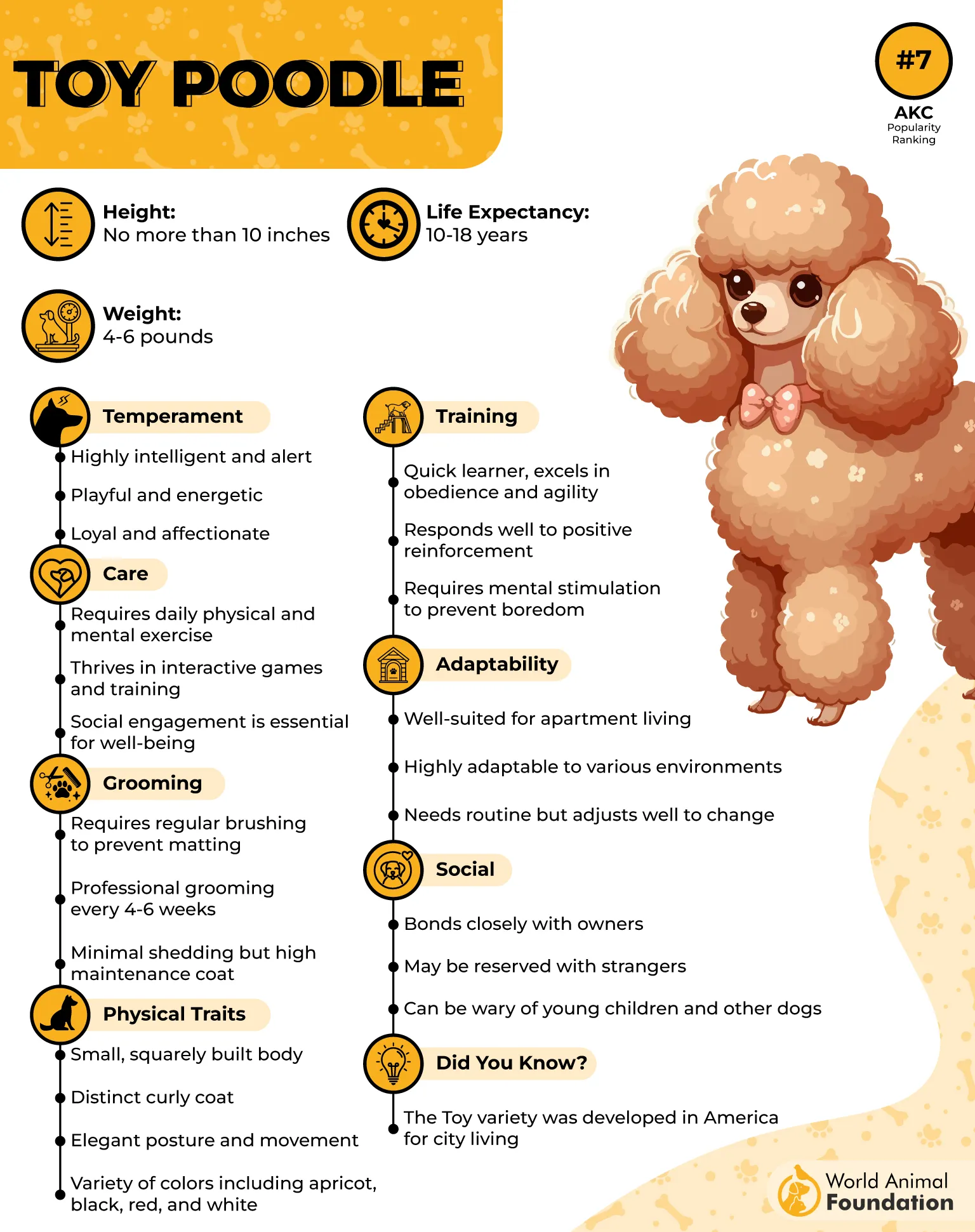
Why They Are Great for Small Homes and Apartments
Compact size is ideal for apartments and smaller homes.
Lower exercise needs than many other breeds.
Happy with daily walks and indoor playtime.
A low-shedding coat is suitable for many apartment pet parents.
Comfortable living indoors as long as they get enough attention and mental stimulation.
Toy Poodles are playful, eager to please, and very easy to train. They get along well with children, other dogs, and other pets when socialized early, although their tiny size means playtime should always be supervised.
These tiny dogs form strong bonds with their families and do not enjoy being left alone for long, as boredom and loneliness can lead to barking or destructive behavior. Their curly coat needs regular brushing and professional grooming every four to six weeks.
While they enjoy relaxing with their owners after exercise, they also need daily mental stimulation through training, puzzle toys, and interactive games to stay happy and well-behaved.
5. Brussels Griffon
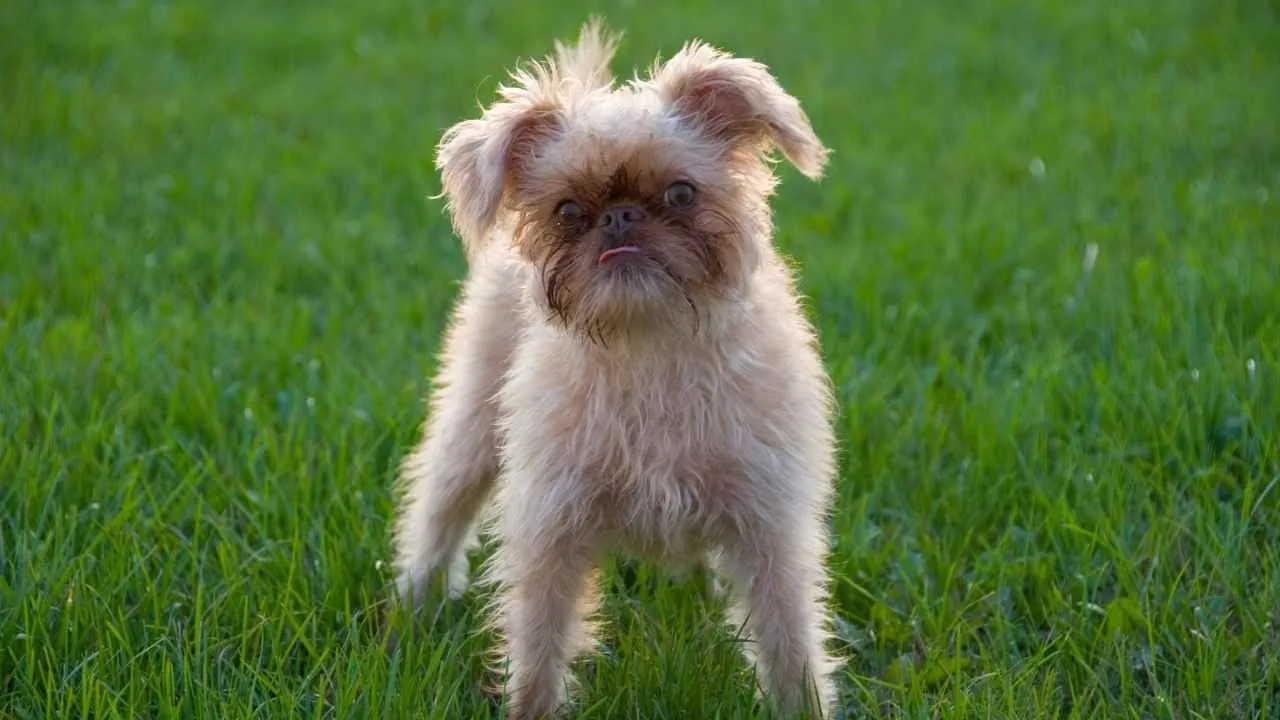
Brussels Griffons may be tiny, but they have larger-than-life personalities. Originally bred in Belgium, these intelligent little dogs are known for their expressive, almost human-like faces and their strong bond with their owners.
They love being part of family life and thrive as indoor companions, making them a great choice for small homes and apartments.
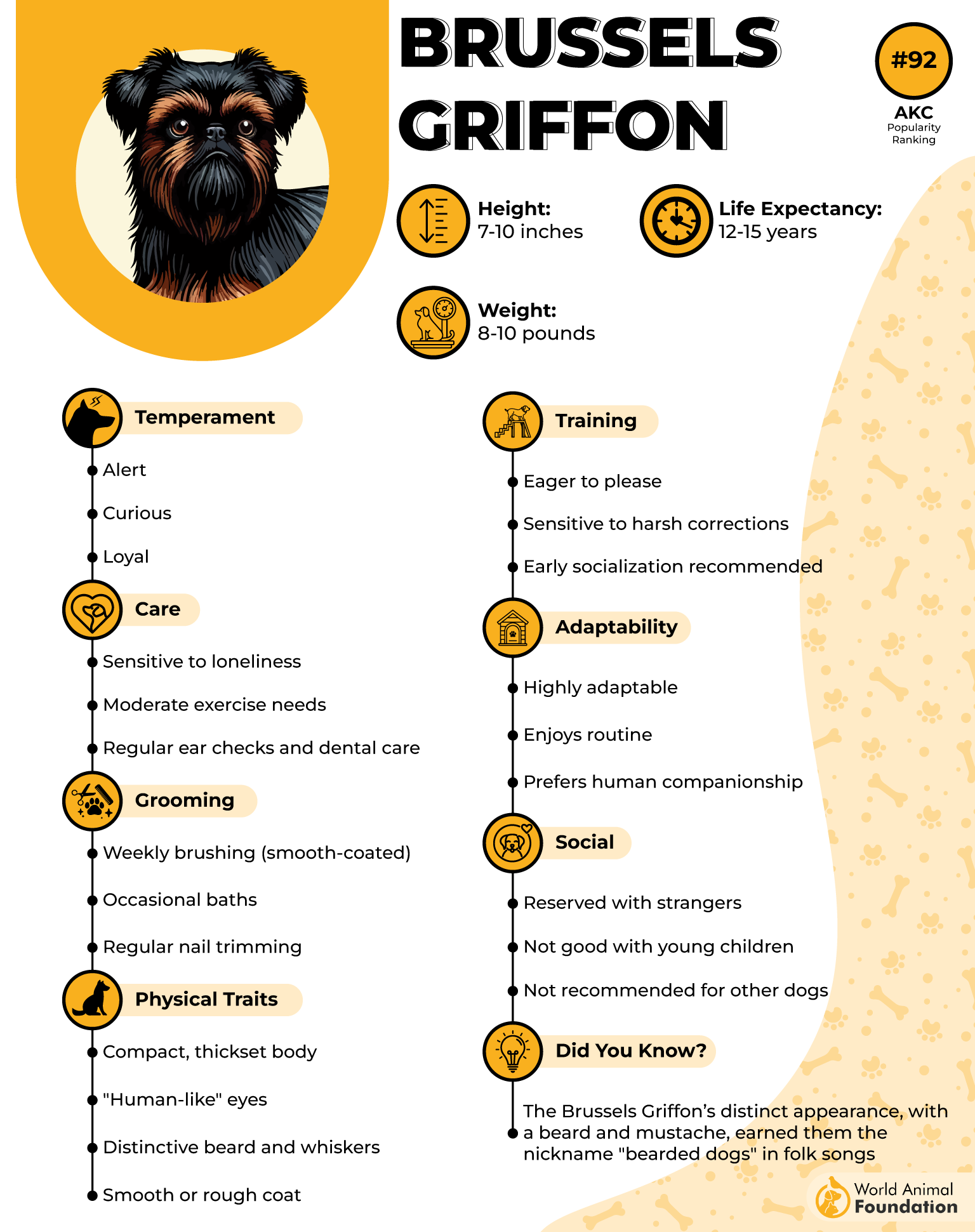
Why They Are Great for Small Homes and Apartments
Compact size is perfect for apartments and smaller homes.
Active indoors and comfortable living in limited spaces.
Do not need a large yard to stay happy.
Exercise needs can be met with daily walks and indoor games.
Thrive as indoor companion dogs.
Brussels Griffons are lively, affectionate, and incredibly devoted to their families, earning them the nickname “Velcro dogs” because they always want to be close to their people. They are intelligent but can be stubborn, so patient, positive training works best.
They generally get along with family dogs and cats but may be wary of unfamiliar dogs, making early socialization important. Their flat face means they can snore and are sensitive to hot, humid weather, while their small size also makes them vulnerable to extreme cold.
They dislike being left alone for long periods and may become noisy or bark excessively without enough attention, exercise, and companionship.
6. Yorkshire Terrier
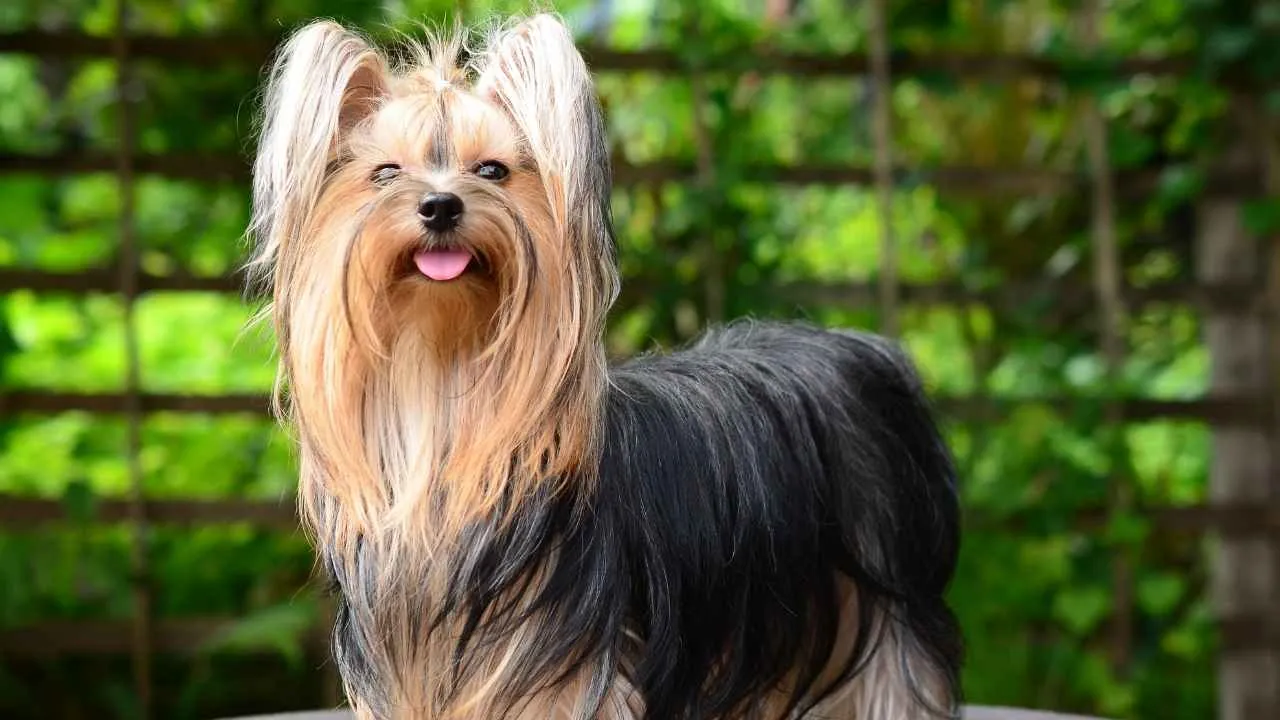
Yorkshire Terriers, or Yorkies, may be tiny, but they have bold personalities packed into their little bodies. Originally bred to hunt rodents, they are now popular companion dogs that adapt well to apartment living. They love being close to their families and are playful, curious, and full of confidence.
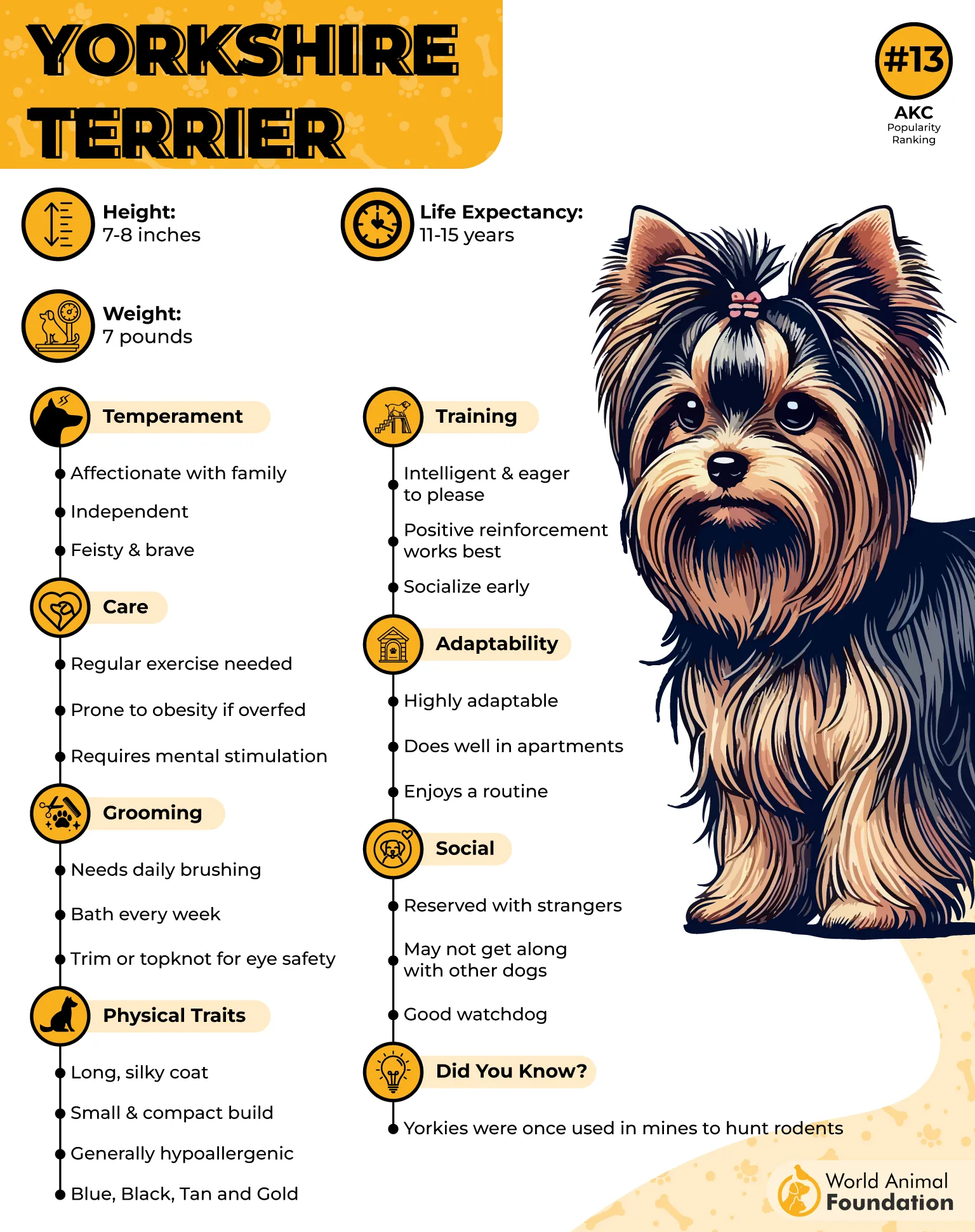
Why They Are Great for Small Homes and Apartments
Tiny size is perfect for apartments and small homes.
Moderate exercise needs are easy to meet with short walks and indoor play.
Happy living indoors with plenty of mental stimulation.
Do not need a large yard to stay active.
Settle well in apartments when properly trained.
Yorkies are affectionate, energetic, and intelligent, but they can also be stubborn and bossy. They enjoy games, daily walks, and activities that keep their busy minds occupied. Early socialization is important to help them become confident around people and other pets.
They may bark a lot because they are naturally alert watchdogs, but consistent training can help manage this behavior. Their long, silky coat needs regular grooming, and they do not tolerate cold weather well.
Although they can make wonderful family pets, their tiny size means play with young children should always be supervised to avoid accidental injuries.
7. Havanese
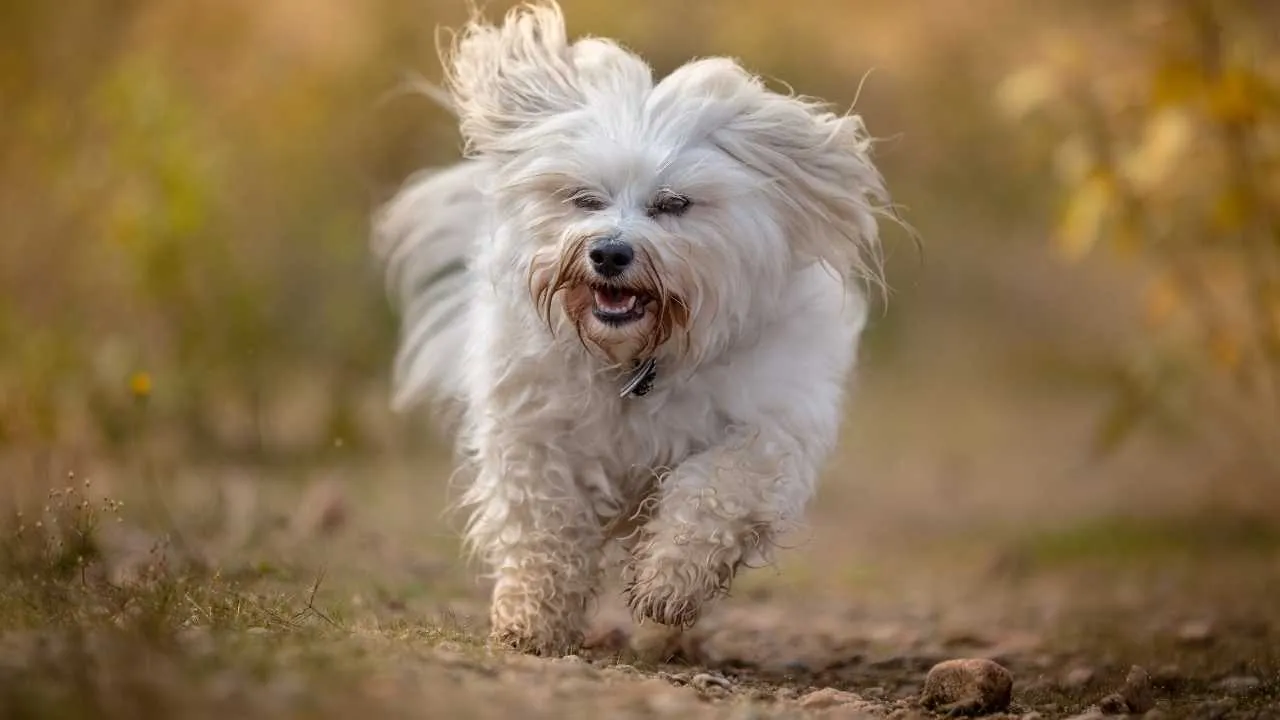
Havaneses are cheerful little companion dogs with loving personalities and plenty of charm. Originally from Cuba, they are intelligent, playful, and happiest when they are with their families.
Their affectionate nature and ability to adapt to indoor living make them one of the best small breeds for apartment dwellers.
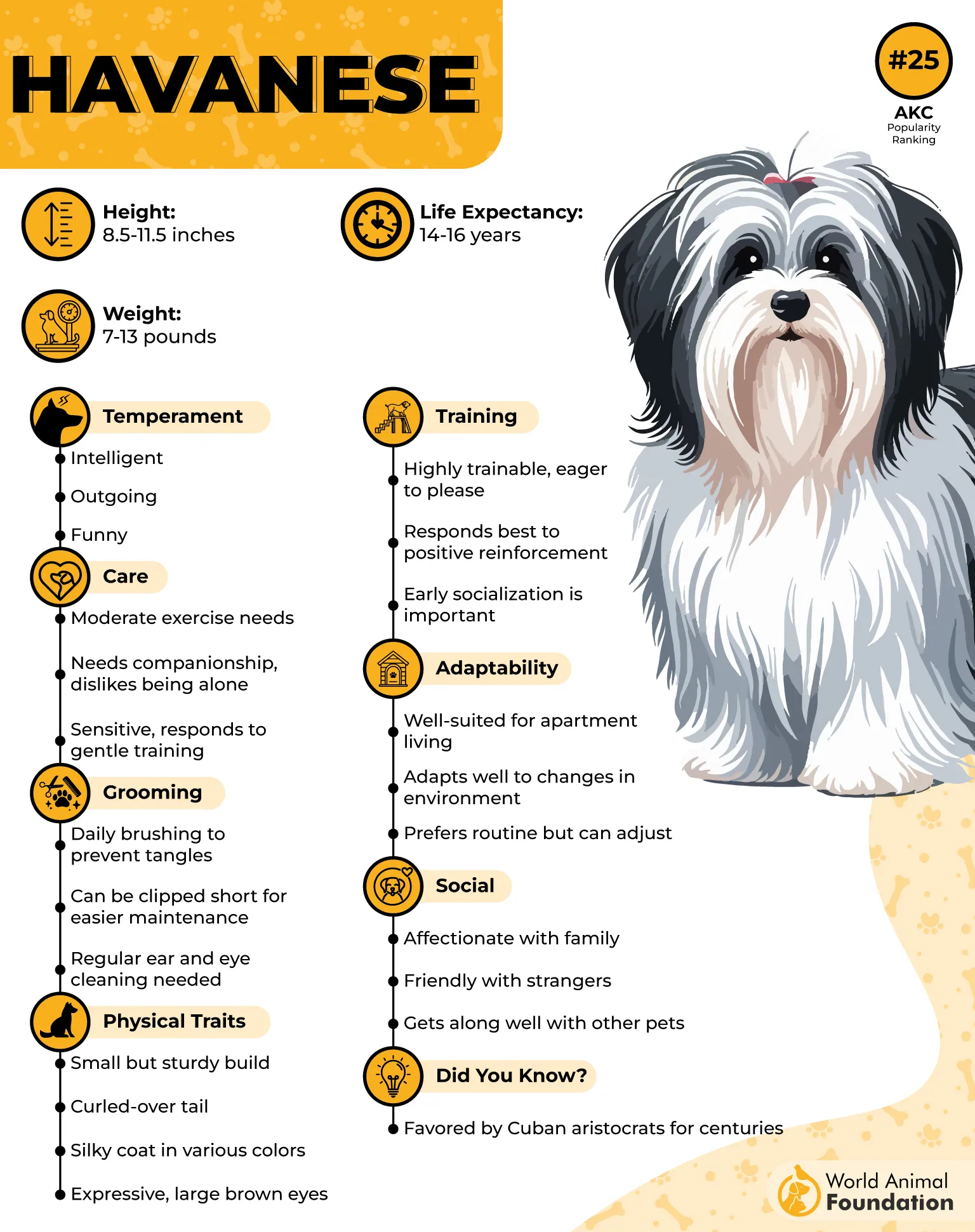
Why They Are Great for Small Homes and Apartments
Compact size is perfect for apartments and small homes.
Do not need a large yard to stay happy.
Exercise needs are easily met with daily walks and indoor play.
Adapt well to apartment living with proper training.
Thrive as indoor companion dogs.
Havaneses are smart, easy to train, and enjoy learning tricks and playing games with their owners. They are usually friendly with children, other dogs, and other pets when socialized from a young age.
Because they form very strong bonds with their families, they are often called “Velcro dogs,” as mentioned by Orvis. They do not like being left alone for long periods, which can lead to separation anxiety or excessive barking if not properly trained.
Their long, silky coat needs frequent brushing to prevent tangles, and regular socialization and positive reinforcement help them grow into confident, well-mannered companions.
Conclusion
Choosing the right dog for a small home or apartment is less about square footage and more about finding a breed that matches your lifestyle.
The pocket-sized dogs on this list may be small in size, but they offer plenty of love, companionship, and personality. With the right amount of exercise, training, mental stimulation, and daily care, these compact companions can thrive in even the coziest living spaces.
Before bringing a dog home, take time to consider your schedule, grooming commitment, and activity level to find the best match for your family.
When you choose a breed that fits both your home and your lifestyle, you’ll gain a loyal companion who turns every small space into a place filled with happiness, comfort, and unforgettable moments.
Looking for more small-breed dogs ideal for apartment living? You can also check out the Boston Terrier, Cavalier King Charles Spaniel, French Bulldog, Miniature Poodle, Lhasa Apso, and Italian Greyhound.
