





Some pet parents want an adorable little companion who enjoys cozy afternoons, manageable walks, minimal grooming, and quality cuddle time without turning pet ownership into a full-time job. If that sounds like your ideal lifestyle, low-maintenance pocket dog breeds might be exactly what you’re looking for.
These petite companions offer several practical advantages, including manageable body sizes, relatively modest food needs, and exercise routines that often fit busy schedules. Many adapt comfortably to apartment living and enjoy interactive indoor activities, making them appealing to first-time owners, seniors, and people living in smaller homes.
However, low-maintenance doesn’t mean maintenance-free, because even the tiniest dogs need consistent training, grooming, preventative healthcare, and meaningful human interaction.
Let’s explore seven charming pocket-sized dog breeds, review their everyday care needs, and see how they can simplify ownership.
Best Low-Maintenance Pocket Dog Breeds
1. Bolognese
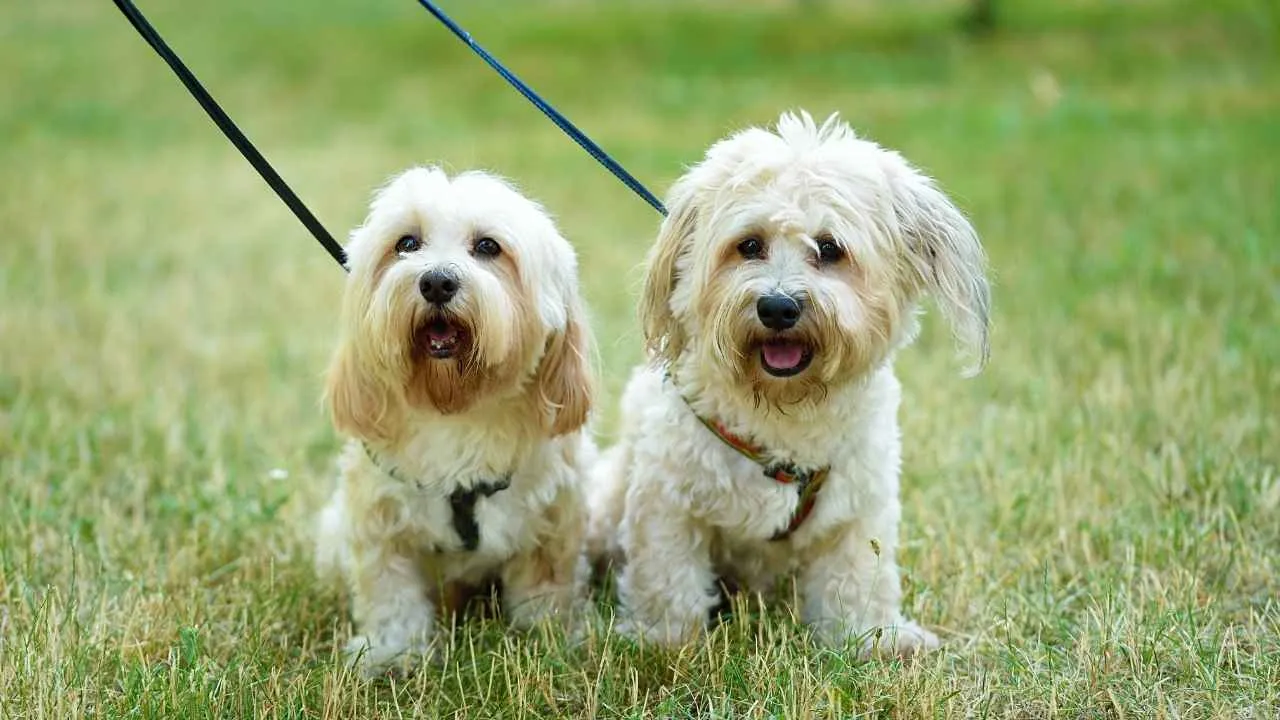
The Bolognese is basically a fluffy little Italian aristocrat who has mastered the art of peaceful living without needing a ridiculously complicated daily schedule. This affectionate companion belongs to the Bichon family and was developed primarily for close companionship with humans rather than demanding physical work.
One major reason it earns a place among relatively low-maintenance companions is its calm temperament and moderate activity requirements. Unlike intensely athletic working breeds, these dogs generally enjoy leisurely walks, gentle indoor games, and short play sessions rather than exhausting daily adventures.
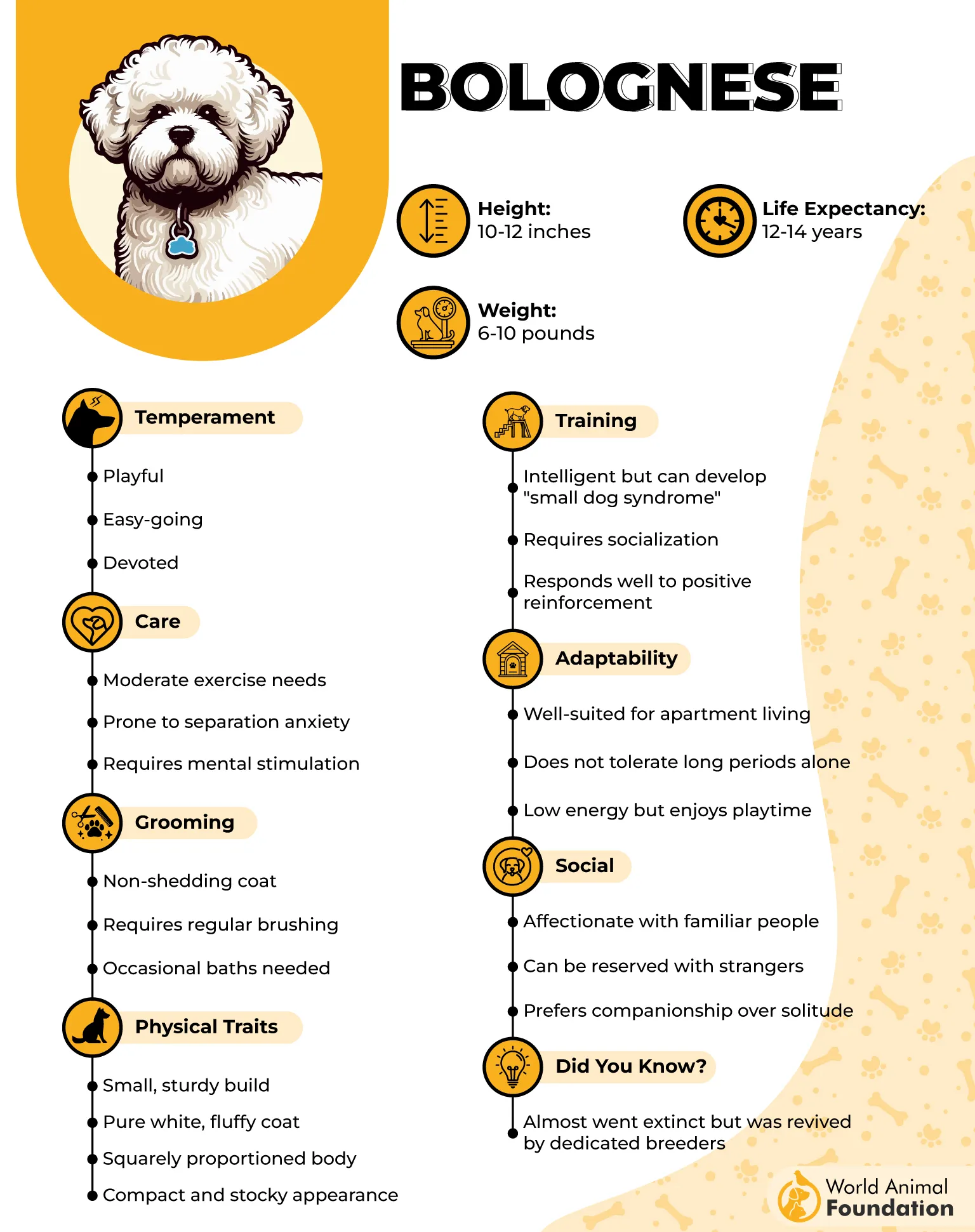
The American Kennel Club specifically describes the breed as relatively low-energy and well suited to apartment living, provided it receives appropriate exercise and regular interaction with familiar people.
Their affectionate personalities also make everyday companionship feel surprisingly uncomplicated for people who spend considerable time at home. This low-maintenance dog breed may happily follow its owner through familiar rooms, settle beside a comfortable chair, or quietly observe household activities without demanding constant physical entertainment.
2. Brussels Griffon
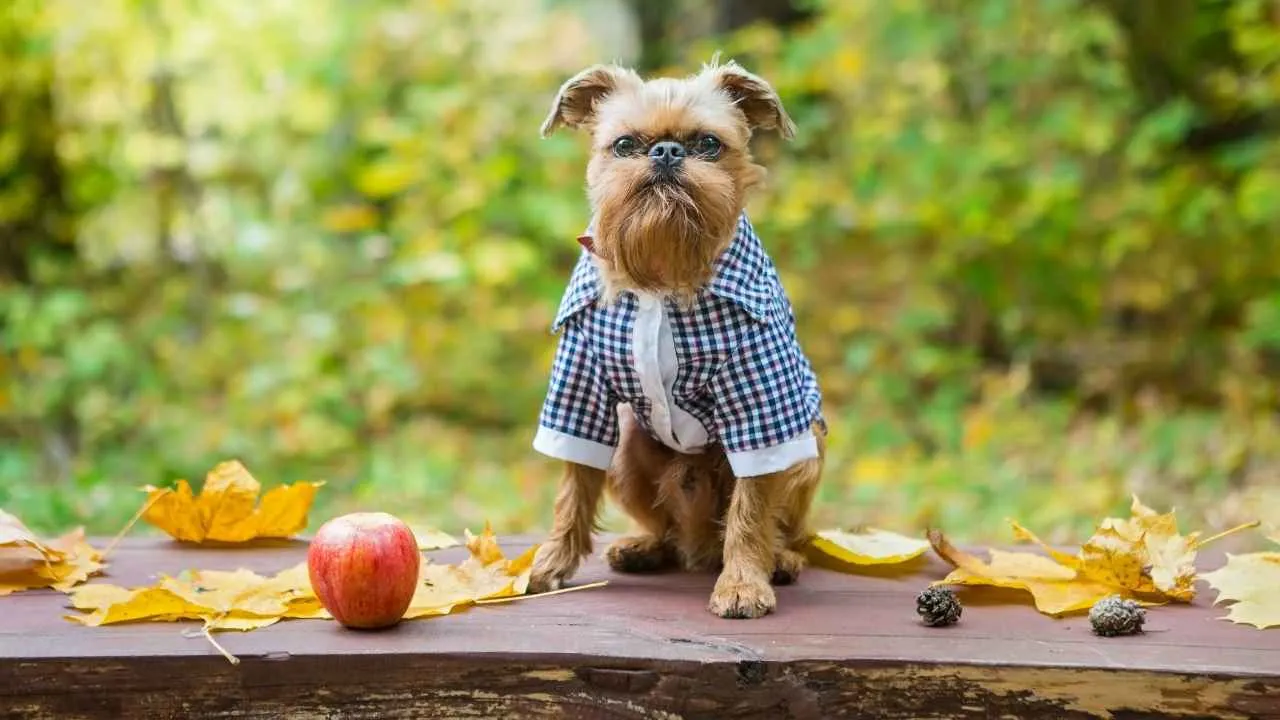
Originally developed in Belgium from small stable dogs used to control rodents, the Brussels Griffon eventually became a fashionable companion appreciated for its intelligence and distinctive appearance.
One of its most convenient qualities is that its exercise needs are generally manageable for moderately active people. Approximately 30 minutes of moderate daily activity can help keep many healthy adults physically and mentally satisfied.
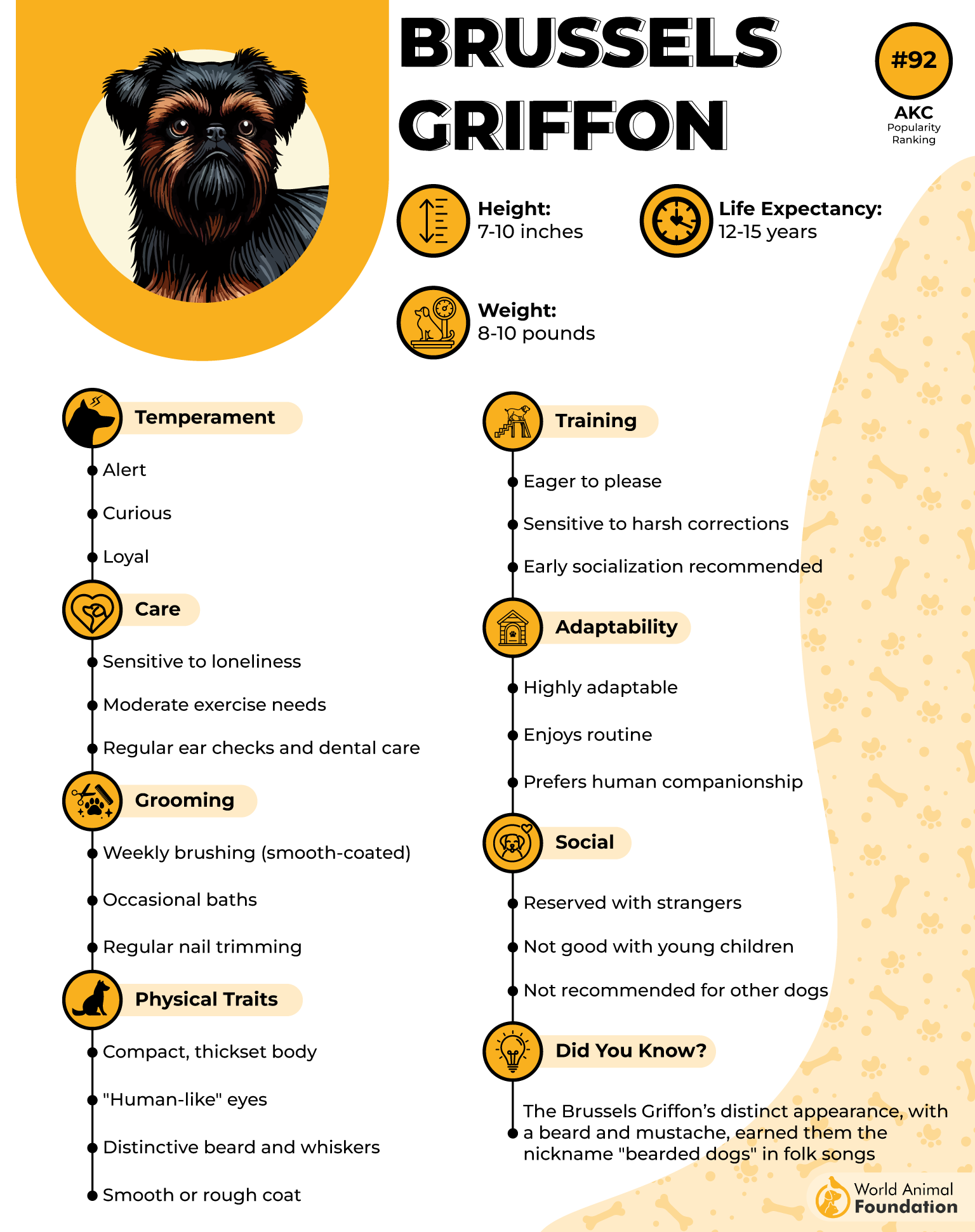
Short neighborhood walks, interactive indoor games, and supervised play sessions offer practical alternatives to the extended running or demanding outdoor exercise some working breeds need.
They come in two coat varieties, and their grooming responsibilities differ considerably. Smooth-coated individuals generally need weekly brushing, occasional bathing, and extra brushing during seasonal shedding, making them relatively straightforward to maintain.
Rough-coated Griffons require more specialized coat management, including periodic clipping or hand-stripping depending on the desired finish, so the smooth variety is often more convenient for owners prioritizing simple grooming.
This behavior can be charming for home-based workers or retirees, but long periods of isolation may cause distress and require careful independence training.
3. Chinese Crested

The Chinese Crested comes in two distinct varieties: the mostly hairless type with silky hair on its head, feet, and tail, and the fully coated Powderpuff. According to PetMD, Chinese Cresteds are compact companions for smaller living spaces.
Their relatively modest exercise requirements are a major advantage for owners who prefer gentle daily routines over exhausting outdoor adventures. These dogs are content with short walks, supervised indoor games, and manageable opportunities to explore their surroundings while remaining close to familiar people.
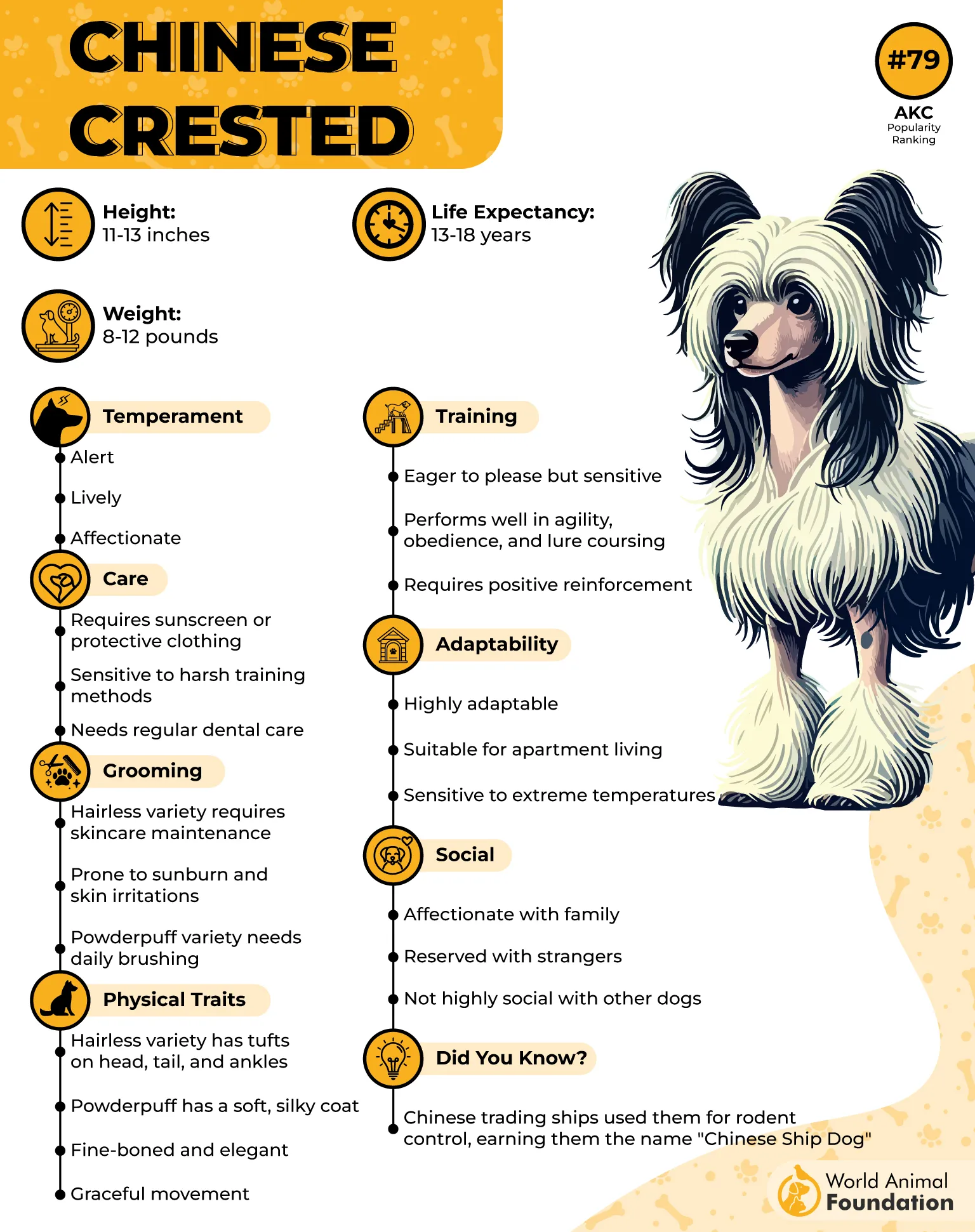
Their athletic abilities shouldn’t be underestimated, but they generally don’t need the extensive running schedules associated with high-energy herding or sporting breeds.
One unusual feature of the hairless variety is that owners don’t need to manage a full-body coat that sheds heavily or requires traditional brushing. This can make cleaning certain areas of the home simpler, particularly for people who dislike loose fur collecting on clothing and upholstery.
However, exposed skin brings different responsibilities, including proper bathing, sun protection, and veterinary guidance on moisturizing or treating irritation.
4. Coton de Tulear
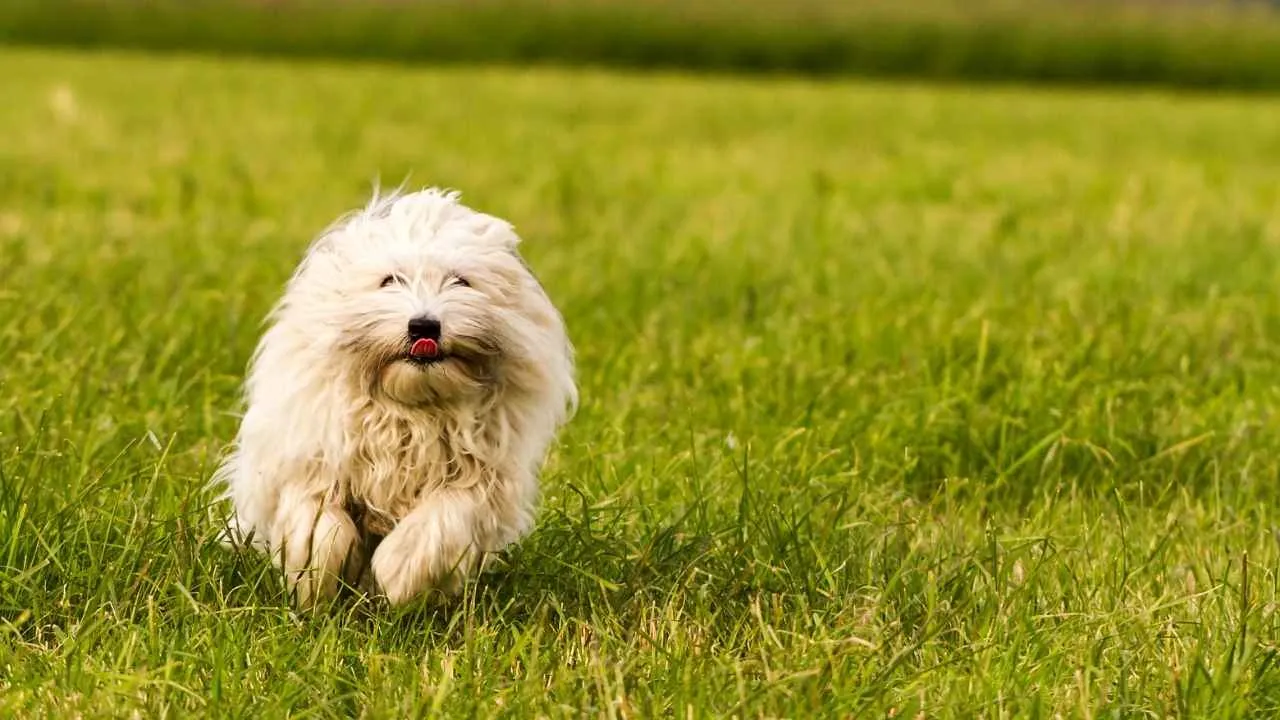
The Coton de Tulear is basically a cheerful little cotton ball that believes every household deserves more affection, occasional comedy, and significantly fewer stressful mornings. This small dog breed got its name from the port city of Tulear and its distinctive soft coat, which resembles cotton.
One of the strongest arguments for the Coton’s relatively manageable lifestyle is its adaptable activity level. Unlike large working breeds that require extensive physical conditioning, many Cotons are satisfied with moderate walks, short play sessions, and engaging indoor activities.
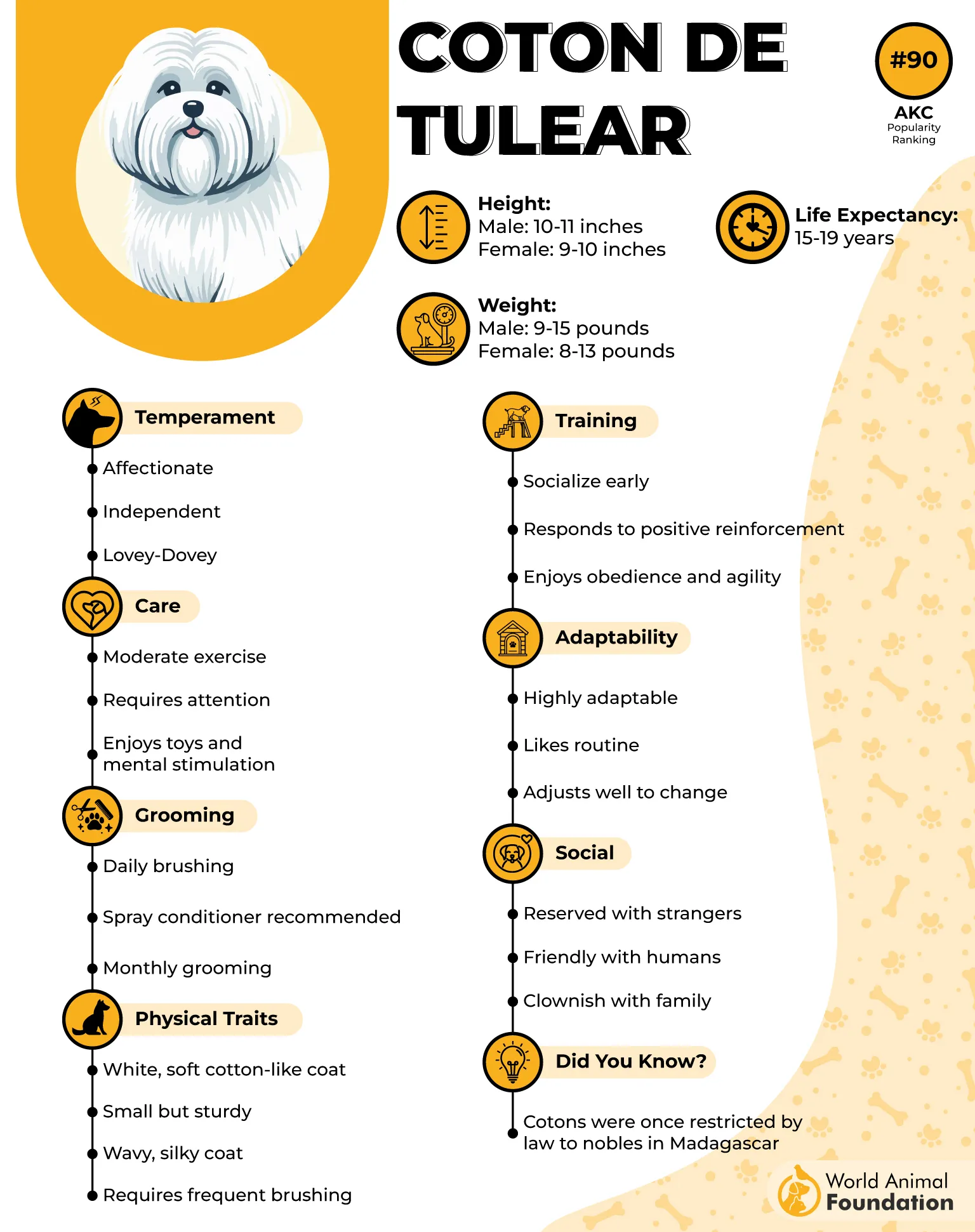
Depending on age, health, and individual energy, a reasonable routine is about 30–60 minutes of varied daily activity, though some energetic individuals happily take on more demanding adventures.
Training can also be relatively straightforward because Coton de Tulear often enjoy human interaction and respond enthusiastically to positive reinforcement. With consistent, rewarding lessons, these intelligent little dogs can quickly learn everyday commands, amusing tricks, and household routines. Their naturally cheerful personalities can make training enjoyable for first-time pet parents.
5. Maltese
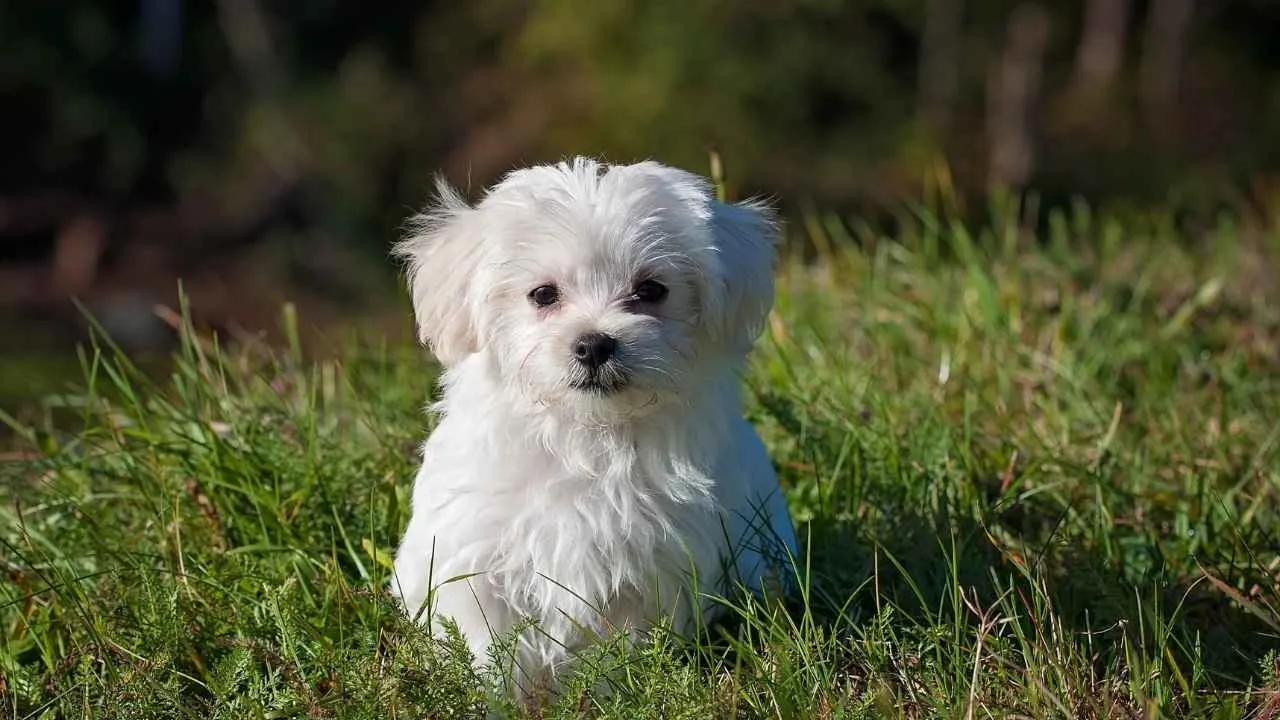
The Maltese has been admired for centuries for its affectionate temperament, elegant appearance, and comfortably miniature adult size.
Their exercise needs are a major reason Maltese appeal to people who don’t want a physically demanding pet. Instead of needing long hikes or intense running sessions, many healthy adults enjoy short neighborhood walks, gentle indoor games, and simple enrichment activities that fit naturally into a busy household schedule.
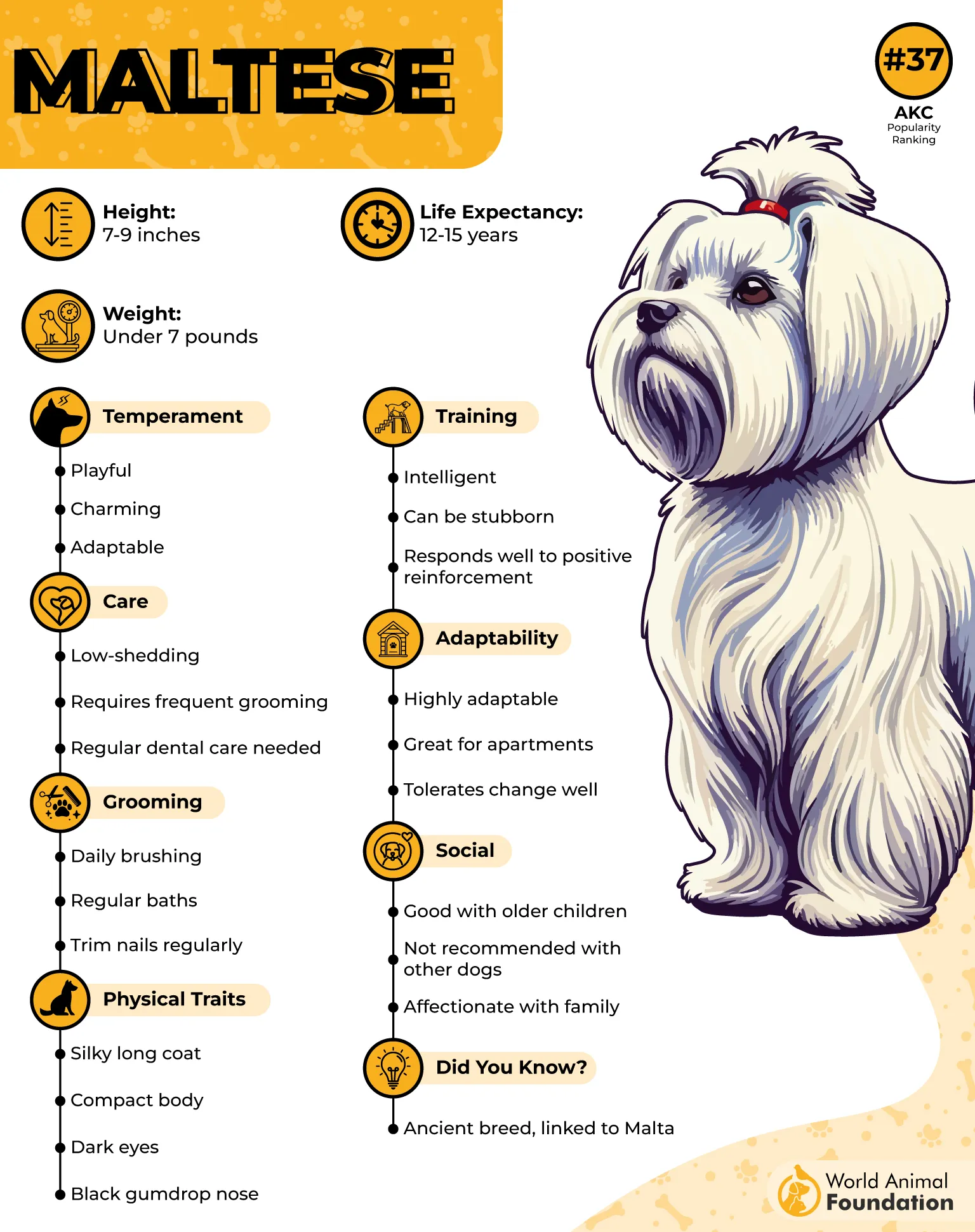
Around 30 minutes of appropriate daily activity is a useful starting point, as per UKC Dogs, with adjustments based on age, health, and energy levels.
Another practical advantage is that Maltese can live comfortably in apartments without requiring a large private yard. Their small bodies mean even modest indoor spaces can accommodate playtime, as long as they still get regular outdoor time, social interaction, and exercise.

This flexibility can appeal to city residents, seniors, and people whose homes don’t have enough room for larger dogs. Maltese are often affectionate and devoted, making them especially enjoyable for owners who appreciate close companionship throughout the day.
6. Havanese
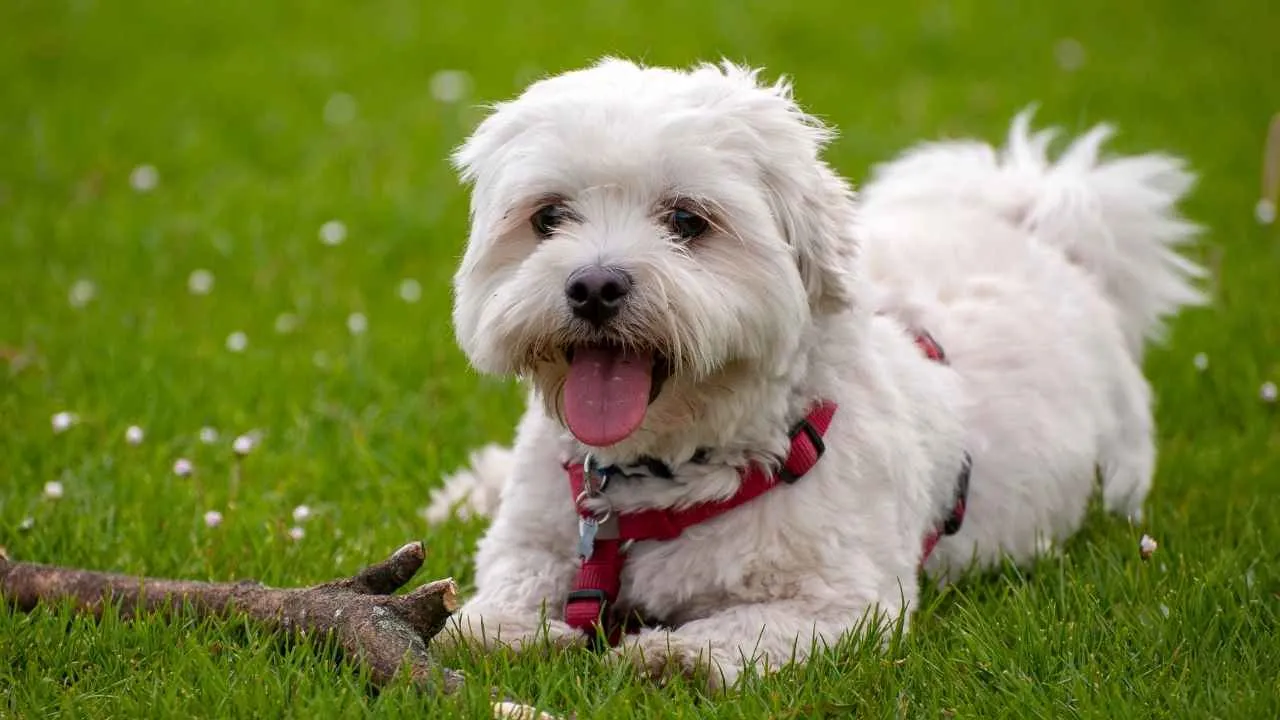
As Cuba’s national dog, the Havanese is a sociable breed with a long history of providing affectionate companionship and entertaining people with its lively personality.
One reason Havanese appeal to people seeking manageable dog ownership is their ability to adapt to everyday indoor life. PDSA says a brisk daily walk or playtime can meet their moderate exercise needs, and supervised indoor activity can also add meaningful movement. This flexibility lets owners build practical routines without planning hours of strenuous exercise every day.
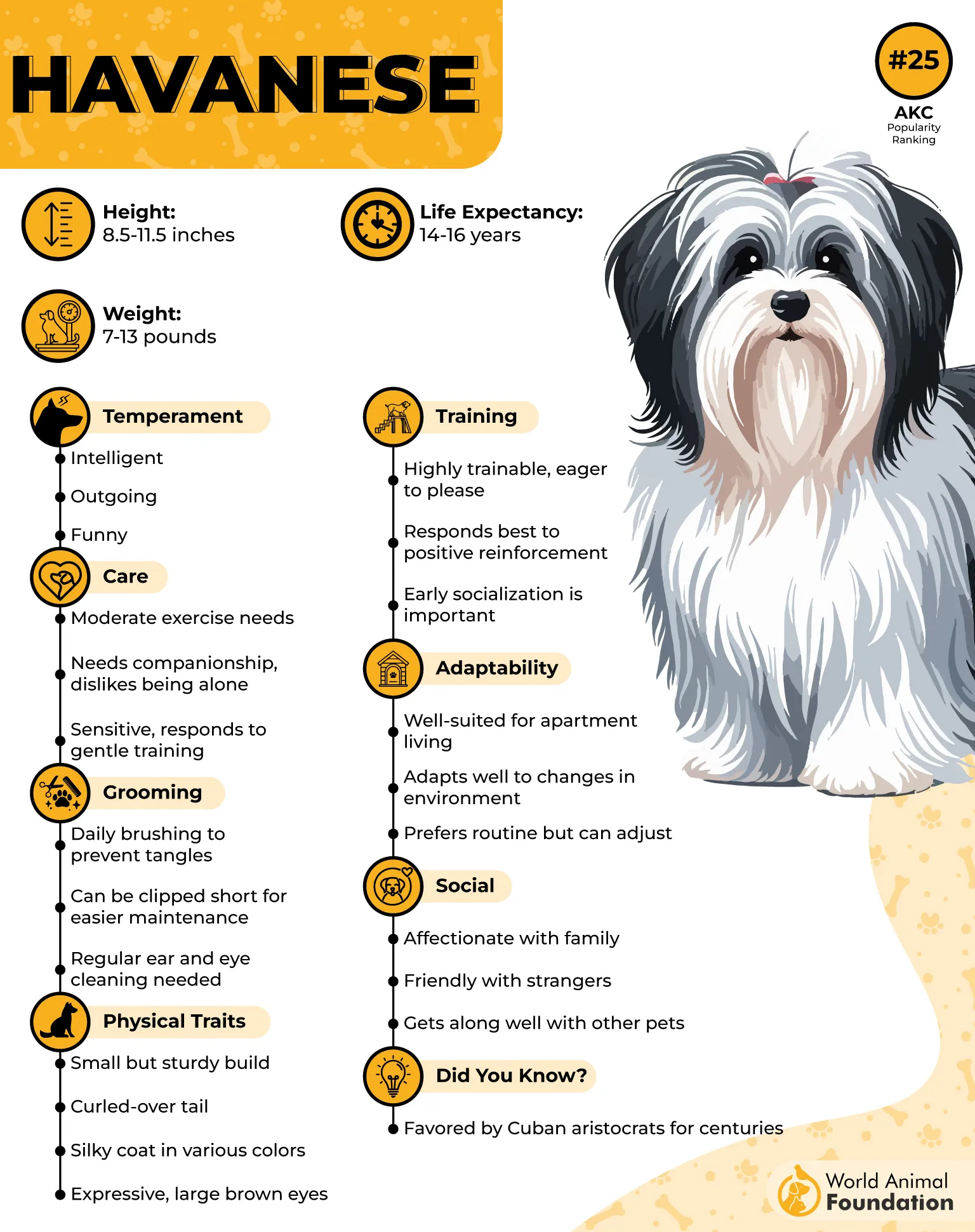
Training can also be relatively convenient because these little dogs are usually intelligent. Many respond well to reward-based lessons in recall, sitting, polite greetings, and fun tricks, making learning a shared activity. Their willingness to participate can simplify basic training for patient beginners, though consistent house-training and appropriate socialization remain important.
They are also highly social companions that often prefer being included in whatever their families are doing. Their affectionate personalities may make them excellent matches for people who spend substantial time at home, but prolonged isolation can cause separation-related distress in some individuals.
7. Lhasa Apso
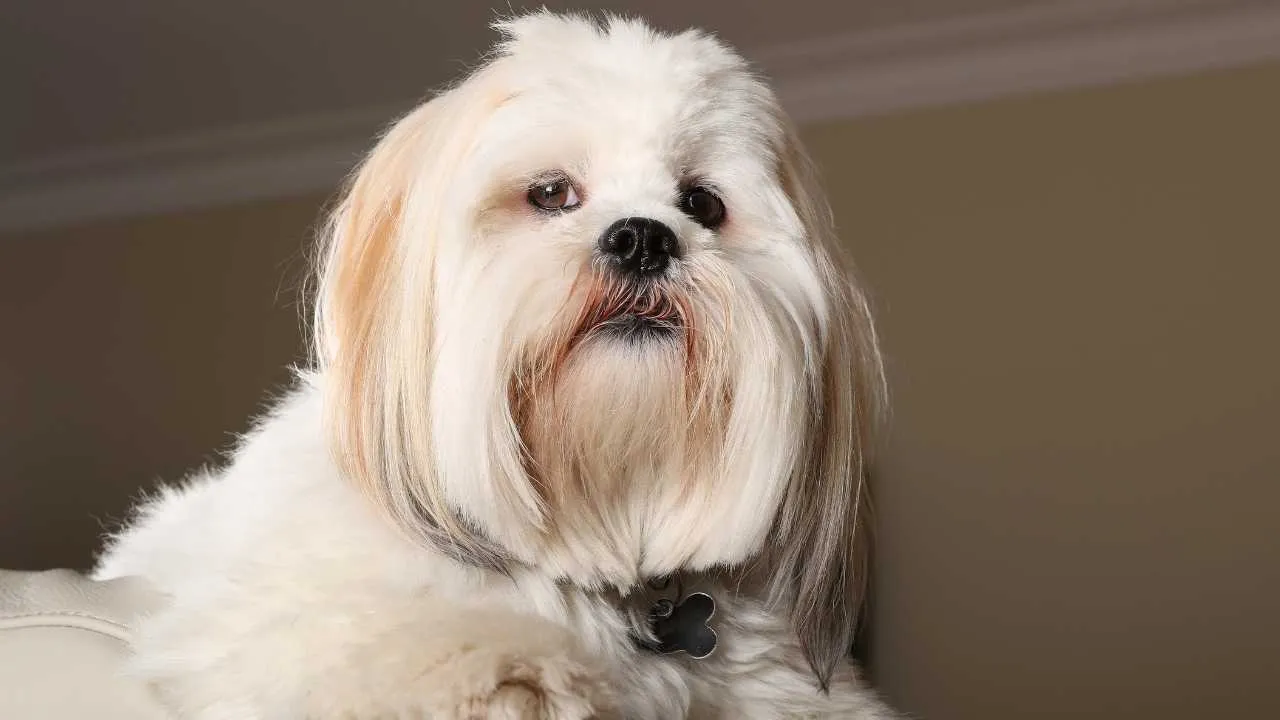
The Lhasa Apso is a historic breed that served as a watchful companion in monasteries and households, where alertness and loyalty were valued more than nonstop athletic performance.
One key advantage of this dog is its ability to enjoy an indoor-centered lifestyle without needing much space. Many healthy adults appreciate short walks, supervised indoor games, and comfortable rest periods that fit naturally into everyday family routines.
Omlet says their modest size makes apartment living practical, although they still need daily activity and mental stimulation rather than spending every hour resting indoors.
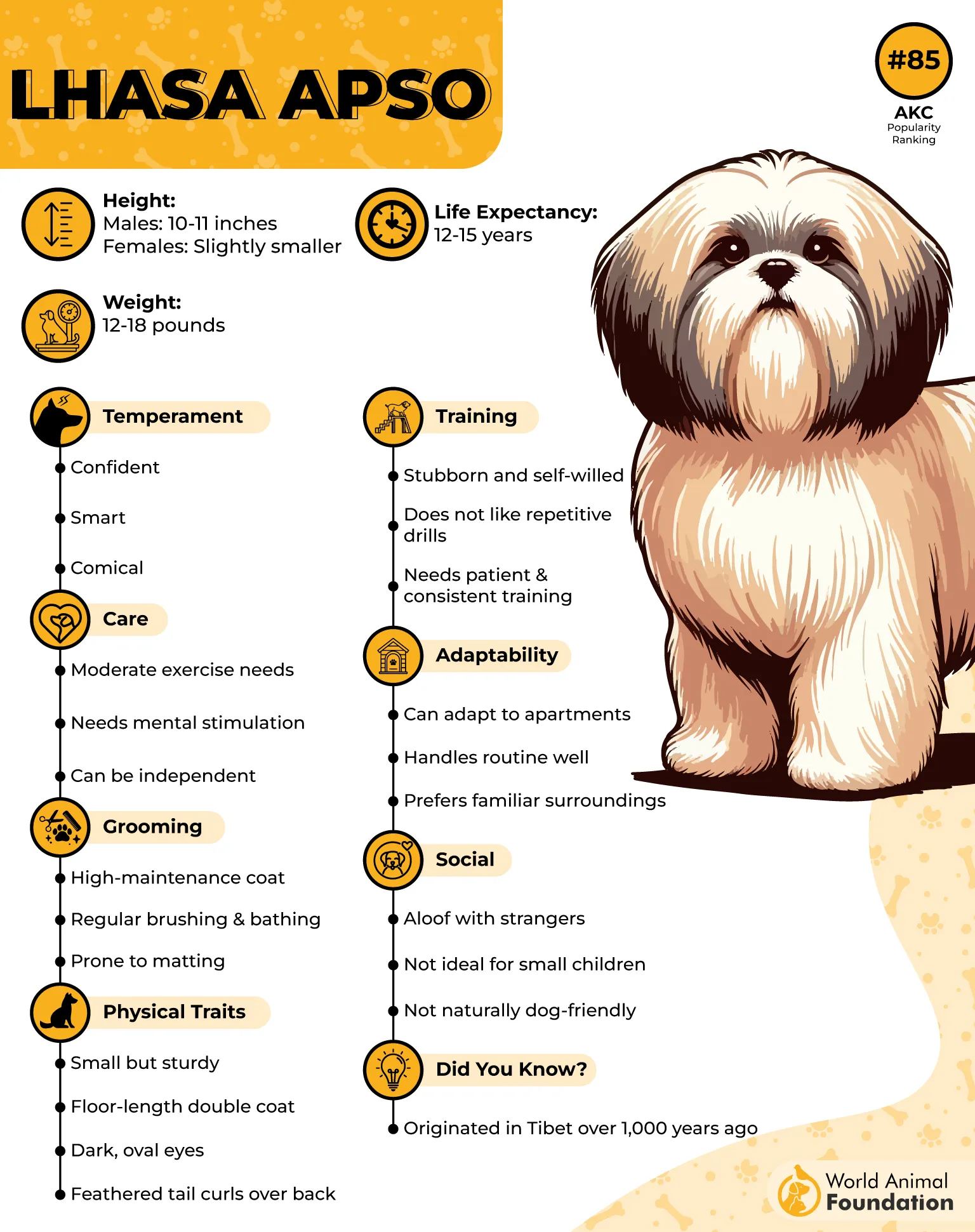
Unlike extremely people-dependent companion breeds, Lhasa Apsos may display a relatively independent personality that appeals to owners who prefer dogs with some self-confidence. Some enjoy resting quietly near familiar people without demanding constant physical attention, while others enthusiastically investigate unusual sounds or household activity.
Their impressive coats are beautiful but unquestionably demanding when kept in the traditional long style. Both long coats and shorter puppy cuts require regular brushing, while dogs with full-length hair also need careful bathing and drying to prevent matting. A shorter haircut can simplify everyday grooming, but this breed still needs regular coat care.
Conclusion
Finding a low-maintenance pocket dog isn’t about discovering a magical breed that never needs exercise, grooming, training, or veterinary attention. It’s about choosing a companion whose everyday needs align comfortably with your living space, available time, financial resources, and preferred activity level.
Some excel at relaxed indoor living, others need only moderate exercise, and several offer compact bodies that make transportation and apartment life easier. However, long coats, sensitive skin, strong social attachments, and inherited medical concerns can create responsibilities worth careful consideration before you bring a puppy home.
