




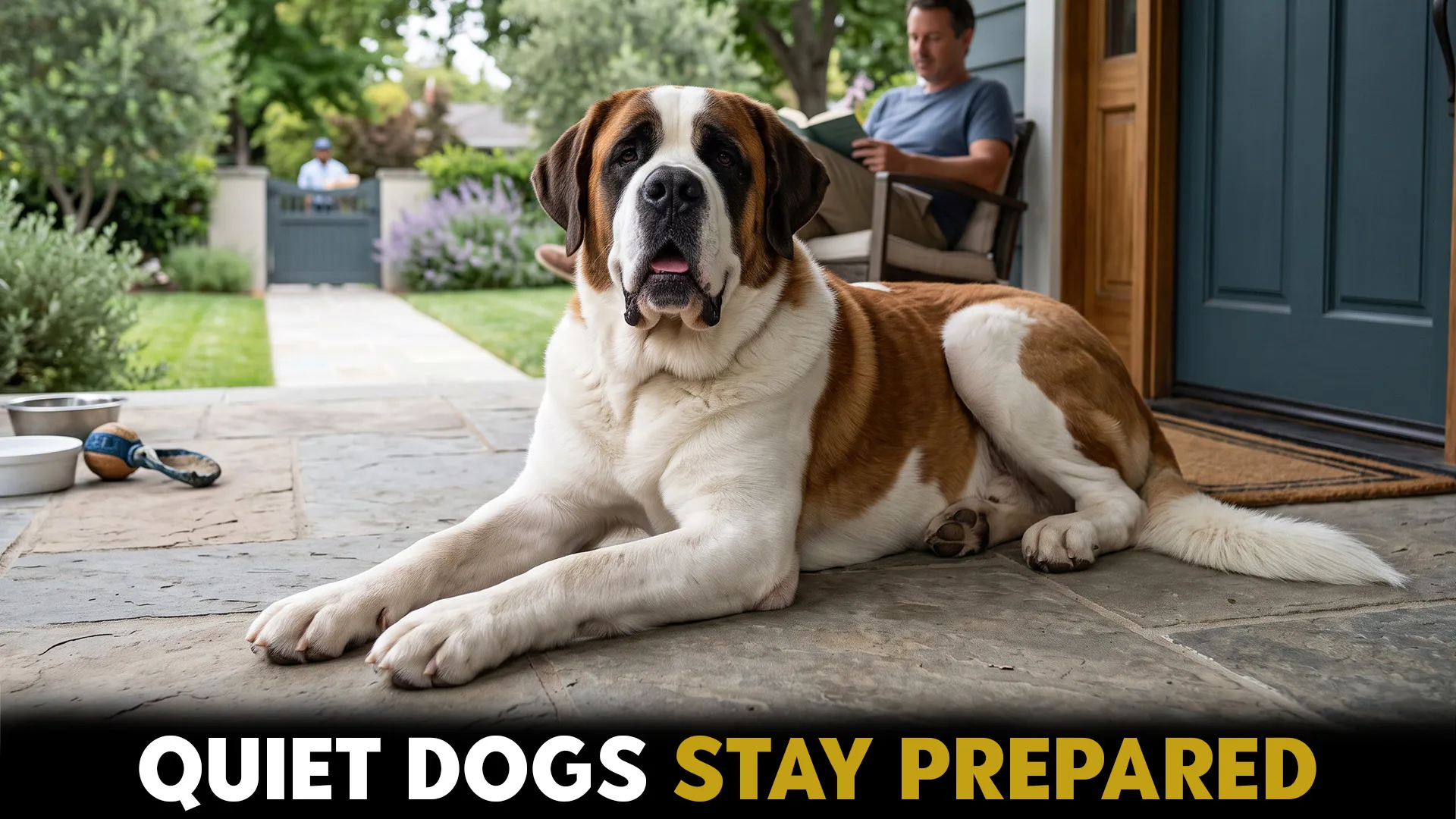
When most people hear “guard dog,” they picture a German Shepherd sprinting around the yard, ears up, ready for anything. And SURW, that’s one version.
But what if you want protection without the nonstop motion? A dog that keeps an eye on things, then flops onto the rug like a sack of potatoes?
Good news. That dog exists. Actually, a whole group of them do.
These are big, calm, loyal breeds with a serious presence and a chill attitude. They won’t need two hours of fetch every single day. They won’t tear up your couch out of boredom (usually). And they will still make a stranger think twice before walking up your driveway.
Now, a quick reality check. “Low maintenance” doesn’t mean “no maintenance.” Every dog needs training, exercise, and attention. It just means these breeds are laid-back, low-energy, and easier on busy owners than most.
Did You Know?
The heaviest dog ever recorded was an English Mastiff named Zorba. According to USA Today, he weighed around 343 pounds back in the early 1980s and measured over 8 feet from nose to tail.
And yet, Mastiffs are famous for being couch potatoes who’d rather nap than patrol.
Which pretty much sums up this whole list.
Low-Maintenance Guard Dog Breeds That Stay Relaxed
1. Bullmastiff
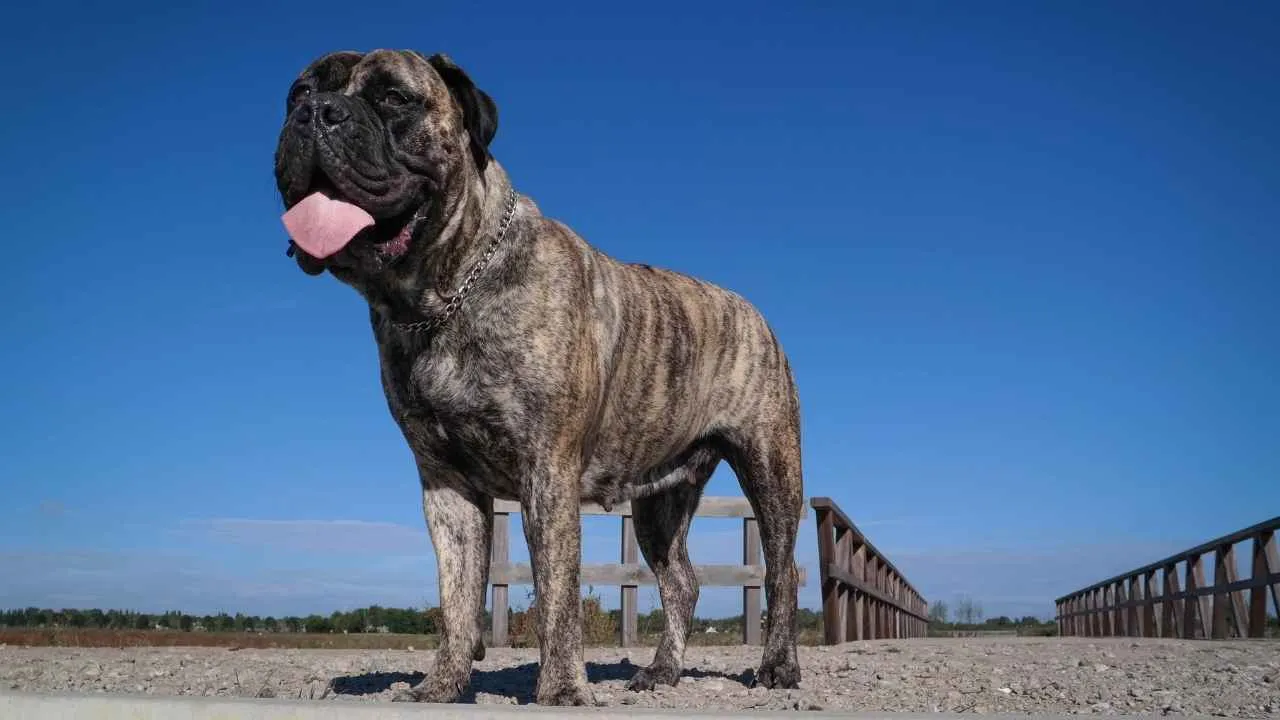
Let’s start with a classic.
The Bullmastiff was originally bred in England to help gamekeepers guard estates against poachers. They were LITERALLY nicknamed “the gamekeepers’ night dog.” Their job was to silently stop trespassers without chewing them up.
So yeah, imposing presence is in their DNA.
But at home, Bullmastiffs are usually calm, affectionate, and happy to lounge. They typically weigh 100 to 130 pounds, have a short coat, and need only minimal grooming. A quick weekly brush does the trick.
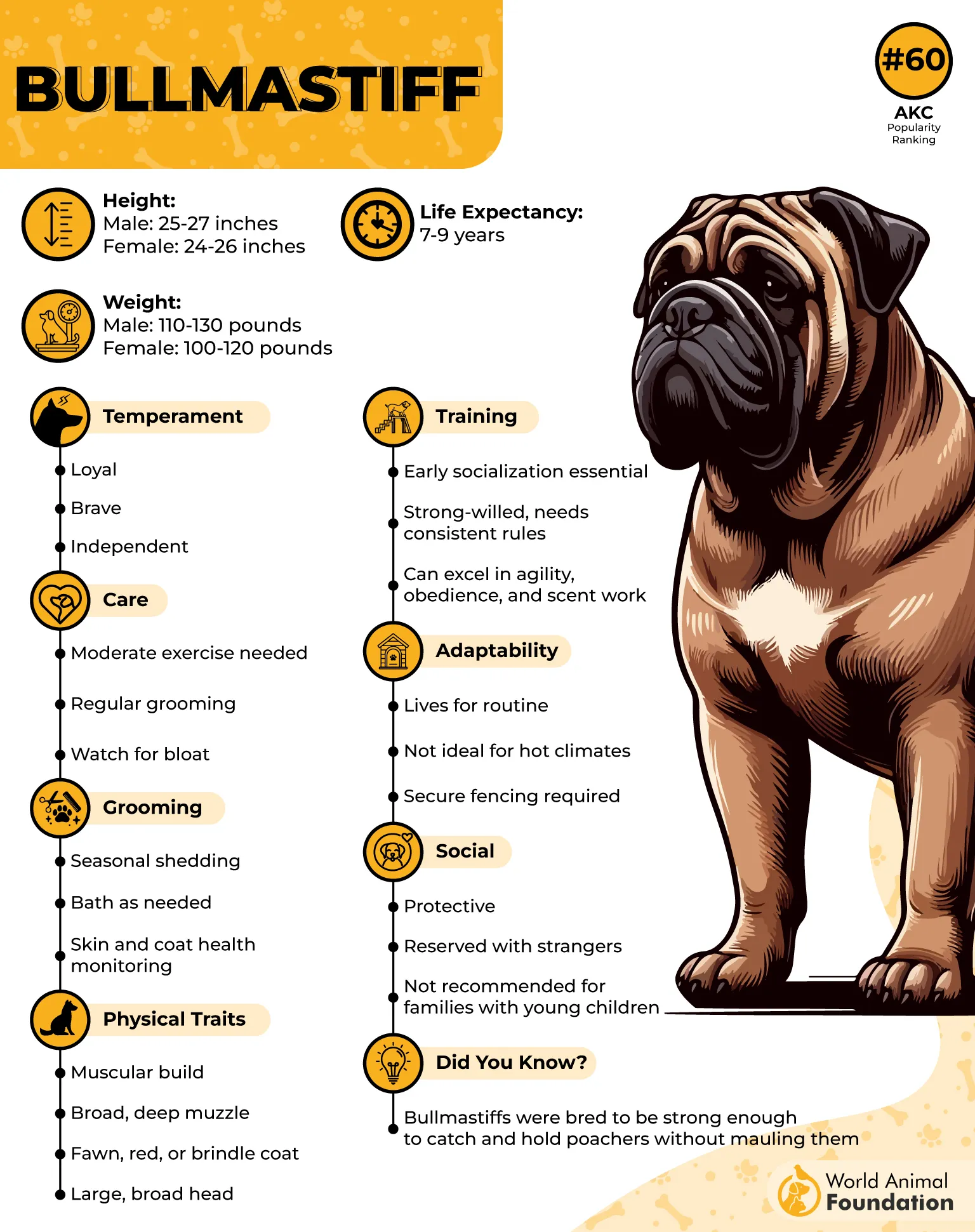
Exercise needs are moderate. Purina suggests making a daily routine of one hour of activity. A couple of walks a day and some playtime in a fenced yard is plenty. They aren’t built for long runs, especially in hot weather, because their short muzzle makes breathing harder.
These Mastiff-type dog breeds form strong bonds with their family and can be a little stubborn. Early socialization and consistent training are important. A 120-pound dog that skips manners class…. TRUST US, not fun.
2. Great Dane
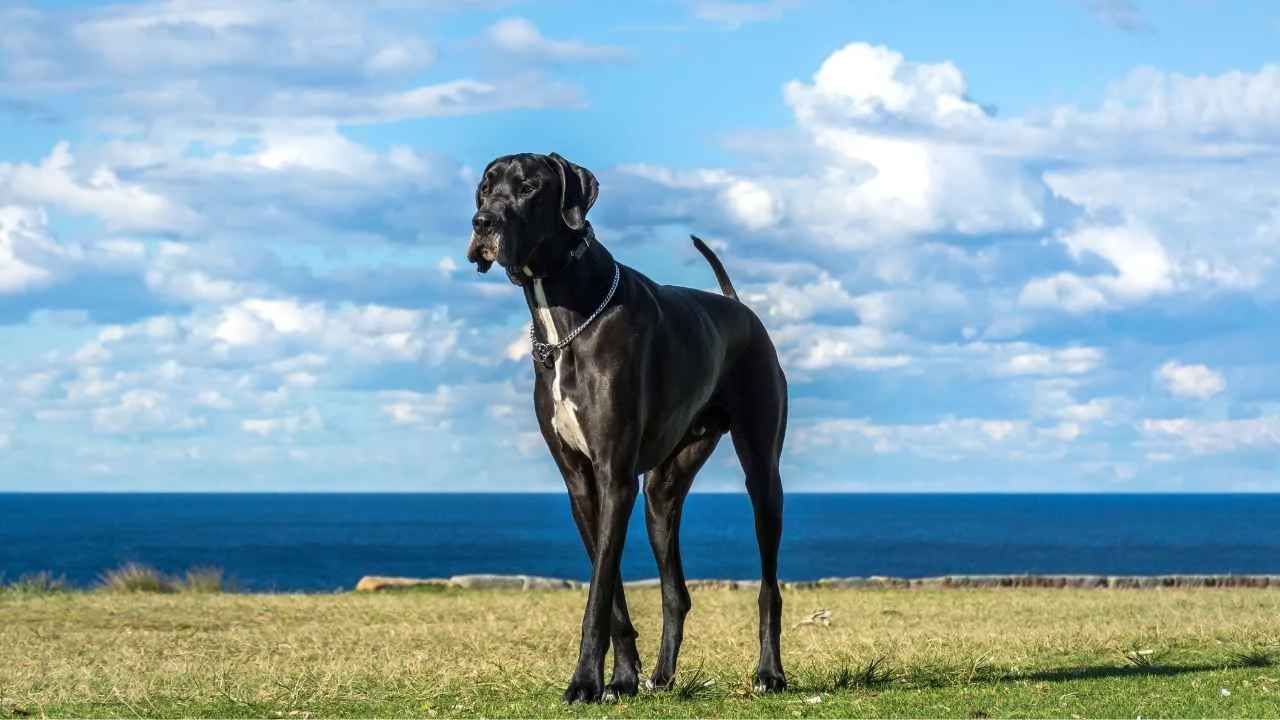
Great Danes are some of the tallest dog breeds on the planet. But they are also some of the most relaxed. Honestly, many of them act like lap dogs. They will try. They will ABSOLUTELY try.
Originally bred in Germany to hunt boar, Danes today are known for their gentle nature and calm demeanor. They are a popular dog breed for good reason. Their guarding style is very simple.
They are HUGE, they have a deep bark, and most intruders decide to go elsewhere.
Grooming a Great Dane is easy. That short coat needs only a weekly brushing. Exercise-wise, they are happy with daily walks and a little room to stretch out.
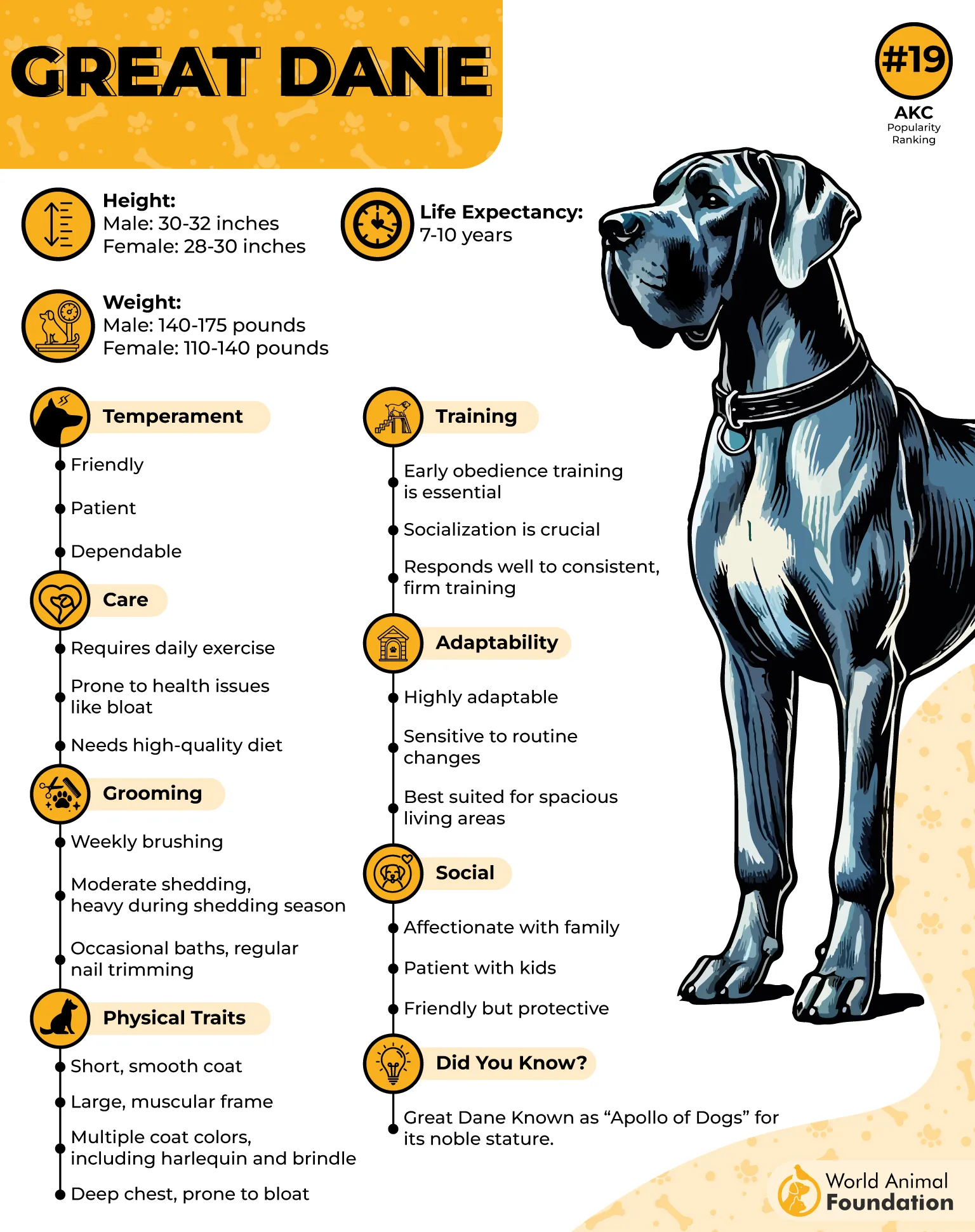
The trade-off is health concerns. Great Danes are prone to bloat, a serious emergency in deep-chested dogs, as well as heart issues and joint problems. Their lifespan is on the shorter side, usually 7 to 10 years.
Feed smaller meals, skip the intense exercise right after eating, and keep a close eye on your vet visits.
3. Mastiff
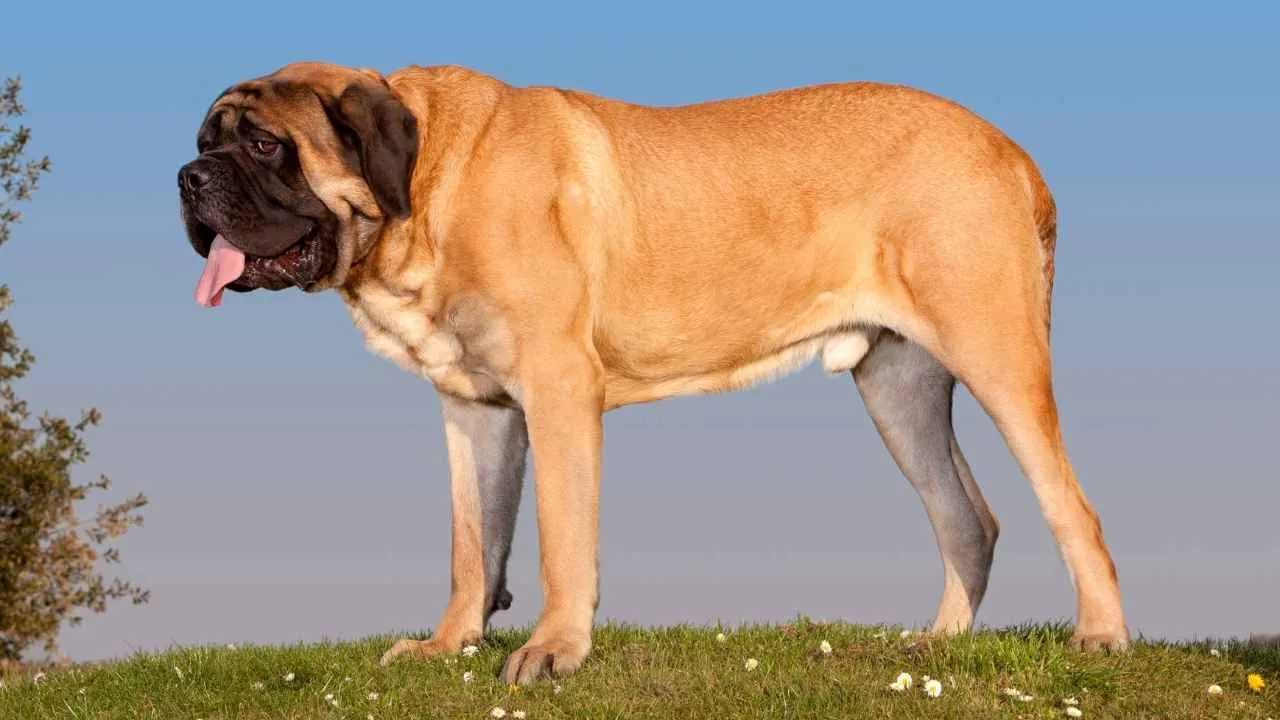
The Mastiff is one of the oldest dog breeds, with a long history going back thousands of years. They were used as guard dogs for homes and property, and that protective instinct is still part of who they are today.
But the modern Mastiff is a BIG, QUIET SOFTIE!
These dogs are fiercely loyal, calm indoors, and usually pretty easygoing with family. They are not highly energetic. In fact, many are couch potatoes. A few short walks a day and they are set.
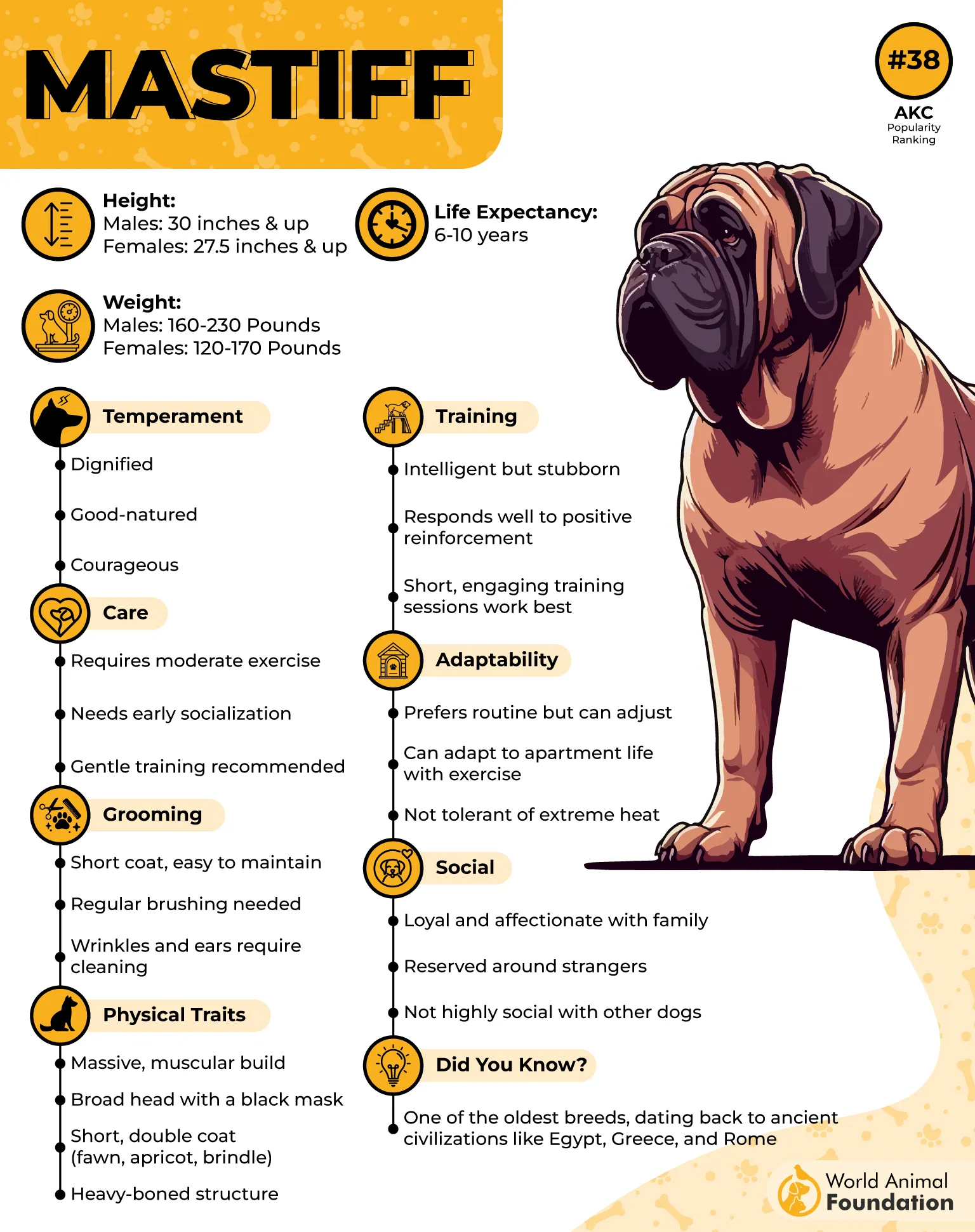
But here’s a bummer. Mastiffs drool. A LOT. Keep a towel handy, because drool is a constant feature, warns Britannica. And because of their massive size, proper socialization and training from an early age is a MUST.
They are also not exactly cheap to feed. Large breeds eat large amounts. Budget accordingly.
4. Saint Bernard
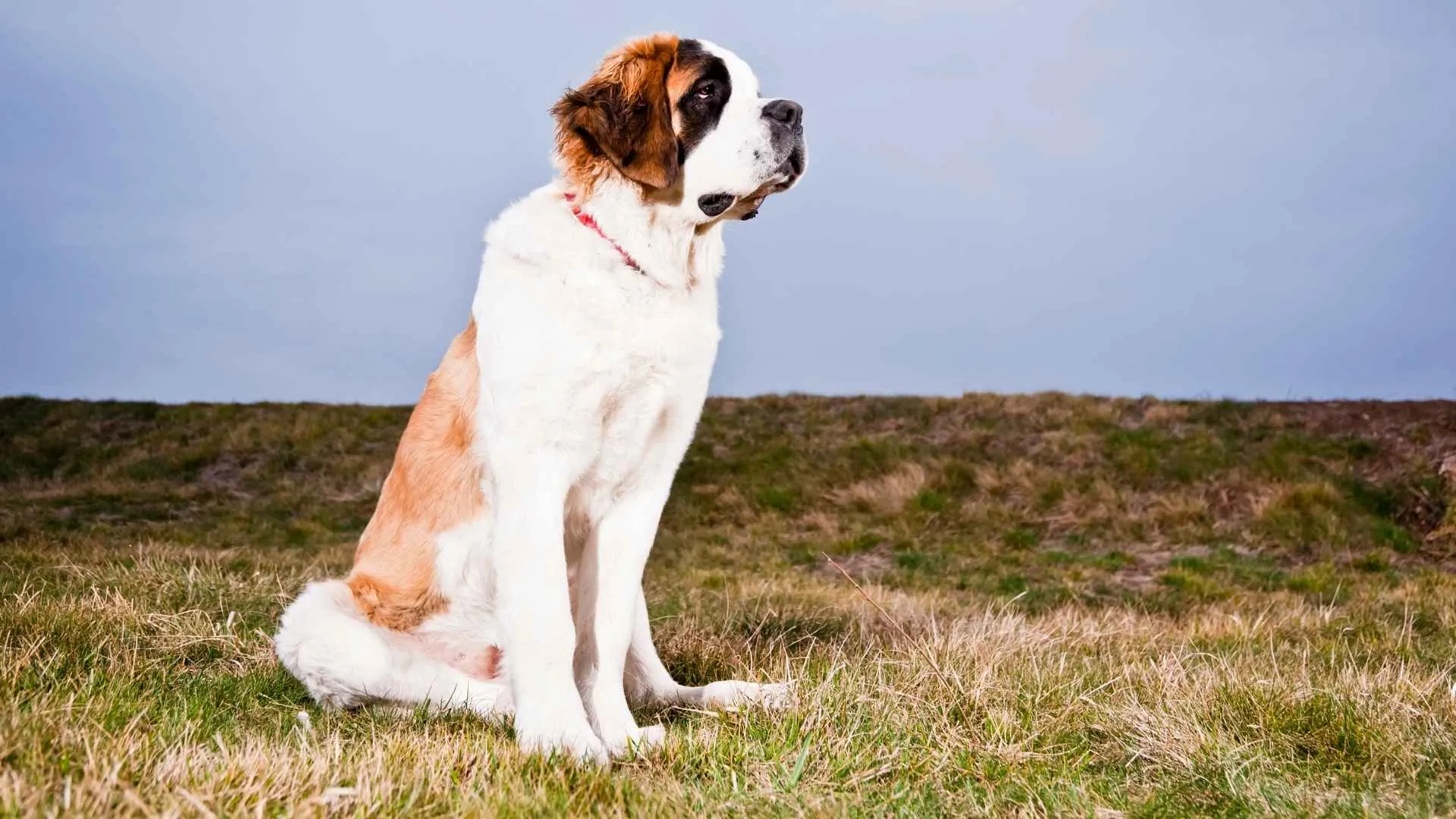
Ah, the famous mountain rescue dog.
Quick myth-buster: Saint Bernards didn’t really carry little brandy barrels around their necks. That image came from an old painting.
They ACTUALLY helped monks locate travelers lost in the snow in the Swiss Alps. Pretty heroic anyway.
Today, Saint Bernards are gentle giants with a patient, sweet personality. They are wonderful with kids, though with small children you will want to supervise, since a 150-pound dog can knock over a toddler just by wagging his tail.
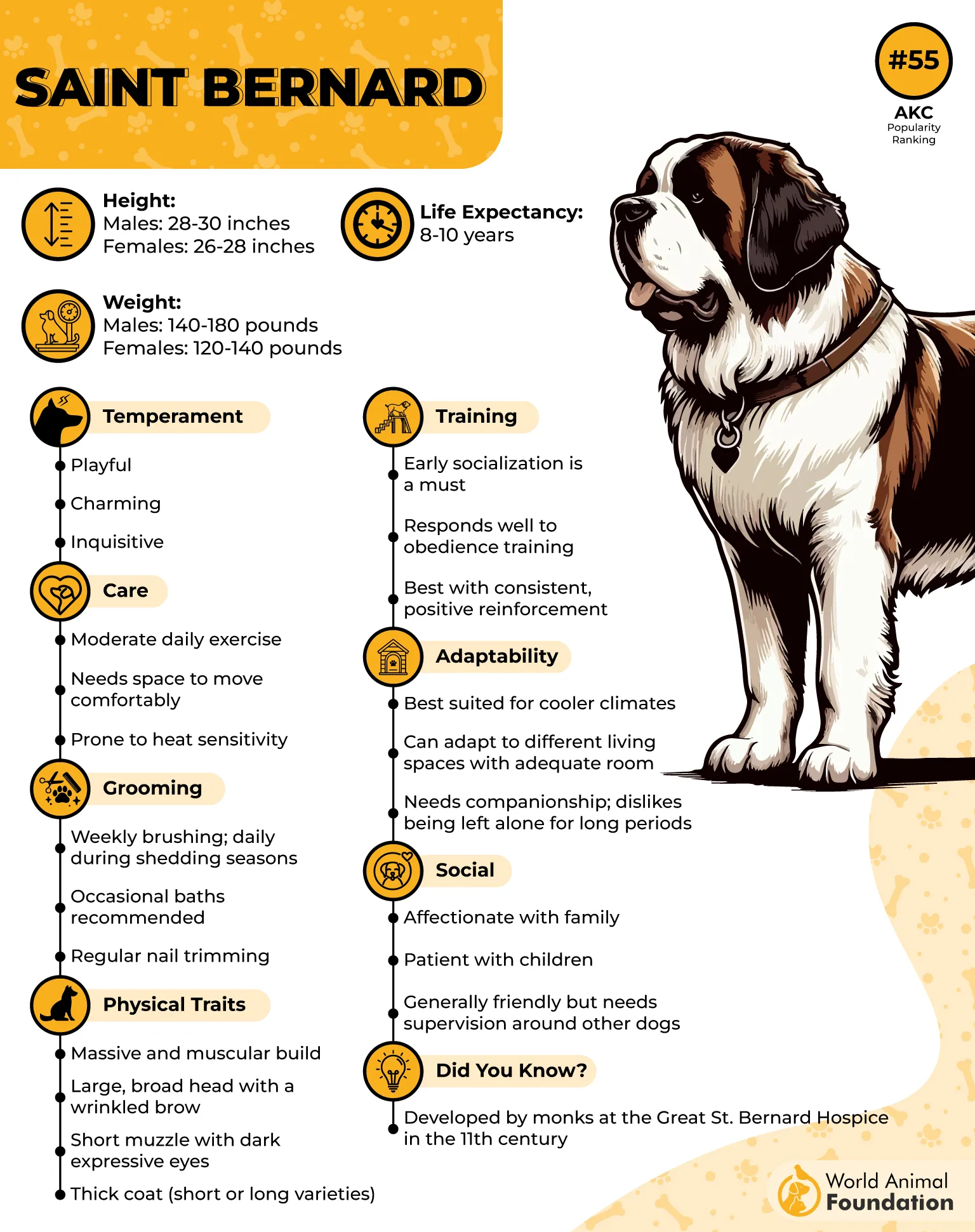
As guard dogs, they are more “big, loud, and intimidating” than aggressive. Grooming depends on which coat you get. Short-haired and long-haired varieties shed, so brush a few times a week. And yes, AGAIN, there’s drool. Everyone on this list has a little bit of a drool situation going on. Welcome to giant breeds.
They love their people and don’t do great when left alone for long stretches. Separation anxiety can show up, so these are not ideal for folks who work 12-hour days.
5. Great Pyrenees
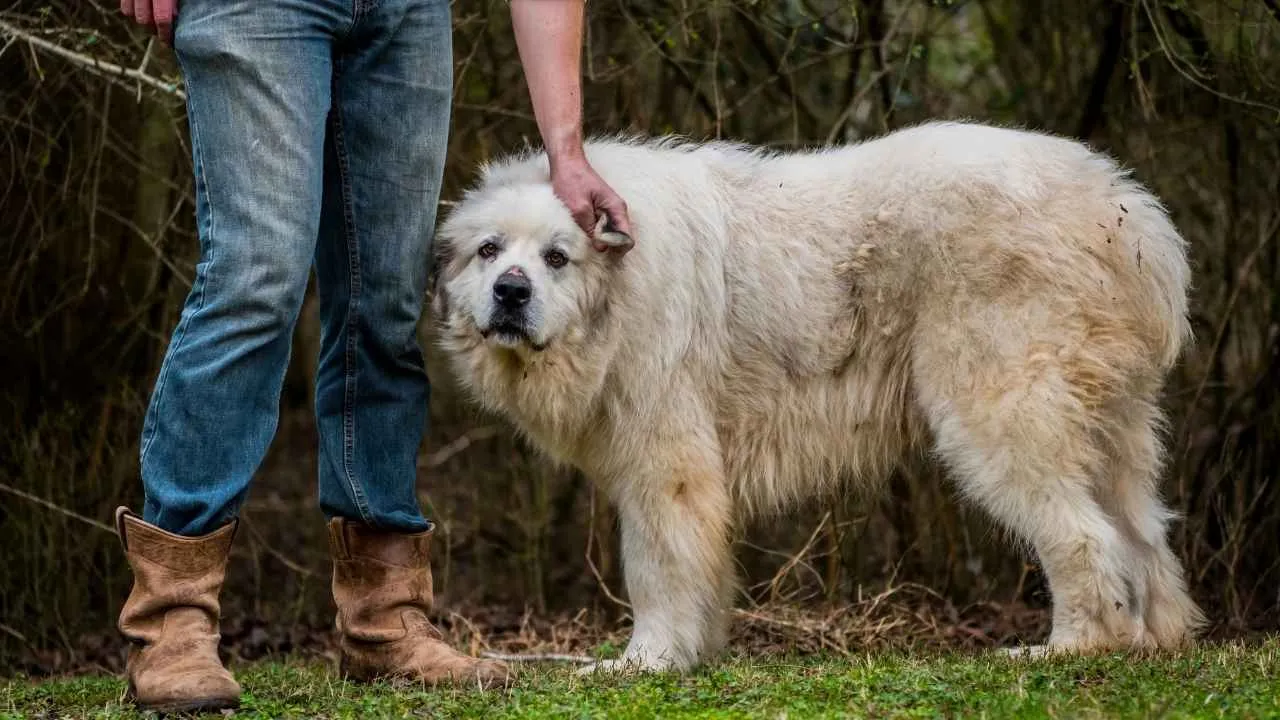
Now we are talking about one of the most laid-back guardians out there.
The Great Pyrenees was originally bred to guard sheep in the mountains between France and Spain. Alone. At night. Against wolves. That is a HEAVY resume, isn’t it?
Because of that, Pyrs have a strong independent streak and a built-in protective nature. They are calm and quiet during the day, and happiest lounging around the house. Many are classic couch potatoes indoors.
Outdoors, though, these mountain dogs take their job seriously. A securely fenced yard is important. And FAIR WARNING: many Pyrs bark at night.
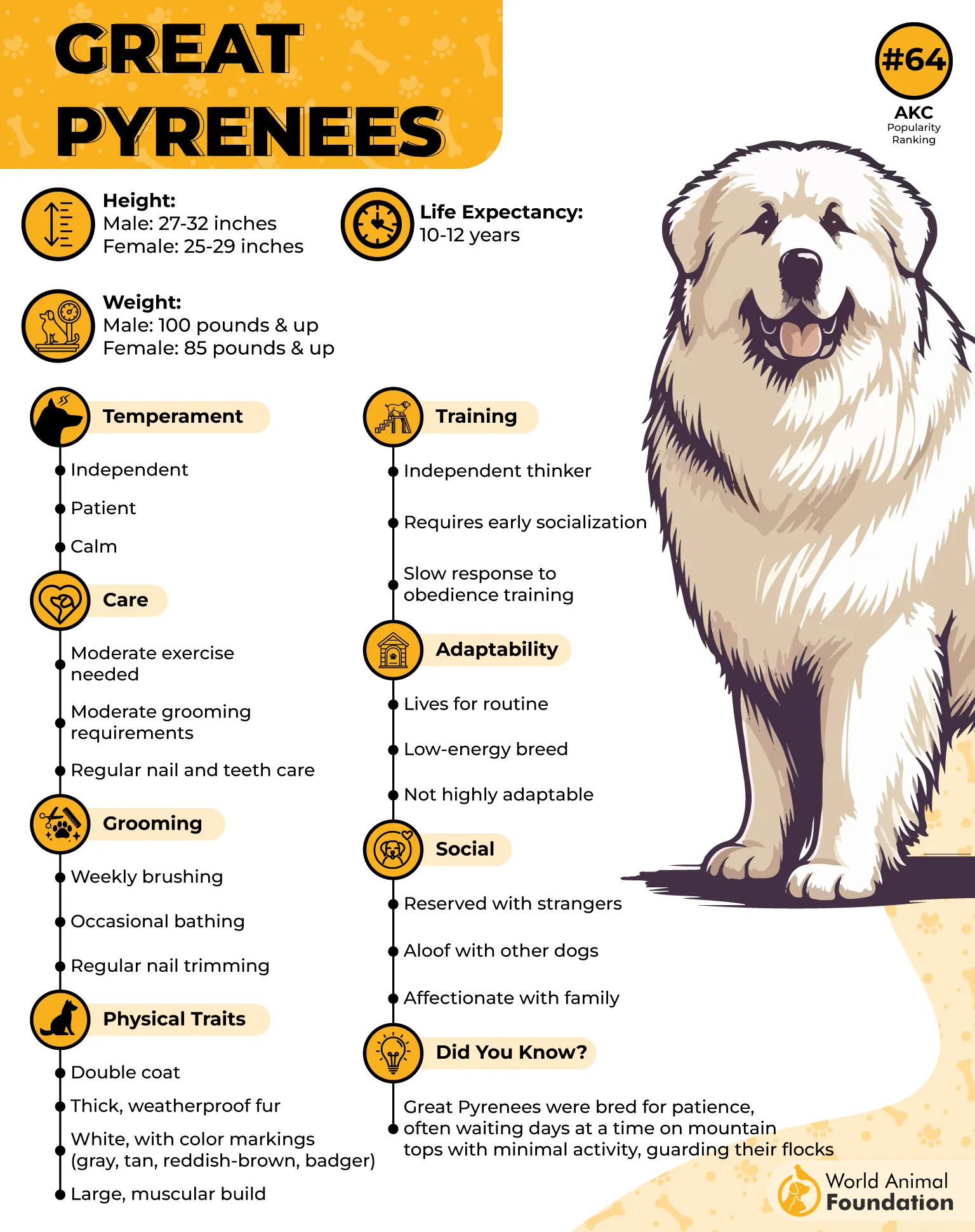
That thick double coat sheds like crazy in spring and fall (mostly). Brush it a couple of times a week and expect white fur on, well, everything. But the coat is also self-cleaning and weather-resistant, which helps.
They live around 10 to 12 years, which is pretty good for a giant breed. Training takes patience. A Pyr that doesn’t see the point of “sit” will politely ignore you. Consistent training and treats work better than raised voices.
6. Newfoundland
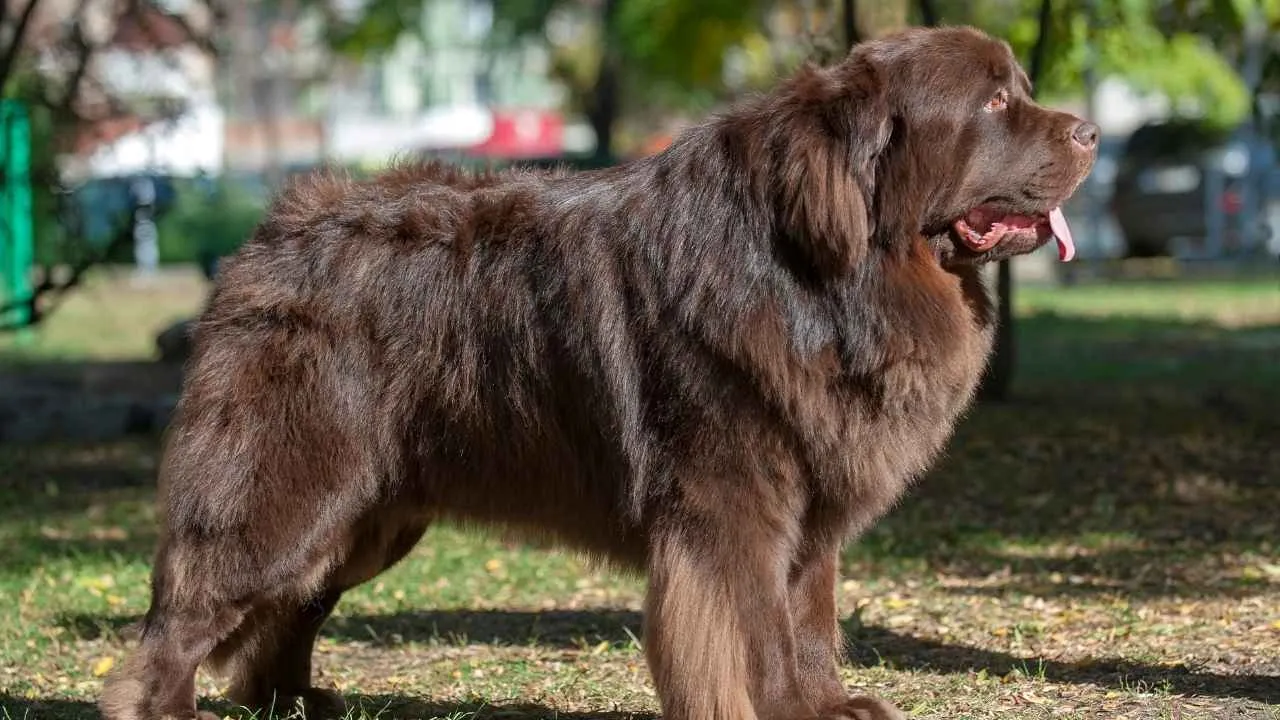
Newfoundlands were bred to help fishermen haul nets and pull carts. These water dogs are also famous for water rescues. They have webbed feet, a water-resistant thick coat, and a patient nature that earned them the “nanny dog” reputation with kids.
As guard dogs, they are more protective by presence than by attitude. They will step between you and a problem, but they are more likely to greet a stranger with a slobbery grin. Still, a 130-pound dog with a deep bark gets noticed.
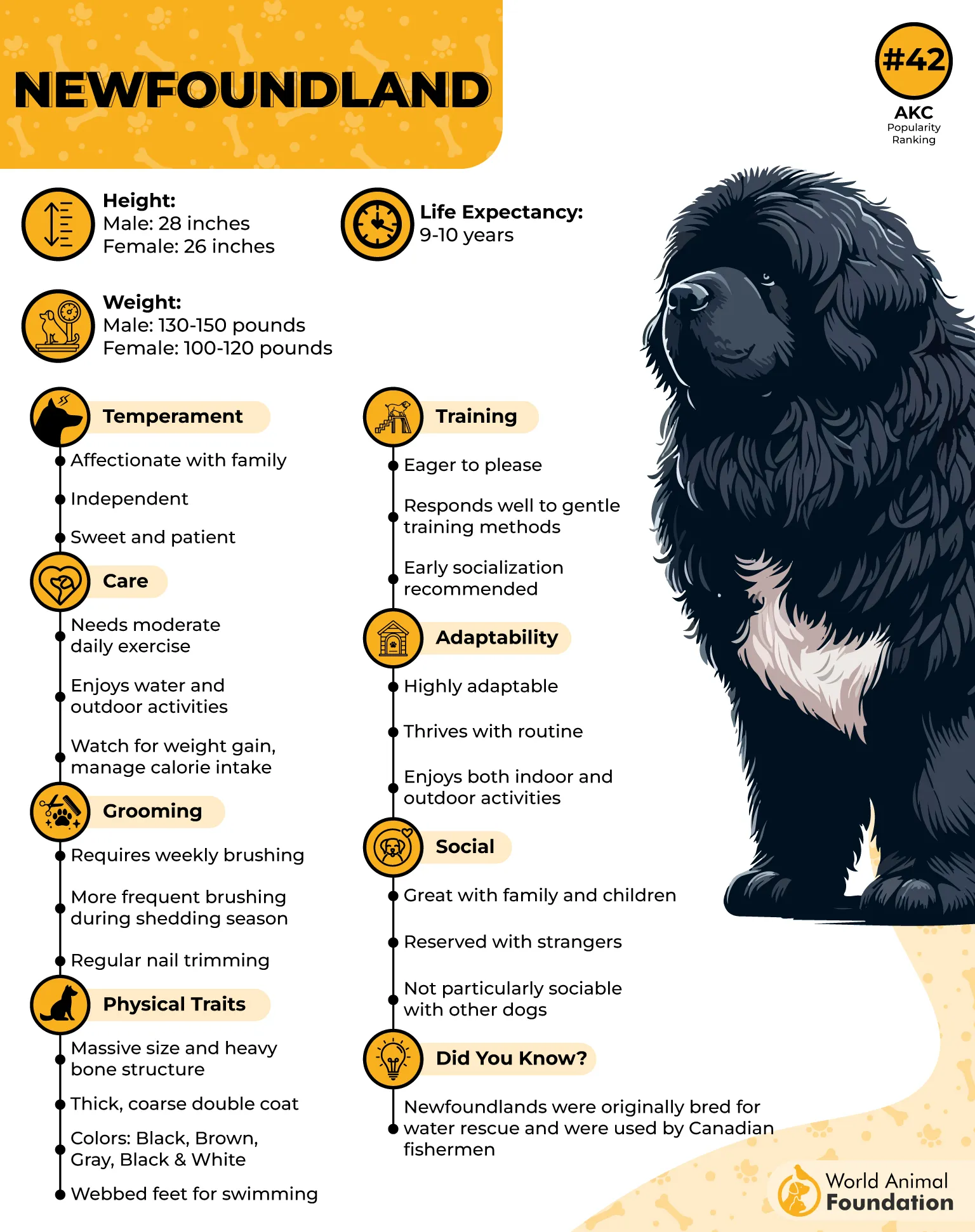
Their energy levels are low for their size. Moderate daily walks, a swim if you have access to water, and couch time. Newfies are a highly intelligent breed. They are smart, quick learners, and eager to please, so proper training is usually easier than with some other large breeds. Plus, they can adapt to various living situations.
Grooming is the big job with these large dog breeds.
That coat needs brushing several times a week to stay tangle-free. And, yep, drool again. Newfoundlands typically live about 8 to 10 years and can have heart and joint concerns, so choose a breeder who health-tests before dog ownership.
A good match for a home with kids.
7. Rafeiro do Alentejo
Okay, this one’s the wild card.
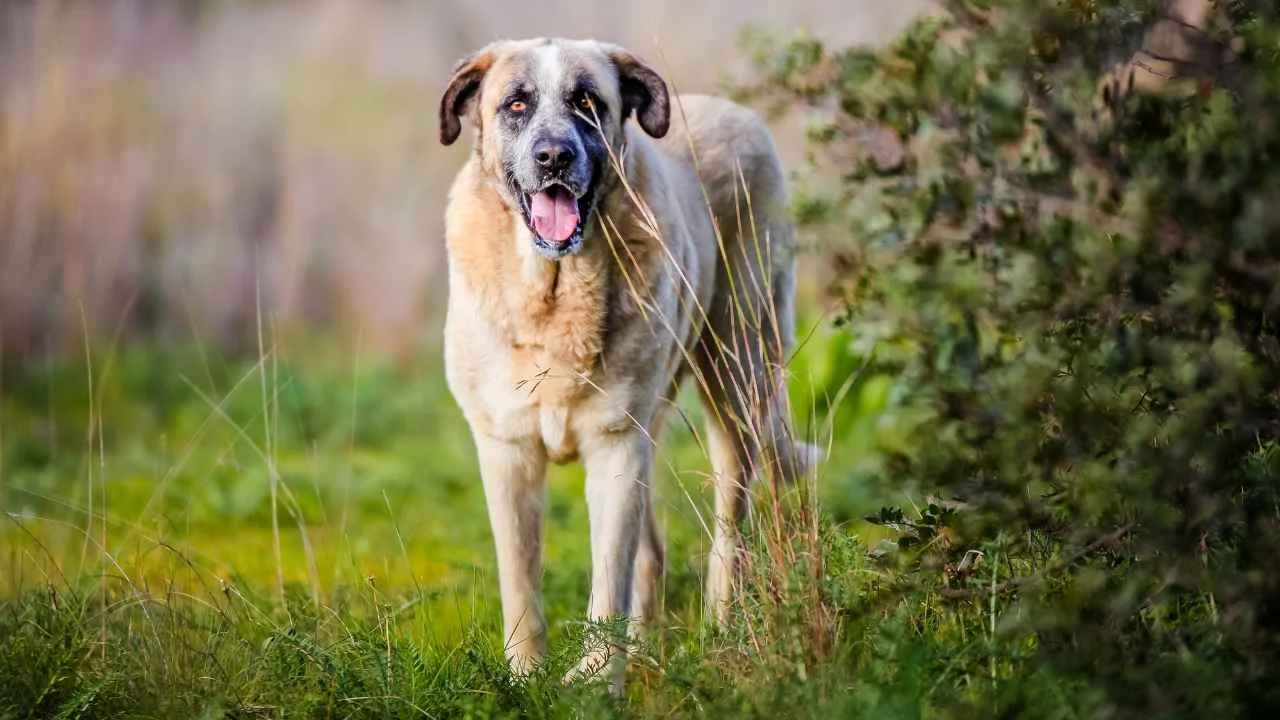
If you haven’t heard of the Rafeiro do Alentejo, don’t worry. This rare livestock guardian comes from Portugal’s Alentejo region, and you will rarely see one at an American dog park.
These dogs were bred to protect flocks, so they have calm confidence, a serious guarding instinct, and a wary attitude toward strangers. At home, they are typically quiet, steady, and loyal to their family.
They bond closely with their people and don’t need constant entertainment.
These large dogs weigh about 75 to 120 pounds and have a short coat that needs minimal grooming. Exercise requirements are moderate, but they do need room to move and a safe, fenced space.
They are not for first-time dog owners. They can be strong-willed, and finding a reputable breeder here in the U.S. can take real effort.
But for the right household, they are an incredible, low-key protector.
Conclusion
If you want a dog that guards your home without being a ball of nonstop energy, you have plenty of options.
All of these dogs bring that calm, steady, protective vibe. They are highly trainable breeds that excel at complex tasks and thrive with regular grooming, regular exercise, puzzle toys, and mental stimulation. They feel at their best when their exercise needs are met. And yes, they display unwavering loyalty.
Small dogs like Cavalier King Charles Spaniels, French Bulldogs, and even medium-sized dogs like Chow Chows have the natural ability to be properly trained guard dogs/watchdogs.
Pick the one that fits your space, schedule, and tolerance for drool and dog hair.
Because the right breed is about finding a loyal companion who will watch over your family, then curl up next to you at the end of the day. These are some of the best traits that make them the right breeds.
A very, very big companion. With a very, very big heart.
