




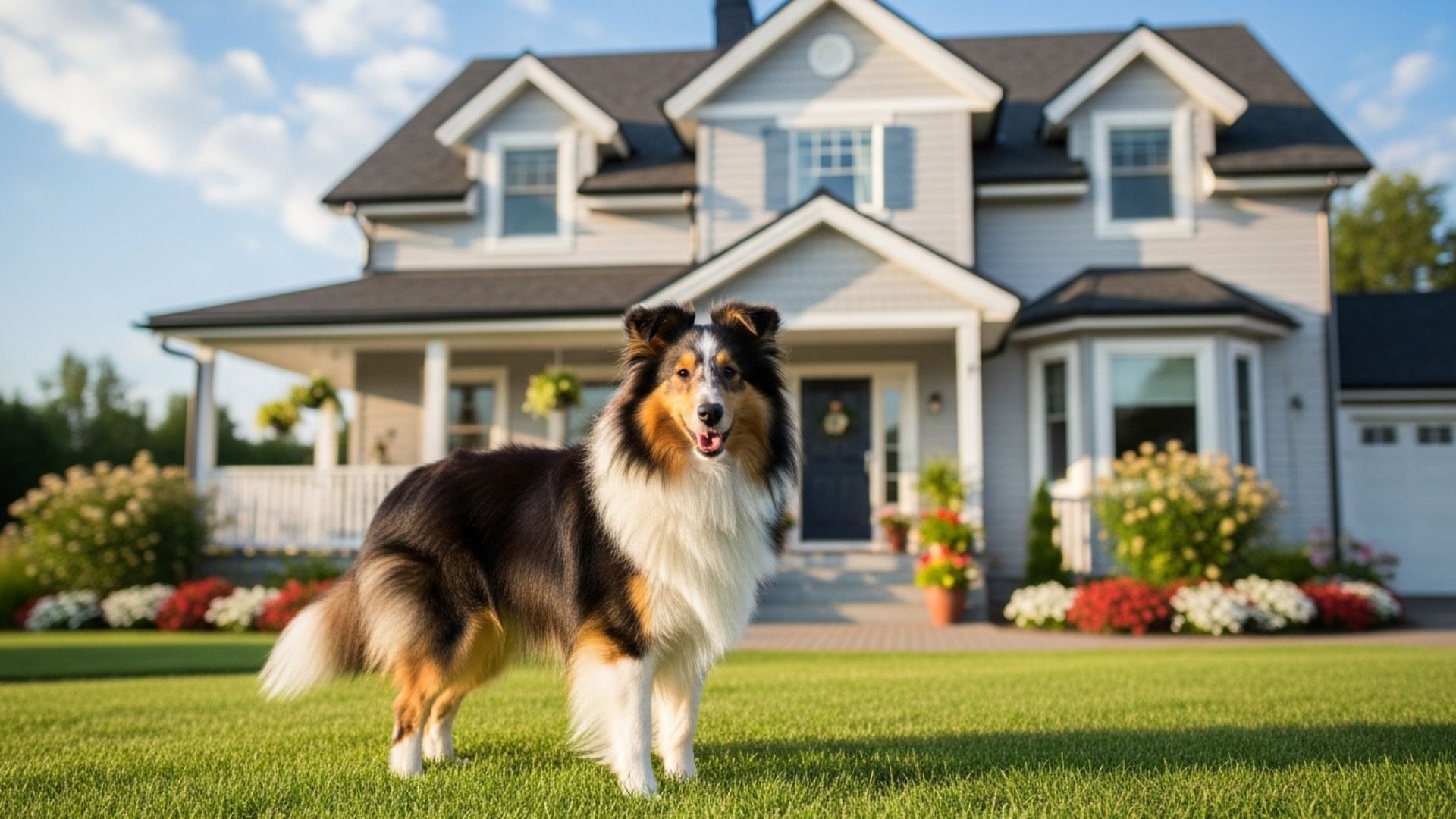
Home should feel safe long after the doors are locked and the lights are turned off. For many families, that sense of safety comes from knowing there is something alert, present, and reliable within the home itself.
A guard dog can offer that reassurance, but not every household wants the demands that usually come with one. Low-maintenance guard dogs answer a very real need: protection without constant effort. These dogs do not require nonstop training or excessive management to remain effective.
They stay aware, react when necessary, and settle back into calm behavior without disrupting family life. Their presence feels steady rather than overwhelming, protective without being exhausting. This balance matters for homes with children, work schedules, and limited time.
By the end of this article, you will see how low-maintenance guard dogs protect homes and families effectively, what traits make them manageable, and why simplicity often creates the strongest form of security.
Key Takeaways
Guard dogs do not always need intense grooming or constant supervision to protect a home effectively.
Breeds like the Miniature Pinscher and Dachshund stay alert through instinct alone, reacting quickly to unfamiliar movement or sound.
Larger protectors such as the Great Dane and Boerboel rely on presence and judgment rather than nonstop activity.
As the list unfolds, each breed shows how protection and ease can exist side by side in everyday family life.
Low-Maintenance Guard Dog Breeds For Your Home And Family
1. Miniature Pinscher

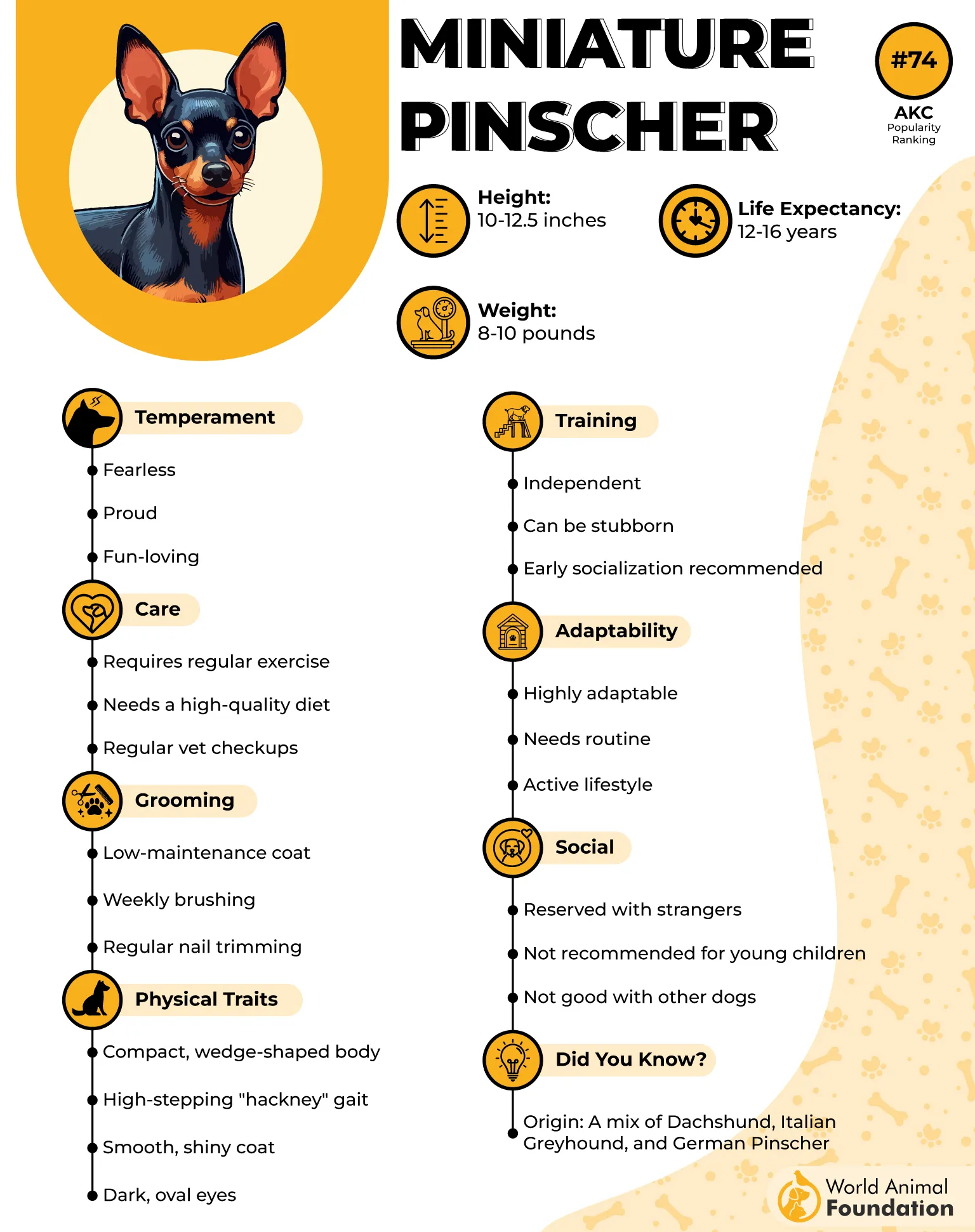
Miniature Pinscher is celebrated for its fearless, self-possessed nature that gives a “big dog” presence in a small frame. Its lively energy ensures it stays aware of household activity throughout the day. This alert temperament pairs naturally with low-maintenance routines that suit active homes.

Compact Build and Care
The breed’s short, hard coat requires minimal upkeep while remaining glossy with simple weekly brushing. Keeping the coat healthy complements its alert and confident personality.
These factors contribute to their ease of care:
A smooth coat requires little grooming
Quick-dry after brief baths
Simple brushing prevents debris accumulation
High-Stepping Gait and Daily Engagement
Miniature Pinscher moves with a distinctive high-stepping “hackney” gait, demonstrating energy in every step, as Britannica highlighted.
Their alertness encourages interaction and attention, which integrates naturally into home routines. Consistent observation during play helps owners spot early signs of stress or coat issues.
Fun Fact: The Miniature Pinscher earned its nickname “King of Toys” for carrying a confident, almost regal attitude that belies its size.
2. Dachshund

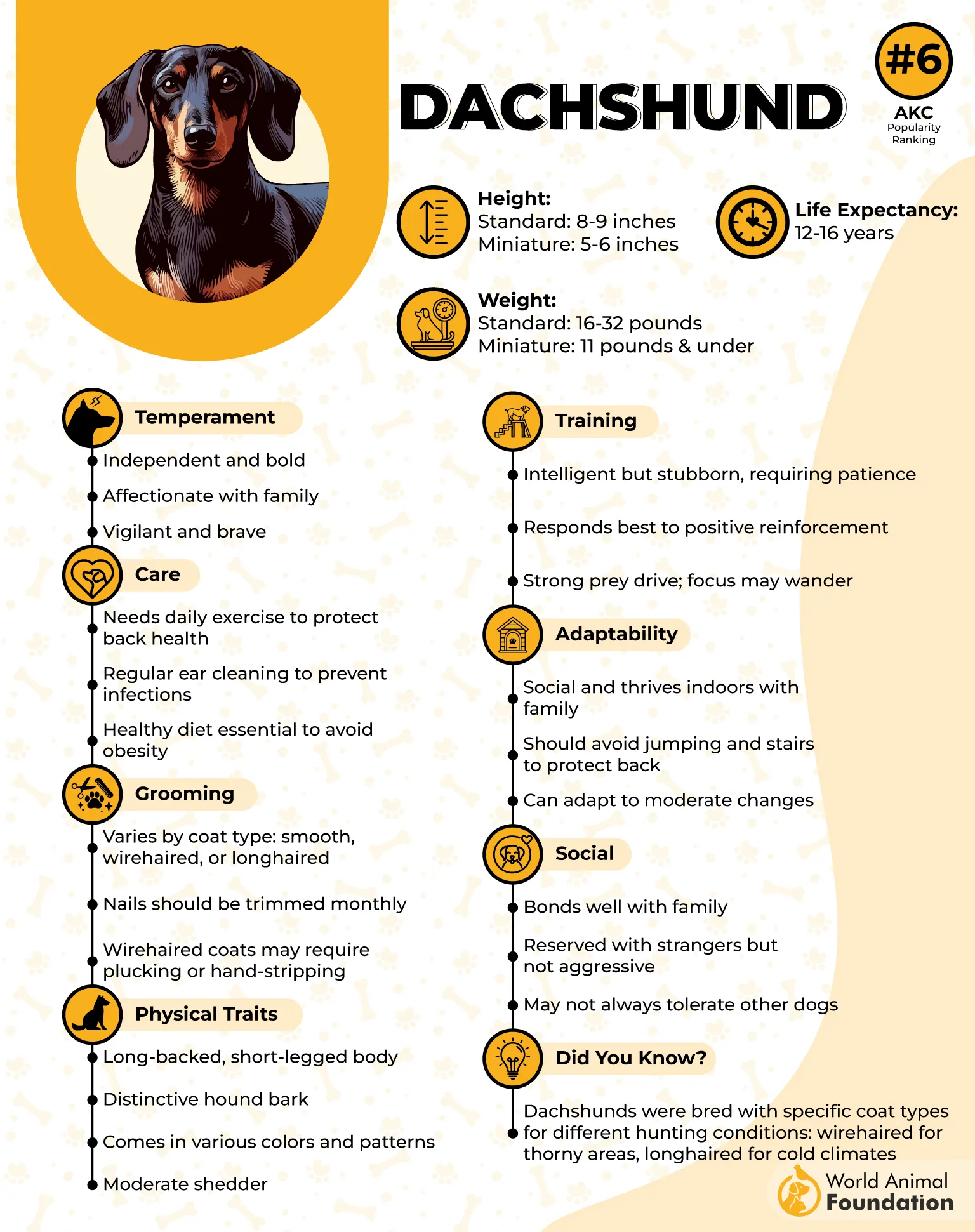
Dachshund is instantly recognizable for their long backs, short legs, and alert expressions that convey curiosity and determination. This vigilant posture makes it a natural fit for home protection, even in smaller living spaces, as per the AKC. Its small size combines with sharp instincts to offer confidence without demanding extensive upkeep.
Low-Maintenance Qualities
The breed’s short, wire, or long coat types influence grooming needs, but overall care is straightforward. Basic routines keep it healthy and presentable with minimal effort.
Simple upkeep includes:
Smooth coat wipes or occasional brushing
Wire-haired plucking or hand-stripping a few times yearly
Long-haired light brushing to avoid tangles
Interaction and Routine
Dachshunds bond closely with household members, responding to consistent interaction and attention. Their keen awareness of visitors or unusual activity supports a reliable watchdog habit. Daily life becomes easier because they are alert without requiring extensive training or maintenance.
Fun Fact: Despite their small size, Dachshunds were bred to hunt dangerous prey independently, giving them a bold personality and fearless streak that often surprises newcomers.
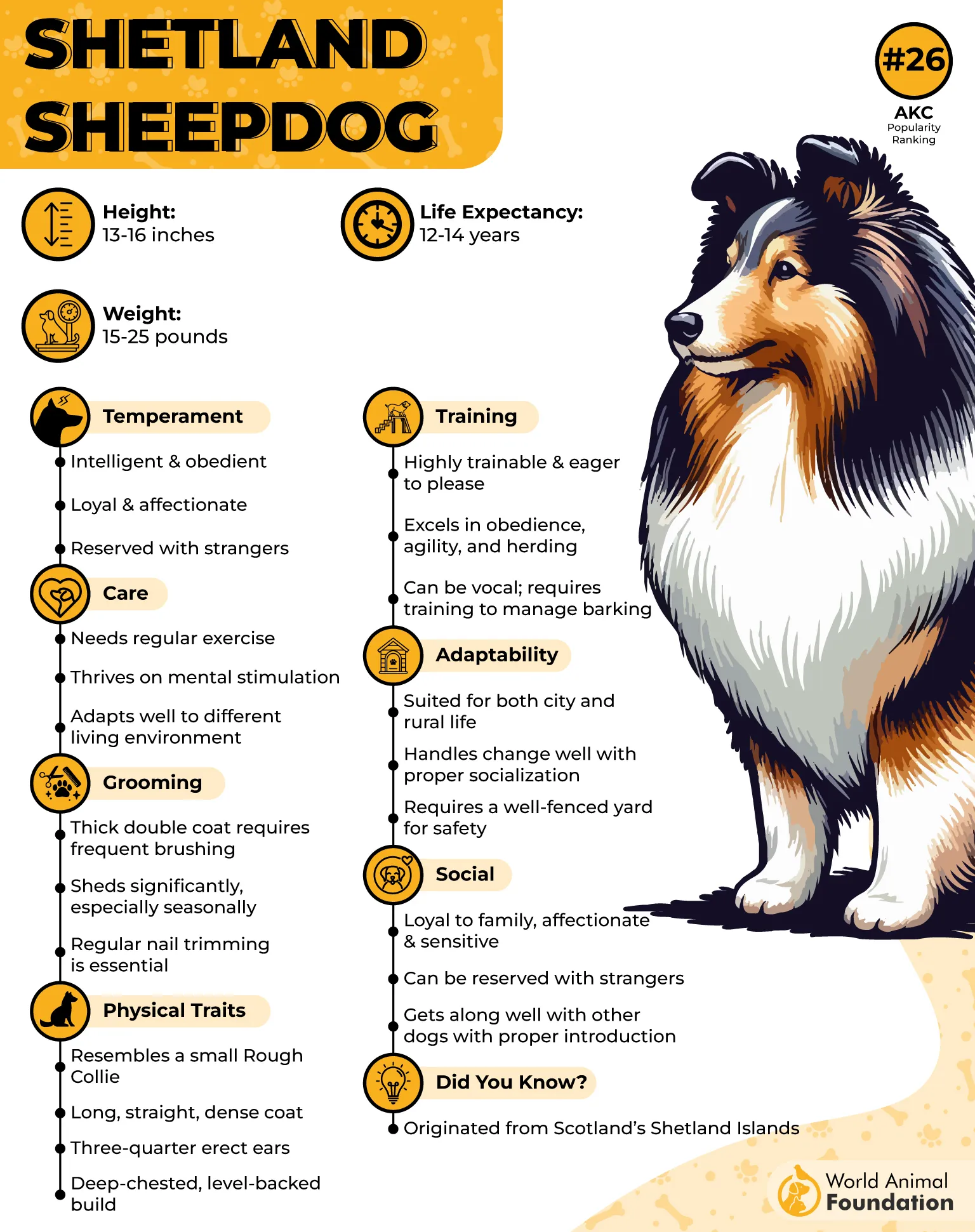
3. Shetland Sheepdog
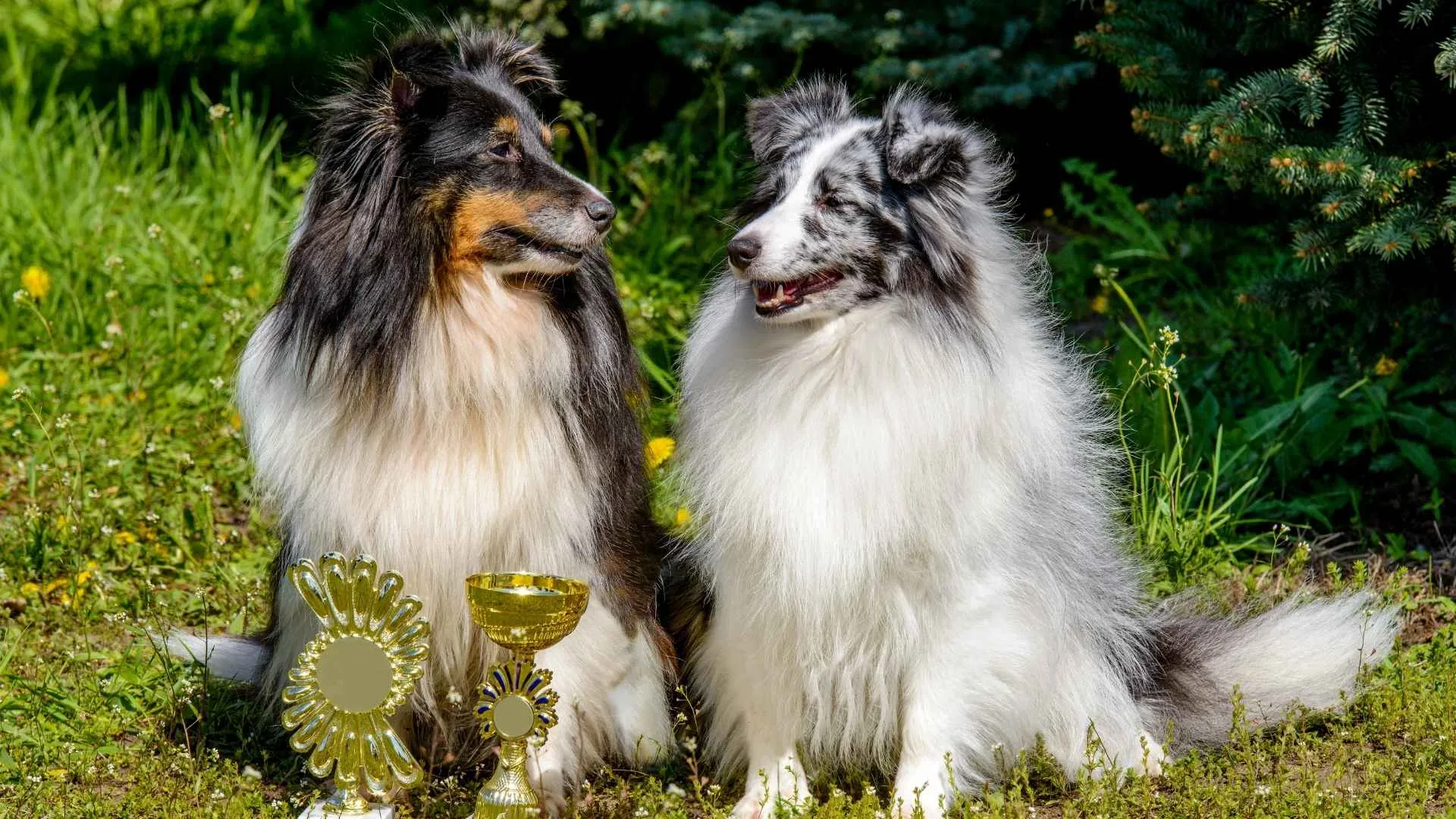
Shetland Sheepdog is known for its sharp mind and keen awareness, which makes it naturally attentive to household activity. Their quick learning helps them adapt to routines while quietly observing surroundings. These qualities align with the breed’s reputation as a low-maintenance watchdog for families.
Care That Supports Function
Alongside alertness, the Sheltie’s coat requires consistent, manageable upkeep to prevent tangles and shedding from spreading indoors. Following simple routines keeps the dog comfortable and the home clean.
These practical habits keep Shelties manageable:
Weekly brushing to remove loose hair
Regular coat checks to prevent mats
Routine nail and ear care for health
Family Connection
Shetland Sheepdogs respond closely to family members, tuning into daily rhythms and moods with remarkable sensitivity. Their affectionate nature encourages cooperation during care routines. Being in sync with the household helps owners maintain consistent attention without extra stress.
4. Great Dane
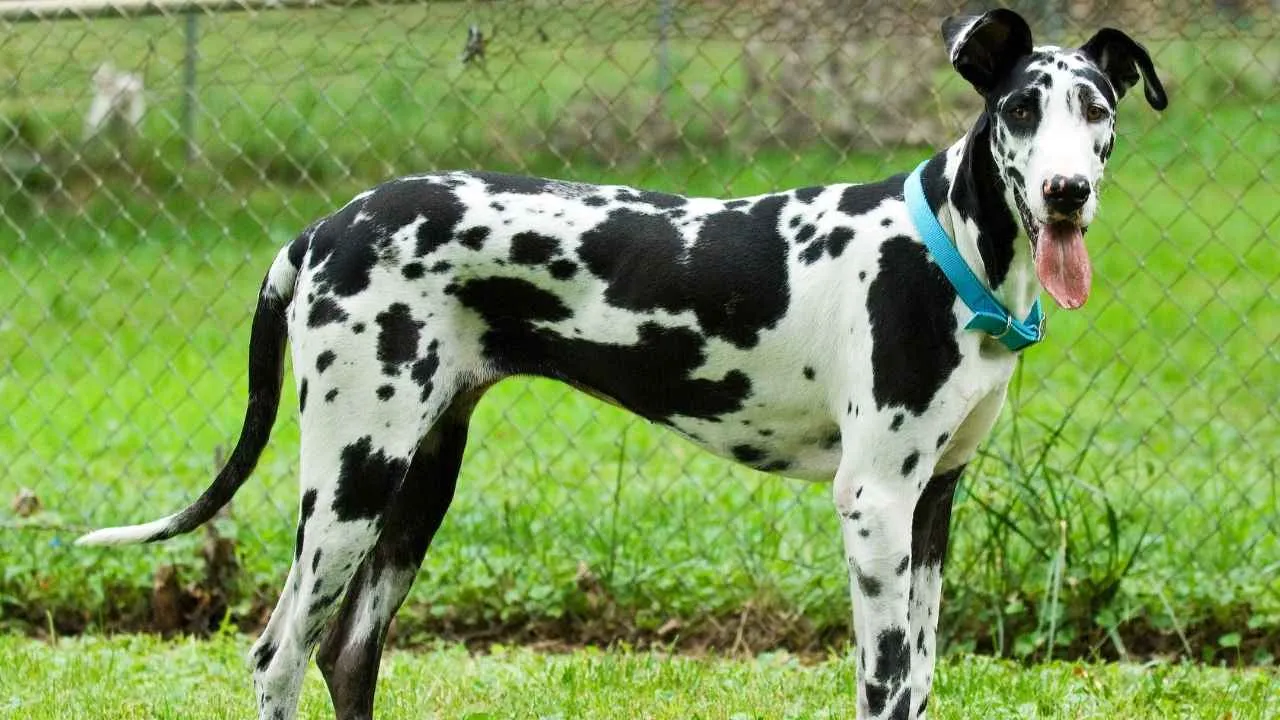
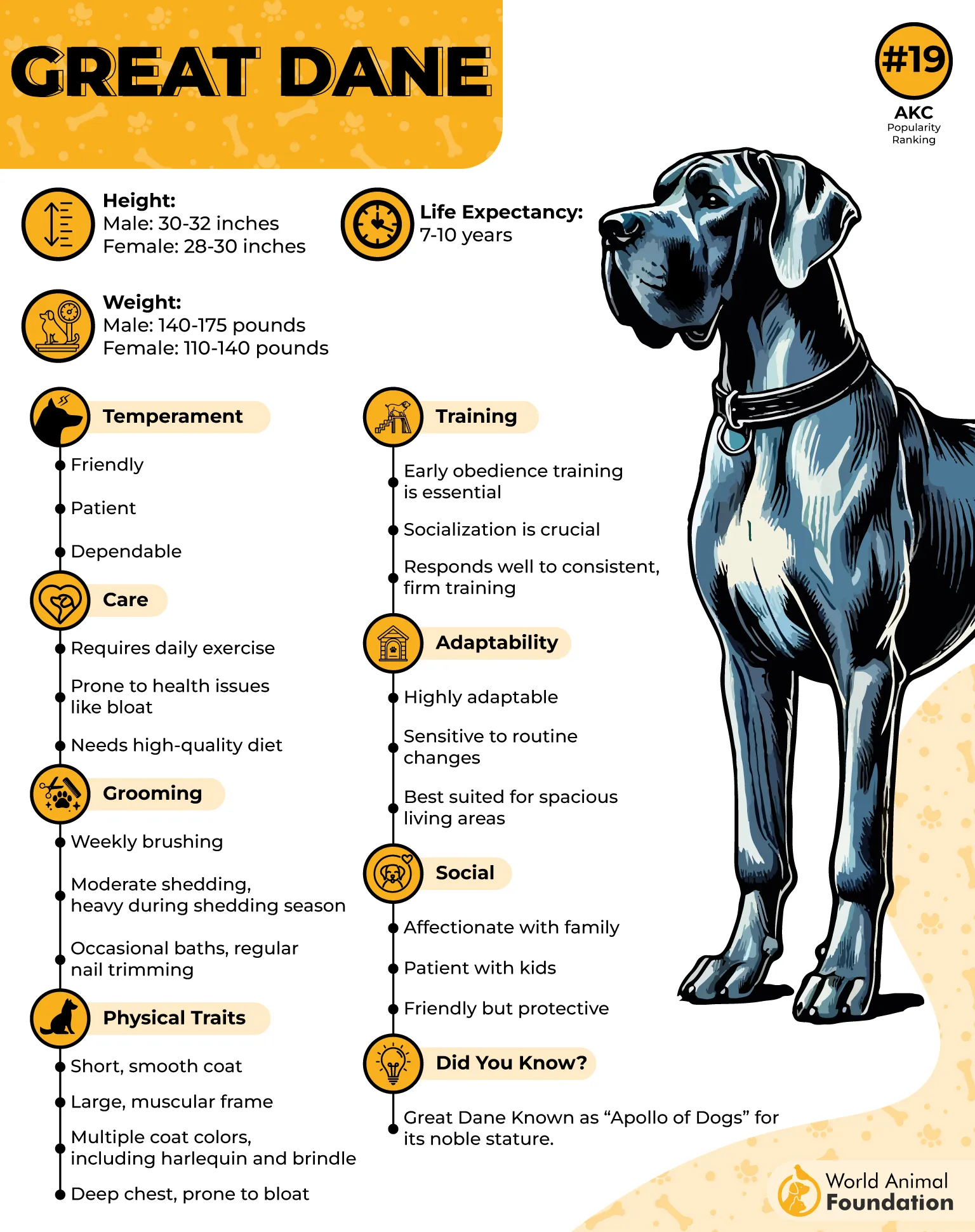
Great Dane combines a gentle personality with an imposing presence that naturally deters strangers. Their sheer size and alertness make them a visible line of defense without constant intervention. This blend of calmness and vigilance suits families seeking the best guard dog.
Low-Upkeep Coat
Alongside their protective nature, the breed’s short, smooth coat requires minimal grooming while keeping them comfortable, as PDSA notes. Simple maintenance ensures their coat stays healthy without intensive routines.
Essential care steps include:
Weekly brushing with a medium-bristle brush or grooming mitt
Occasional wipe-downs to remove dirt and loose hair
Regular nail checks to prevent discomfort
Attentive and Watchful
This guardian breed remains aware of its surroundings, noticing unusual movements and sounds while staying composed. Their social bonds are strong, but they can react decisively if a threat arises. This combination of loyalty and alertness supports their role as calm household guardians.
5. Boxer

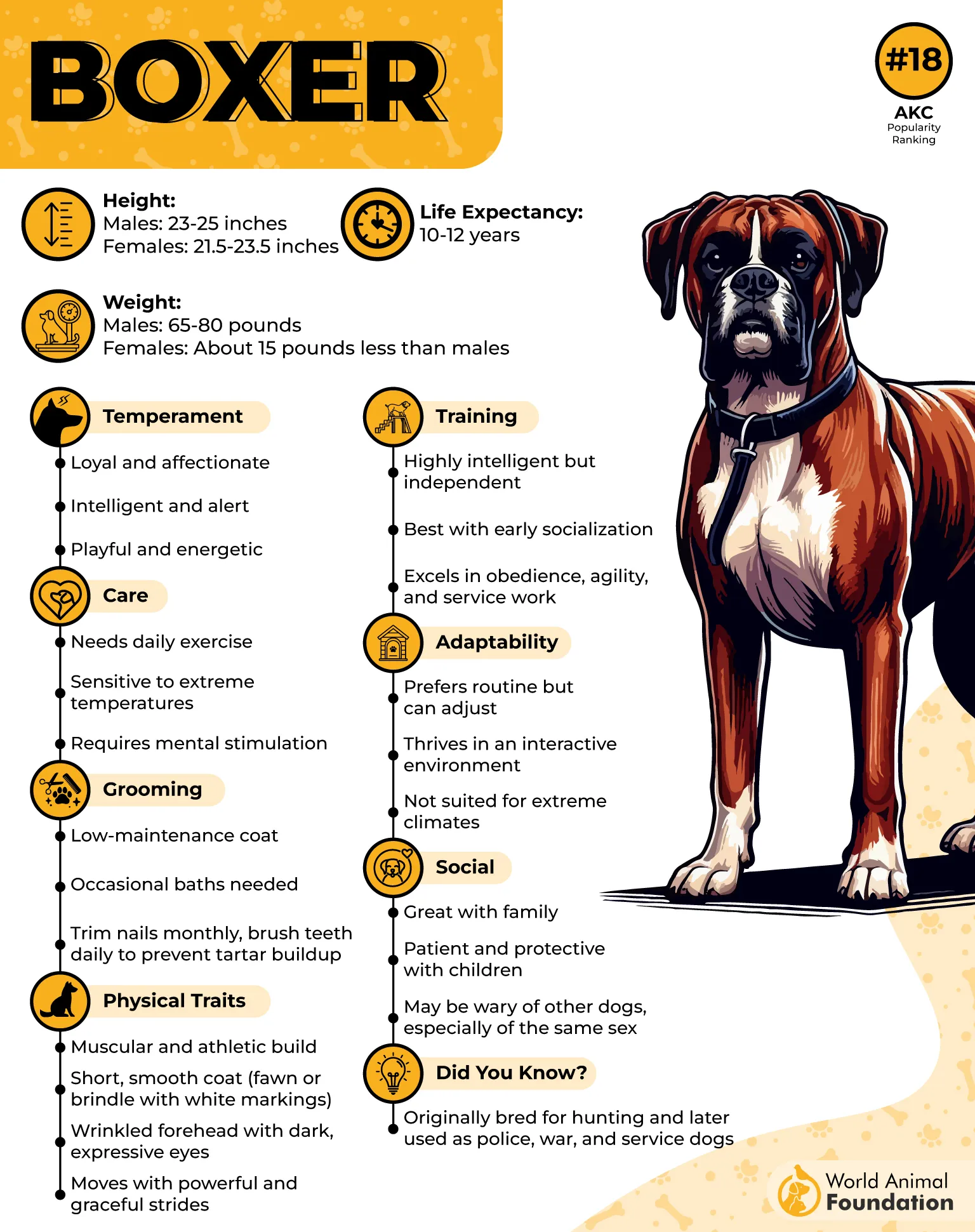
Boxer stands out for its boundless energy and playful curiosity that keep daily life lively. This alert temperament allows the dog to notice unusual activity around the home quickly. Such attentiveness makes it a naturally reliable protection dog without constant supervision.
Minimal Grooming Demands
Along with its athletic build, the Boxer’s short, smooth coat requires very little upkeep to stay healthy and shiny. Maintaining this low-maintenance coat is straightforward and fits easily into busy routines.
Key points for easy care include:
Occasional baths to stay clean
Brief weekly brushing with a rubber curry-brush
Simple nail trims for comfort and health
Confident Guarding Instincts
The breed’s courage and watchfulness equip it to meet potential threats with confidence, earning a reputation as excellent guard dogs. Their focused attention and athletic build allow them to patrol and respond without constant prompting.
6. Boerboel
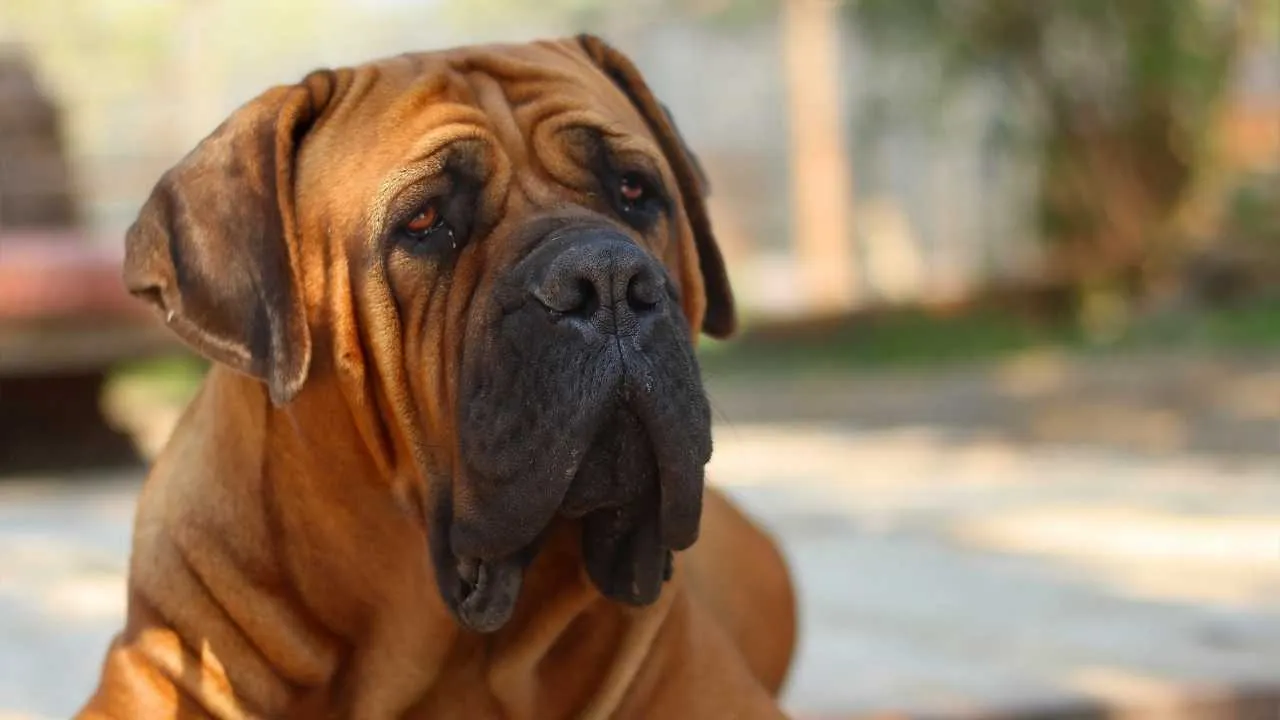
Boerboel is known for its dominant yet thoughtful nature, shaped by generations of serious guarding responsibility. Confidence shows through calm posture and measured reactions rather than constant movement. This balance suits households that want steady oversight without daily micromanagement.
Power That Stays Controlled
The breed’s broad head, strong jaws, and thick muscle structure signal strength, while its agility keeps movement efficient. In motion, the Boerboel stands out among mastiff types for responsiveness rather than heaviness.
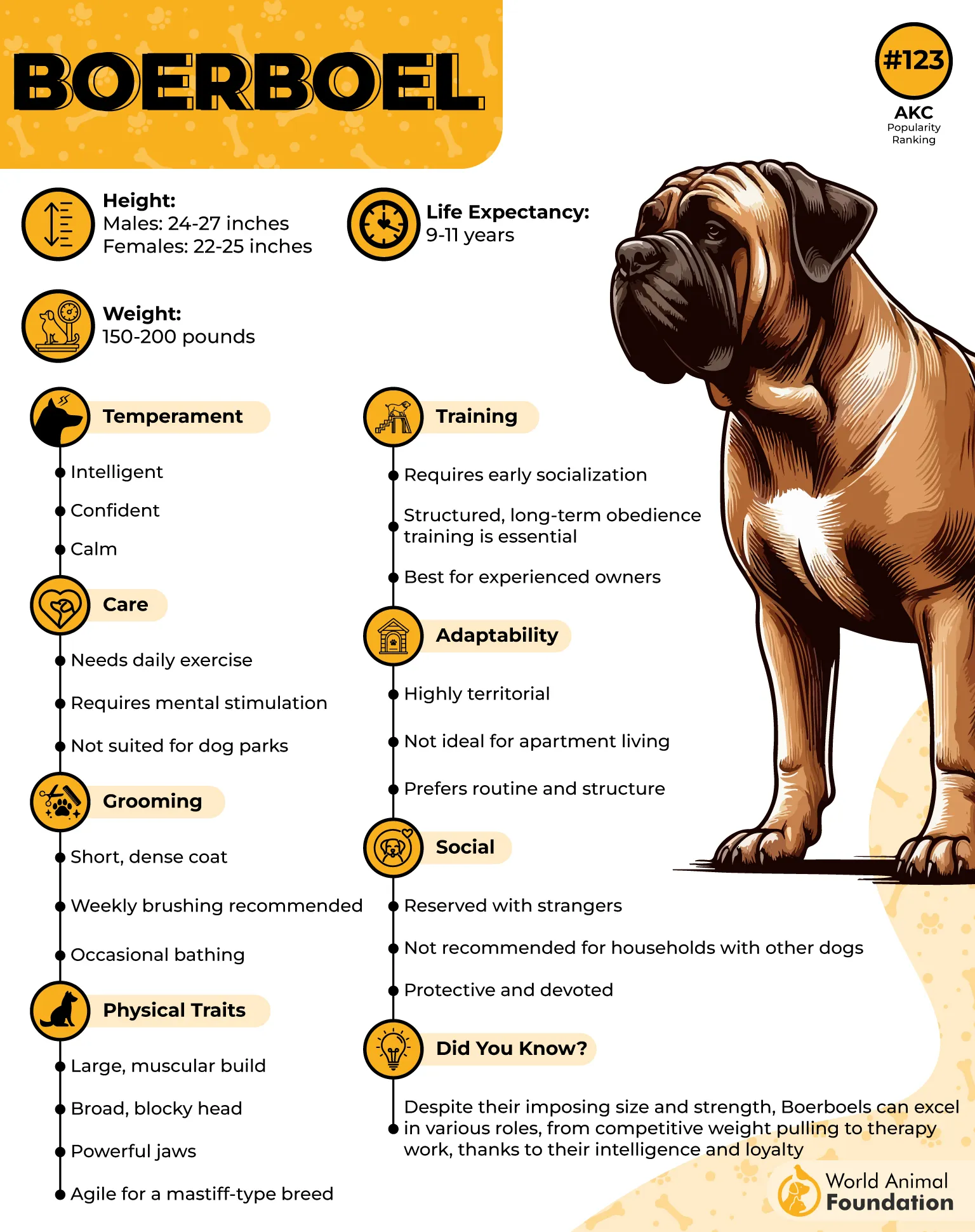
You can see it in routine moments:
Quick recognition of normal versus unusual activity
Physical presence that discourages intrusion
Stable positioning near familiar spaces
Trainability and Judgment
Early guidance matters because intelligence and confidence develop quickly in this breed. Boerboels are eager learners who respond best to clear structure and consistency. Their protective instincts remain situational when leadership is established early.
7. Tibetan Spaniel
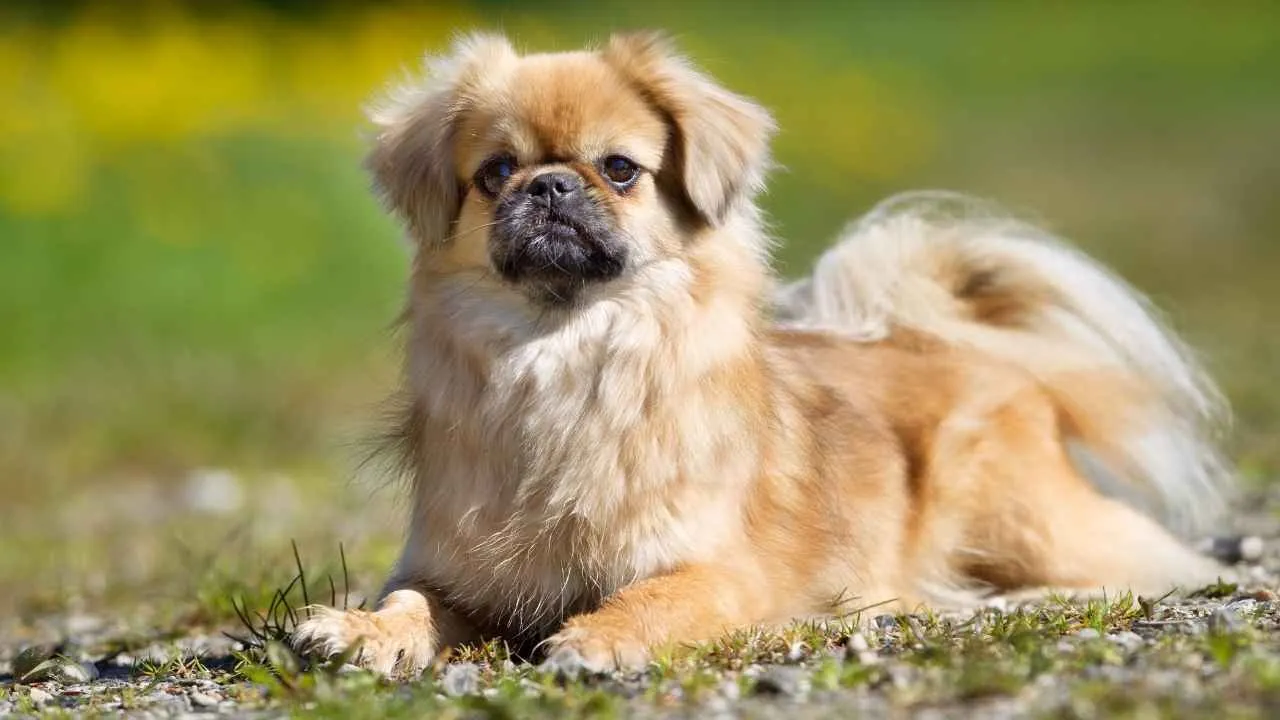
Tibetan Spaniel shows a sharp awareness of movement and sound within familiar surroundings. That curiosity turns into steady notice of changes around doors, windows, and routine paths. The habit supports a great guard dog role without demanding constant engagement.
Built for Awareness Over Effort
Movement stays quick and purposeful, letting the dog check spaces efficiently during the day. This approach keeps household rhythms calm and predictable.
These behaviors explain how this stays practical:
Fast response to unusual sounds
Preference for elevated observation spots
Calm assessment before reacting
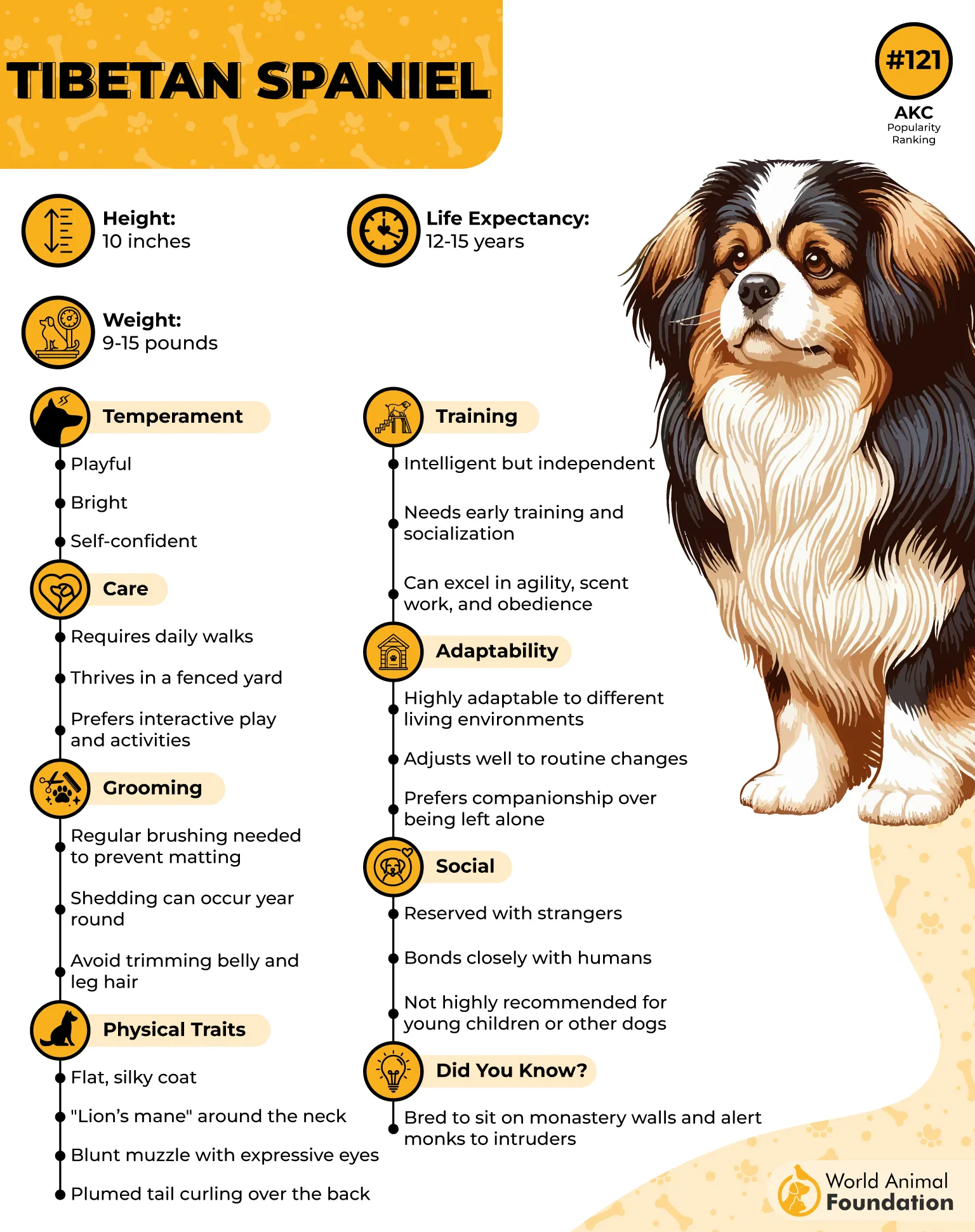
Light Routine With Purpose
Coat care stays simple because the breed keeps a natural look without routine trimming beyond hygiene. Regular brushing and occasional baths maintain comfort without long sessions. This balance suits dog owners who want vigilance without a heavy care schedule.
Conclusion
Safety at home does not have to feel complicated or demanding. This guide shows how many dog breeds offer natural awareness, calm presence, and dependable reactions without exhausting routines.
From a confident, large dog to smaller alert types, these choices fit real family schedules. Raised with consistent training from a young age, they grow into a loyal companion who watches quietly and lives easily beside children and other dogs.
Unlike many guardian breeds that rely on intensity, these dogs protect through balance rather than pressure. With minimal grooming needs and sensible protection training, they remain great family pets while secure.
