




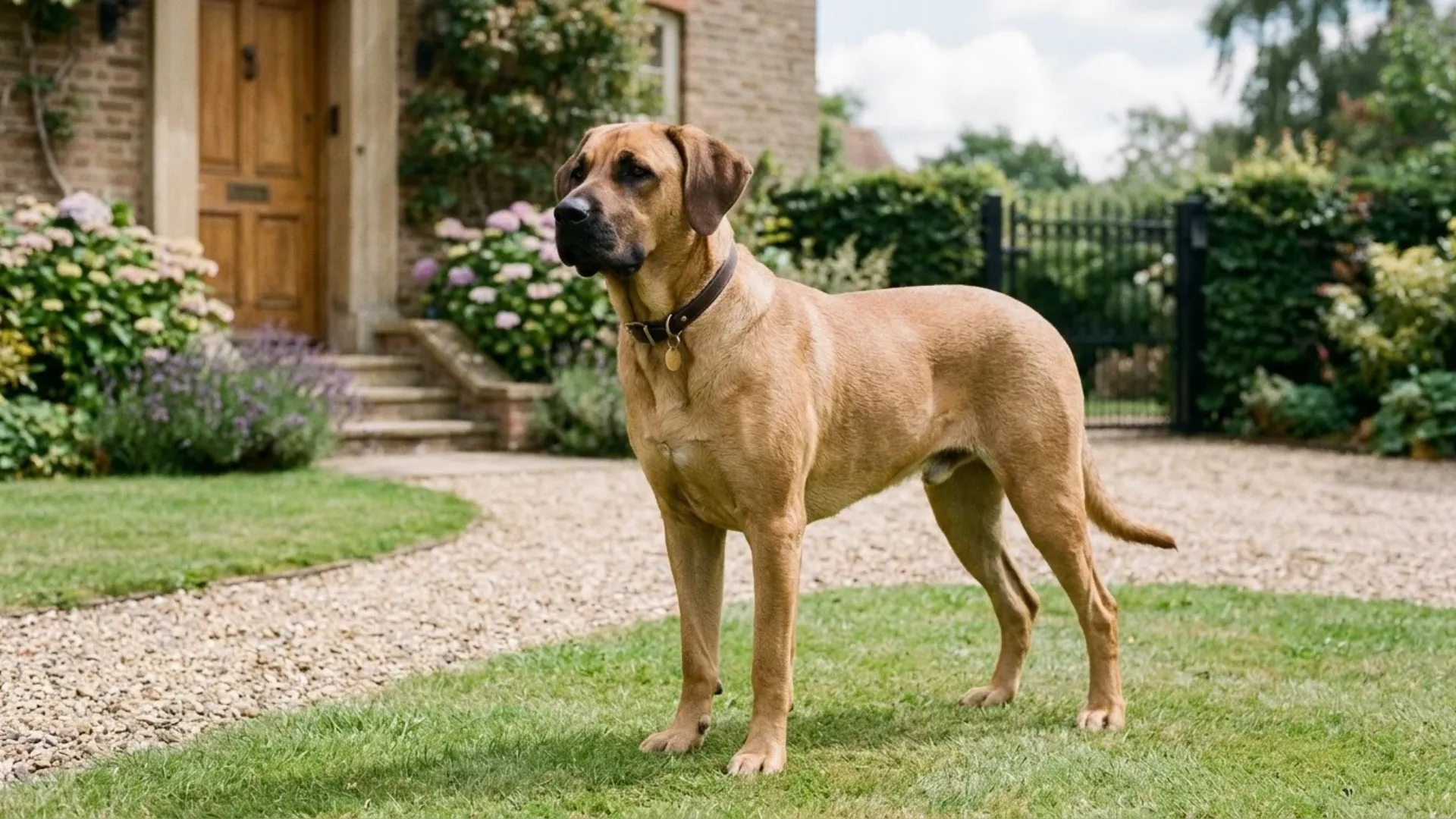
A good guard dog doesn’t have to be aggressive, intimidating, or constantly on alert. Sometimes, the best protector is a calm, loyal companion who enjoys relaxing at home but knows when something seems out of place.
If you want a dog that helps you feel safer without turning your home into a high-energy training zone, a low-maintenance guard dog might be just what you need.
The best part? These dogs offer much more than an extra sense of security. Their sharp senses and instincts can help them notice unfamiliar people or unusual sounds, while their loyal nature makes them wonderful companions.
Of course, every dog needs proper care, exercise, and attention, but some are easier to manage than others. The trick is finding a dog with a steady temperament, manageable energy levels, and a natural tendency to stay watchful without being overly reactive.
Ready to meet some dogs that strike that balance? These seven low-maintenance guard dog breeds can offer a reassuring presence at home while keeping things calm and comfortable.
Low‑Maintenance Guard Dog Breeds That Stay Chill
1. Bullmastiff
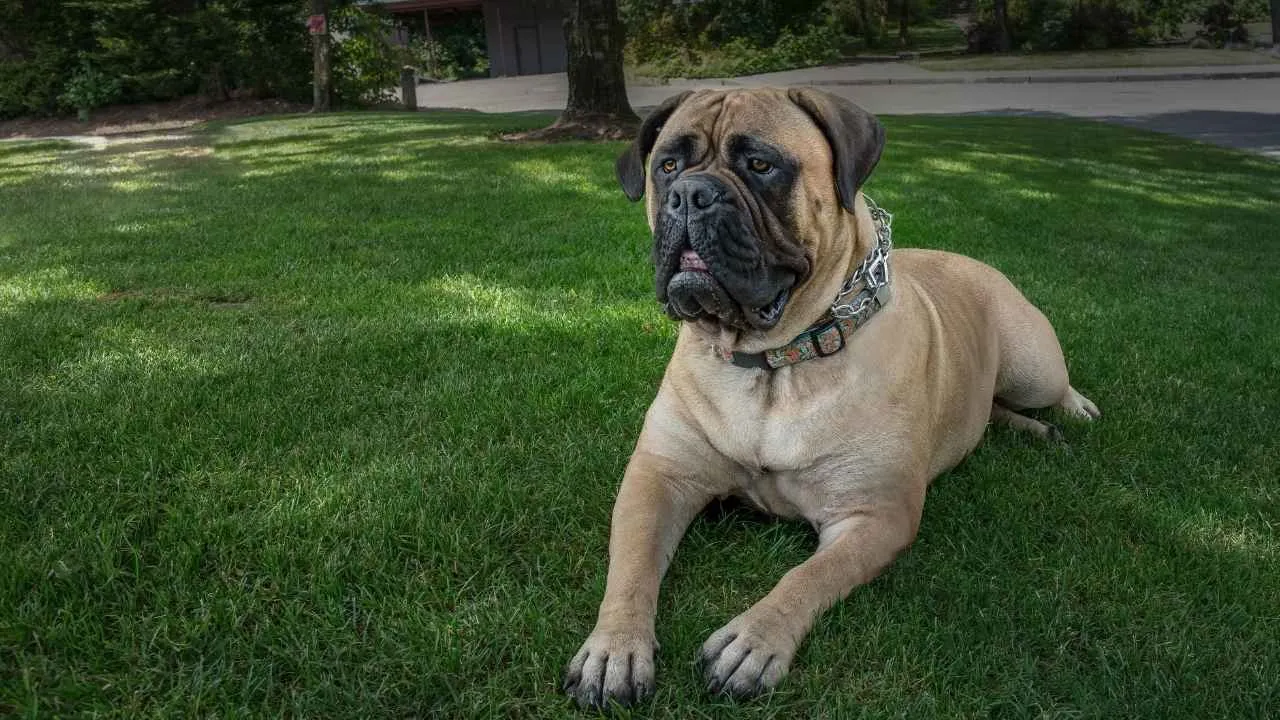
Bullmastiffs are powerful guard dogs with a surprisingly gentle side. Developed in 19th-century England, they were bred by crossing Bulldogs with Mastiffs to help gamekeepers protect estates from poachers, according to PetMD.
Their broad heads, dark eyes, and muscular builds give them an imposing appearance. Despite their strength, these dogs are affectionate, dependable, and docile at home.
Temperament and Training
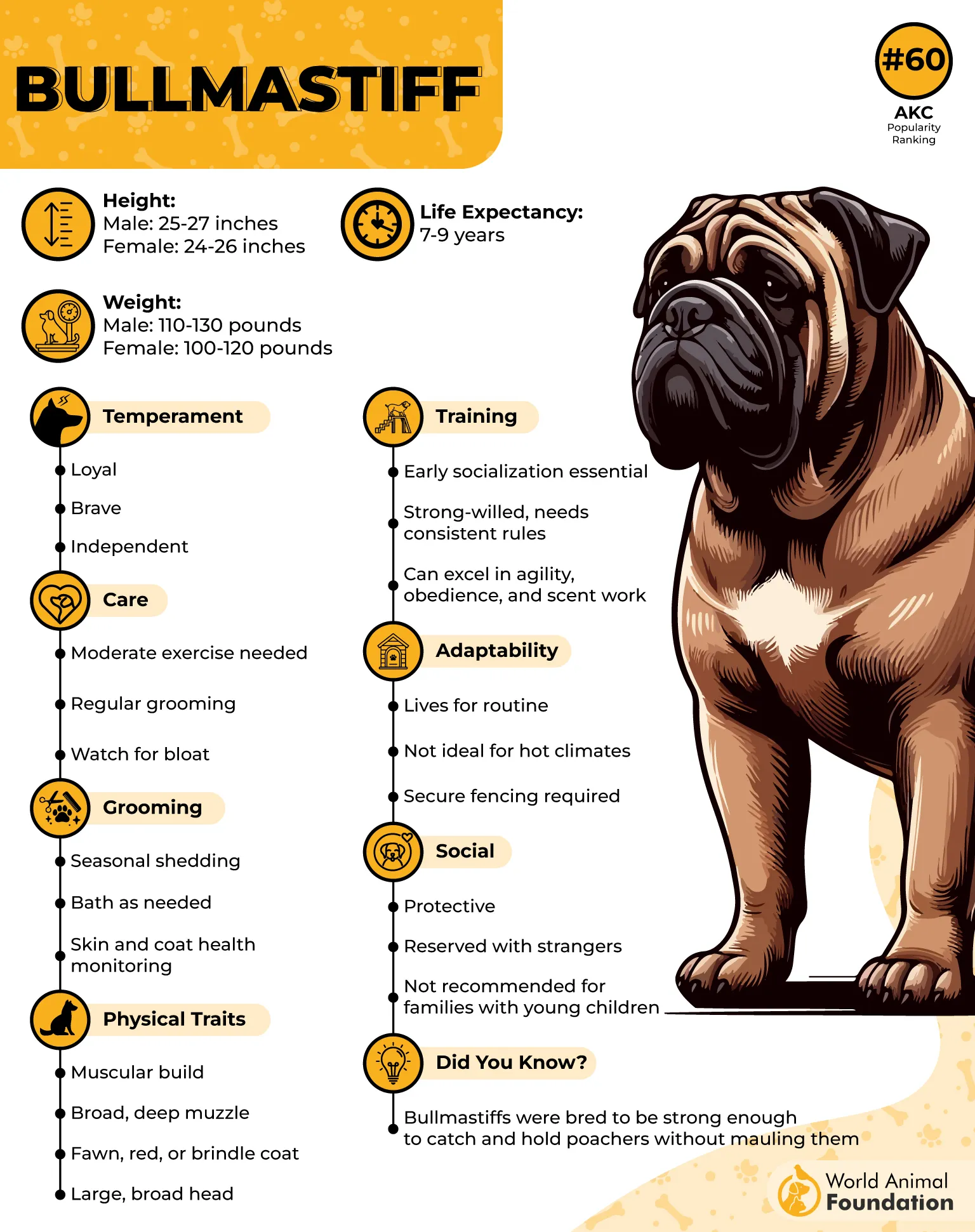
Bullmastiffs are devoted to their families and may take time to warm up to strangers. They generally get along with children and other dogs, but their size means they can accidentally knock little ones over.
Early training and socialization are essential. They learn quickly and should be taught basic commands, calm leash walking, and appropriate behavior around people and other pets.
Grooming and Daily Care
Bullmastiffs have short, dense coats that come in fawn, red, or brindle. Monthly brushing and occasional baths are usually enough to keep their coats clean, making grooming relatively simple.
However, their jowls can produce plenty of drool and may need daily wiping. These dogs need daily walks and playtime in a fenced yard, but they lack the stamina for long-distance running.
2. Great Dane
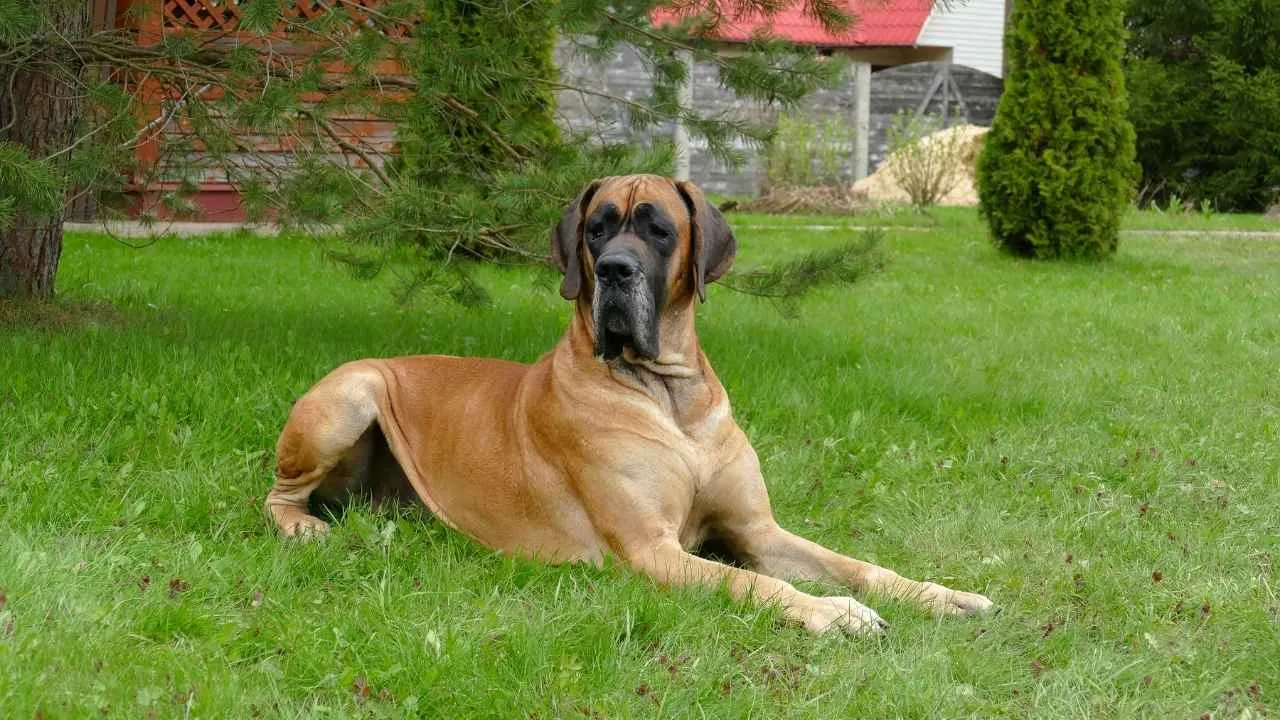
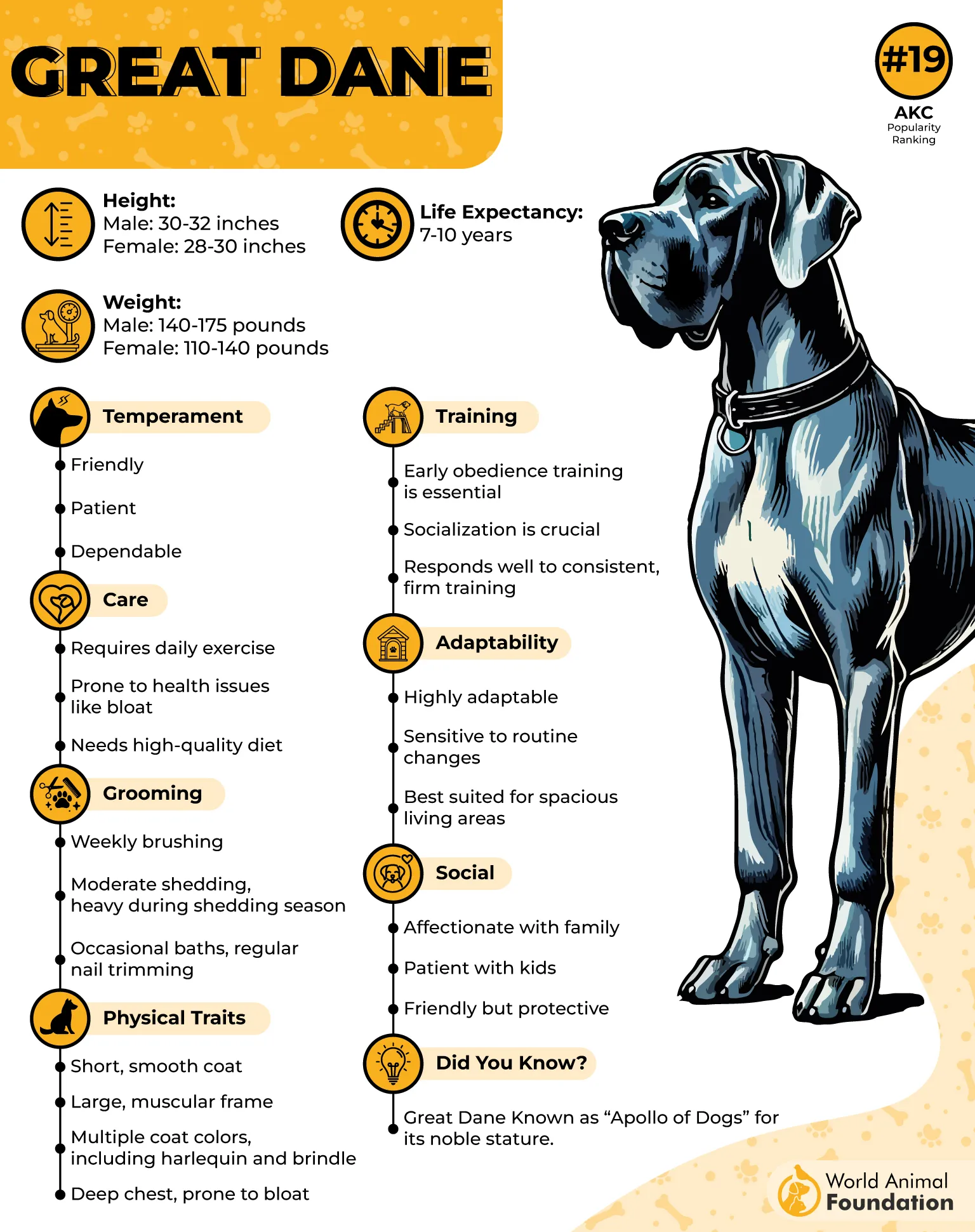
Known as the “Apollo of Dogs,” Great Danes are gentle giants originally bred in 1800s Germany to hunt wild boar and guard estates. Despite their name, they have no roots in Denmark. Their elegant build, smooth stride, and impressive appearance make them hard to miss.
Temperament and Training
Great Danes are affectionate, loyal, and eager to please their families. They enjoy staying close to their owners and may even try to curl up like lap dogs. Although they can seem reserved around unfamiliar people at first, early socialization helps them feel comfortable around visitors and other pets.
Their deep, powerful bark makes them effective watchdogs, and their imposing appearance can discourage intruders. They are generally easy to train, though they may not respond immediately to commands.
Grooming and Daily Care
Great Danes have short coats that need weekly brushing to stay in good condition, as noted by WebMD. Their grooming needs are relatively simple, but their size requires plenty of living space. They have fairly low energy levels and enjoy playtime without needing constant activity.
However, their strength can make them difficult for some seniors and children to manage. Great Danes also have a relatively short lifespan of around seven to 10 years, so prospective owners should consider this commitment before bringing one home.
3. Mastiff
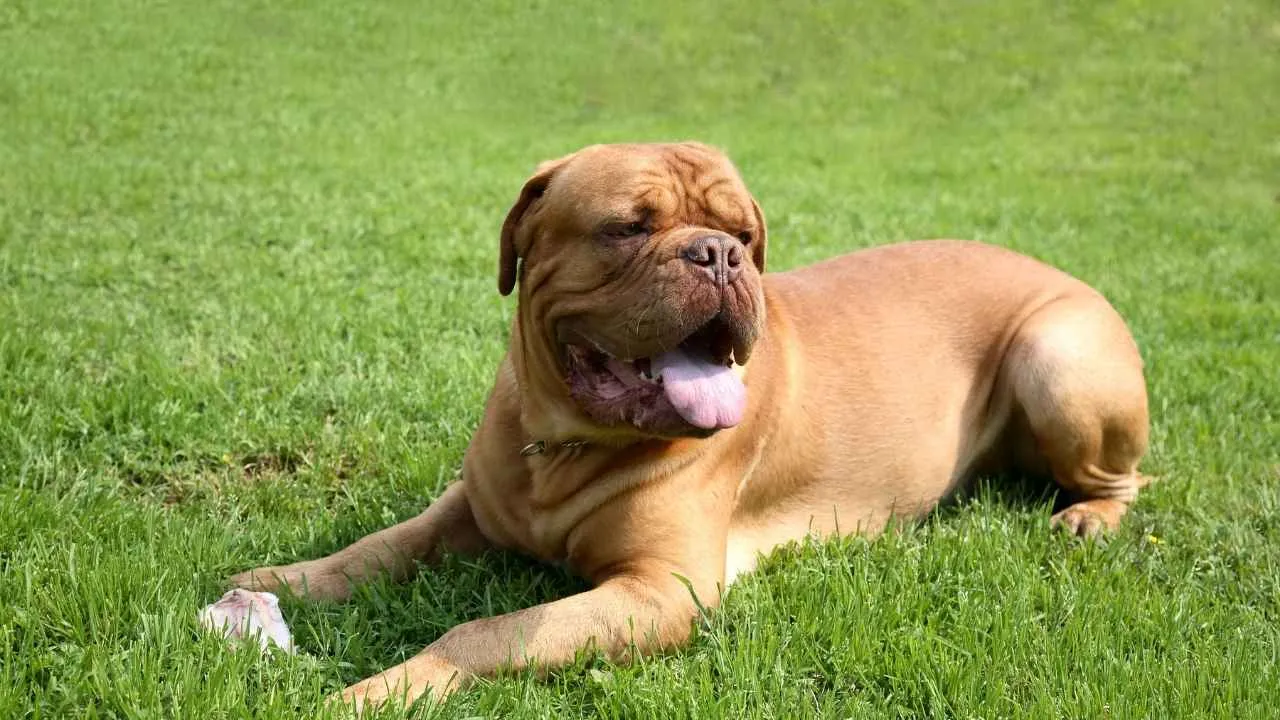
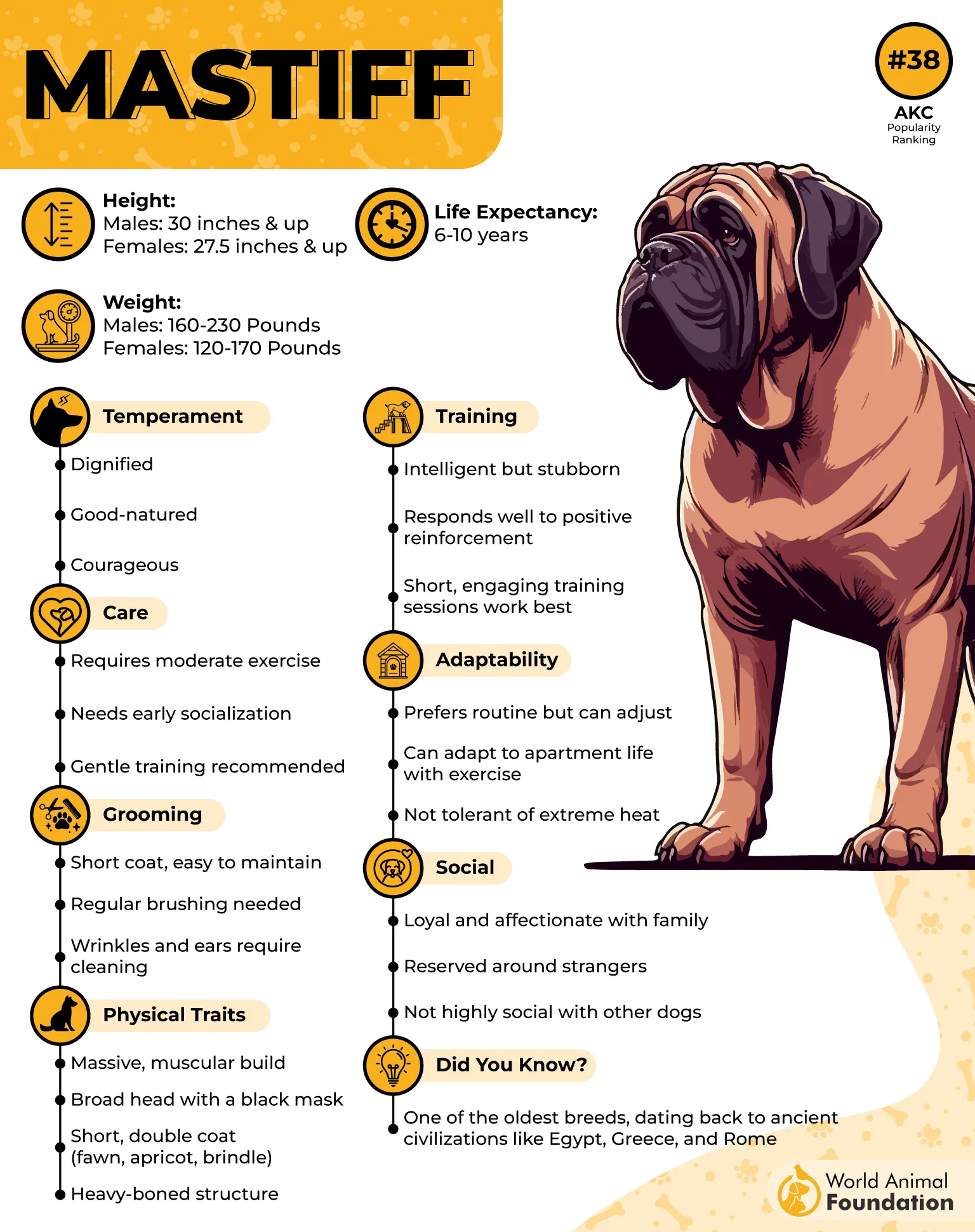
Mastiffs are an ancient breed with a long history as hunters and guardians. Also known as Old English Mastiffs, they have been valued for their courage and strength for centuries.
These dogs have massive, muscular bodies, broad heads, wrinkled foreheads, and dark masks. Despite their imposing appearance, Mastiffs have a gentle, dignified nature that makes them devoted family companions.
Temperament and Training
Mastiffs are affectionate, patient, and loyal to their families. They may enjoy cuddling on the couch and can even try to sit on their owners’ laps. While they are generally friendly with household pets, they tend to be reserved around strangers and become alert when someone unfamiliar approaches.
Their protective instincts make them effective guardians without needing constant activity. Early training and socialization help them become comfortable around visitors, children, and other animals.
Grooming and Daily Care
Mastiffs are relatively low-maintenance when it comes to exercise and grooming. Their short, dense coats shed moderately and need little care. However, they are heavy droolers, so keeping a towel nearby can help with everyday cleanups.
Most adult Mastiffs enjoy a relaxed lifestyle and have short bursts of play rather than long periods of activity. Still, owning one requires a serious commitment because of their size, strength, and need for early training.
4. Broholmer
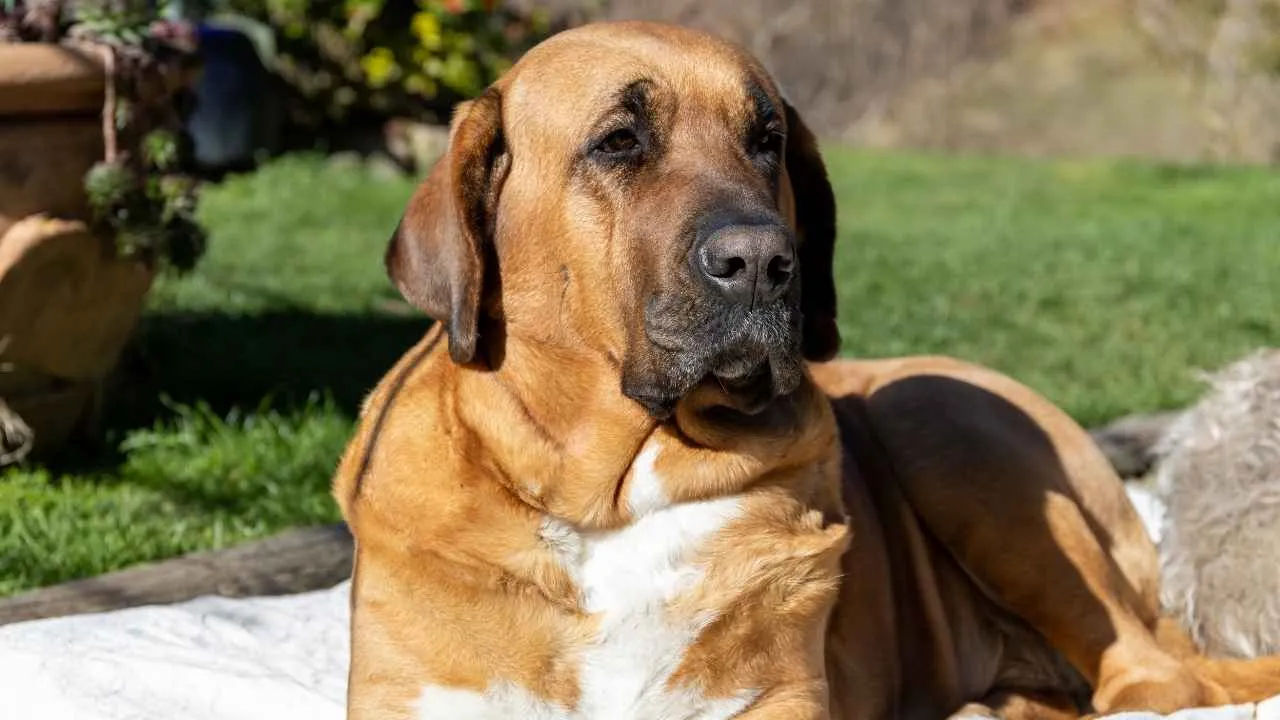
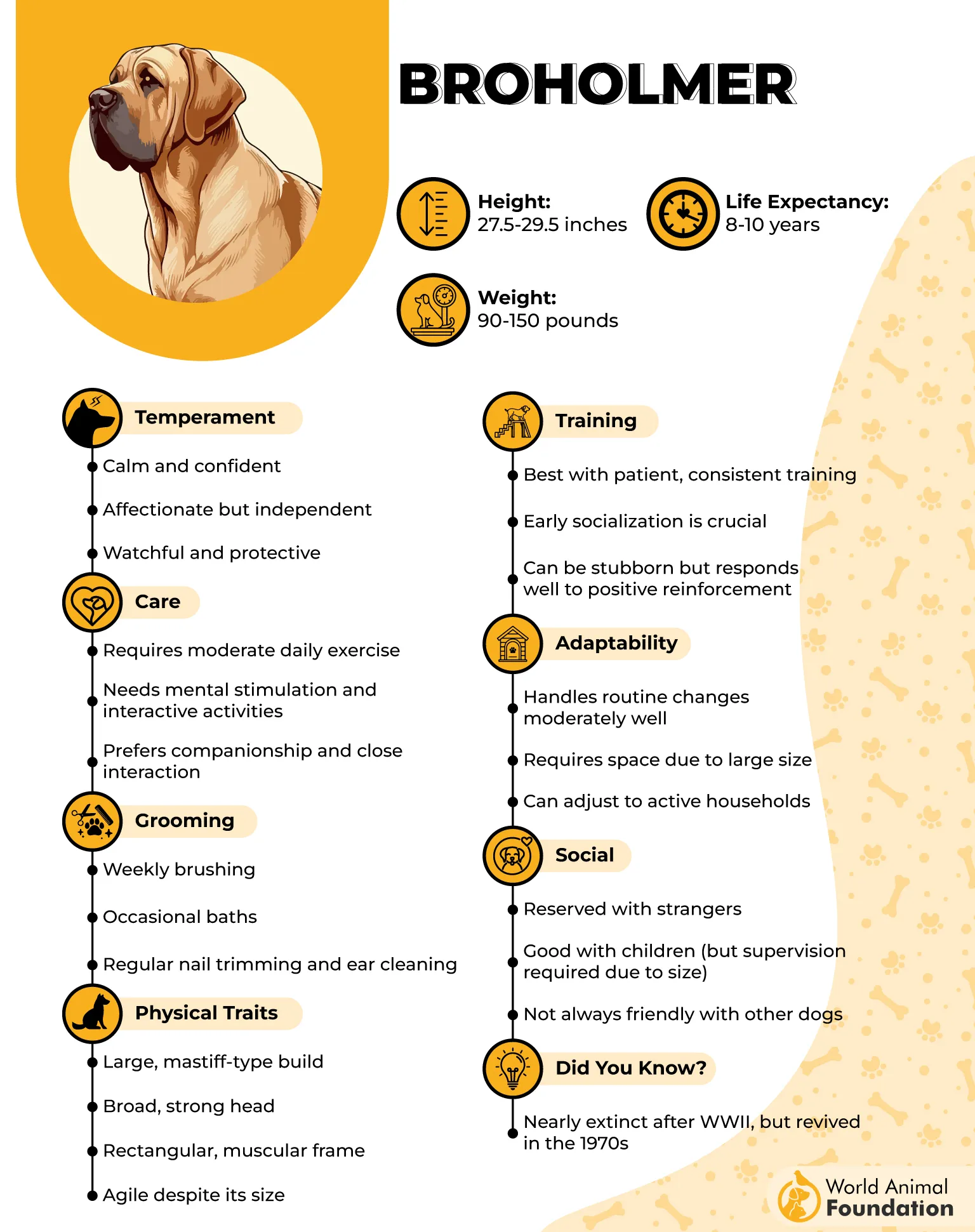
Broholmers are large, mastiff-type dogs from Denmark with a history dating back to the Middle Ages. They were once used for stag hunting before becoming guardians of farms, manors, and homes.
They were also known as “butcher’s dogs” because they were often seen resting outside butcher shops. These dogs have strong, rectangular bodies and broad heads. Today, they are valued as both family companions and protective watchdogs.
Temperament and Training
Broholmers are calm, friendly, and self-assured, but they remain alert to their surroundings. They are affectionate dogs that love staying close to their families and may even try to sit on their owners.
They generally get along well with children and other dogs, although supervision is important because they can underestimate their own size.
These intelligent dogs are willing to please and fairly easy to train. They are wary of strangers but are not typically aggressive and rarely bark, making them quiet yet watchful guardians.
Grooming and Daily Care
Broholmers have short coats that need only weekly brushing, keeping grooming simple. They enjoy outdoor activities such as walks, hiking, camping, and playing fetch.
They can adapt to apartment living with enough exercise and mental stimulation, but a house with a yard suits their size better. These social dogs prefer spending time with their families rather than being left alone for long periods.
5. Dogue de Bordeaux
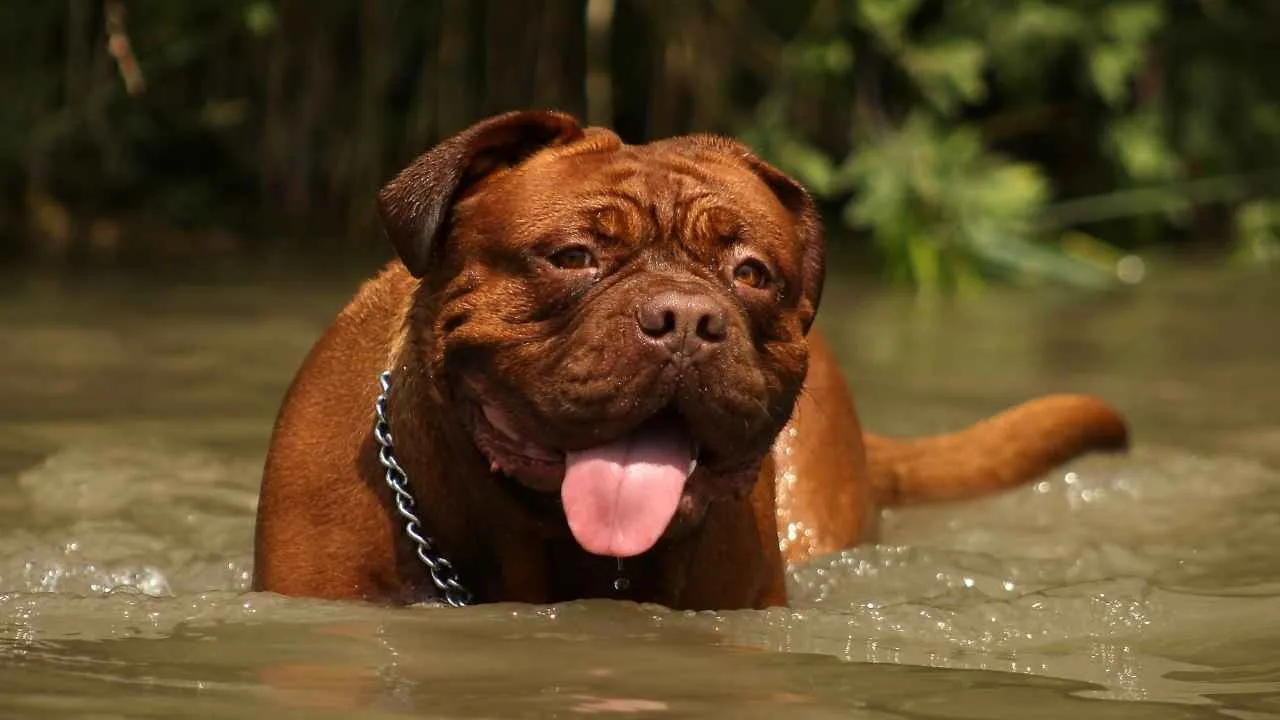
The Dogue de Bordeaux, also known as the French Mastiff, is one of France’s oldest dog breeds. These powerful dogs have a history dating back centuries, when they guarded estates, protected livestock, and helped hunt large game.
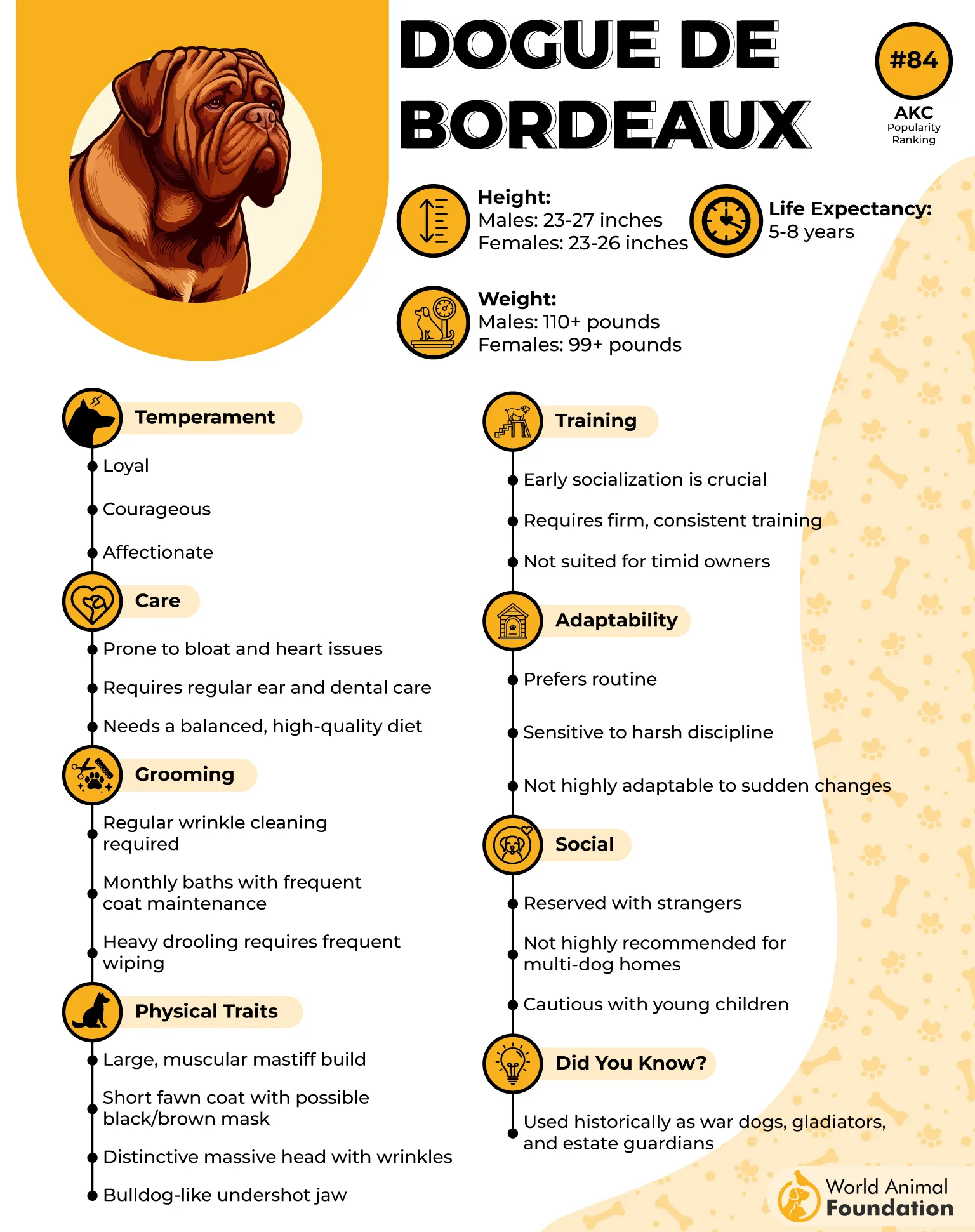
They have muscular bodies, broad heads, deeply wrinkled brows, and short, fawn-colored coats. Despite their intimidating appearance, they are known for their courage, loyalty, and affectionate nature.
Temperament and Training
Dogues de Bordeaux are calm, gentle, and deeply devoted to their families. They enjoy spending time with their loved ones and are generally patient with children. Their natural protective instincts make them watchful guardians, but they are not typically aggressive.
The AKC says these dogs can be strong-willed and may become difficult to manage without firm, consistent training from puppyhood. With proper guidance, they can learn to behave around strangers and live with children, cats, and other dogs.
Grooming and Daily Care
Dogues de Bordeaux have short, dense coats that need only weekly brushing to manage shedding. However, their facial wrinkles require regular cleaning, and their heavy drooling means you will want to keep a towel nearby.
These dogs enjoy daily walks, playtime, and interactive games but are generally happy to relax at home with their families. Moderate exercise is important to avoid putting too much strain on their joints.
6. Great Pyrenees
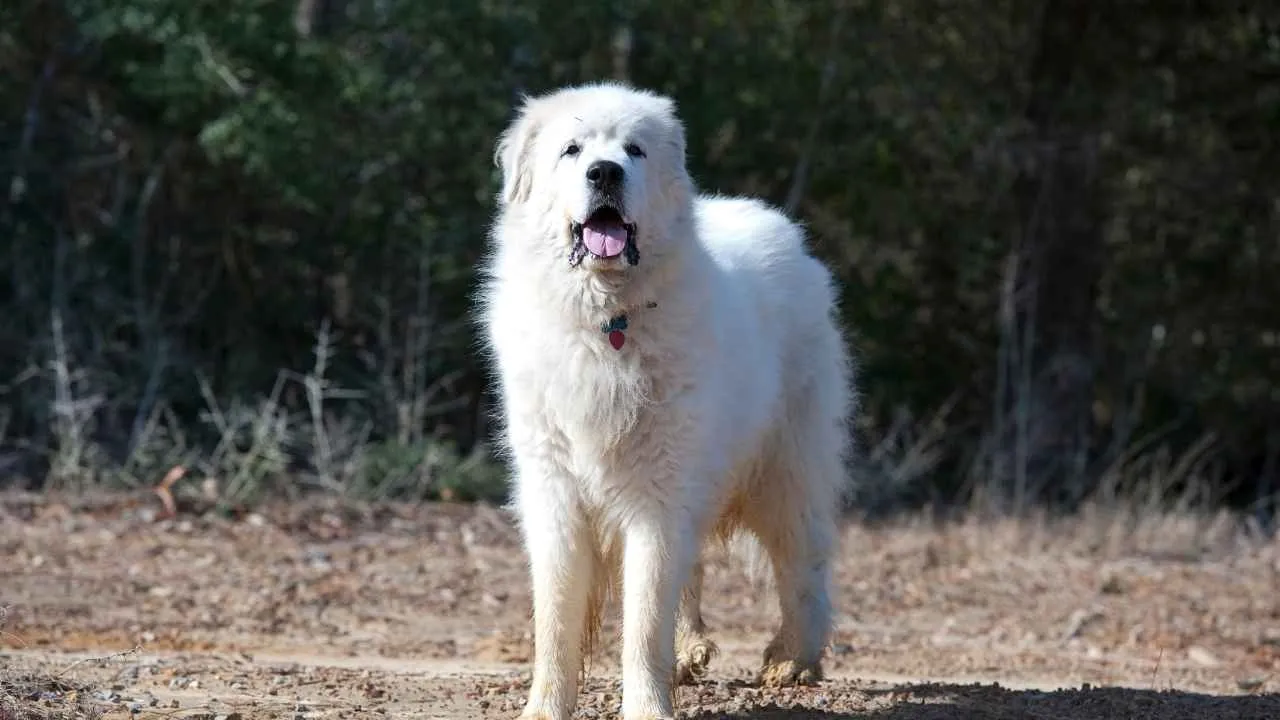
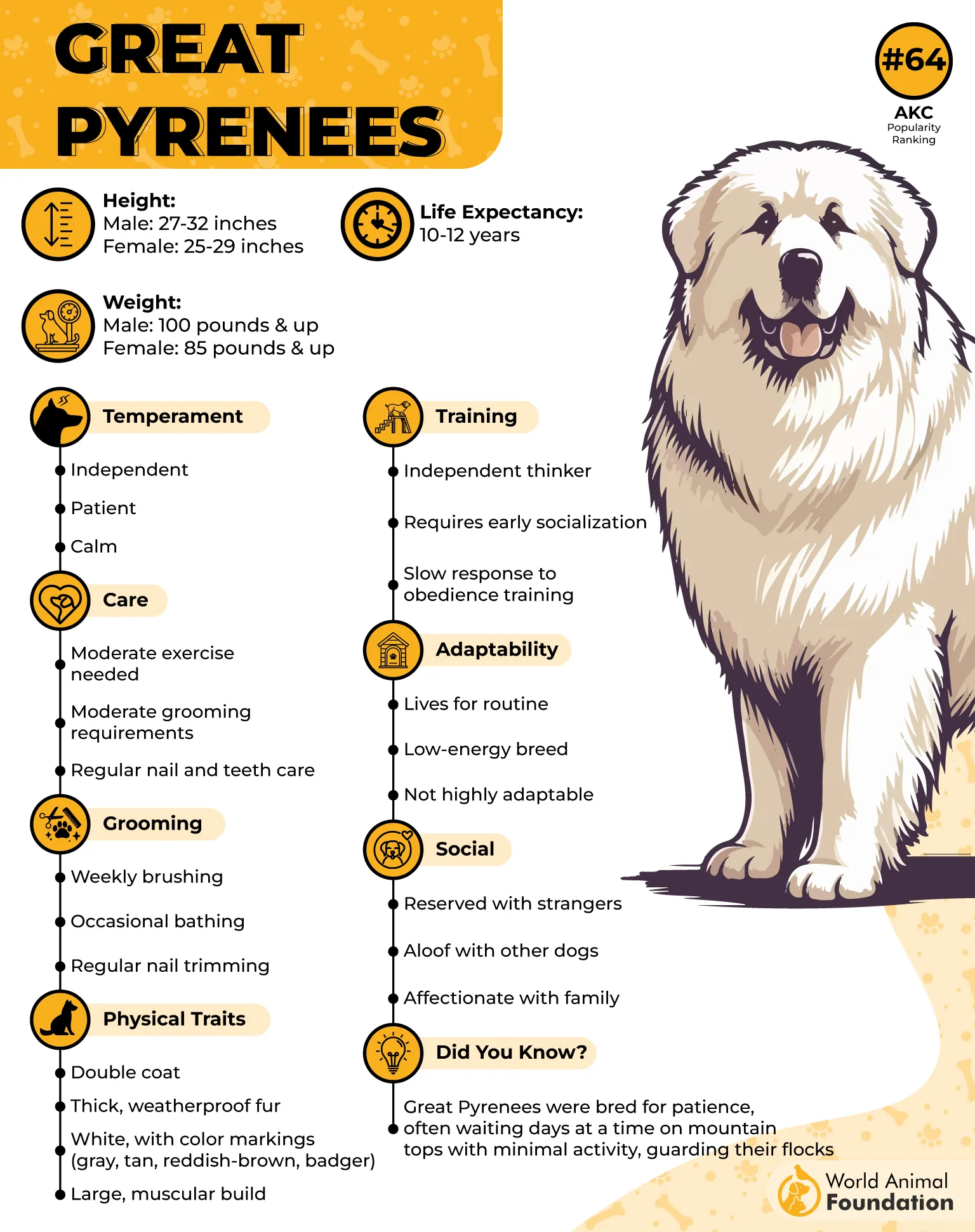
Great Pyrenees are powerful working dogs originally bred in the Pyrenees Mountains between France and Spain. They guarded sheep against predators such as wolves and bears in snowy mountain regions.
Their thick, weather-resistant coats helped them blend into the snowy surroundings. Despite their imposing size, these dogs are known for their calm and majestic presence.
Temperament and Training
Great Pyrenees are patient, affectionate, and generally gentle with their families. They can get along well with children, cats, and other animals when properly introduced.
Their protective instincts make them vigilant watchdogs, and they may bark to alert their owners to activity around the home. Although they are calm indoors, their independent nature can make training challenging. Early training and socialization help them learn to behave around strangers and other dogs.
Grooming and Daily Care
Despite their thick coats, Great Pyrenees have relatively manageable grooming needs because their outer fur resists dirt and tangles.
Weekly brushing helps maintain their undercoat and control shedding, although they can shed heavily. These dogs are not overly active but still need daily walks or playtime in a fenced yard to stay physically and mentally healthy.
7. Boerboel
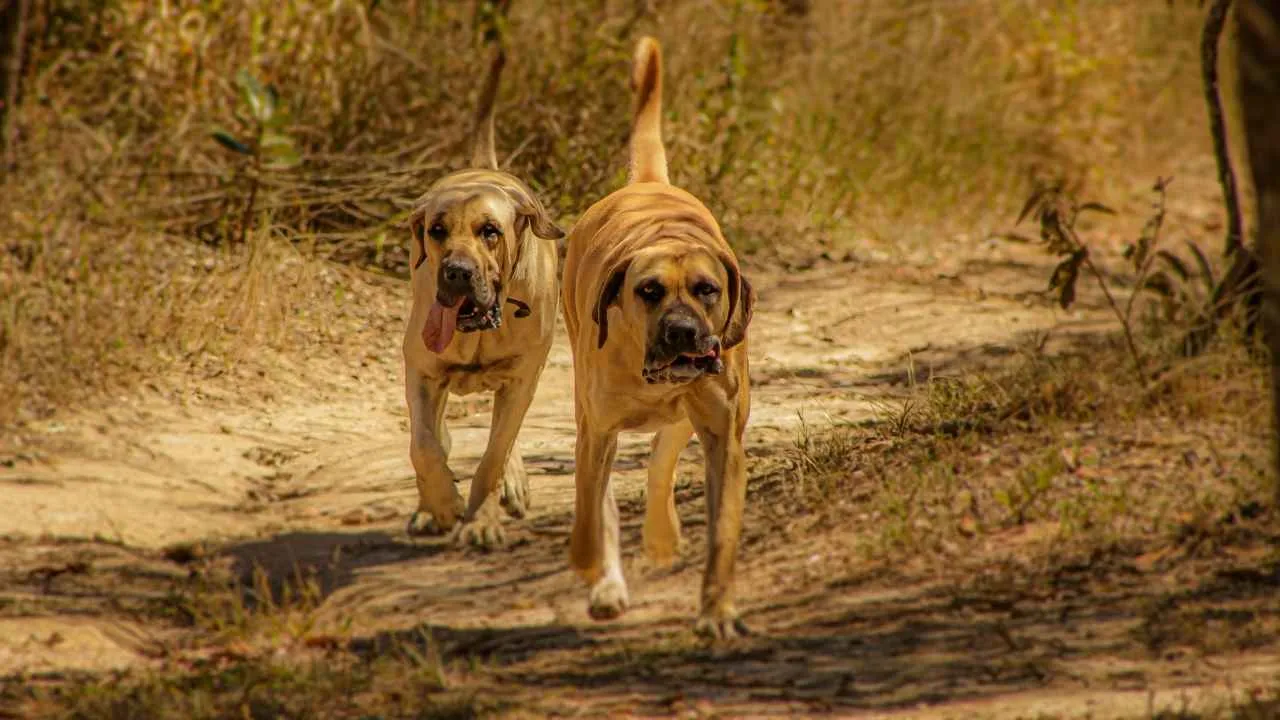
Boerboels are powerful working dogs from South Africa, originally bred to protect remote homesteads from large predators. Their history as guardians remains evident in their confident nature and strong protective instincts.
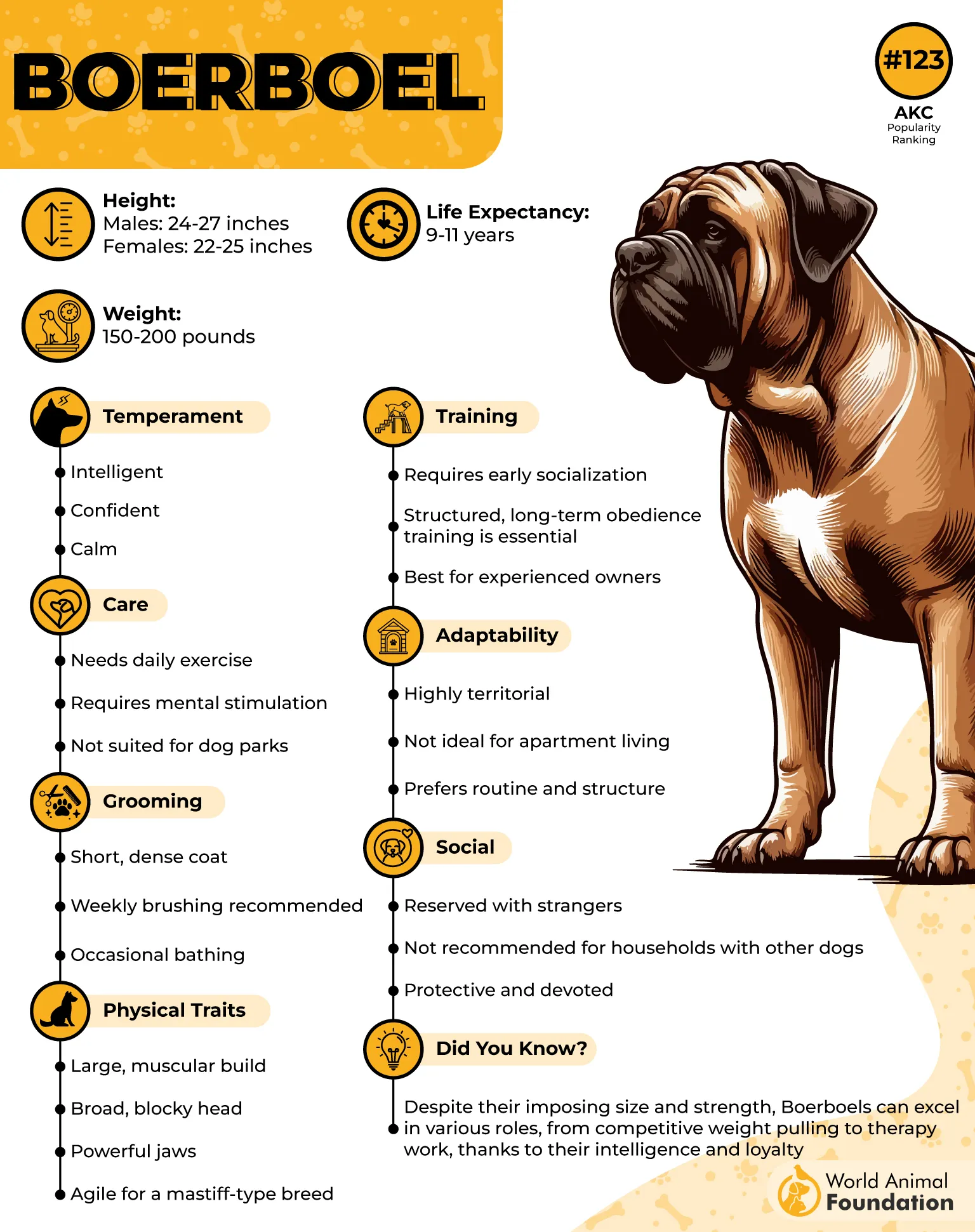
These mastiff-type dogs have muscular bodies, broad heads, powerful jaws, and smooth, short coats. Despite their intimidating appearance, they are intelligent dogs that are eager to learn and devoted to their families.
Temperament and Training
Boerboels are deeply loyal and affectionate with their families but tend to be reserved around unfamiliar people. They can be playful companions for children and may get along with other pets when properly introduced.
However, their strong guarding instincts mean they can become aggressive if threatened or provoked. They are intelligent and trainable, but their dominant nature and strength can make them challenging for inexperienced owners.
Grooming and Daily Care
Boerboels have smooth, short coats that are relatively easy to maintain. Their grooming needs are simple, but their exercise, training, and handling require considerable commitment.
These dogs enjoy spending time with their families and benefit from consistent guidance and socialization. They may be cautious around visitors and need proper introductions before accepting unfamiliar people.
Conclusion
Low-maintenance guard dogs can offer the best of both worlds: a watchful presence at home and a calm, loving companion by your side. From gentle giants to confident protectors, these dogs have different personalities, grooming needs, and exercise requirements.
The key is finding a breed that fits your home, experience, and daily routine while giving it the training, attention, and care it deserves.
Before bringing a dog home, take time to learn about its temperament, size, and individual needs. Remember, a good guard dog doesn’t have to be aggressive or constantly on alert.
Sometimes, the most reassuring companion is simply the one who stays close, notices when something feels different, and makes home feel a little safer.
