





Bringing home your first dog is exciting, but it can also feel like a big responsibility.
If you want a loyal companion without turning your schedule upside down, choosing a low-maintenance and affordable breed is a smart place to start. The right dog will fit comfortably into your routine, whether you live in a small apartment or a busy family home.
Low-maintenance does not mean low love. These dogs still need care, attention, and companionship, but they typically require less grooming, moderate exercise, and straightforward training.
In this guide, you will discover breeds that are known for being easier to care for, budget-friendly, and especially welcoming to first-time dog owners.
Best Low-Maintenance and Affordable Dog Breeds
1. American Foxhound
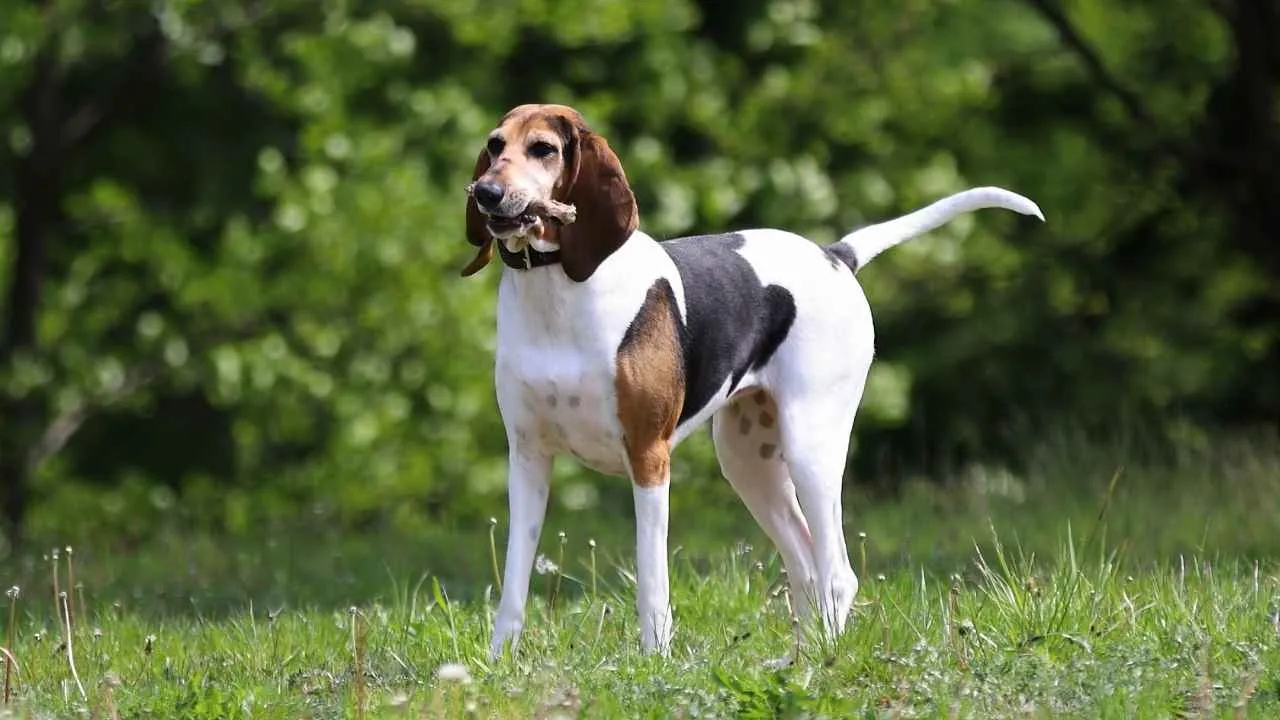
The American Foxhound is a sweet, mild-mannered companion with deep roots in early American history. Bred to lead colonial foxhunts, this athletic hound is fast, determined, and known for a musical bay that carries over long distances.
They are friendly with families and can bond well with other dogs, though they may be reserved around strangers.
As per WebMD, this breed was developed to work for hours, so daily activity is not optional. Expect to provide one to two hours of exercise, preferably in a securely fenced area or on a leash, since their strong prey drive can send them chasing scents.
Without enough movement or companionship, they may turn to chewing, barking, or baying.
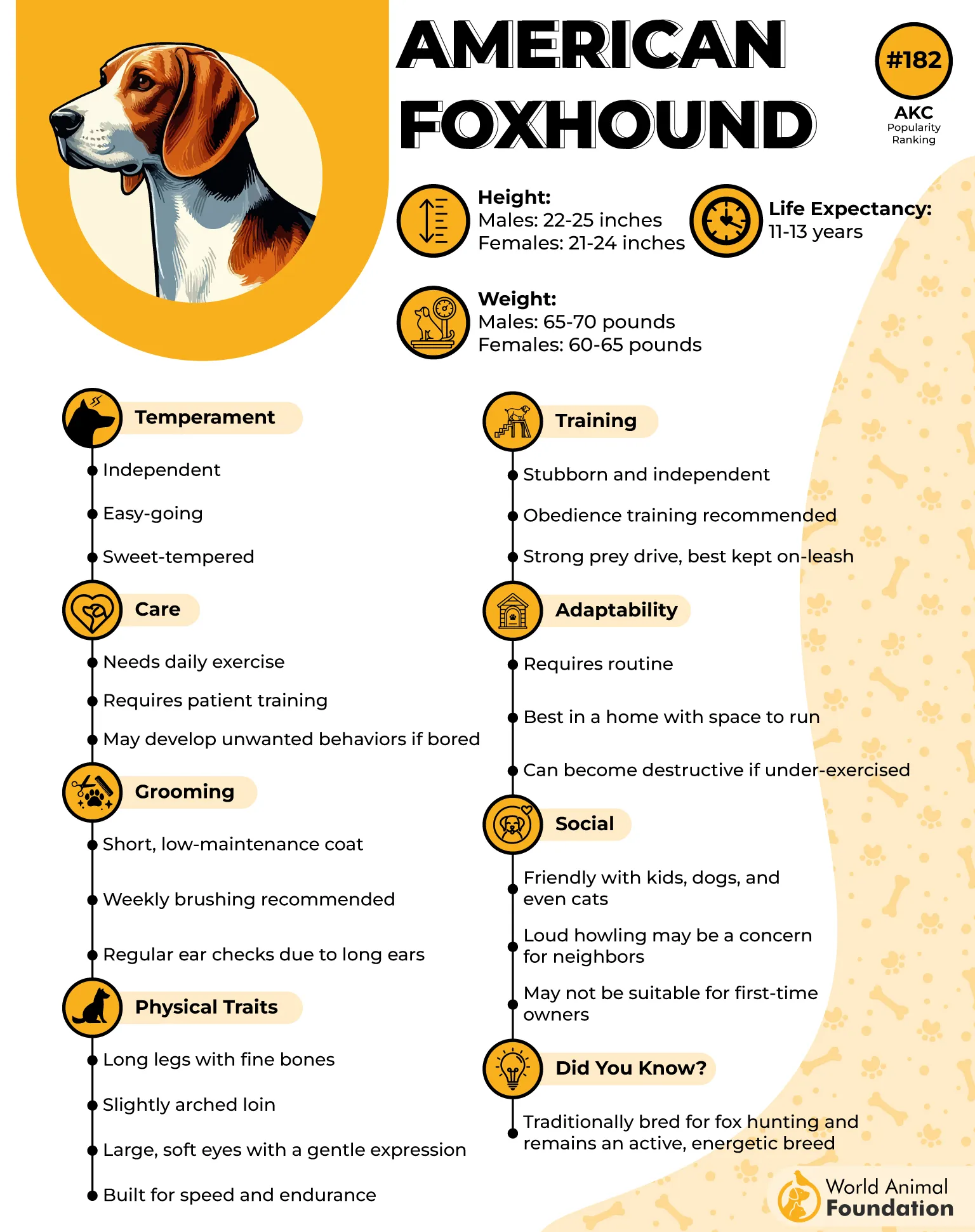
Grooming this low-maintenance breed is refreshingly simple thanks to their smooth, tough coat that usually needs only weekly brushing. They are generally healthy but can be prone to hip dysplasia, clotting disorders, and ear infections due to their long ears.

Regular veterinary care, dental hygiene, and parasite prevention help keep them in good shape.
Why This Breed Is a Good Fit
Low grooming needs make coat care quick and manageable
Friendly and devoted nature suits active households
Straightforward feeding routine with measured meals twice daily
2. Italian Greyhound
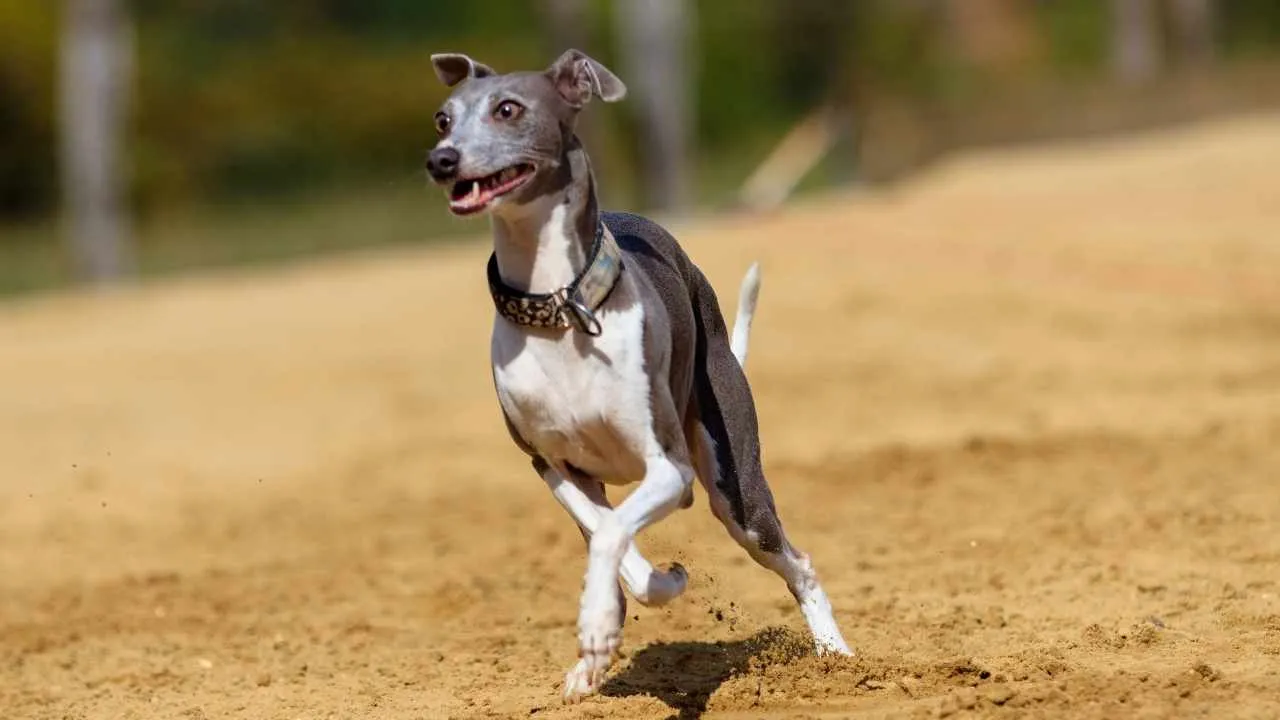
The Italian Greyhound is an elegant, slender companion that looks like a miniature version of the classic Greyhound. With a smooth, glossy coat and softly folded ears set high on a narrow head, this toy breed carries itself with a graceful, high-stepping gait.
Despite their refined appearance, they are affectionate and love to snuggle, often seeking warmth and closeness.
This gentle dog tends to be shy and benefits from early socialization to feel comfortable in new situations. Once bonded, they often become deeply attached to one person and may seem indifferent to others.
While generally friendly with other dogs and able to live with pets when trained, they can chase moving objects, including cars or cats, due to their sighthound instincts.
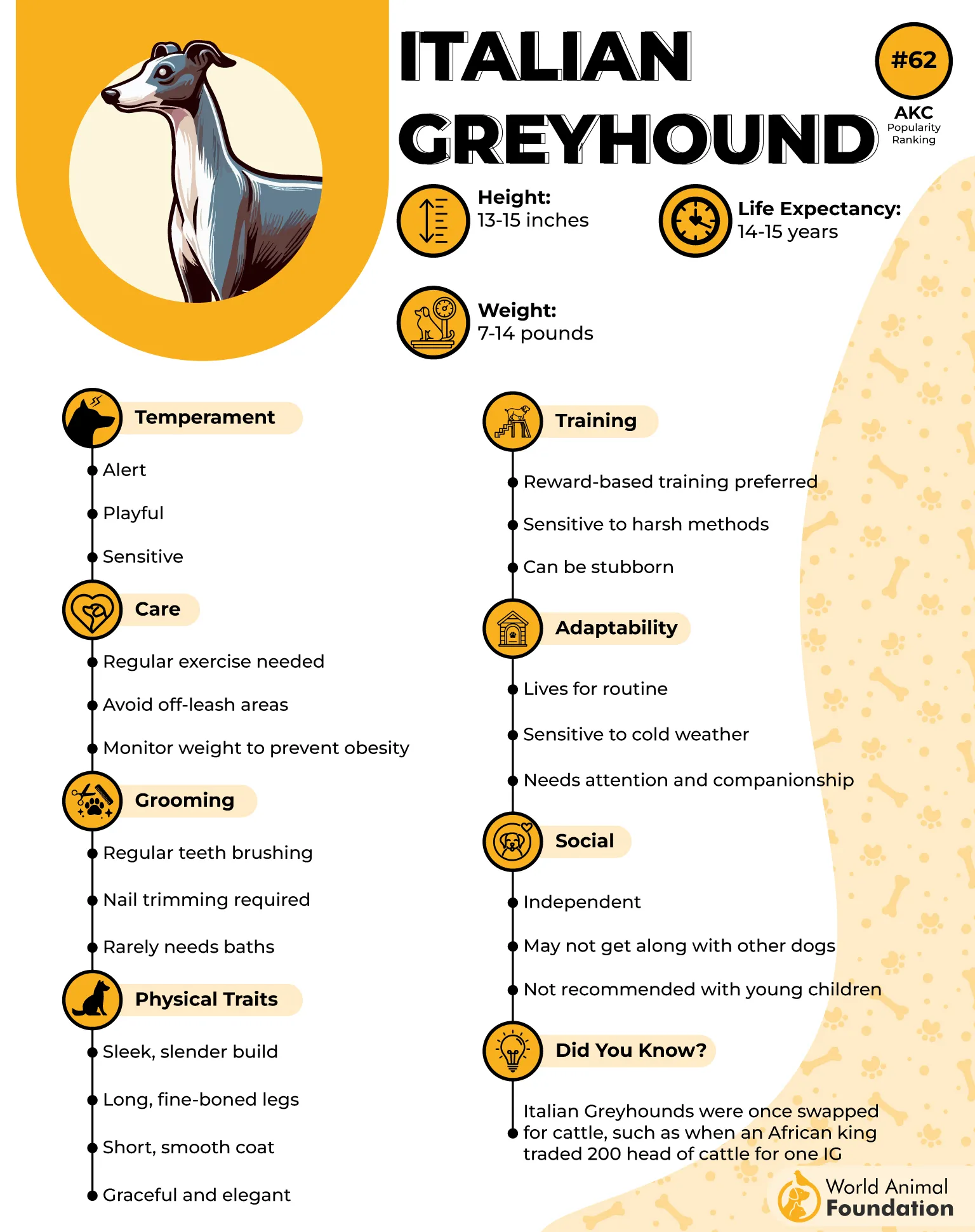
Exercise needs are modest, with under an hour of walking each day usually sufficient. As per Purina, their short coat requires minimal grooming, and they are considered a quiet breed that can adapt well to city living, even in smaller homes with limited outdoor space.
Why This Breed Is a Good Fit
Small size and minimal drool make them easy to manage indoors
Light grooming routine fits neatly into a busy week
Comfortable with occasional alone time when properly trained
3. Pembroke Welsh Corgi
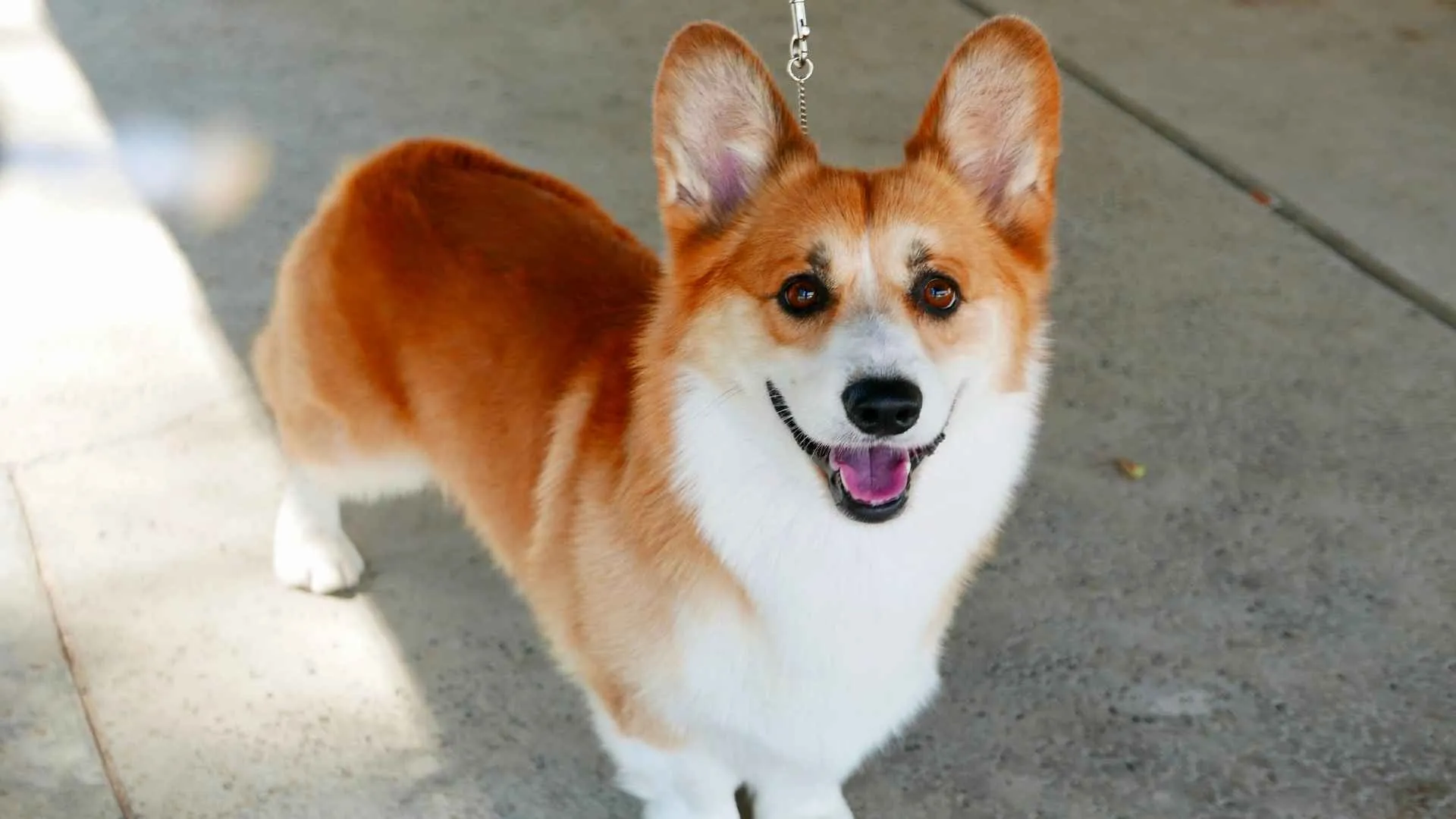
Pembroke Welsh Corgis are instantly recognizable with their short legs, upright ears, and bright, foxy faces. Originally developed as all-around farm dogs in Wales, they herded cattle, guarded the homestead, and handled vermin with speed and determination.
In their own minds, they are big dogs in compact bodies, always eager to stay involved in family life.
As per Hill’sPet, these dogs are intelligent and strong-willed, which makes training both important and rewarding. They thrive with regular exercise and enjoy working alongside their people, whether learning tricks or participating in herding-style activities.
Without enough activity or attention, they may resort to barking, digging, or chewing, especially if left alone too long.
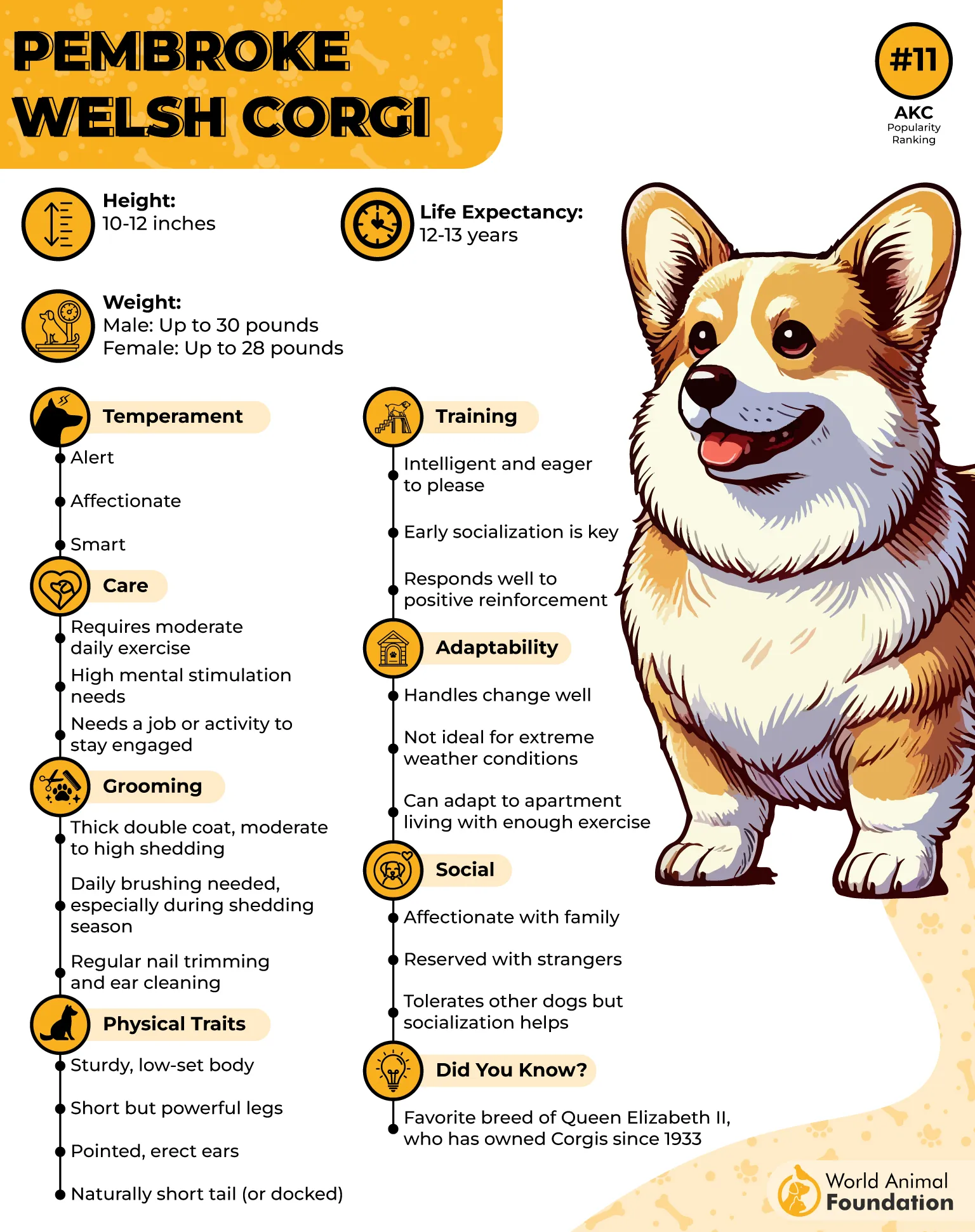
Their short double coat is weatherproof and typically needs only a quick weekly grooming session, except during heavier shedding periods. Because of their long backs, weight management is essential, as extra pounds can strain their structure.
Why This Breed Is a Good Fit
Weekly coat care keeps grooming simple
Quick learners who respond well to firm, kind guidance
Adaptable farm heritage helps them adjust to family routines
4. Miniature Pinscher

The Miniature Pinscher may be tiny, but this lively German breed is packed with confidence and curiosity. Originally bred to catch rats, they still carry a bold, alert expression and a playful spark that keeps life interesting.
Their smooth, short coat and striking colors give them a sleek look that matches their energetic personality.
These dogs are intelligent and independent-minded, so training needs to be consistent, positive, and patient. They have strong prey instincts and should be exercised on a lead or in a secure enclosure to prevent adventurous escapes.
While well-suited to apartment living, they still need daily walks and regular play to stay content.
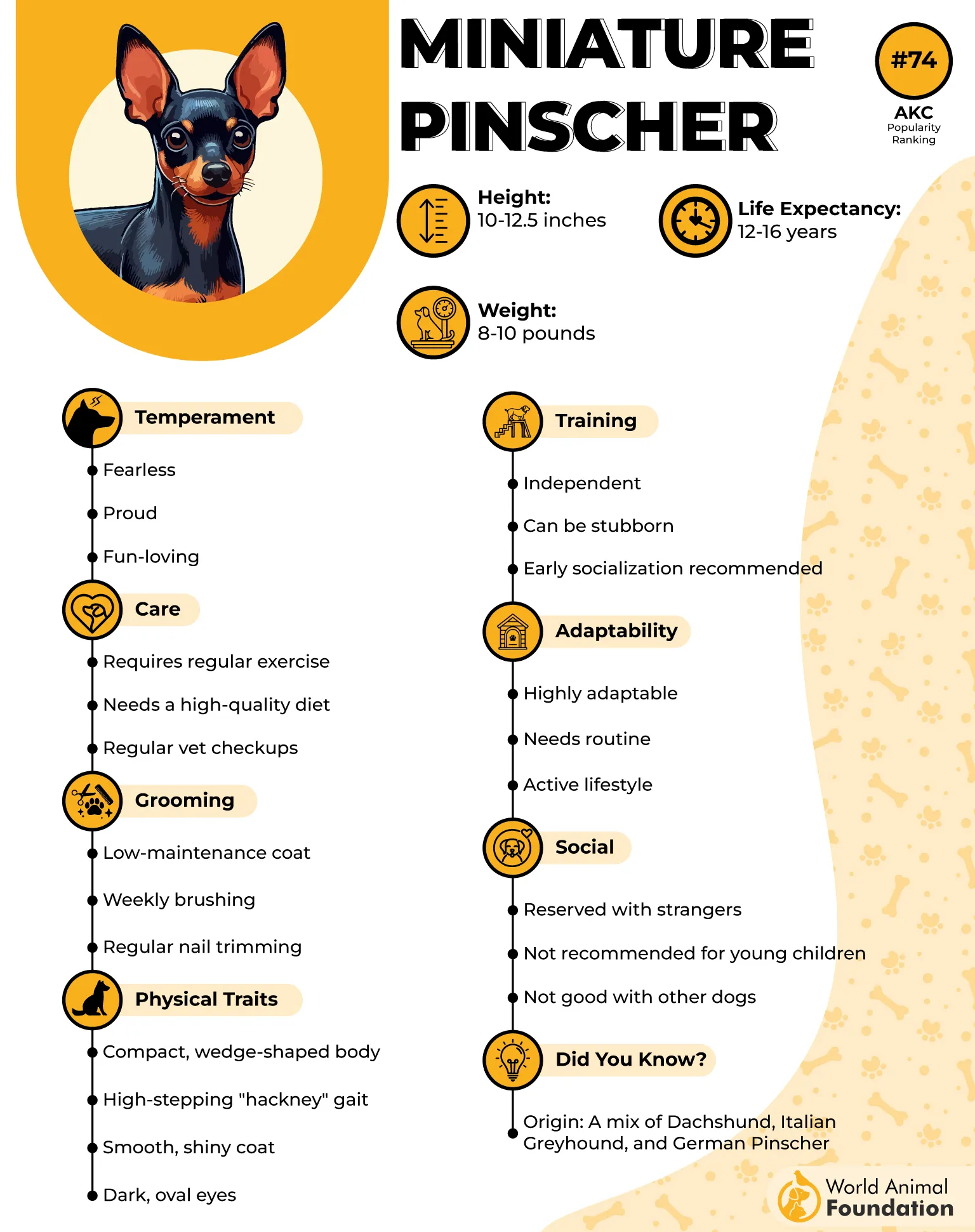
According to Royal Canin, grooming is simple, usually limited to a weekly brush, though dental care deserves attention, like with many small breeds. Health considerations can include Legg-Calve-Perthes disease and patellar luxation, so regular veterinary check-ups are important.
Owners are often advised to dog-proof their homes, as these inquisitive little explorers will investigate anything within reach.
Why This Breed Is a Good Fit
Compact size works well in smaller living spaces
Easy coat care keeps maintenance straightforward
Alert watchdog tendencies add a sense of security
5. Jack Russell Terrier

The Jack Russell Terrier was originally bred in England to hunt foxes, and that fearless spirit is still very much alive today. Developed by Reverend John Russell, these mostly white terriers were prized for their courage and determination in the field. Even now, they carry themselves with bold confidence and a ready-for-anything attitude.
Lively and intelligent, Jack Russells love to move and rarely slow down with age. They are quick to learn tricks and enjoy interactive games, but their strong hunting instincts can make them determined and sometimes stubborn.
Digging and escape attempts are common pastimes, so secure fencing and plenty of supervision are essential.
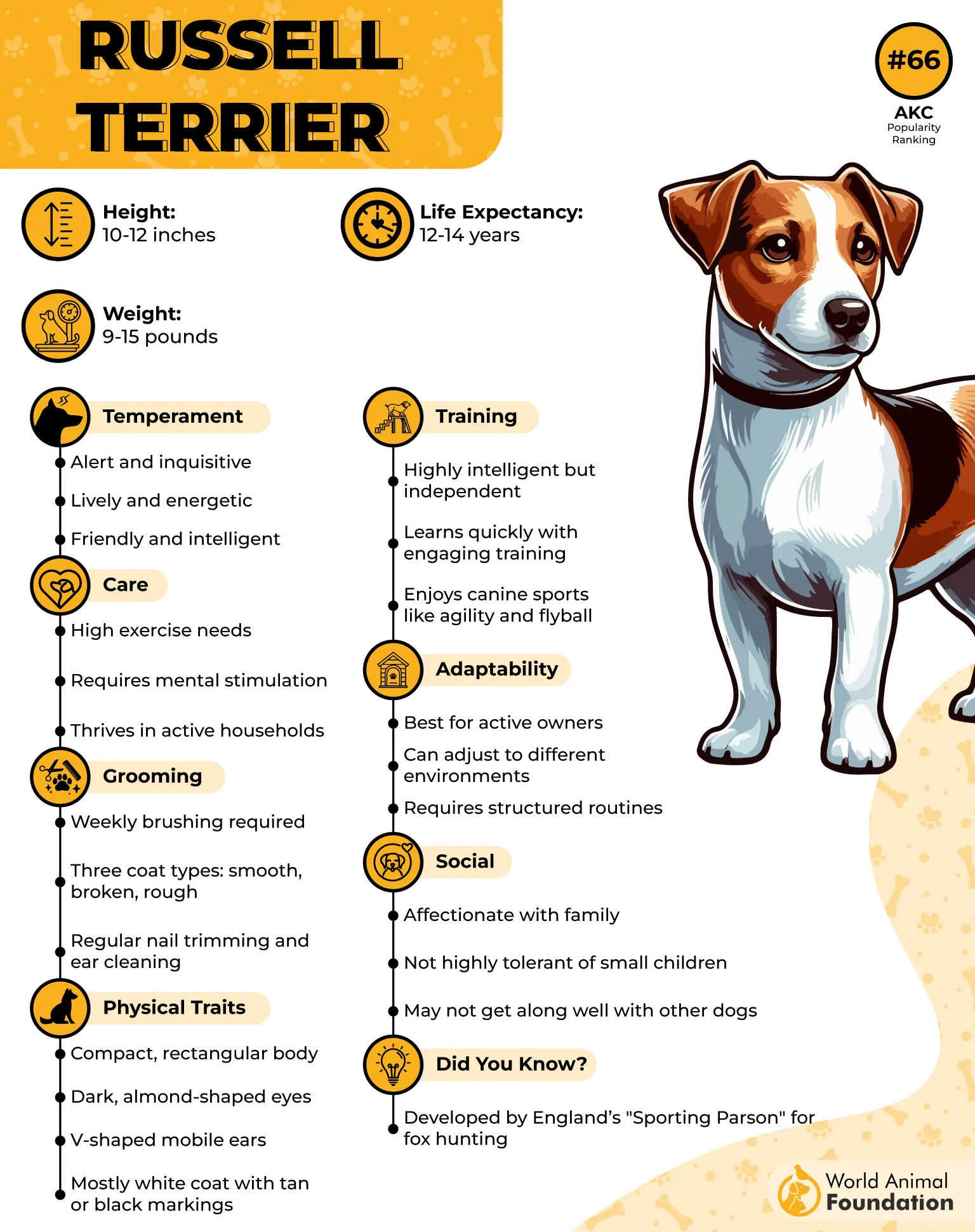
Coat care is simple, with smooth, broken, or rough textures that are thick and waterproof. Weekly brushing usually keeps shedding under control, and baths are only needed when they get especially dirty.
While generally hardy, they can experience issues such as skin allergies, luxating patella, progressive retinal atrophy, and Legg-Calve-Perthes disease.
Why This Breed Is a Good Fit
Weekly brushing keeps grooming manageable
An energetic personality suits active, hands-on owners
Naturally alert nature makes them confident little watchdog
6. Australian Terrier
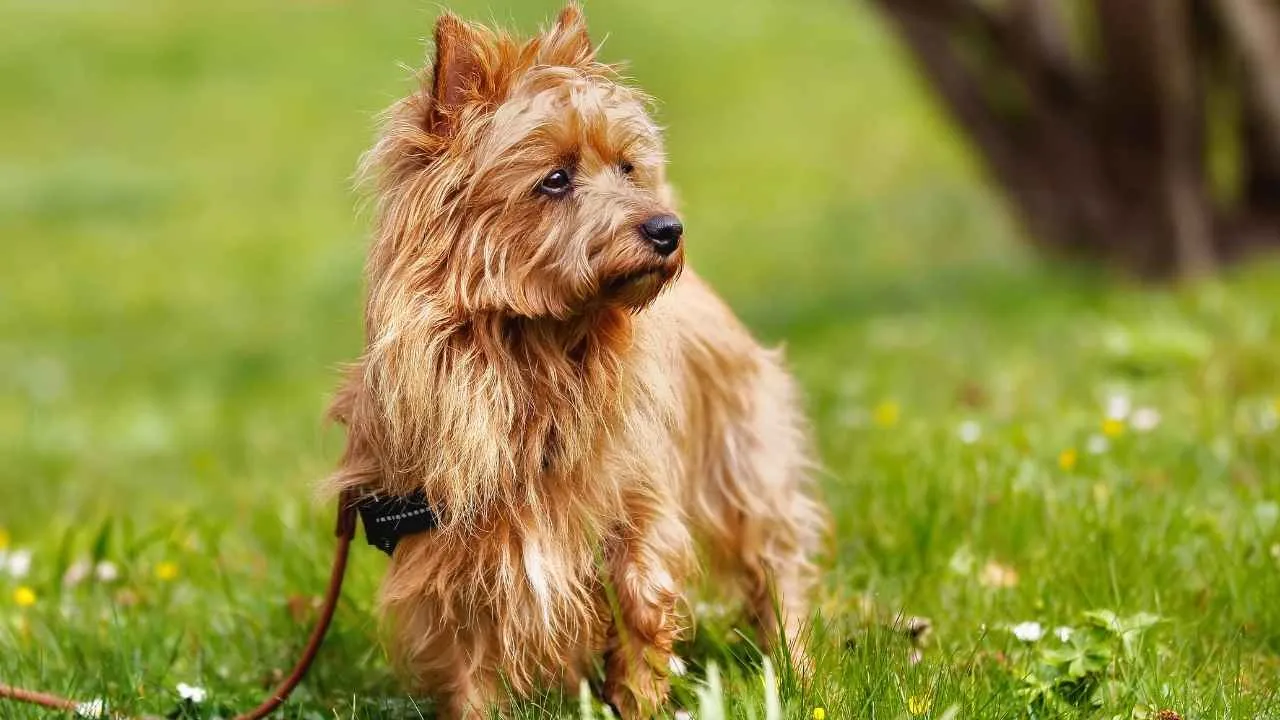
The Australian Terrier may be small, but it was bred to work hard. Developed in the 1800s to help ranchers control rodents, this terrier combines agility with tenacity. Over time, it earned recognition as Australia’s first native breed and was later recognized by the American Kennel Club.
Confident and self-assured, this breed thrives on close bonds with its people. Australian Terriers are energetic and need regular exercise and mental stimulation, whether through neighborhood walks, interactive play, or activities like agility and scent work.
They are not content with a solitary lifestyle and can bark at unfamiliar sights or sounds.
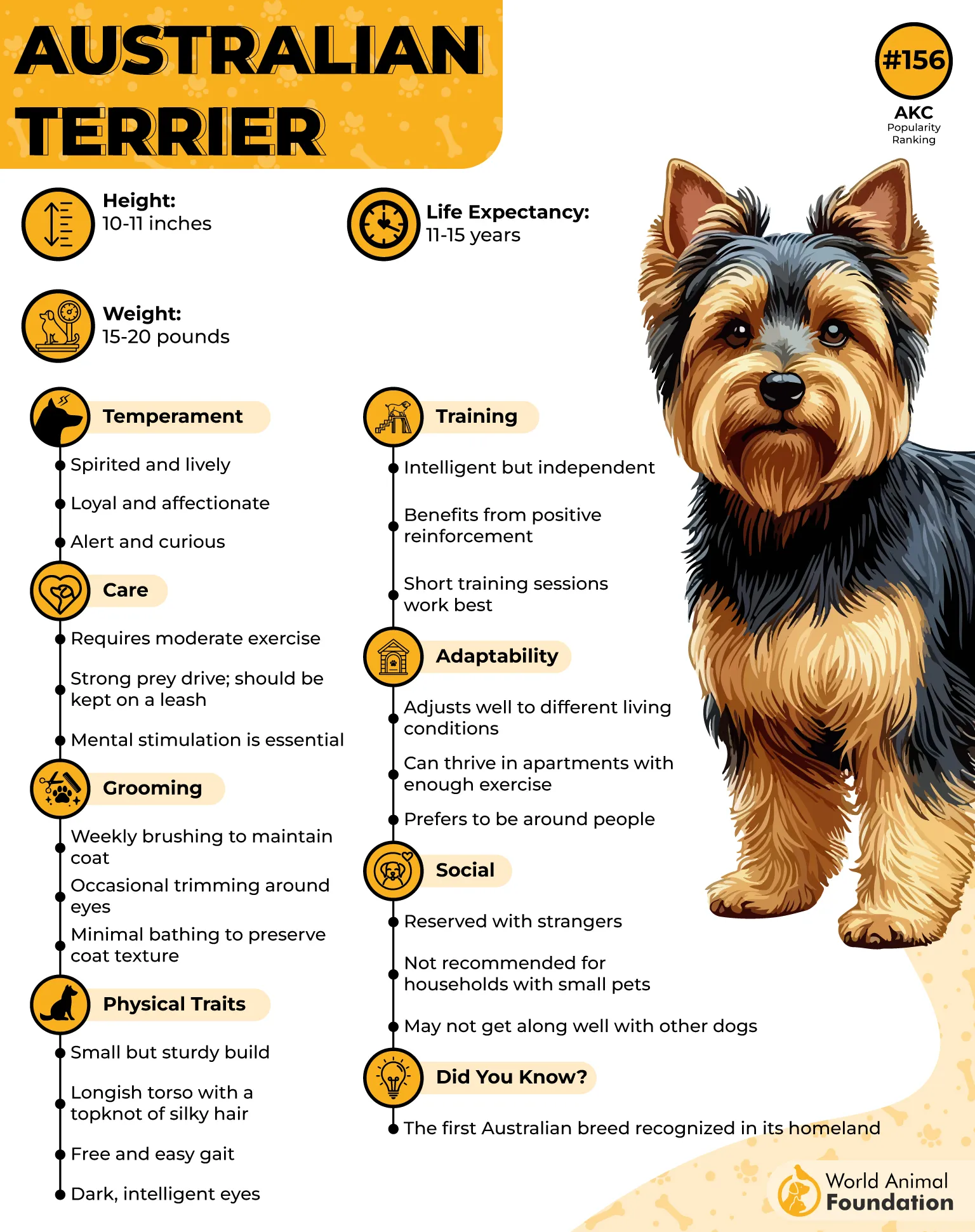
Their double coat, available in blue and tan, sandy, or red, is fairly easy to maintain with weekly brushing to prevent matting. Bathing should be occasional to avoid drying the skin. Health concerns can include luxating patella and Legg-Calve-Perthes disease, so routine veterinary care plays an important role in keeping them comfortable and active.
Why This Breed Is a Good Fit
Minimal grooming needs keep upkeep straightforward
Adaptable to apartment living with proper exercise
Strong human bond makes them devoted companions
7. English Setter
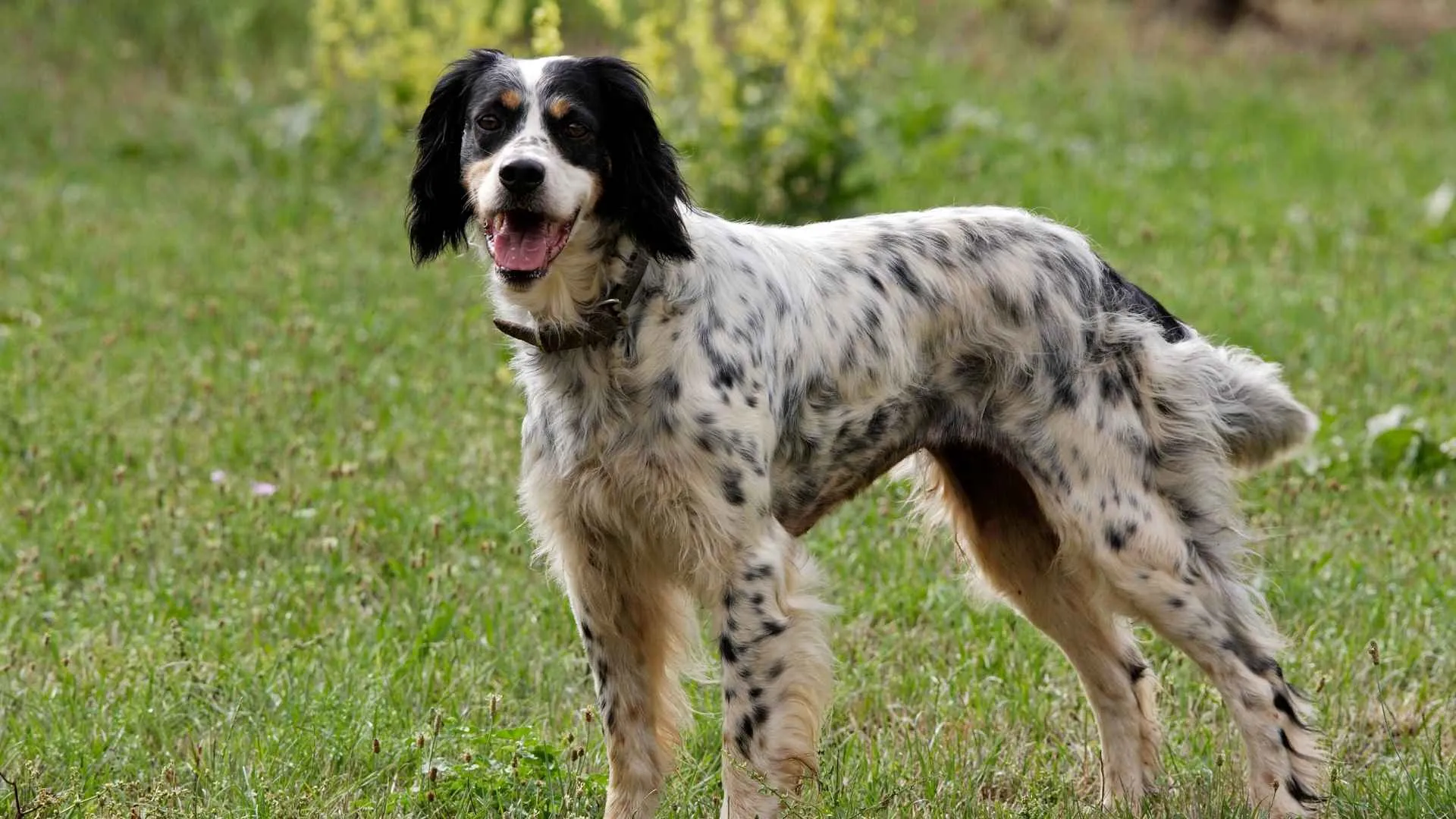
The English Setter is known for its silky, speckled coat and graceful bearing. Originally developed in 19th century England as a hunting dog, this breed was trained to “set” or lie low when locating birds. Today, they are admired not only for their beauty but also for their affectionate and mellow nature.
Despite their calm indoor presence, English Setters have high energy levels and require plenty of exercise. Long walks, jogs, and play sessions help channel their natural drive.
They are sociable and generally friendly with children and other dogs once trained, though they do not enjoy being left alone for extended periods.
Regular grooming is essential to maintain their feathered coat, including brushing, trimming, and periodic baths. Their floppy ears need weekly checks and gentle cleaning to prevent infections.
Health concerns may include bloat, ear infections, skin conditions, osteoarthritis, and ligament injuries, so attentive care and routine check-ups are important.
Why This Breed Is a Good Fit
Gentle temperament makes them affectionate family companions
Calm at home after exercise, offering balanced energy
Loyal and sociable once properly trained and socialized
8. Chihuahua
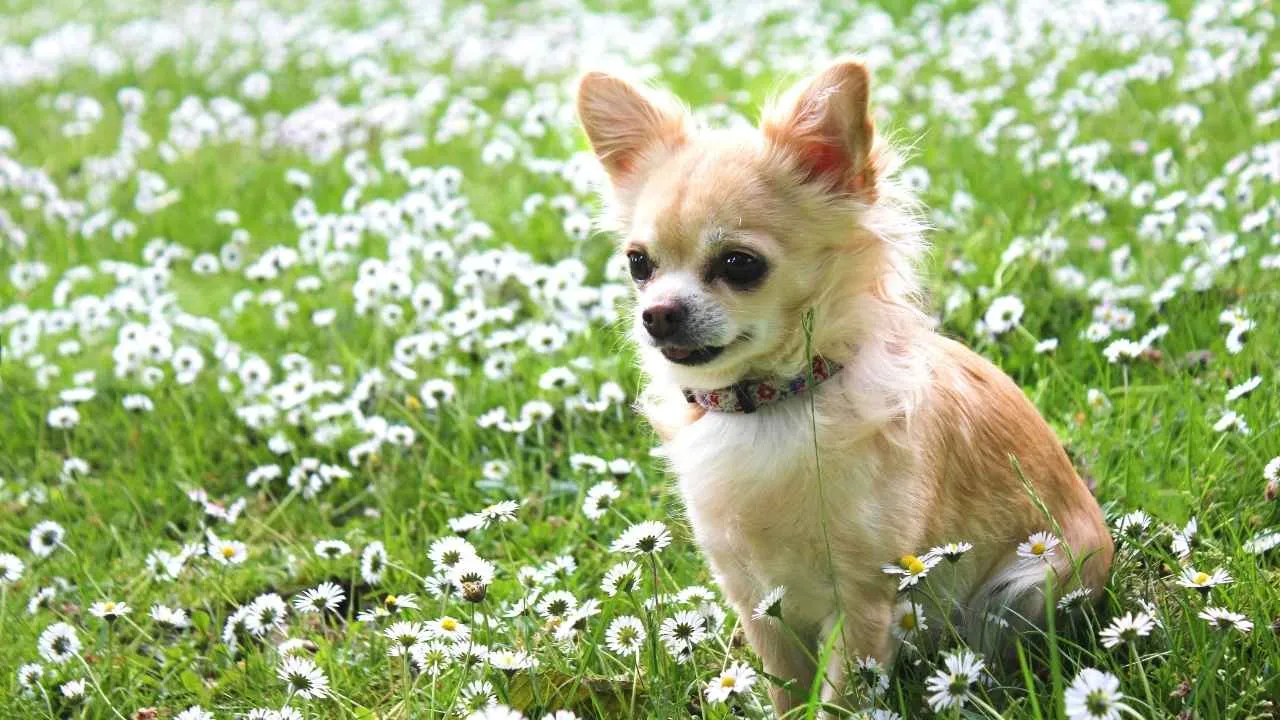
The Chihuahua traces its roots back to Mexico, where it descended from ancient companion dogs. Today, it is known as the smallest dog breed in the world, but its personality is anything but small. Loving, alert, and energetic, this little dog can be both a devoted lap companion and a busy explorer.
Chihuahuas are tiny dogs yet clever and respond well to positive, reward-based training. Early socialization is important, as their small size can make them wary of unfamiliar people or situations. They thrive on company and do not cope well when left alone for long periods, which can lead to separation anxiety or excessive barking.
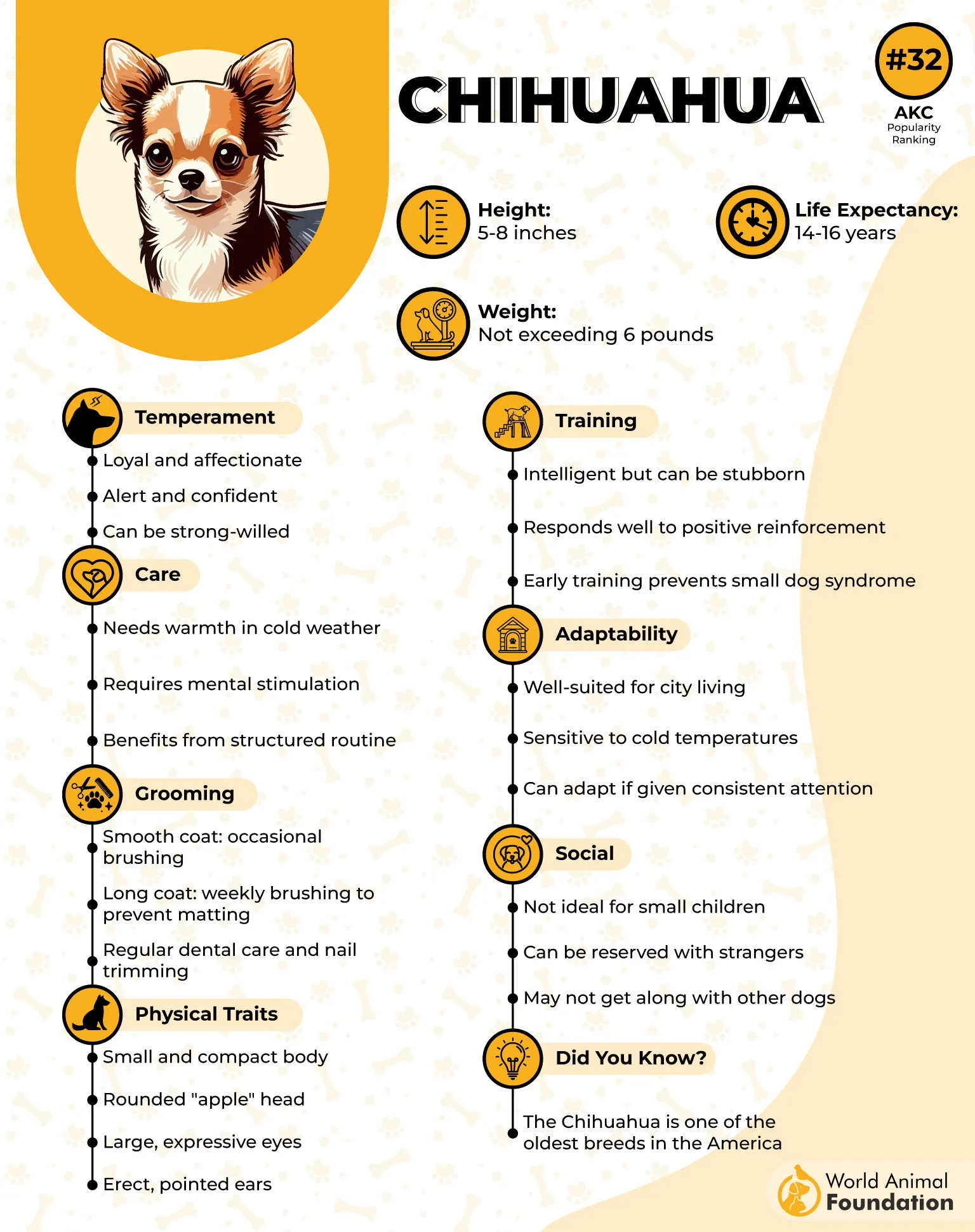
Exercise needs are modest, with about 30 minutes a day split into short walks and play sessions. Grooming is straightforward, with weekly brushing for smooth coats and a few extra sessions for longer hair. Health concerns can include luxating patella, dental issues, heart disease, eye problems, and tracheal collapse.
Why This Breed Is a Good Fit
Small size suits apartment and city living
Low grooming demands make weekly upkeep simple
Minimal exercise needs fit into a busy routine
9. Beagle
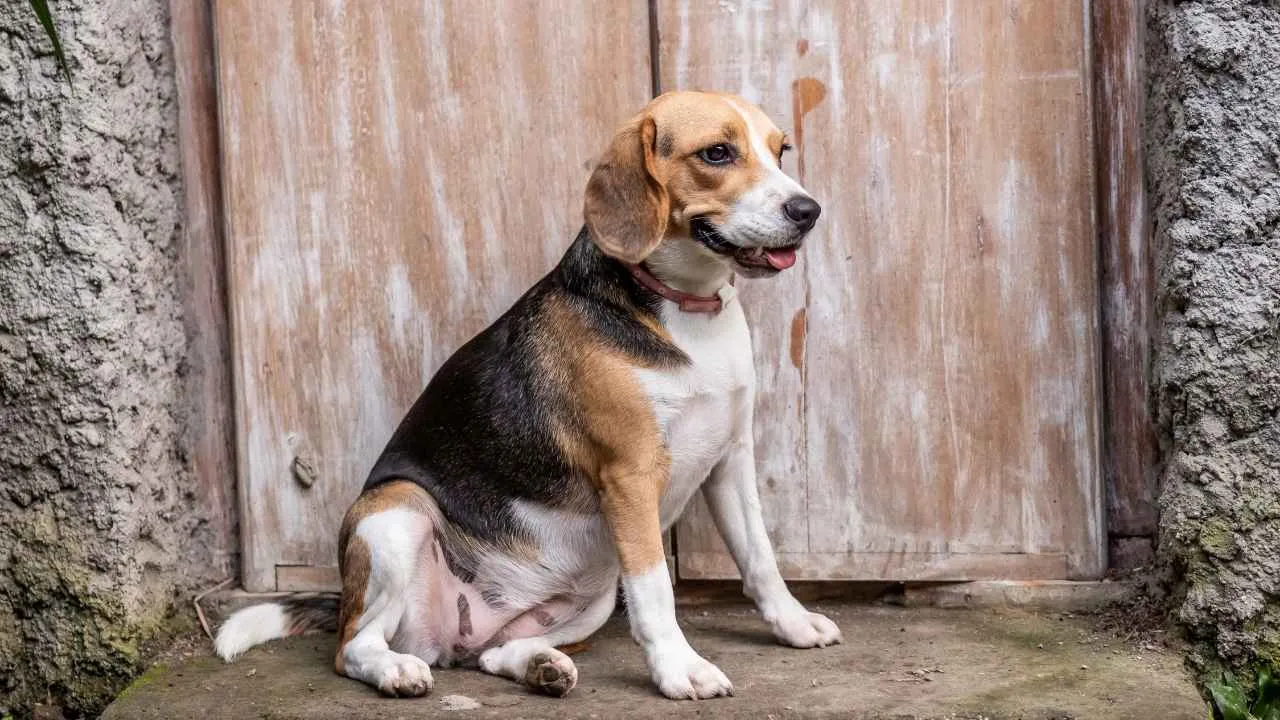
Developed in 1830s England for hunting hare, the Beagle is a scent hound with a powerful nose and a cheerful spirit. Over the years, this compact and resilient dog has become a beloved family companion around the world.
With their long floppy ears and expressive hazel eyes, Beagles combine charm with working-dog heritage.
Beagles are calm and gentle by nature, though their hunting background makes them determined and sometimes single-minded. They respond well to food rewards during training but can become distracted by interesting smells.
While friendly with family members and generally sociable with other pets, they are known for being vocal and may bark or howl in unfamiliar situations.
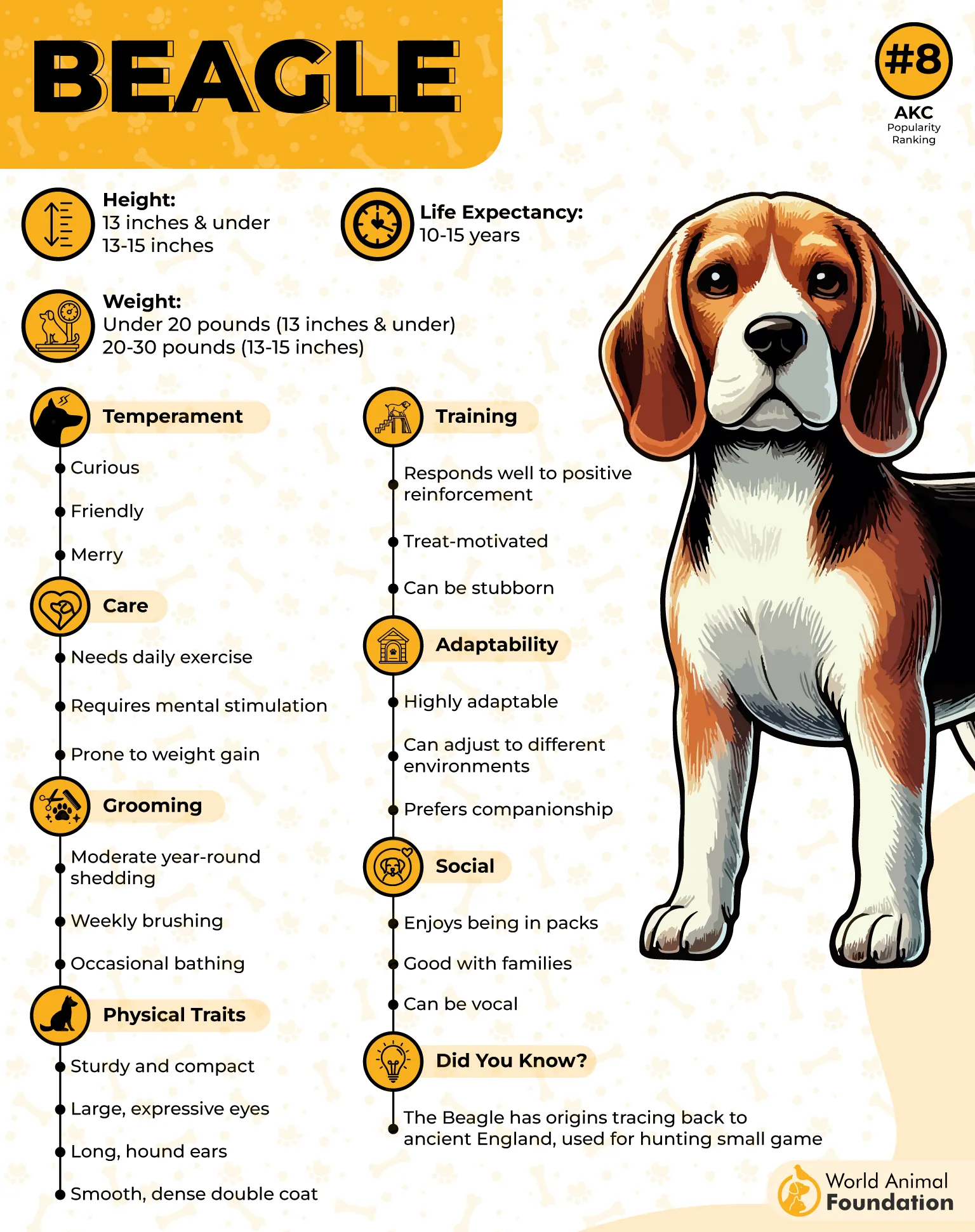
Their short, hard coat keeps grooming simple, usually requiring regular brushing and basic ear care. Beagles need regular exercise to stay healthy and avoid obesity, as they are enthusiastic eaters. Common health concerns include ear infections due to limited airflow in their ears, eye conditions such as glaucoma, and corneal dystrophy.
Why This Breed Is a Good Fit
Short coat keeps grooming expenses low
Adaptable nature suits homes with or without a yard
Friendly, merry temperament blends well with family life
10. Dachshund
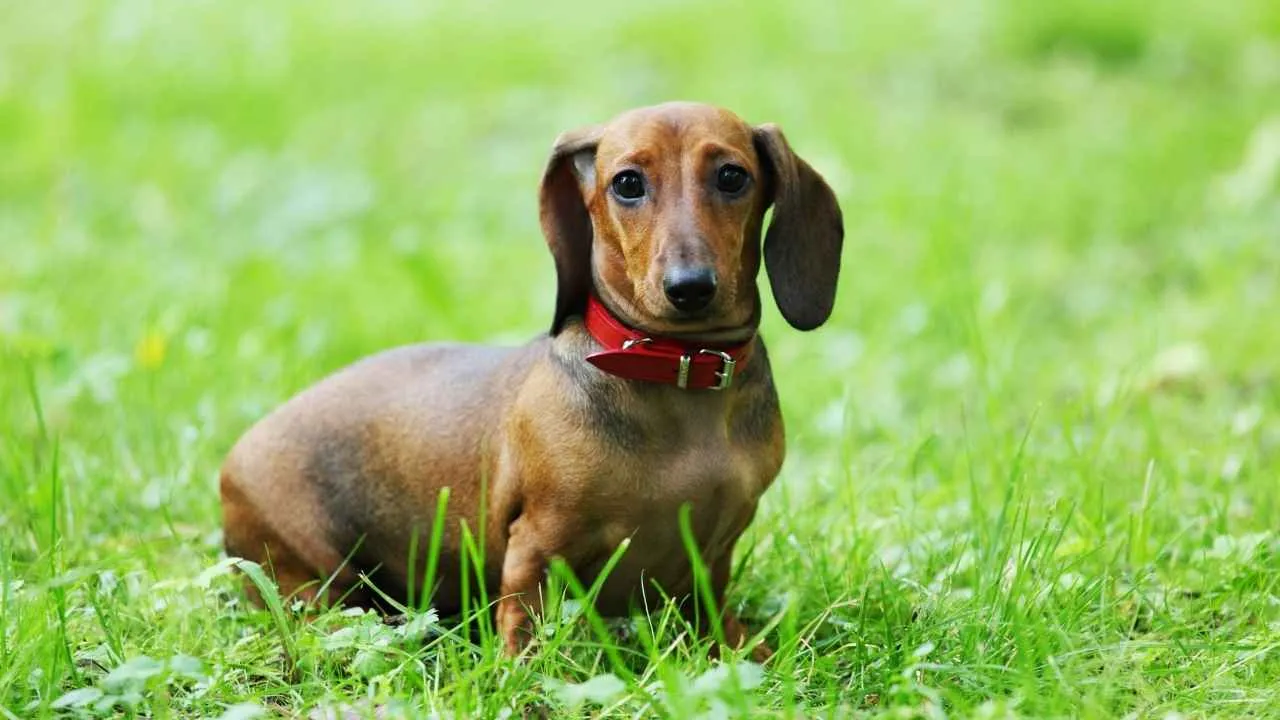
Originally bred in 18th-century Germany to hunt badgers, the Dachshund is famous for its long body and bold personality. Brave, energetic, and always alert, this breed combines a playful spirit with a strong sense of independence.
Despite their small size, they carry themselves with confidence and curiosity.
Dachshunds require regular exercise to build strong muscles that support their long back, but activities involving excessive jumping or twisting should be limited. Their history as independent hunters can make them willful during training, so short, positive sessions work best.
They are well-suited to apartments, though they can be vocal.
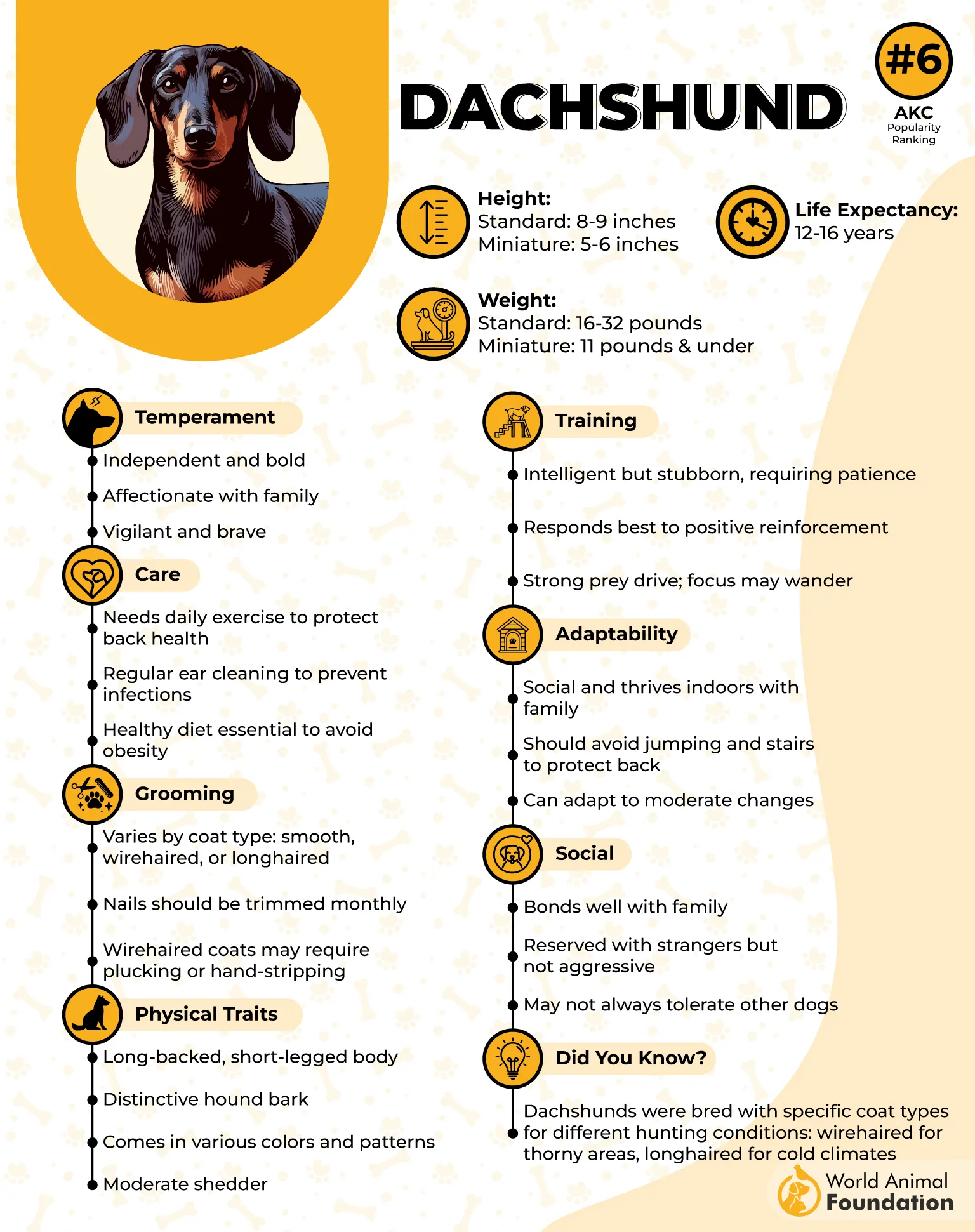
The most significant health concern for this breed is intervertebral disc disease, which affects the spine and can lead to serious mobility issues. Obesity increases the risk of back problems, so maintaining a healthy weight is essential. Other concerns may include luxating patella, dental disease, epilepsy, and certain eye conditions.
Why This Breed Is a Good Fit
Small stature adapts well to compact living spaces
Moderate grooming needs depending on coat type
An engaging personality keeps owners entertained without extreme exercise demands
Conclusion
Choosing your first dog is a big step, but it does not have to feel overwhelming. Low-maintenance dog breeds can offer companionship, personality, and plenty of fun without demanding hours of grooming or intense daily exercise.
Other less affordable yet affectionate dogs, such as the Cavalier King Charles Spaniel, Basset Hound, Boston Terrier, French Bulldog, Shih Tzu, and Labrador retriever, make great companions for first-time dog owners, especially when adopted as shelter dogs.
The key is matching a dog’s energy level, care needs, and temperament to your lifestyle. Even the easiest couch potatoes still need love, structure, and regular veterinary care to thrive.
With thoughtful planning and realistic expectations, you can welcome a furry friend who fits comfortably into your routine and brings joy to your home for years to come.
