





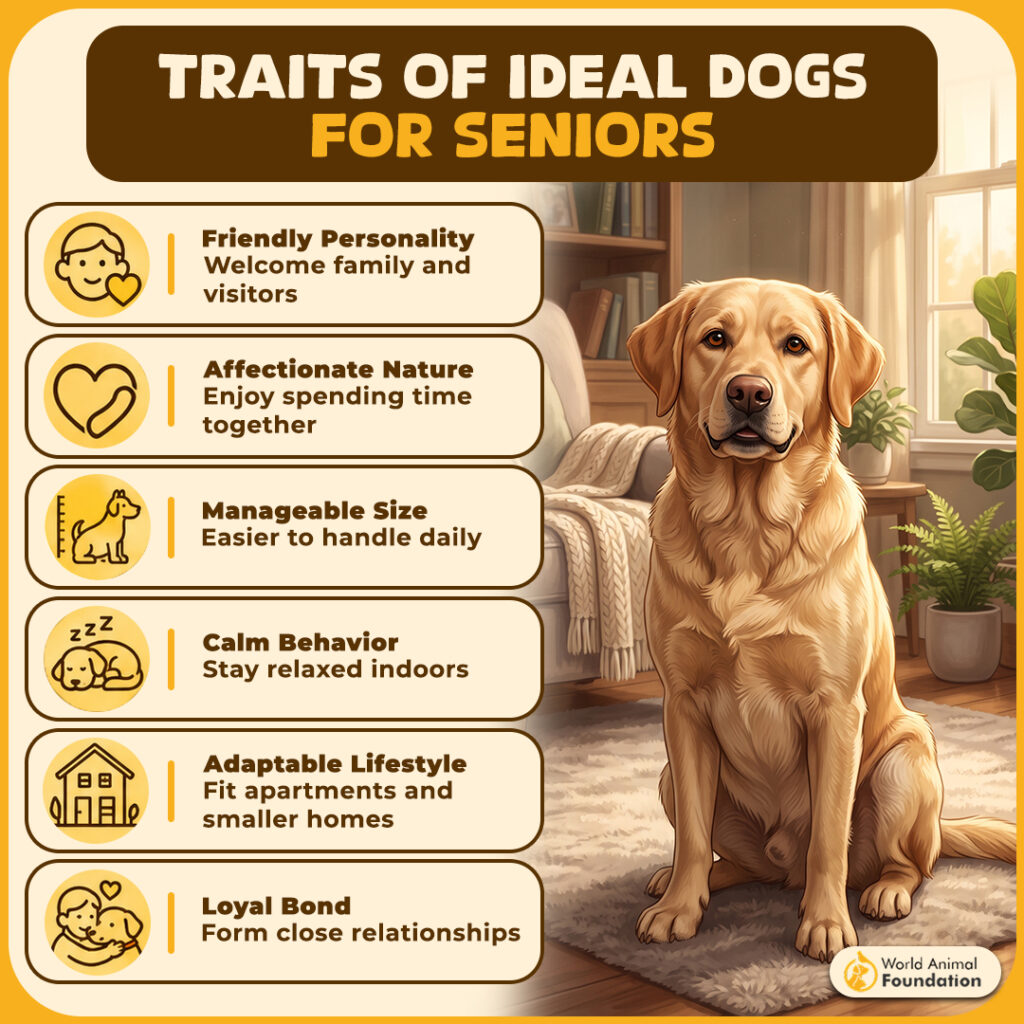
Some dogs seem suited to a slower household from the moment they settle in. For seniors, that quality can make companionship feel far more manageable.
The best low-energy dog breeds for seniors tend to enjoy gentle activity and longer periods of rest, making them a practical option for people who prefer quiet mornings, short walks, and relaxed evenings. Exercise remains important, since even less active dogs need regular movement to support physical health and prevent excess weight.
Daily care can also include grooming, training, dental care, socialization, and routine veterinary visits. A senior’s own lifestyle should guide the decision, including walking ability, available space, household activity, and willingness to handle coat maintenance. A dog that matches those realities is easier to live with and more likely to receive the care it needs.
The breeds ahead offer different personalities, sizes, and care demands, giving you several paths toward a comfortable match.
Key Takeaways
Short walks, quiet mornings, and plenty of time together can make a dog a wonderful companion in later years. The key is finding one that enjoys the same pace.
The Pekingese has been around for about 2,000 years and was once prized enough to be carried in the sleeves of emperors’ robes.
The Maltese, Pomeranian, and Japanese Chin bring their own personalities to a slower routine, with manageable exercise needs and plenty of affection.
Keep reading to find out which breed washes its face with its paws and even enjoys sitting in high places.
Best Low-Energy Dog Breeds for Seniors
1. Pekingese
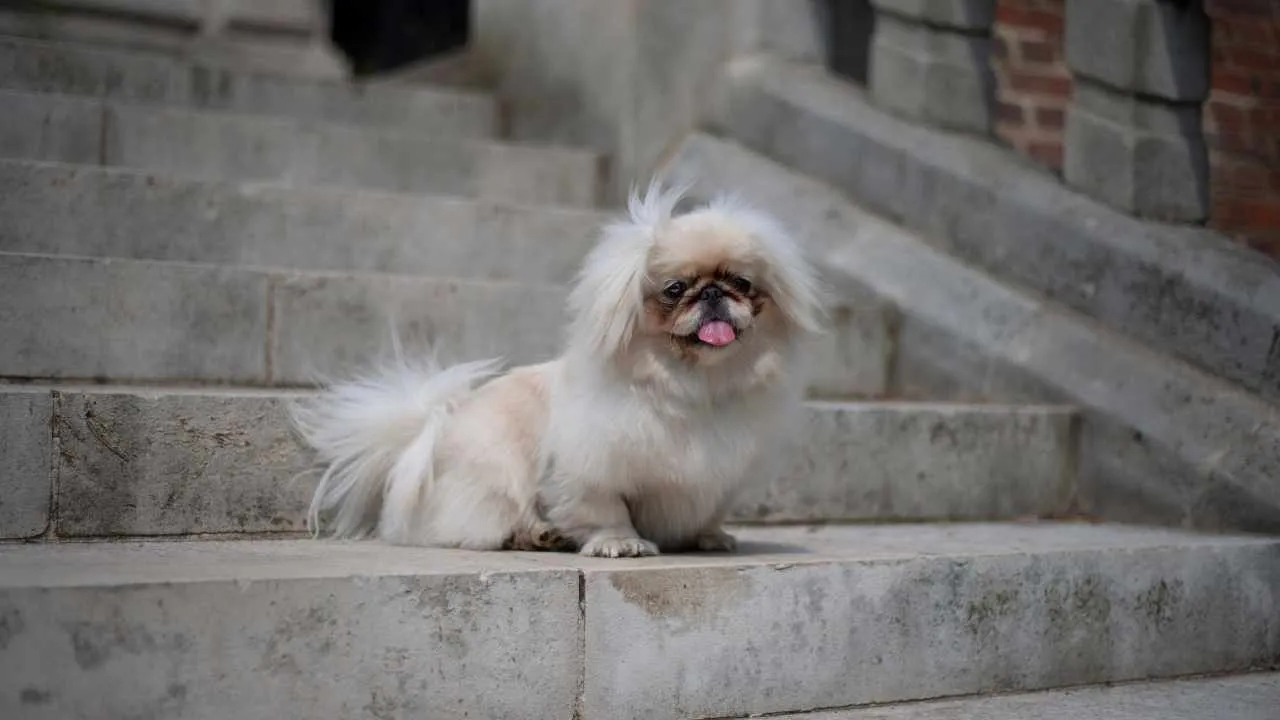
Pekingese dates back around 2,000 years in China, where Buddhist monks kept these tiny dogs as companions and called them Lion Dogs. The smallest were known as “sleeve dogs” because they could fit inside the sleeves of emperors’ robes, making their tiny size especially prized.
A Manageable Routine
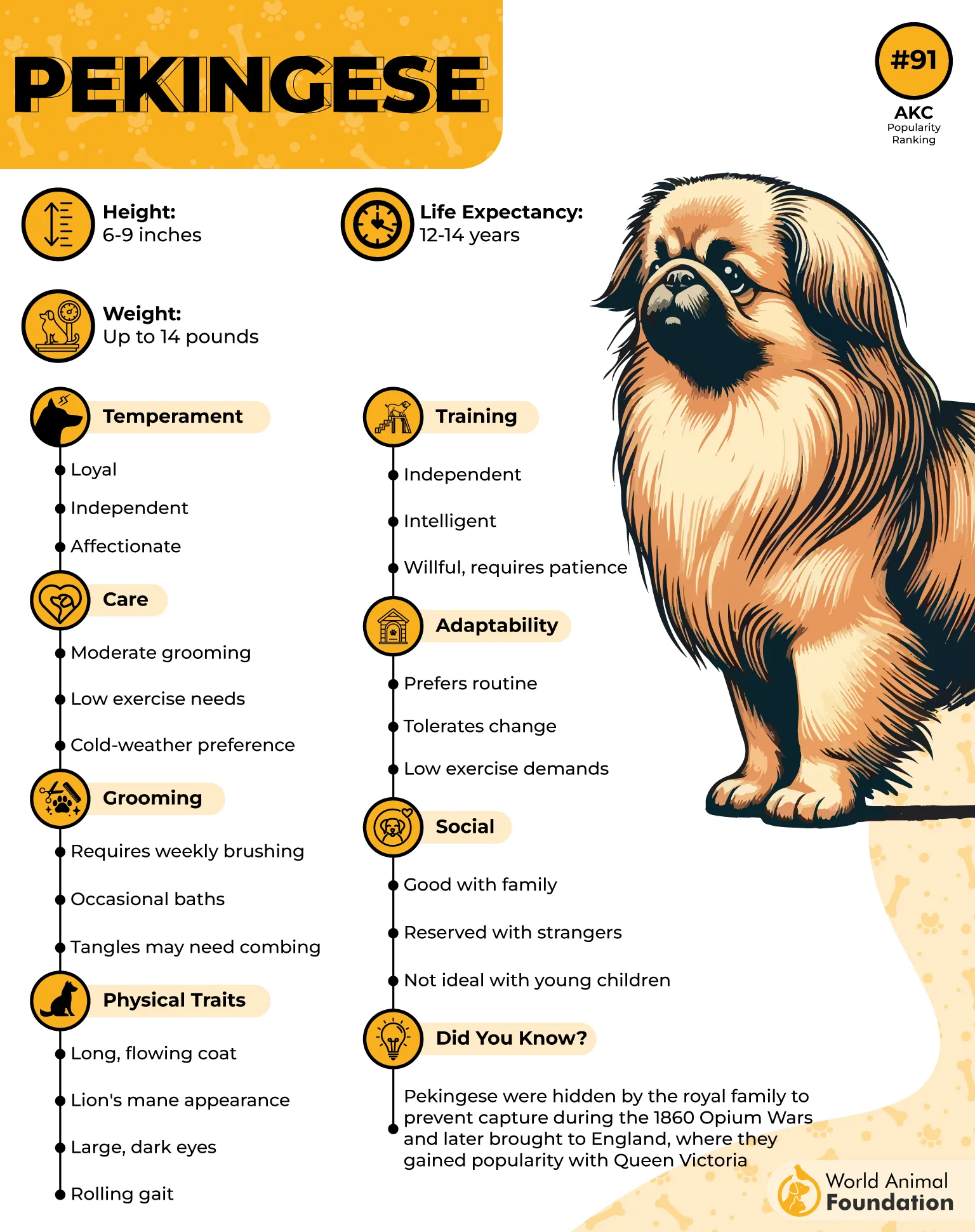
This small dog breed needs daily activity, though their short legs make lengthy outings difficult. One or two 20- to 30-minute walks can provide exercise and mental variety, while indoor games offer another way to keep the day interesting, as noted by Pooch and Mutt.
Its home life can be both peaceful and alert:
Watches unfamiliar activity around the home
May bark when someone approaches the door
Enjoys quiet family time and a few hours alone
Choose the Company Carefully
Pekingese can live with children and other pets, though its tolerance for rough play may be limited, particularly as the dog gets older. Early socialization helps it become accustomed to younger family members, puppies, kittens, and other animals.
2. Maltese
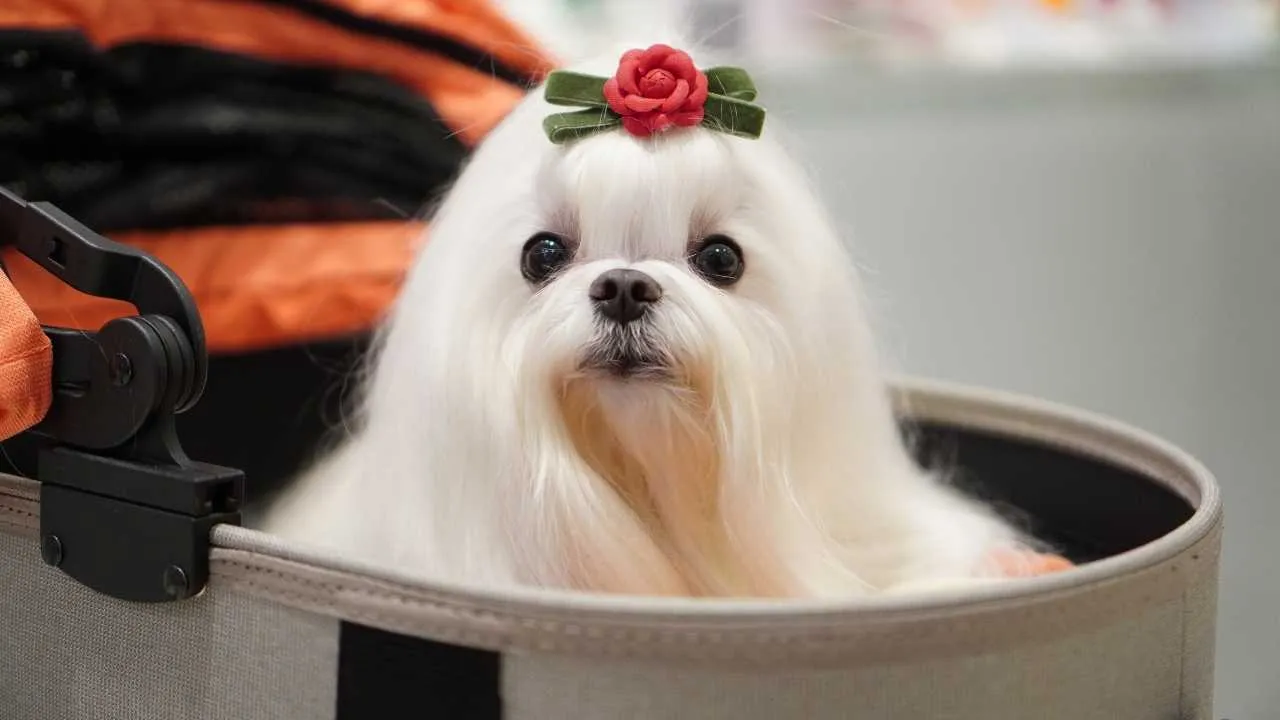
Maltese dog has an uncertain beginning, with records reaching as far back as 300 BC and theories linking its arrival to traders traveling through Asia.
Malta may have played a key role as a trading port, while the breed later became especially popular among upper-class women in England by the 14th century.
Easy Daily Pace
Maltese needs only moderate daily activity, with a brisk 20 to 30-minute walk fitting well into a senior’s routine. Indoor games, short fetch sessions, scent work, and interactive toys can add variety without demanding lengthy or strenuous outings.
Its gentle nature adds another side to daily life:
Lively well beyond puppyhood
Can make a gentle therapy dog
Petite frame needs careful handling around children and babies
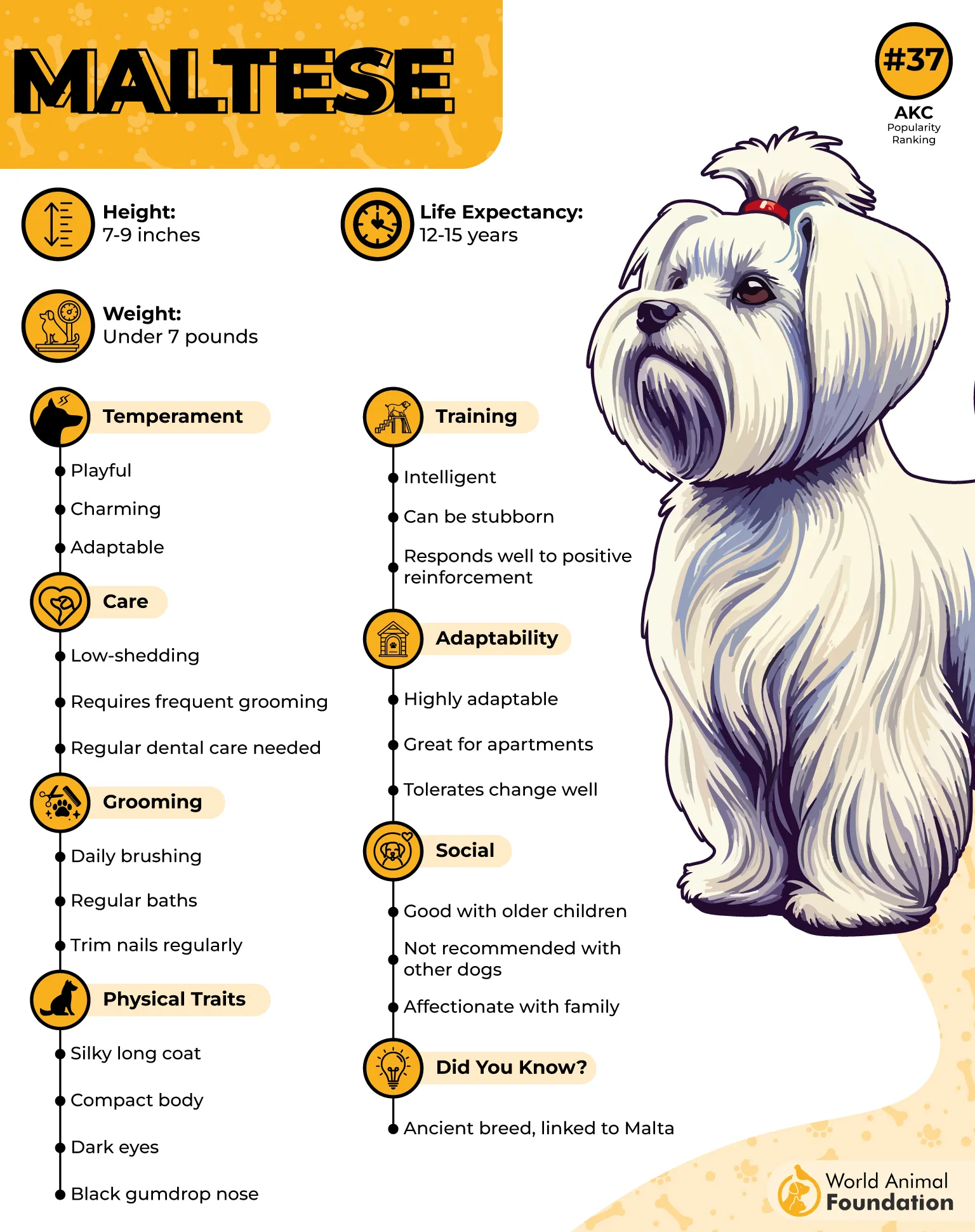
People-Oriented Nature
This best dog breed has a friendly, outgoing personality and generally gets along with other pets when properly socialized, as Pawlicy Advisor reported. Its affectionate nature also makes human company especially important, with lap time often ranking high among its favorite ways to spend the day.
3. Pomeranian
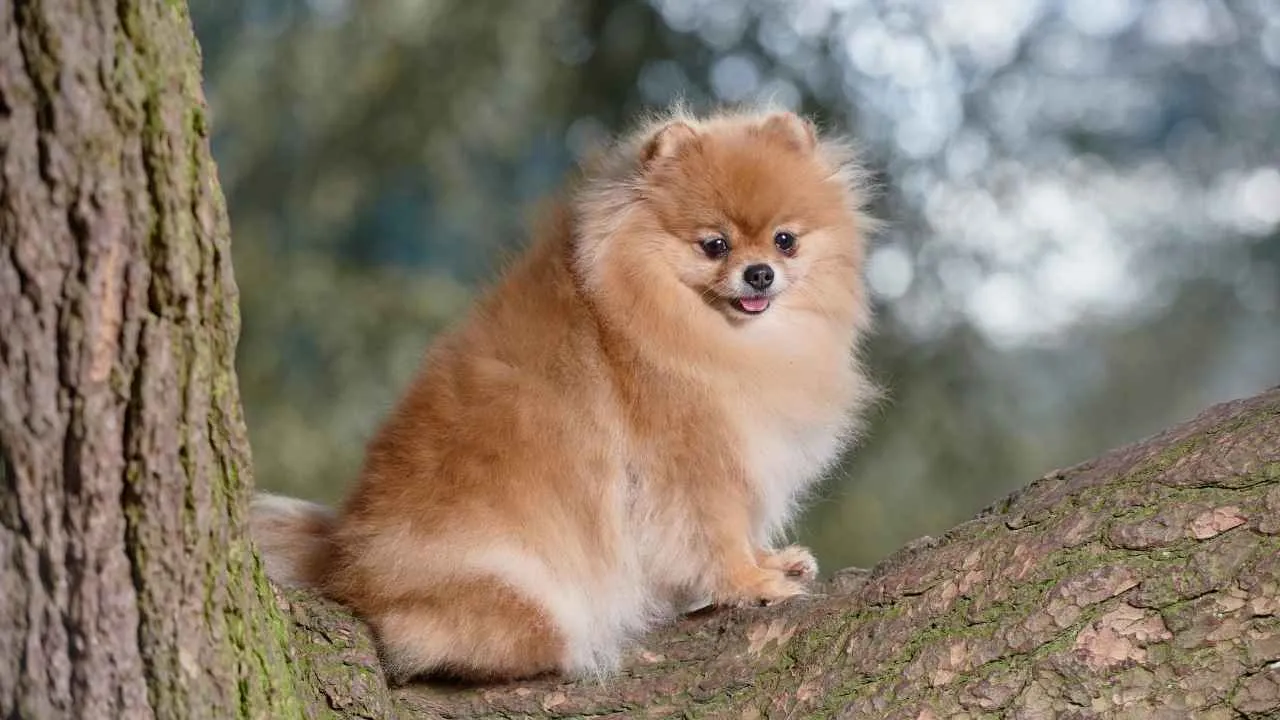
Pomeranian comes from Pomerania, a region spanning parts of present-day Poland and Germany, and is linked to the German Spitz. Smaller puppies were selected over generations, gradually producing the tiny companion recognized today.
The breed also goes by Zwergspitz, Pom, and Pom Pom, with popularity rising during the 18th century. Queen Victoria was among its well-known admirers, helping bring greater attention to this small Spitz breed.
Light Daily Routine
For seniors, Pomeranians’ exercise needs can fit neatly into a manageable routine, with around 20 minutes of walking a couple of times daily. Their small size also makes indoor activity practical between those outings.
These details matter when planning those walks:
Keep fences free from tiny escape gaps
Use a leash in open areas
Watch for hawks and owls outdoors
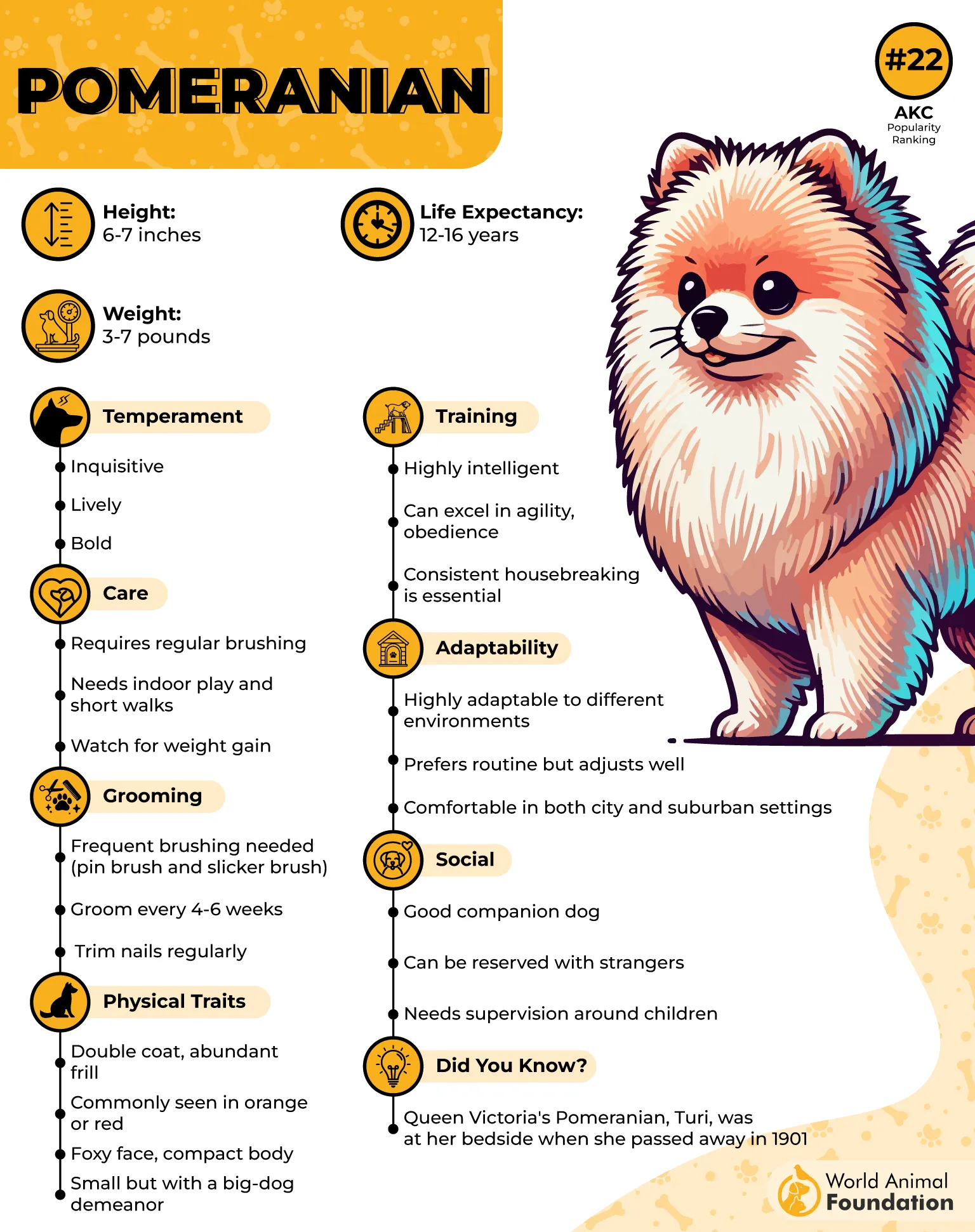
Tiny, Yet Spirited
Pomeranians enjoy affection and social interaction, while their lively personality can make them eager to participate in family activities. Care is especially important around larger dogs because rough play can accidentally injure such a small-bodied companion.
4. Japanese Chin
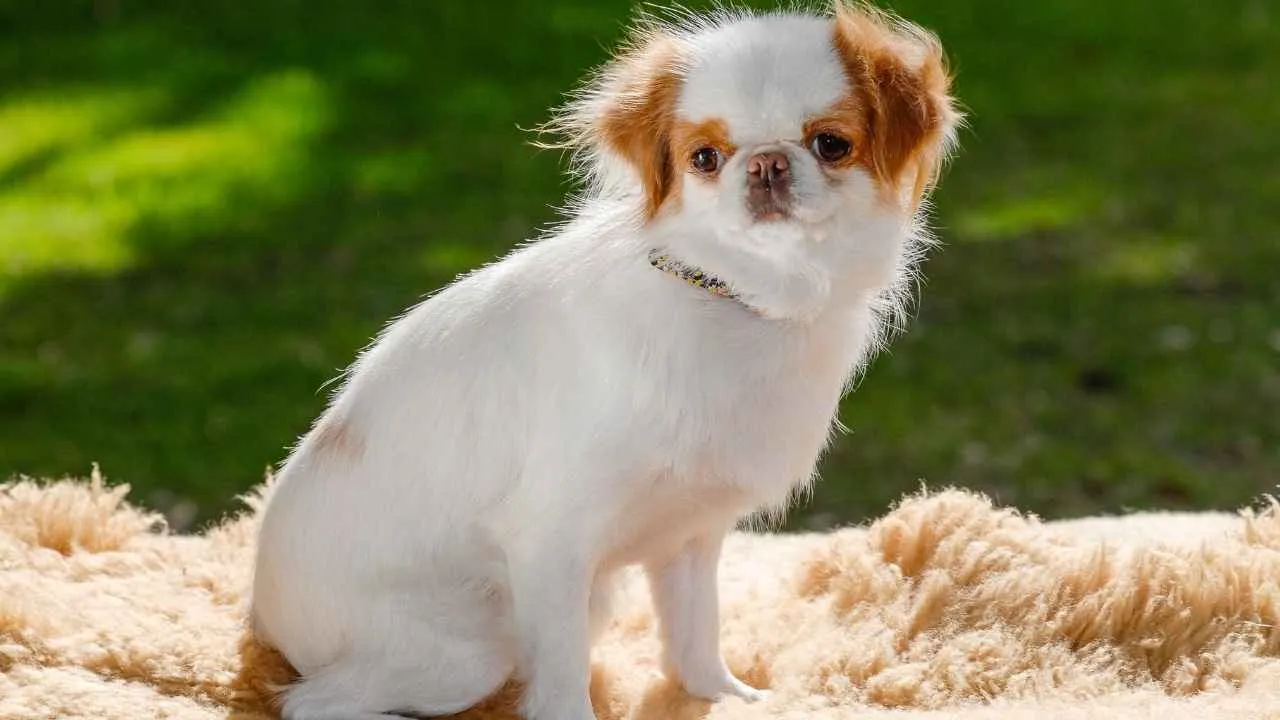
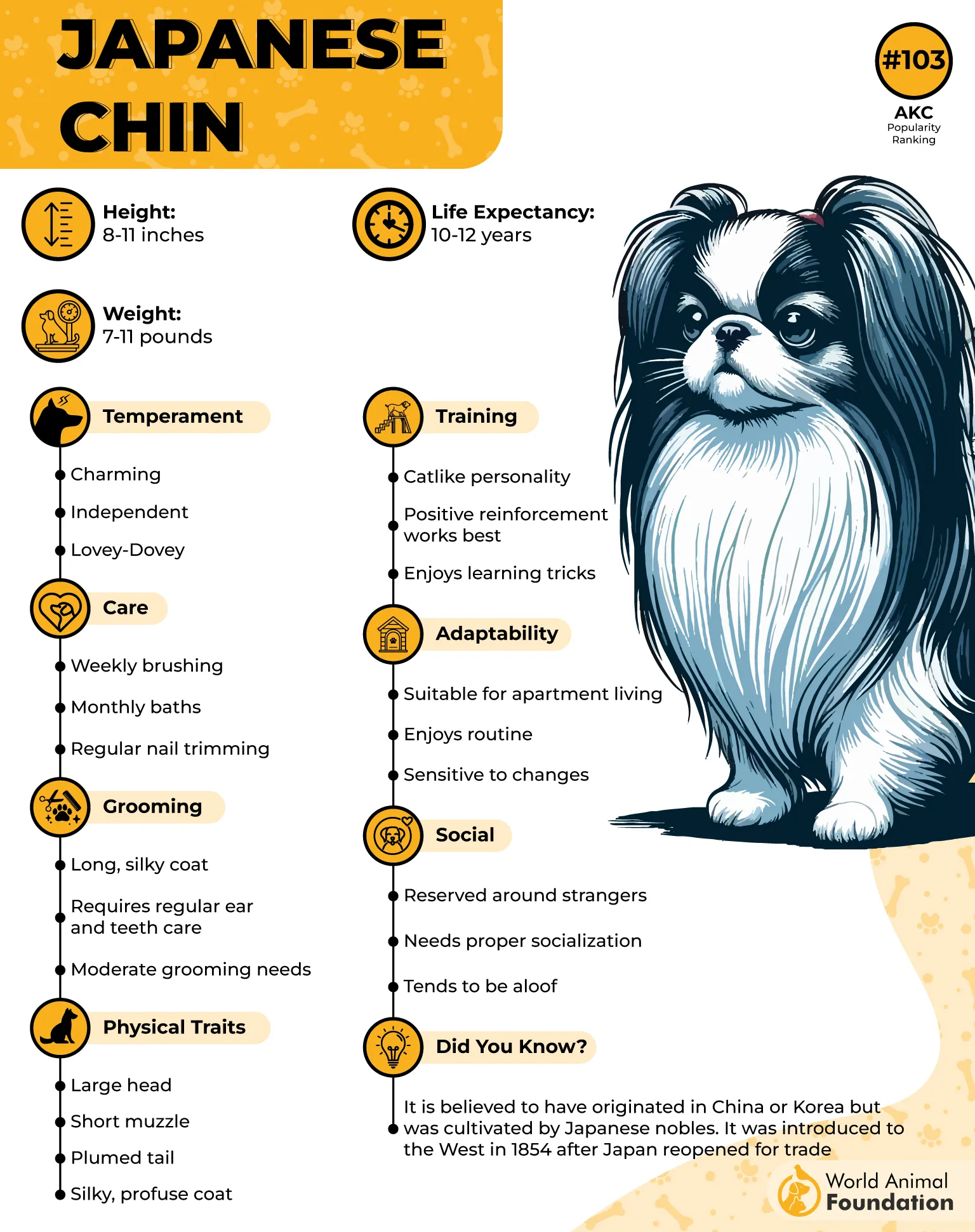
Japanese Chin has a long connection with Asian courts, although the breed most likely originated in China rather than Japan. By the 1800s, these small companions had reached the Western world, after a period when pet ownership was restricted to royalty, and each household bred dogs to its own preferred size and weight.
Gentle Exercise Needs
These affectionate dogs have modest exercise needs, with about 20 to 30 minutes of daily activity often enough for a walk or energetic play session. Small size and modest exercise needs suit seniors who prefer shorter outings.
These characteristics make that routine more interesting:
Classified solely as a companion dog
Good recall is commonly reported
Safe off-leash time requires fencing
A Cat in a Dog’s World
Japanese Chin has several behaviors that seem almost feline, including washing its face with its paws and seeking elevated spots such as bookshelves or mantelpieces. Excellent balance helps them perch in high places while watching what is happening around them.
5. Shih Tzu
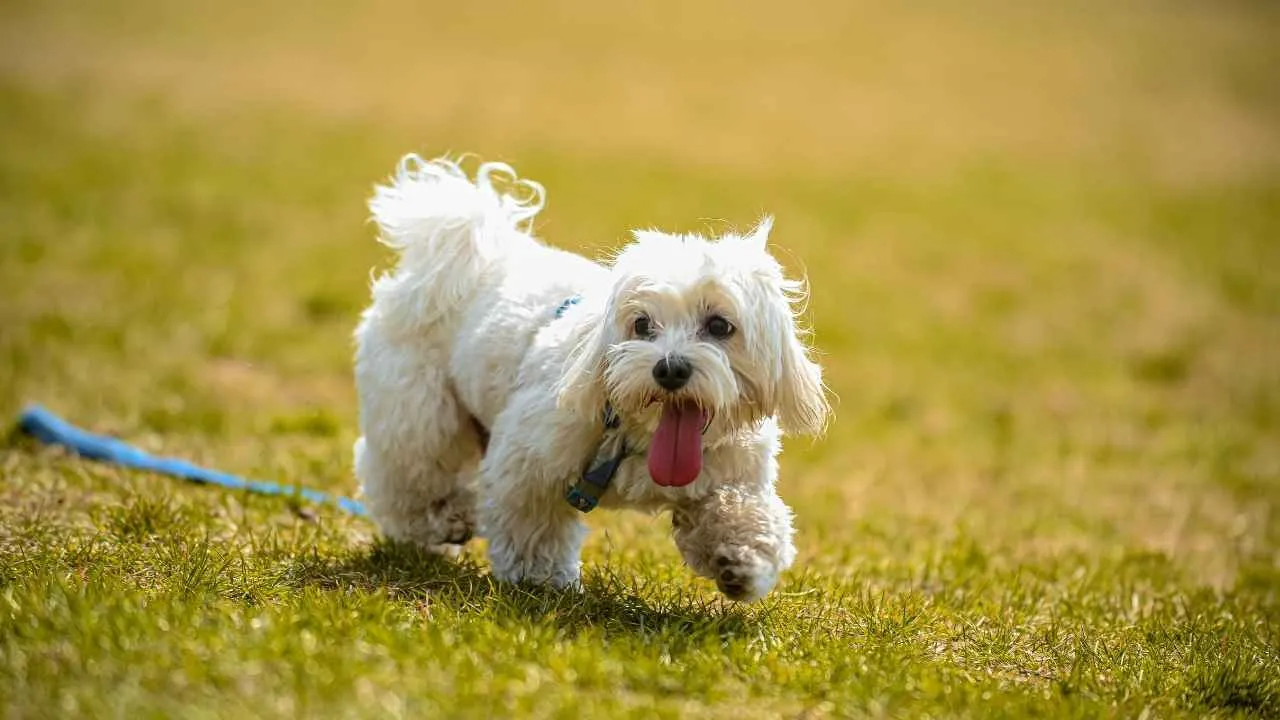
Shih Tzu as we know it today took shape in the Forbidden City during the 17th century through crosses between Tibetan Lhasa Apsos and an early form of the Pekingese. Called Lhasa Lion Dogs, these companions remained largely unknown in the West until the 20th century.
Low-Key Daily Pace
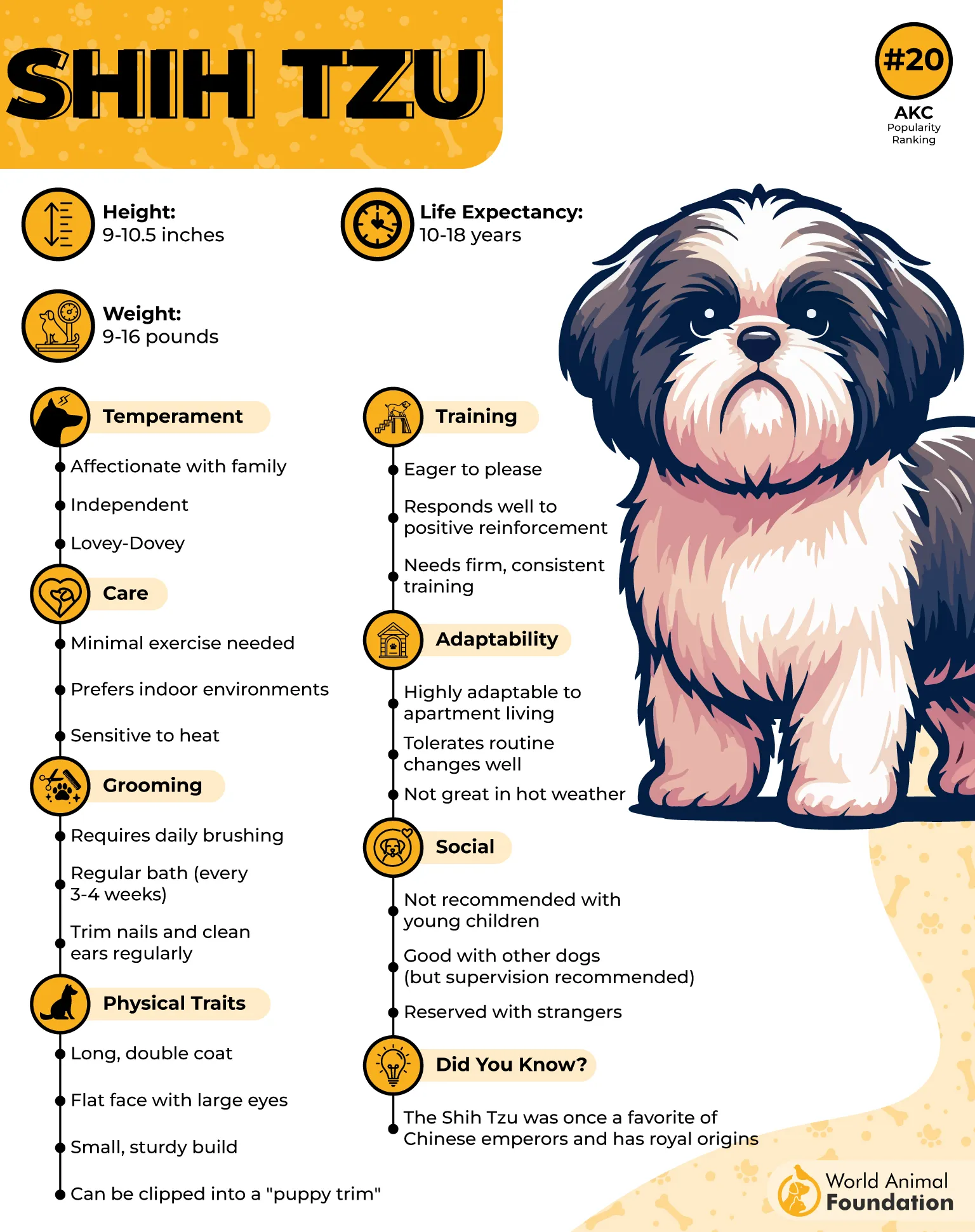
This smaller breed has a moderate energy level, so older adults can meet its regular exercise needs without planning lengthy or strenuous outings. Two or three walks of about 20 minutes each can provide daily activity while fitting neatly into smaller living spaces.
A few practical details are worth keeping in mind:
Short legs can limit longer walks
Heavy panting can signal exhaustion
Hot weather requires extra caution
People-Oriented Personality
Shih Tzu was raised as a people-oriented companion and often enjoys being close to its family throughout the day. Its gentle, friendly nature can make it comfortable around children, while gradual introductions can help it adjust to living with other dogs and cats.
6. Pug
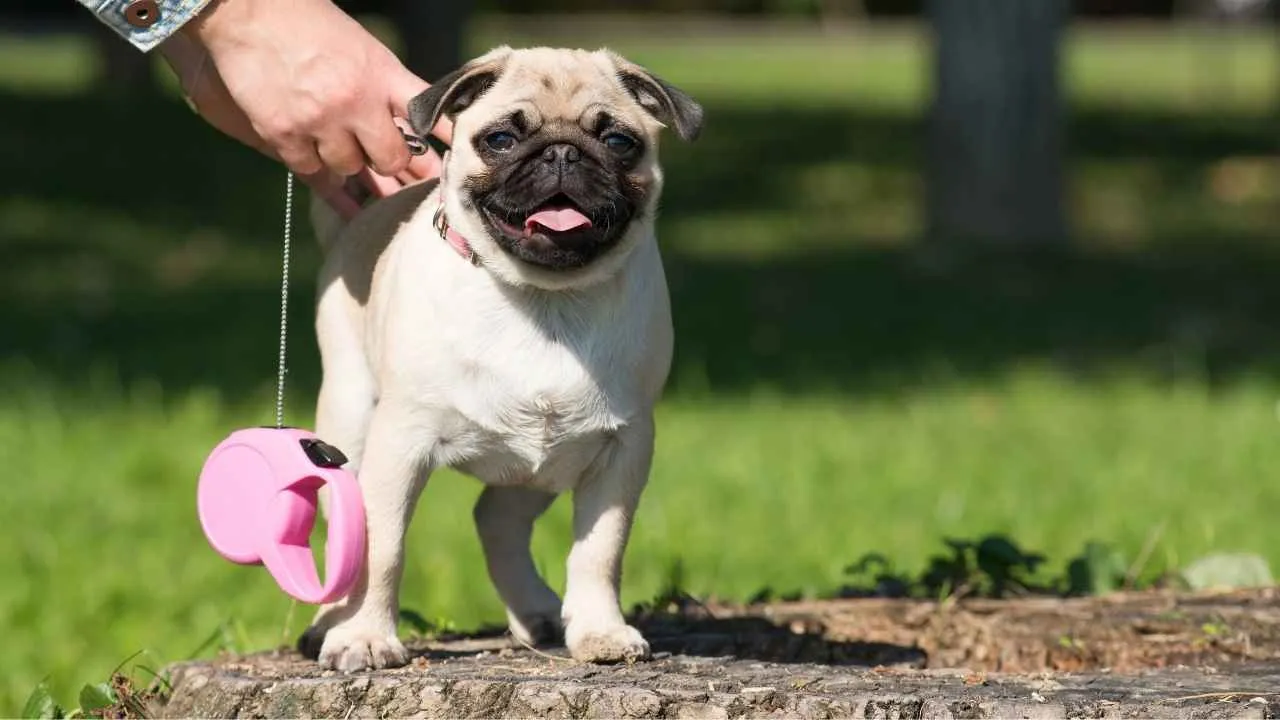
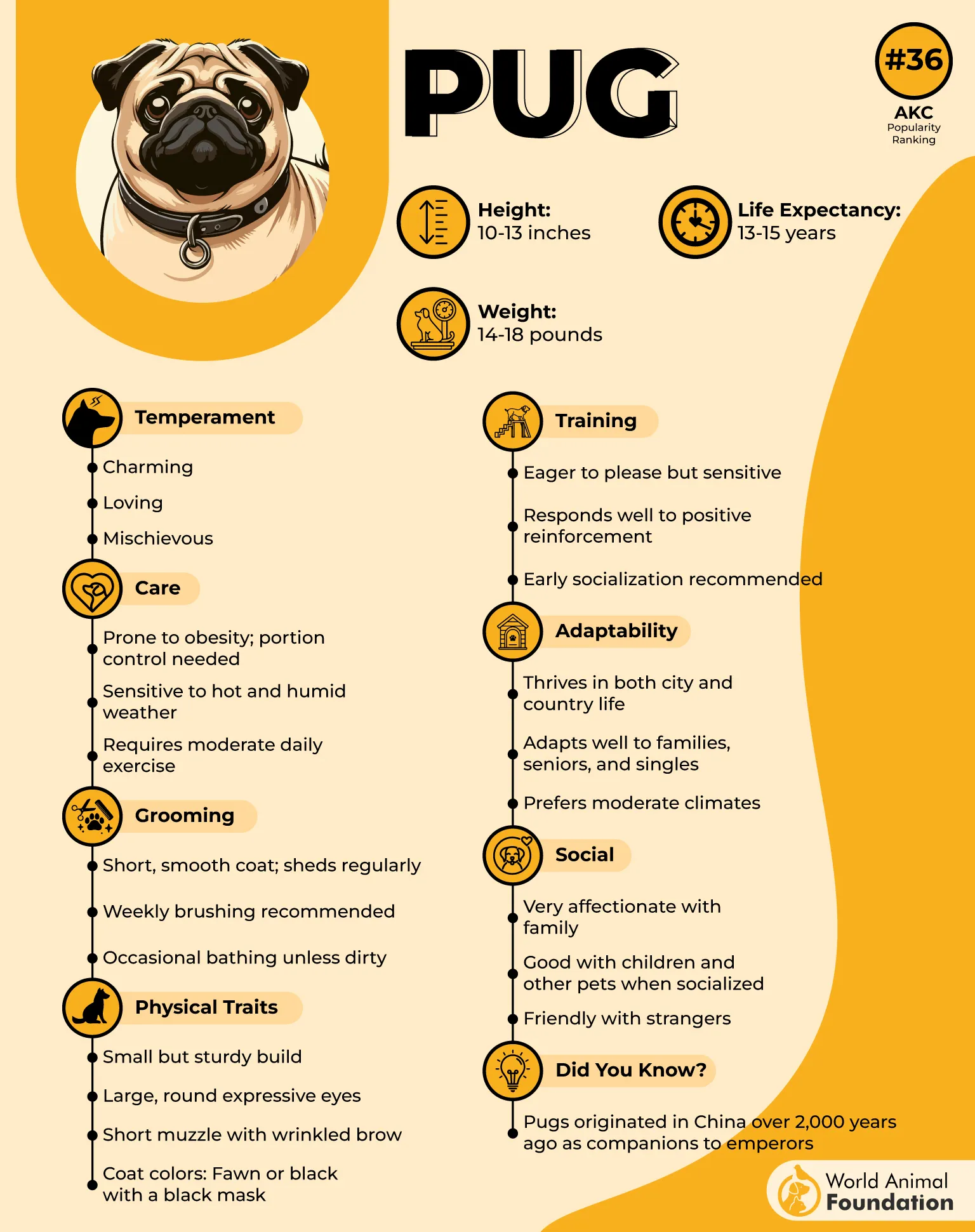
The Pug is believed to have originated in the Orient centuries ago and later became associated with Tibetan monasteries. In the 1700s, these little dogs reached Europe from China through the East India Trading Company, while their name may relate to the Latin word Pugnus, meaning fist.
Easy on the Energy
This apartment-living breed typically needs less than an hour of exercise each day, making its routine manageable for seniors who prefer shorter outings.
A brief walk or indoor play session can suit this breed better than demanding games, especially since its speed averages only 5 to 10 mph.
That gentler pace comes with some practical considerations:
Flat face can cause breathing difficulty
Heat and humidity can make exertion harder
Short sessions are better than strenuous exercise
A Lap Comes First
Pugs were bred as companions and often want to be right beside their favorite person, whether that means climbing onto a lap or curling up on a chair. Its playful personality can also turn ordinary moments into bursts of clownish energy before another nap takes over.
7. French Bulldog
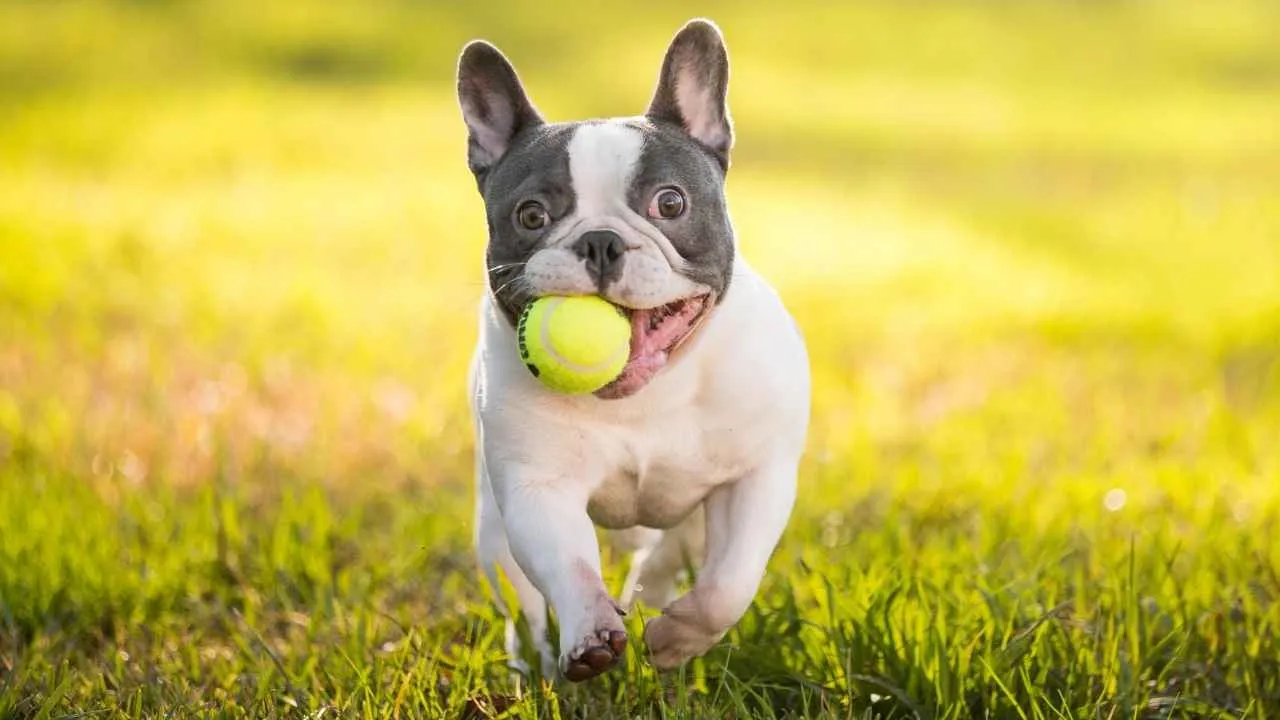
French Bulldog began its rise in France during the mid-1800s, when English lace workers brought small Bulldogs with them as they relocated for work. French admirers especially favored the dogs with upright, bat-like ears, and the breed became a popular pet by the late 1800s.
Easygoing Exercise
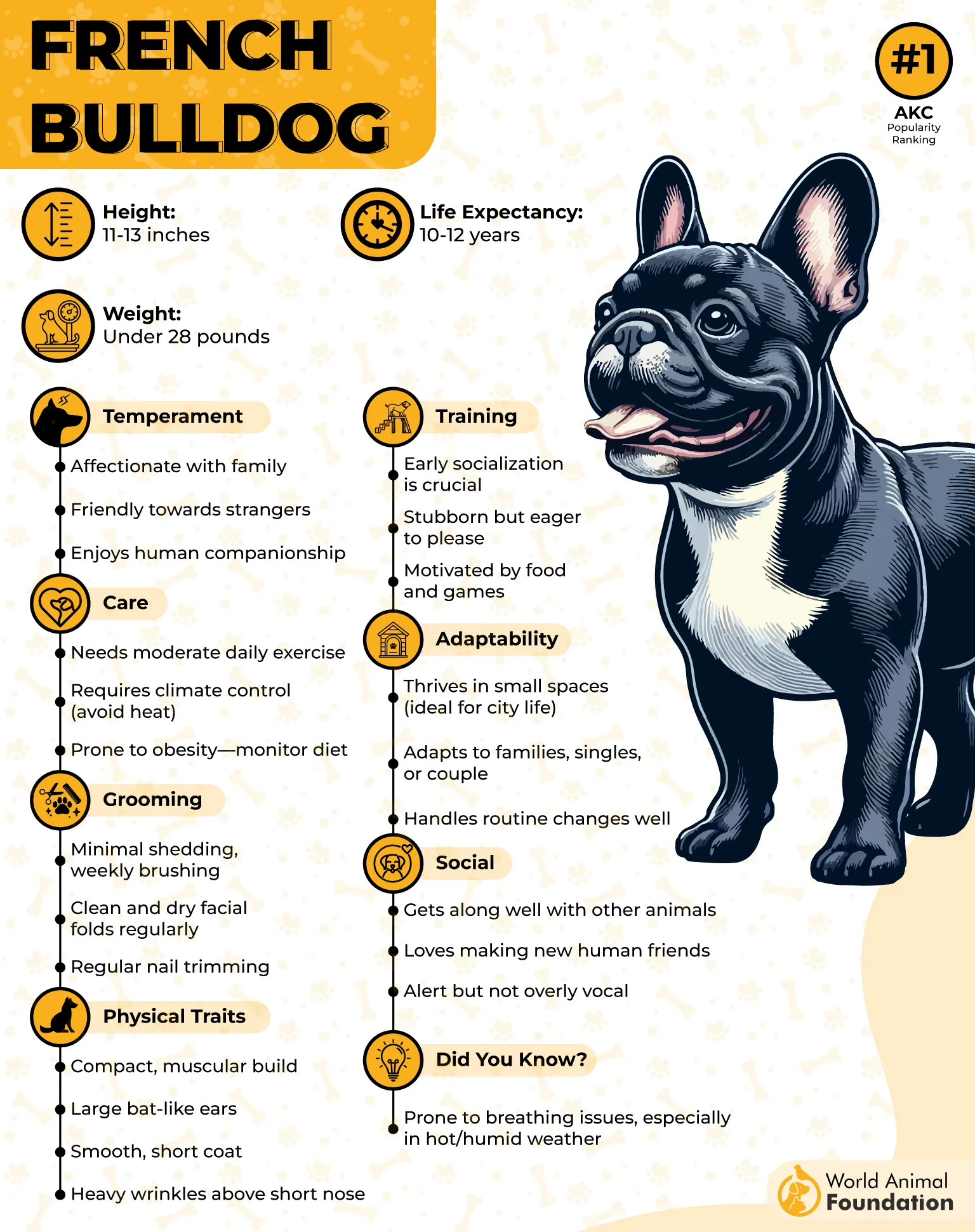
Frenchies suit a quieter daily pace, with short legs and a flat face making laid-back walks or brisk neighborhood outings more appropriate than strenuous activity. A little yard fetch can add variety, while breathing deserves close attention during physical activity.
Daily care stays easy beyond its moderate exercise needs.
Harnesses can ease breathing during outings
Snorting and snoring are common
Short coat that only needs minimal grooming
A Social Side
These affectionate companions enjoy being included in household life and often want to remain close to their favorite people. It generally gets along with children, dogs, cats, and unfamiliar visitors when introductions are handled properly, while long periods alone can sometimes trigger anxiety.
Conclusion
A quieter dog can fit naturally into a senior household when its daily needs match the owner’s abilities and routine. Gentle walks and indoor play may provide enough activity, but regular care remains important throughout the dog’s life.
Occasional professional grooming, dental care, training, socialization, and veterinary visits should all be manageable without creating unnecessary strain.
Think about your mobility, home setup, available support, and comfort with dog ownership before choosing. A very low-energy companion may be an ideal dog for some seniors, while big dogs may require more physical handling.
The right fit can bring affection and company into your day without demanding more activity than you can comfortably provide.
