




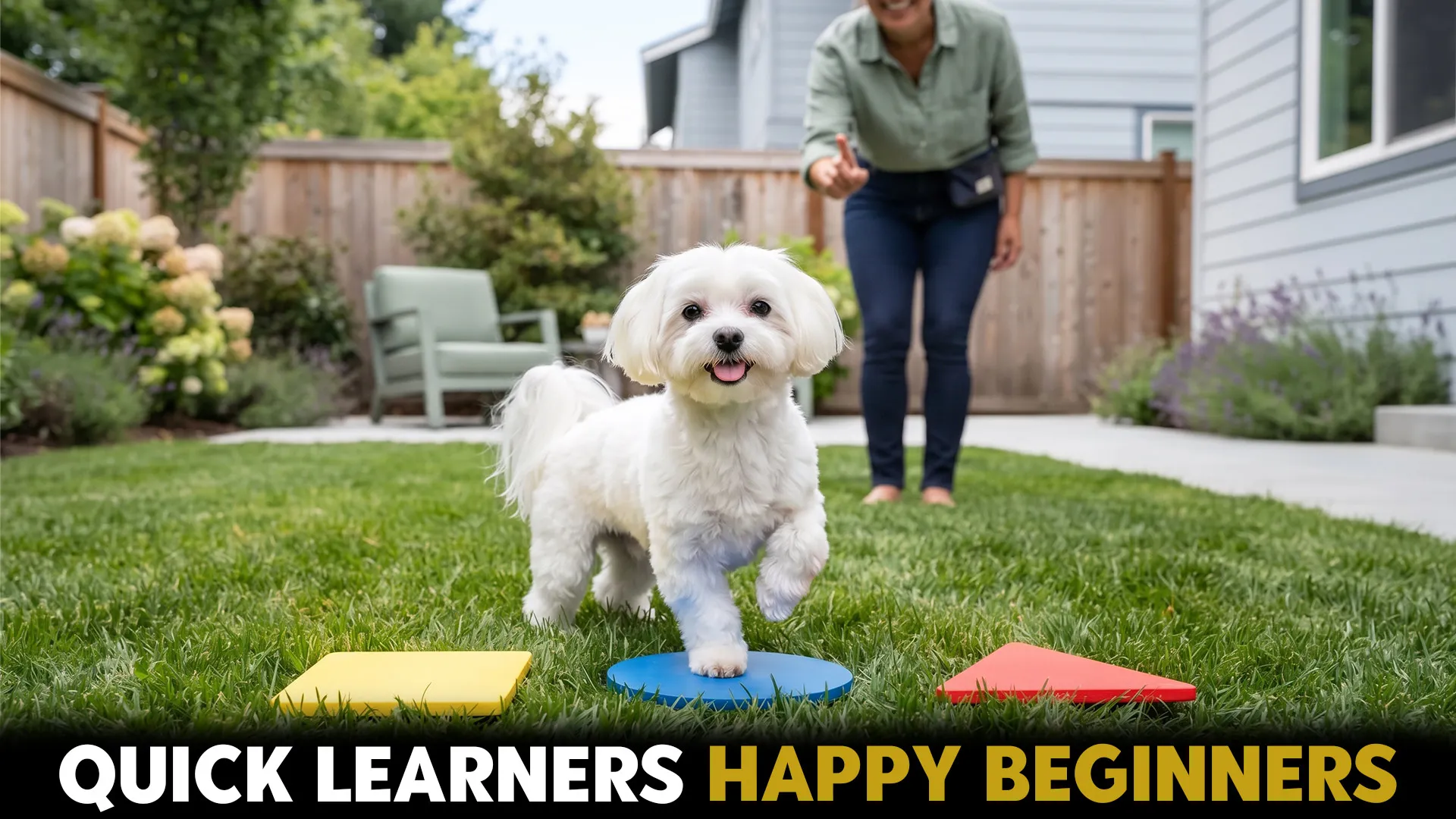
Getting your first dog is exciting… until you realize this adorable little potato also needs to learn where to pee, how to walk nicely, and why your sneakers are not an afternoon snack.
Luckily, some small breeds come with serious brainpower, people-loving personalities, and a natural talent for turning training sessions into something that actually feels fun.
From butterfly-eared Papillons and curly Poodles to mustached Miniature Schnauzers and fluffy Havanese, these pint-sized pups can learn everything from basic commands to agility, scent games, and ridiculously cute party tricks.
If you want a compact bestie who can learn the rules without draining your last bit of patience, these highly trainable breeds deserve a spot on your first-dog shortlist.
Highly Trainable Small Dog Breeds for First-Time Owners
1. Papillon
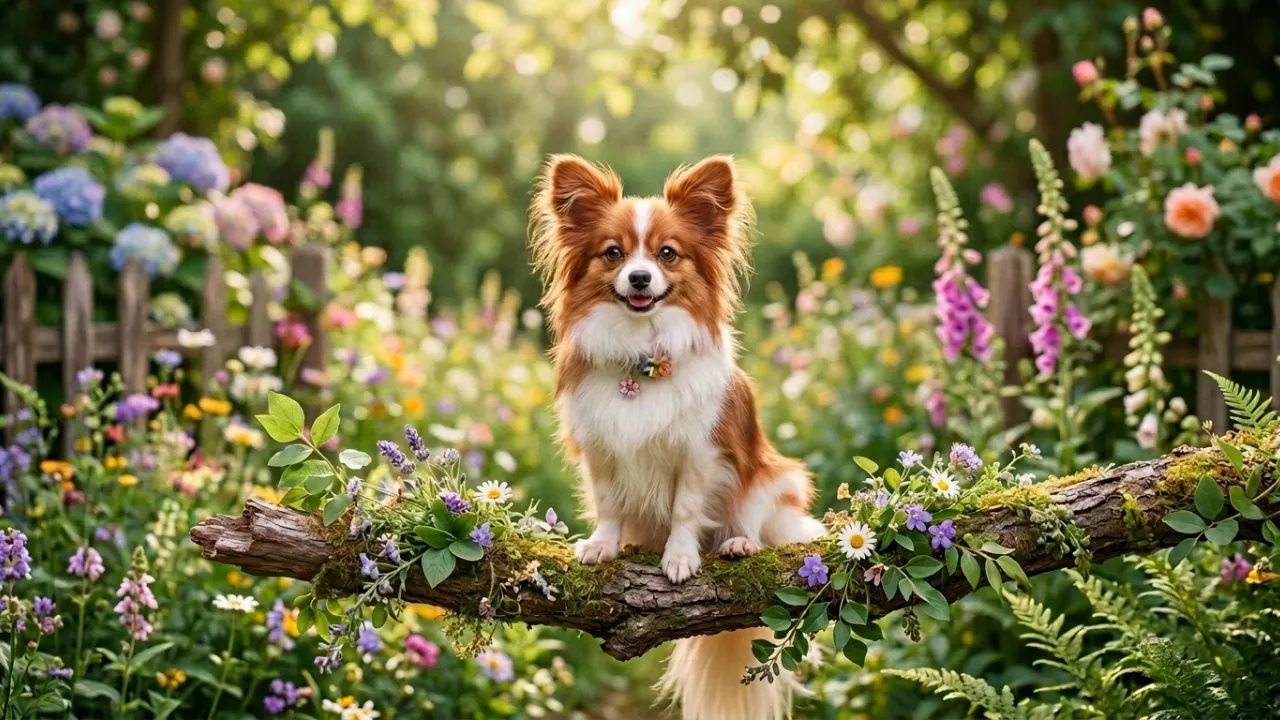
Papillons may look like tiny royalty with those iconic butterfly ears, but they pack serious brainpower into that little body. They’re quick learners, curious about everything, and genuinely enjoy figuring out what their humans want.
Training one can actually be pretty fun for a newbie dog parent. Start with simple commands like sit, stay, come, and spin, then level up to cute party tricks, mini agility courses, or even fetching a tiny Frisbee. Papillons often thrive when training feels like a game, not homework.
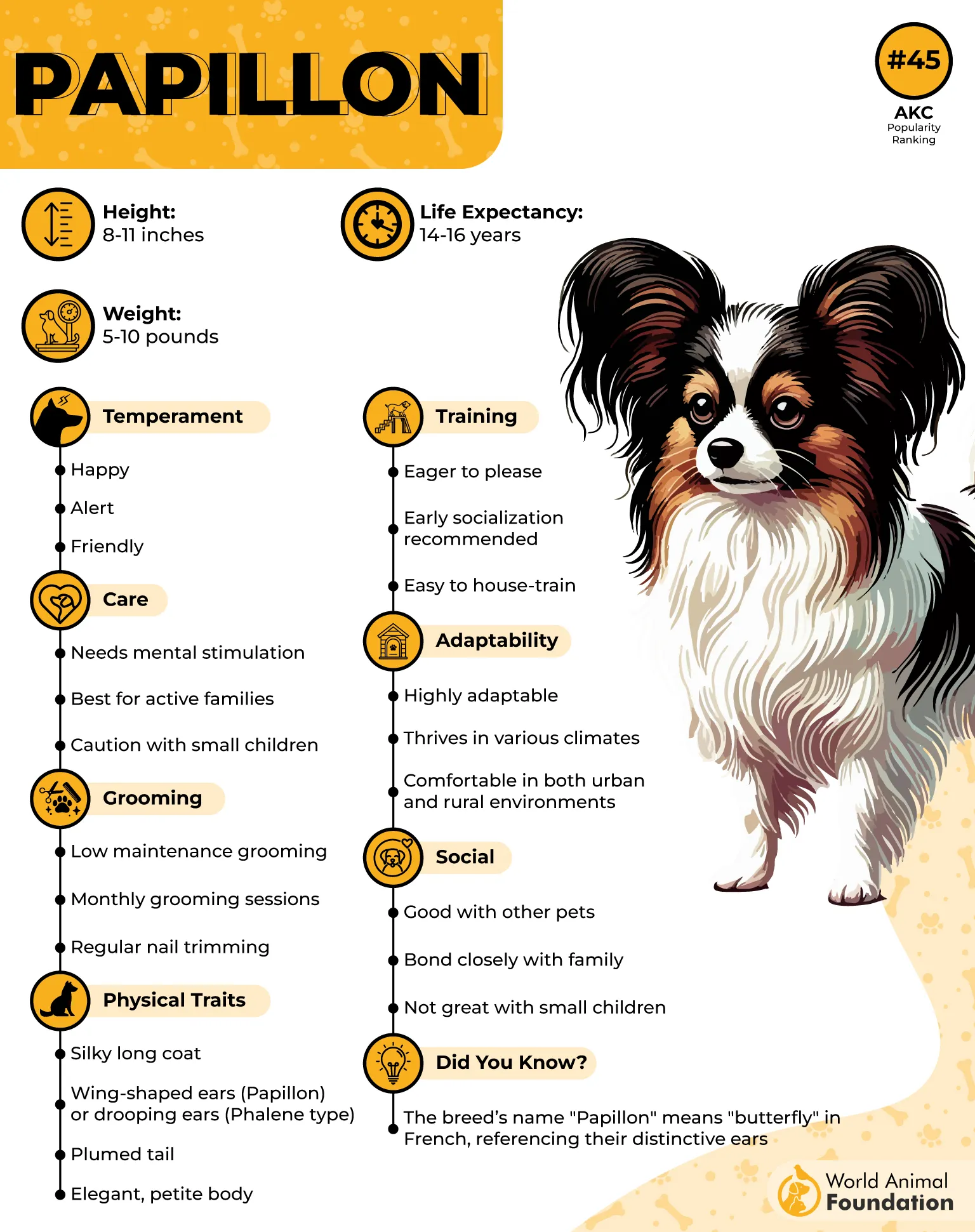
They’re also wonderfully versatile for a small dog. This active breed can happily zoom around the backyard, tackle an agility course, or burn some energy playing inside an apartment. That makes them easier to fit into different lifestyles than many people expect from such an athletic little pup.
One tiny catch: smart dogs notice everything. Papillons can learn unwanted habits just as quickly as good ones, so consistency matters. Think treats, praise, short training sessions, and clear rules from day one, not harsh corrections.
2. Poodle
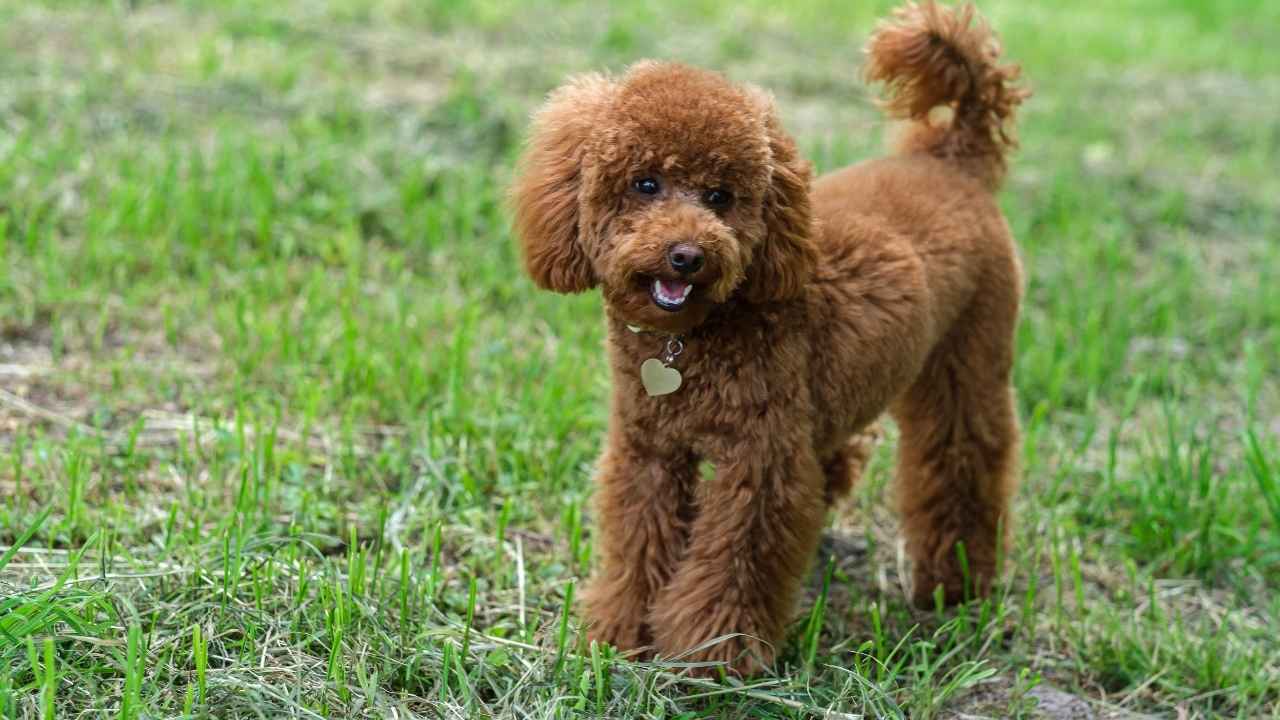
Toy and Miniature Poodles are excellent choices among highly trainable small dog breeds for first-time owners. The AKC specifically includes the Poodle among breeds worth considering for new owners, and both smaller varieties give you that famous Poodle brainpower in a more compact package.
One of the most trainable dog breeds out there, it is a straight-A student of dog school. It is extremely intelligent, attentive, and quick to connect a cue with the behavior you want. Teach “sit” with a treat a few times, and your little curly genius may soon be waiting for the next challenge.
They’re also perfect for owners who want to go beyond basic manners. A Miniature or Toy Poodle can learn fetch, spin, paw, place, recall, puzzle games, and even beginner agility exercises. Poodles regularly excel in obedience, agility, tracking, and other dog sports, so there’s plenty of room to level up once “sit” gets boring.
Their beginner-friendly side comes from their people-focused personality. Compared to most other pets, they generally want to interact with their humans and tend to learn quickly with consistent training.
3. Maltese
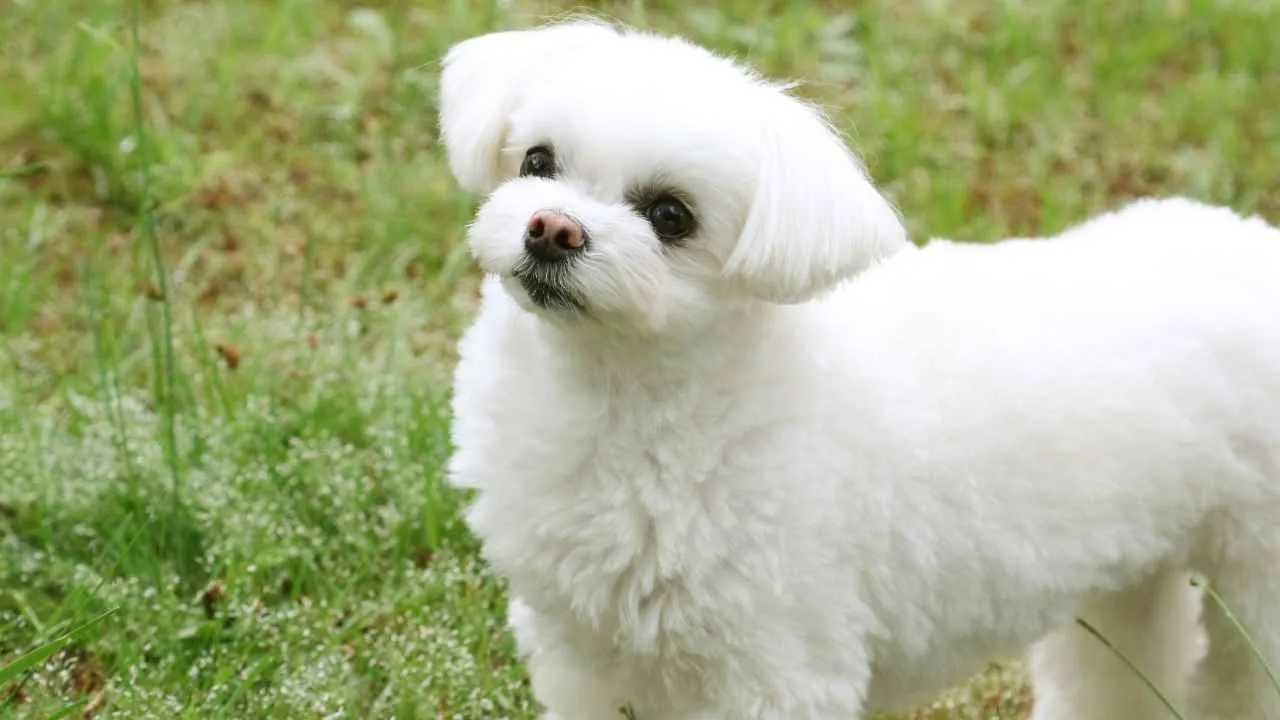
These tiny charmers are intelligent, people-focused, and quick to learn when training comes with praise, treats, and a little fun. They are smart, lively dogs that generally respond well to positive, reward-based training.
Don’t let the fluffy white coat fool you — there’s a surprisingly capable little athlete underneath. A Maltese can learn everyday basics like sit, stay, come, and leave it, then graduate to cute tricks such as spin, high-five, or weaving between your legs. They can even do obedience and agility.
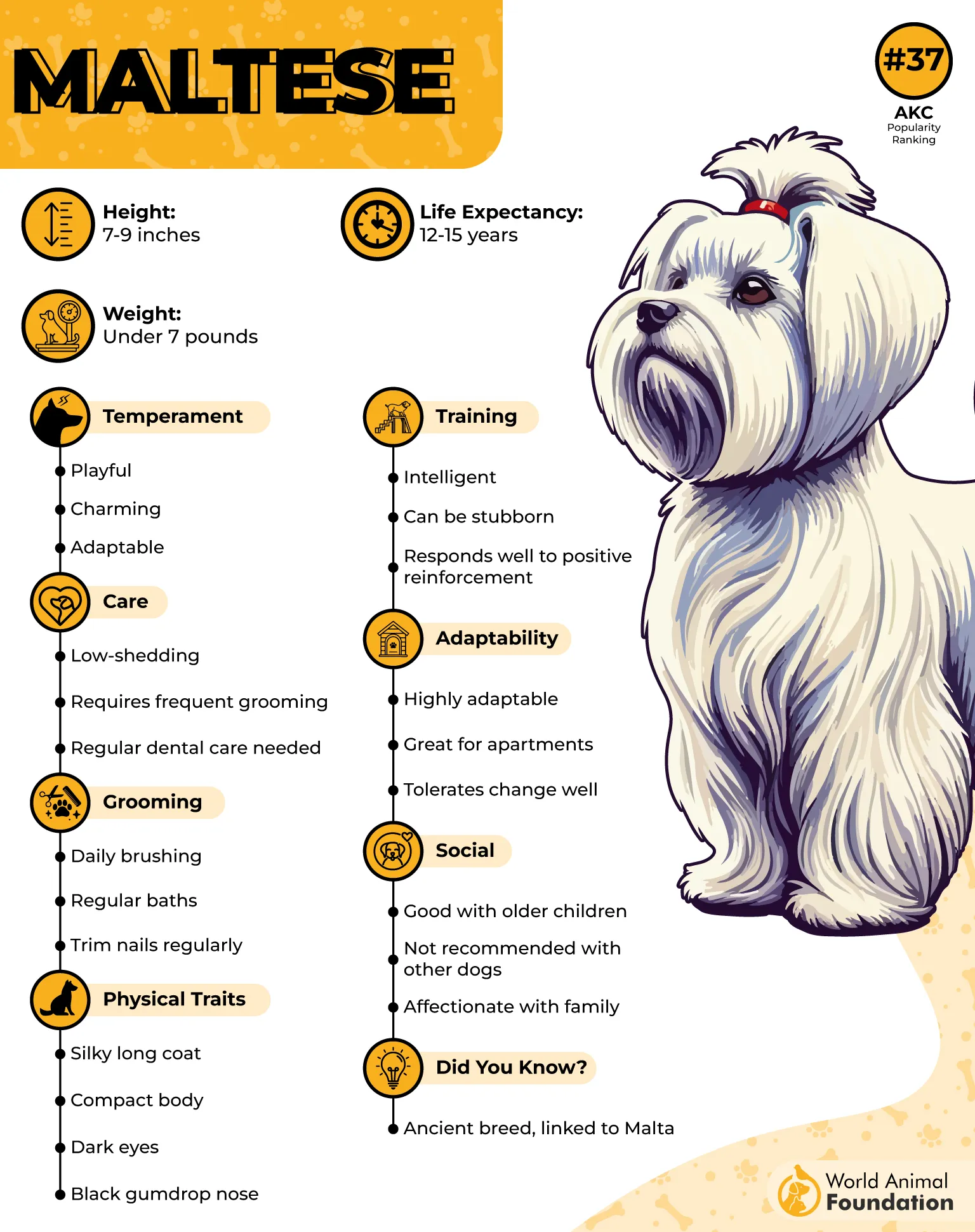
They’re also very into their humans, which is a nice bonus for a first-time dog parent. Turning training into a mini bonding session works well: say “come,” reward the successful zoom across the room, celebrate like they just won an Oscar, repeat.
For beginners wanting a small, affectionate, playful dog with plenty of trainable potential, the Maltese is a lovely option. Just remember that the glamorous coat needs regular grooming, and this breed loves companionship, so you’re getting equal parts tiny student, cuddle buddy, and fluffy main character.
4. Miniature Schnauzer
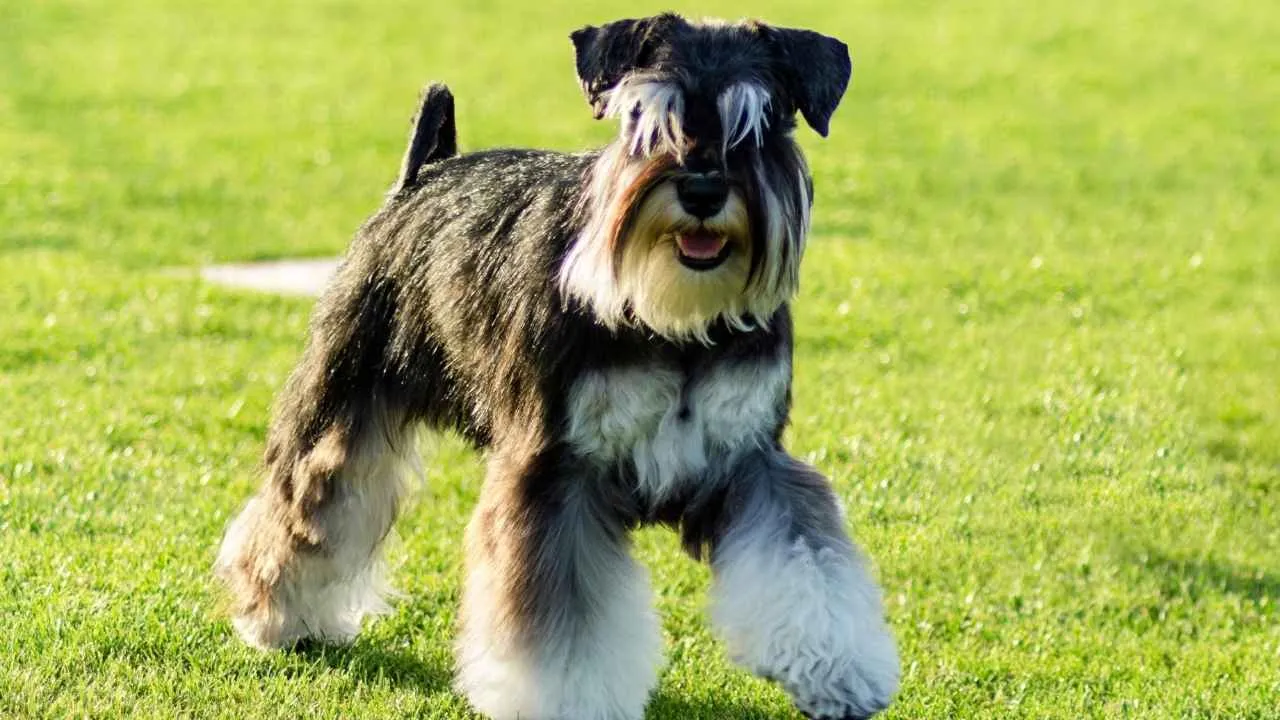
The Miniature Schnauzer ranks among the most trainable small dog breeds for first-time owners. PDSA describes them as intelligent, eager to please, and notably trainable for a terrier-type breed, which is a pretty sweet combo when you’re learning the whole dog-parent thing for the first time.
These little bearded legends learn fast, which makes them one of the easiest dog breeds to teach. Start with basics like sit, stay, come, and leave it, and they can pick things up surprisingly quickly.
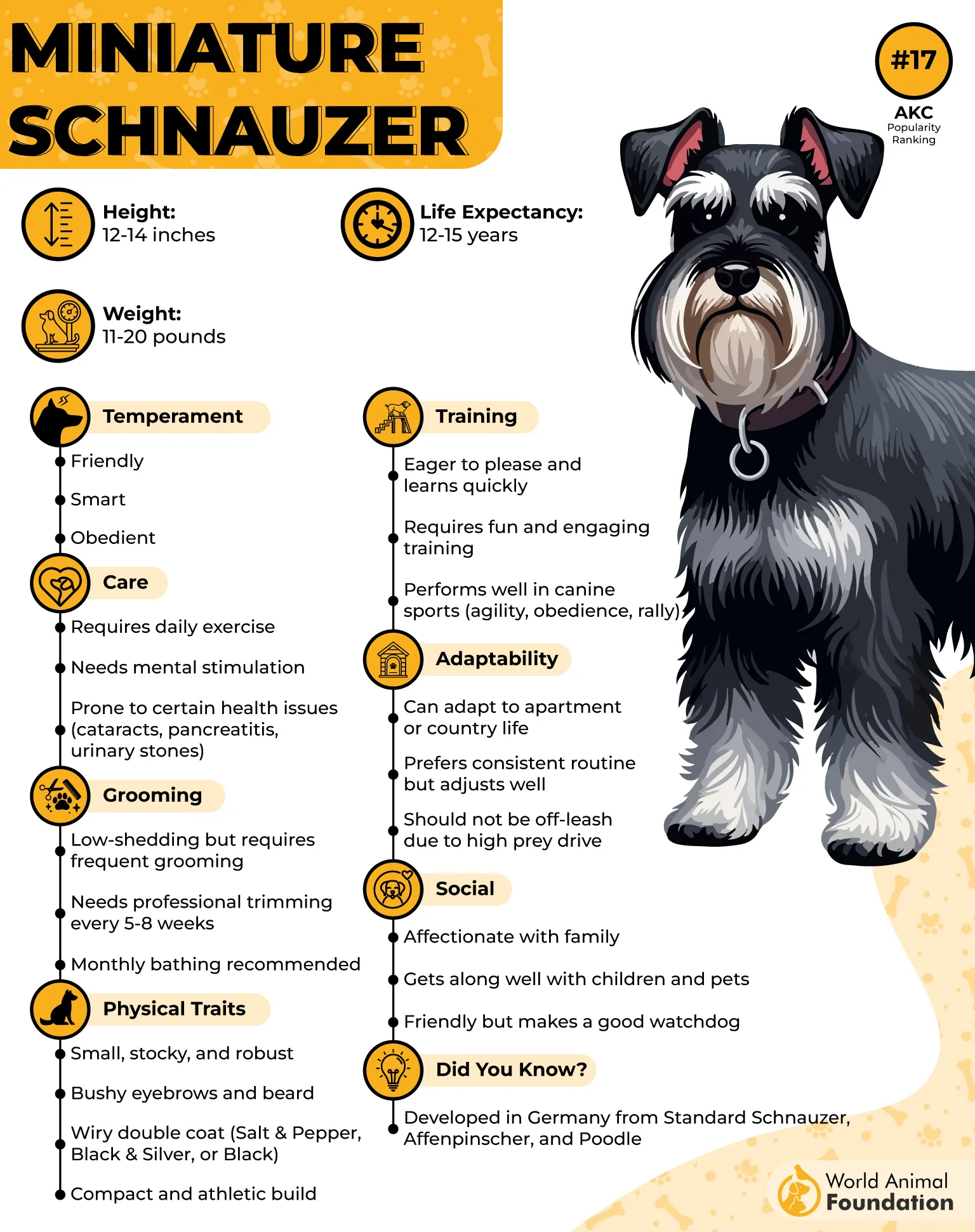
They’re also perfect if you want training to go beyond boring basics. Miniature Schnauzers can do agility, obedience, rally, scent work, and even Fast CAT, so your tiny mustached roommate can build a whole extracurricular résumé.
One thing to know: They’re clever enough to get bored. Repeating the same command twenty times may earn you the Schnauzer version of “seriously, again?” Short sessions, new tricks, puzzle toys, and reward-based games usually keep their brain switched on.
5. Havanese
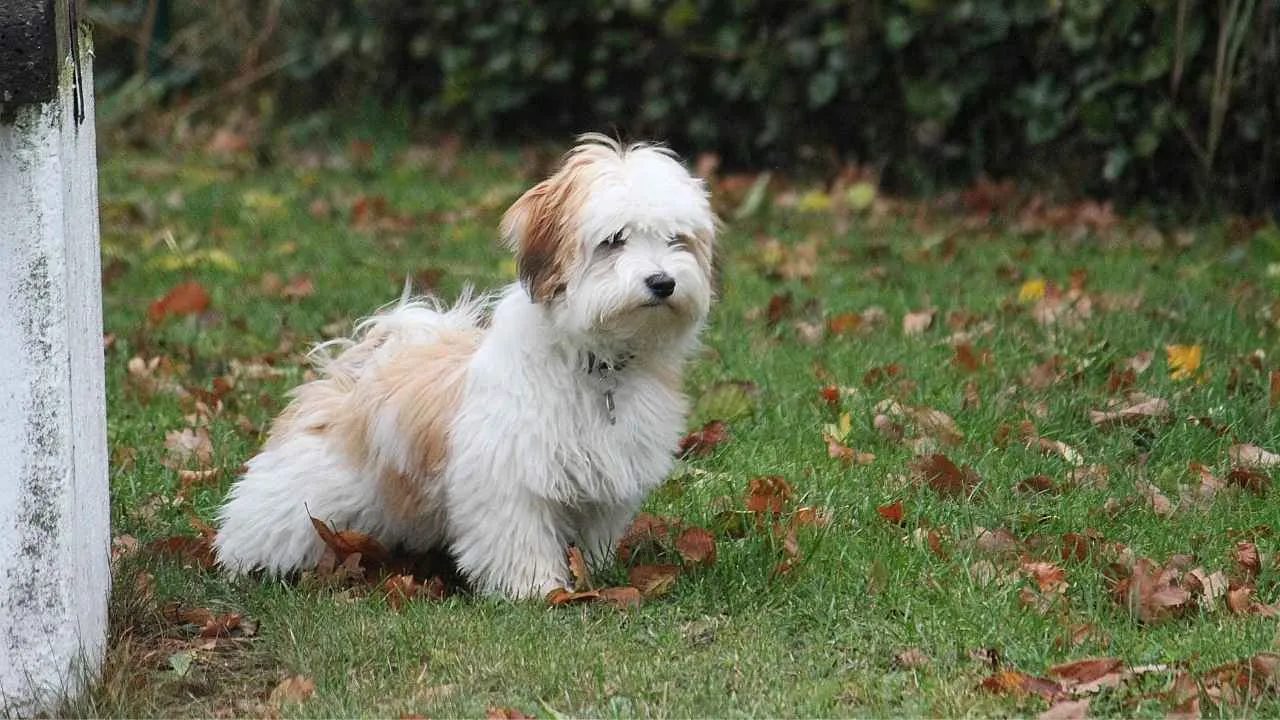
They’re bright, social, eager to please, and generally easier to train than many people expect from such a tiny fluffball. Omlet specifically describes them as highly intelligent and responsive to positive training methods.
Training a Havanese can feel less like dog school and more like a tiny comedy show with snacks involved. Teach basics such as sit, stay, come, or place, add treats and hype, and they usually catch on fast. Short, upbeat sessions work especially well because this breed loves interaction without endless repetition.
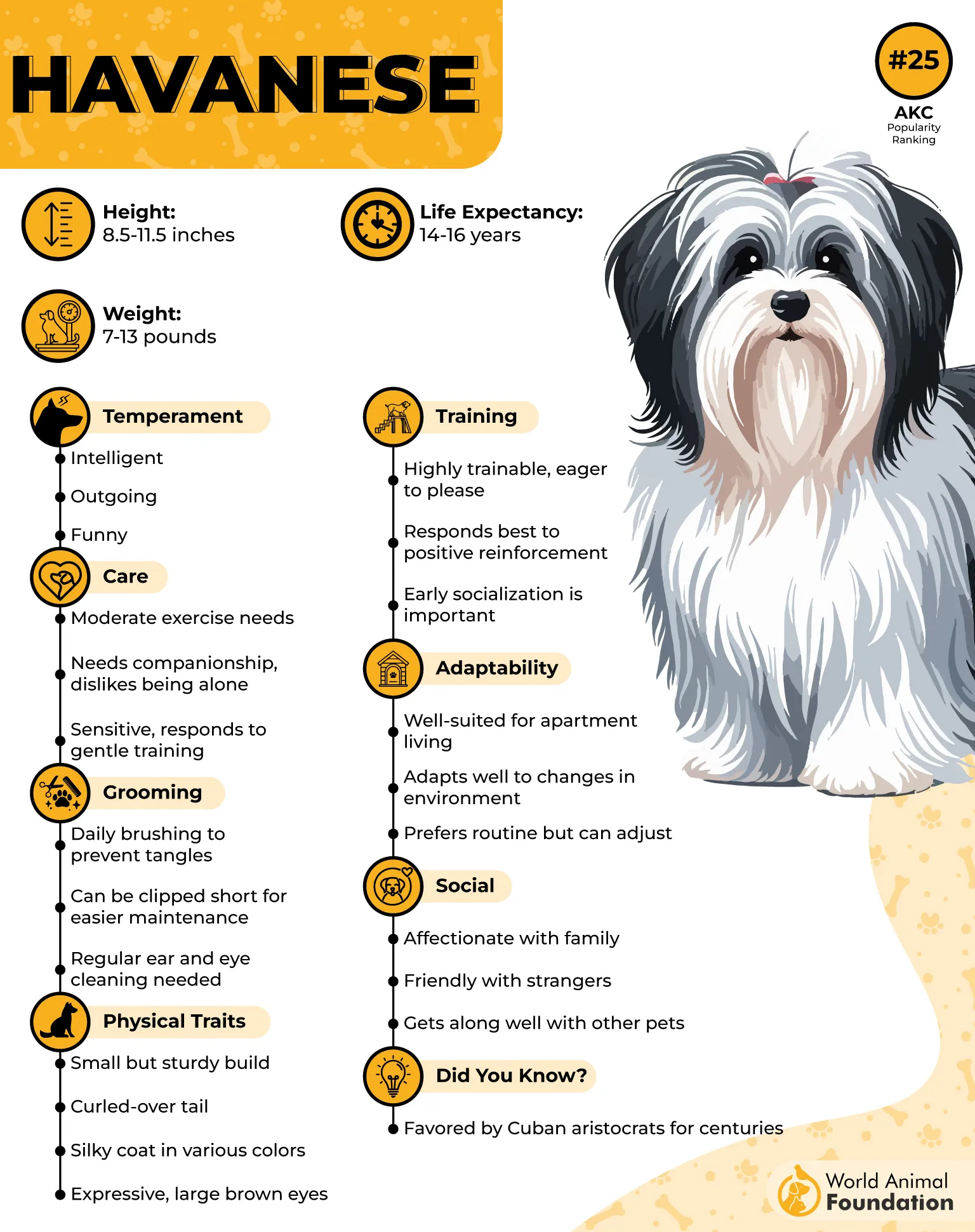
And they’ve got range. Once the basics are locked in, Havanese can jump into agility, rally, obedience, scent work, tracking, and trick training. So yes, that adorable sofa potato can also become a little overachiever, weaving through poles and picking up new skills for fun.
Their people-loving personality is another major win for new dog parents. Havanese tend to thrive on attention and companionship, so your praise really matters. For example, turning recall practice into “run to me and receive an elite-level treat party” can make training ridiculously motivating.
One thing, though: these sensitive little besties are not here for harsh drill-sergeant energy. Positive reinforcement, consistency, early socialization, and patience are the move.
6. Brussels Griffon
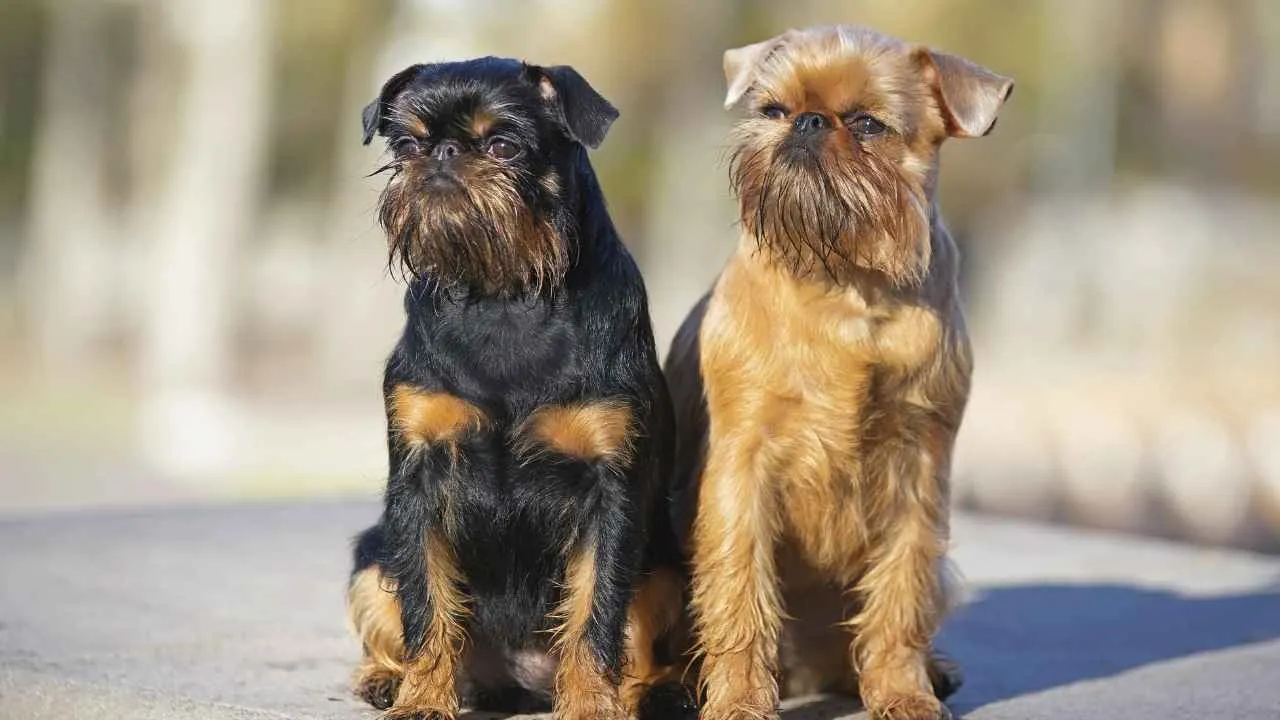
The Brussels Griffon can be a highly trainable small dog for a first-time owner, especially if you want a clever little shadow with serious personality. It is smart, devoted, sociable, and easy to train, so the potential is absolutely there.
They bond closely with their humans, which can make teaching cues like sit, stay, come, touch, or place surprisingly smooth. Their intelligence also helps them shine in activities like obedience, agility, and tracking.
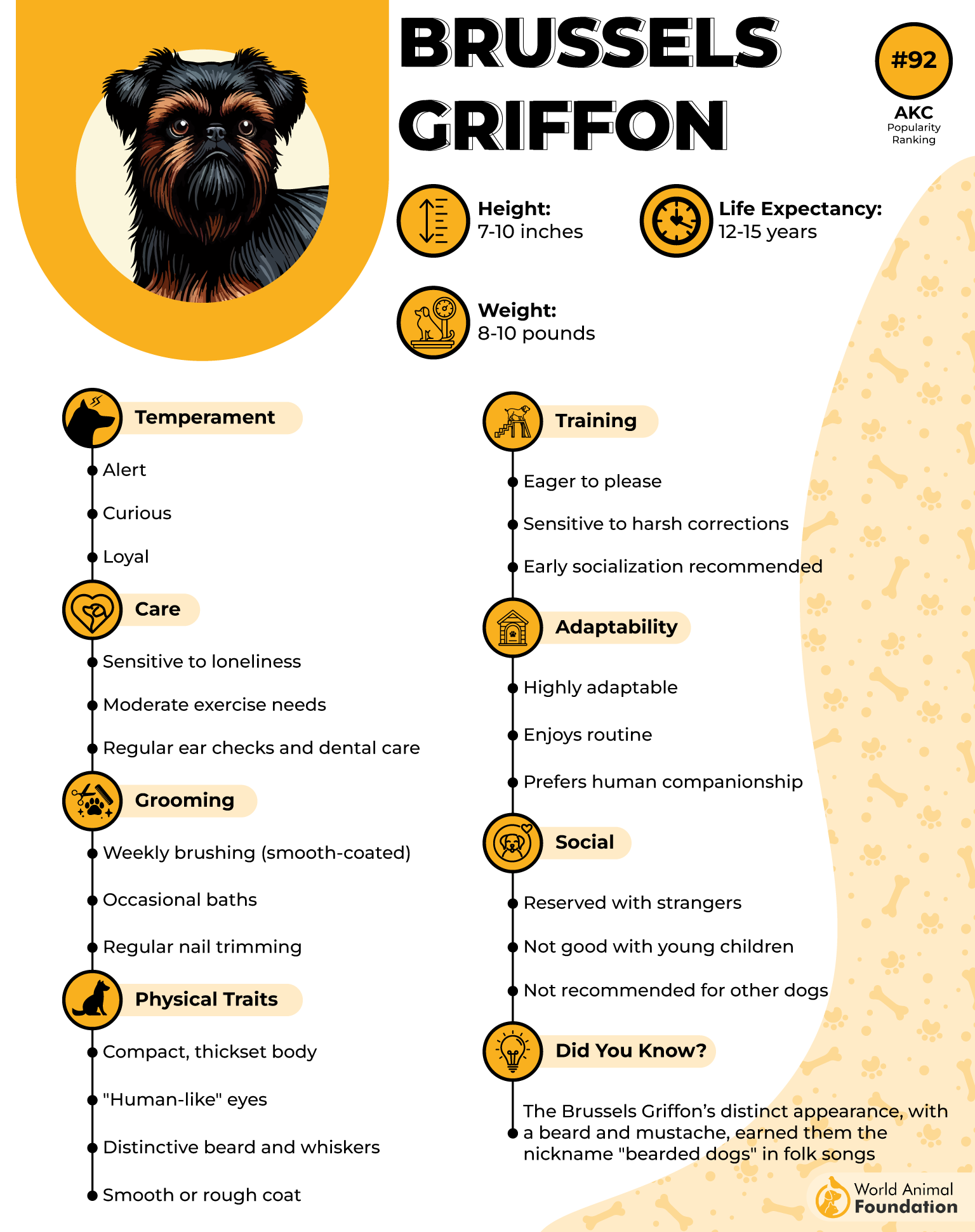
They’re not robots, though — and that’s part of the fun. A Griff might nail “come” five times, then suddenly stare at you like, bestie, what’s the snack situation? Positive reinforcement works much better than harsh corrections because this breed is notably sensitive.
For beginners, the biggest plot twist is house training. The American Brussels Griffon Association notes that Griffons can resist it, so you may need a strict potty schedule, plenty of patience, and consistent rewards.
7. Cavalier King Charles Spaniel
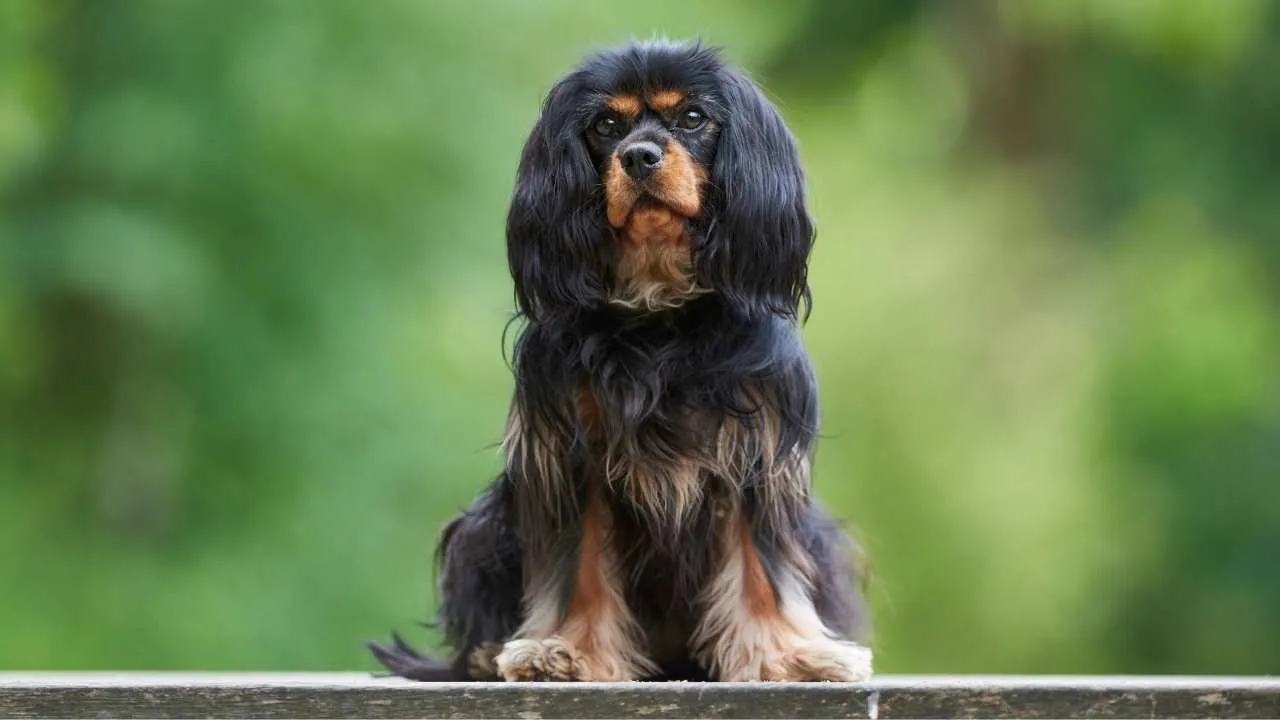
The Cavalier King Charles Spaniel is a highly trainable small breed and a genuinely beginner-friendly pick for first-time owners. They are among the best breeds for new dog parents, and they’re adaptable, affectionate, and very trainable.
Training one usually feels more like a “cute study buddy” than canine boot camp. Cavaliers are intelligent and eager to please, so basics like sit, stay, wait, and come often click quickly with treats and praise. Keep sessions around 5–10 minutes, and they’re much less likely to log off mentally.
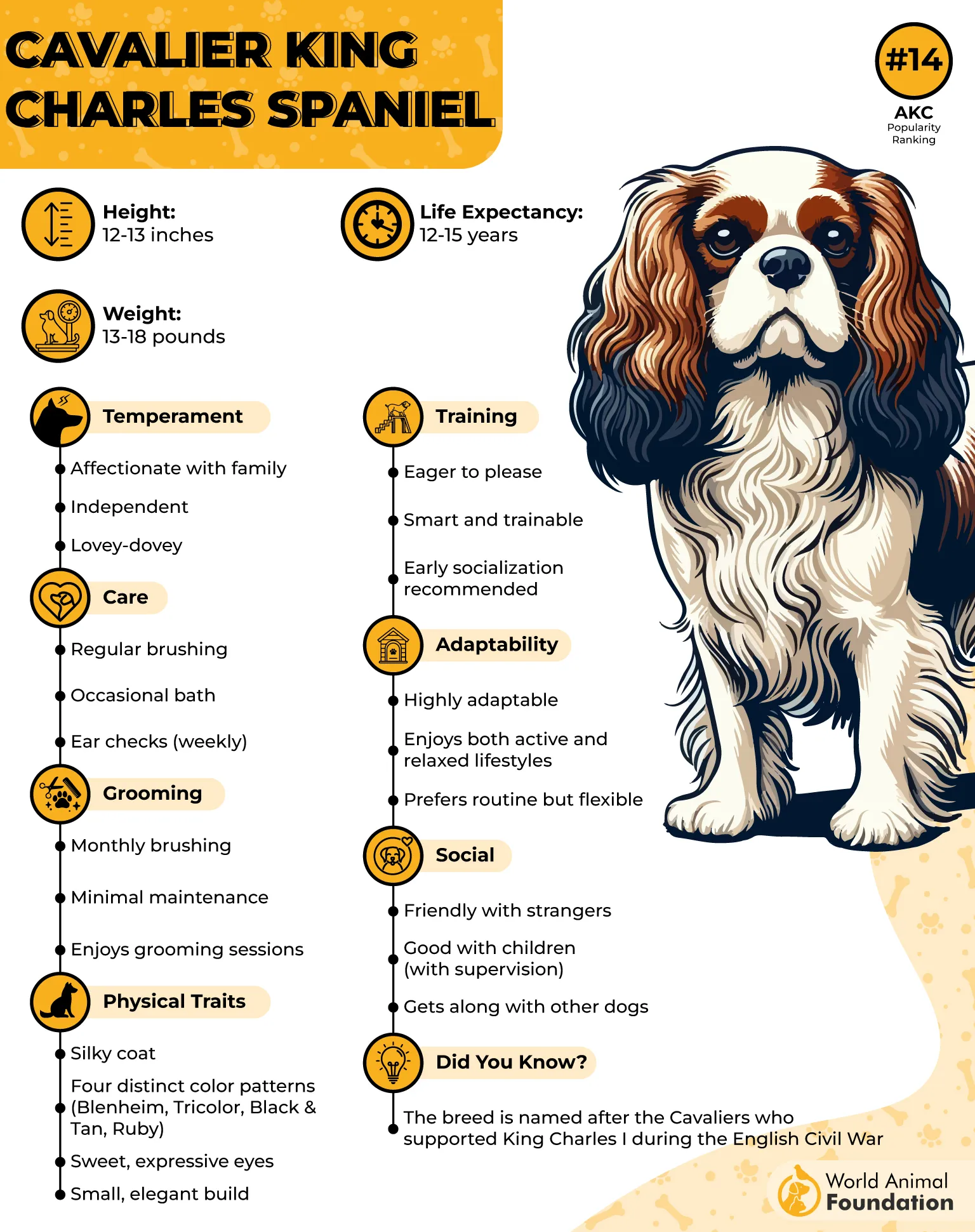
They can also level up way beyond puppy basics. They do well in obedience, rally, agility, scent work, and trick training — imagine your fluffy little couch companion suddenly spinning on cue or flying through a mini agility course like they have something to prove.
One small reality check: These velcro pups love company and may struggle when left alone for long stretches, so independence training matters too. Still, for someone wanting a small, affectionate, smart dog that’s down to learn and equally down to cuddle afterward, the Cavalier absolutely fits the assignment.
8. Pug
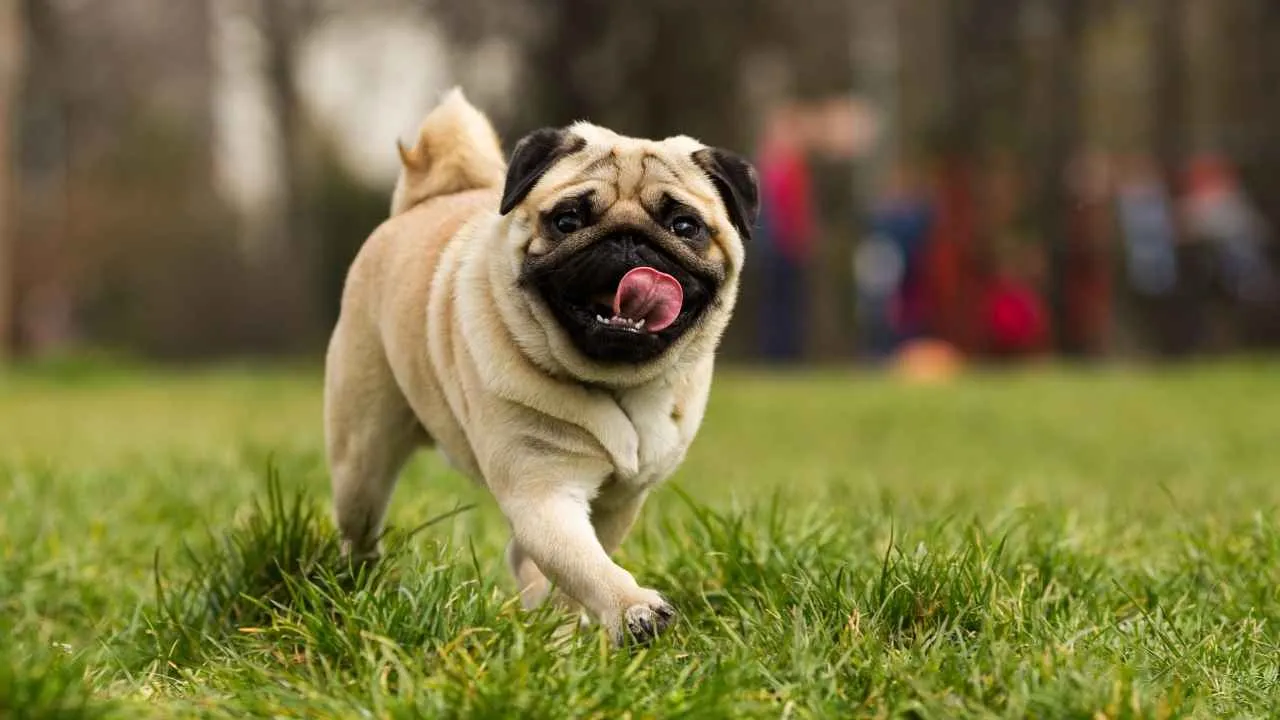
The Pug can be a trainable small dog for first-time owners, especially if you want a goofy, affectionate companion rather than a hardcore obedience machine. They are eager to please, sensitive, and generally easier to train with positive methods, while the Pug Dog Club of America also describes them as eager to learn.
Training a Pug is basically snacks + comedy + tiny wins. These dogs are famously food-motivated, so cues like sit, come, place, and loose-leash walking can click fast with a small treat. Experienced trainers even compare Pug puppies’ response to food-based training to how naturally they take to water.
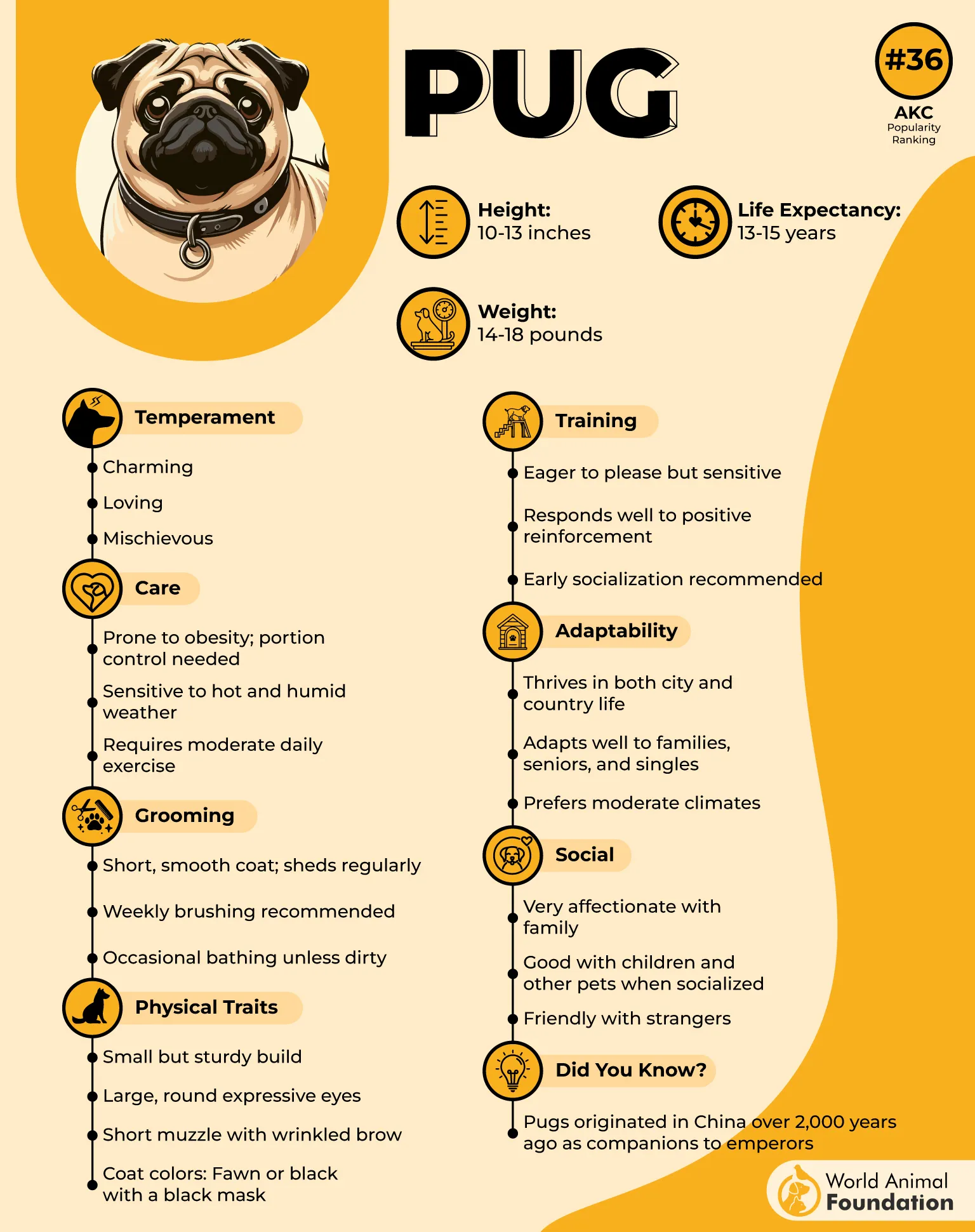
They can do more than just master couch etiquette, too. They can enjoy obedience, rally, scent work, Barn Hunt, and even agility foundations, so your squishy little sidekick can absolutely build a respectable skill set.
The catch? A Pug may sometimes hit you with major “what’s in it for me?” energy. They’re smart, but they can be independent, so boring repetition is not the vibe. Short sessions, high-value rewards, and switching things up usually work much better than drilling the same command until everyone mentally checks out.
9. Shih Tzu
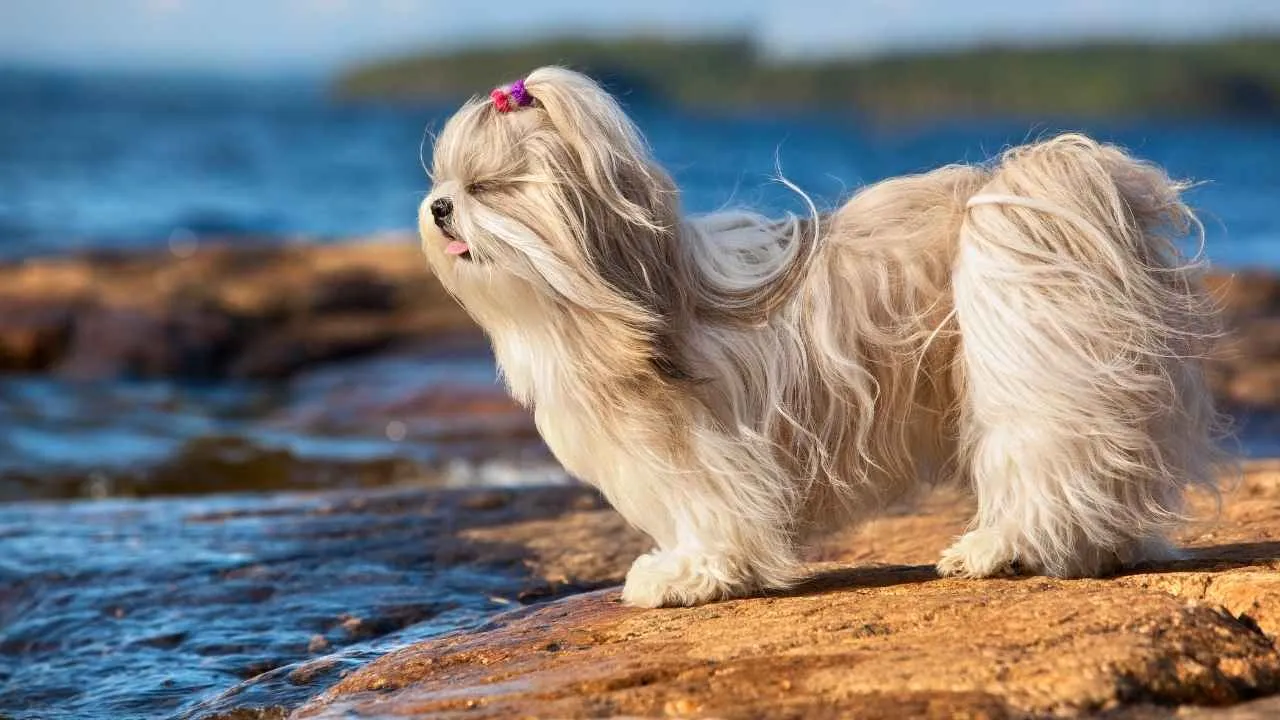
The Shih Tzu can be a trainable small dog for first-time owners, but “highly trainable” comes with a tiny asterisk. They’re smart and people-loving, yet they also have an independent streak, so training usually takes more patience than with a Poodle or Papillon.
Shih Tzus learn best when training feels like a fun little deal instead of mandatory homework. Bring out a tasty reward and suddenly commands like sit, come, stay, and touch become way more interesting. The Royal Kennel Club recommends praise and rewards because these companion dogs tend to respond much better to positive training than harsh corrections.
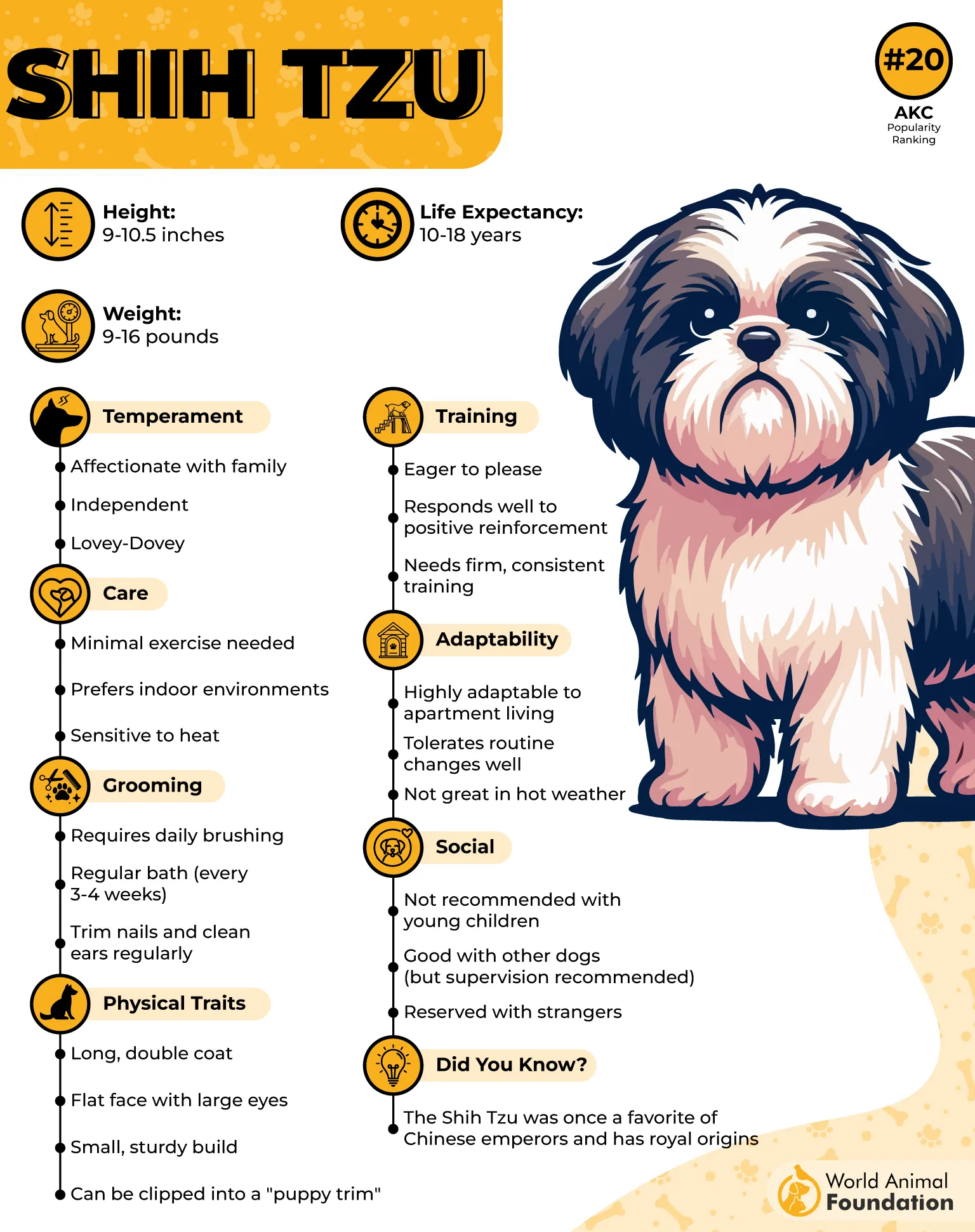
Don’t underestimate that glamorous fluff, either. With practice, a Shih Tzu can learn high-five, spin, fetch, place, and beginner agility exercises. Keep sessions short and switch activities before boredom hits, and your tiny roommate may go from professional lap warmer to surprisingly skilled trick performer.
The slightly chaotic part? House-training can require extra patience. Shih Tzus may treat your schedule as a suggestion, so consistency is everything. Regular potty trips, immediate rewards for getting it right, and a predictable routine can save both your carpet and your sanity.
Conclusion
Your first dog doesn’t need to be a canine genius, but a pup that enjoys learning can make beginner dog parenting less chaotic and more rewarding.
Cocker Spaniels, Bichon Frises, Border Collies, German Shepherds, Boston Terriers, Australian Cattle Dogs, Australian Shepherds, Bernese Mountain Dogs, and Golden Retrievers are also good choices for first-time dog owners.
The real secret, though, is finding the dog whose energy, grooming needs, temperament, and training style fit your lifestyle. Add consistency, positive reinforcement, short practice sessions, and plenty of love, and your tiny rookie can grow into a confident, well-mannered companion.
