




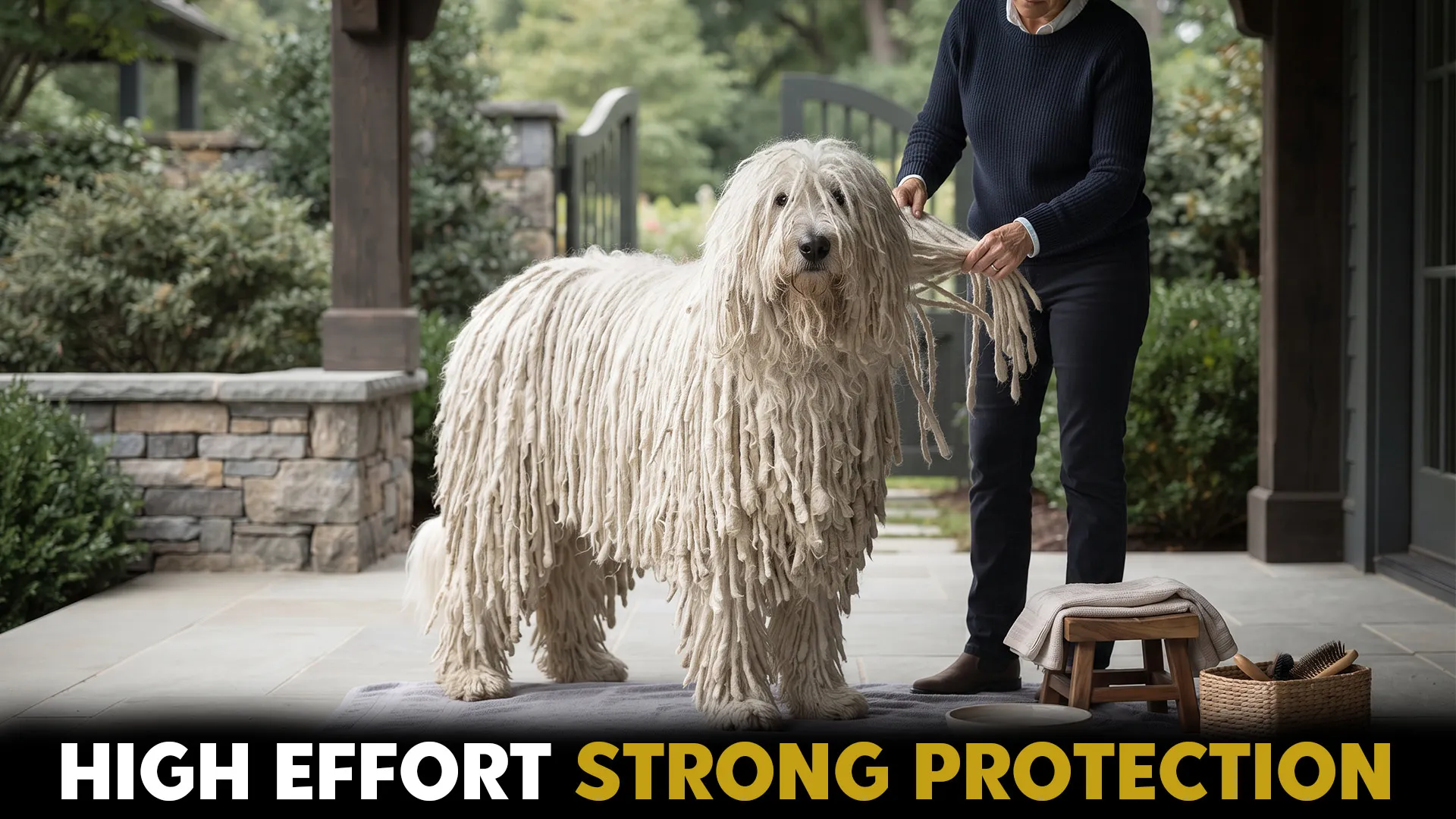
A great guard dog is more than a strong build and a watchful expression. For discerning owners, the real challenge is finding a dog that can protect the home while also fitting into everyday life.
These dogs often come with big personalities, high energy, sharp intelligence, and instincts that need thoughtful direction. In other words, owning one is a commitment, not just a security upgrade.
High-maintenance guard dogs can demand plenty of your time and attention. They may need consistent training, early socialization, regular exercise, mental stimulation, and, in some cases, extensive grooming.
So, what makes these demanding dogs worth the extra effort? For the right owner, their loyalty, intelligence, courage, and natural watchfulness can be hard to beat.
In this article, we’ll explore the best guard dog breeds and what makes each one stand out, from their unique needs to the qualities that make them such impressive protectors.
Key Takeaways
Meet seven powerful protective dog breeds that bring serious loyalty, courage, and protective instincts to the table.
Caucasian Shepherds and Tibetan Mastiffs combine formidable guarding skills with strong independent streaks.
Komondors, Kuvasz dogs, and Giant Schnauzers prove that protection can come with plenty of training, exercise, and grooming needs.
Find out which high-maintenance protection dog truly matches your lifestyle, experience, and home.
Best High‑Maintenance Guard Dog Breeds for the Discerning Owner
1. Caucasian Shepherd Dog
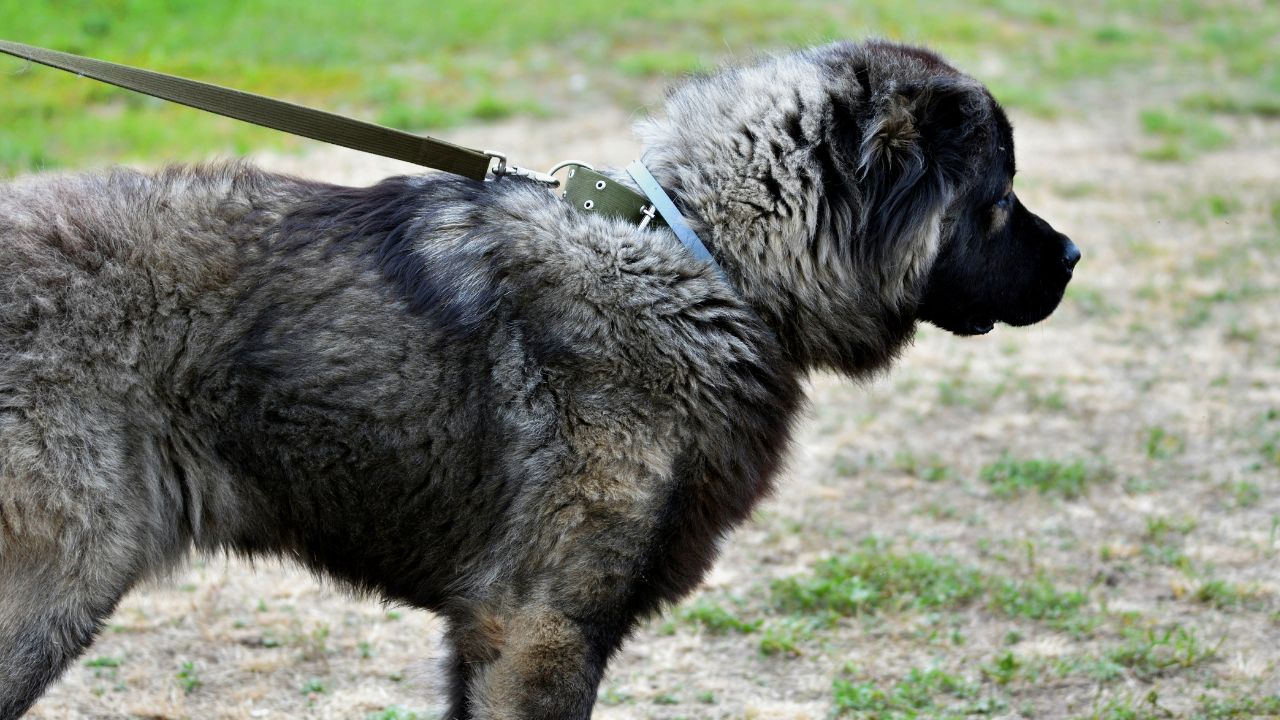
Bred to protect livestock and property in the rugged Caucasus region, the Caucasian Shepherd Dogs are naturally watchful, loyal, and protective. Their independent nature makes them impressive guardians, but it also means they need an experienced owner who understands strong working-dog instincts.
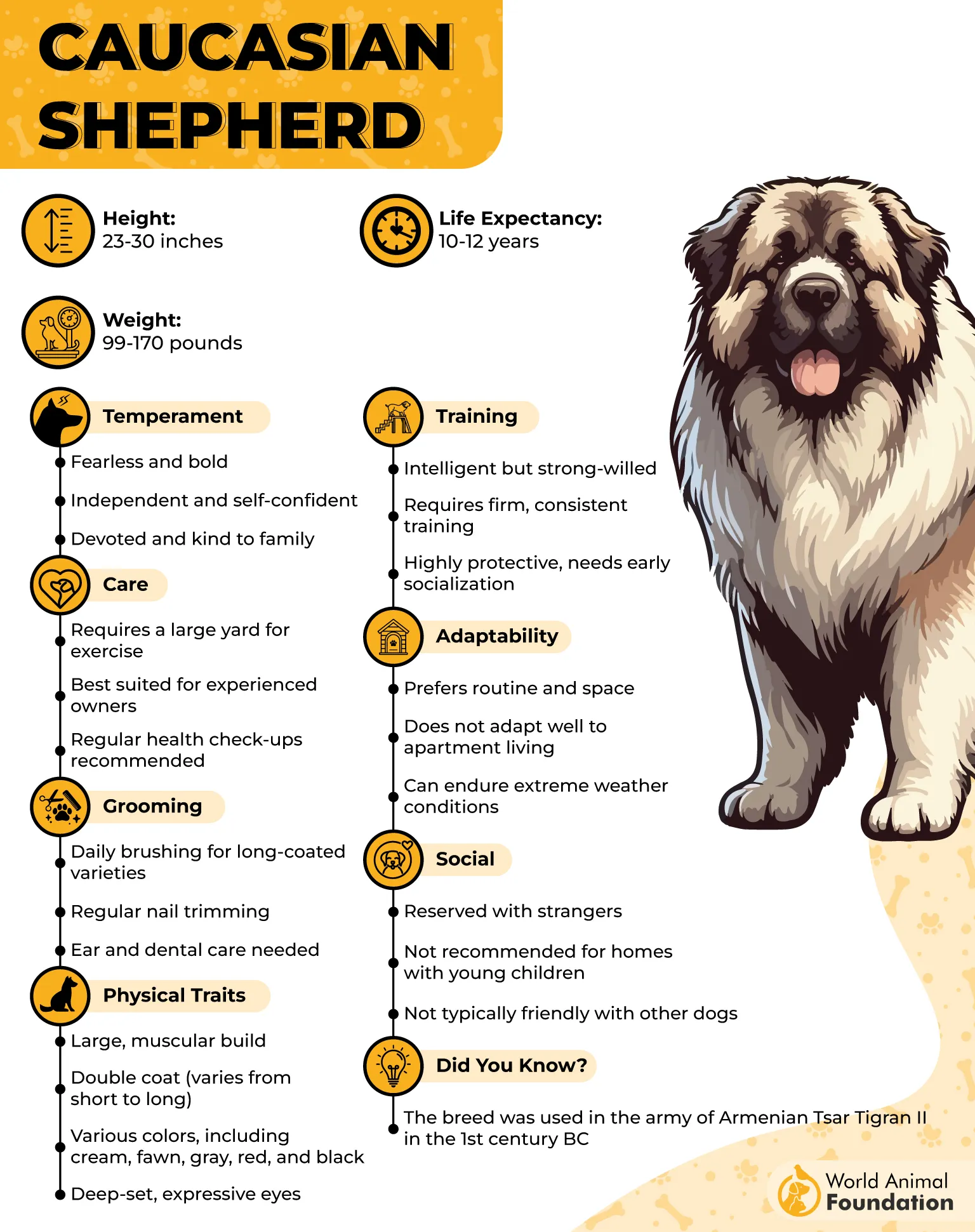
A Guardian That Demands Commitment
Caucasian Shepherds need early socialization and consistent, positive training. According to Purina, they can be suspicious of strangers and may not welcome unfamiliar people or animals into their space.
Daily exercise, mental stimulation, and a securely fenced yard are important. They also do best with owners who are home often and can provide steady guidance.
Grooming Adds to the Work
Their thick double coats bring another level of upkeep. Shorter coats may need brushing once or twice a week, while longer coats can require much more frequent brushing.
Shedding can increase during spring and fall, making regular grooming especially important. Ear checks, nail trims, and daily dental care should also be part of their routine.
2. Central Asian Shepherd Dog
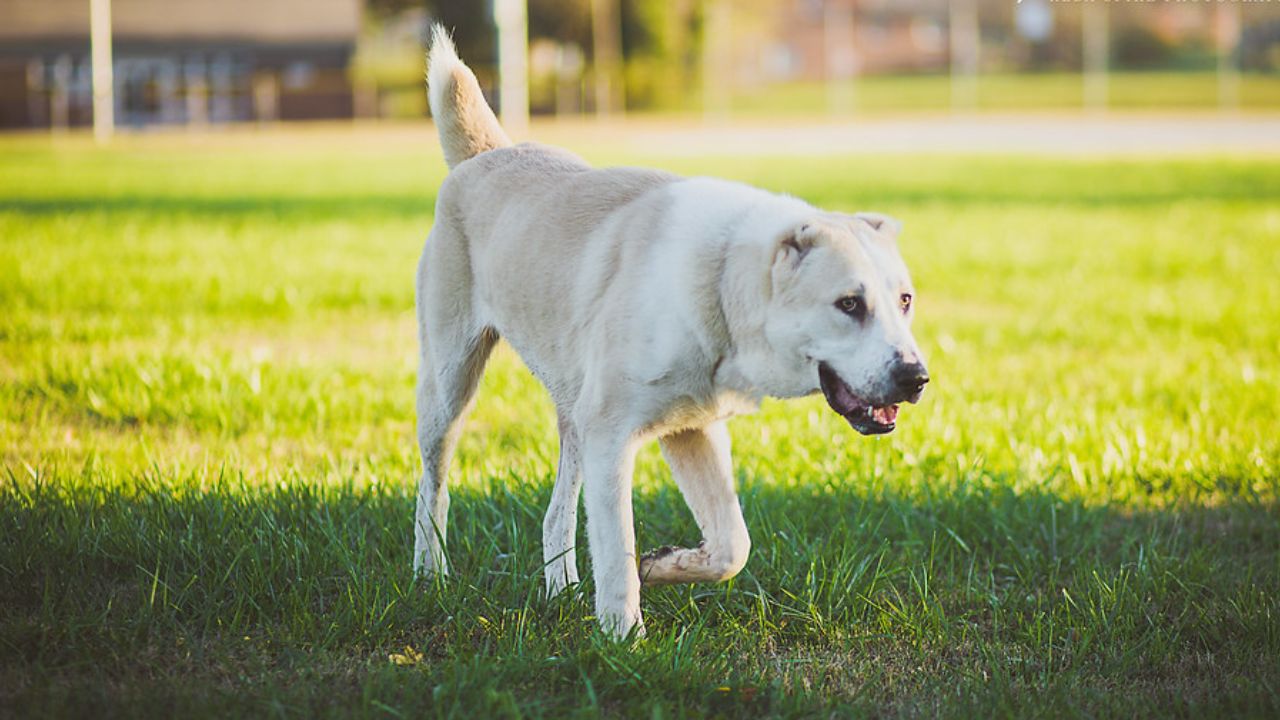
Developed across parts of Central Asia, Central Asian Shepherd Dogs protected people, livestock, and property from predators and harsh conditions.
They are courageous, independent, loyal, and built for demanding work. That history also means they need an owner who knows how to handle a strong guardian breed.
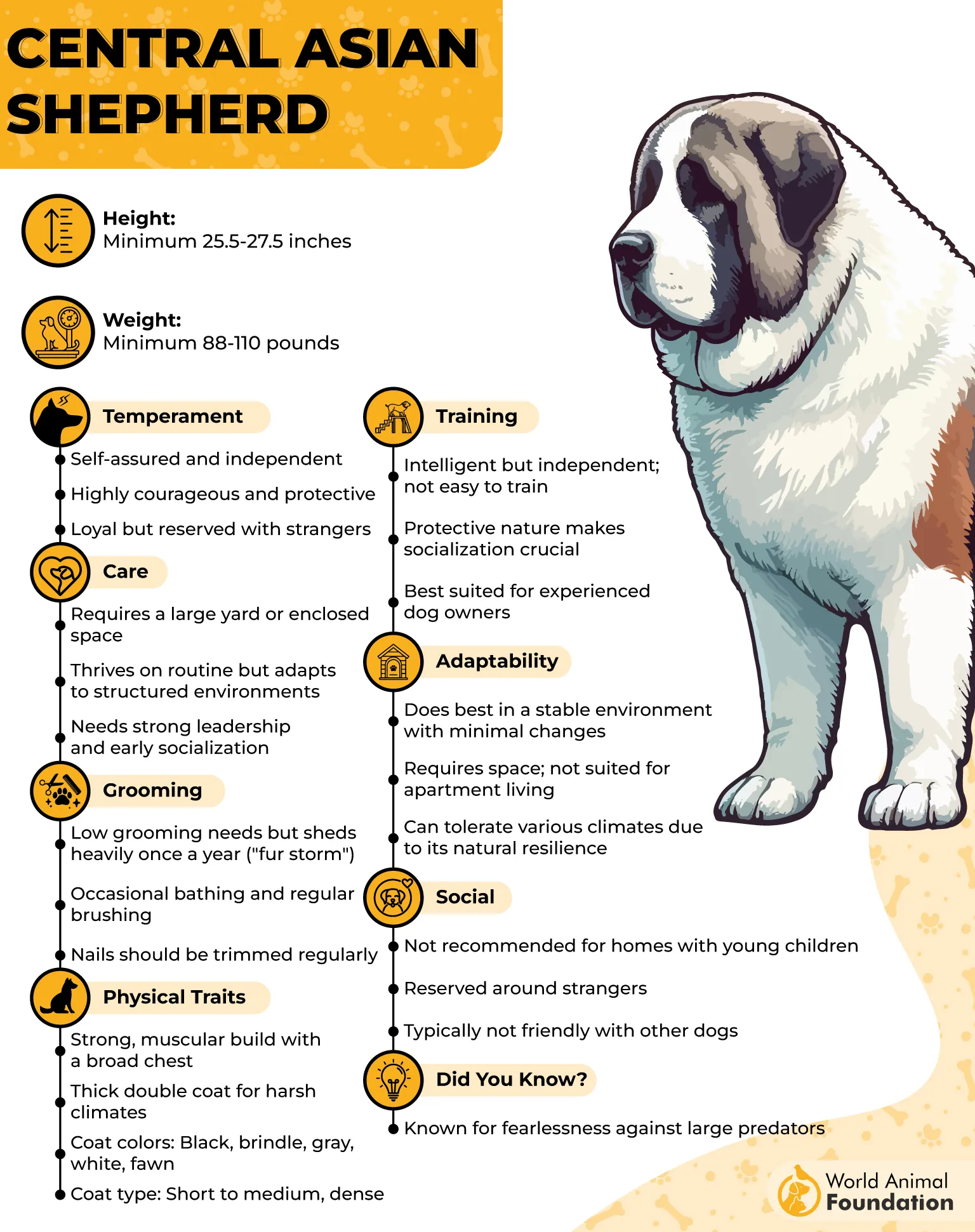
Strong Instincts Need Strong Guidance
Central Asian Shepherds are not usually ideal for first-time owners. Early socialization is especially important, with puppies benefiting from safe exposure to people, animals, places, sounds, and everyday situations during their first 16 weeks.
Lifelong training should remain consistent and reward-based. They can be reserved with strangers and may bark loudly when they sense something unusual. Too much time alone can also lead to unwanted behaviors such as excessive barking and digging.
Space and Routine Matter
These dogs have moderate energy levels, so they do not need constant high-intensity exercise. Daily walks, backyard play, and skills training can keep them physically and mentally engaged.
A secure fenced area gives them room to move while keeping their protective instincts under control. Their coarse double coats are fairly easy to maintain most of the year, but seasonal shedding can bring a major increase in loose fur.
3. Tibetan Mastiff
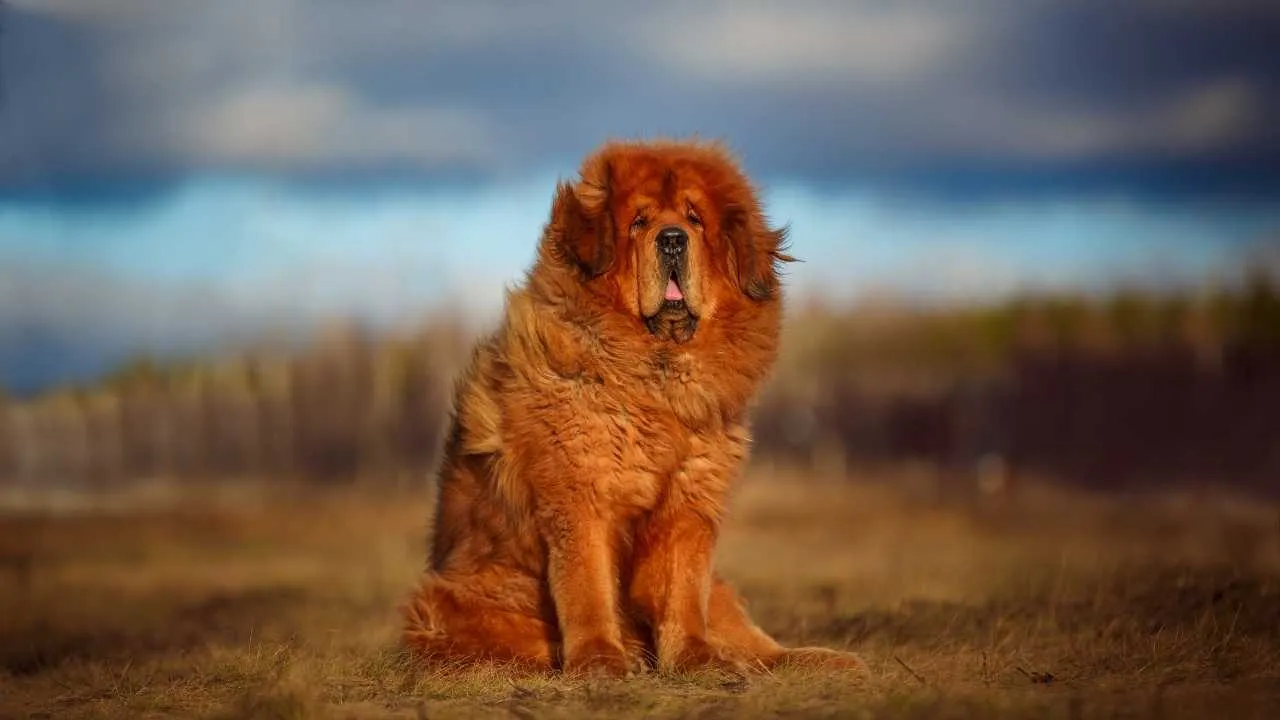
This ancient breed was developed to protect families, livestock, and property in the harsh Tibetan and Himalayan regions. Calm at home but more active at night, these dogs are naturally alert and reserved with strangers.
Their instincts make them excellent guardians, but they also make them a demanding choice for inexperienced owners.
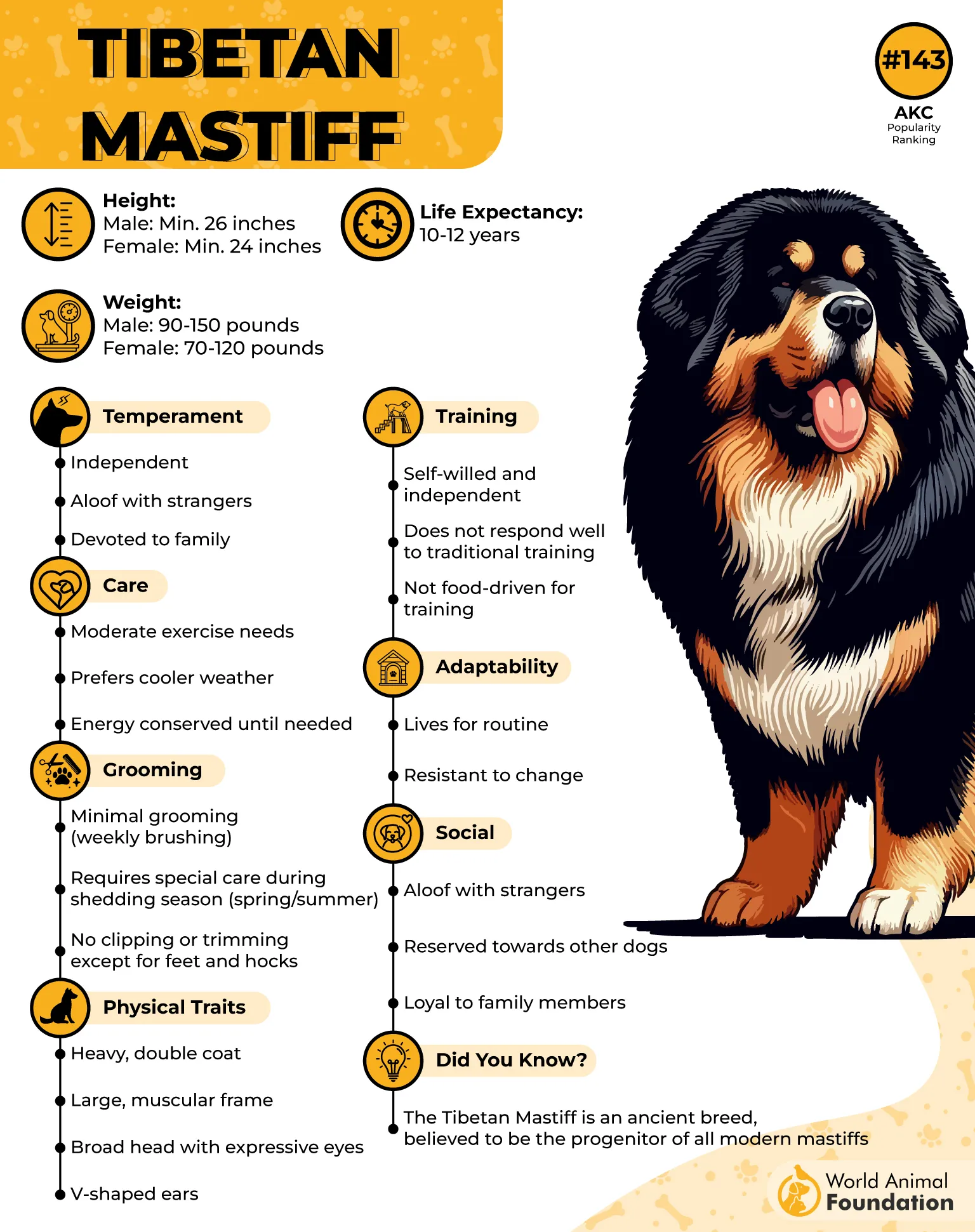
Independent Minds Need Patience
Tibetan Mastiffs are highly intelligent, but they are also strong-willed and independent. They may learn commands quickly but still choose when to follow them. Early socialization is important to help them become more accepting of unfamiliar people and animals.
Training works best with patience, persistence, and positive reinforcement. They also need daily moderate exercise and enough space to patrol and explore. A secure fenced yard is essential, as these dogs can become determined escape artists.
Coats Bring Seasonal Work
Their dense double coats are fairly easy to maintain for most of the year. Weekly brushing can remove dirt and loose hair, while the mane, tail, and feathered areas need extra attention to prevent tangles. Their annual coat blow can be intense, so grooming needs increase during heavy shedding periods.
They also need regular ear care and routine veterinary eye checks. Because their thick coats make hot weather difficult, owners in warmer climates must take extra care to prevent overheating.
4. Komondor
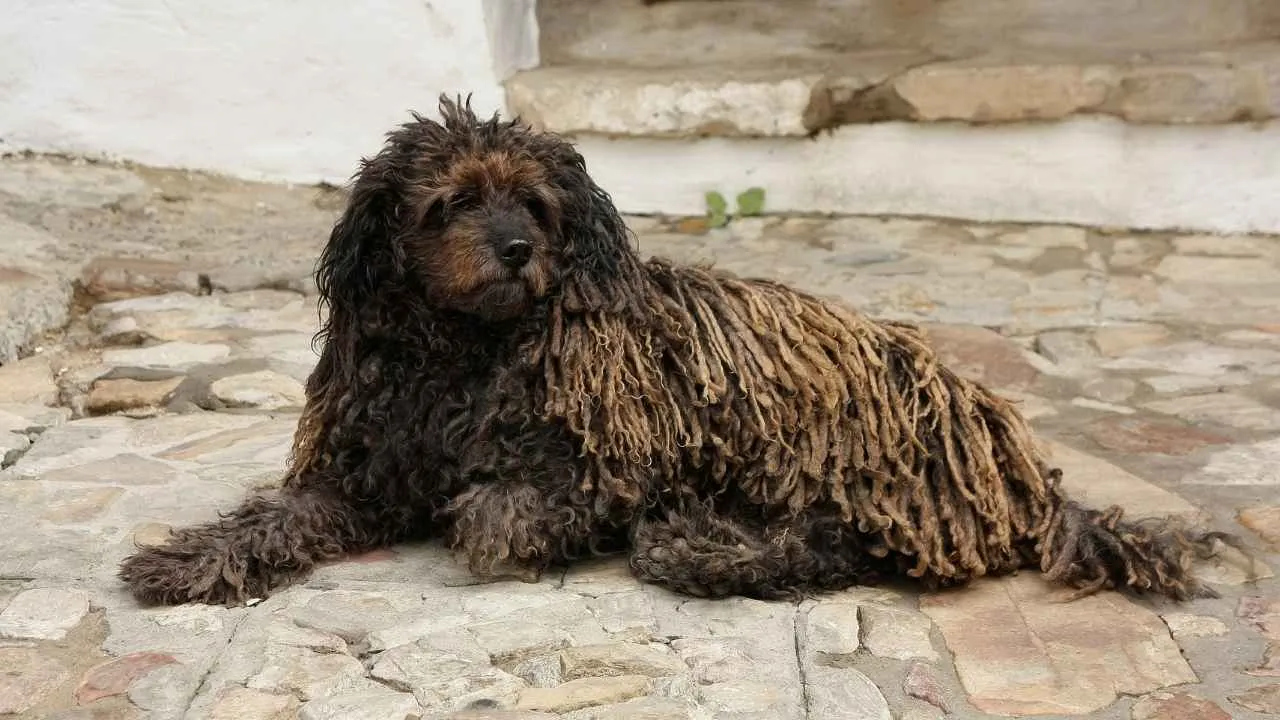
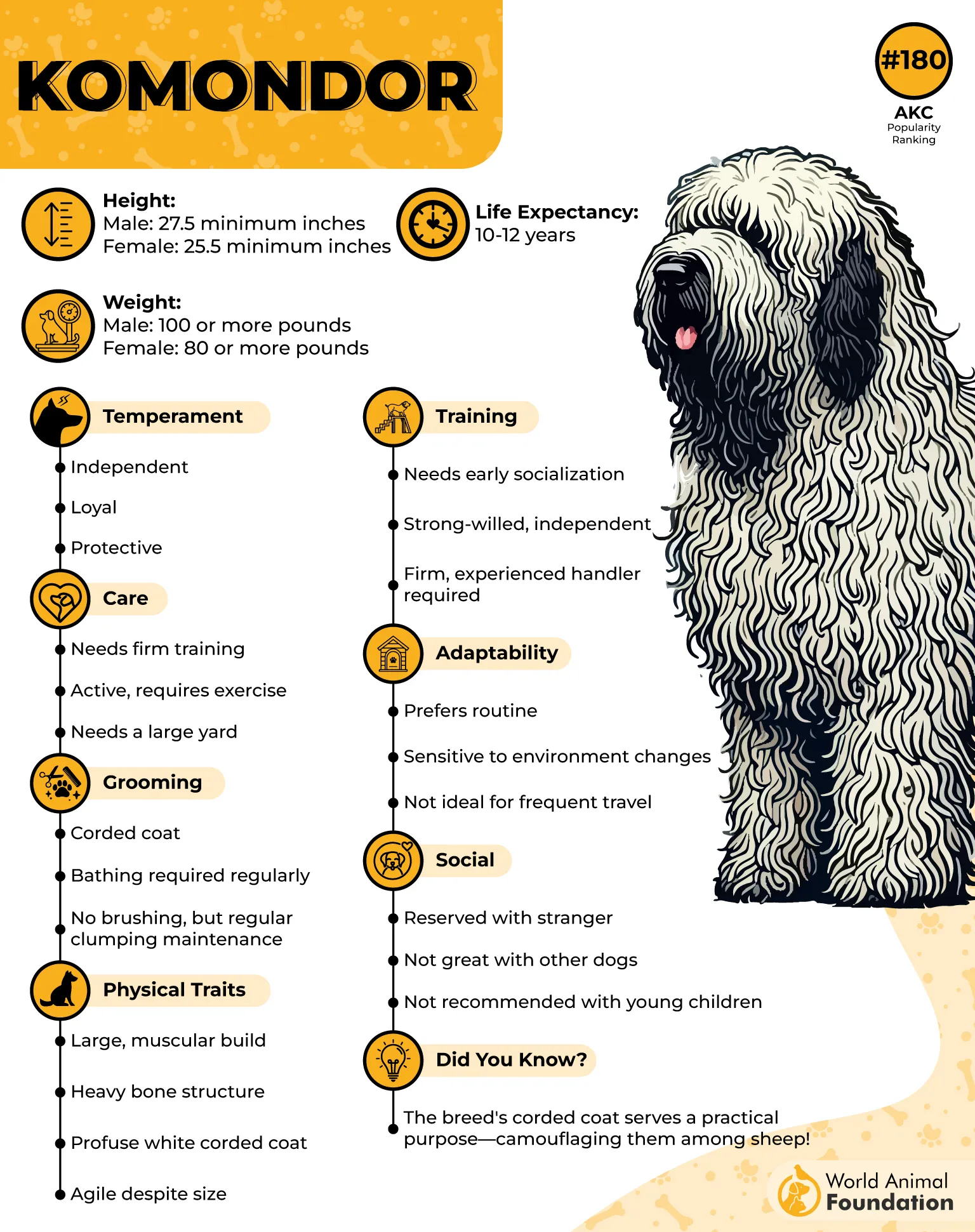
Komondorok are hard to mistake for any other guard dog, thanks to their distinctive white, corded coats. Originally bred in Hungary to protect sheep and livestock from predators, these dogs remain deeply devoted to guarding their families and homes.
They are calm and affectionate with their people, but their independent nature means they may make their own decisions when they sense a threat, as mentioned by Omlet.
Independent Guardians With Strong Opinions
Komondorok need early socialization and firm, fair training to help them respond appropriately to unfamiliar people, animals, and situations. Repetitive training can quickly bore them, so short, varied sessions using play, treats, and positive reinforcement obedience training work better.
They can be gentle with children and other animals when properly socialized, but their wariness of strangers and potential issues with unfamiliar dogs require thoughtful handling.
Their Coats Are a Commitment
The Komondor’s famous cords are also one of the biggest reasons this breed is high maintenance. The coat takes considerable time and effort as the cords develop and must be separated regularly to prevent matting and dirt buildup.

Wet coats can also take a very long time to dry, making swimming less practical. Regular ear cleaning is also important.
5. Kuvasz
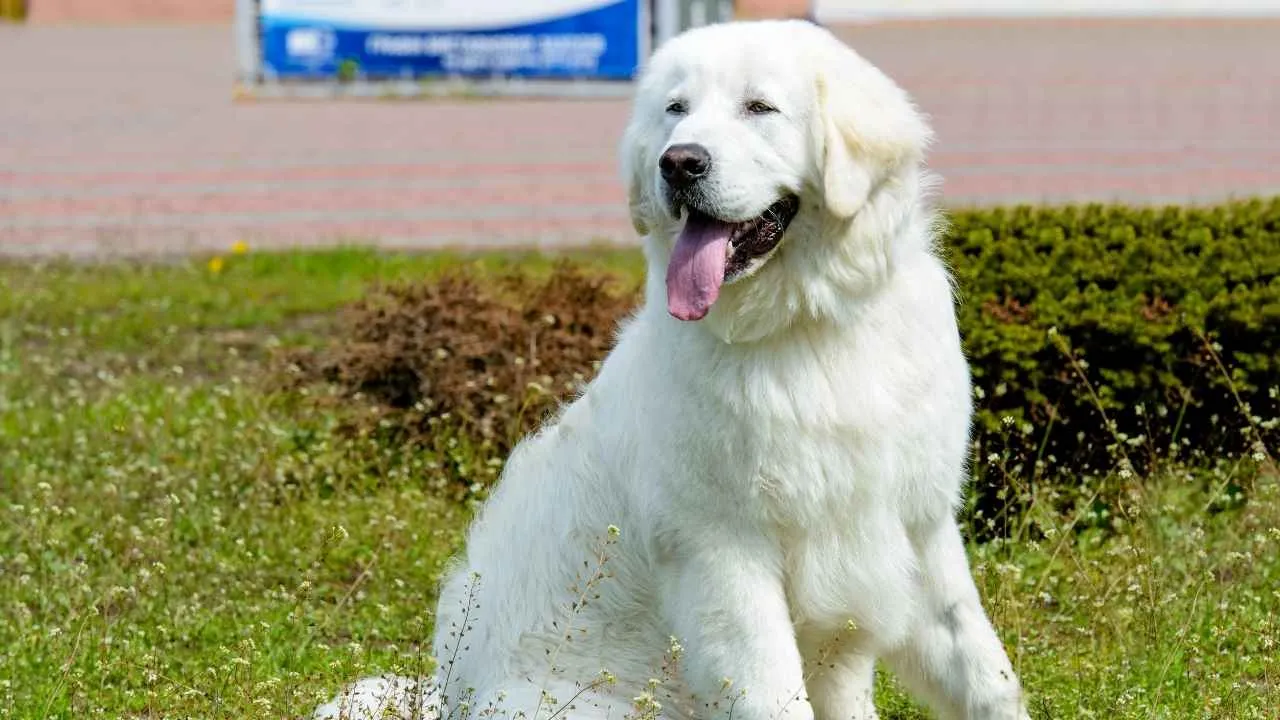
Kuvasz dogs may look like gentle, fluffy companions, but their calm appearance hides the instincts of serious working guardians. Originally bred in Hungary to protect livestock and households, they are brave, intelligent, and naturally alert to anything unusual.
They can be affectionate and gentle with their families while remaining reserved around strangers, making them a strong choice for owners who want a devoted dog with an instinctive sense of responsibility.
Independent Minds Need Direction
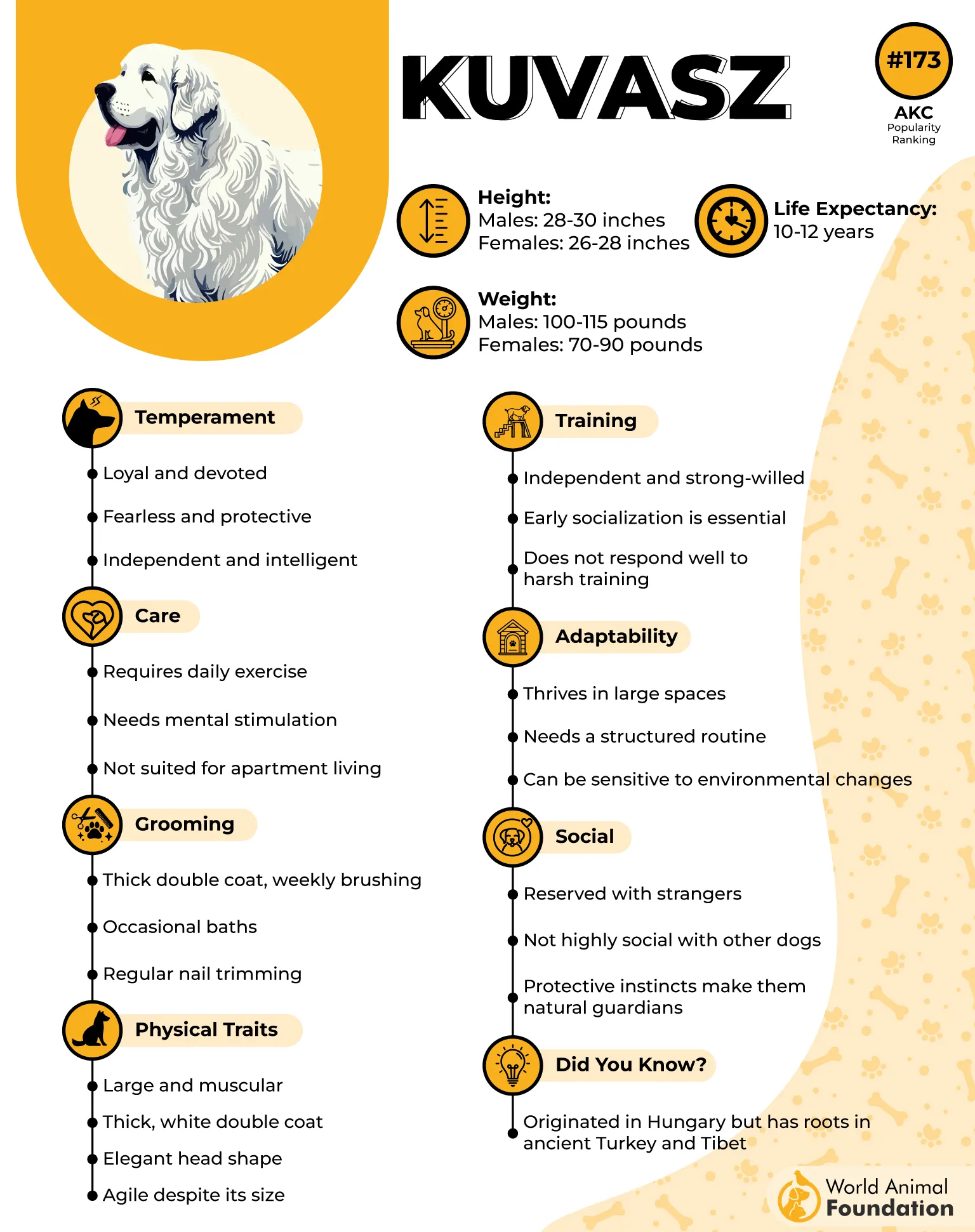
Kuvasz dogs are intelligent problem-solvers that can think for themselves, a trait that served them well as livestock guardians but can challenge inexperienced owners. Consistent, positive training and early socialization help them understand how to respond to unfamiliar people, animals, and situations.
They can do well with children and familiar animals when properly socialized, although their size and protective nature call for supervision and clear boundaries.
Room to Roam, Time to Engage
These working dogs need regular exercise, mental stimulation, and enough space to move freely, making them poorly suited to apartment living.
Their strong urge to roam also makes secure fencing essential. Their thick white double coats are relatively manageable but shed heavily, so brushing several times a week can help control loose fur and prevent tangles.
6. Black Russian Terrier
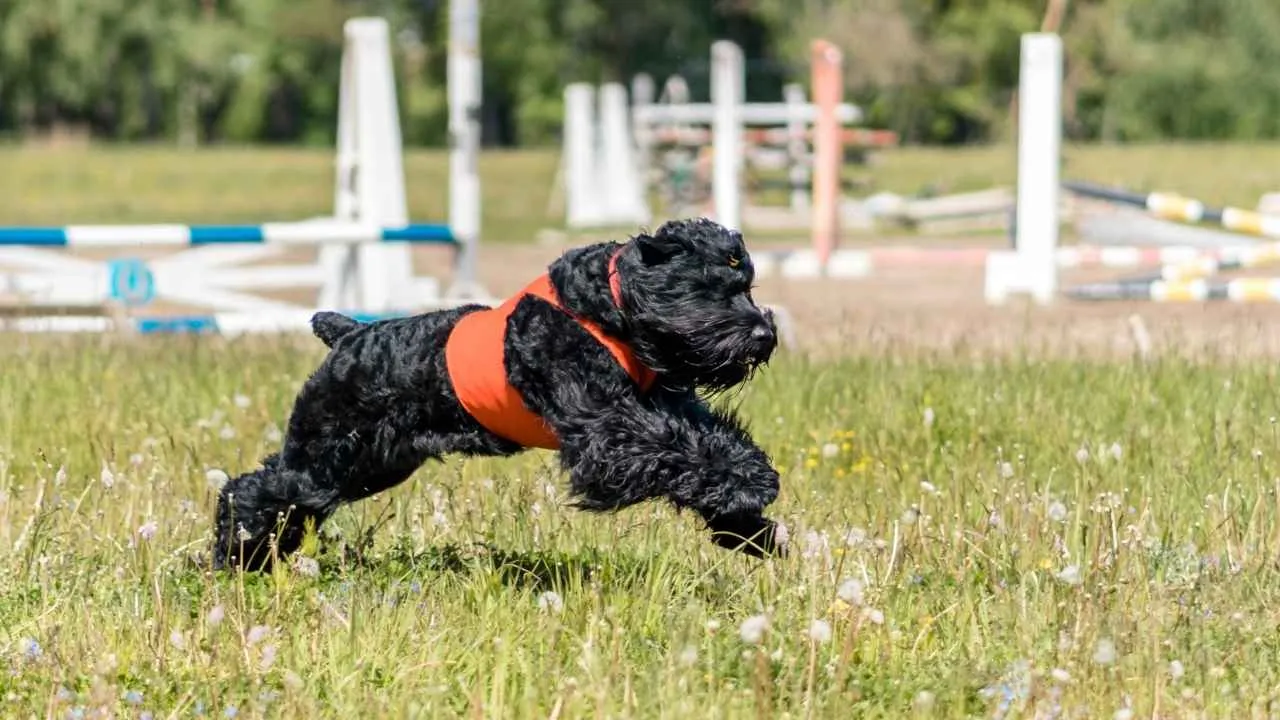
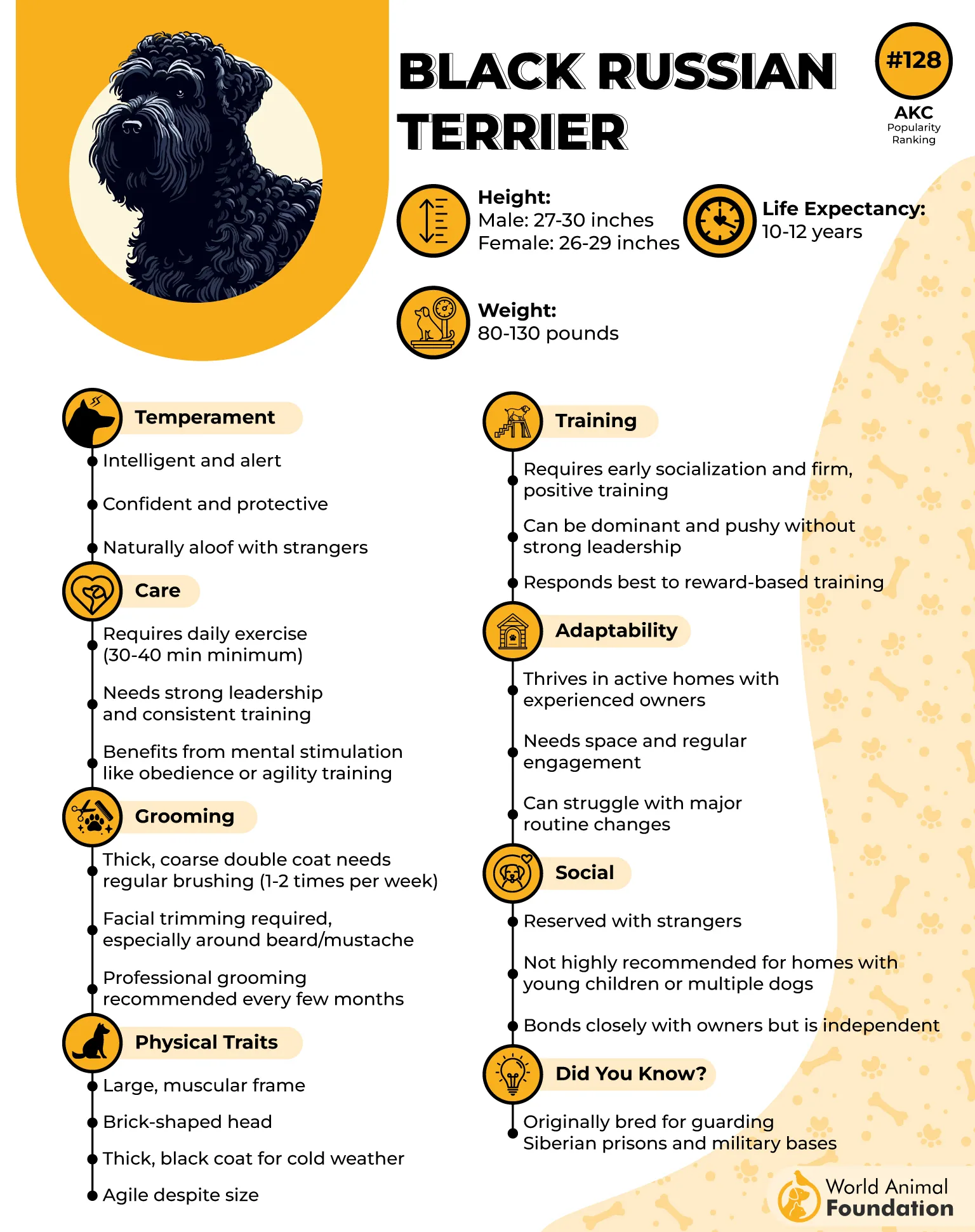
Black Russian Terriers were developed in Russia as versatile working dogs, and their calm confidence still makes them impressive guardians today.
Intelligent, vigilant, and deeply loyal, these large dogs tend to assess unfamiliar situations before reacting. Around their families, they can be affectionate and surprisingly attached, while strangers may receive a much cooler reception.
Smart, Strong, and Easily Bored
Black Russian Terriers need more than basic obedience to stay balanced. Their working background gives them a strong need for purpose, so regular training, interactive play, and activities such as agility, hiking, swimming, or fetch can keep their minds occupied.
Early and consistent socialization is important, particularly because they can be reserved around strangers. PetMD says they can live successfully with children, dogs, and cats when properly socialized and introduced.
The Coat Adds Extra Work
Their dense double coats are another major part of the ownership commitment. Although Black Russian Terriers do not shed excessively, their coats can mat without brushing several times a week, particularly around areas such as the ears and legs.
Periodic professional grooming and trimming around the ears, beard, and paws may also be needed.
7. Giant Schnauzer
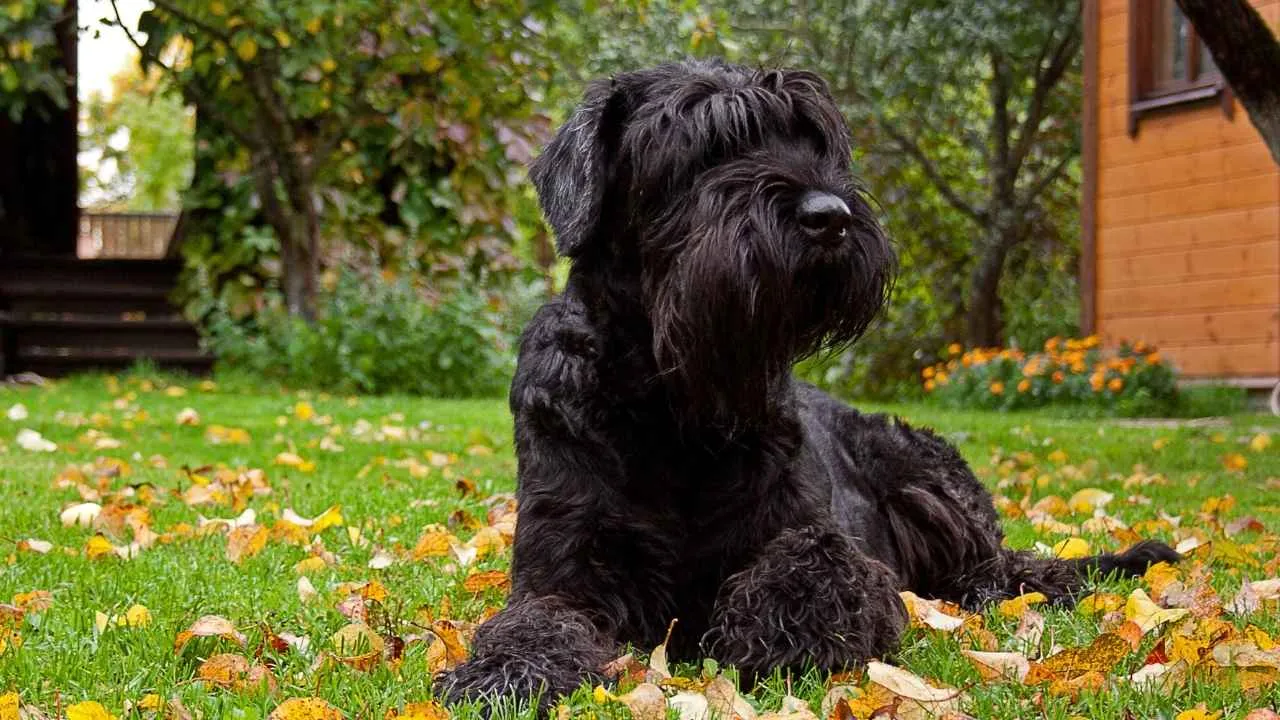
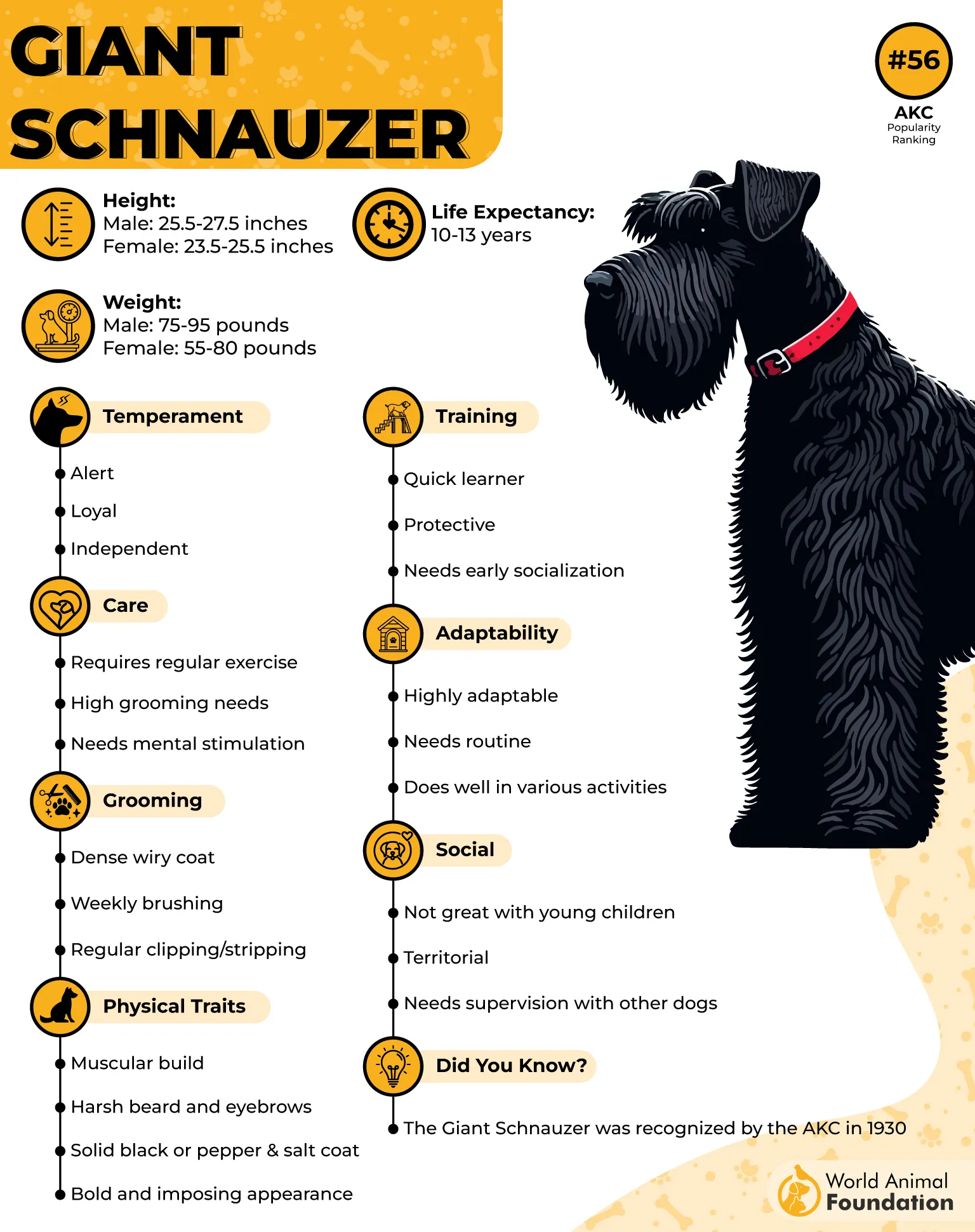
Giant Schnauzers are powerful working dogs with the intelligence, loyalty, and confidence to take their guarding role seriously. Originally developed in Germany to drive cattle and protect farms, they later served as police and military dogs.
Today, their protective nature and cautious attitude toward strangers make them impressive home guardians. At the same time, their athletic build and sharp minds mean they need far more engagement than a dog that is content to lounge around.
Intelligent Guardians Need Purpose
Giant Schnauzers thrive when they have a job to do. They need plenty of physical activity and mental stimulation, with long walks, running, games, agility, or obedience work helping them stay content.
Their independent streak can also make them test boundaries, so consistent training and strong leadership are important. Early socialization is especially valuable because these dogs can be protective of their homes and reserved with unfamiliar people.
Their Coat Adds to the Upkeep
Their distinctive wiry coats require regular grooming to stay in good condition, while their famous beards and eyebrows need extra attention.
Pet Giant Schnauzers generally need clipping every few months, and their beards may need occasional cleaning when they become wet or messy. They also need a secure, spacious area because they love to roam and may pursue small animals.
Conclusion
High-maintenance protective guard dogs can bring an impressive mix of loyalty, courage, intelligence, and natural protective instincts, but they also come with real responsibilities. Each breed needs the right combination of training, exercise, socialization, space, and care to thrive.
Before choosing one, take an honest look at your lifestyle, experience, time, and home environment. The best guard dog is not simply the most powerful one. It is the breed whose needs you can consistently meet.
When that match is right, the extra work can lead to something far more valuable than security: a deeply loyal companion who becomes a trusted part of the family.
