




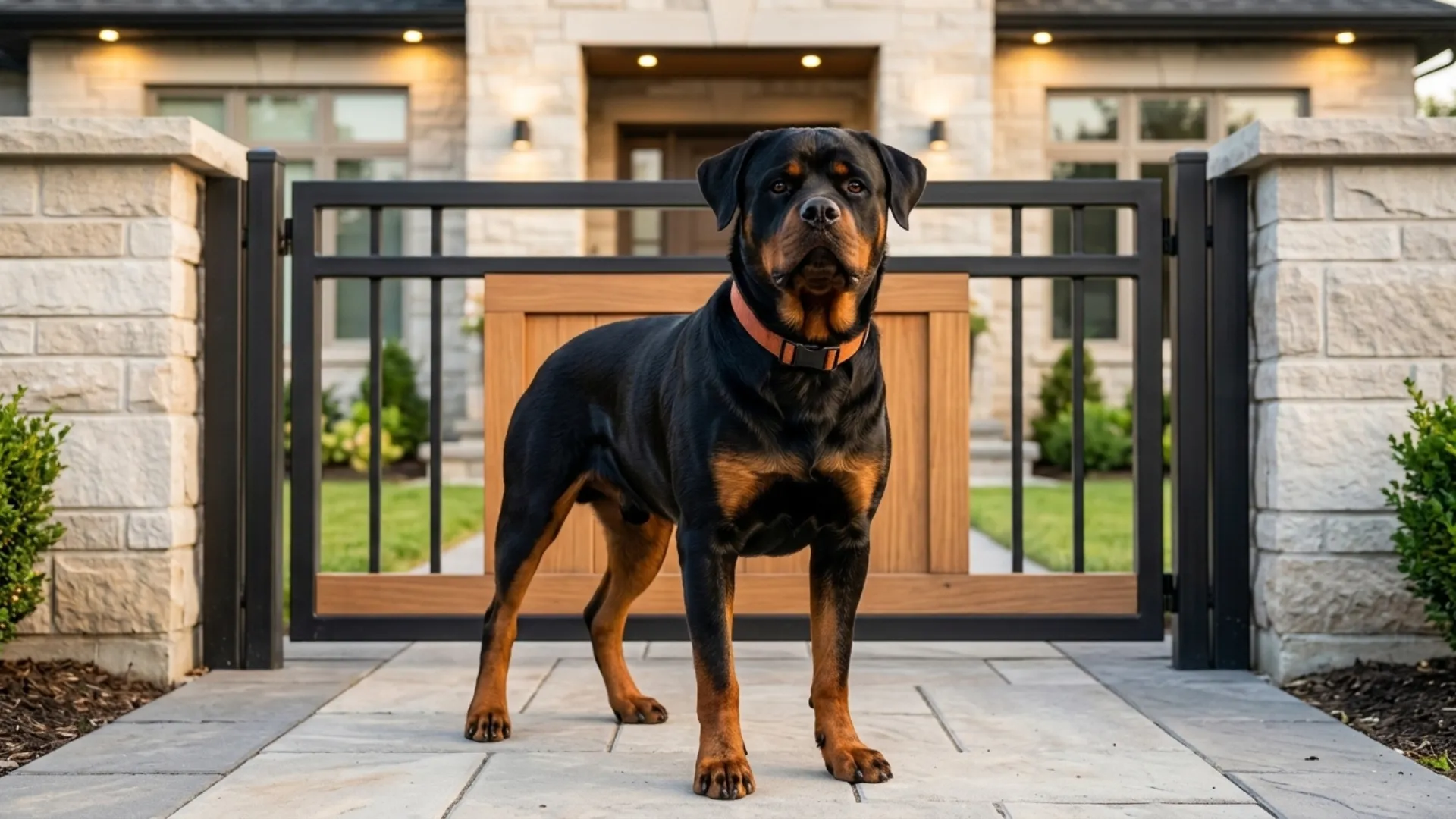
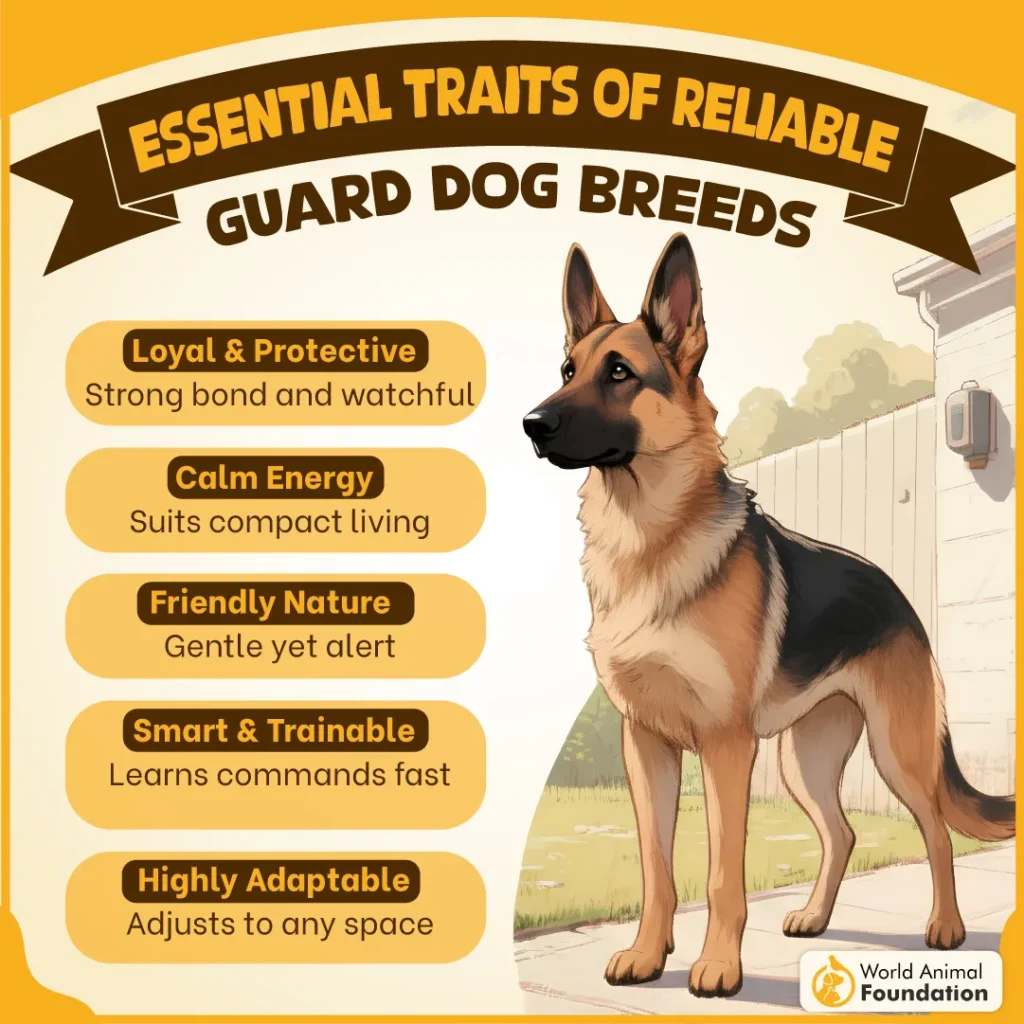
The way people choose guard dogs has gradually started to change. Instead of focusing only on size or reputation, more owners are asking a practical question: how will this dog fit into everyday life?
That shift makes perfect sense because a protective companion becomes part of your routine for years, not just a reassuring presence at the front door. A breed that constantly demands time and energy may not suit someone balancing work, family, and other responsibilities.
Fortunately, dependable guarding ability and manageable care can exist together. Some breeds naturally remain alert, loyal, and confident while adapting well to predictable household routines. Their steady personalities make daily life feel comfortable rather than overwhelming.
Here you will explore guard breeds that combine protective instincts with low-maintenance qualities, making it easier to choose a companion that truly complements your lifestyle.
Key Takeaways
The best guard dogs are not always the loudest ones. Some of the most dependable protectors stay calm until the moment they are truly needed.
One of them once stood between sheep and wolves in the snowy Pyrenees, while another earned the nickname “Nanny Dog” for its gentle nature around children.
From giant Mastiffs to elegant Great Danes, these breeds keep grooming simple without giving up the quiet confidence they are known for.
Keep reading because a few names on this list might completely change what you expect from a low-maintenance guard dog.
Serene Guard Dog Breeds Perfect for Low-Maintenance Owners
1. Mastiff
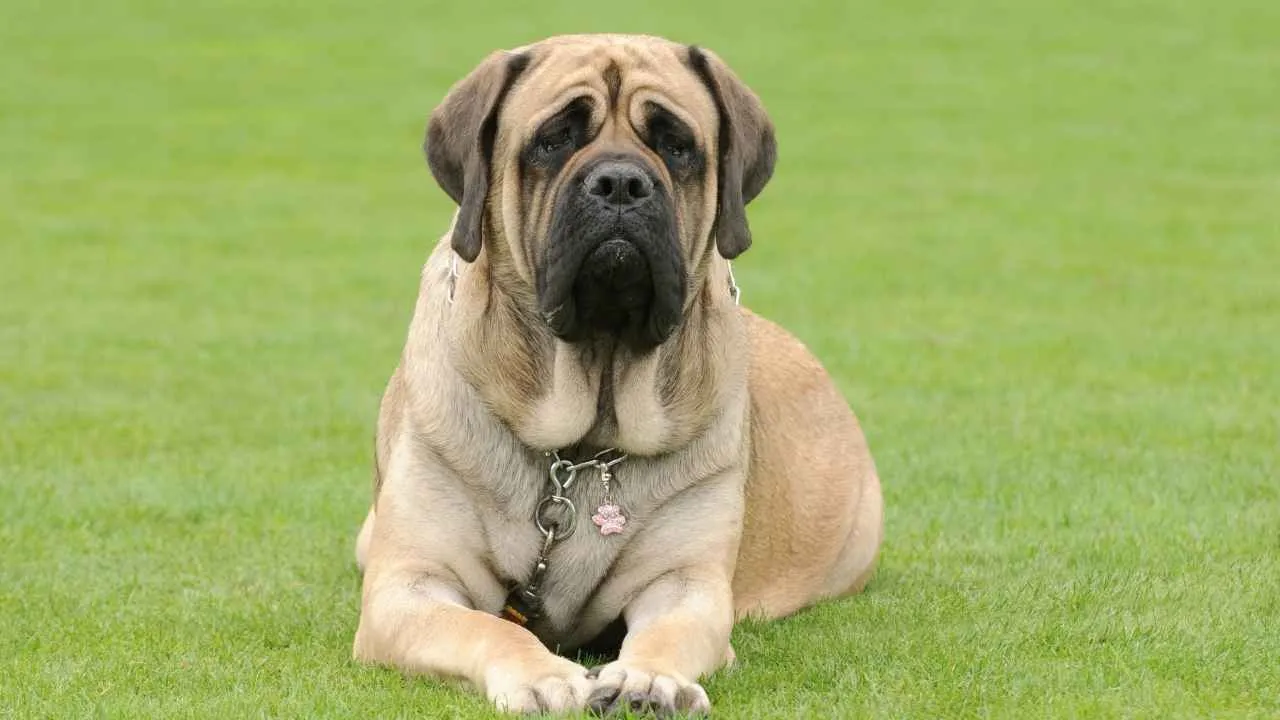
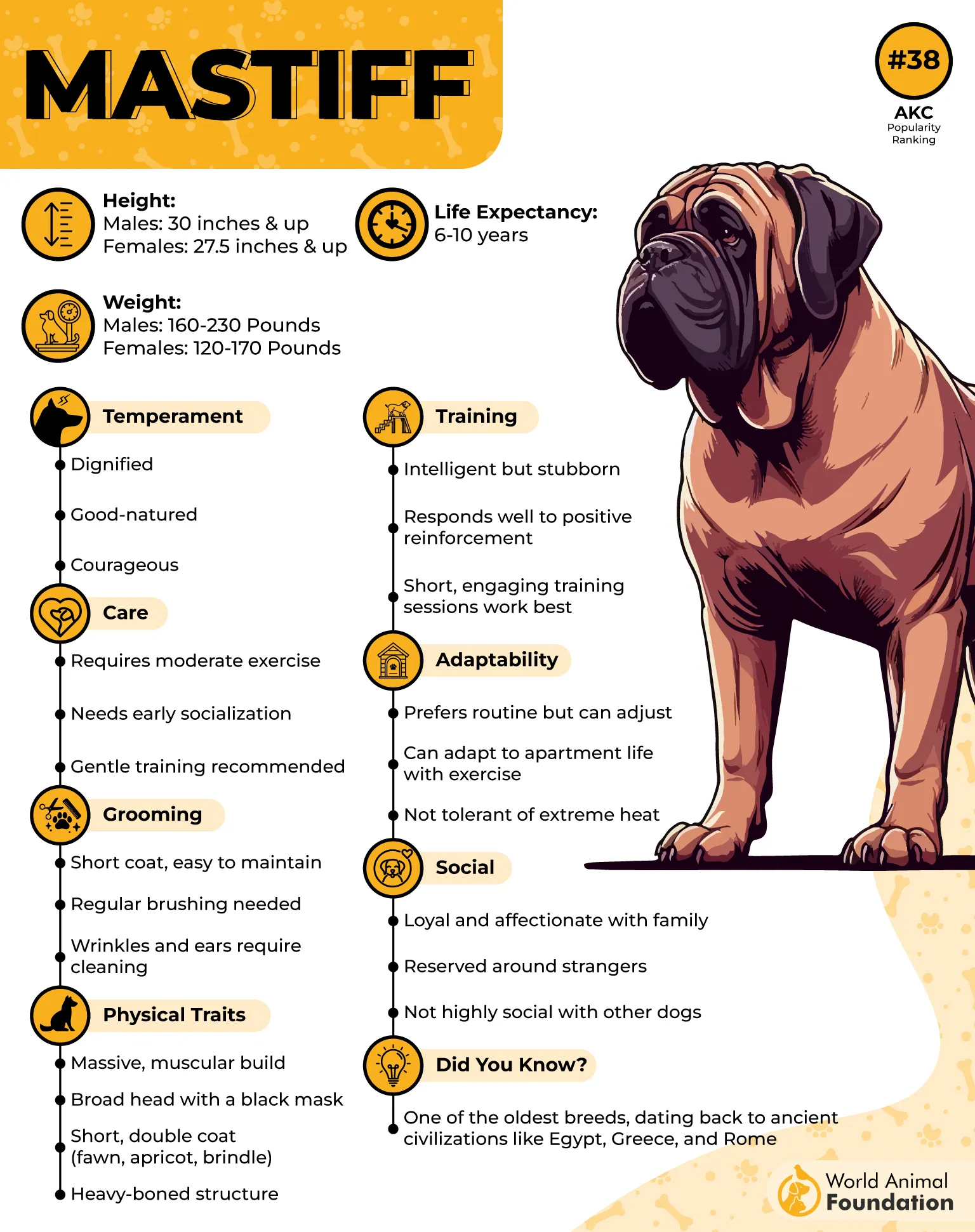
Mastiffs belong to one of the oldest canine lineages, combining remarkable size with a calm, composed temperament that leaves a lasting impression, as per the AKC. Adult males can exceed 30 inches at the shoulder, with a heavily muscled frame that reflects generations of strength and endurance.
Simple Coat Care
A short, dense double coat makes grooming surprisingly straightforward for such a large breed, making routine upkeep less demanding than some people expect.
A quick brushing every few days is usually enough, while seasonal shedding benefits from a stronger-toothed comb to clear away loose hair.
A closer look reveals a few distinctive details:
Black mask frames the face
The coat comes in fawn, apricot, or brindle
Broad head with a wrinkled forehead
Quiet Confidence
This guardian breed approaches family life with patience and a steady nature while remaining attentive when unfamiliar people arrive. Gentle, consistent training and proper socialization help shape polite behavior, especially because this breed naturally approaches strangers with caution.
2. Great Pyrenees
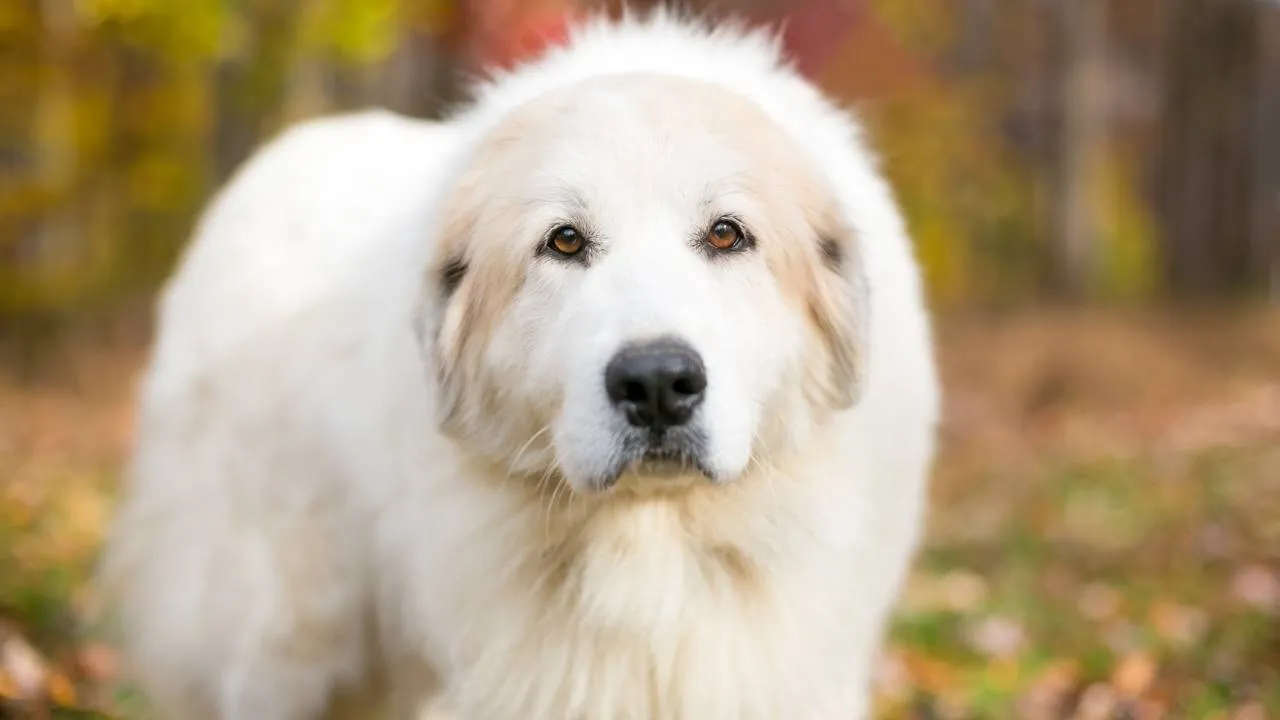
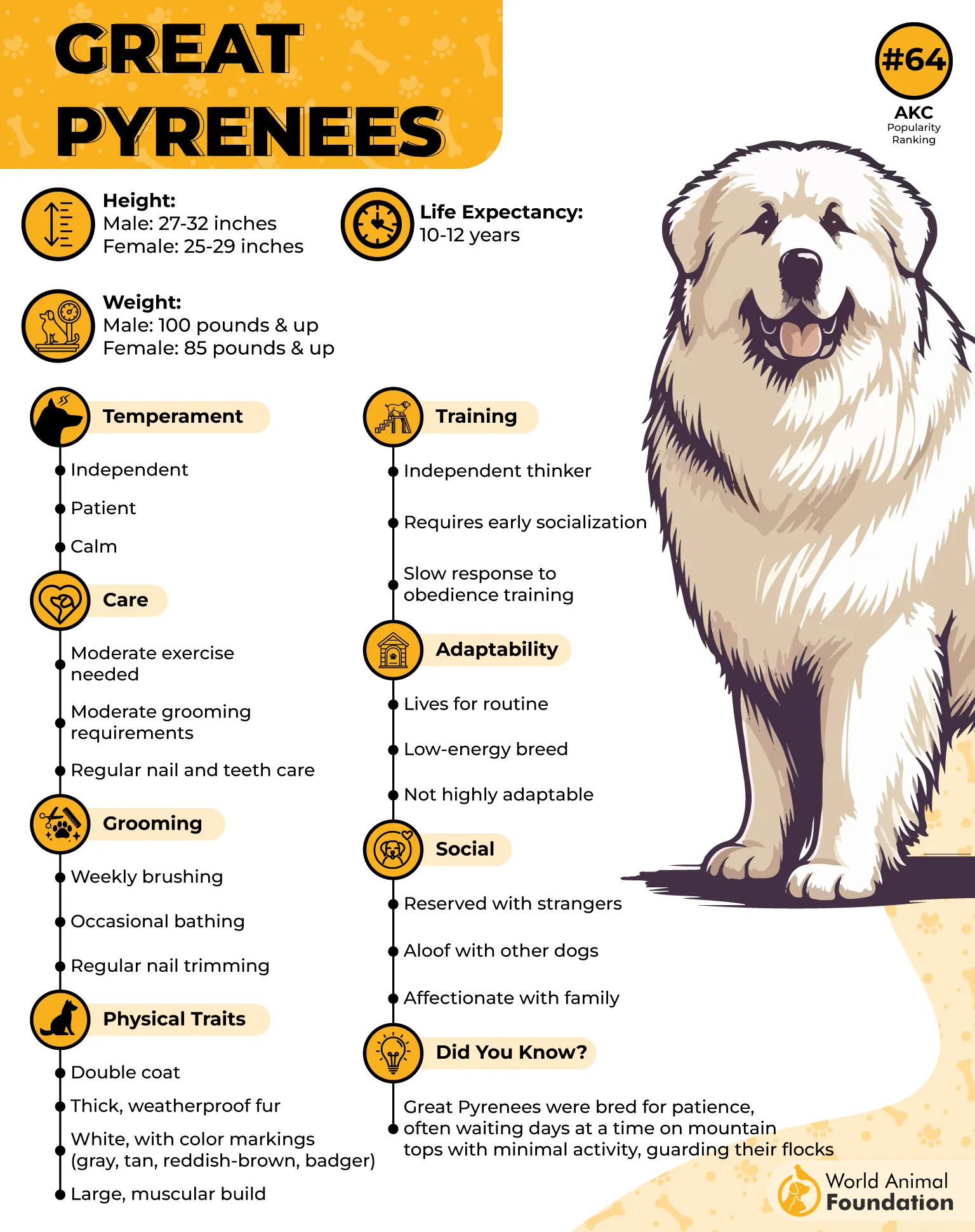
Great Pyrenees originates its journey in the Pyrenees Mountains between Spain and France, where a thick white coat blended naturally with snowy landscapes while flocks grazed nearby. That natural camouflage helped this breed watch over sheep against predators such as wolves and bears.
Quiet by Nature
Rather than staying busy from morning to night, they are content with a slower daily routine and plenty of time close to their family. Its independent temperament also means it is generally content spending time on its own without needing continual attention.
The following points reveal even more about this breed:
Long outer coat resists dirt and tangles
Weekly brushing helps reduce loose fur
Lowe prey drive than many guardian breeds
Practical at Home
The Great Pyrenees enjoy open outdoor areas and may wander beyond property lines if given the opportunity, making a secure fence an important part of everyday life. According to PetMD, training can also require extra patience because this breed naturally prefers making its own decisions.
3. Bullmastiff
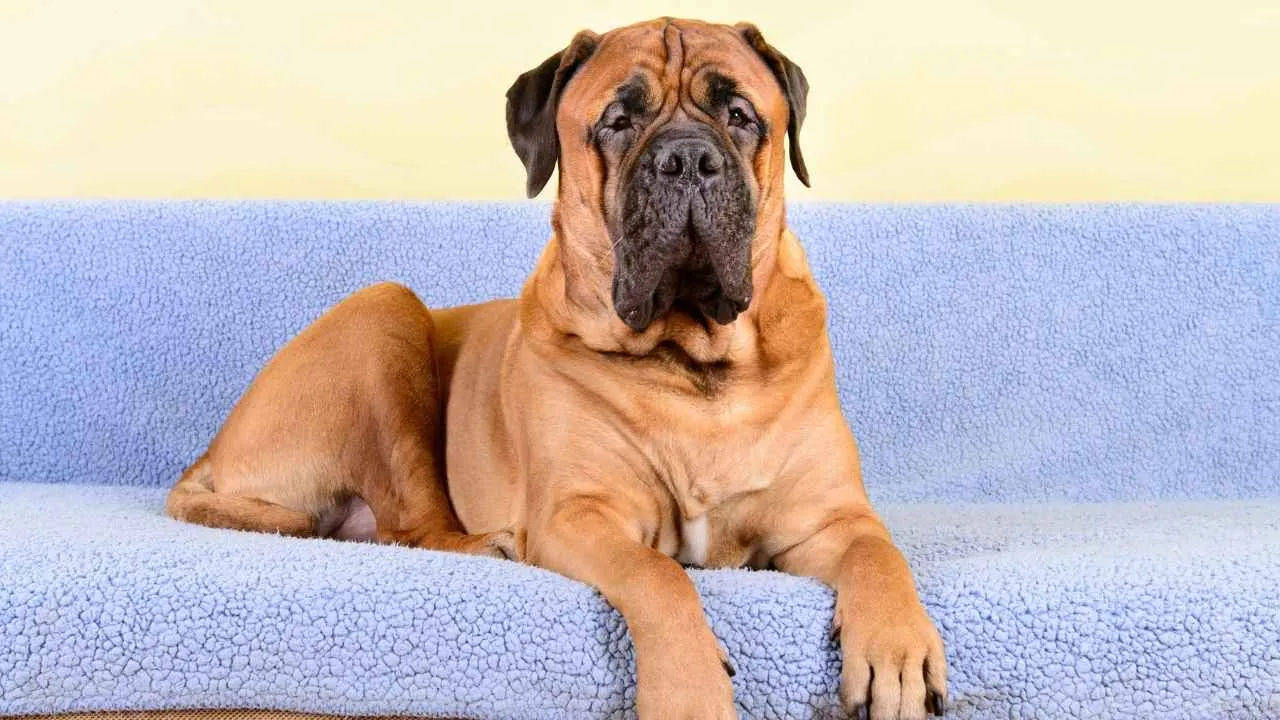
Bullmastiffs have their roots in England, where they tracked down and held poachers, a role that required courage, steady self-control, and quick judgment.
That balanced temperament still makes this breed a reassuring companion that remains composed inside the home while paying close attention to its surroundings.
Easy Coat Care
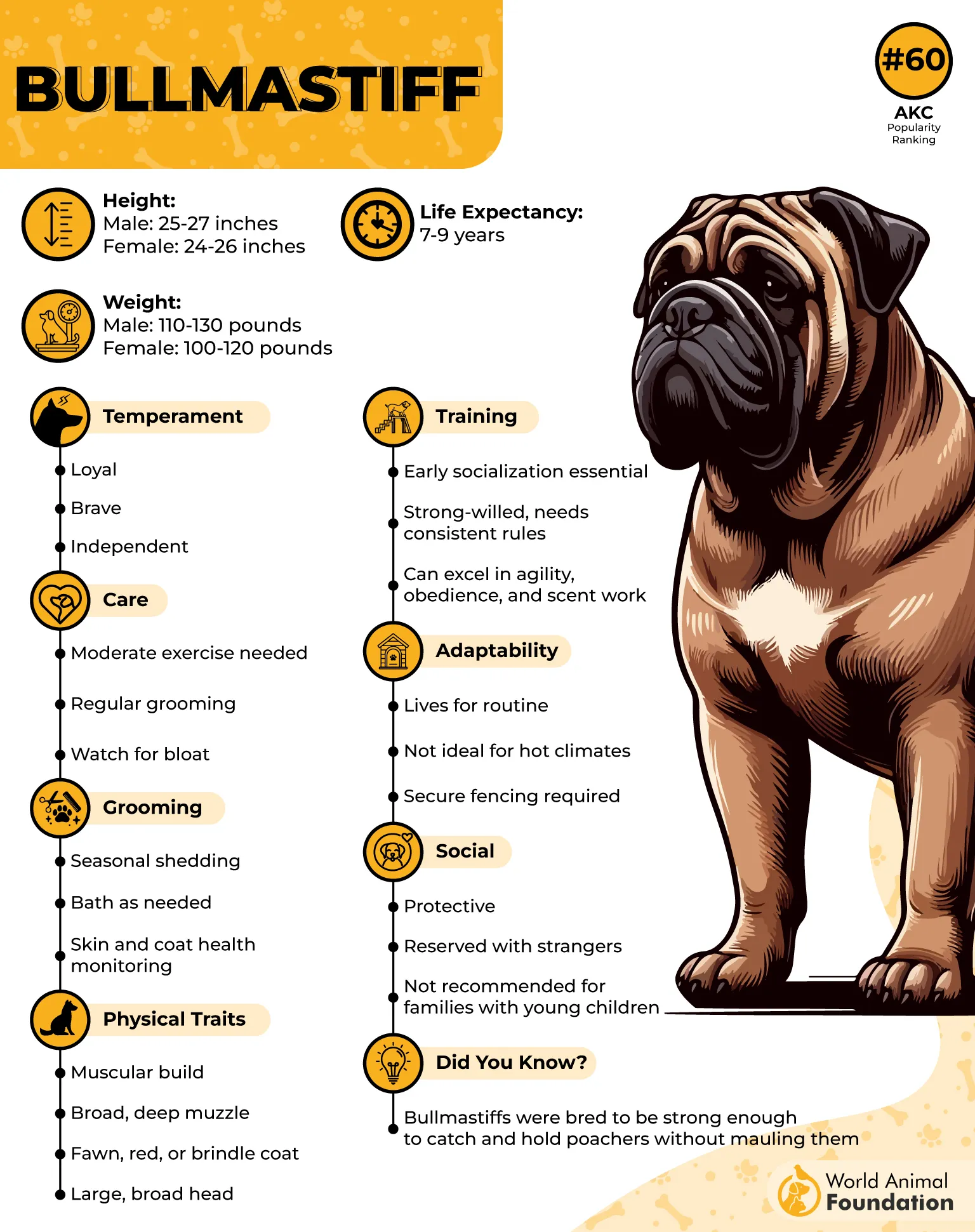
A short, stiff coat keeps routine grooming simple, making this loyal companion a practical choice for people who prefer lower day-to-day upkeep. Extra attention is best directed toward facial folds, ears, and teeth, where regular hygiene helps keep the dog comfortable and healthy.
There’s still plenty to uncover:
Bulldog and Mastiff ancestry
Broad, deep muzzle with dark eyes
High-set V-shaped ears
Built for Everyday Living
Bullmastiffs enjoy brisk walks, outdoor play, and moderate daily activity, although individual energy levels can vary from one dog to another, as noted by WebMD. A securely fenced yard is an important part of the setup, giving this powerful breed a safe place to explore and burn off energy.
4. Newfoundland
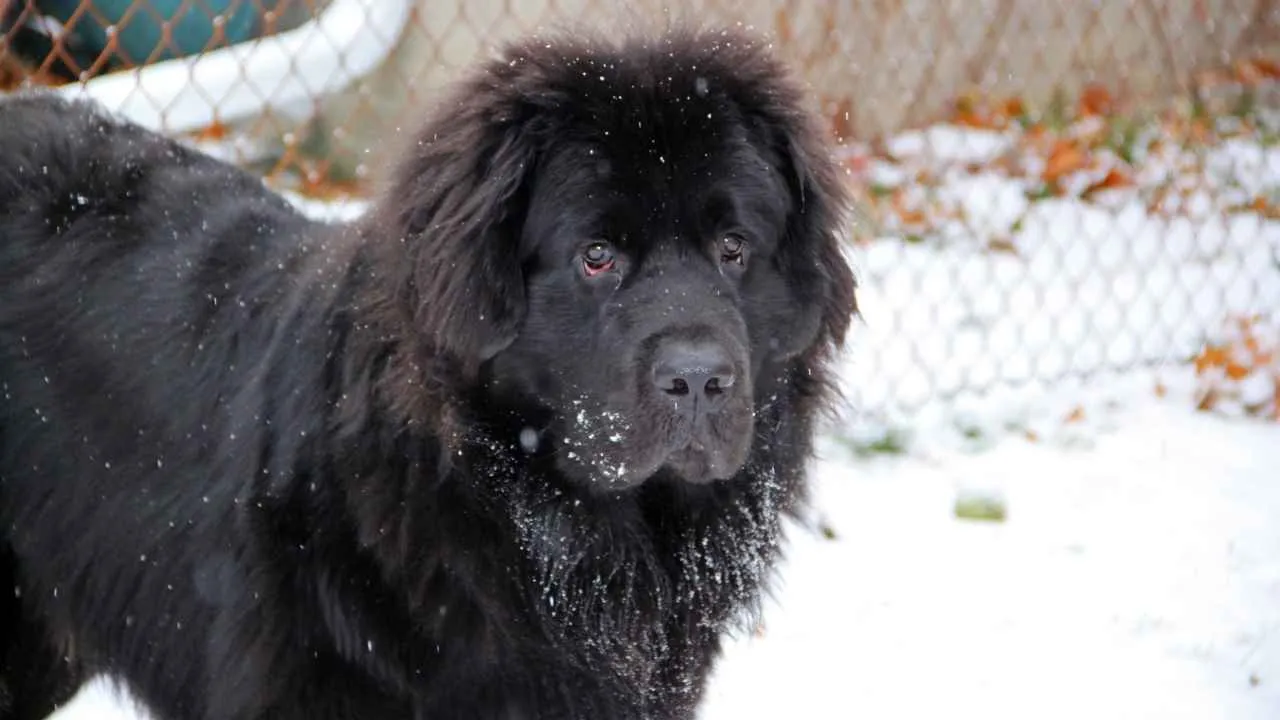
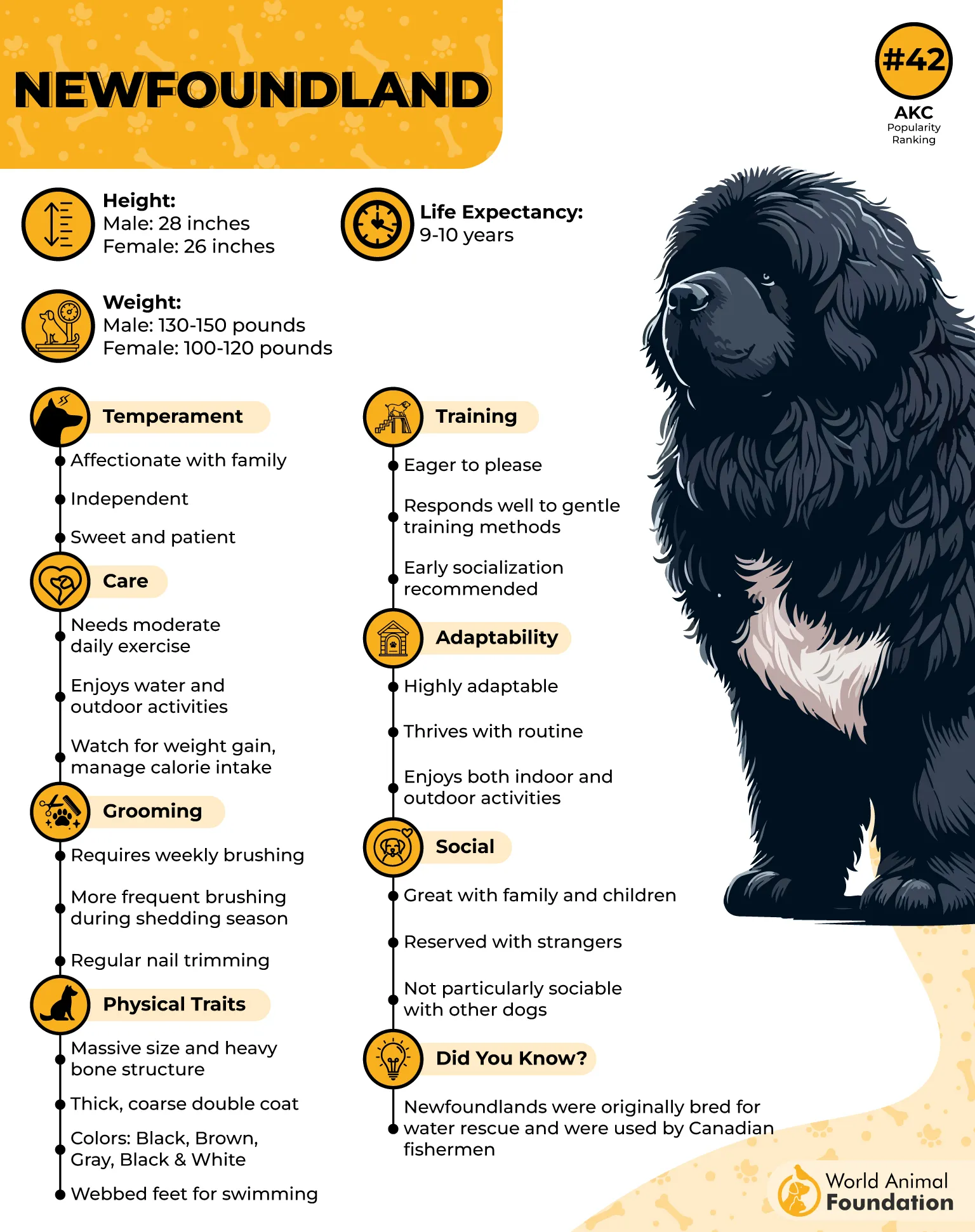
The Newfoundland combines impressive size with a calm, dependable nature that has made this breed especially respected around families with children. Its soft expression and patient temperament reflect the quality that breed standards describe as the most important characteristic.
Quiet Confidence
A peaceful attitude makes Newfies well-suited to households looking for a watchful companion without constant intensity or demanding behavior. Daily walks, occasional hikes, or a swim usually provide enough activity while helping support a healthy routine.
Here’s what else defines this breed:
Famously called “Nanny Dog”
A trusting personality responds well to gentle guidance
Counted among the world’s largest dog breeds
Built for the Elements
The Newfoundland wears a dense, water-resistant double coat that offers reliable protection during outdoor activities in wet conditions. Weekly brushing and routine bathing help keep that thick coat clean, comfortable, and in good condition throughout the year.
5. Rhodesian Ridgeback
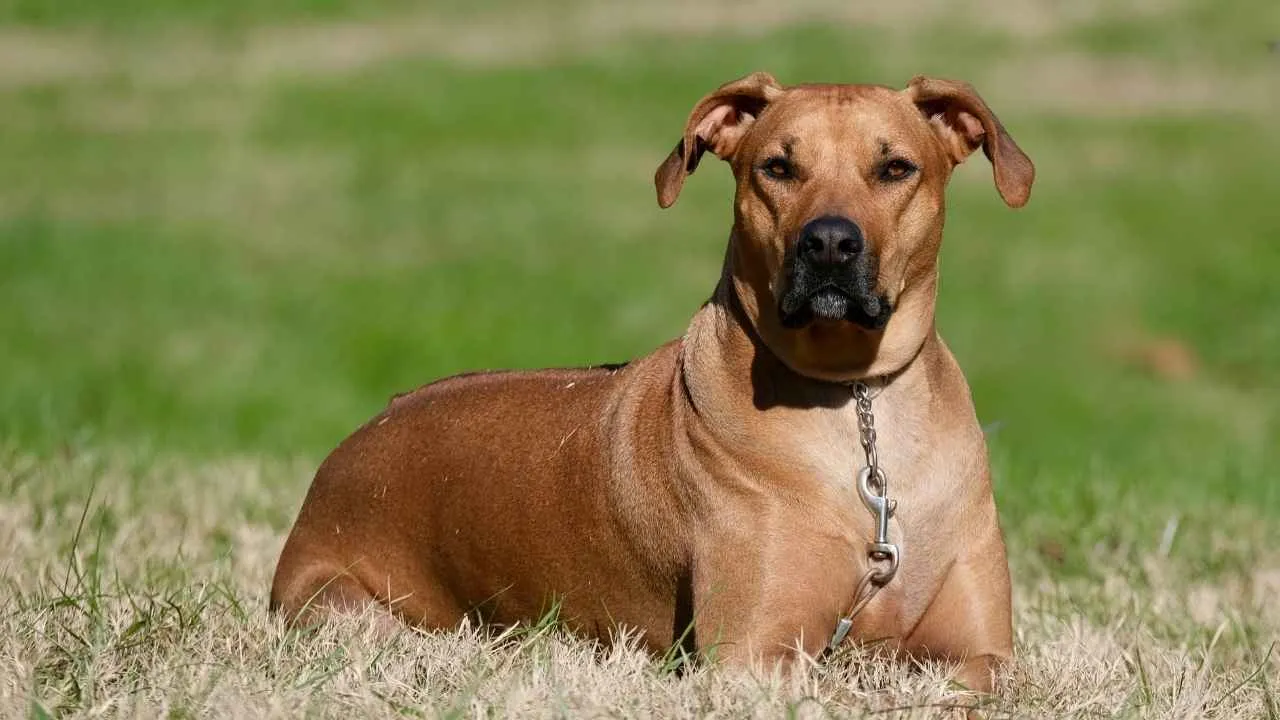
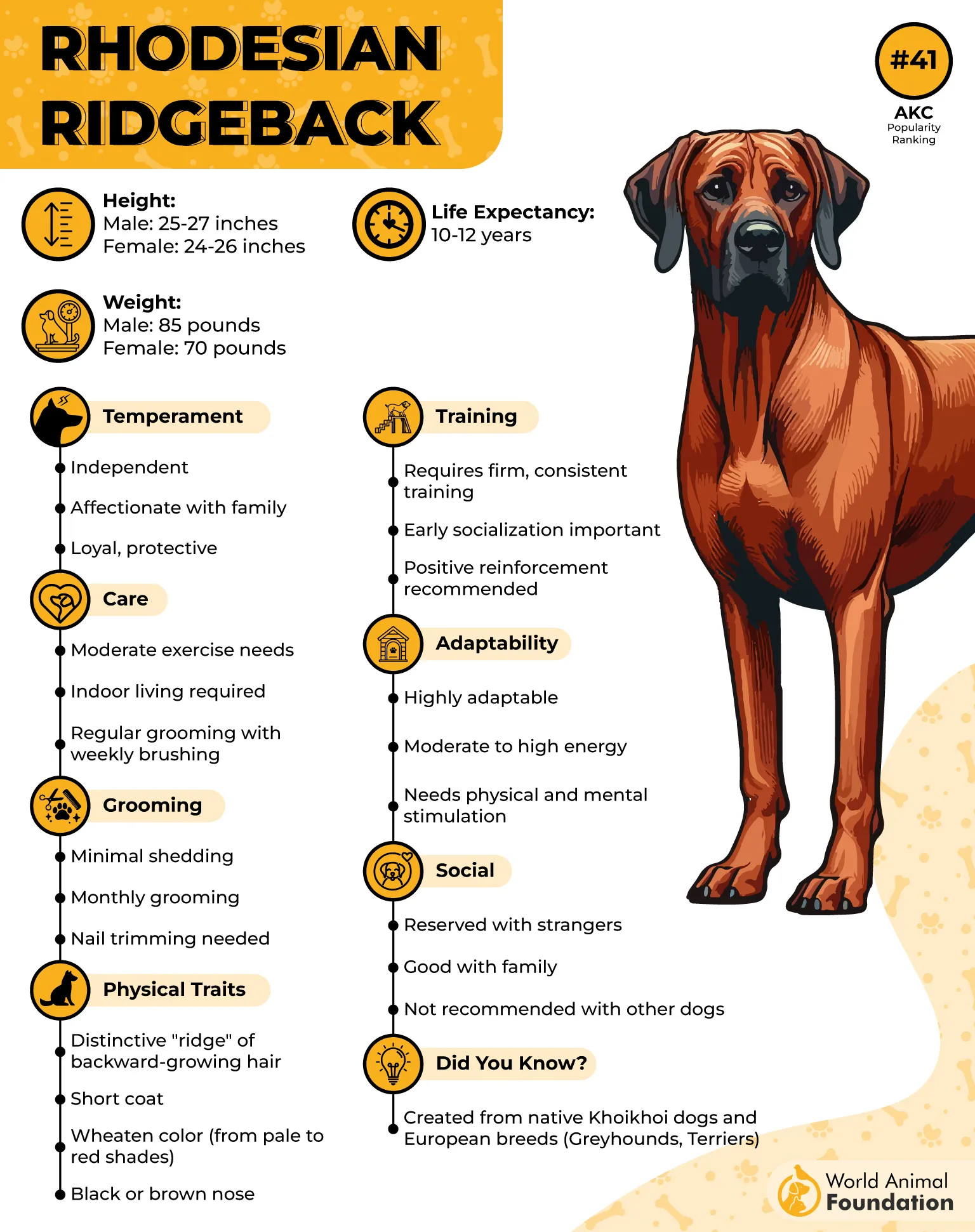
The Rhodesian Ridgeback is immediately recognized by the narrow strip of hair that grows in the opposite direction along its back, a feature no other part of its coat shares.
In southern Africa, this breed gained recognition for tracking and baying lions without attacking them, reflecting remarkable composure under pressure.
Simple Coat Care
Short hair and modest grooming needs make this breed practical for people who prefer an easier routine without constant coat upkeep. Weekly brushing helps remove loose hair, while an occasional bath keeps the coat clean, glossy, and in good condition.
A few details reveal even more about this breed:
Distinct backward-growing ridge
Strong prey drive
Confident, independent nature
Daily Balance
The Rhodesian Ridgeback enjoys long walks and interactive play, giving its athletic build a productive outlet without demanding an overwhelming routine. With consistent daily activity, this breed adjusts comfortably to different living environments while remaining composed inside the home.
6. Kuvasz
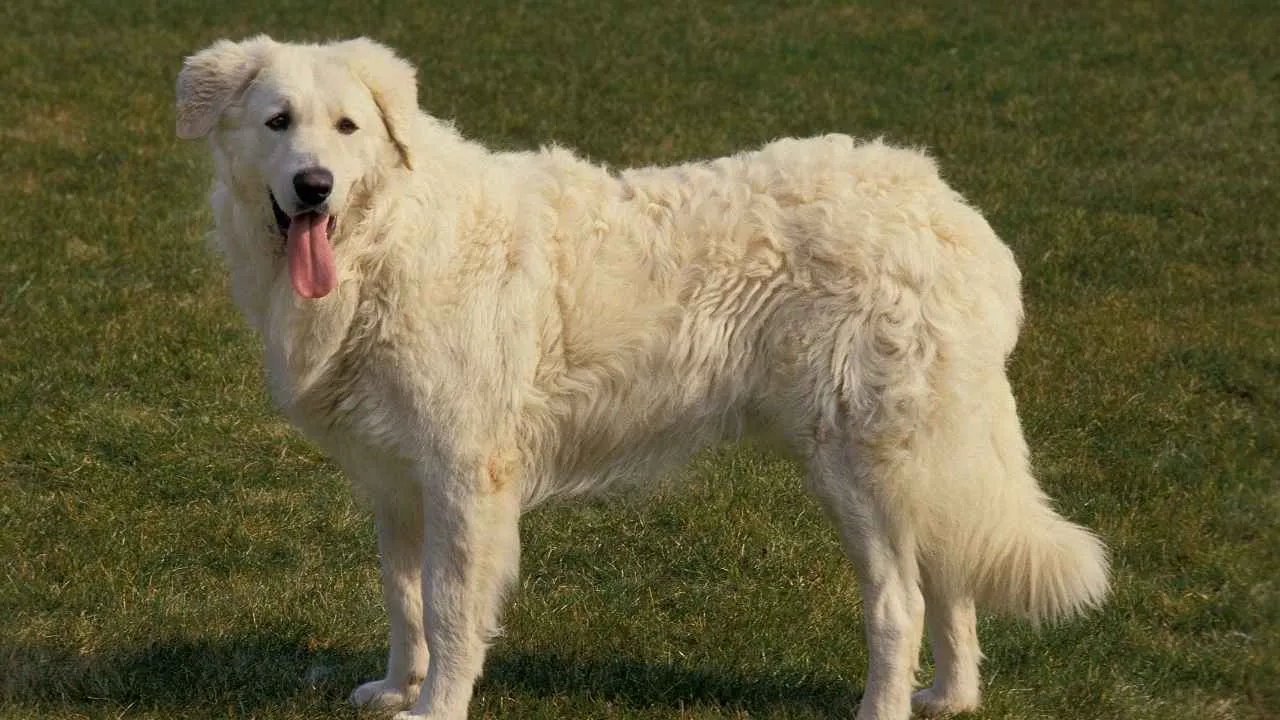
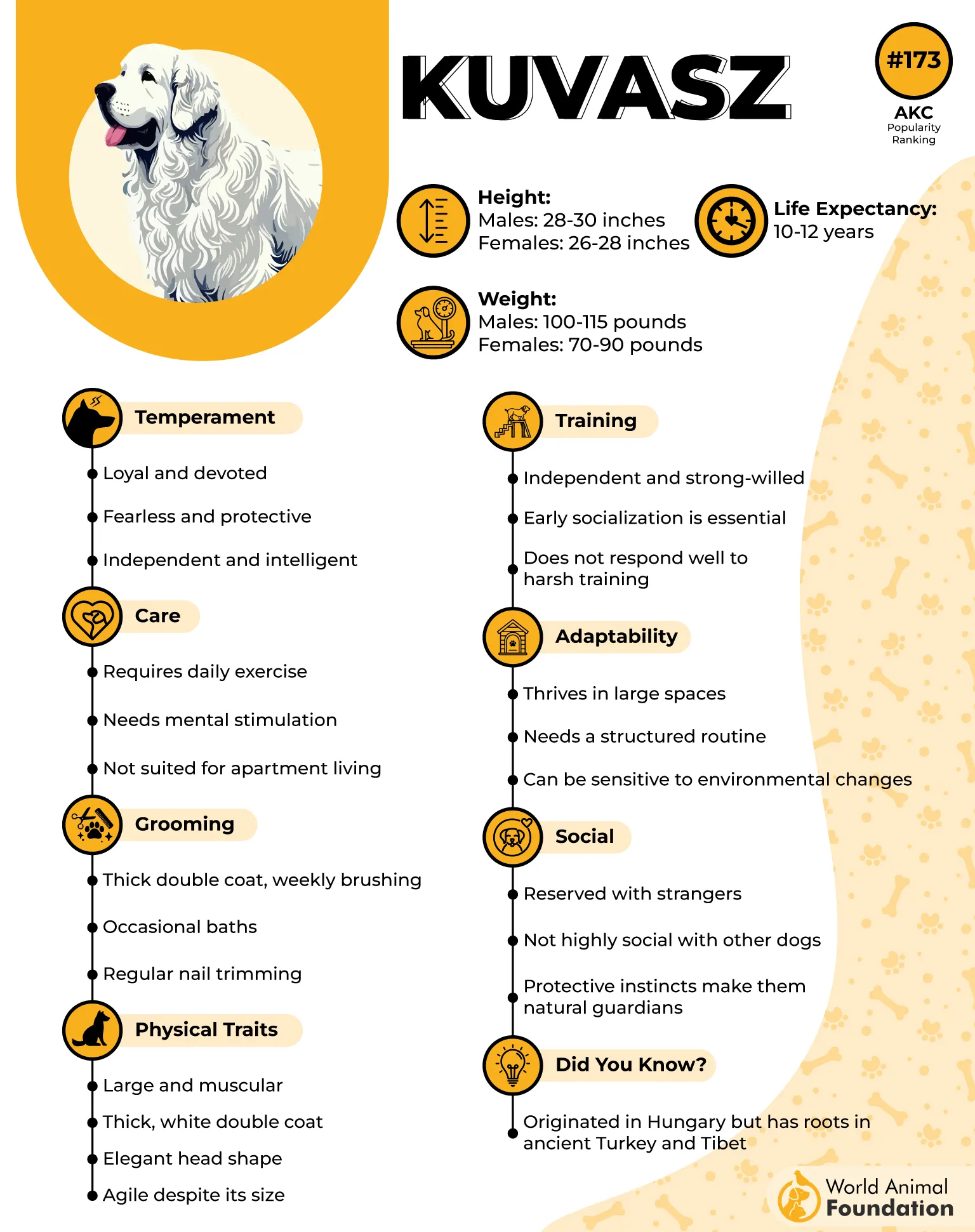
The Kuvasz served as both a flock guardian and a companion to Hungarian royalty, combining impressive strength with surprising agility when responding to danger. Its elegantly shaped head is often regarded by breed enthusiasts as one of the most striking features of its overall appearance.
Easy Coat Care
The thick white double coat consists of coarse guard hairs over a fine undercoat, offering protection while remaining fairly simple to care for. Weekly brushing is generally enough to clear away loose hair and outdoor debris, with only occasional baths needed.
A few details make this routine even more practical:
Physical strain is not recommended during the rapid growth phase
Incredibly loyal towards their pet parents
Required proper training and early socialization
Ready for Responsibility
Kuvasz combines intelligence with the confidence expected from a large working breed, making structured guidance especially valuable from an early age. A securely fenced yard provides a safer space for this agile dog while encouraging appropriate daily activity.
7. Great Dane
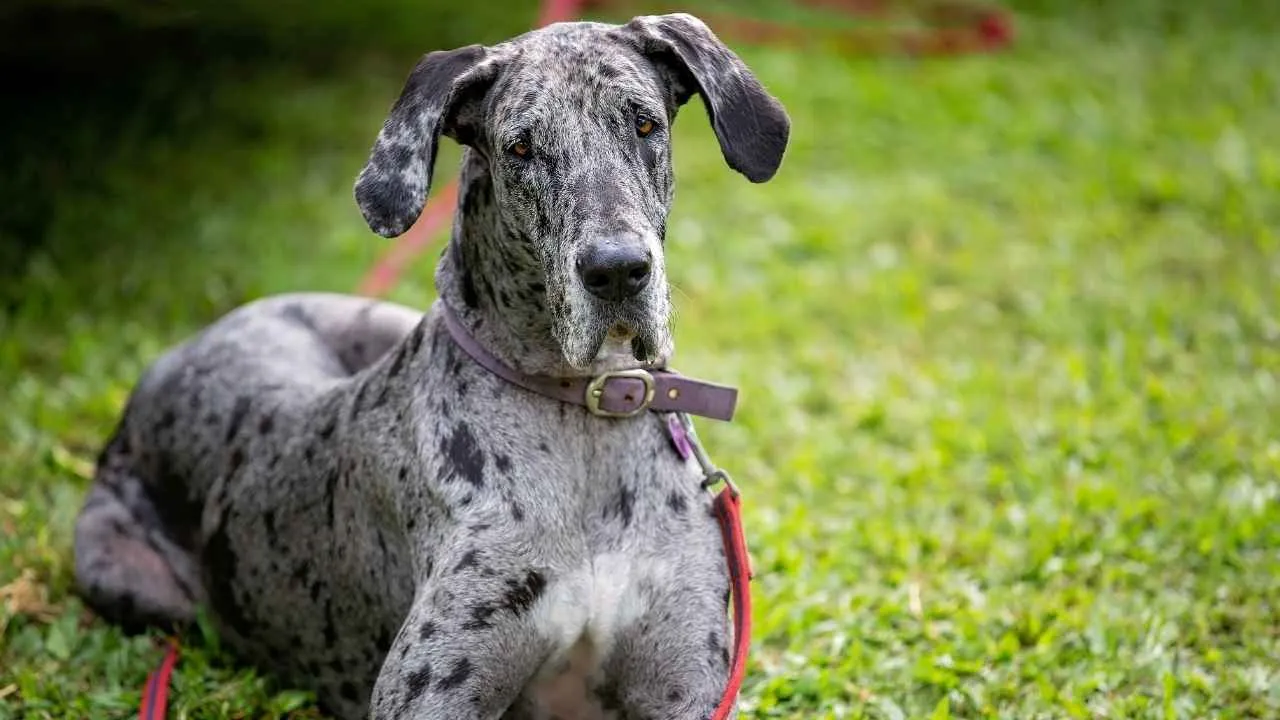
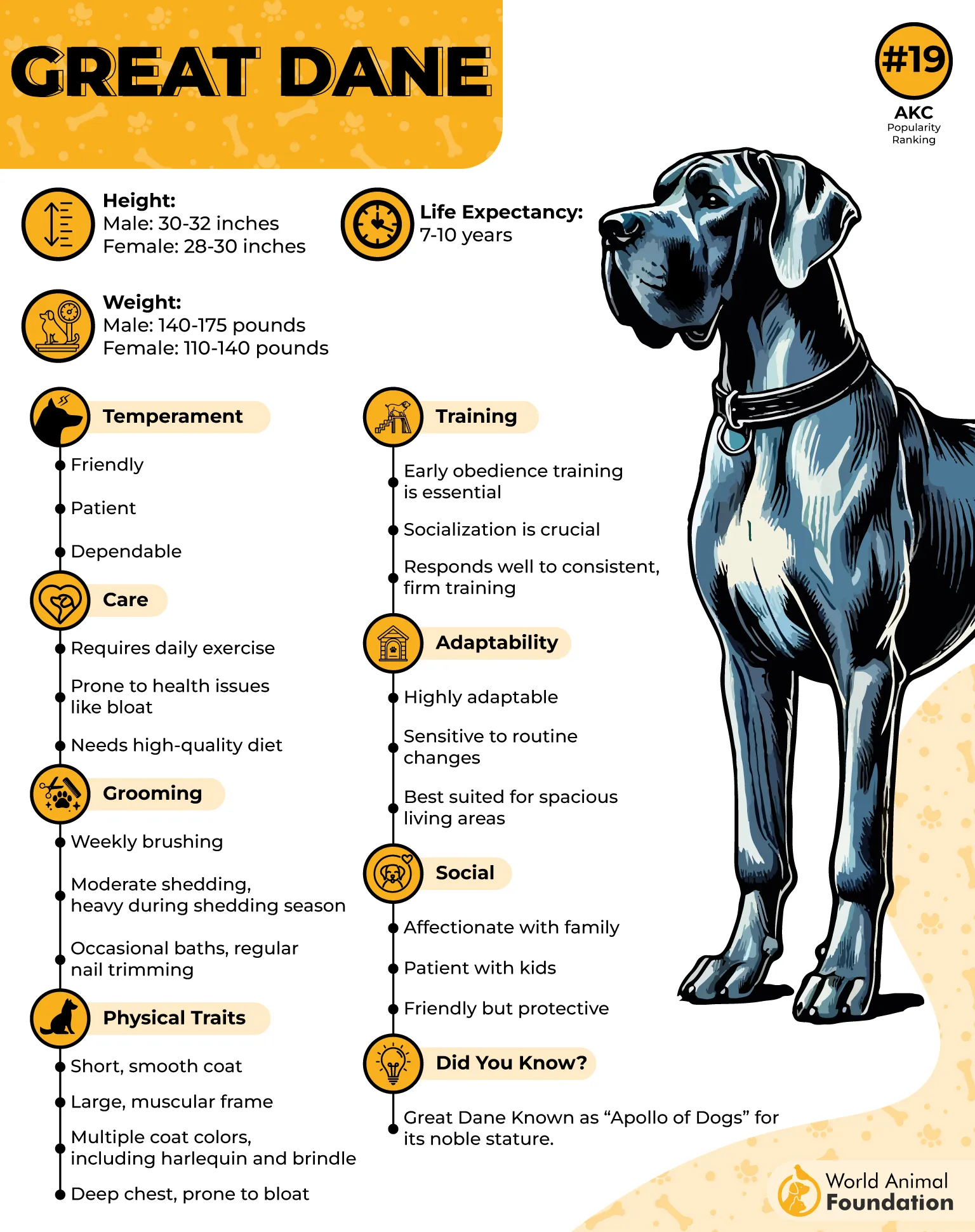
Great Dane is often called the “Apollo of Dogs,” a nickname that reflects its towering size and balanced appearance rather than its origin. When standing on its hind legs, this giant can rise taller than most people, creating an unmistakable presence at home.
Calm Around the House
A short, smooth coat keeps grooming fairly straightforward through most of the year, making weekly brushing enough for routine care. Even so, the amount of loose hair can still be noticeable simply because of the breed’s impressive size.
One look reveals a few interesting details:
Competes in tracking and flyball
Excels in weight-pull events
Easygoing and patient with children
Daily Routine
Great Danes benefit from two or three brisk walks each day, while jogging or hiking should wait until about two years of age to protect growing joints. Because this breed can follow an interesting scent without hesitation, secure fencing and a leash remain important during outdoor time.
8. Doberman Pinscher
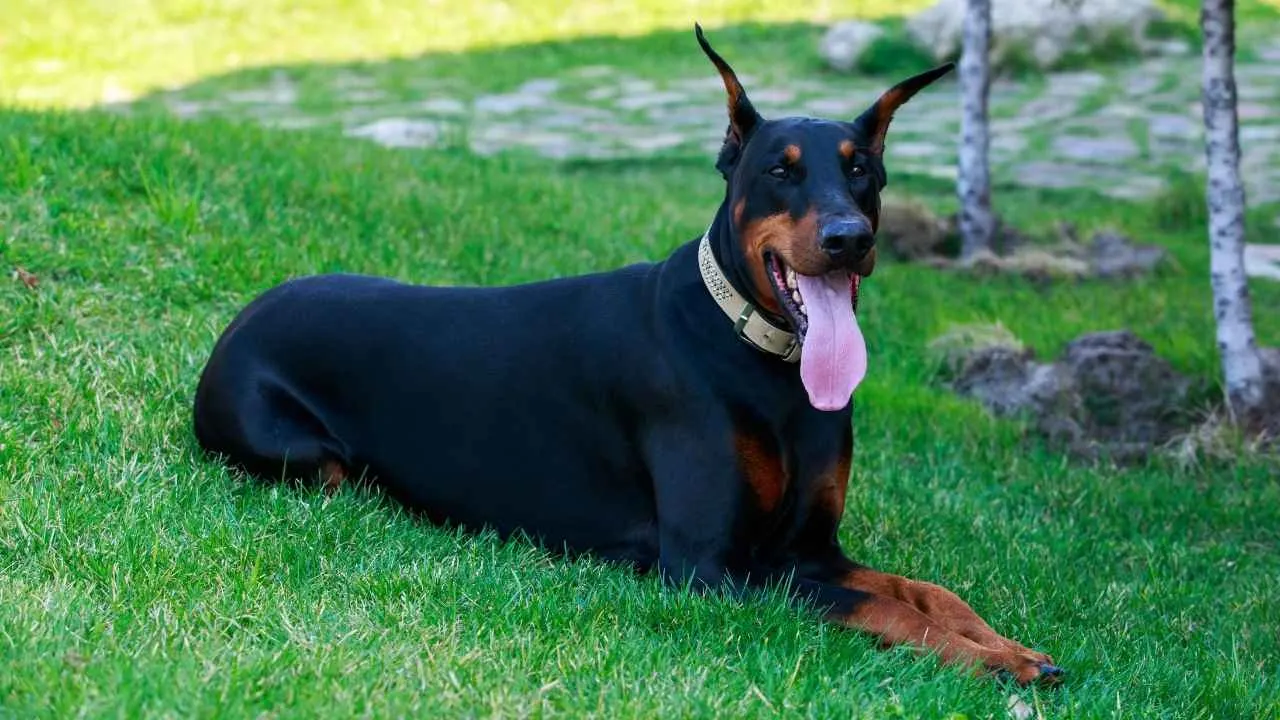
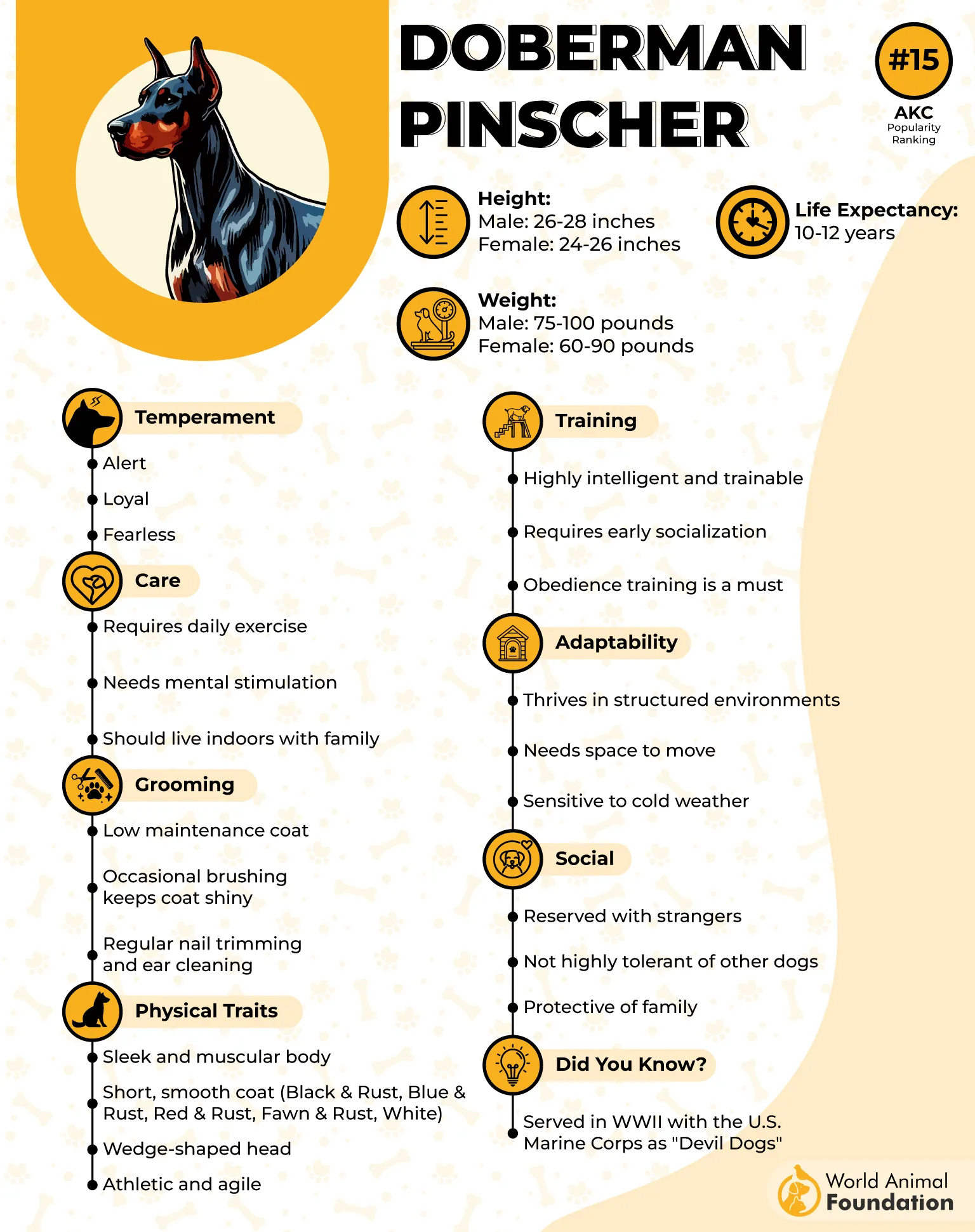
The Doberman Pinscher first took shape in Germany during the late 1800s through the efforts of tax collector Louis Dobermann, who wanted a dependable working companion. That practical beginning still reflects in this breed’s sharp awareness, quick thinking, and confident attitude.
Simple Coat Care
The short coat requires very little upkeep, making routine grooming surprisingly straightforward for such an active dog. A quick pass with a short-bristled brush or grooming mitt helps keep the coat clean and healthy without frequent baths.
The following details tell more about this breed:
Common choice for search and rescue work
Frequently selected for police duties
Grooming mitt works well for coat care
Energy With Direction
Doberman Pinschers need regular physical activity and mental challenges to prevent boredom from turning into destructive behavior. A strong prey drive also means squirrels, rabbits, guinea pigs, cats, and similar small animals can quickly capture this breed’s attention outdoors.
9. Rottweiler
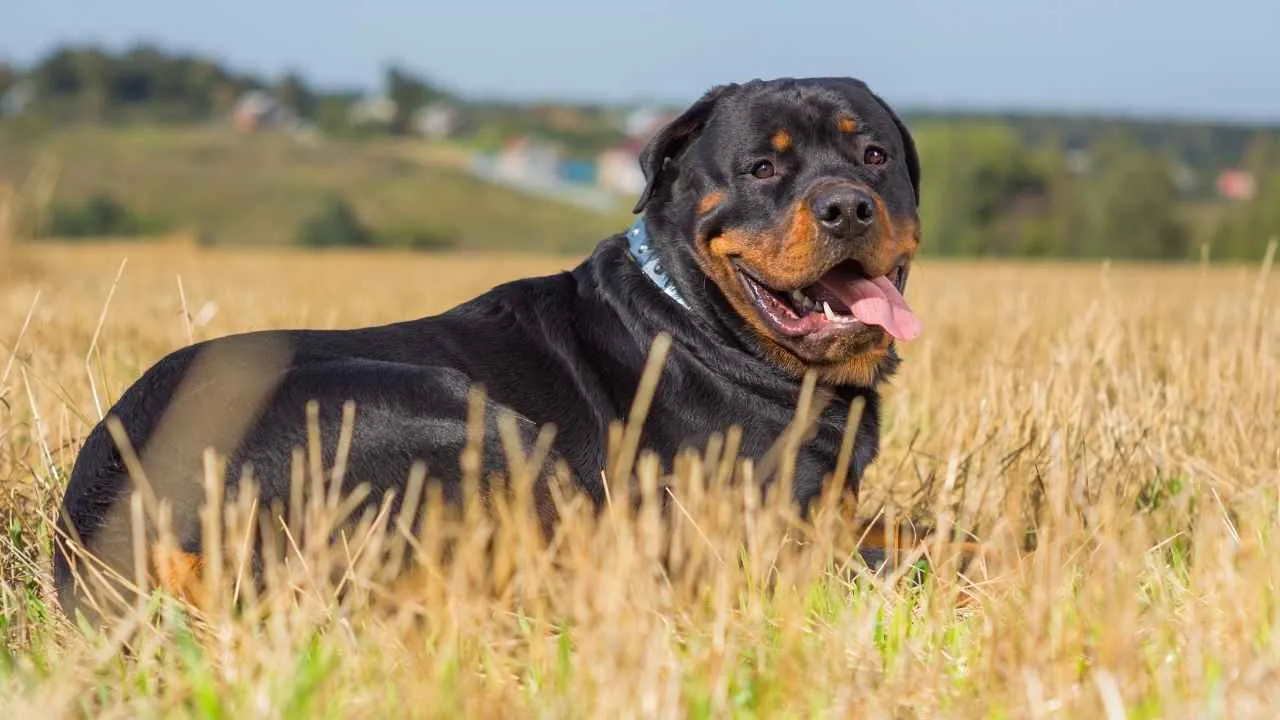
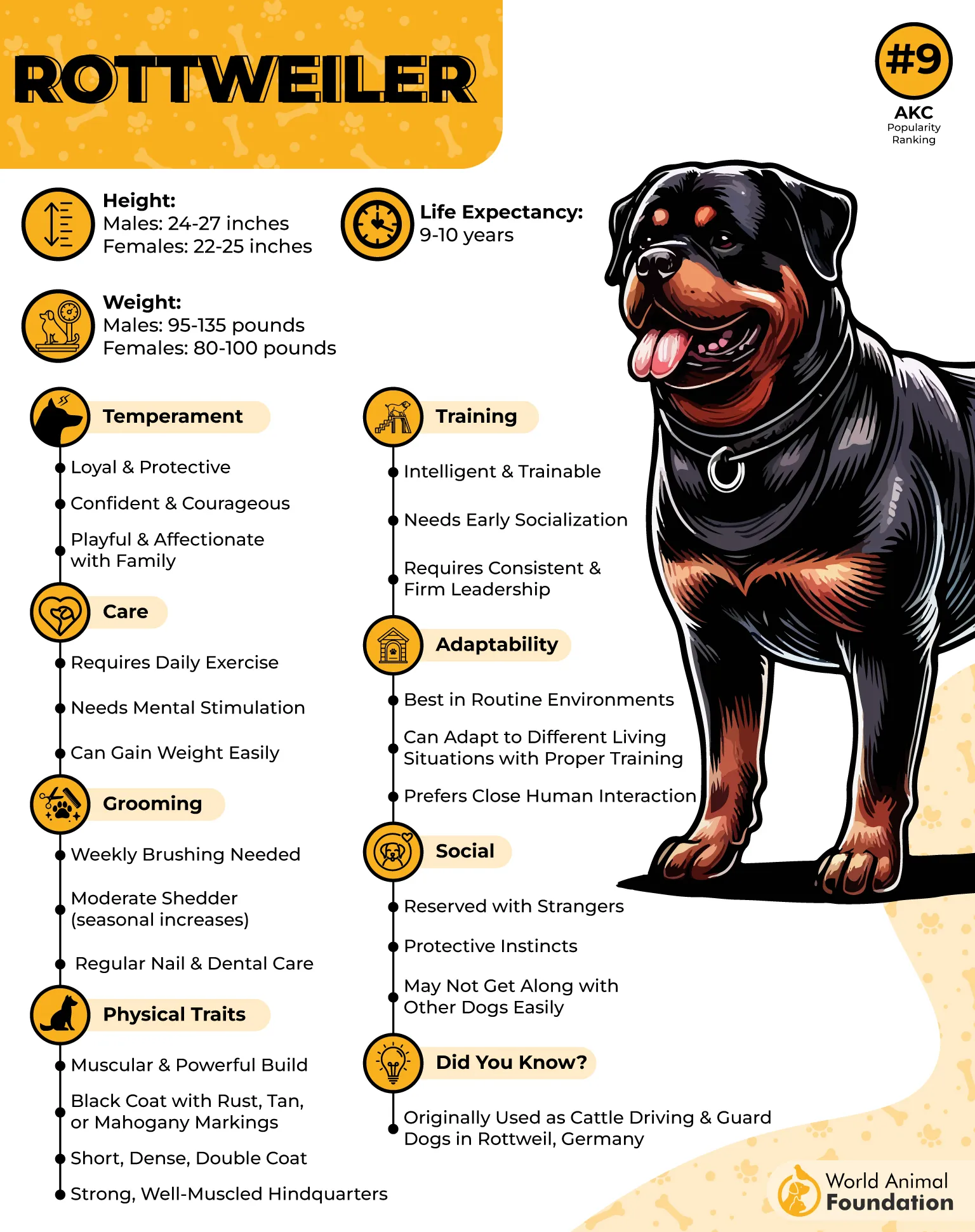
The Rottweiler descends from the powerful mastiff dogs that once accompanied Roman legions, giving this breed an impressive combination of strength and composure. Around family members, it can be playful and affectionate, while unfamiliar people are often met with calm, self-assured restraint.
Simple Coat Care
Keeping the short, smooth coat in good shape is fairly simple, though seasonal shedding can be more noticeable at certain times of the year. That practical coat is one reason the Rottweiler fits well among good guard dogs for people seeking simpler upkeep.
Another look reveals a few interesting details:
Effortless trotting gait powered by muscular hindquarters
Confident but not unnecessarily aggressive temperament
Territorial responses improve with early socialization
Balanced Temperament
The Rottweiler combines protective instincts with a composed personality when raised and trained properly from an early age. Daily exercise and mental stimulation also help direct its natural confidence into appropriate behavior, whether living in a house or an apartment.
10. Belgian Malinois
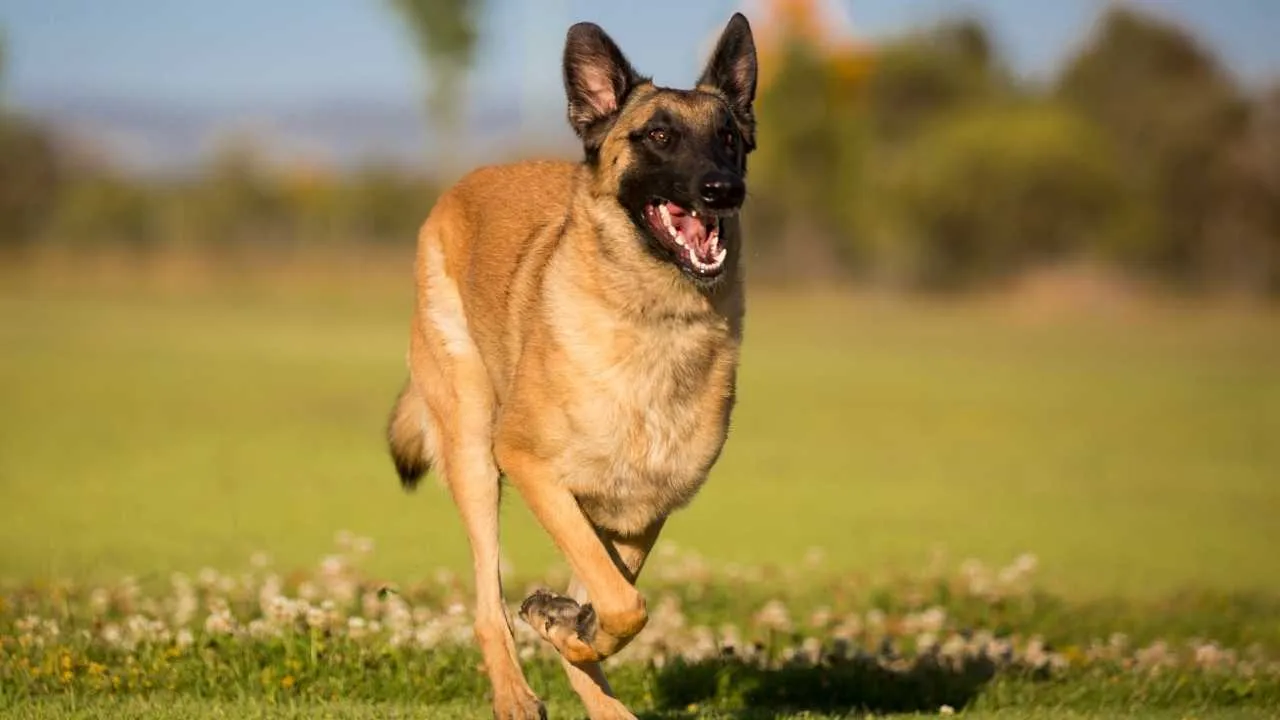
The Belgian Malinois combines confidence, intelligence, and an exceptional work ethic, qualities that have made this breed a trusted working partner across demanding roles. It forms a deeply loyal connection with its handler and responds best when included in meaningful daily activities.
Simple Coat, Practical Care
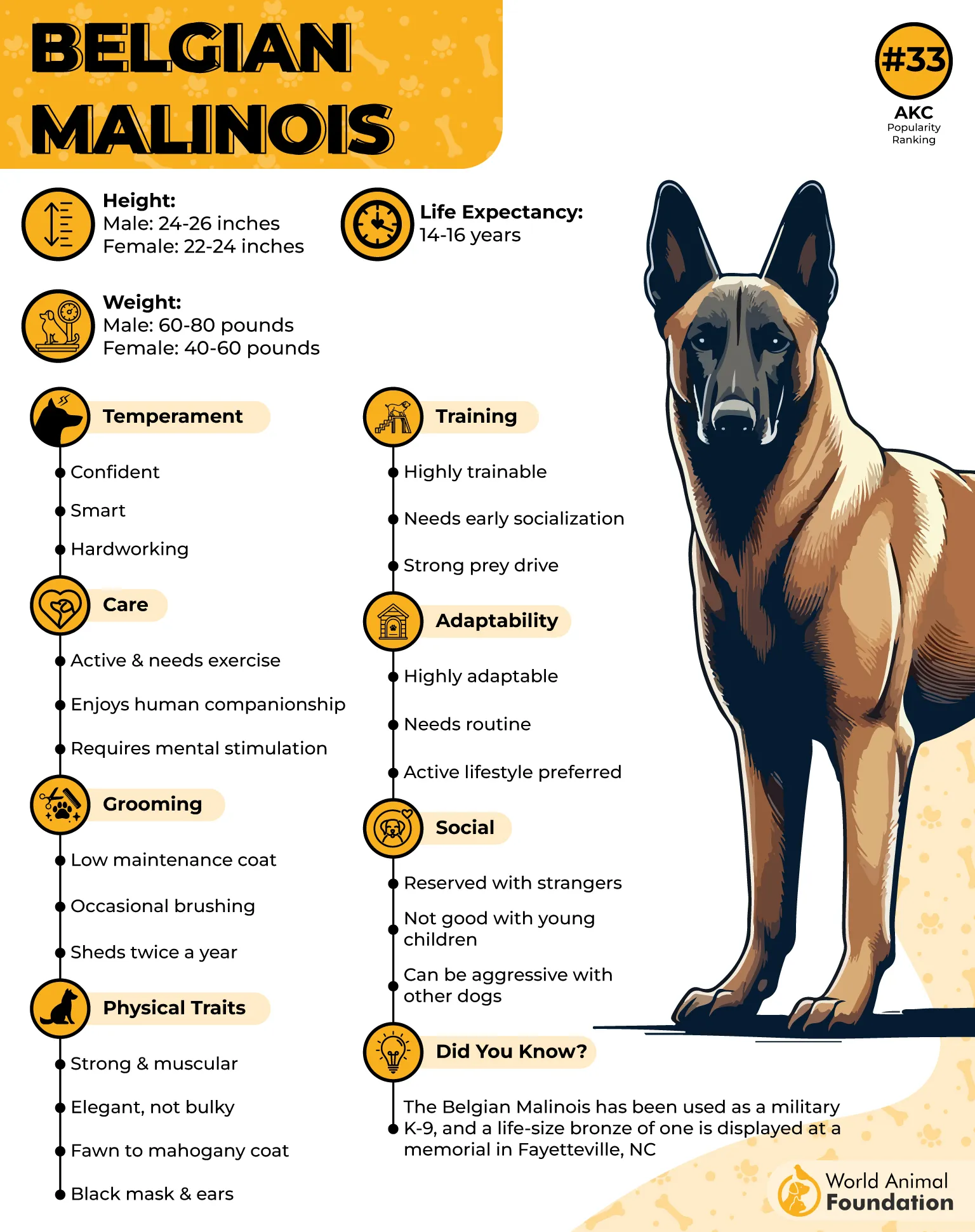
It’s waterproof, and a short coat needs very little upkeep, making routine grooming simple throughout the year. A medium-bristle brush, rubber grooming mitt, or hound glove used every so often helps spread natural oils and supports healthy hair growth.
Here are some interesting details about the breed:
Rich fawn to mahogany coat colors
Blak mask and black ears
Dark chocolate-colored eyes
Built Around Partnership
This protection dog approaches training with enthusiasm and impressive focus, something that becomes especially clear during obedience work. This people-oriented breed enjoys working alongside its favorite person, which is one reason it is also valued as one of the most devoted family pets in active households.
Conclusion
Every protective dog brings its own strengths, but choosing the right dog depends on how naturally those qualities fit your lifestyle. Daily care, exercise, grooming, and personality all shape the experience far more than appearance alone. Understanding those differences before making a decision helps create realistic expectations that benefit everyone involved.
A companion that feels comfortable with your routine is more likely to settle confidently into family life while becoming one of the great guard dogs and loving family pets. When both owner and dog complement each other well, everyday moments become easier, relationships grow stronger, and the years together feel genuinely rewarding.
