




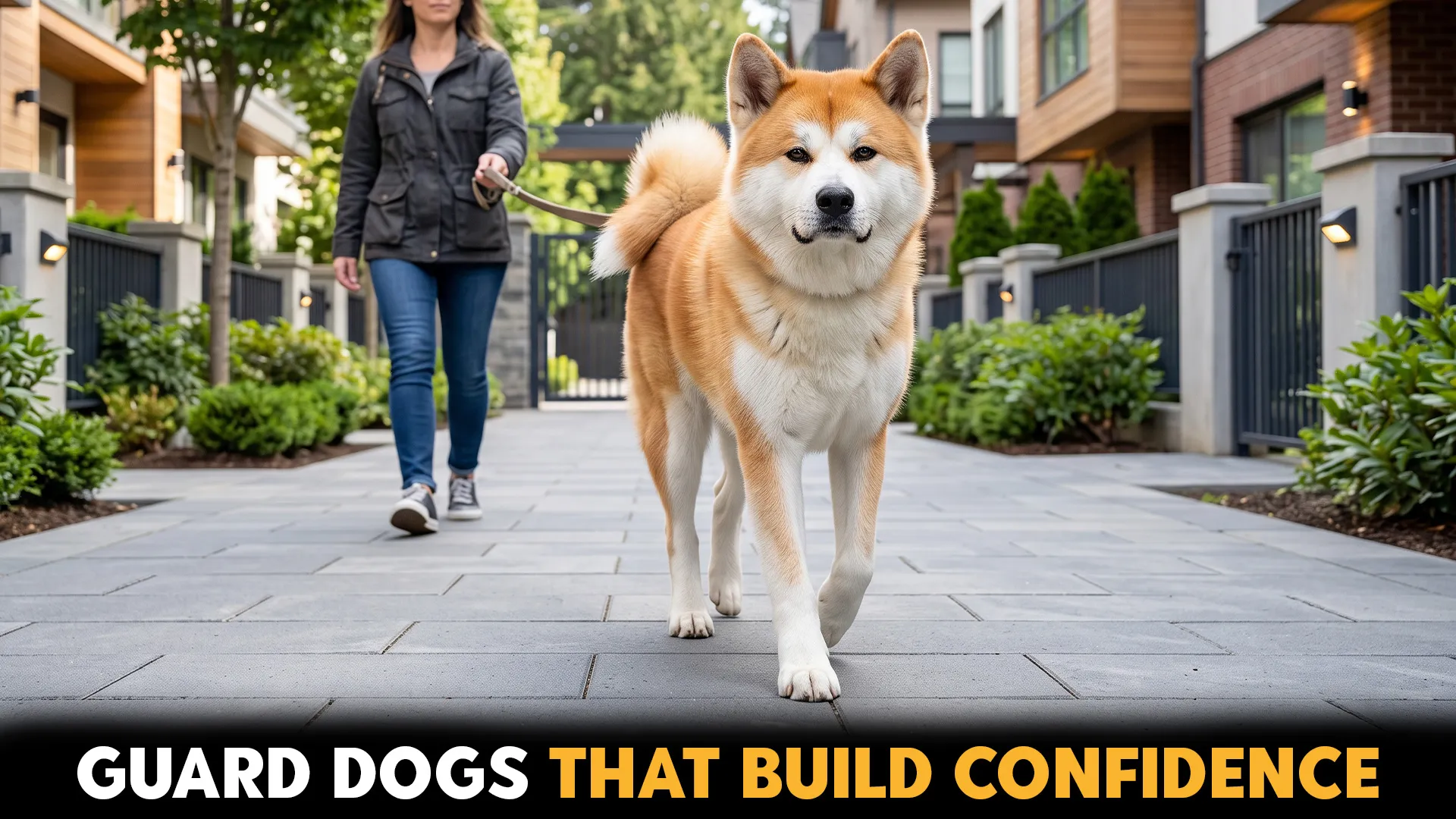
Living alone changes what you may want from a dog. Companionship still matters, but so can awareness at the door, confidence around the property, and the ability to alert you when something unusual happens.
That makes guard dog breeds especially appealing to single owners who want a stronger sense of security alongside a loyal companion. Dogs naturally use their senses to investigate unfamiliar sights, sounds, and smells, and many protective dogs are especially attentive to activity nearby.
Their response is shaped by individual temperament and training. A dependable guardian should know when to alert, when to listen, and when to relax. Daily structure matters as much as natural protective instincts. Exercise, social exposure, obedience work, and clear boundaries can influence how manageable a dog becomes at home.
If you want that useful combination of companionship and confidence, the following breeds offer useful differences in size, energy, temperament, and guarding ability.
Key Takeaways
Living alone can make a dog’s awareness around the home feel especially reassuring, particularly when every unfamiliar sound gets noticed.
German Shepherd starts the list with a serious presence, a powerful bark, and the focus to keep watching what is happening around its home.
Doberman Pinscher follows with speed, strength, and a protective nature that needs steady training, while Akita brings a quieter style of guarding and a strong sense of territory.
From the powerful Cane Corso and Rottweiler to the highly driven Belgian Malinois and loyal Boxer, the differences become especially interesting as you reach the end.
Best Guard Dog Breeds for Single Owners Seeking Confidence
1. German Shepherd
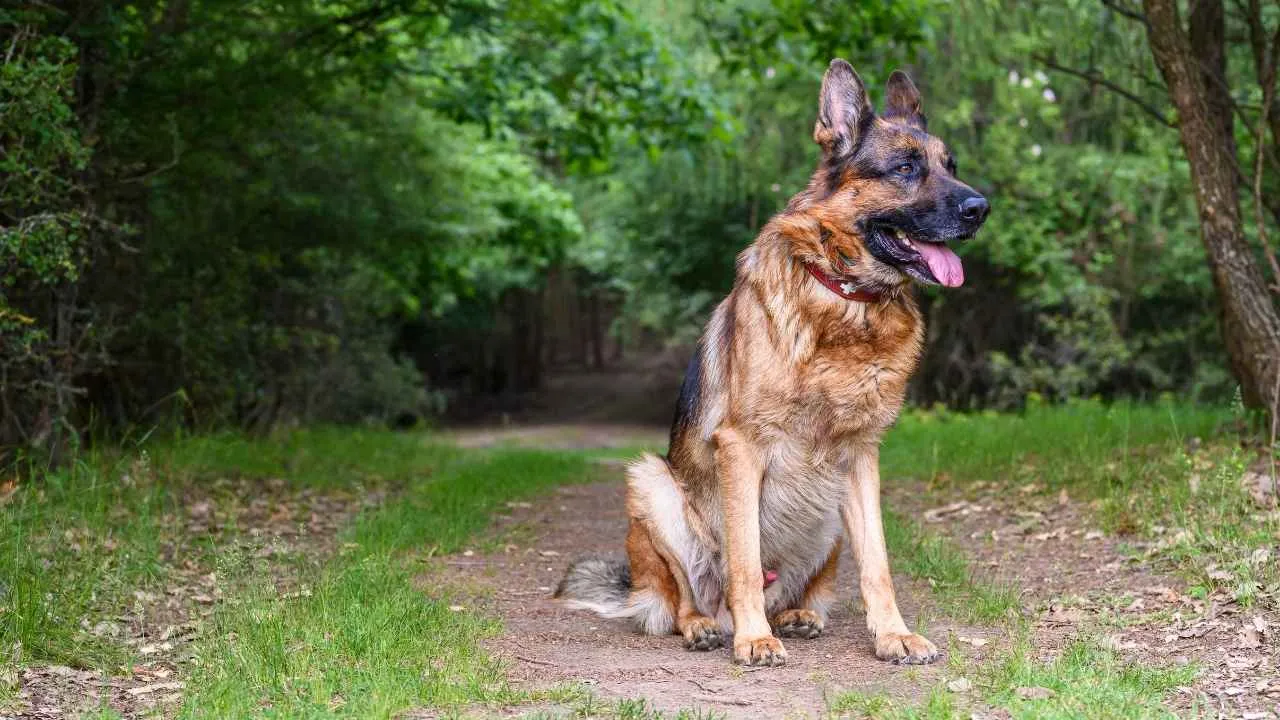
German Shepherd began in Germany through efforts to produce a capable flock guardian and herding dog, with later breeding placing greater emphasis on intelligence and courage.
According to Omlet, the breed was also called the Alsatian after World War I before kennel clubs returned to its original name during the 1930s.
A Serious Deterrent
This ferocious guard dog has become widely used in police and military work, search and rescue, customs, guiding, and home protection. Its imposing appearance and forceful bark can make an unfamiliar person think twice about approaching a property or its owner.
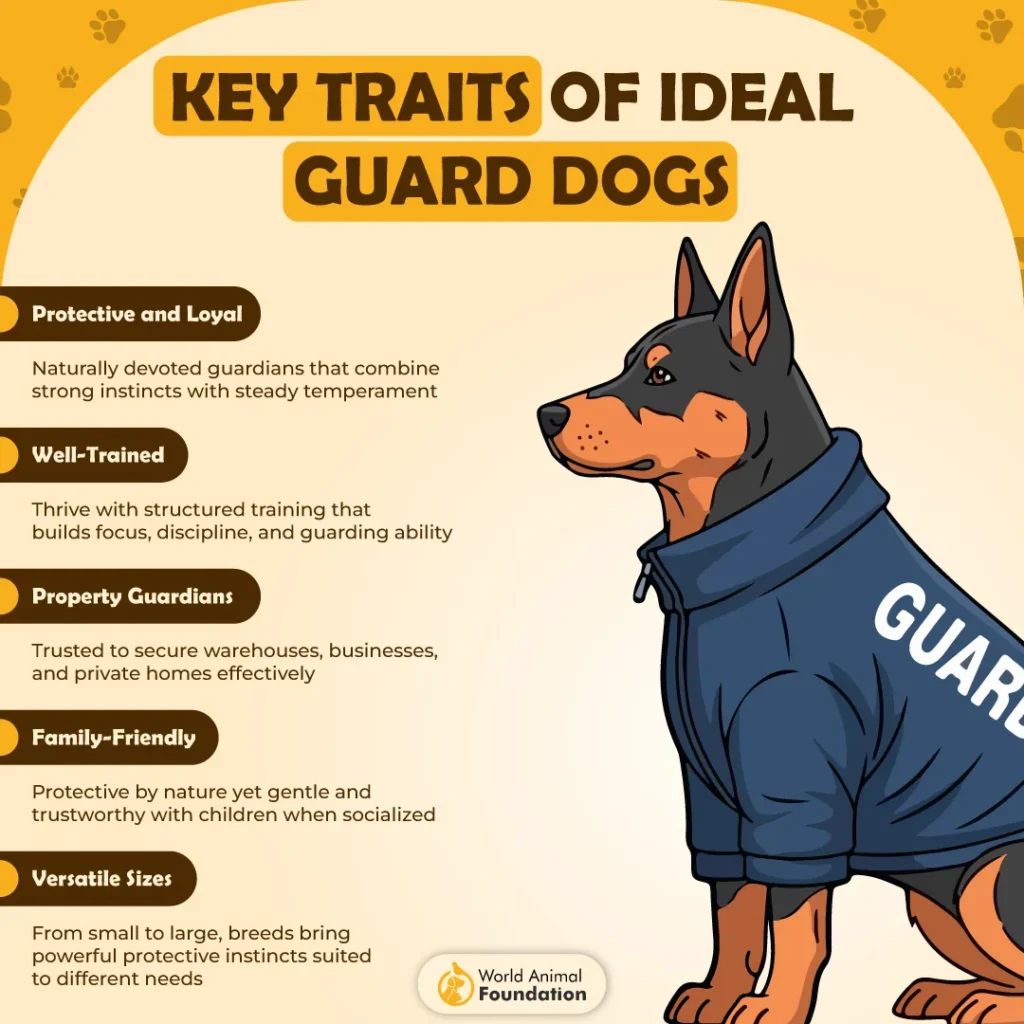
These specific characteristics add to its protective profile:
Muscular, confident, and determined
Strong enough to break the bones of their target
Highly motivated to work with a familiar handler
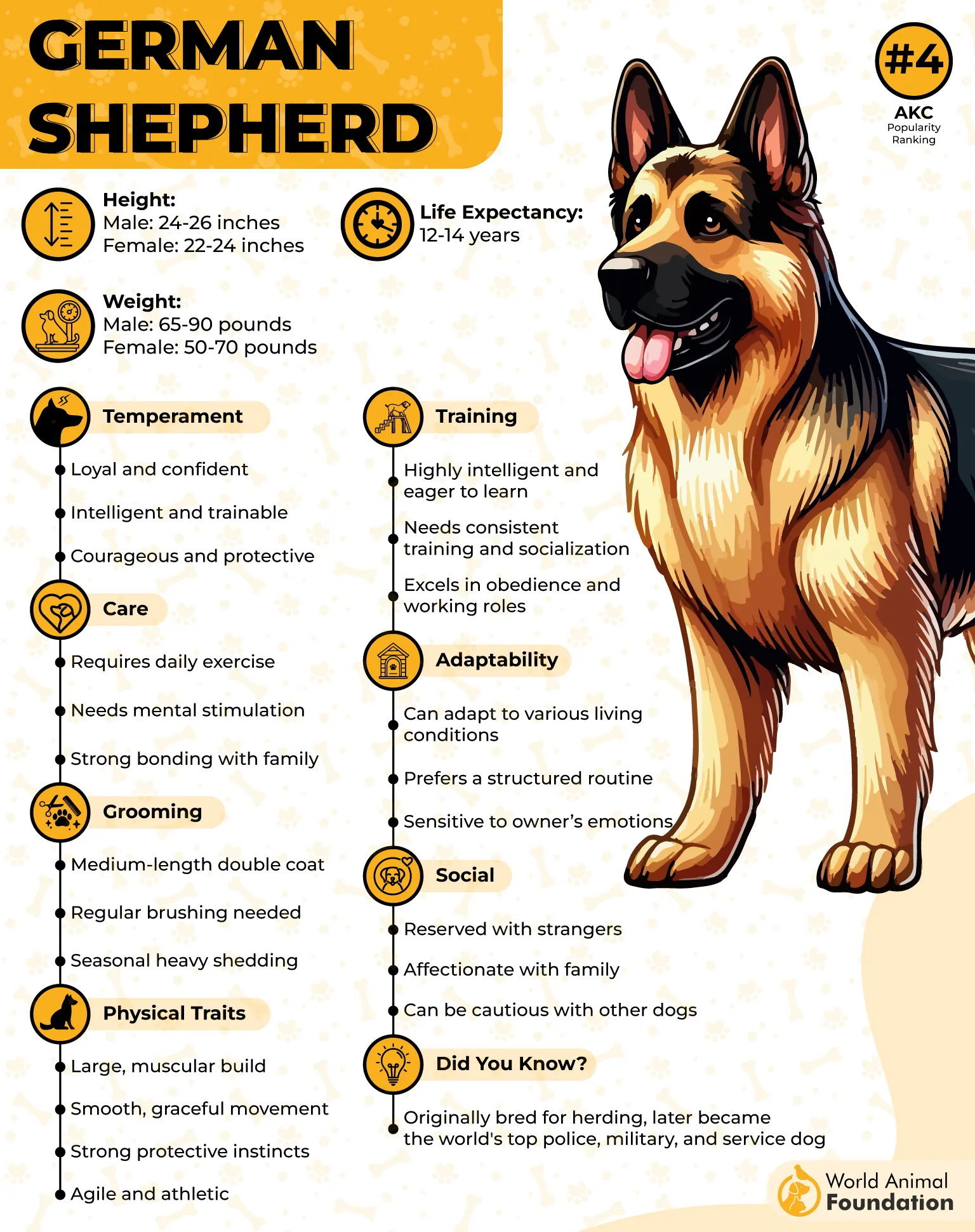
Constantly Observant
German Shepherds can remain focused on unfamiliar people even after an introduction, carefully watching their actions and movements. That intense attention can extend to everyday activity, from a neighbor leaving for work to a new delivery person arriving at the house.
2. Doberman Pinscher
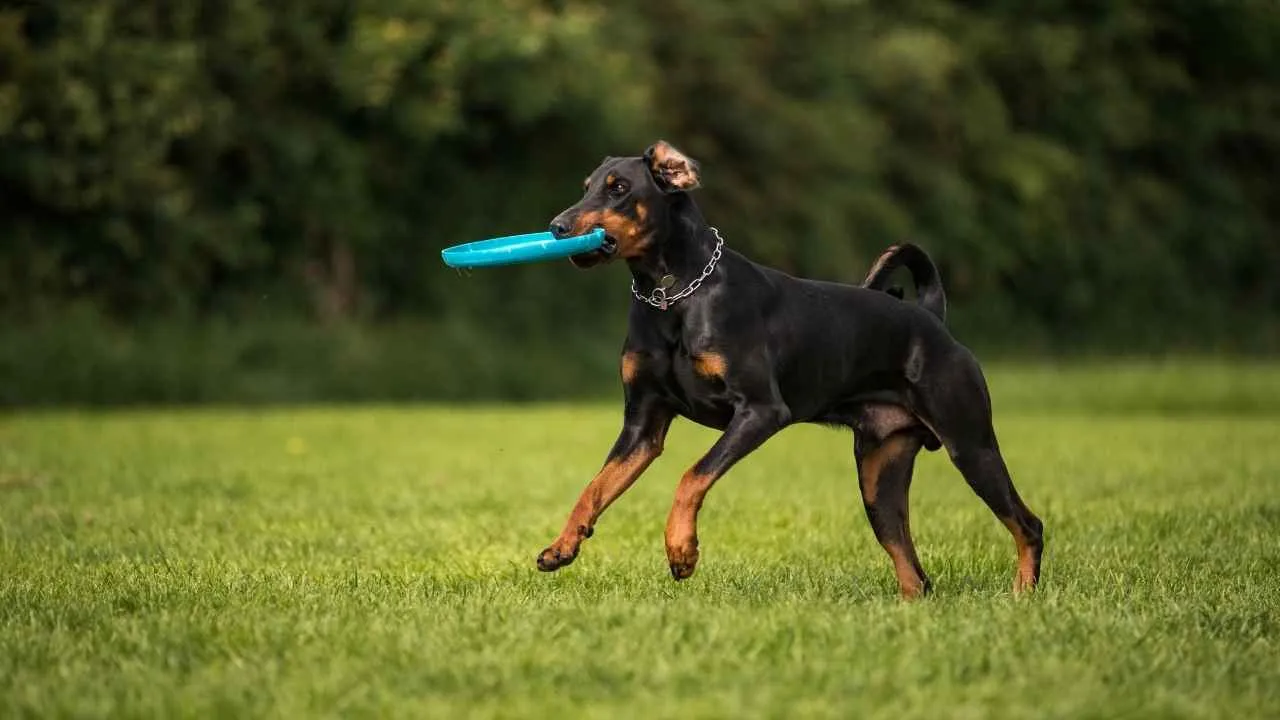
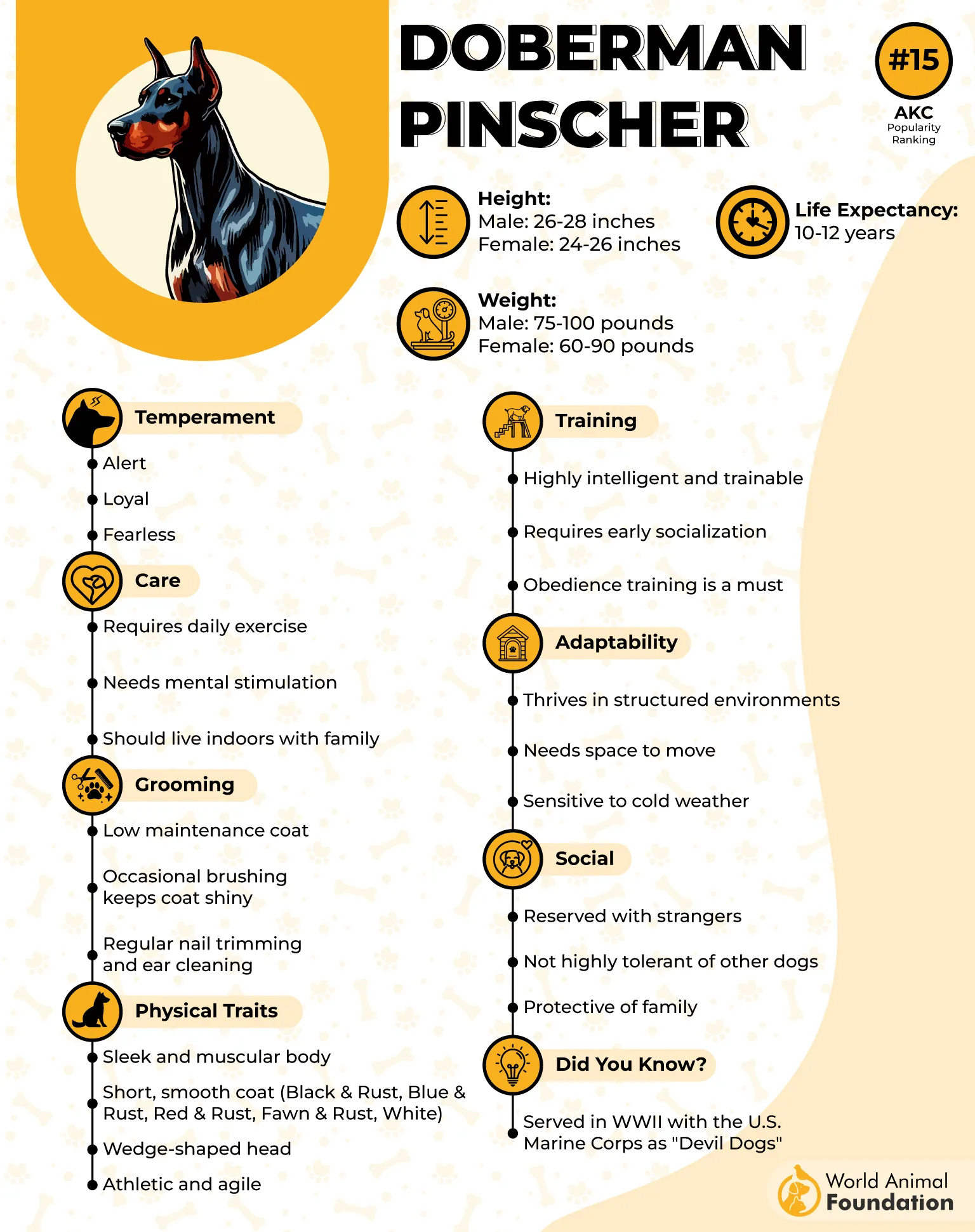
Louis Dobermann, a tax collector from Thuringia, Germany, developed the Doberman Pinscher to have a reliable guard dog while making his rounds. The breed’s early development likely involved the Old German Shepherd, German Pinscher, Weimaraner, and Manchester Terrier.
Built for Protection
This large, strong breed combines a muscular frame with speed and endurance, giving it physical qualities suited to demanding protection work.
For a single person, the distinction between gender can also matter, as females tend to focus more closely on protecting one person.
These traits are especially useful when considering this breed:
Males tend to guard property more strongly
Females generally mature earlier
Females are typically more agile
Training Sets the Tone
Doberman Pinschers need patient, consistent instruction so they direct their protective instincts toward appropriate, controlled responses, as noted by the AKC. Obedience work can come first, followed by barking on command, boundary training, and a reliable “leave it” cue for everyday situations.
3. Akita
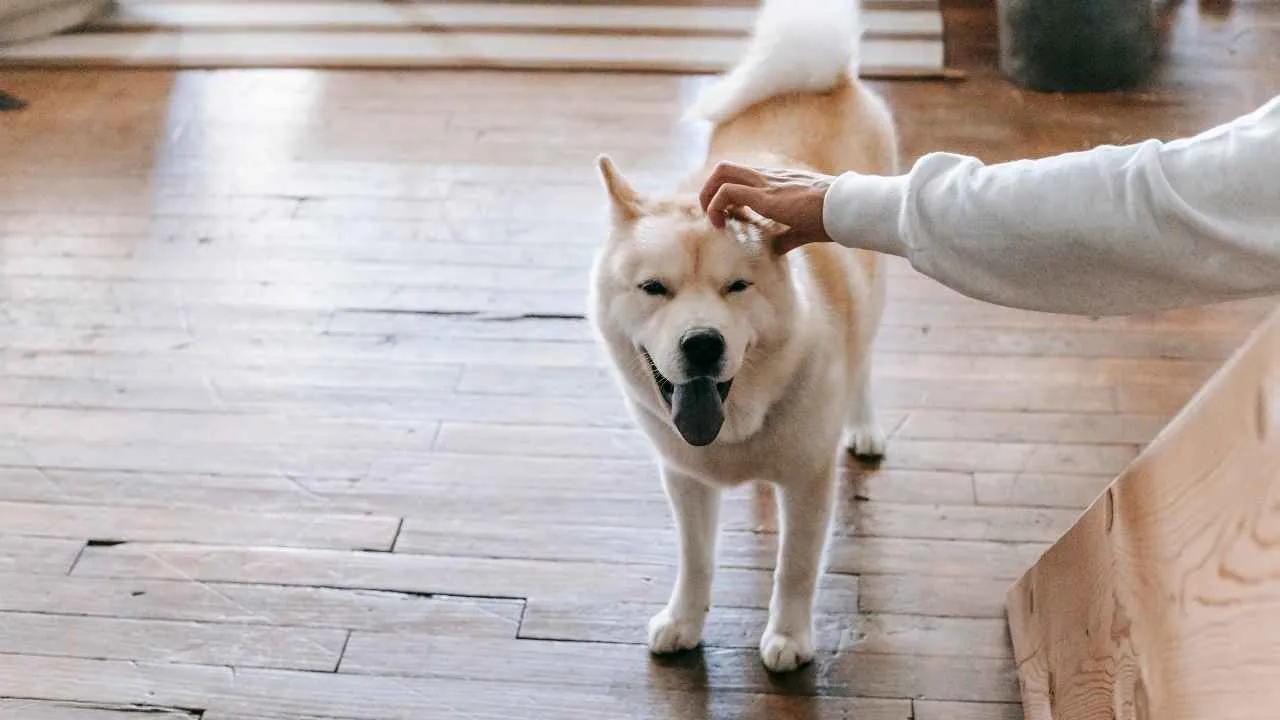
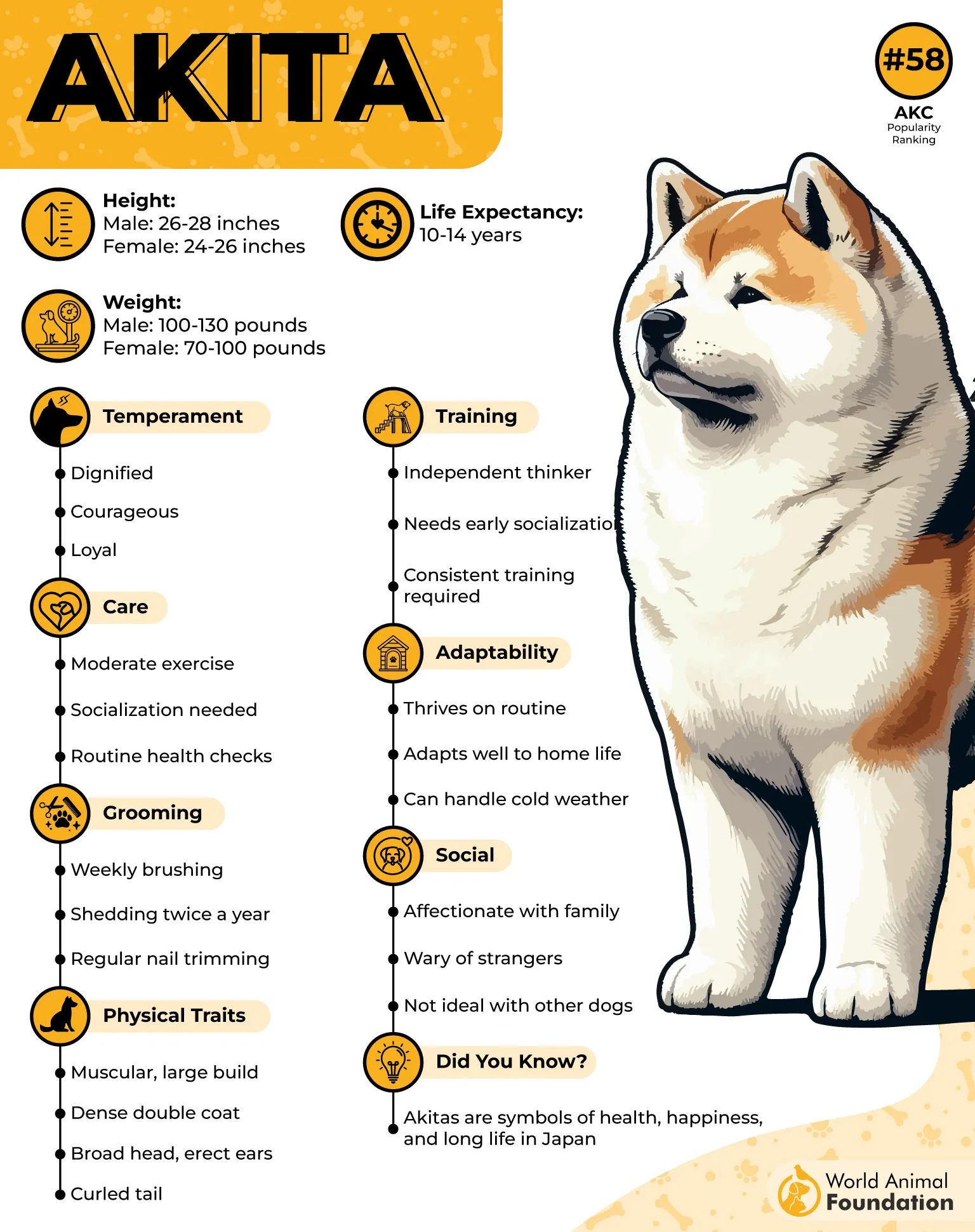
Akita traces its roots to 17th-century Japan, where people used it to hunt deer, wild boar, and even bears in challenging terrain. The breed later came close to extinction several times before recovering, and today it is one of seven Japanese breeds recognized as national monuments.
A Quiet Watch
Akita’s protective instinct makes it particularly relevant for someone living alone, as the breed can place itself between its family and a perceived threat. It also alerts the household when someone enters its territory without relying on constant barking.
The following details make that protective role more specific:
Courageous without being hyperactive
Territorial awareness around the home
Boisterous play can trigger overprotective behavior
Selective Social Circle
This personal protection dog may accept pets it has grown up with, although it can sometimes try to take charge among other animals in the household.
Unfamiliar dogs can be a different matter, while opposite-sex pairings may make household harmony easier and reduce potential tension, as Orvis claims.
4. Cane Corso
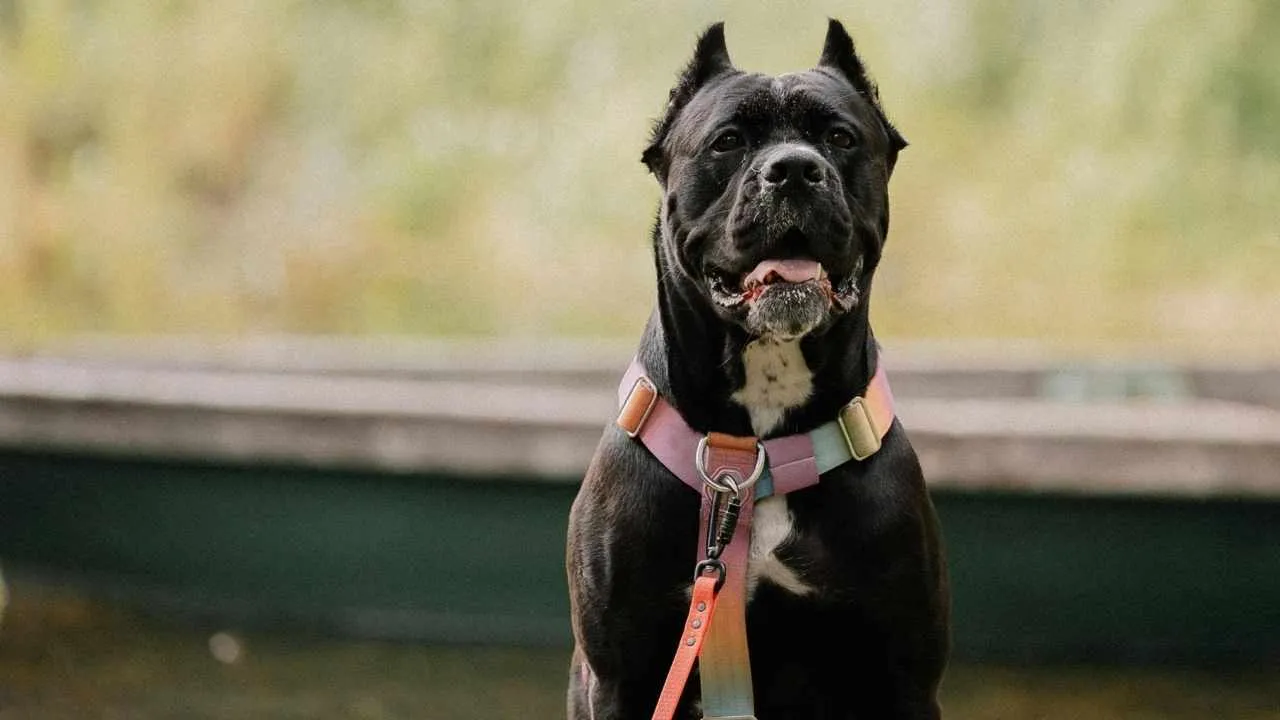
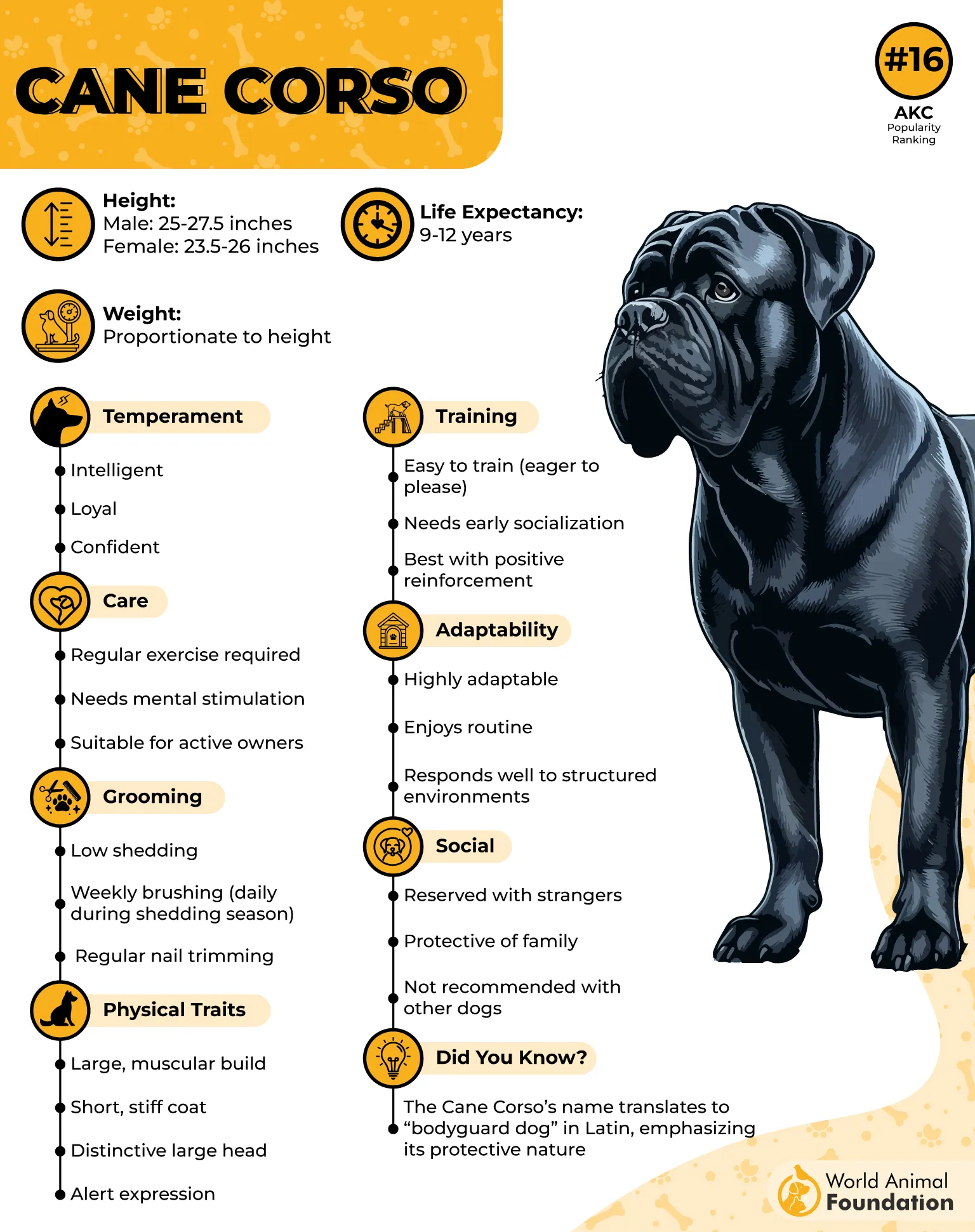
Cane Corso descends from ancient Molosser dogs linked to Greek tribes, whose large Mastiff-type dogs served as guardians. Roman forces later brought these dogs to Italy, where their descendants took on military roles before becoming farm guardians, hunters, and herding dogs.
A Serious Watchdog
Cane Corso has a naturally protective temperament and strong territorial instincts, making clear training especially important for a single owner managing a powerful guardian.
Early socialization can teach the dog when unfamiliar people or animals are harmless and when an alert response is appropriate.
Its working nature is backed by an athletic frame:
Muscular, athletic build
Broad head with exceptionally large jaws
Smooth, powerful gait
Smart and Sensitive
This highly effective guardian learns quickly and responds well to reward-based training using praise, treats, and clear commands.
With its own family, this intelligent guardian can be deeply affectionate, while positive socialization helps it respond more calmly to visitors and unfamiliar animals.
5. Rottweiler
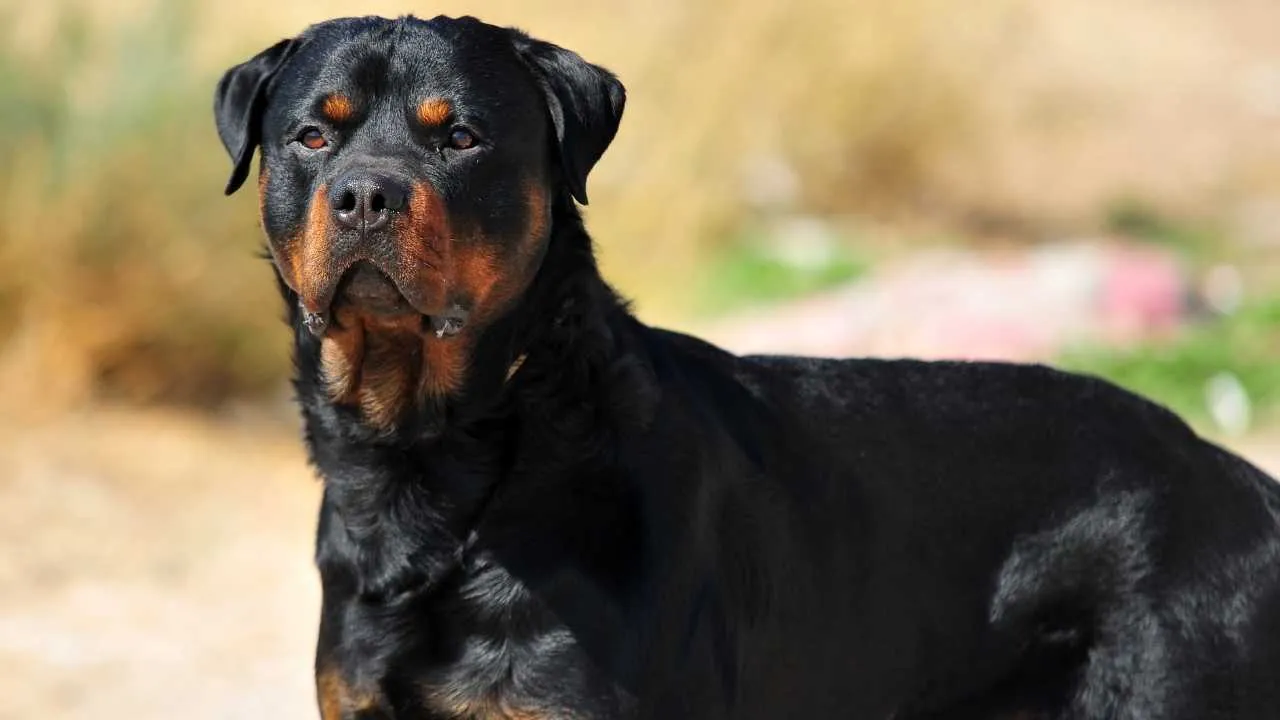
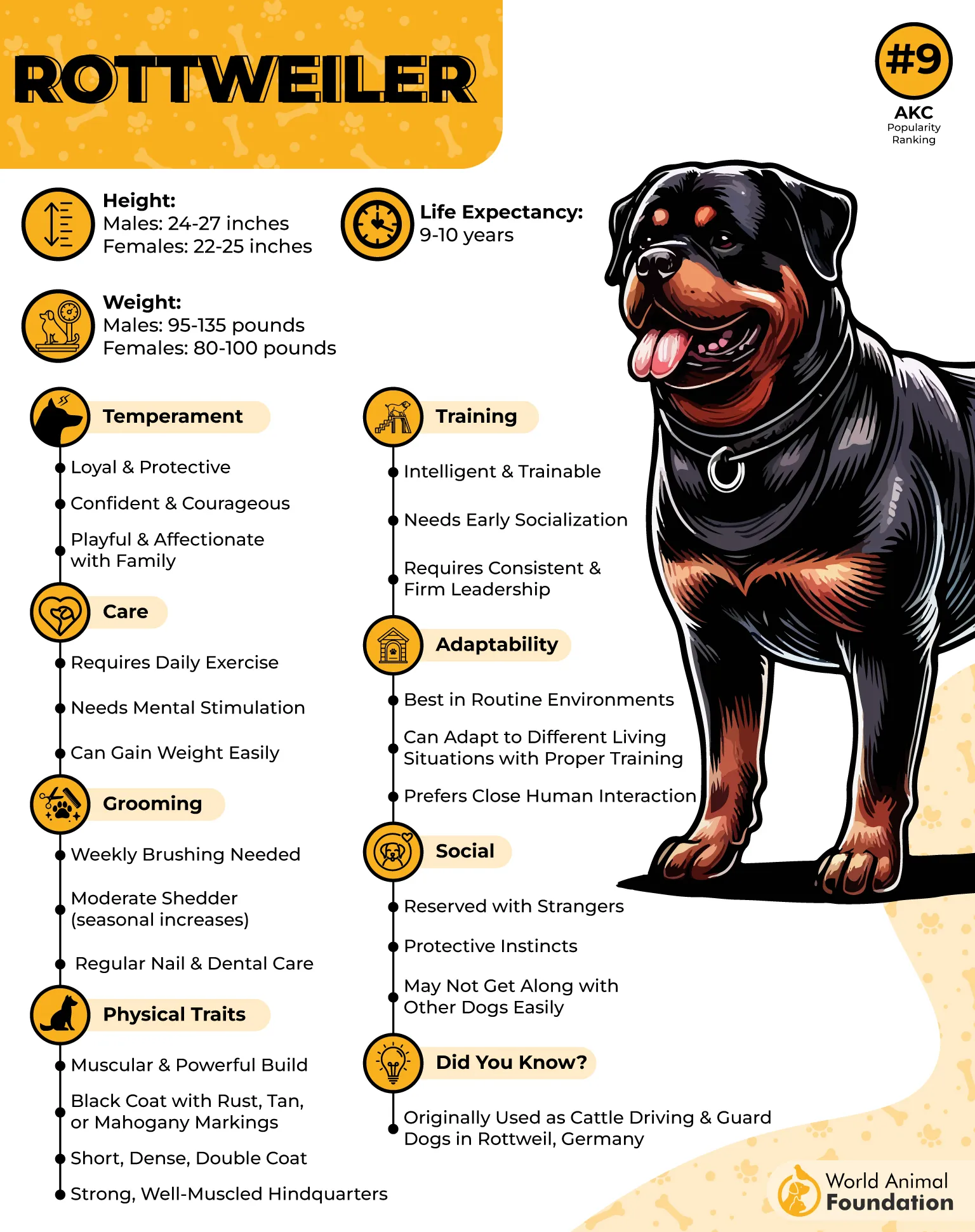
Rottweiler was developed as a working dog in southern Germany, with roots linked to Roman cattle-driving dogs used around the town of Rottweil. Its jobs included guiding cattle to market, pulling butcher carts, and guarding property while valuable goods were being handled.
A Serious Guardian
Rotties have an innate guarding instinct toward their family and territory, making training especially important when this powerful breed is kept as a personal guardian.
Professional guidance can teach it to distinguish ordinary household interactions from situations that genuinely require a response.
Three details are especially relevant here:
Black coat can appear intimidating to strangers
Calmly assesses situations before acting
Strong will can test boundaries
Watchful by Nature
The protective behaviour of this large dog pays close attention to its surroundings and can notice potential hazards before the people around it do.
That same awareness extends to familiar routines and emotional cues, allowing the breed to remain closely tuned to what is happening around its household.
6. Belgian Malinois
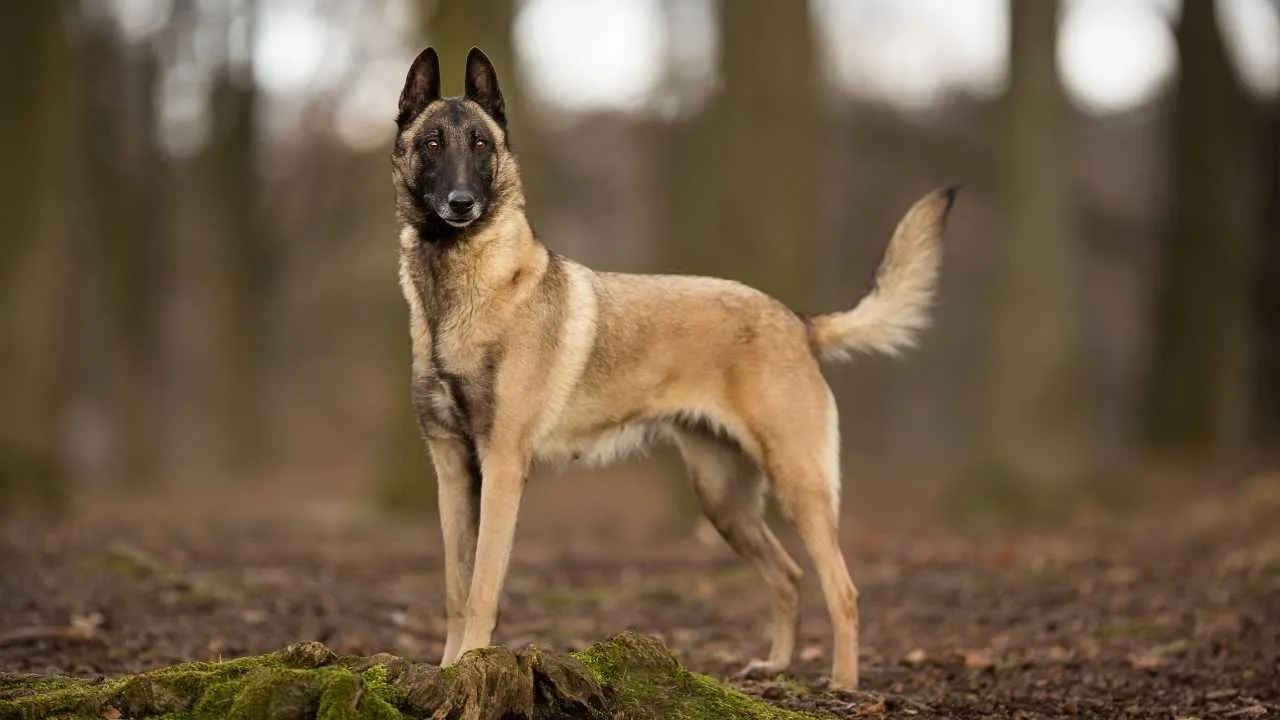
Belgian Malinois began as a shepherding dog in Belgium, with serious breeding efforts taking shape in the late 1800s for intelligence, agility, guarding, and livestock work. By the 1950s, its abilities had gained recognition in military and police work, including demanding detection tasks.
A Serious Guardian
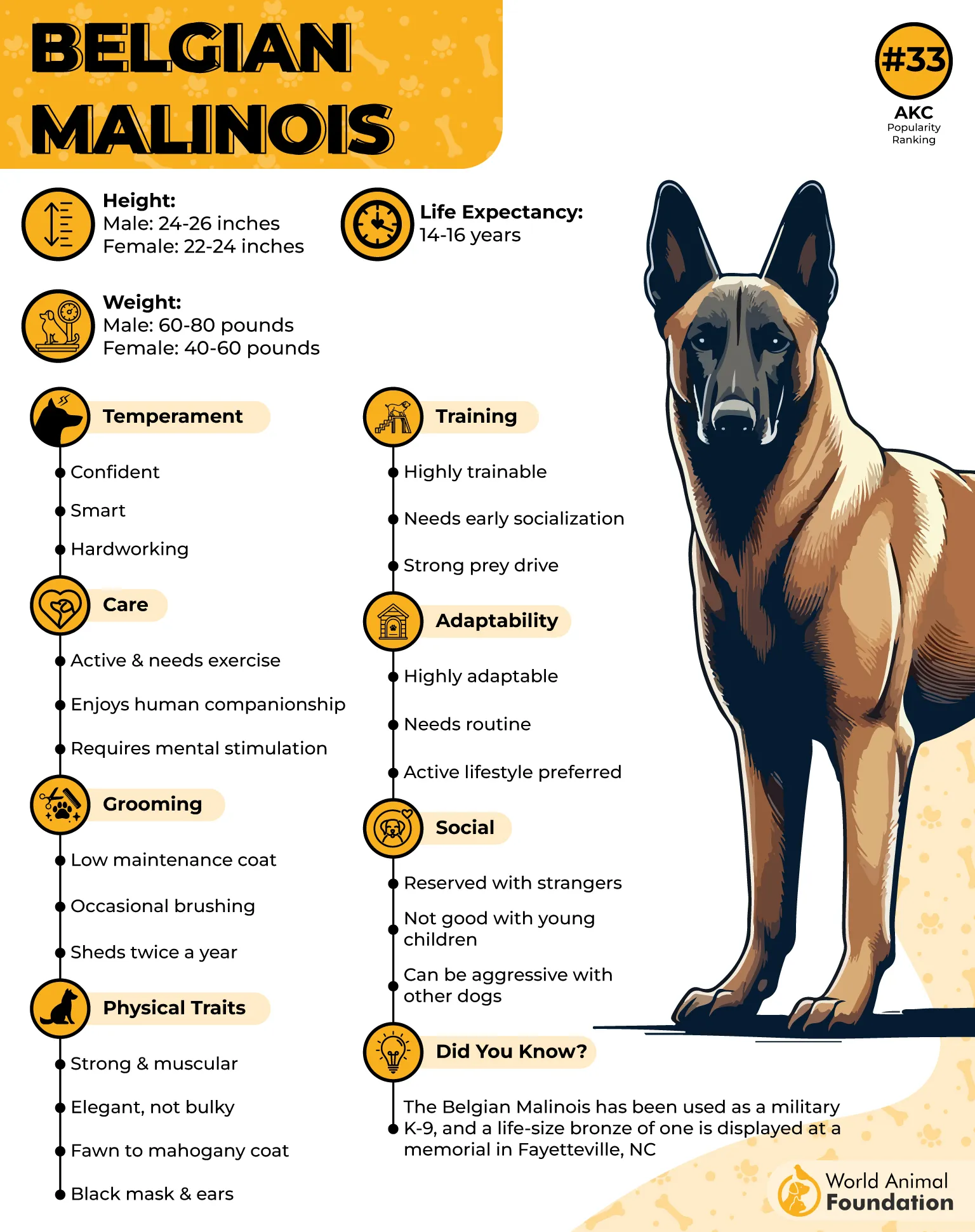
Belgian Malinois is highly territorial and protective of its surroundings, qualities that can matter to a single owner responsible for securing a home or property. Its strong work ethic also makes it eager to learn and responsive when training has a clear purpose.
These abilities reveal just how much this breed can learn:
Bomb and drug detection
Search-and-rescue training
Advanced agility work
Training With Purpose
These formidable protectors can learn complex tasks such as finding people, playing structured search games, and interacting appropriately with humans and animals. Training sessions need careful pacing, since raised hackles, growling, or reduced attention can signal that the dog needs a break.
7. Boxer
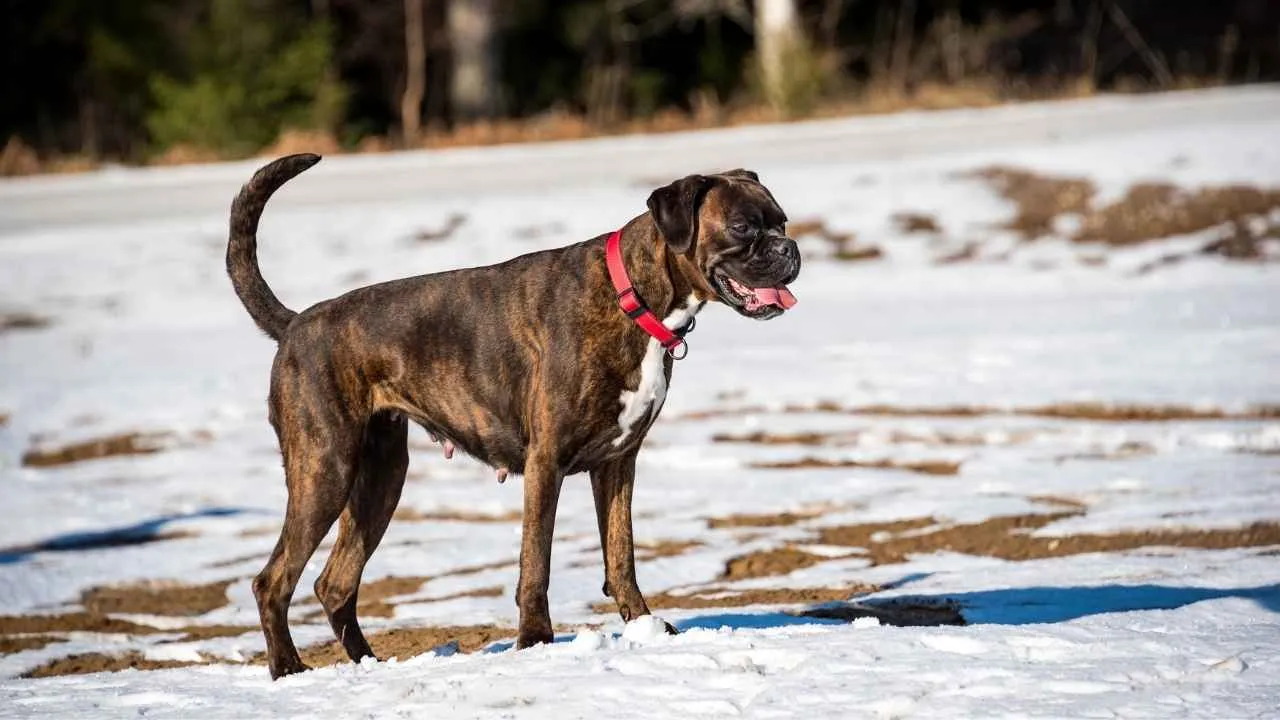
Boxer originated in Germany from a cross between the German Bullenbeisser and Bulldog, with early work involving cattle control at slaughterhouses. By 1903, the breed had reached America, and its wartime roles later included messenger and guard duties.
Quick to Read a Threat
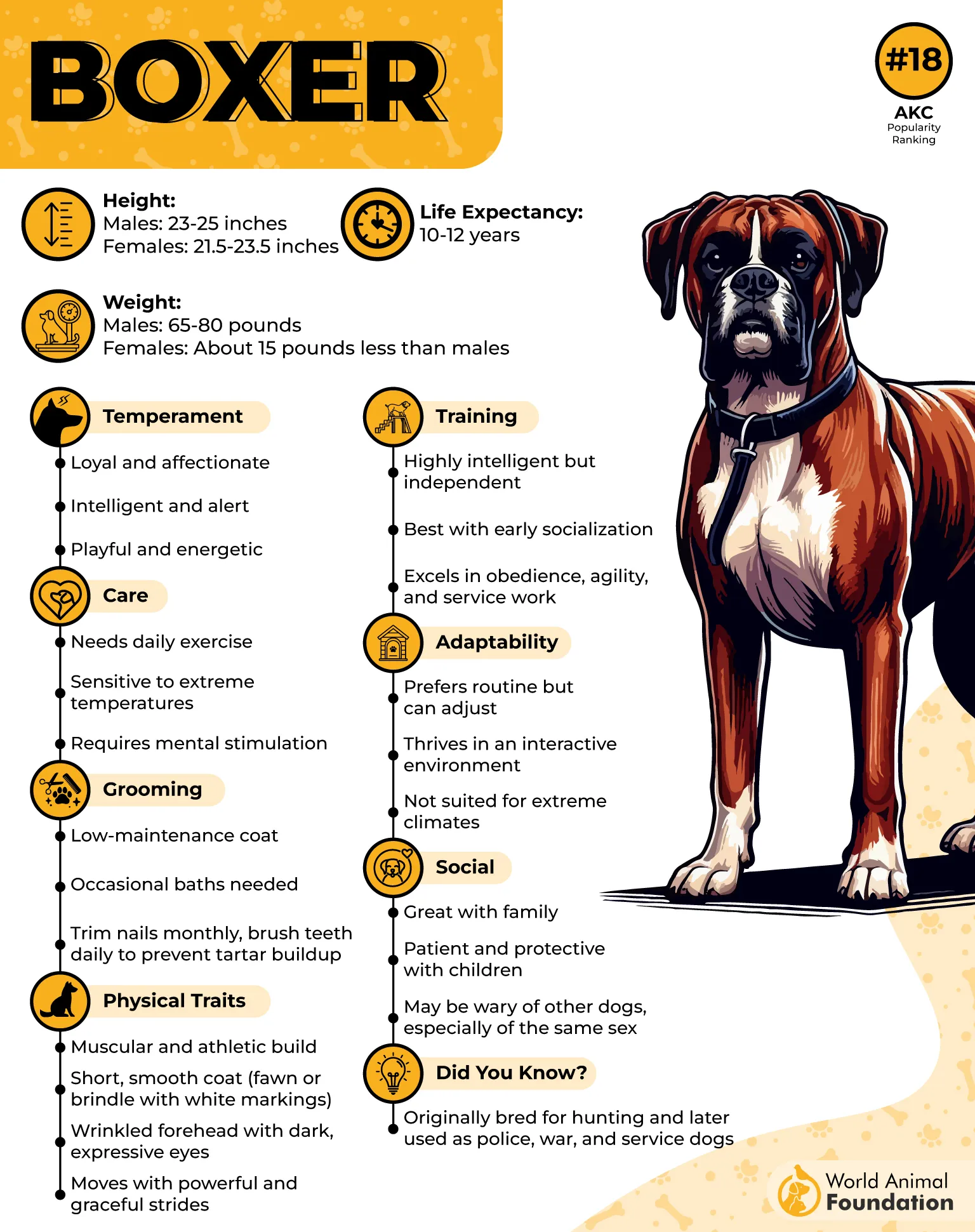
For a single owner, a Boxer’s ability to assess unfamiliar situations can be especially useful when something unexpected happens around the home. Its intelligence is particularly suited to changing circumstances rather than relying only on a fixed response.
Here are some qualities that add to their picture:
Responds well to protective commands
Thinks quickly under pressure
Training from a young age is important for them
Fierce Loyalty
This reliable protector has strong and natural guarding instincts to defend their family and territory when it senses a genuine threat. Its protective response can become intense when someone approaches aggressively, with the breed willing to place itself between danger and the people it considers family.
Conclusion
Living alone can make a reliable guard dog feel like an extra layer of peace of mind, but natural protection still needs direction. A strong guardian with a confident personality should be able to notice unusual activity, respond when needed, and settle once the situation is safe. Training, socialization, exercise, and clear household rules help shape that balance.
Single women should also consider the dog’s size, energy, handling needs, and time available each day. A strong owner can manage a powerful protector while watching over the home, but it also comes with real responsibility.
The best match is one whose instincts and daily needs fit comfortably into your life and home.
