




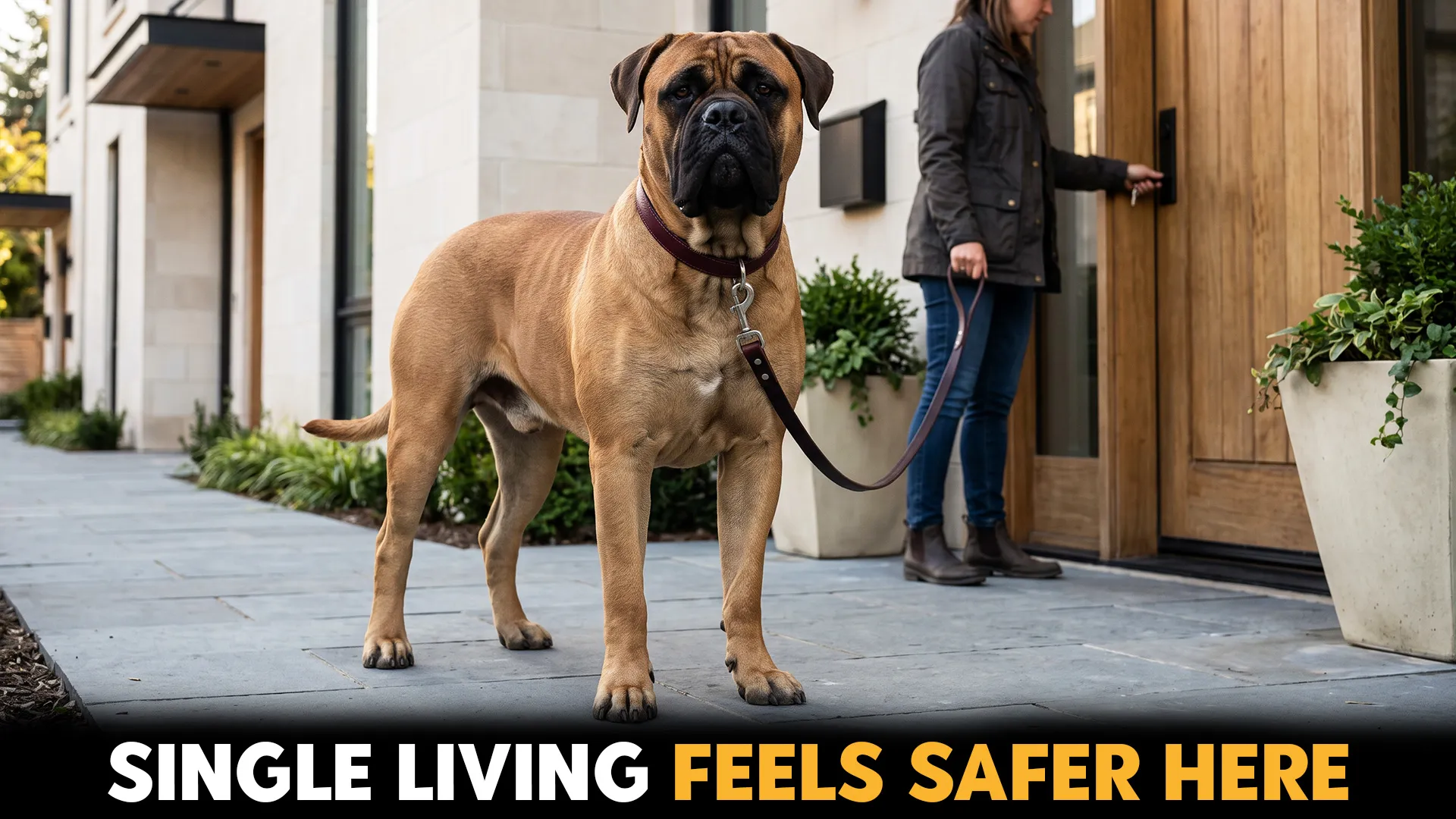
Single-person households have seen the largest increase in pet ownership rates over the past decade, with approximately 45% of single adults now owning pets, up from roughly 35% ten years ago.
A significant number of those people aren’t just looking for companionship. They want safety too. Living alone, or raising children without a second adult in the house, changes what you need from a dog entirely.
Not every naturally protective breed suits a one-person household, and not every large dog with sharp instincts is safe around children. This guide cuts through the noise on that.
Finding the right personal protection dog isn’t just about size or reputation. It’s about temperament, trainability, and fit. Read on to find yours.
Best Guard Dog Breeds for Single People’s Security
1. German Shepherd
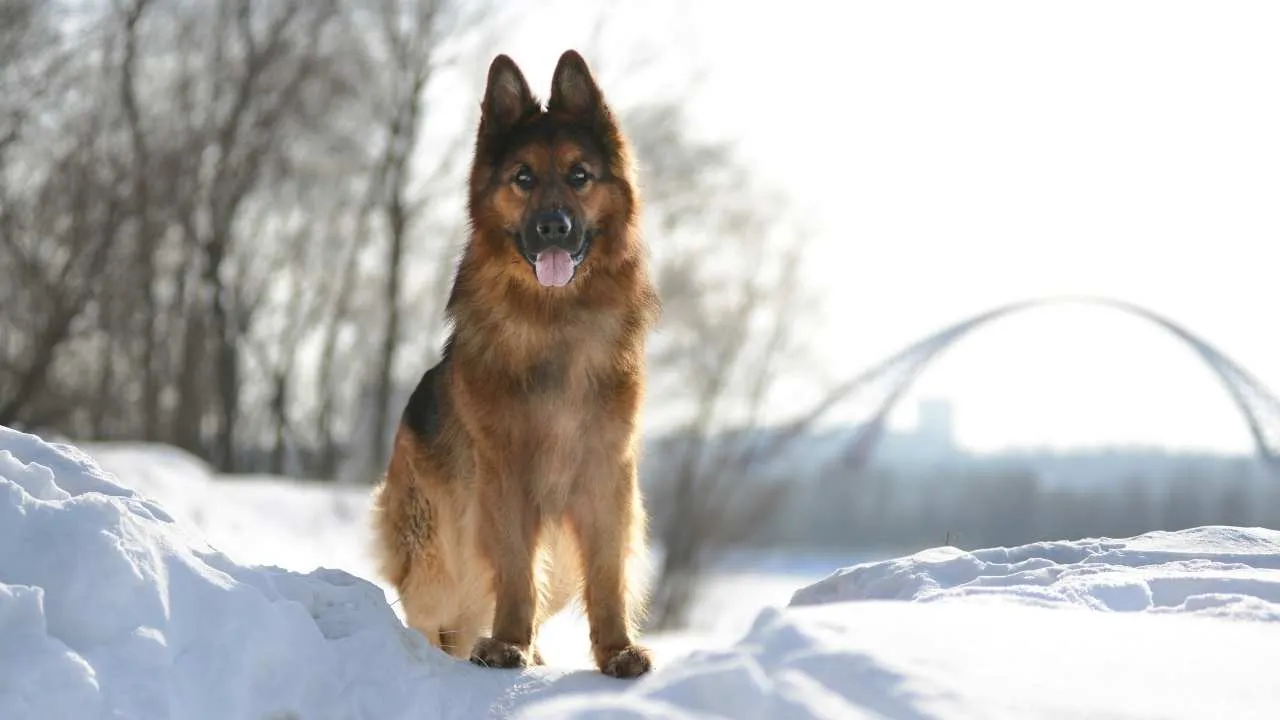
The German Shepherd is the benchmark for personal protection, and has been for decades. The AKC calls it dogkind’s finest all-purpose worker: loyal, confident, courageous, and steady. It bonds hard to one person, reads situations fast, and its presence alone tends to make potential intruders reconsider.
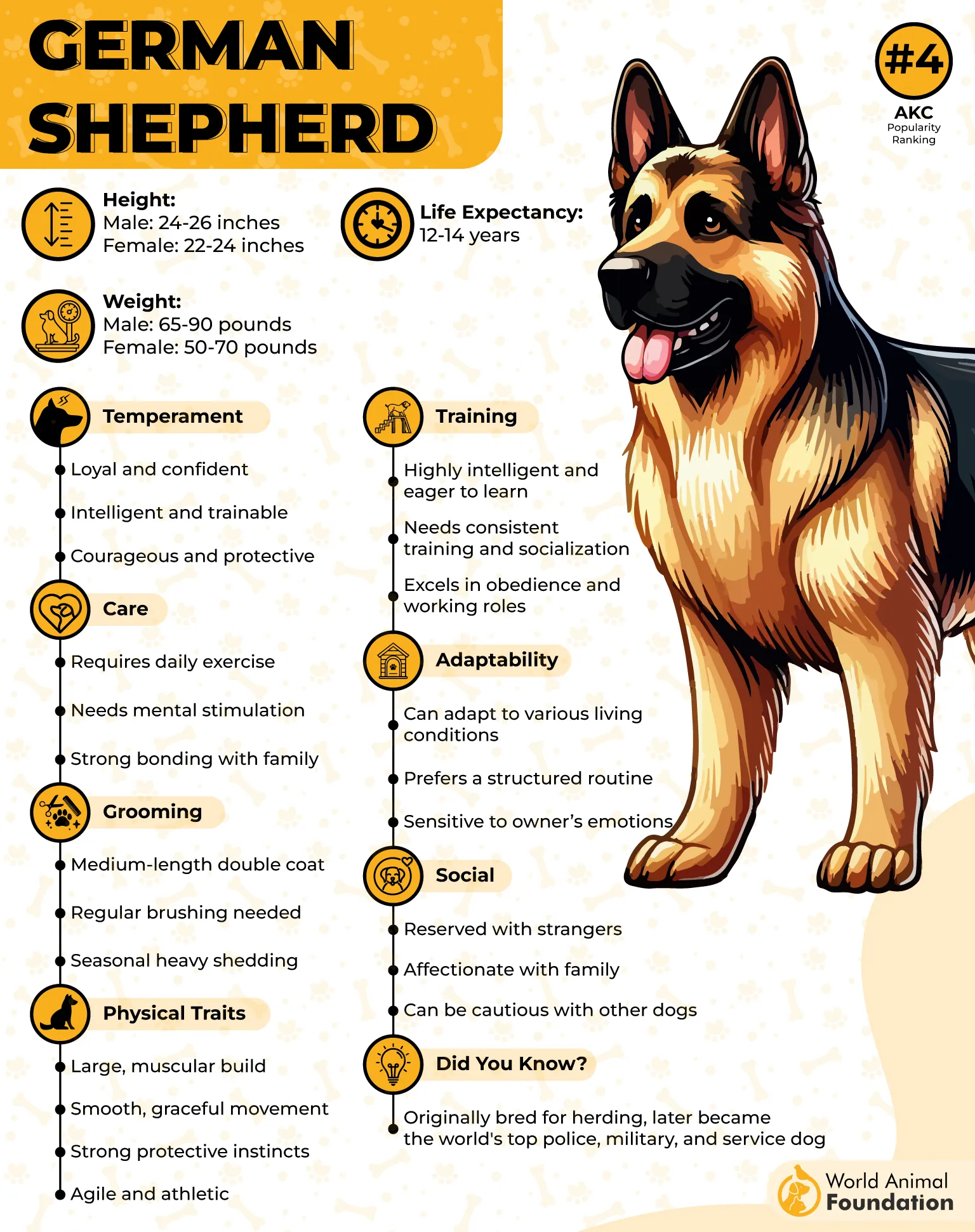
Threat deterrence: High, commanding presence, deep bark, natural protective instincts
Solo suitability: Excellent, built for a single dedicated handler
German Shepherds are good with kids when raised alongside them, but children need to learn early: no teasing, no startling, no bothering the dog during meals or rest. Highly trainable and genuinely eager to work, this guard dog breed takes well to obedience training, which makes solo management realistic. Weekly brushing handles most of the coat.
Training: Picks up commands fast; needs daily mental stimulation to stay balanced
Grooming: Double coat, sheds seasonally. Brush weekly, more during shedding season
The catch: These are working dogs, and a bored one is a destructive one. Without daily exercise and a sense of purpose, that intelligence turns on your furniture and your patience.
2. Rottweiler
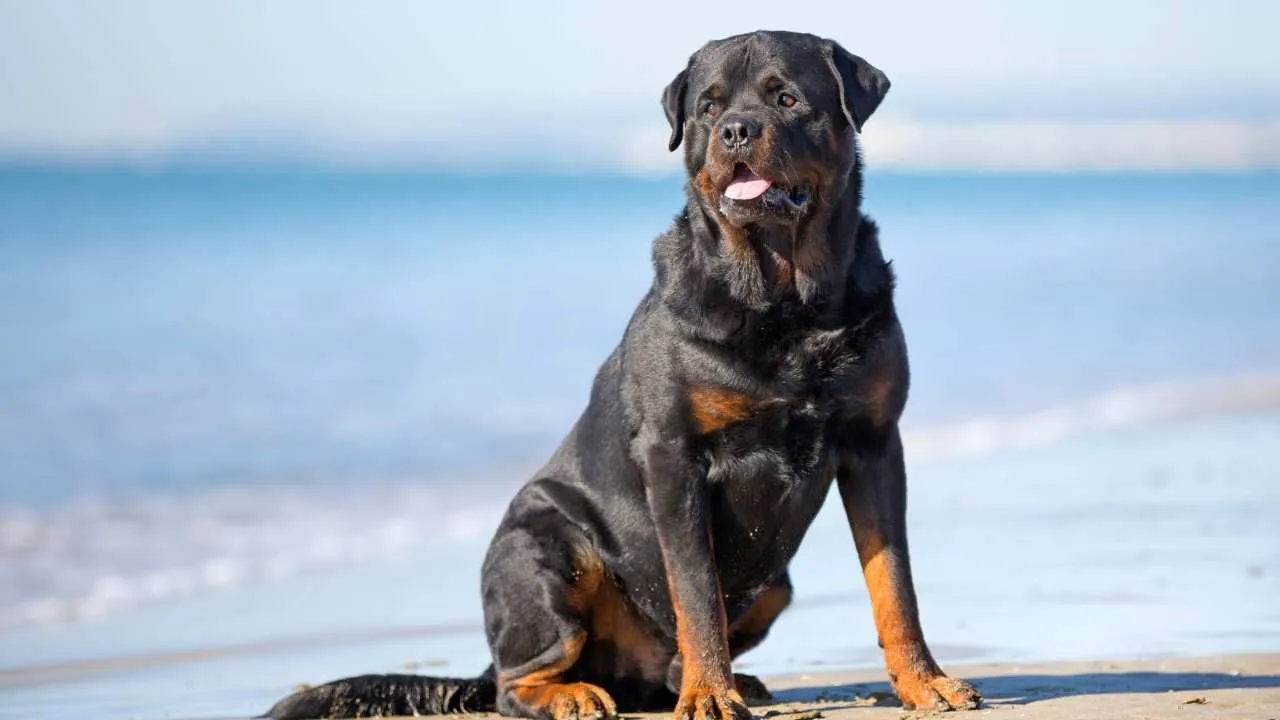
A dog that looks like trouble and acts like a teddy bear indoors, the Rottweiler is a study pup. It attaches firmly to its primary person, stays calm at home, and doesn’t bark at everything that moves. When it does bark, pay attention.
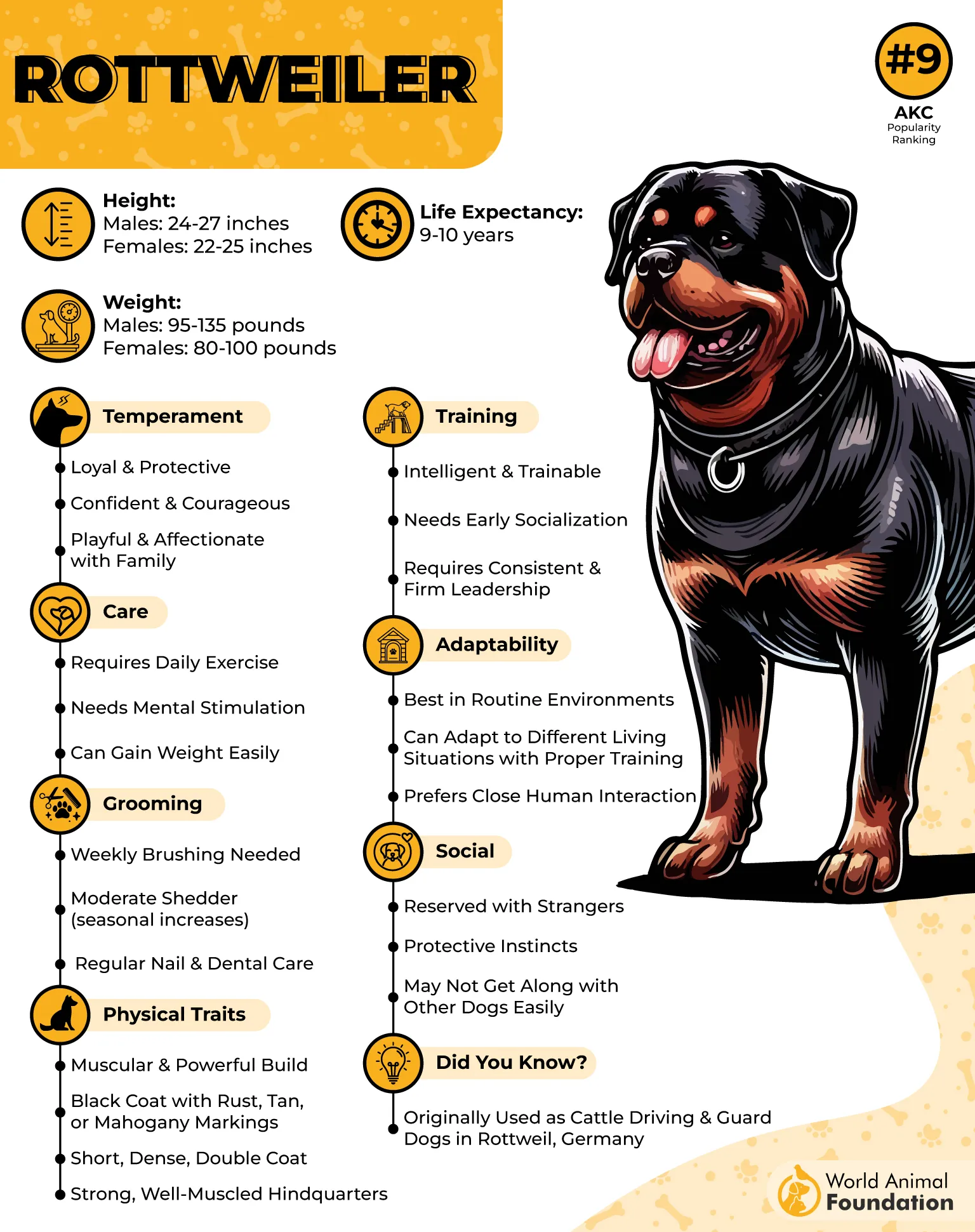
Threat deterrence: Very high, size, stance, and a bark that carries real weight
Solo suitability: Strong, forms deep bonds with one person while watching over the whole household
Rottweilers are famously gentle with family members they’ve grown up with. Many seem convinced they’re lap dogs, which gets funnier the bigger they get. They live well with other pets when introductions happen early. Consistent leadership is non-negotiable; this breed will test every boundary you don’t hold firm. Short coat, low grooming demand.
Training: Needs firm, consistent leadership from puppyhood. No gaps, no exceptions
Grooming: Low maintenance, short dense coat, brush once a week
One practical flag: Don’t leave a Rottweiler alone for extended stretches. Without company, they get bored and stressed, and a stressed Rottweiler is nobody’s idea of a tidy housemate.
3. Boxer
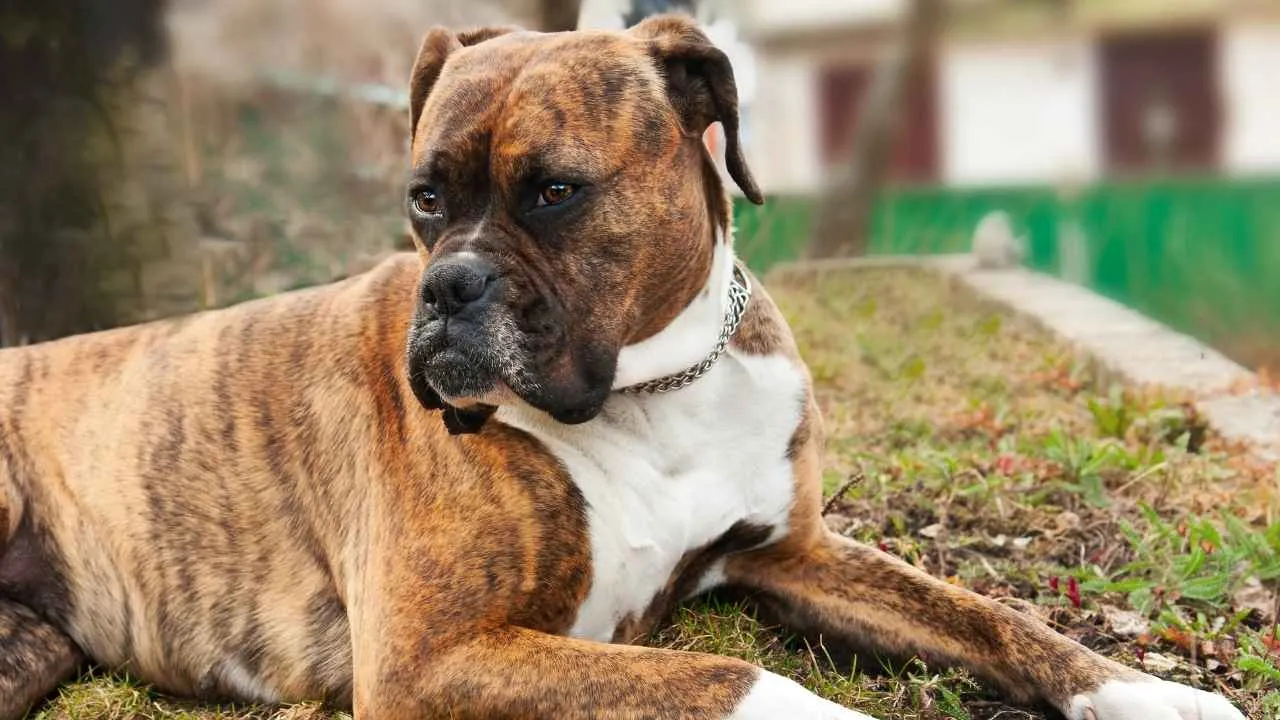
The Boxer is the guard dog that makes your kids laugh and makes strangers think twice at the door. Friendly and protective in equal measure, a combination rare enough that it lets them pull duty as watchdogs, service dogs, and therapy animals all from the same temperament.
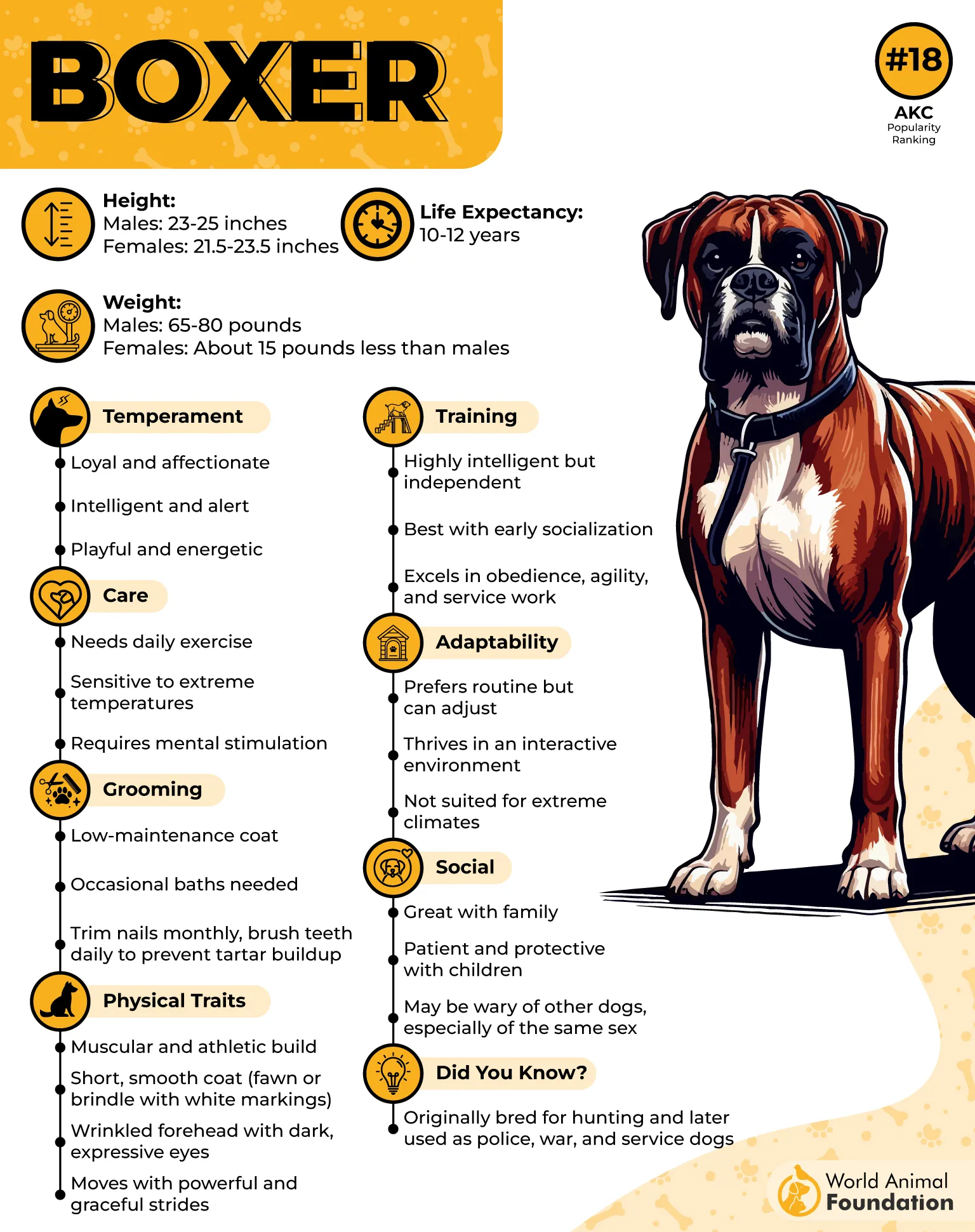
Threat deterrence: Solid, purposeful bark; rarely sounds the alarm without good reason
Solo suitability: Very good, follows its person around, adapts well to apartment or house
Patient with children and generally fine with other pets when introductions are calm; Boxers play hard and then settle. That makes them manageable for a single parent who can’t commit hours to daily exercise, though a solid run or play session every day is still needed. Obedience training early matters: a bouncy adult Boxer will bowl a toddler over without a second thought, and without any bad intent.
Training: Responds well to positive reinforcement; earlier is better
Grooming: Very low, short coat, minimal shedding, occasional brushing
The energy level doesn’t always look calm around very small children. Supervision with toddlers is a must. Their size is real, and so is their enthusiasm.
4. Bullmastiff
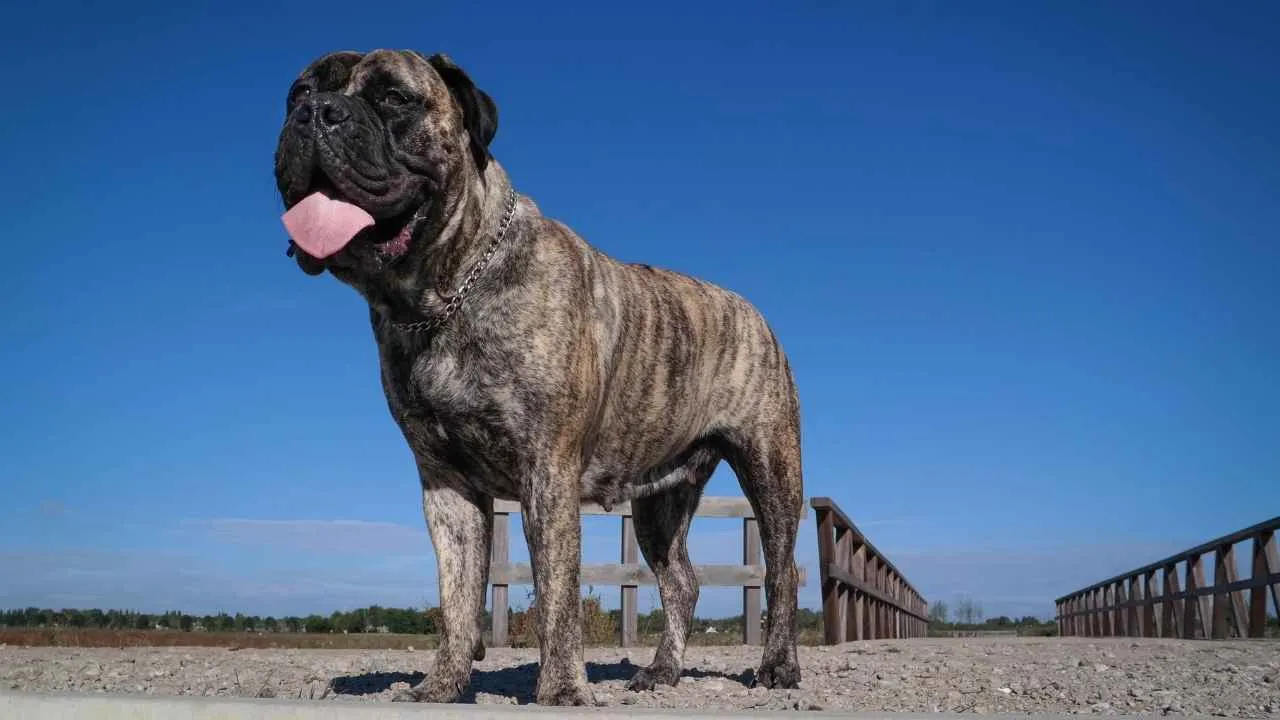
The Bullmastiff doesn’t bark much, doesn’t rush strangers, and doesn’t need to. Originally bred as England’s “Gamekeeper’s Night Dog,” it was built to silently track and pin poachers on large estates. CKC USA notes it could stalk without so much as a warning growl. Those instincts haven’t gone anywhere.
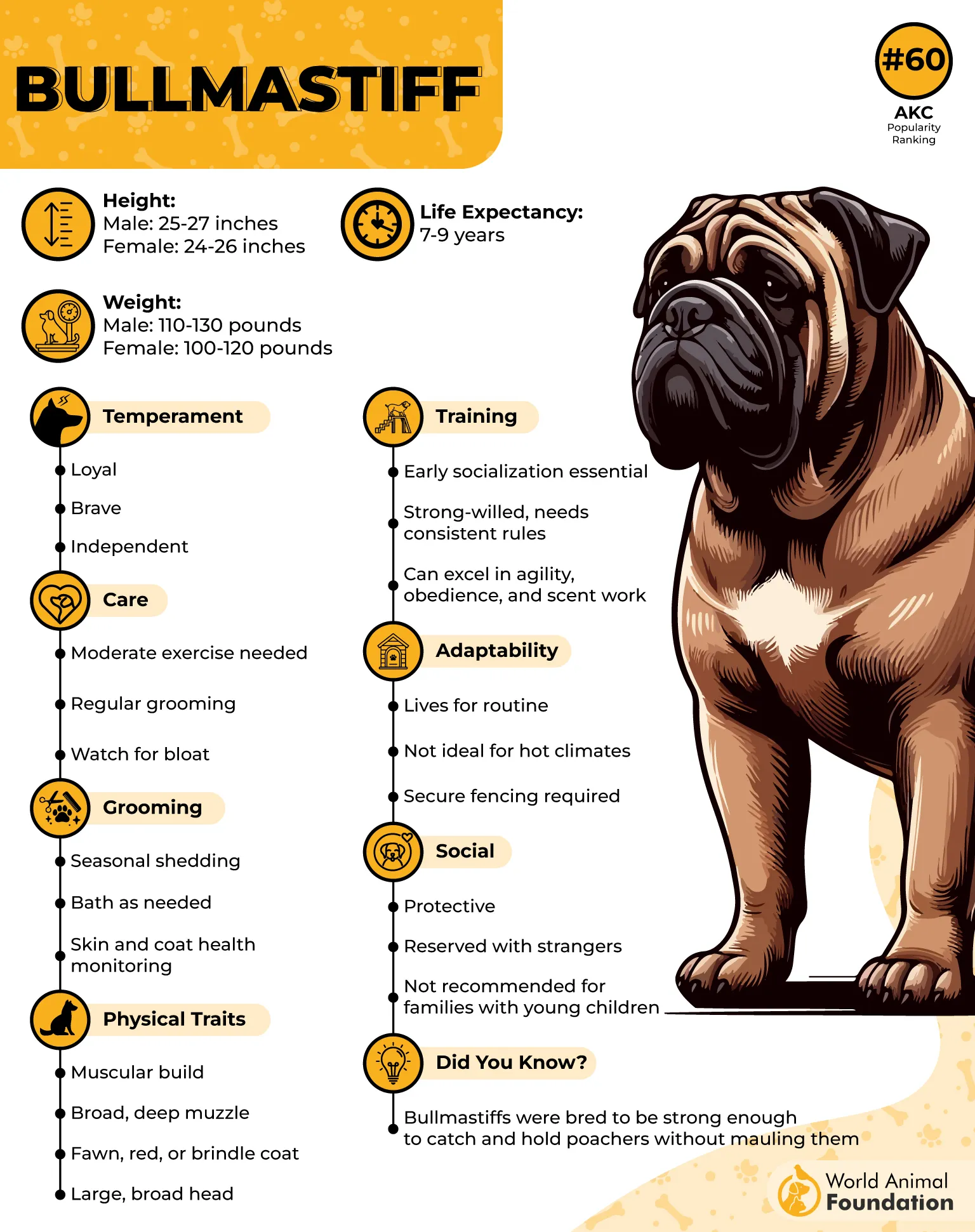
Threat deterrence: Very high; size and silent presence do most of the work
Solo suitability: Excellent for anyone who wants serious protection without a high-maintenance dog
Patient and protective with children, the Bullmastiff treats younger family members as its charges. It lives well with other pets when socialized young. Early training matters because a full-grown Bullmastiff has real physical strength and a stubborn streak, and calm, consistent direction works far better than force.
Training: Needs an early, consistent routine and responds to clear, calm leadership
Grooming: Short coat, low maintenance, regular brushing
A large dog that can knock small children over during a casual greeting, no aggression involved, just mass. Supervision with toddlers matters, and apartment living needs some honest planning around space.
5. Doberman Pinscher
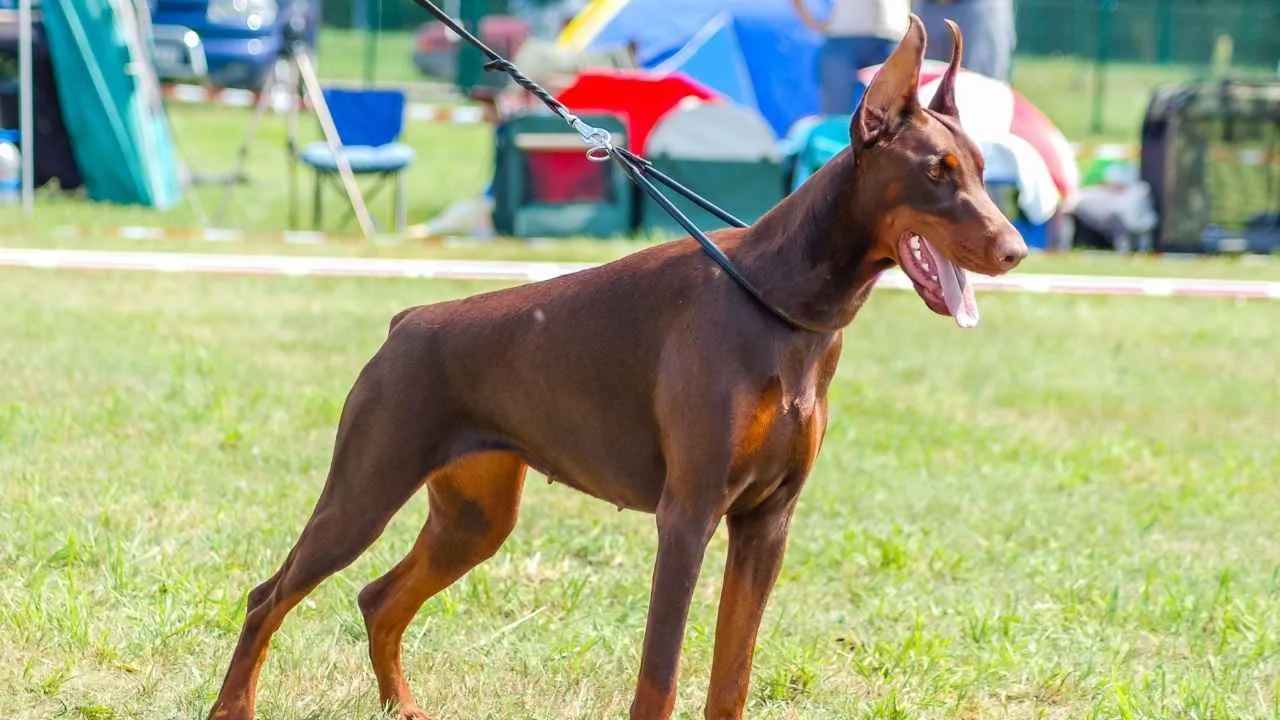
The Doberman makes loyalty its whole personality. Often called a “velcro dog,” it follows its person from room to room, and the moment something feels wrong, it shifts from companion to guardian without hesitation. They are alert to trespassers and become aggressive when they feel their household is threatened. Speed, sharp instincts, and an intimidating presence are all part of the package.
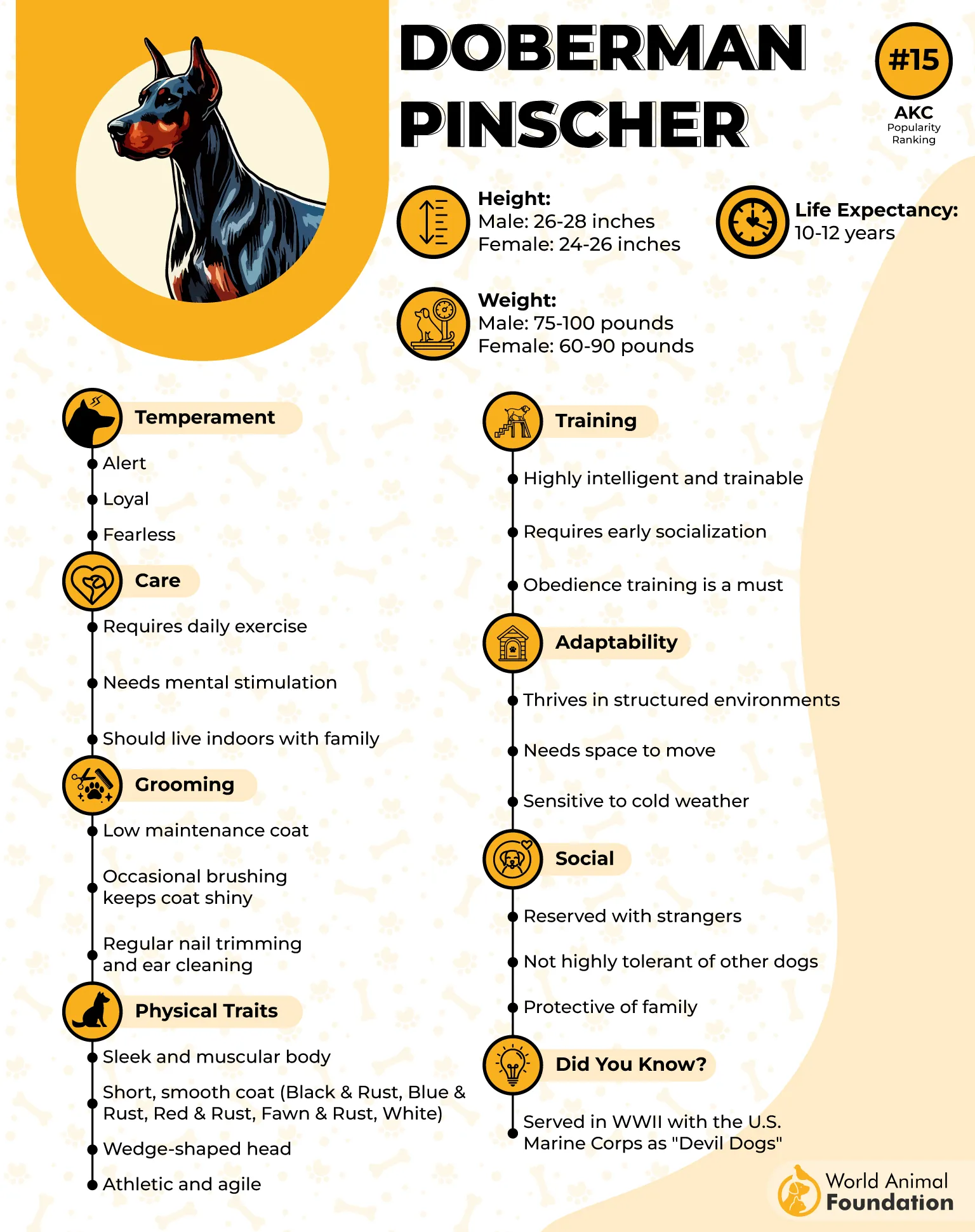
Threat deterrence: Very high, fast, alert, and built for personal protection work
Solo suitability: Outstanding, thrives on the single-person bond and does not do well left to its own devices
Dobermans are gentle with children and protective by nature. That deep affection for family members is what drives the guarding instinct, not aggression. Active households suit them far better than quiet, sedentary ones. Obedience training is non-negotiable; they are highly intelligent, and clear structure is what keeps that intelligence working for you rather than around you.
Training: Highly responsive; needs early obedience and consistent rules. Experienced handlers preferred
Grooming: Minimal, short coat, very low shedding
Without proper training, the Doberman can get domineering. Daily mental engagement and structured activity aren’t optional. A bored Doberman with strong protective instincts is not a quiet problem.
6. Giant Schnauzer
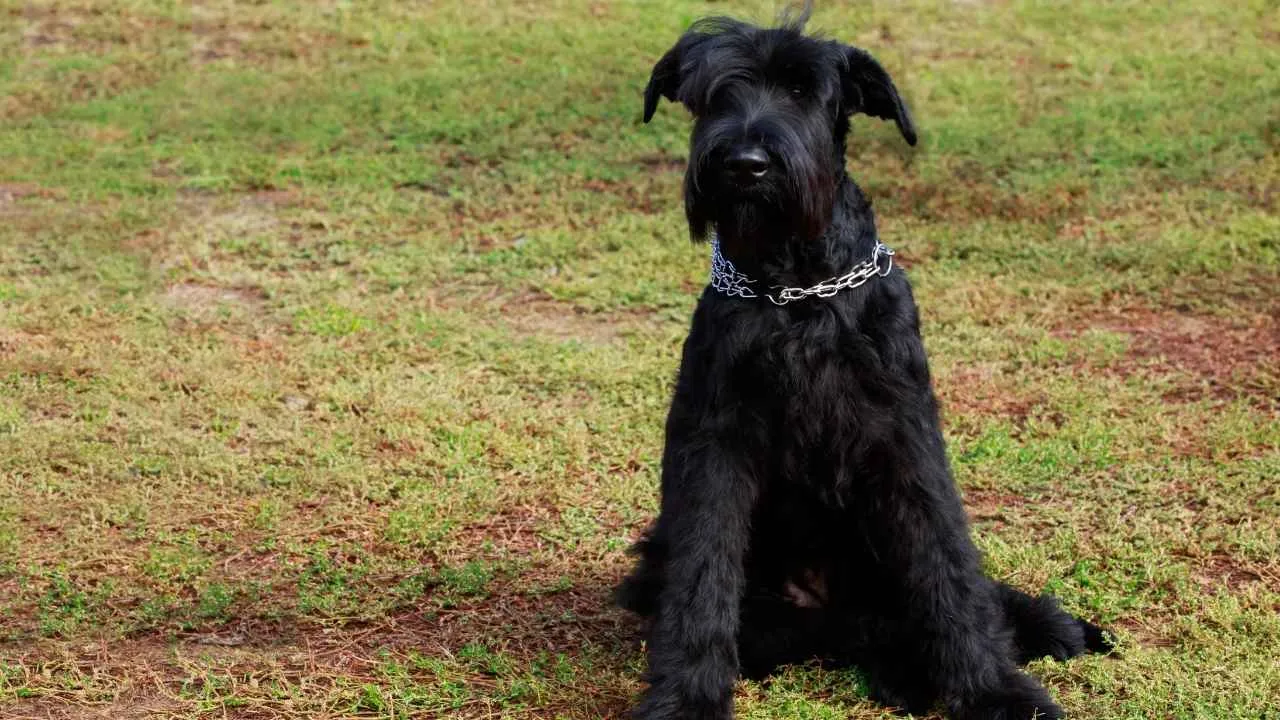
The Giant Schnauzer is the most underrated breed on this list. As one of the best personal protection dogs, it is a reserved, athletic companion originally bred as a loyal bodyguard, intelligent, composed, and naturally protective of its home and people. It served in police and military roles in both World Wars, which tells you plenty about what it’s built for.
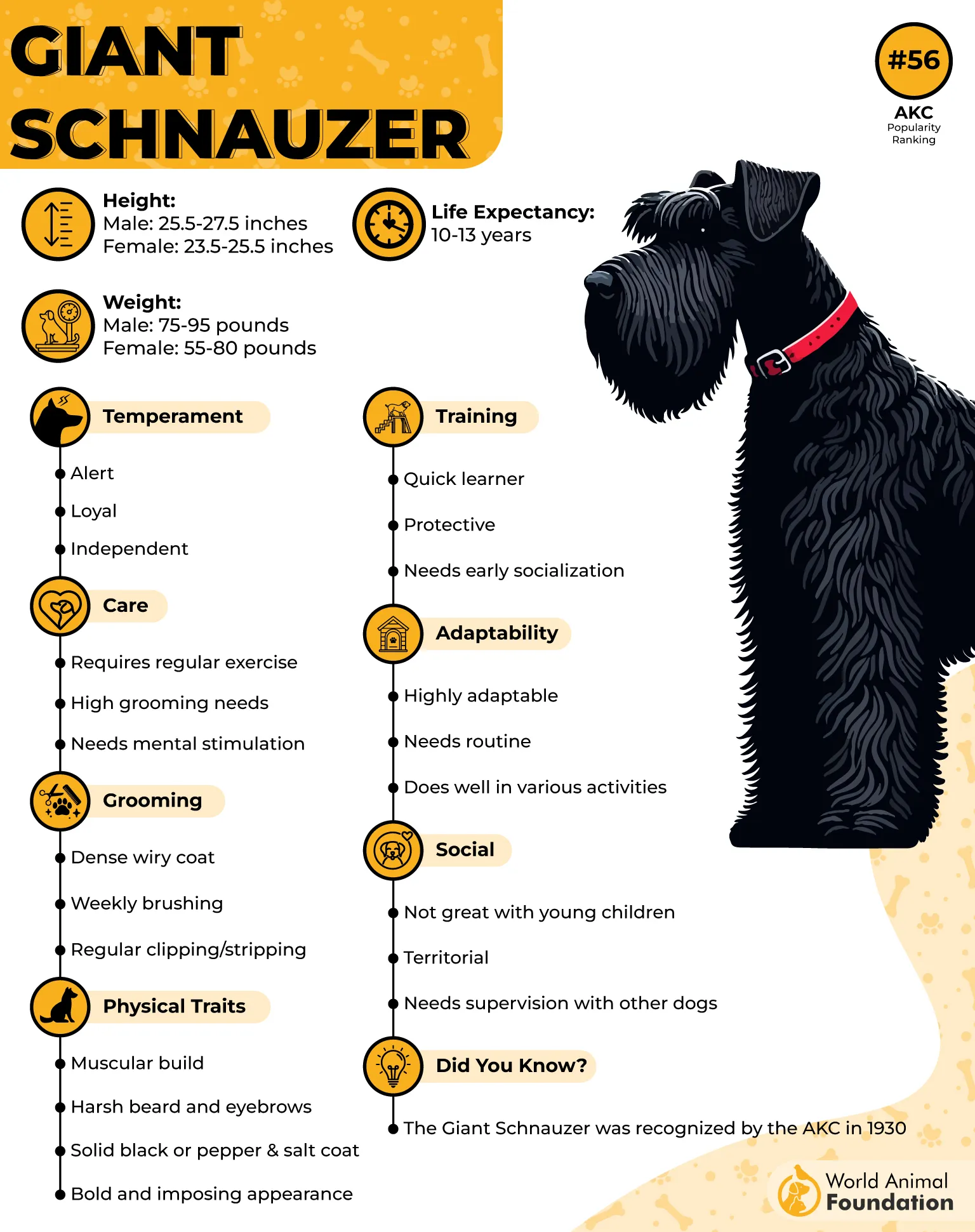
Threat deterrence: High, territorial, alert, and vocal when it counts
Solo suitability: Good for experienced owners who can match its energy and hold a firm line
Calm and affectionate with its own family, it can live with other pets through patient introductions. The bark is worth flagging in homes with young children because Giant Schnauzers are vocal with purpose, and that startles small kids. Its one clear advantage over every other breed here: largely hypoallergenic, making it the only serious guard dog option for allergy-sensitive households.
Training: Strong-willed, needs structured obedience from early on and an experienced hand throughout
Grooming: Low shedding but needs professional clipping every few months
Without firm limits and daily mental and physical stimulation, the guarding instincts tip into unnecessary aggression toward strangers and unfamiliar dogs. This is not a first dog owner situation.
7. Akita

The Akita is Japan’s official national treasure, and not just in name. Britannica describes it as alert, courageous, and protective, a one-family dog utterly devoted to its inner circle and aloof toward everyone else. It’s the breed behind Hachikō, that returned to Shibuya train station every day for nearly ten years after its owner died. That devotion is bred in, not trained in.
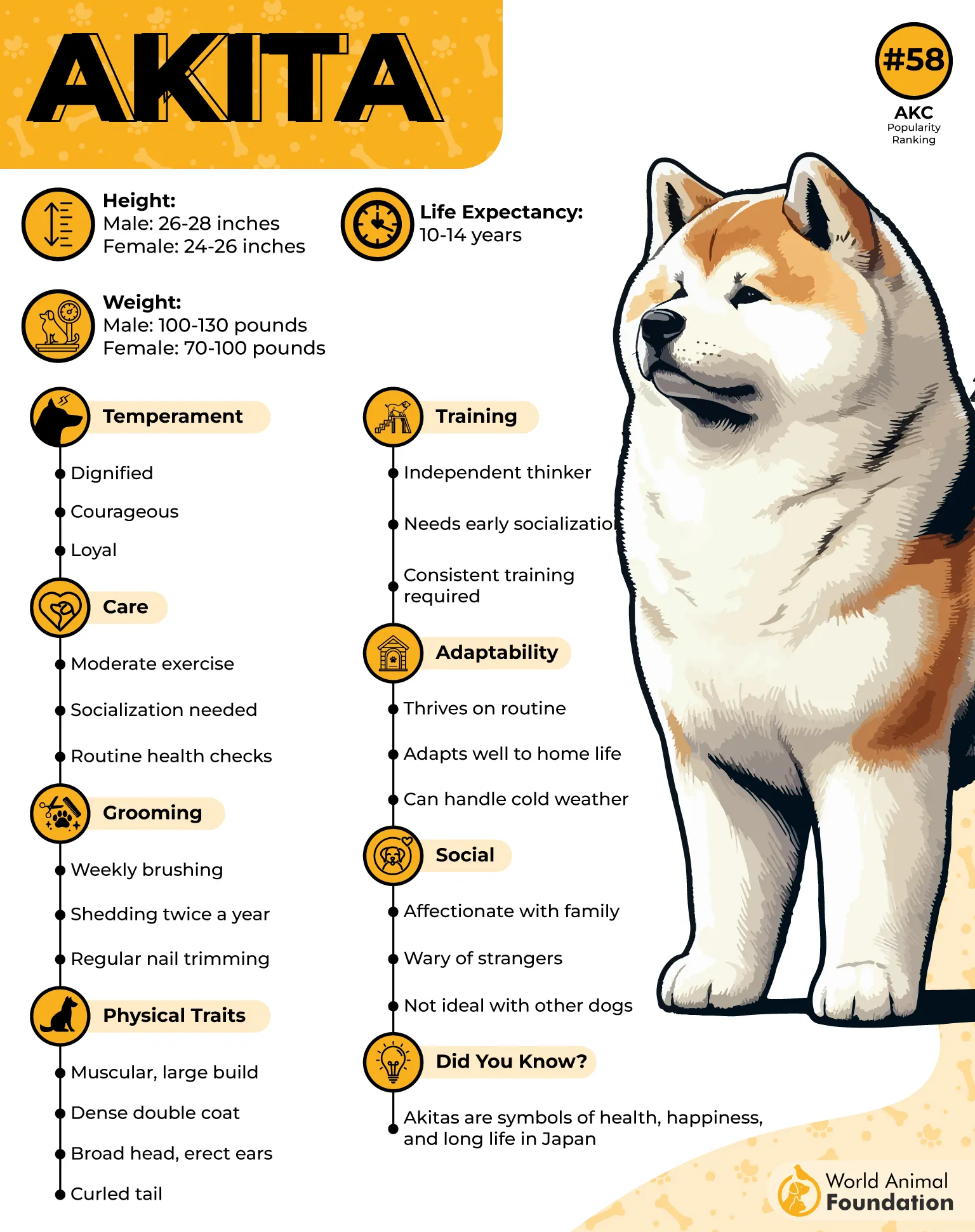
Threat deterrence: High, calm, watchful, quietly territorial; rarely barks without cause
Solo suitability: Strong for the right person, forms an intense bond and stays deeply attentive
Early socialization is non-negotiable in a home with children. The Akita’s size, prey drive, and independent streak make it less forgiving of rough toddler behavior than most natural guardians on this list. It can be reactive with strange dogs, so introductions to other pets need time and care.
Training: Independent by nature, needs confident and consistent leadership; not for first-time owners
Grooming: Dense double coat; brush several times a week, heavy seasonal shed twice a year
The Akita’s strength combined with its independence can overwhelm a stretched-thin solo parent. It’s a dog to work up to, not start with.
Conclusion
Every breed on this list can protect a household run by one adult, but only when it’s the right match for that adult’s schedule, experience, and home. The difference between a loyal companion that makes you feel safer and a dog that becomes its own problem comes down to honest self-assessment before you choose, not after.
If you’re serious about finding the right guard dog for your household, pick the two or three breeds here that genuinely fit your life, then contact a reputable breeder or rescue that specialises in protection dog breeds and ask the hard questions about temperament, daily training needs, and what experienced owners actually deal with week to week.
