




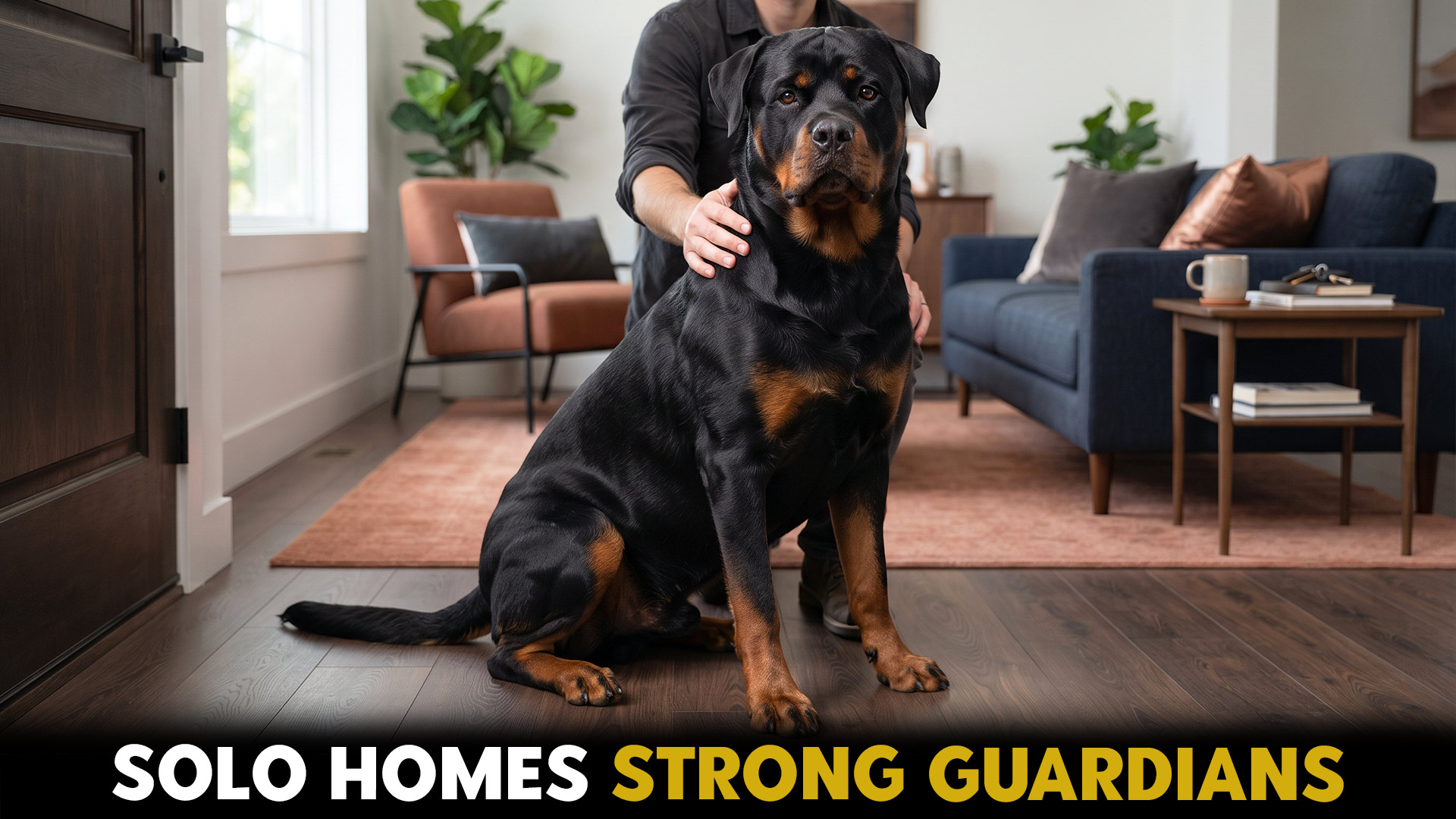
The first night after moving into his own house felt different. Every unfamiliar sound seemed louder, every knock at the door made him pause, and every late evening arrival came with a glance over his shoulder before unlocking the door.
Installing better locks helped, and adding outdoor lights brought some peace of mind, but something still felt missing. A few months later, that changed after bringing home a protective dog whose presence quietly transformed the atmosphere.
The house felt less empty, routine walks became something to look forward to, and unexpected noises no longer carried the same weight. It wasn’t simply about having another living companion under the same roof. It was about knowing there was always someone alert nearby.
In this article, you’ll explore great guard dogs that combine dependable protection, loyalty, and everyday companionship.
Key Takeaways
A dog can make a single-person home feel a little more secure, especially when it knows how to watch without reacting to everything.
German Shepherds bring sharp judgment to the job, while Dobermans were originally developed to protect a tax collector on his rounds.
Rottweilers once guarded money tied around their necks, and Akitas have served roles ranging from hunting to military work.
The rest of the list brings its own history and guarding style, including one breed bred to quietly track poachers after dark.
Best Guard Dog Breeds for Single Households – Top Choices
1. German Shepherd
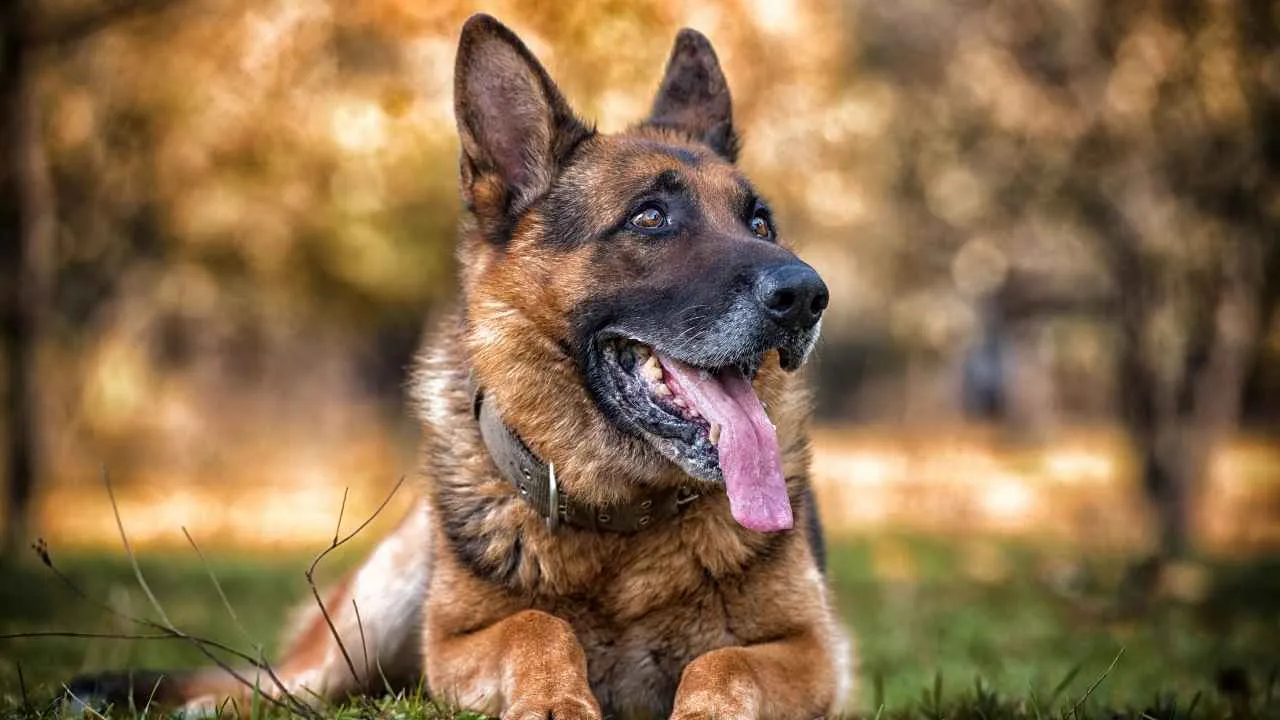
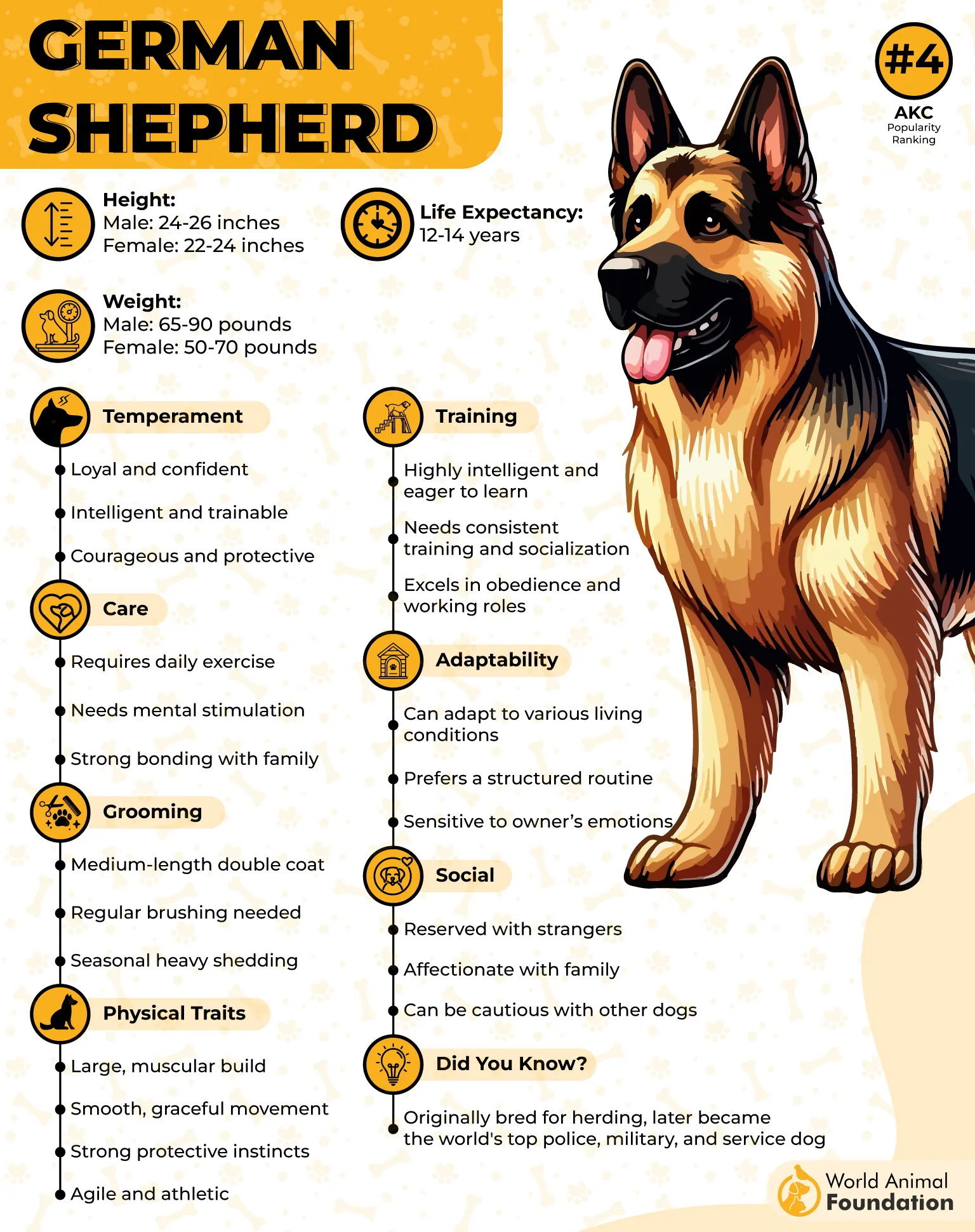
German Shepherd was originally bred in Germany through careful breeding focused on herding and guarding livestock with consistency and intelligence. After the First World War, the breed was also identified as the Alsatian or Shepherd Dog before its original name gradually returned to common use, as noted by the AKC.
Guardian by Design
Their protection training begins with dependable obedience, including commands such as sit, come, heel, and wait for direction in changing situations. More advanced work gradually introduces controlled exercises that prepare the dog to respond with precision instead of reacting impulsively.
Each skill serves a distinct purpose:
Barks on command
Practices “hold and bark” exercises
Trains with realistic protection scenarios
Clear Judgment
German Shepherd combines confidence with the ability to assess what is happening before responding, an important quality for protection work. Proper socialization helps shape balanced behavior, allowing the dog to distinguish everyday encounters from situations that require a defensive response.
2. Doberman Pinscher
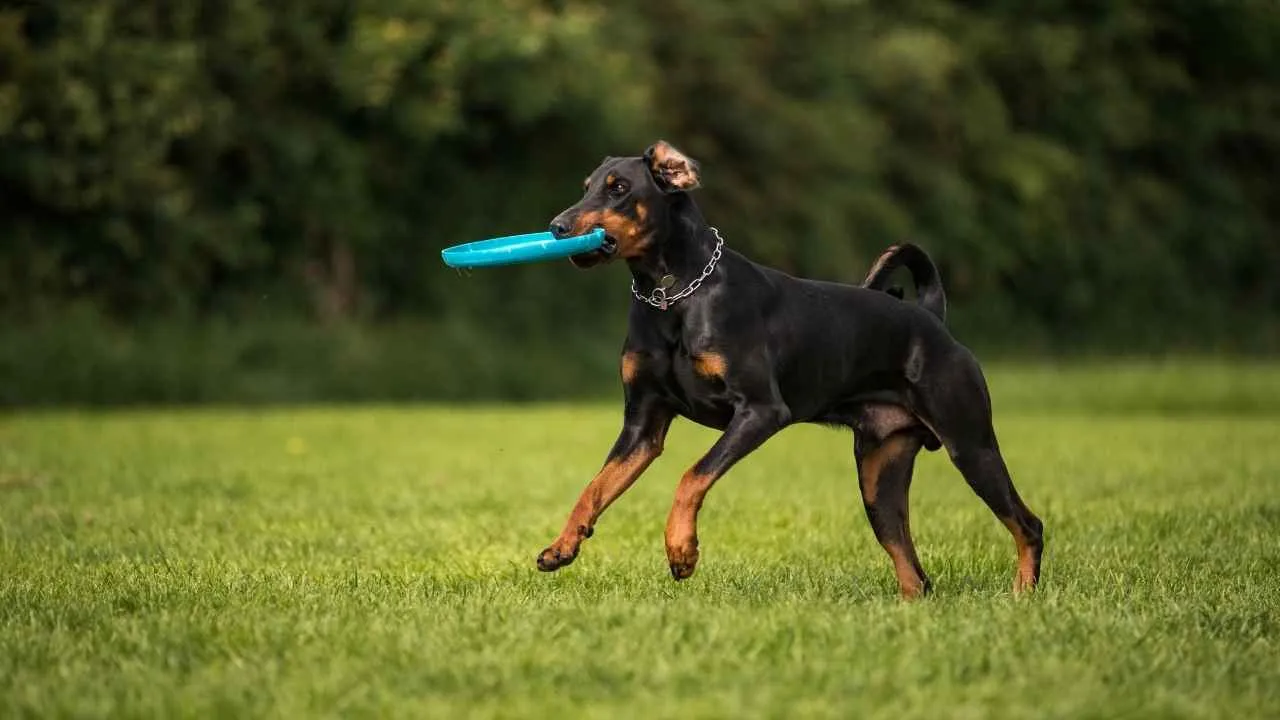
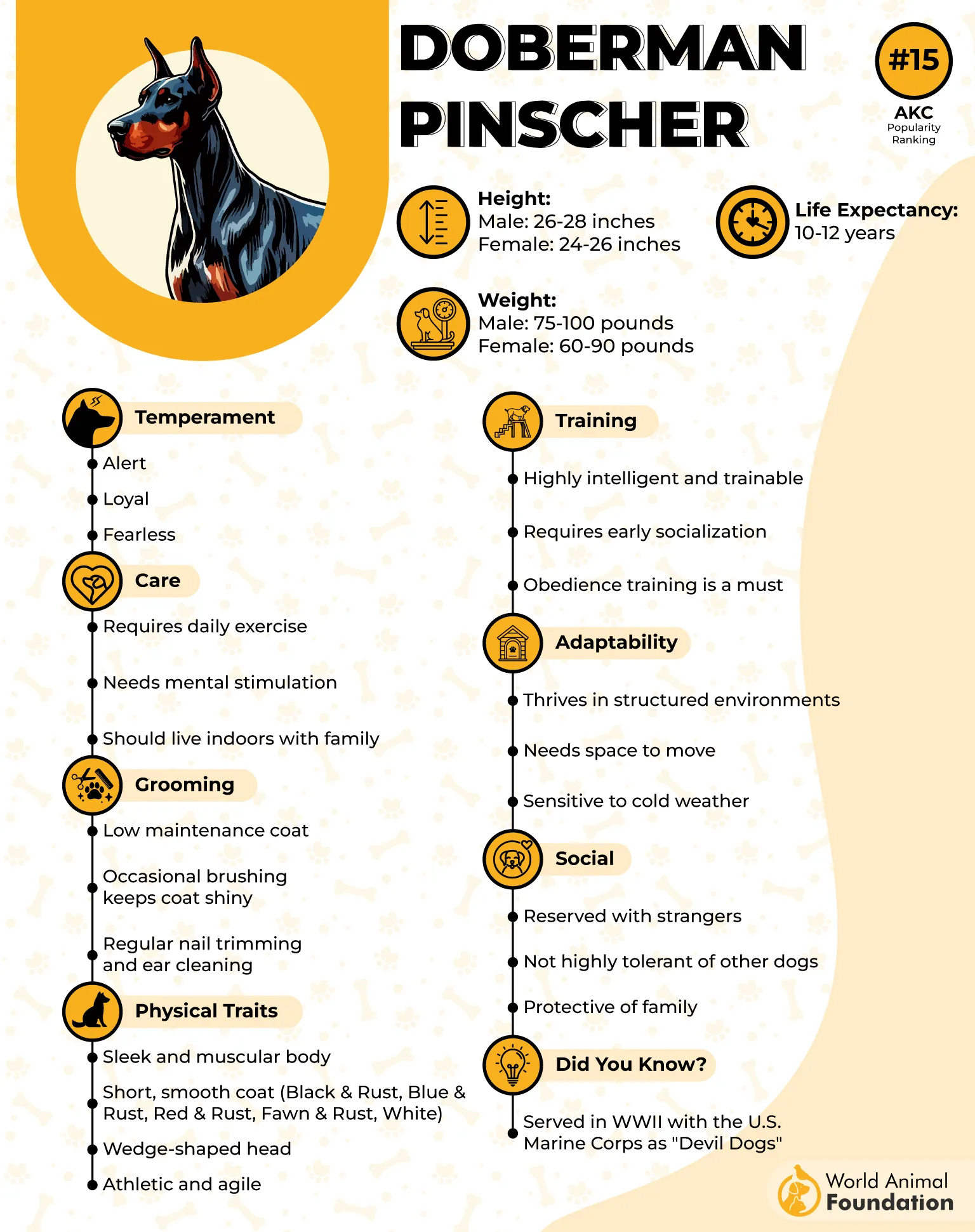
Doberman Pinscher began with a very specific goal when tax collector Karl Friedrich Louis Dobermann wanted a dependable canine companion for protection during his collection rounds. That practical idea shaped a breed intended for demanding security work from its earliest days.
Guarding with Precision
This excellent guard dog combines intelligence, speed, and quick decision-making with a natural willingness to learn, making it a dependable choice for protection work.
Female Dobermans often focus more closely on protecting one person, while males are generally better suited to watching over larger properties.
That difference becomes clearer through a few key points:
Females mature earlier for training
Males are generally larger and more muscular
Females are often more agile during guarding tasks
Always Ready to Learn
Doberman Pinscher responds exceptionally well to structured training, from early socialization and basic obedience to advanced protection work when suited for it. Positive reinforcement builds confidence, and this breed is well known for handling complex tasks in demanding situations.
3. Rottweiler
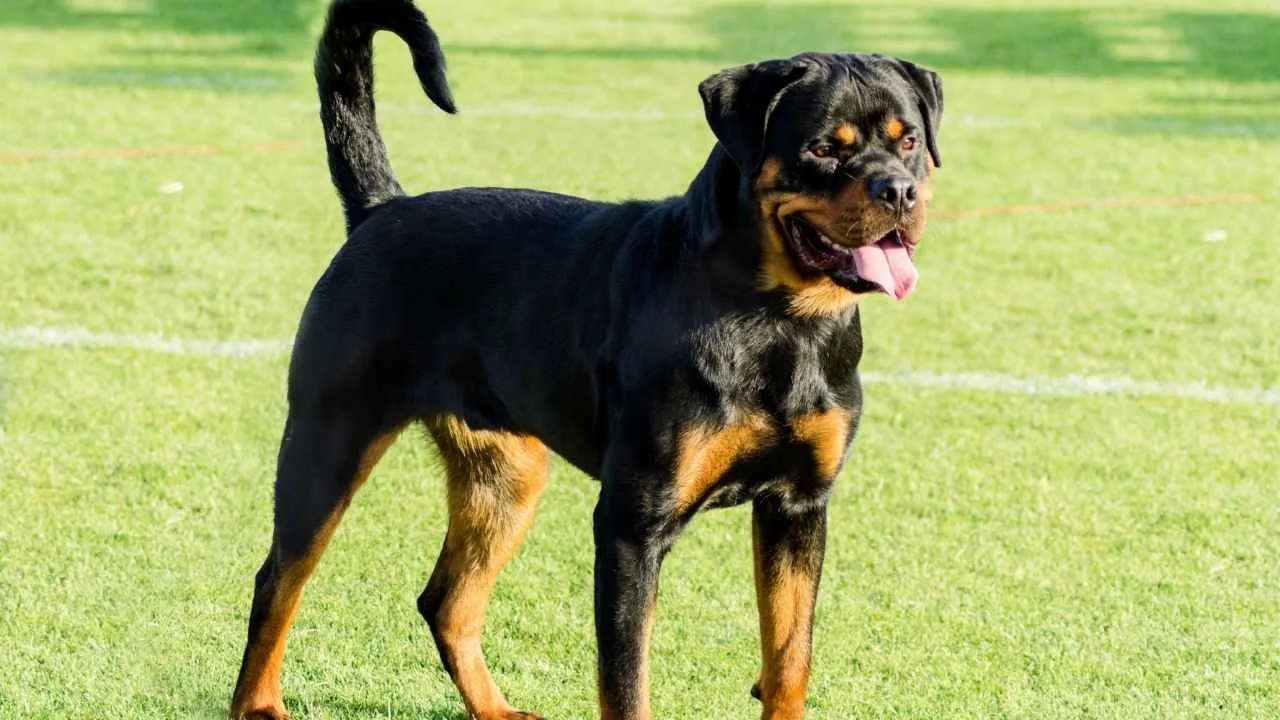
Initially, Rottweiler became associated with the town of Rottweil in southern Germany after working alongside Roman cattle-droving dogs, as Omlet claims.
Beyond guiding livestock to market, these dependable dogs also pulled butchers’ meat carts, while money from completed sales was secured around their necks to discourage thieves.
A Presence That Speaks
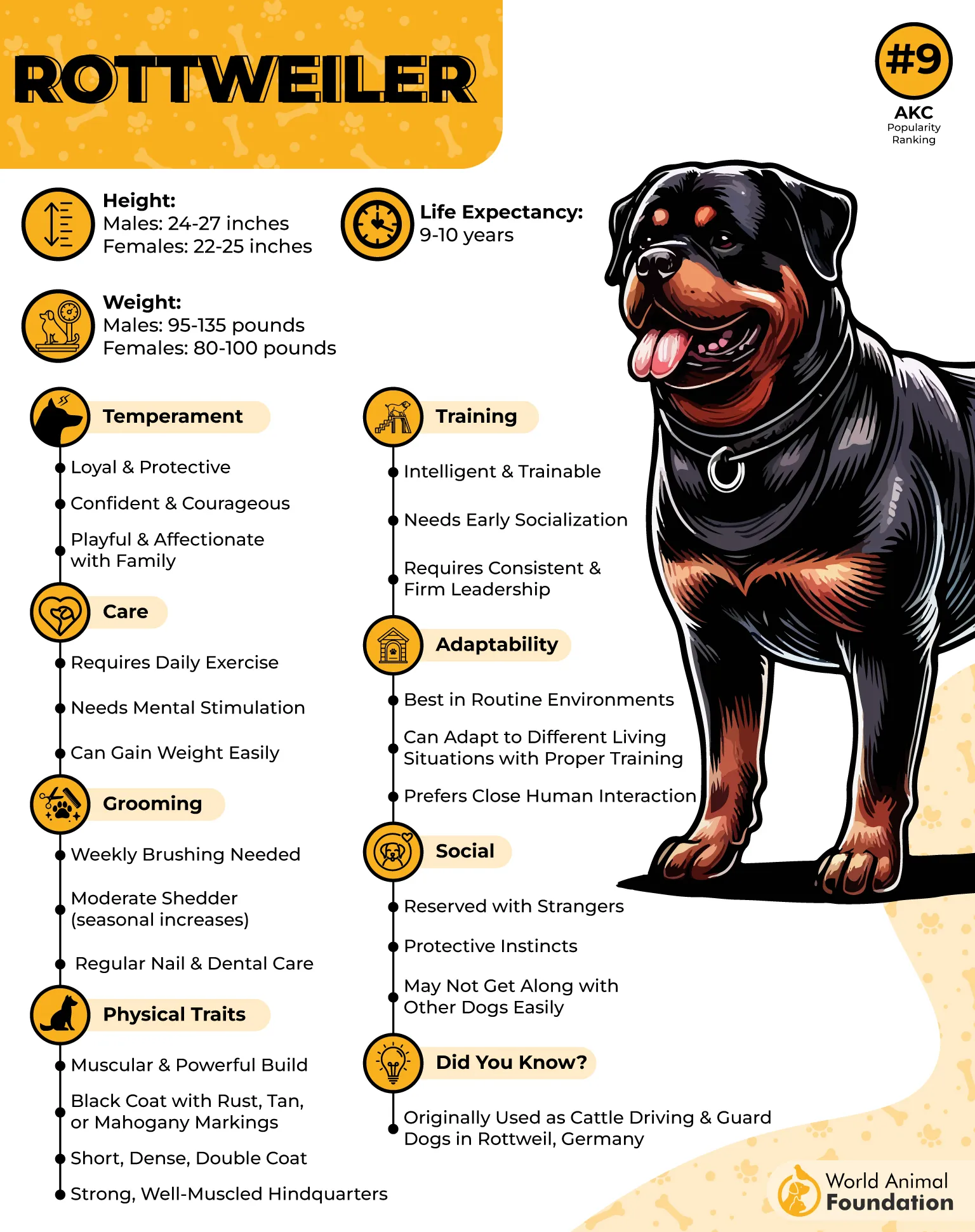
A Rottweiler’s appearance alone is often enough to make unfamiliar people think twice before coming closer, giving this breed an advantage without any barking or confrontation. With proper training, its natural guarding instinct is directed toward real situations instead of ordinary daily activity.
The following details also add useful perspective:
Form exceptionally close attachment with their family
Long periods alone indoors can be difficult for them
May happily climb onto a lap despite its impressive size
Guided Protection
This large dog possesses a deeply rooted instinct to watch over its home and family, although that instinct requires clear guidance from an early stage. Without consistent training, territorial behavior can extend to furniture, yards, or other household spaces that the dog begins treating as personal property.
4. Akita
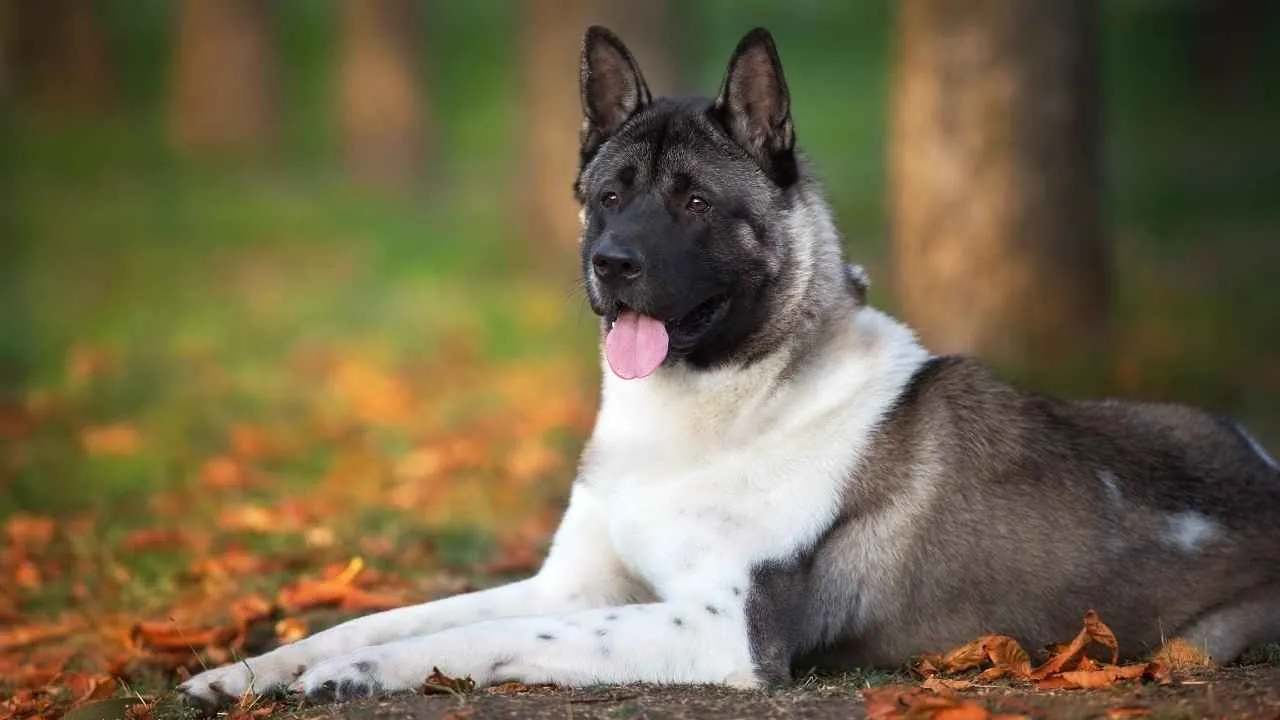
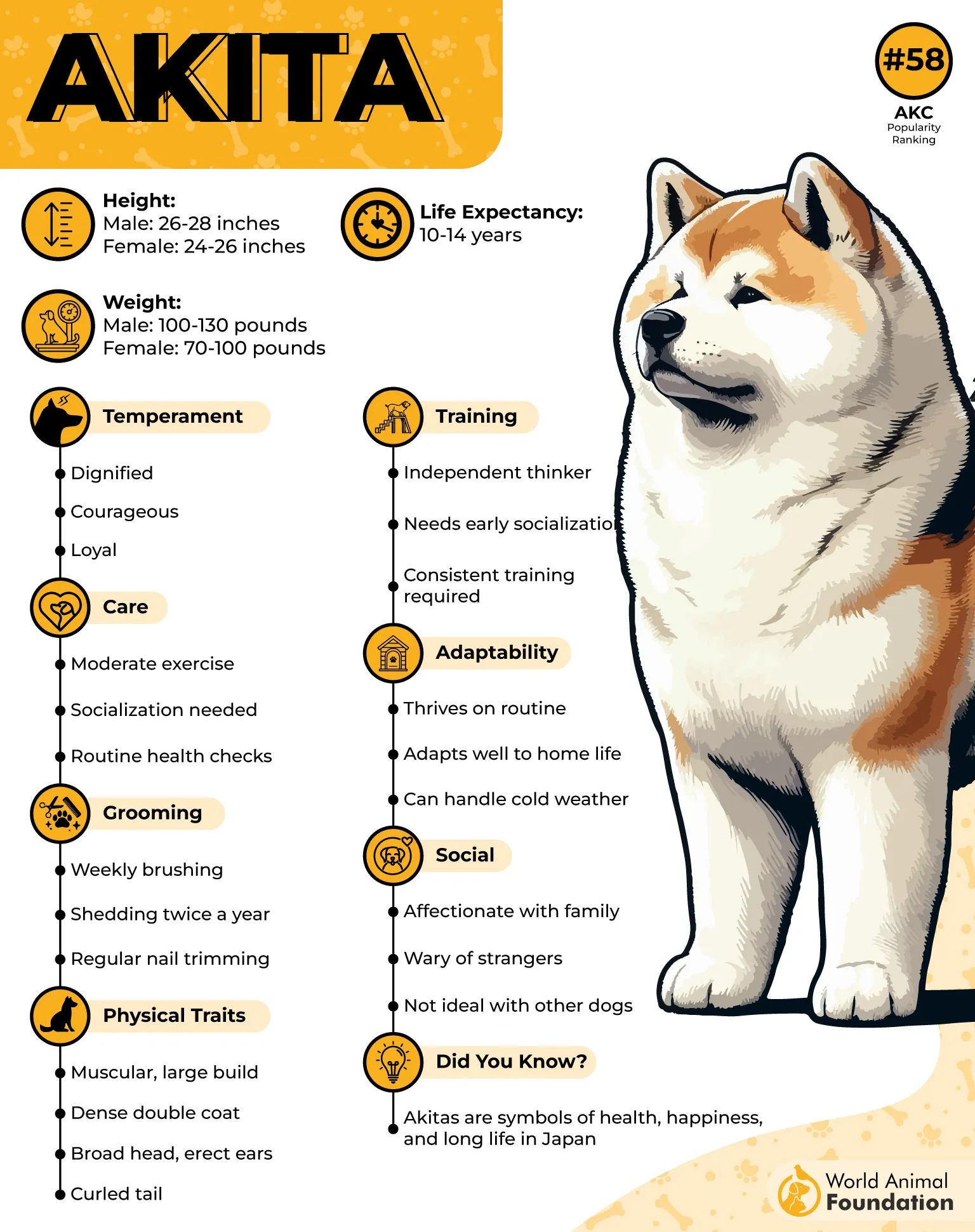
Akita belongs to one of Japan’s oldest dog lineages, with records reaching back to around 200 BC, the same era in which China’s Terracotta Army was created.
Over the centuries, this powerful breed took on roles that included hunting, personal protection, military service, search and rescue, and close companionship.
Quiet Confidence
Akita watches its surroundings with calm attention instead of constant reactions, a quality that suits people living alone who appreciate a dog that notices unusual activity. Family members see a playful and affectionate side, while unfamiliar faces are usually met with reserved observation.
The highlights continue here:
Symbol of health and long life in Japan
Double coat with a muscular build
Long, vigorous walks satisfy its active nature
Firm Guidance
Akita responds best to clear boundaries, early socialization, and reward-based training that relies on treats rather than punishment, as per PDSA. Leash skills and basic obedience deserve attention from an early age because this large, food-motivated breed can also display a stubborn streak.
5. Giant Schnauzer
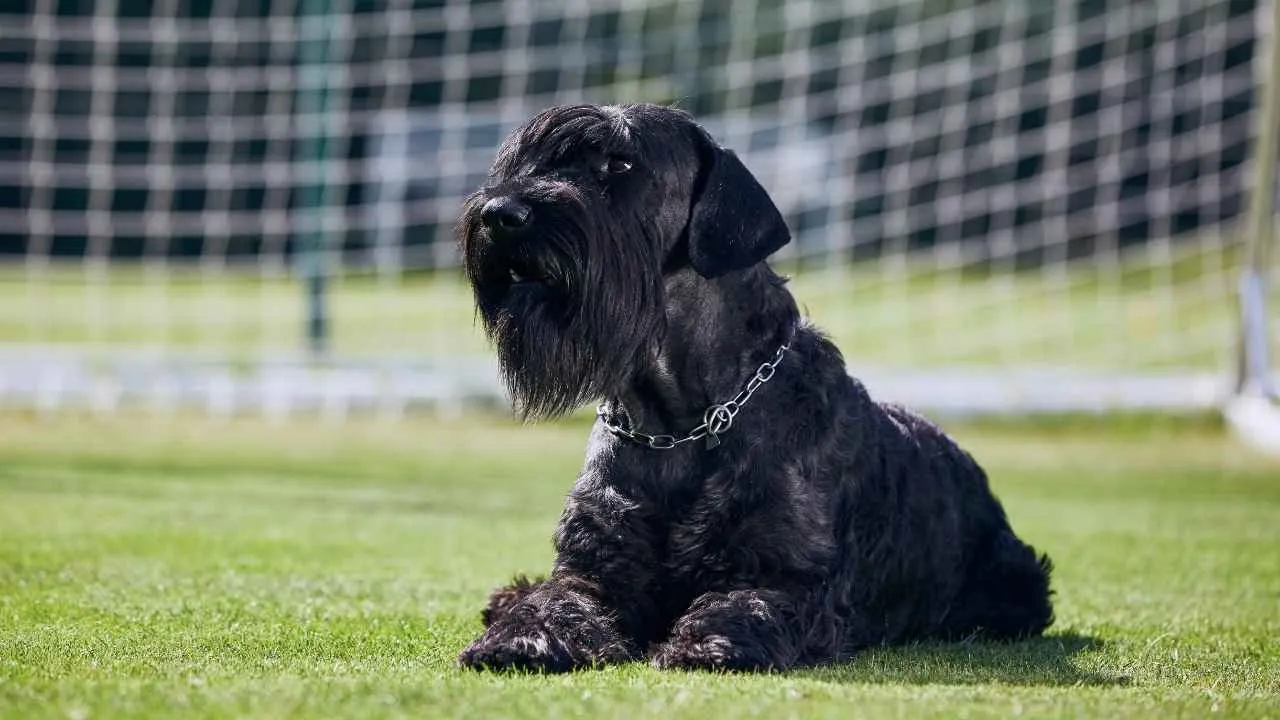
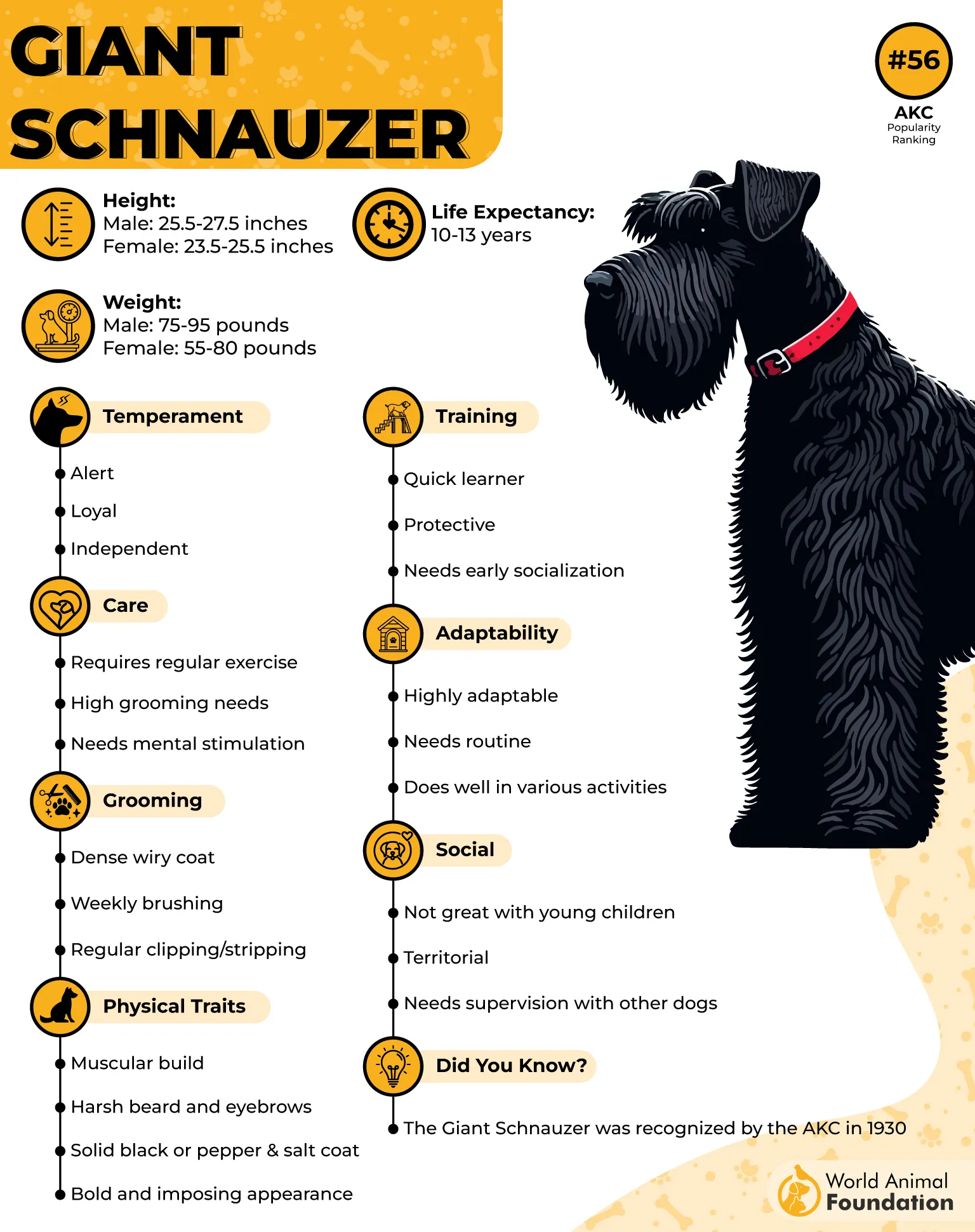
Giant Schnauzer first appeared in Germany, where it served as an all-purpose farm dog trusted with herding livestock, guarding the homestead, and controlling vermin. Every task demanded intelligence, confidence, and the ability to respond to changing situations throughout the day.
Protective Nature
A stranger may not get an instant welcome from a Giant Schnauzer, which is why meeting new people calmly from an early age matters. Squirrels, cats, and other animals can also spark a chase, so keeping this breed leashed and behind secure fencing is wise.
A few details are worth noting:
Need productive daily outlets for their active side
One of the rarer working breeds in the UK
Best suited for owners with allergies
Firm Guidance
Giant Schnauzer learns best with consistent leadership, early socialization, and reward-based training that begins with basic obedience before advancing further. Without enough guidance and purposeful activity, this breed can become difficult to handle and far less predictable in guarding situations.
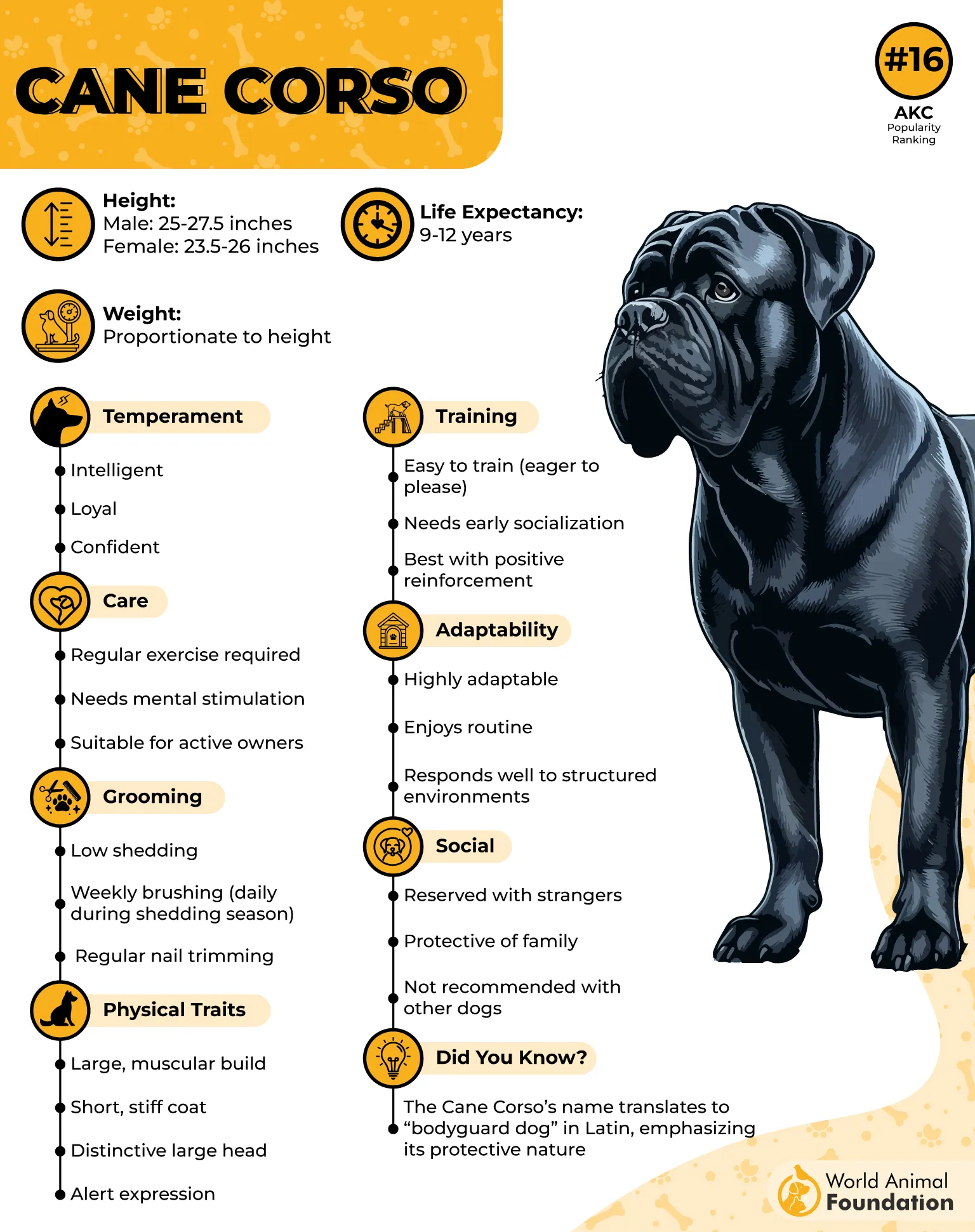
6. Cane Corso
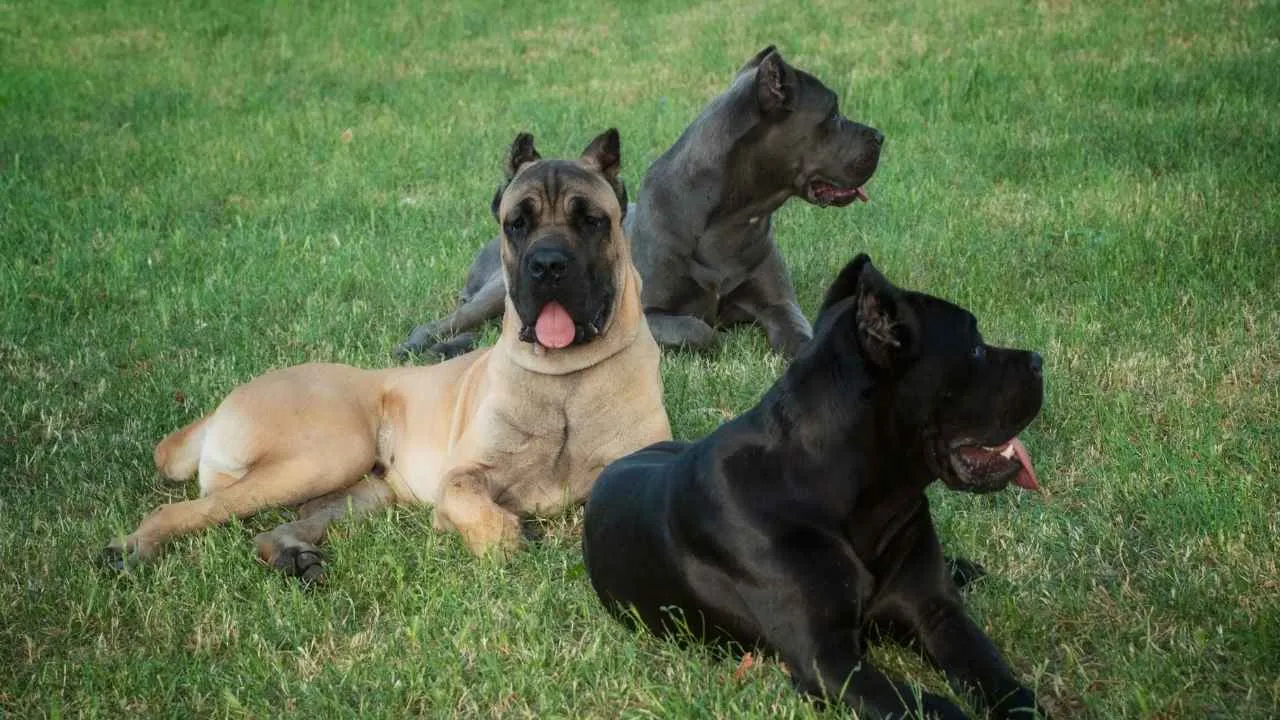
Cane Corso takes its name from a Latin term associated with a “guardian dog,” reflecting a role that stretches back through ancient Italy. Early records connect this mastiff-type breed with military duties before it later became valued for hunting wild boar and watching over rural property.
Calm Under Responsibility
With one person at home, this smartest breed can keep itself occupied while still noticing who comes near the house or what changes around its space. Its muscular yet lean frame, athletic ability, and willingness to learn make structured protection training especially rewarding.
Several details reveal another side of this breed:
Short, low-maintenance coat
Enjoys agility alongside long walks
Lean physique needs weight management
Guided From the Beginning
Cane Corso benefits from broad socialization and thoughtful training so it can distinguish everyday visitors from genuine concerns. Reward-based methods using praise, treats, and consistency encourage reliable responses while avoiding unnecessary fear or unwanted aggression while guarding.
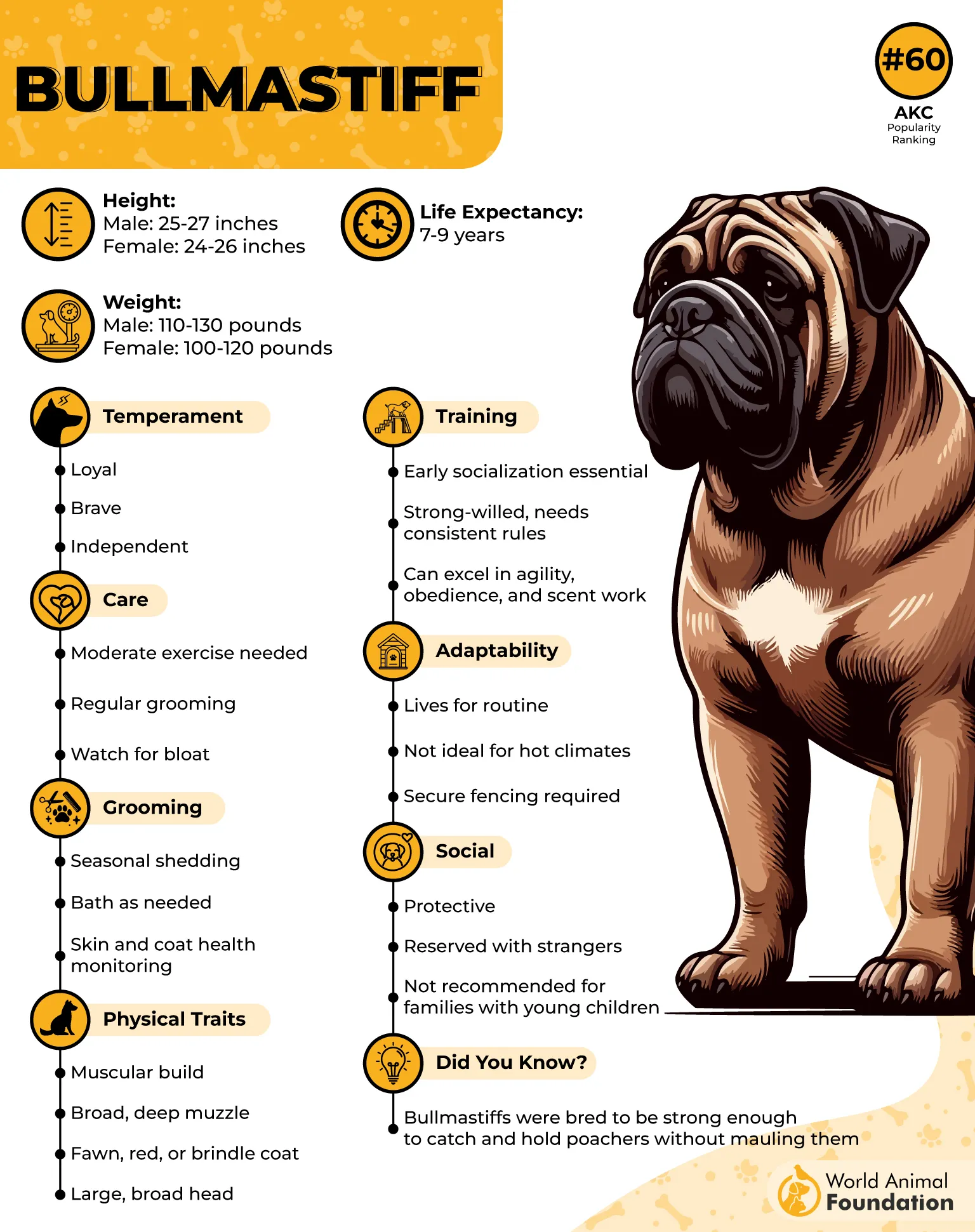
7. Bullmastiff
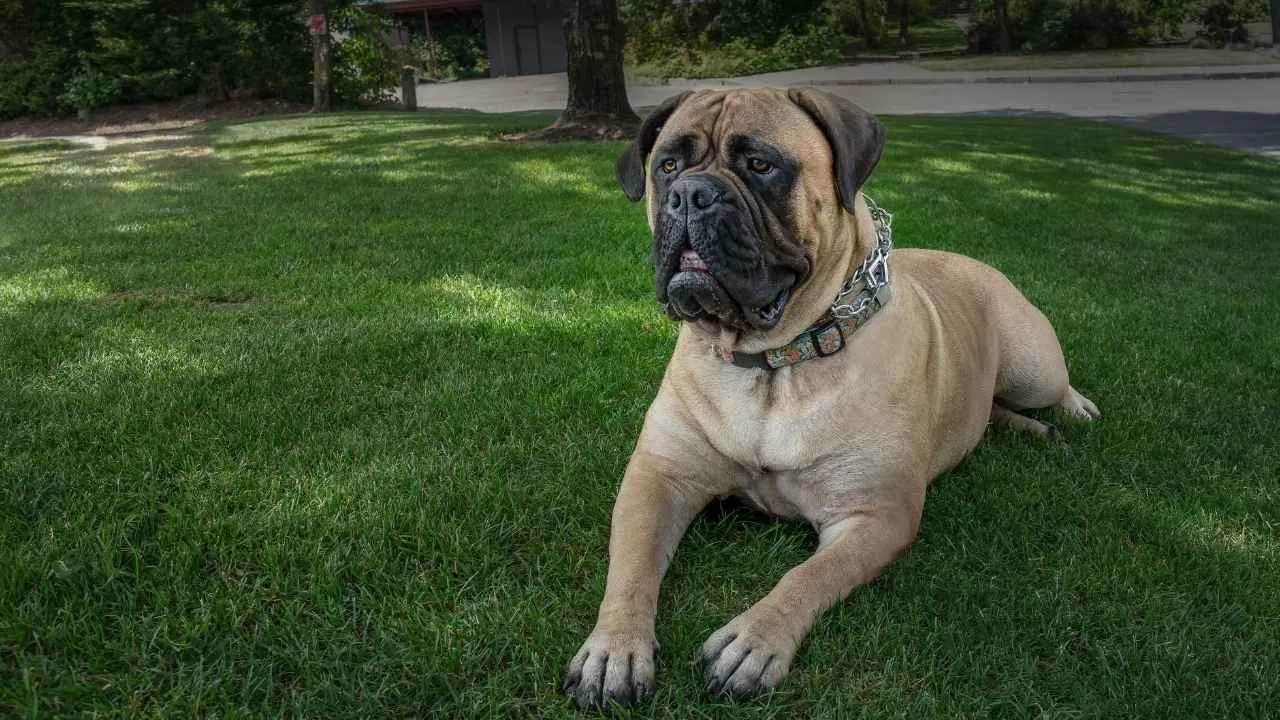
Bullmastiff came into existence on large English estates where gamekeepers needed a dependable partner for dealing with poachers after dark. Earlier attempts with Mastiffs and Bulldogs exposed different shortcomings, leading breeders to combine the strengths of both into a single working dog.
Purpose Before Presence
From the very beginning, this breed had one clear assignment: follow quietly, catch up quickly, and pin an intruder until help arrived without causing fatal injuries. That original role still shapes how Bullmastiffs respond to unfamiliar situations today.
These selected qualities also deserve a look:
Adult confidence often matures between 12 and 18 months
Quiet tracking was favored over constant barking
Physical restraint took priority over excessive force
Living With Others
This family guard dog usually handles respectful small children with patience, although their powerful size calls for close supervision during play.
Encounters with unfamiliar dogs, particularly those of the same sex, benefit from early socialization because territorial behavior can become more noticeable with maturity.
Conclusion
Selecting a protection dog for a single-person home is about much more than appearance or reputation. The strongest partnerships come from matching personality, energy level, and training needs with everyday routines. Dogs with natural protective instincts often make excellent guard dogs, although not every family dog is the right fit for living alone.
That balance develops through time, patience, and responsible ownership rather than instinct alone. Investing that effort creates a relationship built on trust, communication, and mutual understanding. For dog owners, especially first-time dog owners, that dependable companionship can become just as valuable as the extra sense of security waiting at the front door.
