





Ever look at your monthly expenses and think, “I’d love a dog… but can I afford a dog?” You’re not alone, and the good news is that some breeds tend to be friendlier to a tight budget than others.
Cost is not just the adoption fee. It’s grooming, food, training, vet visits, and the little “surprise” expenses that show up when you least expect them. The most budget-friendly dogs are often the ones with simpler coat care, moderate exercise needs, and fewer specialty requirements day to day.
That doesn’t mean cutting corners on health or happiness. It means choosing a dog whose natural needs match what you can comfortably provide.
In this guide, we’ll focus on breeds that can fit a practical lifestyle without sacrificing the fun aspects, such as companionship, goofy moments, and a wagging tail that instantly warms up your home.
Best Dog Breeds When You’re Watching Your Budget
1. Beagle

Beagles are a medium-small hound with a short, weather-resistant coat that’s typically easy to maintain.
Simple brushing and basic baths are usually the main grooming needs, which helps keep routine care straightforward. That kind of low-maintenance coat care can reduce ongoing grooming expenses.
Their daily activity is usually met with walks, play, and scent-based games rather than specialty workouts or complex gear.
According to the AKC, consistent training matters because they’re scent-driven and can get distracted, but the basics can often be handled at home. A steady routine can help prevent boredom behaviors that sometimes lead to extra costs.
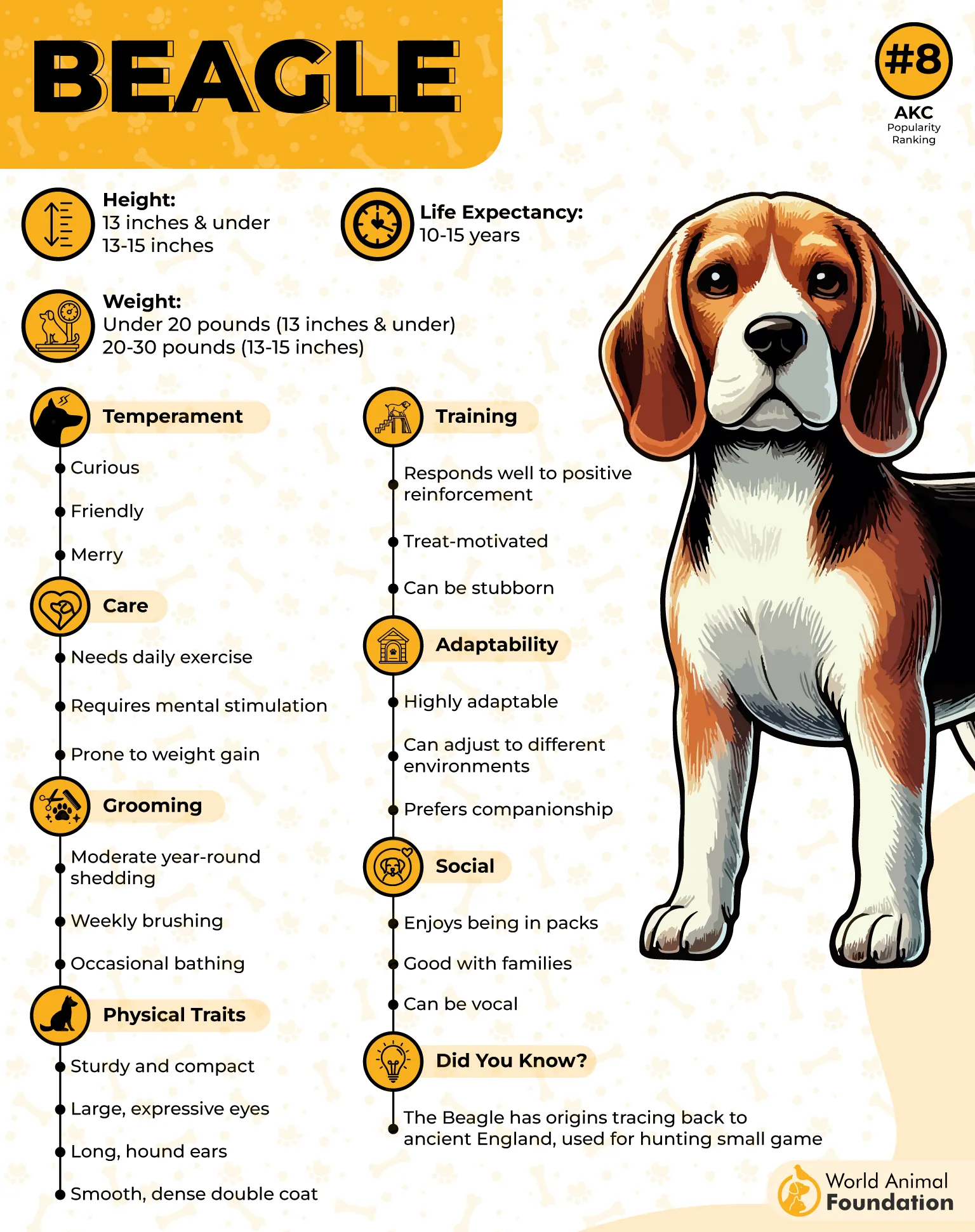
Food costs are often more manageable than they are for larger breeds because Beagles are smaller-bodied. Their compact size can also make supplies like crates, beds, and collars easier to shop for in standard ranges. Many households find the overall day-to-day setup pretty practical.
People also like that Beagles are generally hardy, active dogs when cared for well. Staying on top of exercise and weight helps support long-term comfort. That prevention mindset can be a big part of keeping ownership more predictable.
Fun Fact
Snoopy, Charlie Brown’s famous pet, is a Beagle. The breed’s popularity has kept it recognizable across generations.
2. Chihuahua

Chihuahuas are tiny dogs, which often means smaller portions at mealtimes compared with many other breeds. Over weeks and months, that can help keep food costs more manageable. Their small body also tends to make everyday supplies easier to budget for.
Coat care can be simple, especially for short-coated Chihuahuas that need light brushing and occasional baths. Even long-haired Chihuahuas are still small dogs, so grooming sessions can be shorter and easier to handle at home. Basic coat upkeep is often within reach for many pet parents.

They usually get plenty of exercise through indoor play and short walks, so you don’t need a big yard or expensive activity setups. Because they’re compact, they can adapt well to smaller spaces and daily routines. That can make their lifestyle needs more budget-friendly in many homes.
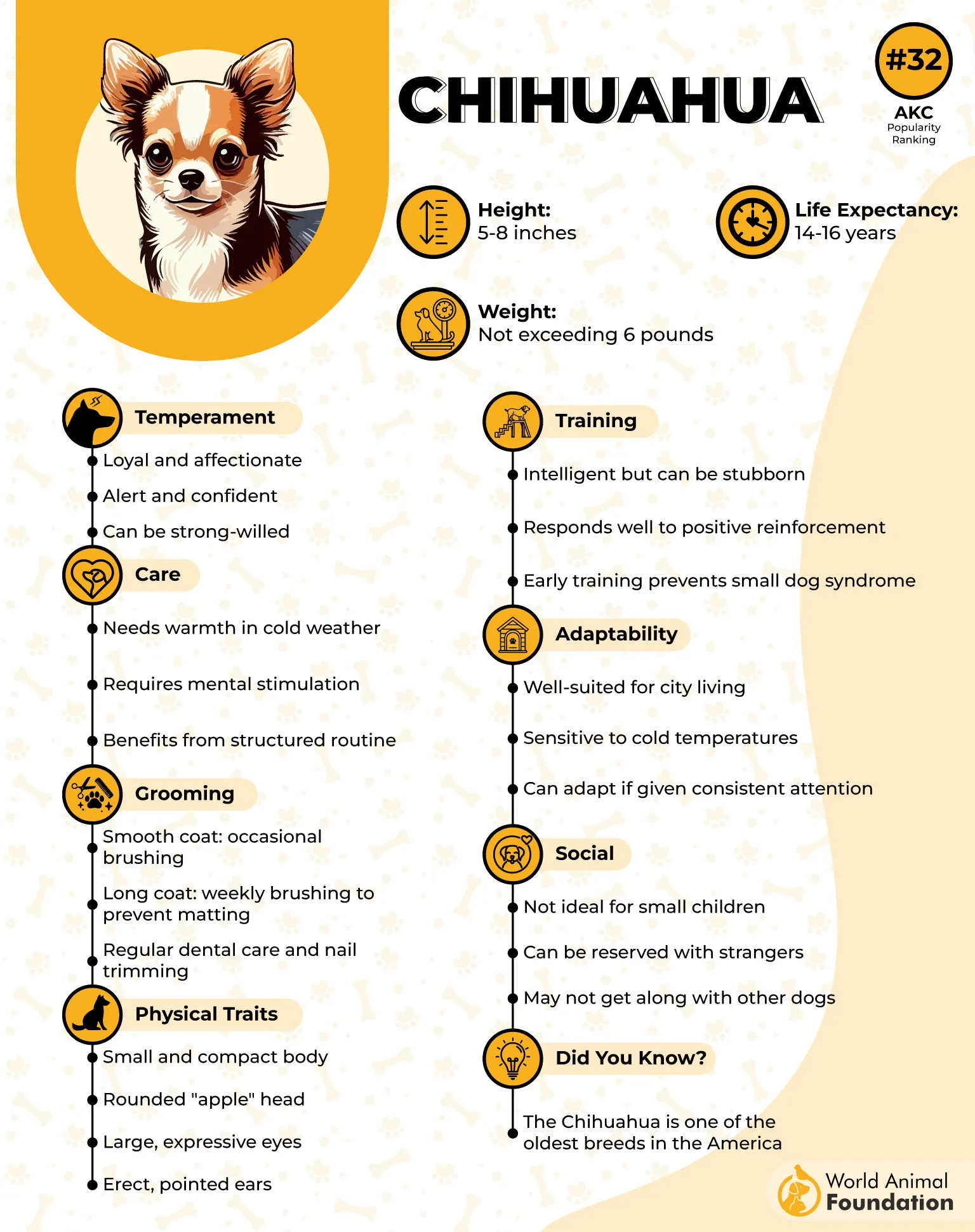
As per PetMD, Chihuahuas can be vocal and alert, so early training and socialization help prevent nuisance barking from becoming a long-term headache. Small dogs can still have real health needs, so routine vet care remains important. A consistent routine and prevention can help keep costs steadier.
Fun Fact
Chihuahuas have two common head types called apple head and deer head. They also come in both short-coat and long-haired varieties.
3. Pug

Pugs are small, compact dogs, and their size can keep certain everyday costs lower than with large breeds. Day-to-day supplies like beds and crates tend to be smaller, and food portions are typically more moderate. Those basics can make routine budgeting feel simpler.
Their coat is short, so professional grooming is not always necessary for many households. However, they do shed year-round, so regular brushing at home helps control loose hair. A simple home grooming routine can minimize extra grooming appointments.
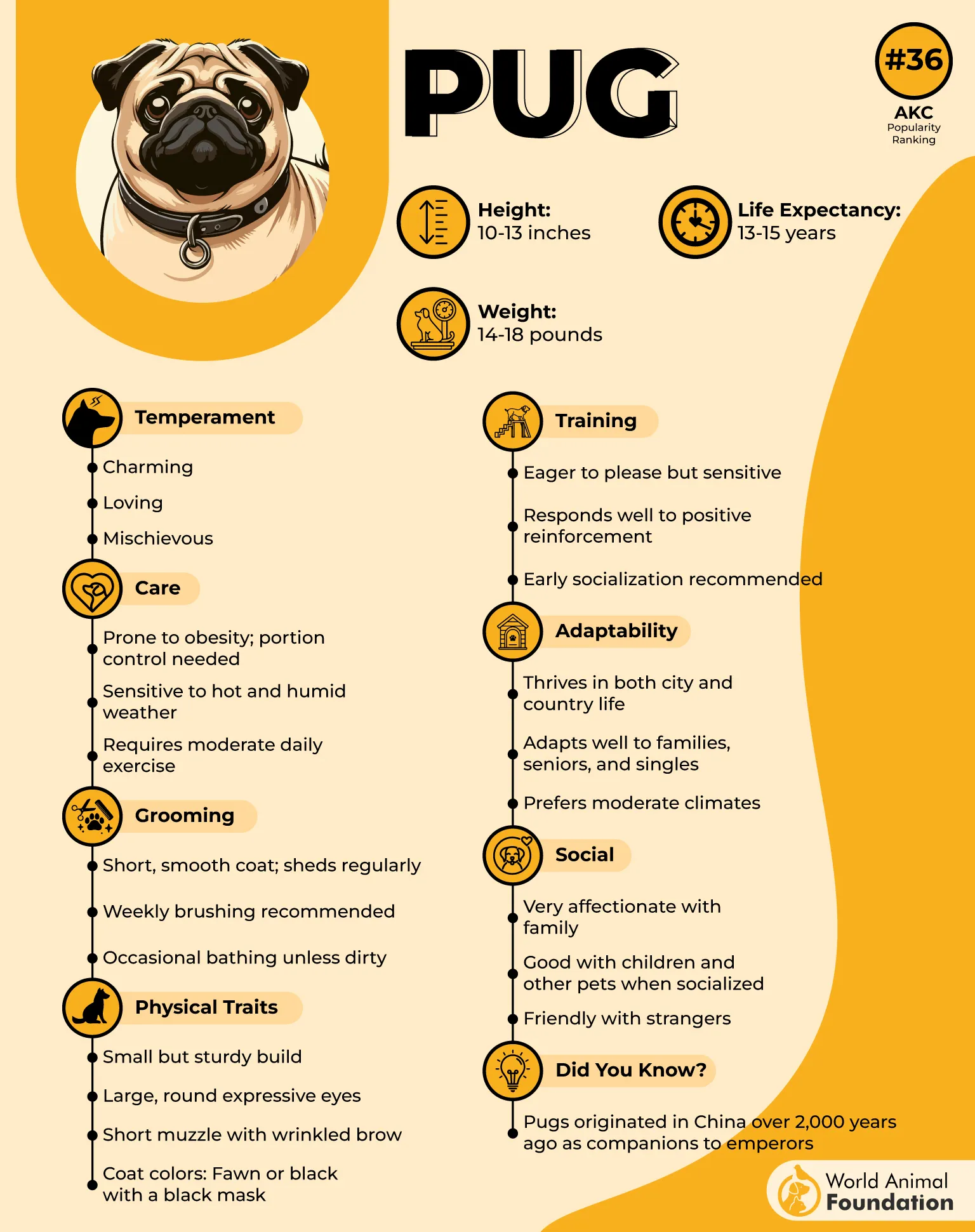
As per Britannica, Pugs are known as companion dogs and often enjoy calm indoor time with their family. Their exercise needs are usually satisfied with manageable daily walks and play rather than intense, high-cost activity needs. That can make their lifestyle easier to maintain without lots of extras.
It’s still smart to budget carefully because some sources emphasize health considerations for the breed. Planning for routine care and being thoughtful about where you get your dog can help avoid expensive surprises. Preventive care and good habits matter with this breed.
Fun Fact
A Pug’s tail curl isn’t only cute, it can be informative. A tail that doesn’t curl can indicate a medical issue.
4. Dachshund

Dachshunds are small dogs, and that smaller size can help keep food and basic supply costs more manageable. Items like crates, beds, and harnesses are often less expensive than jumbo sizes. Their compact build is part of why many households find them more budget-friendly day to day.
Some Dachshunds have smooth coats that are relatively easy to care for with simple brushing and occasional baths. That can reduce the need for frequent professional grooming. Home coat care is often realistic for many owners.
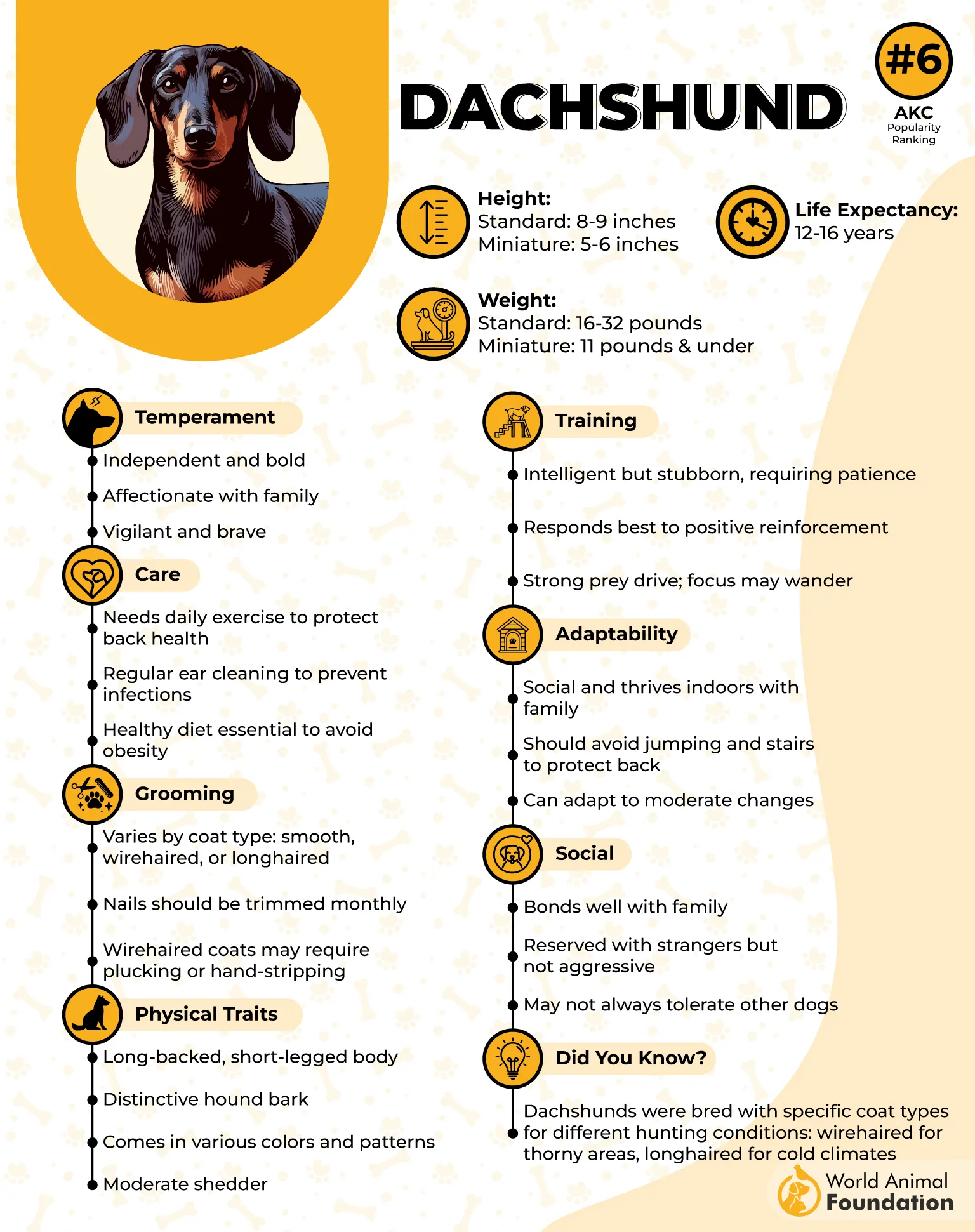
The major budget consideration with this breed is back health because of their long spine and short legs. Preventing jumping, supporting them correctly, and managing weight are key habits that can help reduce risk. Those home routines can be far cheaper than dealing with serious back trouble later.
Regular walks and controlled play are usually enough for activity needs, without needing expensive equipment. Keeping them lean is especially important because obesity can increase stress on the back. Consistency is one of the best ways to keep ownership predictable.
Dachshunds can develop a spinal condition called IVDD (Intervertebral Disc Disease), and severe cases may require surgery. That’s why prevention habits like limiting jumps are so important.
Fun Fact
Dachshunds come in three coat types: smooth, longhaired, and wirehaired. Those coat varieties give the breed very different “looks,” even though they’re the same breed.
5. Jack Russell Terrier

Jack Russell Terriers are small, sturdy terrier breeds originally bred to work, so they’re tough and practical dogs. Their compact build usually means smaller dogs typically eat less than larger breeds. For many dog owners, that makes food costs easier to manage.
Coat care is often simple because the breed can have a smooth coat that leans toward low grooming and little grooming at home. Even when the coat is rough or broken, upkeep is usually manageable with basic brushing. That can help reduce grooming costs over time.
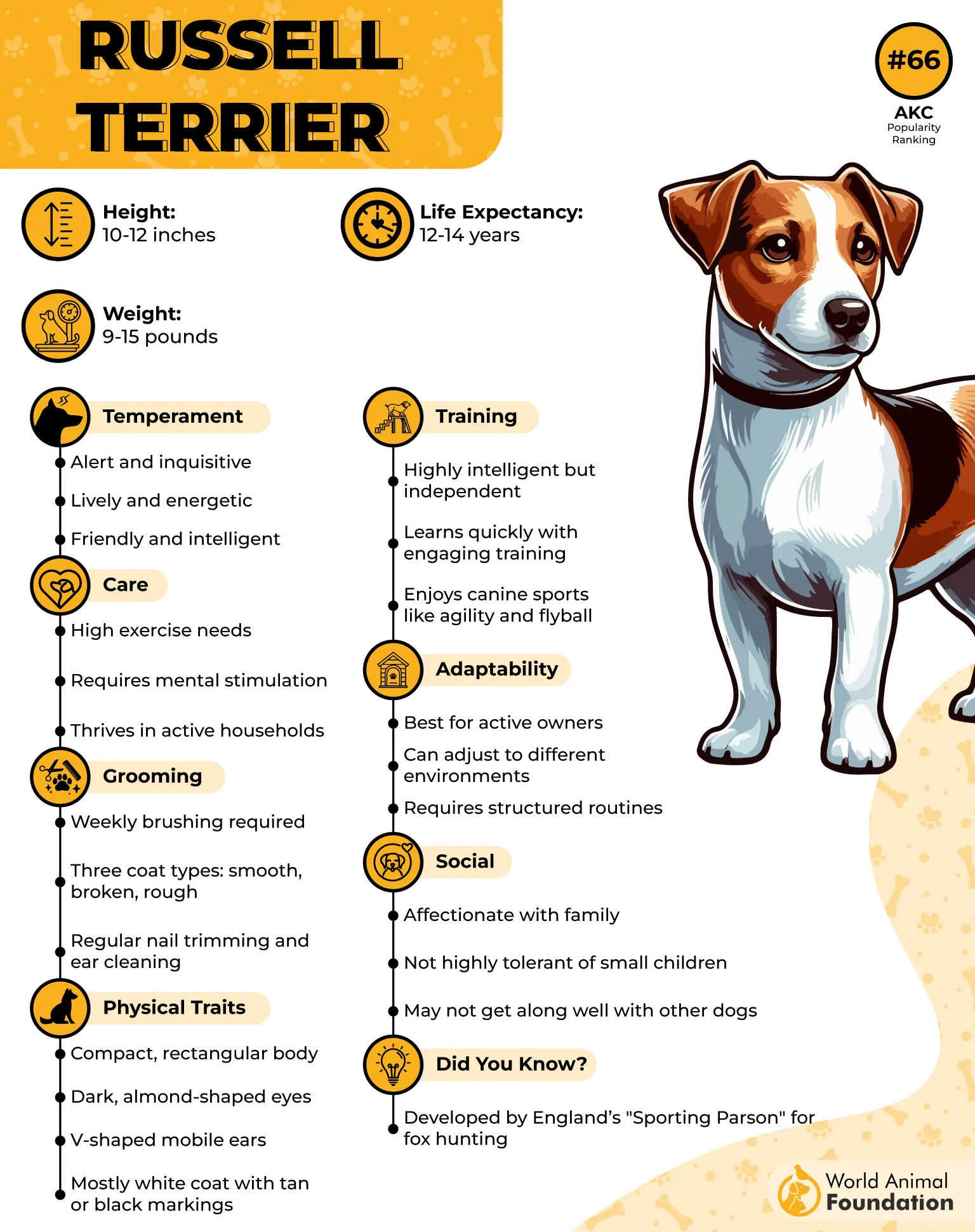
Their biggest “cost factor” is energy, not haircuts. They need regular exercise and enough mental stimulation to avoid behavioral issues. If their needs aren’t met, they can get noisy or destructive, which can create extra expenses.
They’re often listed among the cheapest dog breeds, but they’re not always ideal for first-time owners. Consistent training and clear rules matter, especially because they can be bold and stubborn. With structure, they can be charming and fun to live with.
Fun Fact
Jack Russells can have three different coat types: smooth, broken, or rough and wiry. They’re also predominantly white, often with black and/or tan markings.
6. Dalmatian

Dalmatians have a short coat that doesn’t require complex styling, so professional grooming is not always a must. Many owners can handle routine care at home, which supports a more budget-friendly approach. That practical coat setup can help cost-conscious owners plan better.
They’re recognizable for their spotted pattern and athletic build. Because they’re active dogs, they do best with regular exercise and a steady daily routine. If you’re already someone who likes long walks, that can save money compared to relying on a dog walker.
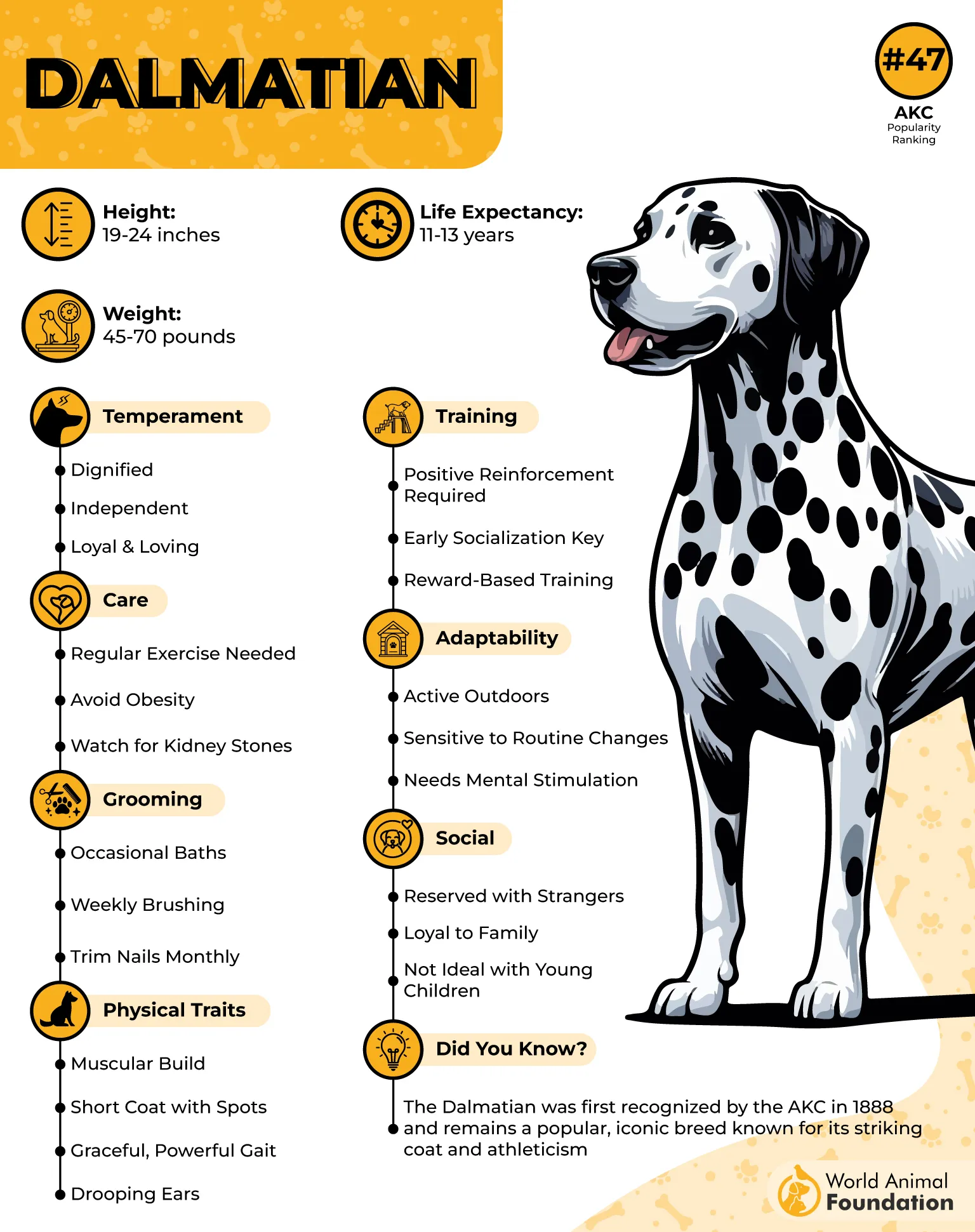
They often show up on affordable dog breeds lists, but it’s smart to think beyond grooming. Building your budget around basics like quality food, routine care, and training helps keep dog ownership predictable. Choosing the right breed for your schedule matters as much as price.
Their personality is often described as dignified and lively, but they can be sensitive and need consistent guidance. Early training can prevent problems that later turn into bigger bills. Planning ahead is one of the simplest ways to save money.
Fun Fact
Dalmatians have specific recognized coat color patterns, including white with black spots and white with liver-brown spots. Those classic spots are part of what made them famous worldwide.
7. Border Collie

Border Collies are famously smart and intensely driven, and they’re known for needing a “job.” Their activity level is high, so they require daily exercise plus lots of mental work. For active families, that can be a great match, but it’s not a couch potato breed.
They’re often praised for trainability, which can help reduce long-term hassles. Clear training and ongoing stimulation can prevent boredom-related behavioral issues. When they’re engaged, they’re focused, responsive, and highly capable.
Grooming is typically reasonable, but the bigger cost question is time and lifestyle. If your schedule can’t cover their exercise needs, you may end up hiring help, which adds up. That’s why “affordable” with this breed depends on what you can provide yourself.
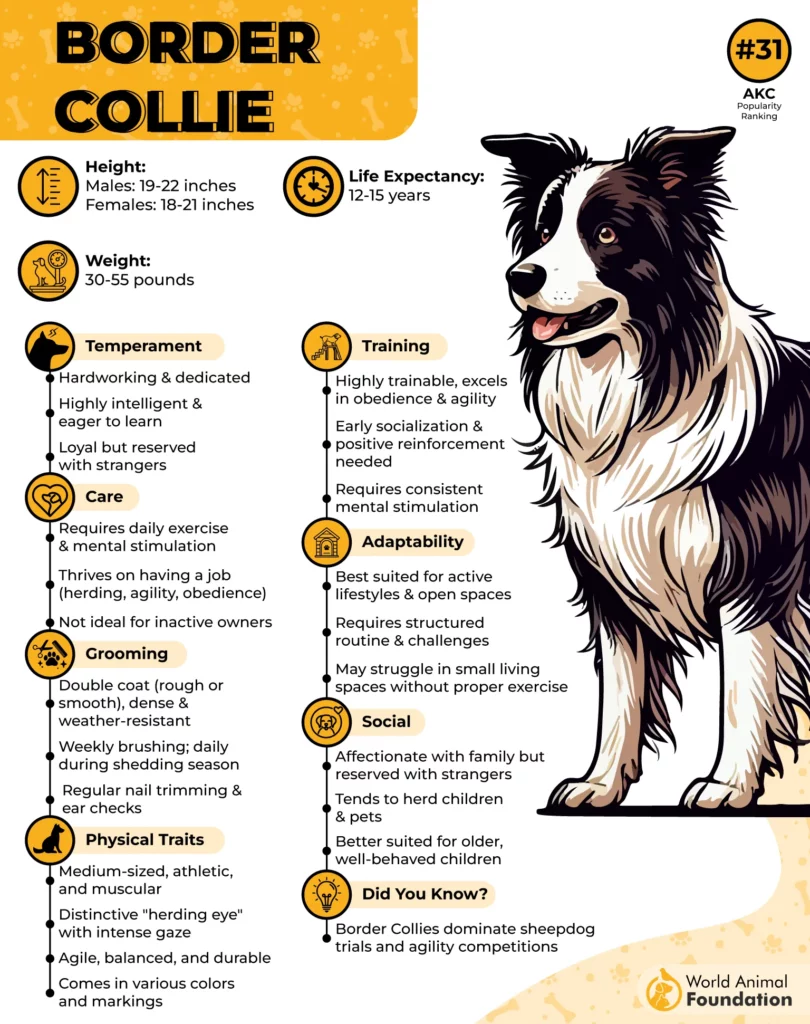
Health-wise, they’re a hardworking herding breed, and many care guides stress routine veterinary care and attention to common health issues. Staying current on vaccinations and preventive checkups supports more stable costs. For new dog owners, this breed usually needs more experience than most.
Fun Fact
Border Collies are widely considered one of the smartest dog breeds. Their brains are a big reason they excel at training, sports, and complex tasks.
Conclusion
Dog lovers watching dollars can still bring a furry friend home with smart choices. Owning a dog can be easier when you pick inexpensive dog breeds with minimal grooming needs, a short-haired coat, and a simple diet, since regular grooming and medical expenses add up fast.
Dog cost depends on energy levels too: certain breeds need more time and support, while an easygoing nature can suit apartments and busy house life. Look for fewer health issues, and you may see lower vet bills, and pet insurance can help if a puppy or pup is prone to surprise costs.
Many local shelter listings, plus rescue organizations, often have mixed breeds. Adopt through rescue or shelter rather than buy from breeders, and you can invest wisely in basics instead, like treats and training.
Other dog breeds such as Shih Tzu, Bichon Frise, Labrador Retriever, Miniature Schnauzer, Boston Terrier, and Great Danes may also fit. It helps to know their temperament, behavior, and aggression risk, and then decide what you can realistically fit into your life.
