




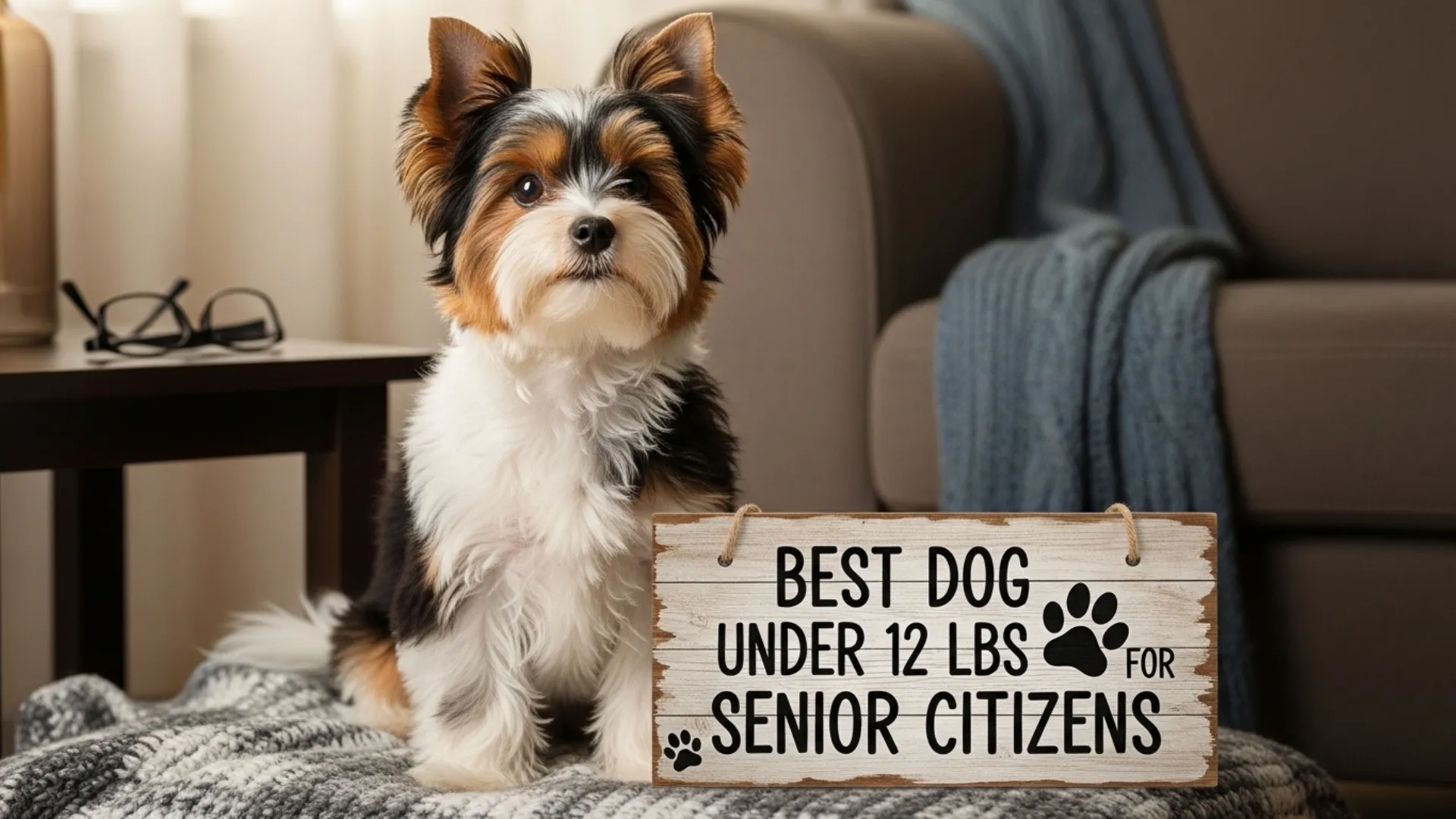
Many seniors prefer smaller dogs because they are easier to handle, require less space, and fit better into a steady routine. Dogs under 12 pounds often meet these expectations, but the reality is that not every small dog creates the same experience.
Some are naturally calm and adaptable, while others may still require more attention and activity than expected. This difference becomes clear over time, especially in daily care and interaction. Tasks such as grooming and simple movement around the house should feel easy, not tiring.
When a dog fits well into this rhythm, it brings comfort instead of effort. That is why choosing matters carefully, even within this size group. The right dog breed for seniors should support a relaxed lifestyle, making everyday moments smoother.
The following sections will walk through options that truly match this need, helping you find a companion that feels like a natural part of your life.
Key Takeaways
A dog that fits into a relaxed routine can bring comfort without adding extra effort to the day.
Chihuahua stays close and connected, while Pomeranian brings just enough activity without turning daily routines into effort.
Biewer Terrier and Maltese add gentle companionship, blending grooming, play, and quiet moments into a balanced rhythm at home.
As you move through the list, it becomes easier to notice which of these dogs naturally settles into a calm and reassuring presence.
Best Dog Breeds Under 12 lbs for Senior Citizens
1. Chihuahua
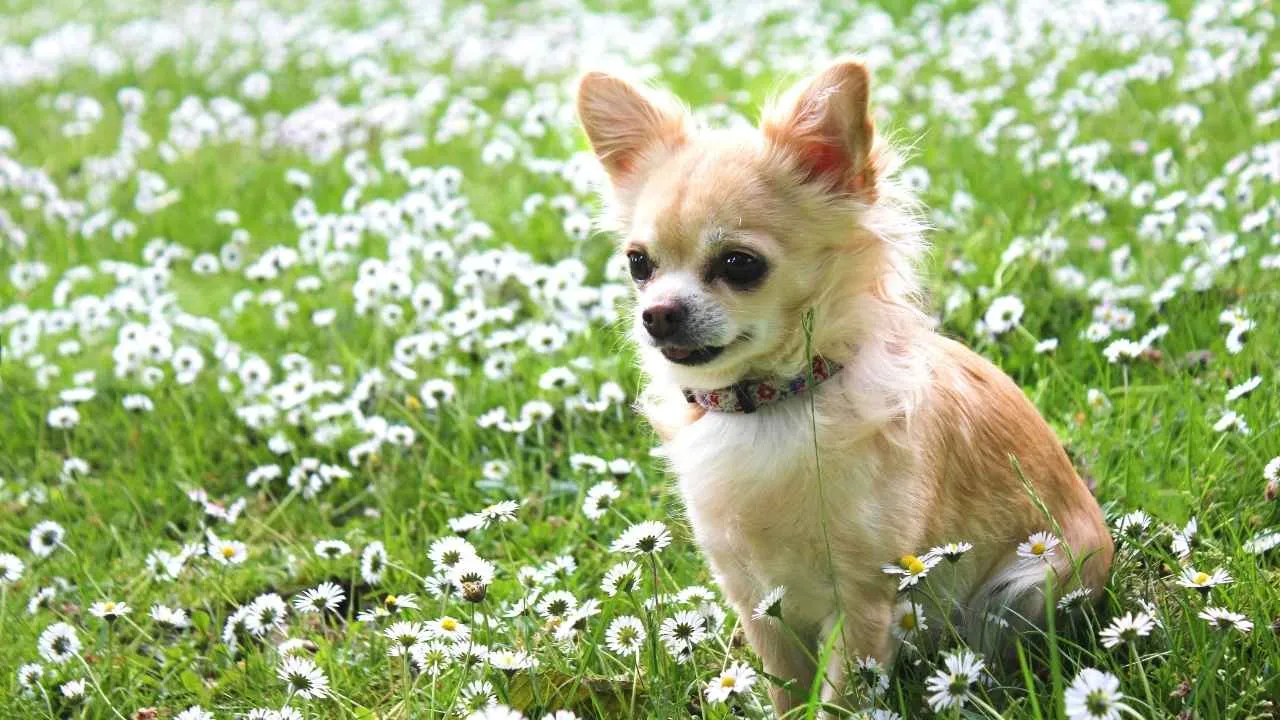
Chihuahua presents a tiny frame shaped with balance and a terrier-like alertness that stays visible through its bright eyes and upright ears.
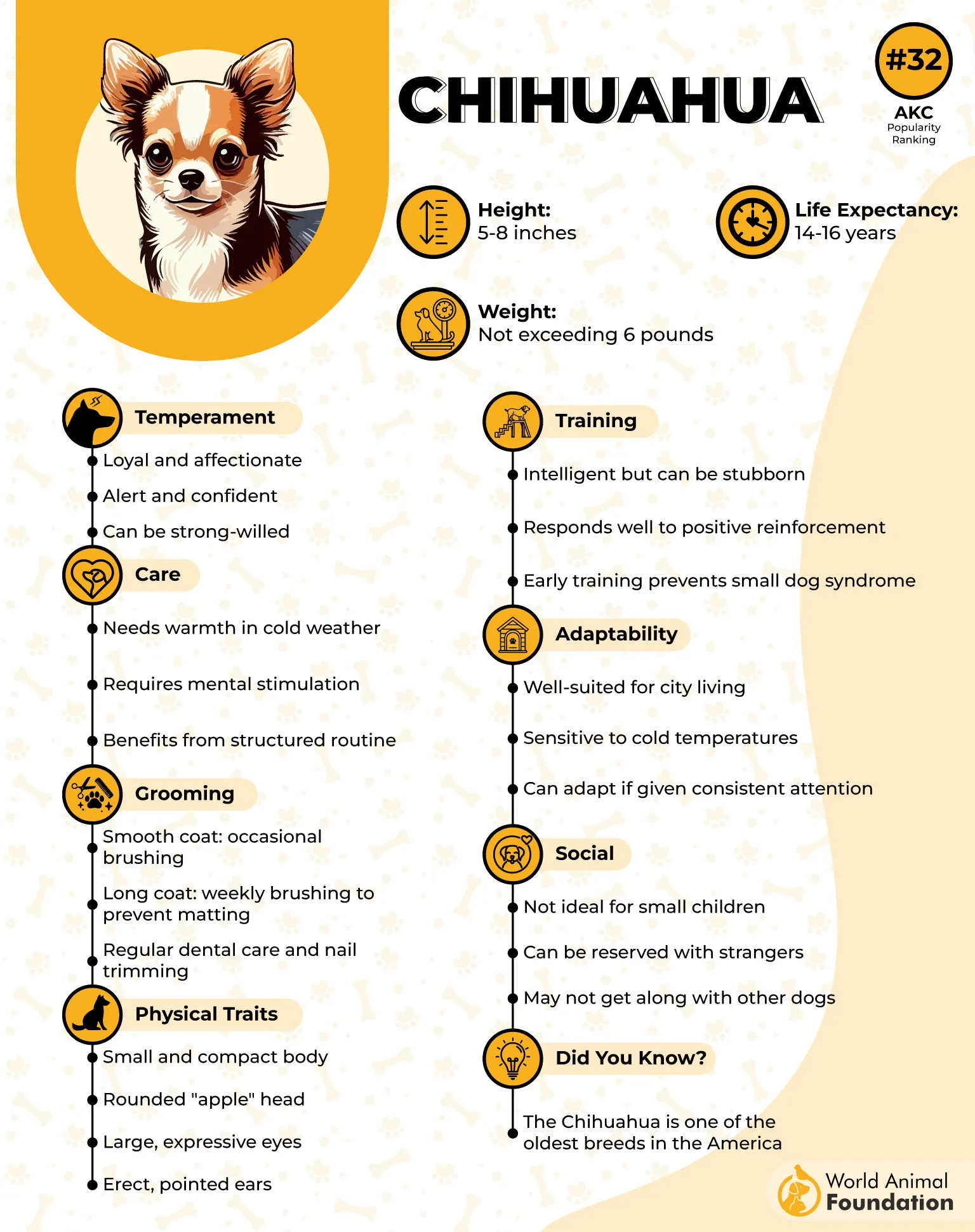
Its rounded apple-shaped head and expressive face give it a lively, attentive look in small spaces. Despite its size, the presence feels confident and aware of its surroundings.

Bond built through closeness
This small dog forms a strong connection with familiar people, often seeking proximity and steady interaction in calm environments. Its behavior reflects comfort in personal spaces where attention and contact remain consistent.
That closeness shows up in simple, visible traits:
Forms tight bonds within its trusted circle
Responds well to steady human interaction
Prefers resting in close personal space
Personality shaped through awareness
It reacts quickly to changes around it, showing alertness that reflects both curiosity and caution in everyday settings, as per PetMD. Its expressive eyes and ear movements often signal shifts in attention without hesitation. This responsiveness gives it a strong sense of presence to older adults.
2. Pomeranian
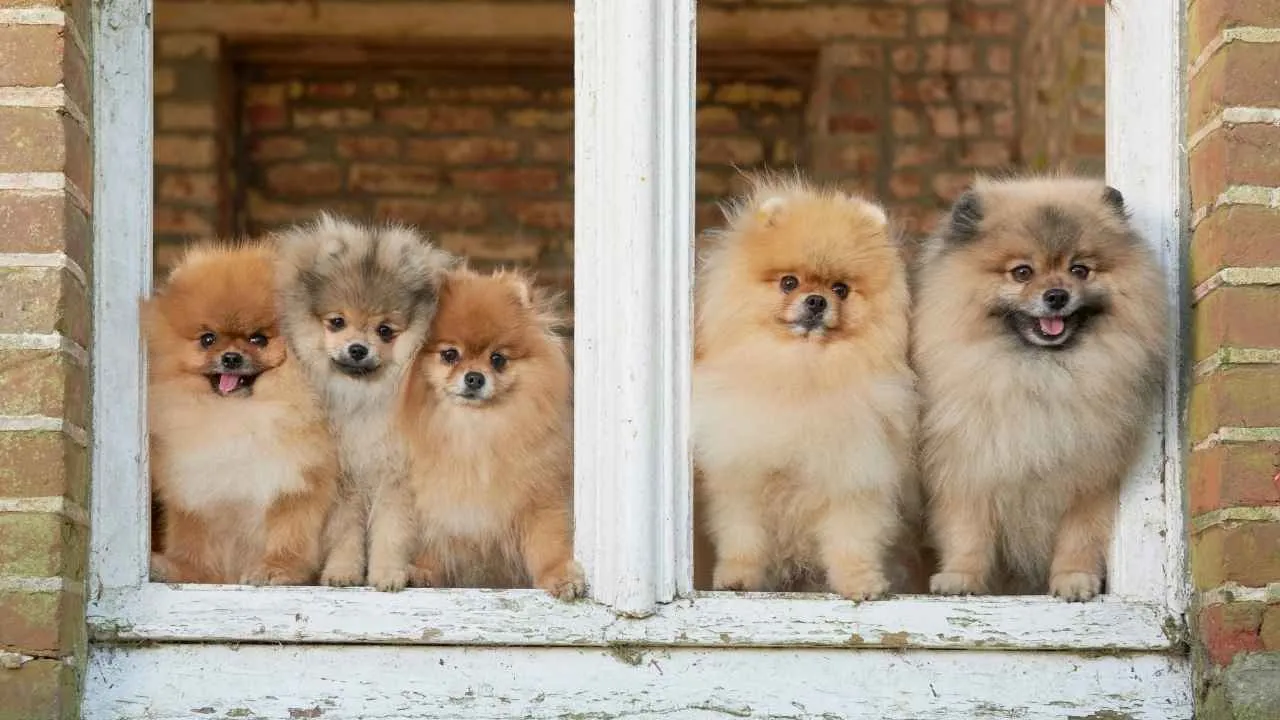
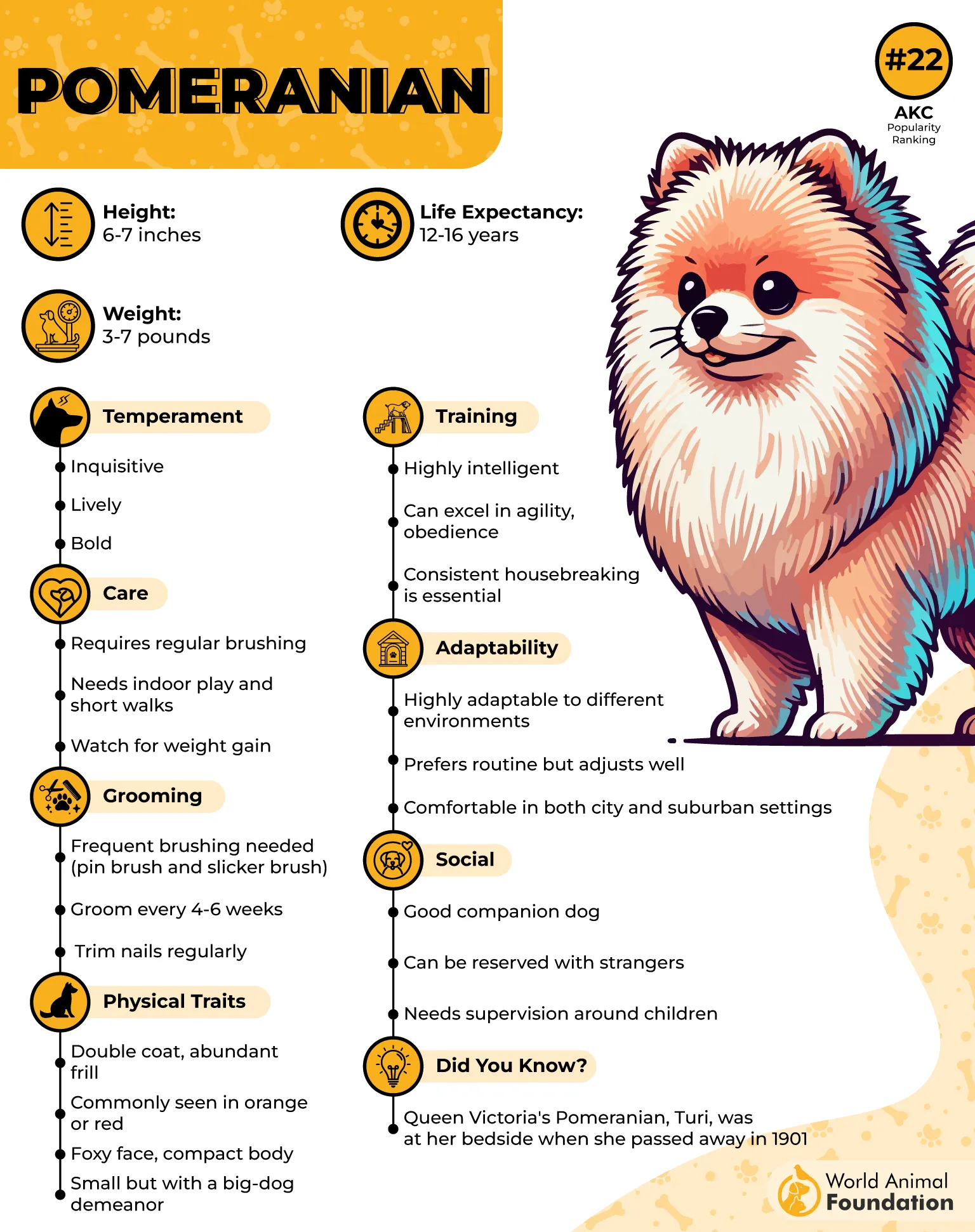
Pomeranians have a compact body paired with a lively, expressive personality that brings attention through behavior rather than size. Its alert nature keeps it aware of its surroundings while staying close to familiar people. This makes daily handling manageable in close living spaces.
Interaction that fits daily companionship
These small dog breeds respond well to attention and enjoy staying engaged with people, making it easy to include them in everyday routines. Its intelligence supports quick learning through short, simple sessions.
For practical care at home:
Learns basic cues with short repetition
Enjoys calm interaction with familiar individuals
Adapts well to light indoor engagement
Activity suited to limited effort routines
They are low-maintenance dogs when it comes to activity, requiring only moderate exercise, with their energy met through indoor movement and brief daily walks, as per Royal Canin.
Its small size allows it to stay active within a limited space without demanding physical strain from the handler. This fits well with slower daily routines.
3. Biewer Terrier
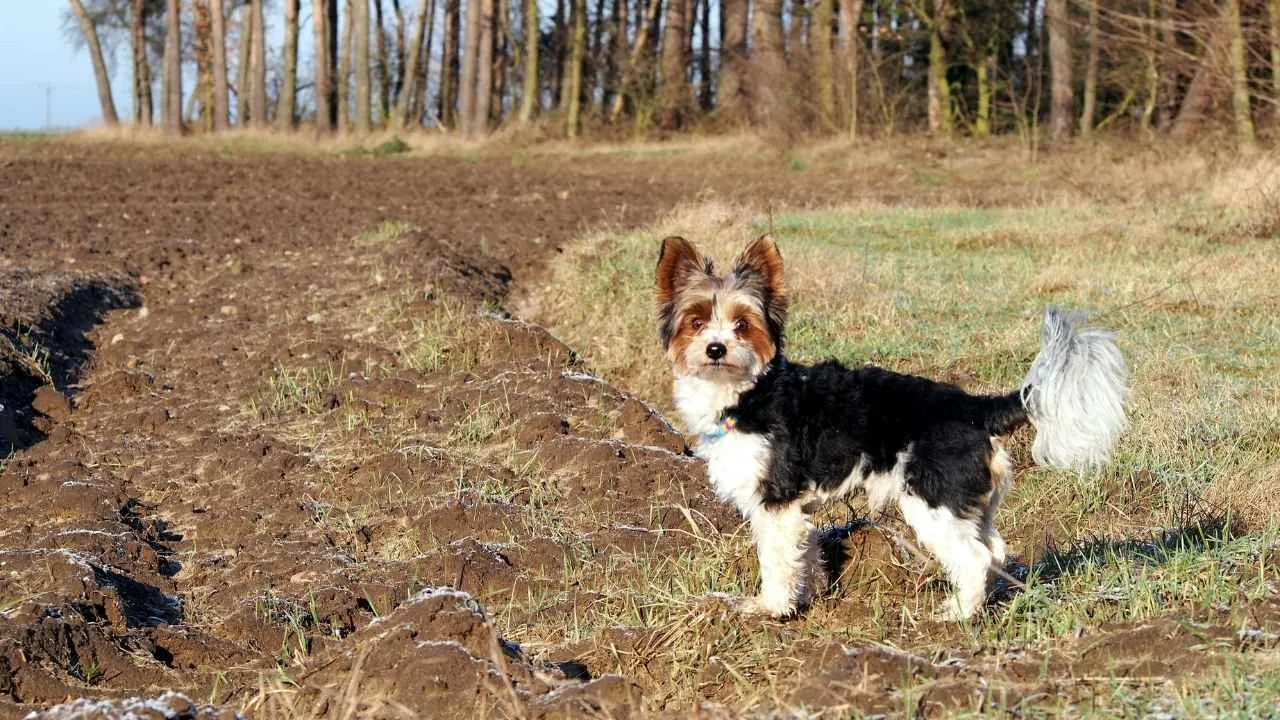
The Biewer Terrier first appeared in Germany during the 1980s, when tricolor puppies emerged in a Yorkshire Terrier breeding program. Its small frame and decorative coat pattern quickly drew attention for its refined presence in compact form.
Personality inside a compact frame
This tiny dog shows a bright, social temperament that stays closely linked with human interaction and daily companionship. Its behavior reflects playful curiosity paired with steady attachment to familiar people.
A closer look highlights its daily rhythm:
Engages quickly during play sessions
Responds well to gentle social interaction
Adapts easily to indoor environments
Grooming and companionship focus
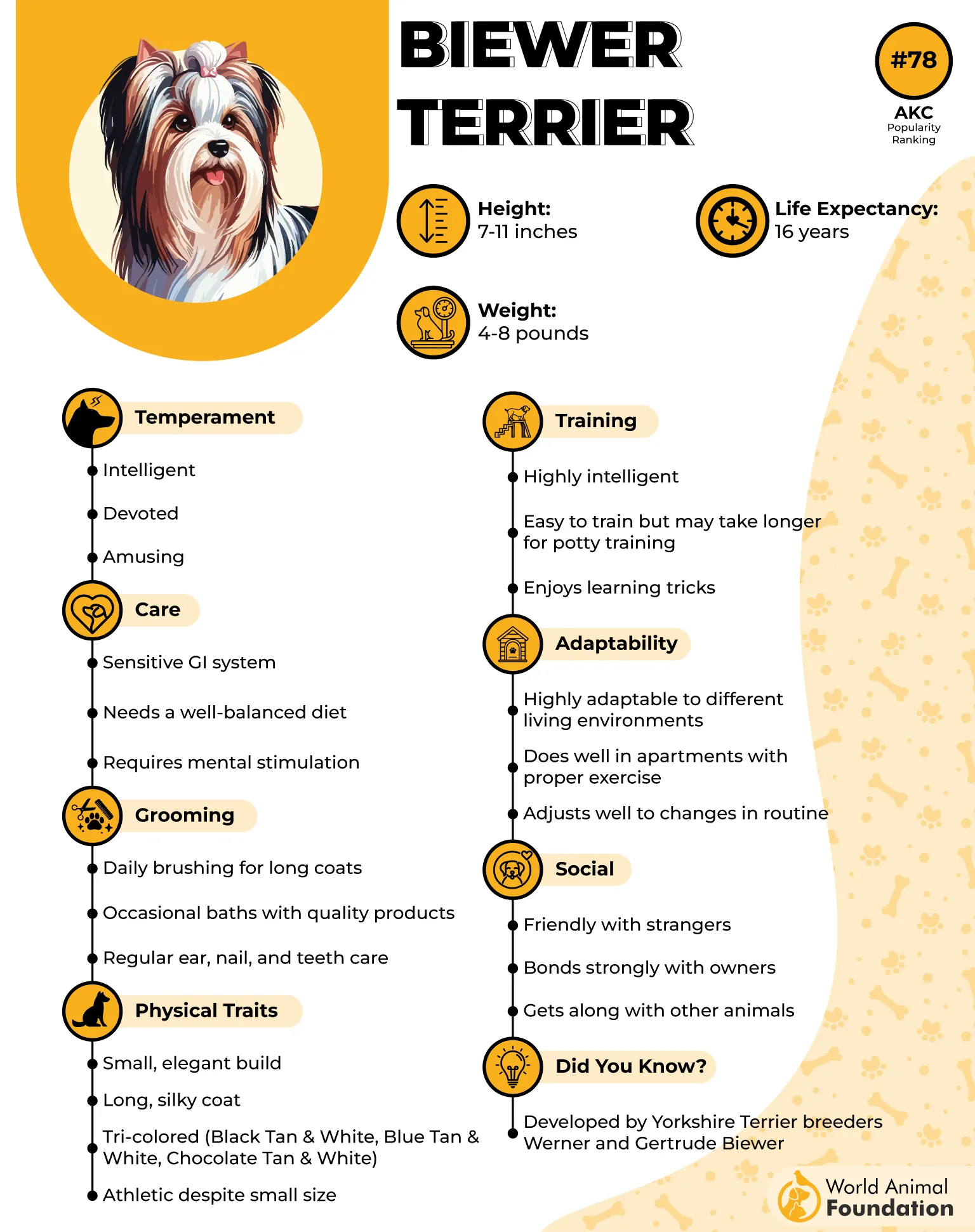
These terriers require regular coat care to maintain their fine, silky appearance, making regular grooming part of their routine upkeep, as the AKC noted. Its affectionate nature stays consistent across interactions, often showing a calm presence around people and other pets when socialized early.
4. Toy Fox Terrier
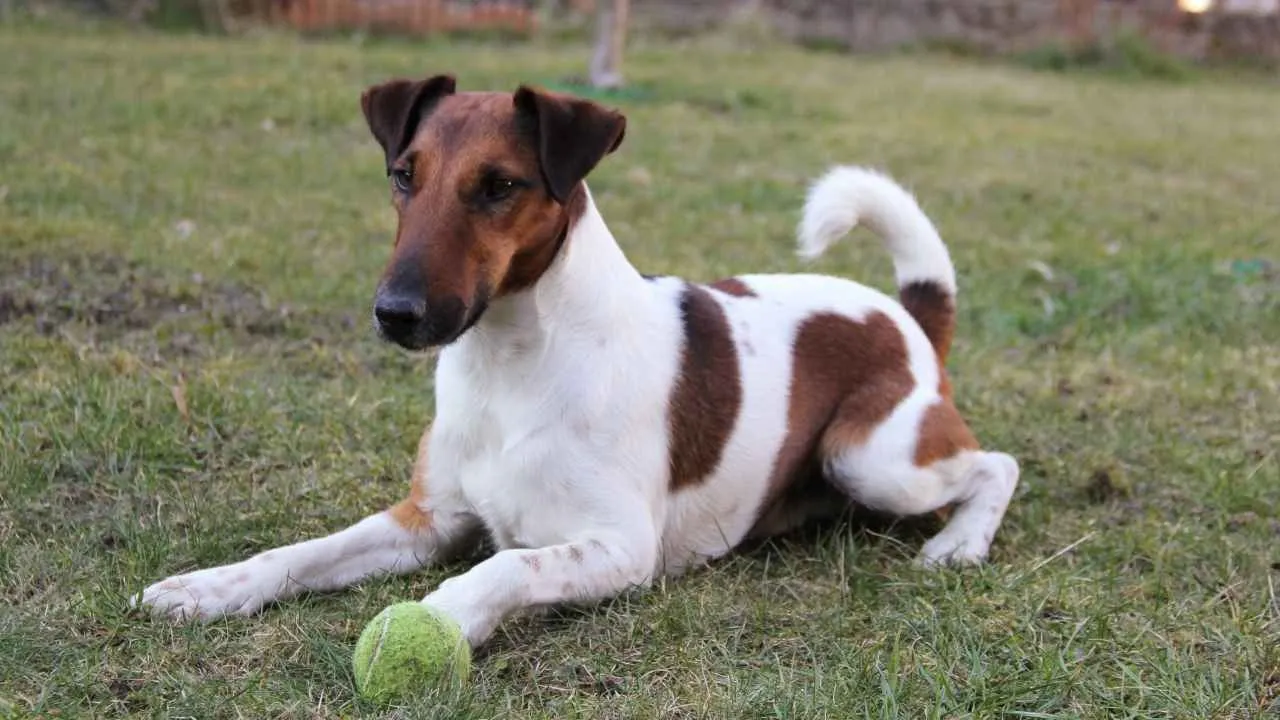
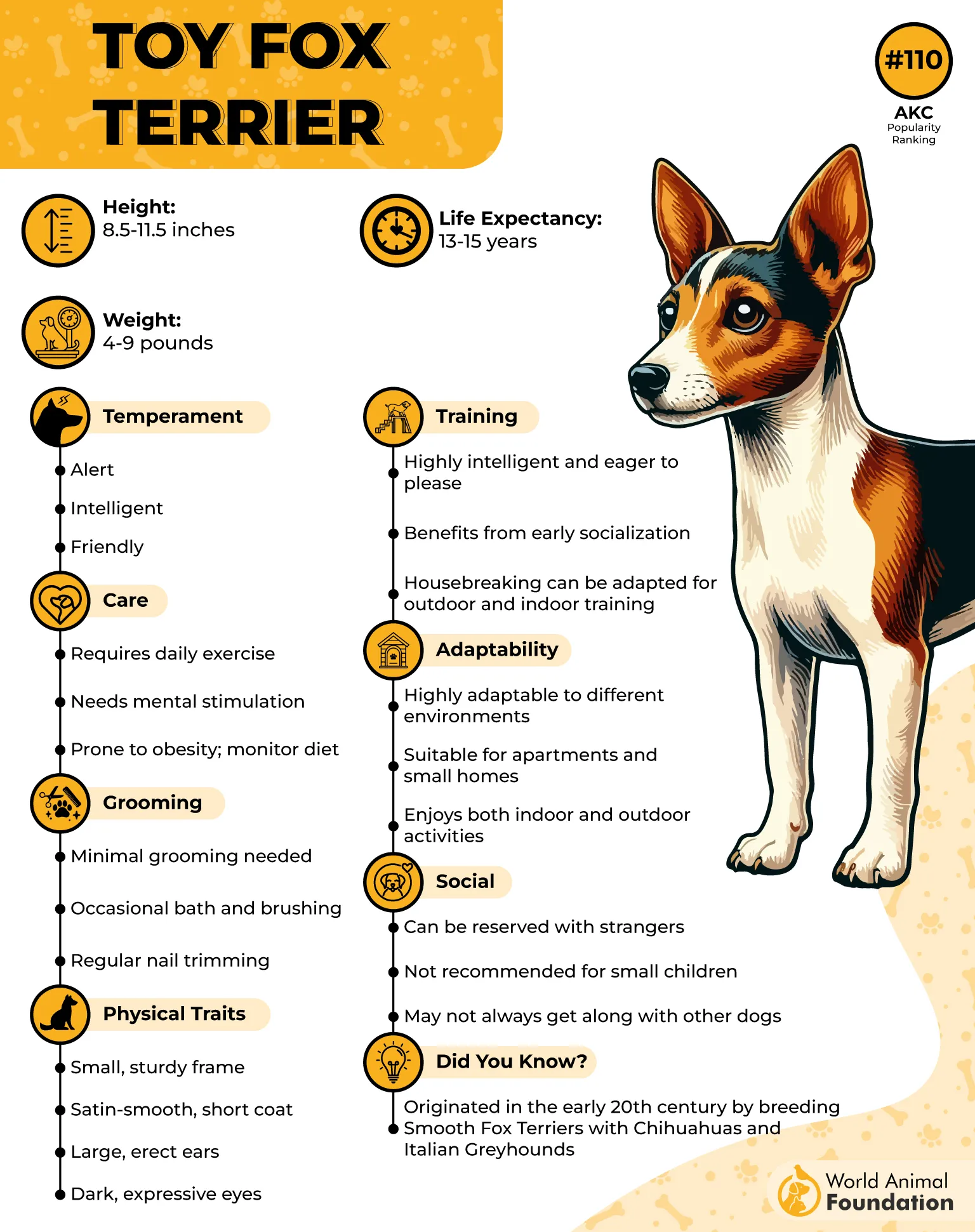
Toy Fox Terrier presents a compact structure shaped by agility inherited from its Smooth Fox Terrier background in England. Its alert expression and light frame reflect a dog that stays responsive in short bursts of activity. The overall build supports sharp reactions within a small body.
Energy expressed through daily interaction
These terriers show steady enthusiasm during play and respond strongly to engaging activity throughout the day. Its behavior connects closely with interaction, making routine stimulation part of its natural rhythm.
This character becomes clearer through its daily habits:
Engages quickly in interactive play
Responds well to structured games
Maintains attention through activity-based tasks
Attachment shaped through consistency
These affectionate dogs form a close bond with familiar people, showing a steady sense of trust once social exposure is established early. Its calm temperament reflects confidence, especially in familiar surroundings. This connection deepens with consistent interaction over time.
5. Papillon
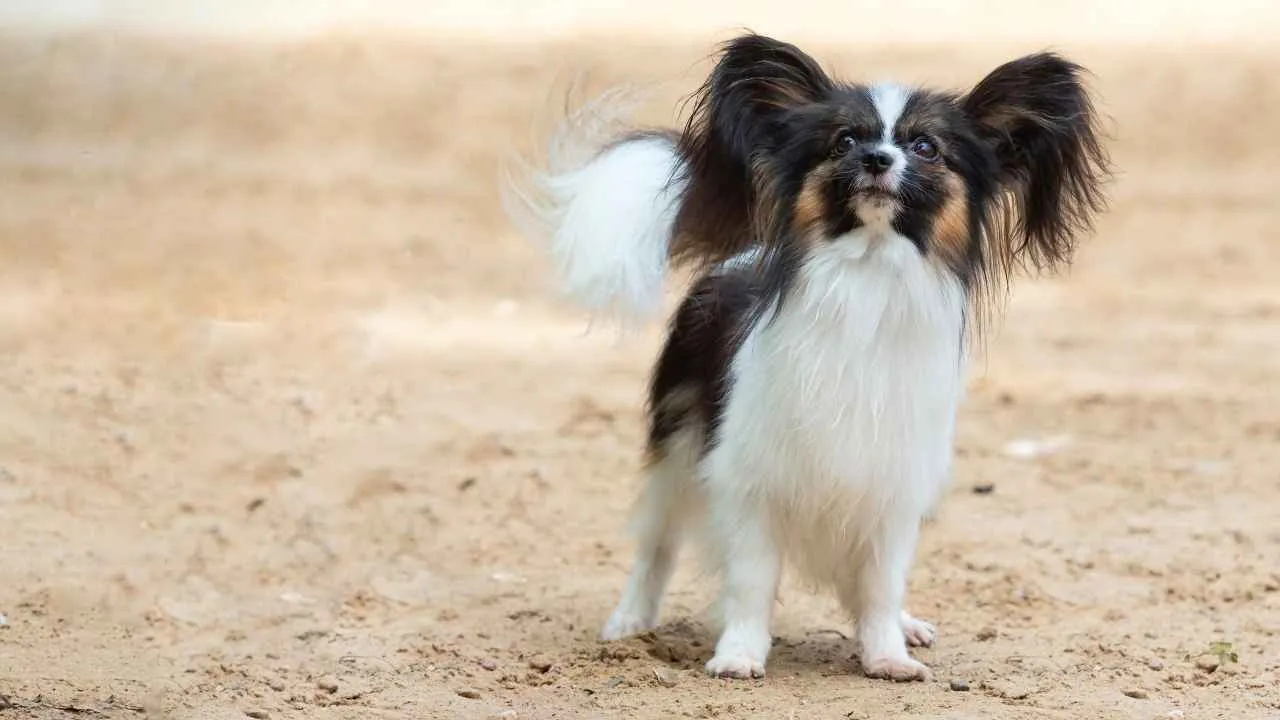
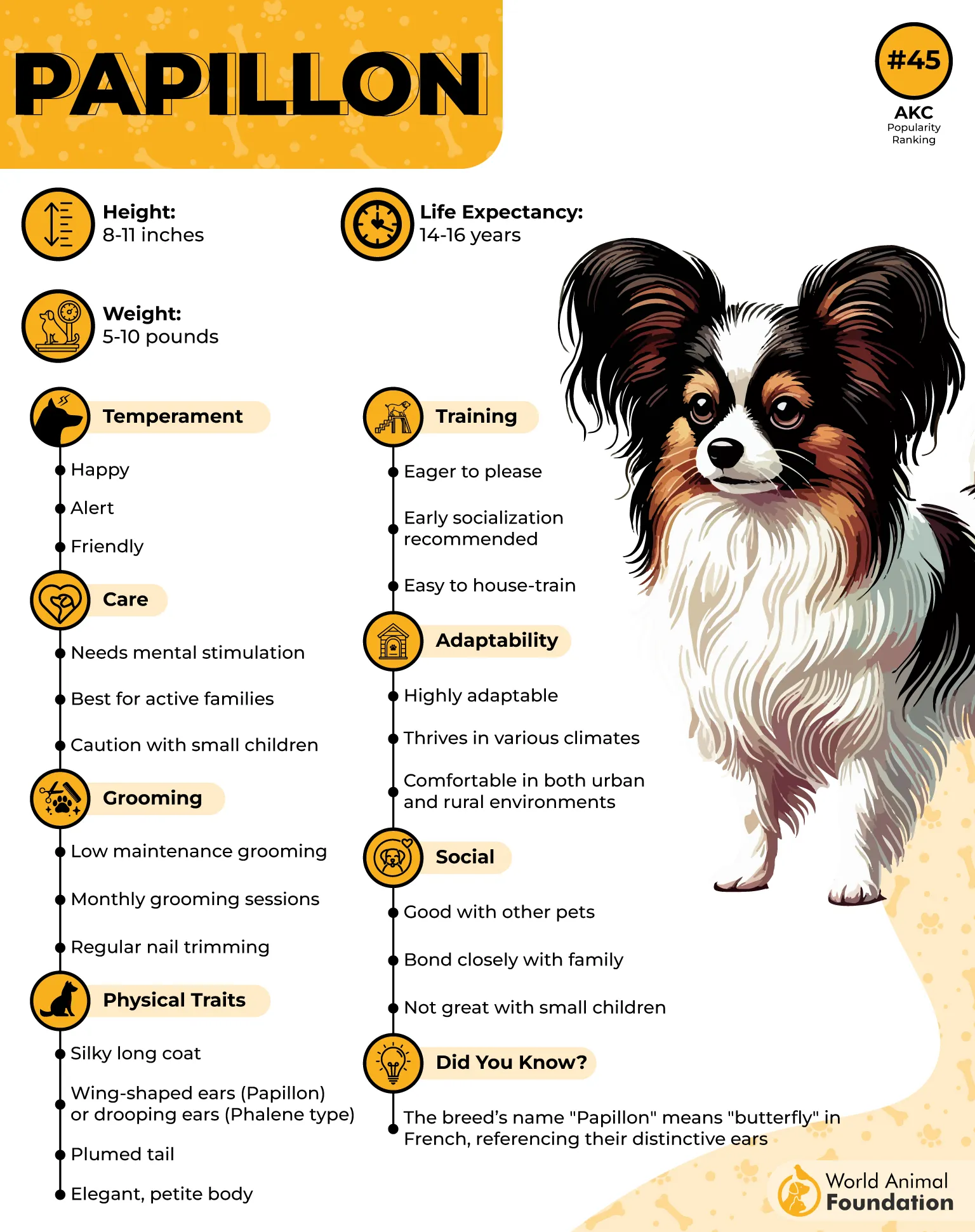
Papillon is recognized by its wing-shaped ears and fine feathering that resemble a butterfly in motion. Its compact build supports adaptability across different living environments while maintaining an alert, expressive face. The breed’s presence feels refined yet lively in close spaces.
Small frame with active engagement
This lap dog shows strong mental engagement and responsiveness, often excelling in structured activities and interactive learning. Its intelligence makes it suitable for tasks that require attention and consistent stimulation.
That behavior becomes clearer in daily patterns:
Performs well in agility-based activities
Responds strongly to interactive training
Fits into apartment living through its manageable size
Care routine and interaction style
They require regular brushing to manage their long, feathered coat and avoid tangles. It stays closely engaged with people, often forming an affectionate companion bond within daily interaction. In pet ownership settings, its responsiveness makes interaction feel continuous rather than occasional.
6. Maltese
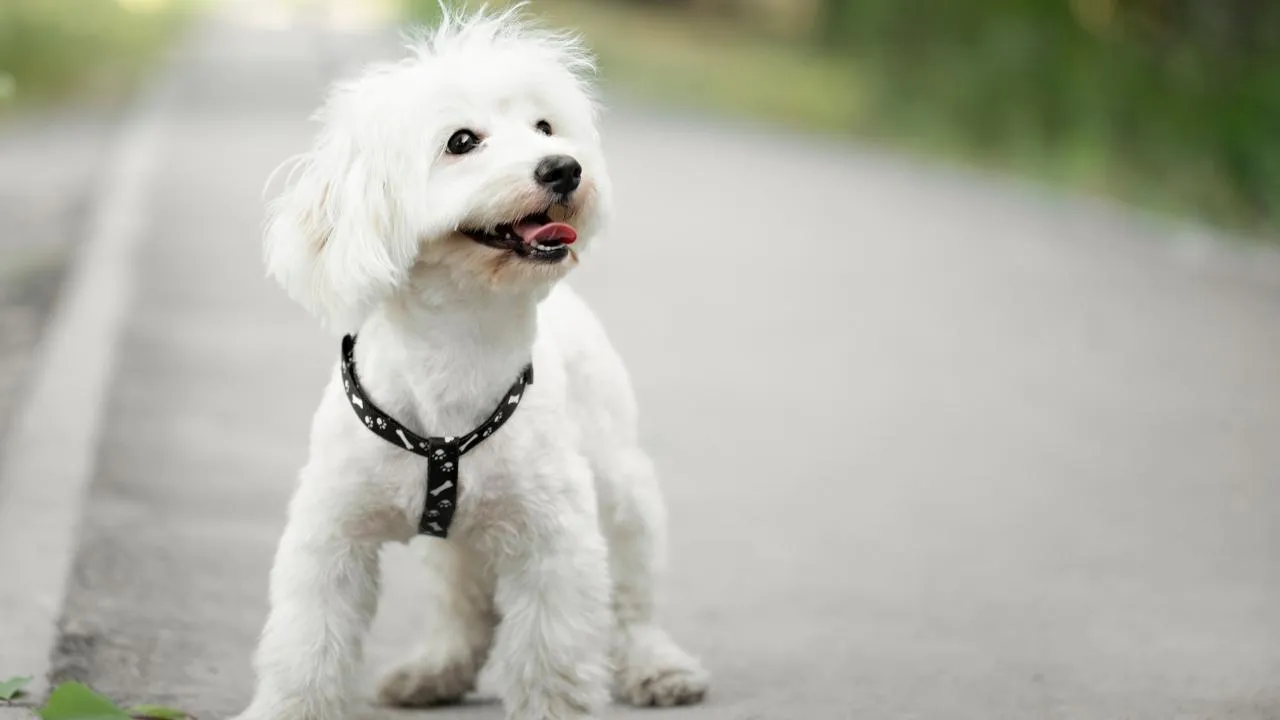
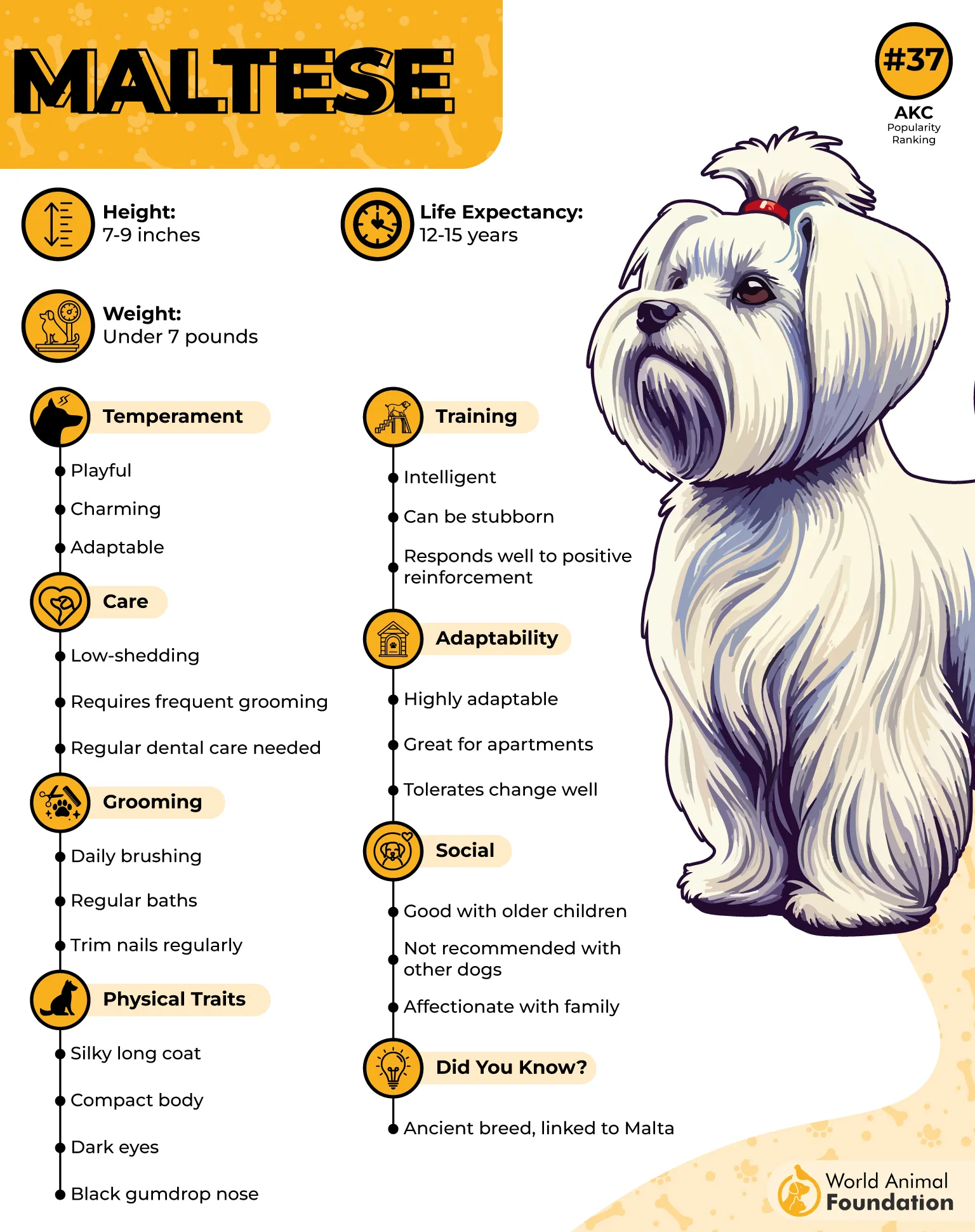
Maltese catches attention with its long, white, floor-length coat that requires near-daily grooming to stay clean and tangle-free. This visual appeal comes with a routine that becomes part of everyday care. The coat also places it in the low-shedding category, often linked with reduced allergens.
Small size with an active personality
Maltese dogs show a lively and playful nature packed into a very small frame, often staying engaged with their surroundings and people. Its behavior reflects a need for regular interaction, training, and mental involvement.
That shows up in simple, consistent ways:
Responds well to positive reinforcement
Needs daily mental and light physical activity
Stays alert and engaged indoors
Social fit within controlled interaction
They interact well in family settings but require careful handling around very young children due to their small size. Environments with older, mindful individuals suit their physical limits better. Its friendly temperament remains steady when interaction stays gentle and predictable.
7. Bolognese
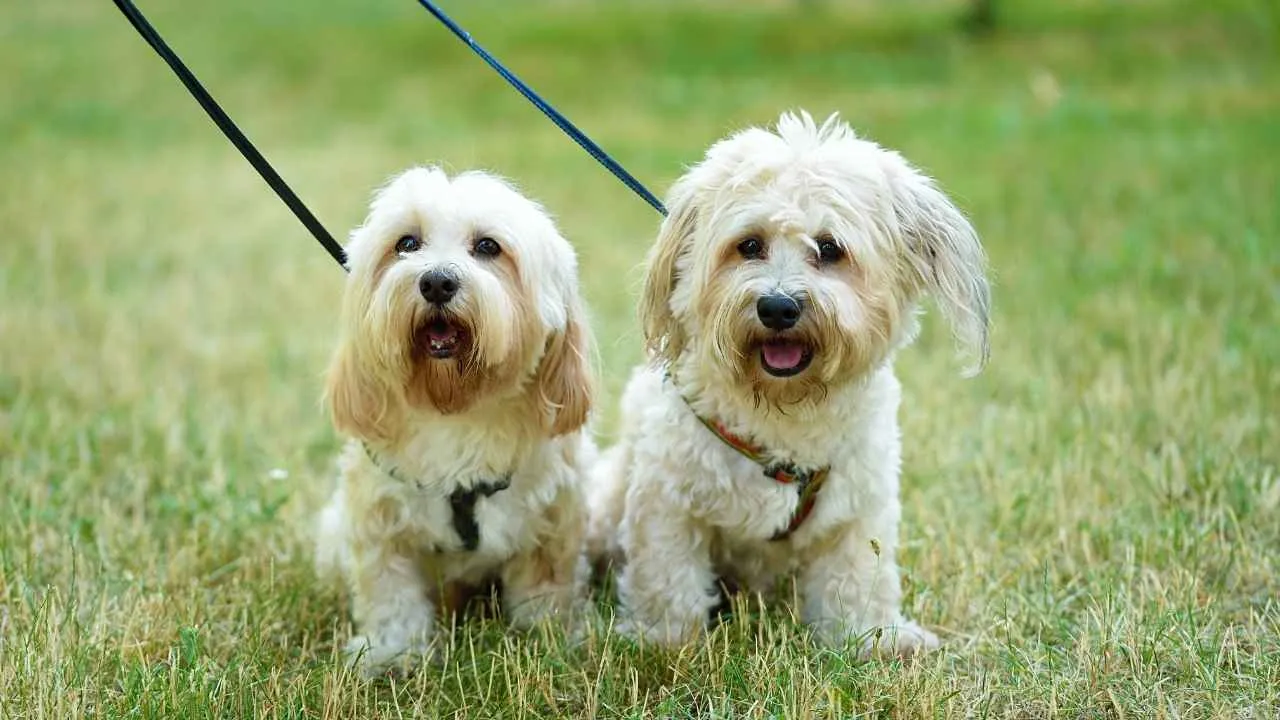
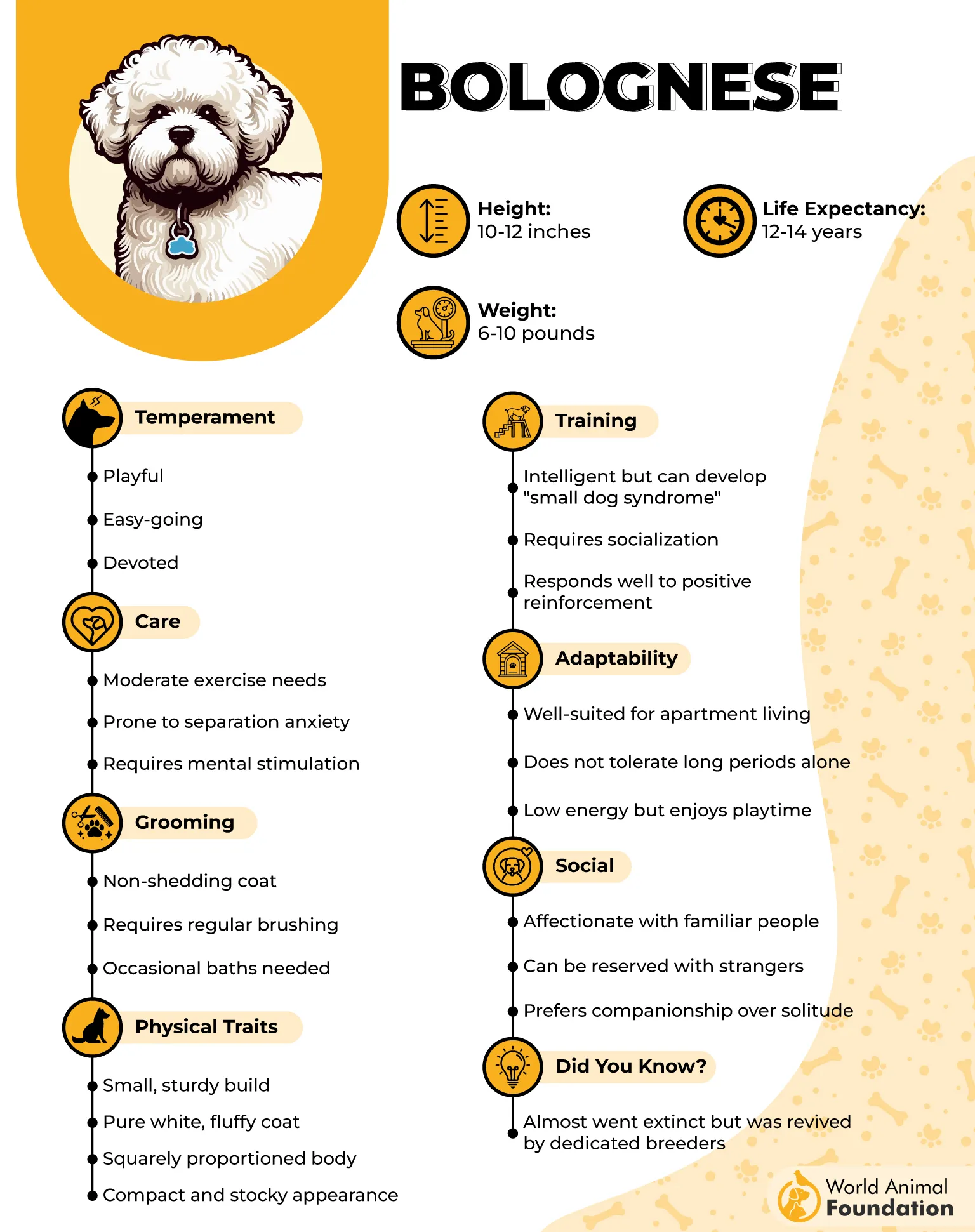
Bolognese presents a compact, square body wrapped in a soft, white coat, paired with a calm and thoughtful demeanor. Its temperament leans toward stillness rather than constant motion, giving it a settled presence indoors. This breed blends into slower-paced routines without disruption.
Social rhythm within close circles
They interact closely with familiar people, showing affection through quiet companionship rather than constant activity. It may appear reserved at first with strangers, adjusting gradually as familiarity builds.
This behavior shows in simple, everyday ways:
Stays near familiar people indoors
Warms up after initial hesitation
Engages through calm, playful moments
Daily routine that stays manageable
It fits comfortably into indoor living, where light activity and short walks meet its needs. It responds well to low-impact engagement such as simple games or brief outdoor time in enclosed spaces. Its pace aligns naturally with routines that do not demand constant movement.
Conclusion
For dog ownership, a smaller dog only feels right when it reduces effort, not adds to it. The breeds discussed here show how that difference plays out in daily routines, from simple movement to basic pet care. Not all dogs adjust the same way, which is why certain dog breeds feel more well-suited to slower lifestyles.
Some stay quietly present, while others bring light activity that still fits within a steady pace, even in a senior living community where routines remain consistent. That contrast matters more over time than size alone.
The right canine friend does not ask for constant adjustment or extra attention. It settles in naturally, becoming part of the routine without shifting it, making each day feel easier to manage.
