




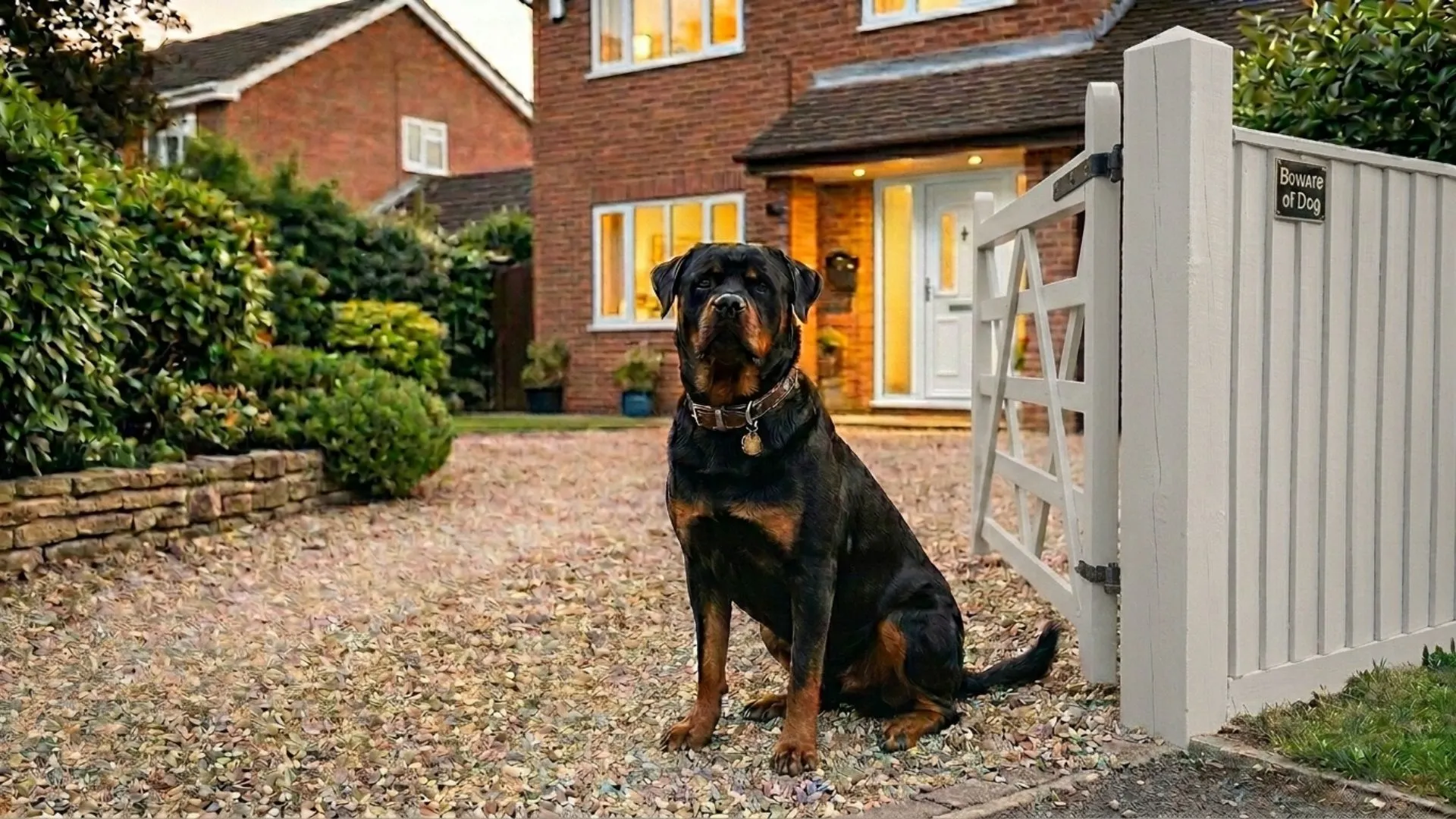
Your home is your castle, and every castle needs a guardian — one with four legs, sharp instincts, and zero tolerance for uninvited guests. According to a University of North Carolina study, 83% of convicted burglars admitted they would actively avoid homes with dogs. That is not a small margin.
Gene Hill once said, “No one can fully understand the meaning of love unless he’s owned a dog.” Name a task, and there will be a dog bred specifically for it. These dogs behave gently within the safety of home and transform into fierce protectors outdoors, ready to confront any threat.
That is essentially a bark-powered security system doing the heavy lifting. But not every dog is built for this role. Some breeds are certified couch potatoes, while others are born protectors.
If you are serious about keeping your property safe, you need the right guard dog: loyal, alert, and a little intimidating to look at.
Best Dog Breeds to Safeguard Your Property
1. German Shepherd
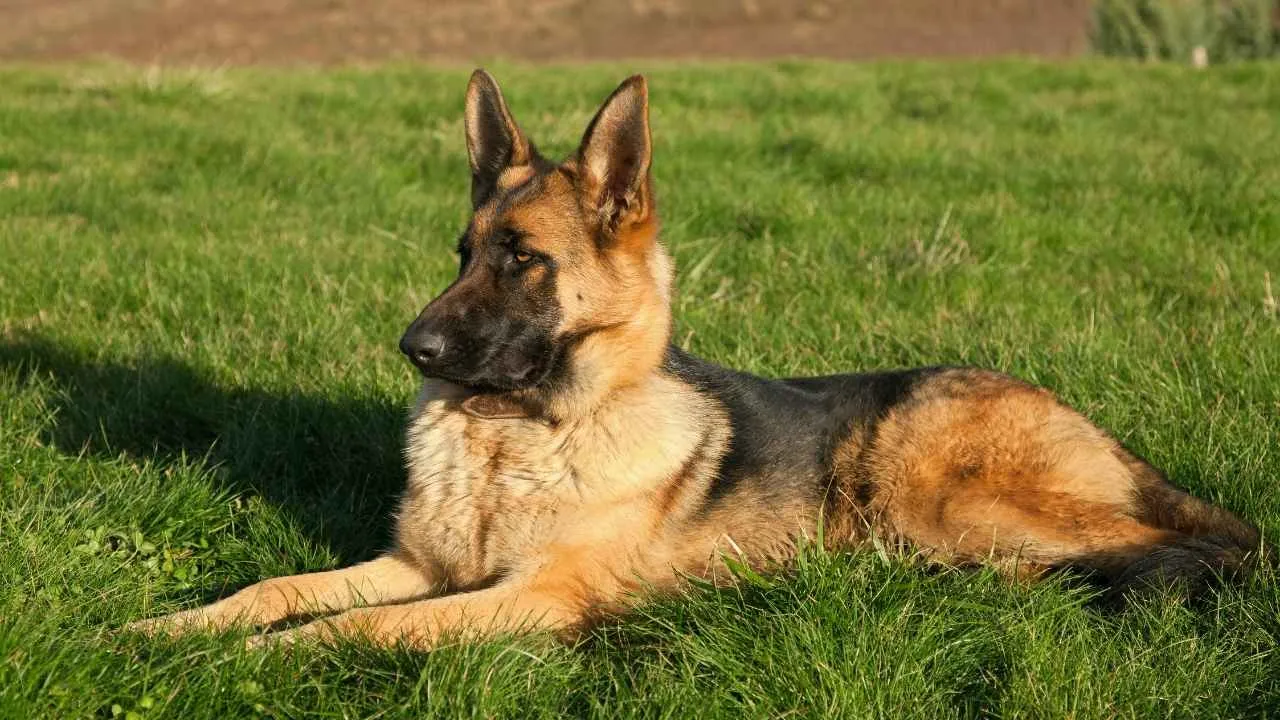
Originally bred in Germany, the German Shepherd’s primary role was as a herding breed. Developed by Max von Stephanitz in 1899, it gained widespread recognition after World War I, according to Wikipedia. Today, the breed is widely used in rescue work, police and military operations, therapy, and personal protection.
German Shepherds have natural, quiet protective instincts that allow them to observe their surroundings keenly without excessive barking. Ranked as the third most intelligent dog breed, they are highly trainable, quick learners, and capable of understanding many human words.
They are incredibly loyal and treat their pack as family. Rather than displaying blind aggression, they follow a “hold and bark” technique to alert their owner.
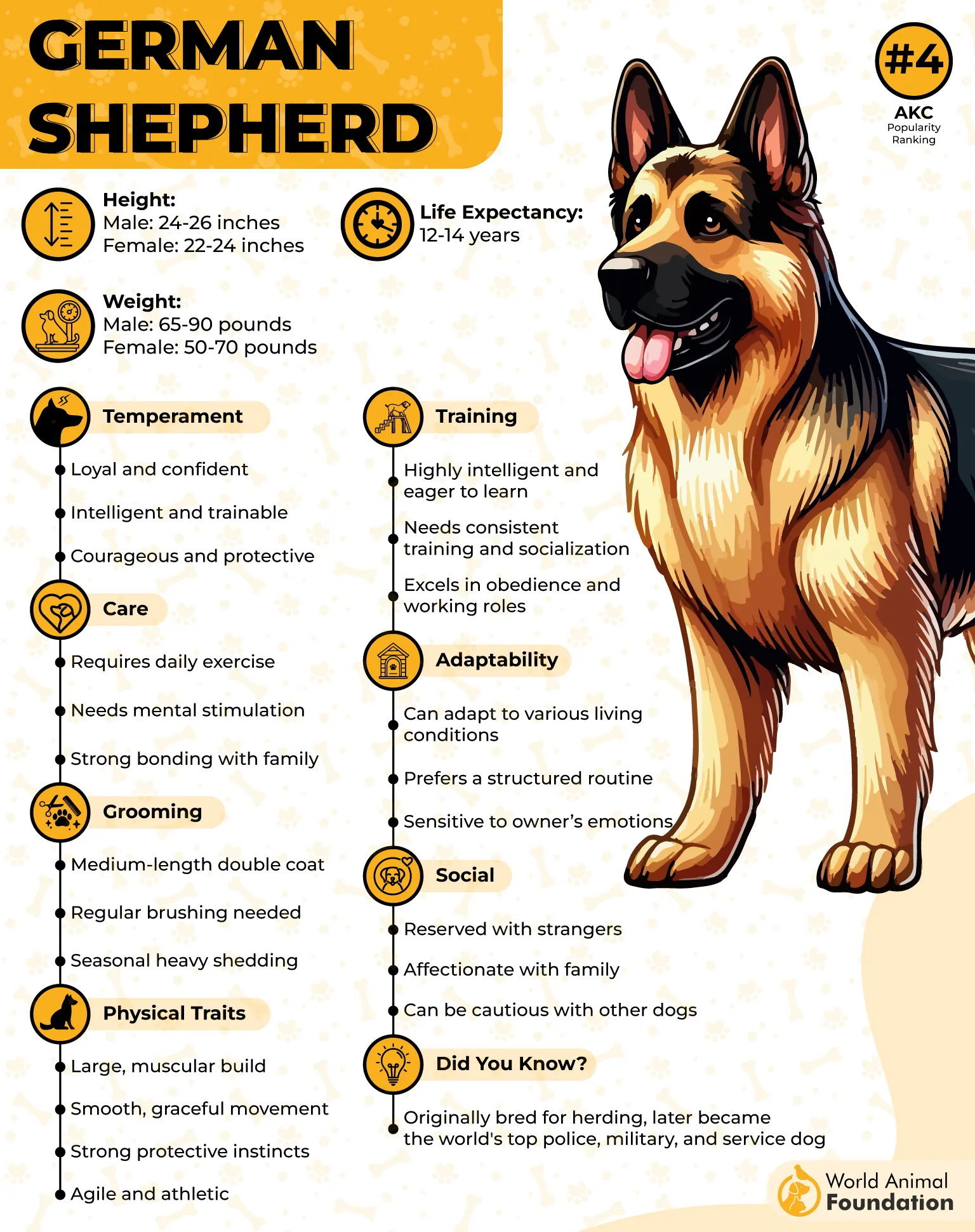
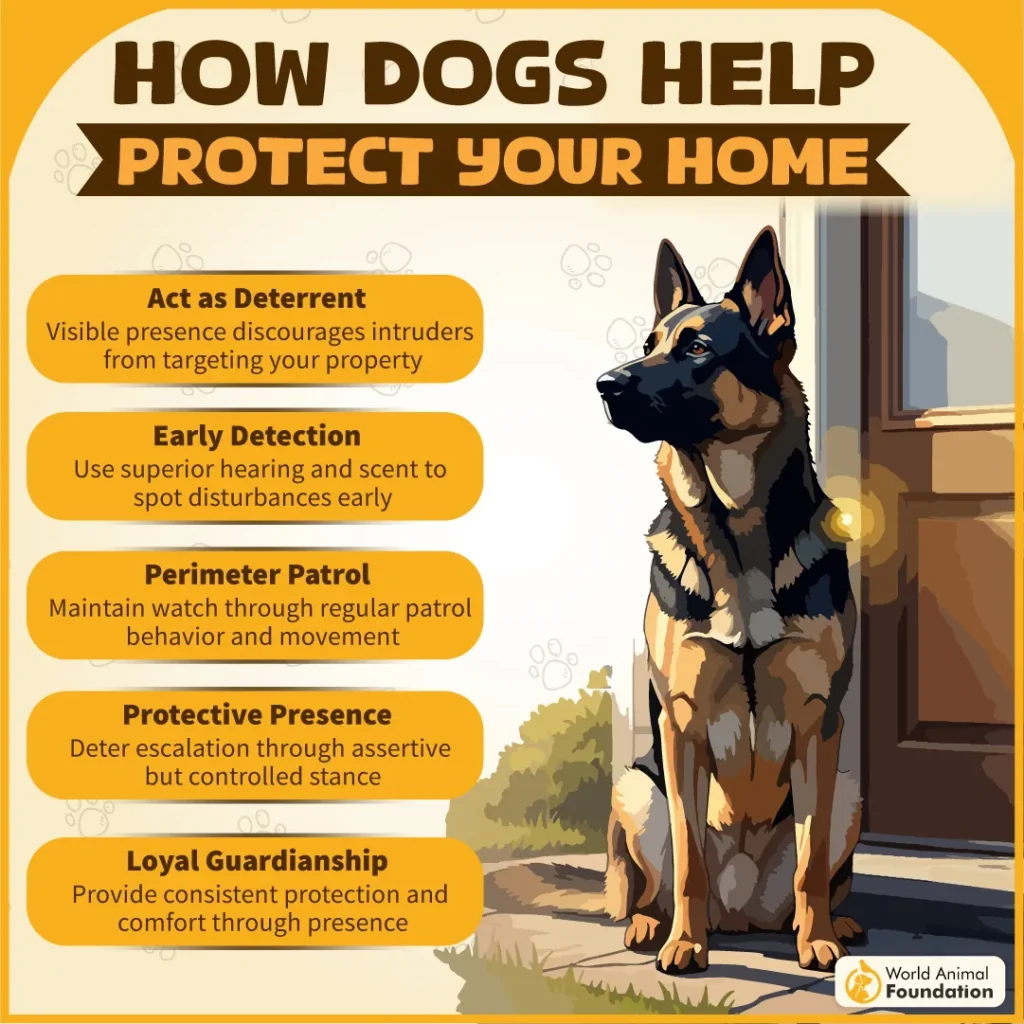
They have a natural instinct to patrol and protect their territory without formal training. Males tend to be more protective than females. Using both sight and smell to detect environmental changes, they position themselves where the territorial view is clear, focusing on key entry points such as doors and windows.
Upon detecting an intruder, their ears perk up, and they use their imposing physique and hard stare to deter the threat. The next step is barking, and if that proves ineffective, they hold the attacker and bark until the owner arrives. Biting, with a force of 238 to 300 PSI, is reserved as a last resort in life-threatening situations.
2. Rottweiler
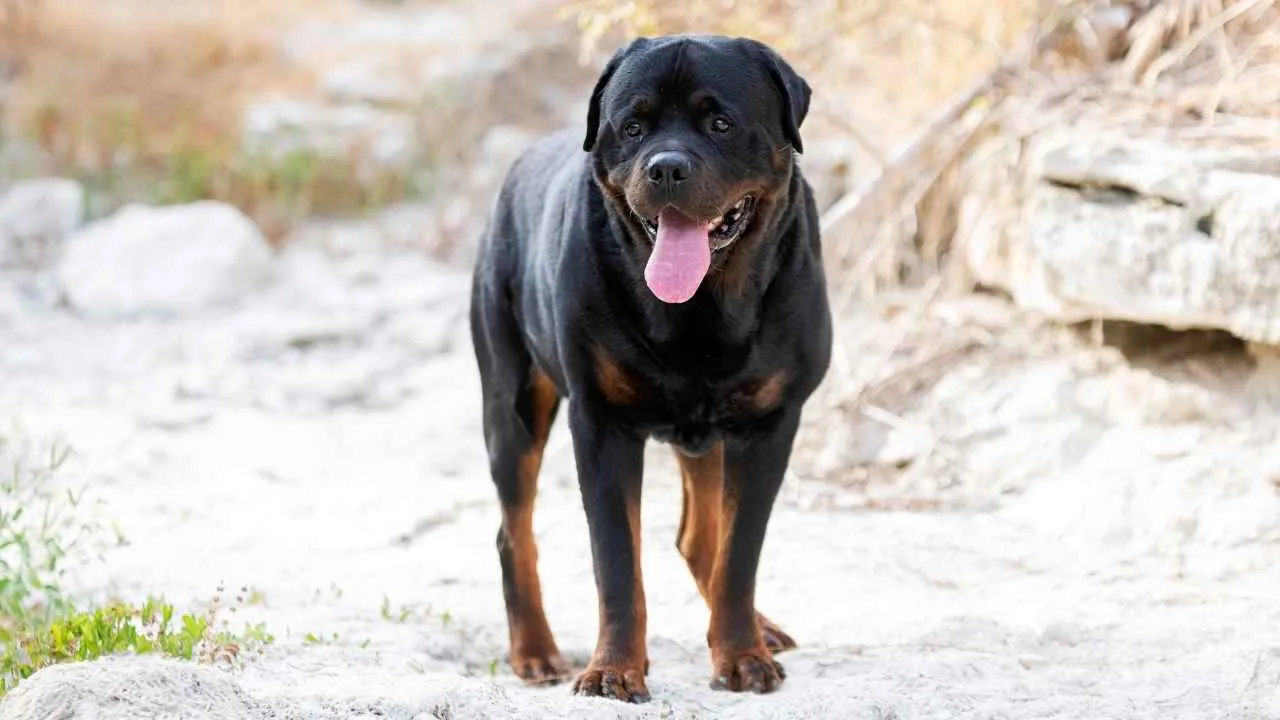
Also known as the “butcher’s dog,” this gentle companion was originally bred to herd livestock and pull carts to meat markets before the invention of railways. Weighing around 100 to 135+ pounds, their massive size alone is enough to deter an attacker. With a bite force of 328 PSI, they are capable of causing serious injury.
Rottweilers have a deeply protective nature toward their pack and territory. They patrol the perimeter and rarely miss unusual activity. Naturally aloof with strangers, they treat unfamiliar people with suspicion. Around children and other pets, however, they typically remain calm and display gentle “nanny behavior.” Proper socialization and early training are essential to prevent destructive behavior.
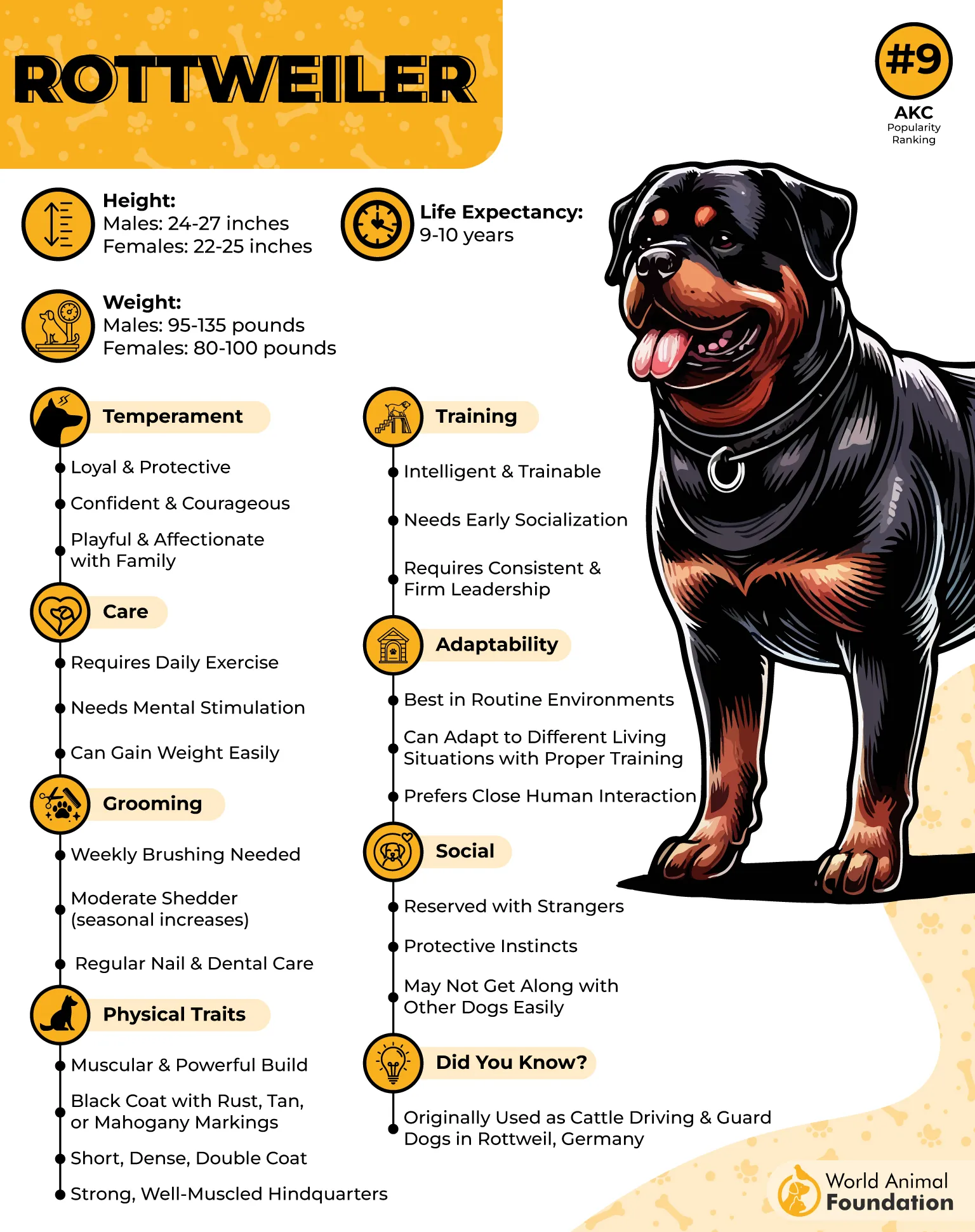
Their guarding style is methodical; they allow an intruder to enter the property before moving in to intercept. Upon detecting a stranger, they freeze in place with hackles raised, then emit a distinctive “Rottie growl” to warn the owner and intimidate the threat.
They push and corner the intruder without causing immediate physical harm. If all else fails, they target the arms and legs to neutralize the threat.
3. Cane Corso
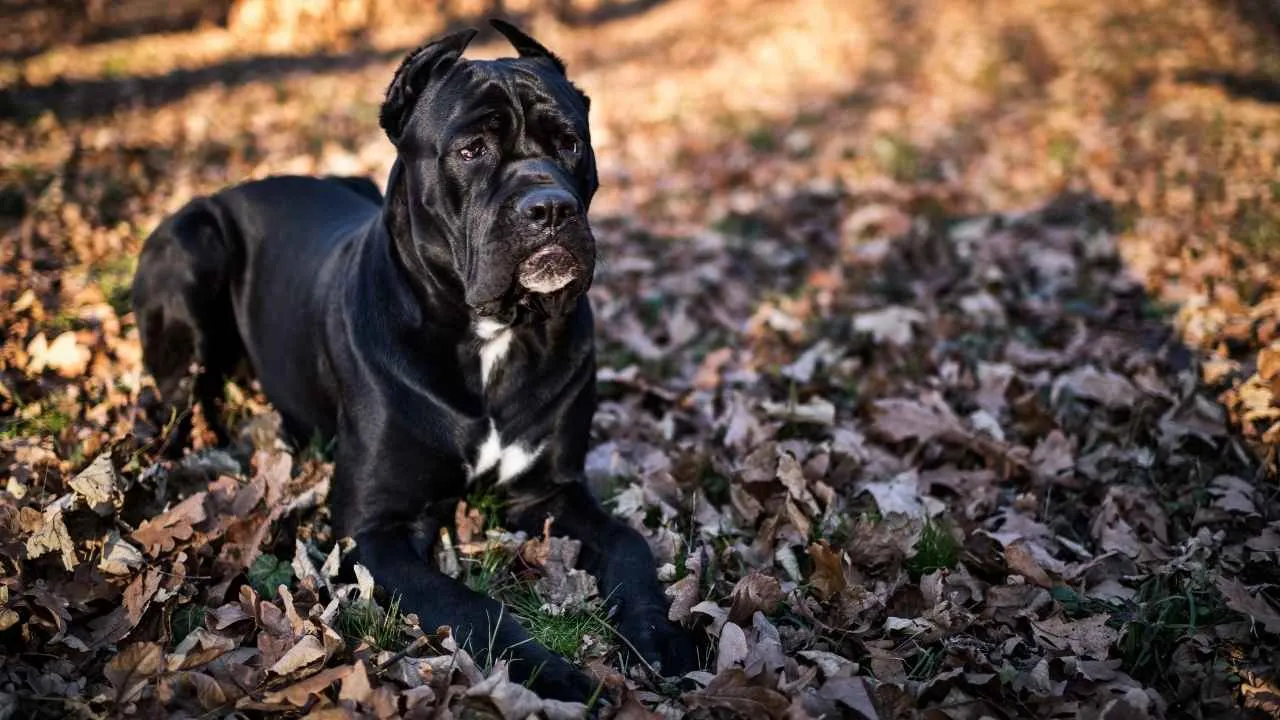
Originally bred in Greece and Rome, these gentle giants served as watchdogs, farmhands, and canine soldiers, according to PetMD. Their name literally translates to “bodyguard dogs,” and their history as Roman war dogs has made them courageous and unyielding, regardless of how dangerous the opponent.
With one of the strongest bite forces of any breed at 650 to 700 PSI, Cane Corsos are not naturally aggressive and prefer to observe their surroundings before confirming a threat. As natural “catch dogs,” they use their front paws to grapple and knock down attackers. They are deeply loyal to their pack and make independent decisions to protect them.
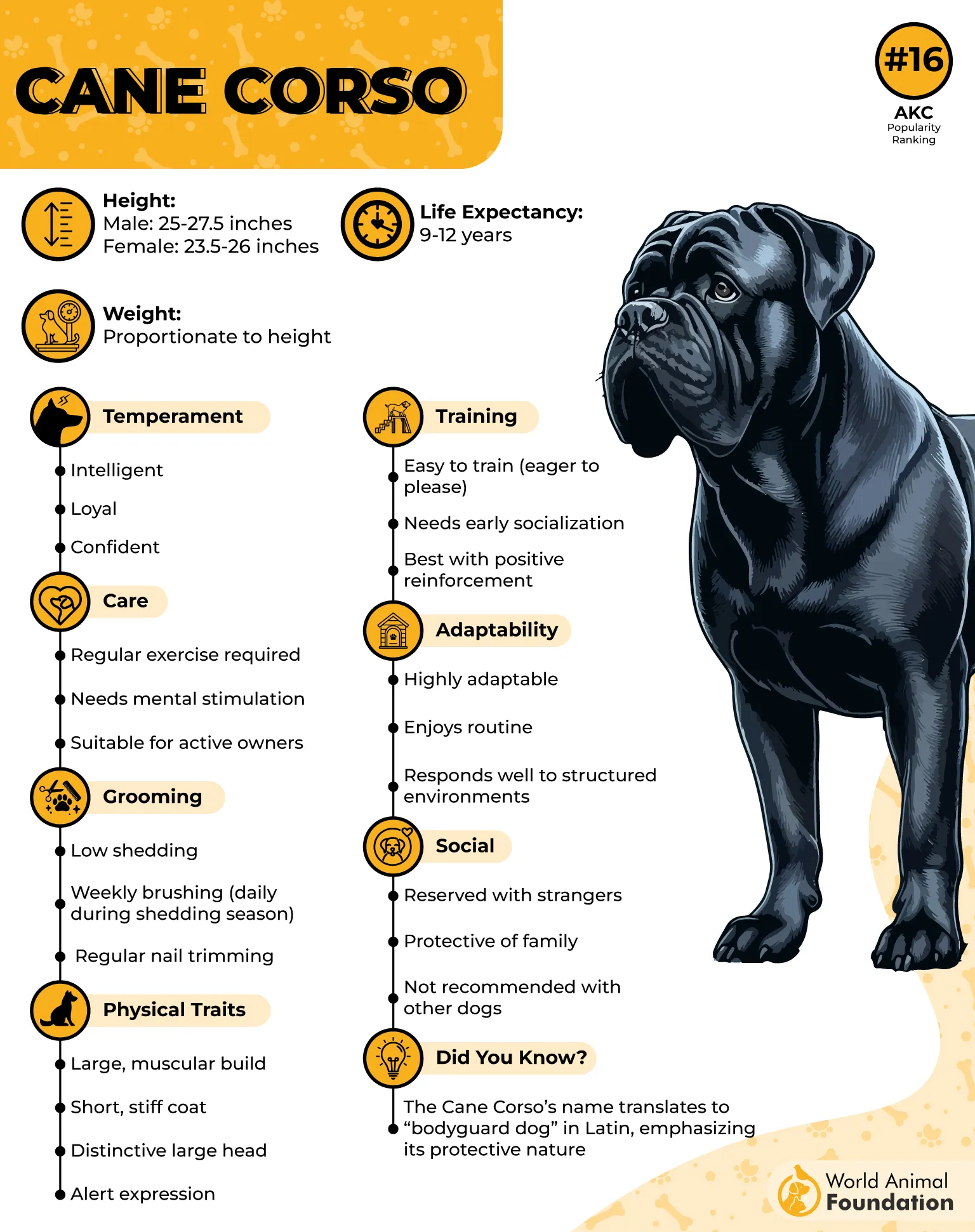
Their approach to personal protection is methodical and multi-staged. Using their sharp memory, they recall familiar faces, routines, and objects, becoming alert the moment anything unusual is detected. They communicate through different vocalizations depending on the situation, most commonly using a dry bark to alert the owner.
After barking and using their imposing size to intimidate the threat, they employ their shoulders and legs to knock the attacker down. As a last resort, they bite, but stop immediately upon receiving a verbal command from their owner.
4. Doberman Pinscher
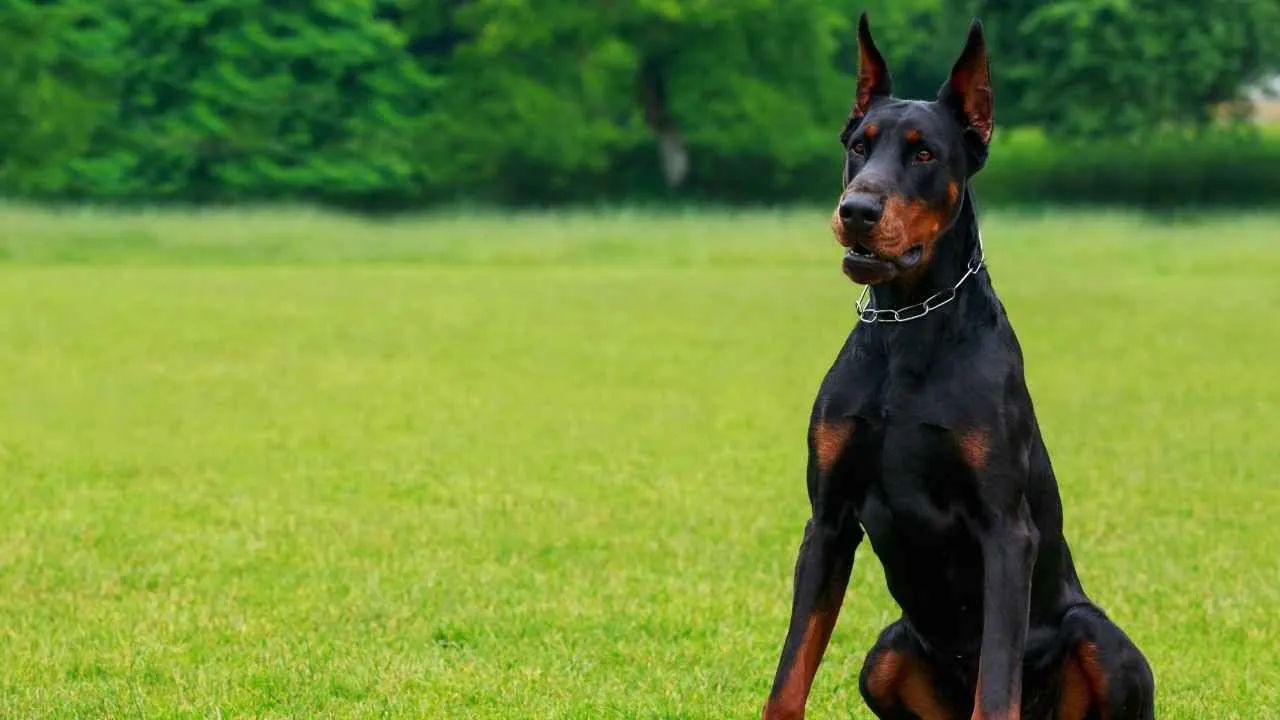
Originally bred in Thuringia in the 1880s by Louis Dobermann, these loyal companions were developed specifically as protection dogs. Curious and energetic, they tend to remain highly focused on a target. Their exceptional intelligence combined with a commanding presence makes them excellent watchdogs.
Ranked among the top five most intelligent breeds, Doberman Pinschers can detect an approaching threat before their owner does. With powerful legs and a top speed of 35 mph, they can cover long distances in little time.
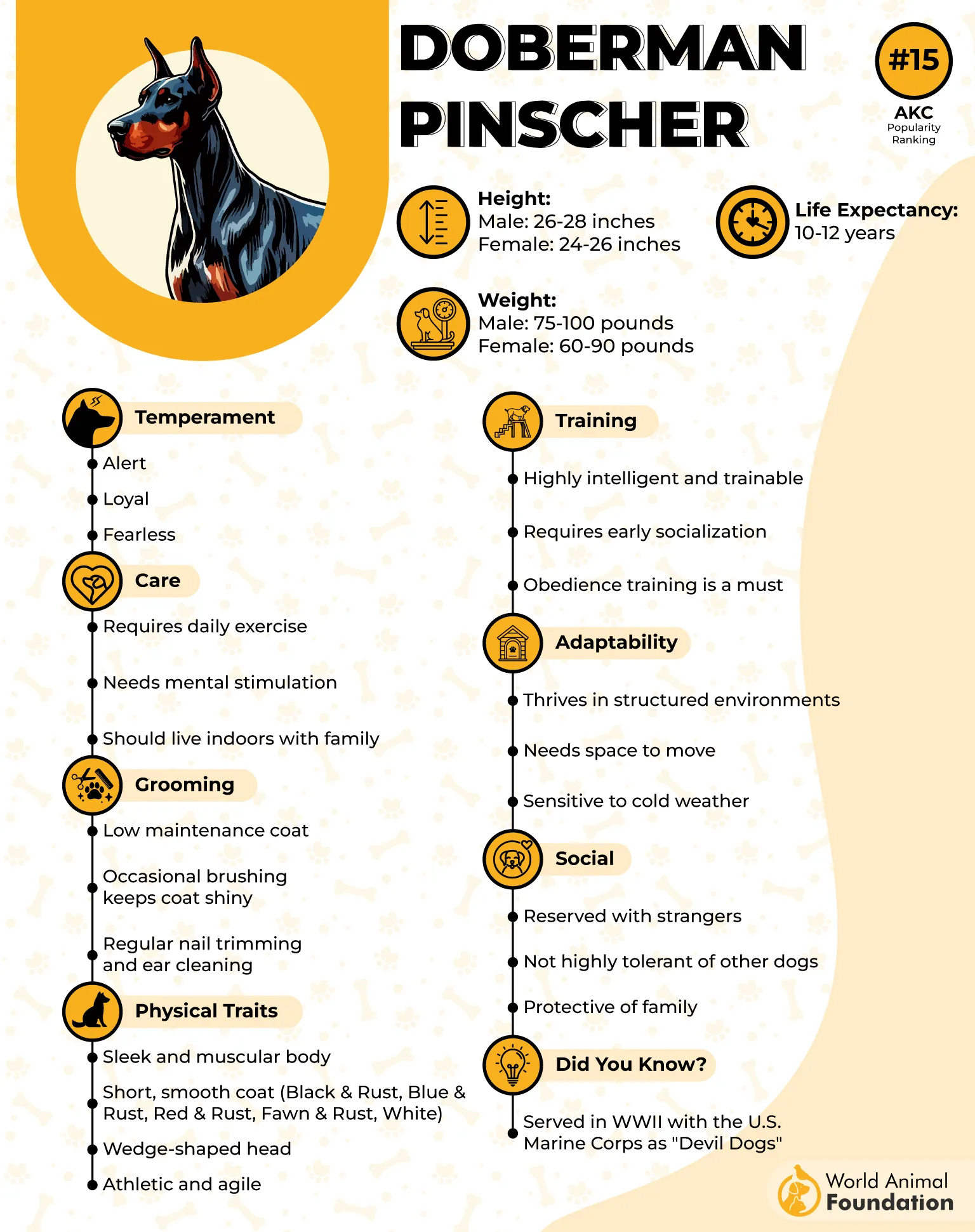
As independent thinkers and high-energy working dogs, they require regular exercise for both physical and mental stimulation. They are finely attuned to their surroundings and can detect minor changes in sound and scent.
Their deterrence begins with a deep bark and an unblinking stare. A deep growl signals that the intruder has crossed the boundary line. They then move closer, display their teeth, and advance to intercept the threat. They catch and hold the target until the owner arrives. In urgent situations, they rely on their powerful bite of 328 PSI to neutralize the threat.
5. Belgian Malinois
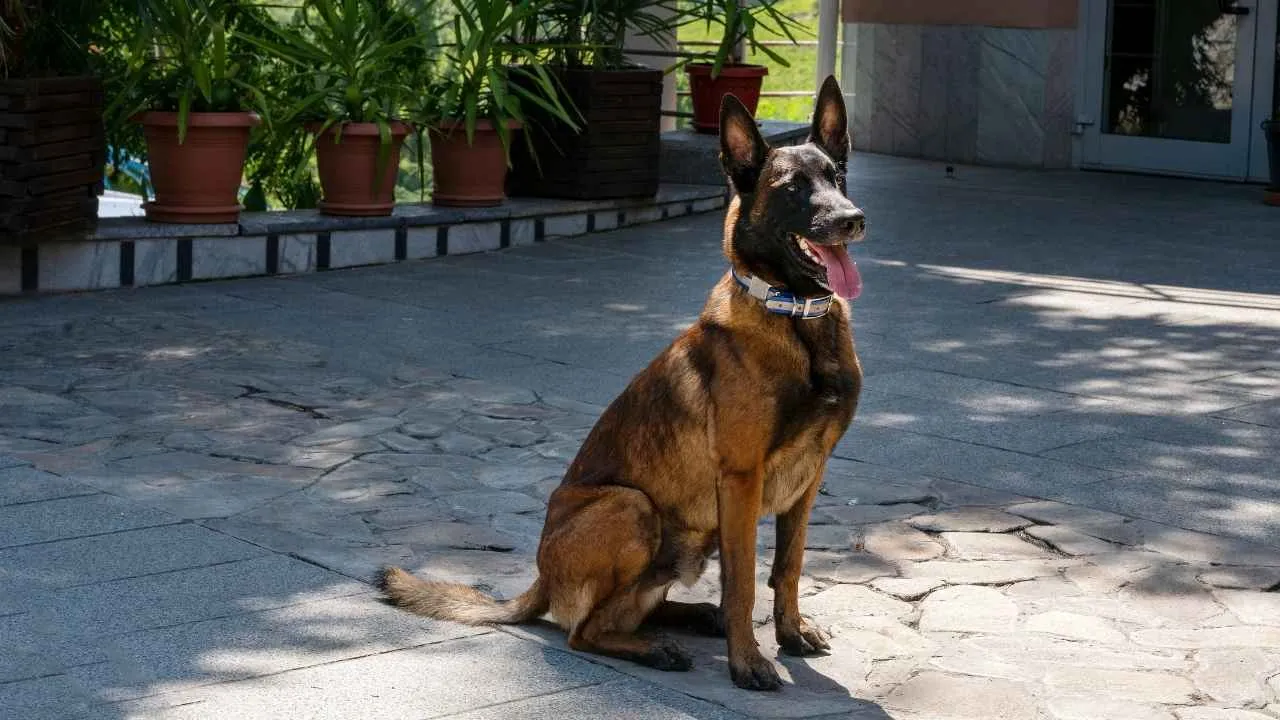
Originally bred in Malines, Belgium, where they were used to herd cattle, Belgian Malinois later found their way into search and rescue operations, military and police work, and bomb and drug detection, thanks to their high trainability and strong prey drive. They require one to two hours of daily exercise and engaging family activities for mental stimulation.
Belgian Malinois respond quickly to commands and take instant action. Their muscular build, triangular ears, almond-shaped dark eyes, and weather-resistant double coat cast an intimidating impression on strangers.
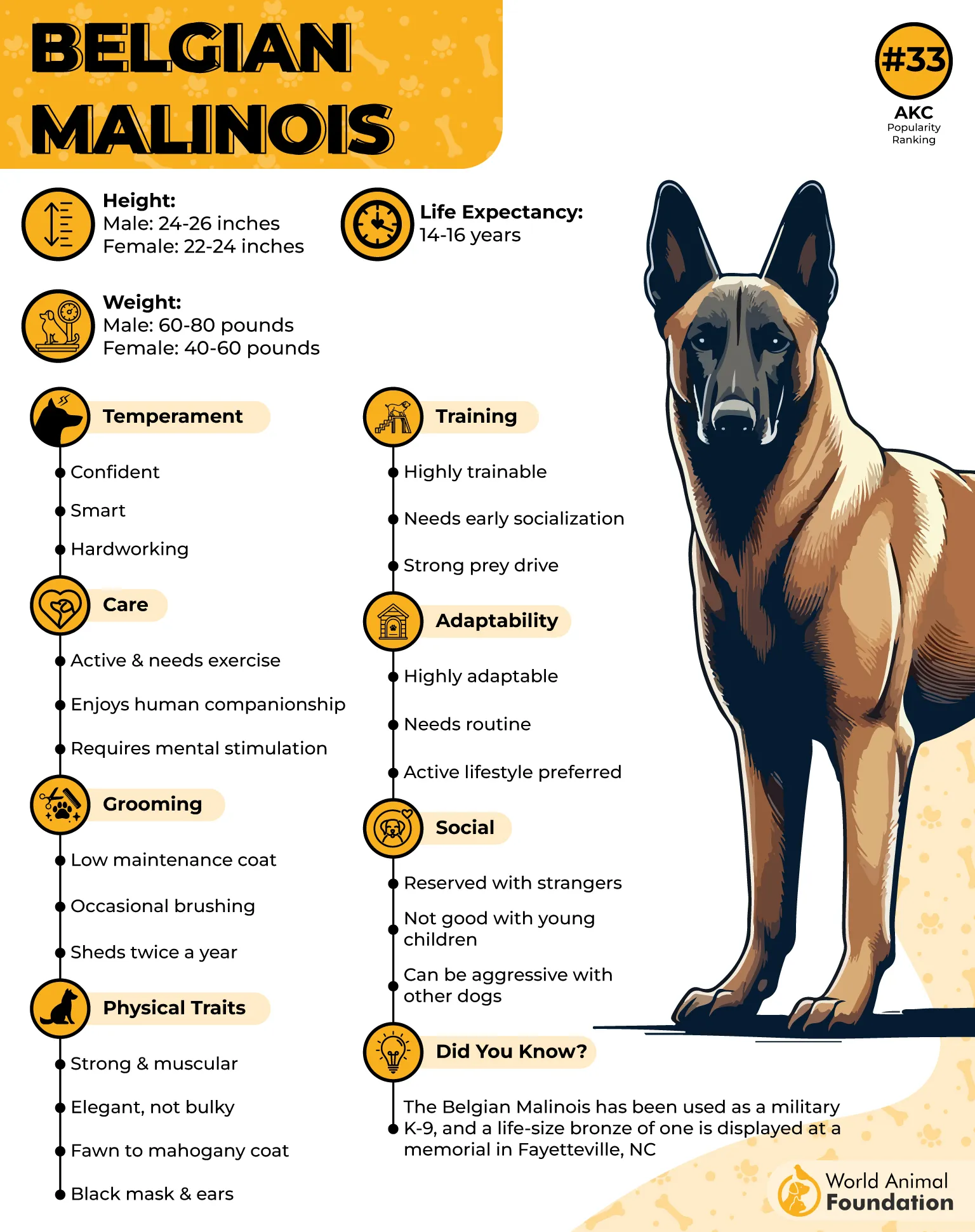
Their lean, athletic build rather than a bulky one allows them to run faster and more tirelessly, reaching speeds of 30 mph. Their earthy coat colors allow them to blend seamlessly into outdoor environments, providing natural camouflage.
With a strong sense of sight and smell, they make excellent protection dogs even at night. They scan for threats and remain quiet until certain of an attack. Their controlled temperament, free of nervousness, panic, or unnecessary aggression, enables them to make precise decisions.
Their strong prey drive keeps them highly focused with minimal distraction, and they are capable of jumping over six feet to chase a target. They also possess a quick “switch-off” mode, allowing them to return to a relaxed and playful state as soon as the threat is removed.
6. Akita
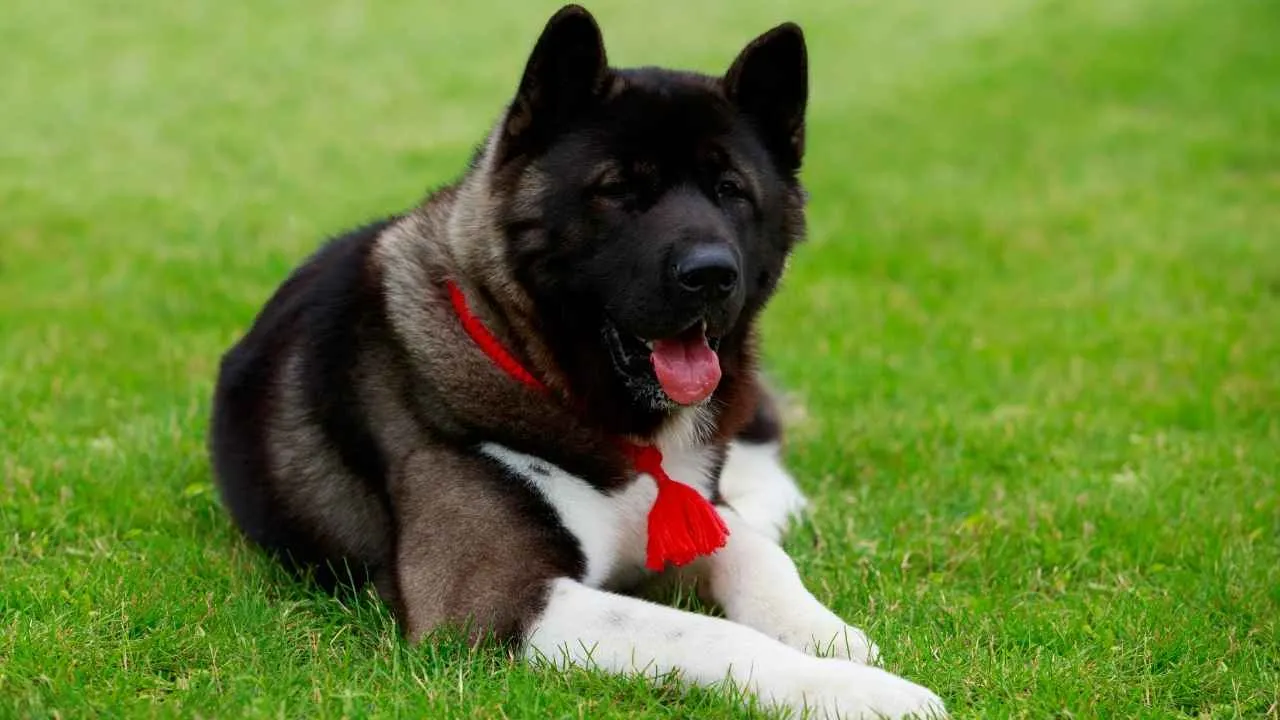
Also known as “snow country dogs,” the Akita originated in the northern mountains of Japan and was primarily used as a fighter dog alongside Samurai thousands of years ago, as per the AKC. Their loyalty is legendary: Hachikō, an Akita, waited for his owner at a Tokyo railway station for 10 years, unaware that he had already passed away.
Weighing 70 to 130 pounds with a bear-like build, Akitas have a double coat and webbed feet, enabling them to swim and withstand intense cold. They rarely need commands and are naturally inclined to face off against large creatures such as wild boars and bears. Their grooming needs are moderate, requiring weekly brushing and occasional baths.
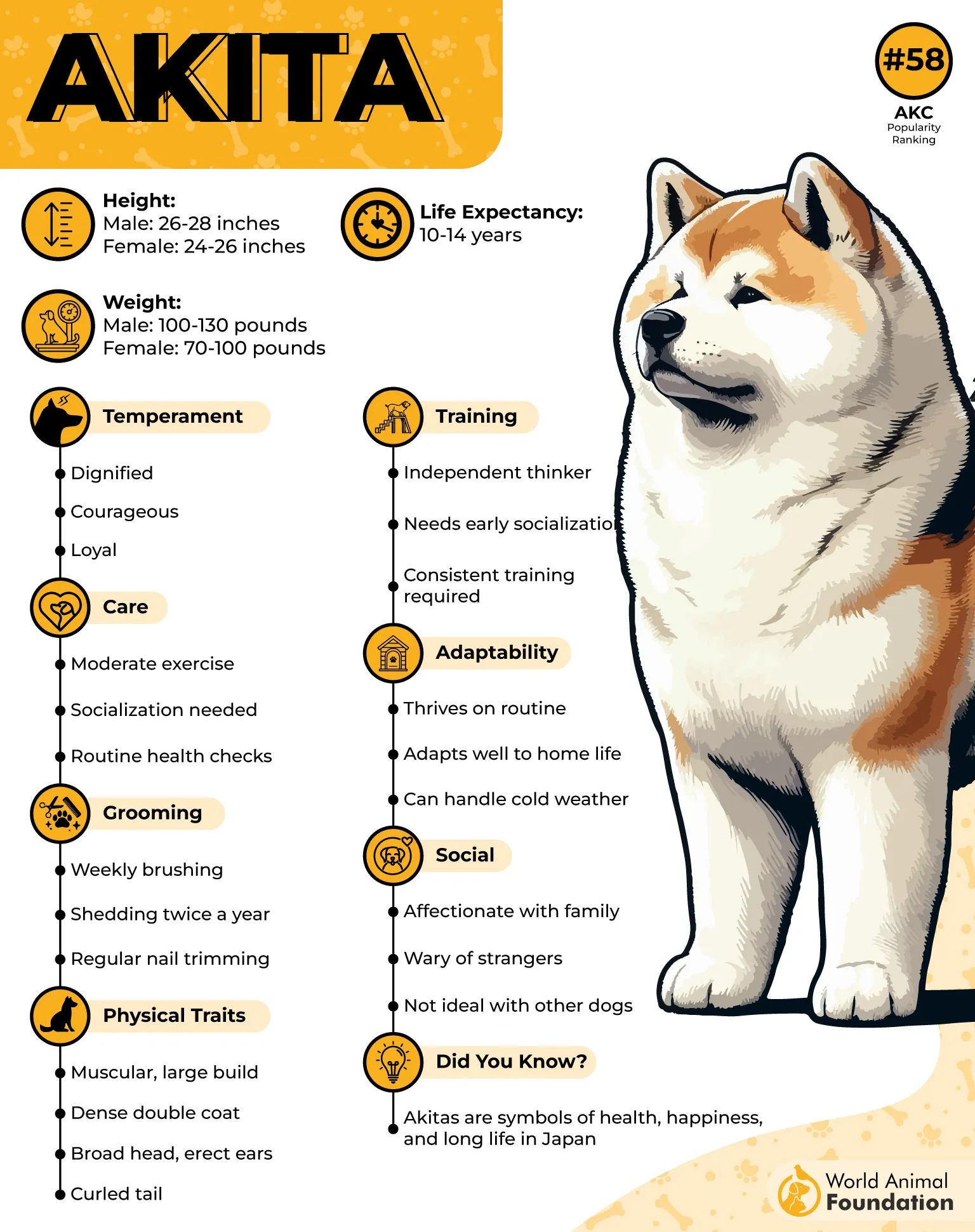
Akitas are not reactive to every sound, but remain alert around the clock. When an intruder enters their territory, they freeze and assess the environment to determine the level of threat. They bark selectively, using it as a deterrent, and if that proves ineffective, loud barks give way to low growls and an intense stare. Physical intervention is always their last resort.
7. Bullmastiff
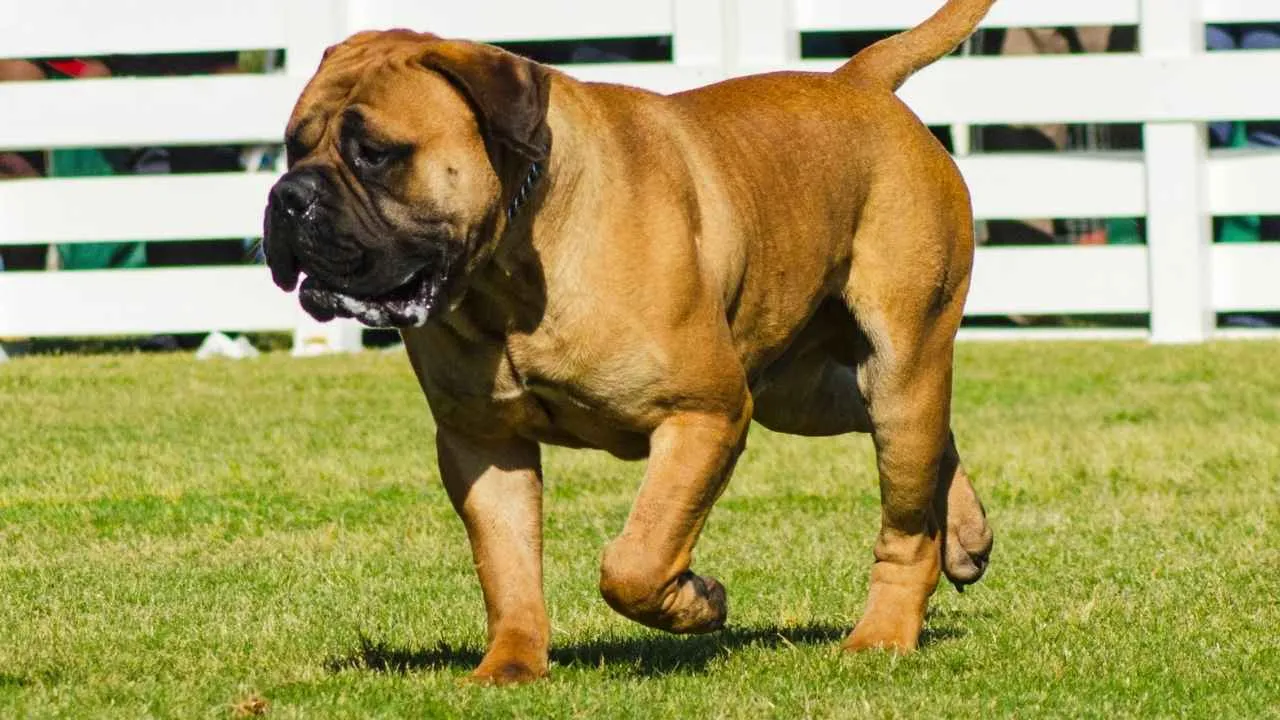
Developed as a guard dog in the 19th century by crossing the English Bulldog and the English Mastiff, the Bullmastiff is also known as the “Gamekeeper’s Night Dog,” as their primary purpose was to track down poachers at night and assist gamekeepers. They are slightly nocturnal by nature and perform best after dark.
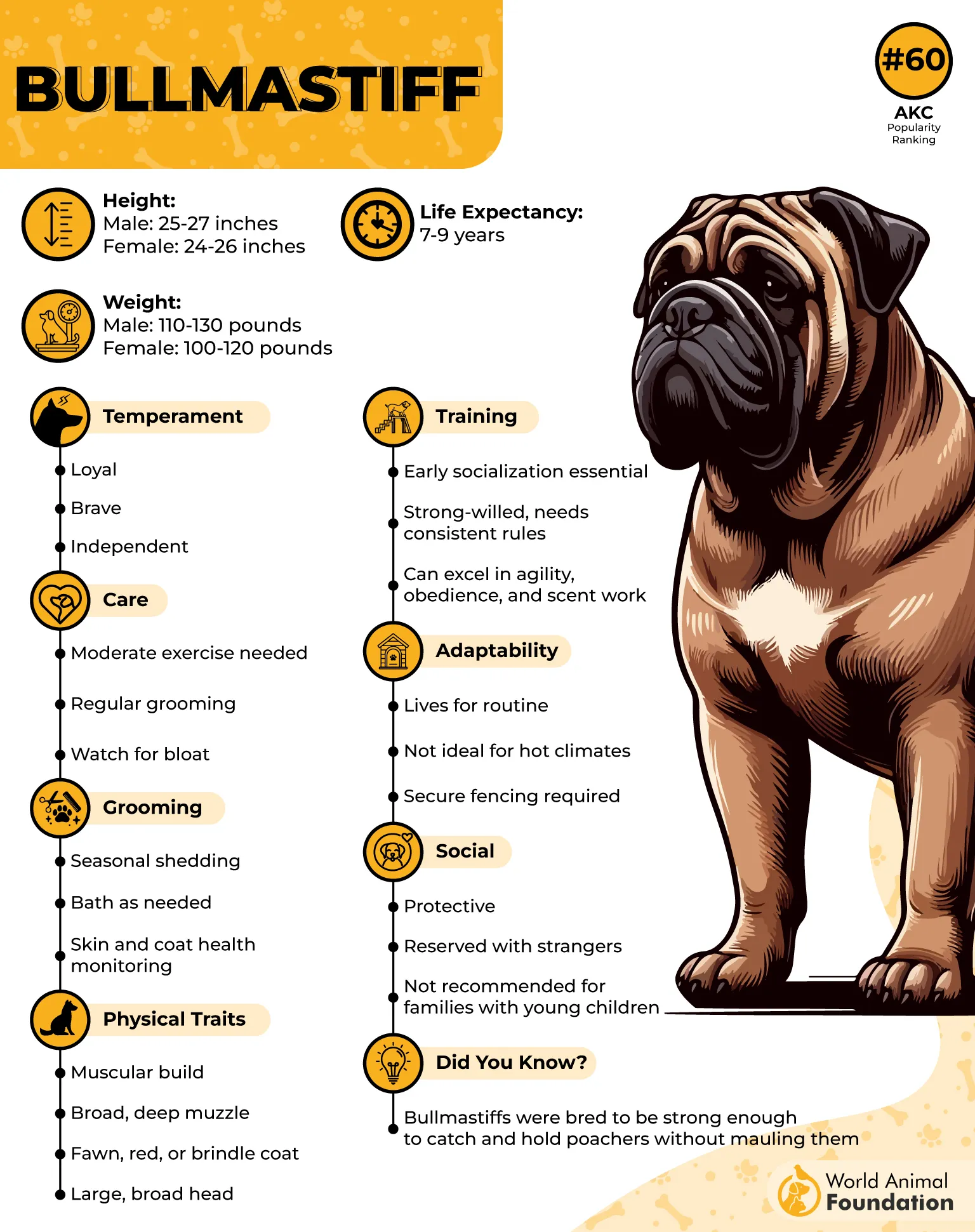
Bullmastiffs are excellent protection dogs for active households and can guard property without formal training. Rather than attacking viciously, they prefer to track, knock down, and pin the intruder until the owner arrives. Inside the home, they are typically low energy, becoming alert only outdoors or when a threat is sensed.
They rarely bite, preferring to neutralize threats by pinning the attacker to the ground. Their brindle coat provides excellent natural camouflage at night, giving them a stealthy advantage.
When assessing visitors, they walk up and sniff their shoes to determine the threat level, wagging their tail if no danger is detected. Their default protective strategy is to position themselves between the owner and any potential threat.
Conclusion
Picking the best guard dog is not about choosing the most intimidating face from a lineup. It’s about matching instincts, energy level, and temperament to your lifestyle and property needs. Every breed on this list brings something genuinely distinct, from the Doberman’s lightning-fast intelligence to the Bullmastiff’s quiet, deliberate power.
A great guard dog is never just a security system. It’s a family member with a very serious side job. Choose the right breed, invest in proper training, and you will have the most reliable and most devoted upgrade your home security has ever seen.
