




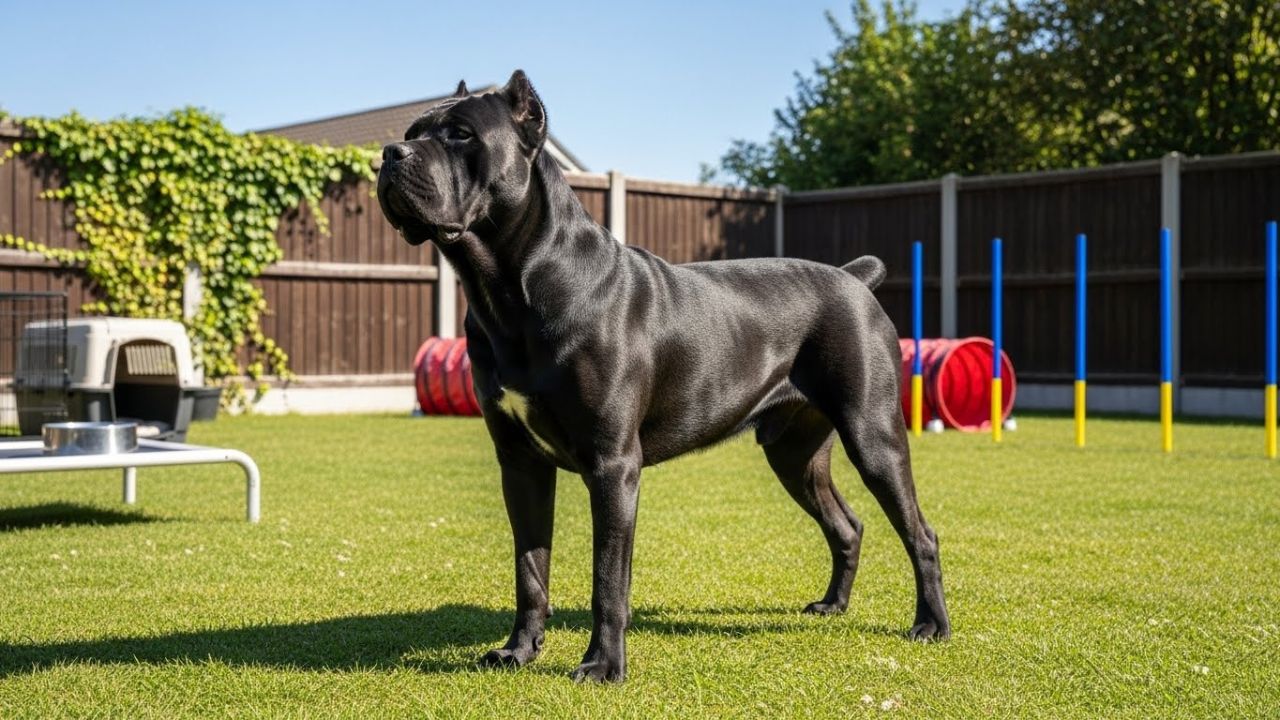
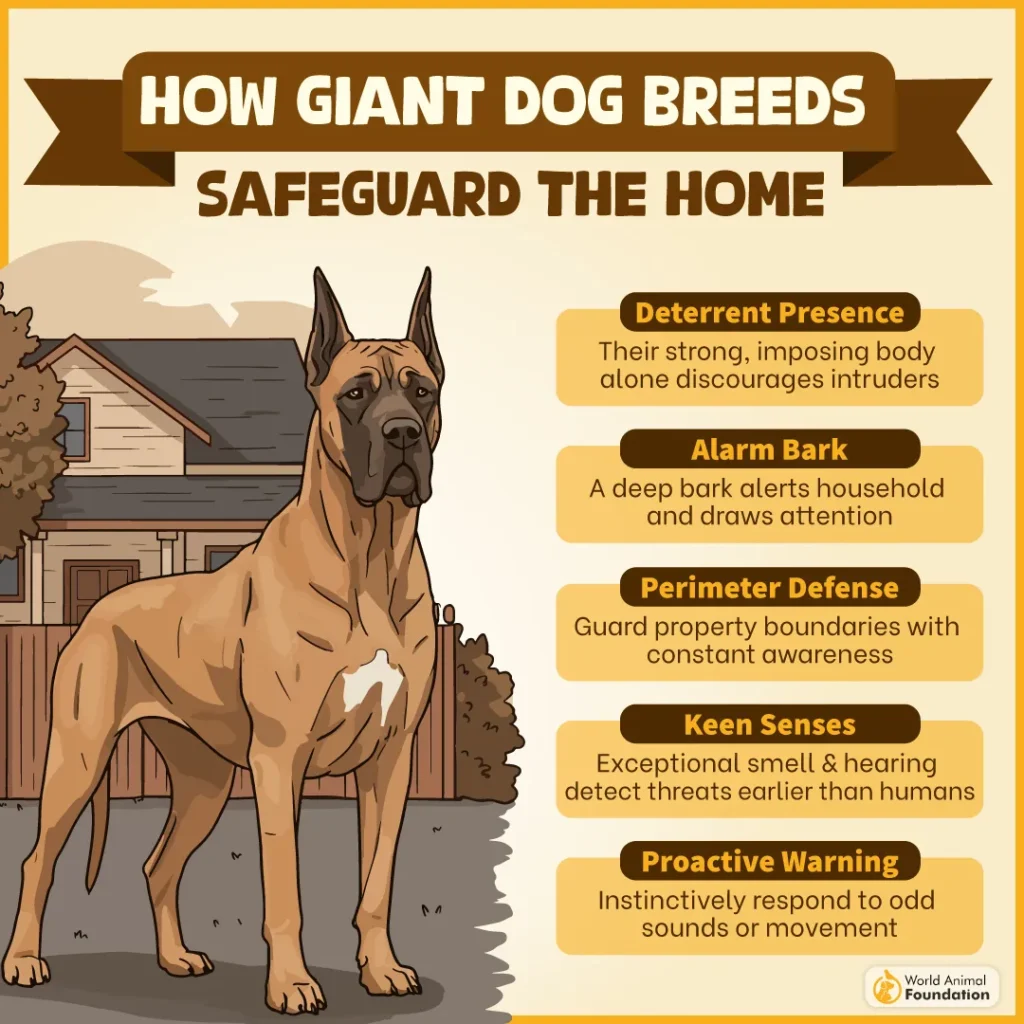
Some strong and tough dogs don’t just live in our homes; they stand guard over them daily. From a quiet stare to a sudden alert bark, protection often feels instinctive rather than trained. But where does that vigilance come from exactly?
For centuries, dogs were bred to watch, warn, and defend. Selective breeding strengthened traits like loyalty, territorial awareness, and courage. These instincts still surface today in many environments worldwide.
A watchdog notices danger and sounds the alarm. A guard dog goes further, physically intervening when a threat appears. Knowing this distinction helps owners choose wisely.
Protection, however, does not mean aggression. The best protective dogs are calm, controlled, and bonded to their families. True guardians know when to act.
So can a dog protect your home and still be gentle indoors? Absolutely, with the right breed, training, and leadership in place. This guide explores popular guard dog breeds that balance vigilance with companionship and trust.
Best Dog Breeds to Protect Your Home From Danger
1. Boerboel
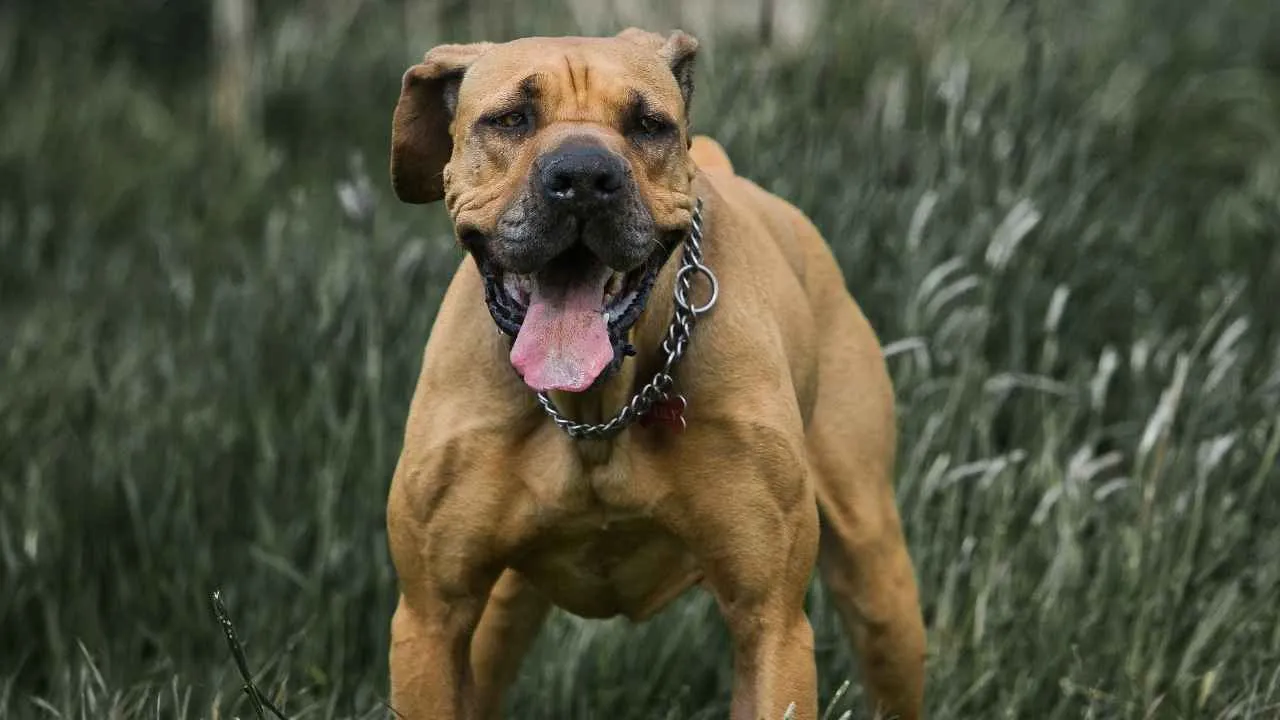
The Boerboel was shaped by necessity, developed to guard remote homesteads against real danger. Its protective instinct is calm, calculated, and deeply rooted in confidence rather than reactivity. Ownership demands consistency, leadership, and daily engagement, as this breed expects guidance from someone it respects.
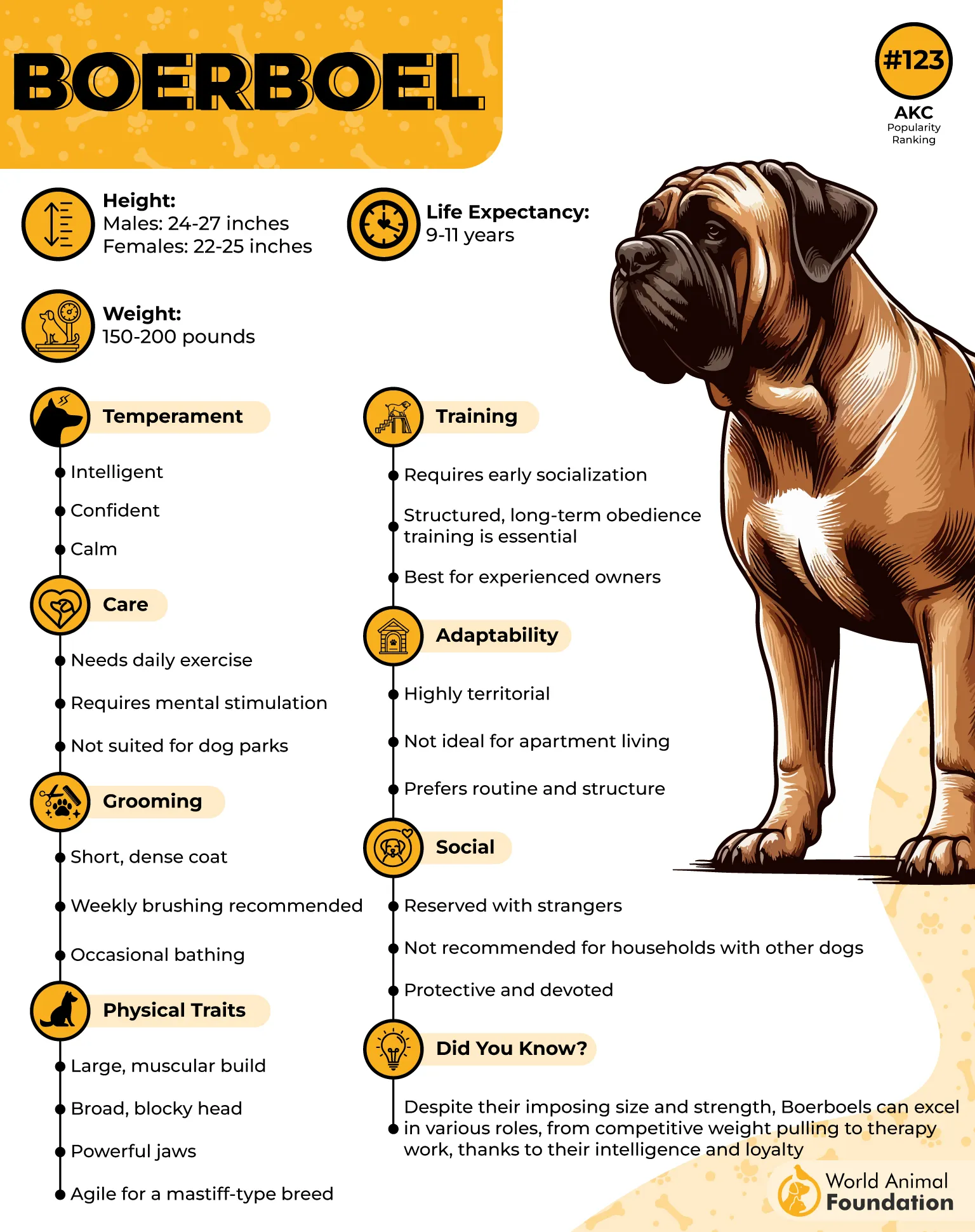
WebMD notes that broad-chested and imposing, the Boerboel carries itself with quiet authority inside the home. With family, it is attentive, grounded, and surprisingly affectionate, forming strong bonds through proximity and routine. This balance between strength and sensitivity defines its role as a serious home protection dog.
Social Awareness & Stranger Response
Observant and slow to react until intent is clear
Naturally territorial with controlled vigilance
Loyal to familiar guests once trust is established
Physical Presence & Deterrence Factor
Massive frame and muscular build
Steady eye contact and confident stance
Low tolerance for boundary violations
Highly intelligent and capable of independent judgment, the Boerboel learns quickly when training is purposeful. It thrives in homes with space, predictable structure, and owners who value mental stimulation as much as physical exercise. Suburban and rural environments suit its guarding nature best.
This breed fits experienced owners seeking a dependable protector rather than a casual companion. Trust is earned through daily interaction, fair boundaries, and clear communication. When respect flows both ways, the Boerboel becomes a formidable yet composed guardian of the home.
2. German Shepherd
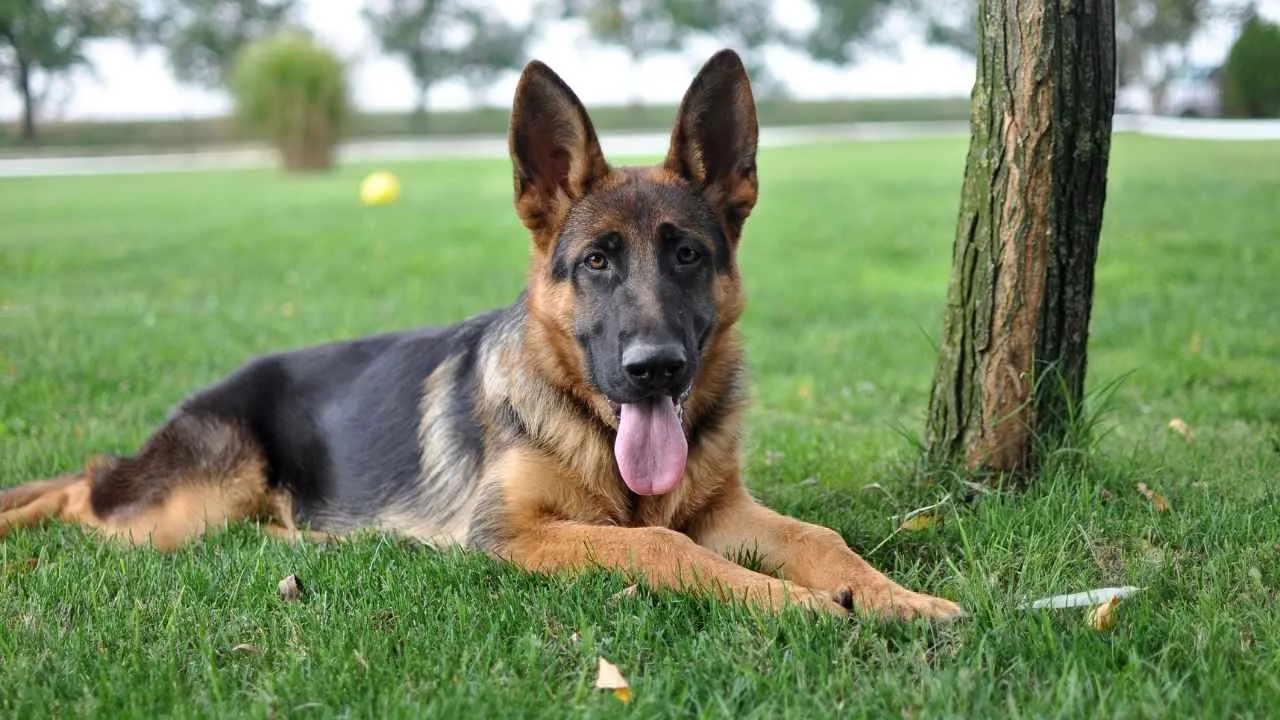
The German Shepherd is defined by its ability to assess situations rapidly and respond with precision. Protection is instinctive, guided by intelligence and a deep desire to work alongside its owner. Commitment involves time, training, and purposeful activity, as this breed excels when mentally engaged.
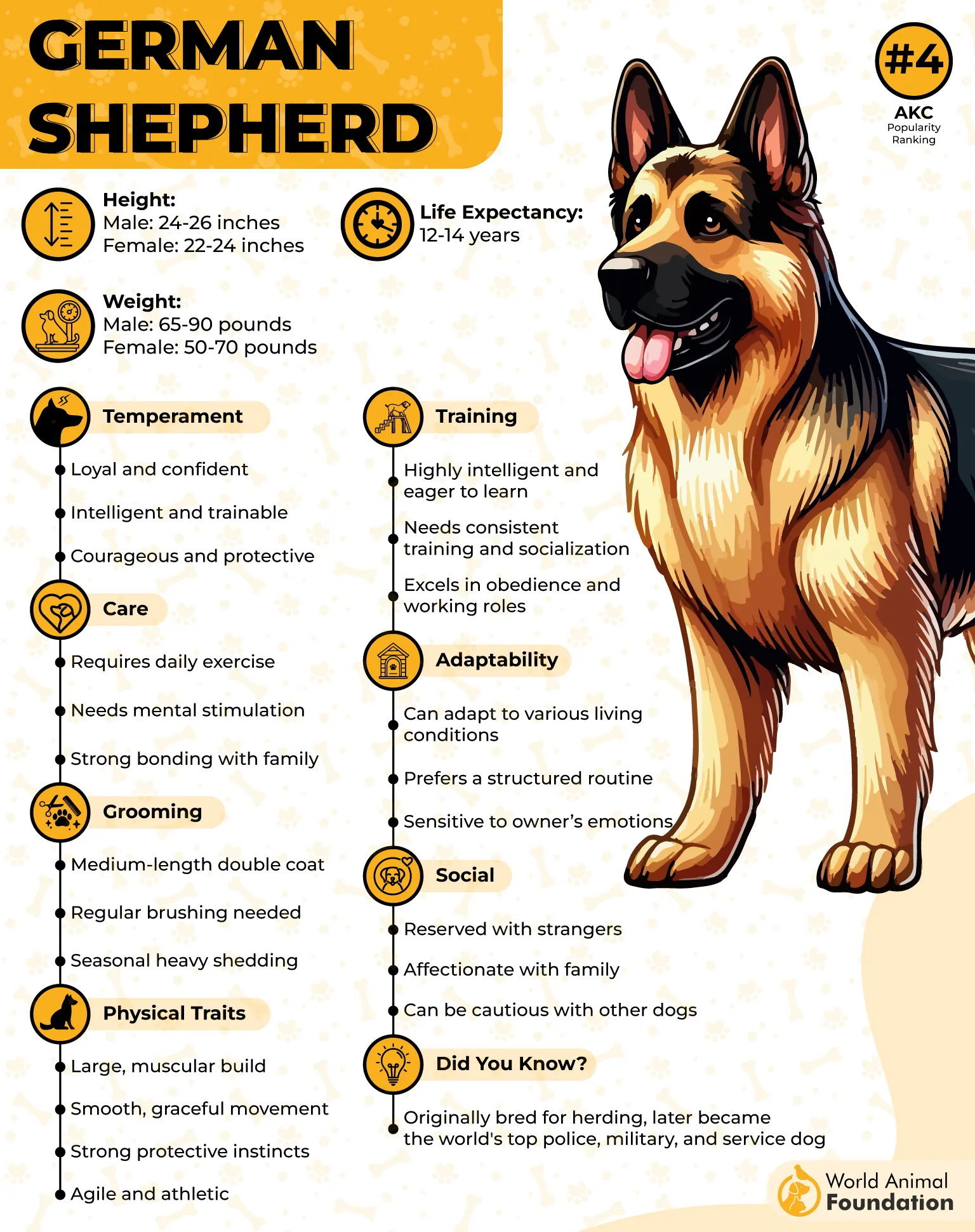
Athletic and alert, the German Shepherd adapts seamlessly between guard duty and family life. Indoors, it is loyal, responsive, and eager to remain close to its people. Emotional sensitivity makes it especially attuned to changes in routine or environment.
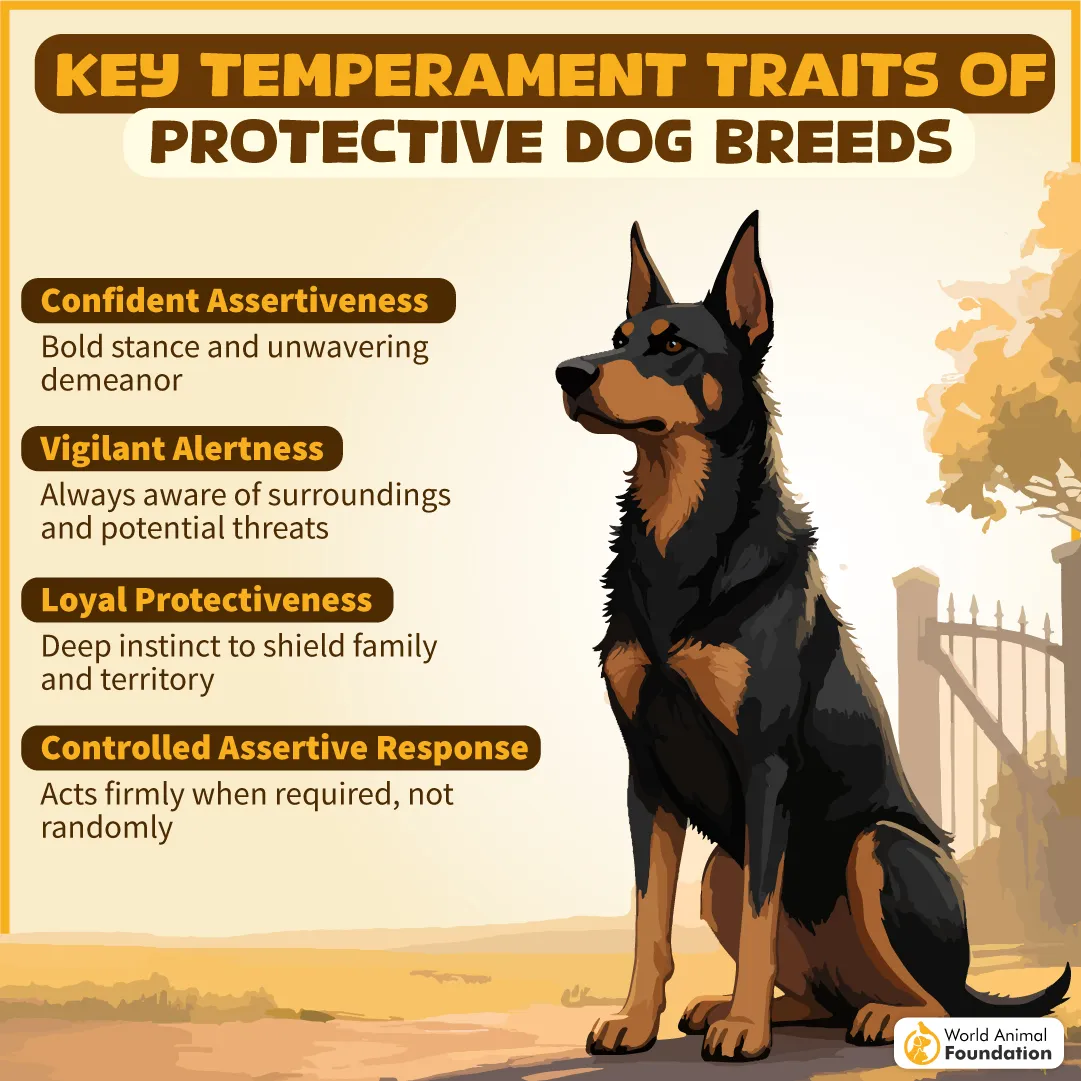
Social Awareness & Stranger Response
Quick to notice unfamiliar movement
Naturally alert with strong situational judgment
Responsive to owner cues during introductions
Physical Presence & Deterrence Factor
Upright posture and athletic movement
Confident gait that commands attention
Powerful build without excess bulk
AKC explains that highly trainable and task-oriented, the German Shepherd thrives on structured learning. It adapts well to homes with yards, active families, and regular mental challenges. Apartment living is possible with sufficient exercise and enrichment.
This protective guard dog suits owners who enjoy hands-on involvement and ongoing training. Trust develops through teamwork, routine, and positive reinforcement. When guided with clarity and respect, the German Shepherd becomes one of the most reliable home protection dogs available.
3. Doberman Pinscher
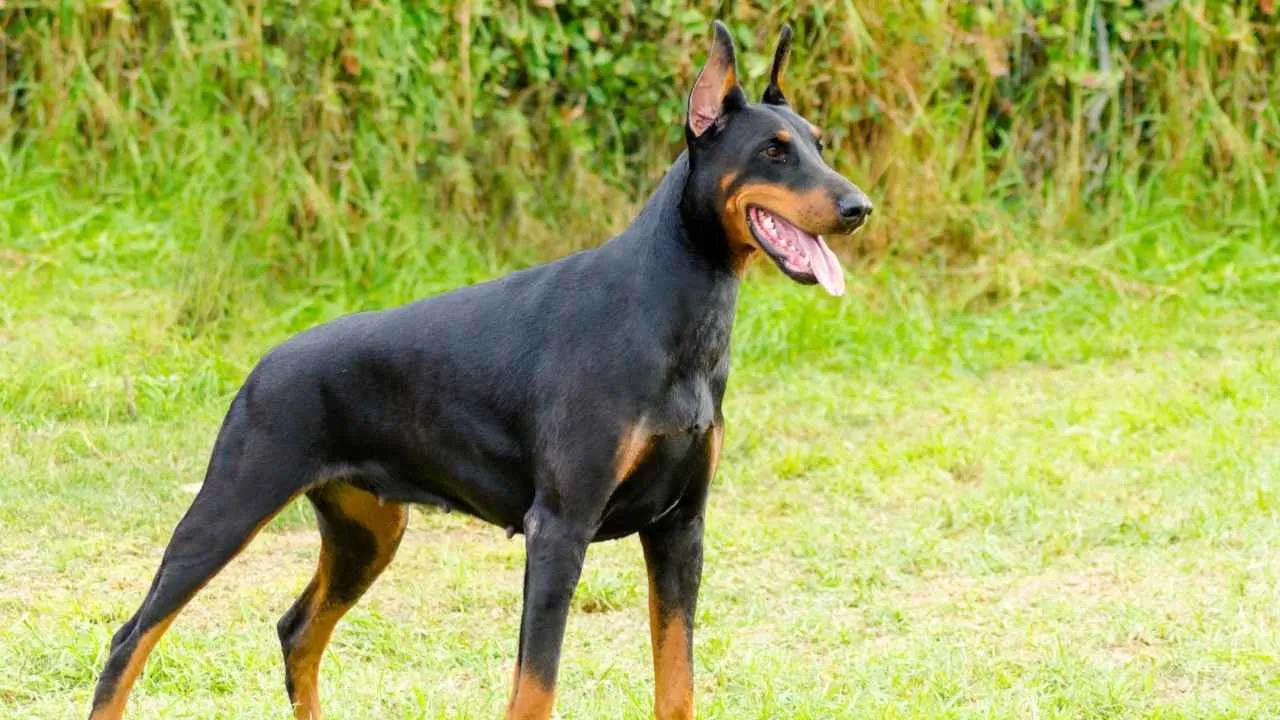
The Doberman Pinscher is protection refined into speed, awareness, and loyalty. Its instinct to guard is immediate and personal, often positioning itself between its owner and perceived threats. Ownership requires emotional connection, as this breed thrives on close human bonds.
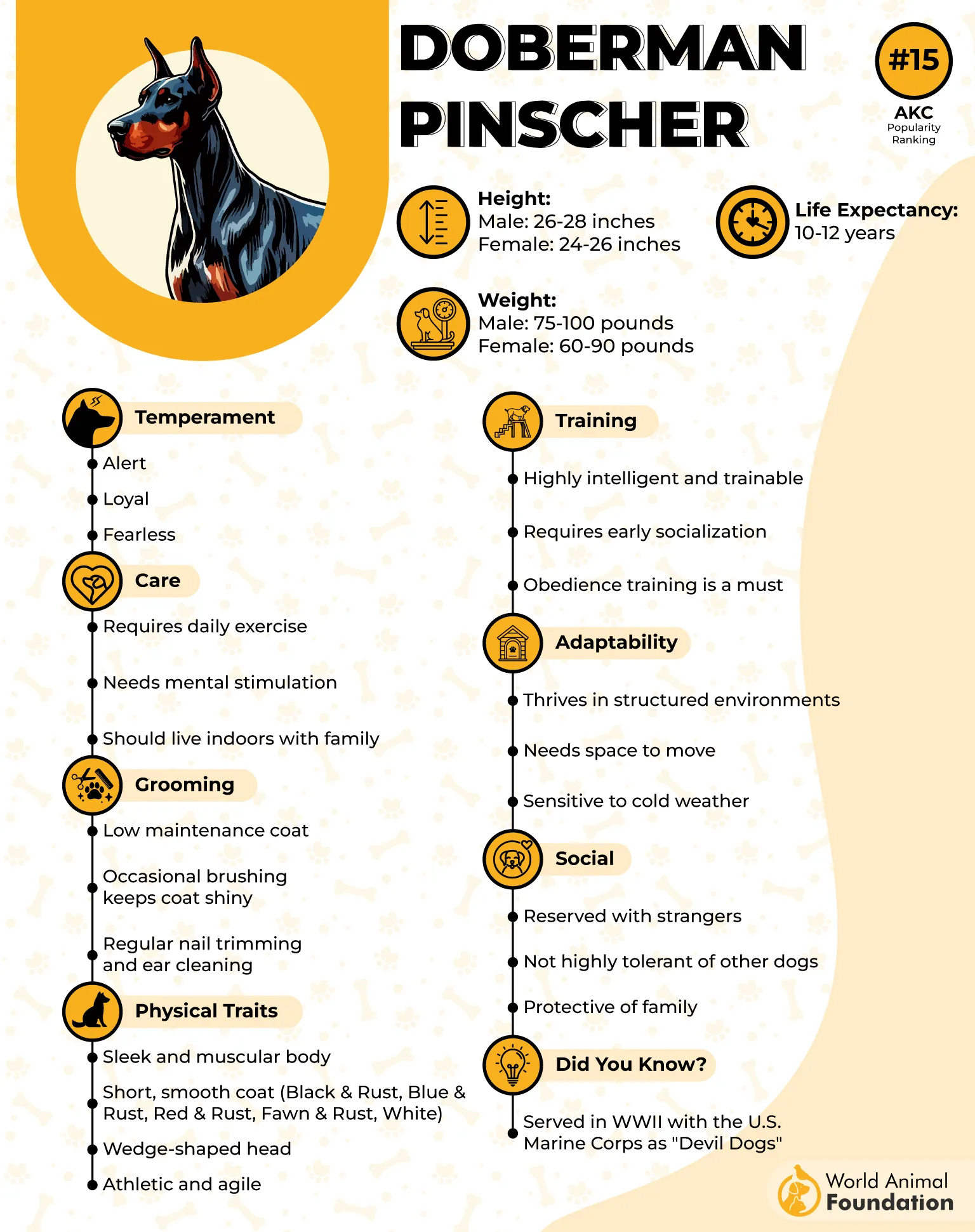
Sleek and elegant, the Doberman is calm indoors and highly affectionate with its family. It prefers proximity and involvement rather than isolation. This emotional depth makes it both a vigilant guardian and an intuitive companion.
Social Awareness & Stranger Response
Fast recognition of unusual behavior
Naturally suspicious without overreaction
Strong protective response to owner stress
Physical Presence & Deterrence Factor
Lean, muscular physique built for speed
Intense focus and alert posture
Quick response capability
Exceptionally intelligent, the Doberman learns commands rapidly and retains them well. It adapts best to homes where training is ongoing and interaction is frequent. Secure spaces and daily exercise are essential for balance.
Britannica notes that this breed suits owners seeking an active, people-focused protector. Trust grows through consistency, positive leadership, and inclusion in daily life. When respected and trained thoughtfully, the Doberman offers unwavering home security.
4. Cane Corso
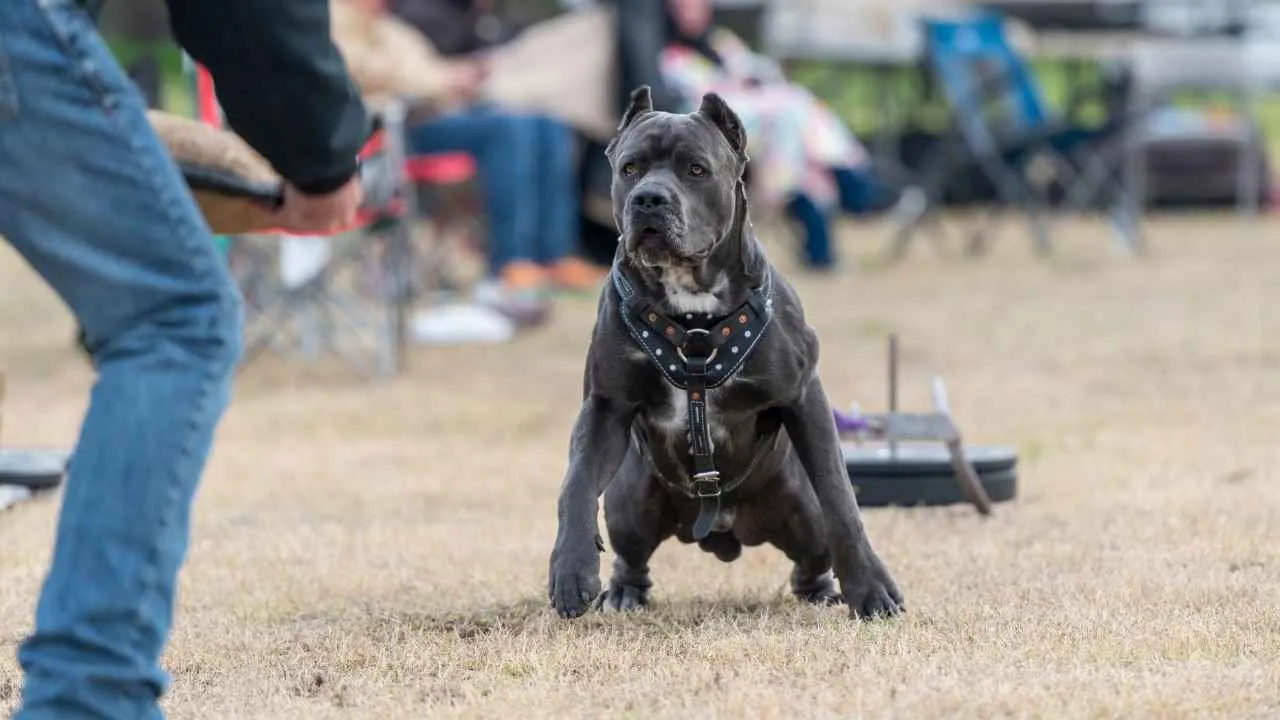
The Cane Corso approaches protection with seriousness and restraint. Its guarding instinct is deeply territorial, paired with a natural ability to read intent. Ownership carries responsibility, as clear leadership and early structure shape its stability.
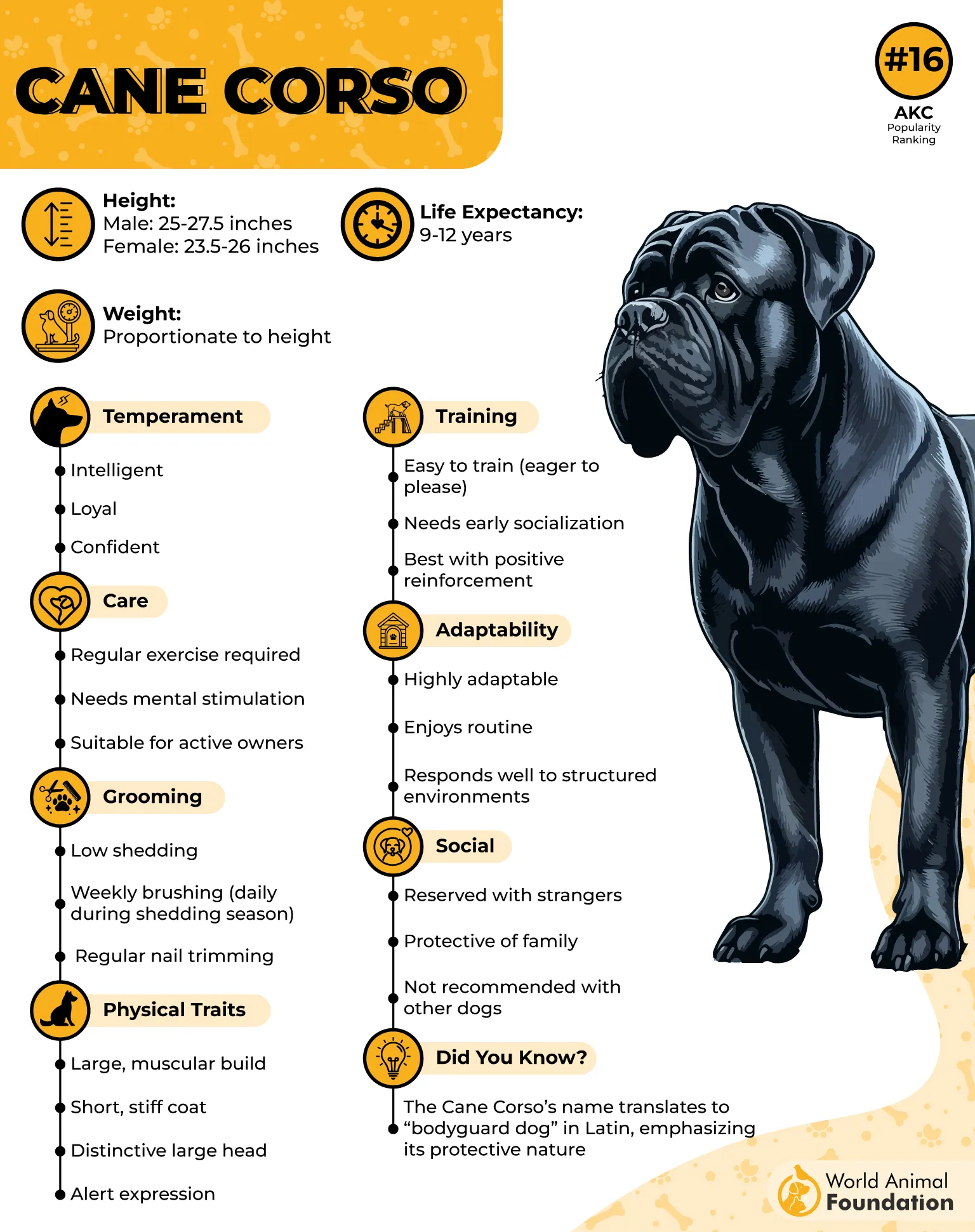
Large and commanding, the Cane Corso is calm within familiar surroundings. With family, it is loyal and grounded, preferring observation over constant interaction. This reserved temperament enhances its effectiveness as a home guardian.
Social Awareness & Stranger Response
Naturally wary and watchful
Slow to trust unfamiliar individuals
Strong boundary awareness
Physical Presence & Deterrence Factor
Massive head and muscular body
Deep chest and powerful stance
Intimidating visual presence
Intelligent and deliberate, this breed learns best through structured, confidence-building training. It thrives in homes with space, secure fencing, and predictable routines. Mental stimulation is as critical as physical activity.
The Cane Corso is ideal for experienced owners prepared for a long-term commitment. Trust develops through firm yet fair leadership and mutual respect. With proper guidance, it becomes a steadfast protector of both home and family.
5. Rottweiler
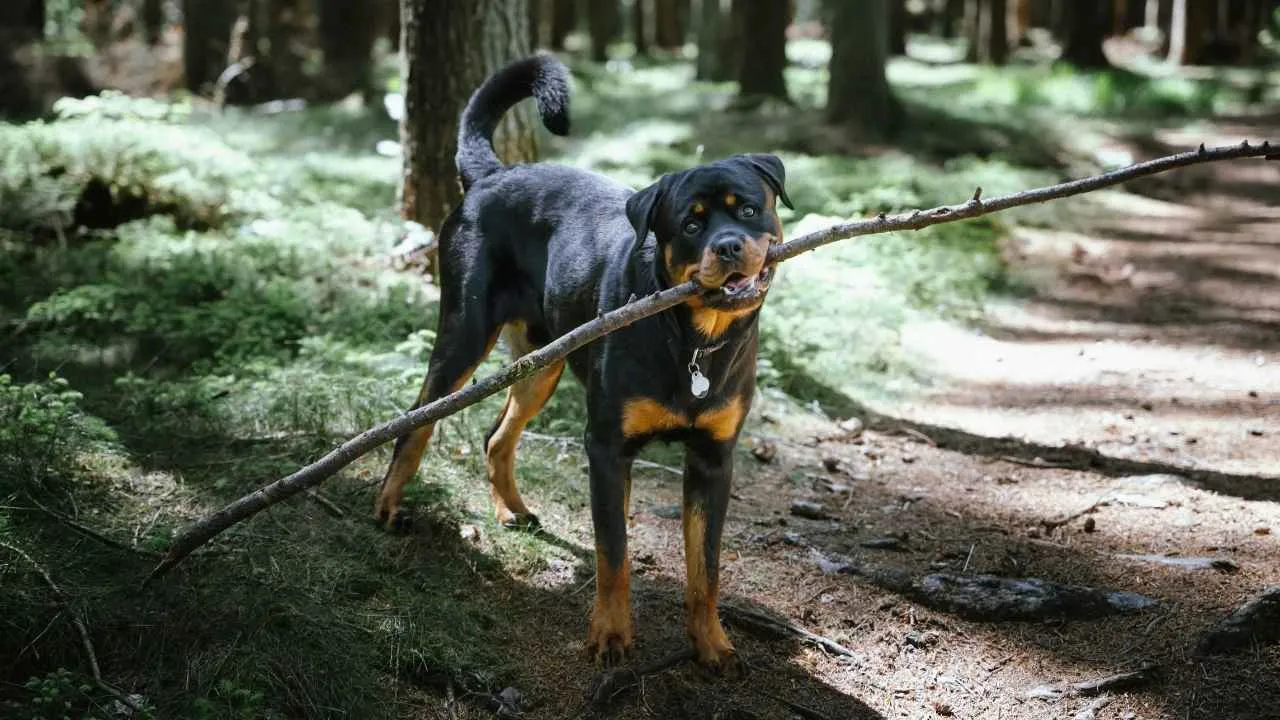
The Rottweiler combines strength with discernment, making its protection style deliberate and controlled. Its guarding instinct is rooted in loyalty and confidence rather than impulsive behavior. Ownership requires dedication to training and social balance from an early age.
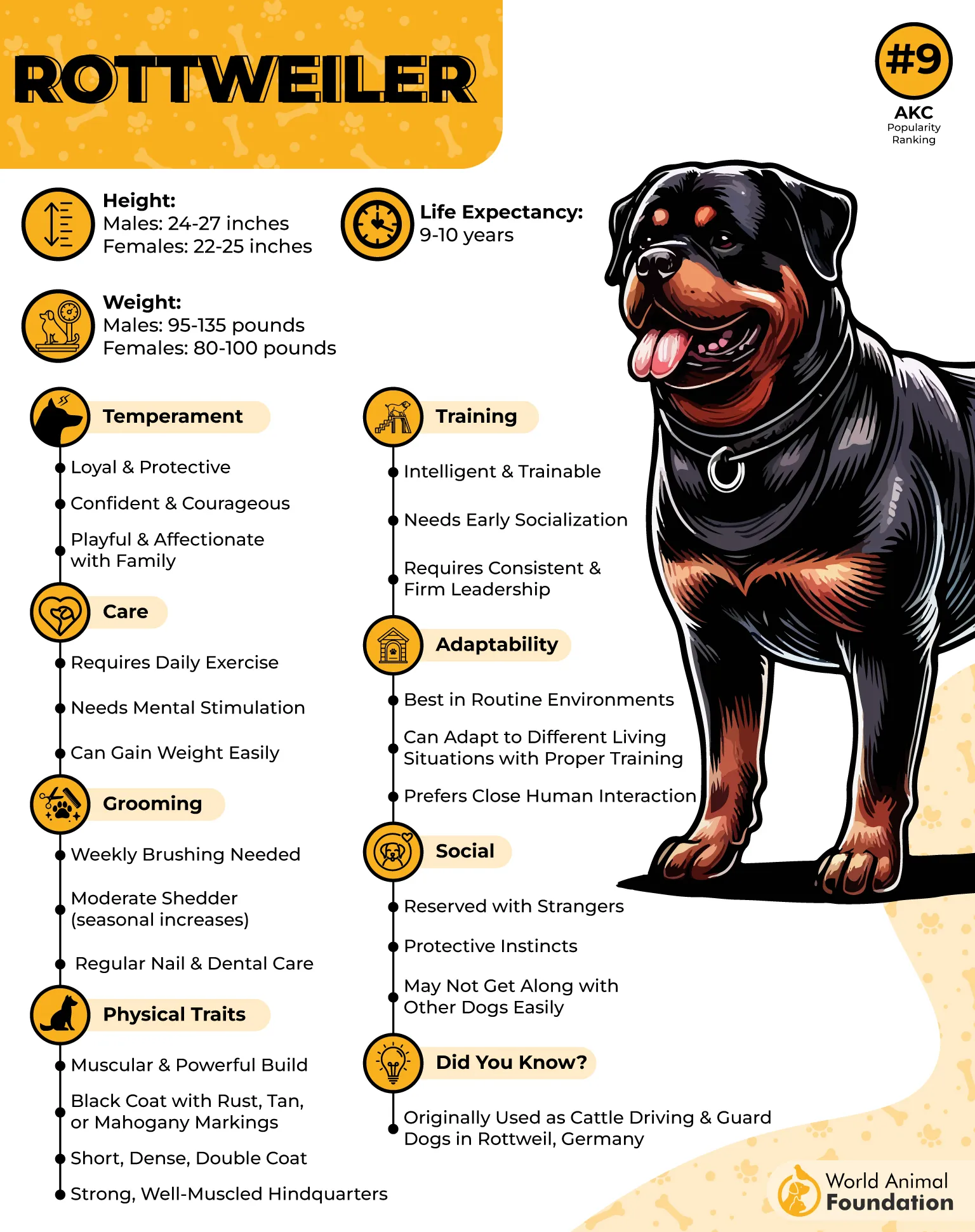
Stocky and powerful, the Rottweiler is calm and affectionate indoors. It forms strong attachments to its household, often following family members closely. This loyalty fuels its role as a dependable home protector.
Social Awareness & Stranger Response
Observant and steady in unfamiliar situations
Naturally protective of territory
Responsive to owner guidance during encounters
Physical Presence & Deterrence Factor
Broad chest and muscular frame
Confident posture
Strong physical strength
Highly intelligent, the Rottweiler excels with consistent training and clear expectations. It adapts well to homes with space and routine exercise. Mental challenges help prevent boredom and reinforce focus.
This breed suits owners committed to structure and leadership. Trust grows through fairness, routine, and engagement. When guided properly, the Rottweiler becomes a calm, reliable guardian for the home.
6. Chow Chow
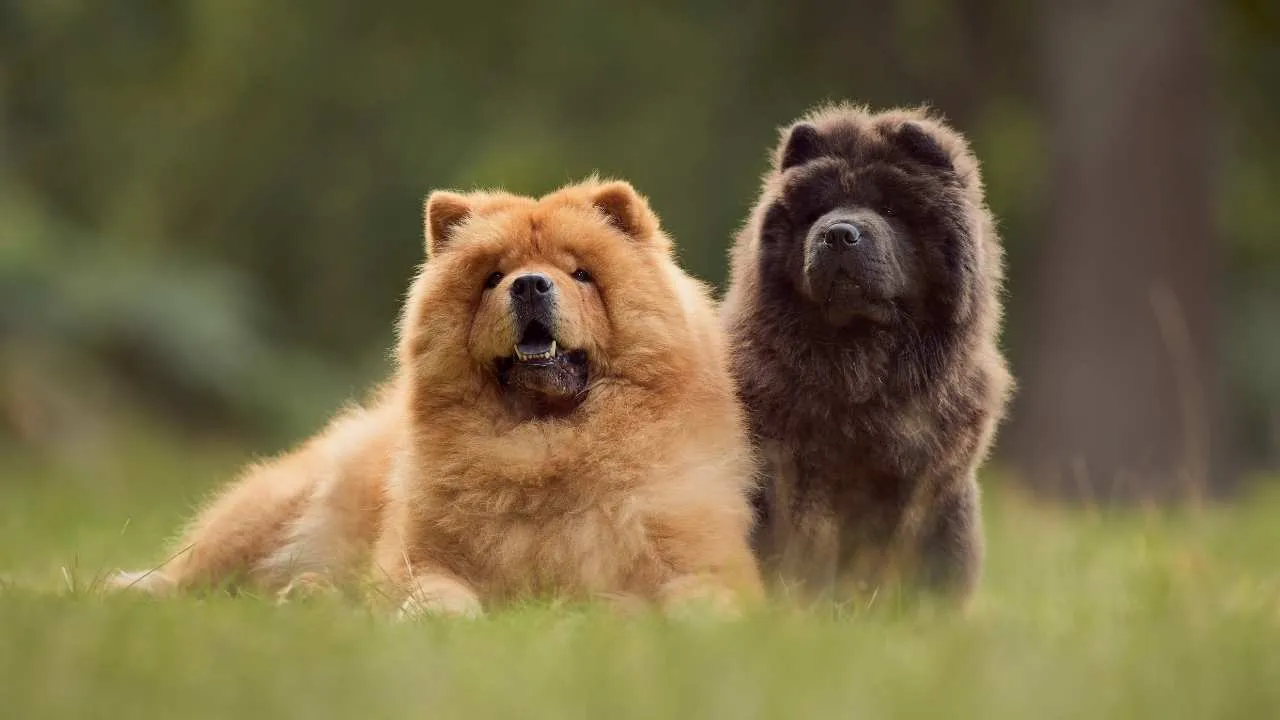
The Chow Chow protects through independence and territorial awareness. Its instinct to guard is subtle, expressed through vigilance rather than overt action. Ownership requires patience and respect for its self-contained nature.
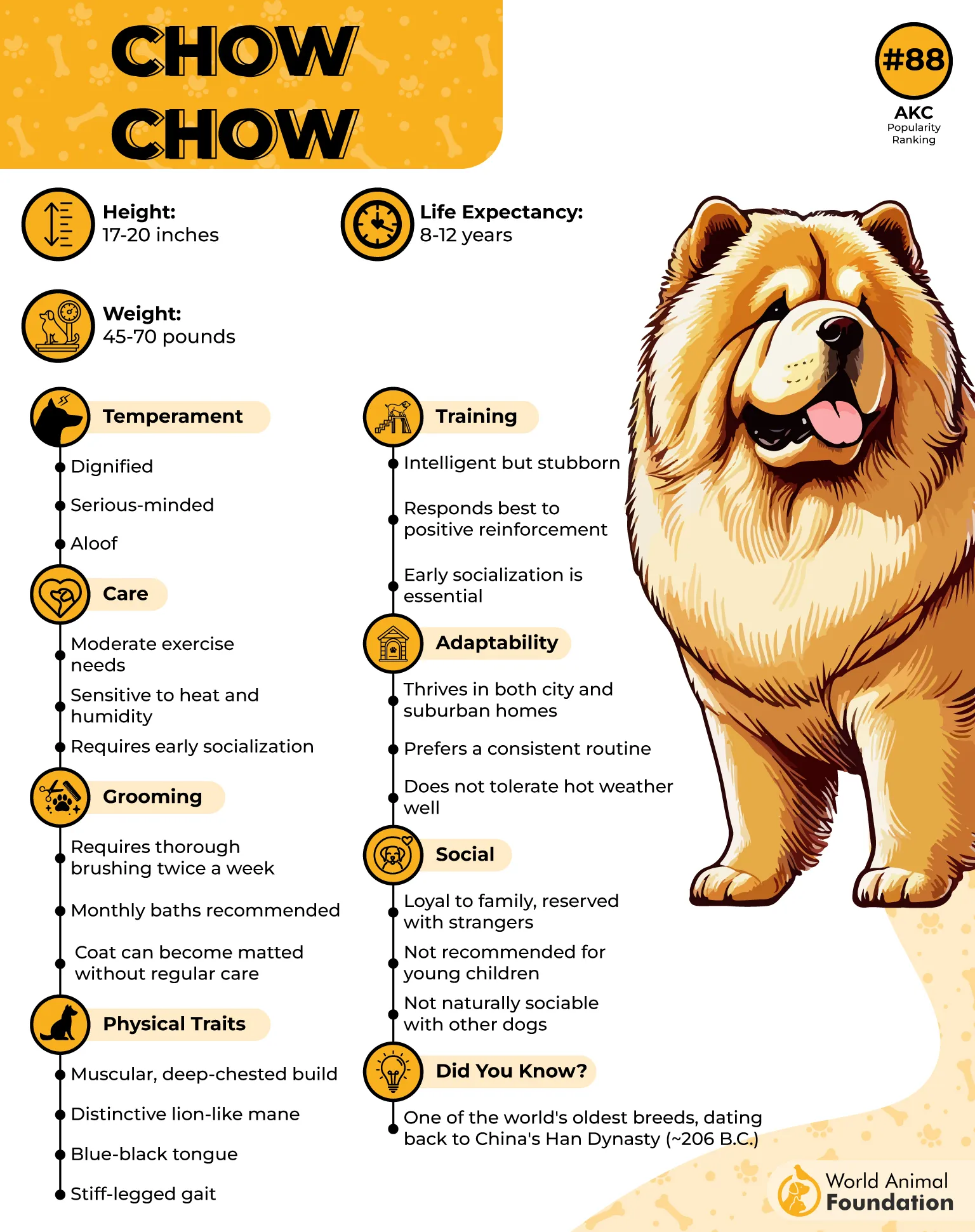
With its family, the Chow Chow is reserved yet loyal. This excellent guard dog values calm environments and predictable routines. This quiet demeanor enhances its ability to notice changes within the home.
Social Awareness & Stranger Response
Naturally aloof with unfamiliar people
Strong territorial instincts
Minimal tolerance for intrusion
Physical Presence & Deterrence Factor
Lion-like appearance
Dense coat and sturdy build
Serious, watchful expression
Intelligent but independent, this breed responds best to respectful, consistent training. It suits quieter households with limited chaos and steady leadership. Space and calm handling support its balance.
The Chow Chow fits owners who appreciate autonomy in a protector. Trust forms gradually through respect and routine. When treated thoughtfully, it offers quiet but firm home security.
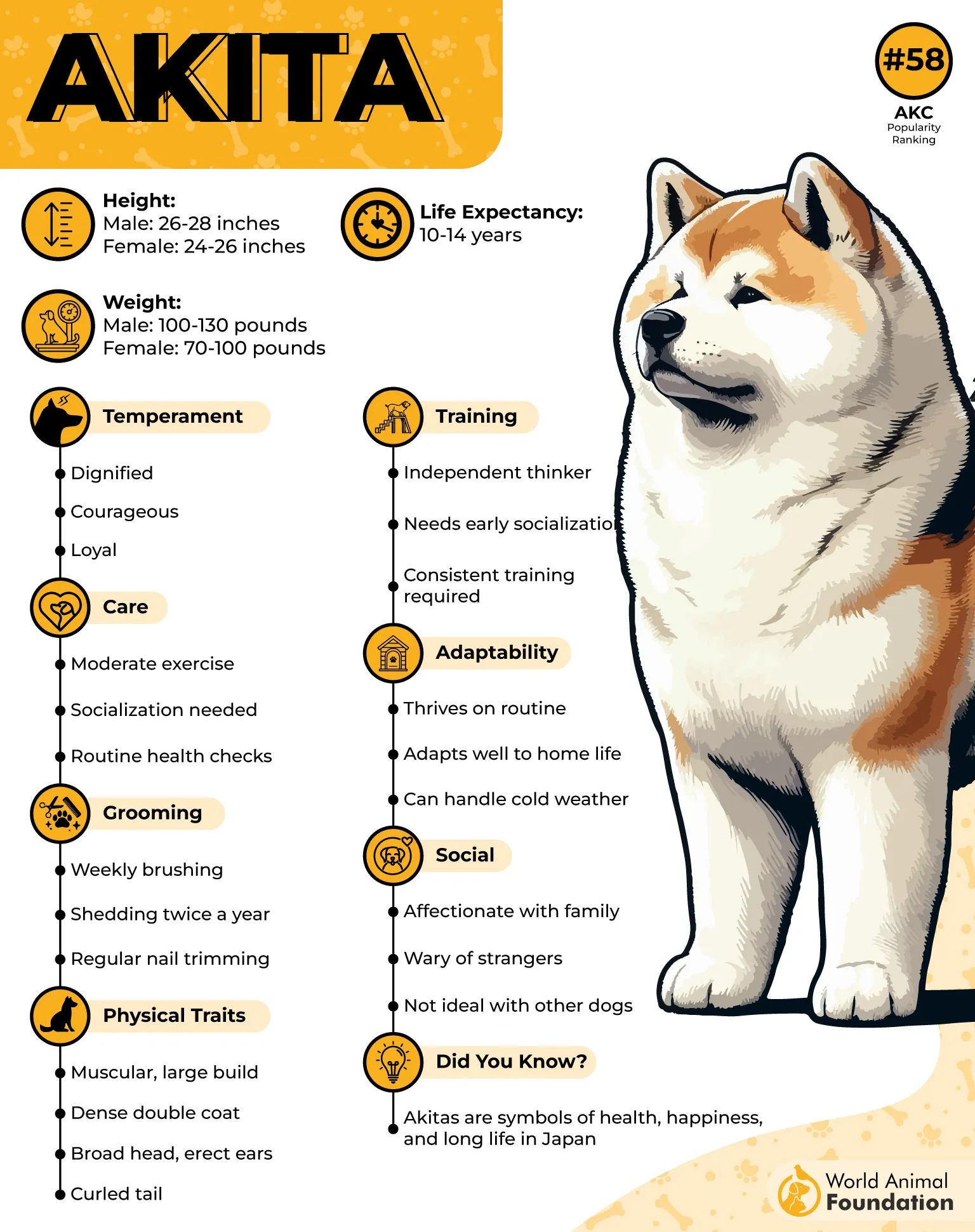
7. Akita
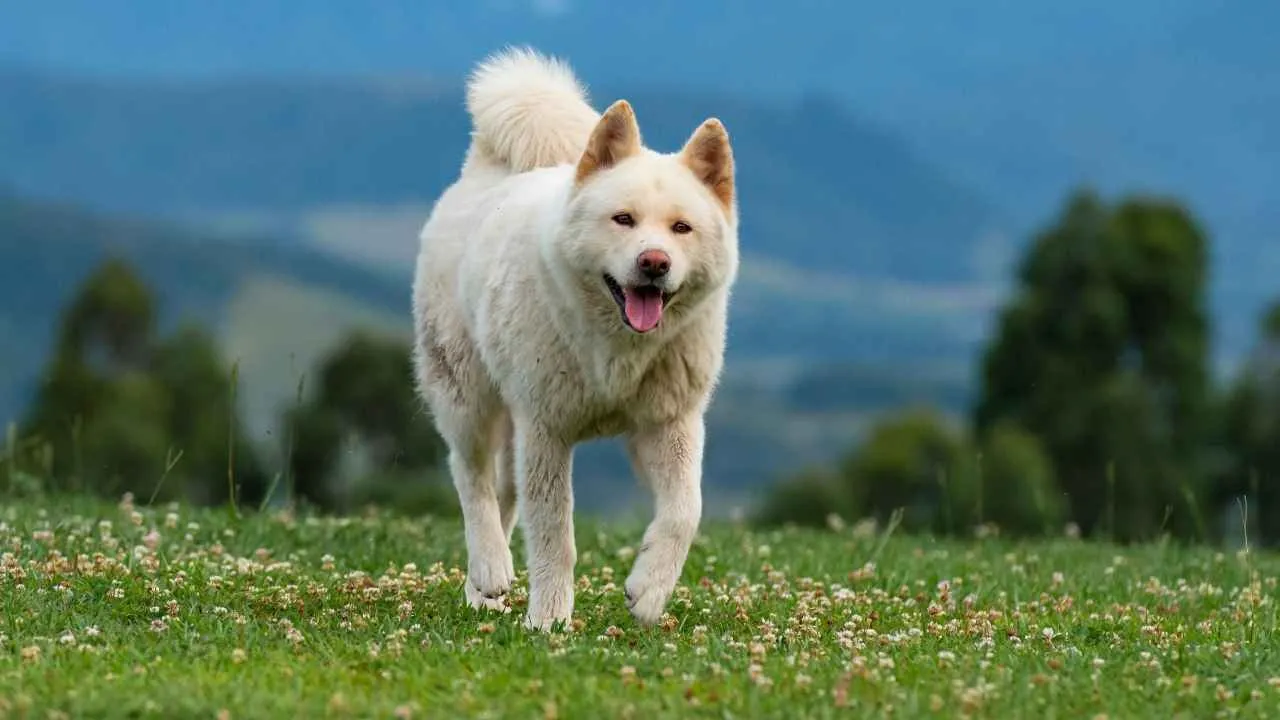
The Akita embodies loyalty as a protective principle. Its guarding instinct centers on family devotion and territorial awareness. Ownership involves firm leadership paired with calm, confident handling.
Powerful and dignified, this family guard dog breed is composed and deeply bonded to its household. It values structure and personal space. This balance creates a guardian that watches silently but acts decisively.
Social Awareness & Stranger Response
Reserved and cautious with unfamiliar people
Strong protective instincts
High awareness of surroundings
Physical Presence & Deterrence Factor
Large, solid frame
Upright posture and confident movement
Natural authority
Intelligent and independent, the Akita learns best through consistent, respectful training. It thrives in homes with space and predictable routines. Secure environments support their territorial nature.
This breed suits owners prepared for leadership and long-term commitment. Trust is built through patience, training, and mutual respect. When guided correctly, the Akita becomes a powerful and loyal home protector.
Conclusion
Choosing among the best guard dog breeds means respecting natural guarding instincts, protective nature, and the role of proper training in shaping reliable, family-friendly protectors. The right guard dog can deter intruders while remaining calm and deeply loyal.
Beyond this guide, breeds like Staffordshire Bull Terrier, Belgian Malinois, Giant Schnauzers, Rhodesian Ridgeback, and even Golden Retriever can also become effective guard dogs with early training and proper socialization.
Every dog owner should prioritize positive reinforcement, obedience training, regular exercise, and a healthy environment. Choose wisely, train early, and your dog can become both a fearless guardian and a great family pet.
