




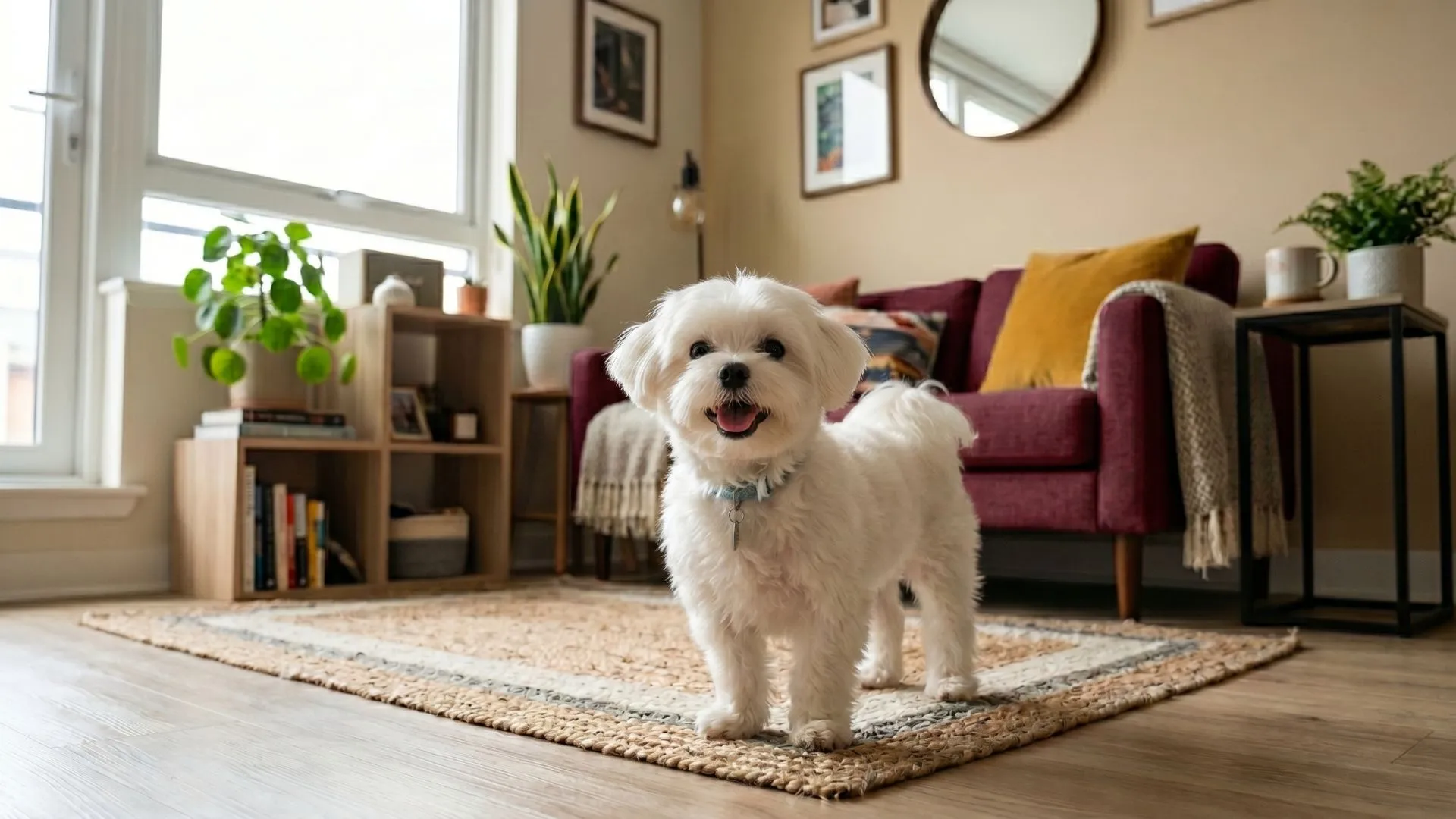
Did you know many dogs don’t need a big yard to stay happy and can thrive in small apartments when their routine is balanced?
Many people are surprised to learn that apartment living can suit a wide range of dogs. When temperament, energy levels, and daily care align with a pet’s needs, even compact homes can provide a comfortable and fulfilling environment.
In fact, size is often less important than personality. Dogs with adaptable temperaments and manageable exercise requirements can do well in smaller homes when they receive regular walks, indoor playtime, and mental stimulation. This creates a peaceful atmosphere while helping them stay healthy and content.
Finding the right companion comes down to matching a dog’s behavior and needs with your lifestyle. With proper training, consistent care, and plenty of affection, many breeds can flourish in apartments, studios, and other cozy homes, proving that a happy dog doesn’t need a huge space to live its best life.
Best Dog Breeds That Love Small Space Living
1. Shih Tzu
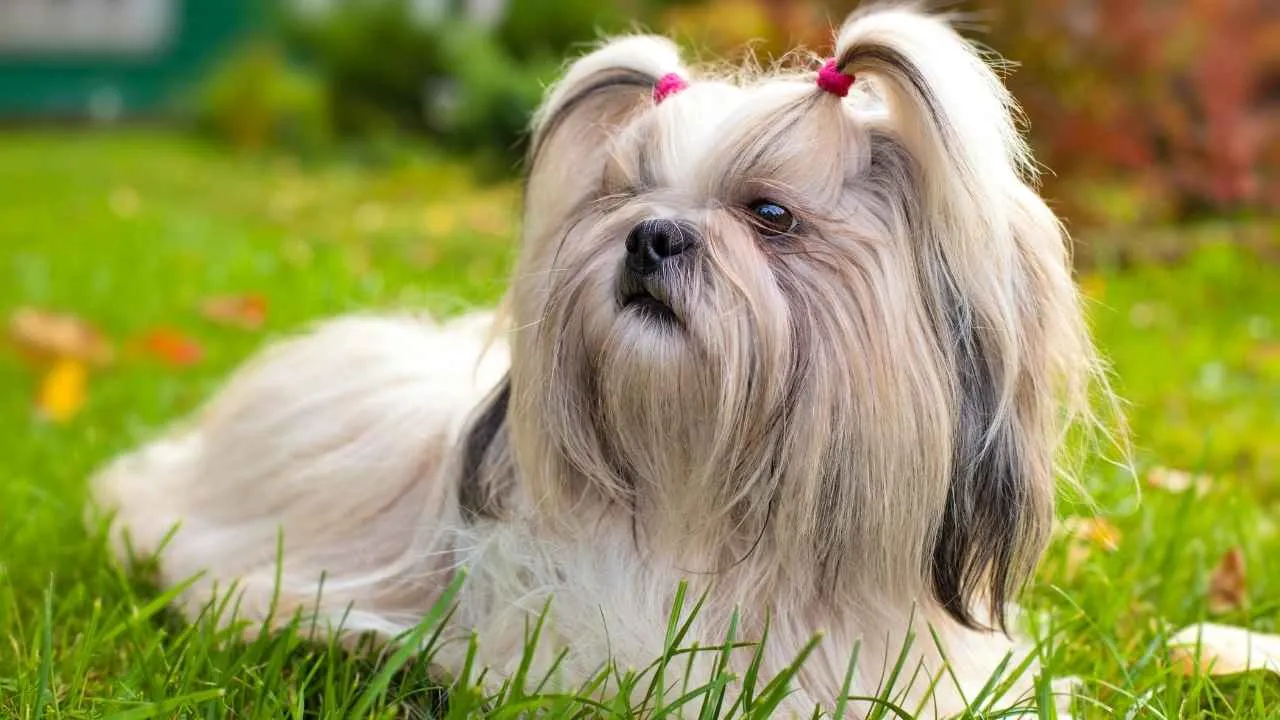
The Shih Tzu is a small, charming companion dog with ancient roots in China… where it was once kept as a royal lapdog. The name “Shih Tzu” means “lion,” though in reality, this little dog is more about affection than attitude.
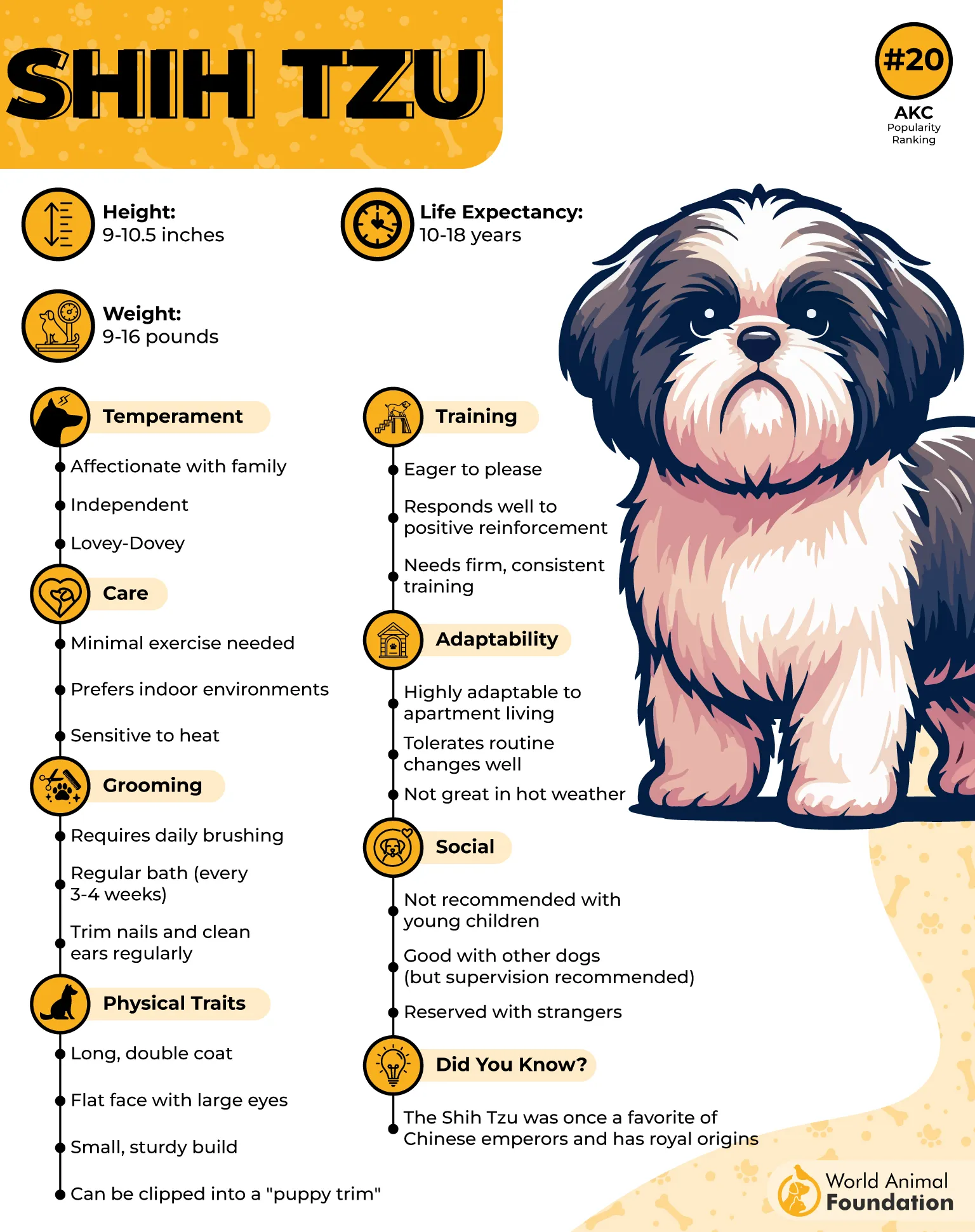
With its long silky coat, short legs, and big soulful eyes, it naturally fits into cozy indoor lifestyles. And honestly… even though it has a royal history, today it feels most at home in apartments and compact living spaces where closeness matters more than space.

What makes the Shih Tzu truly special is its calm, people-loving nature. It bonds deeply with its owner and prefers staying nearby rather than exploring wide areas, as per WebMD.
It doesn’t require much exercise or outdoor space, which is exactly why it thrives in small apartments where comfort and companionship matter most. Regular grooming and gentle training help keep these small dog breeds happy and well-adjusted indoors.
Why it loves small space living:
Low daily exercise needs make it perfectly suited for apartment settings and indoor lifestyles
Naturally quiet indoor behavior helps maintain a peaceful home environment, which is ideal for apartment or close living spaces
2. Pug
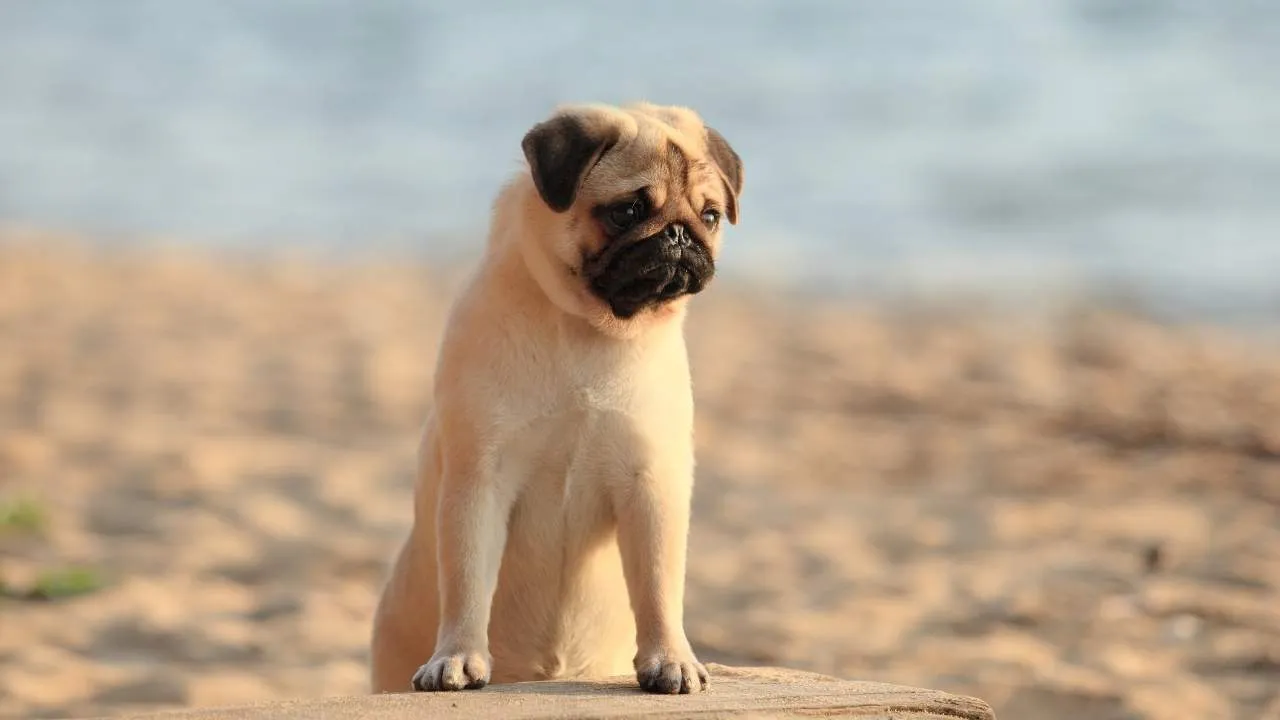
The Pug is a charming toy breed that likely originated in China… and later made its way to Europe in the 1600s through Dutch traders. With its compact, square build, short muzzle, curled tail, and large expressive eyes, it has one of the most recognizable faces in the dog world, as per Britannica.
Its coat is short and glossy, usually in fawn, silver, or black, often paired with a dark facial mask that gives it a signature “comic” expression. And honestly… it’s this mix of charm and character that makes it so loved in modern homes.
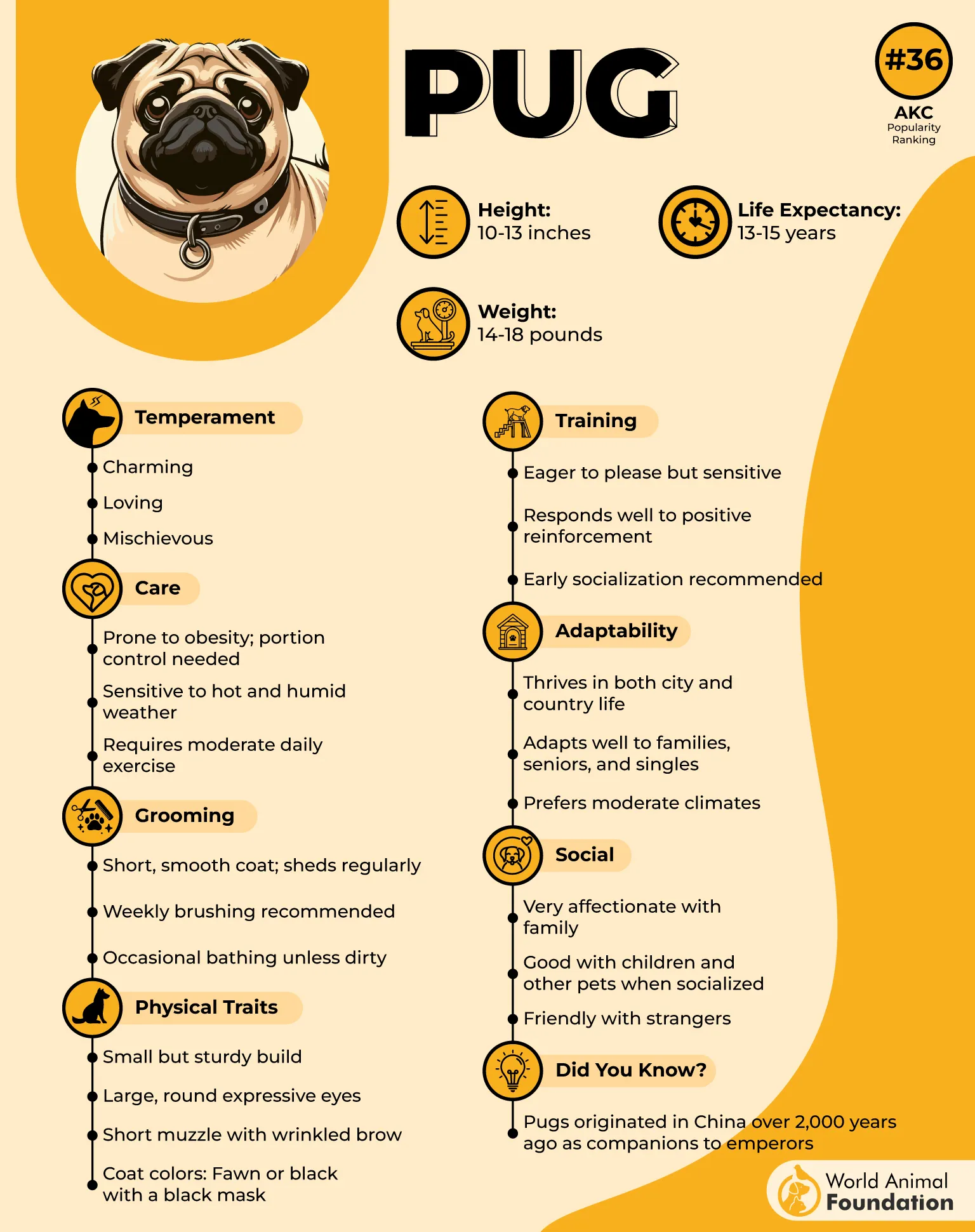
When it comes to confined spaces, the Pug fits right in. It enjoys short walks and indoor play rather than intense exercise, which makes it an excellent apartment dog. However, due to its short-nosed structure, it needs care in hot weather and should avoid overheating. It is affectionate, playful, and easygoing… adapting well to close indoor environments.
Why it loves small space living:
Low to moderate exercise needs make it comfortable in studio apartments and indoor routines
Calm nature and social temperament allow it to thrive in close human companionship settings
3. Pomeranian
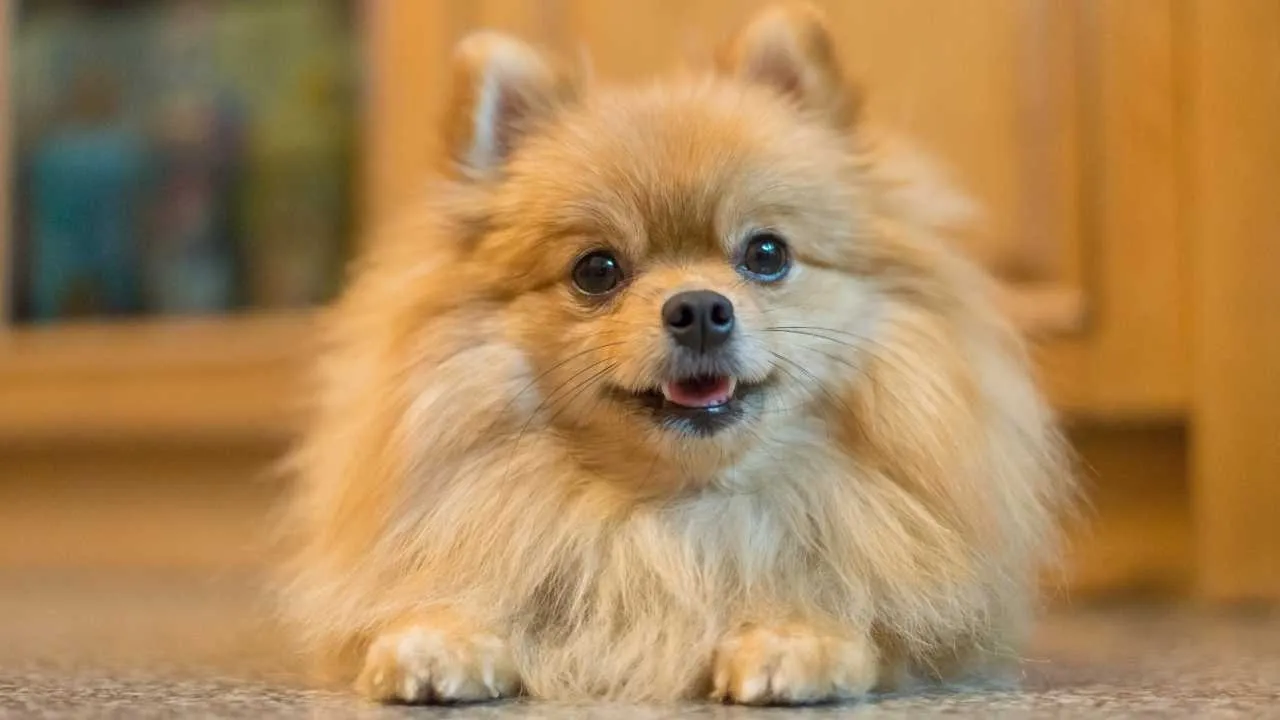
The Pomeranian is a tiny but bold companion dog that instantly grabs attention wherever it goes… and honestly, it knows it. Descended from larger Spitz-type dogs like sled-pulling Huskies, it carries a surprisingly big personality in a very small frame.
As per PetPlan, with its fluffy double coat, fox-like face, and alert eyes, it looks almost like a living toy. But behind that cute appearance is a confident, energetic little dog that loves being part of family life, especially in city apartments and compact homes.
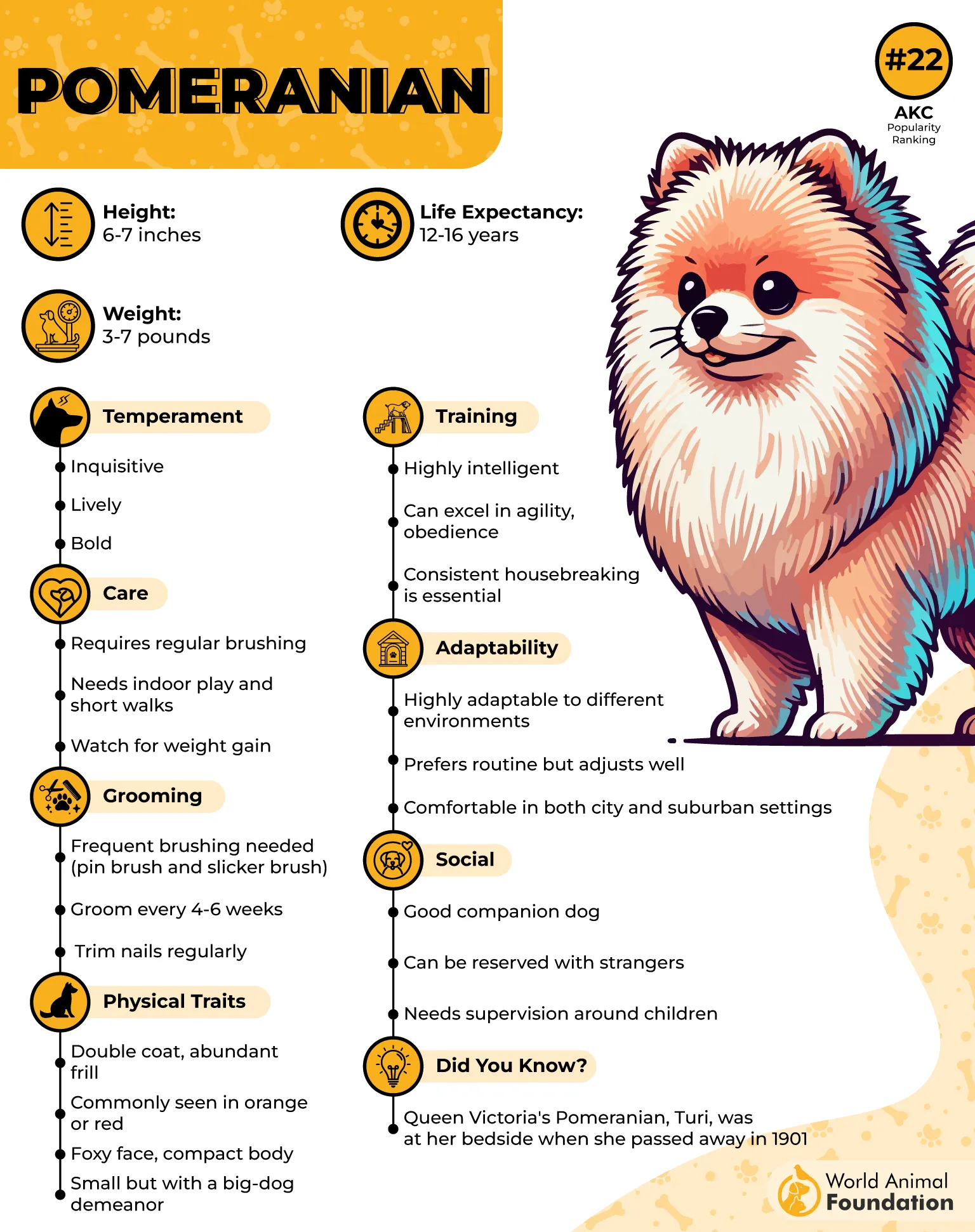
What makes them the right dog breed for compact homes is their adaptability and affectionate nature. It enjoys short walks, indoor play, and being close to its humans throughout the day. However, it can be vocal and a bit independent, so early training and socialization are important. It also thrives best in homes where it gets regular attention and mental stimulation.
Why it loves small space living:
Self-entertaining personality keeps it mentally active even without large physical space
Quick responsiveness to indoor stimulation (toys, sounds, interaction) makes it easy to manage indoors
4. Maltese
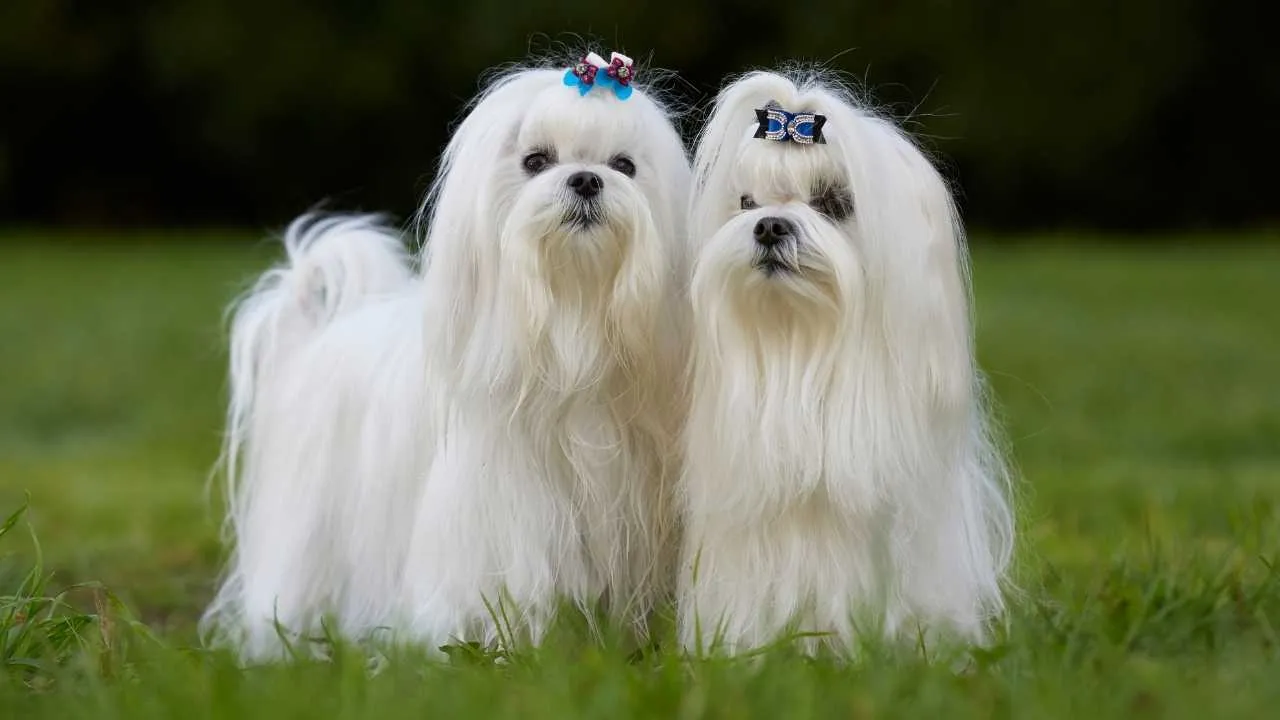
The Maltese is one of the oldest toy companion dogs, often called “Ye Ancient Dogge of Malta,” and has been living a life of luxury for centuries. Known for its stunning, floor-length white coat, this tiny breed carries an elegant and refined presence despite weighing under seven pounds, as per the AKC.
Its compact body, silky straight hair, and bright dark eyes give it a graceful appearance, almost like a living showpiece. Yet beneath this delicate look is a playful and lively companion that adapts easily to modern apartment and small-home living.
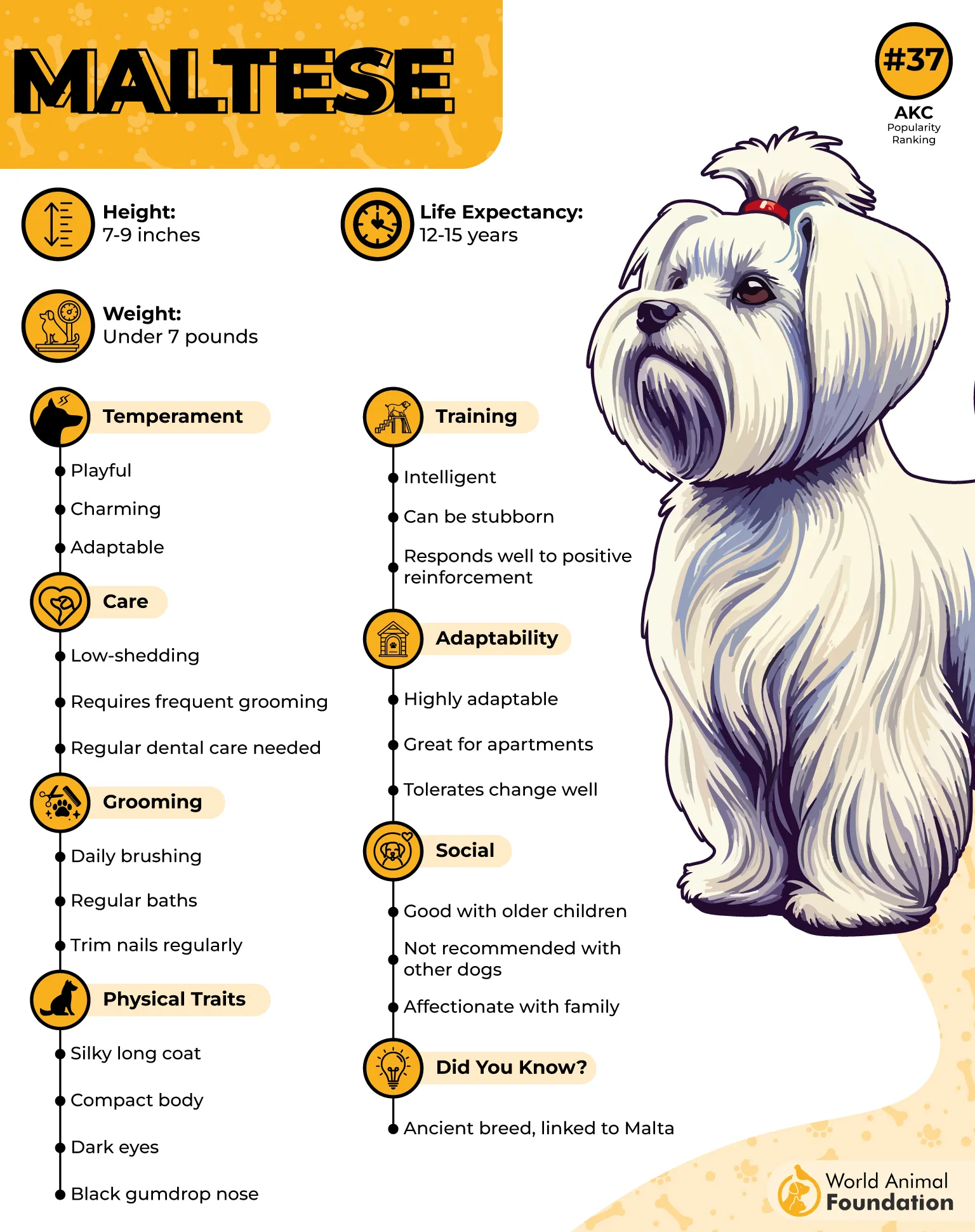
What makes them apartment-friendly dogs is their adaptable and affectionate personalities. It enjoys short walks or light indoor play and does not require heavy outdoor activities to stay happy. With consistency and affection, it becomes a charming and well-mannered indoor companion.
Why it loves small space living:
Naturally lightweight and compact body allows easy movement even in very limited indoor areas
Calm indoor temperament with less excessive barking tendency makes it ideal for peaceful urban environments
5. Chihuahua
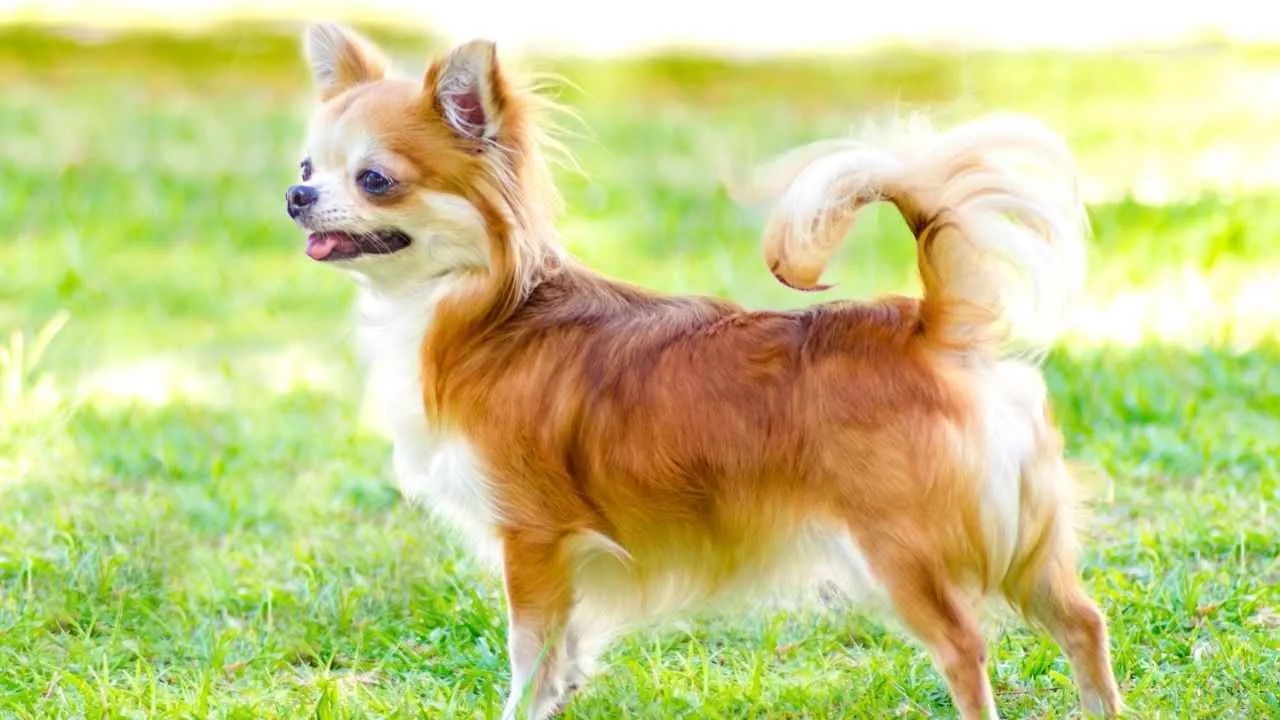
The Chihuahua is one of the smallest dog breeds in the world, but it carries a surprisingly large personality. Originating from Mexico, it descends from ancient companion dogs that were deeply valued for their loyalty and presence, as per PDSA.
Over time, the breed developed into the lively little dog we know today, with big expressive eyes, alert ears, and either smooth or long coats. And honestly… despite its tiny size, it rarely behaves like a fragile lapdog all the time.
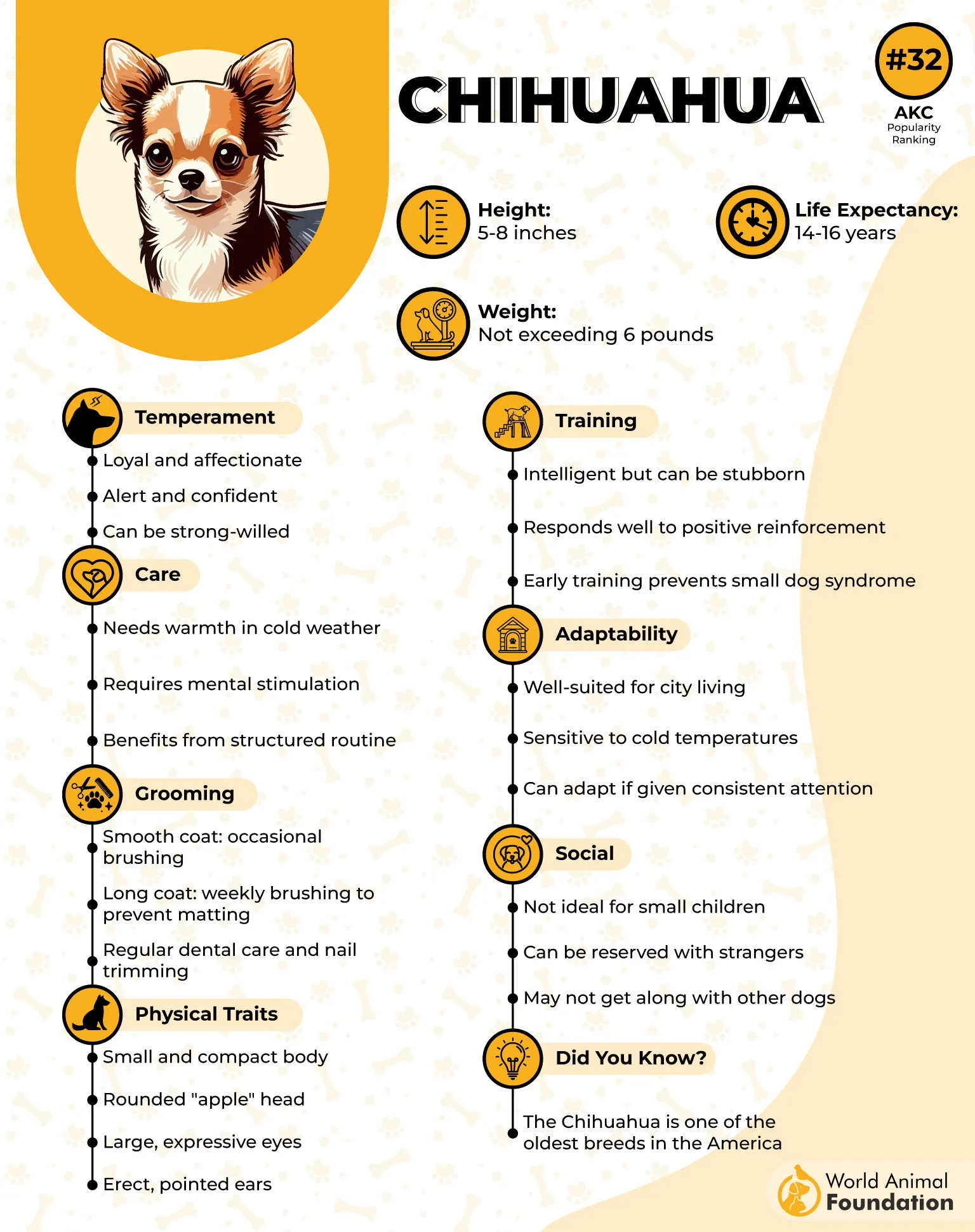
What makes the Chihuahua especially interesting is its adaptability and sharp awareness of its surroundings. It can live comfortably in apartments or larger homes as long as it gets attention, stimulation, and short bursts of activity.
Why it loves small space living:
Extremely small body size allows it to move, play, and rest comfortably even in very limited indoor areas
Well suited to indoor routines as long as it receives mental stimulation and short daily walks
6. Brussels Griffon
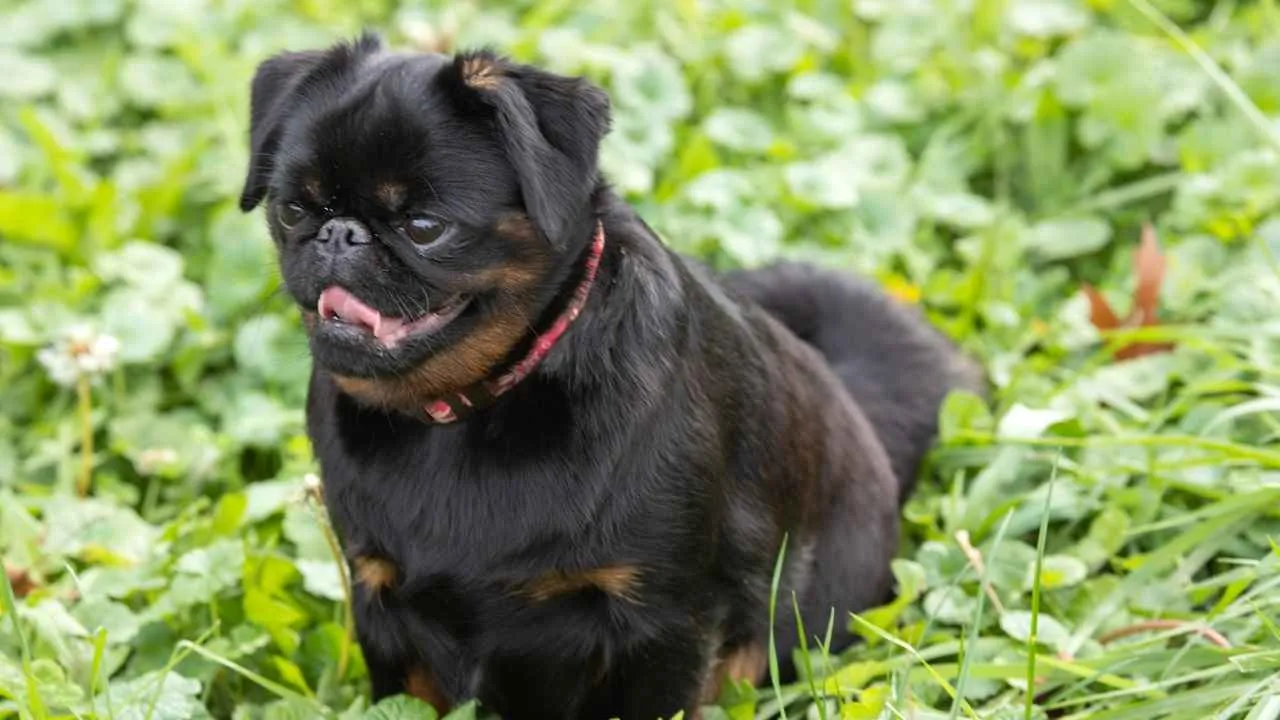
The Brussels Griffon is a small companion dog from Belgium, originally bred as a skilled vermin hunter before becoming a beloved household pet. What makes it instantly recognizable is its almost human-like expression… large, expressive eyes, a short muzzle, and a slightly serious face that gives it an “Ewok-like” charm, as per PetMD.
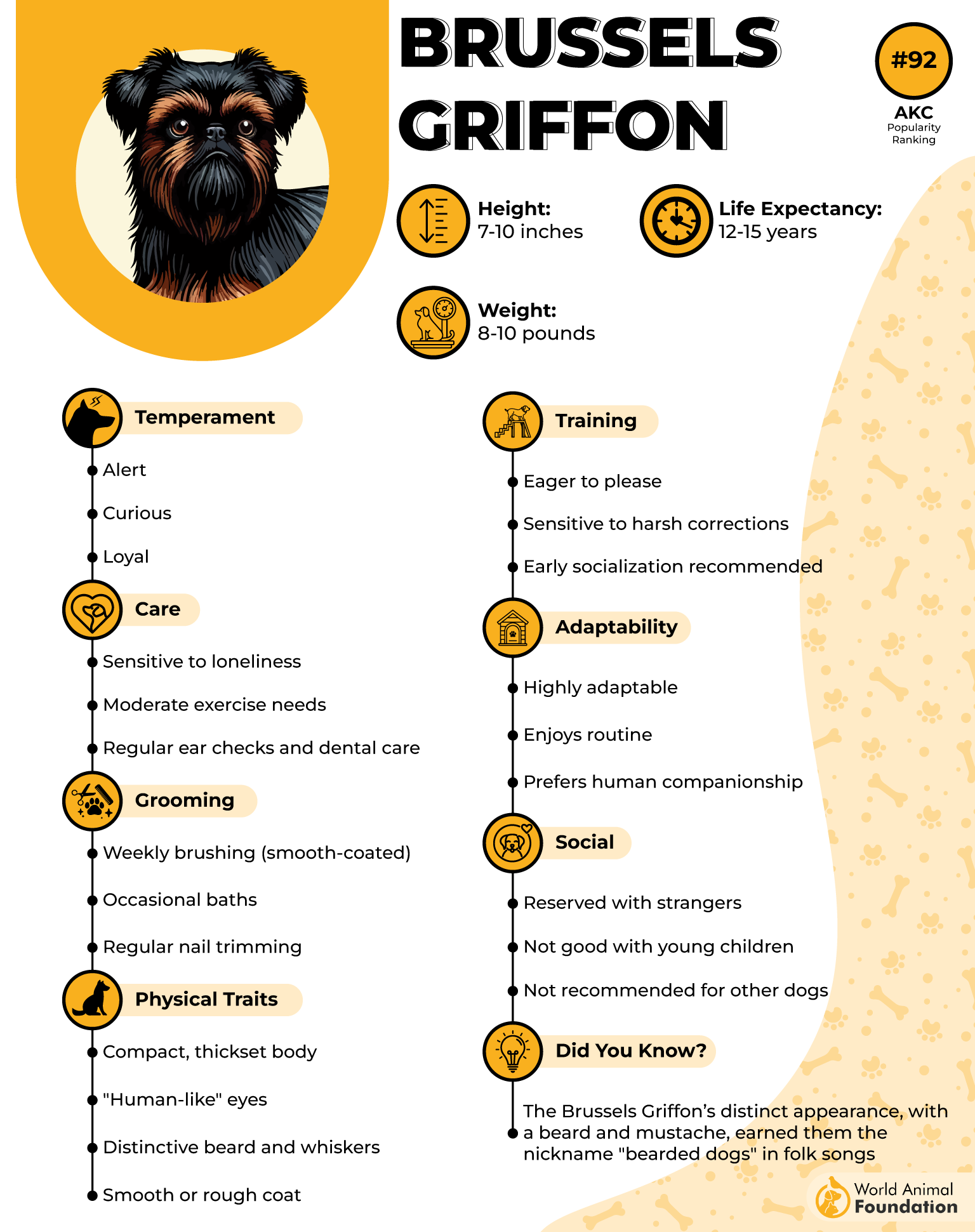
Despite weighing only a few pounds, it carries itself with surprising confidence and a purposeful little walk that reflects its working-dog background. Today, it is far more known for companionship than hunting, especially in apartment-friendly homes.
What truly defines the Brussels Griffon is its deep emotional attachment to people. This makes it highly suited for indoor living where companionship is constant. It is moderately active, enjoys short daily walks, and is happiest when included in family routines rather than left alone for long periods.
Why it loves small space living:
Naturally low tolerance for extreme weather and strong preference for indoor environments make it a great apartment dog
“Velcro” attachment behavior keeps it happiest with apartment dwellers
7. Havanese
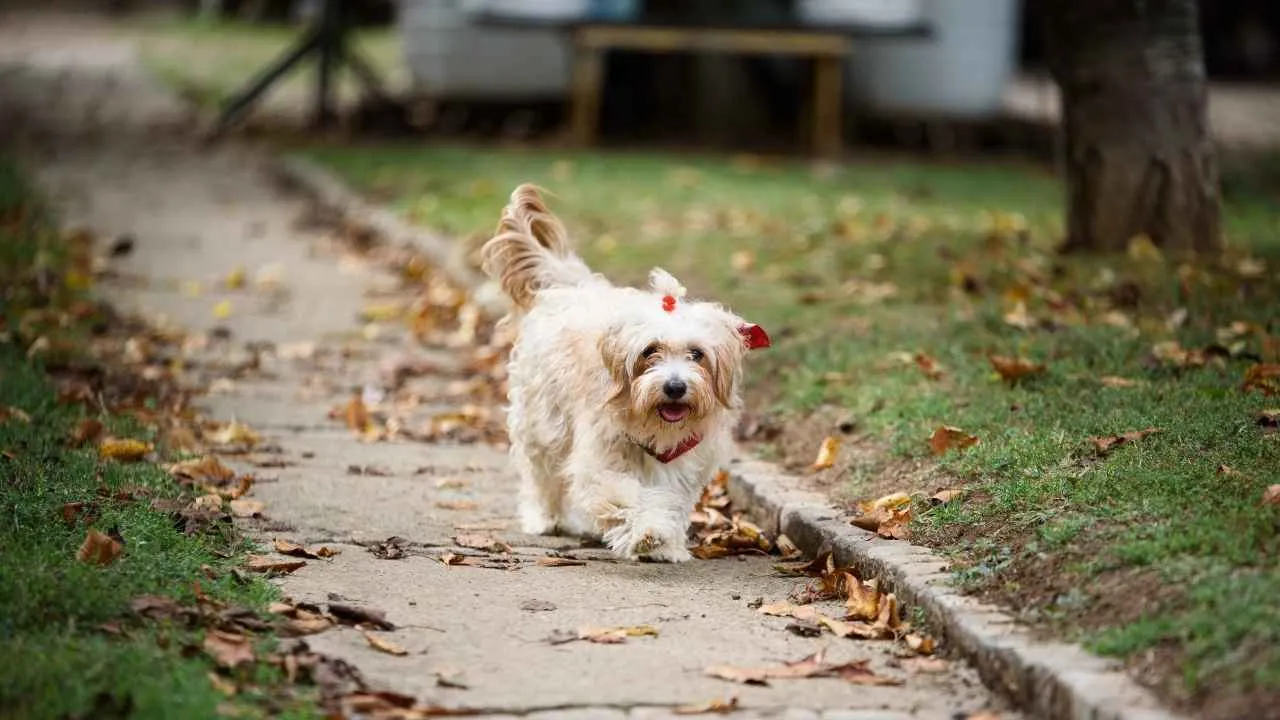
The Havanese is Cuba’s national dog, a charming toy breed that comes from the bichon family and carries a long, rich history shaped by European and Cuban influences.
With its soft, silky coat, expressive eyes, and compact body, it has an elegant yet playful appearance. And despite its aristocratic past… it has always been a true companion dog at heart, known for staying close to people and thriving in family life.
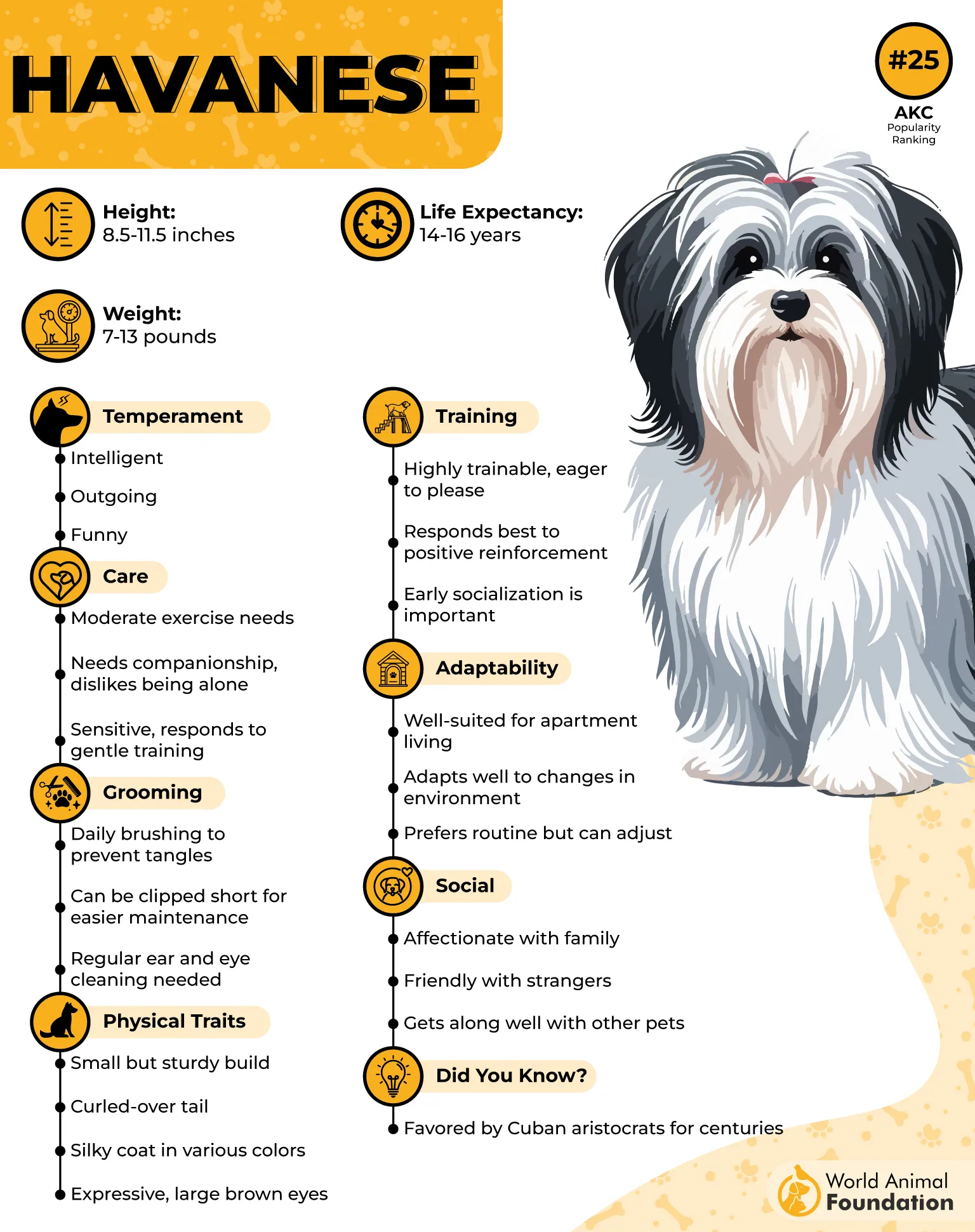
What makes the Havanese especially ideal for apartment life is its gentle adaptability and social intelligence. It adjusts easily to apartment routines and enjoys being involved in daily household activity.
It is friendly, easy to train, and often used in therapy and assistance roles because of its calm and responsive nature. While it enjoys short walks and light play, it is happiest when emotionally connected and included in its owner’s environment.
Why it loves small space living:
Being adaptable allows it to comfortably adjust to apartment routines and indoor family life
Calm demeanor and people-oriented personality make it thrive in close companionship and emotionally connected urban settings.
Conclusion
Living in a small apartment doesn’t mean giving up your dream of having a dog. As we’ve seen, many dog breeds are perfectly suited to apartment living, whether you prefer a playful companion, a calm temperament buddy, or a clever little entertainer. The key is choosing a breed whose energy levels, exercise needs, and personality match your lifestyle rather than focusing on size alone.
Before bringing home your new companion, take time to consider your living space, daily routine, and the amount of care you can provide. The right dog will not only adapt to your home but also make it feel warmer, livelier, and a lot more fun.
After all, dogs don’t measure happiness in square footage. For them, the best home is simply one filled with love, attention, and a favorite human to share it with.
