





If you have ever dreamed of having both a dog and a cat under the same roof, you are definitely not alone. There is literally something special about a home filled with different kinds of pets, each with its own personality, quirks, and ways of showing affection.
But let’s be honest, the idea of dogs and cats living together peacefully can feel a bit optimistic, as we have grown up hearing the classic “they fight like cats and dogs” line. However, not all dogs see cats as rivals. In fact, many dog breeds are naturally gentle, calm, and social enough to form surprisingly sweet bonds with their feline housemates.
Choosing the right dog breed plays a huge role in making this harmony possible. Some dogs are more easygoing and adaptable, which makes them well-suited for multi-pet households. In this article, we will explore such breeds that actually go along with cats in a home.
Top Dog Breeds That Coexist Peacefully with Cats
1. Golden Retriever
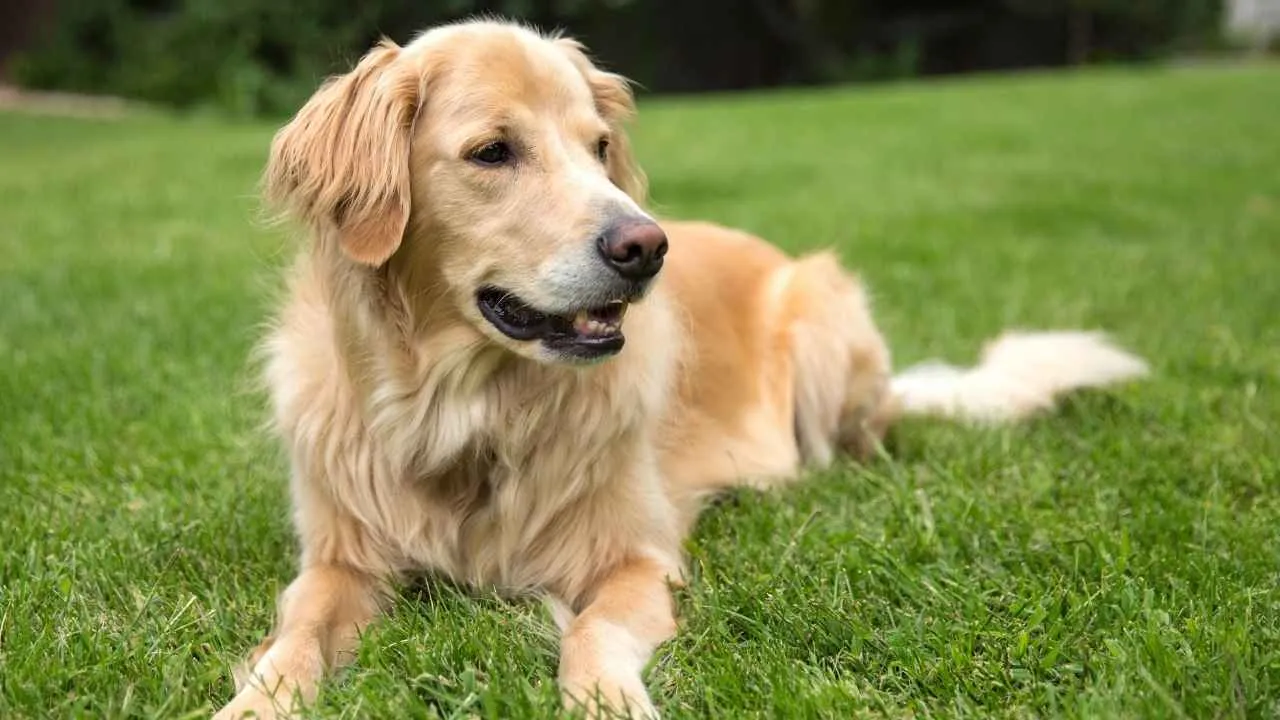
The Golden Retriever is one of the most beloved dog breeds in the world, and of course, for a good reason. A dog breed with floppy ears that is known for its beautiful golden coat, friendly nature, high intelligence, and adaptability. Its affectionate nature makes it a wonderful companion not just for humans but for other pets as well.
According to the American Kennel Club, despite its goofy demeanor, it can quickly learn and master a multitude of tasks.
Yes, it has hunting roots, but it is less likely to chase cats obsessively. Even if a cat swats or hisses, a Golden is more likely to back off than retaliate. Moreover, it instinctively uses a soft approach while interacting with smaller animals like cats.
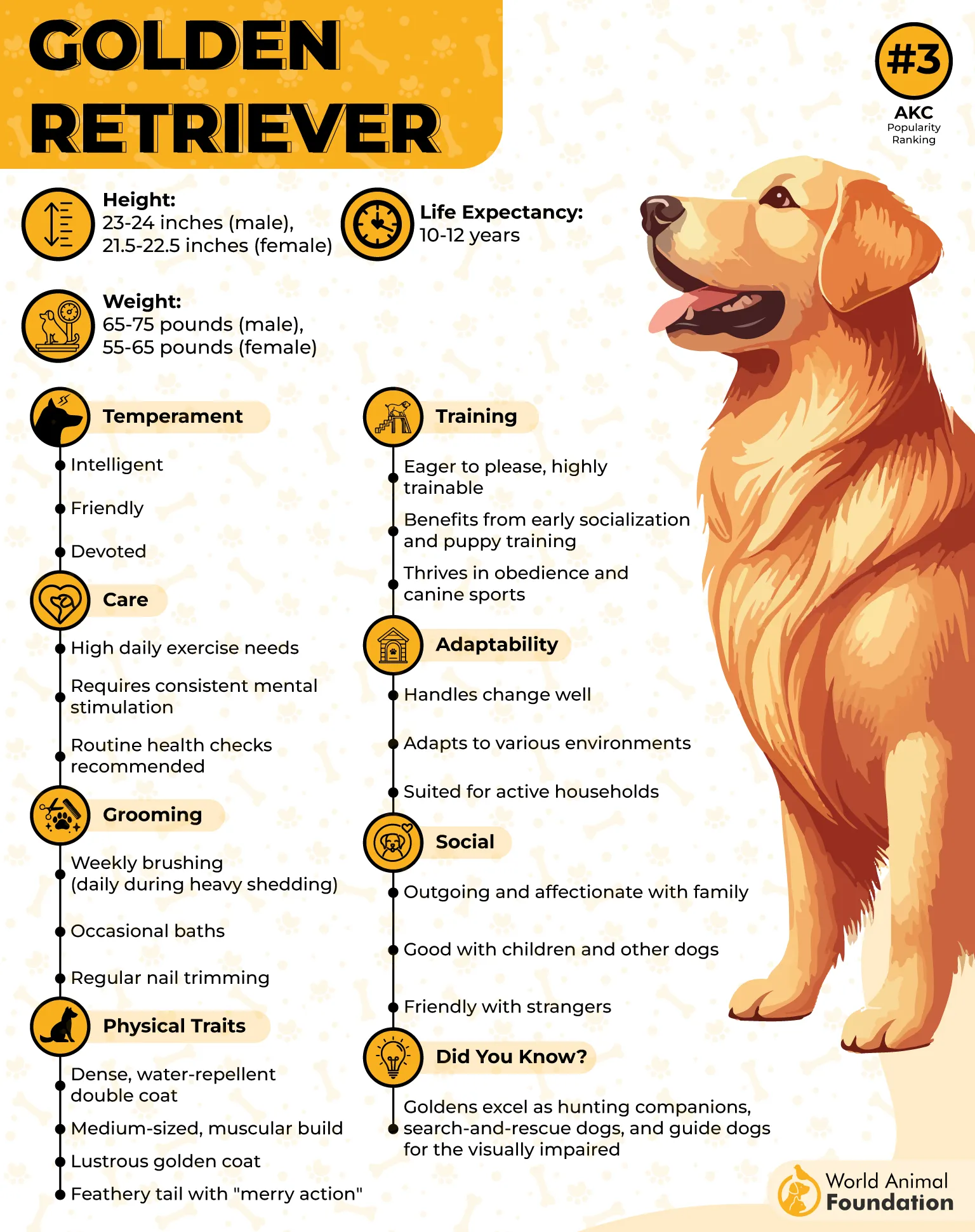
It is famously kind-hearted, patient, and sociable. It tends to approach new situations with curiosity rather than aggression. Its low territorial instincts and naturally friendly personality mean it is less likely to see a cat as a threat.
Thankfully, its balanced energy levels make it easier for cats to feel comfortable around it without constant disturbance. Obviously, it enjoys companionship but can learn to give cats space when needed. But it may still chase a running cat if not properly trained.
2. Labrador Retriever

Who does not know about the Lab? It is an adorable, popular dog breed with a short but dense coat, expressive eyes, and a wagging tail. Yeah, it was originally bred as a working dog for retrieving in water and on land.
The good thing is that it is less likely to see a cat as an intruder. Yes, it is energetic, but it is usually harmless and can be adjusted with training to suit a cat’s comfort level. Its predictable behavior makes it easier for cats to understand and adapt to it over time.
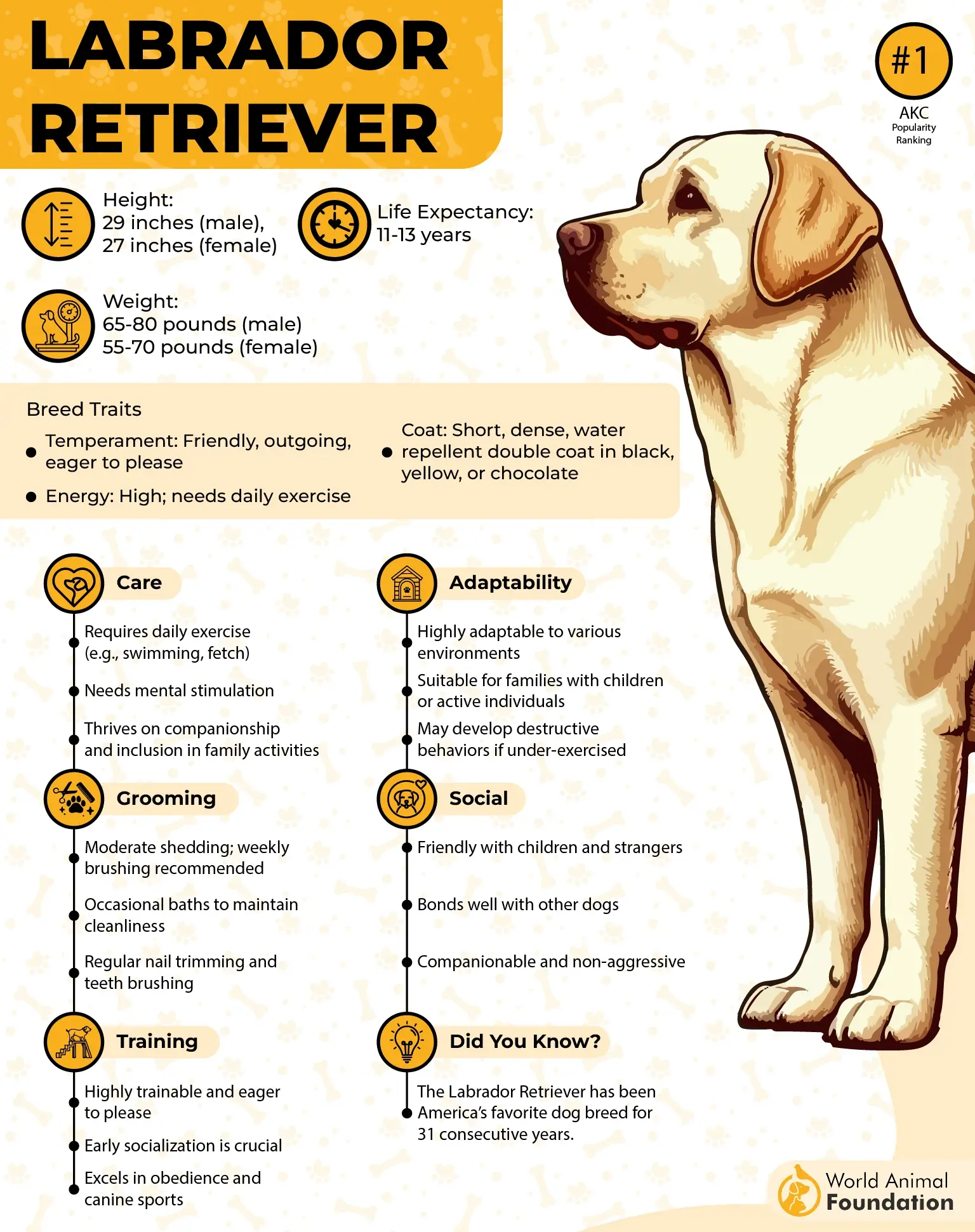
Lab is always loyal and always eager to be a part of the family. Due to its easygoing nature, it is one of the most versatile and trainable breeds. It is affectionate and generally non-aggressive. Being naturally interactive and a social butterfly, it enjoys the companionship, be it humans, other dogs, or even cats.
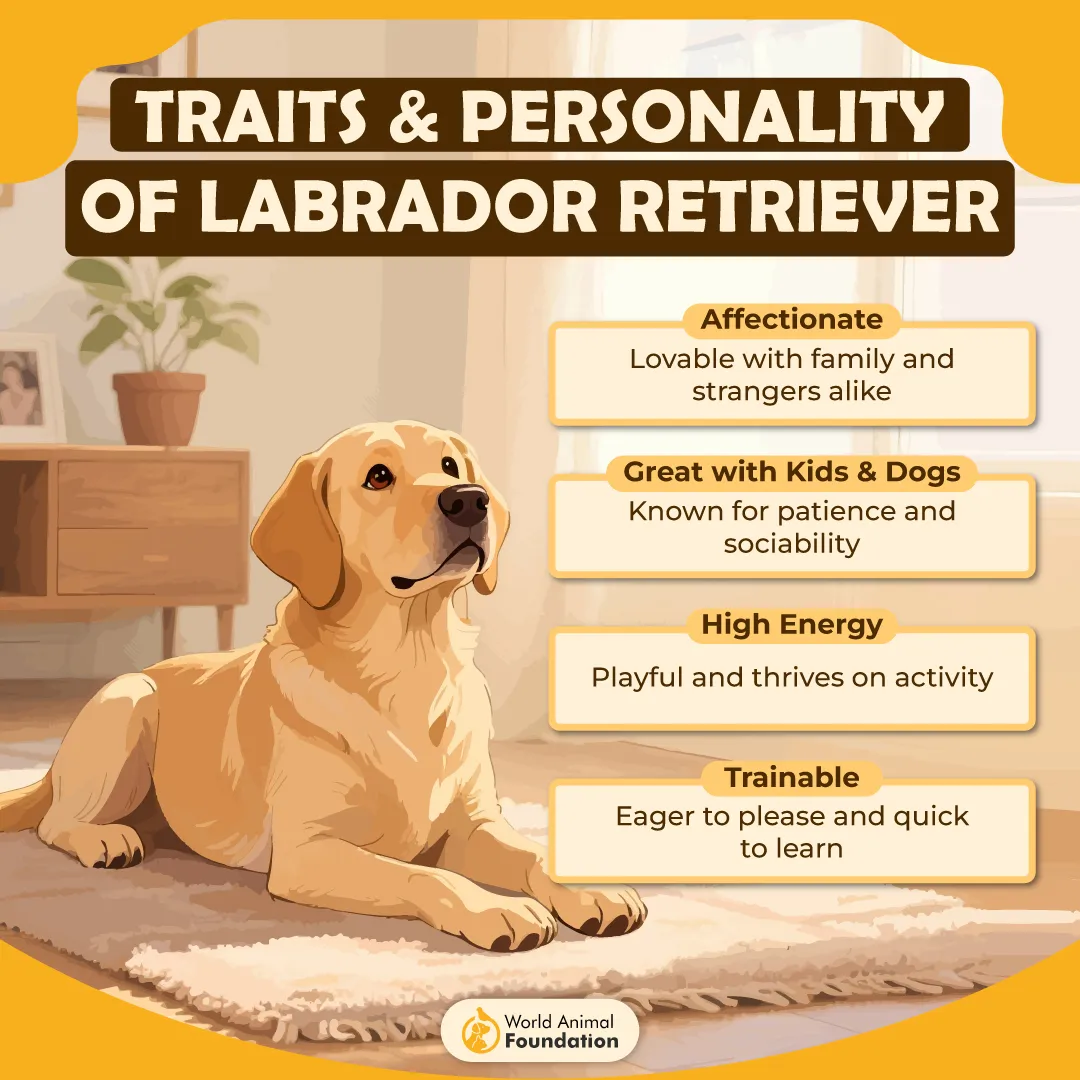
Amazingly, it has a forgiving nature, due to which if a cat is not friendly initially, then it is likely to remain patient instead of being hostile. However, if a cat is reserved, then the Lab’s enthusiasm may be overwhelming for it.
3. Beagle

The Beagle is a little hound with floppy ears and a compact, muscular build. Being curious by nature, it tends to explore its surroundings with enthusiasm, often guided by its nose. It is not typically aggressive and tends to approach new companions with curiosity and playfulness. It is reported by VCA that the most famous Beagle is an animated one, “Snoopy”.
Being playful, it may try to engage a cat in play, and its intent is usually friendly rather than predatory. Furthermore, due to its desire for companionship, it often outweighs any instinct to chase or dominate a cat. Amazingly, it has good tolerance for boundaries and can learn to respect a cat’s space and signals like hissing or growling.

It is typically friendly, gentle, and generally a good-natured dog. Despite its working background, it is incredibly warm-hearted, playful, and thrives on companionship. Rather than being territorial, it is more likely to accept a cat as another member of its social circle.
Last but not least, it used to live and work in groups, which makes it more accepting of cats as part of its “pack”. Nonetheless, it can be stubborn and make training a bit more challenging. If not given proper training, then it may lead to following or chasing a cat.
4. Cavalier King Charles Spaniel
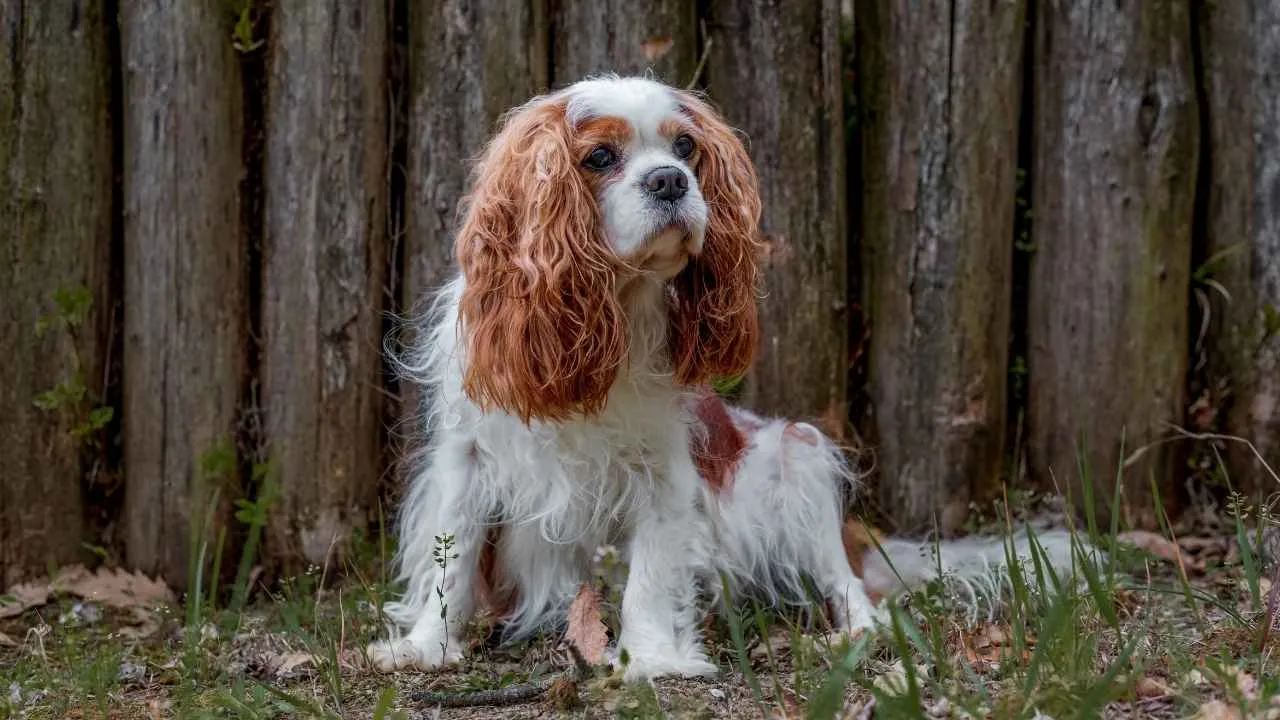
Undoubtedly, one of the elegant toy breeds has a royal history. It has a silky coat, soulful eyes, and is highly adaptable. Due to its moderate energy levels and soft nature, it does not demand intense exercise. It is a perfect match for calm and shared living spaces.
Unlike many other breeds, it has a minimal instinct to chase smaller animals, which reduces tension with cats. A big appreciation to its small size, which makes it less overwhelming, especially for shy or smaller cats. Due to its quiet companionship, it does not disturb the cats.
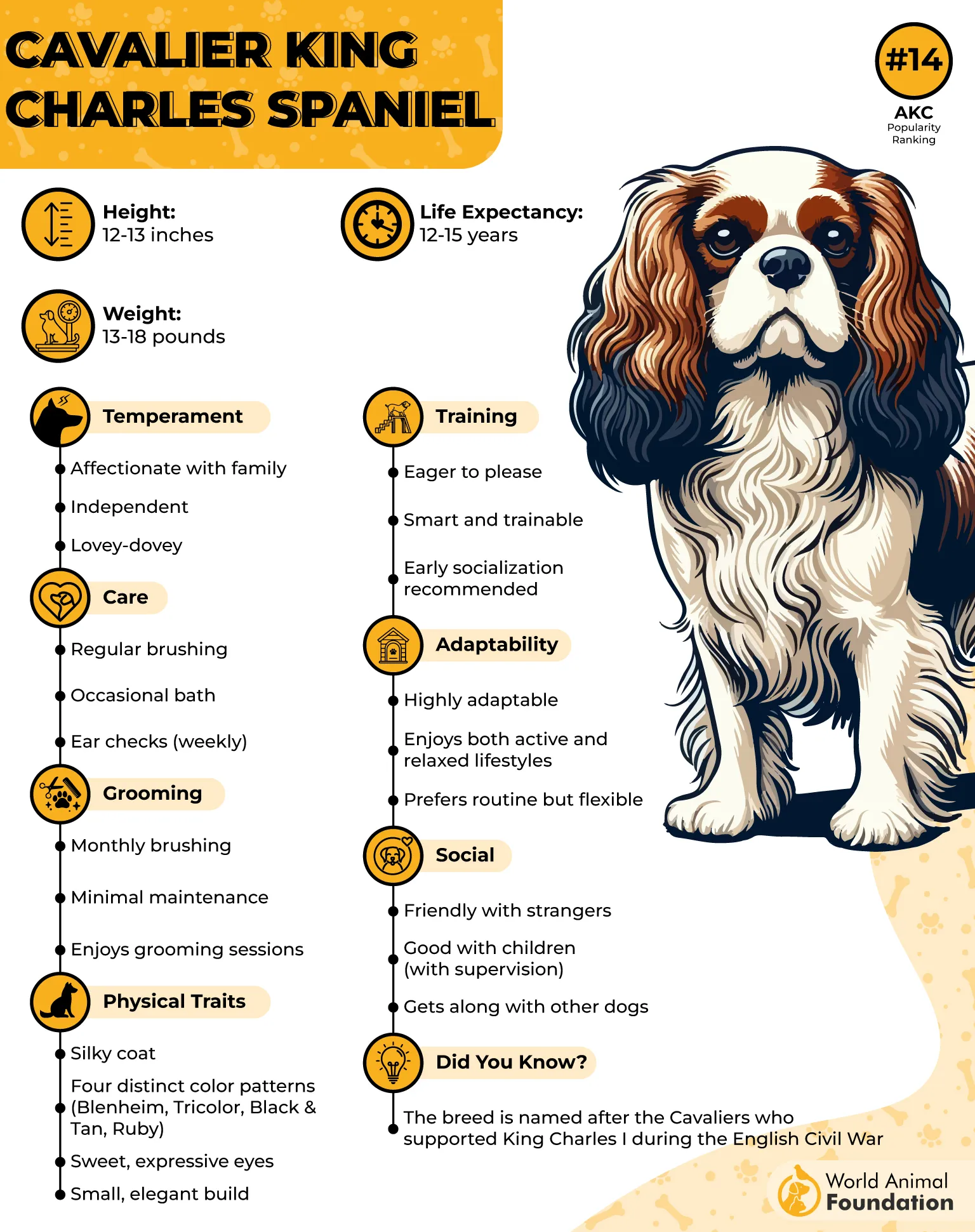
Yeah, it is exceptionally gentle and affectionate to the core. Often described as a “Velcro dog” as it loves staying close to its people. Besides, it tends to approach new animals, including cats, with calm curiosity instead of excitement or dominance.
Being emotionally sensitive, it picks up on a cat’s mood and adjusts its behavior accordingly and backs off when needed. Interestingly, its moderate energy levels align well with cats. Nevertheless, due to its sensitive nature, a grumpy cat might intimidate it.
5. Pug
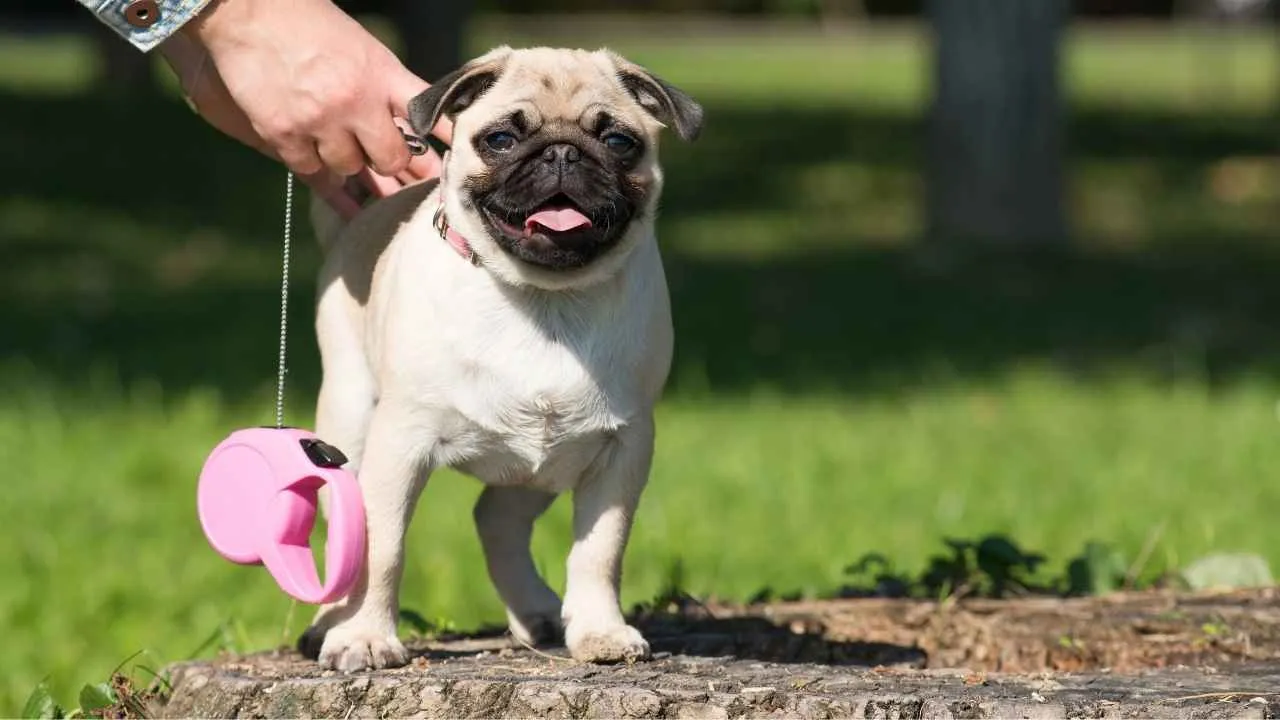
The Pug is a small and compact toy breed instantly recognizable for its wrinkled face and charming personality. According to Purina, it has some basic similarities to the Pekingese. Despite its tiny size, it is a sturdy little dog with a surprisingly big presence. It is not particularly athletic or high-energy, and prefers only short bursts of play followed by periods of relaxation.
Since it has a low prey drive, it does not chase smaller animals, which makes it naturally more cat-friendly. Yes, it has a welcoming nature, which ultimately reduces the chances of conflict with a cat. Additionally, due to its gentle temperament, it gets along with cats in a lighthearted way.
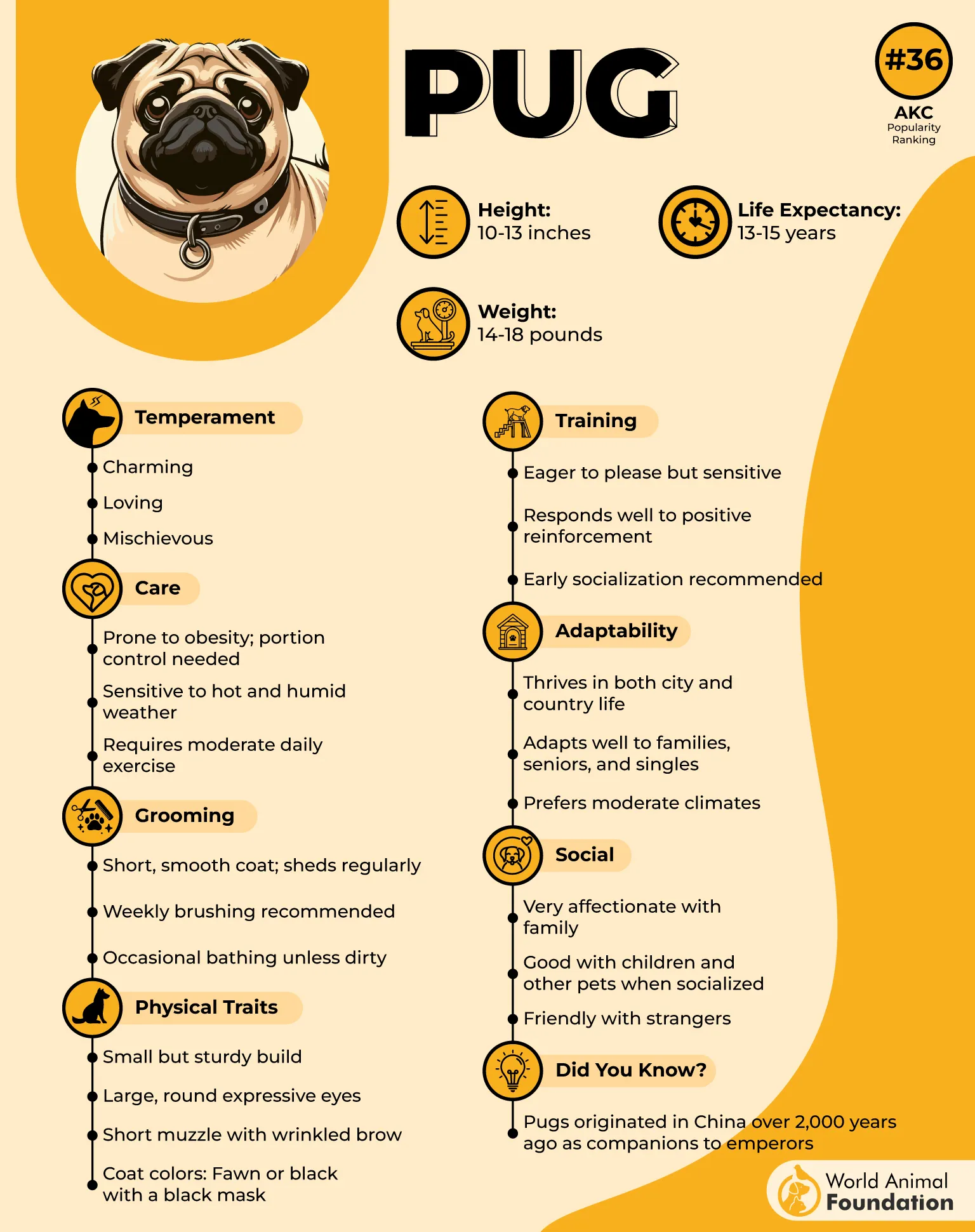
Yes, it is affectionate, amiable, and incredibly people-oriented. It mainly thrives on human attention and really enjoys being a part of the family. It often approaches feline companions with a gentle, almost comical friendliness. Due to its laid-back nature, it is rarely aggressive or territorial.
Pugs’ biggest plus point is their predictable and consistent temperament, which helps cats feel secure and comfortable around them. But they can be a little clingy at times and follow the cat around, which some cats find annoying.
6. Basset Hound
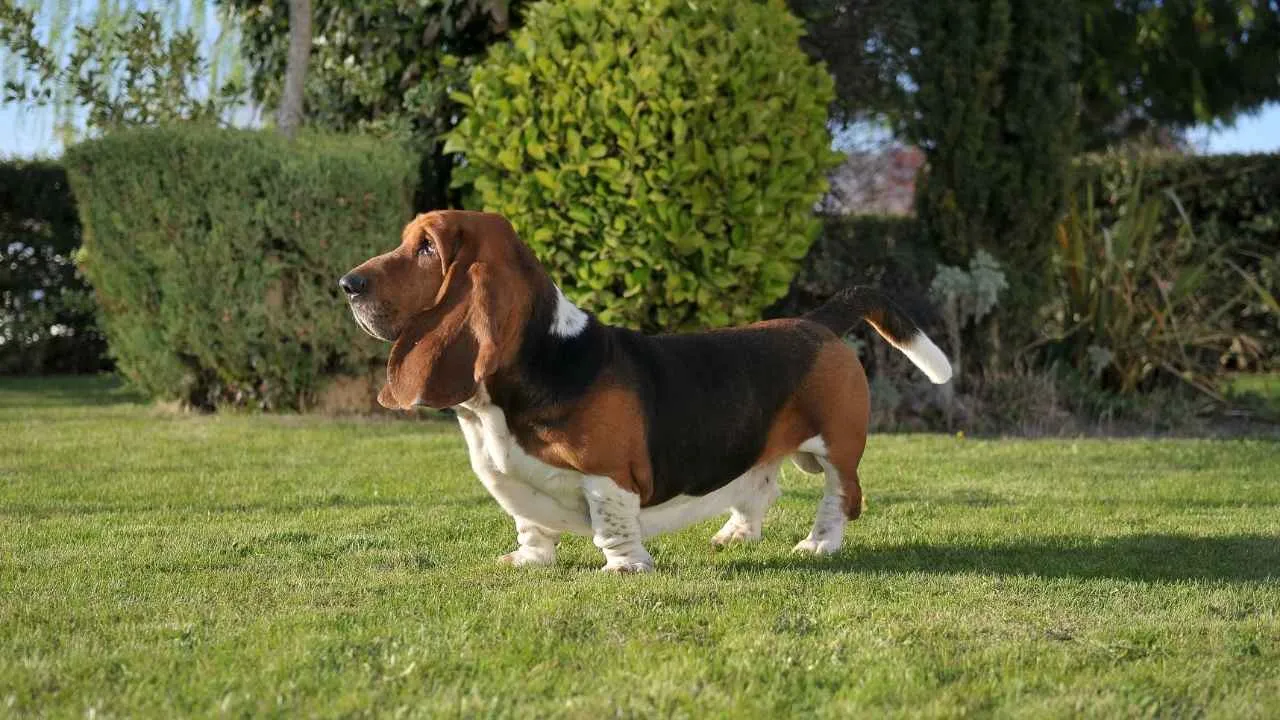
The Basset Hound is one of the calmest dog breeds that is easily recognizable due to its low-slung body, long ears, and distinctive droopy expression. It was developed for slow and steady tracking instead of fast-paced chasing. This gives it a naturally relaxed approach to life.
It tends to remain calm even when a cat behaves unpredictably, which helps avoid escalation. A big thanks to it, as it is not assertive and allows cats to feel more in control of shared spaces. It does not disturb a cat that needs space or distance.
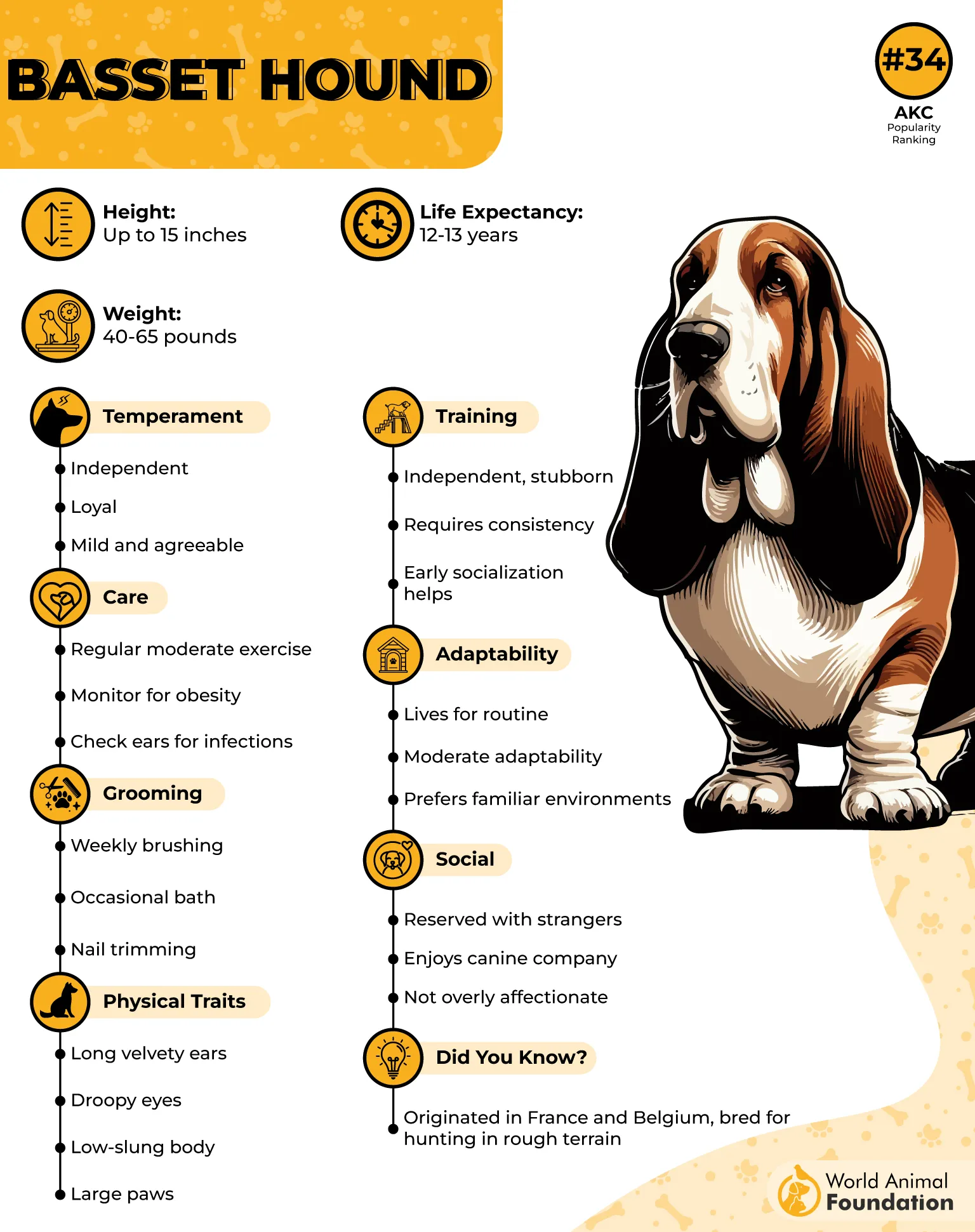
Obviously, its easygoing nature combined with an affectionate personality, makes it fit well in the house with a peaceful atmosphere. You do not have to be afraid of it just because it is a dog, because it is famously laid-back and tolerant. Besides, without a doubt, it makes a harmonious relationship with cats or other animals in the house.
While it loves following smells, it is less visually triggered by a cat’s movement compared to high-prey-drive breeds. Nonetheless, it can be stubborn and slow to respond to commands, requiring patience and consistency.
7. Bichon Frise
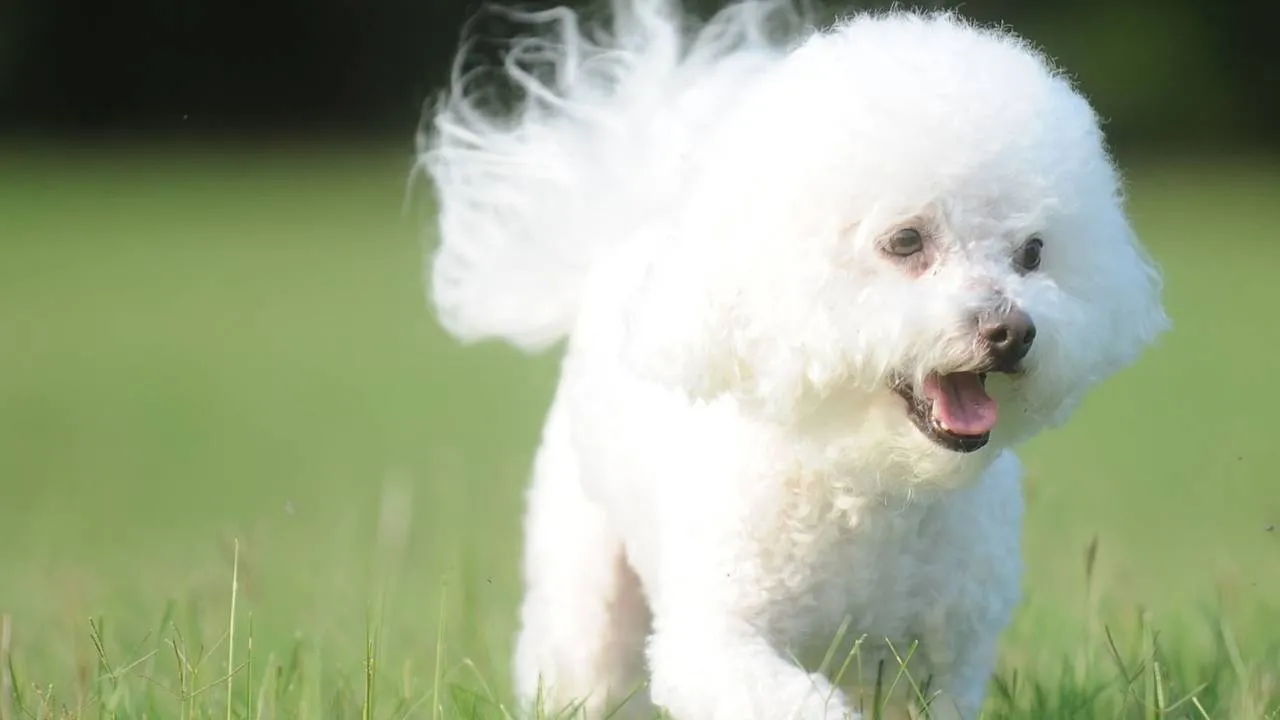
The Bichon Frise is a small furry friend with a white coat, cheerful expressions, and a lively personality. It is intelligent, playful, and adaptable as well, which makes it suitable for both apartments and larger homes. It is stated by PetMD that since it is a hypoallergenic dog, it can be a great match for some people with dog allergies.
Being highly companion-oriented, it welcomes other animals into its environment, including feline friends. Bichon seeks friendship rather than control, making it easier for cats to accept it. In addition to this, its compact build helps cats feel less threatened, especially during initial interactions.
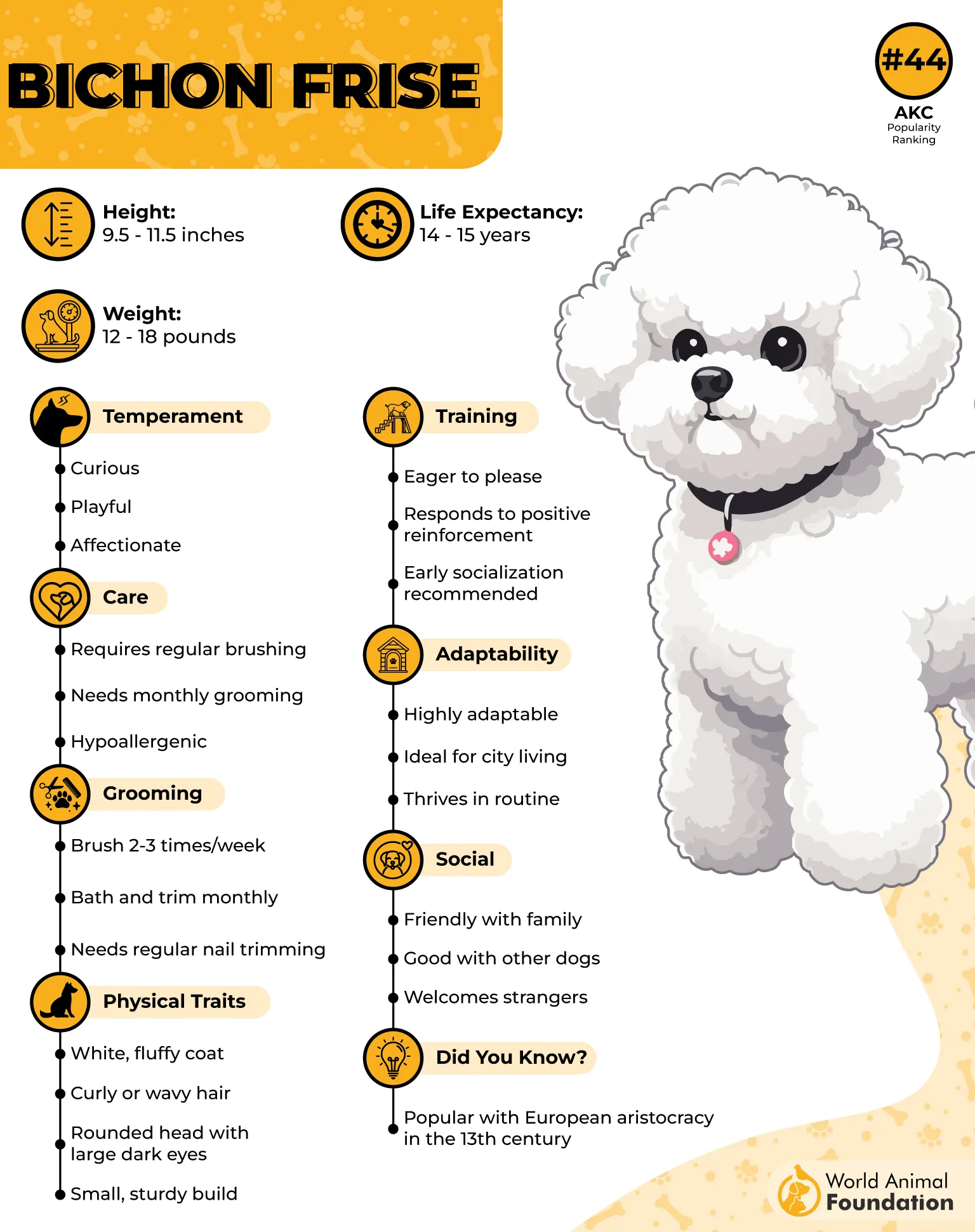
It is amiable, gentle, and naturally sociable. Yeah, its charming, almost “toy-like” appearance is matched by a warm and affectionate nature that eventually extends to both humans and other pets. Further, its balanced temperament allows it to adjust its energy based on the situation.
Bichon has a light and non-rough play style, or you can say a gentle style, which is less likely to overwhelm or scare cats. Its adaptation to closed living environments helps maintain harmony in multi-pet households. But it is prone to separation anxiety, which might lead it to rely heavily on the cat for company.
8. Collie
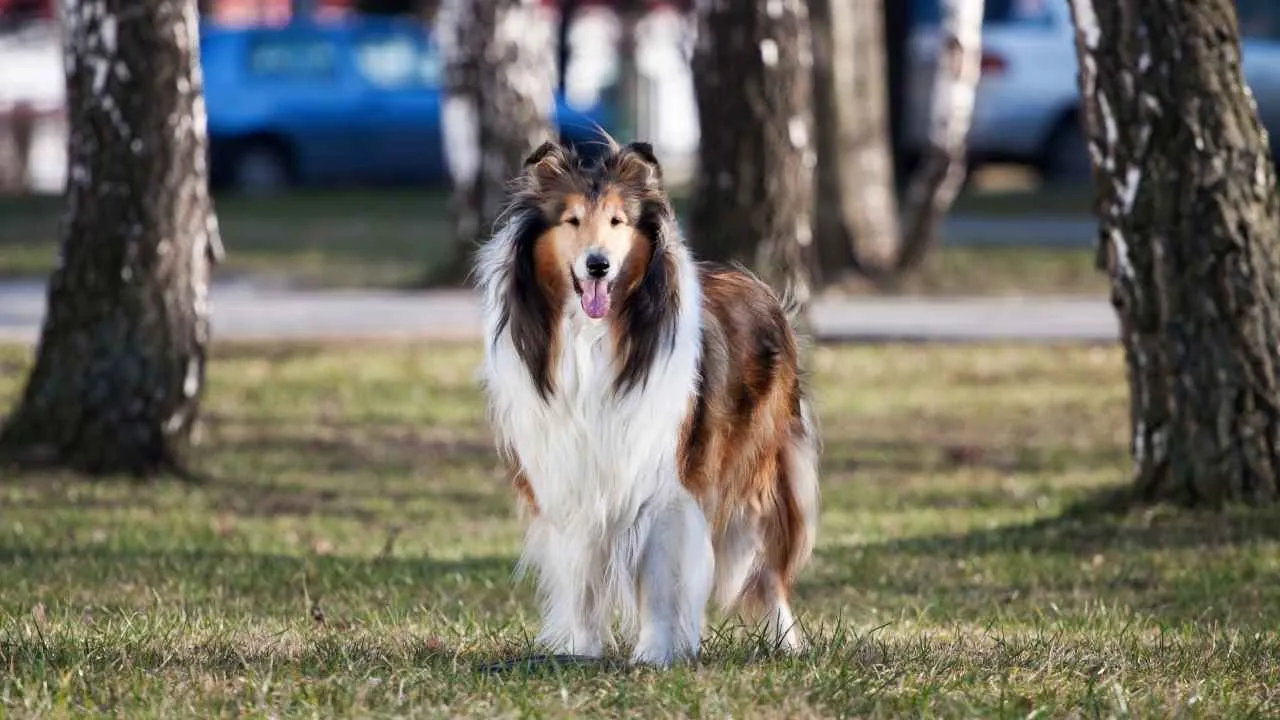
The Collie is a graceful herding breed with a beautiful, long, flowing coat. Yes, it is a majestic and highly functional dog. Since it was created for herding livestock, it is naturally attentive, responsive, and quite quick to learn.
It is very perceptive and can quickly pick up on a cat’s boundaries and adjust its behavior accordingly. It often keeps a polite distance and does not invade a cat’s space aggressively. To be honest, it tends to remain steady if a cat behaves unpredictably.
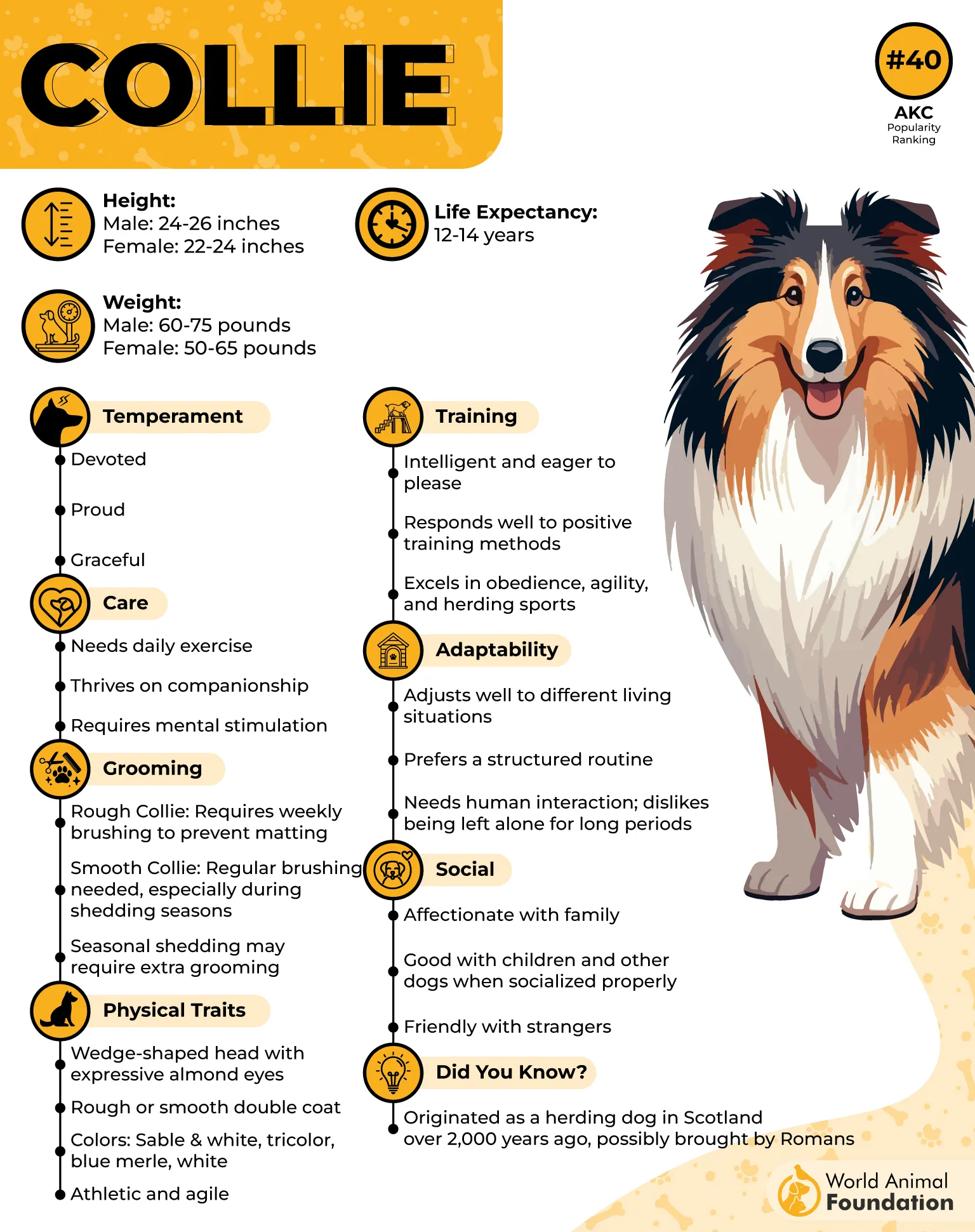
It is deeply devoted to its owners and thrives in environments where it can stay mentally engaged. It is famously gentle and people-oriented. Yeah, it is known for its strong emotional intelligence and ability to read situations well. It is more like a gentleman which is more respectful with cats than reactive.
Owing to its good habit of being family-oriented, it often sees all household members, including cats, as a part of its group to protect and coexist with. Nonetheless, it requires mental stimulation; otherwise, it may get bored.
9. Papillon
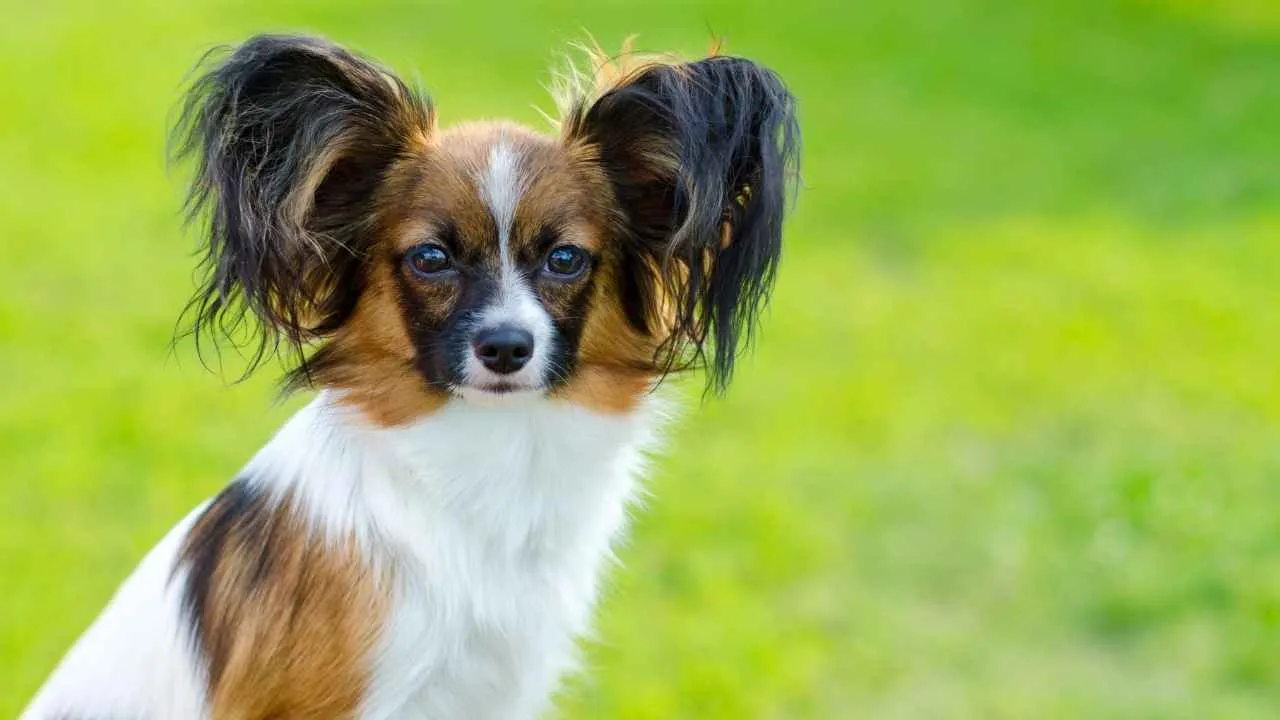
The Papillon is a cute, small breed with distinctive butterfly-like ears. Despite its delicate looks, it is surprisingly athletic, alert, and sharp-minded. It was bred as a companion dog in European Royal courts and has retained its people-focused nature.
The good thing is that it tends to approach other animals, including cats, with interest rather than hostility. Its tiny build makes it less intimidating and helps cats feel safer around it. Although it is playful but has controlled energy, reducing the chance of overwhelming a cat.
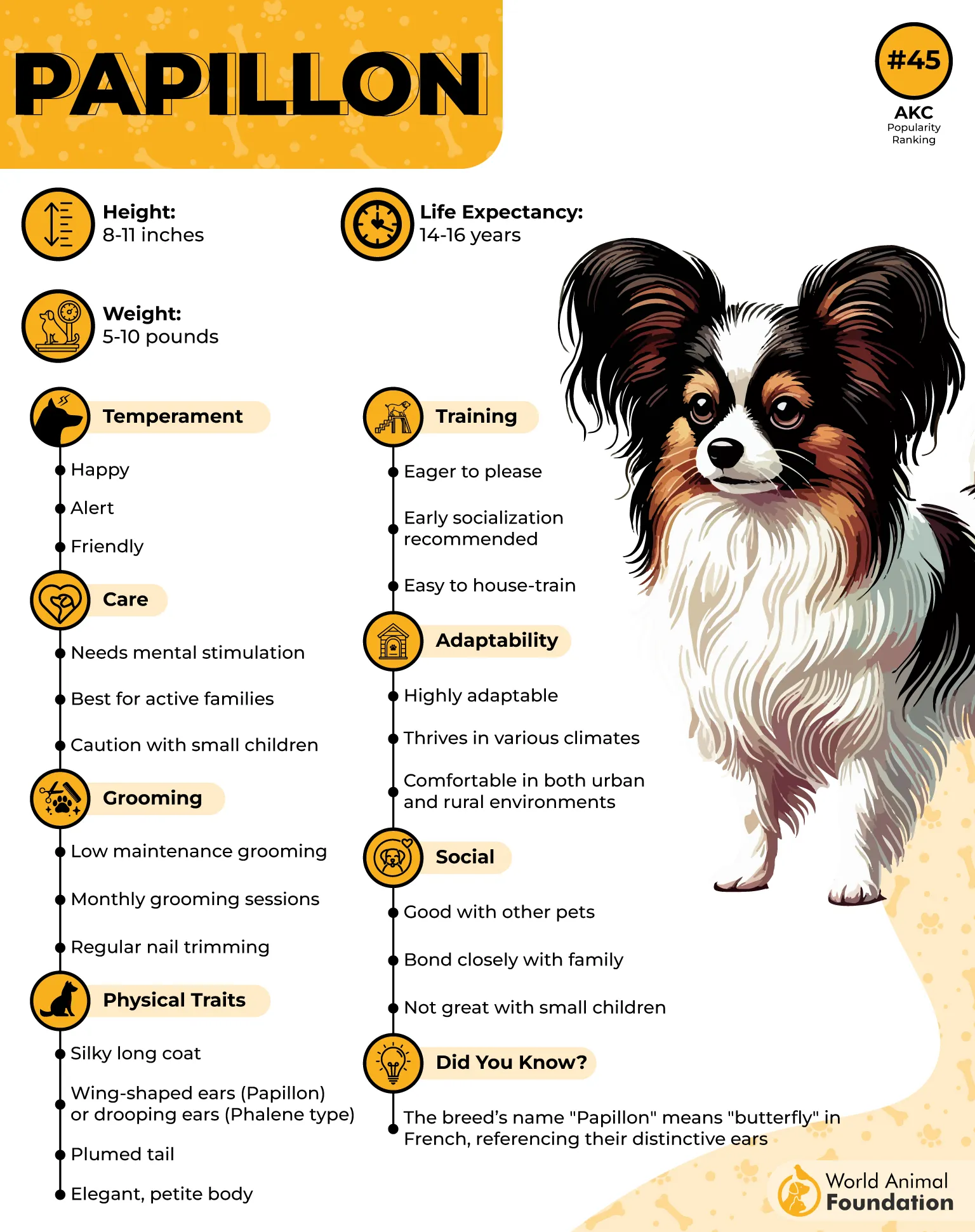
This adorable canine buddy is cheerful and always curious. It is confident but of course, not aggressive. It does not give too much tough time to owners as it is highly trainable, a quick learner, and enjoys mental challenges as much as physical play.
Being emotionally responsive, it is sensitive to a cat’s mood and often backs off if the cat shows discomfort or feels uncomfortable. But sometimes its high-energy bursts may occasionally annoy calm or older cats.
10. Bulldog
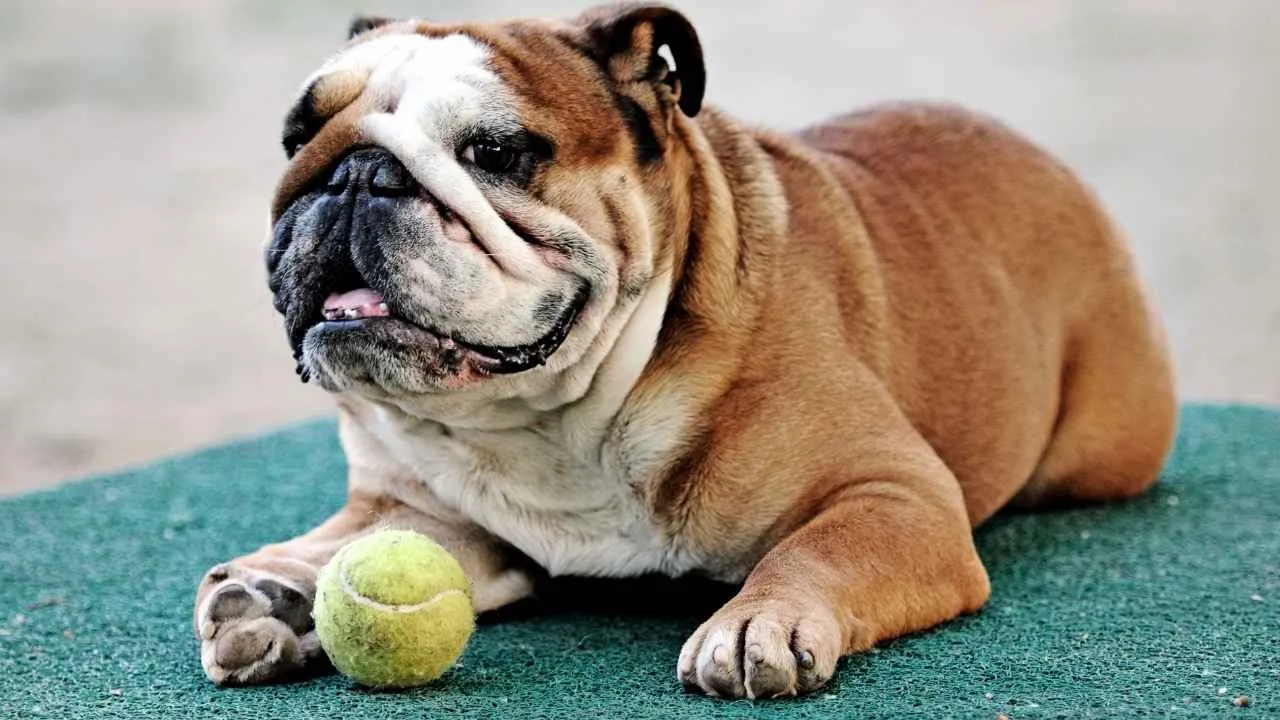
Ok, so we all know that a Bulldog has a brawny build with a distinctive wrinkled face, broad shoulders. It is one of the most gentle and relaxed companion dogs. It was originally bred for bullbaiting, but over the years, through selective breeding, it has been transformed into a calm household pet.
With cats, it tends to show a “live and let live” attitude. It is not quick to chase or engage in conflict, and its generally lazy nature makes it one of the most cat-compatible dog breeds. Due to its very low prey drive, it does not chase animals, which generally reduces conflict with cats.
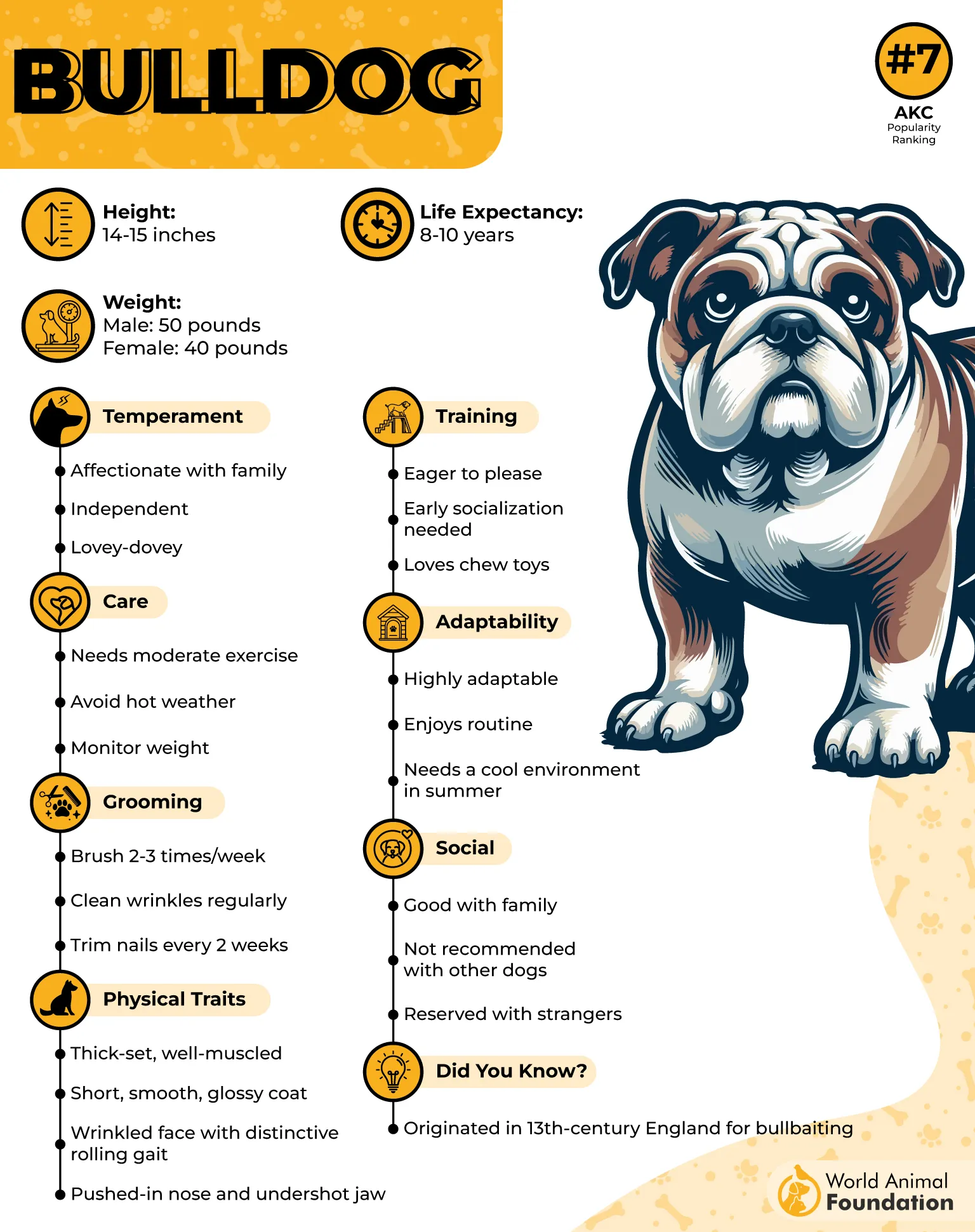
It is warm-hearted, extremely people-oriented, and one of the most loyal dog breeds. It forms strong bonds with families and is usually very tolerant of other animals in the home. Unlike more reactive breeds, the Bulldog is not easily triggered by sudden movements or noise.
A big shoutout to its tolerant personality, due to which it tends to accept other animals in its space without trying to control or dominate them. However, due to its heavy build, it may accidentally knock into smaller cats.
Conclusion
All in all, at the end of the day, living peacefully with both dogs and cats is less about the perfect pet and more about choosing a dog with the right temperament. As we have seen, many breeds discussed here are naturally more easygoing, gentle, and socially adaptable.
Of course, no breed is automatically perfect from day one. Even the most cat-friendly dog still needs proper introductions, supervision, and a bit of training to learn boundaries. But when the match is right, something really nice happens. You do not just get two pets living in the same house; you get a shared space where quiet companionship and mutual respect slowly grow over time.
So, if you are planning a multi-pet home, the good news is that it is absolutely possible. With the right breed choice and a bit of patience, dogs and cats can go from unlikely roommates to a pretty heartwarming little family.
