




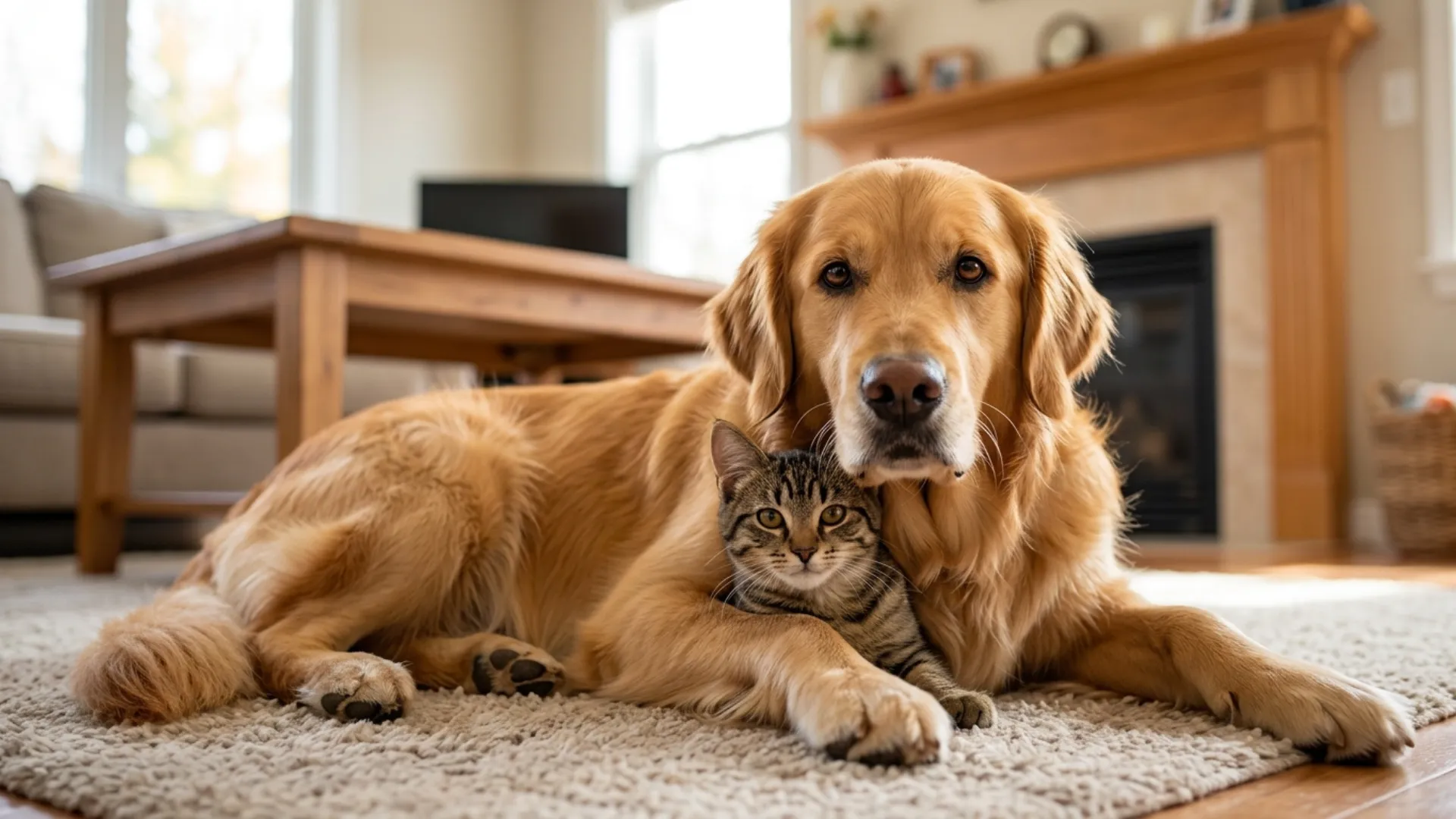
Bringing a dog into a cat’s home can feel like a big step, but the right breed often makes the transition much smoother. Many gentle dogs naturally enjoy sharing their space with feline companions.
The best cat-friendly dog breeds are usually calm, sociable, and easy to train. Rather than size, traits like low prey drive, patience, and good impulse control often have a bigger impact on successful introductions.
With slow introductions, safe spaces, and positive experiences, both the dogs and cats can develop surprisingly close friendships. Choosing a compatible breed simply gives that relationship a stronger start.
FACT: Dogs with gentle temperaments and lower chase instincts are generally more likely to coexist peacefully with cats, although individual personality always matters most.
Dog Breeds That Bond Quickly With Cats
1. Golden Retriever
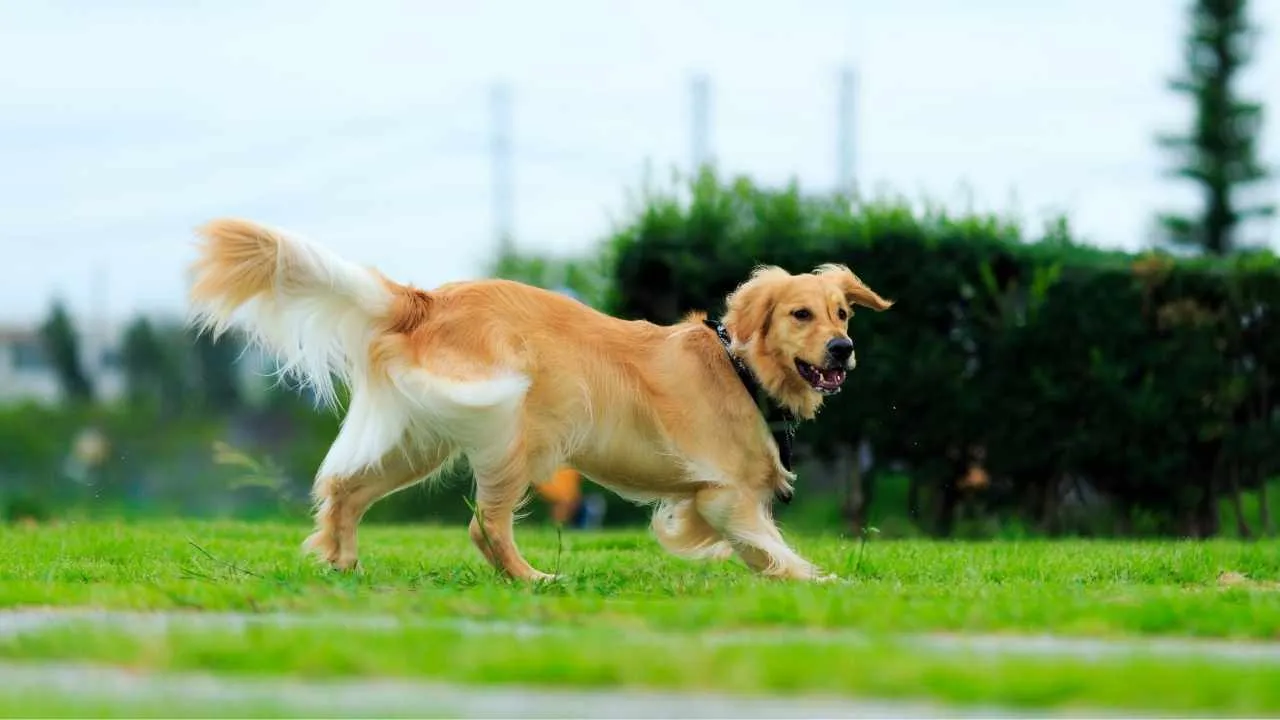
Golden Retrievers are the gentle peacemakers of multi-pet homes, often welcoming cats with warmth instead of suspicion. Their calm, friendly personality helps them treat feline company as valued family members rather than rivals.
Their patient and empathetic nature allows confident or curious cats to approach at their own pace. Rather than reacting with dominance, Goldens usually respond with quiet curiosity and happily share space without creating tension.
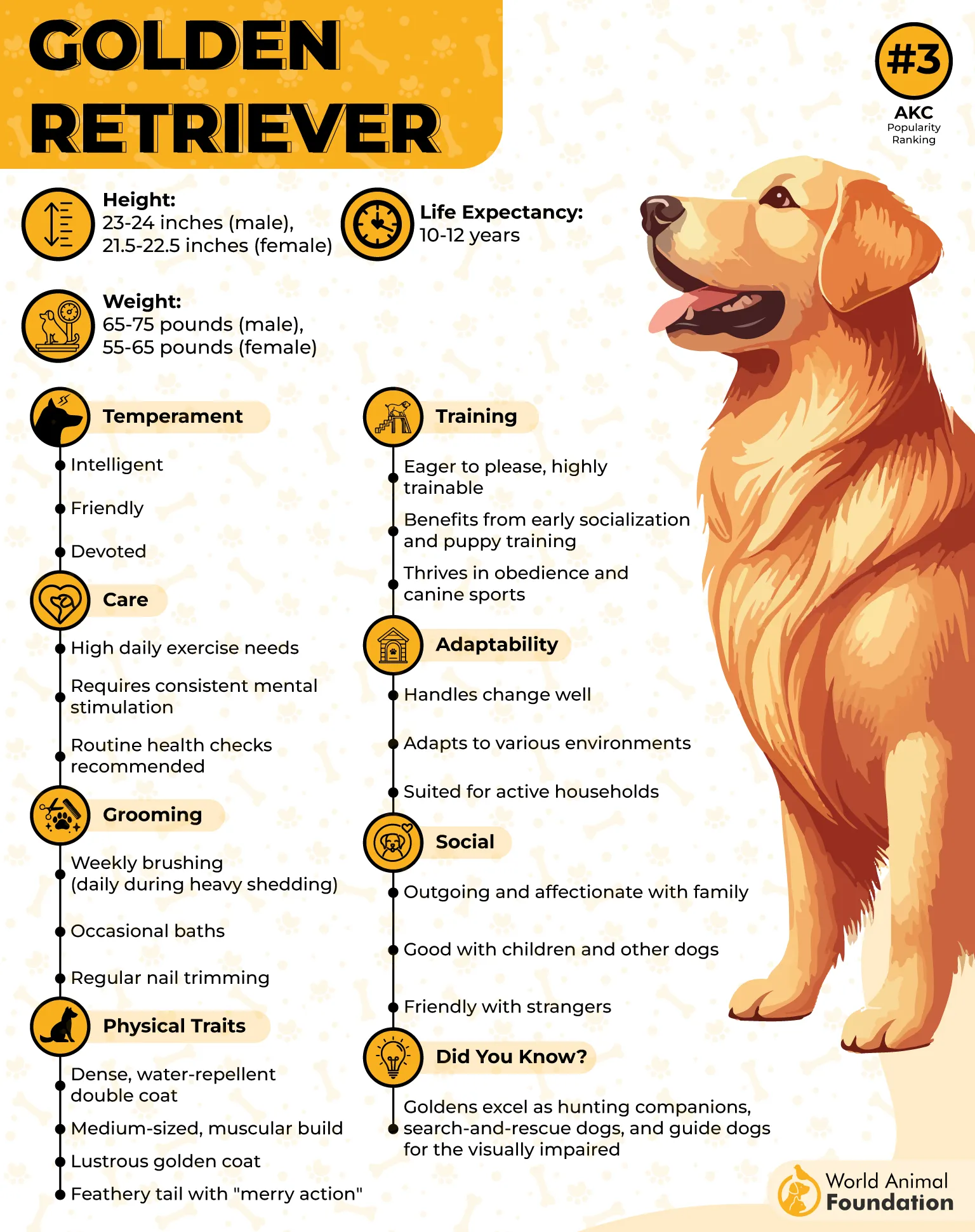
Because they are highly trainable and eager to please, they quickly learn that the household cat is never something to chase. Early guidance helps them respect boundaries, making peaceful daily life much easier for both pets.
Playful yet remarkably tolerant, Golden Retrievers know when to join a game and when to step back. They often become affectionate big siblings, content to lounge beside their feline friend or wait patiently until the cat is ready for company.
2. Labrador Retriever
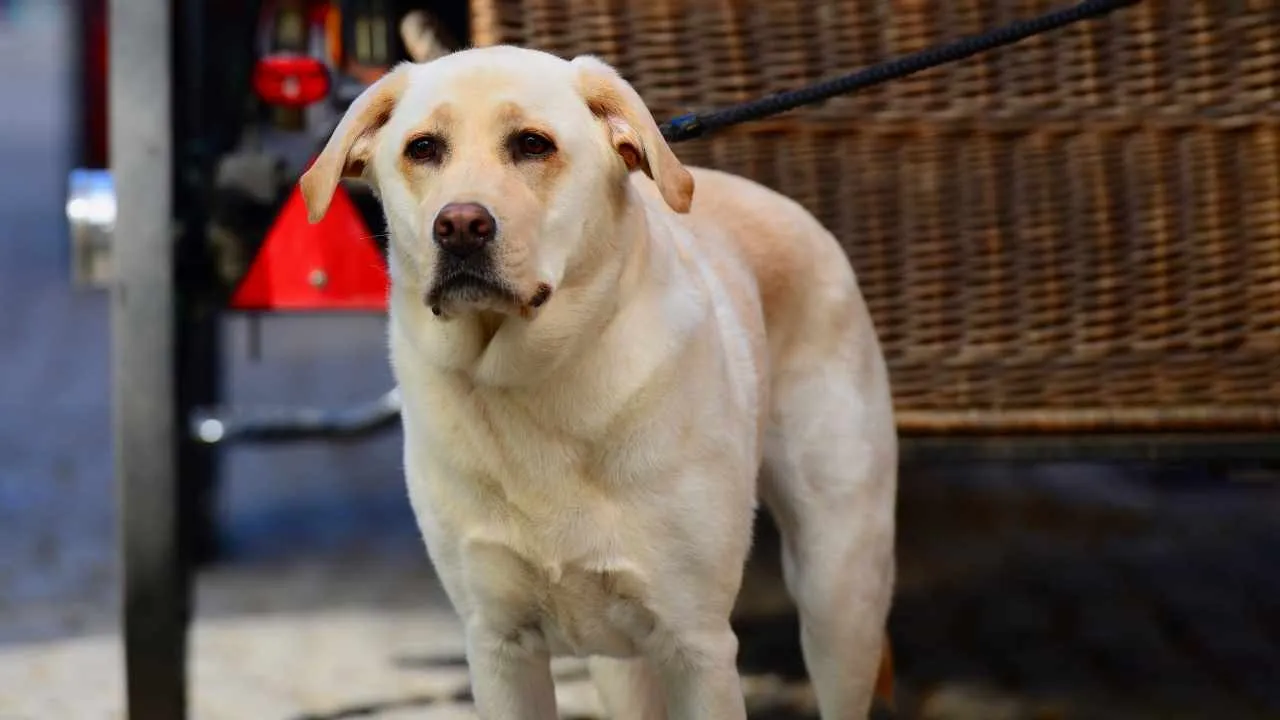
The Labrador Retriever is the kind of dog that believes there’s always room for another friend. Its outgoing, easygoing personality helps it welcome cats into the family instead of treating them like rivals, making shared living feel surprisingly natural.
More interested in playtime and people than chasing other pets, Labs usually stay calm around household cats. Their patient nature also means they often tolerate confident or quirky felines better than many other energetic breeds.
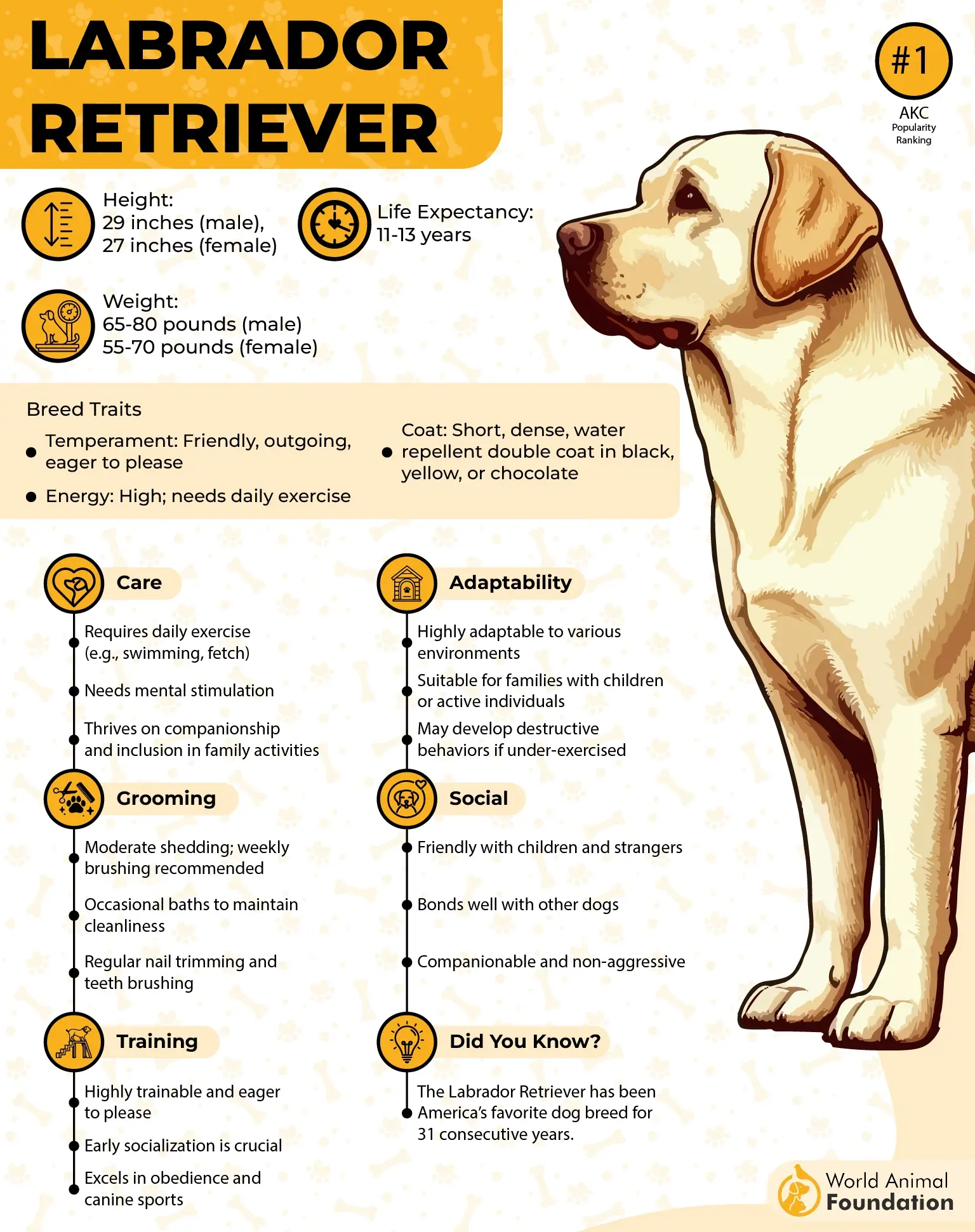
For busy families, this adaptable companion fits effortlessly into everyday life. Whether it’s relaxing after a walk or joining children for games, the Labrador happily shares both attention and space with everyone at home.
Its intelligence and eagerness to please make training simple, allowing owners to reinforce respectful boundaries early. With thoughtful introductions, many Labradors grow into loyal companions that comfortably nap, play, and peacefully coexist alongside their feline housemates.
3. Cavalier King Charles Spaniel

Historically bred as a devoted companion rather than a hunting dog, the Cavalier King Charles Spaniel is a peaceful lap companion that usually welcomes feline housemates. Its loyal, gentle personality makes sharing a home with cats feel remarkably natural.
Unlike many sporting breeds, Cavaliers have a relaxed temperament and little interest in chasing other animals. They tend to respect a cat’s personal space, making them especially suitable for confident or independent felines.
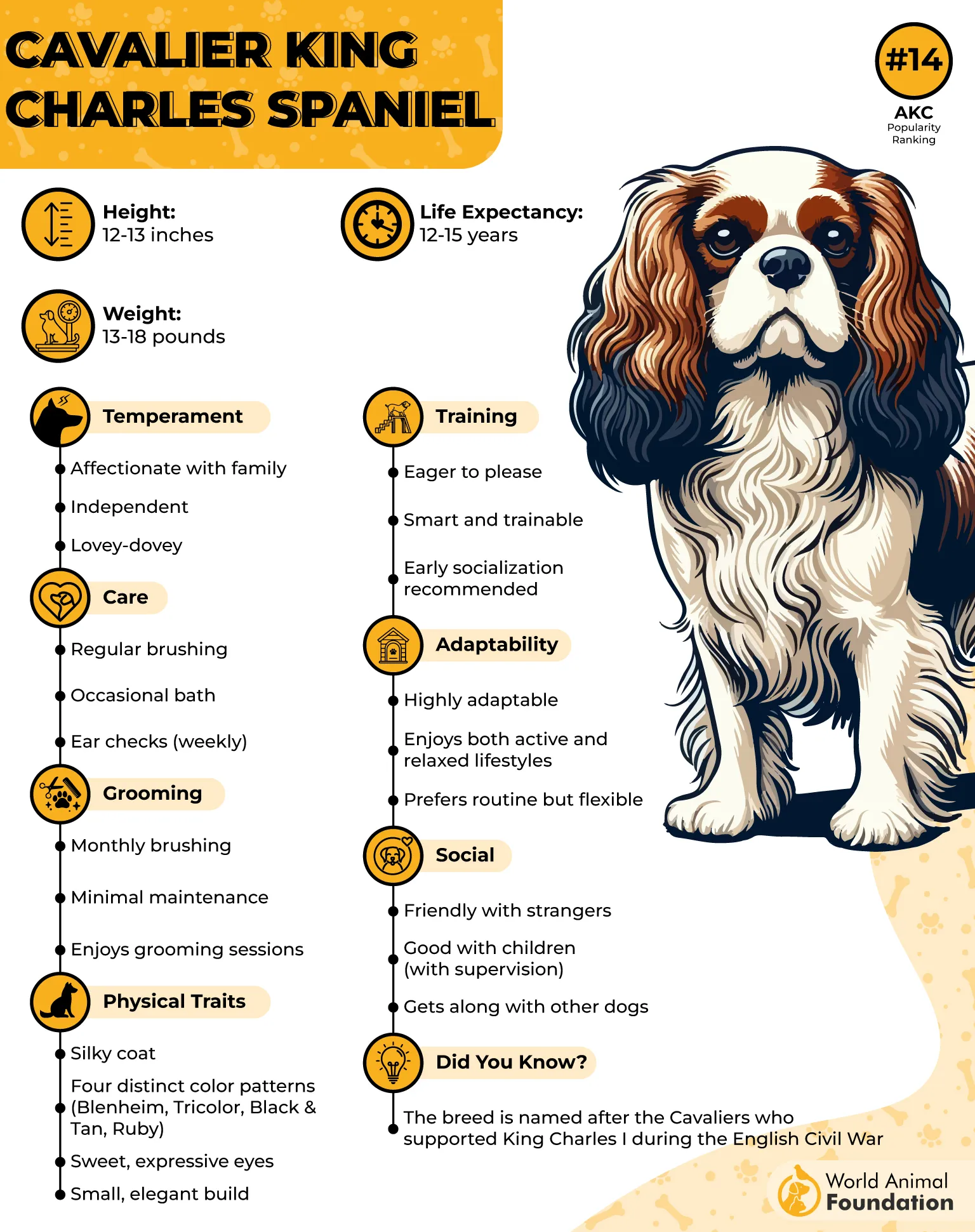
These adaptable dogs thrive in apartments, quiet homes, or active families alike. Whether lounging on the sofa or joining a playful afternoon, they adjust easily as long as their favorite people and pets are nearby.
Cavaliers crave companionship and dislike spending long hours alone, so a resident cat can become a comforting friend. Their calm nature and affectionate heart often help lasting cross-species friendships grow.
4. Basset Hound
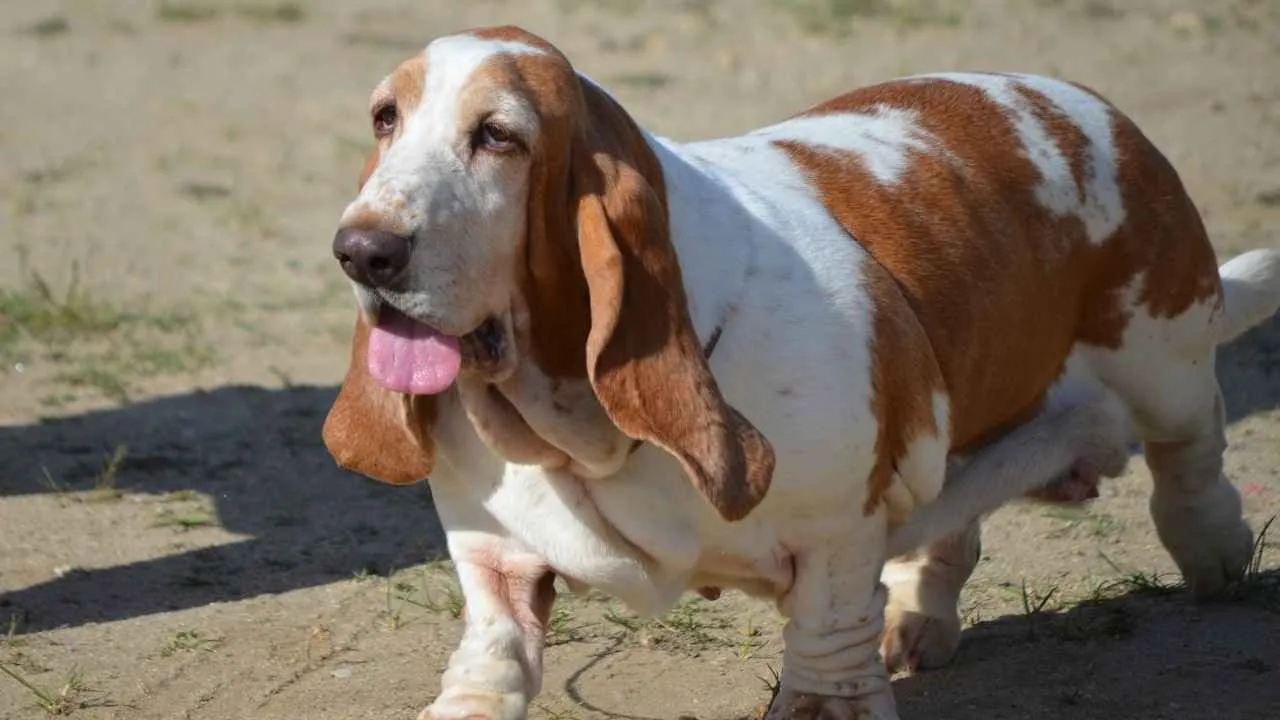
The Basset Hound seems to arrive with one goal: finding the coziest spot in the house. That calm, unhurried personality often helps cautious cats feel comfortable sharing the same space.
Originally bred as a scent hound, it still loves following interesting smells more than chasing a feline roommate. Its slow-moving nature and gentle manners make it one of the least intimidating companions for cats. According to Orvis, Basset Hounds get along well with other family pets.

This breed usually prefers peaceful coexistence, happily lounging beside other pets instead of competing for attention. Loyal and patient, it adapts well to homes where quiet moments are part of the daily routine.
Training can take extra patience because Basset Hounds have a famously stubborn streak. Positive reinforcement and supervised introductions help them build respectful, lasting friendships with cats while keeping everyone relaxed and secure.
5. Maltese
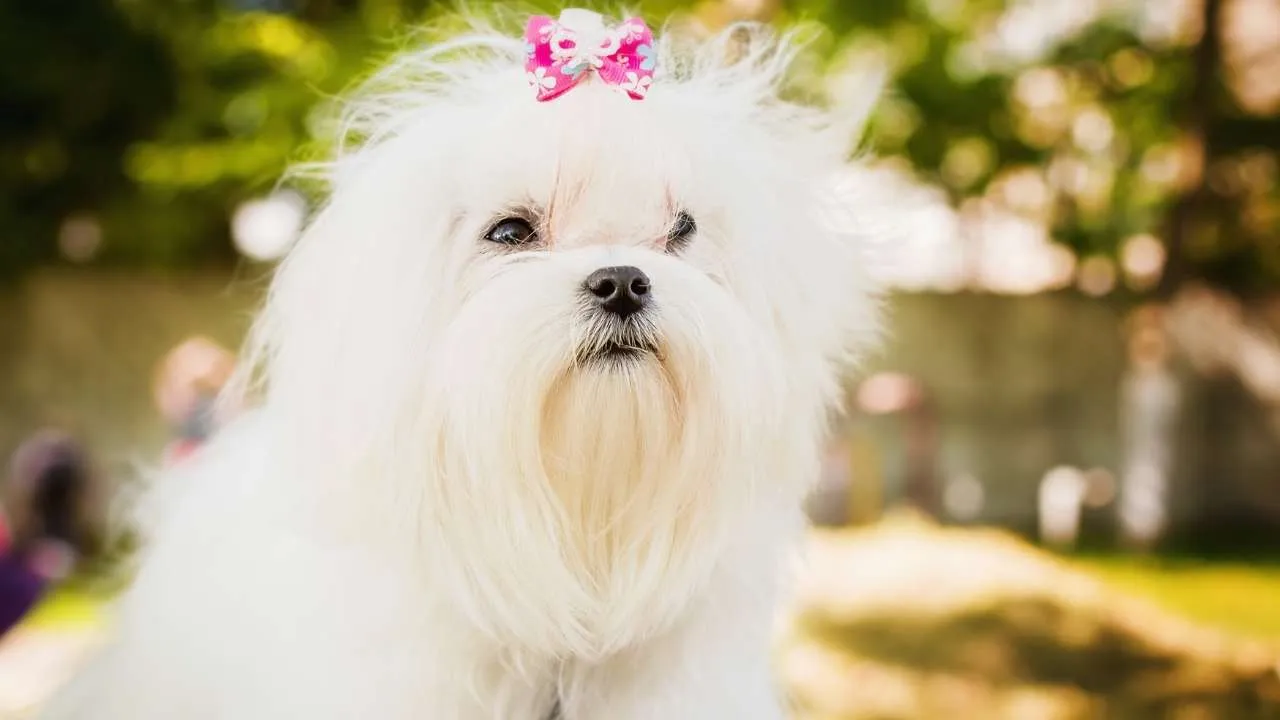
The Maltese proves that a tiny dog can have an incredibly big heart. With its silky white coat and graceful charm, this premium companion is gentle enough to make many cats feel safe sharing the same home.
The Maltese is similar in size to many cats, making first meetings feel less intimidating. Its relaxed, low-energy personality also means it rarely chases or challenges feline housemates.
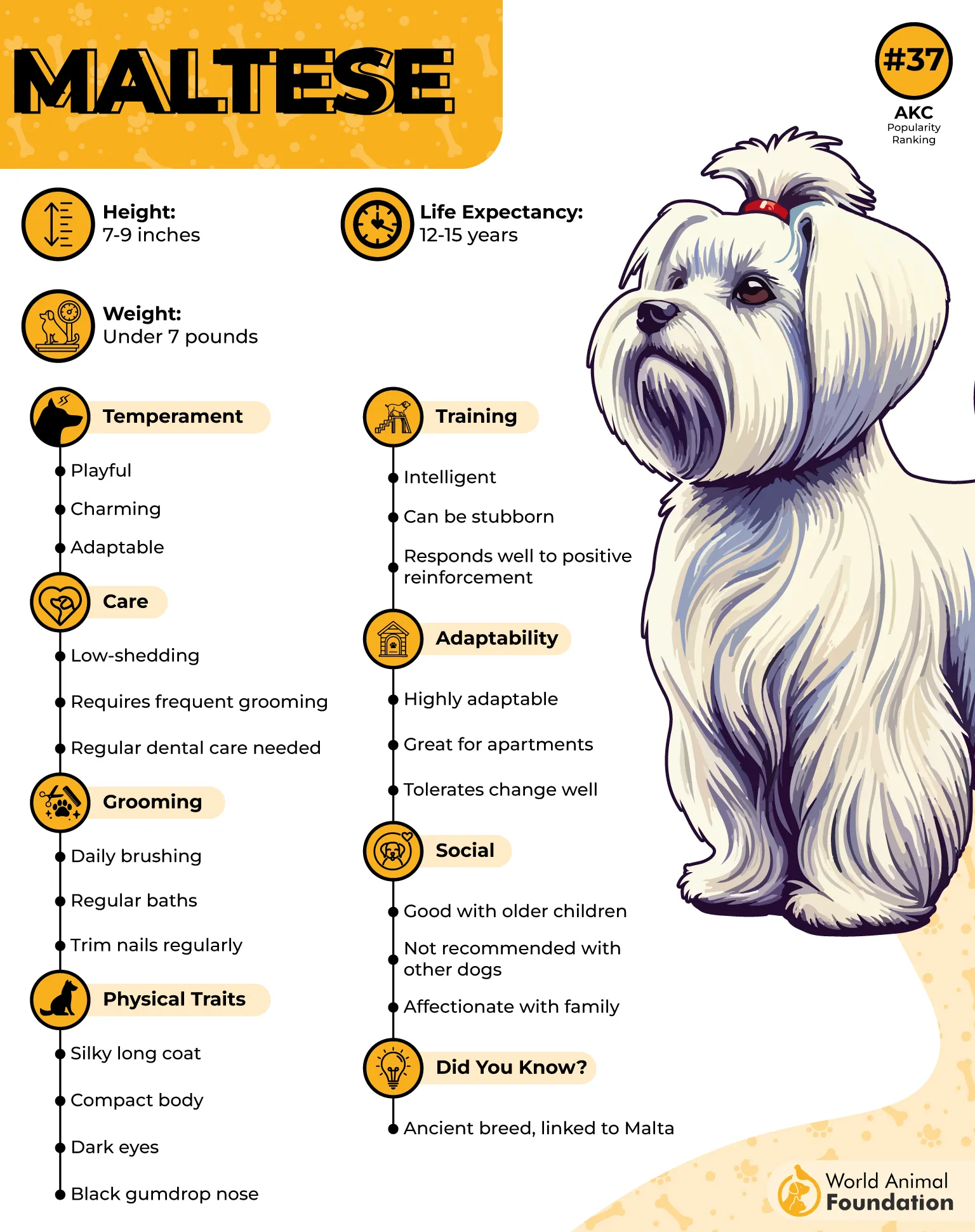
Rather than demanding constant attention, this breed is happy to curl up on the couch while a cat explores the room. Its quiet, non-aggressive temperament helps create a peaceful rhythm in multi-pet households. According to Hill’s Pet, Maltese are agile family dogs that enjoy learning tricks.
Because the Maltese is exceptionally sweet, introductions should still be supervised. A playful cat may be tempted to tug at its long coat, so teaching respectful interactions helps both pets build a lasting friendship.
6. Bichon Frise
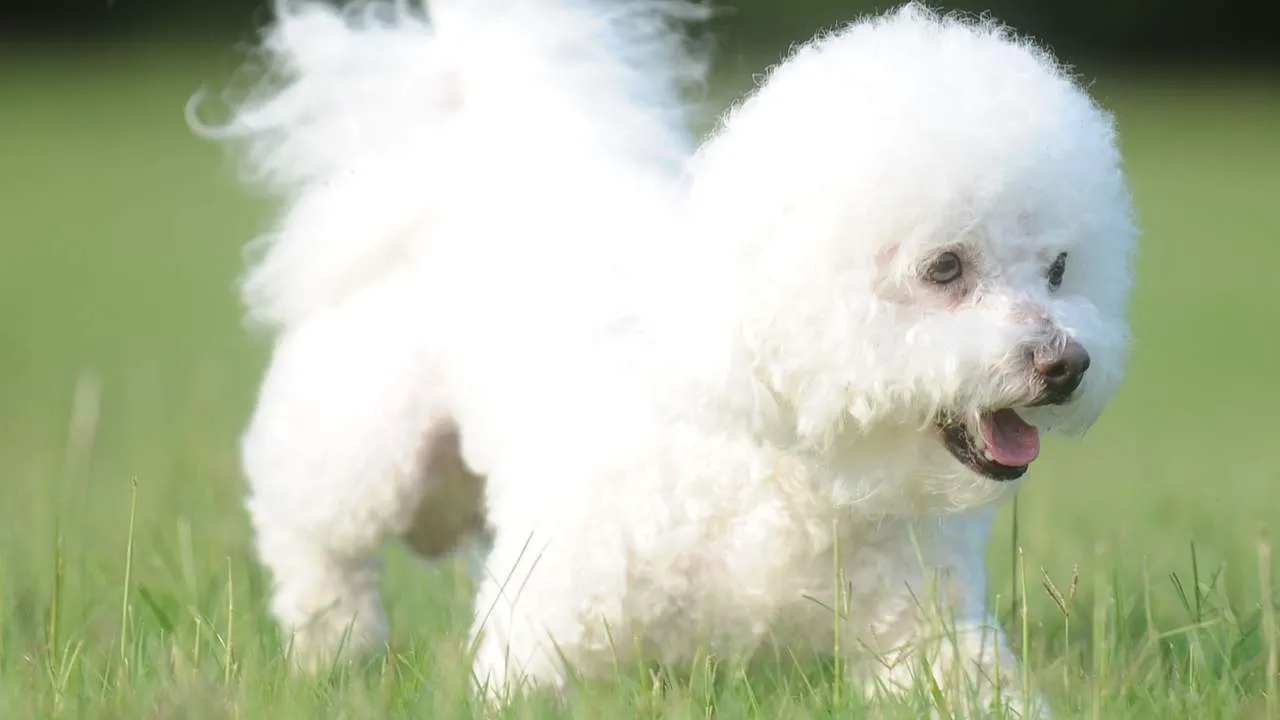
The Bichon Frise is a cheerful little companion that often builds fast friendships with cats. This small breed and its gentle nature make it far less intimidating than many other playful dogs.
Naturally sociable, this breed enjoys spending time with both people and other pets. Many Bichons are happy to curl up beside a feline housemate just as much as they enjoy sharing playtime.
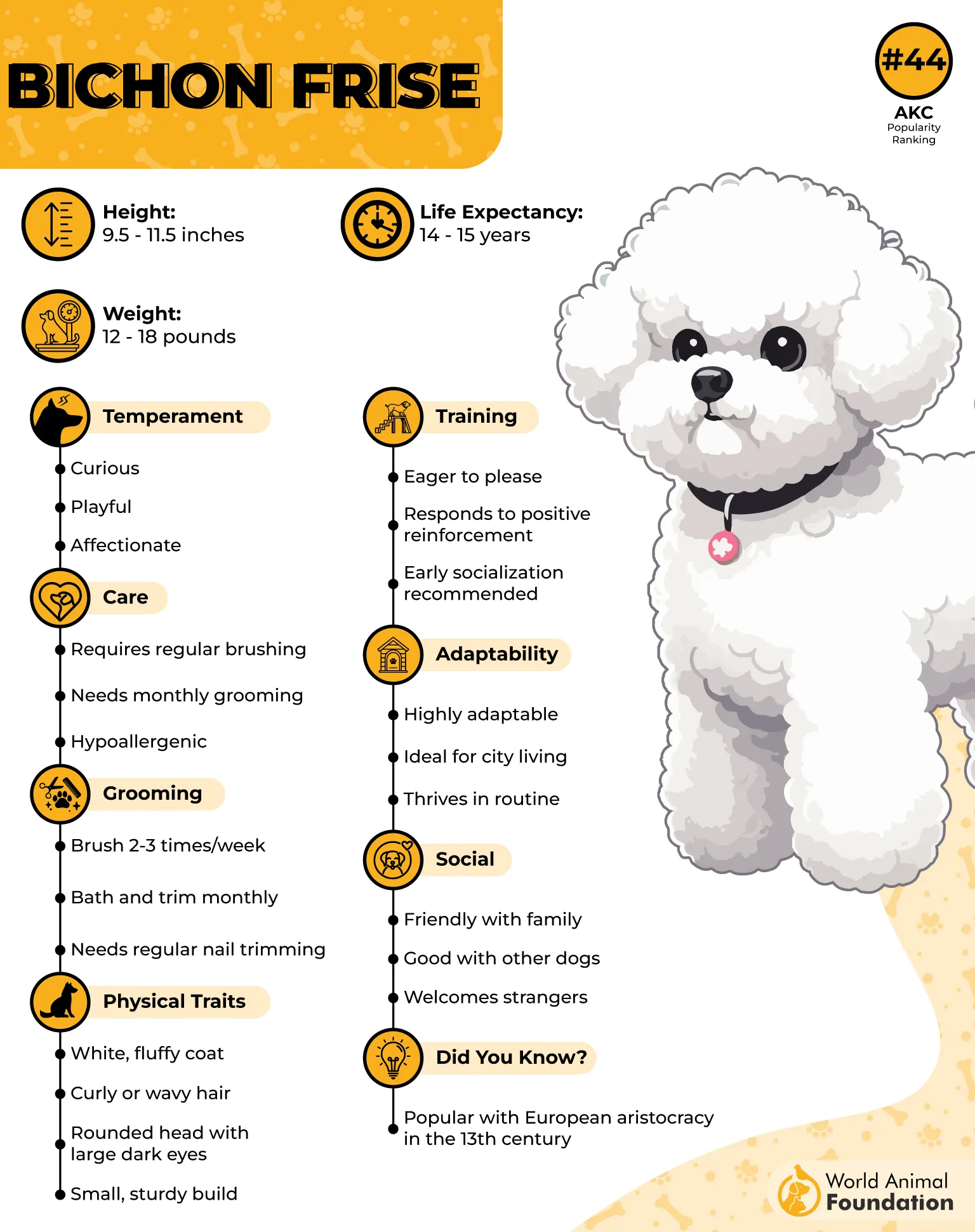
Their lively personality is part of their charm, but it can also be a little overwhelming for independent cats. Supervised introductions help ensure their enthusiasm stays fun rather than too boisterous. According to WebMD, Bichons are moderately energetic dogs.
Bichons thrive on affection and love being included in everyday family life. They tend to bond best with cats that enjoy companionship and are willing to join in their playful, friendly antics.
7. Pug
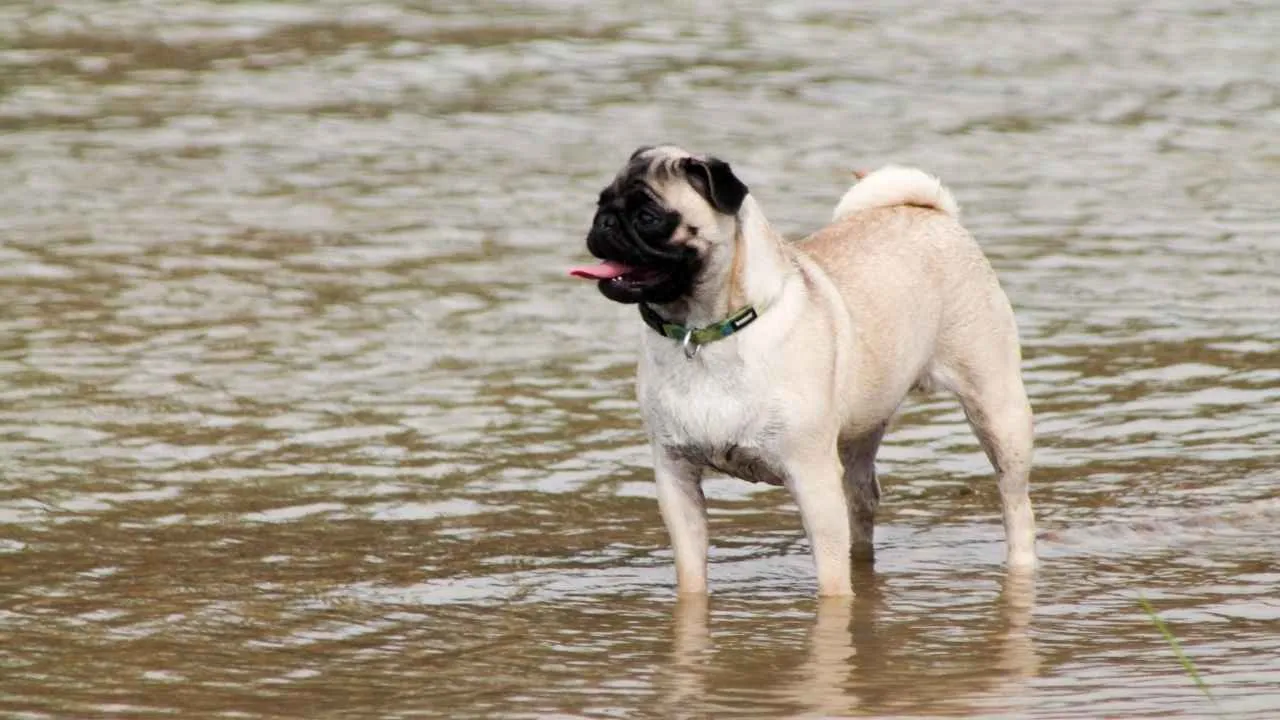
If your cat appreciates a roommate who values naps as much as they do, the Pug is a surprisingly perfect match. This cheerful little comedian is more interested in sharing the couch than starting drama.
Pugs have a naturally gentle, social personality and usually welcome cats into their circle. Their very low prey drive means they’re far more likely to invite a feline into a cuddle than chase one through the house.
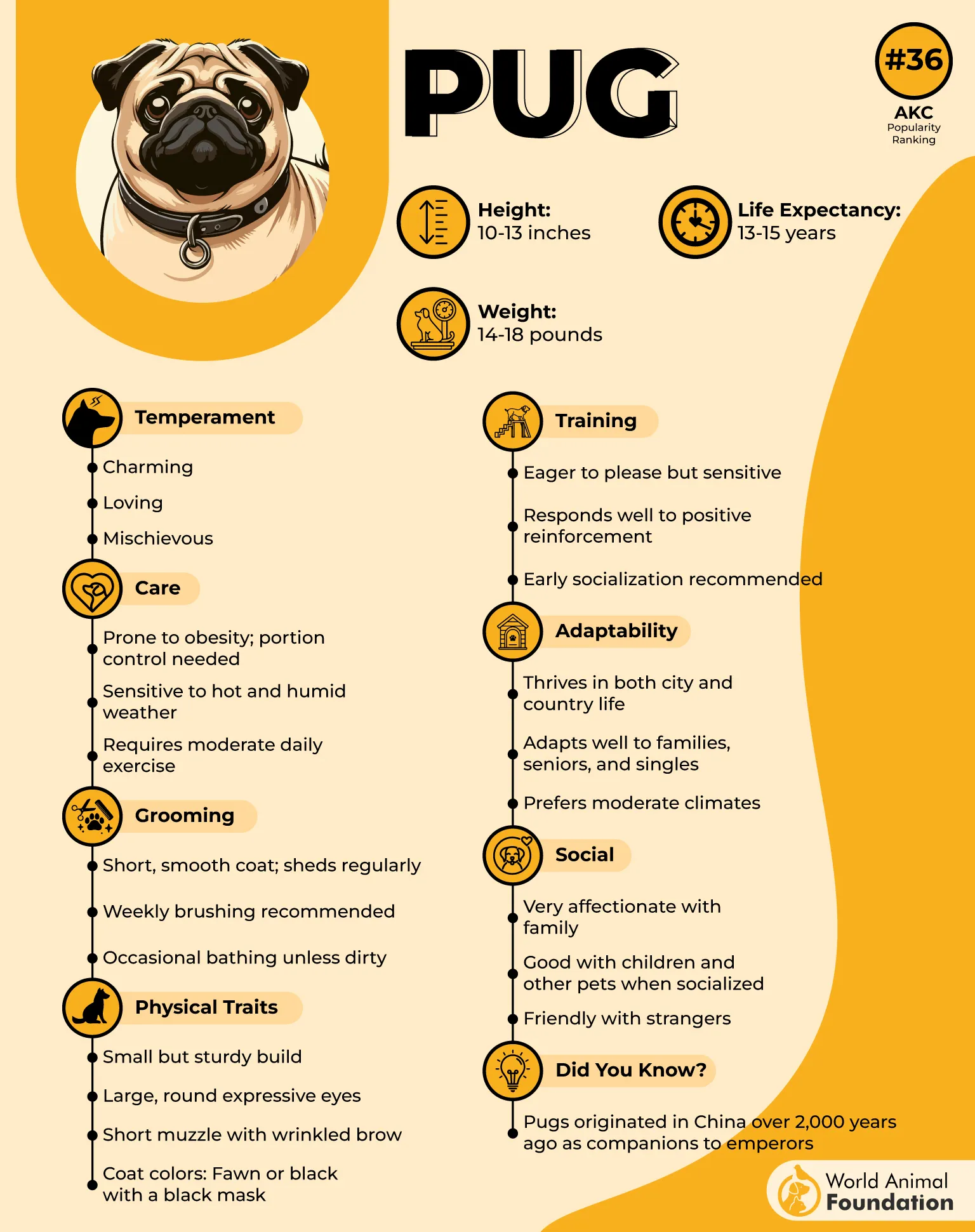
They’re also a great fit for apartments or smaller homes because they don’t need much space to feel content. Regular walks still matter, but indoors, they’re happiest lounging wherever the family is gathered.
One thing to keep in mind is their brachycephalic build. Their short muzzle and prominent eyes can make them prone to breathing and eye issues, so gentle play and a comfortable environment suit them best.
Conclusion
Sharing your home with both a dog and a cat can be a wonderful experience when their personalities naturally complement each other. Gentle, social breeds often adapt well to feline companions and enjoy peaceful coexistence.
A successful friendship depends on more than breed alone. Early introductions, positive reinforcement, and respecting your cat’s comfort level help build trust between both pets over time.
Many of these dogs prefer companionship over conflict, making them excellent housemates for cats in apartments and larger homes alike. Their calm nature and low prey drive encourage relaxed daily living.
Every pet is unique, so patience and careful supervision are key during the adjustment period. With the right match and a thoughtful introduction, your dog and cat can become lifelong cuddle buddies and loyal companions.
