




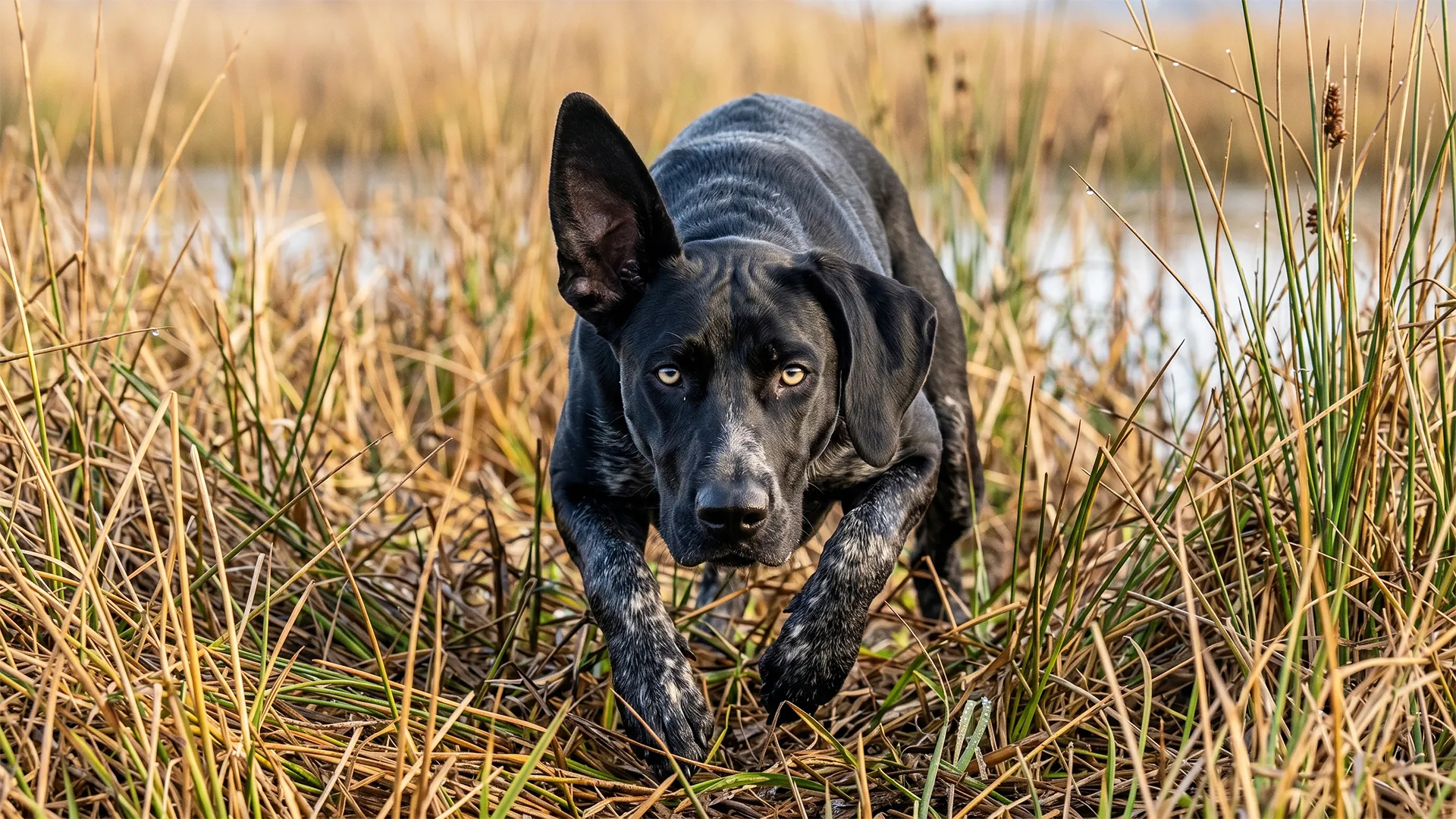
If you’ve ever watched a dog bury its nose in the ground, disappearing into a tunnel of focus like a detective on a hot case, you already know: these animals are more than pets; they’re true partners. Theodore Roosevelt once said, “A hunt based only on trophies taken falls far short of the real thing.” And the dogs on this list? They are exactly that—the real thing.
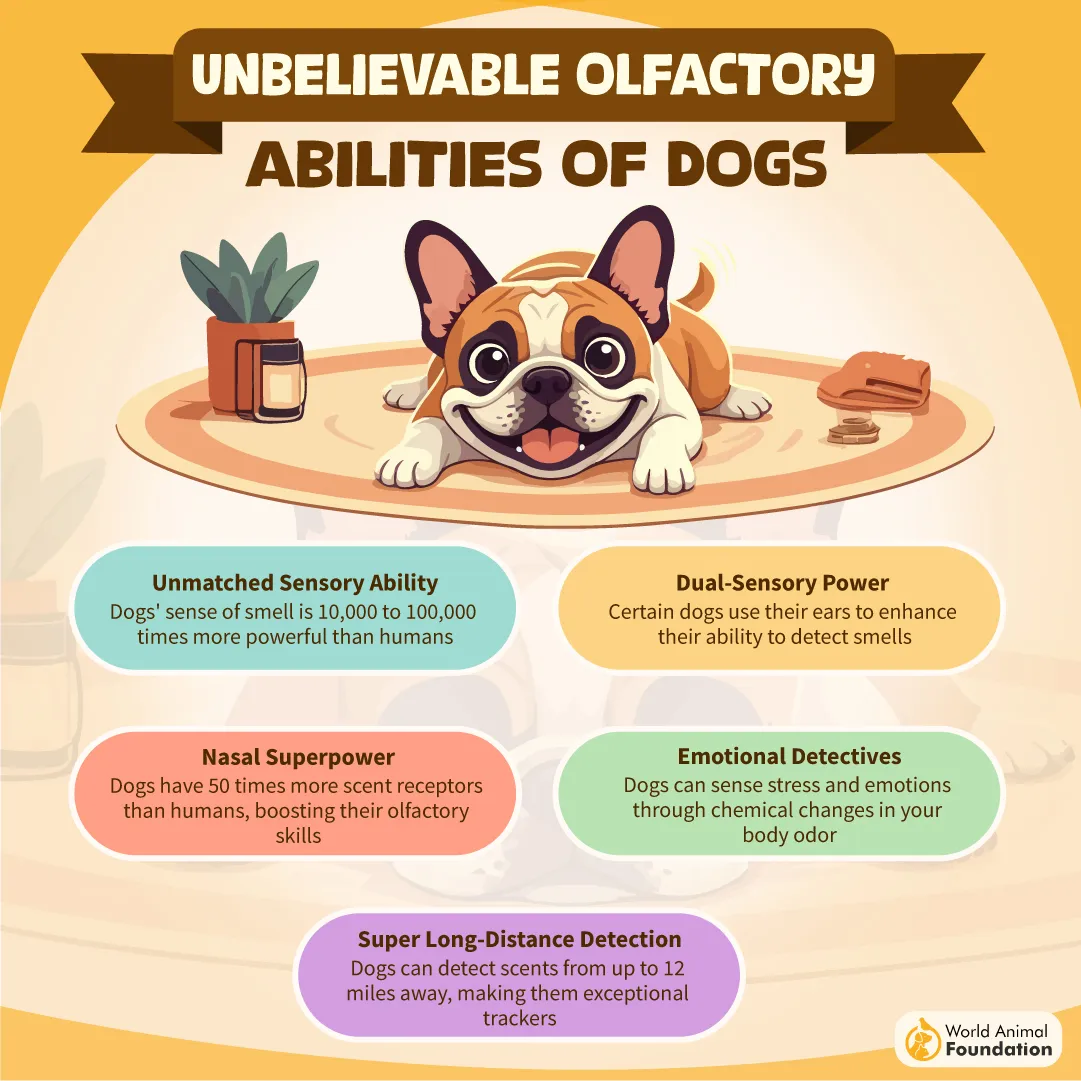
Bred over centuries for protection, endurance, and instincts so sharp they’ll leave you amazed, these dogs are wired to excel in ways humans can only admire. Consider this: dogs have roughly 300 million olfactory receptors, compared to our mere 6 million. Put simply, they’re in a league of their own.
Whether you’re a seasoned hunter or just a devoted dog enthusiast, these breeds bring intelligence, stamina, and skill to the table. Let’s explore the top canine partners for those who crave focus, drive, and unmatched loyalty.
Top Dog Breeds Ideal for Hunting and Scent Tracking
1. Bloodhound
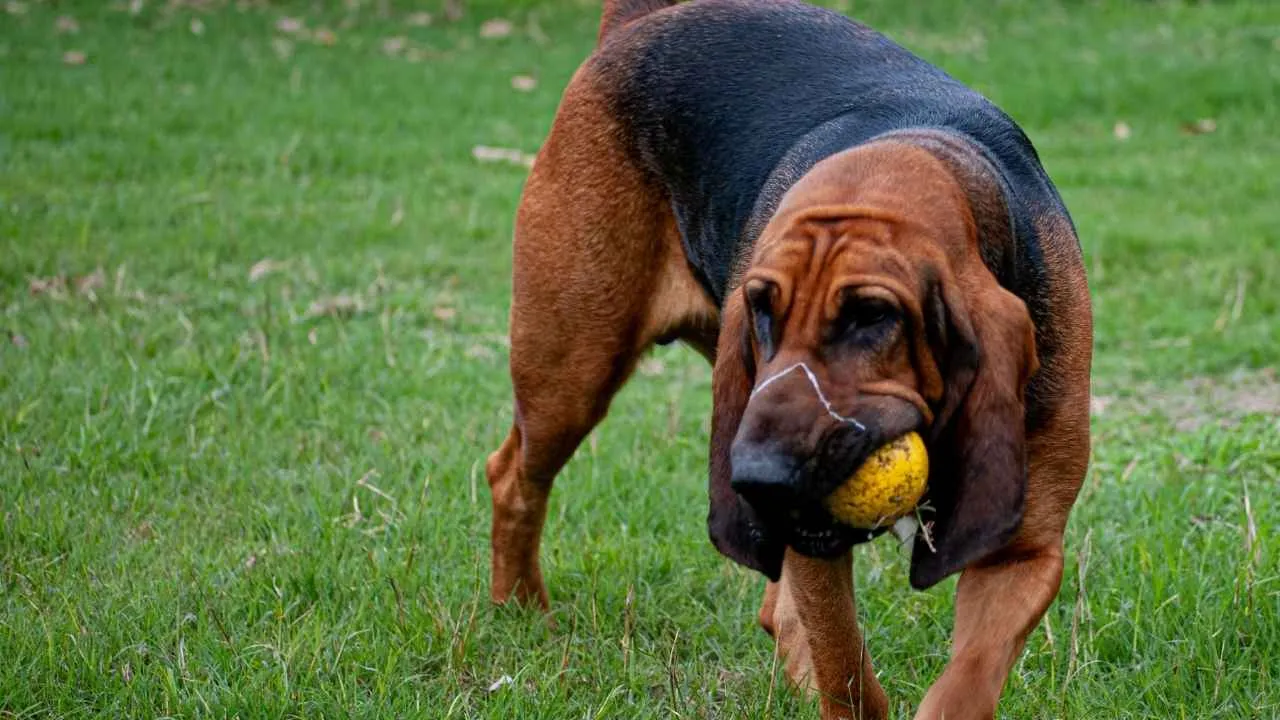
The Bloodhound was originally bred in Western Europe thousands of years ago. The name refers to the hound’s lineage of purebred ancestry. It was part of the ‘pack’ of the hunting dogs bred by the French and the English monarchies, according to Purina.
This working dog has a high tracking drive and ignores all distractions coming in the way to find the target. It detects minute traces of scent left by humans or animals quickly and can also identify older scents. Being an independent thinker, it tends to work away from the handler and makes independent decisions. A larger part of the Bloodhound’s brain is dedicated to processing olfactory data.
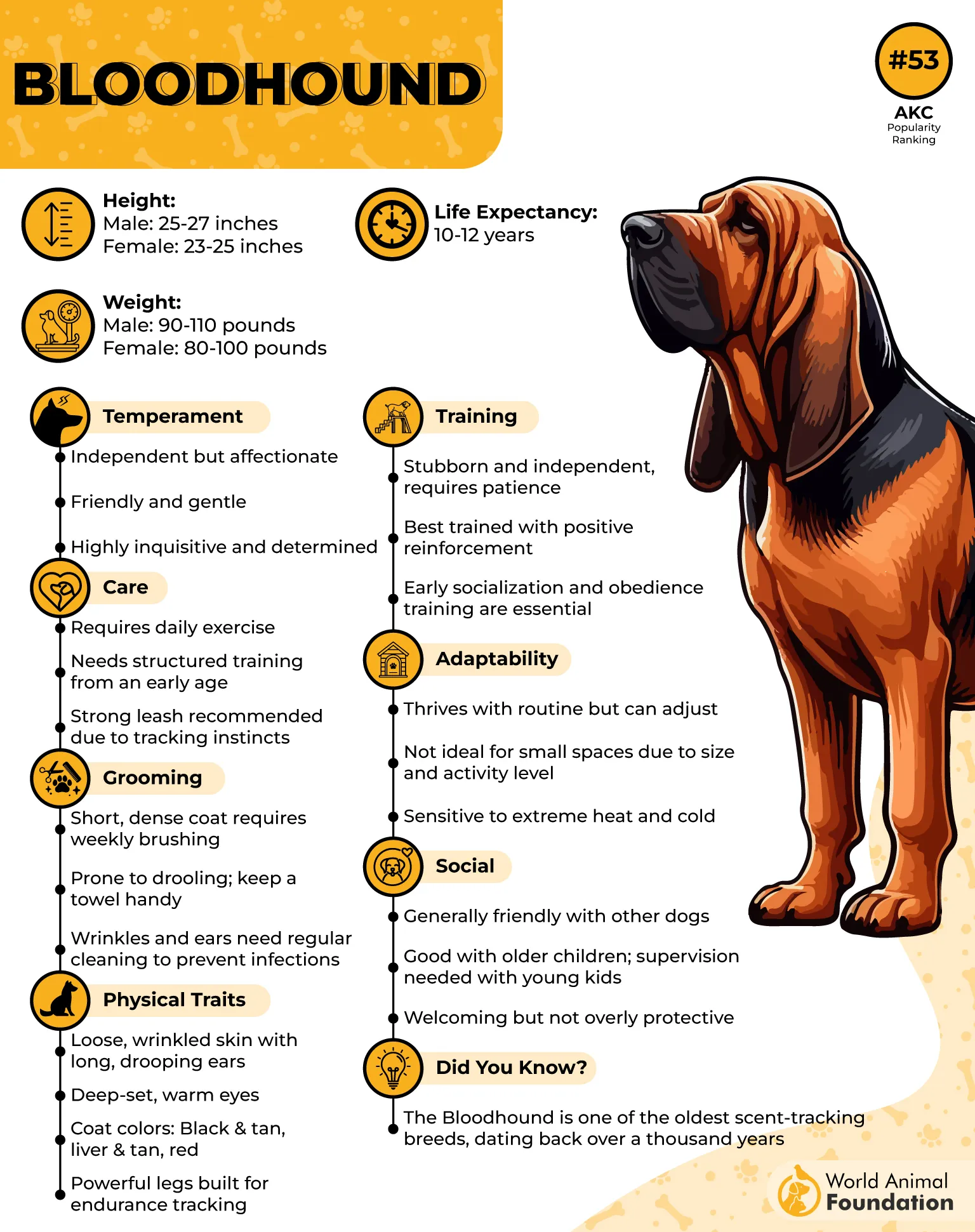
The skin folds around the neck, face, and nose track scent molecules and redirect them to the nose. The large and open nostrils allow maximum air intake. This breed has a low centre of gravity, which assists it in keeping its nose stuck to the ground for hours.
2. German Shorthaired Pointer
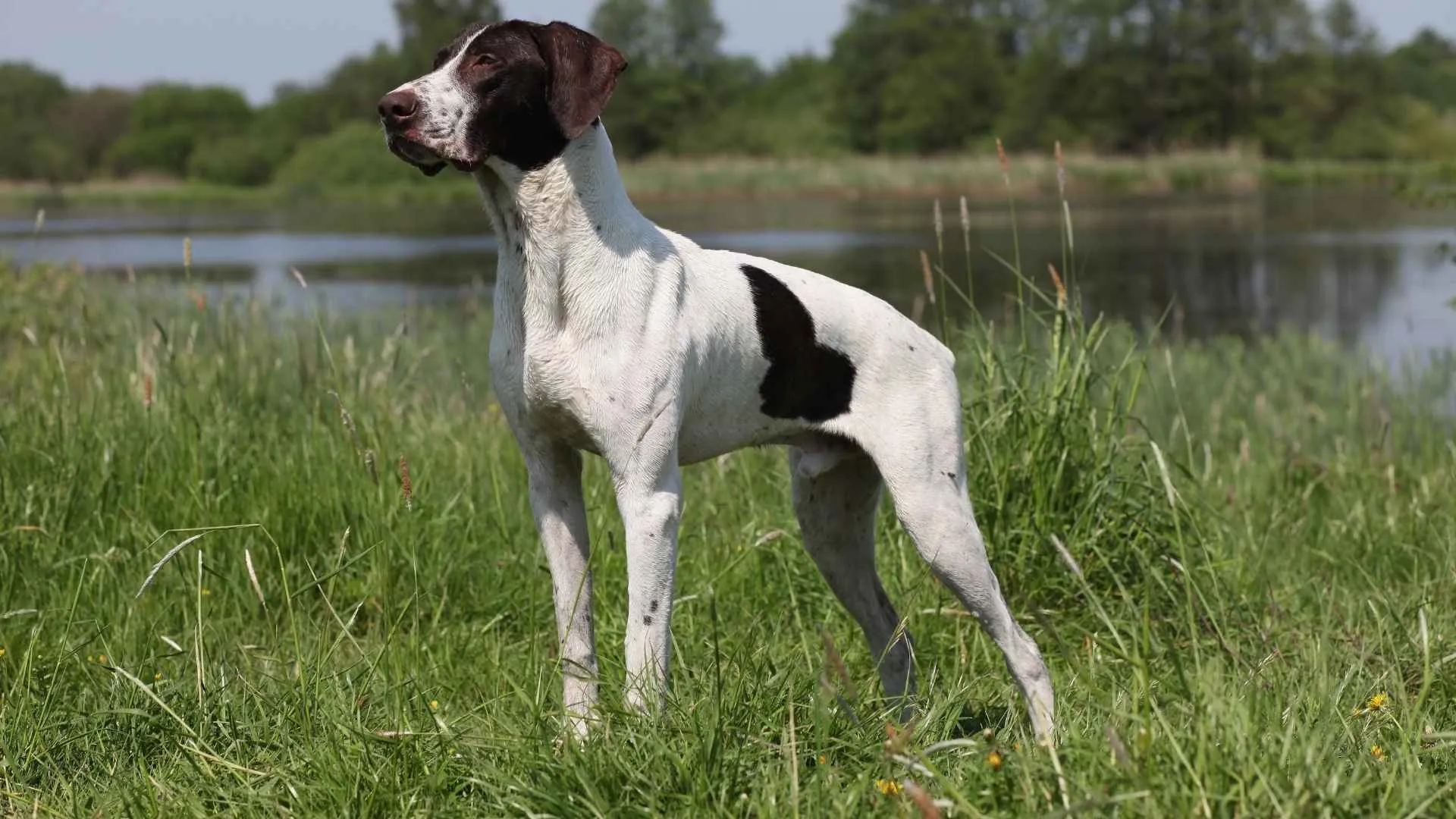
Originating in Germany in the 17th century, the German Shorthaired Pointer is a crossbreed of an early German bird dog, a Bloodhound, and a Spanish pointer. This breed was slow and heavy, so developments were made by crossing it with the English Spaniels, resulting in a faster (30-40 mph) and lighter breed.
A wide network of olfactory receptors enables this versatile dog to pick ground scent (to trail wounded game) and air scent (to track birds). A deep chest provides massive lung capacity for maximum oxygen intake while running. It has long legs, webbed feet, and a thick double coat, making it a good swimmer. It does not require formal training and can retrieve upland game, and excels in waterfowl hunting.
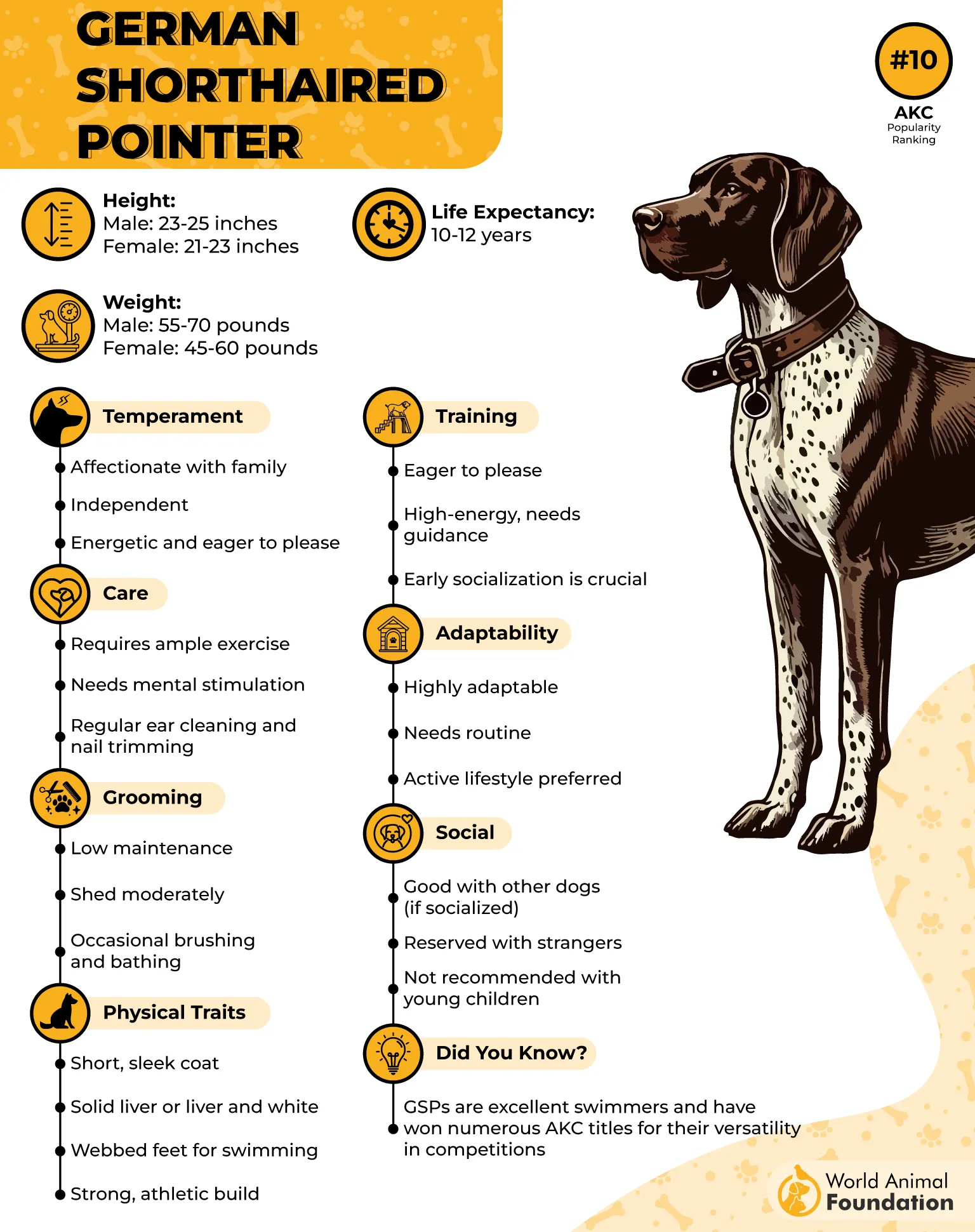
It moves in a zigzag pattern to cover a large area. It runs to catch maximum air scents, and once the scent is detected, it slowly moves closer to the target to locate the bird. As soon as the hunter arrives, the GSP runs to flush the animal. Then it utilizes its retrieving skills to bring the target to the hunter using ‘soft mouth,’ not physically damaging the bird.
3. Bluetick Coonhound
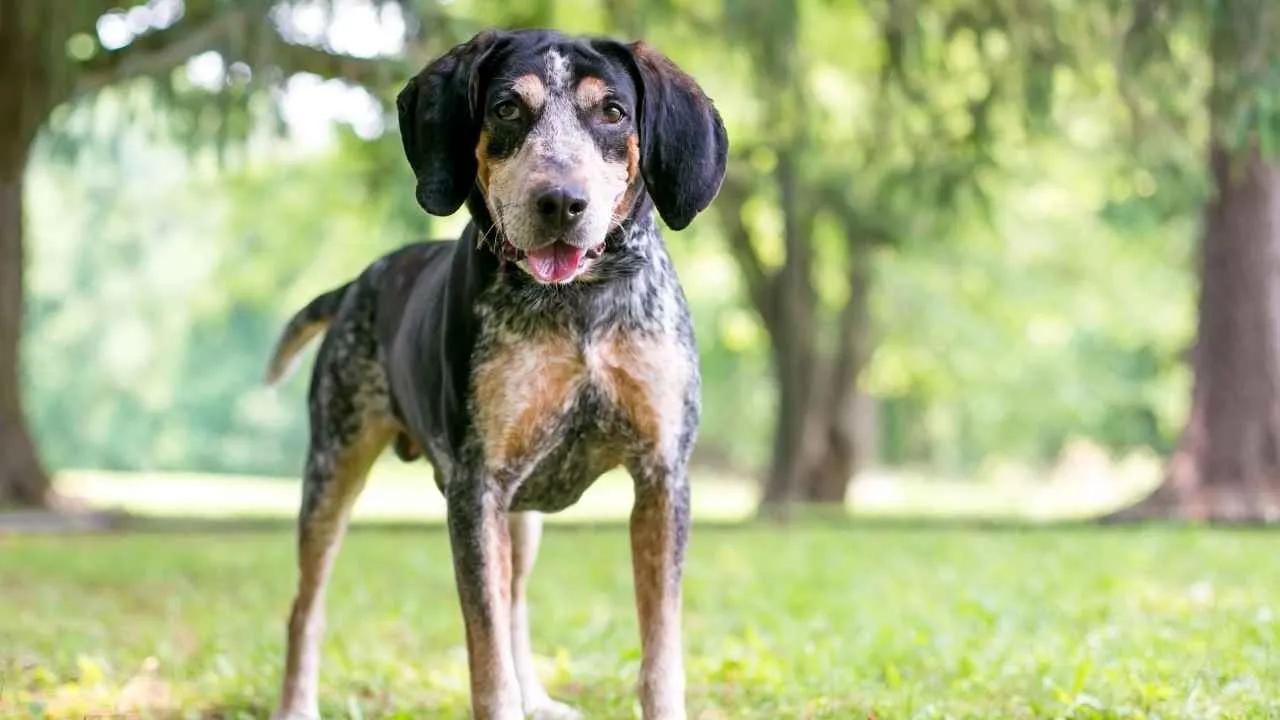
Originating in the United States, the Bluetick Coonhound is known to be descended from a French Hound and an English Foxhound. Its primary goal was to hunt raccoons, but it is also used to hunt other large and small game, as per WebMD. Having a ‘cold nose’ means it can detect older scents (days or months older).
The floppy ears physically drag the ground and stir up microscopic scent particles, and then sweep up the airborne scent particles to the nose. The cat-like, thick, and leathery pads act as a shock absorber to make tracking easier on the rocky terrain. It has a rare ability to discern an individual’s scent, making it the best dog breed for SAR operations, and police and military jobs.
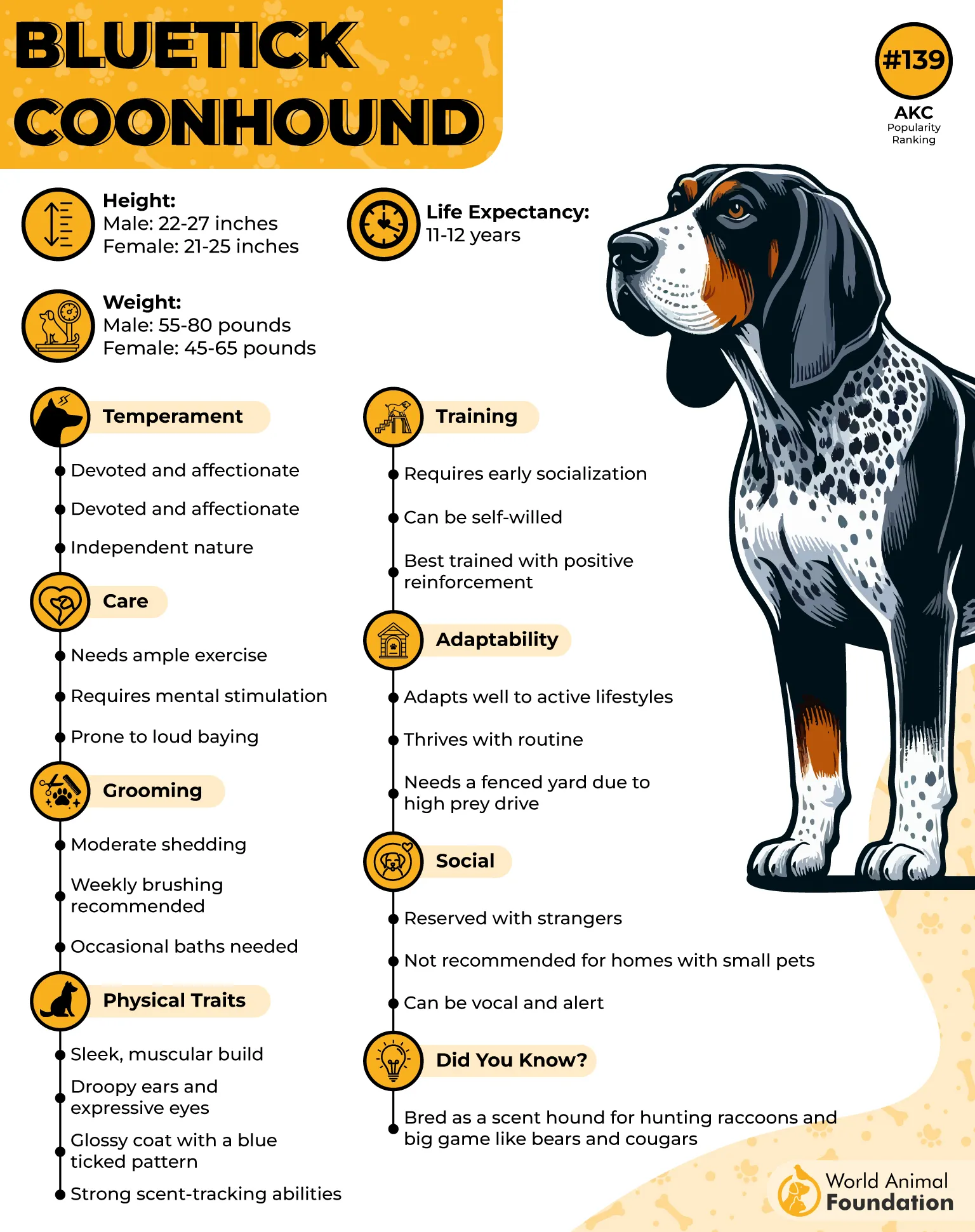
It is also used for tracking and hunting. When it is sure of a raccoon’s trace by sticking its nose to the ground, it makes a low-pitched bawl to communicate with the hunter. It forces the target to climb up the tree, places its paws on the tree base, and barks aggressively to call the hunter. Once the hunter arrives, it goes back to its resting phase.
4. Black And Tan Coonhound
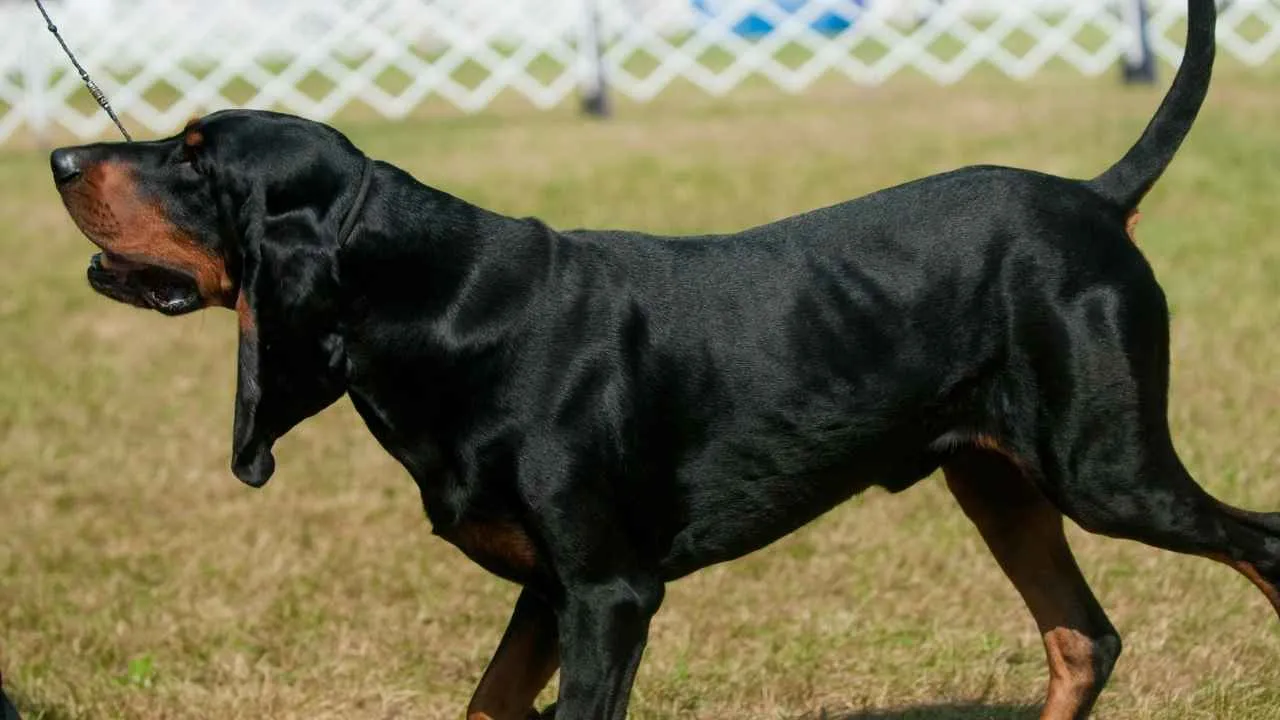
This American breed has its roots in the UK. Colonial settlers brought their Foxhounds to the U.S. in the 17th century, and this Foxhound was bred with the Bloodhounds, Pointers, and Setters to make a modern-day working dog.
Since the Bloodhound has some genetic contribution to this breed, the Black and Tan Coonhound excels in law enforcement units and SAR departments. (However, the Bloodhound stands at the first rank.)
The breed has long lips and loose jowls, which create a humid microclimate around the muzzle that traps the scent molecules. The coat has sebum production, which repels water and dirt, keeping the coat clean and glossy. The brave and courageous instincts make it fight against a large and aggressive quarry fearlessly.
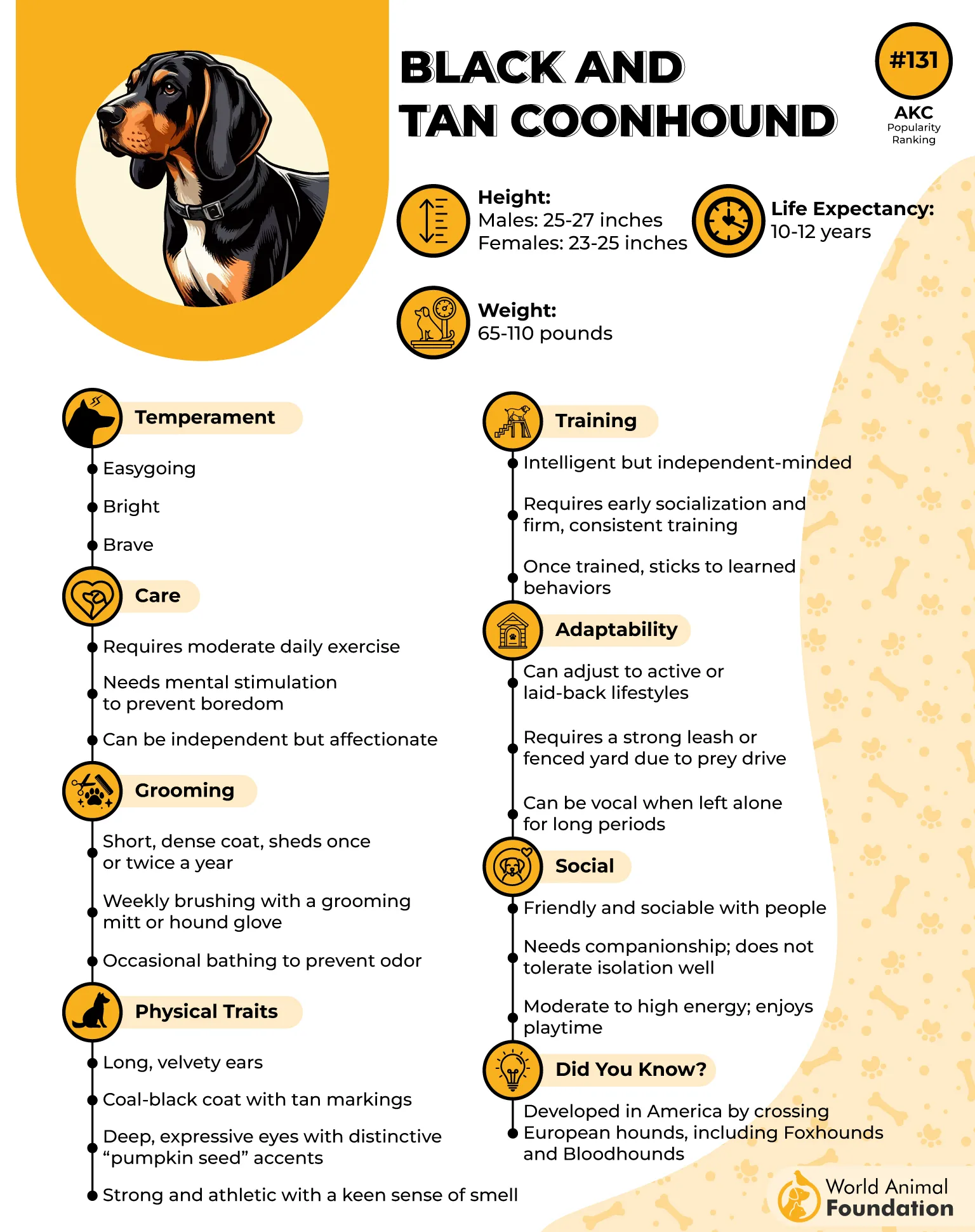
It also moves in a zigzag manner and catches most of the scent signals from the ground. It makes a tracking image in the mind that helps it find the target easily. Once the target is located, the low-pitched voice is shifted to a loud bark to alert the owner, and it corners the breed, making it climb up the tree.
5. Weimaraner
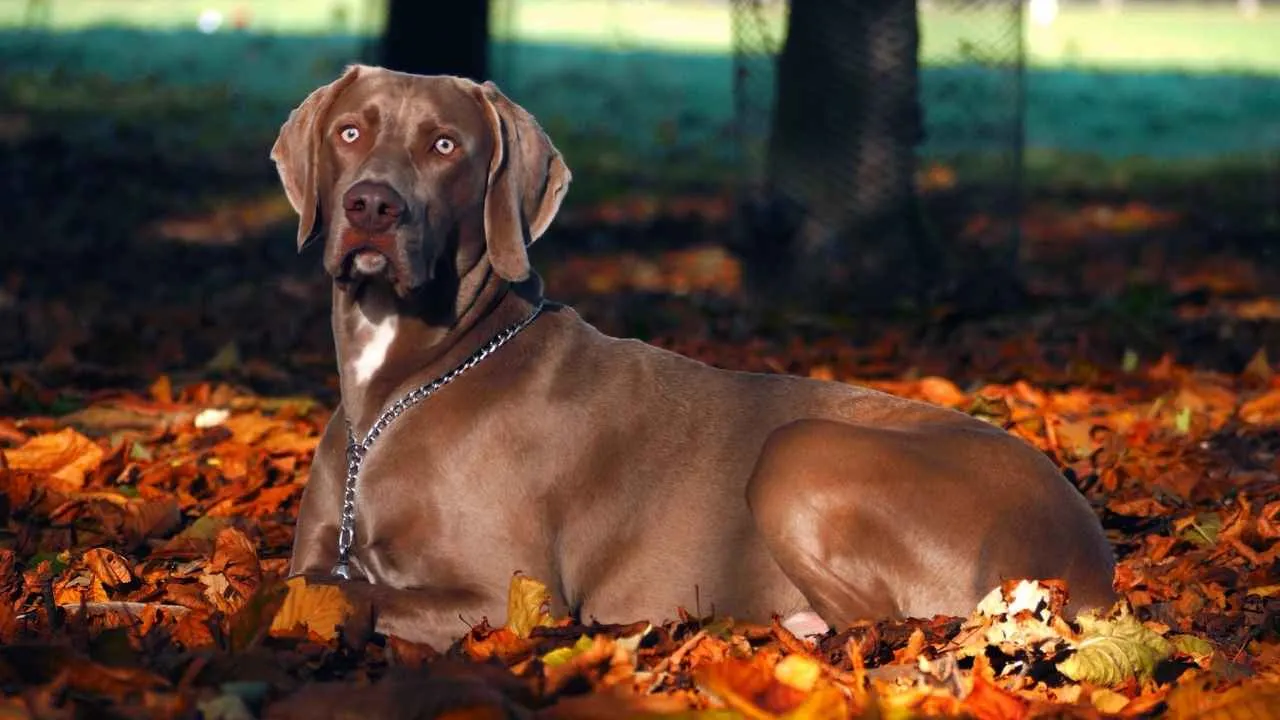
This medium-to-large-sized German breed originated as a hunting breed in the 19th century. The popular breed is used to track, flush, point, or retrieve birds or other game. Despite having an affectionate nature and high intelligence, it is not suitable as a companion dog.
The streamlined muscles, long legs, a deep chest, and a tucked abdomen are the perfect balance of stamina and speed (35 mph). The webbed feet allow it to travel long distances over the rough terrain.
It can pick up high-frequency auditory signals from distant places. This excellent companion loves to hunt for the people it loves, rather than just considering it a job.
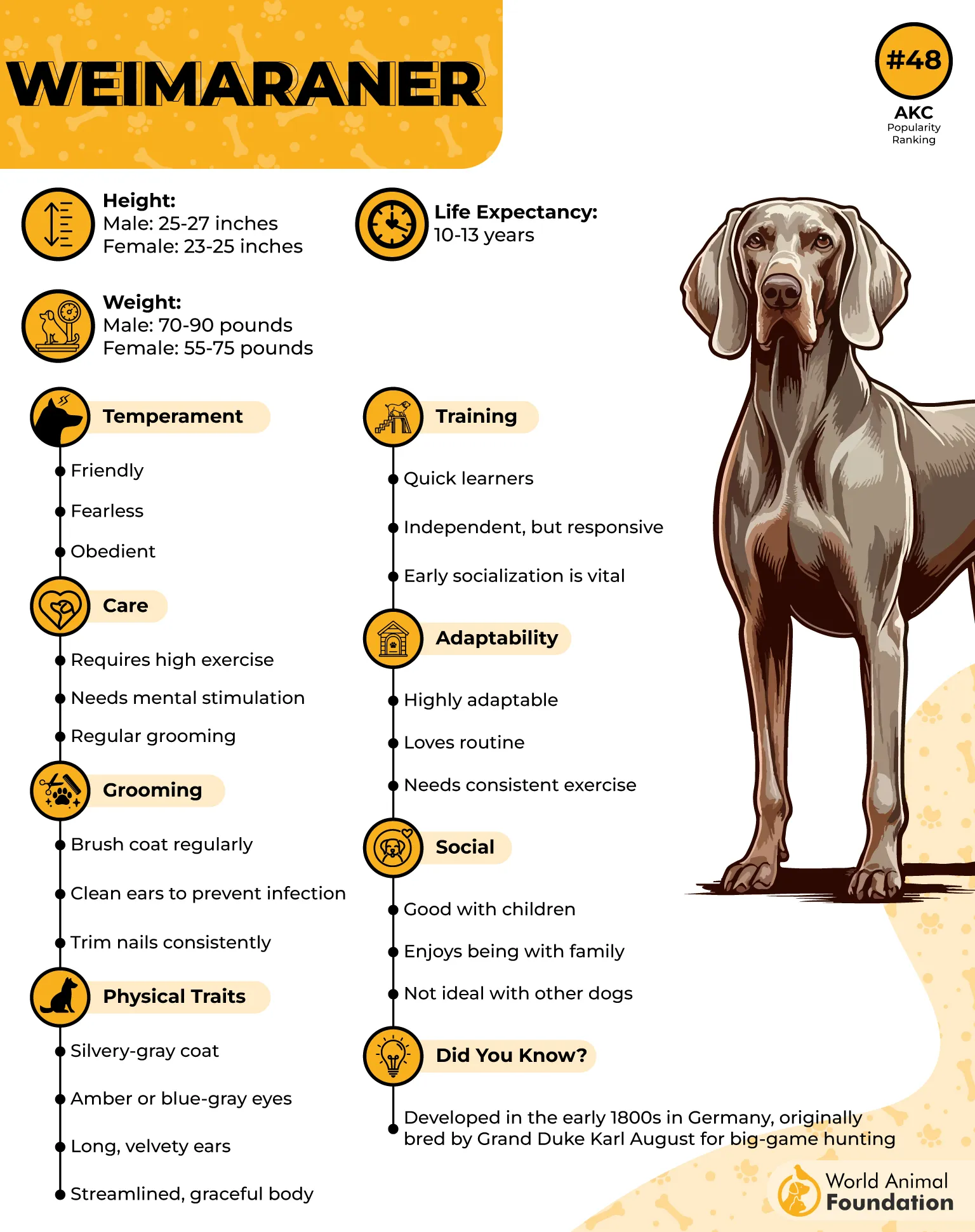
As soon as this high-energy breed locates a game: deer, rabbits, or boars, it instantly freezes and points its muzzle towards the hidden animal with a rigid body, erected tail, and lifted front paw. It breaks the ‘point’ as it gets a command from the hunter and follows the target. It fetches the upland game from water with a soft mouth.
6. American Foxhound
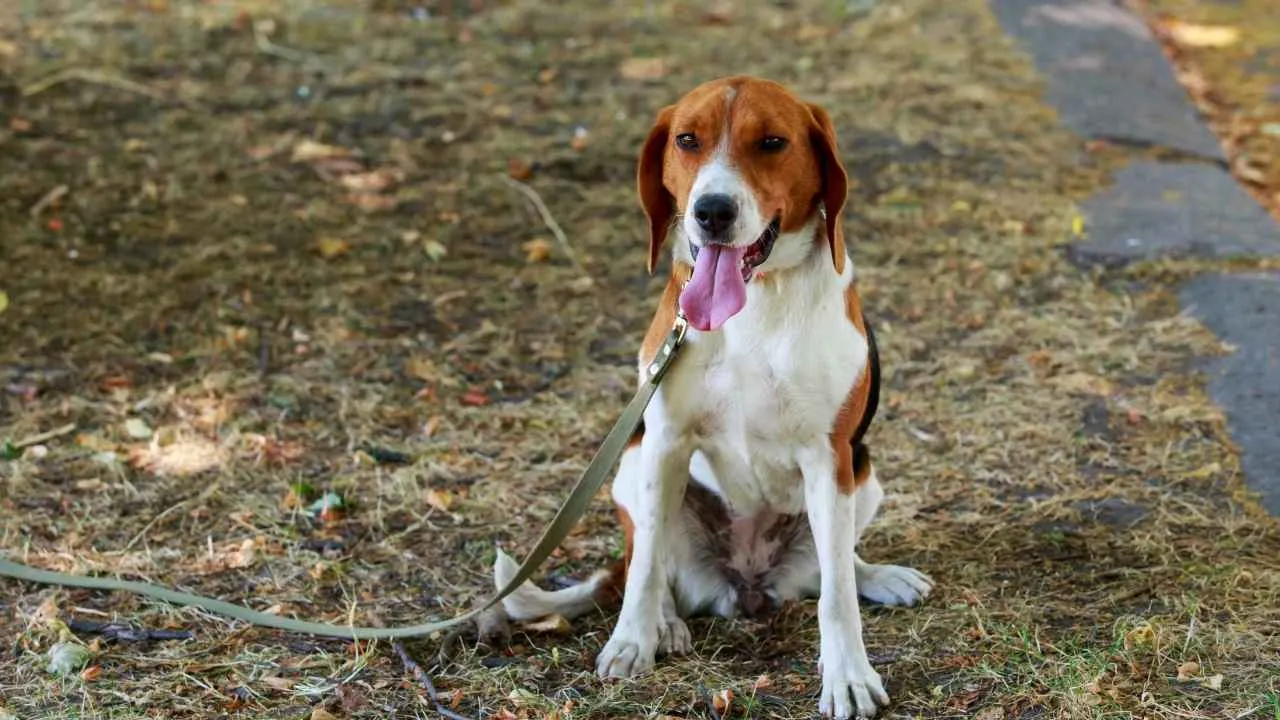
The history of the American Foxhounds dates back to 1886. George Washington used to be an avid hunter, and he had many breeds of the British hounds, which he crossed with the French breeding and developed the American Foxhound, as per Showsight Magazine.
The breed has longer legs that cover more ground with rhythmic strides. Heavily muscled thighs and sloping shoulders generate explosive forward propulsion. It has a medium-length coarse coat that protects the body against rugged terrain and rough bushes. The strong work ethic and a high prey drive keep it focused.
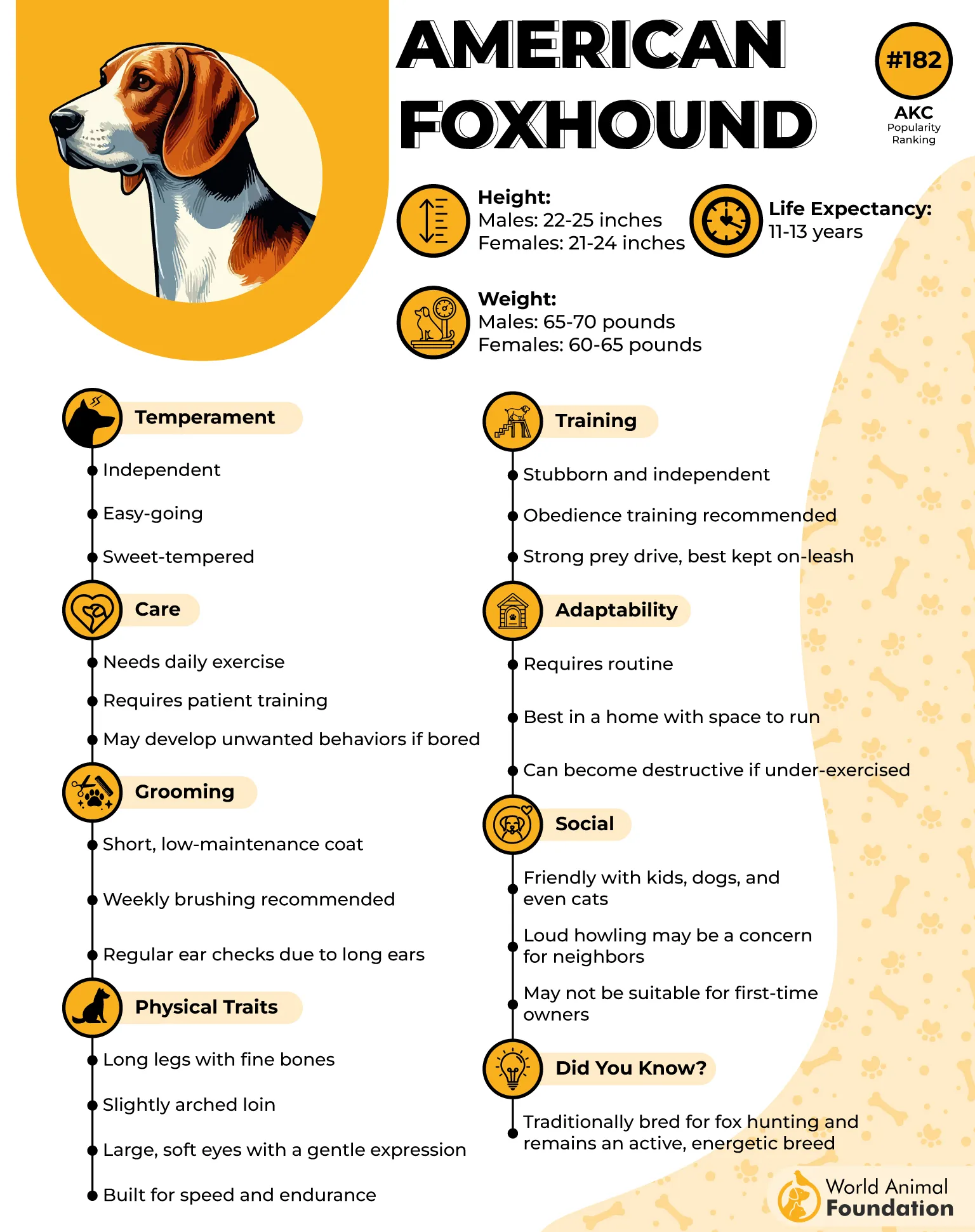
The breed catches both airborne scent signals and the ground scent to find the target. Since it has a small size, it is easier for the breed to keep its head closer to the ground and follow the scent trails. The breed can cover 10-30 miles on a single trip. It relies on speed (35 mph) when following a ground prey and adopts the treeing techniques for animals like raccoons, etc.
7. Redbone Coonhound
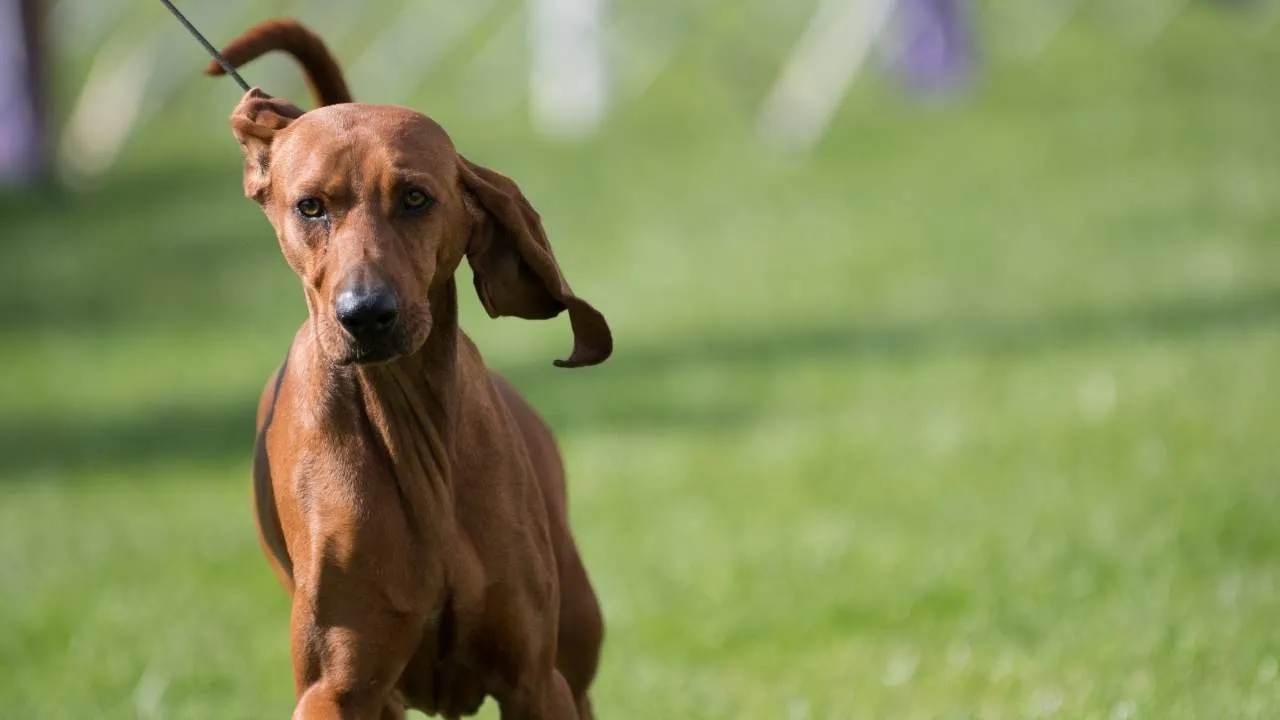
Developed from the red Foxhounds brought by the Scottish immigrants in the 18th century. The breed was named after one of its early breeders, Peter Redbone. The Fox Hounds were bred with the Bloodhounds and the Irish Hounds and developed the Redbone Coonhound, a high-energy dog with a short attention span.
A single-layered short and coarse coat sheds dirt and debris and quickly dries up after participating in water activities. With the expansive nasal passage and wide nostrils, it catches the scent in bulk, ensuring a fast pace and accuracy. It trees raccoons and keeps on barking while remaining calm.
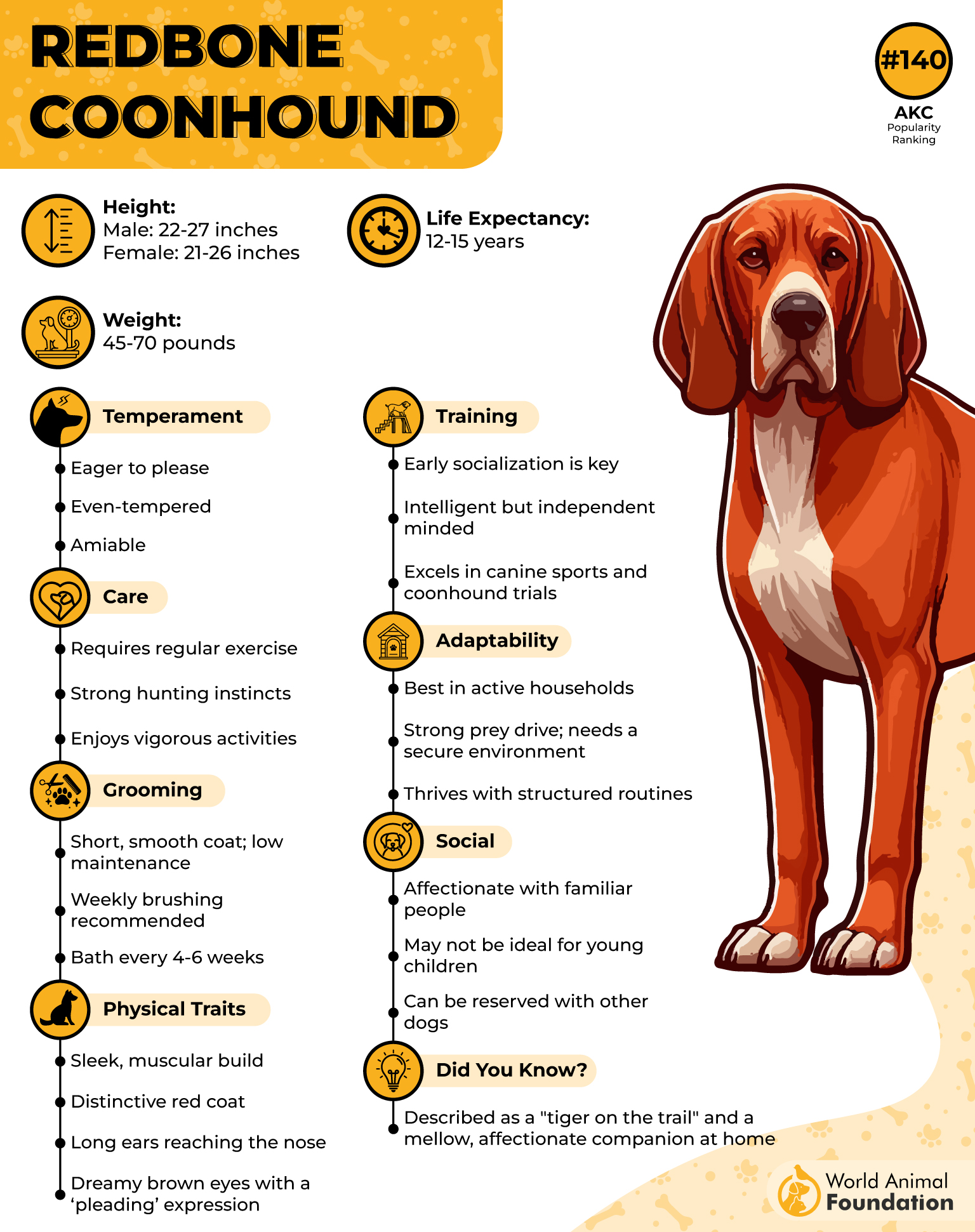
This gentle giant remains friendly with family members, children, and other pets with proper training, but as soon as it steps out of the house, it activates its alert instincts. Using the large floppy ears and wrinkles around the nose, it gathers scent particles and chases the prey. It trees or holds them until the hunter arrives, and then it goes back to the resting state.
8. Treeing Walker Coonhound
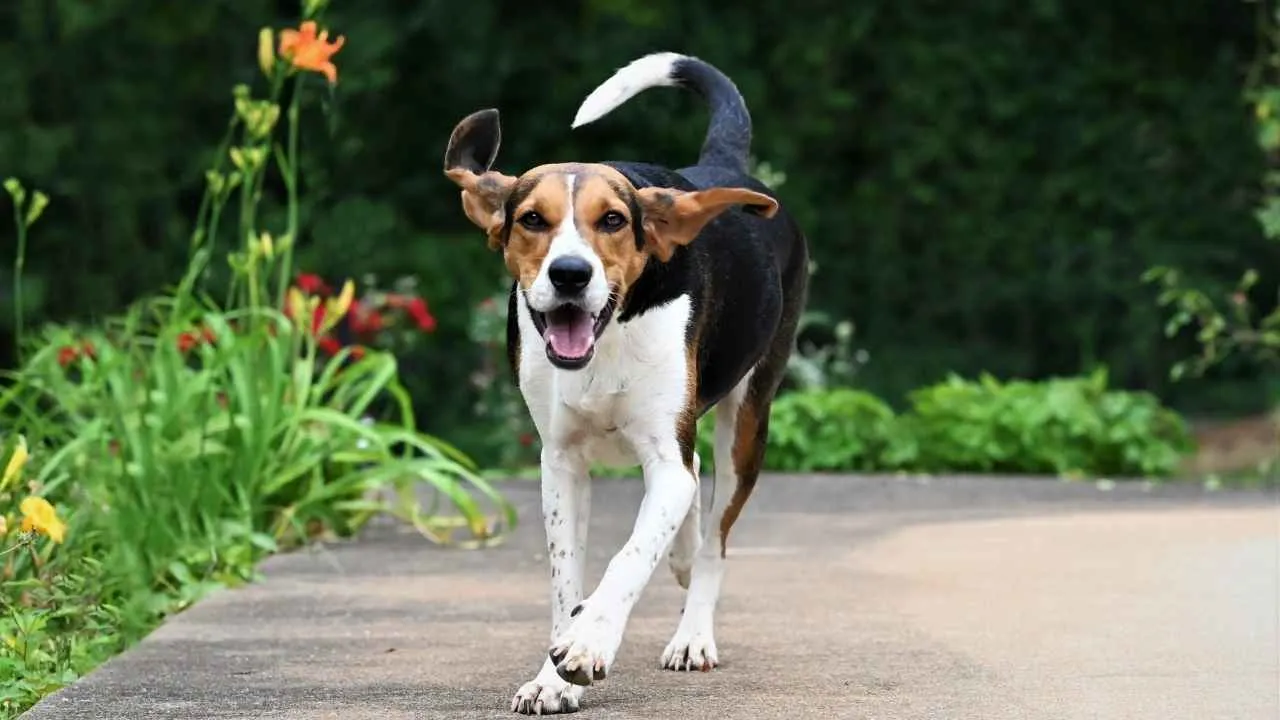
The breed has been serving hunters since the 17th century in cornering and catching big game, especially raccoons. Credit goes to Thomas Walker, who modified the breed, making it the most versatile dog: family companionship, dog shows, and competitions (field trials and canine events).
Well-muscled and angular thighs give it the stamina to cover long distances over a short period of time. Thick pads and well-arched toes provide durability and excellent grip, and protect the paws from getting hurt. The short, glossy, and tight outercoat makes the coat tough and repels water, dirt, and mud.
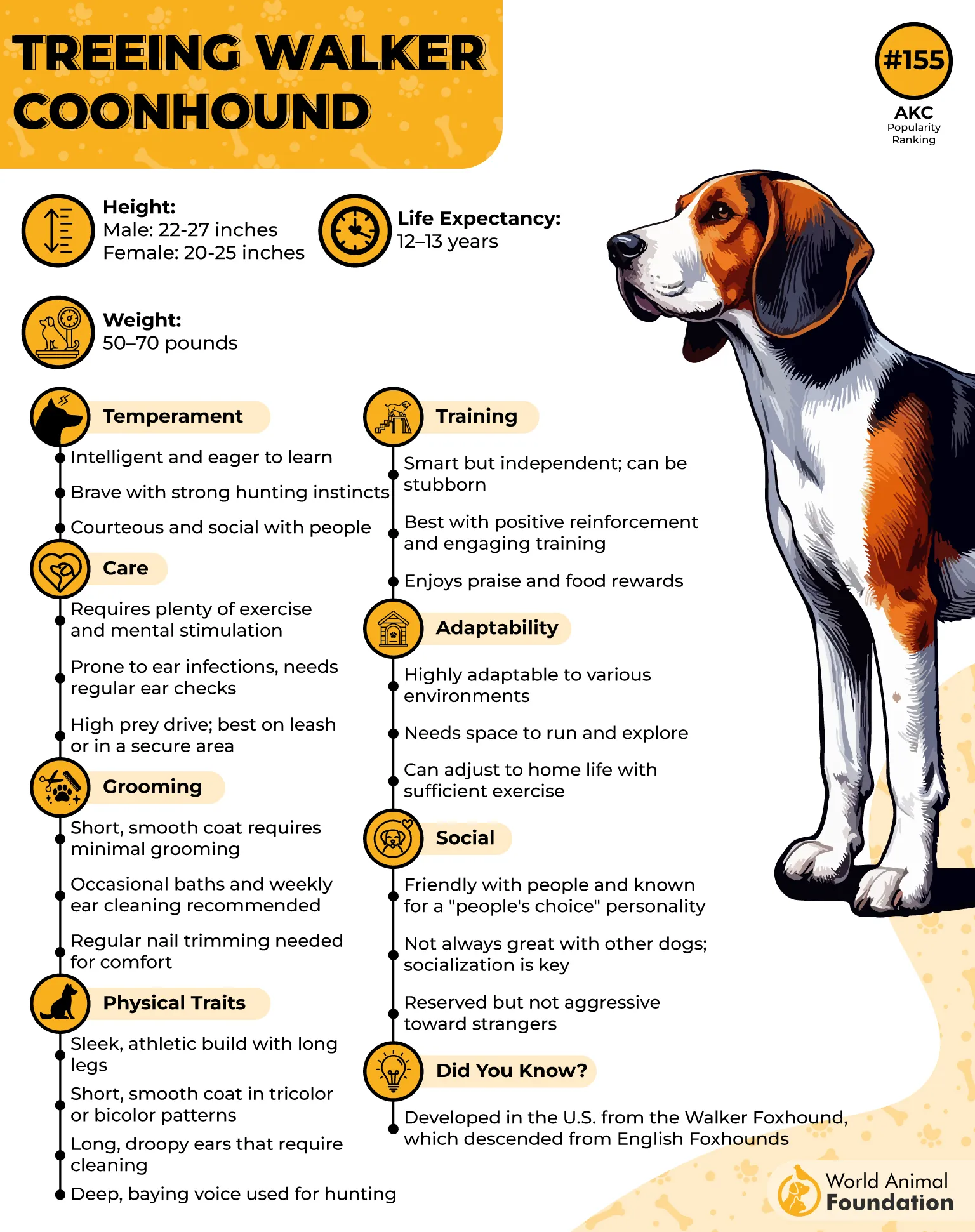
With up to 300 million olfactory receptors (40 times more than humans), it has a strong sense of smell. Its loud bark can travel up to 3 miles in quieter and hilly areas, and 1-2 miles in flat lands, making the communication easier with the hunter.
Since it is an independent breed, it tends to work separately and may become stubborn, leading to selective hearing; thus, obedience training and proper socialization with positive reinforcement are non-negotiable.
9. English Springer Spaniel
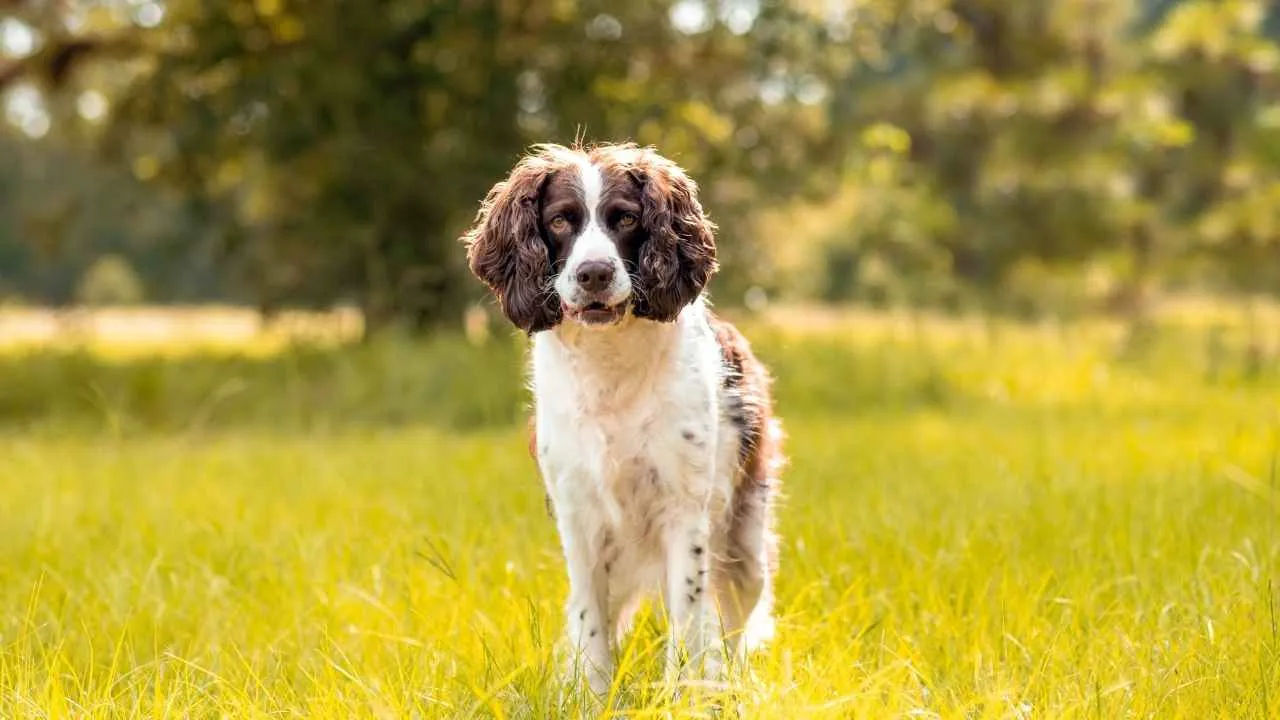
The breed is given the name because of its ‘springing game’ in the field. It springs the game out of the cover towards waiting guns. Unlike traditional Springer Spaniels, this dog can perform various hunting tasks: it quarters to scan the area, intercepts fast-moving birds while silently tracking the scents with its head down, and jumps really high to force the bird to fly in the air so the hunter can shoot.
This tracking dog then ‘hups’ or sits instantly as soon as the bird is flushed, and the gun is shot. Once the game falls on the ground, it rushes towards it and brings it to the hunter using its ‘soft mouth.’ Because of its unique physical structure, it can retrieve the game from both the water and the land.
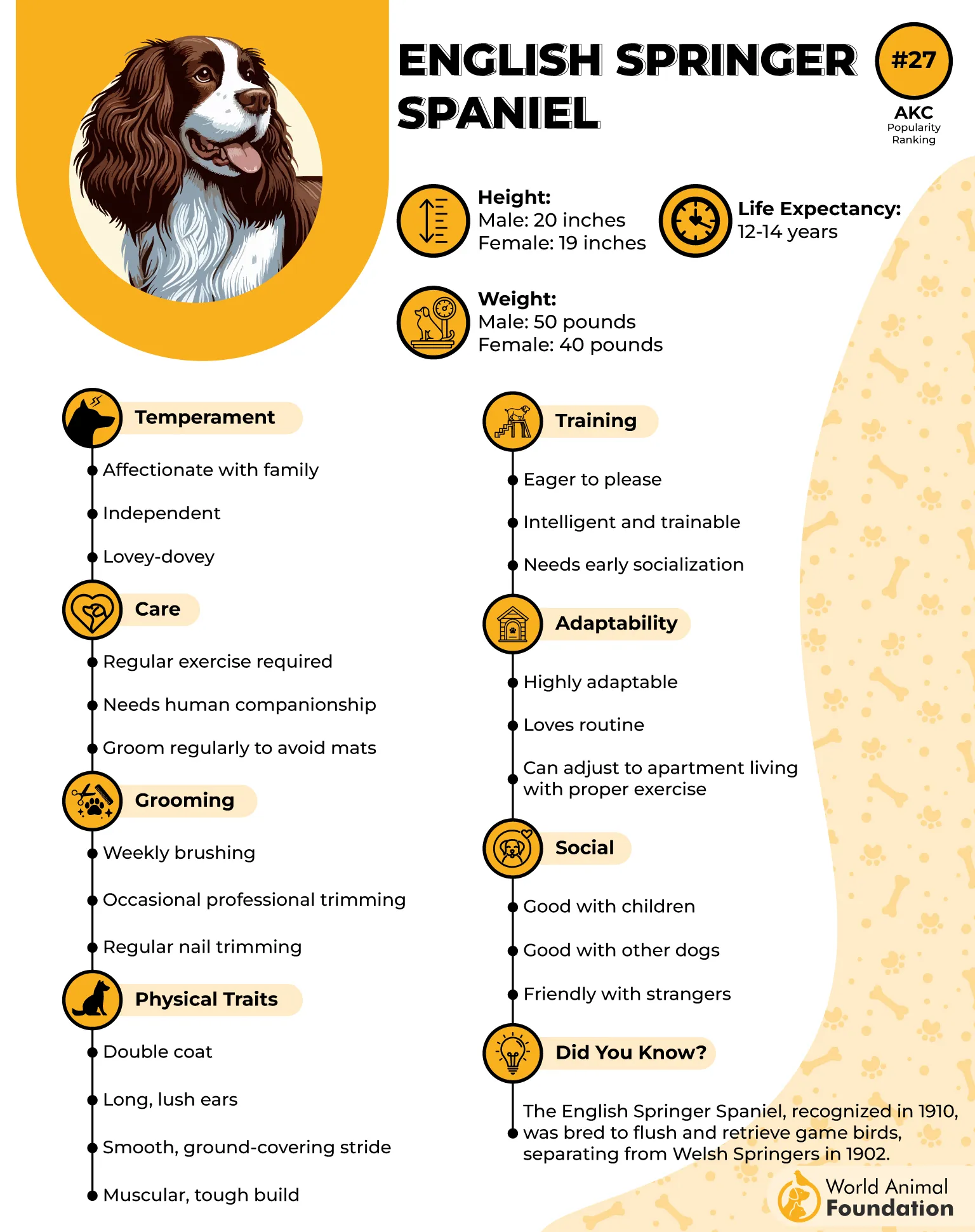
Weighing around 40-50 pounds and standing 19-20 inches, the English Springer Spaniel has a perfect strength-to-weight ratio. It has lobular ears, webbed paws, and a rugged outercoat, protecting it from thorns and harsh climates. The head goes up to catch air scent (while flushing), and goes down to catch ground scent (tracking).
10. Labrador Retriever
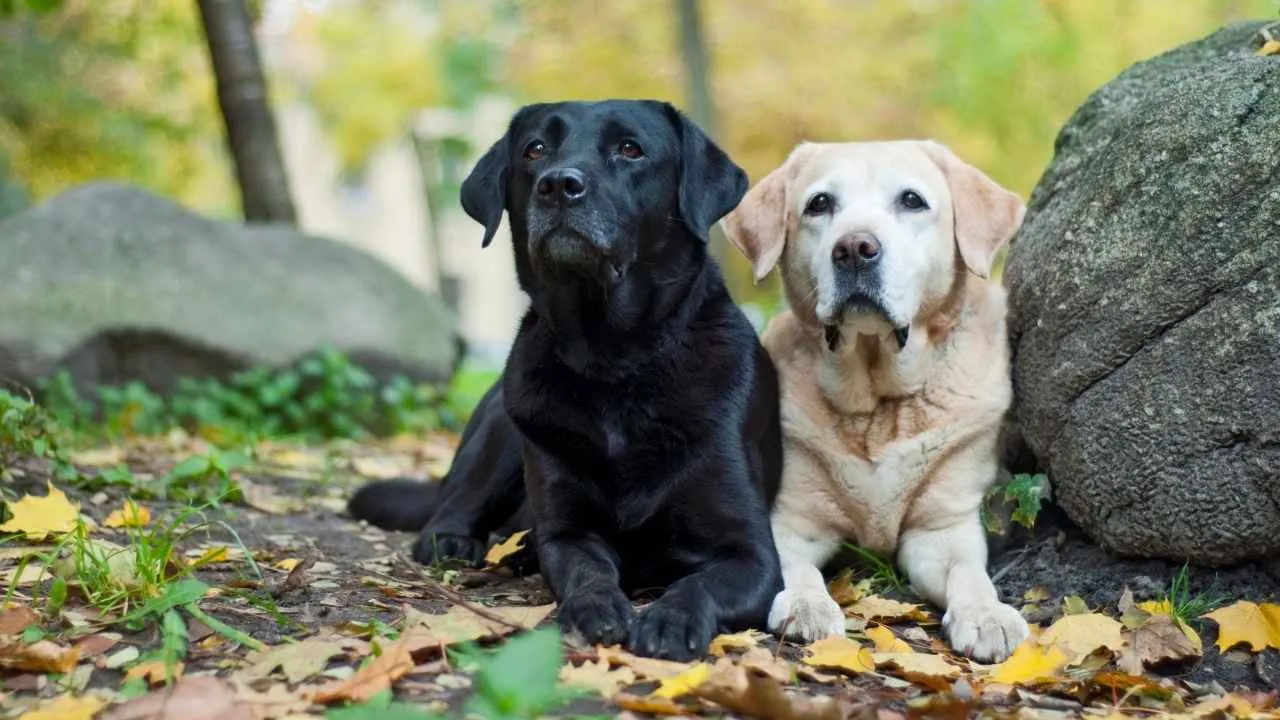
Originally bred in Canada in the 19th century as a water dog, the Labrador Retriever was developed by crossing a Newfoundland with other water dogs. It was imported to England in the 1830s, where it served as a hunting retriever.
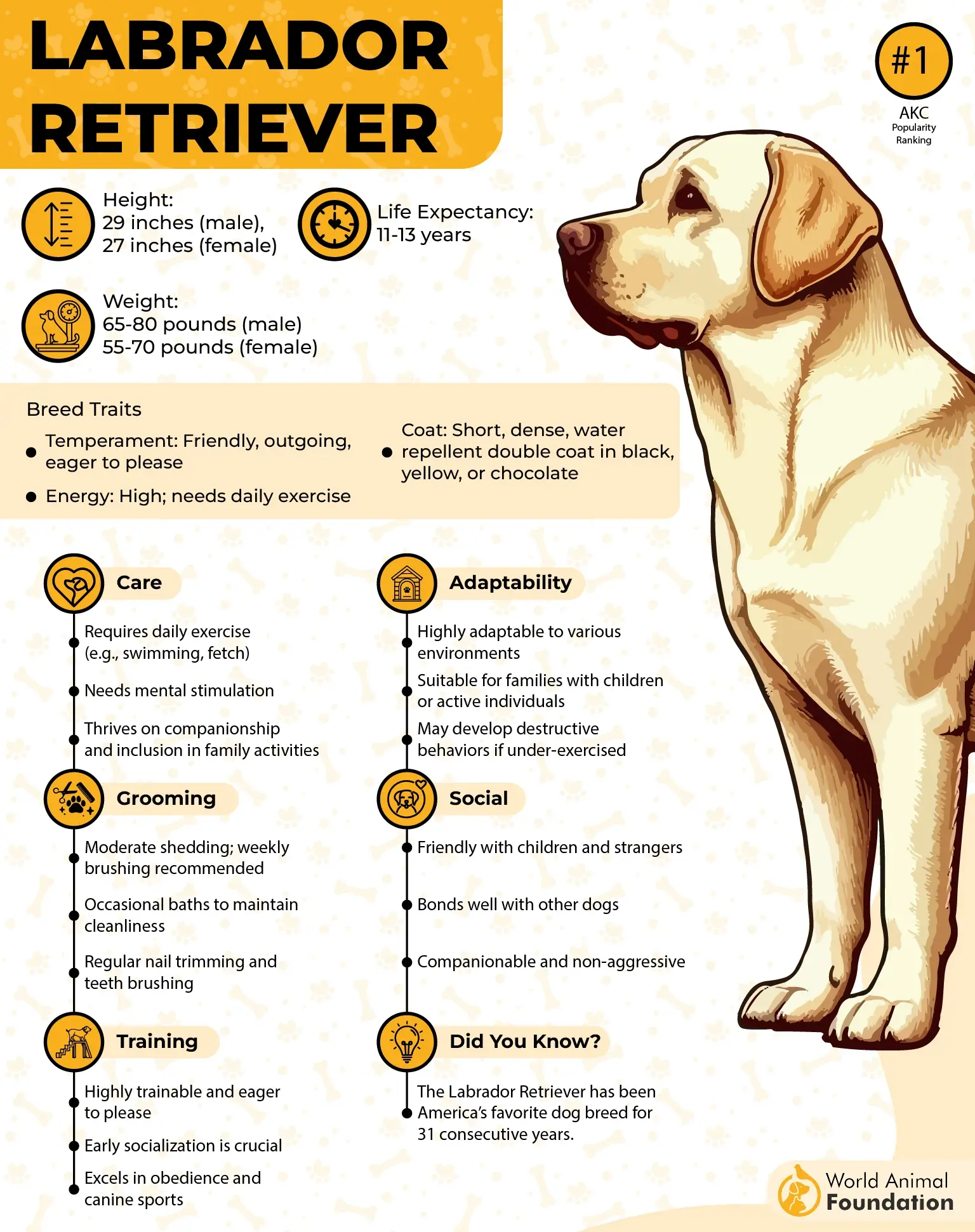
Long toes are connected by skin membranes, acting as natural paddles. The ‘Otter tail’ is thick at the base and tapered at the tip, allowing for rapid maneuvers in water. The short outercoat repels water, while the undercoat acts as a thermoregulator. It has an extensive olfactory epithelium and wide nostrils to catch the maximum scent molecules.
The Lab has a high success rate of completing a task, compared to a German Shepherd and a Golden Retriever. Its high intelligence makes it play different roles: rescuing from water, assistance, police and military work, and drug detection. It was used as a tracker dog in the Vietnam War, alerting handlers to the snipers and finding an injured enemy.
Conclusion
Whether you are looking for a dog that can track a scent through three days of rain, flush birds from impossible brush, or tree a raccoon at midnight, this list has your answer. Each of these breeds was built with a specific purpose, refined over generations, and tested in the real world.
Choosing the right hunting dog is not just about instinct and nose power. It is about finding the breed that matches your hunting style, your terrain, and your personality. A Bloodhound needs patience. A GSP needs action. A Lab just needs to be near you.
