




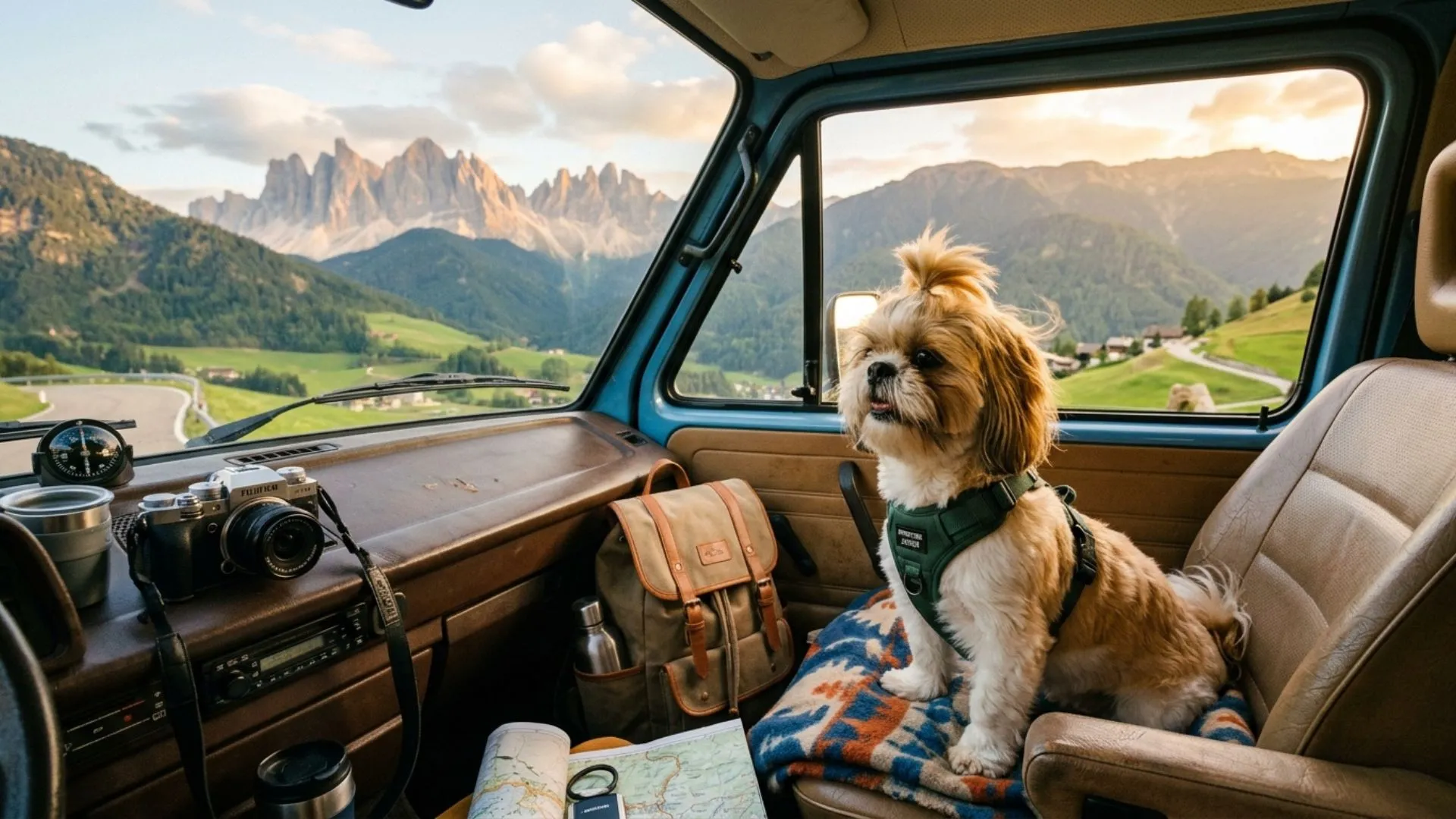
Traveling with a dog sounds dreamy until your tiny bestie starts side-eyeing the airport like they just got cast in a survival show. The good news is that many small breeds can become elite travel companions when you match their personality, health needs, and comfort level with the right type of trip.
AVMA recommends planning early, checking health paperwork, keeping ID updated, and never assuming every destination has the same pet rules. USDA APHIS also reminds travelers that interstate and international pet travel may require specific documents, vaccines, or certificates. Basically, your dog may be tiny, but the admin can be jumbo.
Below are the small breeds that often fit beautifully into travel lifestyles, plus the unique ways each one handles planes, cars, hotels, city walks, beaches, parks, and family vacations. Each breed brings a different kind of chaos, charm, and cuddle-to-carry ratio. Let’s get into the furry travel squad.
Best Dog Breed for Your Travel Plans
1. Chihuahua
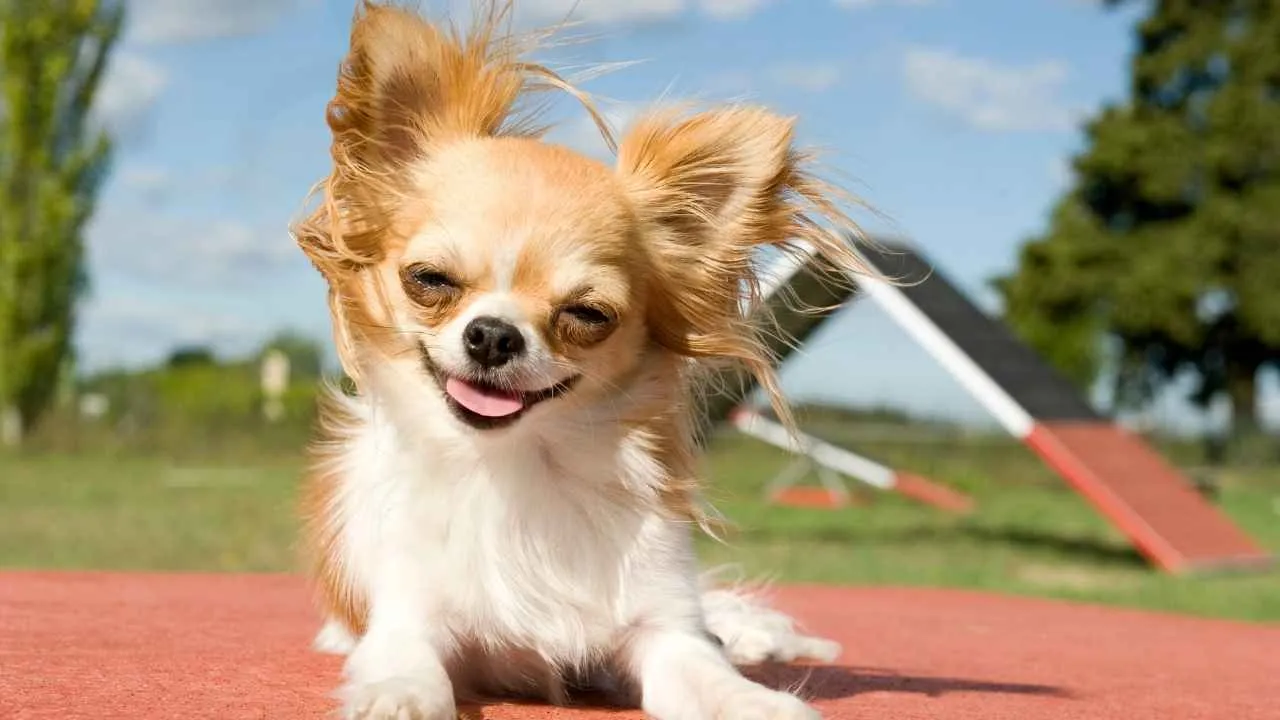
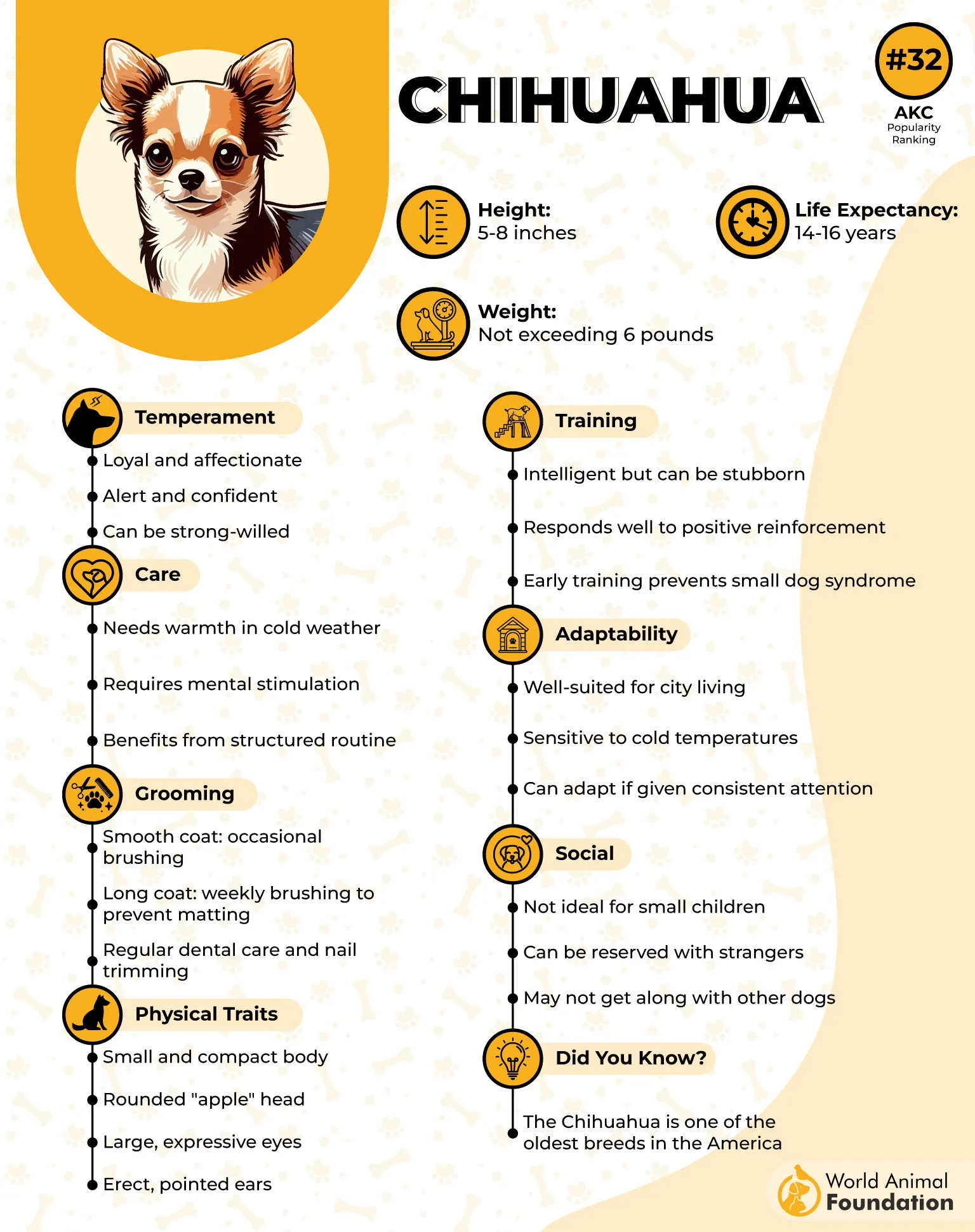
Chihuahuas are tiny enough to fit into many airline-approved soft carriers, which makes them a popular pick for cabin travel. Their size is convenient, but their confidence is basically larger than the overhead bin.
The biggest travel safety move for a Chihuahua is identification, especially because this breed is small, fast, and easy to lose in unfamiliar places. A registered microchip, a readable ID tag, an updated phone number, and a recent photo are all non-negotiable.
Many experienced owners also keep digital vaccine records on their phone because paperwork loves disappearing at the worst possible moment.
Car rides can go either way with Chihuahuas, because some nap like royalty while others act like the vehicle personally offended them. Short practice drives, a booster seat, a familiar blanket, and a vet-approved motion-sickness plan can help build better car memories.
Air travel requires extra planning because every airline has its own carrier dimensions, pet fees, health document rules, and cabin limits. Most owners prefer keeping a Chihuahua in the cabin instead of cargo, since cargo can involve stressful noise, temperature changes, and separation.
Calling the airline before booking is the grown-up move, even if the vibe is spontaneous vacation mode.
When compared to other dogs, they are temperature-sensitive, so destination climate matters more than people expect. Cold airports, hot parking lots, windy beaches, and air-conditioned hotel rooms can all affect a small dog quickly. Pack like your Chihuahua has three moods: cozy, thirsty, and suspicious.
Essentials To Pack
Bring a soft-sided airline carrier with a washable liner, because tiny dogs deserve first-class comfort even under the seat.
Add a sweater or cooling bandana, depending on the destination, since Chihuahuas are not built for extreme weather cosplay.
Keep a digital folder with vaccination records, microchip details, hotel policies, and airline confirmations for smooth check-ins.
2. Pomeranian
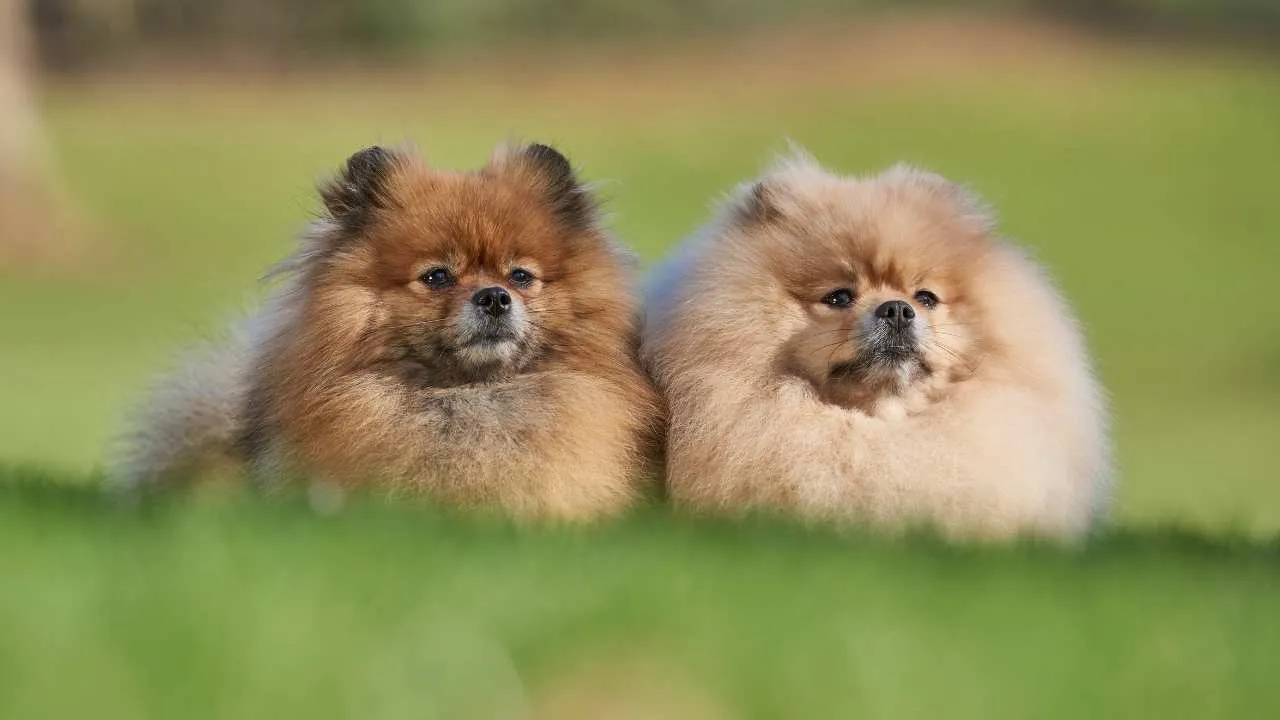
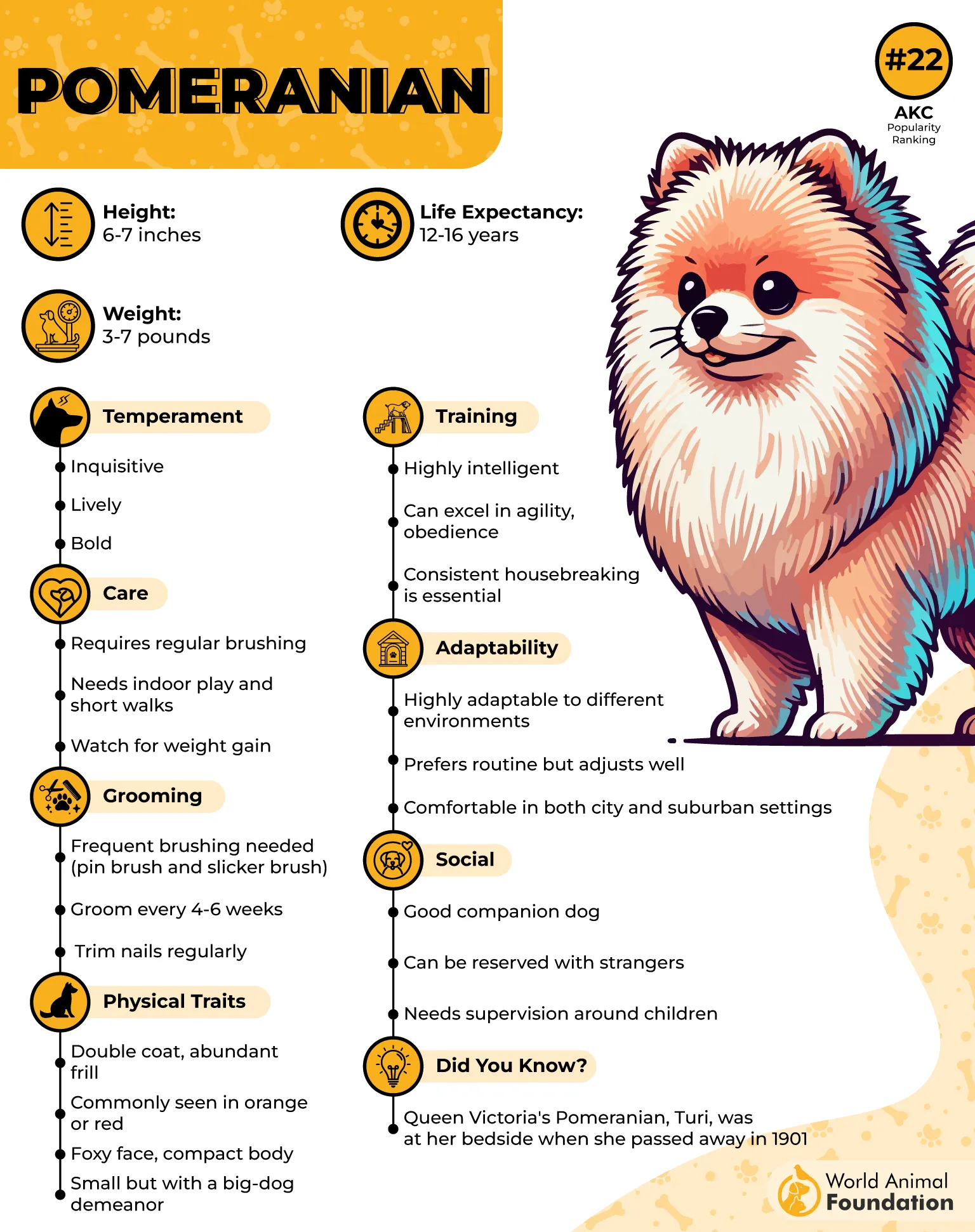
Pomeranians travel with the energy of a celebrity arriving at fashion week, fluffy coat and all. They are playful, alert, affectionate, and often very attached to their person, which can make travel emotionally easier if they are allowed to stay close.
Purina calls them lively, little dogs, and their small size helps with carriers, but their bold barking means social training matters before shared spaces.
A Pom may look like a plush toy, but this breed can be surprisingly active and often enjoys walks, parks, and outdoor exploring. That is great for road trips with scenic breaks, but it also means your itinerary should include safe movement time.
For flights, owners should check airline rules early because carry-on pet spaces are limited and carrier size rules are strict. A Pomeranian should be comfortable inside the carrier before travel day, not introduced to it while you are already standing in a security line.
Road trips can be smoother when a Pomeranian rides in a secure crate, carrier, booster seat, or dog restraint instead of a lap. Even if your Pom campaigns hard for front-seat cuddles, that campaign should lose. A safe setup with airflow, absorbent bedding, and familiar scent items can keep both the dog and driver calmer.
The coat is another travel factor because Poms can overheat under all that glam. Fresh water, shaded stops, cooling breaks, and never leaving them in parked cars are essential. If your destination involves humid summers, crowded events, or long outdoor dining, plan Pom-friendly pauses like you are managing a tiny, fluffy influencer.
Essentials To Pack
Slip in a grooming comb and detangling spray, because travel mats can appear faster than vacation receipts.
Use a secure booster or carrier setup that lets your Pom see out without roaming the cabin.
Carry a lightweight blanket that smells like home to help reduce barking in unfamiliar hotel rooms.
3. Shih Tzu
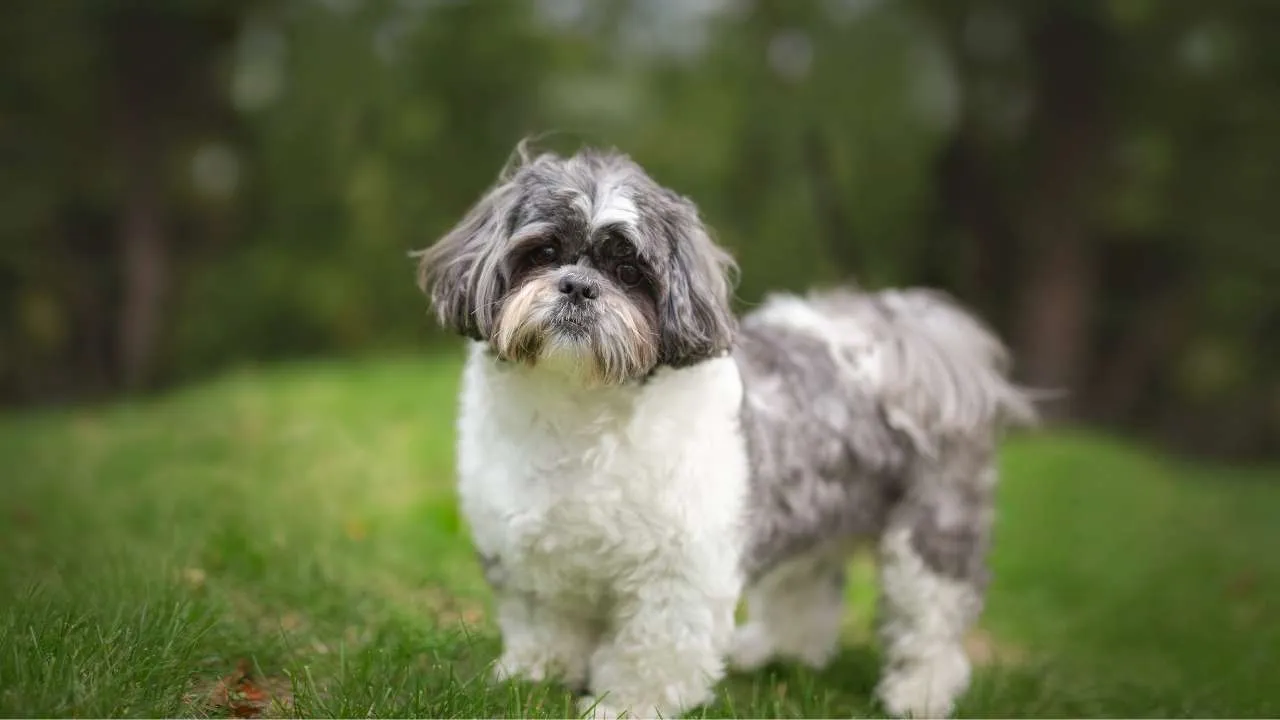
Shih Tzus’ companion-dog history makes them excellent for travelers who want a relaxed, cuddly sidekick instead of a marathon hiking partner. They usually enjoy being near their humans, which is adorable until you realize privacy has left the chat.
This breed can adapt well to car travel when introduced gradually and secured properly. Short practice rides, carrier naps at home, and positive rewards help make the travel setup feel like a cozy den instead of a suspicious box.
Long trips should include water breaks, potty stops, and gentle walks to prevent stiffness and stress.
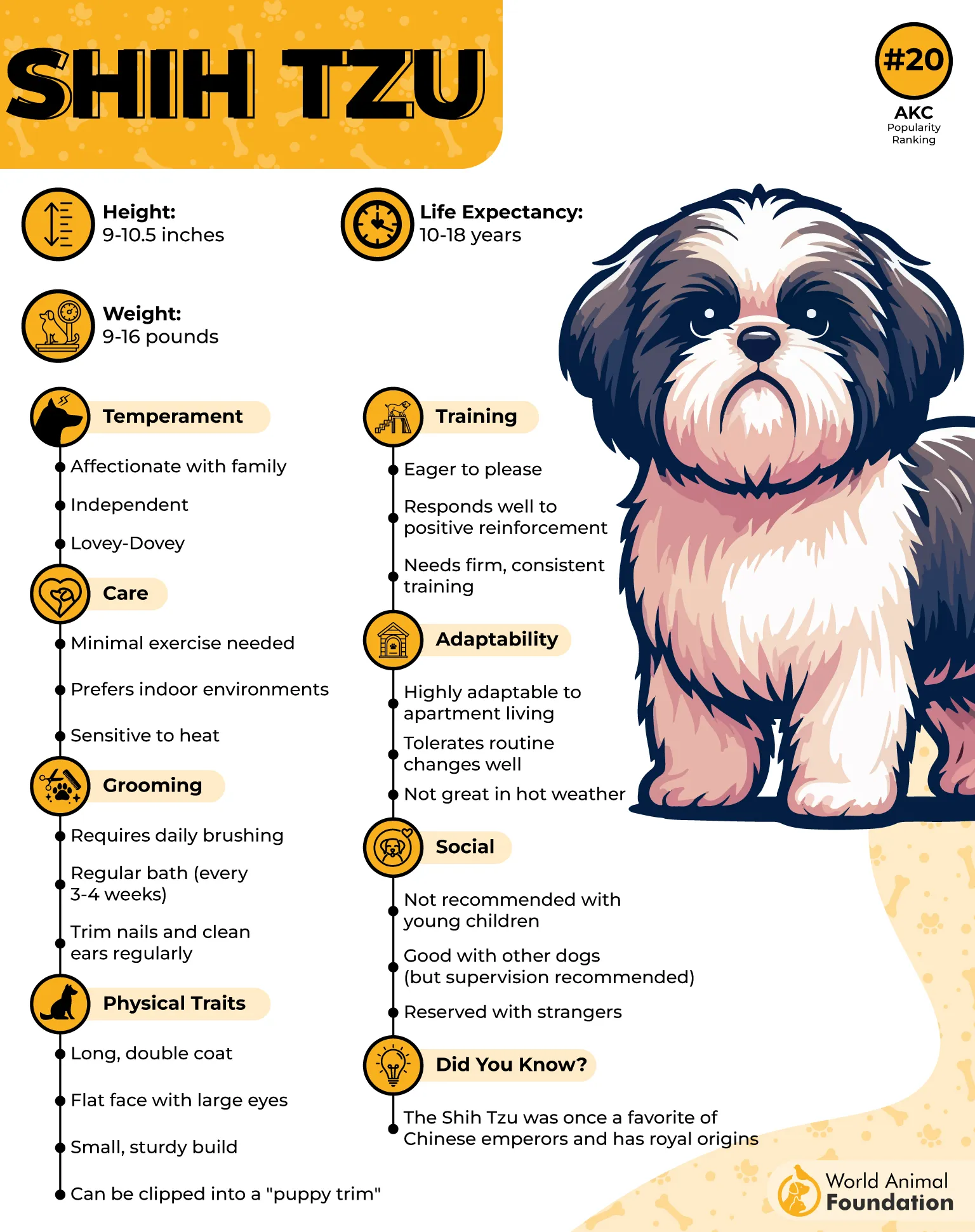
Flying with a Shih Tzu needs extra care because the breed is brachycephalic, meaning the face is shorter and breathing can be more sensitive. A vet check before air travel is smart, especially for puppies, seniors, overweight dogs, or dogs with snoring, coughing, or heat intolerance.
Direct flights, cooler travel times, and in-cabin arrangements are usually safer choices than complicated layovers.
Grooming is part of the travel equation because long coats collect dust, grass, food crumbs, and mysterious hotel-floor particles. Wipes, a brush, and a small towel can save the day after rest stops or rainy sidewalks. Keeping the coat trimmed shorter for travel can make the whole trip lower-maintenance.
These ideal travel companions are great for slower vacation styles like family visits, cozy cabins, pet-friendly hotels, and café patios. They do not need extreme adventure to be happy, but they do need comfort, companionship, and predictable routines.
Essentials To Pack
Choose a ventilated carrier with enough room to turn around, since comfort is everything for this little lounge legend.
Pack grooming wipes, a soft brush, and an absorbent towel for post-potty-stop cleanups.
Bring a familiar toy or blanket to turn hotel rooms into “palace mode” instead of panic mode.
4. Yorkshire Terrier
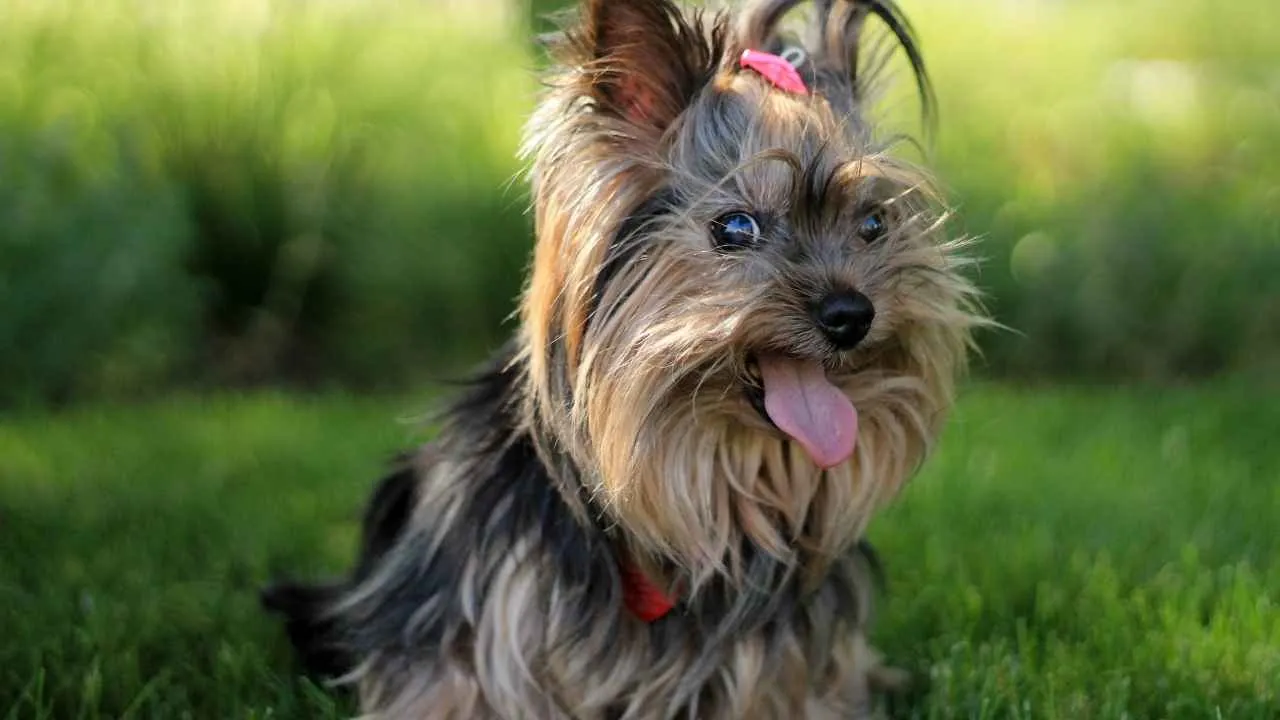
Yorkshire Terriers bring big-city confidence in a tiny, silky package. They are portable, alert, and often very bonded to their owners, which makes them fun for road trips and short getaways. Still, Yorkies can be vocal or anxious if travel feels rushed, chaotic, or unfamiliar.
WebMD rightfully calls them watchful dogs!
Car sickness is a common issue for some Yorkies, especially if they cannot see outside or if the ride begins right after a meal. A booster seat can help by raising their line of sight, stabilizing their body, and giving them fresh airflow from a slightly cracked window.
Feeding lightly before travel and offering a dry biscuit instead of a full meal may also help prevent nausea.
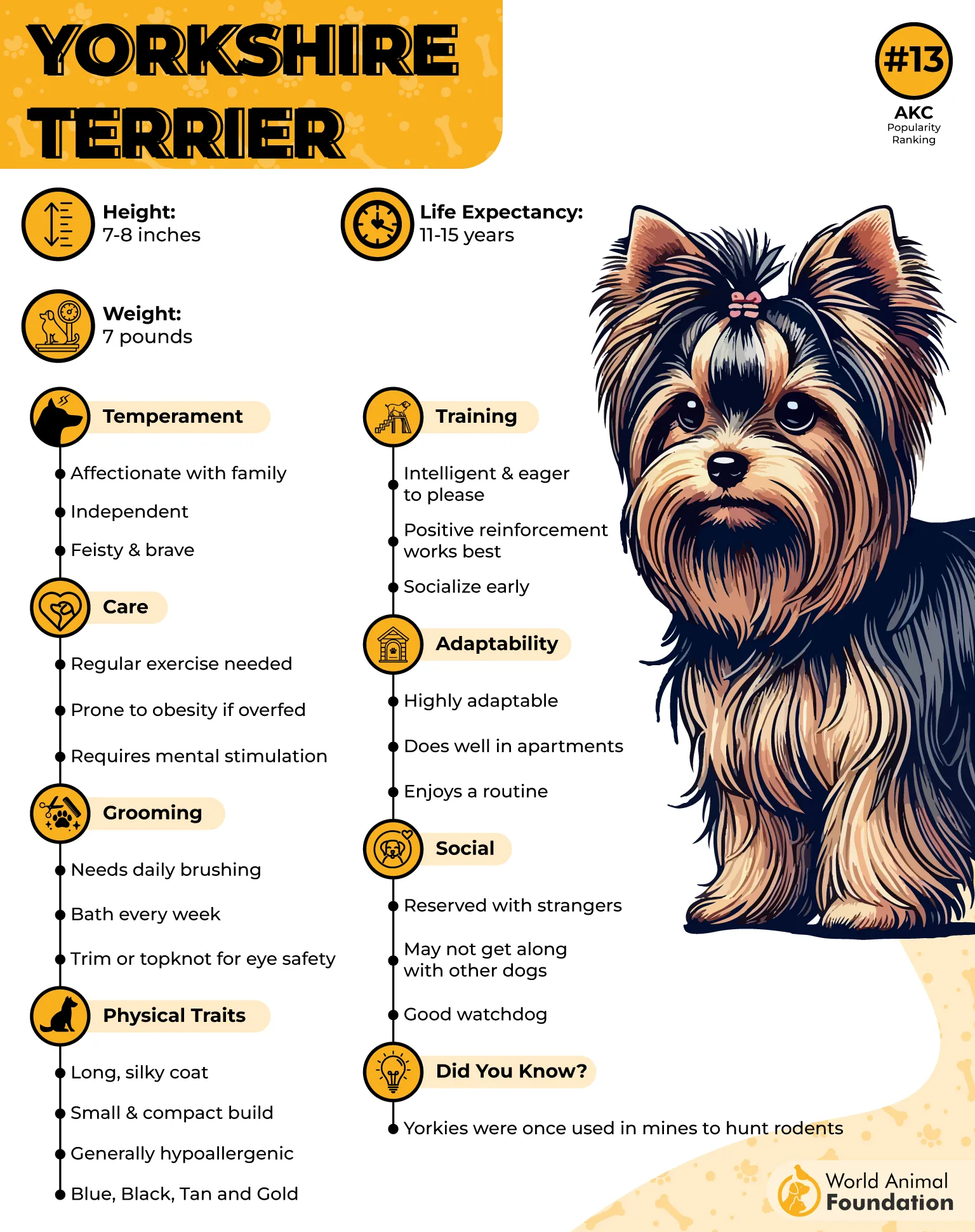
Desensitization training works well for Yorkies that dislike cars. Start with sitting in the parked car, then short drives to happy places like a park or a friend’s house. Special “car-only” toys can make the vehicle feel less like a moving nightmare and more like a private VIP lounge.
For flights, Yorkies are usually small enough for in-cabin travel, but airline carrier requirements still matter. The dog should stay inside the carrier during the flight, so training ahead of time is crucial. If your Yorkie is anxious, talk to a veterinarian before the trip instead of guessing with calming products.
Yorkies shine on city breaks, hotel stays, and short-distance adventures where they can be part of the action. They may not love rough terrain or extreme temperatures, but they do love being included. Keep them leashed in new places.
Essentials To Pack
Carry car-only enrichment toys so your Yorkie associates ride with rewards, not chaos.
Use a raised booster seat for road visibility, better airflow, and a steadier travel posture.
Stash a small grooming kit, because silky coats can go from cute to tangled after one windy walk.
5. Pug
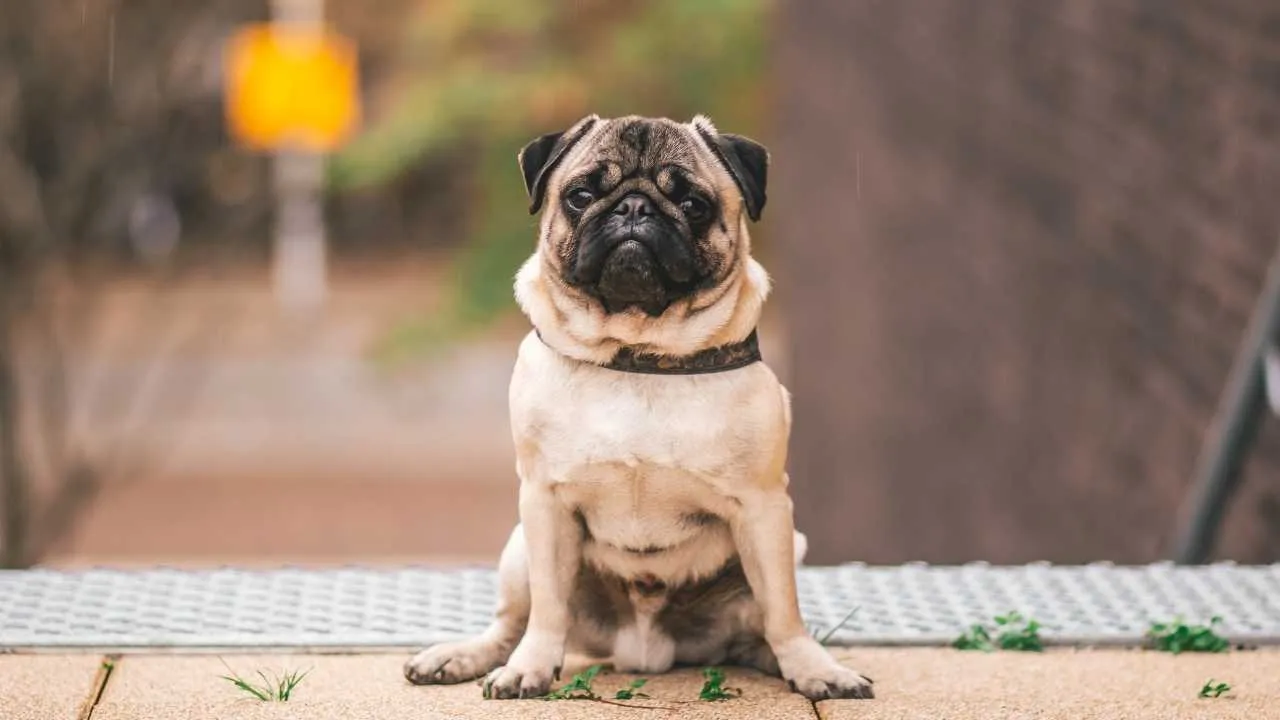
Pugs are hilarious, affectionate, snack-motivated little comedians, but travel planning for them needs extra seriousness. Because they are brachycephalic, they can struggle more with heat, stress, humidity, and breathing during travel. This does not mean every Pug can never travel, but it does mean “winging it” is not the move.
Flying with a Pug requires direct airline confirmation before booking because many carriers have restrictions for flat-faced breeds. Some airlines limit or ban brachycephalic dogs in cargo due to increased health risks, especially during warm weather.
In-cabin travel, direct flights, cooler departure times, and vet clearance are the safer lane when air travel is unavoidable.
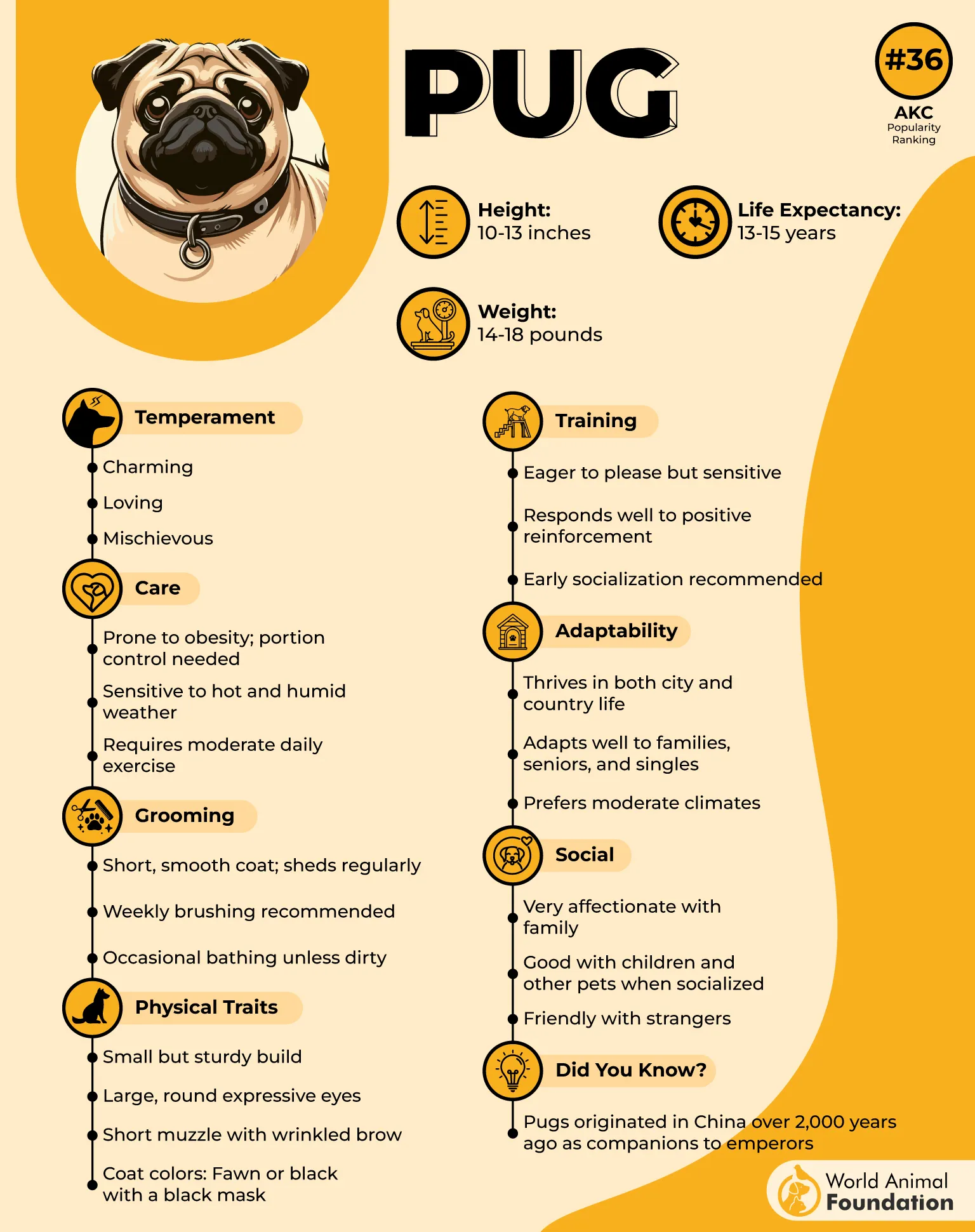
Heat management is the Pug parent’s main character arc. Never leave a Pug in a parked car, avoid midday summer walks, and watch for heavy panting, drooling, weakness, or distress. A cooling mat, water bowl, shade plan, and quick exit strategy from hot places can make a major difference.
Road trips can be fun for them if they are cool, secure, and not overfed before departure. A pre-trip potty walk can help them relax, and frequent rest stops prevent overheating and stiffness. Keep the car comfortably cool, because a Pug overheating is not “being dramatic”; it can become dangerous fast.
Pugs do best with relaxed itineraries, pet-friendly indoor stops, and owners who notice subtle breathing changes. They are fantastic companions for cozy vacations, family visits, and slower-paced trips with plenty of cuddle breaks.
Essentials To Pack
Add a cooling mat, collapsible bowl, and extra water because Pugs need heat support like phones need chargers.
Bring vet-approved eye drops if recommended, since cabin air and wind can dry out prominent eyes.
Keep ice packs in a sealed bag or cooler for emergency cooling support during warm-weather travel.
6. Havanese
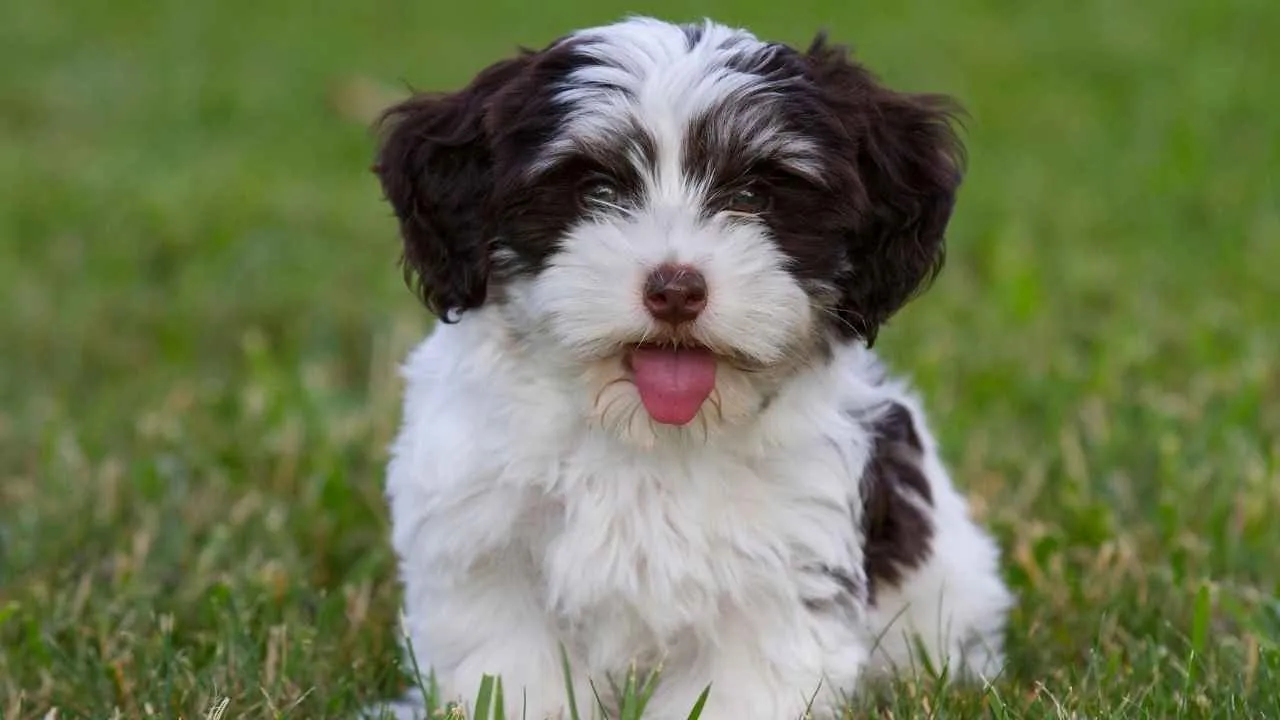
The Havanese is Cuba’s national dog and a cheerful little companion with serious social butterfly energy. This breed is typically friendly, adaptable, and light enough for many carriers, which makes it a strong contender for travel lovers.
These dogs often adjust well to new environments when they are properly socialized. That adaptable personality helps with vacations, road trips, and stays in pet-friendly rentals. Still, they need gradual exposure to carriers, car sounds, elevators, crowds, and new smells before a major trip.
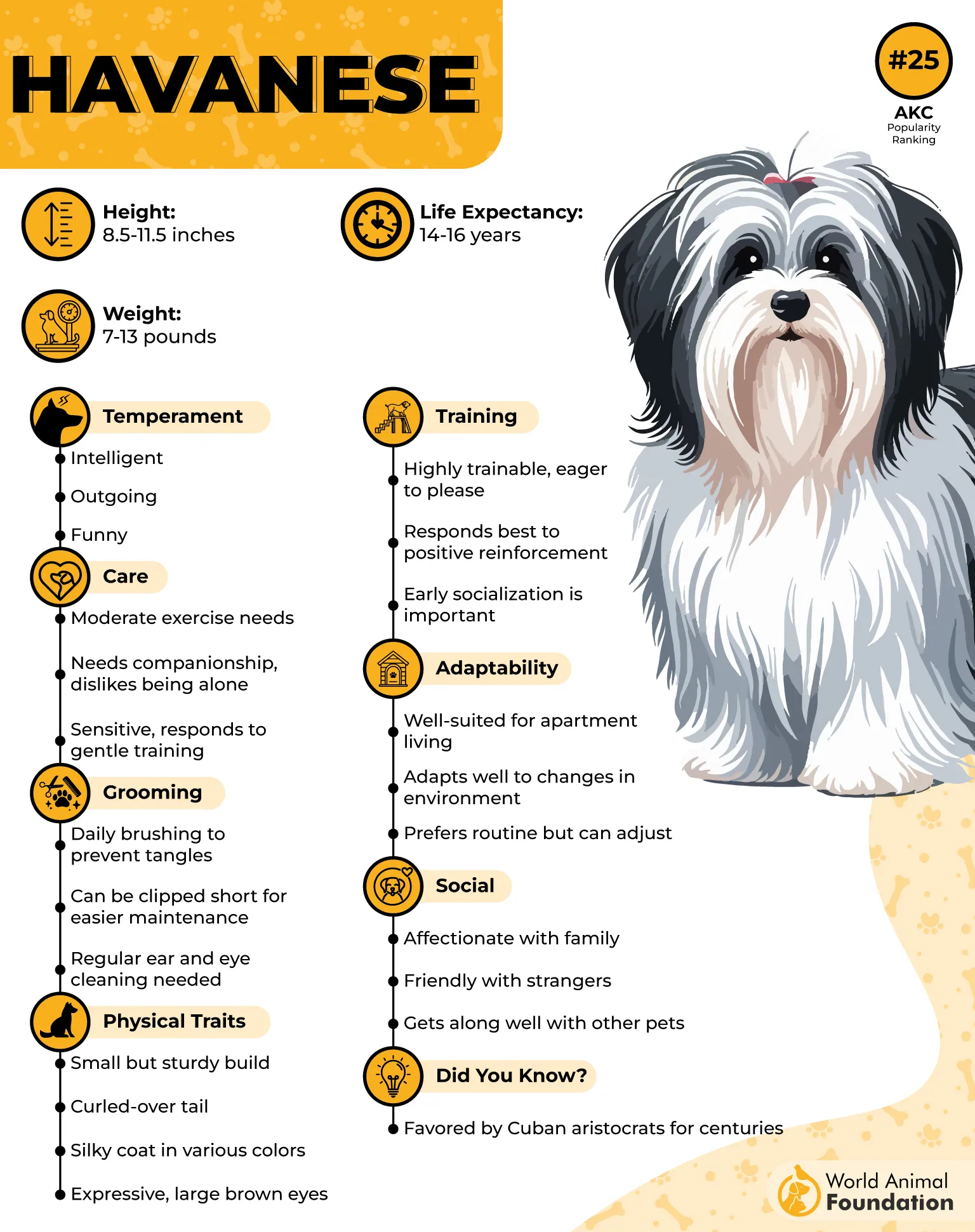
Coat care is the hidden travel homework with this breed. A long Havanese coat can look stunning, but it needs regular brushing to prevent mats, especially after outdoor adventures. Many owners choose a shorter travel-friendly cut because a vacation should not become a daily detangling documentary.
Reddit dog owners say they can get barky, so it’s better not to leave them alone for long periods!
Planning is where Havanese travel really shines. Pet-friendly apps, mapped rest stops, emergency vet contacts, and confirmed accommodation policies can prevent last-minute stress. Their friendly nature makes them easy to include in dog-friendly restaurants, beaches, parks, and walking tours.
Because Havanese dogs bond closely with people, familiar routines matter. Keep feeding times, walk times, and bedtime rituals as steady as possible while on the road. A dog that understands the rhythm of the trip is more likely to relax and enjoy the adventure.
Essentials To Pack
Bring a brush, wipes, and coat-safe detangler so the vacation photos stay cute instead of chaotic.
Save pet-friendly parks, restaurants, and emergency clinics before leaving, because this breed loves being included.
Pack a cozy carrier with familiar bedding to help your Havanese settle quickly in new spaces.
7. Maltese
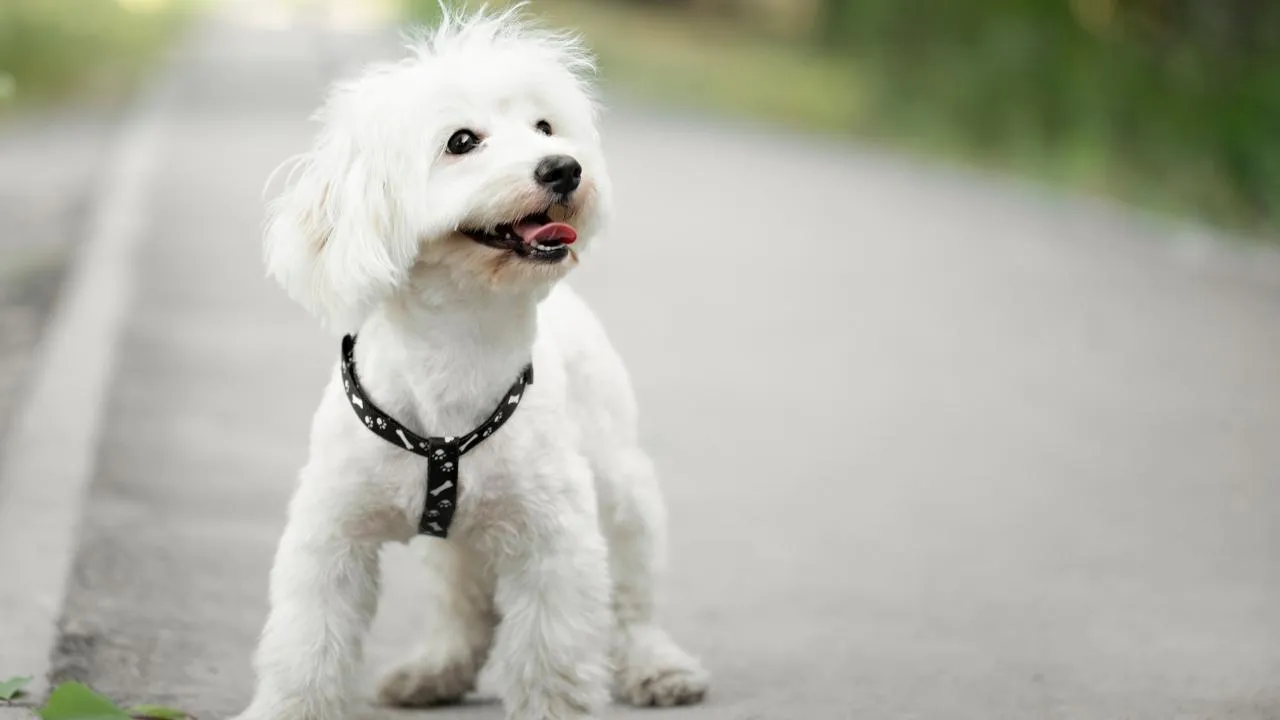
The Maltese is tiny, elegant, affectionate, and surprisingly adaptable when travel is handled gently. AKC claims that their small size makes them convenient for cars, trains, and many in-cabin flight situations. Their sensitive nature means they do best with comfort, routine, and a person who does not treat travel like a speed run.
Car safety is especially important for Maltese dogs because they are small enough to be badly hurt in sudden stops. A properly sized booster seat or secured carrier helps protect them while also giving them a better view outside.
That view can reduce motion sickness because the dog’s eyes and inner ear get more matching information.
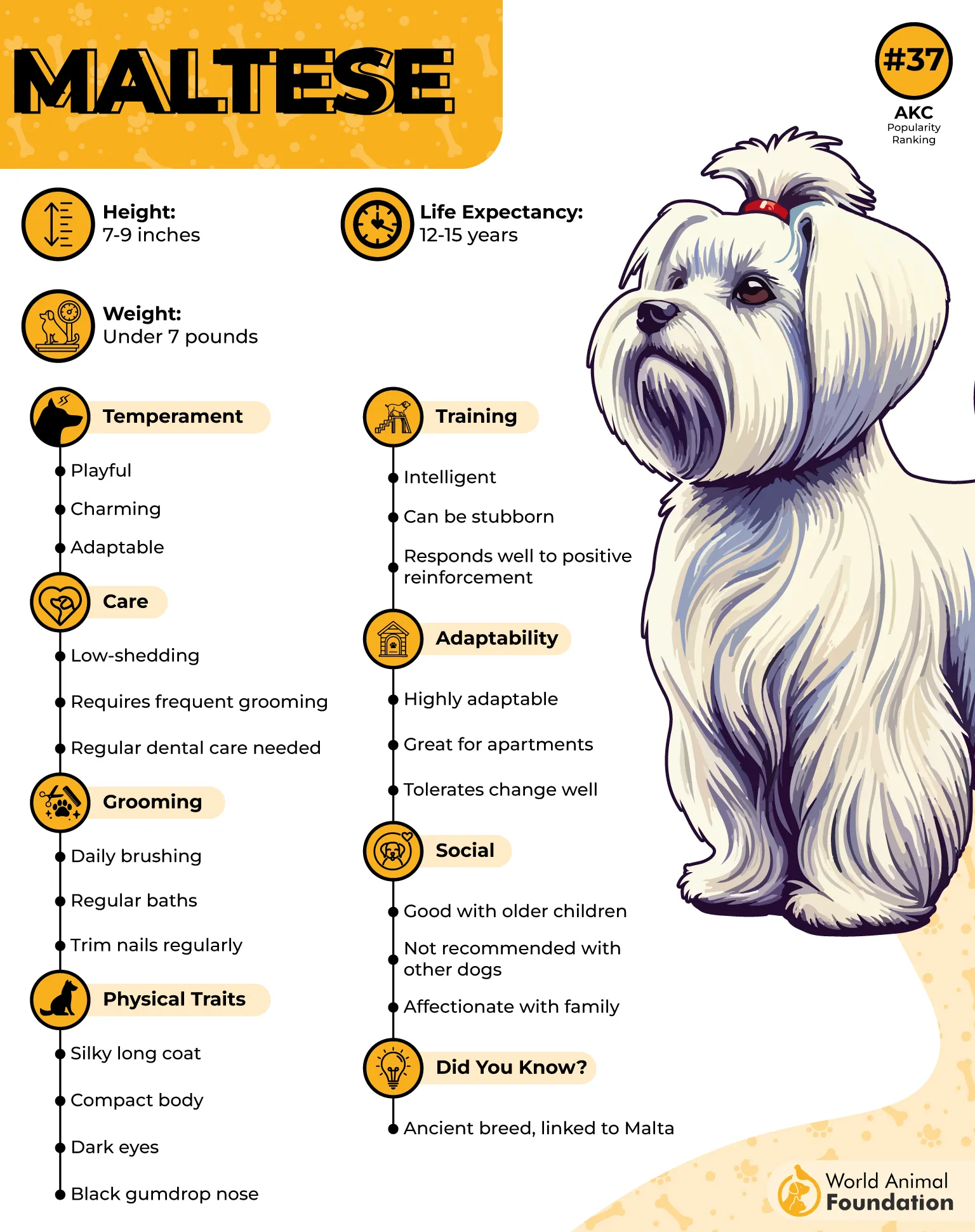
Some Maltese dogs experience car anxiety, nausea, barking, or restlessness during rides. Short practice trips, calm praise, and a stable seat can make travel feel less overwhelming. Avoiding a heavy meal right before departure can also help keep their stomach from entering villain mode.
Air travel may be possible with a Maltese, but airline policies must be checked early. A comfortable soft carrier, a health certificate if required, updated vaccines, and carrier training are all part of the prep. The goal is for the Maltese to feel like the carrier is a safe nap pod, not a surprise prison.
This breed is ideal for travelers who prefer boutique hotels, family visits, calm city strolls, and cozy destinations. They may not love muddy hikes or rough outdoor chaos, but they can absolutely thrive on elegant, well-planned trips.
Essentials To Pack
Use a toy-breed booster seat that lifts your Maltese high enough to see the road comfortably.
Bring soft bedding and a spare washable pad because comfort and cleanliness matter for this delicate traveler.
Keep a lightweight harness ready for safe hotel exits, rest stops, and airport security moments.
Final Thoughts
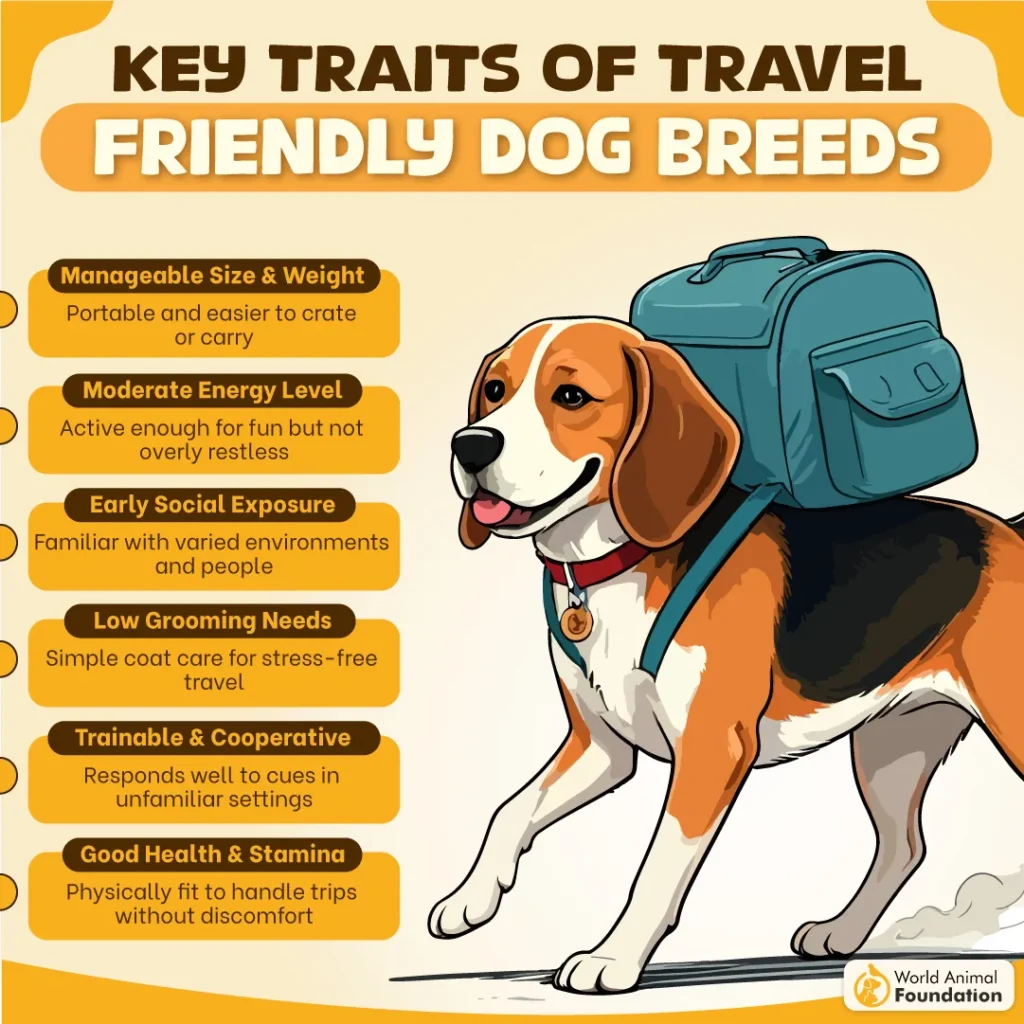
The best travel dog is not just the smallest dog or the cutest dog in the carrier. It is the breed whose health, temperament, grooming needs, energy level, and confidence match your actual travel style.
Before any major trip, schedule a vet check, confirm destination rules, verify airline policies, and practice the travel setup at home. Keep identification updated, use restraints in vehicles, and never leave your dog in a parked car.
The secret is simple: plan like a responsible adult, then enjoy the trip like your dog is your tiny, chaotic co-pilot. Bring the right gear, respect breed-specific needs, and build breaks into the itinerary. Your pup gets safety and comfort, and you get the kind of travel memories that absolutely deserve their own camera roll folder.
