




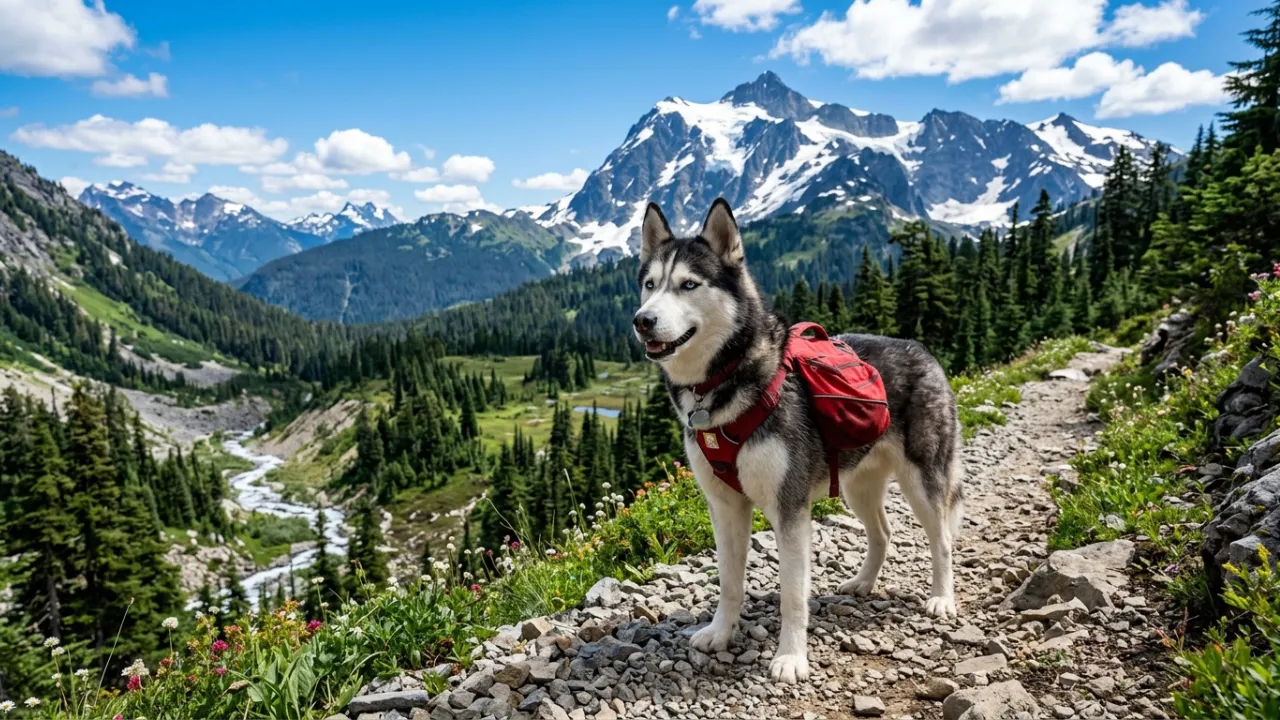
Ever dream of disappearing into the wilderness with nothing but a backpack, a winding trail, and a dog that treats every mountain, forest, and muddy path like its personal playground?
Picture this: The sun is just peeking over the horizon, birds are calling from somewhere deep in the trees, and your four-legged adventure partner is already ten steps ahead—tail wagging, nose working overtime, and acting as if it has been preparing for this expedition its entire life.
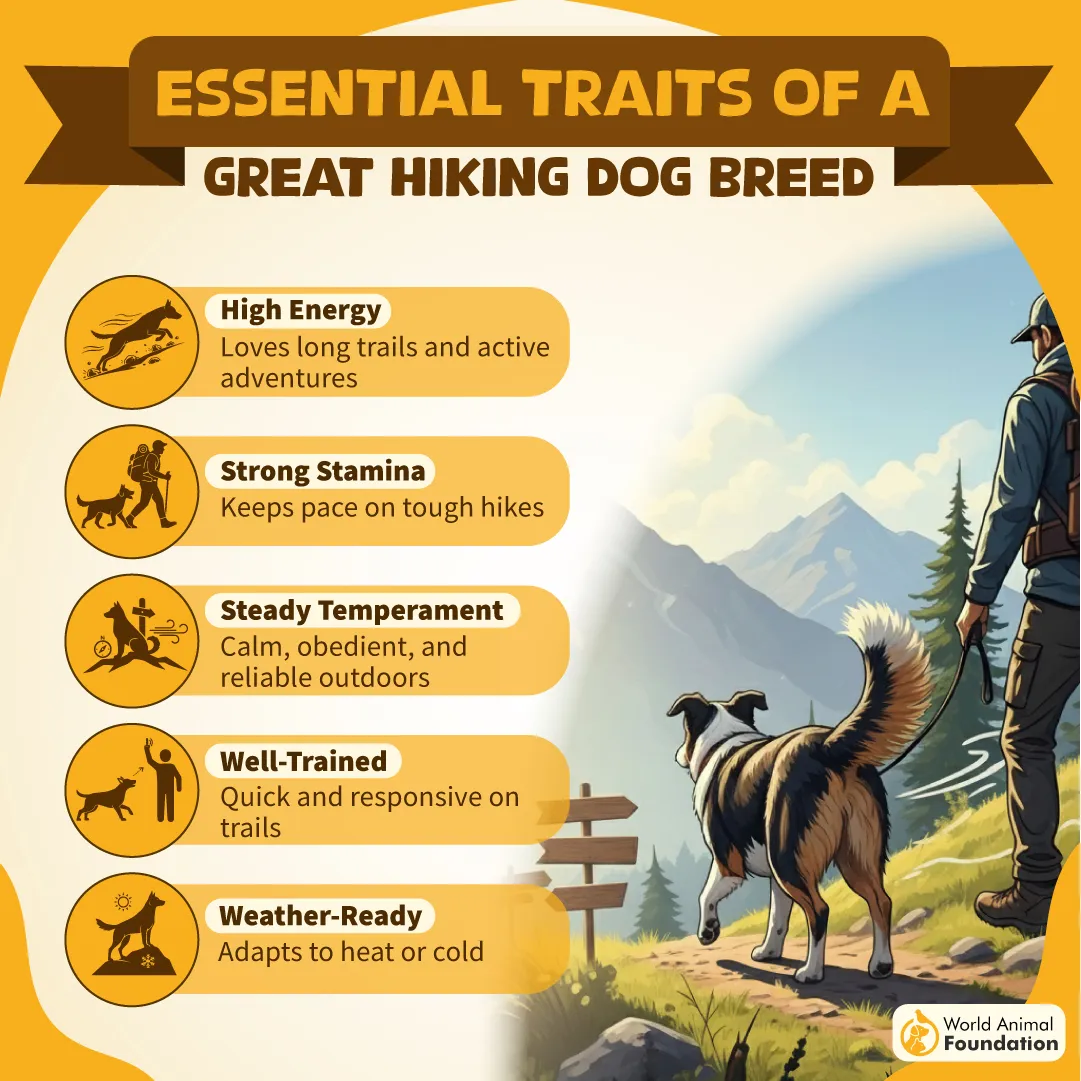
The funny thing is, not all dogs are built for life beyond the pavement. Some are ready to tackle rocky terrain, splash through icy streams, and trek for hours without breaking stride. Others might look at a steep hiking trail the same way most people look at a surprise Monday morning meeting.
For outdoor enthusiasts, choosing the right canine companion can make the difference between an unforgettable adventure and a very long walk filled with frequent rest stops.
The best wilderness dogs combine stamina, intelligence, confidence, and a genuine love for exploring the unknown.
So, which breeds are happiest when the road ends and the real adventure begins?
Did You Know?
Many working and sporting dog breeds were originally developed to travel long distances across rugged landscapes while assisting hunters, herders, and explorers. Their natural endurance, strong instincts, and adaptability still make them exceptional companions for wilderness adventures today.
Best Dog Breeds for Wilderness Exploration
1. Vizsla
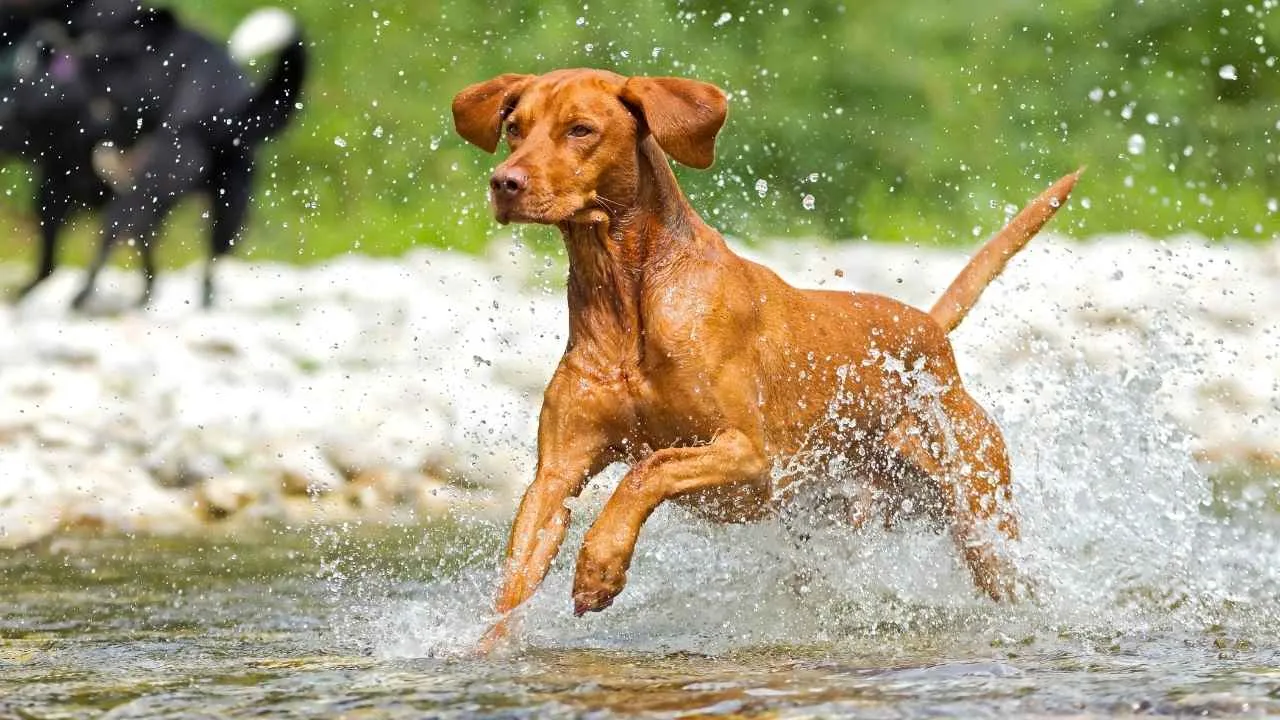
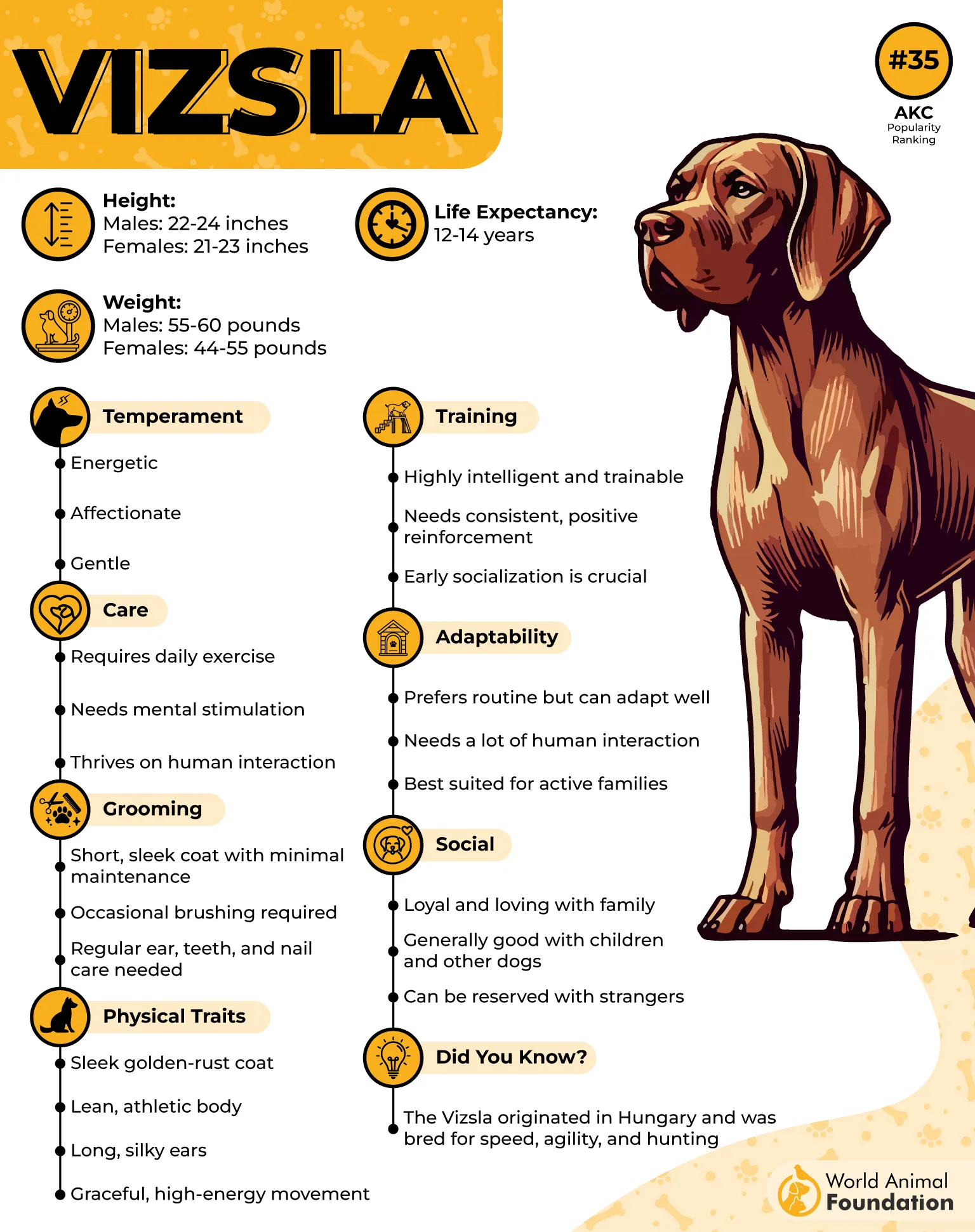
The Vizsla brings a unique advantage to wilderness exploration. Unlike many hunting breeds that roam far ahead, it naturally stays close to its owner, making it easier to manage on remote trails and in unfamiliar terrain. This habit earned it the well-known nickname “Velcro dog.”
Originally developed in Hungary for hunting across fields, woodlands, and dense cover, the Vizsla combines speed with remarkable stamina.
It can travel for hours alongside hikers while remaining alert and ready to navigate challenging ground, as stated by Omlet.
Streams, lakes, and wet terrain rarely slow this breed down. Many Vizslas enjoy swimming and confidently enter the water, making them useful companions for adventures that include river crossings or waterside campsites.
Its strong desire to work with people sets it apart from more independent outdoor breeds. The Vizsla frequently checks in with its owner and responds well to gentle direction during long excursions.
For backpackers, trail runners, and campers who spend entire days outdoors, this high-energy working dog offers both endurance and companionship. It is happiest when exploring new landscapes while staying close to the person it trusts most.
2. Weimaraner
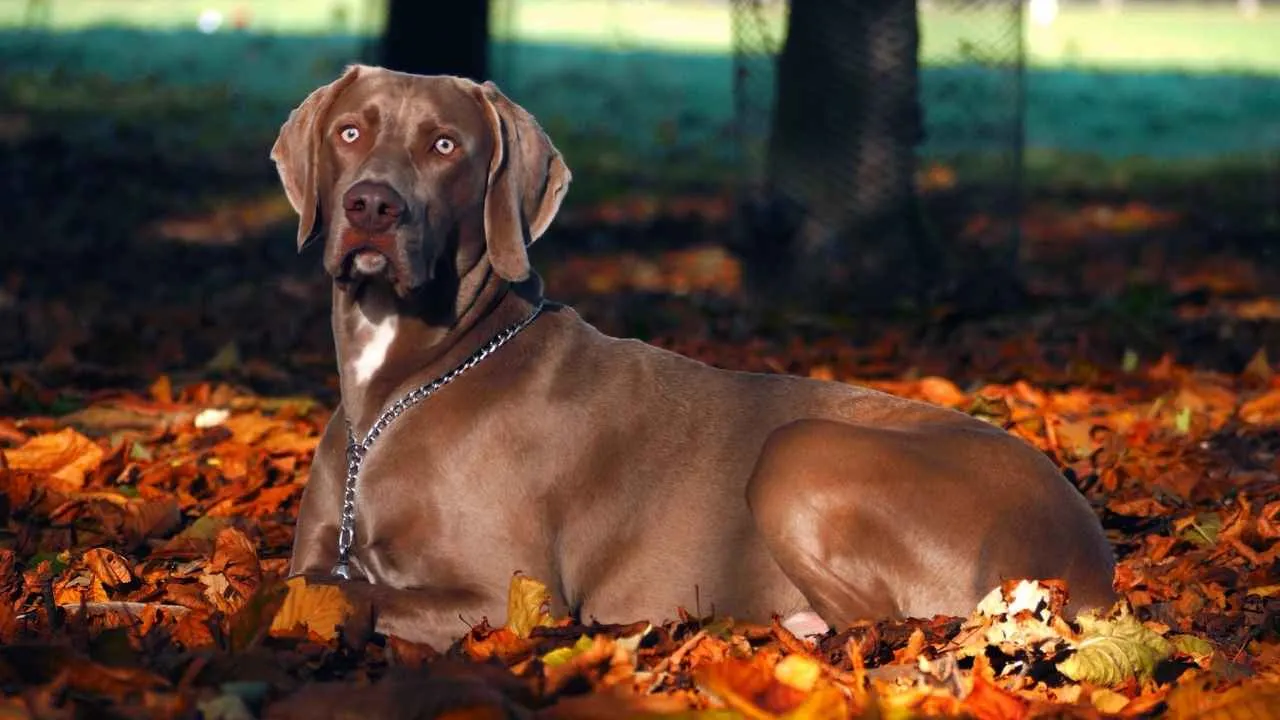
The Weimaraner may look polished and elegant, but out on a wilderness trail, it transforms into a tireless adventure partner. Compared to many sporting breeds that balance activity with downtime, this dog seems happiest when there is another ridge to climb or another mile to cover.
Originally developed in Germany for hunting large game, the Weimaraner was bred to work across forests, rough countryside, and challenging terrain.
Its combination of stamina, speed, and athleticism makes it well-suited for long hikes, backcountry camping trips, and demanding outdoor excursions.
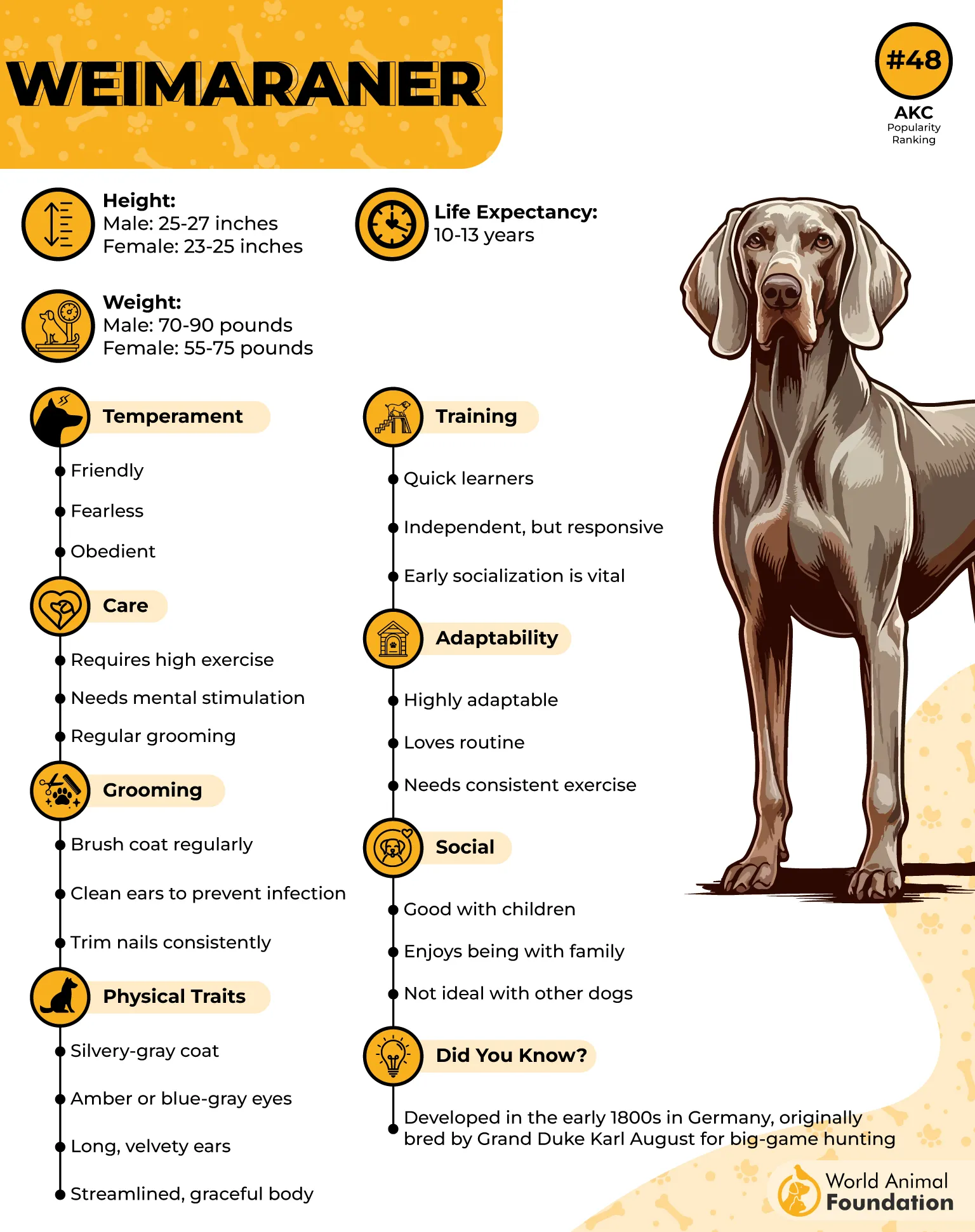
One thing that separates this breed from many other wilderness companions is its intense attachment to its owner. While some outdoor dogs are comfortable exploring independently, the Weimaraner prefers staying closely connected to its human throughout the journey.
That loyalty becomes especially valuable on remote trails where teamwork and responsiveness matter. Whether navigating steep hillsides or moving through dense woodland, it remains focused on the person leading the adventure.
This loyal dog thrives with active owners who spend significant time outdoors. For hikers, hunters, and explorers looking for a dog that combines endurance with constant companionship, the Weimaraner brings both boundless energy and devotion to every expedition.
3. Siberian Husky
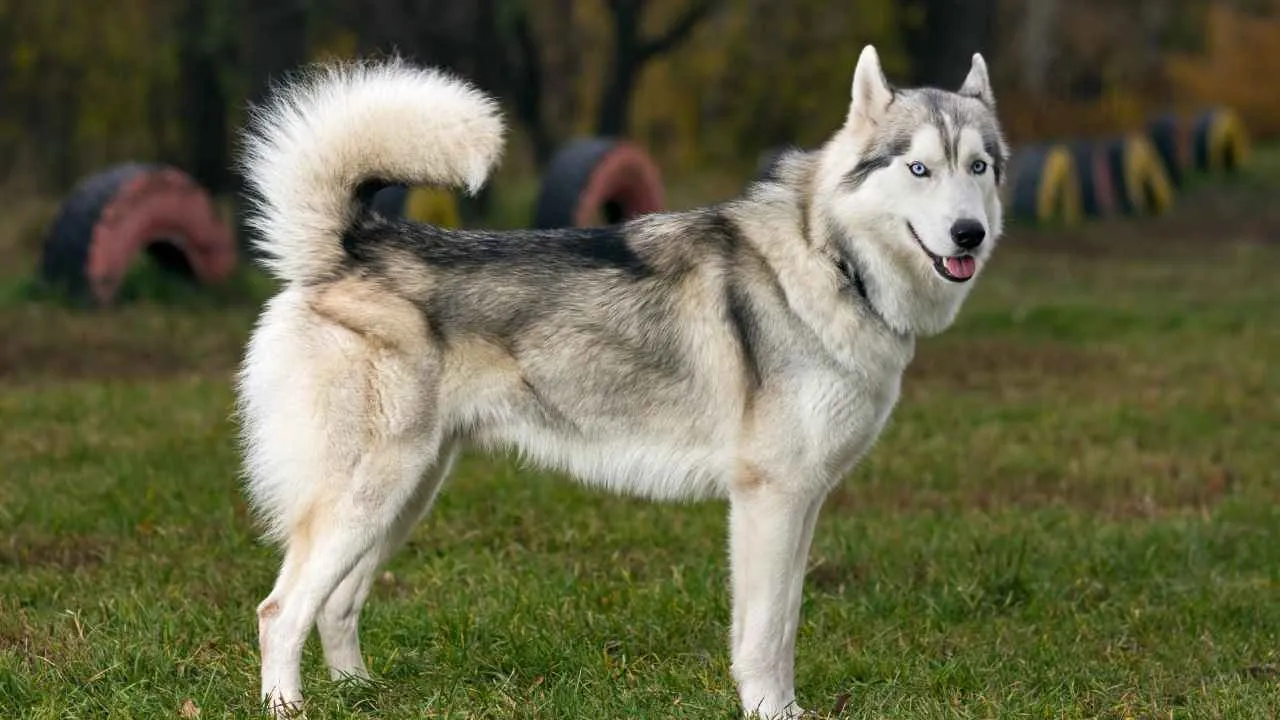
The Siberian Husky thrives in environments where endurance matters more than speed. Compared to many outdoor breeds that excel on shorter excursions, this dog was developed to travel vast distances across frozen terrain while pulling sleds through some of the world’s harshest conditions.
Originally bred by the Chukchi people of Siberia, the Husky remains a natural choice for hikers, trekkers, and explorers who enjoy long adventures. Its working heritage gives it the stamina to stay active long after many other dogs begin slowing down.
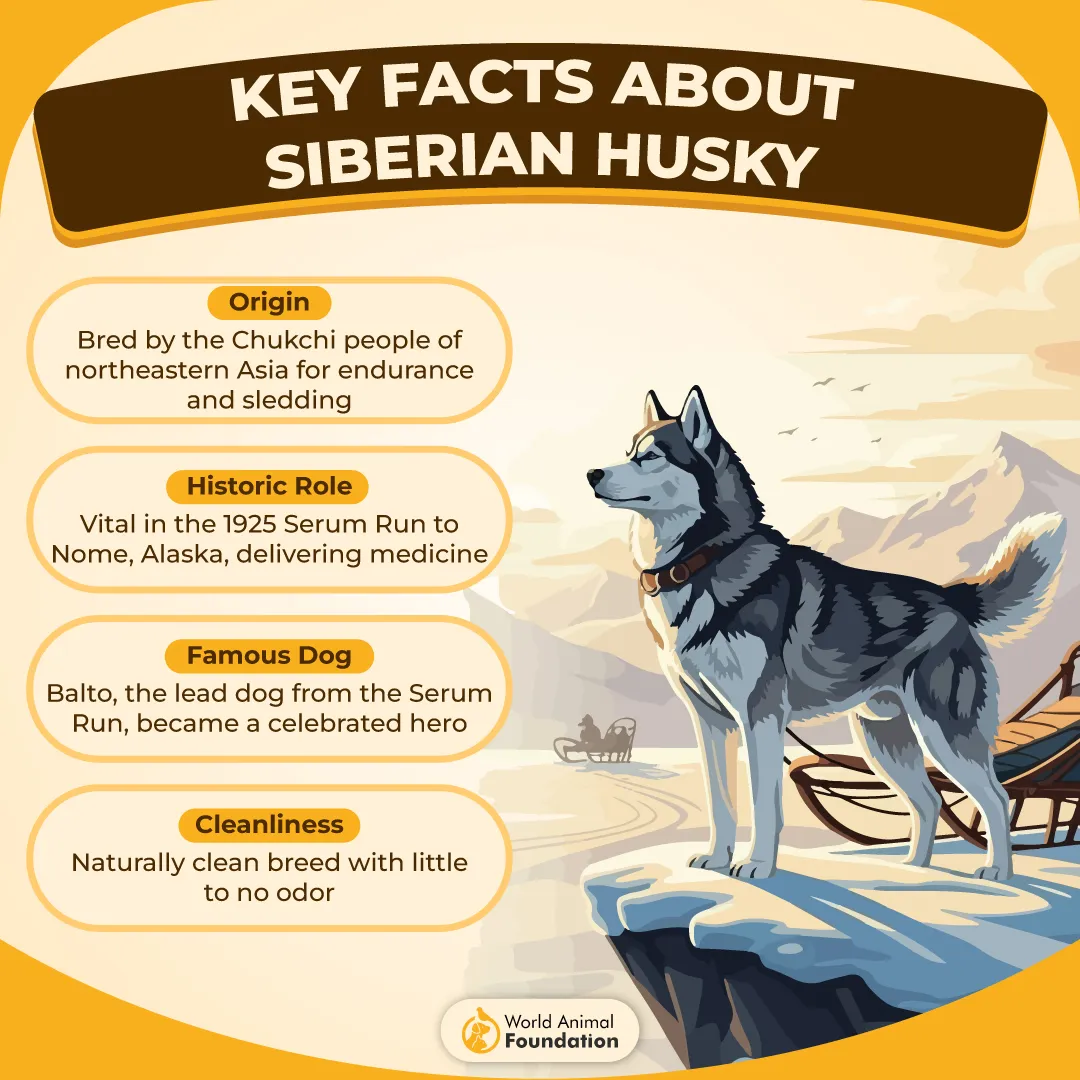
A thick double coat helps this breed handle cold temperatures with ease. Snow-covered trails, winter campsites, and mountain routes are often where the Husky feels most comfortable and confident.
Curiosity is another reason this breed stands out on outdoor trips. It enjoys investigating new surroundings and rarely passes up the chance to explore an unfamiliar path or scent along the way.
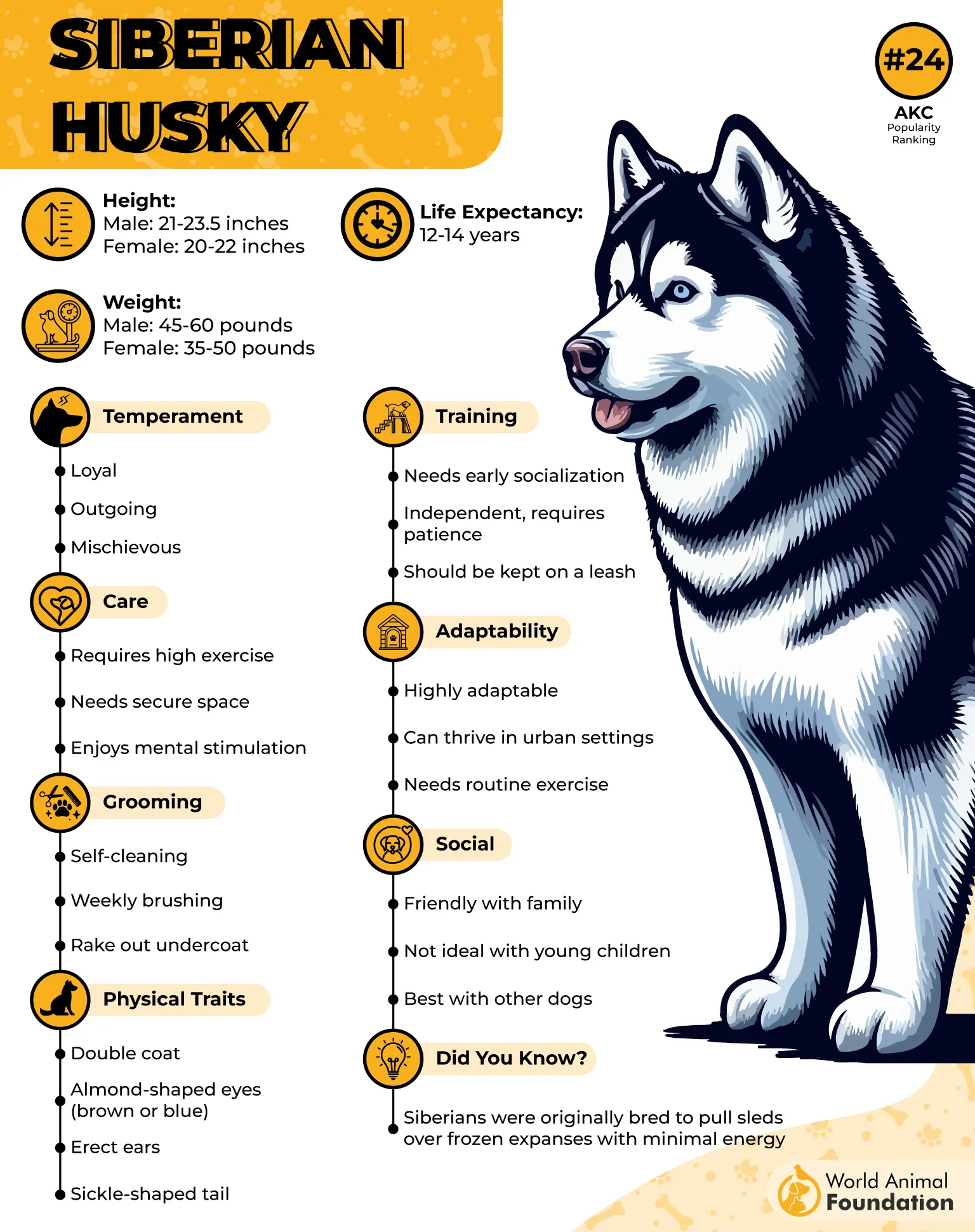
Unlike most breeds, the Siberian Husky is known for its expressive howls rather than frequent barking. That distinctive voice can often be heard carrying across open landscapes and remote campsites.
For people who spend weekends exploring rugged country or tackling cold-weather adventures, the Siberian Husky brings energy, resilience, and an undeniable love of the journey.
4. Border Collie
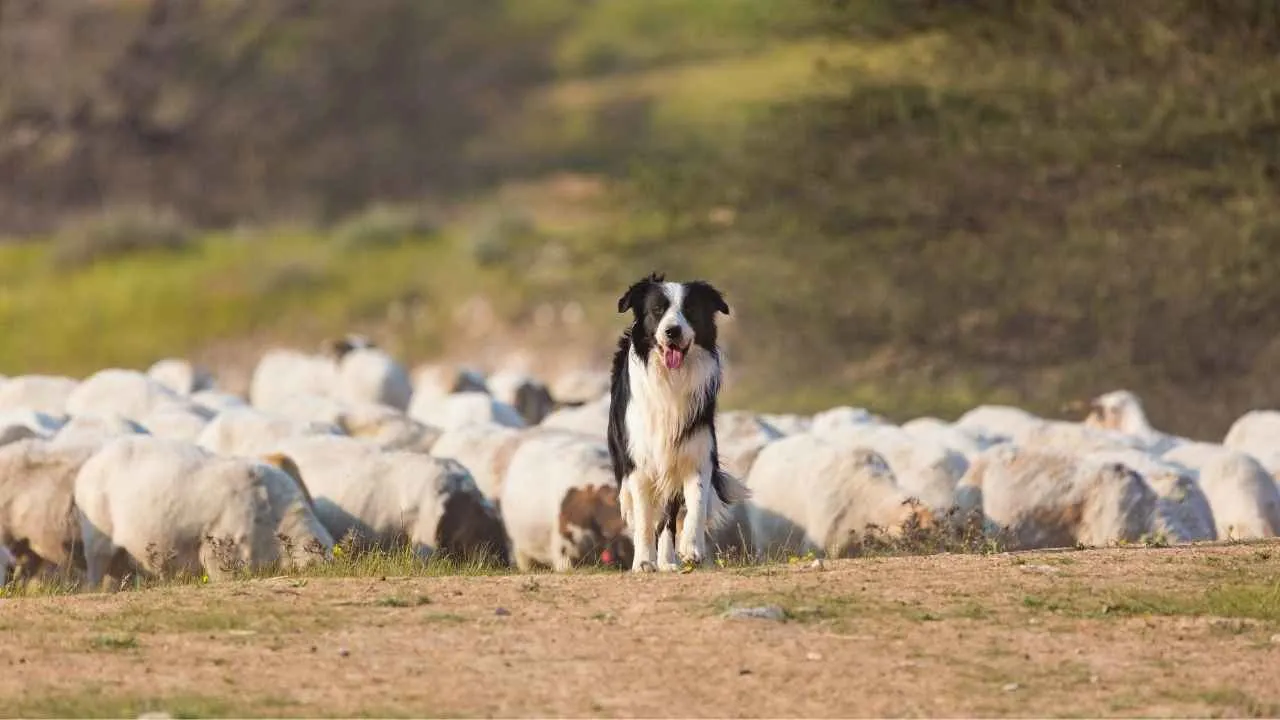
Border Collies approach wilderness adventures differently from many outdoor breeds. While some dogs rely mainly on strength or endurance, this breed combines stamina with an exceptional ability to assess its surroundings and respond quickly to changing conditions.
Originally developed for herding sheep across the rugged hills bordering England and Scotland, Border Collies spent generations covering uneven ground for hours at a time. That background still makes them highly capable companions on long hikes, remote trails, and challenging backcountry routes.
One of the breed’s most remarkable qualities is its famous “herding eye.” This intense, focused stare helps it control livestock and reflects an extraordinary level of concentration rarely seen in other breeds.
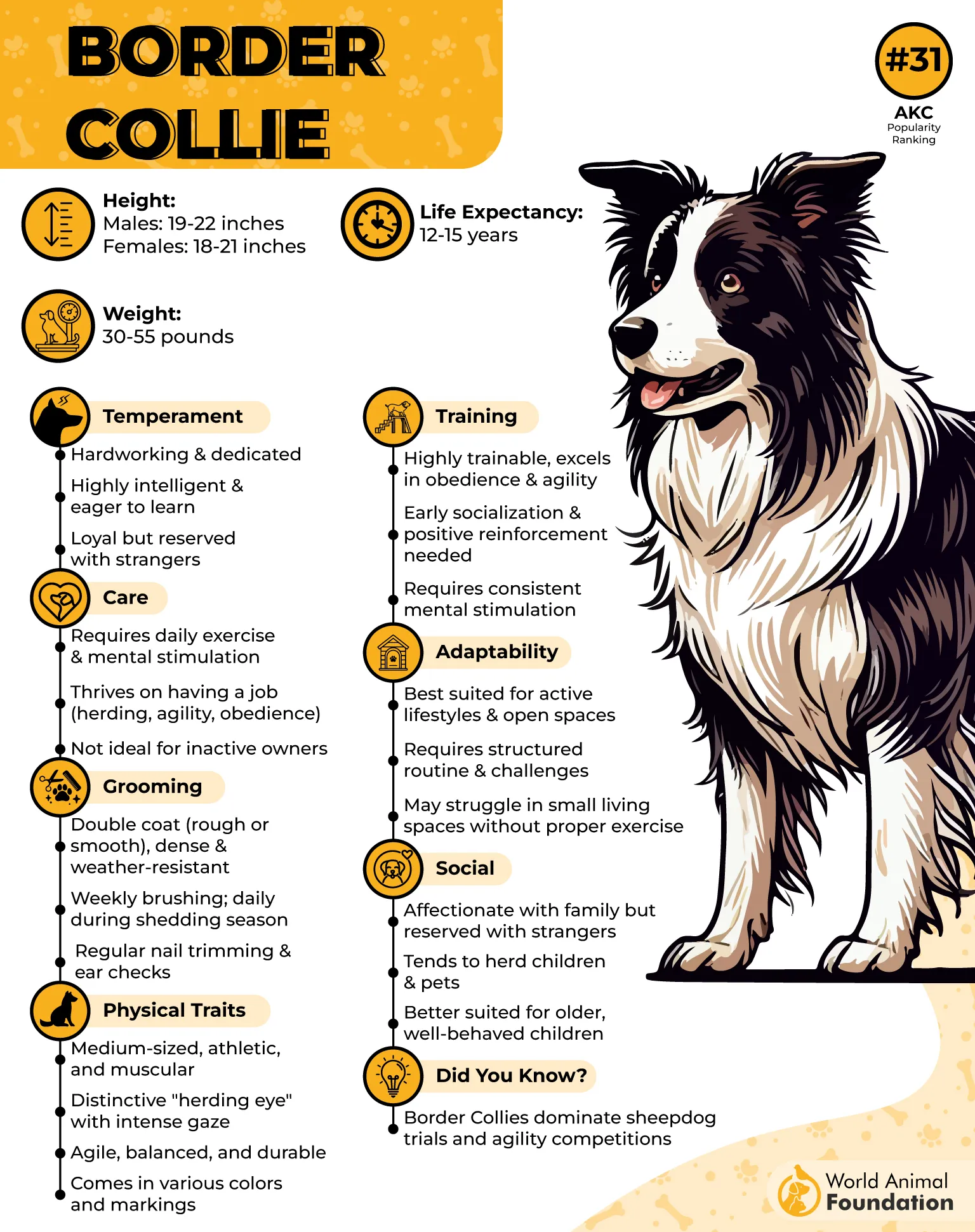
On the trail, that sharp awareness translates into excellent responsiveness and problem-solving ability. Whether navigating rocky terrain, crossing open fields, or following complex paths, the Border Collie stays engaged with both its environment and its owner.
The Border Collie requires a minimum of two hours of daily exercise and thrives in active environments, making it essential for owners to engage them regularly to prevent boredom.
According to the AKC, physical activity alone is not enough for this breed. It thrives when outdoor adventures include tasks, training exercises, or opportunities to use its mind as well as its body.
For hikers and explorers who enjoy an active, interactive companion, the Border Collie offers athletic ability, intelligence, and unmatched focus throughout the journey.
5. Alaskan Malamute
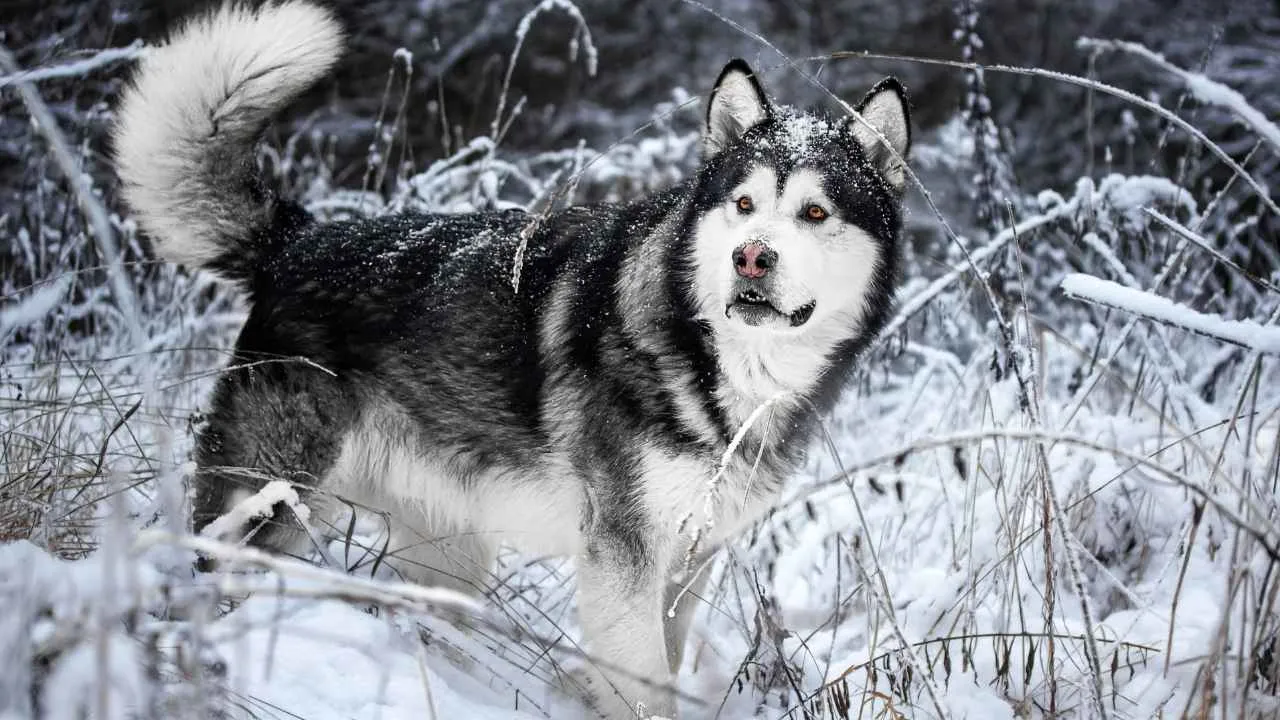
Alaskan Malamutes were built for some of the toughest wilderness conditions on Earth.
Compared to many adventure breeds that focus on speed and agility, this powerful dog was developed to haul heavy loads across long distances in the Arctic, where strength and endurance were essential for survival.
For centuries, this big dog breed worked alongside the Inuit Mahlemut people of Alaska, pulling sleds through snow-covered landscapes and helping transport supplies.
That heritage still makes the Malamute a dependable companion for cold-weather expeditions, winter hiking, and backcountry travel.
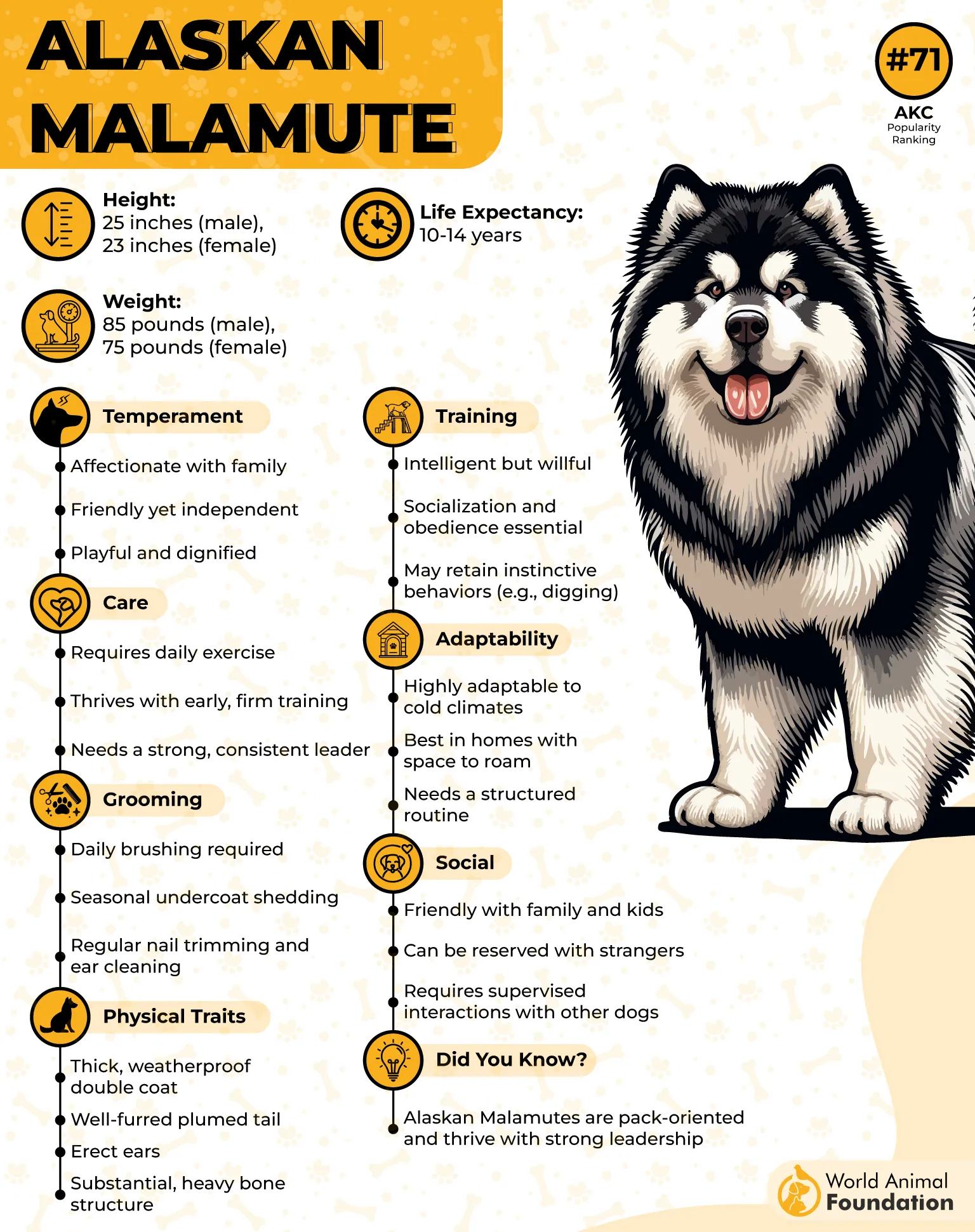
Its dense, weather-resistant coat provides excellent protection against freezing temperatures, allowing it to remain comfortable in conditions that challenge many other dogs. Snowy trails and rugged mountain environments are where this breed truly shines.
One trait that sets the Alaskan Malamute apart is its remarkable pulling power. Few breeds can match its ability to move heavy equipment, sleds, or gear over difficult terrain for extended periods.
Despite its hardworking nature, the Malamute forms strong bonds with its family and enjoys being part of the group.
For outdoor enthusiasts seeking a rugged canine partner capable of handling demanding wilderness adventures, this breed combines resilience, loyalty, and impressive strength in one package.
6. Australian Shepherd
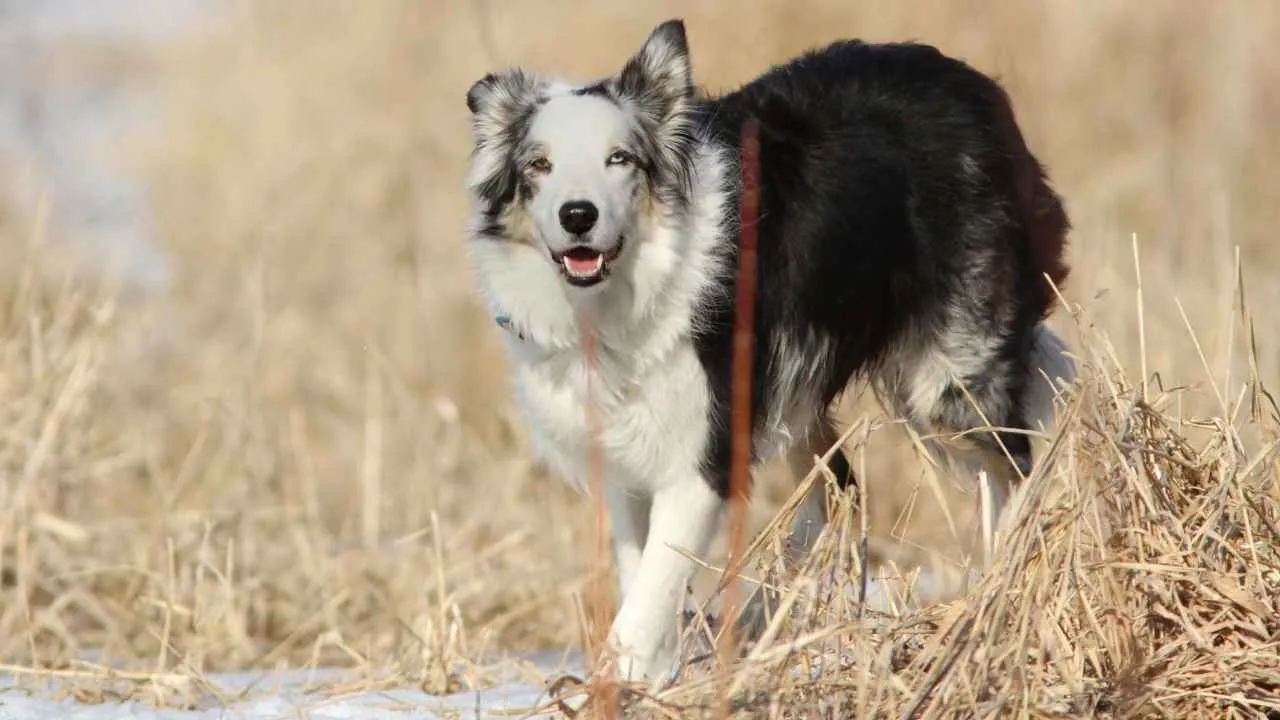
Australian Shepherds bring a different approach to outdoor exploration. Compared to breeds that rely mainly on physical power, this energetic herding dog combines endurance, intelligence, and constant awareness of its surroundings, making it an excellent companion for active adventurers.
Originally developed as a hardworking ranch dog, the Australian Shepherd spent generations moving livestock across large properties and challenging landscapes. That background gives it the stamina to handle long hikes, steep trails, and full days of outdoor activity without losing enthusiasm.
One quality that stands out is its natural tendency to turn almost every outing into a task. Whether crossing fallen logs, navigating rocky paths, or finding the best route forward, the Aussie enjoys having a purpose throughout the journey.
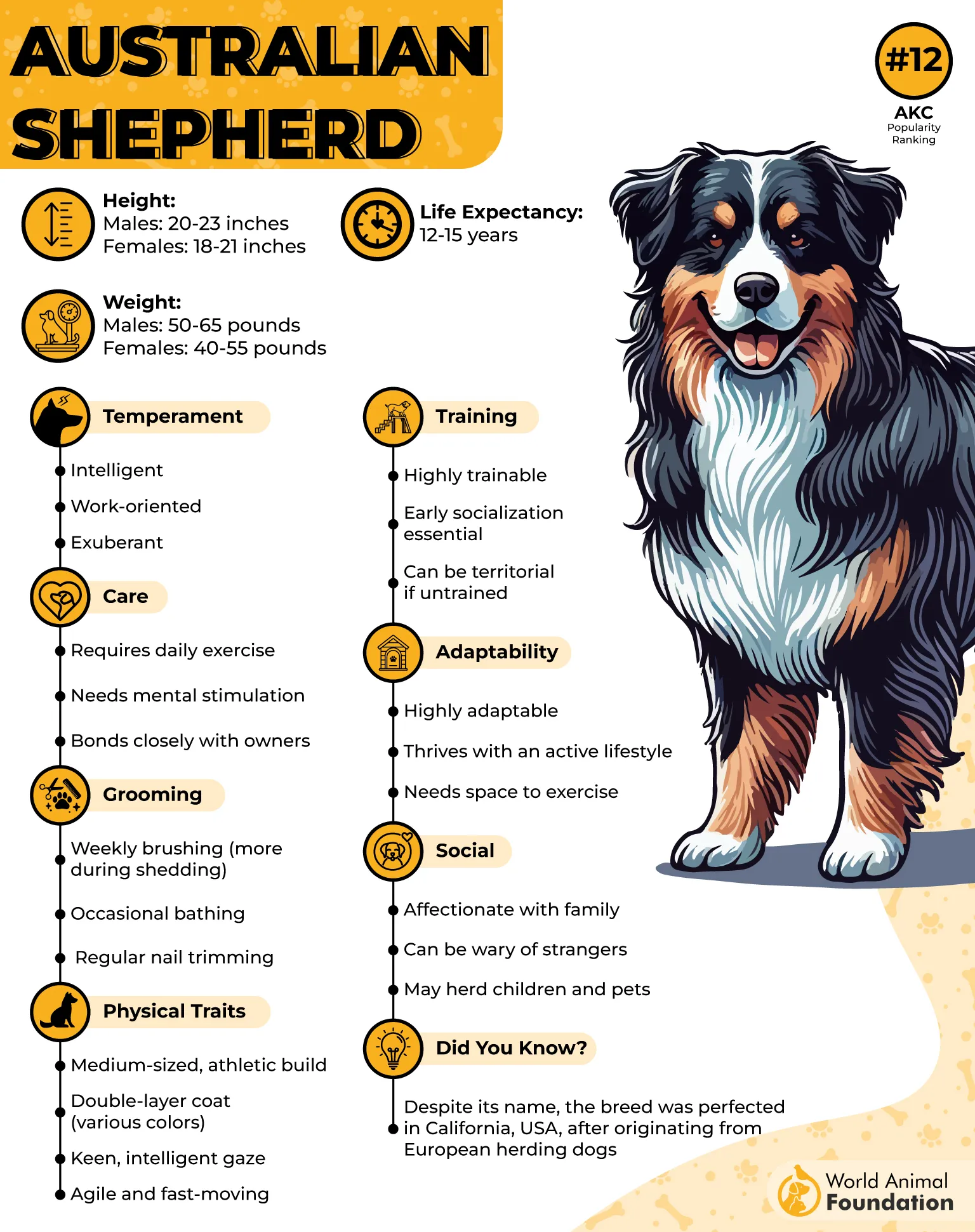
Its sharp mind is just as important as its athletic ability. Unlike some wilderness breeds that are satisfied with exercise alone, Australian Shepherds thrive when adventures include training, problem-solving, and interactive activities, as highlighted by Orvis.
This breed also prefers staying close to its family rather than wandering far from camp or the trail. That strong connection helps create a reliable, great hiking dog companion.
For explorers who want a dog capable of matching both physical challenges and mental demands, the Australian Shepherd is a natural fit.
7. Labrador Retriever
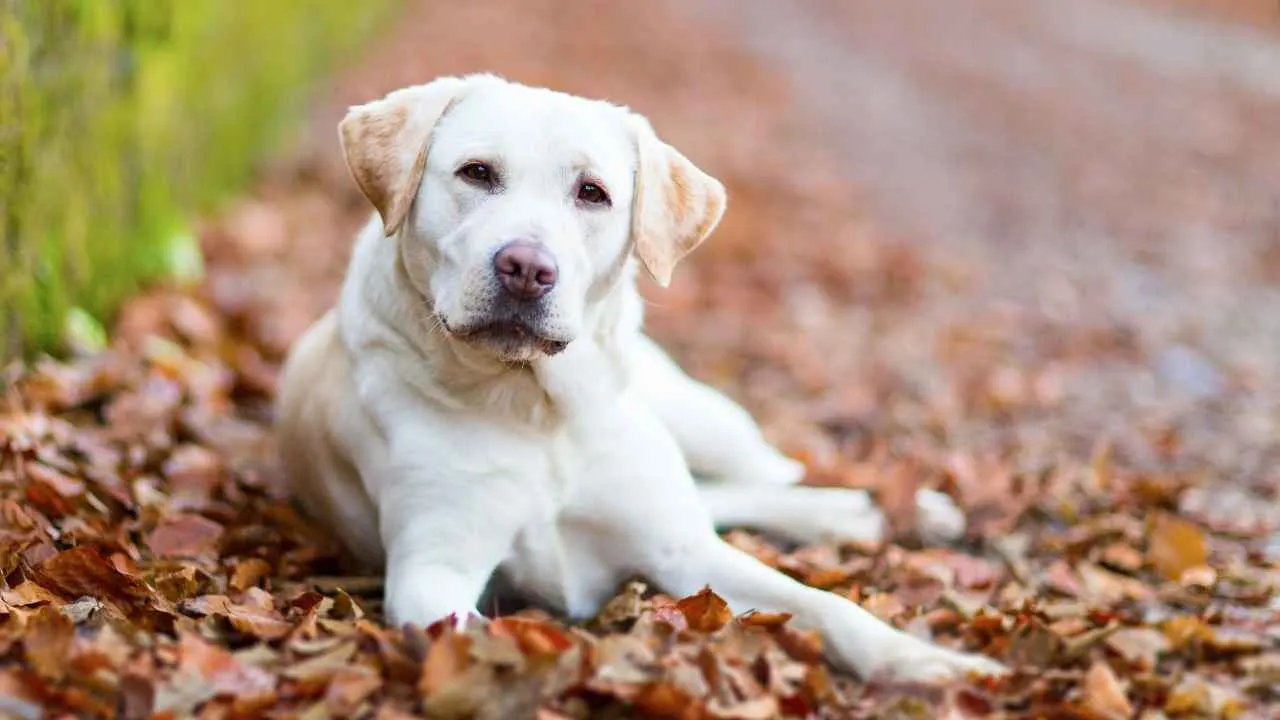
Labrador Retrievers are often associated with family life, but they are equally impressive on wilderness adventures. Compared to many outdoor breeds that excel in only one area, the Labrador combines hiking ability, swimming talent, and dependable companionship in a single package.
Originally developed to assist hunters and retrieve game from land and water, the Labrador remains one of the most versatile dogs for exploring varied terrain. Forest trails, lakeside campsites, and long backcountry walks are all environments where this breed performs exceptionally well.
Its water-resistant double coat helps protect it from cold, wet conditions, while its naturally strong build supports hours of activity. When a trail includes stream crossings, muddy paths, or time spent near water, this large breed is often eager to keep going.
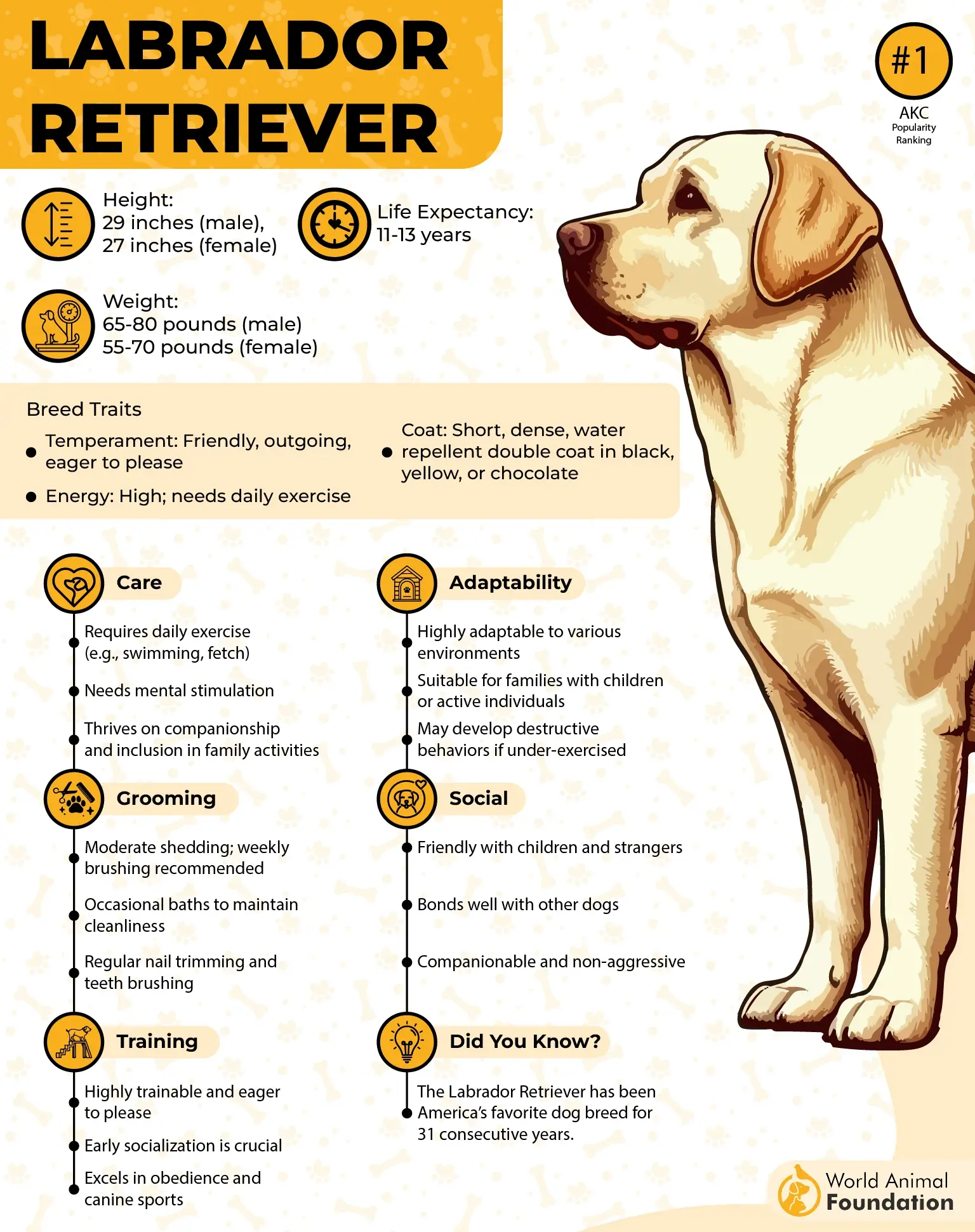
One quality that sets the breed apart is its famously soft mouth. Labradors were bred to retrieve game without damaging it, allowing them to carry delicate objects with remarkable care.
Unlike some highly independent adventure dogs, Labradors prefer sharing every experience with their people. They stay engaged, cooperative, and enthusiastic throughout the journey.
For hikers, campers, and outdoor families seeking a reliable all-around companion, the Labrador Retriever offers endurance, adaptability, and a genuine love of exploration.
Conclusion
The perfect wilderness companion is more than just energetic—it is dependable, adaptable, and eager to share every step of the journey.
Whether your adventures involve mountain trails, dense forests, snowy landscapes, or lakeside campsites, the right dog can turn every outing into a memorable experience.
Some excel through endurance, others through intelligence, teamwork, or versatility, but all bring something valuable to life outdoors.
Choosing a canine partner that matches your activity level and environment will help ensure years of successful exploration, stronger bonds, and unforgettable adventures beyond the beaten path.
