




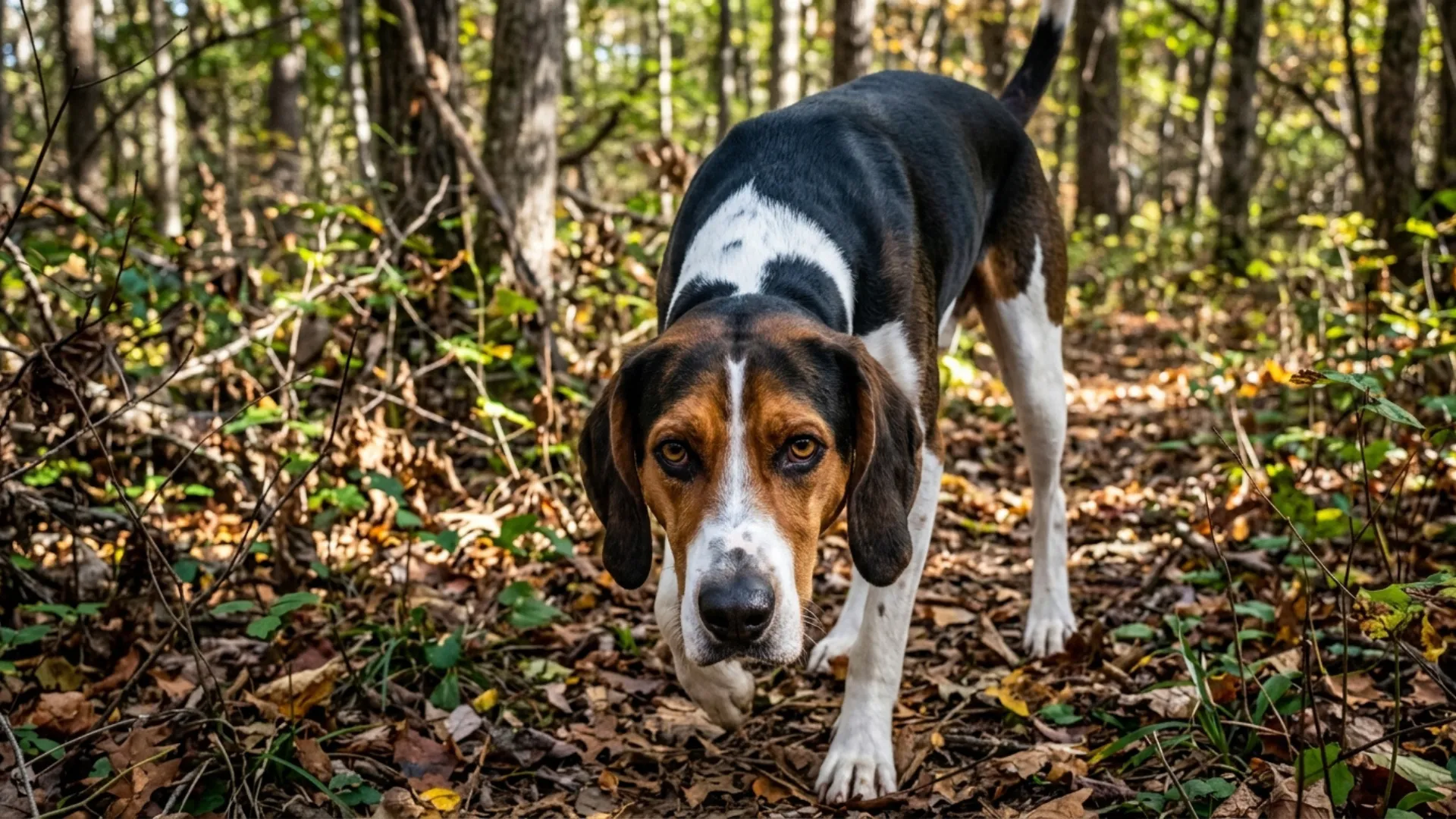
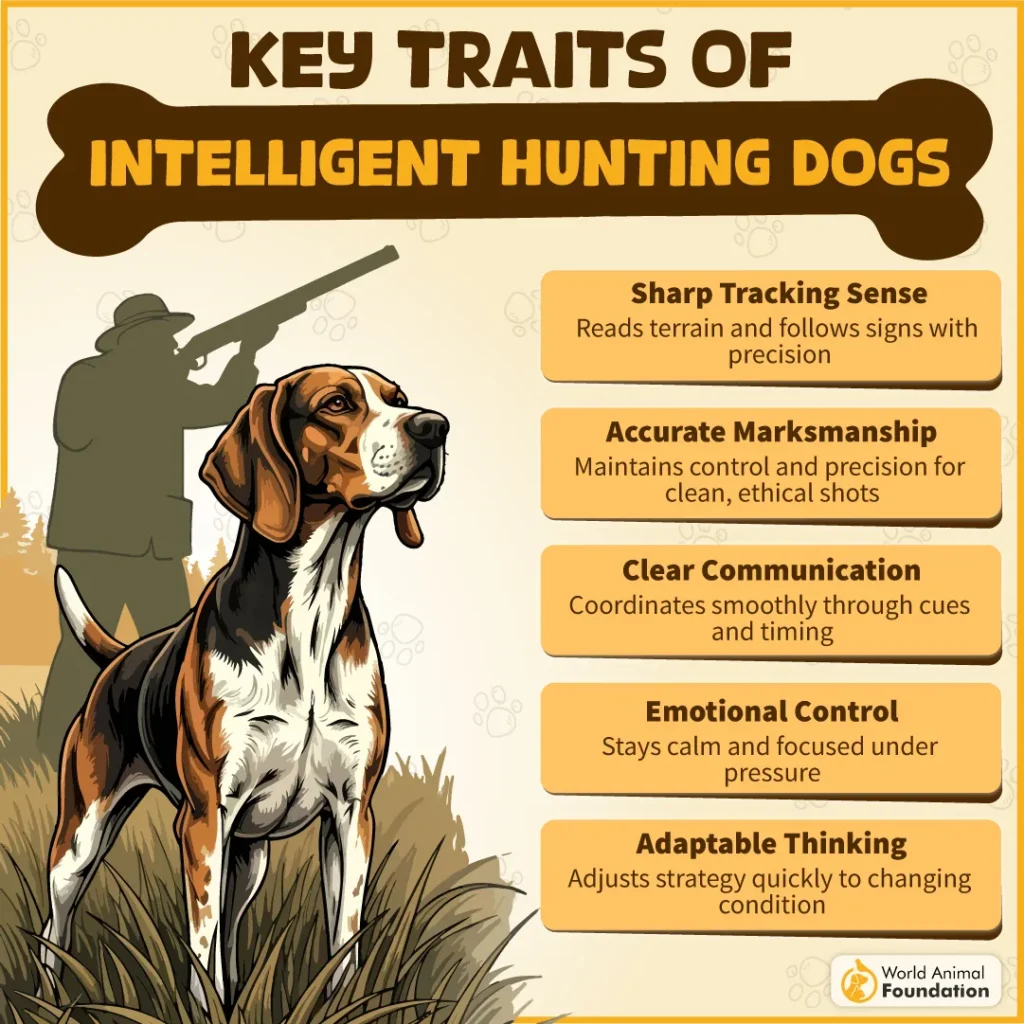
There is something timeless about watching a skilled hunting dog pick up a scent and follow it through woods, fields, and rough terrain. Long before GPS devices and modern hunting equipment, hunters relied on dogs to locate game and recover animals. Even today, a great tracking dog remains one of the most valuable partners in the field.
A famous quote often attributed to hunter and conservationist Theodore Roosevelt says, “The more I see of men, the more I like dogs.” While that may sound humorous, many hunters understand exactly what he meant. A loyal dog works hard, stays focused, and never complains about the weather.
According to the American Kennel Club (AKC), scent hounds possess up to 300 million scent receptors, compared to roughly 5 to 6 million in humans. That incredible ability helps explain why certain breeds excel at tracking wildlife over long distances.
In this guide, we explore some of the best dog breeds for hunting and wildlife tracking and what makes each one unique.
Best Dog Breeds for Tracking Wildlife and Hunting
1. English Springer Spaniel
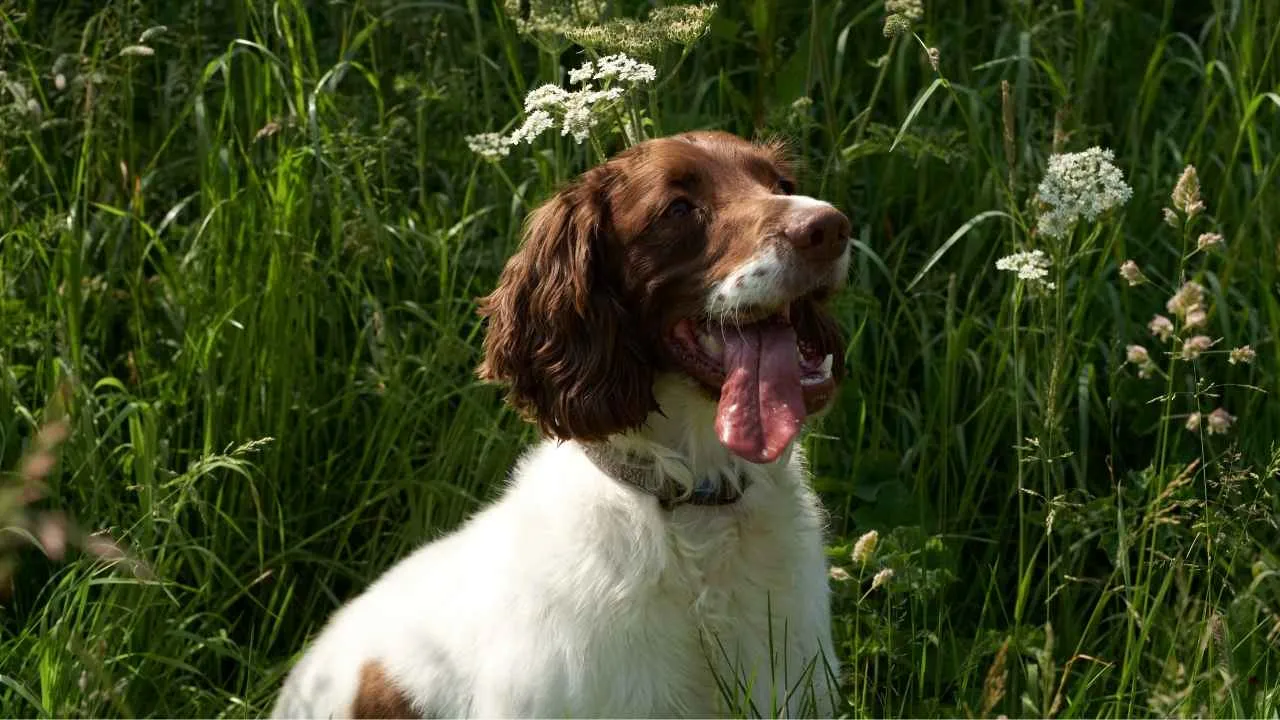
The breed was originally developed in England in the 19th century from Norfolk or Shropshire Spaniels for flushing and retrieving game. It is diverged into 2 separate shows and working lines: the Welsh Springer Spaniel and the Cocker Springer Spaniel, according to Wikipedia.
The lobular ears collect the ground scent molecules and guide them towards the wide nostrils that further process the olfactory signals. This is known as the ‘one-two punch’ as it utilizes both the ground scent and the air scent. It has webbed paws that provide immense water mobility when tracking waterfowl.
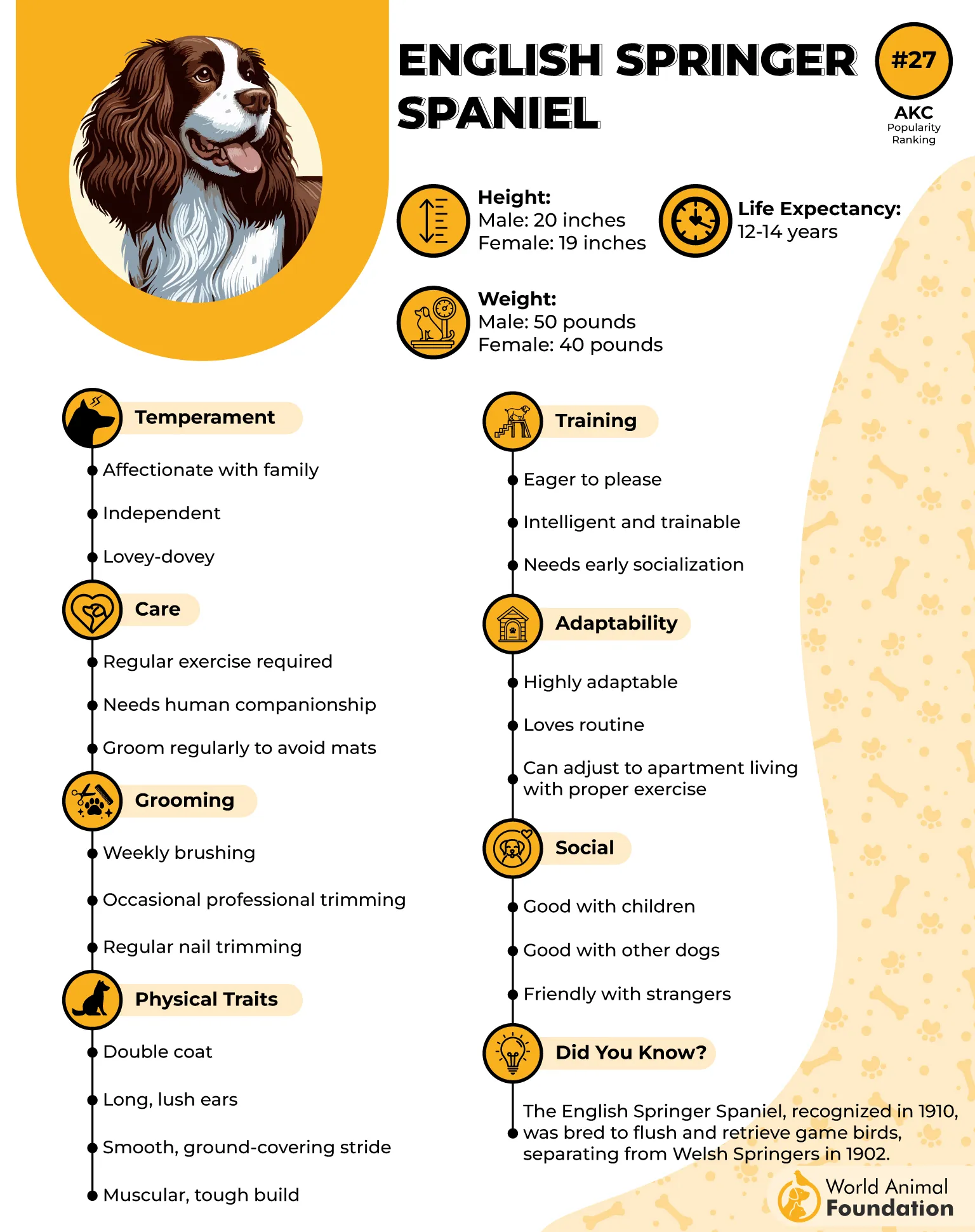
Instead of freezing upon finding the game, it “springs” or forces the bird to fly, setting a perfect shot for the hunter. It can trail a running bird or track down wounded game. It is a high-energy breed and forms a strong bond with the owner, making it a great hunting dog breed.
2. Labrador Retriever
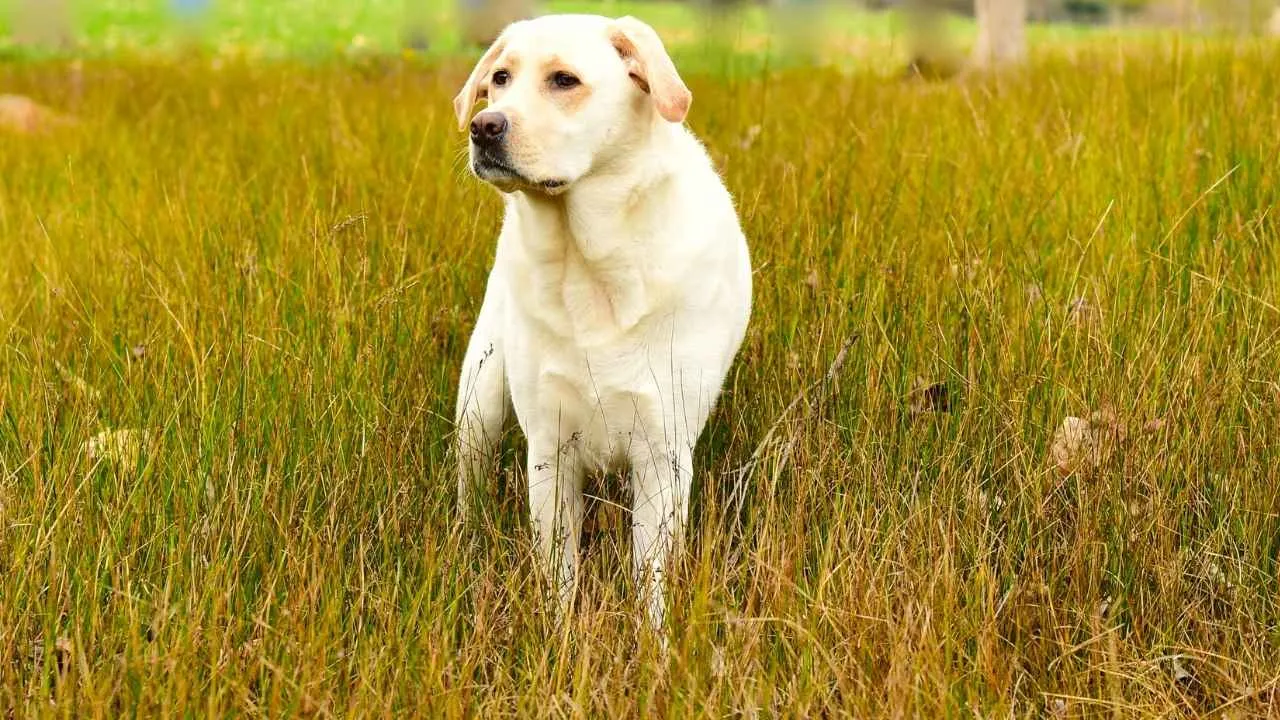
This retrieving gun dog was developed in Britain from St. John’s water dogs that were imported from Newfoundland, Canada. It is a sporting and hunting companion, but it is widely used in therapy, assistive, and SAR work. The breed has a soft mouth and gently retrieves the game without physically damaging it.
The tail is thick at the base and tapered toward the tip, acting as a powerful rudder for rapid steering and balance while swimming. It has hip-to-hock musculature, allowing it to leap, run, and push through strong water currents with ease. Since the breed was used as a water retriever, it has a ‘soft mouth’ and can retrieve the prey without physically damaging it.
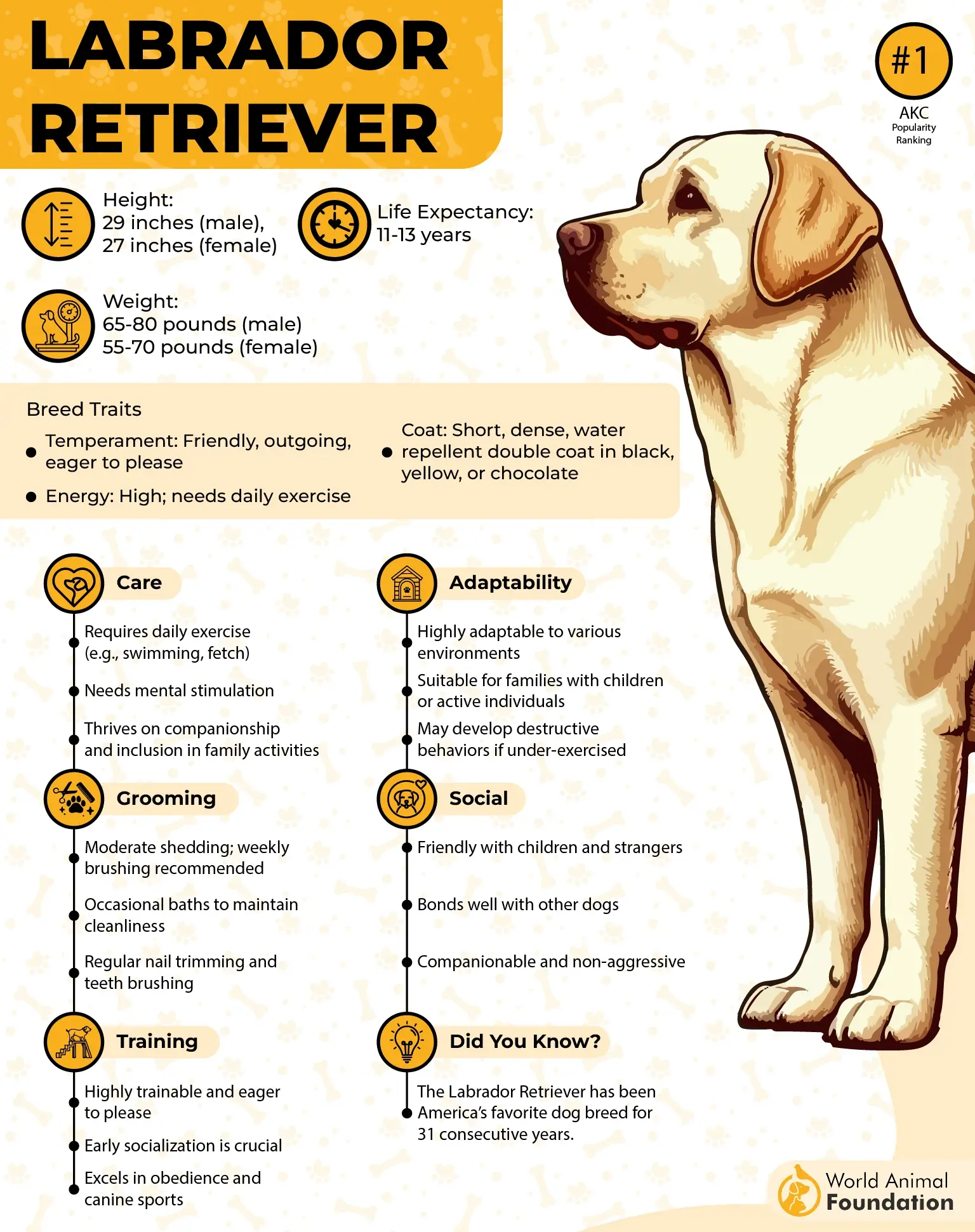
This is a high-energy breed and needs 1-2 hours of daily exercise: 2-3 daily walks, puzzle toys, obedience training, and mental stimulation. Puppies should not be exposed to high impact activities before the age of 18 months because of their developing joints and bones.
3. Weimaraner
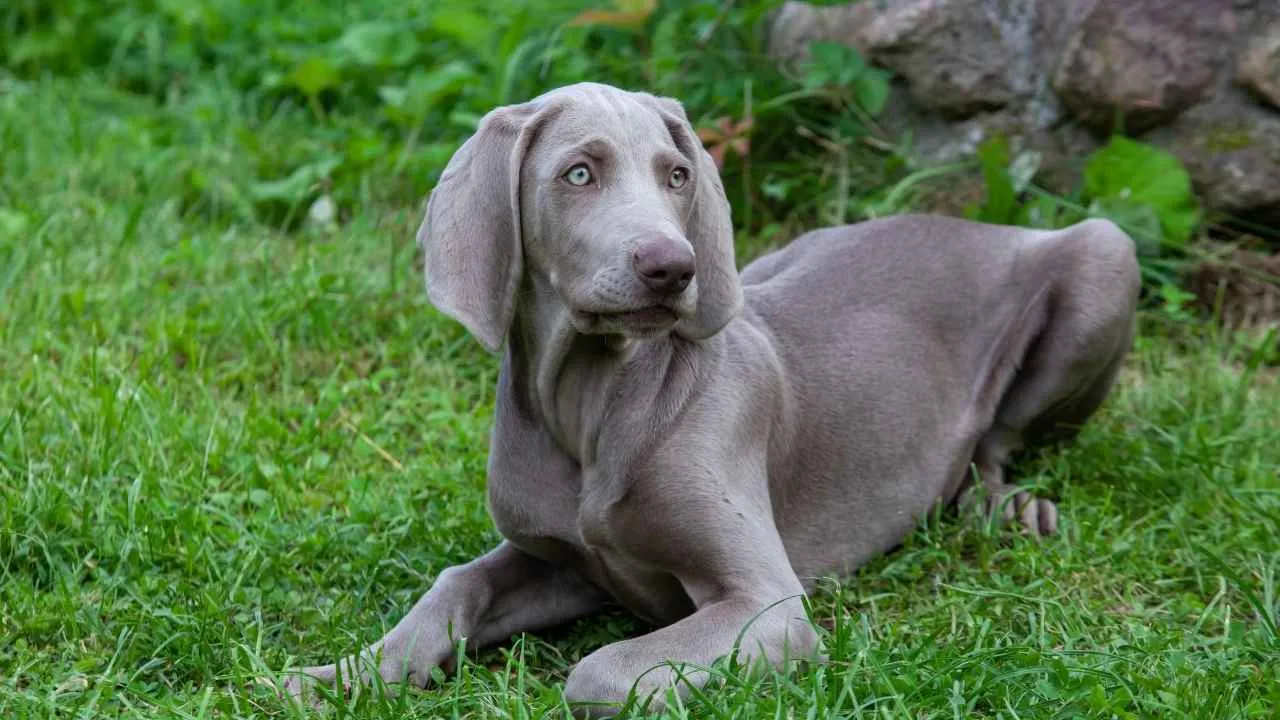
The breed was developed in the 1800s by Germany’s Grand Duke Karl August. It is the crossbreed of the Bloodhound and German and French hunting dogs. Its primary goal was to hunt large game, such as wolves, bears, wild boars, and deer, as per Purina.
It has a high power-to-weight ratio, giving it maximum acceleration and jumping. The breed was developed for tracking large prey; it had a broad nasal cavity. The short and sleek coat stays tight against the skin, providing minimal air resistance for top speed.
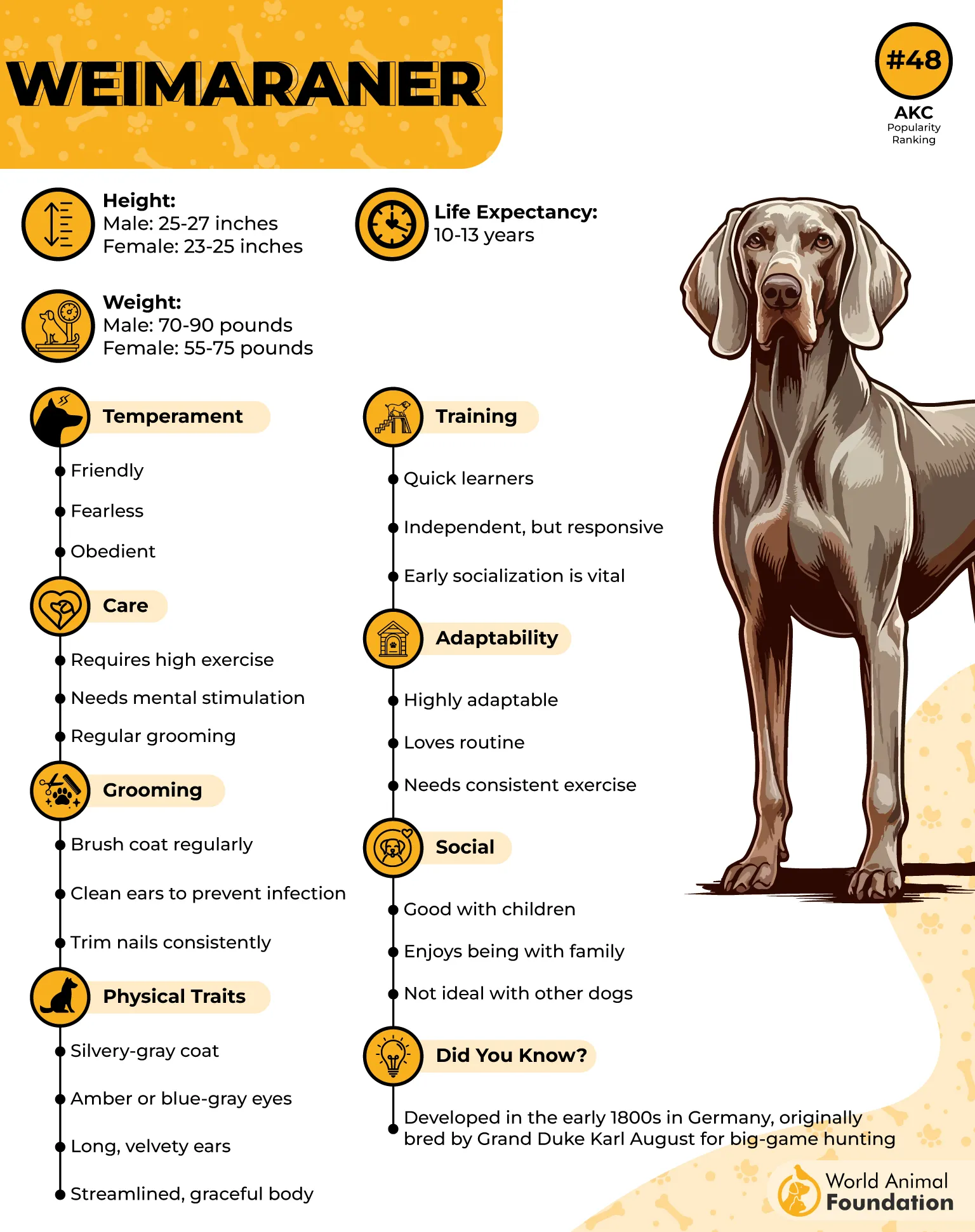
When it spots prey, it freezes and points towards it to direct the handler. The breed is fearless while pursuing small to mid-sized game birds and animals because of its high prey drive. This is one of the best hunting dog breeds with high exercise requirements for 1-2 hours.
4. Mountain Cur
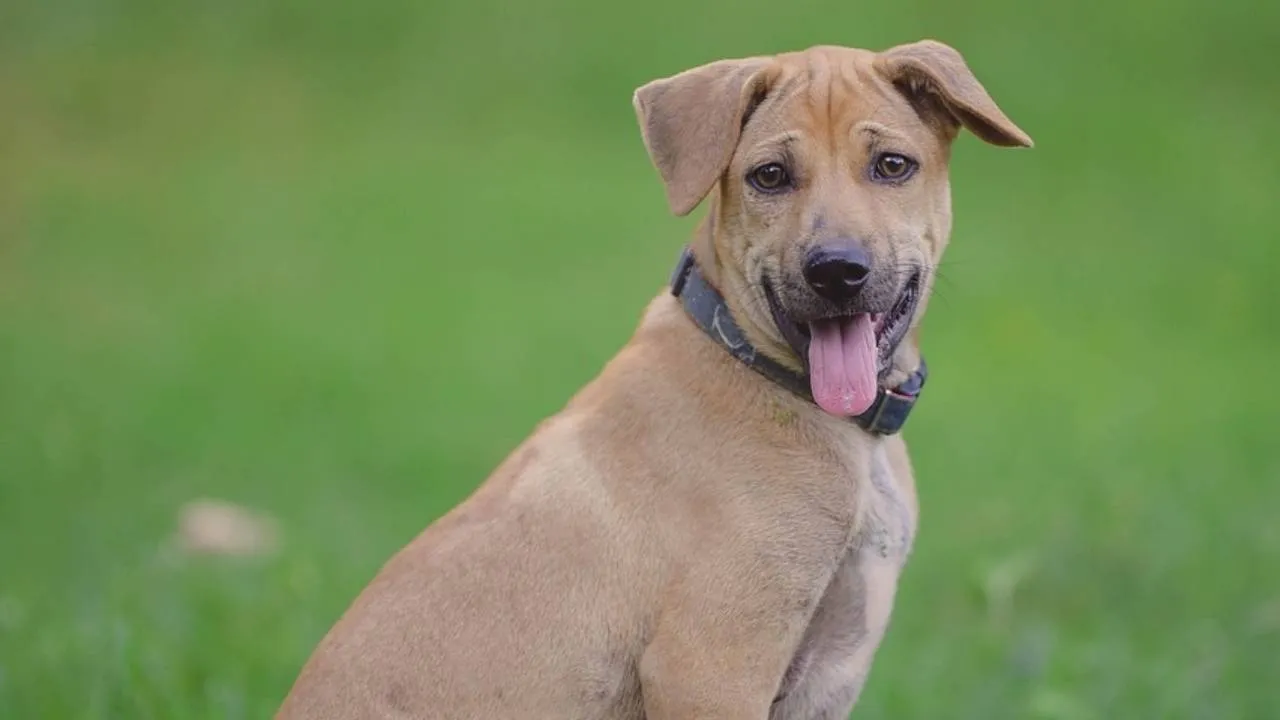
The ancestors of the breed date back to the 13th century, when the cur-type dogs were used for herding and hunting. The Spanish explorers and the immigrants brought this breed to colonial America, where it was bred with the European dog, producing a sturdy dog well suited for rough terrain.
The hunting breed has well-bent knees and powerful croups. This perfect angulation acts like coiled springs. The 90 degree angles between the forelegs and the shoulder blades allows a far reaching stride. With its powerful sense of smell and high prey drive, it ‘trees’ the prey and keeps on barking till the handler comes.
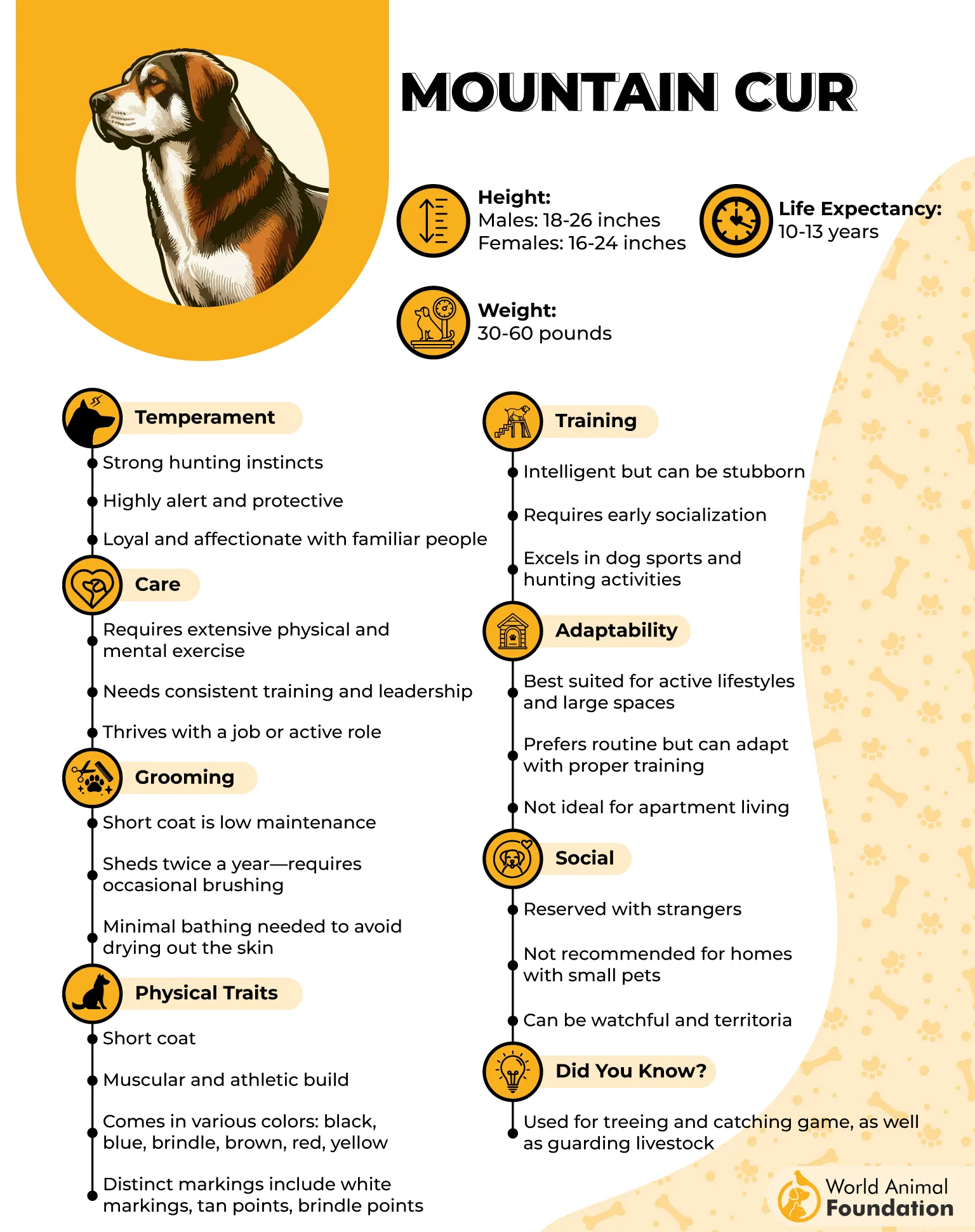
It intelligently circles and drifts the area in case of a ‘cold prey,’ till it catches the fresh scent again. It needs early training and proper socialization to understand which animal to track. The popular breed has an independent streak and may develop stubbornness; thus high impact exercise and obedience training are non-negotiable.
5. Treeing Walker Coonhound
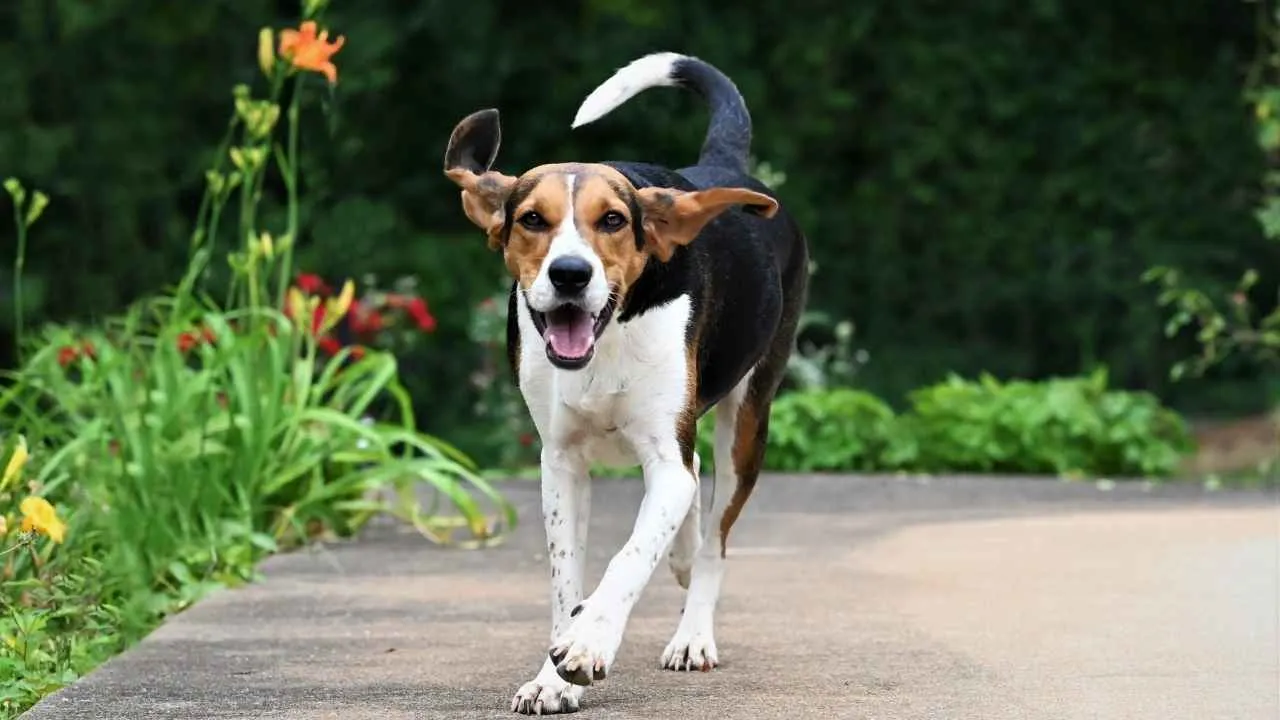
Descended from the English Foxhound brought to the United States by the British colonists, the Treeing Walker Coonhound was named after Thomas Walker, who is credited with developing the modern breed. It has dark eyes, high speed, and an alert expression, says Orvis.
The oval-shaped ribcage extends down to the elbows, providing maximum lung and heart volumes and the stamina needed to run through dense underbrush for hours. Known for its ‘treeing game,’ the versatile hunter circles and corners the prey till it goes up on the tree, and then it waits for the hunter while keeping an eye on the animal.
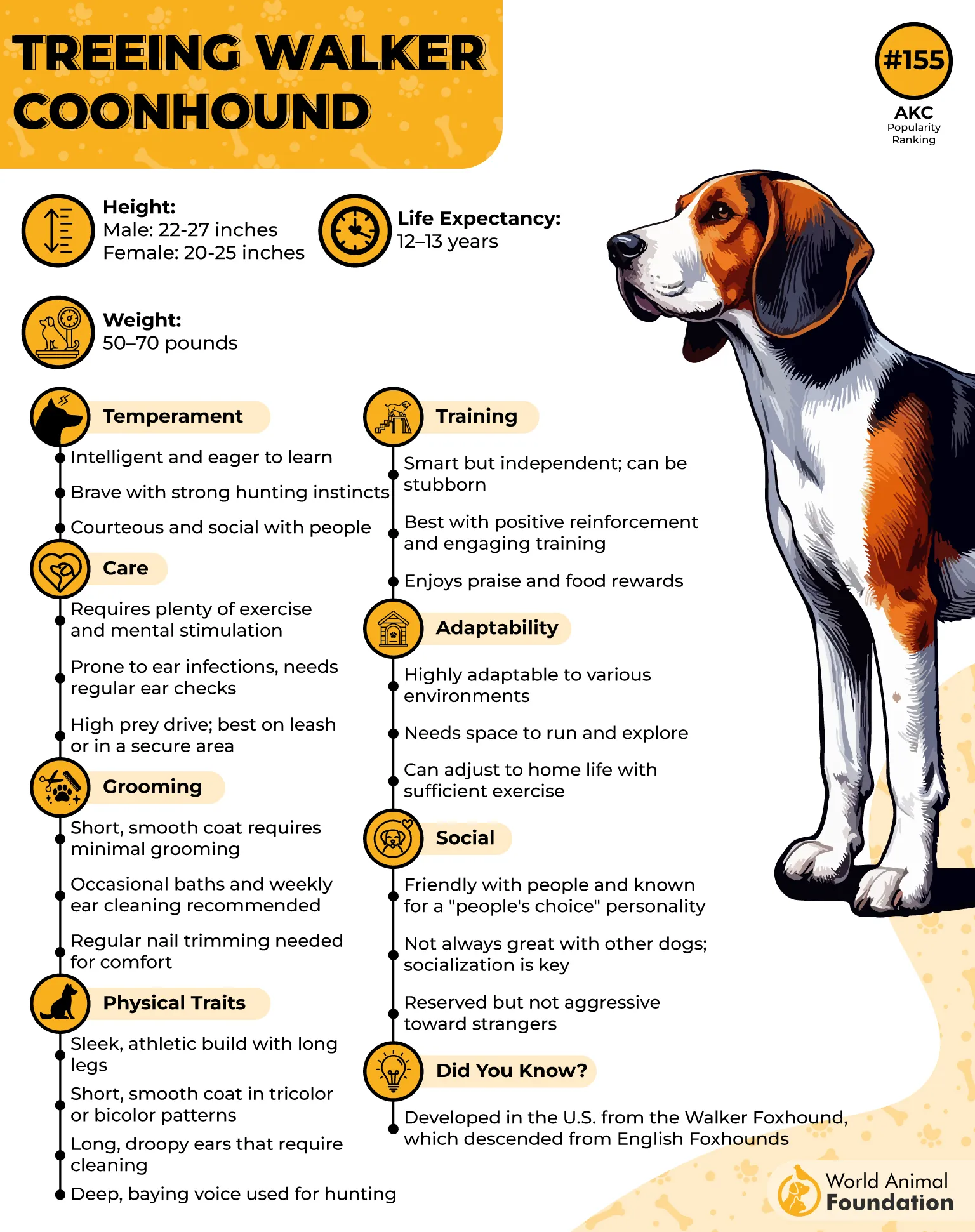
Known for its aggressive tracking, it hunts raccoons, bobcats, cougars, and small bears. For endurance, it needs more than a causual stroll. It thrives when given high exercise (1-2 hours): long hunts, jogging, hiking, running (5+ miles), and leash training.
6. Plott Hound
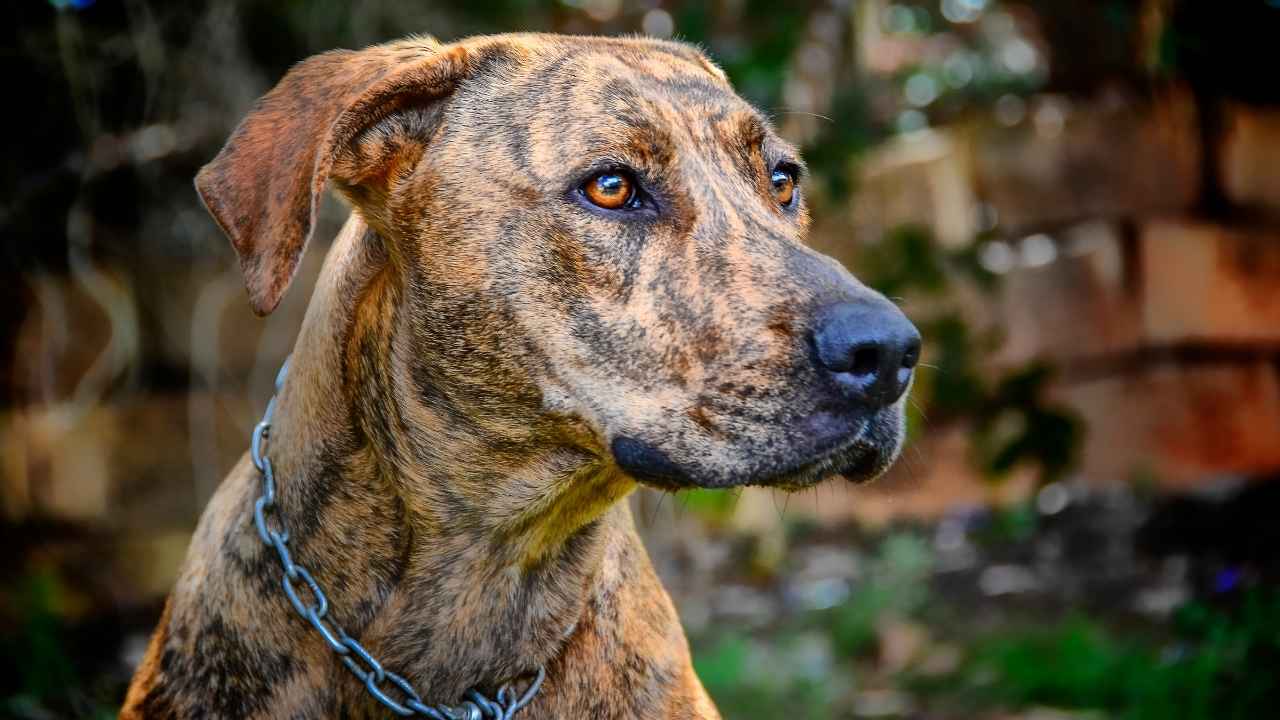
A German immigrant from North Carolina selectively bred five wild boarhounds because of their stamina, courage, and keen sense of smell. The resultant breed was kept virtually isolated for 150 years, preserving its hunting powers. This all-round working dog was bred to track and tree large, aggressive game.
It has cat-like paws with deep pads and webbed toes providing traction, balance, and agility over rugged terrain. The tight skin and streamlined physique prevent snagging on thick brush. The breed excels in hot and cold tracking. It has a strong prey drive and selective hearing, while tracking reduces distractions.
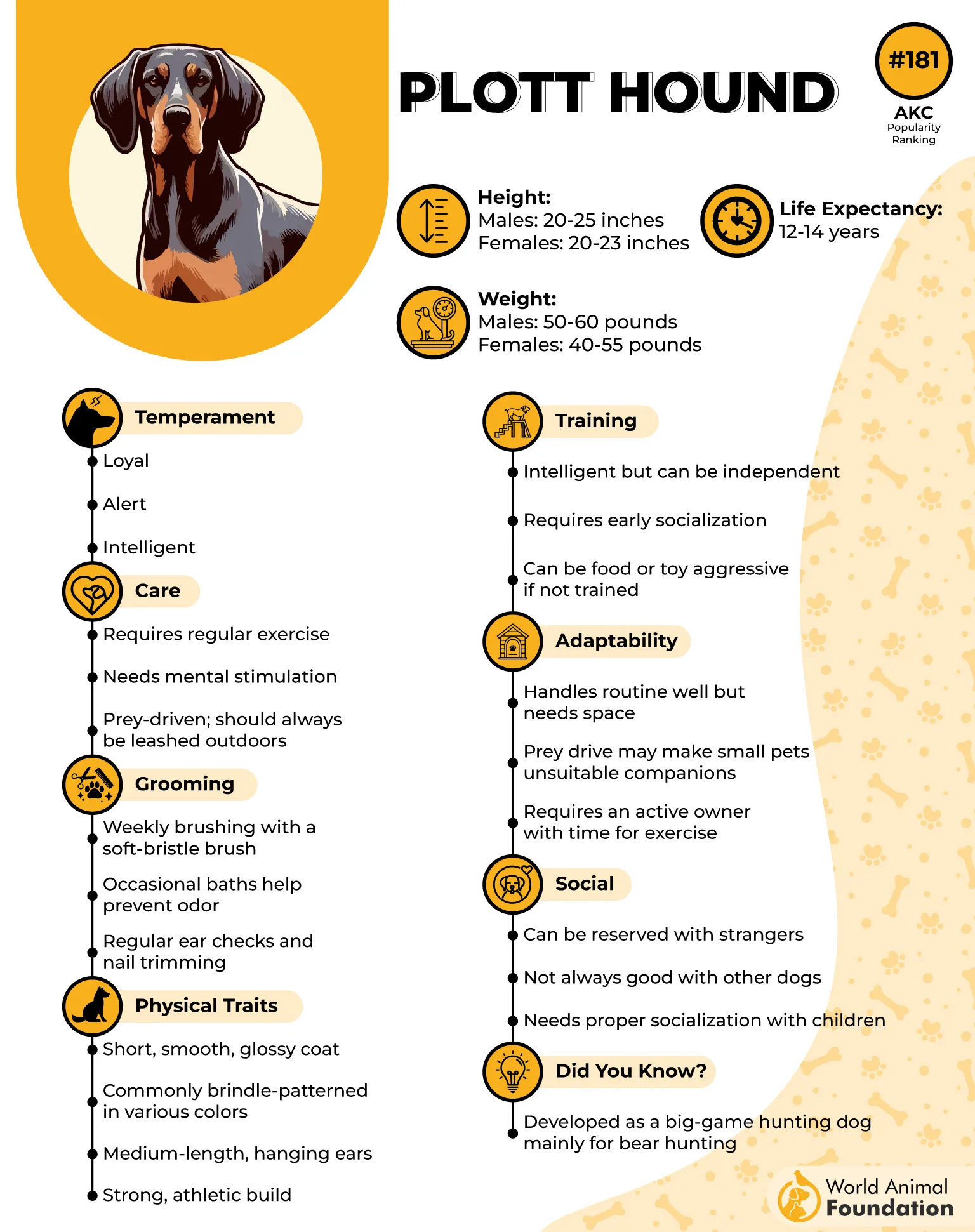
This dog has a pack mentality and tends to coordinate hunting packs, but can also work independently. The athletic breed needs 1-1.5 hours of regular exercise to prevent boredom: scent trails, hiking, jogging, hide-and-seek, and puzzle games.
7. Bluetick Coonhound
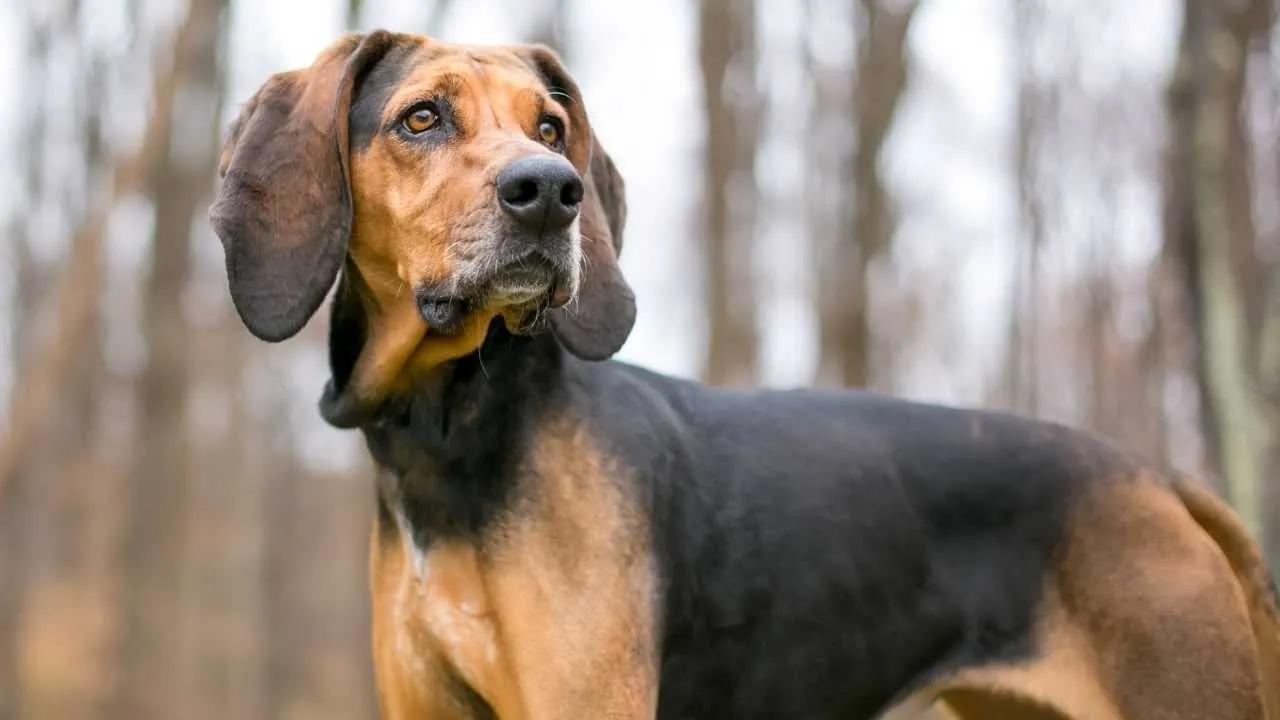
The history of the ancient breed goes back to the French dog, Grand Bleu de Gascogne, gifted to G.Washington by Marquis de Lafayette in the 18th century. The early American frontiersmen interbred this dog with the English Foxhound, Curs, and the American Foxhound to create a tough dog.
The dog was developed to hunt raccoons and track game with its ‘singing bark.’ It was later used to hunt large game, such as wild boars, cougars, bobcats, and even bears. Their front legs reach straight and far, while the rear follows with forceful propulsion to achieve a sweeping, ground-covering stride.
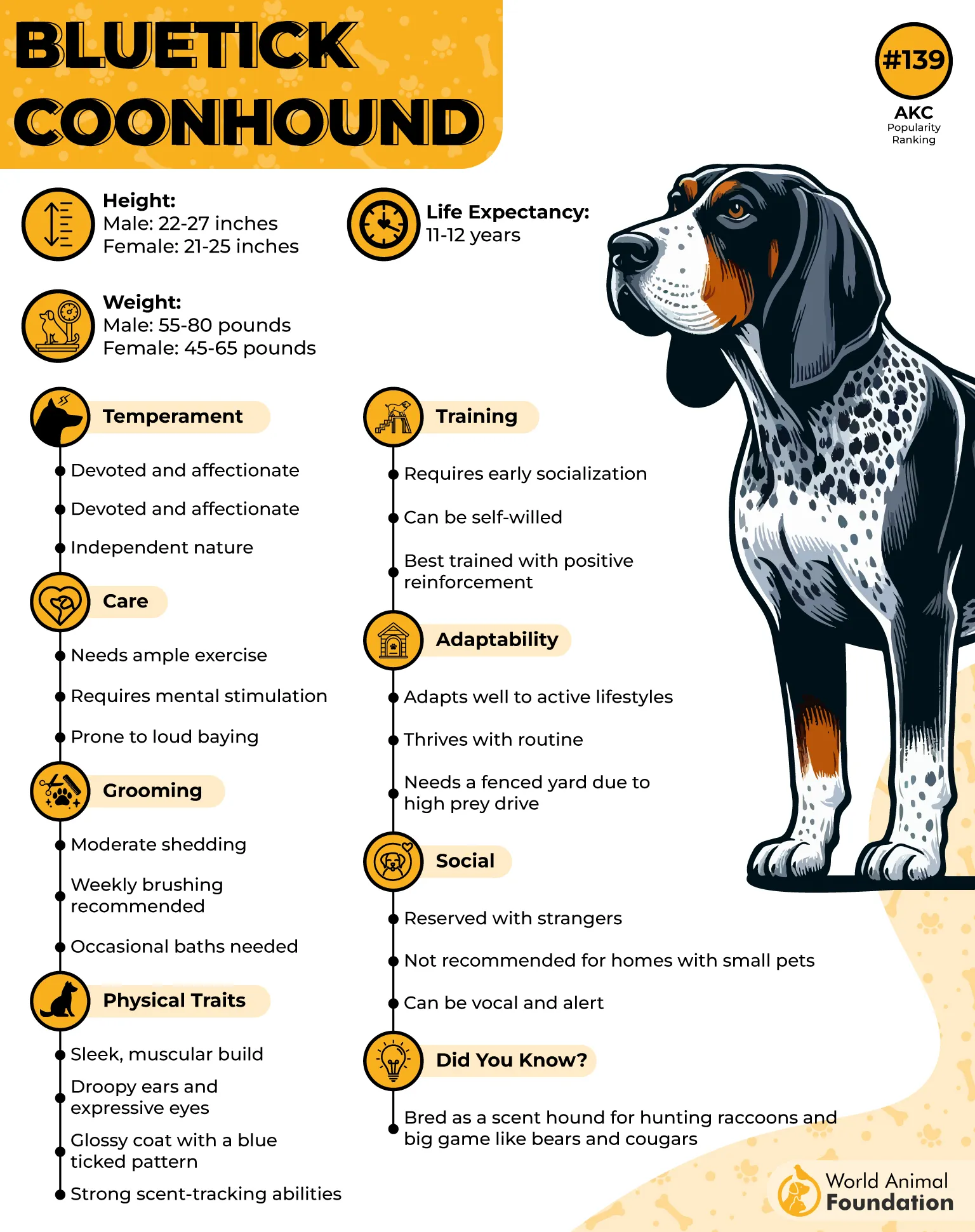
Despite being a fierce hunter, it forms strong bonds with the owner’s family and needs positive reinforcement in training. It excels in virorous exercise, such as dog sports, agility, scent tracking, field trials, as brisk walks.
Conclusion
Choosing the best dog breed for tracking wildlife and hunting depends on your hunting style, terrain, and personal preferences. Some hunters need a powerful tracker that can follow large game through mountains. Others want a versatile retriever that excels in water and upland environments.
At the end of the day, the best hunting dog is more than a tool. It becomes a trusted partner. Long after the hunt is over, the memories of muddy trails, early mornings, and successful recoveries often center around the loyal dog that never stopped working. That is a bond no piece of hunting equipment can replace.
