




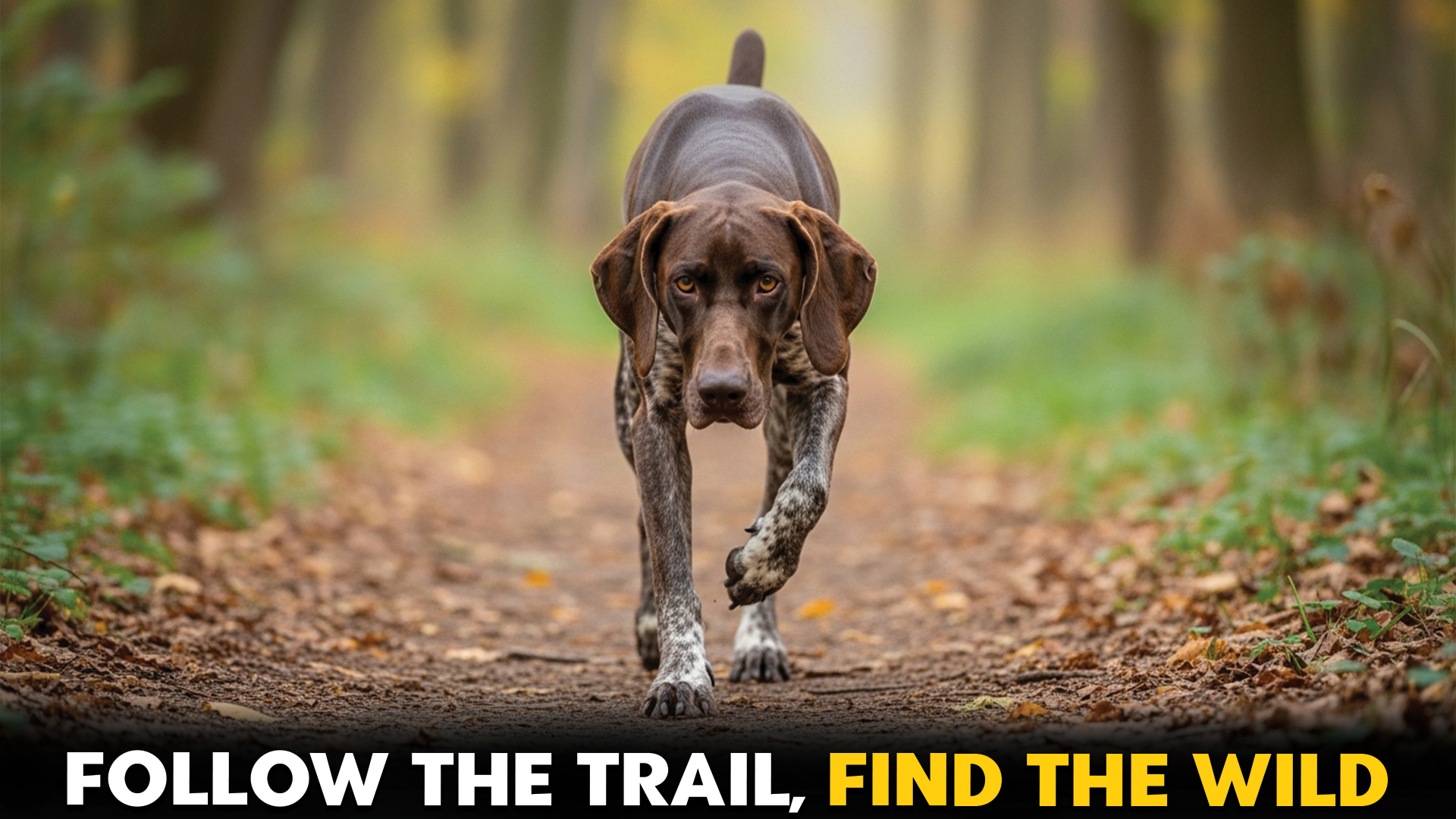
If you have ever watched a dog follow a scent trail with total focus, you already know how fascinating tracking and marking wildlife can be. For many dog owners, these natural behaviors are more than interesting to observe. They are part of a shared outdoor experience that blends curiosity, training, and teamwork.
Some breeds are commonly chosen for these activities because of their instincts, energy, and willingness to work with people. In this guide, we explore some of the best breeds in the dog world associated with tracking scents and signaling wildlife, and what makes them a good fit for this type of work and lifestyle.
Fun Fact
Dogs can recognize and follow individual scents that humans cannot detect at all. Their noses are so sensitive that a single smell can tell a whole story about where an animal has been.
Best Dog Breeds for Tracking and Marking Wildlife
1. German Shorthaired Pointer
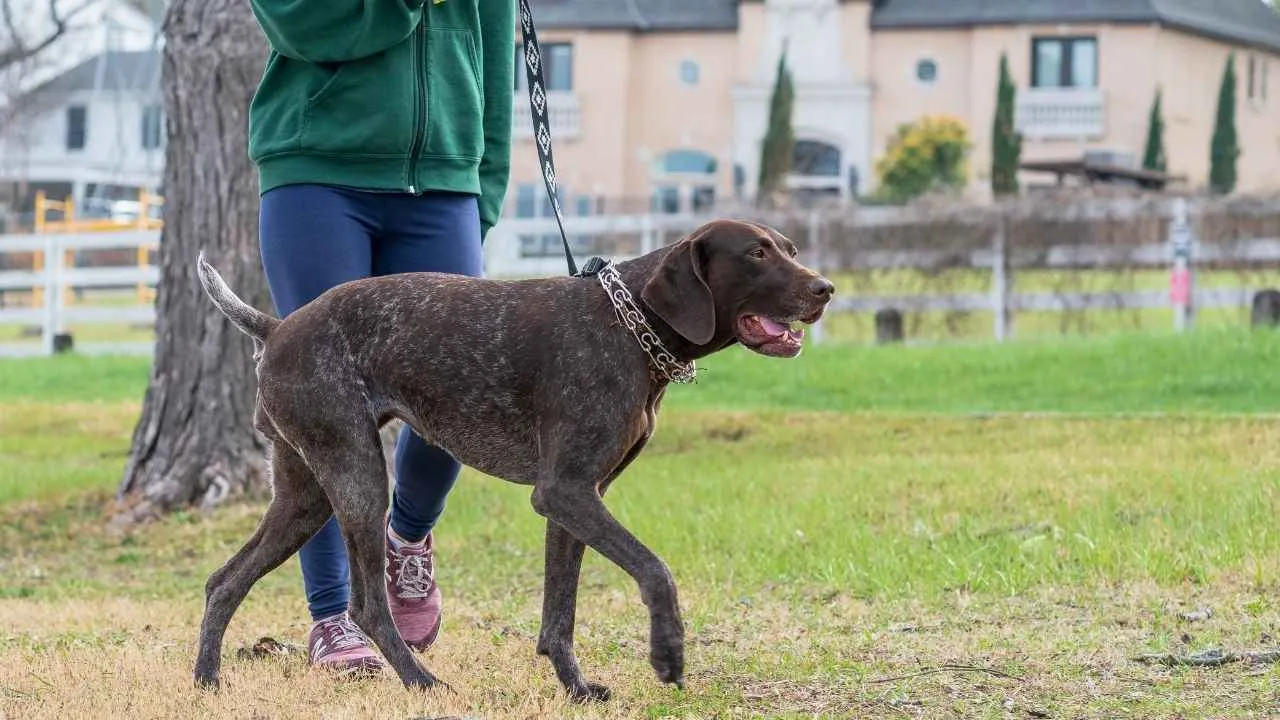
When it comes to tracking scent and clearly marking wildlife, the German Shorthaired Pointer brings intensity and precision to the field. This pointing breed is built for movement, with a strong, athletic frame that supports long hours of searching and covering ground.
In upland bird hunting, German Shorthaired Pointers are exceptional bird dogs known for their instinctive pointing behavior. Once they locate a bird’s scent, they stop instantly and hold a steady stance with their nose aimed toward the source. This clear way in which they point upland birds helps hunters identify the birds’ location before any movement begins.
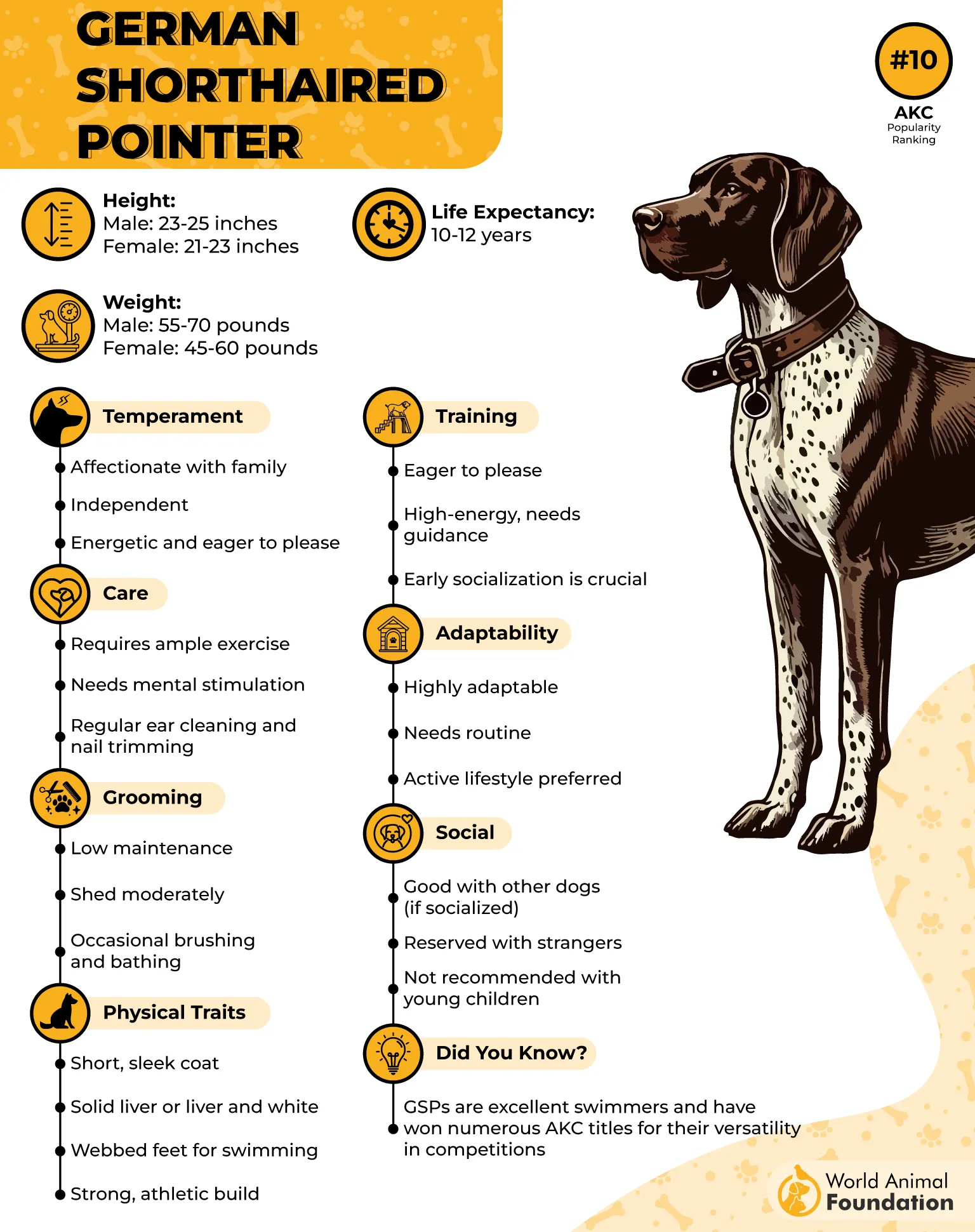
Beyond upland work, German Shorthaired Pointers are also used as duck dogs and for water retrieves. With proper training, they can move from open fields to duck blinds and handle retrieving duties on land or water. Their drive, stamina, and eagerness to work allow them to take on varied hunting roles throughout the day.
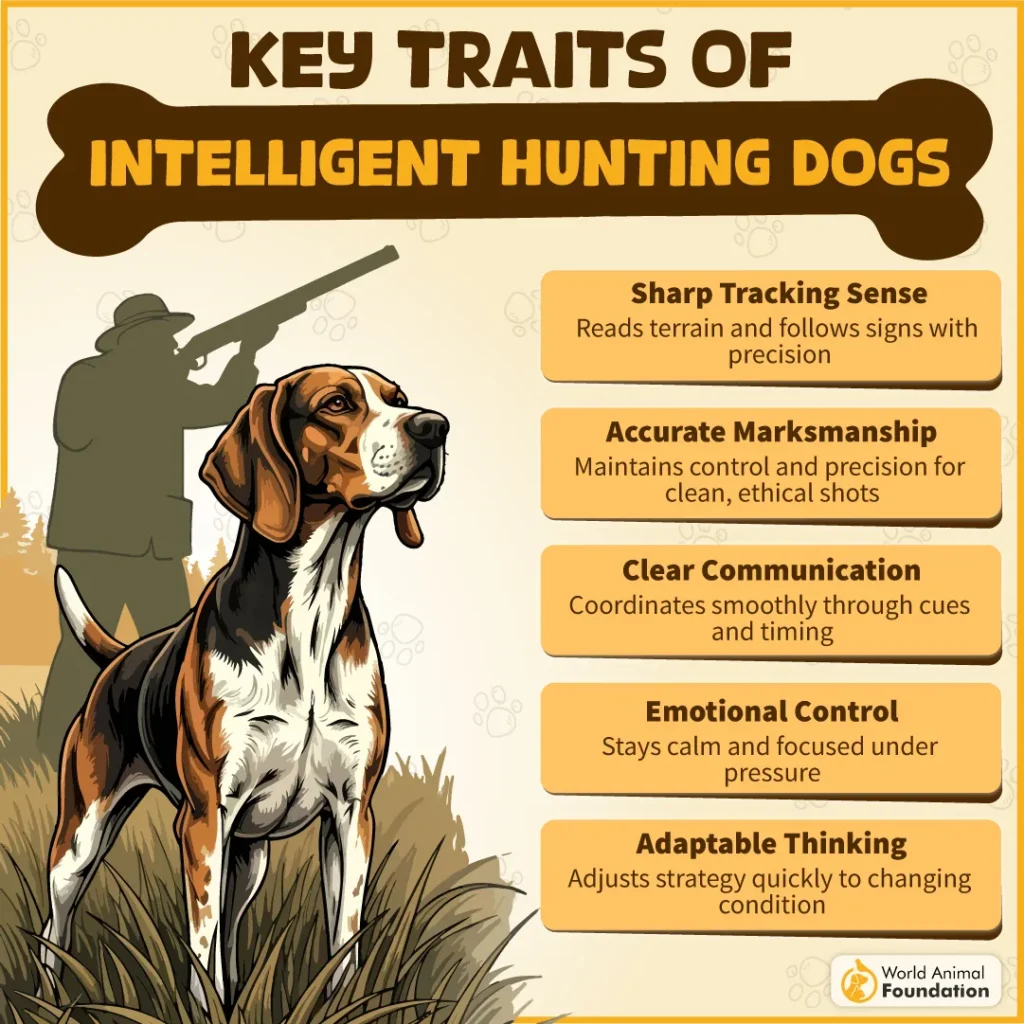
Fun Fact
German Shorthaired Pointers are often described as noble because of their posture and confident movement. After an active day outdoors, many are happiest relaxing close to their people at home.
2. Vizsla
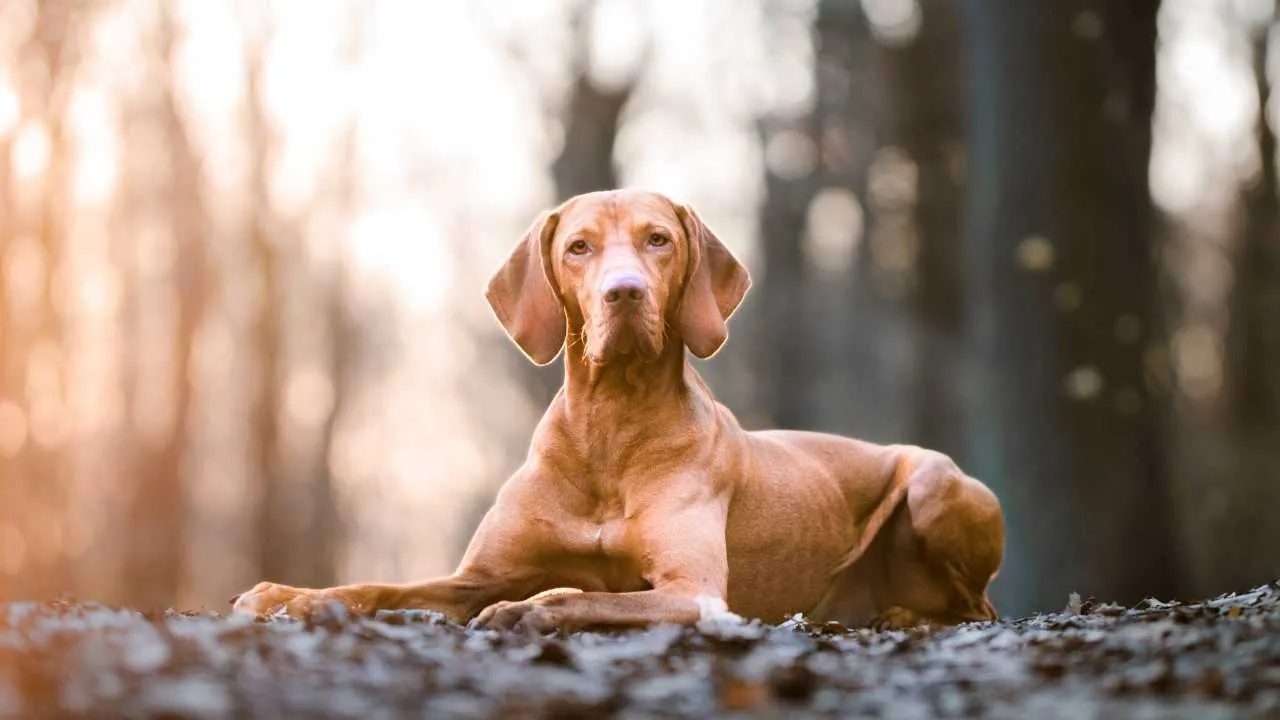
Scent work with a Vizsla feels personal and intentional. This versatile hunting dog breed was developed to work closely with humans, which shows in how it follows and responds to scent trails.
Rather than ranging far ahead, Vizslas tend to stay within visual range, making their tracking style cooperative and highly attentive. Their sharp noses and natural pointing instincts allow them to locate game and clearly mark its position through controlled, deliberate stillness.
Temperament plays a major role in how Vizslas work. They are cheerful, energetic, and deeply people-oriented, often forming strong bonds with their handlers. This loyalty makes them eager participants in training and field tasks, especially when positive reinforcement is used. Their high intelligence and need for mental stimulation mean they perform best when given consistent engagement and a clear purpose.
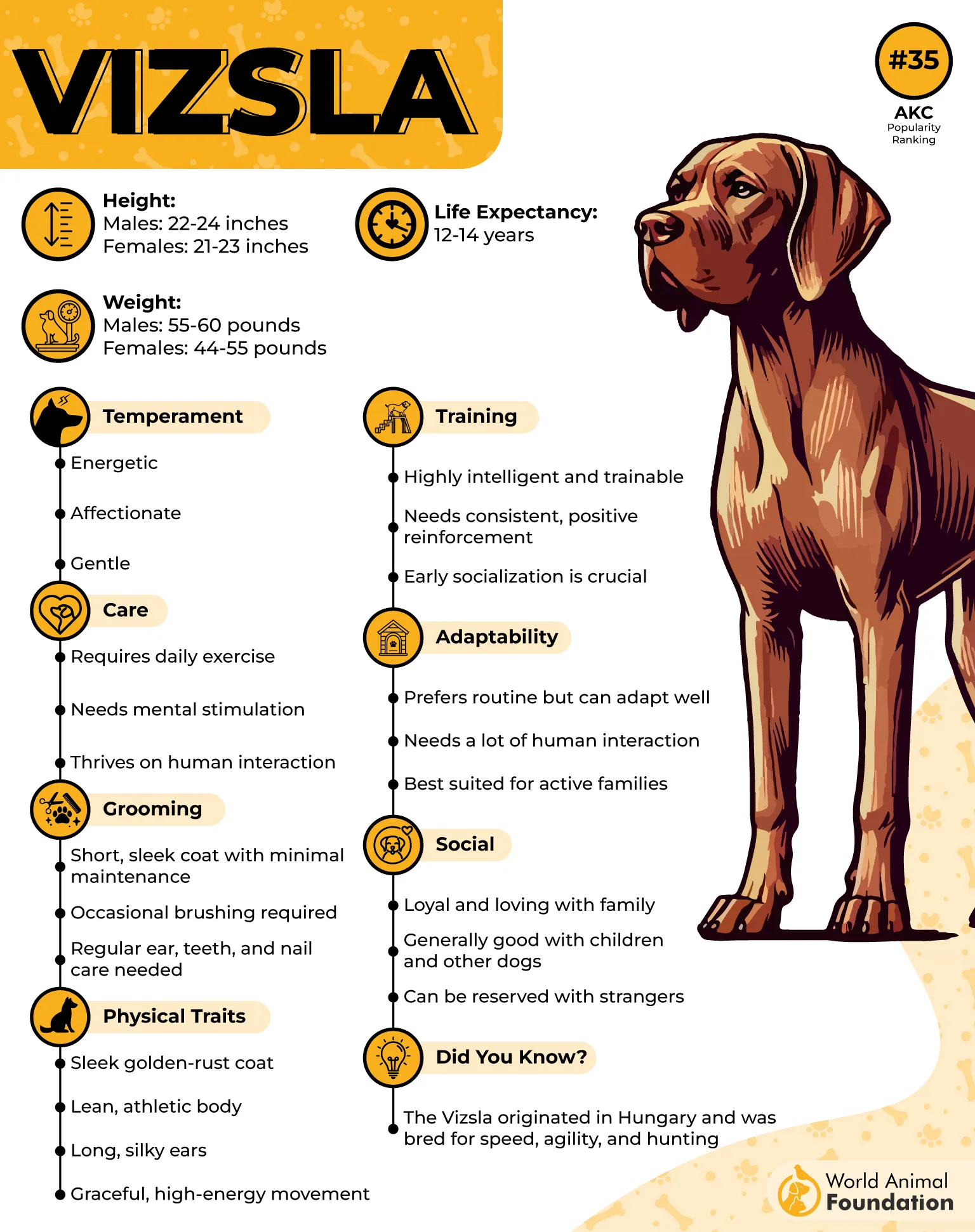
In water environments, Vizslas are capable participants when introduced properly. They enjoy swimming and can assist with waterfowl hunting, including retrieving tasks near ponds and wetlands. While their strengths lean toward field work, their athletic build and enthusiasm allow them to adapt to water-based activity when conditions and training support it.
Fun Fact
Vizslas have been depicted in ancient Hungarian art alongside hunters and falcons. These early images show just how long this breed has been associated with outdoor partnership and close human cooperation.
3. Catahoula Leopard Dog
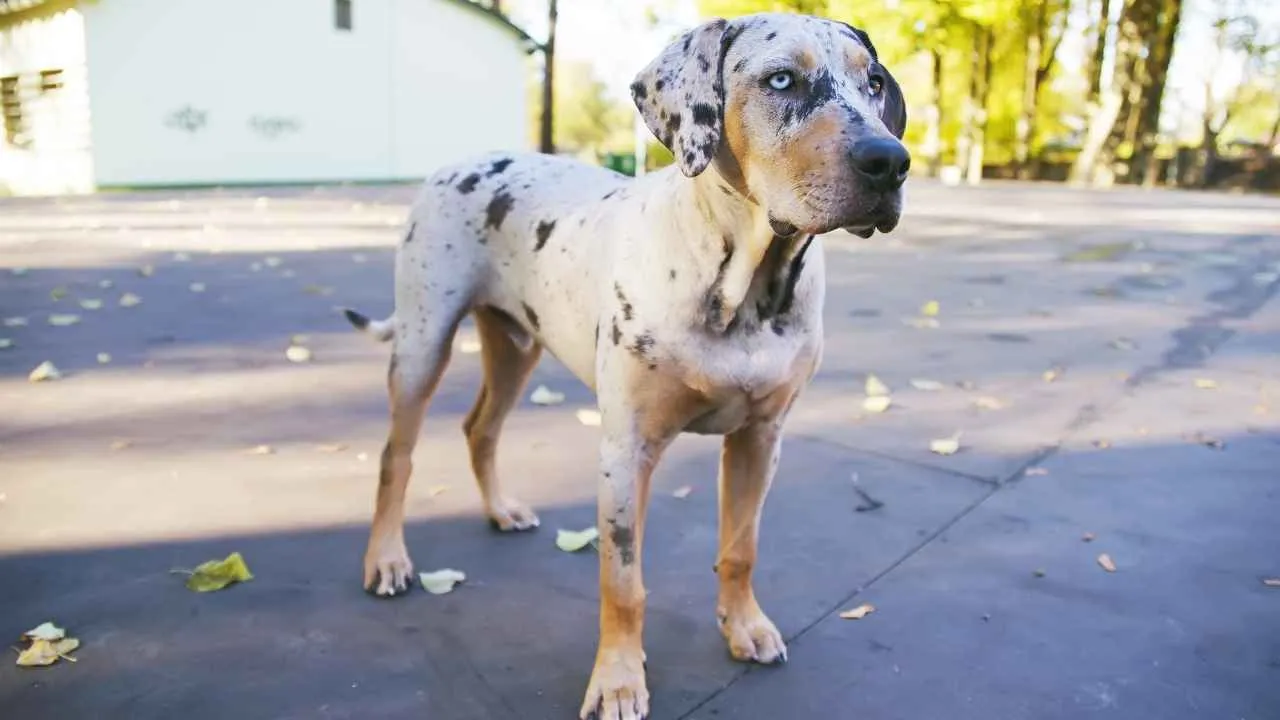
The Catahoula Leopard Dog approaches scent tracking with purpose and grit, shaped by generations of demanding work in Southern swamps and forests. Originally bred to locate and drive hogs and cattle, this breed relies on determination and independence when following scent trails. This strong tracking ability also makes them useful as blood tracking dogs, helping locate wounded game or downed birds.
According to PetMD, Catahoula Leopard Dogs have high energy needs and require one to two hours of daily exercise. Activities like running, fetching, and agility help prevent boredom, which can otherwise lead to destructive behavior.
Training hunting dogs requires consistency and patience. Their independent mindset means they often think for themselves, which can challenge inexperienced handlers. Positive reinforcement combined with early socialization helps build trust and focus. With clear direction and regular mental stimulation, they develop into loyal, hardworking partners.
Fun Fact
The name “Catahoula” comes from a Choctaw word meaning “sacred lake.” It reflects the breed’s deep cultural roots and connection to the landscapes where it first worked.
4. Saluki
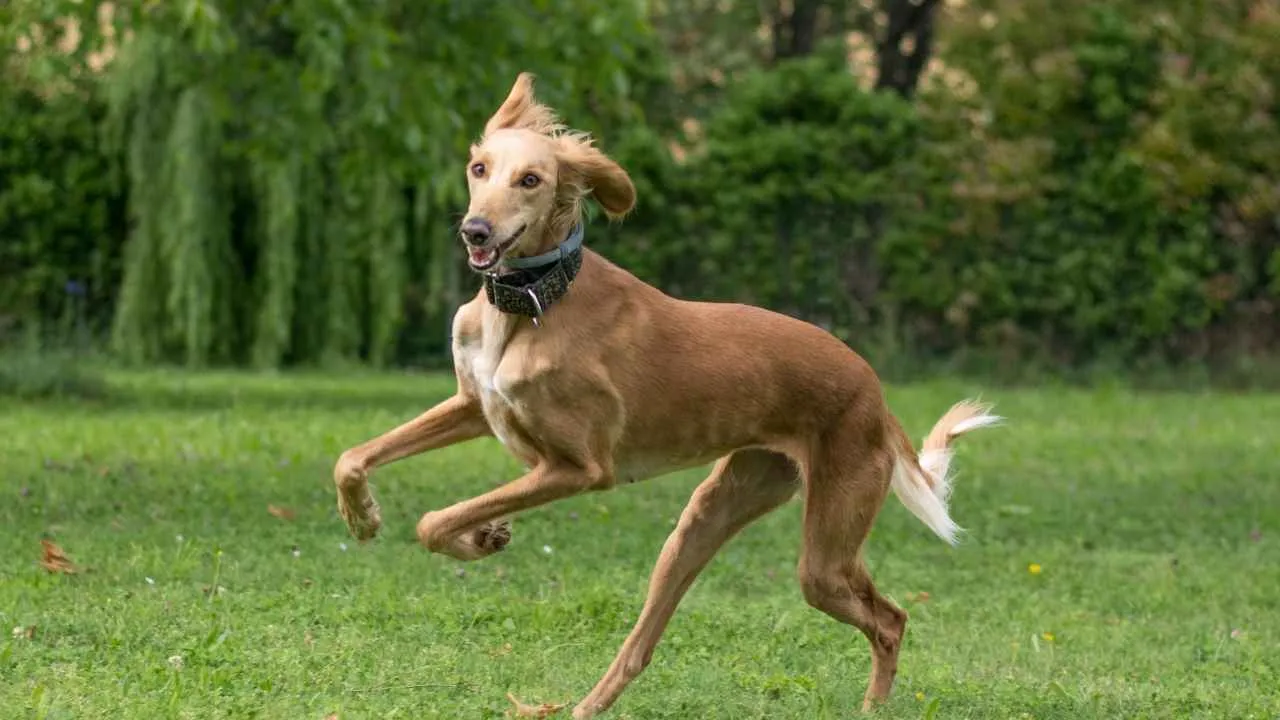
The Saluki feels less like a typical working dog and more like a living piece of history in motion. Revered for thousands of years, this elegant hound was shaped by wide-open landscapes where speed, balance, and grace mattered most.
Everything about the Saluki, from its long legs to its calm confidence, reflects a breed designed to move with purpose rather than rush the moment.
In hunting traditions, Salukis relied on sight instead of scent. They were bred to chase game across open ground, using speed and endurance to maintain pursuit over distance. This method of hunting highlights a distinct role rooted in vision, patience, and sustained effort rather than close-range tracking.
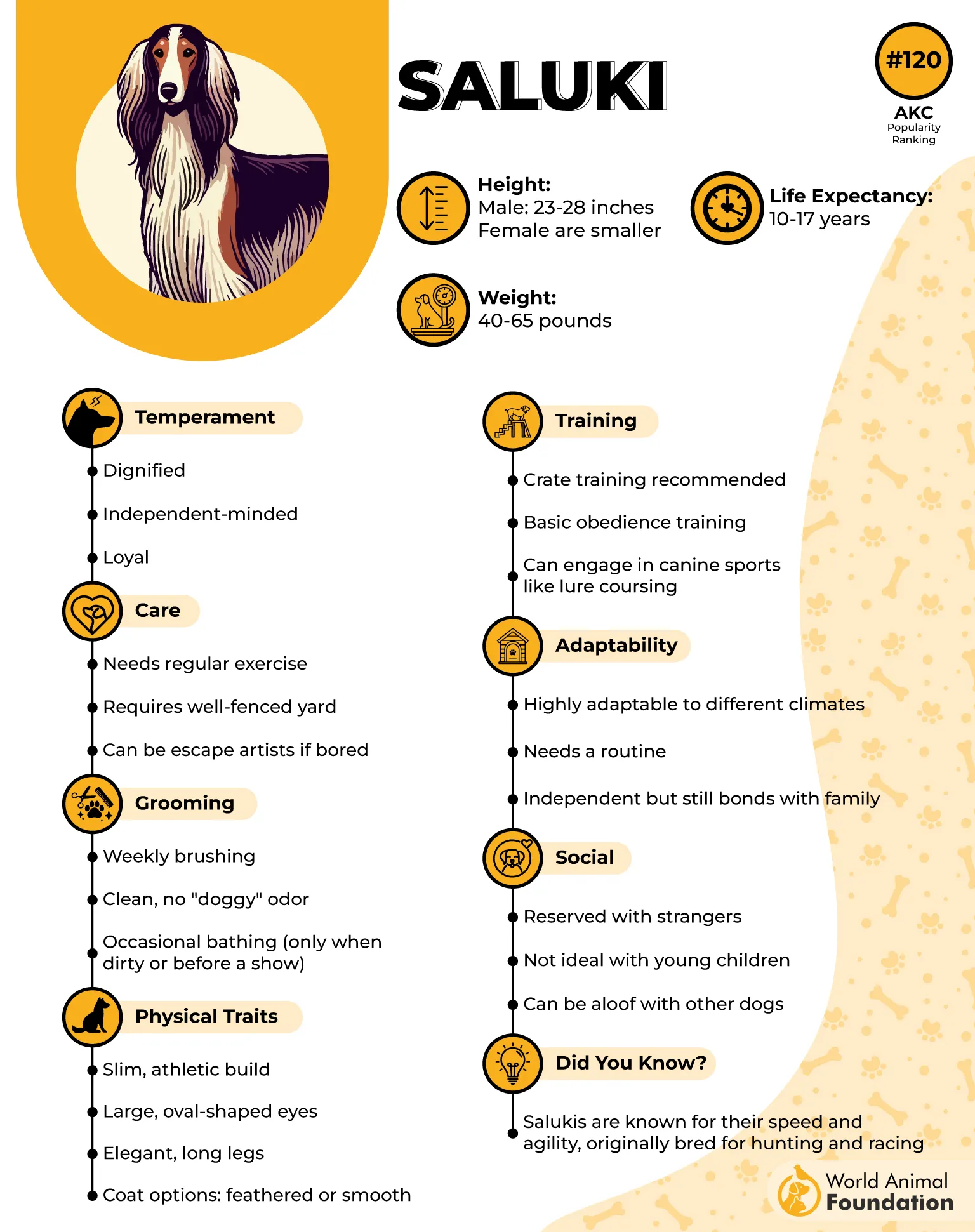
As per WebMD, Salukis need daily exercise and mental stimulation through long walks, secure play areas, and varied activities. Without enough engagement, boredom can lead to destructive behavior, making toys and structured interaction essential.
Fun Fact
Salukis were often treated as treasured family members in ancient societies. Some cultures believed they carried a sense of honor and dignity that set them apart from other dogs.
5. American Foxhound
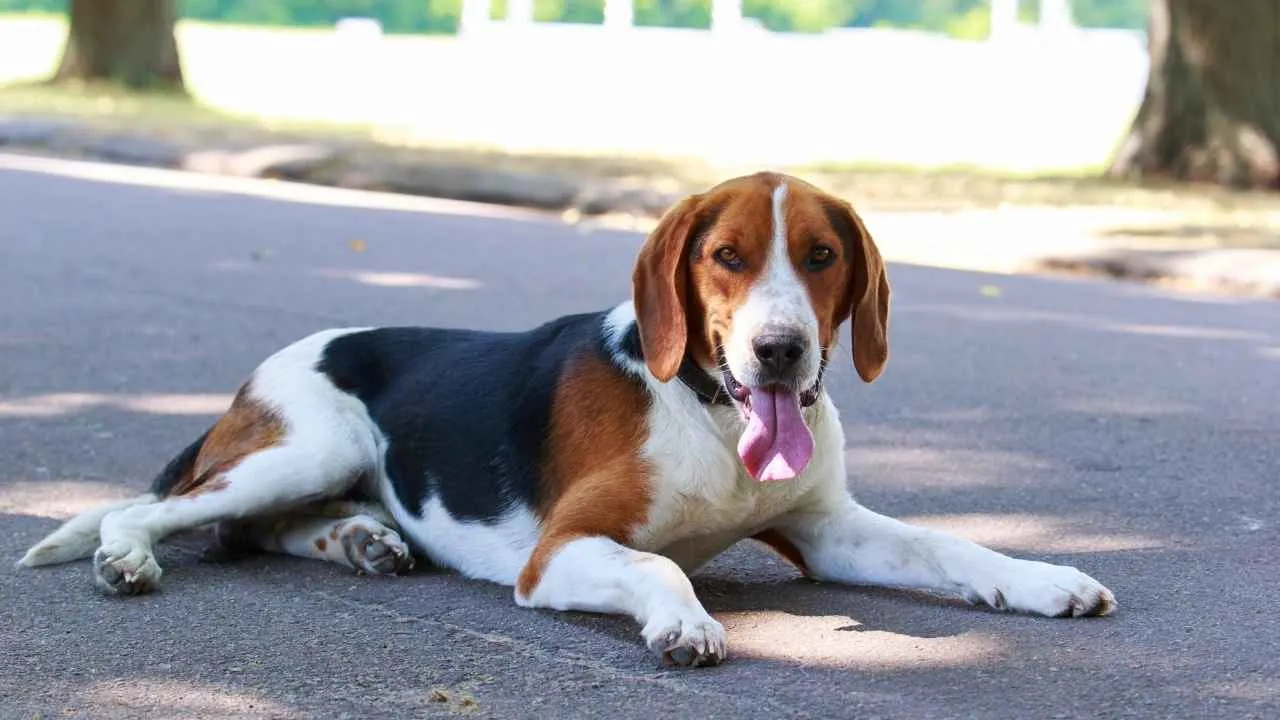
The American Foxhound brings sound, stamina, and tradition into the world of wildlife pursuit. Closely tied to the rolling countryside of early America, this breed was shaped for long chases rather than quick stops.
When it comes to marking wildlife, the American Foxhound relies heavily on voice and movement. As a scent hound, it signals progress by vocalizing while following a trail, allowing handlers to track location and direction from a distance. This style of marking is especially useful across wide terrain, where visual cues may be limited, and sound carries farther than sight.
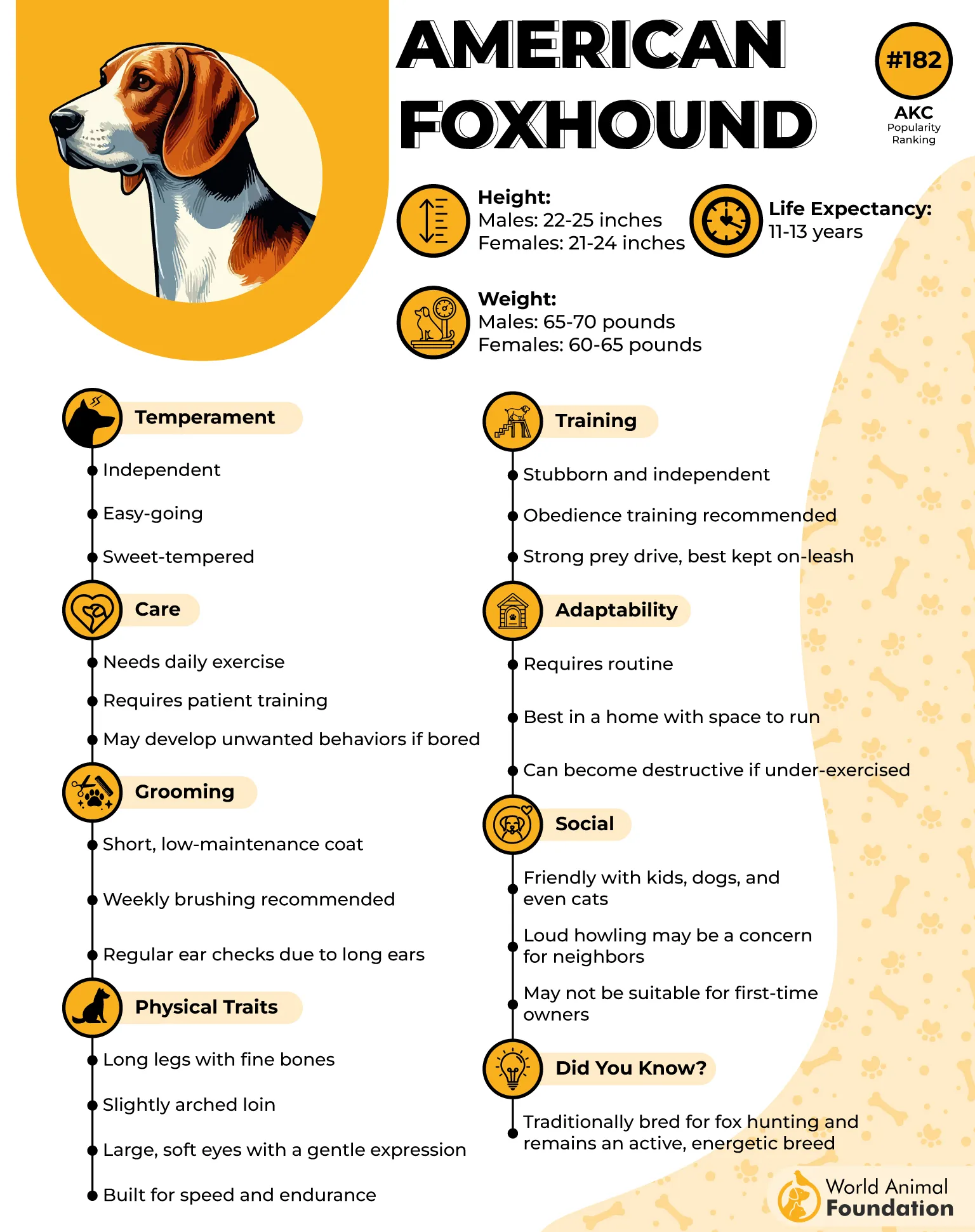
This breed is best suited for experienced owners who understand hound behavior. American Foxhounds need one to two hours of daily exercise and secure spaces, as their prey drive can easily pull them off course. Patient, active households that enjoy long walks or hikes tend to be the best match for their independent and easygoing nature.
Fun Fact
The American Foxhound is the official state dog of Virginia. Its development is closely linked to early American history and the estates of several founding families.
6. Weimaraner
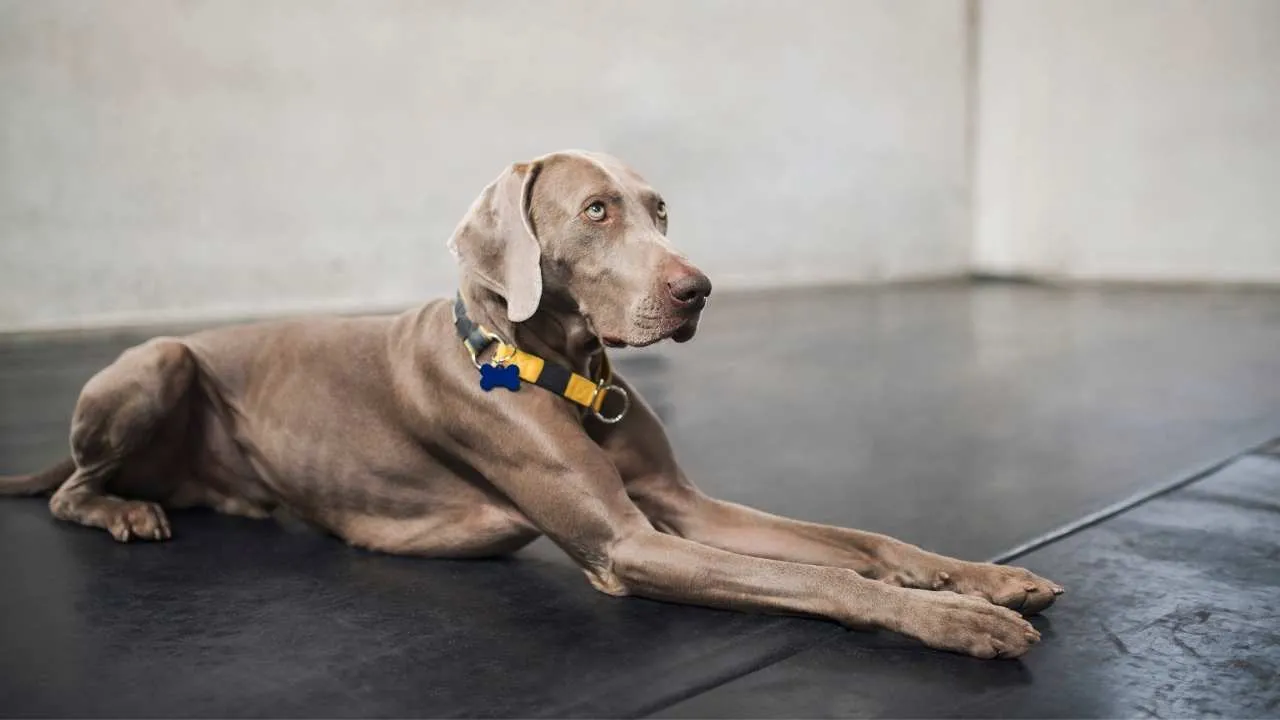
The Weimaraner stands out immediately, thanks to its sleek silver-gray coat and intense, watchful expression. Originally developed for hunting, this breed was valued for versatility and presence, moving confidently through fields while staying closely attuned to its handler.
Their athletic build and alert demeanor give them a commanding feel during outdoor work that involves locating and responding to wildlife activity.
In hunting environments, Weimaraners are known for their ability to locate game and hold steady once a scent is found. They have been used for upland bird hunting and are capable of pointing, allowing hunters to identify the location of birds before movement begins. Their strong drive and stamina support long days outdoors, where consistency and focus matter more than speed alone.
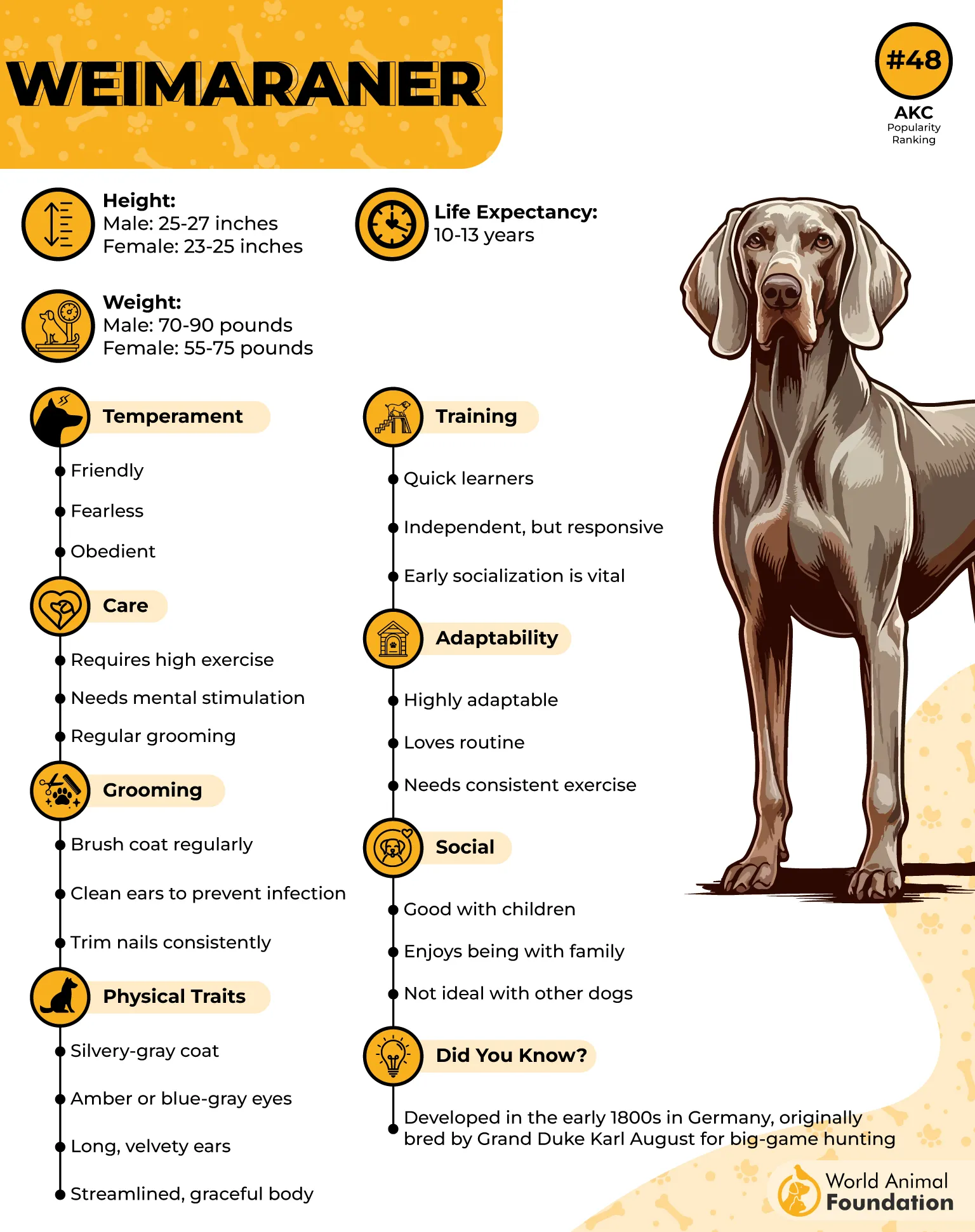
As mentioned by the American Kennel Club (AKC), Weimaraners are highly intelligent dogs that learn quickly, including both good and bad behaviors. Consistent training, creative motivation, and early socialization are essential for developing a well-mannered, balanced companion.
Fun Fact
Weimaraners are sometimes called “Gray Ghosts” because of their coat color and quiet movement. The nickname reflects how smoothly they can blend into their surroundings while on the move.
7. Rhodesian Ridgeback
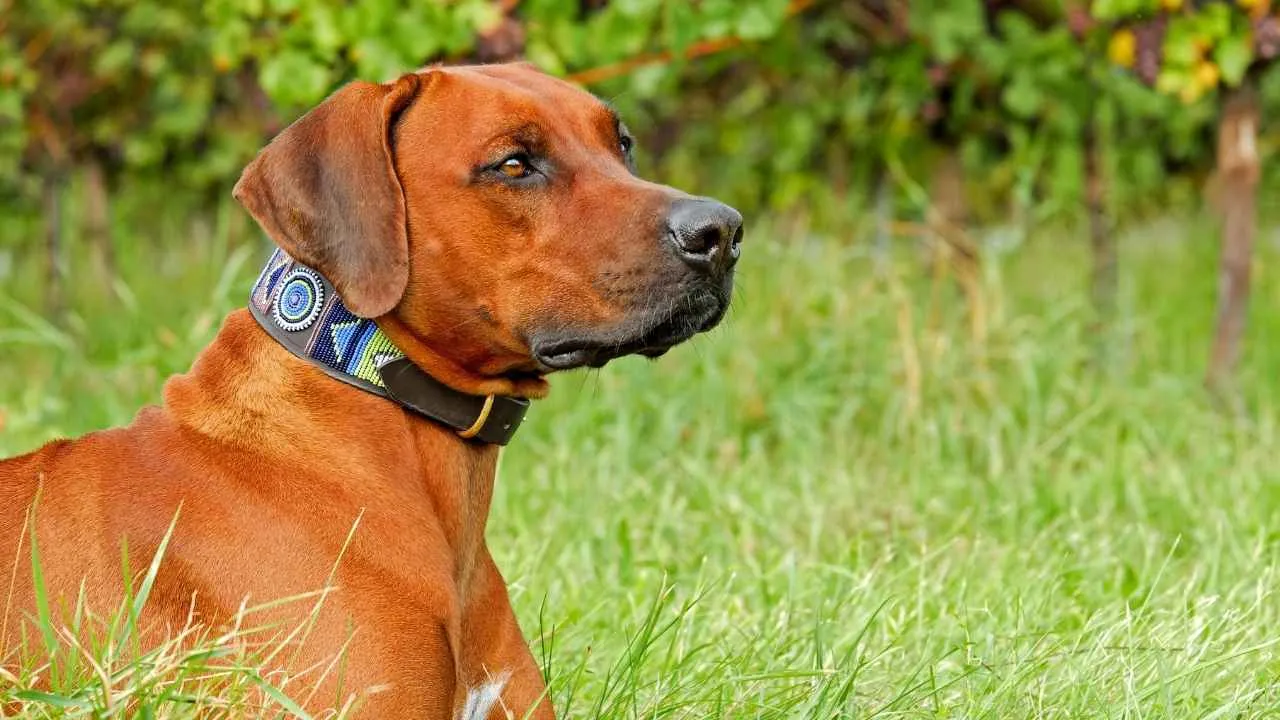
The Rhodesian Ridgeback enters wildlife work with power and presence rather than subtlety. Its muscular build and confident posture reflect a dog meant to stay engaged with formidable wildlife while maintaining awareness of its surroundings.
Personality shapes how the Ridgeback approaches outdoor tasks. These dogs are intelligent, loyal, and deeply bonded to their families, yet naturally reserved around unfamiliar people. Their guardian instincts and hunting background give them a calm but watchful demeanor, making them focused when following animal movement.
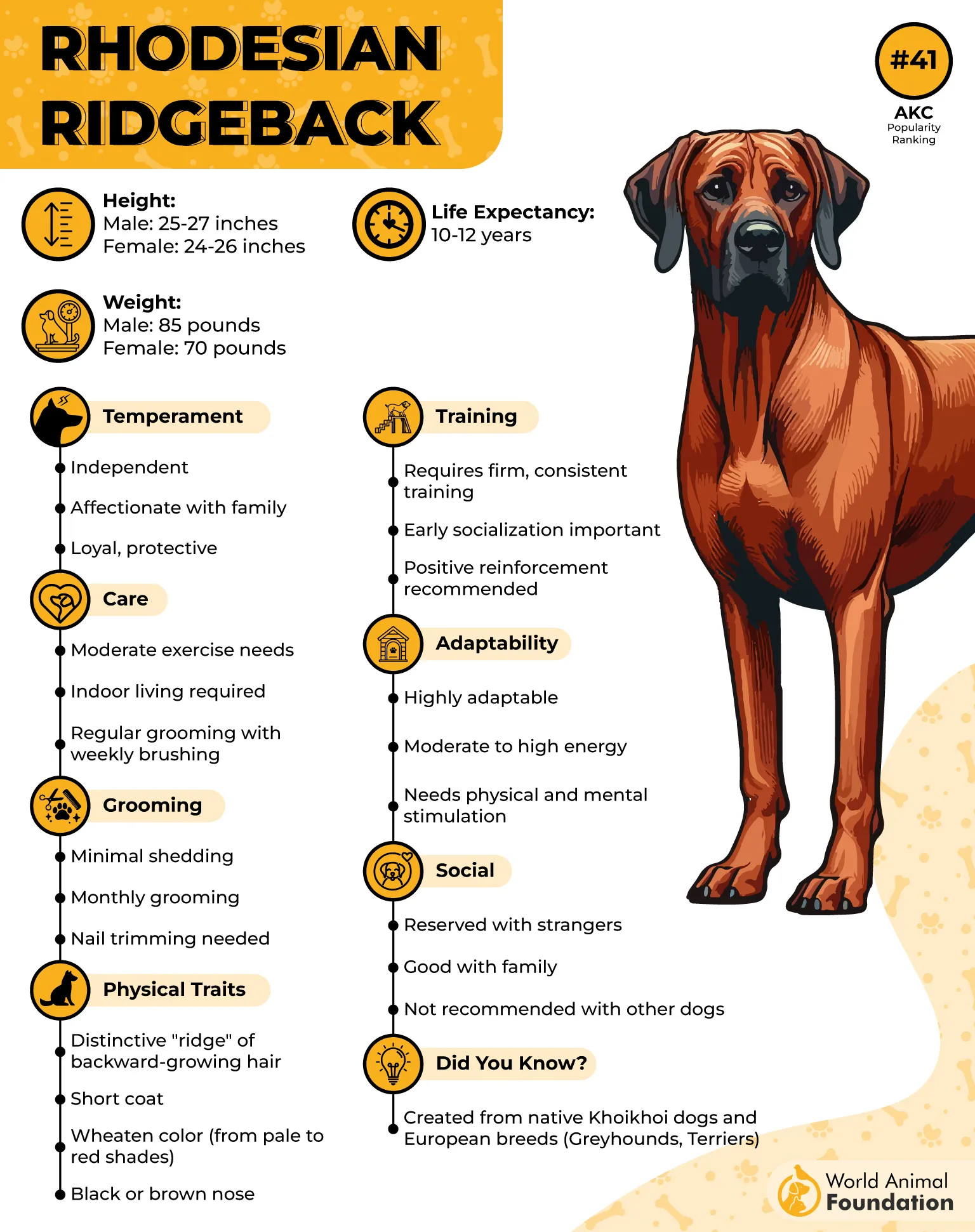
They are energetic dogs that need regular daily outlets to stay balanced and engaged. Rhodesian Ridgebacks require plenty of exercise each day, along with mental stimulation to prevent boredom. When well exercised, they tend to be quiet, composed, and content rather than restless.
Fun Fact
The distinctive ridge of hair along a Rhodesian Ridgeback’s back grows in the opposite direction of the rest of the coat. Each ridge is considered unique, much like a fingerprint.
Conclusion
Finding the right dog for tracking and marking wildlife starts with understanding how each breed works, moves, and connects with its handler. Some dogs thrive on close teamwork, others rely on independence, stamina, or strong instincts shaped by their history. What matters most is matching a breed’s natural abilities with your experience level, lifestyle, and the type of outdoor activity you enjoy.
When a dog’s strengths align with the work asked of them, training becomes smoother and time outdoors feels more rewarding. With the right fit, tracking and wildlife work can become a shared pursuit built on trust, focus, and plenty of memorable moments in the field.
If you are further interested in such wonderful dogs, some other breeds you can look up include Labrador Retriever, Chesapeake Bay Retriever, English Springer Spaniel, German Wirehaired Pointer, Golden Retriever, Brittany Spaniel, Flat-Coated Retriever, and Treeing Walker Coonhound.
