




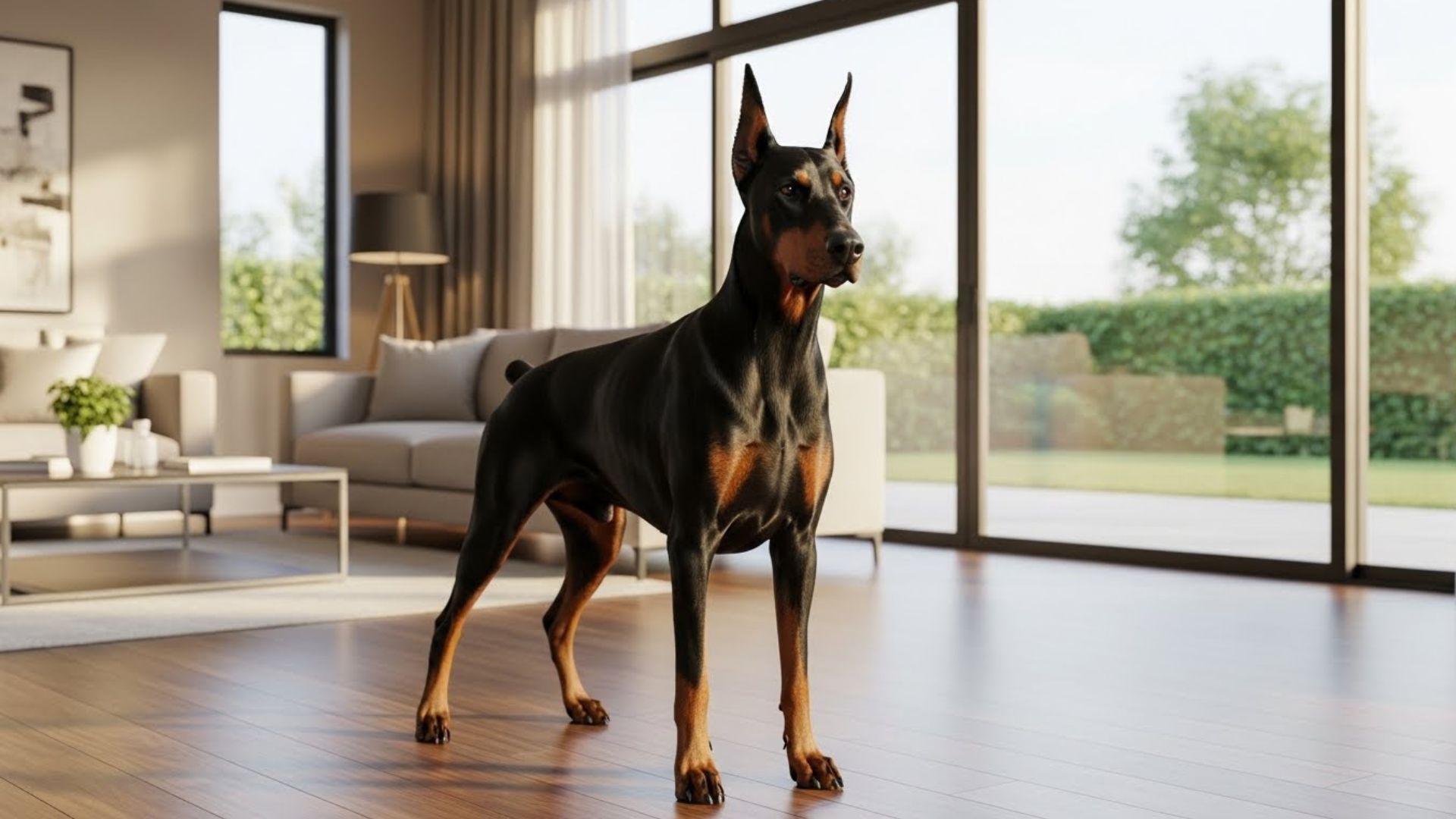
Most people want to feel safe at home, whether that means answering the door confidently or sleeping a little easier at night. For many dog owners, a protective dog adds that extra layer of reassurance simply by being present.
Some breeds are naturally tuned in to their surroundings, picking up on unfamiliar sounds or movements long before their humans do.
The best dog breeds for serious home security offer more than an intimidating look. They combine awareness, loyalty, and level-headed behavior, knowing when to stay calm and when to speak up. These dogs tend to form strong bonds with their families, which makes their protective instincts feel personal rather than reactive.
If you’re considering a dog that takes home security seriously, breed choice matters. From quiet watchers to confident guardians, the following breeds stand out for how they protect, respond, and fit into everyday home life.
Fun Fact
Protective dog breeds have worked alongside humans for centuries, guarding homes, livestock, and entire communities. Many were selectively bred for awareness and loyalty, traits that still define them today.
Best Dog Breeds for Serious Home Security
1. Doberman Pinscher
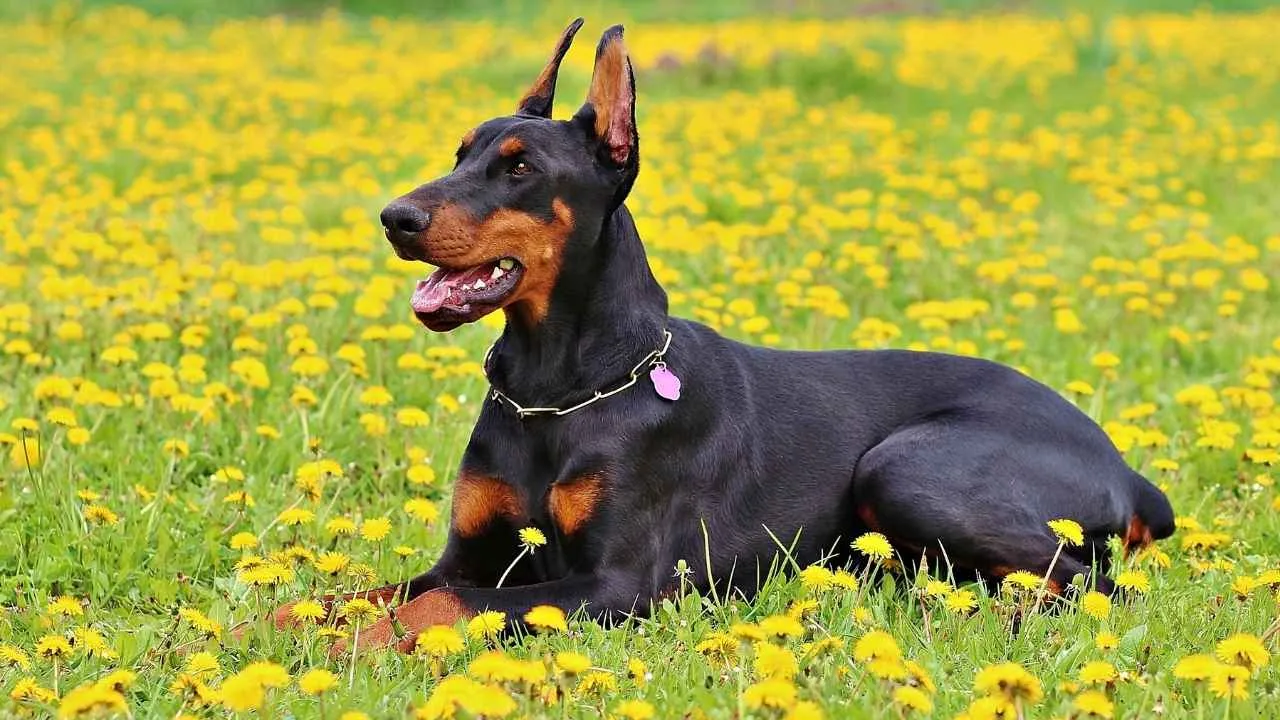
The Doberman Pinscher has a sharp, streamlined appearance that reflects how the breed was designed to move and react. Its lean muscle, long legs, and smooth coat create a dog that looks ready for action even while standing still. Everything about its build suggests precision and intention rather than brute force.
Emotionally, this breed tends to stay closely tuned to its household. Dobermans often prefer being near their people and are known to enjoy play, attention, and shared routines. They can be gentle and affectionate at home while remaining alert to unfamiliar situations, switching modes quickly when needed.
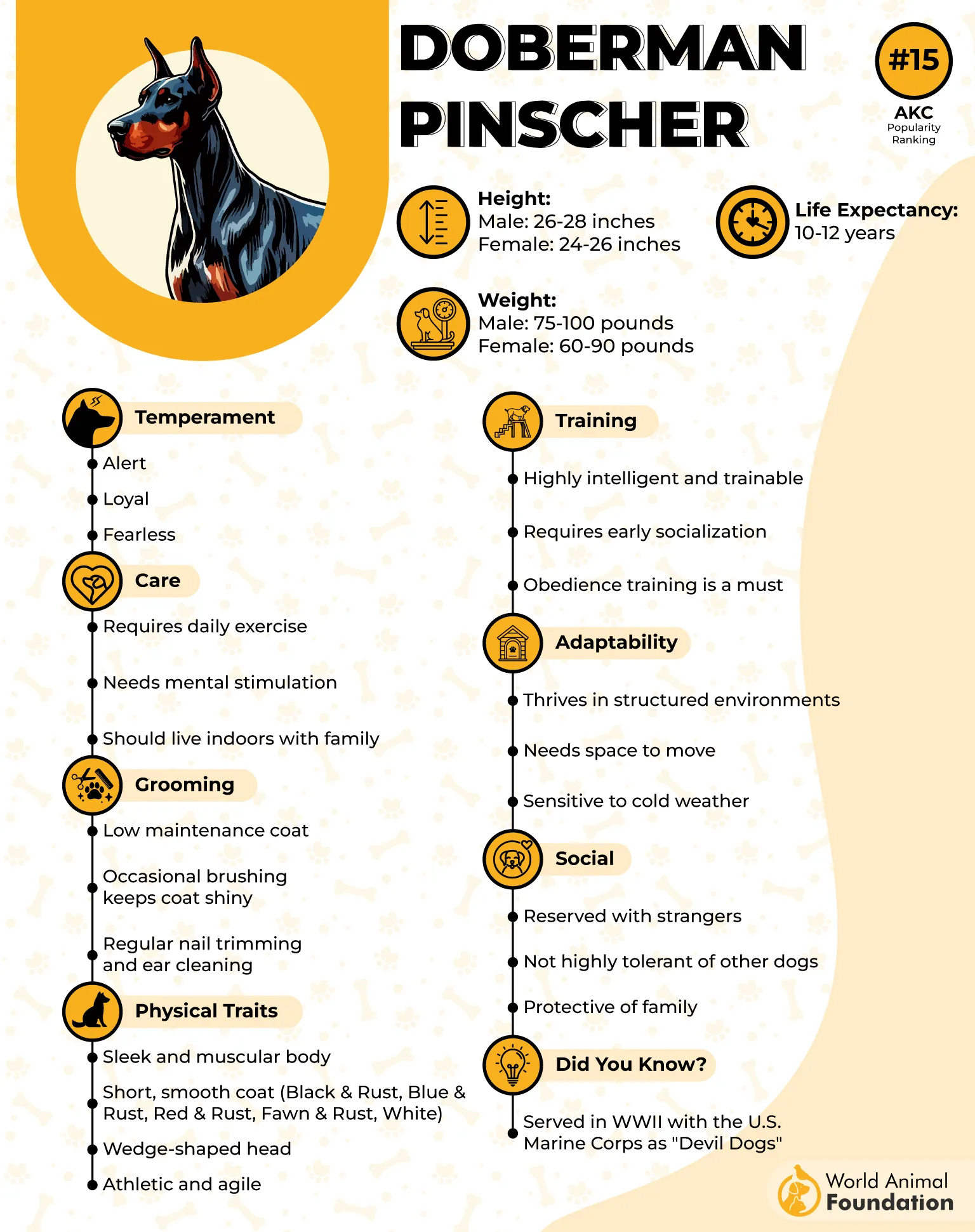
As per the AKC, Dobermans are highly intelligent and pick up commands fast, but their strength means training needs to be consistent and structured from the start. Early socialization and obedience work, including puppy classes, help prevent pushy or destructive habits from forming. With clear rules and positive reinforcement, they’re far more likely to grow into calm, well-mannered dogs.
Fun Fact
The Doberman Pinscher was developed by a German tax collector who wanted a dependable companion for protection. The breed carries his name as a lasting legacy.
2. Bullmastiff
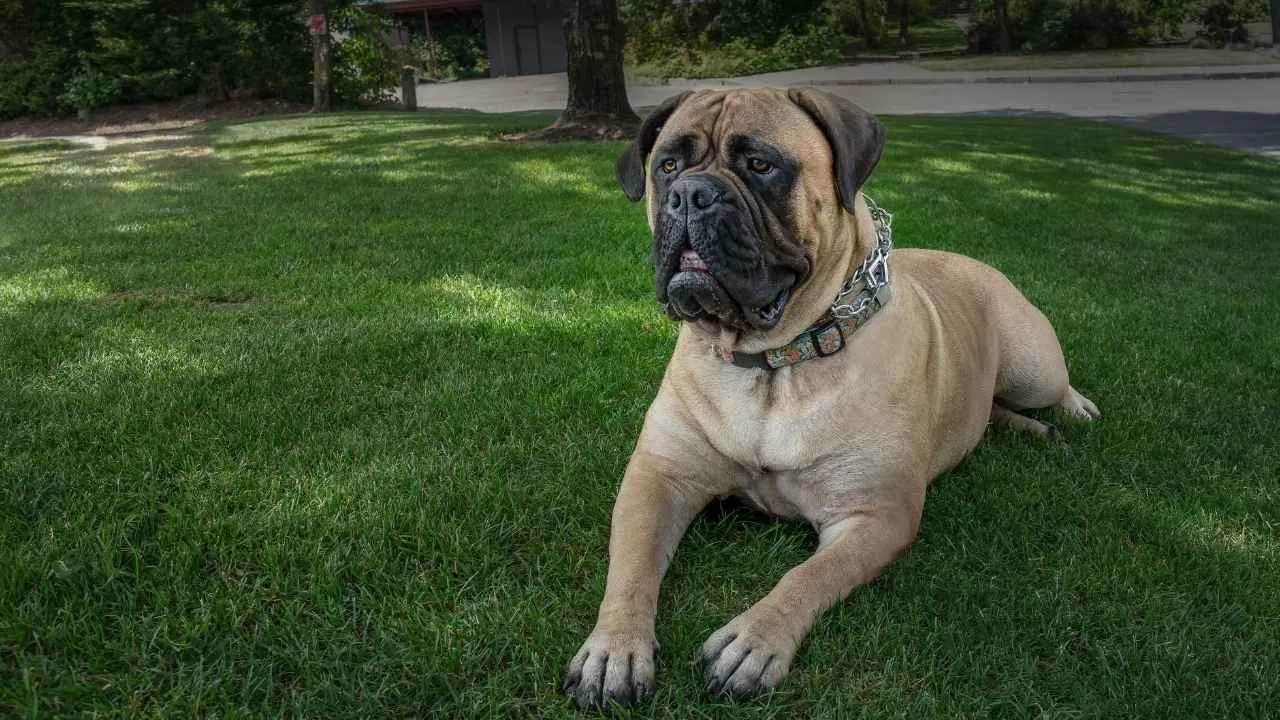
The Bullmastiff gives the impression of quiet strength. Heavy-boned and solid, this breed was built to cover ground silently and hold its position when required. Its broad head and muscular frame communicate authority without needing dramatic movement.
At home, Bullmastiffs are often calm and surprisingly low-key. They tend to prefer relaxing near their families rather than seeking constant stimulation. Their reactions are usually deliberate, making them more likely to watch a situation unfold before stepping in.
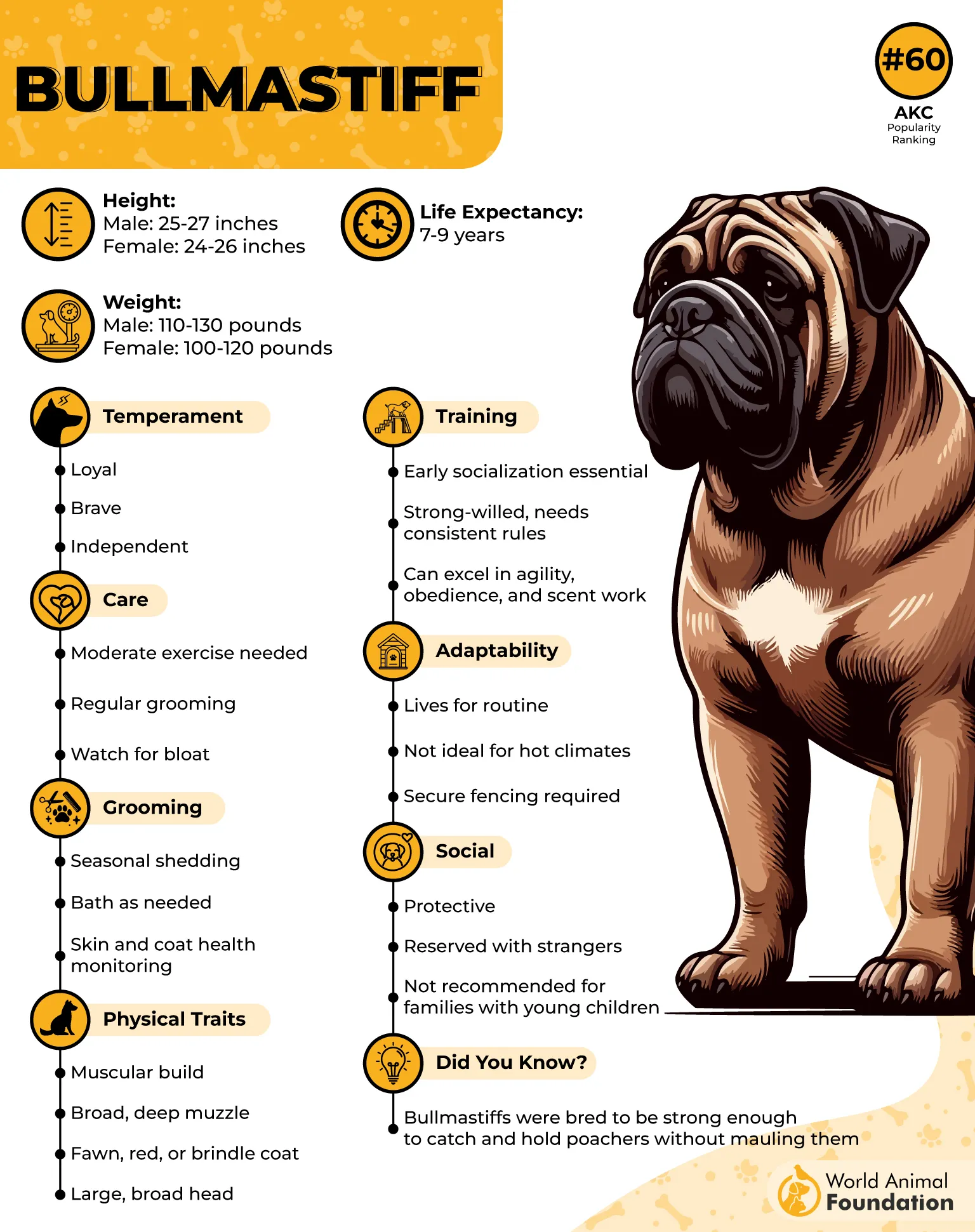
Raising a Bullmastiff means setting expectations early and sticking to them. Their independent streak responds best to patient guidance and firm routines. A balance of light activity and mental engagement supports a temperament that feels composed and reliable.
Fun Fact
Bullmastiffs were once called the “Gamekeeper’s Night Dog” for their ability to work quietly after dark. They were trained to restrain intruders rather than chase them away.
3. German Shepherd
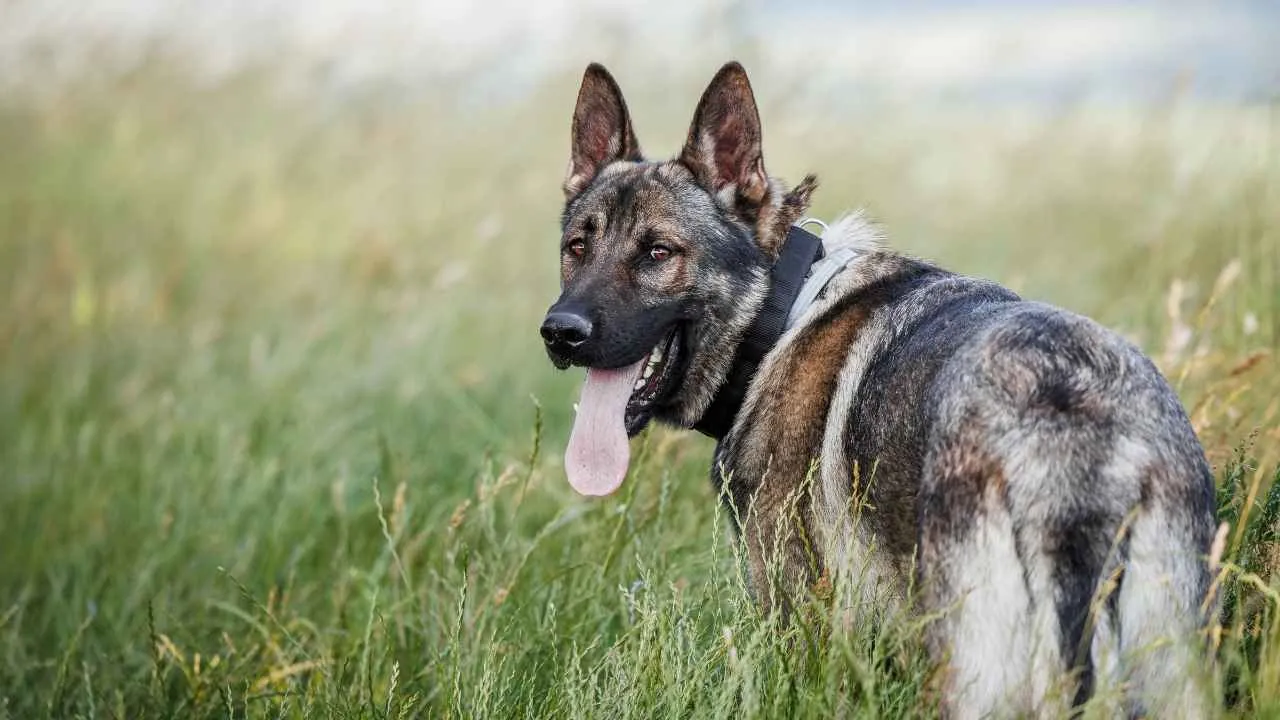
The German Shepherd Dog is known for its versatility and athletic balance. Its strong back, powerful hindquarters, and fluid movement allow it to adapt easily to different tasks. The breed’s focused expression often hints at its readiness to work or learn.
A lifestyle that includes variety suits this breed well. Activities that challenge coordination, endurance, and focus help maintain emotional stability. With thoughtful guidance, the German Shepherd often develops into a composed presence that feels attentive without being overwhelming.
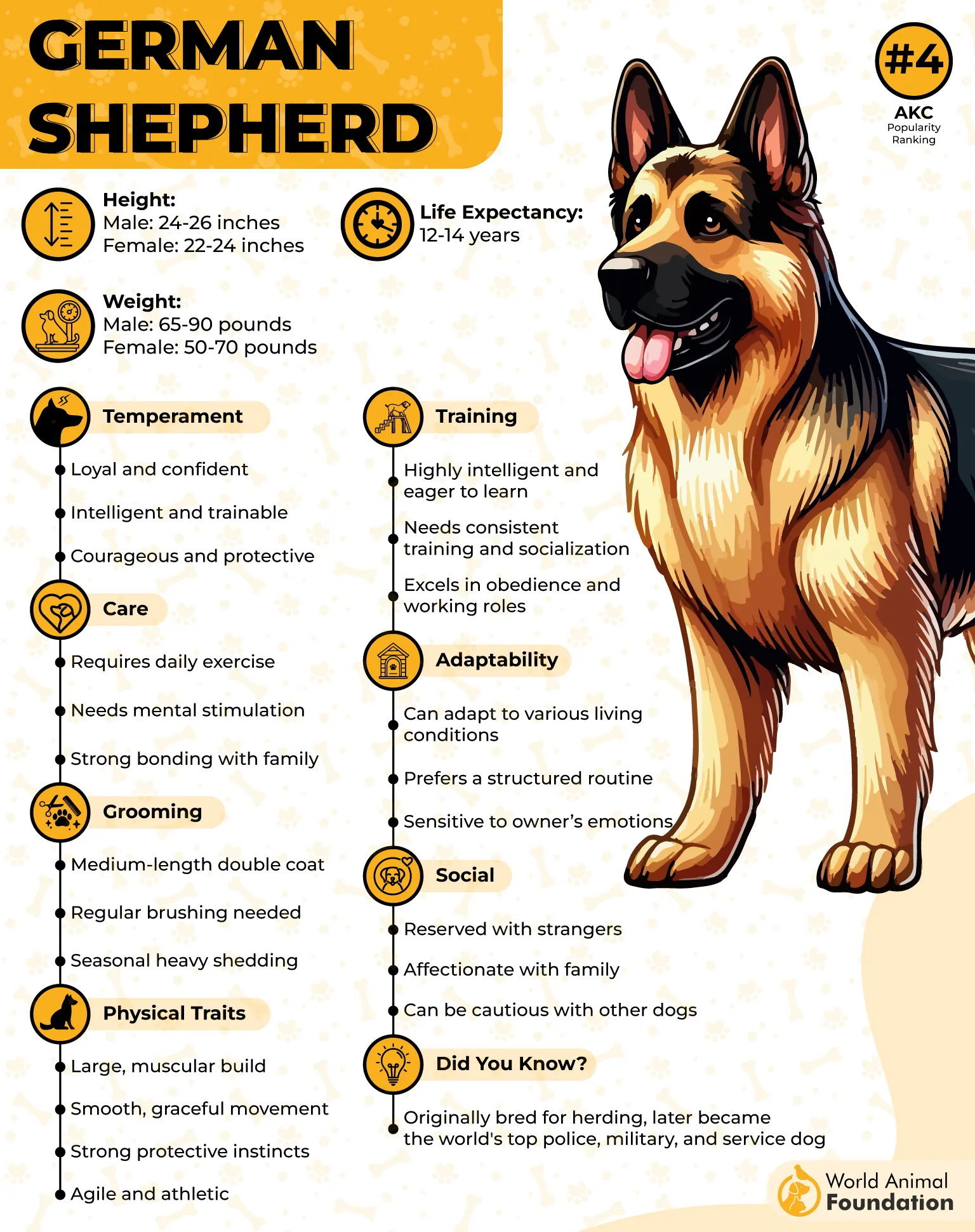
Mental stimulation plays a major role in this dog’s satisfaction. German Shepherds tend to enjoy problem-solving, structured learning, and tasks that give them a sense of purpose. They often bond closely with their households and prefer involvement rather than isolation.
Fun Fact
German Shepherds were first bred for herding sheep in Germany. Their adaptability later led to widespread use in service and working roles.
4. Rottweiler
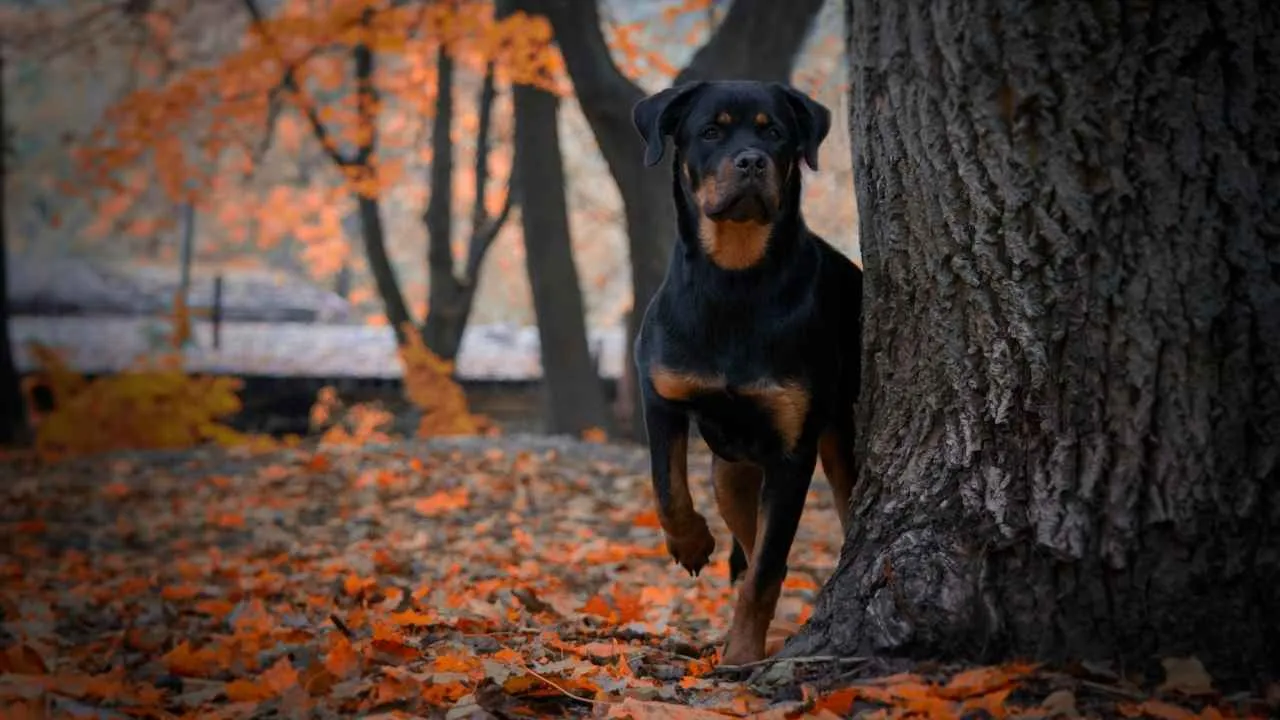
The Rottweiler has a powerful, grounded presence shaped by centuries of working alongside humans. Broad shoulders, a deep chest, and strong legs give the breed a solid, confident stance. Its movements are purposeful, reflecting both strength and control.
Socially, Rottweilers tend to build trust gradually. They are often very affectionate and playful with familiar people while remaining reserved around strangers. Many show a strong sense of awareness, quietly monitoring their surroundings rather than reacting impulsively.
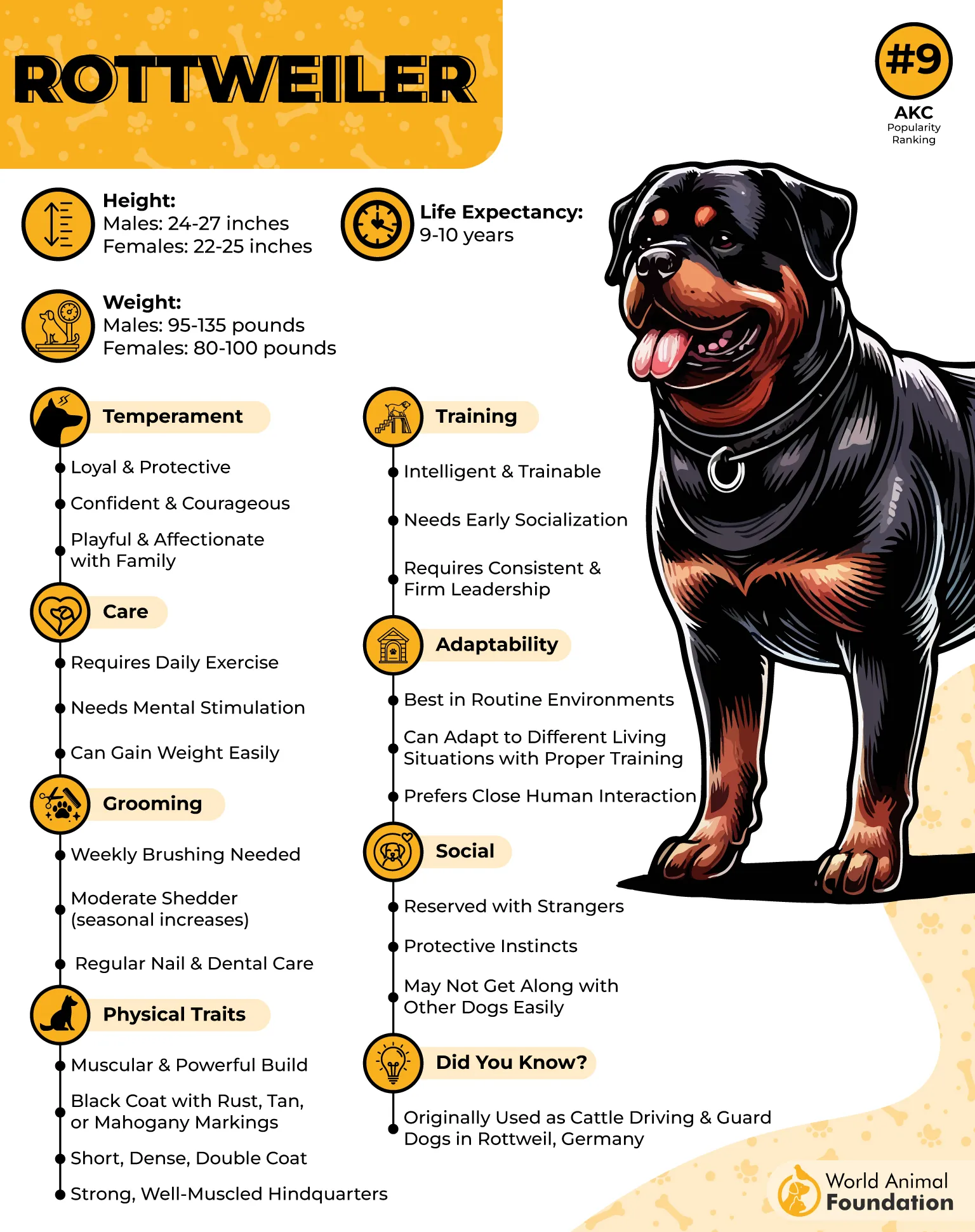
According to PetMD, Rottweilers have high energy levels and benefit from regular outlets that keep them both physically and mentally engaged. Activities like hiking, running, agility, tracking scents, dock diving, and obedience work suit their athletic build and focus. Regular exercise helps them stay balanced and prevents restlessness.
Fun Fact
Rottweilers once protected livestock and merchants’ earnings during travel. Money was commonly carried in pouches fastened around the dog’s neck.
5. Cane Corso
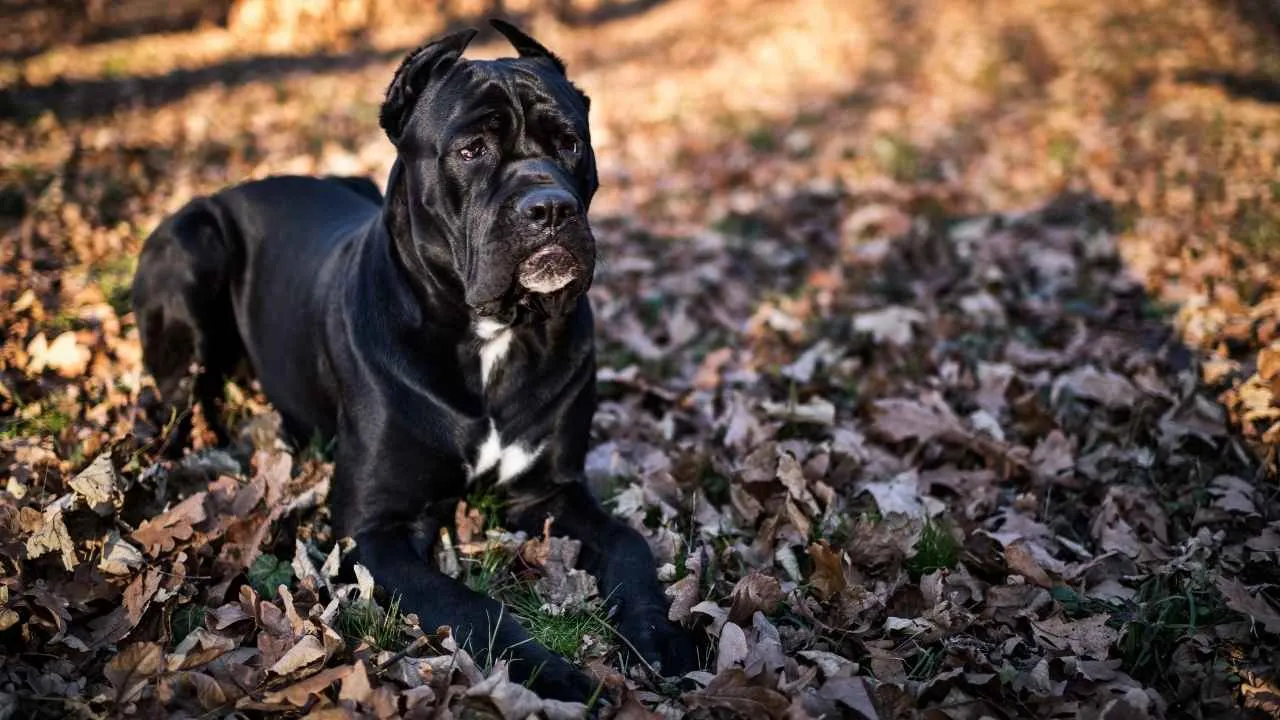
The Cane Corso feels deliberate in everything it does. This Italian breed was shaped by centuries of work guarding farms, animals, and families, and that history shows in its calm intensity.
A Cane Corso needs purpose woven into everyday life. Clear expectations, consistent routines, and mentally demanding activities help keep this breed grounded. When its instincts are guided thoughtfully, it becomes a composed and dependable presence.
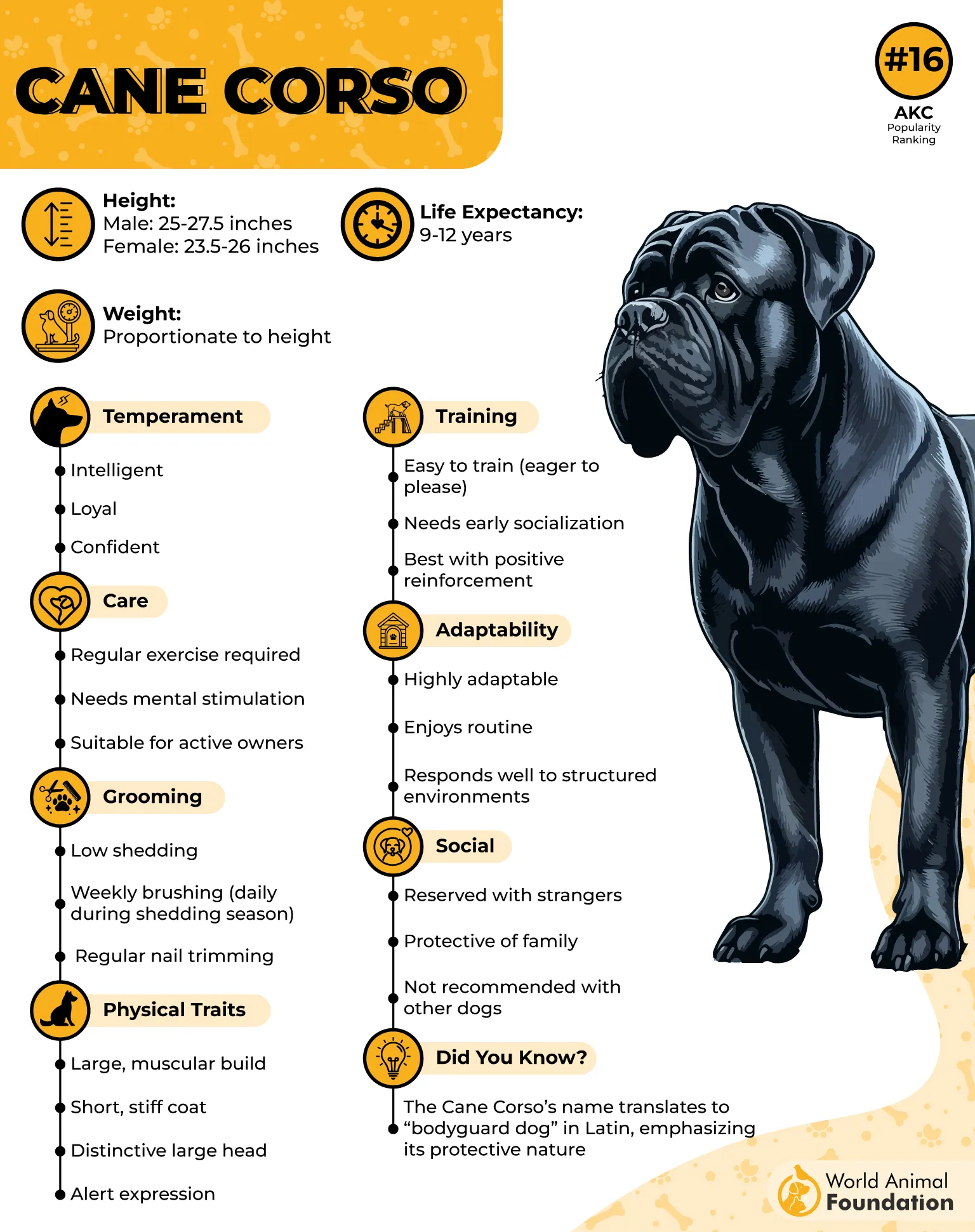
This dog tends to stay mentally engaged with its surroundings. Cane Corsi often choose strategic spots in the home where they can observe without interfering, stepping in only when something feels off. Their bond with family is serious and focused, more watchful than needy.

Fun Fact
Cane Corsi descend from ancient Roman guardian dogs used to protect property and livestock. The breed gained AKC recognition in 2010.
6. Akita
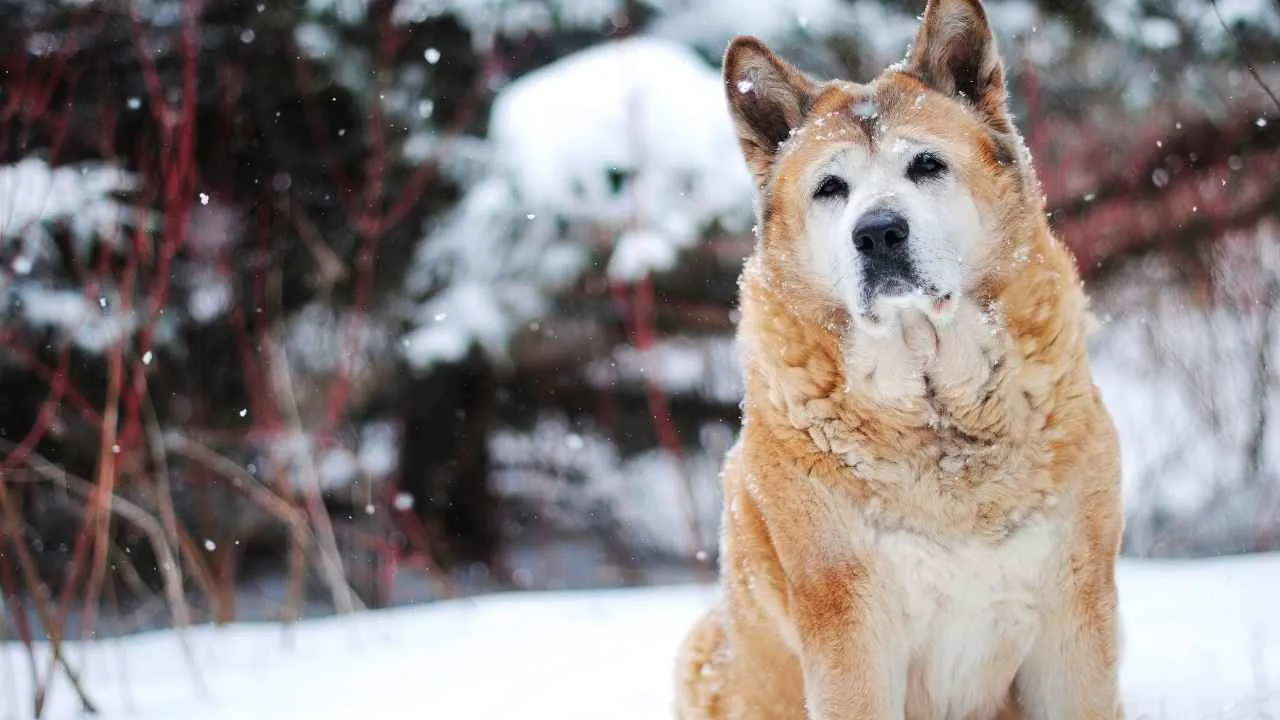
The Akita carries a sense of gravity that is hard to miss. Originating in Japan, this breed was developed to hunt large game and guard nobility, which shaped its powerful frame and reserved demeanor. Thick fur, upright ears, and a tightly curled tail create a silhouette that feels both striking and controlled.
Akitas tend to keep their emotions contained. They are deeply devoted to their households yet selective about where they place their trust. Many prefer quiet observation over constant interaction, forming intense bonds that feel personal and exclusive.
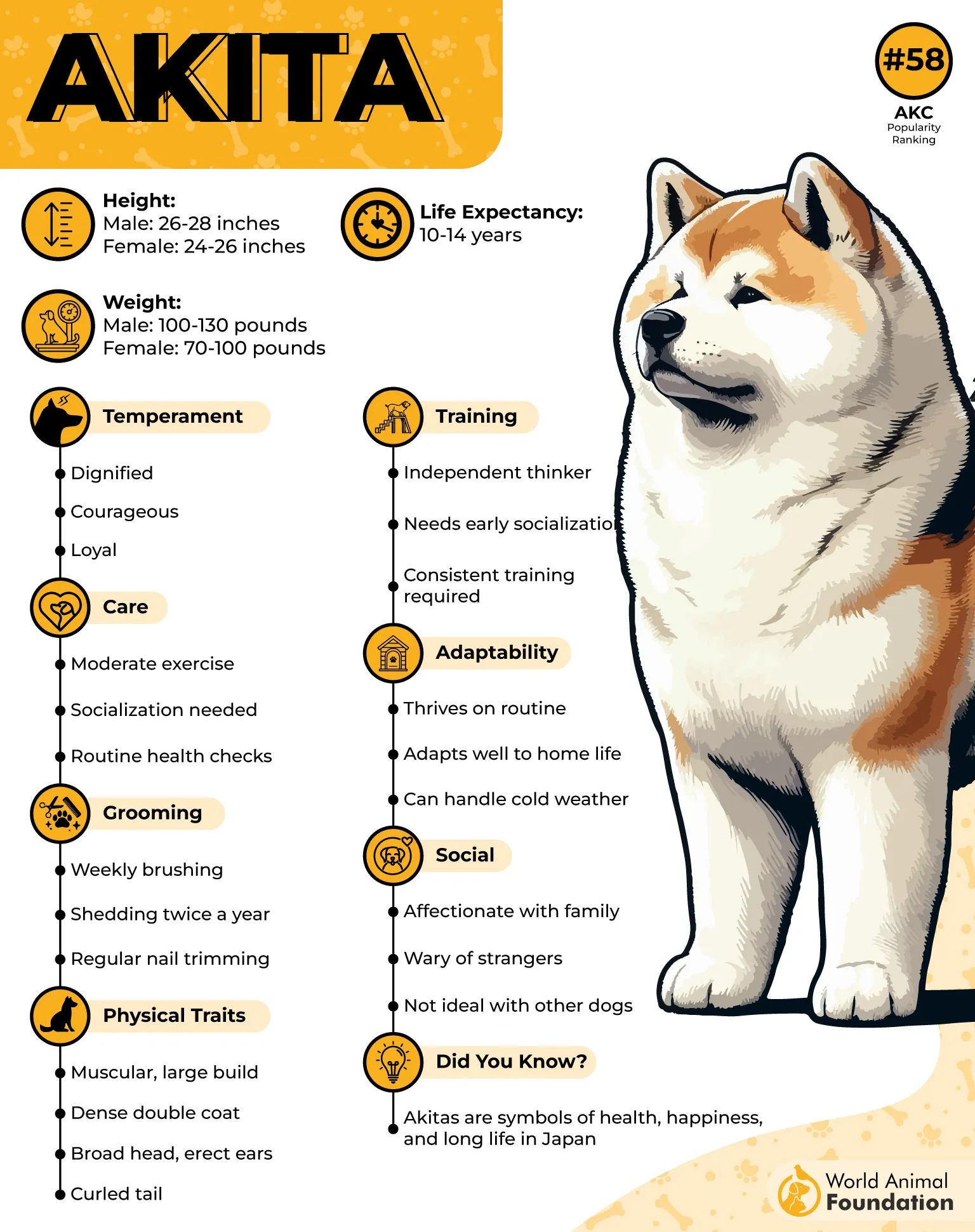
As mentioned by WebMD, Akitas can learn training basics, but they are naturally independent and may not feel motivated to follow commands just to make you happy. Starting early and practicing regularly as they mature helps build reliable habits. They tend to do best with calm, confident leadership and clear, consistent rules.
Fun Fact
In Japanese culture, Akitas represent protection and longevity. Figurines of the breed are often given to wish good health and happiness.
7. Giant Schnauzer
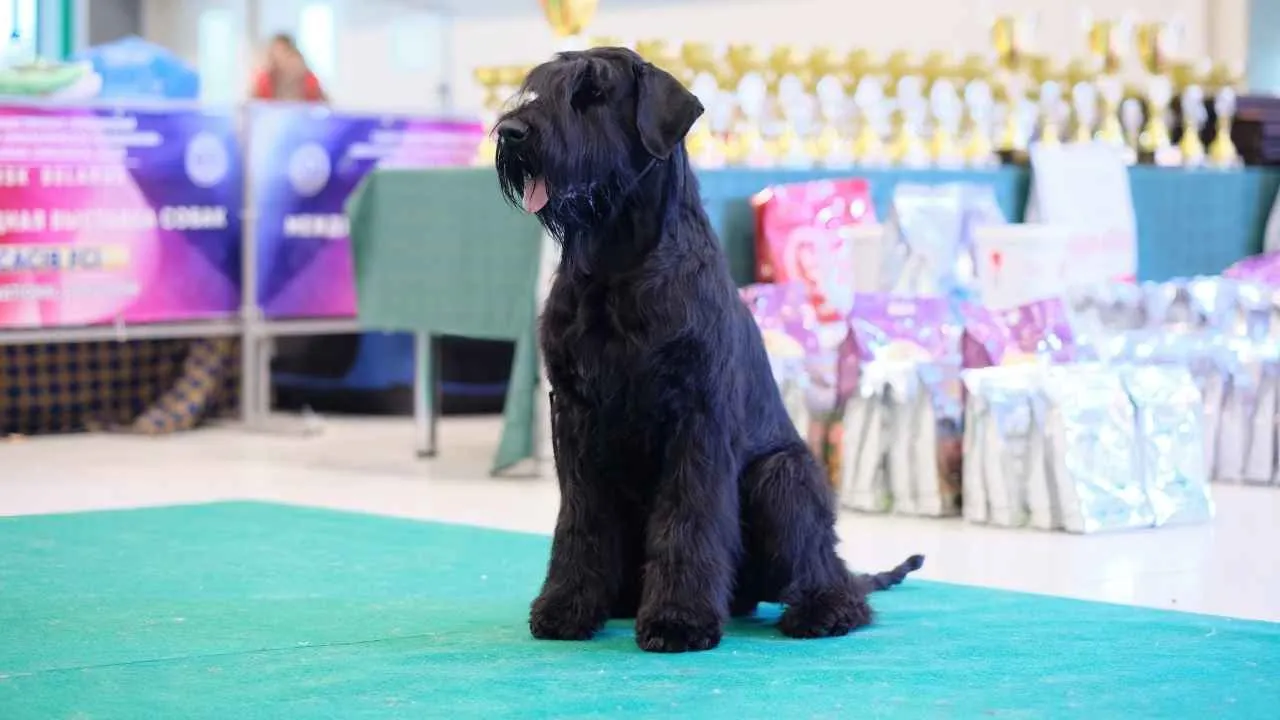
The Giant Schnauzer commands attention through presence alone. Tall, broad-shouldered, and framed by a signature beard and eyebrows, this breed was developed in Germany to drive cattle and guard property. Everything about its build suggests stamina and readiness.
Energy needs to be directed, not suppressed. Long walks, mentally engaging tasks, and structured challenges help keep this breed balanced. When its drive is satisfied, the Giant Schnauzer often shows focus, reliability, and a strong sense of duty.
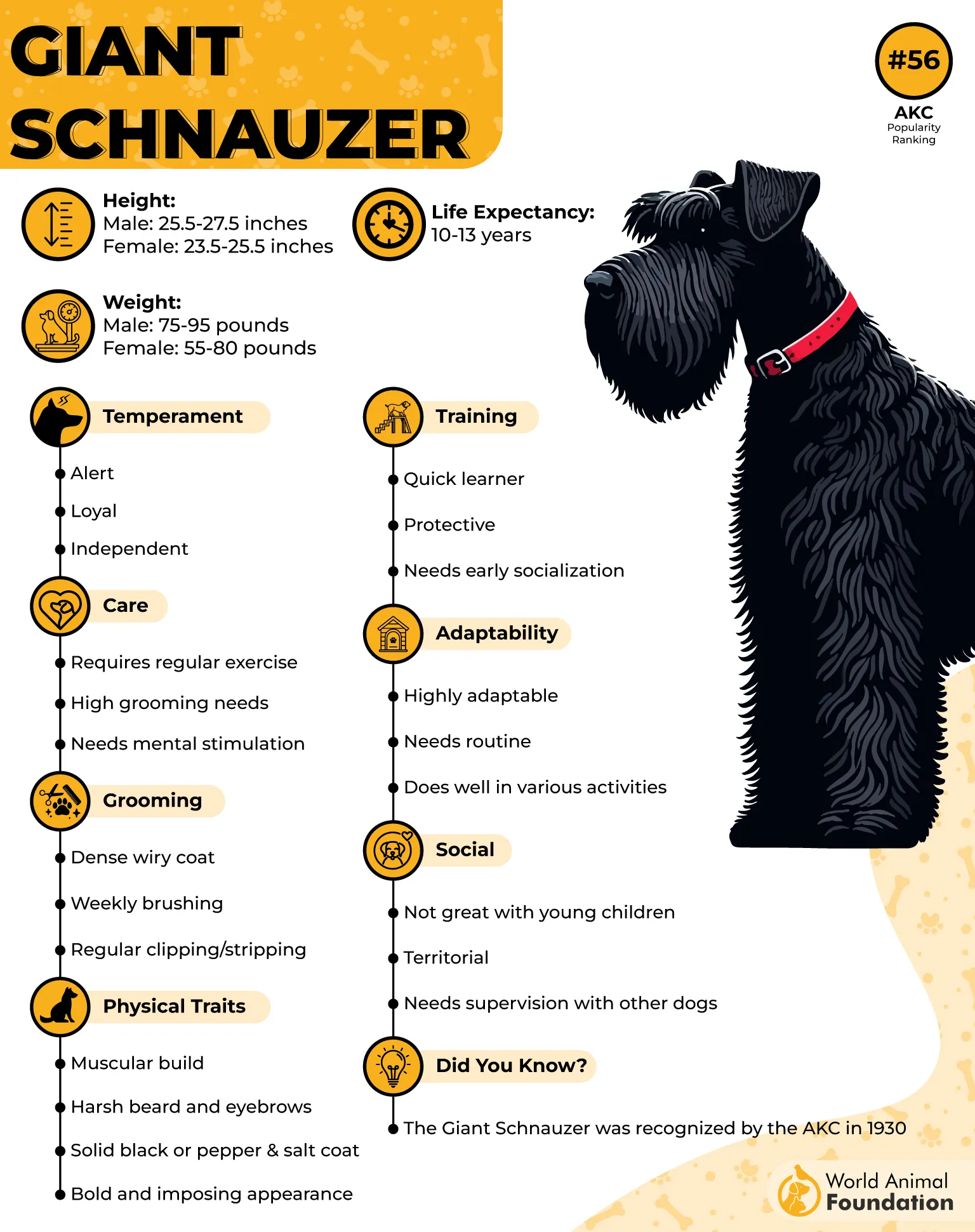
This dog prefers involvement over observation. Giant Schnauzers like to stay close to household activity, often placing themselves where they can monitor entrances, movement, and routines. They are quick to notice changes and rarely ignore what’s happening around them.
Fun Fact
Giant Schnauzers later served as police and military dogs in Europe. Their working versatility contributed to AKC recognition in 1930.
Conclusion
The best guard dogs are not just about size or a loud bark. They rely on sharp instincts, an intimidating presence when needed, and the ability to read real threats from normal activity when a visitor arrives. Many were originally bred to guard estates or work alongside people, which is why they often become natural guardians for home protection.
Training and early socialization play a major role in shaping excellent guard dogs. When guided correctly, even a large dog can live safely with family members, small children, and other animals while remaining alert in threatening situations.
Other breeds, such as the Staffordshire Bull Terrier, Tibetan Mastiff, Rhodesian Ridgeback, and Great Danes, are also considered great guard dog options for families wanting protection.
